Discover the Magic of Africa Travel: Tips and Hidden Gems

Luxury African safari adventure: explore unique wildlife and tailored travel experiences.

Quick answer: Africa travel is easiest to plan when you compare season, total trip cost, transport, where to stay and the main experience you want before booking.

Ever daydream about Africa travel but get stuck on where to start—like, is it all just giant safaris or what? I totally get it. The browsing, the planning, the wild mix of excitement and “wait, do I need a plug adapter for this?” (Yes, probably!) Whether you’re gunning for the bucket-list stuff or just wanna wander off the main road (side note: you should totally check out these 10 best places to go in Africa if you’re still stuck on options), I’ve found some gems and tricks that just make everything smoother. Oh! And travel apps—lifesavers. Don’t even think about packing till you peek at this list of must-have travel apps for your vacation. Seriously, Africa isn’t just a “one recipe fits all” deal; each country’s got its own flavor, promise.

Discover the Magic of Africa Travel: Tips and Hidden Gems


Explore the Wonders of South Africa – A World in One Country

If I had a dollar for every time someone raved about South Africa—a whopping, flavor-packed stew of cultures—I’d have enough to buy all the samosas at a Cape Town market. Here’s why I swear you can’t skip it:

  • Cape Town alone could fill a week (Table Mountain! Insane food! Penguins. You heard me. Penguins).
  • Road trips are basically mandatory—those Garden Route views are not subtle about showing off.
  • Wine lovers, you’ll want to move into the vineyards. Lunches here hit five-star restaurant level—picnics with a mountain view, you kidding me?
  • Look up “diversity” and you’ll just get a photo of the South African landscape.
“I thought I was just coming for the wildlife, but South Africa caught me off-guard with its food and people. It’s got energy, you know?” – Jen, backpacker and self-confessed biltong addict
Discover the Magic of Africa Travel: Tips and Hidden Gems

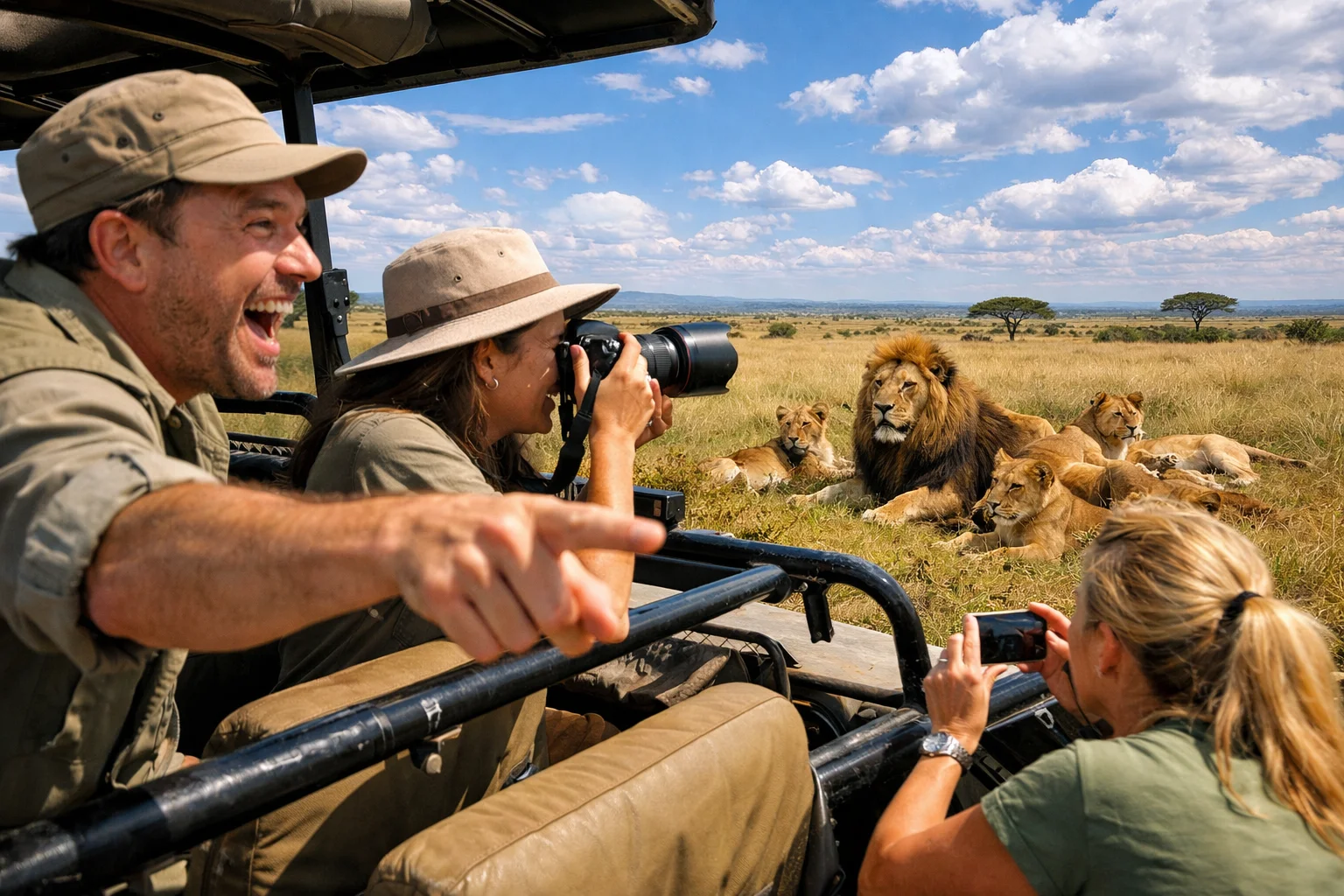
Unforgettable Adventures in Kenya – Land of the Safari

Kenya’s a classic, but man, it’s got some curveballs (in the best way). Think beyond lions:

  • Maasai Mara is safari central, sure—but the hot air balloon sunrise is what actually sticks.
  • Diani Beach? Post-safari chill spot. White sand so fine I found it in my shoes for days.
  • Markets are spicy, chaotic, and genuinely warm. Buy the mango from a cart; trust me on this.
  • Local guides make the biggest difference—storytelling that’s a show and a history lesson all at once.


Discover the Magic of Zambia – Wilderness Wonderland

Like your travel with less crowd and more “did you hear that hippo?” Zambia’s a secret I almost (almost) didn’t wanna share:

  • Victoria Falls is louder and wilder than the postcards let on.
  • Canoe safaris! Forget the jeep—gliding along the Zambezi River was the real deal for me.
  • Wild campsites. Think campfire under the stars, listening for elephants. (Tingly nerves, but safe.)
  • People are just…genuine. Got invited to dinner after a ten-minute chat—felt like visiting a cousin.


Enchanting Madagascar Awaits – Uncover Nature’s Hidden Gem

Forget movie lemurs—real Madagascar is something else entirely:

  • Baobab trees look almost fake—like some broccoli-forest from a painting.
  • Local markets are FULL of things you don’t recognize—but you’ll want to try all of them. Vanilla and zebu steak? Yes please.
  • Trekking in rainforests that make you feel like Indiana Jones, minus the stress.
  • Infrastructure’s a little wild—bumpy roads, quirky hotels, but worth every, uh, “adventure detour.”


Luxury Safaris

Alright, so maybe you want a slice of high-life with your safari. Been there, treated myself—totally recommend:

  • Private game drives mean you see the magic without the crowds or awkward bus chatter.
  • Sundowners (fancy word for drinks at sunset) with herds of elephants in the distance. Possible? Yep, and it’s honestly surreal.
  • Stays range from tented camps (that are nicer than my apartment) to lodges with infinity pools. Dreamy.
  • Good news: affordable options exist—see these affordable safari experiences in Africa and budget-friendly safari destinations in East Africa if you wanna mix luxury and value.

Common Questions

Do I need a visa for every African country?
Not quite. Each country does its own thing—always check before you go (so much less stress).

Is Africa safe for solo travelers, especially women?
Depends on where you’re headed. Some spots are super chill, others need a bit more caution. Read up (and maybe peek at this safety guide for women).

Budget or luxury—which is better?
Honestly, both rock. Mix and match if you can—splurge on a night, balance with local stays.

What’s the deal with food? Is it spicy?
Can be! But it’s way more diverse than people think. Street snacks, grilled meats, mind-blowing stews—you’ll never go hungry.

What essential items should I pack?
Light layers, plug adaptors, bug spray, and an open mind. (Oh, and a power bank. Lifesaver for those marathon travel days.)


Ready to Cook Up Your Own Africa Adventure?

Alright, I hope you’re a little less daunted and a whole lot more hyped for Africa travel now. No two trips (heck, no two lunches) on this continent are ever the same. There’s so much to experience, whether you’re chasing those Luxury African Safaris and Tours or following your own path using the Africa Travel Guide. And honestly, the real magic’s in the in-between moments—like a random roadside snack, or a spirited chat with a stranger. Want some travel inspo? Head over to Africa Travel for even more local flavor, or check out what’s new at Johannesburg’s Airbnb Africa Travel Summit.

Give it a try. Go slow, joke with your guides, and—my personal mantra—never skip dessert if there’s a chance to try something new. You’ll come home with better stories than any postcard can show.

Discover the Magic of Africa Travel: Tips and Hidden Gems

2026 Planning Update for Africa Travel

A stronger Africa travel plan starts with intent. Decide whether the trip is about price, scenery, comfort, food, events, outdoor access or a specific bucket-list moment. That decision makes the rest of the planning easier because every hotel, transfer and activity can be judged against the same goal.

For 2026, travelers should also compare total trip cost instead of only headline prices. A cheap hotel can become expensive if transport is weak, while a slightly higher nightly rate can save money if it includes breakfast, transit access or a better location.

Budget and Booking Tips

  • Book refundable accommodation early, then keep comparing prices.
  • Check airport, train or bus access before choosing where to stay.
  • Plan one main paid experience per day instead of overloading the itinerary.
  • Use grocery stops, local transport and shoulder-season dates to control costs.
  • Keep a small buffer for weather, delays, luggage storage or last-minute transfers.

Internal Planning Links

Official Resource to Check

Before finalizing the trip, check an official resource for current rules, entry requirements, park access, event details or health guidance: U.S. State Department international travel information.

Common Mistakes to Avoid

The most common mistake is planning from one viral photo or one cheap price. A useful itinerary checks distance, opening times, weather, local holidays, transfer costs and whether the experience still works if plans change.

Another mistake is ignoring the first and last day. Arrival and departure days often decide whether a trip feels smooth or stressful, so keep them lighter and avoid booking the most important activity immediately after a long transfer.

FAQ

How do you plan Africa travel on a budget?

Start with flexible dates, compare accommodation outside the most expensive zone, check transport before booking and keep one paid activity as the main highlight.

What should you check before booking Africa travel?

Check season, local transport, cancellation rules, official travel updates, safety requirements and whether the final cost includes food, transfers and extra fees.

Is Africa travel worth it in 2026?

Yes, if the trip matches your budget, season and travel style. A focused itinerary usually gives better value than trying to visit too many places at once.
Discover the Joys of North America Travel: Tips for Your Journey

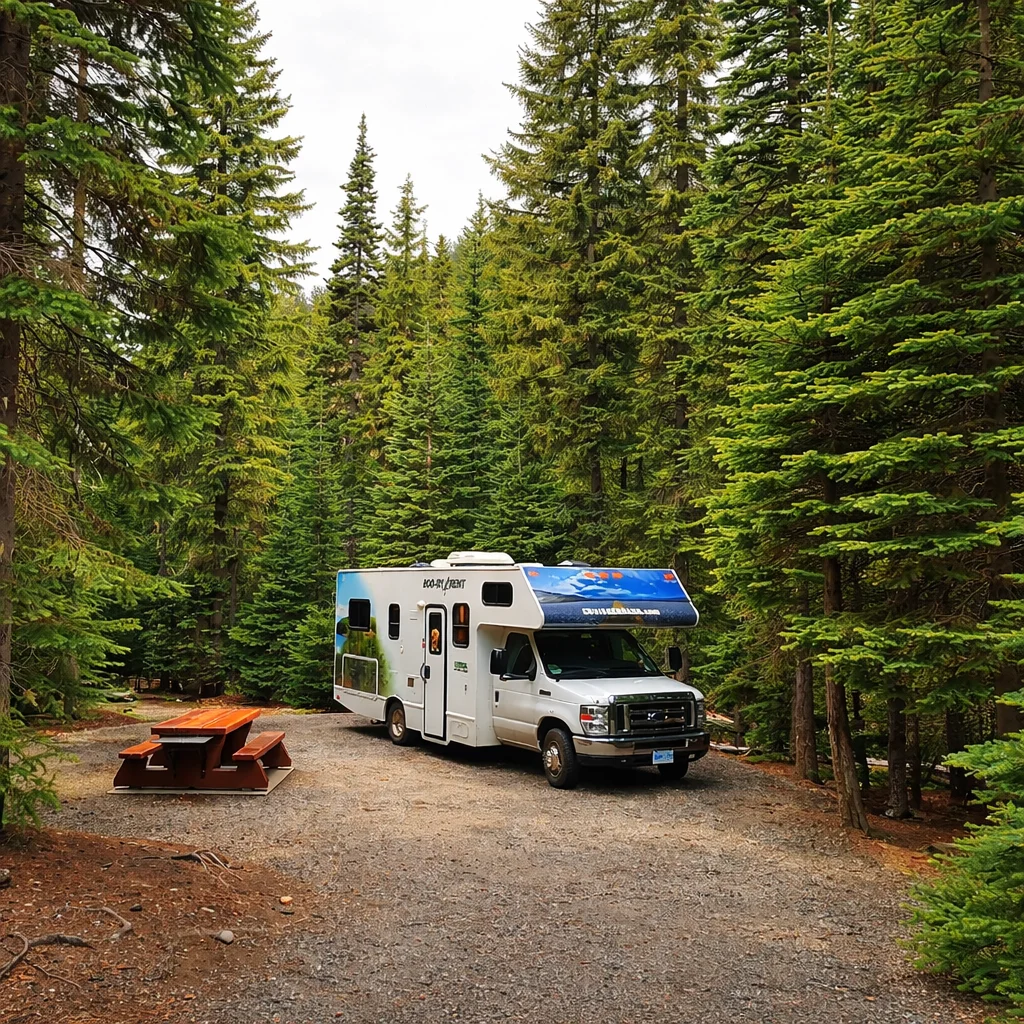
Luxury tailor-made North America travel experiences with local experts.

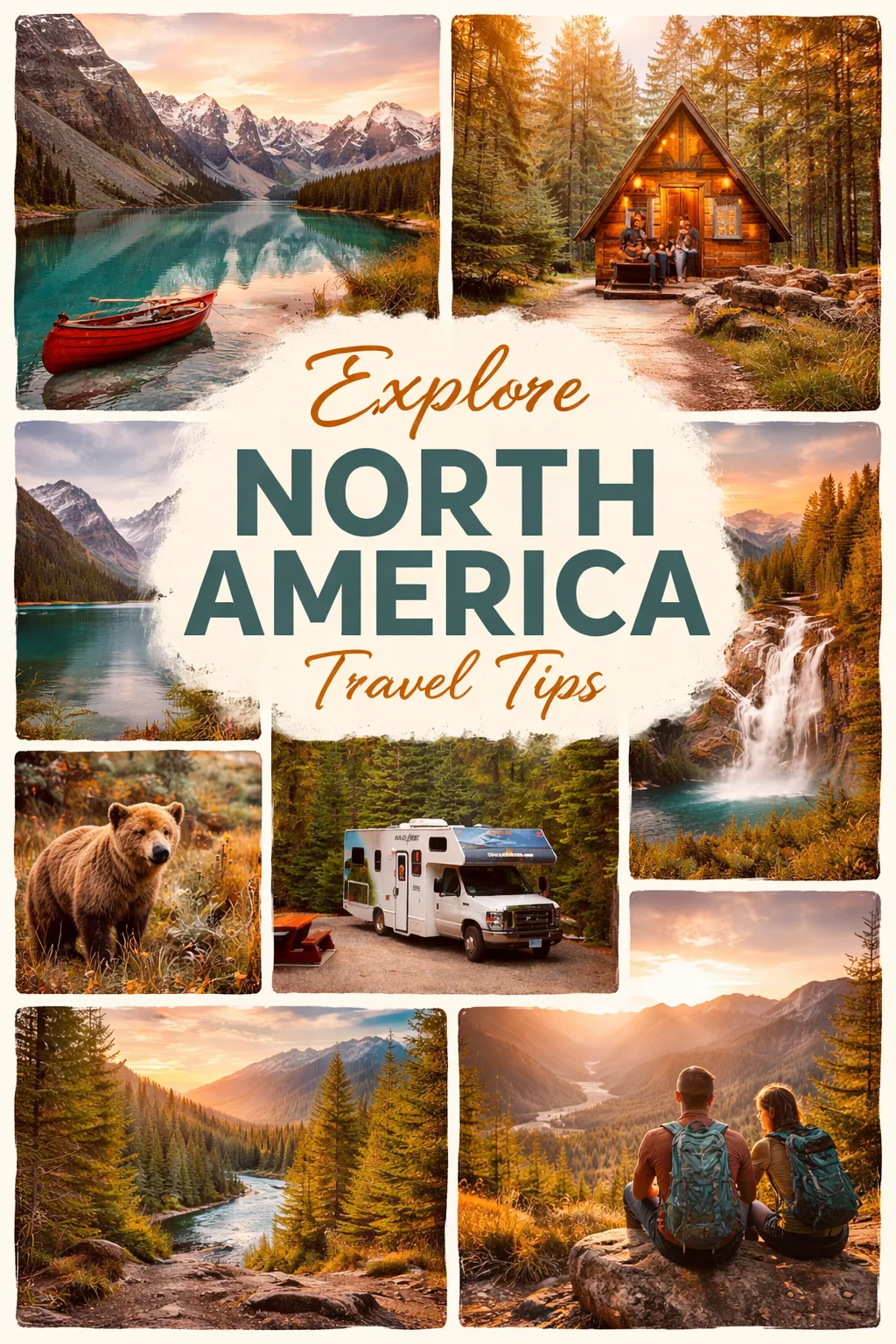
Ever feel like North America travel sounds great, but you don’t quite know where to start? Maybe you’ve got wanderlust but you’re swamped by too many choices—so you freeze up, like, what if I pick the “wrong” spot? Same. First time I tried to plan a trip, let’s just say my browser had a workout. Heck, I even got sidetracked by this train ride in America that costs $97—don’t laugh, you might now too. Oh, and don’t get me started on all those planning apps out there. (Seriously, check this helpful round-up of travel apps before you pack. Trust me.) Let’s dig in, friend—here’s the real scoop on leveling up your North America travel adventure.

Discover the Joys of North America Travel: Tips for Your Journey

Discover must-visit destinations in Canada

So, Canada—honestly, it’s underrated. There’s more than just maple syrup (though, yum). I usually get swept away in these places:

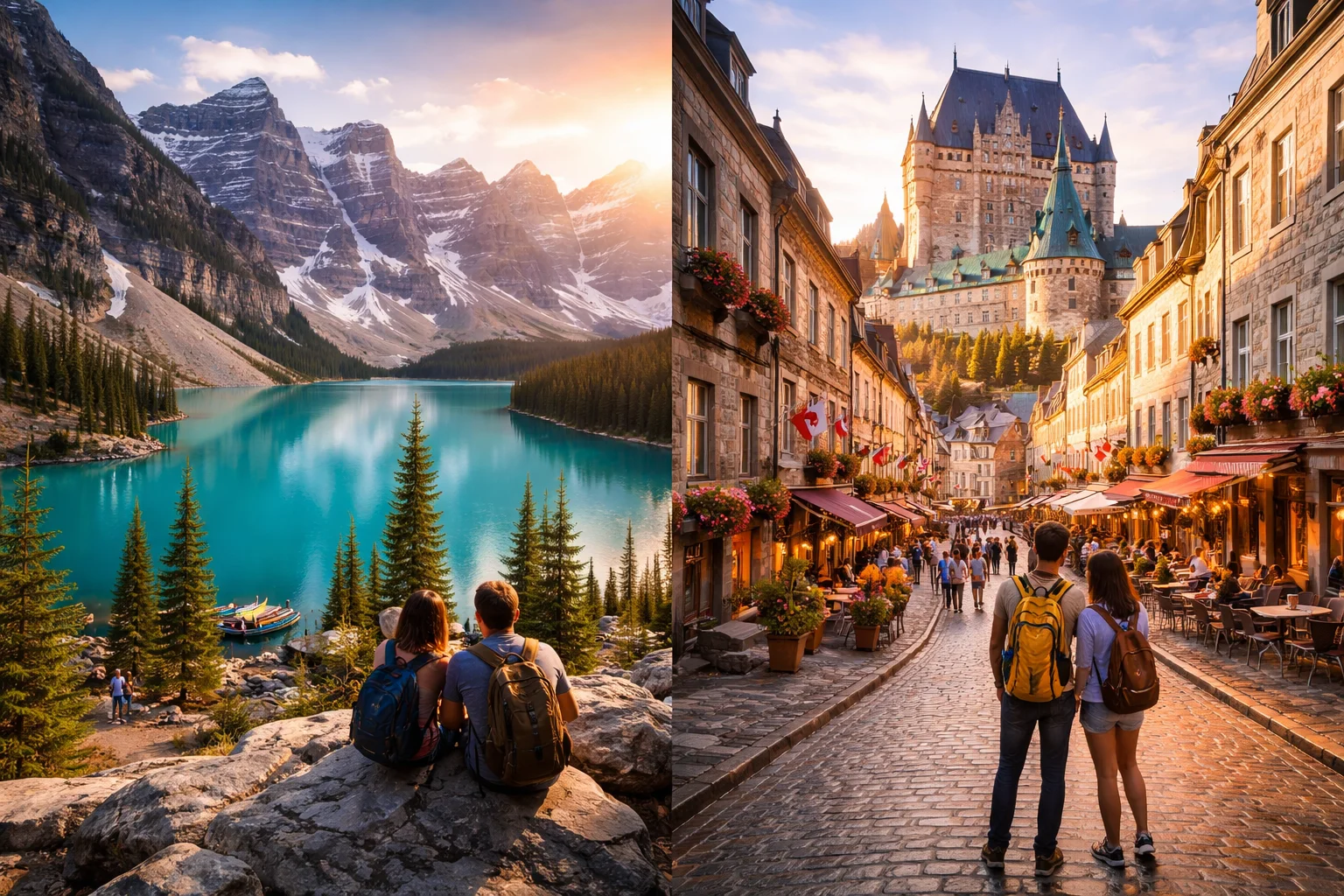
  • Banff National Park: Insane mountain views. So photogenic you’ll want to frame every shot.
  • Montreal: All the croissants, cobblestones, and way more French than your high school textbook warned you about.
  • Toronto: Super diverse. Did I mention street food that’ll knock your socks off?
  • Vancouver: Two words: urban nature. One minute, you’re eating sushi, the next, you’re hiking.

You could do any of these cities in a week, but honestly, give yourself longer if you can. Never enough time—classic, right?

“I never thought I’d fall for Canada, but Banff’s lakes were magic. Would go back tomorrow if I could!” – Jen, Texas

Discover the Joys of North America Travel: Tips for Your Journey

Explore various travel options and adventures

Look, I’m not just saying “get in a car and drive.” There are so many ways to roll—err, or fly, or even cruise.

  • Road trips: Nothing beats rolling down Highway 1 with snacks and playlists (sometimes bickering, but it’s all part of the fun).
  • Train journeys: If you love the window seat and not worrying about traffic, trains are way more charming than you’d expect. Check out those scenic rail routes.
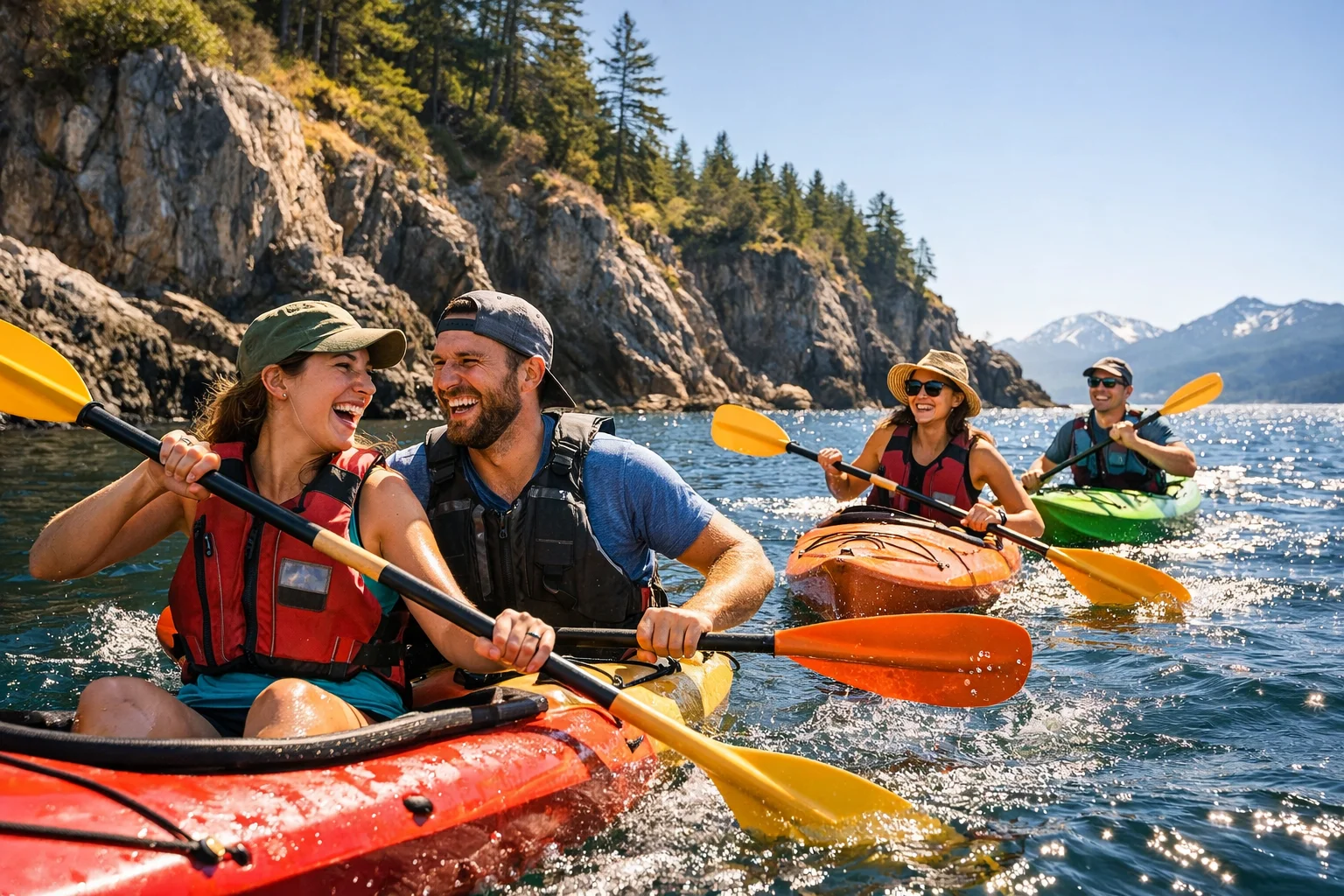
  • Adventure tours: Kayaking in British Columbia? Skiing in Colorado? Wild, but so worth it.
  • Budget hacks: If you’re not made of money (I mean, are any of us?), you’ll want to see this budget adventure travel guide—super practical tips packed in.

I mix and match, depending on the mood (and weather, which, let’s be honest, never seems to cooperate).

Understand the benefits of traveling with our services

Why bother with booking help? I used to roll my eyes, but now—hand to heart—I’m converted. Here’s why:

  • Someone else does all the boring bits: bookings, confirmations, fixing mistakes when you mess up dates (guilty).
  • Local tips you’d never hope to find from scrolling at 2 a.m.
  • Support if your plan blows up (snowstorm in April—yup, happened to me).
  • Some companies actually save you money with good deals and group discounts.

It really feels like a five-star travel experience, but without shelling out your savings. Not bad, right?

Read user testimonials and reviews

Don’t just take my word for it—listen to fellow travelers. Reviews help big-time.

  • Most travelers praise the flexibility—last-minute changes don’t scare the best providers.
  • Folks rave about local guides (the kind who know where to find the best donuts, not just facts).
  • Negative reviews? Well, I trust them, too. Look for honest feedback, not just five stars. If someone’s photo doesn’t match your vibe, keep scrolling.

It’s kind of like finding your new brunch spot, but with higher stakes (and less avocado toast).

Get inspired by the latest travel blog posts

Still not sure where to go next? I get it—so many options. I stalk travel blogs like other people stalk, well, everything else online.

  • New must-sees pop up, like every week. Blogs keep you in the loop.
  • You get those little “Aha!” moments. Like, “Wait, cheese festivals?!” Yes, it’s a thing.
  • Bloggers spill the real scoop about what’s worth your bucks and what’s totally skippable.

Honestly, after a scroll or two, my itinerary grows faster than my snacks disappear. (And trust me, I’ve got snack skills.)

Discover the Joys of North America Travel: Tips for Your Journey

Common Questions

Is North America travel good for solo travelers?
Absolutely! Tons of travelers go it alone and love the flexibility (and meeting new pals on the road). You might want to start with cities—Toronto and Montreal are super friendly.

What’s the best way to save money on North America travel?
Book early (or last minute), look for package deals, and use public transit where you can. Check out some detailed guides before you go.

Do I need special insurance?
Yes, always. Stuff happens—missed flights, lost bags, the occasional “oops.” Travel insurance’s the backup you don’t know you need till you do.

What’s one hidden gem you love?
Quebec City in winter. Feels like a snow globe.

Any packing tips?
Dress in layers. Weather is unpredictable—one minute sunny, next minute it’s basically Canada’s version of London. If you’re going in fall, don’t forget these essential items to pack.

Ready to hit the road? Here’s why you should just go

Alright, I know planning North America travel can feel like juggling flaming marshmallows, but honestly, it’s so worth it. There’s a mind-boggling mix of adventures, delicious snacks, epic train rides, and memories you’ll talk about for years. If you want more inspo, poke around a few trusty sources—Luxury Tailor-Made USA & Canada Holidays | North America Travel …, or explore that iconic North America Travel Guide | National Geographic for even more jaw-dropping ideas. You can even Contact – North America Travel Service if you want help (sometimes your brain just needs a break, right?). And for the pros out there, I’m loving the latest ideas in the North America – Book – Lonely Planet. Go ahead, book your adventure. Promise it’ll taste better than your favorite recipe.

Discover the Joys of North America Travel: Tips for Your Journey

The 17 Best Resorts in California (2023) – Bon Traveler

The best resorts in California - 2023 guide by Bon Traveler
California’s resort scene stretches from fog-kissed Northern coastline to sun-drenched desert escapes. Whether you want oceanfront cliffside spas, historic vineyard estates, or secluded redwood retreats, the Golden State has a resort for every mood and season. Before diving into regional picks, you might enjoy a contrasting tropical destination that offers perspective on lagoon-front relaxation in our Bacalar Lagoon guide, which highlights a different kind of water-centered serenity.Below is a curated, region-by-region guide to 17 standout California resorts — selected for location, atmosphere, amenities, and distinct local experiences.

Northern California (Redwoods, Wine Country, Coast)

  1. Post Ranch Inn, Big Sur — Perched above the Pacific, this intimate eco-minded resort blends dramatic ocean views, contemporary rooms, and a celebrated spa. Ideal for romance and stargazing.
  2. Cavallo Point, Sausalito — Historic military buildings converted into elegant lodgings with sweeping views of the Golden Gate; great for cultural exploration of nearby San Francisco.
  3. Ventana Big Sur, an Alila Resort — A luxe retreat focused on wellness, with redwood hikes, alfresco dinners, and spacious suites tailored to unplugging.
  4. Cavallo Point / Auberge-style properties in Wine Country — Boutique hotels in Napa and Sonoma that combine vineyard access with Michelin-caliber dining (several properties offer vineyard tours and private tastings).

Central Coast (Surf Towns, Clifftop Views)

  1. Post Ranch Inn (mentioned above) fits this coastline as well, but for variety:
  2. Alila Ventana — (See regional picks for comparable clifftop, wellness-focused stays.)
  3. The Ranch at Laguna Beach — A coastal property with a wellness focus, activities like surf lessons and guided hikes, and strong local art connections.
  4. Carmel Valley Ranch — Known for sprawling grounds, farm-to-table dining, golf, and family-friendly activities set inland from the Carmel cliffs.
  5. Ponte Vedra / Pebble Beach-style luxury — Coastal golf-and-stay resorts with ocean vistas, fine dining, and curated seaside experiences.

Central California & Monterey Bay

  1. Monterey Plaza Hotel & Spa, Monterey — Oceanfront rooms with immediate access to Cannery Row, aquarium visits, and harbor cruises.
  2. Bernardus Lodge & Spa, Carmel Valley — A tranquil vineyard-adjacent resort with personalized service and a locally focused spa.

Southern California (Beaches to Mountains)

  1. The Resort at Pelican Hill, Newport Coast — Italian-inspired architecture, oceanside colonnades, and a championship golf experience.
  2. Terranea Resort, Rancho Palos Verdes — A large coastal resort with multiple pools, tidepool walks, canoeing, and extensive dining options.
  3. Ojai Valley Inn, Ojai — A pastoral wellness resort tucked into the mountains, celebrated for its holistic spa, creative arts programming, and quiet luxury.
  4. Hotel del Coronado, San Diego — A historic, iconic beachfront resort with Victorian charm and modern amenities, perfect for classic Southern California seaside glamour.
  5. Four Seasons Resort The Biltmore Santa Barbara — Timeless luxury amid palms and ocean breezes with easy access to Santa Barbara’s wine trails.

Desert Escapes (Palm Springs & Beyond)

  1. La Quinta Resort & Club, Palm Springs — Known for desert golf, pools set among palms, and desert serenity across expansive grounds.
  2. ACE Hotel & Swim Club, Palm Springs — A trendier, design-forward option with a lively pool scene and retro-meets-modern vibe.

How these picks were chosen

  • Location: proximity to unique natural features (ocean cliffs, vineyards, redwoods, deserts).
  • Character: historic properties, design-forward hotels, and eco-conscious retreats.
  • Amenities: spas, culinary programs, outdoor activities, family-friendly offerings.
  • Value: a range from ultra-luxe to boutique properties that offer memorable experiences.

Tips for Planning Your California Resort Stay

  • Timing: Coastal fog is common in late spring/early summer (the “June Gloom”); late summer and early fall usually offer the clearest beach weather. Desert resorts shine in cooler months (fall–spring).
  • Book spa and dining reservations well in advance for top resorts, especially on weekends and holidays.
  • Consider transportation: some properties are best reached by car; others are near regional airports or easy transfers.
  • Look for package deals that combine activities like wine tours, golf, or spa credits to maximize value.

Sustainable and Wellness-Focused Stays

Many California resorts now emphasize sustainability — from on-site organic gardens to water-wise landscaping and renewable energy initiatives. If reducing your footprint matters, inquire about local sourcing policies, waste reduction practices, and conservation partnerships before booking.

Conclusion

For more stories and regional suggestions that spotlight the best of Central California’s coast, wine country, and scenic drives, see the collection of Central California features on Bon Traveler at Central California resort guides on Bon Traveler.

2026 Planning Update for Best Resorts

A stronger best resorts plan starts with intent. Decide whether the trip is about price, scenery, comfort, food, events, outdoor access or a specific bucket-list moment. That decision makes the rest of the planning easier because every hotel, transfer and activity can be judged against the same goal.

For 2026, travelers should also compare total trip cost instead of only headline prices. A cheap hotel can become expensive if transport is weak, while a slightly higher nightly rate can save money if it includes breakfast, transit access or a better location.

Budget and Booking Tips

  • Book refundable accommodation early, then keep comparing prices.
  • Check airport, train or bus access before choosing where to stay.
  • Plan one main paid experience per day instead of overloading the itinerary.
  • Use grocery stops, local transport and shoulder-season dates to control costs.
  • Keep a small buffer for weather, delays, luggage storage or last-minute transfers.

Internal Planning Links

Official Resource to Check

Before finalizing the trip, check an official resource for current rules, entry requirements, park access, event details or health guidance: U.S. State Department international travel information.

Common Mistakes to Avoid

The most common mistake is planning from one viral photo or one cheap price. A useful itinerary checks distance, opening times, weather, local holidays, transfer costs and whether the experience still works if plans change.

Another mistake is ignoring the first and last day. Arrival and departure days often decide whether a trip feels smooth or stressful, so keep them lighter and avoid booking the most important activity immediately after a long transfer.

FAQ

How do you plan best resorts on a budget?

Start with flexible dates, compare accommodation outside the most expensive zone, check transport before booking and keep one paid activity as the main highlight.

What should you check before booking best resorts?

Check season, local transport, cancellation rules, official travel updates, safety requirements and whether the final cost includes food, transfers and extra fees.

Is best resorts worth it in 2026?

Yes, if the trip matches your budget, season and travel style. A focused itinerary usually gives better value than trying to visit too many places at once.
What To See In Italy In 12 Days — 2025 Complete Guide

Travel itinerary for exploring Italy in 12 days, featuring top sights and activities.
Italy in 12 days is a delightful sprint through history, art, food, and spectacular landscapes. This guide gives a day-by-day plan that balances iconic sights with slower-paced time to taste gelato, wander alleys, and linger over espresso. Before you go, consult this 20 traveling to Italy tips: your ultimate guide for practical pre-trip advice on packing, visas, and money matters.

Quick planning overview

  • Best seasons: late spring (May–June) and early fall (September–October) for fewer crowds and pleasant weather.
  • Travel style: mainly by train—fast, frequent, and scenic—so you can avoid driving and enjoy city-to-city travel.
  • Book ahead: major museums, Vatican entry, and some Cinque Terre ferries require pre-booking during high season (2025 will be busy as tourism rebounds).
  • Luggage: bring a carry-on-friendly bag for easier mobility on trains and cobblestone streets.

12-Day Italy Itinerary (day-by-day)

Day 1 — Arrival in Rome Arrive, check into your hotel, and take it easy. Walk around the Centro Storico: the Spanish Steps, Piazza Navona, and the Pantheon are perfect low-effort introductions.Day 2 — Ancient Rome Spend the day at the Colosseum (book a timed entry), the Roman Forum, and Palatine Hill. Evening: dinner in Trastevere for authentic Roman cuisine.Day 3 — Vatican City & Hidden Corners Morning at the Vatican Museums and St. Peter’s Basilica (reserve a skip-the-line slot). Afternoon: explore Castel Sant’Angelo or lesser-known neighborhoods like Testaccio for local food.Day 4 — Train to Florence + First Impressions Take a morning train to Florence (1.5–2 hours). After check-in, visit Piazza del Duomo and climb (or admire) Brunelleschi’s dome from the outside. Evening stroll across Ponte Vecchio.Day 5 — Florence Art & Food Uffizi Gallery in the morning (pre-book), then the Accademia to see Michelangelo’s David. Sample Florentine steak and gelato; climb Piazzale Michelangelo at sunset for panoramic views.Day 6 — Day Trip: Pisa or Siena Choose Pisa to tick off the Leaning Tower (quick visit) or Siena for medieval streets and the gorgeous Piazza del Campo. Return to Florence for the night.Day 7 — Travel to Cinque Terre Head north to La Spezia, then transfer to the Cinque Terre villages. Base yourself in Monterosso or Vernazza and enjoy sunset by the sea.Day 8 — Explore the Cinque Terre Hike or take the local trains/boats between villages—Manarola, Corniglia, Vernazza, and Riomaggiore. Try the local pesto, seafood, and Sciacchetrà wine.Day 9 — Train to Venice Longer travel day to Venice (approx. 4–5 hours). Arrive mid-afternoon and wander piazzas and canals—St. Mark’s Square and the Rialto Bridge are classic early stops.Day 10 — Venice sights & a gondola moment Visit St. Mark’s Basilica and the Doge’s Palace (reserve a tour). Get lost in the calli (narrow alleys) and consider a sunset gondola or vaporetto ride on the Grand Canal.Day 11 — Milan or Lake Como Travel to Milan for fashion, the Duomo, and Leonardo da Vinci’s Last Supper (book months ahead), or head to Lake Como for alpine scenery and villas—each offers a different final-act vibe.Day 12 — Leisure day and departure If you stayed in Como, relax by the lake; if Milan, do last-minute shopping or museum time before heading to the airport or train station.

Where to save time (and where to linger)

  • Save time by booking timed entrances for the Colosseum, Vatican, Uffizi, and Last Supper well in advance.
  • Linger in neighborhoods rather than trying to see every museum—Trastevere (Rome), Oltrarno (Florence), and Dorsoduro (Venice) reward slow wandering.

Getting around

  • Trains: Italy’s high-speed network (Frecciarossa, Italo) connects major cities; regional trains link smaller towns. Validate regional tickets if required.
  • Local transport: Venice uses water buses; Cinque Terre relies on local rail and ferries. Buy multi-day local passes if you’ll use public transport heavily.

Accommodation recommendations

  • Rome & Florence: central 3–4 star boutique hotels or well-located B&Bs for walking access.
  • Cinque Terre: smaller guesthouses or family-run hotels—book early for sea views.
  • Venice: stay on the main islands if you want easy access to attractions, but be prepared for higher prices.

Food & drink highlights

  • Rome: cacio e pepe, carbonara, supplì.
  • Florence: bistecca alla fiorentina, ribollita.
  • Cinque Terre: fresh focaccia, anchovies, pesto.
  • Veneto: cicchetti (small plates), risotto al nero di seppia.
  • Try regional wines wherever you go—Italy’s variety is enormous.

Practical tips for 2025

  • Tickets & reservations: plan at least 2–3 months ahead for high-demand attractions, especially in peak season.
  • Cash vs. card: cards are widely accepted, but small cafés and markets may prefer cash.
  • Respect local customs: many churches require modest dress; dining hours are typically later than in some countries.

Sample packing checklist

  • Comfortable walking shoes, light layers, a compact umbrella, plug adapter, daypack, photocopies of travel documents, medications, and a reusable water bottle (Italy has many drinking fountains in cities).

Final safety and etiquette notes

  • Watch for pickpockets in crowded tourist areas, especially on trains and at major sights.
  • Tip modestly—service is often included, but rounding up or leaving small change is appreciated.
  • Learn a few basic Italian phrases—locals value the effort.

Conclusion

If you want a slightly longer version or alternate routing ideas for a two-week stay, this detailed itinerary called The Best of Italy: Ultimate Two Week Italy Itinerary (14 Days) offers extended options and extra city suggestions to expand on the 12-day plan above.

2026 Planning Update for Italy In 12 Days

A stronger Italy In 12 Days plan starts with intent. Decide whether the trip is about price, scenery, comfort, food, events, outdoor access or a specific bucket-list moment. That decision makes the rest of the planning easier because every hotel, transfer and activity can be judged against the same goal.

For 2026, travelers should also compare total trip cost instead of only headline prices. A cheap hotel can become expensive if transport is weak, while a slightly higher nightly rate can save money if it includes breakfast, transit access or a better location.

Budget and Booking Tips

  • Book refundable accommodation early, then keep comparing prices.
  • Check airport, train or bus access before choosing where to stay.
  • Plan one main paid experience per day instead of overloading the itinerary.
  • Use grocery stops, local transport and shoulder-season dates to control costs.
  • Keep a small buffer for weather, delays, luggage storage or last-minute transfers.

Internal Planning Links

Official Resource to Check

Before finalizing the trip, check an official resource for current rules, entry requirements, park access, event details or health guidance: U.S. State Department international travel information.

Common Mistakes to Avoid

The most common mistake is planning from one viral photo or one cheap price. A useful itinerary checks distance, opening times, weather, local holidays, transfer costs and whether the experience still works if plans change.

Another mistake is ignoring the first and last day. Arrival and departure days often decide whether a trip feels smooth or stressful, so keep them lighter and avoid booking the most important activity immediately after a long transfer.

FAQ

How do you plan Italy In 12 Days on a budget?

Start with flexible dates, compare accommodation outside the most expensive zone, check transport before booking and keep one paid activity as the main highlight.

What should you check before booking Italy In 12 Days?

Check season, local transport, cancellation rules, official travel updates, safety requirements and whether the final cost includes food, transfers and extra fees.

Is Italy In 12 Days worth it in 2026?

Yes, if the trip matches your budget, season and travel style. A focused itinerary usually gives better value than trying to visit too many places at once.
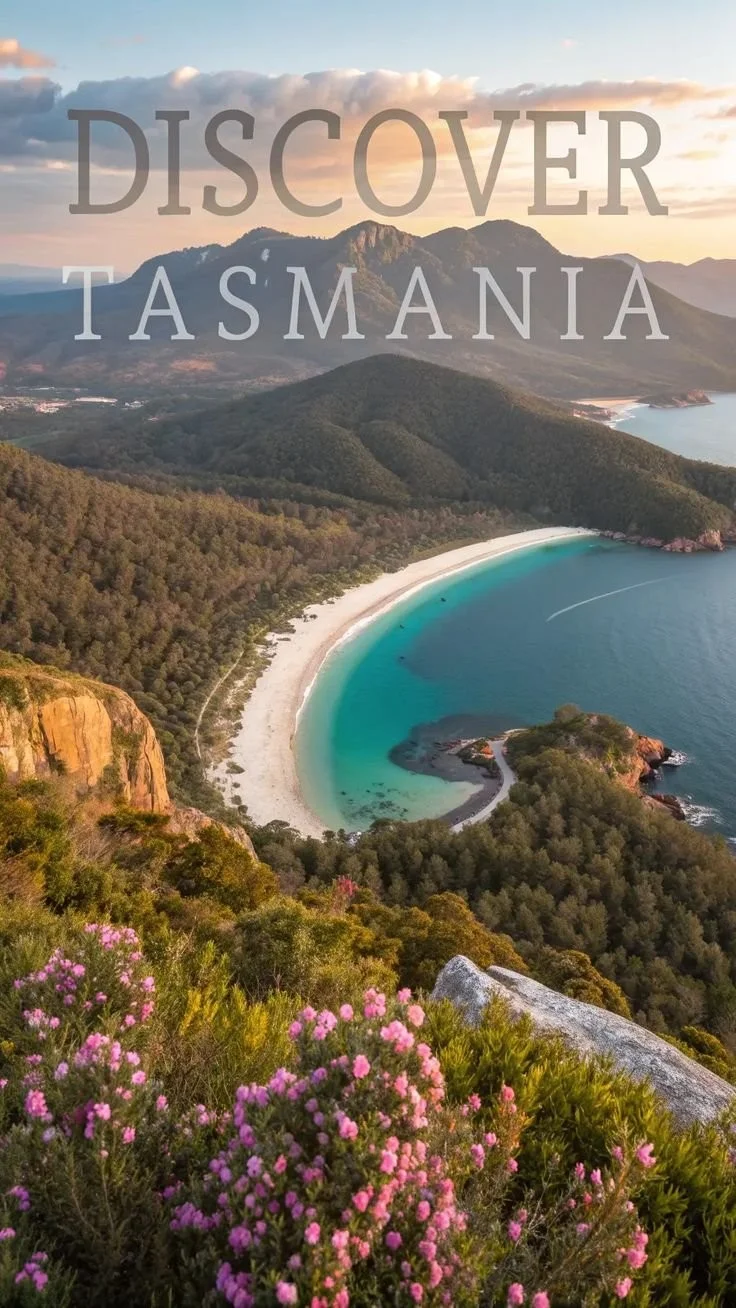
Tasmania Bucket List: Hidden Gems & Epic Nature Escapes 🌿⛰️

Tasmania Bucket List showcasing hidden gems and nature escapes

Tasmania Bucket List: Hidden Gems & Epic Nature Escapes 🌿⛰️

Introduction Discovering Tasmania feels like opening a map of secrets: jagged coastlines, misty mountain plateaus, glassy bays and forests that have been uninterrupted for millennia. If you love getting off the beaten path, start your planning here and broaden your curiosity with a trusted resource on lesser-known travel finds from beyond our shores by exploring this guide to the best hidden gems in Europe—it’s useful for techniques on finding quiet, unforgettable spots wherever you go.Where to go: must-see wild places
  • Cradle Mountain-Lake St Clair National Park: Hike sections of the Overland Track, but also take shorter walks to Dove Lake or the less-traveled Marion’s Lookout for dramatic alpine views and button grass plains.
  • Bay of Fires: Orange lichen on white granite, miles of empty sand and crystalline water—perfect for beach walks, sunrise photography and quiet camping.
  • Maria Island: A wildlife sanctuary with tame wombats, painted cliffs and convict-era ruins; cycle the quiet roads and stay overnight to feel the island slow down.
Hidden-gem hikes and remote lookouts
  • Hartz Mountains: Alpine tarns and snow gums with short but rewarding trails; a great alternative when Cradle Mountain gets crowded.
  • Mt. Field National Park: Visit the towering swamp gums and step behind Russell Falls for a more intimate waterfall experience.
  • The Tarkine: Ancient temperate rainforest and wild river country in the northwest—ideal for multi-day drives, short walks and remote photography without the crowds.
Coastal escapes & island hopping
  • Bruny Island: Sample artisan cheeses and oysters, then climb the Truganini Lookout for panoramic views. Take a coastline cruise for sea-cliff and wildlife spotting.
  • Wineglass Bay and Freycinet Peninsula: Famous for a reason—balanced with early starts or shoulder-season visits, you can enjoy solitary stretches of sand and pink granite outcrops.
  • Southern bays and hidden coves: Rent a kayak or join a guided sea-kayak trip to explore sea caves, beaches accessible only by water and abundant marine life.
Nature experiences off the map
  • Night skies and bioluminescence: Away from light pollution, Tasmania’s southern latitudes reveal spectacular Milky Way views; check for local bioluminescence events on sheltered beaches.
  • Wildlife encounters: Dawn or dusk is best for spotting Tasmanian devils at sanctuaries, echidnas crossing the road, and seabird colonies; always observe from a respectful distance.
  • Foraging and food trails: Farmers’ markets, oyster farms and vineyard cellar doors reward those who seek local flavors—combine short drives with farm-gate stops.
Practical tips for adventurous travelers
  • Timing: Spring and autumn balance mild weather and fewer visitors. Summer brings long daylight hours but book ahead for popular spots.
  • Transport and access: A rental car is the most flexible way to reach remote bays and forest trails; some island trips require advance bookings.
  • Safety and conservation: Leave no trace—pack out what you pack in, stick to established paths where indicated, and respect wildlife and cultural sites.
Sample 3-day mini-itinerary (for inspiration) Day 1: Arrive Hobart — drive to Bruny Island for coastal walks and produce tasting. Day 2: Head east to Freycinet — short hike to the Wineglass Bay lookout, evening beach walk. Day 3: Drive northwest toward Cradle Mountain or Mt Field for alpine scenery, return via scenic stops.

Conclusion

For broader inspiration on must-do experiences across Australia that can complement a Tasmanian adventure, see this curated list of Australia’s bucket list: 101 things to do and see which offers ideas to extend your trip beyond the island.

2026 Planning Update for Tasmania Bucket List

A stronger Tasmania Bucket List plan starts with intent. Decide whether the trip is about price, scenery, comfort, food, events, outdoor access or a specific bucket-list moment. That decision makes the rest of the planning easier because every hotel, transfer and activity can be judged against the same goal.

For 2026, travelers should also compare total trip cost instead of only headline prices. A cheap hotel can become expensive if transport is weak, while a slightly higher nightly rate can save money if it includes breakfast, transit access or a better location.

Budget and Booking Tips

  • Book refundable accommodation early, then keep comparing prices.
  • Check airport, train or bus access before choosing where to stay.
  • Plan one main paid experience per day instead of overloading the itinerary.
  • Use grocery stops, local transport and shoulder-season dates to control costs.
  • Keep a small buffer for weather, delays, luggage storage or last-minute transfers.

Internal Planning Links

Official Resource to Check

Before finalizing the trip, check an official resource for current rules, entry requirements, park access, event details or health guidance: U.S. State Department international travel information.

Common Mistakes to Avoid

The most common mistake is planning from one viral photo or one cheap price. A useful itinerary checks distance, opening times, weather, local holidays, transfer costs and whether the experience still works if plans change.

Another mistake is ignoring the first and last day. Arrival and departure days often decide whether a trip feels smooth or stressful, so keep them lighter and avoid booking the most important activity immediately after a long transfer.

FAQ

How do you plan Tasmania Bucket List on a budget?

Start with flexible dates, compare accommodation outside the most expensive zone, check transport before booking and keep one paid activity as the main highlight.

What should you check before booking Tasmania Bucket List?

Check season, local transport, cancellation rules, official travel updates, safety requirements and whether the final cost includes food, transfers and extra fees.

Is Tasmania Bucket List worth it in 2026?

Yes, if the trip matches your budget, season and travel style. A focused itinerary usually gives better value than trying to visit too many places at once.

19 Must-See Locations In South America

19 must-see locations in South America for an unforgettable travel experience
South America is a continent of dramatic contrasts: soaring peaks, sprawling rainforests, windswept deserts, and colorful colonial cities. Whether you crave remote wilderness, rich history, or vibrant urban culture, these 19 destinations should be on your radar. If you’re traveling solo and want city ideas or practical tips, consider the curated list of best cities for solo travelers in South America to help plan your route.
  1. Machu Picchu, Peru An iconic Inca citadel perched high in the Andes, Machu Picchu rewards hikers and history lovers alike with dramatic terraces, stonework, and sweeping valley views. Visit early in the morning to catch mist rolling off the mountains.
  2. Galápagos Islands, Ecuador A living laboratory of evolution, the Galápagos offers unparalleled wildlife encounters—giant tortoises, marine iguanas, and blue-footed boobies—plus crystal-clear snorkeling and volcanic landscapes.
  3. Iguazú Falls, Argentina/Brazil One of the world’s largest waterfall systems, Iguazú’s thundering cascades are framed by subtropical rainforest. Walk the catwalks on both the Argentine and Brazilian sides for different perspectives.
  4. Torres del Paine National Park, Chile Jagged granite towers, glacial lakes, and lenga forests make Torres del Paine a trekking mecca. Multi-day circuits and day hikes offer access to dramatic scenery and abundant wildlife.
  5. Salar de Uyuni, Bolivia The planet’s largest salt flat transforms into a surreal mirror after rains and a blinding expanse of white in dry months. Visit the train cemetery, Incahuasi Island, and nearby deserts on a 4×4 tour.
  6. Amazon Rainforest (Brazil, Peru, Ecuador, Colombia, Bolivia) The Amazon Basin is a biodiversity hotspot. Stay at an eco-lodge or join a guided river expedition to see wildlife, learn about indigenous cultures, and explore flooded forests.
  7. Perito Moreno Glacier, Argentina Near El Calafate, this massive Patagonian glacier calves into Lake Argentino with spectacular crashes. Walk the viewing platforms or take a boat for a closer view.
  8. Cartagena, Colombia A beautifully preserved colonial port city on the Caribbean coast, Cartagena charms with pastel facades, walled streets, lively plazas, and excellent seafood.
  9. Rio de Janeiro, Brazil Famed for its beaches, samba, and dramatic setting between mountains and ocean, Rio’s highlights include Sugarloaf Mountain, Christ the Redeemer, and Copacabana beach culture.
  10. Buenos Aires, Argentina Launched by European-style boulevards and vibrant neighborhoods like Palermo and San Telmo, Buenos Aires is the continent’s cultural hub—tango, parrillas (steakhouses), and late-night cafés.
  11. Atacama Desert, Chile One of the driest places on Earth, the Atacama offers otherworldly landscapes: salt flats, geysers, high-altitude lagoons, and some of the world’s best stargazing.
  12. Lake Titicaca, Peru/Bolivia The highest navigable lake in the world, Lake Titicaca is dotted with reed islands and traditional communities. Visit Uros floating islands and the Andean town of Copacabana.
  13. Easter Island (Rapa Nui), Chile Remote and mysterious, Easter Island’s moai statues and volcanic landscapes offer a unique cultural and archaeological experience in the middle of the Pacific.
  14. Medellín, Colombia Once infamous, Medellín is now celebrated for its transformation: pleasant climate, modern metro system, vibrant arts scene, and nearby cable-car trails to mountain viewpoints.
  15. Cusco, Peru The former Inca capital is a living museum of colonial and indigenous heritage. Use Cusco as a base for short treks, archaeological sites, and the classic Inca Trail to Machu Picchu.
  16. Colca Canyon, Peru Twice as deep as the Grand Canyon in places, Colca Canyon offers dramatic hikes, terraced agriculture, and the chance to see Andean condors soaring above the cliffs.
  17. Valparaíso, Chile A colorful port city of steep hills, street art, and historic funiculars, Valparaíso’s bohemian neighborhoods and panoramic views make it an atmospheric stop along Chile’s coast.
  18. San Carlos de Bariloche, Argentina Set on a lake in the Argentine Lake District, Bariloche is popular for hiking, skiing, chocolate shops, and scenic drives through forests and alpine vistas.
  19. La Candelaria / Bogotá, Colombia Colombia’s capital blends museums, colonial architecture, and lively neighborhoods. La Candelaria’s cobblestone streets and cultural institutions provide a deep dive into Colombian history and art.

Conclusion

If you’re also planning trips in North America or want inspiration for travel timing, the guide to 19 Amazing Places To Visit In August In The USA offers seasonal ideas that complement a South American itinerary.

2026 Planning Update for South America

A stronger South America plan starts with intent. Decide whether the trip is about price, scenery, comfort, food, events, outdoor access or a specific bucket-list moment. That decision makes the rest of the planning easier because every hotel, transfer and activity can be judged against the same goal.

For 2026, travelers should also compare total trip cost instead of only headline prices. A cheap hotel can become expensive if transport is weak, while a slightly higher nightly rate can save money if it includes breakfast, transit access or a better location.

Budget and Booking Tips

  • Book refundable accommodation early, then keep comparing prices.
  • Check airport, train or bus access before choosing where to stay.
  • Plan one main paid experience per day instead of overloading the itinerary.
  • Use grocery stops, local transport and shoulder-season dates to control costs.
  • Keep a small buffer for weather, delays, luggage storage or last-minute transfers.

Internal Planning Links

Official Resource to Check

Before finalizing the trip, check an official resource for current rules, entry requirements, park access, event details or health guidance: U.S. State Department international travel information.

Common Mistakes to Avoid

The most common mistake is planning from one viral photo or one cheap price. A useful itinerary checks distance, opening times, weather, local holidays, transfer costs and whether the experience still works if plans change.

Another mistake is ignoring the first and last day. Arrival and departure days often decide whether a trip feels smooth or stressful, so keep them lighter and avoid booking the most important activity immediately after a long transfer.

FAQ

How do you plan South America on a budget?

Start with flexible dates, compare accommodation outside the most expensive zone, check transport before booking and keep one paid activity as the main highlight.

What should you check before booking South America?

Check season, local transport, cancellation rules, official travel updates, safety requirements and whether the final cost includes food, transfers and extra fees.

Is South America worth it in 2026?

Yes, if the trip matches your budget, season and travel style. A focused itinerary usually gives better value than trying to visit too many places at once.

Complete Costa Rica Travel Guide

Stunning landscapes and attractions in Costa Rica for travel enthusiasts
Costa Rica is a compact country packed with biodiversity, active volcanoes, lush rainforests, cloud forests, and Pacific and Caribbean coastlines — ideal for first-time and repeat travelers alike. Whether you want zip-lining through the canopy, surfing uncrowded breaks, or spotting toucans and sloths, solid planning makes the most of your trip. For tips on stretching your budget while still enjoying adventure activities, consult this helpful budget and adventure travel guide before you finalize plans.Getting Ready: When to Go and Entry Requirements
  • Best time to visit: Dry season (December–April) for sun and easy trekking; green season (May–November) for fewer crowds, lower rates, and lush landscapes.
  • Entry rules: Most visitors need a passport valid at least six months from arrival and a return or onward ticket; check visa rules for your nationality before departure.
  • Health: Routine vaccinations are usually sufficient; vaccine and mosquito-bite precautions are recommended for some areas. Bring basic meds and motion-sickness remedies if you plan river trips.
How to Get There and Around
  • International flights: Juan Santamaría (SJO) near San José and Daniel Oduber (LIR) in Liberia are the main airports.
  • Domestic travel: Short-haul flights save time for island or distant region travel. Buses are affordable and extensive; rental cars give flexibility but watch for narrow or unpaved roads in rural areas.
  • Driving tips: 4x4s are useful for rainy-season travel and remote access. Drive defensively, obey local laws, and factor in slower speeds on mountain roads.
Where to Go: Regions and Highlights
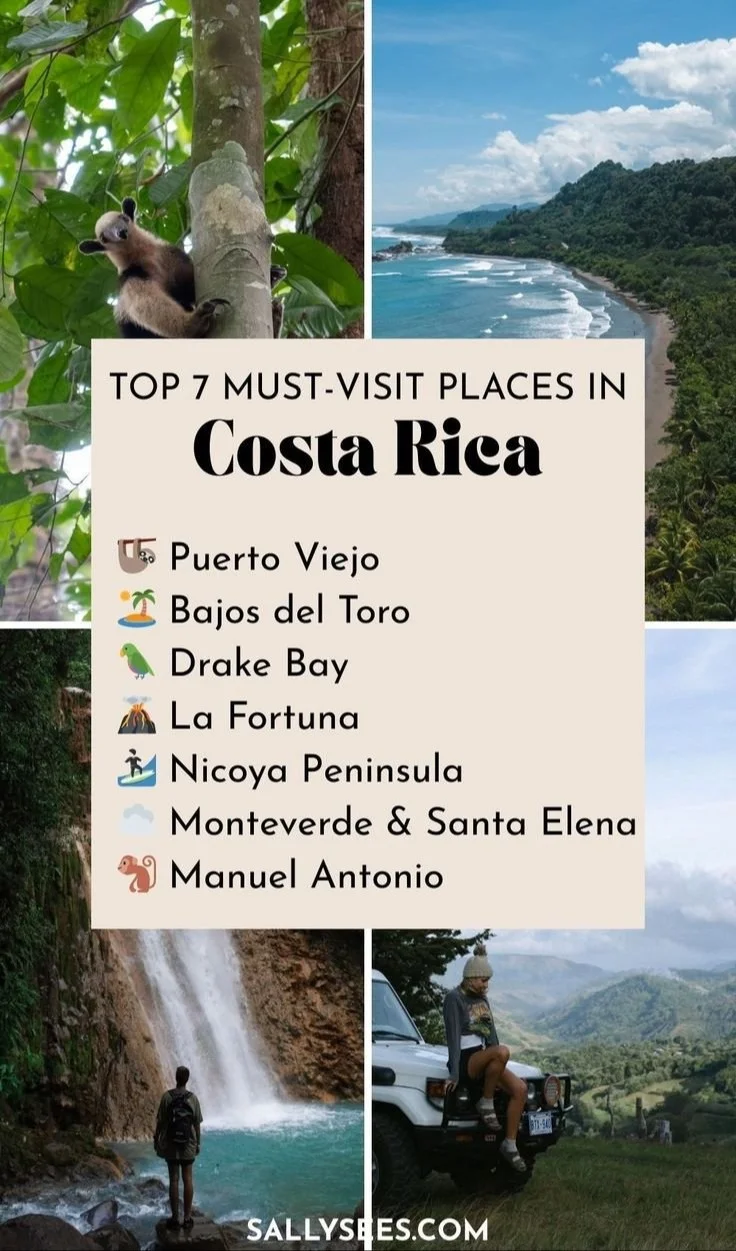
  • Arenal / La Fortuna: Hot springs, Arenal Volcano views, waterfalls, and abundant adventure operators offering canopy tours and rafting.
  • Monteverde Cloud Forest: Premier birding and hiking; best for quetzal sightings and serene cloud-forest walks.
  • Manuel Antonio: Compact national park with beaches, hiking trails, and approachable wildlife viewing near coastal amenities.
  • Nicoya Peninsula: Surf towns (Santa Teresa, Nosara), yoga retreats, and some of the country’s Blue Zones.
  • Osa Peninsula / Corcovado: Remote rainforest, exceptional biodiversity, and unparalleled wildlife for more adventurous travelers.
Top Activities and Adventures
  • Wildlife watching: Dawn and dusk are prime for spotting monkeys, sloths, and birds. Hire local naturalist guides for better success.
  • Surfing: Pacific coast offers waves for beginners to experts; many surf schools and board rentals at main beaches.
  • Rainforest canopy: Zip lines and hanging bridges provide thrilling views and unique perspectives on rainforest ecology.
  • Water adventures: Whitewater rafting and sea kayaking are widely available with varying difficulty levels.
  • Relaxation: Natural hot springs, beachfront lodges, and wellness retreats are plentiful for low-key rest days.
Sample Itineraries (by length)
  • 5 days: San José → La Fortuna (Arenal) 2–3 days → Monteverde 1–2 days → return.
  • 10 days: San José → Arenal → Monteverde → Pacific coast (Manuel Antonio or Nicoya) → relax and surf.
  • 2 weeks: Include Osa Peninsula/Corcovado for a deeper rainforest immersion; combine with a coastal escape.
Budgeting and Money
  • Costs vary widely: budget travelers can get by with hostels and public transport; mid-range travelers use boutique lodges and car rentals.
  • ATMs: Widely available in cities and tourist hubs; carry some cash when visiting remote areas.
  • Tipping: Not mandatory but appreciated — 10% in restaurants if service charge isn’t included; small tips for guides and drivers.
Safety and Practical Tips
  • Natural hazards: Be aware of rip currents on beaches, aggressive weather in rainy months, and uneven forest trails.
  • Personal safety: Costa Rica is relatively safe, but standard precautions against petty theft (watch belongings, lock your rental car) apply.
  • Sustainable travel: Respect protected areas, avoid single-use plastics, and support local businesses and community-run tours.
Packing Checklist
  • Lightweight rain jacket, quick-dry clothing, sturdy hiking shoes, reef-safe sunscreen, insect repellent, reusable water bottle, and a good pair of binoculars for birding.
  • Electrical: 110V outlets with types A/B plugs; bring adapters if necessary.
Responsible and Eco-Friendly Travel
  • Visit national parks with certified guides to reduce impact and learn about conservation efforts.
  • Choose lodges with sustainable practices (water-saving, waste reduction, local sourcing) to support ecological protection.
Final planning tips
  • Book popular lodges and excursions in high season well in advance.
  • Keep an eye on weather forecasts when arranging multi-day treks or boat transfers.
  • Learn basic Spanish phrases — locals appreciate the effort and it enhances interactions.

Conclusion

For detailed reviews to help you choose the best print and digital references, consider these Guidebook Recommendations for Costa Rica to guide your trip planning and on-the-ground decisions.

2026 Planning Update for Costa Rica

A stronger Costa Rica plan starts with intent. Decide whether the trip is about price, scenery, comfort, food, events, outdoor access or a specific bucket-list moment. That decision makes the rest of the planning easier because every hotel, transfer and activity can be judged against the same goal.

For 2026, travelers should also compare total trip cost instead of only headline prices. A cheap hotel can become expensive if transport is weak, while a slightly higher nightly rate can save money if it includes breakfast, transit access or a better location.

Budget and Booking Tips

  • Book refundable accommodation early, then keep comparing prices.
  • Check airport, train or bus access before choosing where to stay.
  • Plan one main paid experience per day instead of overloading the itinerary.
  • Use grocery stops, local transport and shoulder-season dates to control costs.
  • Keep a small buffer for weather, delays, luggage storage or last-minute transfers.

Internal Planning Links

Official Resource to Check

Before finalizing the trip, check an official resource for current rules, entry requirements, park access, event details or health guidance: U.S. State Department international travel information.

Common Mistakes to Avoid

The most common mistake is planning from one viral photo or one cheap price. A useful itinerary checks distance, opening times, weather, local holidays, transfer costs and whether the experience still works if plans change.

Another mistake is ignoring the first and last day. Arrival and departure days often decide whether a trip feels smooth or stressful, so keep them lighter and avoid booking the most important activity immediately after a long transfer.

FAQ

How do you plan Costa Rica on a budget?

Start with flexible dates, compare accommodation outside the most expensive zone, check transport before booking and keep one paid activity as the main highlight.

What should you check before booking Costa Rica?

Check season, local transport, cancellation rules, official travel updates, safety requirements and whether the final cost includes food, transfers and extra fees.

Is Costa Rica worth it in 2026?

Yes, if the trip matches your budget, season and travel style. A focused itinerary usually gives better value than trying to visit too many places at once.
Costa Rica Jungle Adventures (2025): 5 Epic Spots to Explore

Costa Rica Jungle Adventures: 5 epic spots for exploring nature and wildlife.
Costa Rica’s rainforests are a mosaic of wildlife, rushing rivers, and dramatic coastline — and 2025 is a great year to plan a deeper, more responsible jungle adventure. Whether you’re chasing rare bird calls, trekking to remote waterfalls, or paddling through mangrove tunnels, there’s a corner of the country that feels made for exploration. If you want waterfalls and lesser-known stops, check our 5 amazing off-the-beaten-path places to explore for extra inspiration before you go.

1. Osa Peninsula — Corcovado & Drake Bay

Why go: Often called “the most biologically intense place on Earth,” Corcovado National Park and nearby Drake Bay deliver Jaguars-on-the-horizon vibes, scarlet macaws, tapirs, and endless frog song. Trails range from day hikes to multi-day treks that cross rivers and coastal lowland forest.Highlights:
  • Guided rainforest treks in Corcovado for a shot at tapirs and anteaters.
  • Boat trips from Drake Bay to snorkel Caño Island Marine Reserve.
  • Night walks that reveal tree frogs, tarantulas, and other nocturnal life.
Travel tips: Access is typically by small plane or a combination of land and water taxi; book transfers ahead. Bring sturdy, quick-dry clothing and insect repellent that’s reef-safe for marine outings.

2. Monteverde Cloud Forest Reserve

Why go: For a mist-draped experience complete with hanging bridges, endemic orchids, and resplendent quetzals, Monteverde’s cloud forests are unmatched. Cooler temperatures make it comfortable for long walks and birdwatching.Highlights:
  • Early-morning birding tours to spot quetzals and trogons.
  • Canopy zip-line courses and hanging-bridge networks for a treetop perspective.
  • Reserve trails that reveal unique mosses, bromeliads, and fungi.
Travel tips: The cloud forest can be foggy — bring layers and a rain shell. Support local guides who focus on conservation and sustainable community projects.

3. Arenal / La Fortuna — Volcano, Waterfalls & Hot Springs

Why go: Arenal blends dramatic volcano views with waterfalls, hot springs, and a dense web of trails perfect for both adrenaline seekers and relaxation-seekers.Highlights:
  • Hike to La Fortuna Waterfall and cool off in its plunge pool.
  • Soak in natural hot springs fed by volcanic activity.
  • Try canyoning or white-water rafting on nearby rivers.
Travel tips: Check volcanic activity advisories (Arenal is generally stable for visitors). If you want to avoid crowds, opt for early-morning treks or midweek excursions.

4. Tortuguero National Park — Riverways & Sea Turtles

Why go: Tortuguero’s labyrinthine canals and protected beaches are prime for wildlife watching, especially sea turtles that nest here (season varies by species). The only practical way to reach Tortuguero is by boat or small plane, which adds to the sense of remoteness.Highlights:
  • Guided boat tours through canals to spot caimans, toucans, and monkeys.
  • Nighttime turtle-nesting walks (with licensed guides during nesting season).
  • Village visits to learn about Afro-Caribbean culture and conservation.
Travel tips: Choose licensed turtle tours to avoid disturbing nesting animals, and bring binoculars and waterproof gear for boat trips.

5. Cahuita & Puerto Viejo (Caribbean Coast) — Jungle Meets Beach

Why go: For a jungle-beach combo with Afro-Caribbean flavor, Cahuita National Park and the surrounding Puerto Viejo area offer snorkeling, laid-back surf towns, and rainforest trails that edge right up to the shore.Highlights:
  • Snorkel over coral gardens in Cahuita National Park.
  • Try Afro-Caribbean cuisine and local music in Puerto Viejo.
  • Short hikes through lowland rainforest where sloths and monkeys are common.
Travel tips: The Caribbean side has a different microclimate — expect more humidity and afternoon showers. Respect reef rules and use reef-safe sunscreen while snorkeling.

Practical Planning Tips for 2025

  • Best time to go: Dry season (December–April) offers easier trail conditions and clearer seas, while the “green” season (May–November) means fewer crowds, vibrant forest colors, and lower prices.
  • Health and safety: Bring insect repellent, a basic first-aid kit, and ensure routine vaccinations are up to date. Consider travel insurance that covers remote-area evacuations.
  • Gear essentials: Quick-dry clothing, waterproof daypack, good trail shoes, a headlamp for night walks, and a compact binocular for birding.
  • Responsible travel: Stick to trails, follow guide instructions, support local ecotour operators, and minimize single-use plastics to protect fragile ecosystems.

Conclusion

If you’re dreaming of deep jungle immersion, consider an organized itinerary like the Epic 6 Day Osa Jungle Adventure Tour with Sukia Travel for a guided, conservation-minded way to experience the Osa Peninsula’s highlights. With thoughtful planning and respect for local ecosystems, your 2025 Costa Rica jungle adventure can be unforgettable and sustainable.

2026 Planning Update for Jungle Adventures

A stronger Jungle Adventures plan starts with intent. Decide whether the trip is about price, scenery, comfort, food, events, outdoor access or a specific bucket-list moment. That decision makes the rest of the planning easier because every hotel, transfer and activity can be judged against the same goal.

For 2026, travelers should also compare total trip cost instead of only headline prices. A cheap hotel can become expensive if transport is weak, while a slightly higher nightly rate can save money if it includes breakfast, transit access or a better location.

Budget and Booking Tips

  • Book refundable accommodation early, then keep comparing prices.
  • Check airport, train or bus access before choosing where to stay.
  • Plan one main paid experience per day instead of overloading the itinerary.
  • Use grocery stops, local transport and shoulder-season dates to control costs.
  • Keep a small buffer for weather, delays, luggage storage or last-minute transfers.

Internal Planning Links

Official Resource to Check

Before finalizing the trip, check an official resource for current rules, entry requirements, park access, event details or health guidance: U.S. State Department international travel information.

Common Mistakes to Avoid

The most common mistake is planning from one viral photo or one cheap price. A useful itinerary checks distance, opening times, weather, local holidays, transfer costs and whether the experience still works if plans change.

Another mistake is ignoring the first and last day. Arrival and departure days often decide whether a trip feels smooth or stressful, so keep them lighter and avoid booking the most important activity immediately after a long transfer.

FAQ

How do you plan Jungle Adventures on a budget?

Start with flexible dates, compare accommodation outside the most expensive zone, check transport before booking and keep one paid activity as the main highlight.

What should you check before booking Jungle Adventures?

Check season, local transport, cancellation rules, official travel updates, safety requirements and whether the final cost includes food, transfers and extra fees.

Is Jungle Adventures worth it in 2026?

Yes, if the trip matches your budget, season and travel style. A focused itinerary usually gives better value than trying to visit too many places at once.

10-Day France And Switzerland Itinerary For Must-See Destinations

10-day France and Switzerland itinerary showcasing top travel destinations.
Planning a 10-day trip that blends France’s culture and cuisine with Switzerland’s dramatic Alpine scenery is one of the most rewarding ways to experience Europe. This itinerary balances iconic cities, scenic train journeys, and mountain highlights so you can see the best without feeling rushed. If you travel solo and want extra confidence while planning, you might also find useful perspectives on discover the most welcoming and secure destinations for solo travelers in Mexico, which offers practical safety and accommodation ideas that translate well to international travel planning.

How to use this plan

  • Move at a steady pace: three nights in Paris lets you see the essentials; then cross into Switzerland for rail-centric sightseeing.
  • Travel primarily by train: high-speed TGV and Switzerland’s excellent rail network minimize transit stress.
  • Pack for variety: city shoes plus layers and a compact rain jacket for mountain weather.

Day 1–3: Paris — Classic highlights and neighborhood charm

Day 1: Arrive in Paris. Get settled, stroll along the Seine, and enjoy a relaxed evening in the Latin Quarter. Day 2: Morning at the Louvre or Musée d’Orsay, lunch near Saint-Germain, and an afternoon climb to Sacré-Cœur. Evening visit to the Eiffel Tower or a river cruise. Day 3: Day trip option to Versailles, or spend the day exploring Le Marais, boutique shopping, and sampling pâtisseries.Tips:
  • Buy museum tickets in advance to skip lines.
  • Use the metro for fast, inexpensive city travel.

Day 4: From Paris to Geneva (or Lyon stopover)

Take an early TGV to Geneva (about 3 hours) or stop briefly in Lyon if you prefer a gastronomic detour. In Geneva, walk the lakeside, see the Jet d’Eau, and explore the Old Town’s narrow streets.

Day 5: Geneva to Montreux — Lake Geneva and Chillon Castle

Morning along Lake Geneva’s promenades; midday train to Montreux. Spend the afternoon at Chillon Castle and enjoy sunset views from the lakeside promenade.

Day 6: Montreux to Zermatt — Alpine gateway

Ride the scenic train toward Zermatt (change at Visp). Zermatt is car-free and dominated by the Matterhorn’s silhouette. Evening: dine in a mountain-conscious, cozy restaurant.

Day 7: Zermatt — Gornergrat or Klein Matterhorn

Take the Gornergrat railway for panoramic Matterhorn views or ride the cable car up to Klein Matterhorn for high-alpine panoramas. Hiking, photography, and alpine museums round out the day.

Day 8: Zermatt to Interlaken — Lakes and dramatic passes

Travel toward Interlaken via scenic rail lines. Arrive in the afternoon and explore Interlaken’s twin-lake vistas, or take a short boat ride on Lake Thun or Lake Brienz.

Day 9: Jungfraujoch or Schilthorn day trip

Choose between Jungfraujoch (the “Top of Europe”) for glaciers and ice tunnels, or Schilthorn for panoramic peaks and a James Bond-themed restaurant. Both offer unforgettable alpine experiences.

Day 10: Lucerne and departure

Head to Lucerne for the final day: walk the Chapel Bridge, visit the old town, and ride the nearby Pilatus or Rigi cogwheel for last mountain views before departing from Zurich or returning to Geneva, depending on your flight.

Practical tips and budgeting

  • Transportation: Consider point-to-point TGV tickets for France and a Swiss Travel Pass for flexibility in Switzerland. Book international legs early for the best fares.
  • Accommodation: Mid-range hotels or well-located guesthouses give the best balance of cost and convenience; in mountain towns, book early in high season.
  • Time of year: Late spring to early autumn gives the most reliable alpine hiking weather; winter turns parts of this route into a ski-focused itinerary.
  • Money: Switzerland uses Swiss francs; many places take cards but carry some cash for mountain trains and small purchases.
  • Health & safety: Stay hydrated at altitude, allow a relaxed pace in mountains, and check local transport schedules in advance.

Suggested packing list

  • Comfortable walking shoes and one pair for light hikes
  • Layers and a warm, windproof jacket for mountain conditions
  • Universal adapter and portable charger
  • Lightweight daypack and reusable water bottle
  • Copies of travel documents and offline maps

Variations and extensions

  • Swap Montreux for Annecy if you’d like a French alpine town vibe.
  • Add a day in Lyon for world-class cuisine.
  • If you prefer slower travel, drop one city and spend extra nights in Zermatt or Lucerne to soak in the scenery.

Conclusion

This 10-day France and Switzerland route blends cultural highlights, historic sites, and alpine splendor with efficient rail travel—ideal for first-time visitors who want variety without constant transit stress. For feedback or alternative routing ideas from fellow travelers and itinerary enthusiasts, see this community discussion on 10 days France/Switzerland trip itinerary suggestion/feedback.

2026 Planning Update for Switzerland

A stronger Switzerland plan starts with intent. Decide whether the trip is about price, scenery, comfort, food, events, outdoor access or a specific bucket-list moment. That decision makes the rest of the planning easier because every hotel, transfer and activity can be judged against the same goal.

For 2026, travelers should also compare total trip cost instead of only headline prices. A cheap hotel can become expensive if transport is weak, while a slightly higher nightly rate can save money if it includes breakfast, transit access or a better location.

Budget and Booking Tips

  • Book refundable accommodation early, then keep comparing prices.
  • Check airport, train or bus access before choosing where to stay.
  • Plan one main paid experience per day instead of overloading the itinerary.
  • Use grocery stops, local transport and shoulder-season dates to control costs.
  • Keep a small buffer for weather, delays, luggage storage or last-minute transfers.

Internal Planning Links

Official Resource to Check

Before finalizing the trip, check an official resource for current rules, entry requirements, park access, event details or health guidance: U.S. State Department international travel information.

Common Mistakes to Avoid

The most common mistake is planning from one viral photo or one cheap price. A useful itinerary checks distance, opening times, weather, local holidays, transfer costs and whether the experience still works if plans change.

Another mistake is ignoring the first and last day. Arrival and departure days often decide whether a trip feels smooth or stressful, so keep them lighter and avoid booking the most important activity immediately after a long transfer.

FAQ

How do you plan Switzerland on a budget?

Start with flexible dates, compare accommodation outside the most expensive zone, check transport before booking and keep one paid activity as the main highlight.

What should you check before booking Switzerland?

Check season, local transport, cancellation rules, official travel updates, safety requirements and whether the final cost includes food, transfers and extra fees.

Is Switzerland worth it in 2026?

Yes, if the trip matches your budget, season and travel style. A focused itinerary usually gives better value than trying to visit too many places at once.
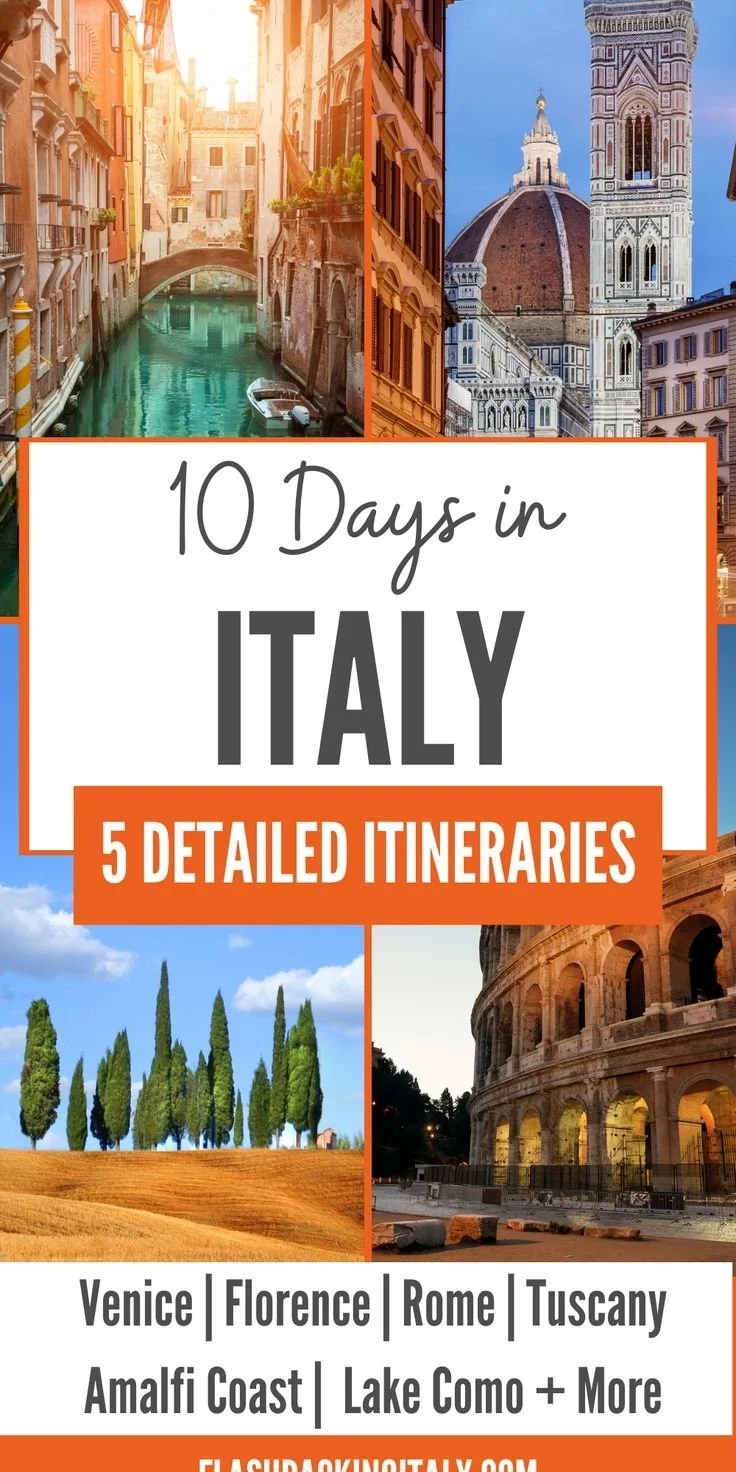
10 days in Italy Itinerary: 5 Dreamy Ideas for Your Italy Trip

10 days in Italy itinerary with dreamy travel ideas and tips
Italy in 10 days can be as relaxed or as whirlwind as you like. Below are five distinct, carefully paced itineraries — each built around a different theme so you can pick the experience that matches your mood: art and history, coastal bliss, alpine scenery, rural food and wine, or off-the-beaten-track South. If you’re considering pairing Italy with nearby Adriatic adventures, see this helpful summer yachting in Croatia for inspiration before you choose your route.

1) The Timeless Triangle: Rome → Florence → Venice (Best for first-timers)

Day plan
  • Days 1–3: Rome — Colosseum, Roman Forum, Vatican Museums, evening in Trastevere.
  • Days 4–6: Florence — Uffizi, Duomo climb, day trip to Pisa or a Chianti winery.
  • Days 7–10: Venice — St. Mark’s Square, Doge’s Palace, a vaporetto ride on the Grand Canal, and a day trip to Murano/Burano.
Pacing and tips
  • Use fast trains (Frecciarossa/Italo) between cities to maximize sightseeing time.
  • Book major museum timed-entry tickets in advance to avoid long lines.
  • Carry comfortable shoes: cobbles and staircases are everywhere.
Why it’s dreamy
  • A compact route that hits Italy’s most iconic art, history, and romantic canals — perfect if you want a classic taste of the country in just 10 days.

2) Sun, Sea, and Lemon Groves: Amalfi Coast & Capri (Best for coastal romance)

Day plan
  • Days 1–3: Naples — archaeology museum, pizza tasting, and a quick trip to Pompeii.
  • Days 4–7: Sorrento base with day trips to Positano and Amalfi.
  • Days 8–10: Capri — Blue Grotto, Anacapri chairlift, and coastal walks.
Pacing and tips
  • Ferries between ports are scenic and practical in high season; expect crowds in July–August.
  • Consider a rented scooter or local SITA buses for narrow coastal roads — driving is beautiful but challenging.
  • Stay hydrated and book boat tours to the grottos early in the morning for calmer seas.
Why it’s dreamy
  • Dramatic cliffs, lemon-scented air, and postcard-perfect villages make this itinerary ideal for couples and photographers.

3) Lakes, Mountains, and Alpine Air: Lake Como → Dolomites → Verona (Best for nature lovers)

Day plan
  • Days 1–3: Lake Como — Bellagio, villa gardens, leisurely boat cruises.
  • Days 4–7: Dolomites base (Ortisei or Cortina) — hiking, cable cars, and alpine panoramas.
  • Days 8–10: Verona — Roman arena, Juliet’s balcony, relaxed evenings in piazzas.
Pacing and tips
  • Rent a car for flexibility in the Dolomites and lakeside villages.
  • Pack layers: mountain weather can shift quickly even in summer.
  • Book mountain excursions and cable car tickets in advance during peak season.
Why it’s dreamy
  • Combines serene lake views with dramatic alpine scenery and a touch of Shakespearean charm.

4) Rustic Slow Travel: Tuscany Countryside & Piedmont Vineyards (Best for food and wine)

Day plan
  • Days 1–4: Florence base with short drives into Chianti for winery visits and truffle hunts.
  • Days 5–7: Val d’Orcia — Pienza, Montalcino, Montepulciano: hilltop towns and Brunello tastings.
  • Days 8–10: Piedmont (Alba area) — Barolo wine region, hazelnut specialties, and slower country living.
Pacing and tips
  • Book vineyard tours and tastings ahead of time; many are small and limited to reservations.
  • Choose agriturismo stays to enjoy home-cooked meals and local hospitality.
  • Consider a cooking class to take local techniques home.
Why it’s dreamy
  • Food-forward days, scenic drives between vineyards, and evenings under starlit skies make this a restorative, sensual trip.

5) Hidden South: Naples → Matera → Puglia (Best for explorers)

Day plan
  • Days 1–2: Naples — street food, local markets, and a fast train to the south.
  • Days 3–5: Matera — wander the sassi cave dwellings and enjoy unique boutique stays in converted grottoes.
  • Days 6–10: Puglia — Alberobello trulli houses, Polignano a Mare cliffs, and Lecce’s baroque architecture.
Pacing and tips
  • Southern Italy offers authentic culture with fewer tourists, but check train and bus schedules — some regional routes are infrequent.
  • Try local specialties: orecchiette pasta, burrata, and seafood straight from the Adriatic.
  • Renting a car in Puglia gives you access to remote beaches and smaller villages.
Why it’s dreamy
  • A chance to discover lesser-known wonders, traditional cuisine, and landscapes that feel untouched by mass tourism.

Practical planning tips for any 10-day Italy trip

  • Travel light and use trains for intercity hops; regional trains and ferries cover many coastal routes.
  • Reserve major museums and tours in advance to save time.
  • Balance sightseeing with downtime—plan at least one slow morning or afternoon in every new place.
  • Check seasonal opening hours: some sites and ferries run on limited schedules outside summer.
  • Purchase travel insurance that covers delays and medical needs.

Conclusion

For a ready-made, day-by-day sample itinerary and more detailed logistics to adapt one of these ideas to your travel style, consult A Terrific 10-Day Italy Travel Itinerary which offers practical timing and variations to fit different interests.

2026 Planning Update for Italy Itinerary

A stronger Italy Itinerary plan starts with intent. Decide whether the trip is about price, scenery, comfort, food, events, outdoor access or a specific bucket-list moment. That decision makes the rest of the planning easier because every hotel, transfer and activity can be judged against the same goal.

For 2026, travelers should also compare total trip cost instead of only headline prices. A cheap hotel can become expensive if transport is weak, while a slightly higher nightly rate can save money if it includes breakfast, transit access or a better location.

Budget and Booking Tips

  • Book refundable accommodation early, then keep comparing prices.
  • Check airport, train or bus access before choosing where to stay.
  • Plan one main paid experience per day instead of overloading the itinerary.
  • Use grocery stops, local transport and shoulder-season dates to control costs.
  • Keep a small buffer for weather, delays, luggage storage or last-minute transfers.

Internal Planning Links

Official Resource to Check

Before finalizing the trip, check an official resource for current rules, entry requirements, park access, event details or health guidance: U.S. State Department international travel information.

Common Mistakes to Avoid

The most common mistake is planning from one viral photo or one cheap price. A useful itinerary checks distance, opening times, weather, local holidays, transfer costs and whether the experience still works if plans change.

Another mistake is ignoring the first and last day. Arrival and departure days often decide whether a trip feels smooth or stressful, so keep them lighter and avoid booking the most important activity immediately after a long transfer.

FAQ

How do you plan Italy Itinerary on a budget?

Start with flexible dates, compare accommodation outside the most expensive zone, check transport before booking and keep one paid activity as the main highlight.

What should you check before booking Italy Itinerary?

Check season, local transport, cancellation rules, official travel updates, safety requirements and whether the final cost includes food, transfers and extra fees.

Is Italy Itinerary worth it in 2026?

Yes, if the trip matches your budget, season and travel style. A focused itinerary usually gives better value than trying to visit too many places at once.