Top 10 Must-Do Adventures During Summer in Iceland
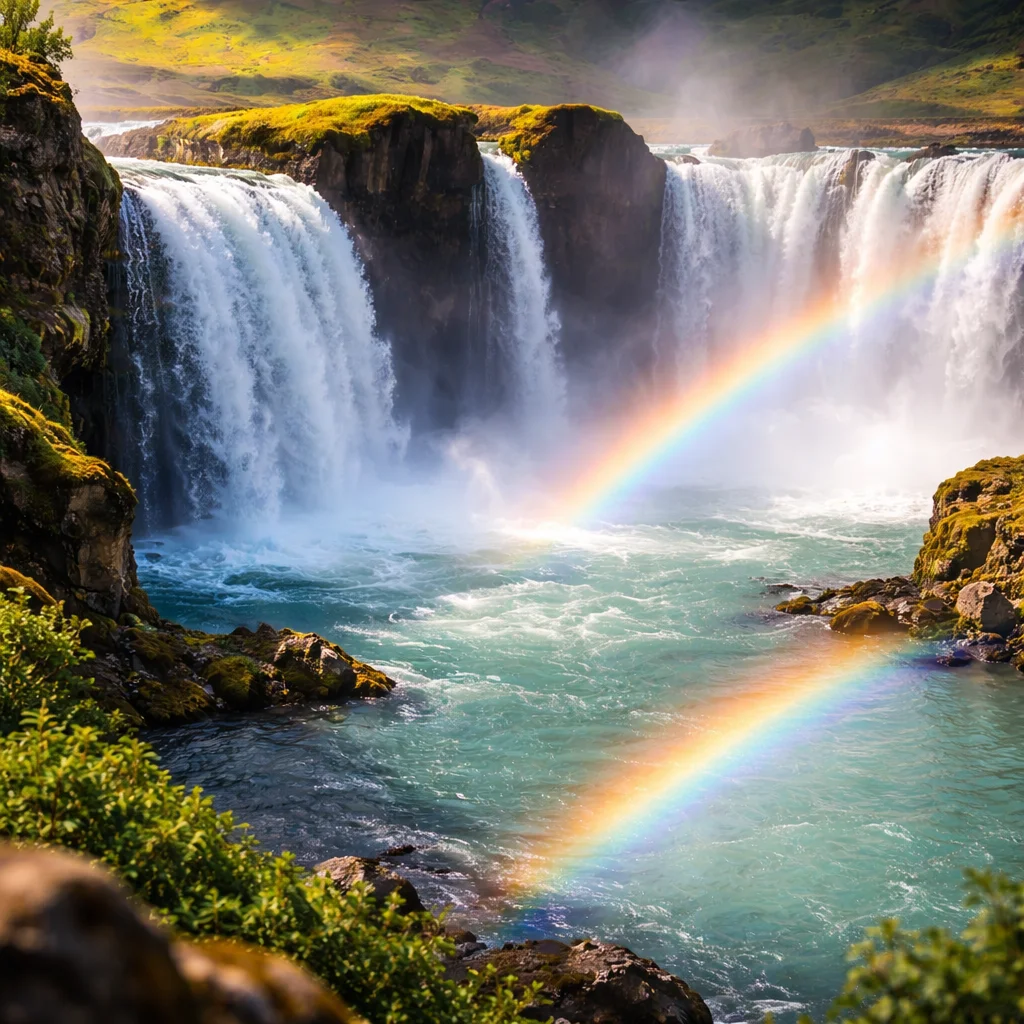
Scenic view of Icelandic landscapes during summer with lush greenery and clear skies.

Quick answer: Summer in Iceland is easiest to plan when you compare season, total trip cost, transport, where to stay and the main experience you want before booking.

Ever thought your dream summer could start with rain instead of shine? Summer in Iceland flips the script. You wake up to fog, maybe drizzle, but then — bam — sunshine slices through, and suddenly you’re somewhere so wild you half-expect trolls to peek out. (Honestly, that happened to me… or maybe it was just my travel buddy stealing snacks again.) Anyway, this isn’t your basic beach vacation. If you’re tired of the usual summer stuff, or you just want to see planet Earth at her raddest, Iceland’s where you go. If you’re itching for more quirky summer spots, take a look at these 10 hidden gems—some might surprise you.
Top 10 Must-Do Adventures During Summer in Iceland


Why visit Iceland in the summer?

  • Midnight sun, folks. You can do more in a “day” than basically anywhere else. Seriously, the sun barely sets.
  • The landscapes? Whole new level. Waterfalls are wild, and green mossy lava fields look like something from another planet.
  • Crowd levels drop compared to other summer hotspots. Still, plan ahead. (Winging it isn’t always adorable up here.)
  • I’m telling you: whale watching, puffins, and those hot springs… you don’t get that mix just anywhere.

“It’s honestly the only place I’ve been where I couldn’t put my camera down—even when I was trying to eat my lunch!”

— User review from a Reykjavik guesthouse owner who kindly rescued my sandwich from the wind

Top 10 Must-Do Adventures During Summer in Iceland

What to expect from Iceland in the summer?

  • Weather = unpredictable. Pack a rain jacket and sunglasses, ’cause you’ll use both in five minutes.
  • Daylight lasts for 20+ hours (not a typo). It messes with your sleep, so get used to napping in bright daylight.
  • Prices aren’t exactly bargain-bin, but quality’s high. You kinda get what you pay for here.
  • Oh, and bring layers. You’ll thank me. (Honestly, I ended up wearing three at once while eating street food.)


Top 10 Must-Do Adventures During Summer in Iceland


Unique experiences in Iceland during summer

  • See the puffins! Cutest weird little birds ever. They hang out on cliffs until mid-August.
  • Try local ice cream—sounds odd, but Icelanders are obsessed (and I mean obsessed). Rain or shine.
  • Hit the geothermal swimming pools. Even the tiny village pools have crazy good views.
  • Midnight hikes. Sounds bananas, but hiking at 1am under full sun feels like a secret only cool people get.

Essential activities for travelers

  • Road-tripping (the Ring Road is basically a victory lap for adventure junkies).
  • Waterfall hopping: Selfoss, Gullfoss, Seljalandsfoss—try to say those three times fast.
  • Glacier walks and ice cave tours. (Even in summer. Mind-blowing, honestly.)
  • Horseback riding—those stubby Icelandic horses are friendlier than most people you’ll meet.


Tips for planning your summer trip to Iceland

  • Book your car and rooms wayyyy in advance. I learned that the hard way—ended up sleeping in the car one night (don’t recommend).
  • Pack snacks or hit up grocery stores. Eating out every meal? Yikes for the wallet.
  • Stay flexible—if you spot something cool while driving, pull over. Best stuff in Iceland isn’t on an itinerary.
  • Oh, and bring a swimsuit everywhere. Seriously. Hot springs sneak up on you.

Common Questions

Q: Is it cold in Iceland during the summer?
A: Not freezing, but bring a jacket. It’s usually 10-15°C (50-59°F), but the wind can bite.

Q: Is driving in Iceland hard in summer?
A: Much easier than winter. Still, watch those gravel roads—my rental almost ate it near a waterfall.

Q: Do I have to book activities ahead?
A: For popular tours, yes. Otherwise, you can play some things by ear.

Q: Are the famous sites crowded in summer?
A: Way less than you’d expect for something this gorgeous, but the best times are early or really late.


Ready for an Icelandic summer adventure? Here’s why you should go!

So, Iceland in the summer—wild weather, endless sunlight, and scenery that’ll launch your jaw to the floor. It’s not easy to find destinations packing this much oddball charm and raw beauty (unless you’re comparing to these 15 best places to visit in Maryland this summer—ok, maybe not the same volcano action). Give in to the midnight sun, try that weird black licorice ice cream, and jump into hot springs at 2am if you’re brave. If you want the real lowdown, check out these expert tips on what to do in Iceland in summer or some solid reasons why you’ll love it there. Whatever you do, just go. Your future self will thank you like, big time.
Summer in Iceland

2026 Planning Update for Summer In Iceland

A stronger Summer in Iceland plan starts with intent. Decide whether the trip is about price, scenery, comfort, food, events, outdoor access or a specific bucket-list moment. That decision makes the rest of the planning easier because every hotel, transfer and activity can be judged against the same goal.

For 2026, travelers should also compare total trip cost instead of only headline prices. A cheap hotel can become expensive if transport is weak, while a slightly higher nightly rate can save money if it includes breakfast, transit access or a better location.

Budget and Booking Tips

  • Book refundable accommodation early, then keep comparing prices.
  • Check airport, train or bus access before choosing where to stay.
  • Plan one main paid experience per day instead of overloading the itinerary.
  • Use grocery stops, local transport and shoulder-season dates to control costs.
  • Keep a small buffer for weather, delays, luggage storage or last-minute transfers.

Internal Planning Links

Official Resource to Check

Before finalizing the trip, check an official resource for current rules, entry requirements, park access, event details or health guidance: U.S. State Department international travel information.

Common Mistakes to Avoid

The most common mistake is planning from one viral photo or one cheap price. A useful itinerary checks distance, opening times, weather, local holidays, transfer costs and whether the experience still works if plans change.

Another mistake is ignoring the first and last day. Arrival and departure days often decide whether a trip feels smooth or stressful, so keep them lighter and avoid booking the most important activity immediately after a long transfer.

FAQ

How do you plan Summer in Iceland on a budget?

Start with flexible dates, compare accommodation outside the most expensive zone, check transport before booking and keep one paid activity as the main highlight.

What should you check before booking Summer in Iceland?

Check season, local transport, cancellation rules, official travel updates, safety requirements and whether the final cost includes food, transfers and extra fees.

Is Summer in Iceland worth it in 2026?

Yes, if the trip matches your budget, season and travel style. A focused itinerary usually gives better value than trying to visit too many places at once.

10 Hidden Gems: Affordable Destinations You Can’t Miss

Discover affordable travel destinations for budget-conscious travelers in 2026.

Ever sat there, scrolling through Instagram, wondering how folks manage to find these unbelievably gorgeous affordable destinations and still have money left for food? Trust me, I’ve been there. Long ago I realized a secret—travel isn’t just for people with deep pockets or those “fancy” passports. You just need the right scoop. Seriously, there are hidden gems all over, whether you want an adventure in Asia or a cozy European escape. Heck, I stumbled on https://cnctravel.com/affordable-honeymoon-destinations-in-asia/ and a killer France-Switzerland itinerary that blew my mind (and didn’t pickpocket my wallet). Let’s dig in.


affordable destinations


Top Affordable Travel Destinations

Let’s kick-off with some of the best-value havens out there—honest, these exist!

  • Mexico: Not just tacos and sunshine—think swoon-worthy beaches and colorful markets. And the street food? Oh my.
  • Morocco: Spices, winding souks, and the friendliest uncle I ever met (well, almost my uncle).
  • Vietnam: Legendary eats, wild motorbike scenes, and $1 pho that’ll ruin you for life.
  • Romania: Castles for days and coffee culture almost as good as the views.

Let’s be real, you can always find a wallet-friendly trip if you know where to look. Peek at the best family-friendly spots in Europe and your whole crew can tag along (without a mutiny).

“I used your secret list for our last trip—couldn’t believe how much we saw without going broke! Already mapping our next adventure.”
10 Hidden Gems: Affordable Destinations You Can’t Miss


Asia’s doable even if you’re living off instant noodles (hey, no shame).

  • Thailand: Markets, gentle chaos, and more temples than you can count. Pad Thai for pennies.
  • Cambodia: Sunrise at Angkor Wat, cheap bike rentals, and… spiders (no, for real).
  • Sri Lanka: Surfers’ paradise. Tea fields, cheap trains, and elephant spotting.

For more solo-friendly picks, the 7 budget-friendly destinations for solo travel give your wallet (and your nerves) a rest.

  • Pro tip: Stay in guesthouses and use local transport—the adventure gets richer, the expense gets smaller.


Best Budget Travel Spots in Europe

Europe sounds expensive—till you take a closer look.

  • Hungary (Budapest!): Soak in baths and eat goulash. Party on a boat… on the cheap.
  • Portugal: Sun, surf, and pastel de nata to make you forget your diet.
  • Poland: Super hearty food, storybook architecture, and no tourist stampedes (yet).

Twist: Even the supposedly pricey spots can surprise you. The list of luxurious but affordable hotels in Brazil exists—and no, I’m not lying.


Unique Experiences in South America

This is where things get spicy (and not just the food).

  • Bolivia: The salt flats are like another planet. Plus, buses are so cheap it’s silly.
  • Brazil: Samba, wild rainforests—and some of the 100 best tourist destinations are off everyone else’s radar.
  • Colombia: Coffee, arepas, and street art so good it hurts to leave.

You don’t have to be a millionaire. Local bakeries there changed my bread expectations forever. No joke!


Budget Travel Tips and Resources

A few tricks—learned the fun (and painful) way.

  • Eat where the locals eat. And don’t be afraid of the small places that look…well… questionable. Spoiler: those are often the best.
  • Use local apps and grab transport cards for real savings (taxi? nope—bus!).
  • Check hacks for affordable safaris if Africa calls to you (budget-friendly safari in East Africa). You won’t believe what you can see for so little.

Bring an open mind and a flexible plan—half the adventure is jumping into something unexpected. (I once switched ferries at the last second just ’cause I saw someone with a basket of fresh donuts. Never looked back.)


Common Questions

Q: Will my money last if I go to one of these affordable destinations?
A: Sure thing! Stick with street food, local buses, and budget hotels—you’ll be surprised how far you get.

Q: Are these places safe for solo travelers?
A: Most are, but keep your wits about you anywhere (common sense travels faster than you).

Q: Should I book tours ahead, or just show up?
A: For most spots, showing up gives you the flexibility—and lets you find real deals. I’ve literally scored a night bus ticket by just asking around.

Q: How should I pack for these trips?
A: Less is more. Clothes that mix and match, sturdy shoes, good snacks. Don’t forget a backup charger (trust me, lesson learned).

Q: What about language barriers?
A: Smiling + Google Translate = new friends. Don’t sweat it.


Ready to Pack? Here’s Why You Absolutely Should!

So, there’s the juicy scoop—affordable adventures are everywhere if you squint carefully or just follow this list. Don’t get stuck thinking a “dream trip” means breaking the bank—plenty of folks have uncovered savings and made wild memories, thanks to guides like Travel On A Budget: 30 Cheap Destinations For Your Bucket List, fresh finds from 26 Amazingly Cheap Places You Should Travel to in 2026, or totally underrated ideas at 20 Cheapest Travel Destinations That Are Very Underrated. Heck, I’m still working through 10 Unbelievably Affordable & Underrated Places to Visit in 2026—this list will keep you busy for ages.

Book the ticket, eat something odd, get lost once (or three times). You’ll have stories—a lot better than just “liking” someone else’s online album. I swear.


10 Hidden Gems: Affordable Destinations You Can’t Miss

2026 Budget Planning Notes

For stronger affordable destinations planning, compare the full cost of the trip instead of only the headline price. Accommodation, local transport, food, activities, travel insurance and airport transfers can change the real budget quickly.

The smartest approach is to choose one main travel goal, then build the itinerary around it. This keeps the article useful for readers and helps the trip feel realistic instead of overloaded.

  • Book refundable stays early, then keep checking prices.
  • Use public transport or walkable neighborhoods when possible.
  • Save official travel pages and booking confirmations offline.
  • Keep one flexible half-day for delays, weather or rest.

Useful Internal Travel Guides

FAQ

How do you plan affordable destinations on a budget?

Compare flexible dates, choose accommodation near useful transport, plan one main paid experience per day and keep a small buffer for unexpected costs.

What should you check before booking affordable destinations?

Check total trip cost, best season, local transport, cancellation rules, safety guidance and current official travel information before booking.

Your Friendly Travel Guide: Discover Hidden Gems and Local Tips

Comprehensive travel guide covering hotels, dining, and attractions for global travelers.

Ever read a travel guide, think “Cool—nice photos,” but then arrive and feel, eh, totally clueless? Yeah, me too. A travel guide should feel like texting a buddy for inside info, not like reading a school project. Lucky you, you stumbled here. I’m about to spill my favorite hidden gems—plus real local tips that actually work. By the way, these Italy tips for travelers and the Amalfi Coast travel guide are gold for first timers. Trust me (I learned the hard way).

travel guide


Travel Features

  • Walk, don’t rush: Getting lost can be better than any five-star restaurant (yes, really). I once found the best coffee just wandering with a half-broken map.
  • Talk to strangers (well, responsibly): Locals will drop tips you’ll never find online.
  • Travel apps help, but handwritten directions—still undefeated. See handy travel apps for a few I can actually vouch for.
  • Ditch the perfectly pressed outfits; comfort wins every time.

“I never realized how much more I’d see by slowing down. Suddenly, the city felt alive—like being in on a secret I didn’t even know existed.” – Jamie L., Real Traveler

Your Friendly Travel Guide: Discover Hidden Gems and Local Tips


Food and Drink

  • Hunt for hole-in-the-wall spots; trust me, these places serve up food memories.
  • Ask bartenders for the “not on the menu” drink. Sometimes they’ll wink.
  • Be bold: If the local special looks weird…order it. You’ll either thank me or laugh about it forever.
  • Street food beats fancy stuff nine times out of ten. Seriously, budget adventure travel is all about eats-for-cheap.

Where to Eat

  • Morning? Find bakeries before 10 am—usually fresher than anywhere else. I missed out once and had the saddest stale croissant. Still not over it.
  • Try food halls or markets. You can snack without making a big deal of it.
  • Sometimes, open Google Maps and pick a spot with zero tourists. Scary? Sure, but I once found grandma’s ravioli this way. Life-changing.
  • Need inspo? I always peek at the best things to do in Savannah for foodie recs—even if I’m elsewhere.

What to Do

  • Skip “Top 10” lists and ask local shopkeepers for one quirky thing you must try. Last time, I got sent to a puppet show (it was…surprisingly cool).
  • Explore small alleys or side streets—safely, of course!—since that’s where real stories happen.
  • Evenings are for plazas or parks. Everyone from grandmas to little kids hangs out; you’ll get people-watching gold.
  • Pop by the touristy stuff super early before groups show up, then bolt to quieter spots.

Here’s a sample 3-Day Itinerary with some ideas for how to spend your time in Ischia

Day 1

  • Ferry in, dump your stuff, then—first things first—order a giant lemon granita.
  • Wander the waterfront, let yourself get sidetracked by gelaterias, bakeries with head-sized pastries.
  • Evening, hit up a casual trattoria. Expect loud families, plastic chairs, amazing pasta.

Day 2

  • Hot springs! (You’ll smell a little like eggs, but hey… worth it.)
  • Cheap pizza lunch. Grab a slice, eat on some random steps.
  • Explore Forio’s side streets for hidden churches and, uh, stray cats?

Day 3

  • Take a bus (no, really—you’ll survive) to the mountain villages.
  • Hike, or just stand around pretending to be athletic while staring at the sea.
  • Try the local rabbit stew at a spot only locals seem to know about. If you’re not into rabbit, the house wine helps.

Common Questions

Q: How do I actually talk to locals without sounding like a lost tourist?
A: Few words, big smile. Always works. Try, “What do you eat here?”

Q: What’s your can’t-miss food rec?
A: Wherever there’s a crowd that isn’t holding selfie sticks—follow them!

Q: What should I pack for surprise weather?
A: Light jacket, decent walking shoes, and, uh, sunscreen. More on that here if you need packing ideas.

Q: Got a tip for solo travelers?
A: Actually, yeah—grab one of these budget-friendly solo travel ideas and remember: people are friendlier than you think.

Q: Any safety secrets?
A: Keep copies of IDs and avoid flashing fancy gadgets. Also… trust your gut.


Ready, Set, Discover: My Final Thoughts

So look, travel guides aren’t about perfection. They’re your ticket to messing up gloriously, eating gloriously, and finding moments that don’t fit in a brochure. Try at least one new thing—the weird rabbit, that winding alley, whatever. And you know, for a deeper dive, check a World Travel Guide or peep the Forbes Travel Guide if you want star-quality digs. Dreaming of somewhere super specific? This Ischia travel guide spells it all out. Oh, and if beaches are more your jam, Studio McGee’s Cabo San Lucas travel guide is—dare I say?—chef’s kiss. Safe travels!

Your Friendly Travel Guide: Discover Hidden Gems and Local Tips

Easy Travel Planning for Your Next Adventure in Europe

Online trip planner for travel planning Europe travel and itinerary building.

Travel planning Europe travel used to make my head spin—maps everywhere, a hundred sticky notes, and still forgetting something major (like, um, the passport that one time). You want the trip of your life but, honestly, it’s easy to get lost in all the bits and bobs you need just to start. Been there, done that! Whether you’re wondering about the best family-friendly travel destinations in Europe for the kids or just curious if your solo journey will be smooth sailing, trust me, you’re not alone. If you’re dreaming of exploring dream cities while sticking to a budget, there’s hope—don’t miss these super handy tips and these must-visit European cities on a budget for inspiration.
travel planning Europe travel

Plan a great trip to Europe & follow the plan

Alright, let’s get real—winging your whole European vacation will basically guarantee chaos. Here’s what usually works for me (and my slightly scatterbrained, snack-obsessed brain):

  • Budget comes first, I swear by this. Know what you can spend so you don’t accidentally book five-star restaurant dinners every night.
  • Pick your dates based on weather and how much you hate crowds (I skip summer if possible. The sweaty T-shirt memories? Ugh).
  • Book main stuff early—like flights, and at least the first two nights somewhere cozy.
  • Leave room for some leeway. A plan is cool until you want to stay an extra day for that festival in Lisbon (trust me, you will).
“I used to over-plan, but leaving gaps gave me my best memories—ended up with new friends at a tiny cheese shop in Provence. Didn’t even know the shop existed before that day!”

Easy Travel Planning for Your Next Adventure in Europe

Create your Europe Trip Itinerary

Don’t feel like you need a minute-by-minute schedule—that’s recipe for stress and FOMO.

  • Google Maps is my hero: I pin places I want to eat (priority!) or sights I’d sob to miss. Kinda messy, but it works.
  • Mix big must-sees with quirky stops (like the bakery in Vienna…wow).
  • Group stuff together so you’re not zig-zagging all over the place. I learned that the hard way.
  • Take a peek at the top travel apps for your vacation—some will change your life (in a good way, not weird internet-ad way).

Which European City, Region, Country or Countries Would you like to visit?

Here’s where it gets fun and overwhelming and, honestly, a little silly (you’ll want to go everywhere, promise).

  • Are you after a classic city? Say, Paris or Rome? Or hunting hidden gems in Europe where the crowds haven’t caught on yet?
  • For food (my weakness), Italy and Spain always top my list. But, uh, go read the 20 traveling to Italy tips if you do—don’t order cappuccino after noon.
  • Don’t ignore trains. They’re weirdly fun, way scenic, and a must if you’re hopping a few countries.
  • Stuck choosing? Sometimes, close your eyes and point… worked out for me once; ended up in Slovenia. Not mad about it.

Check your European travel paperwork

Yikes—don’t skip this. Seriously. Getting stuck with the wrong documents is like undercooking your lasagna: bad.

  • Passport should be valid for six months after you get home. I made that mistake once—don’t.
  • Some places need visas. Double-check, even for countries that look “easy.”
  • Grab travel insurance. I used to cheap out on this… until I broke a tooth on a baguette (don’t laugh, it hurt, but my wallet was safe).
  • Make digital and paper copies, and stash them in weird places—sock, shoe, wherever (I always lose one, but not both).

Choose amazing Activities in each European destination

Picking what to do is the peanut butter to your travel planning jelly.

  • Start with what you can’t miss—think Amalfi Coast Italy travel guide level of must-do.
  • Food tours? Game changer. You’ll understand a city so much deeper (and, well, fuller).
  • Ask locals, skip tourist traps. Even just googling weird questions leads to gold.
  • Leave a “do nothing” day. You’ll thank me—wandering turns up the best stuff sometimes (ended up picnicking with locals in Munich, wearing borrowed hats—don’t ask).


Easy Travel Planning for Your Next Adventure in Europe

Common Questions

Q: Do I need to book everything ahead of time?
A: Not everything—big stuff like flights and pricey hotels, yes. But leave wiggle room for random discoveries (or naps).

Q: What if I don’t speak the language?
A: Most folks in touristy spots speak English, but please, try a “hello” or “thank you” in their language. You’ll get smiles, I promise.

Q: How do I keep travel planning for Europe simple?
A: Lists, a map, and a pinch of flexibility. Oh, and backup snacks. Always.

Q: Can I travel Europe on a tight budget?
A: Absolutely. Buses, hostels, bakeries, street food—budget European cities are totally doable (and often tastier).

Q: Is it safe to travel solo in Europe?
A: For the most part, yes, just stay aware and check tips for your exact cities. Solo friends swear by these solo travel safety tips.

Go Plan, Pack, and Eat Your Way Through Europe!

When it comes down to it, travel planning for Europe doesn’t need to turn into a complicated soufflé recipe. Just mix in some solid organization, a dash of flexibility, and a good dose of curiosity (plus snacks, always snacks). If you’re staring down all those details, breathe—there’s lots of help out there. Try classic guides like this How to Plan a Great Trip to Europe, or nifty helpers like the Online Trip Planner & Multi-City Itinerary Builder. If you’re puzzling over a months-long trip, this Trip Planner for a 90 day adventure might just save your sanity. For fine-tuning your route, don’t ignore tools like RoutePerfect—kind of a secret sauce. Now, go chase that adventure!
Easy Travel Planning for Your Next Adventure in Europe

2026 Planning Update for Europe

A stronger Europe plan starts with intent. Decide whether the trip is about price, scenery, comfort, food, events, outdoor access or a specific bucket-list moment. That decision makes the rest of the planning easier because every hotel, transfer and activity can be judged against the same goal.

For 2026, travelers should also compare total trip cost instead of only headline prices. A cheap hotel can become expensive if transport is weak, while a slightly higher nightly rate can save money if it includes breakfast, transit access or a better location.

Budget and Booking Tips

  • Book refundable accommodation early, then keep comparing prices.
  • Check airport, train or bus access before choosing where to stay.
  • Plan one main paid experience per day instead of overloading the itinerary.
  • Use grocery stops, local transport and shoulder-season dates to control costs.
  • Keep a small buffer for weather, delays, luggage storage or last-minute transfers.

Internal Planning Links

Official Resource to Check

Before finalizing the trip, check an official resource for current rules, entry requirements, park access, event details or health guidance: European Union travel information.

Common Mistakes to Avoid

The most common mistake is planning from one viral photo or one cheap price. A useful itinerary checks distance, opening times, weather, local holidays, transfer costs and whether the experience still works if plans change.

Another mistake is ignoring the first and last day. Arrival and departure days often decide whether a trip feels smooth or stressful, so keep them lighter and avoid booking the most important activity immediately after a long transfer.

FAQ

How do you plan Europe on a budget?

Start with flexible dates, compare accommodation outside the most expensive zone, check transport before booking and keep one paid activity as the main highlight.

What should you check before booking Europe?

Check season, local transport, cancellation rules, official travel updates, safety requirements and whether the final cost includes food, transfers and extra fees.

Is Europe worth it in 2026?

Yes, if the trip matches your budget, season and travel style. A focused itinerary usually gives better value than trying to visit too many places at once.

What To See In Italy In 12 Days — 2025 Complete Guide

Travel itinerary for exploring Italy in 12 days, featuring top sights and activities.
Italy in 12 days is a delightful sprint through history, art, food, and spectacular landscapes. This guide gives a day-by-day plan that balances iconic sights with slower-paced time to taste gelato, wander alleys, and linger over espresso. Before you go, consult this 20 traveling to Italy tips: your ultimate guide for practical pre-trip advice on packing, visas, and money matters.

Quick planning overview

  • Best seasons: late spring (May–June) and early fall (September–October) for fewer crowds and pleasant weather.
  • Travel style: mainly by train—fast, frequent, and scenic—so you can avoid driving and enjoy city-to-city travel.
  • Book ahead: major museums, Vatican entry, and some Cinque Terre ferries require pre-booking during high season (2025 will be busy as tourism rebounds).
  • Luggage: bring a carry-on-friendly bag for easier mobility on trains and cobblestone streets.

12-Day Italy Itinerary (day-by-day)

Day 1 — Arrival in Rome Arrive, check into your hotel, and take it easy. Walk around the Centro Storico: the Spanish Steps, Piazza Navona, and the Pantheon are perfect low-effort introductions.Day 2 — Ancient Rome Spend the day at the Colosseum (book a timed entry), the Roman Forum, and Palatine Hill. Evening: dinner in Trastevere for authentic Roman cuisine.Day 3 — Vatican City & Hidden Corners Morning at the Vatican Museums and St. Peter’s Basilica (reserve a skip-the-line slot). Afternoon: explore Castel Sant’Angelo or lesser-known neighborhoods like Testaccio for local food.Day 4 — Train to Florence + First Impressions Take a morning train to Florence (1.5–2 hours). After check-in, visit Piazza del Duomo and climb (or admire) Brunelleschi’s dome from the outside. Evening stroll across Ponte Vecchio.Day 5 — Florence Art & Food Uffizi Gallery in the morning (pre-book), then the Accademia to see Michelangelo’s David. Sample Florentine steak and gelato; climb Piazzale Michelangelo at sunset for panoramic views.Day 6 — Day Trip: Pisa or Siena Choose Pisa to tick off the Leaning Tower (quick visit) or Siena for medieval streets and the gorgeous Piazza del Campo. Return to Florence for the night.Day 7 — Travel to Cinque Terre Head north to La Spezia, then transfer to the Cinque Terre villages. Base yourself in Monterosso or Vernazza and enjoy sunset by the sea.Day 8 — Explore the Cinque Terre Hike or take the local trains/boats between villages—Manarola, Corniglia, Vernazza, and Riomaggiore. Try the local pesto, seafood, and Sciacchetrà wine.Day 9 — Train to Venice Longer travel day to Venice (approx. 4–5 hours). Arrive mid-afternoon and wander piazzas and canals—St. Mark’s Square and the Rialto Bridge are classic early stops.Day 10 — Venice sights & a gondola moment Visit St. Mark’s Basilica and the Doge’s Palace (reserve a tour). Get lost in the calli (narrow alleys) and consider a sunset gondola or vaporetto ride on the Grand Canal.Day 11 — Milan or Lake Como Travel to Milan for fashion, the Duomo, and Leonardo da Vinci’s Last Supper (book months ahead), or head to Lake Como for alpine scenery and villas—each offers a different final-act vibe.Day 12 — Leisure day and departure If you stayed in Como, relax by the lake; if Milan, do last-minute shopping or museum time before heading to the airport or train station.

Where to save time (and where to linger)

  • Save time by booking timed entrances for the Colosseum, Vatican, Uffizi, and Last Supper well in advance.
  • Linger in neighborhoods rather than trying to see every museum—Trastevere (Rome), Oltrarno (Florence), and Dorsoduro (Venice) reward slow wandering.

Getting around

  • Trains: Italy’s high-speed network (Frecciarossa, Italo) connects major cities; regional trains link smaller towns. Validate regional tickets if required.
  • Local transport: Venice uses water buses; Cinque Terre relies on local rail and ferries. Buy multi-day local passes if you’ll use public transport heavily.

Accommodation recommendations

  • Rome & Florence: central 3–4 star boutique hotels or well-located B&Bs for walking access.
  • Cinque Terre: smaller guesthouses or family-run hotels—book early for sea views.
  • Venice: stay on the main islands if you want easy access to attractions, but be prepared for higher prices.

Food & drink highlights

  • Rome: cacio e pepe, carbonara, supplì.
  • Florence: bistecca alla fiorentina, ribollita.
  • Cinque Terre: fresh focaccia, anchovies, pesto.
  • Veneto: cicchetti (small plates), risotto al nero di seppia.
  • Try regional wines wherever you go—Italy’s variety is enormous.

Practical tips for 2025

  • Tickets & reservations: plan at least 2–3 months ahead for high-demand attractions, especially in peak season.
  • Cash vs. card: cards are widely accepted, but small cafés and markets may prefer cash.
  • Respect local customs: many churches require modest dress; dining hours are typically later than in some countries.

Sample packing checklist

  • Comfortable walking shoes, light layers, a compact umbrella, plug adapter, daypack, photocopies of travel documents, medications, and a reusable water bottle (Italy has many drinking fountains in cities).

Final safety and etiquette notes

  • Watch for pickpockets in crowded tourist areas, especially on trains and at major sights.
  • Tip modestly—service is often included, but rounding up or leaving small change is appreciated.
  • Learn a few basic Italian phrases—locals value the effort.

Conclusion

If you want a slightly longer version or alternate routing ideas for a two-week stay, this detailed itinerary called The Best of Italy: Ultimate Two Week Italy Itinerary (14 Days) offers extended options and extra city suggestions to expand on the 12-day plan above.

2026 Planning Update for Italy In 12 Days

A stronger Italy In 12 Days plan starts with intent. Decide whether the trip is about price, scenery, comfort, food, events, outdoor access or a specific bucket-list moment. That decision makes the rest of the planning easier because every hotel, transfer and activity can be judged against the same goal.

For 2026, travelers should also compare total trip cost instead of only headline prices. A cheap hotel can become expensive if transport is weak, while a slightly higher nightly rate can save money if it includes breakfast, transit access or a better location.

Budget and Booking Tips

  • Book refundable accommodation early, then keep comparing prices.
  • Check airport, train or bus access before choosing where to stay.
  • Plan one main paid experience per day instead of overloading the itinerary.
  • Use grocery stops, local transport and shoulder-season dates to control costs.
  • Keep a small buffer for weather, delays, luggage storage or last-minute transfers.

Internal Planning Links

Official Resource to Check

Before finalizing the trip, check an official resource for current rules, entry requirements, park access, event details or health guidance: U.S. State Department international travel information.

Common Mistakes to Avoid

The most common mistake is planning from one viral photo or one cheap price. A useful itinerary checks distance, opening times, weather, local holidays, transfer costs and whether the experience still works if plans change.

Another mistake is ignoring the first and last day. Arrival and departure days often decide whether a trip feels smooth or stressful, so keep them lighter and avoid booking the most important activity immediately after a long transfer.

FAQ

How do you plan Italy In 12 Days on a budget?

Start with flexible dates, compare accommodation outside the most expensive zone, check transport before booking and keep one paid activity as the main highlight.

What should you check before booking Italy In 12 Days?

Check season, local transport, cancellation rules, official travel updates, safety requirements and whether the final cost includes food, transfers and extra fees.

Is Italy In 12 Days worth it in 2026?

Yes, if the trip matches your budget, season and travel style. A focused itinerary usually gives better value than trying to visit too many places at once.

10-Day France And Switzerland Itinerary For Must-See Destinations

10-day France and Switzerland itinerary showcasing top travel destinations.
Planning a 10-day trip that blends France’s culture and cuisine with Switzerland’s dramatic Alpine scenery is one of the most rewarding ways to experience Europe. This itinerary balances iconic cities, scenic train journeys, and mountain highlights so you can see the best without feeling rushed. If you travel solo and want extra confidence while planning, you might also find useful perspectives on discover the most welcoming and secure destinations for solo travelers in Mexico, which offers practical safety and accommodation ideas that translate well to international travel planning.

How to use this plan

  • Move at a steady pace: three nights in Paris lets you see the essentials; then cross into Switzerland for rail-centric sightseeing.
  • Travel primarily by train: high-speed TGV and Switzerland’s excellent rail network minimize transit stress.
  • Pack for variety: city shoes plus layers and a compact rain jacket for mountain weather.

Day 1–3: Paris — Classic highlights and neighborhood charm

Day 1: Arrive in Paris. Get settled, stroll along the Seine, and enjoy a relaxed evening in the Latin Quarter. Day 2: Morning at the Louvre or Musée d’Orsay, lunch near Saint-Germain, and an afternoon climb to Sacré-Cœur. Evening visit to the Eiffel Tower or a river cruise. Day 3: Day trip option to Versailles, or spend the day exploring Le Marais, boutique shopping, and sampling pâtisseries.Tips:
  • Buy museum tickets in advance to skip lines.
  • Use the metro for fast, inexpensive city travel.

Day 4: From Paris to Geneva (or Lyon stopover)

Take an early TGV to Geneva (about 3 hours) or stop briefly in Lyon if you prefer a gastronomic detour. In Geneva, walk the lakeside, see the Jet d’Eau, and explore the Old Town’s narrow streets.

Day 5: Geneva to Montreux — Lake Geneva and Chillon Castle

Morning along Lake Geneva’s promenades; midday train to Montreux. Spend the afternoon at Chillon Castle and enjoy sunset views from the lakeside promenade.

Day 6: Montreux to Zermatt — Alpine gateway

Ride the scenic train toward Zermatt (change at Visp). Zermatt is car-free and dominated by the Matterhorn’s silhouette. Evening: dine in a mountain-conscious, cozy restaurant.

Day 7: Zermatt — Gornergrat or Klein Matterhorn

Take the Gornergrat railway for panoramic Matterhorn views or ride the cable car up to Klein Matterhorn for high-alpine panoramas. Hiking, photography, and alpine museums round out the day.

Day 8: Zermatt to Interlaken — Lakes and dramatic passes

Travel toward Interlaken via scenic rail lines. Arrive in the afternoon and explore Interlaken’s twin-lake vistas, or take a short boat ride on Lake Thun or Lake Brienz.

Day 9: Jungfraujoch or Schilthorn day trip

Choose between Jungfraujoch (the “Top of Europe”) for glaciers and ice tunnels, or Schilthorn for panoramic peaks and a James Bond-themed restaurant. Both offer unforgettable alpine experiences.

Day 10: Lucerne and departure

Head to Lucerne for the final day: walk the Chapel Bridge, visit the old town, and ride the nearby Pilatus or Rigi cogwheel for last mountain views before departing from Zurich or returning to Geneva, depending on your flight.

Practical tips and budgeting

  • Transportation: Consider point-to-point TGV tickets for France and a Swiss Travel Pass for flexibility in Switzerland. Book international legs early for the best fares.
  • Accommodation: Mid-range hotels or well-located guesthouses give the best balance of cost and convenience; in mountain towns, book early in high season.
  • Time of year: Late spring to early autumn gives the most reliable alpine hiking weather; winter turns parts of this route into a ski-focused itinerary.
  • Money: Switzerland uses Swiss francs; many places take cards but carry some cash for mountain trains and small purchases.
  • Health & safety: Stay hydrated at altitude, allow a relaxed pace in mountains, and check local transport schedules in advance.

Suggested packing list

  • Comfortable walking shoes and one pair for light hikes
  • Layers and a warm, windproof jacket for mountain conditions
  • Universal adapter and portable charger
  • Lightweight daypack and reusable water bottle
  • Copies of travel documents and offline maps

Variations and extensions

  • Swap Montreux for Annecy if you’d like a French alpine town vibe.
  • Add a day in Lyon for world-class cuisine.
  • If you prefer slower travel, drop one city and spend extra nights in Zermatt or Lucerne to soak in the scenery.

Conclusion

This 10-day France and Switzerland route blends cultural highlights, historic sites, and alpine splendor with efficient rail travel—ideal for first-time visitors who want variety without constant transit stress. For feedback or alternative routing ideas from fellow travelers and itinerary enthusiasts, see this community discussion on 10 days France/Switzerland trip itinerary suggestion/feedback.

2026 Planning Update for Switzerland

A stronger Switzerland plan starts with intent. Decide whether the trip is about price, scenery, comfort, food, events, outdoor access or a specific bucket-list moment. That decision makes the rest of the planning easier because every hotel, transfer and activity can be judged against the same goal.

For 2026, travelers should also compare total trip cost instead of only headline prices. A cheap hotel can become expensive if transport is weak, while a slightly higher nightly rate can save money if it includes breakfast, transit access or a better location.

Budget and Booking Tips

  • Book refundable accommodation early, then keep comparing prices.
  • Check airport, train or bus access before choosing where to stay.
  • Plan one main paid experience per day instead of overloading the itinerary.
  • Use grocery stops, local transport and shoulder-season dates to control costs.
  • Keep a small buffer for weather, delays, luggage storage or last-minute transfers.

Internal Planning Links

Official Resource to Check

Before finalizing the trip, check an official resource for current rules, entry requirements, park access, event details or health guidance: U.S. State Department international travel information.

Common Mistakes to Avoid

The most common mistake is planning from one viral photo or one cheap price. A useful itinerary checks distance, opening times, weather, local holidays, transfer costs and whether the experience still works if plans change.

Another mistake is ignoring the first and last day. Arrival and departure days often decide whether a trip feels smooth or stressful, so keep them lighter and avoid booking the most important activity immediately after a long transfer.

FAQ

How do you plan Switzerland on a budget?

Start with flexible dates, compare accommodation outside the most expensive zone, check transport before booking and keep one paid activity as the main highlight.

What should you check before booking Switzerland?

Check season, local transport, cancellation rules, official travel updates, safety requirements and whether the final cost includes food, transfers and extra fees.

Is Switzerland worth it in 2026?

Yes, if the trip matches your budget, season and travel style. A focused itinerary usually gives better value than trying to visit too many places at once.

10 days in Italy Itinerary: 5 Dreamy Ideas for Your Italy Trip

10 days in Italy itinerary with dreamy travel ideas and tips
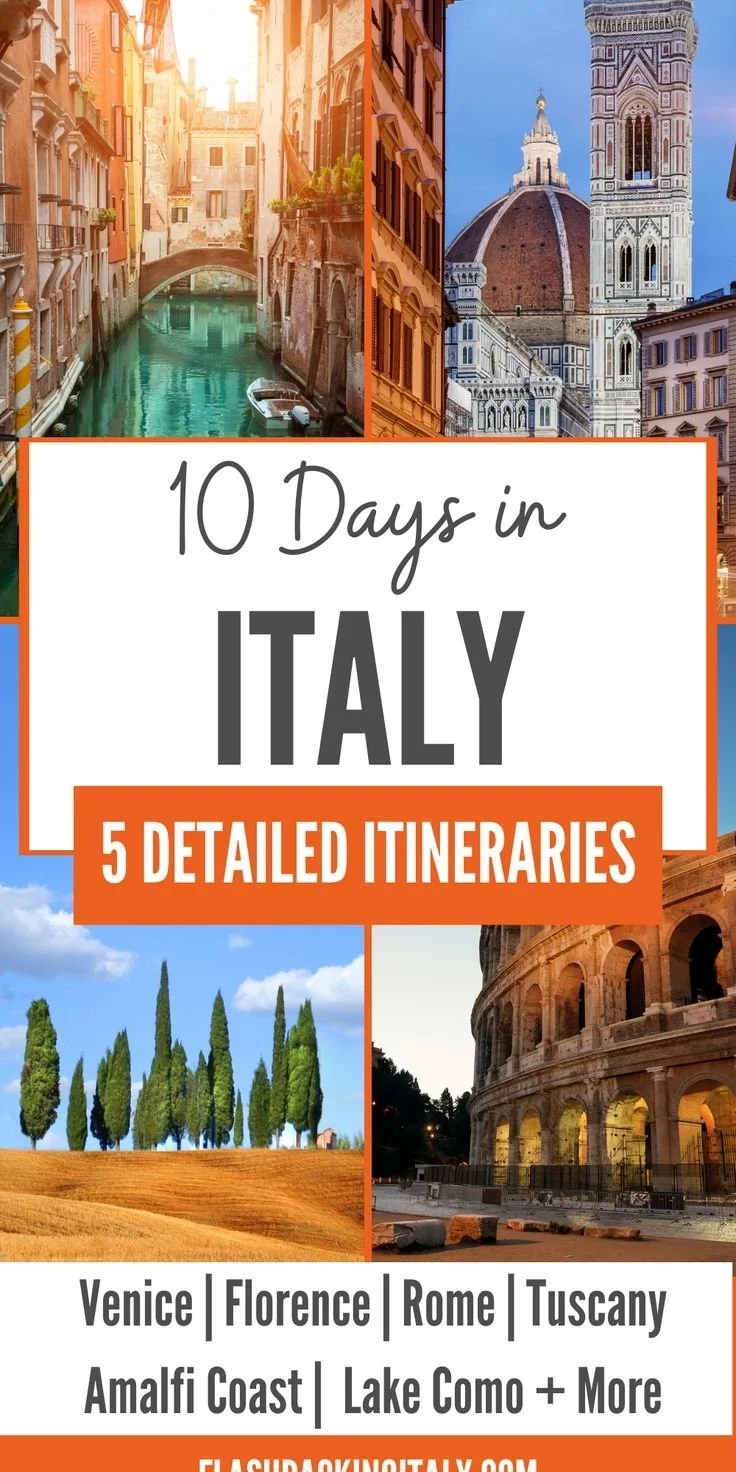
Italy in 10 days can be as relaxed or as whirlwind as you like. Below are five distinct, carefully paced itineraries — each built around a different theme so you can pick the experience that matches your mood: art and history, coastal bliss, alpine scenery, rural food and wine, or off-the-beaten-track South. If you’re considering pairing Italy with nearby Adriatic adventures, see this helpful summer yachting in Croatia for inspiration before you choose your route.

1) The Timeless Triangle: Rome → Florence → Venice (Best for first-timers)

Day plan
  • Days 1–3: Rome — Colosseum, Roman Forum, Vatican Museums, evening in Trastevere.
  • Days 4–6: Florence — Uffizi, Duomo climb, day trip to Pisa or a Chianti winery.
  • Days 7–10: Venice — St. Mark’s Square, Doge’s Palace, a vaporetto ride on the Grand Canal, and a day trip to Murano/Burano.
Pacing and tips
  • Use fast trains (Frecciarossa/Italo) between cities to maximize sightseeing time.
  • Book major museum timed-entry tickets in advance to avoid long lines.
  • Carry comfortable shoes: cobbles and staircases are everywhere.
Why it’s dreamy
  • A compact route that hits Italy’s most iconic art, history, and romantic canals — perfect if you want a classic taste of the country in just 10 days.

2) Sun, Sea, and Lemon Groves: Amalfi Coast & Capri (Best for coastal romance)

Day plan
  • Days 1–3: Naples — archaeology museum, pizza tasting, and a quick trip to Pompeii.
  • Days 4–7: Sorrento base with day trips to Positano and Amalfi.
  • Days 8–10: Capri — Blue Grotto, Anacapri chairlift, and coastal walks.
Pacing and tips
  • Ferries between ports are scenic and practical in high season; expect crowds in July–August.
  • Consider a rented scooter or local SITA buses for narrow coastal roads — driving is beautiful but challenging.
  • Stay hydrated and book boat tours to the grottos early in the morning for calmer seas.
Why it’s dreamy
  • Dramatic cliffs, lemon-scented air, and postcard-perfect villages make this itinerary ideal for couples and photographers.

3) Lakes, Mountains, and Alpine Air: Lake Como → Dolomites → Verona (Best for nature lovers)

Day plan
  • Days 1–3: Lake Como — Bellagio, villa gardens, leisurely boat cruises.
  • Days 4–7: Dolomites base (Ortisei or Cortina) — hiking, cable cars, and alpine panoramas.
  • Days 8–10: Verona — Roman arena, Juliet’s balcony, relaxed evenings in piazzas.
Pacing and tips
  • Rent a car for flexibility in the Dolomites and lakeside villages.
  • Pack layers: mountain weather can shift quickly even in summer.
  • Book mountain excursions and cable car tickets in advance during peak season.
Why it’s dreamy
  • Combines serene lake views with dramatic alpine scenery and a touch of Shakespearean charm.

4) Rustic Slow Travel: Tuscany Countryside & Piedmont Vineyards (Best for food and wine)

Day plan
  • Days 1–4: Florence base with short drives into Chianti for winery visits and truffle hunts.
  • Days 5–7: Val d’Orcia — Pienza, Montalcino, Montepulciano: hilltop towns and Brunello tastings.
  • Days 8–10: Piedmont (Alba area) — Barolo wine region, hazelnut specialties, and slower country living.
Pacing and tips
  • Book vineyard tours and tastings ahead of time; many are small and limited to reservations.
  • Choose agriturismo stays to enjoy home-cooked meals and local hospitality.
  • Consider a cooking class to take local techniques home.
Why it’s dreamy
  • Food-forward days, scenic drives between vineyards, and evenings under starlit skies make this a restorative, sensual trip.

5) Hidden South: Naples → Matera → Puglia (Best for explorers)

Day plan
  • Days 1–2: Naples — street food, local markets, and a fast train to the south.
  • Days 3–5: Matera — wander the sassi cave dwellings and enjoy unique boutique stays in converted grottoes.
  • Days 6–10: Puglia — Alberobello trulli houses, Polignano a Mare cliffs, and Lecce’s baroque architecture.
Pacing and tips
  • Southern Italy offers authentic culture with fewer tourists, but check train and bus schedules — some regional routes are infrequent.
  • Try local specialties: orecchiette pasta, burrata, and seafood straight from the Adriatic.
  • Renting a car in Puglia gives you access to remote beaches and smaller villages.
Why it’s dreamy
  • A chance to discover lesser-known wonders, traditional cuisine, and landscapes that feel untouched by mass tourism.

Practical planning tips for any 10-day Italy trip

  • Travel light and use trains for intercity hops; regional trains and ferries cover many coastal routes.
  • Reserve major museums and tours in advance to save time.
  • Balance sightseeing with downtime—plan at least one slow morning or afternoon in every new place.
  • Check seasonal opening hours: some sites and ferries run on limited schedules outside summer.
  • Purchase travel insurance that covers delays and medical needs.

Conclusion

For a ready-made, day-by-day sample itinerary and more detailed logistics to adapt one of these ideas to your travel style, consult A Terrific 10-Day Italy Travel Itinerary which offers practical timing and variations to fit different interests.

2026 Planning Update for Italy Itinerary

A stronger Italy Itinerary plan starts with intent. Decide whether the trip is about price, scenery, comfort, food, events, outdoor access or a specific bucket-list moment. That decision makes the rest of the planning easier because every hotel, transfer and activity can be judged against the same goal.

For 2026, travelers should also compare total trip cost instead of only headline prices. A cheap hotel can become expensive if transport is weak, while a slightly higher nightly rate can save money if it includes breakfast, transit access or a better location.

Budget and Booking Tips

  • Book refundable accommodation early, then keep comparing prices.
  • Check airport, train or bus access before choosing where to stay.
  • Plan one main paid experience per day instead of overloading the itinerary.
  • Use grocery stops, local transport and shoulder-season dates to control costs.
  • Keep a small buffer for weather, delays, luggage storage or last-minute transfers.

Internal Planning Links

Official Resource to Check

Before finalizing the trip, check an official resource for current rules, entry requirements, park access, event details or health guidance: U.S. State Department international travel information.

Common Mistakes to Avoid

The most common mistake is planning from one viral photo or one cheap price. A useful itinerary checks distance, opening times, weather, local holidays, transfer costs and whether the experience still works if plans change.

Another mistake is ignoring the first and last day. Arrival and departure days often decide whether a trip feels smooth or stressful, so keep them lighter and avoid booking the most important activity immediately after a long transfer.

FAQ

How do you plan Italy Itinerary on a budget?

Start with flexible dates, compare accommodation outside the most expensive zone, check transport before booking and keep one paid activity as the main highlight.

What should you check before booking Italy Itinerary?

Check season, local transport, cancellation rules, official travel updates, safety requirements and whether the final cost includes food, transfers and extra fees.

Is Italy Itinerary worth it in 2026?

Yes, if the trip matches your budget, season and travel style. A focused itinerary usually gives better value than trying to visit too many places at once.

Lisbon, Portugal: Ultimate 4-5 day Travel Itinerary

Lisbon travel itinerary showcasing beautiful sights and cultural attractions in Portugal
Lisbon is a compact, charismatic capital where colorful trams climb steep hills, tiled facades glint in the sun, and viewpoints (miradouros) reward every uphill step. This 4–5 day itinerary balances iconic sights, neighborhood wandering, day trips, and food stops so you get the city’s best without feeling rushed. If you enjoy structured travel planning, you might also appreciate this extended travel itinerary planning guide for ideas on pacing longer trips—the same principles apply when stretching Lisbon into a relaxed five-day stay.Quick planning notes
  • Best time to visit: spring (April–June) and fall (September–October) for mild weather and fewer crowds.
  • Currency: Euro. Most places accept cards but carry small bills for trams and market stalls.
  • Getting around: Lisbon is walkable but hilly. Use trams, metro, and tuk-tuk/ride-share for steeper stretches. Buy a rechargeable Viva Viagem card if you’ll ride public transit frequently.
Day 1 — Alfama, Castelo & a Fado evening Morning
  • Start in Alfama, Lisbon’s oldest quarter. Wander narrow lanes, discover azulejos (tiles), and stop at the Lisbon Cathedral (Sé).
  • Climb or take the short tram up to São Jorge Castle for panoramic city views and a gentle orientation to Lisbon’s layout.
Afternoon
  • Descend toward Praça do Comércio and the riverfront. Grab a light lunch and try a bifana (pork sandwich) or petiscos (Portuguese tapas).
  • Visit the Museum of Lisbon or simply stroll the Baixa grid, rebuilt after the 1755 earthquake.
Evening
  • Book a Fado dinner in Alfama or nearby Bairro Alto. The soulful music rounds out your introduction to Portuguese culture.
Day 2 — Belém: Monuments, Pastéis & Museums Morning
  • Head west to Belém. Visit the Jerónimos Monastery, a masterpiece of Manueline architecture, then step into the adjacent Maritime Museum or the National Archaeology Museum.
  • Don’t miss the Torre de Belém on the riverside.
Afternoon
  • Indulge in pastéis de nata at Pastéis de Belém—arguably the original and most famous.
  • Explore the MAAT (Museum of Art, Architecture and Technology) for contemporary exhibits and waterside views.
Evening
  • Return to the city center and have a relaxed meal in Chiado, where cafés and bookstores mix with elegant 19th-century facades.
Day 3 — Bairro Alto, Chiado & Tram 28 ride Morning
  • Start in Chiado: shop, sip coffee, and enjoy the literary cafés.
  • Ride the historic Tram 28 (early morning to avoid lines) through Graça, Alfama, and Baixa—an iconically touristy but scenic experience.
Afternoon
  • Explore Bairro Alto’s daytime vibe: boutiques, small galleries, and views from Miradouro de São Pedro de Alcântara.
  • Consider the Carmo Convent ruins for a short historical stop and great photos.
Evening
  • Bairro Alto comes alive after dark. Try a small-plate crawl between bars and tasquinhas (cozy taverns).
Day 4 — Day trip to Sintra (must-see) Full day
  • Take an early train (about 40 minutes) to Sintra. Plan to visit Pena Palace, the Moorish Castle, and Quinta da Regaleira (the gardens and initiatic wells are a highlight).
  • Allow time for lunch in the historic town center and a stroll through the shaded lanes.
  • Return to Lisbon late afternoon and enjoy a leisurely dinner near the river in Cais do Sodré or along the Avenida Ribeira das Naus.
Optional Day 5 — Cascais, Estoril or deeper Lisbon neighborhoods Cascais & Estoril (coast)
  • Hop on a scenic train to Cascais for beaches, seafood, and a relaxed coastal vibe. Stop in Estoril to see the casino and gardens.
  • If the weather is good, rent a bike along the promenade.
Off-the-beaten-path Lisbon
  • Explore LX Factory for street art, concept shops and a buzzing Sunday market.
  • Visit the modern Parque das Nações for the Oceanarium and riverside promenades.
  • Spend more time in Mouraria for authentic multicultural dining and neighborhood life.
Food & drink highlights
  • Pastéis de nata: try in Belém and a neighborhood bakery for comparison.
  • Bacalhau: many ways to eat Portugal’s salted cod—ask for bacalhau à Brás if you want a comforting classic.
  • Petiscos: shareable small plates, similar to Spanish tapas.
  • Ginjinha: a sour cherry liqueur, often sipped from a tiny cup in Rossio.
Practical tips
  • Wear comfortable shoes with grip; the cobbles and hills are beautiful but taxing.
  • Reserve tickets for major sights (Pena Palace, Jerónimos Monastery) in advance during high season.
  • Consider a 24–48 hour public transport pass if you plan multiple tram and train rides.
  • Keep an eye on pickpockets in crowded trams and tourist areas.
Where to stay
  • Alfama or Baixa for central charm and walking access.
  • Chiado/Bairro Alto for nightlife and cafes.
  • Avenida or Campo Pequeno for more modern hotels and easy metro access.
Packing checklist
  • Lightweight waterproof jacket (spring/fall showers), comfortable walking shoes, a power adapter (Type F), and a small daypack.

Conclusion

For a condensed guide that adapts well to a tighter schedule, this recommendation pairs nicely with the practical suggestions found in The Perfect 2 Day Lisbon, Portugal Itinerary – In Between Pictures, which can help if you only have a weekend to explore Lisbon.

2026 Planning Update for Lisbon

A stronger Lisbon plan starts with intent. Decide whether the trip is about price, scenery, comfort, food, events, outdoor access or a specific bucket-list moment. That decision makes the rest of the planning easier because every hotel, transfer and activity can be judged against the same goal.

For 2026, travelers should also compare total trip cost instead of only headline prices. A cheap hotel can become expensive if transport is weak, while a slightly higher nightly rate can save money if it includes breakfast, transit access or a better location.

Budget and Booking Tips

  • Book refundable accommodation early, then keep comparing prices.
  • Check airport, train or bus access before choosing where to stay.
  • Plan one main paid experience per day instead of overloading the itinerary.
  • Use grocery stops, local transport and shoulder-season dates to control costs.
  • Keep a small buffer for weather, delays, luggage storage or last-minute transfers.

Internal Planning Links

Official Resource to Check

Before finalizing the trip, check an official resource for current rules, entry requirements, park access, event details or health guidance: U.S. State Department international travel information.

Common Mistakes to Avoid

The most common mistake is planning from one viral photo or one cheap price. A useful itinerary checks distance, opening times, weather, local holidays, transfer costs and whether the experience still works if plans change.

Another mistake is ignoring the first and last day. Arrival and departure days often decide whether a trip feels smooth or stressful, so keep them lighter and avoid booking the most important activity immediately after a long transfer.

FAQ

How do you plan Lisbon on a budget?

Start with flexible dates, compare accommodation outside the most expensive zone, check transport before booking and keep one paid activity as the main highlight.

What should you check before booking Lisbon?

Check season, local transport, cancellation rules, official travel updates, safety requirements and whether the final cost includes food, transfers and extra fees.

Is Lisbon worth it in 2026?

Yes, if the trip matches your budget, season and travel style. A focused itinerary usually gives better value than trying to visit too many places at once.

35 Places Around the World to See With Your Kids Before They Grow Up

Family exploring a scenic view at one of the 35 places to see with kids.

Quick answer: 35 Places Around the World is easiest to plan when you compare season, total trip cost, transport, where to stay and the main experience you want before booking.

Travel with children transforms ordinary sights into lifelong memories. Below is a curated, family-focused list of 35 destinations—each with a quick note on why it delights kids, suggested activities, and when to go. If you’re planning a European leg with children, you might also enjoy this roundup of must-see places in Germany that balance history, outdoor play, and easy family logistics.

How to use this list

  • Pick places that match your child’s interests—animals, history, beaches, or active adventures.
  • Check seasonal weather and school schedules to avoid crowds.
  • Mix big-ticket sights with downtime: playgrounds, parks, and treats keep kids happy.

1. London, UK

Why kids love it: museums with hands-on exhibits, the Tower of London, and easy riverboat rides. Best for ages 4+.

2. Paris, France

Why kids love it: Seine cruises, interactive science museums, and kid-sized pastries. Combine the Louvre highlights with a picnic.

3. Rome, Italy

Why kids love it: ancient ruins to explore like a playground, gelato on every corner, and toss-a-coin traditions. Best for curious youngsters.

4. Barcelona, Spain

Why kids love it: whimsical Gaudí parks, beaches, and lively markets where tastes and textures make exploring fun.

5. Amsterdam, Netherlands

Why kids love it: canal boats, bike-friendly streets, and museums with family programming. Short ferry rides are big favorites.

6. Berlin, Germany

Why kids love it: green spaces, kid-focused museums, and remnants of history turned into interactive learning moments.

7. Prague, Czech Republic

Why kids love it: fairytale architecture, puppet shows, and castle grounds ideal for running free.

8. Athens, Greece

Why kids love it: climbing ancient ruins, myths brought to life, and Mediterranean snacks. Shade and water are a must in summer.

9. Iceland (Golden Circle)

Why kids love it: geysers, waterfalls, and geothermal pools—nature feels like a science experiment. Summer offers long days for exploring.

10. Norwegian Fjords

Why kids love it: boat rides through dramatic scenery and short hikes to waterfalls—perfect for young nature lovers.

11. Swiss Alps (Interlaken/Zermatt)

Why kids love it: cable cars, easy alpine walks, and summer toboggan runs. Pack layers and motion-sickness remedies for mountain travel.

12. A Disney Park (Paris, Orlando, Tokyo, etc.)

Why kids love it: characters come alive, parades, and themed rides built for family thrills. Choose based on flight time and language comfort.

13. Yellowstone National Park, USA

Why kids love it: geysers, wildlife spotting, and junior ranger programs that make learning an adventure.

14. Grand Canyon, USA

Why kids love it: vast vistas that spark imagination and short, safe lookout trails for younger visitors.

15. New York City, USA

Why kids love it: museums with interactive wings, Central Park boat rentals, and multitude of sensory experiences.

16. San Diego, USA

Why kids love it: world-class zoo, beaches, and kid-friendly museums—easy rhythms for families.

17. Washington, D.C., USA

Why kids love it: free Smithsonian museums, hands-on exhibits, and iconic monuments that double as outdoor classrooms.

18. Maui, Hawaii

Why kids love it: calm beaches, snorkeling with gentle fish, and luaus that blend food, music, and dance.

19. Great Barrier Reef, Australia

Why kids love it: shallow snorkeling and glass-bottom boats introduce marine life gently—opt for certified family-friendly operators.

20. Sydney, Australia

Why kids love it: harbour ferries, the opera house shapes to explore from outside, and beaches with safe swimming.

21. Tokyo, Japan

Why kids love it: themed cafes, kid-centric museums, and efficient transit making sightseeing simple and exciting.

22. Kyoto, Japan

Why kids love it: serene temples, bamboo groves that feel like a storybook, and cultural crafts to try together.

23. Singapore (Sentosa)

Why kids love it: polished, safe attractions like Sentosa island and the interactive Gardens by the Bay.

24. Bali, Indonesia

Why kids love it: rice terraces to walk, playful beaches, and cultural dance performances that captivate.

25. Borneo (orangutan sanctuaries)

Why kids love it: seeing orangutans and other wildlife up close teaches conservation in a powerful way.

26. Cape Town, South Africa

Why kids love it: Table Mountain cable car rides, beaches, and vibrant food markets that welcome young eaters.

27. Kruger National Park, South Africa

Why kids love it: guided safari drives introduce animals and nature in a controlled, educational setting—choose kid-friendly lodges.

28. Cairo & the Pyramids, Egypt

Why kids love it: massive structures that ignite imagination and camel rides that feel like an expedition—keep visits short and shaded.

29. Petra, Jordan

Why kids love it: the dramatic Siq walk and Treasury reveal feel like a treasure hunt—combine with gentle hikes and local treats.

30. Machu Picchu, Peru

Why kids love it: Inca terraces and llamas make history tangible; shorter treks and train options suit families.

31. Galápagos Islands, Ecuador

Why kids love it: fearless wildlife and simple snorkel encounters that teach natural history first-hand.

32. Rio de Janeiro, Brazil

Why kids love it: beaches, cable car rides to Sugarloaf, and lively street culture—choose family-friendly neighborhoods to stay.

33. Amazon Rainforest (Brazil or Ecuador)

Why kids love it: jungle lodges, wildlife spotting, and discovery hikes guided by naturalists—opt for shorter excursions for younger kids.

34. Banff & Jasper, Canada

Why kids love it: turquoise lakes, easy interpretive trails, and gondolas—great for building a love of mountains.

35. Finnish Lapland (Northern Lights & Santa)

Why kids love it: snow play, reindeer rides, and the magic of meeting Santa during winter months—combine with a calmer off-season for aurora viewing.

Practical Tips for Family Travel

  • Plan rest days and build in flexible time for naps or unplanned fun.
  • Carry snacks, a small first-aid kit, and lightweight entertainment for transit.
  • Book accommodations with family rooms or kitchenettes to simplify routines.
  • Involve kids in planning: picking a museum, a snack, or a short hike gives them ownership.

Conclusion

For a ready-made checklist and gentle inspiration to start planning your family adventures, see this collection of 35 Places Around the World to See With Your Kids Before They Grow Up.

2026 Planning Update for 35 Places Around The World

A stronger 35 Places Around the World plan starts with intent. Decide whether the trip is about price, scenery, comfort, food, events, outdoor access or a specific bucket-list moment. That decision makes the rest of the planning easier because every hotel, transfer and activity can be judged against the same goal.

For 2026, travelers should also compare total trip cost instead of only headline prices. A cheap hotel can become expensive if transport is weak, while a slightly higher nightly rate can save money if it includes breakfast, transit access or a better location.

Budget and Booking Tips

  • Book refundable accommodation early, then keep comparing prices.
  • Check airport, train or bus access before choosing where to stay.
  • Plan one main paid experience per day instead of overloading the itinerary.
  • Use grocery stops, local transport and shoulder-season dates to control costs.
  • Keep a small buffer for weather, delays, luggage storage or last-minute transfers.

Internal Planning Links

Official Resource to Check

Before finalizing the trip, check an official resource for current rules, entry requirements, park access, event details or health guidance: U.S. State Department international travel information.

Common Mistakes to Avoid

The most common mistake is planning from one viral photo or one cheap price. A useful itinerary checks distance, opening times, weather, local holidays, transfer costs and whether the experience still works if plans change.

Another mistake is ignoring the first and last day. Arrival and departure days often decide whether a trip feels smooth or stressful, so keep them lighter and avoid booking the most important activity immediately after a long transfer.

FAQ

How do you plan 35 Places Around the World on a budget?

Start with flexible dates, compare accommodation outside the most expensive zone, check transport before booking and keep one paid activity as the main highlight.

What should you check before booking 35 Places Around the World?

Check season, local transport, cancellation rules, official travel updates, safety requirements and whether the final cost includes food, transfers and extra fees.

Is 35 Places Around the World worth it in 2026?

Yes, if the trip matches your budget, season and travel style. A focused itinerary usually gives better value than trying to visit too many places at once.

Switzerland Scenery: 23 Most Beautiful Places I’d Visit in 2026

Stunning landscapes of Switzerland showcasing its scenic beauty.
Switzerland is a compact country that feels impossibly varied: jagged alpine ridges, glassy lakes, flower-scattered valleys, storybook villages and cosmopolitan cities — all within a few hours by train. Whether you’re chasing reflections of mountains in still water or looking for high alpine hikes and cozy chalets, the list below collects 23 places I’d prioritize visiting in 2026. If you enjoy planning multi-country itineraries for future trips, you might also find inspiration in a guide to the best places in Mexico as you compare landscapes and cultures.

1. Zermatt & the Matterhorn

A pilgrimage for mountain lovers: Zermatt’s car-free village charm and the iconic triangular profile of the Matterhorn make this a must. Sunrise and sunset light on the summit are unforgettable.

2. Interlaken & Jungfrau Region

Interlaken is the gateway to dramatic valleys. From here take trains to Jungfraujoch (the “Top of Europe”) or hike toward Lauterbrunnen’s waterfalls.

3. Lucerne & Lake Lucerne

Lucerne blends medieval architecture with lake cruises that reveal steep, wooded slopes and mountain silhouettes — a photogenic, easy-access classic.

4. Bern Old Town

Switzerland’s capital charms with arcaded streets, the River Aare running in a horseshoe, and a relaxed pace that rewards slow wandering.

5. Lausanne & Lake Geneva

Perched on hills above Lake Geneva, Lausanne offers vineyards, lively cafés and sweeping views across to the French Alps.

6. Geneva’s Lakeside Elegance

A global city with refined parks and the Jet d’Eau, Geneva’s waterfront promenades and international atmosphere make for cultured respite.

7. Montreux & Château de Chillon

Montreux’s lakeside promenade and nearby Château de Chillon, perched on a rock in Lake Geneva, are quintessential Swiss postcard scenes.

8. Grindelwald

A rugged alpine village with direct access to hikes and via ferrata routes, Grindelwald sits beneath dramatic glaciers and peaks.

9. St. Moritz

Synonymous with alpine luxury and winter sports, St. Moritz also shines in summer with high-mountain trails and crystalline lakes.

10. Appenzell & Alpstein

For pastoral landscapes and traditional Swiss culture, Appenzell’s rolling hills and the Alpstein massif offer easy trails and local flavor.

11. Swiss National Park (Zernez)

Switzerland’s only national park protects high-alpine ecosystems — excellent for wildlife spotting and unspoiled mountain panoramas.

12. Lugano & Ticino

Southern Switzerland’s Mediterranean-influenced Ticino region offers palm-lined lakeshores, Italianate architecture and a warmer climate.

13. Aletsch Glacier

Europe’s longest glacier is an imposing natural monument. Viewing platforms give the scale and texture of the ice river.

14. Gstaad

Gstaad’s alpine elegance and wooden chalets combine with nearby meadows perfect for summer walks and mountain biking.

15. Appenzellerland Spring Blooms

In spring the foothills explode in wildflowers; small villages and cheese traditions complete a pastoral escape.

16. Rigi & Pilatus Day Trips

Classic day trips from Lucerne, Mount Rigi and Pilatus both offer panoramic, accessible summits with historic cogwheel railways.

17. Lauterbrunnen Valley & Trümmelbach Falls

A valley of sheer cliffs and 72 waterfalls; Trümmelbach’s glacial torrents channeled through rock are a dramatic highlight.

18. Château-d’Œx Ballooning

For a different angle on Swiss scenery, hot-air balloon flights over rolling hills and valleys deliver calm, expansive views.

19. Sierre & Valais Vineyards

The Valais region produces sun-drenched terraces and alpine wines; take vineyard walks with mountain backdrops.

20. Biel/Bienne & Three-Language Culture

Biel/Bienne sits at a cultural crossroads; its lakefront and bilingual life add a nuanced urban stop to any route.

21. Scuol & Engadin Valley

Engadin’s high plateaus and Scuol’s thermal baths combine beautiful hiking with restorative spa time.

22. Schaffhausen & Rhine Falls

Europe’s largest waterfall near Schaffhausen is a thunderous display; nearby medieval town centers soften the day.

23. Appenzell Cheese Trails

Wrap up culinary exploration with local cheese huts and alpine dairies where traditional production meets sweeping mountain meadows.
Travel tips for 2026
  • Use Switzerland’s efficient rail network to link most of these places; scenic trains are often the best way to experience the landscape.
  • Plan for quick weather changes in the mountains: layered clothing, waterproofs and flexible itineraries help.
  • Consider visiting shoulder seasons (late spring, early autumn) to avoid peak crowds while still enjoying vivid scenery.
  • Reserve alpine mountain railways and popular attractions in advance during summer and winter high seasons.

Conclusion

If you want to contrast Switzerland’s peaks and lakes with Mediterranean vistas and historic hill towns, this guide to the 18 Most Beautiful Places To Visit In Italy – GlobalGrasshopper is a useful companion when planning longer European trips.

2026 Planning Update for Switzerland Scenery

A stronger Switzerland Scenery plan starts with intent. Decide whether the trip is about price, scenery, comfort, food, events, outdoor access or a specific bucket-list moment. That decision makes the rest of the planning easier because every hotel, transfer and activity can be judged against the same goal.

For 2026, travelers should also compare total trip cost instead of only headline prices. A cheap hotel can become expensive if transport is weak, while a slightly higher nightly rate can save money if it includes breakfast, transit access or a better location.

Budget and Booking Tips

  • Book refundable accommodation early, then keep comparing prices.
  • Check airport, train or bus access before choosing where to stay.
  • Plan one main paid experience per day instead of overloading the itinerary.
  • Use grocery stops, local transport and shoulder-season dates to control costs.
  • Keep a small buffer for weather, delays, luggage storage or last-minute transfers.

Internal Planning Links

Official Resource to Check

Before finalizing the trip, check an official resource for current rules, entry requirements, park access, event details or health guidance: U.S. State Department international travel information.

Common Mistakes to Avoid

The most common mistake is planning from one viral photo or one cheap price. A useful itinerary checks distance, opening times, weather, local holidays, transfer costs and whether the experience still works if plans change.

Another mistake is ignoring the first and last day. Arrival and departure days often decide whether a trip feels smooth or stressful, so keep them lighter and avoid booking the most important activity immediately after a long transfer.

FAQ

How do you plan Switzerland Scenery on a budget?

Start with flexible dates, compare accommodation outside the most expensive zone, check transport before booking and keep one paid activity as the main highlight.

What should you check before booking Switzerland Scenery?

Check season, local transport, cancellation rules, official travel updates, safety requirements and whether the final cost includes food, transfers and extra fees.

Is Switzerland Scenery worth it in 2026?

Yes, if the trip matches your budget, season and travel style. A focused itinerary usually gives better value than trying to visit too many places at once.

if(last){ var africa=last.cloneNode(true); africa.href="https://www.cnctravel.com/category/africa/"; africa.textContent="Africa"; last.insertAdjacentElement("afterend",africa); } }document.querySelectorAll(".blog article,.archive article").forEach(function(card){ if(card.querySelector("img,.cnc-archive-fallback-image")) return; var title=card.querySelector(".entry-title,h2,h3"); if(!title) return; var image=document.createElement("span"); image.className="cnc-archive-fallback-image"; image.setAttribute("aria-hidden","true"); card.insertBefore(image, card.firstChild); }); }); })();