
Tasmania Bucket List: Hidden Gems & Epic Nature Escapes 🌿⛰️
Introduction
Discovering Tasmania feels like opening a map of secrets: jagged coastlines, misty mountain plateaus, glassy bays and forests that have been uninterrupted for millennia. If you love getting off the beaten path, start your planning here and broaden your curiosity with a trusted resource on lesser-known travel finds from beyond our shores by exploring this guide to the best hidden gems in Europe—it’s useful for techniques on finding quiet, unforgettable spots wherever you go.
Where to go: must-see wild places
- Cradle Mountain-Lake St Clair National Park: Hike sections of the Overland Track, but also take shorter walks to Dove Lake or the less-traveled Marion’s Lookout for dramatic alpine views and button grass plains.
- Bay of Fires: Orange lichen on white granite, miles of empty sand and crystalline water—perfect for beach walks, sunrise photography and quiet camping.
- Maria Island: A wildlife sanctuary with tame wombats, painted cliffs and convict-era ruins; cycle the quiet roads and stay overnight to feel the island slow down.
Hidden-gem hikes and remote lookouts
- Hartz Mountains: Alpine tarns and snow gums with short but rewarding trails; a great alternative when Cradle Mountain gets crowded.
- Mt. Field National Park: Visit the towering swamp gums and step behind Russell Falls for a more intimate waterfall experience.
- The Tarkine: Ancient temperate rainforest and wild river country in the northwest—ideal for multi-day drives, short walks and remote photography without the crowds.
Coastal escapes & island hopping
- Bruny Island: Sample artisan cheeses and oysters, then climb the Truganini Lookout for panoramic views. Take a coastline cruise for sea-cliff and wildlife spotting.
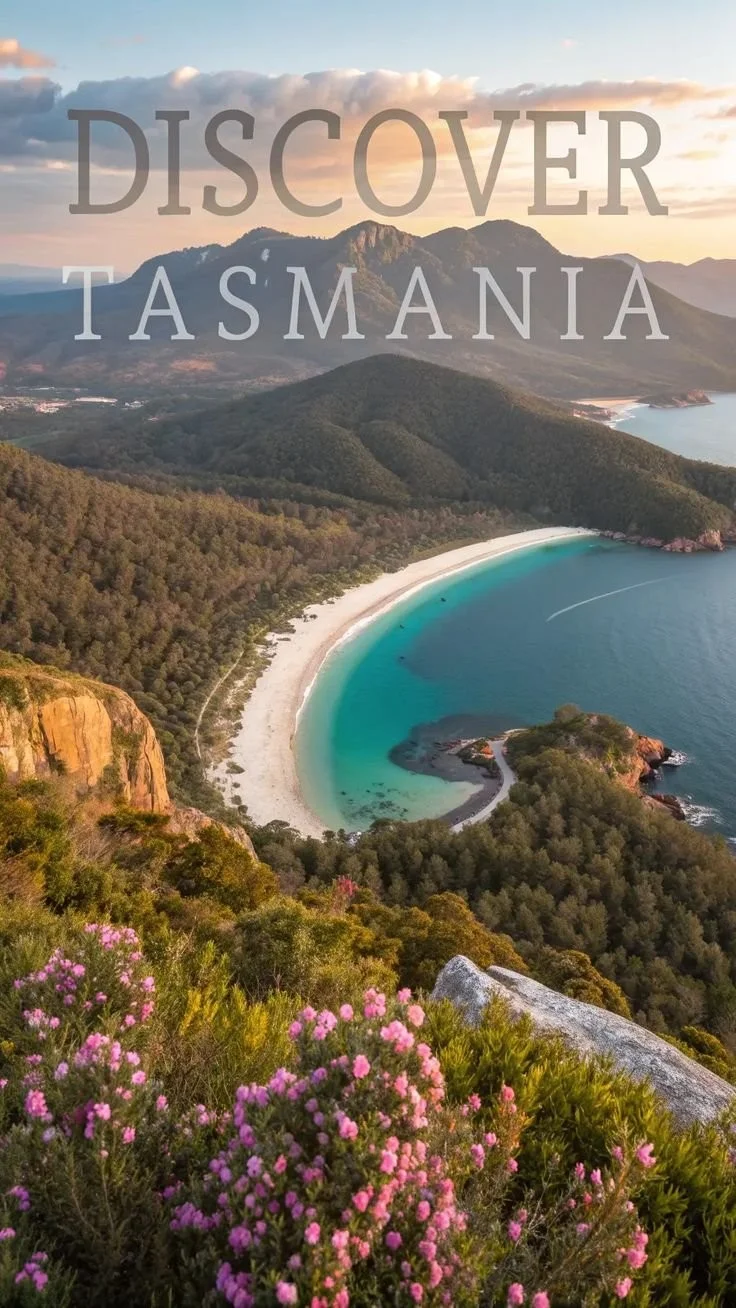
- Wineglass Bay and Freycinet Peninsula: Famous for a reason—balanced with early starts or shoulder-season visits, you can enjoy solitary stretches of sand and pink granite outcrops.
- Southern bays and hidden coves: Rent a kayak or join a guided sea-kayak trip to explore sea caves, beaches accessible only by water and abundant marine life.
Nature experiences off the map
- Night skies and bioluminescence: Away from light pollution, Tasmania’s southern latitudes reveal spectacular Milky Way views; check for local bioluminescence events on sheltered beaches.
- Wildlife encounters: Dawn or dusk is best for spotting Tasmanian devils at sanctuaries, echidnas crossing the road, and seabird colonies; always observe from a respectful distance.
- Foraging and food trails: Farmers’ markets, oyster farms and vineyard cellar doors reward those who seek local flavors—combine short drives with farm-gate stops.
Practical tips for adventurous travelers
- Timing: Spring and autumn balance mild weather and fewer visitors. Summer brings long daylight hours but book ahead for popular spots.
- Transport and access: A rental car is the most flexible way to reach remote bays and forest trails; some island trips require advance bookings.
- Safety and conservation: Leave no trace—pack out what you pack in, stick to established paths where indicated, and respect wildlife and cultural sites.
Sample 3-day mini-itinerary (for inspiration)
Day 1: Arrive Hobart — drive to Bruny Island for coastal walks and produce tasting.
Day 2: Head east to Freycinet — short hike to the Wineglass Bay lookout, evening beach walk.
Day 3: Drive northwest toward Cradle Mountain or Mt Field for alpine scenery, return via scenic stops.
Conclusion
For broader inspiration on must-do experiences across Australia that can complement a Tasmanian adventure, see this curated list of Australia’s bucket list: 101 things to do and see which offers ideas to extend your trip beyond the island.