Quick answer: A strong Italy hidden gems itinerary combines one hill town, one lake base, one coastal stop and one unique village so the trip feels varied without becoming rushed.
Italy Hidden Gems Itinerary 2026: Orvieto, Malcesine, Tropea and Alberobello
Italy rewards slower travel. The famous cities are powerful, but smaller towns often give better hotel value, easier meals, less crowd pressure and a stronger sense of place.
For CNC Travel, this cluster matters because several existing Italy articles already receive pageviews. Connecting them into one itinerary gives Google a clearer topic hub.
Better lodging value outside the biggest cities
More original photo angles
Easier local restaurants
Stronger internal linking for SEO
Suggested 12-day route
Start with Orvieto for hill-town atmosphere and easy train access. Continue north to Lake Garda and use Malcesine as a scenic base. Then fly or train south toward Calabria for Tropea, finishing with Alberobello or Puglia if the route allows.
This route is not about seeing everything. It is about giving the traveler a real reason to click: a trip that feels curated, visual and practical.
Days 1-3: Orvieto and Umbria
Days 4-6: Malcesine and Lake Garda
Days 7-9: Tropea and Calabria beaches
Days 10-12: Alberobello and Puglia add-on
Budget planning
Hidden gem Italy is not automatically cheap, but it can be cheaper than Rome, Florence, Venice and Amalfi in peak season. The key is booking locally run stays, using trains where possible and avoiding one-night jumps.
Travelers should budget more for food experiences and fewer paid attractions. In many smaller Italian towns, walking, viewpoints, markets and churches are part of the value.
Simple lodging: 70 to 150 USD per night
Meals: 30 to 70 USD per day
Transport between bases: 25 to 120 USD depending on distance
Best value season: April-June and September-October
How to make the trip SEO and AI friendly
For search visibility, each town article should answer a specific intent: reasons to visit, how many days, cost, where to stay, what to avoid and nearby alternatives.
AI answers tend to quote clear lists, direct budget ranges and concise local advice. That is why this itinerary uses structured steps instead of vague inspiration.
Quick answer: The best Europe budget travel strategy for 2026 is to combine one famous city with two cheaper regional bases, travel by train or bus, and keep lodging near public transport.
Europe Budget Travel 2026: Best Countries, Costs and 10-Day Itinerary Ideas
Albania, Bulgaria, Romania, Portugal, Poland, Montenegro and parts of Greece remain strong choices for travelers who want Europe without the highest Western Europe prices. The best value usually comes from secondary cities, shoulder season trips and guesthouses near transport hubs.
Italy, France and Spain can still work on a budget when the itinerary avoids the most expensive overnight bases. Instead of sleeping every night in Venice, Santorini or central Paris, use nearby towns and day trips.
Best beach value: Albania and Montenegro
Best mountain value: Bulgaria and Romania
Best food value: Portugal and southern Italy
Best first-time route: Italy plus Croatia or Slovenia
Realistic daily budget
A realistic backpacker budget in cheaper European regions can start around 55 to 85 USD per day, while a comfortable budget traveler should plan 90 to 150 USD per day. Big capitals, summer weekends and famous islands can double those numbers quickly.
The largest savings usually come from transport timing and lodging choice, not skipping every paid attraction. Book the main train or flight first, then build the route around cheaper overnight bases.
Hostel or simple guesthouse: 25 to 70 USD per night
Casual food and groceries: 20 to 45 USD per day
Local transport: 5 to 25 USD per day
Paid sights: 10 to 35 USD per day
10-day Europe budget itinerary idea
A strong 10-day route should use three bases maximum. For example, start in Lisbon, continue to Porto and finish with a northern Portugal or Galicia side trip. Another budget-friendly route is Tirana, Berat and the Albanian Riviera.
Avoid changing cities every day. Google and AI search users want practical plans, and real travelers save money when they reduce transfers, luggage stress and last-minute tickets.
Days 1-3: arrival city and food tour
Days 4-6: cheaper regional base
Days 7-9: nature or beach add-on
Day 10: return buffer near airport
Mistakes to avoid
The biggest mistake is copying a viral itinerary without checking distances. Europe looks small on a map, but airport transfers, train changes and ferry schedules can eat half a day.
Another mistake is chasing only the cheapest city. A cheap destination with poor flight connections can cost more than a slightly expensive city with direct flights and walkable neighborhoods.
Do not book nonrefundable lodging before confirming transport
Do not ignore tourist taxes and baggage fees
Do not overpack if the route includes trains and stairs
Quick answer: Football tournament travel in 2026 works best when you book official tickets, refundable hotels, transit-friendly neighborhoods and simple match-day plans early.
Football Tournament Travel 2026: How to Plan a Sports Trip Without Overpaying
What You Will Find in This Guide
Best places and itinerary ideas
Budget and booking tips for 2026
Internal CNC Travel resources for deeper planning
Official external resources for updated details
FAQ answers written for search intent
Why football tournament travel needs a strategy
A football tournament trip can be thrilling, but it can also become expensive quickly. Flights rise, hotels fill, restaurants get busy and transport around stadiums slows down.
The smartest approach is to treat the match as the anchor of the trip, then build a flexible city itinerary around it. That keeps the experience exciting without letting one event control every dollar.
Planning order
Start with official tournament dates, host cities and ticket sources. Next, compare lodging zones near reliable transit rather than only near the stadium. Then estimate food, airport transfers, match-day transport and backup activities.
If tickets are not confirmed, book refundable accommodation and avoid nonrefundable flights until your plan is stable. For major events, flexibility is a budget tool.
How to save money
Stay one or two transit stops away from the stadium zone. Travel midweek when possible. Compare nearby airports carefully and build free city activities into the itinerary.
Avoid waiting until the final month for hotels in popular host cities. Even if prices later move, having a refundable base gives you leverage.
Match-day tips
Arrive early, check bag rules, download offline maps and save your accommodation address. After the match, walking farther from the stadium before requesting a ride can save time and money.
Keep the plan simple. Big crowds make complicated itineraries fragile, and the goal is to enjoy the day rather than spend it fighting logistics.
Helpful Planning Links
Use these related CNC Travel guides to continue planning this trip from another angle.
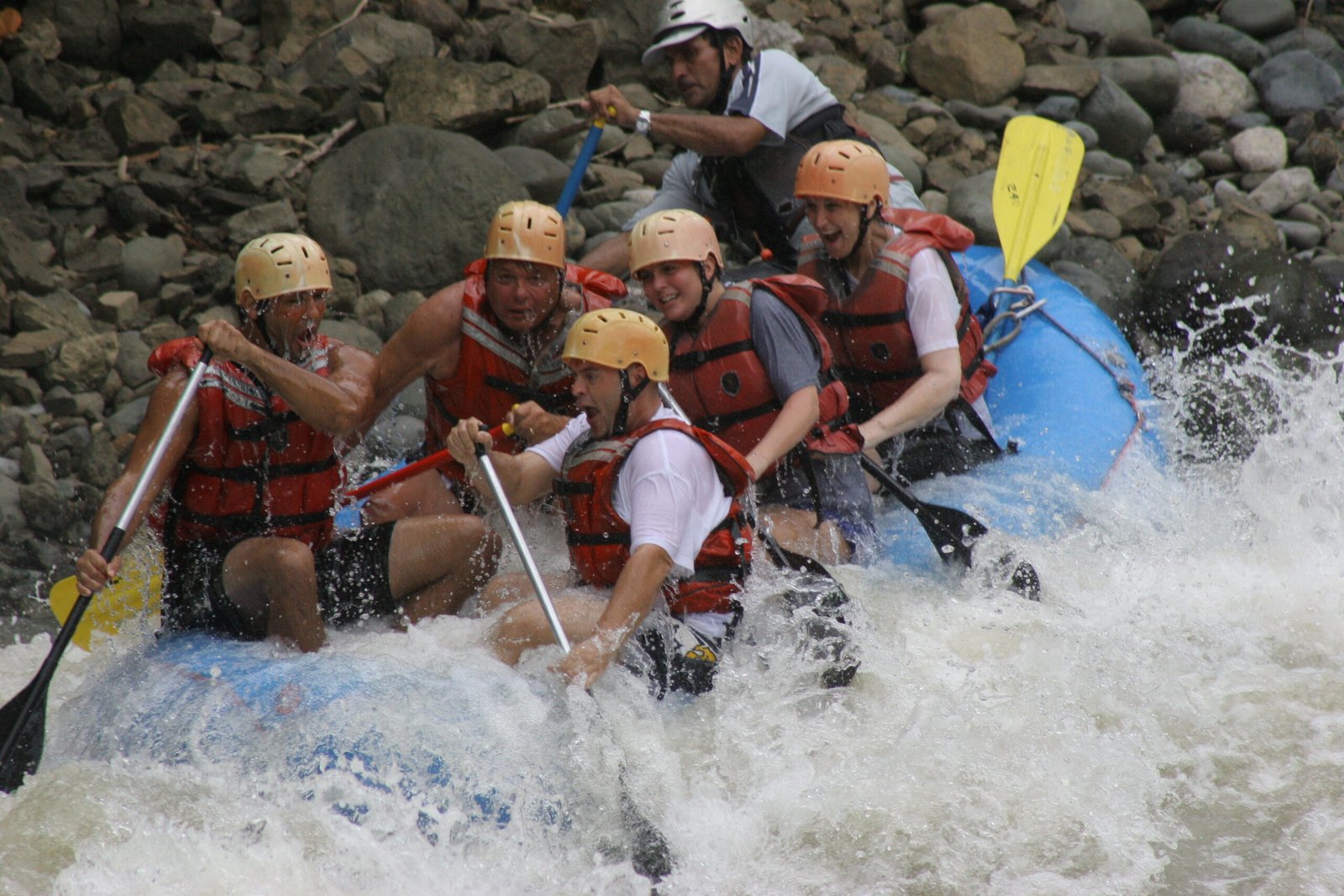
Quick answer: Adventure tourism 2026 is about choosing active trips with controlled challenge: rafting, canyoning, hiking, motorsport weekends, surf camps and guided outdoor experiences.
Adventure Tourism 2026: Best Darecation Trips for First-Time Thrill Seekers
What You Will Find in This Guide
Best places and itinerary ideas
Budget and booking tips for 2026
Internal CNC Travel resources for deeper planning
Official external resources for updated details
FAQ answers written for search intent
Why adventure tourism is bigger in 2026
Adventure tourism is no longer only for expert climbers or extreme athletes. A growing number of travelers want trips that feel active, memorable and slightly brave without becoming reckless.
This creates strong search intent. Readers need help choosing the right difficulty, destination, operator, gear, season and insurance. A good article should inspire the trip and reduce the planning anxiety at the same time.
Best beginner-friendly darecation ideas
Start with guided white water rafting, canyoning, via ferrata, surf camps, e-bike mountain routes, wildlife kayaking, hut-to-hut hiking or a weekend built around a major sports event. These options feel exciting but can be matched to beginner levels.
The safest first adventure trip is usually one main activity plus a relaxed destination around it. Do not stack rafting, canyoning, climbing and long drives into one short weekend.
How to choose a destination
Costa Rica works well for rafting and rainforest adventure. Iceland is strong for guided glacier experiences. The Dolomites are ideal for hiking and via ferrata. Portugal and Morocco work for surf camps, while Slovenia and Canada offer excellent outdoor infrastructure.
Choose based on season, language comfort, medical access, operator reviews and the real fitness level of the group. The right trip should stretch you, not punish you.
Safety, insurance and budget tips
Book with licensed operators, read recent reviews, ask what equipment is included and confirm cancellation rules. Some travel insurance policies exclude adventure activities, so read the activity coverage before buying.
To save money, travel just outside peak season and pay for one excellent guided activity instead of several cheap rushed ones. Good safety is part of the value.
Helpful Planning Links
Use these related CNC Travel guides to continue planning this trip from another angle.
Quick answer: Bolivia Salar de Uyuni is best planned around the season you want: mirror reflections in rainy months or dry white salt patterns in clearer months.
Bolivia Salar de Uyuni 2026: Salt Flats, Mirror Season and Budget Planning
What You Will Find in This Guide
Best places and itinerary ideas
Budget and booking tips for 2026
Internal CNC Travel resources for deeper planning
Official external resources for updated details
FAQ answers written for search intent
Why Salar de Uyuni fits 2026 travel
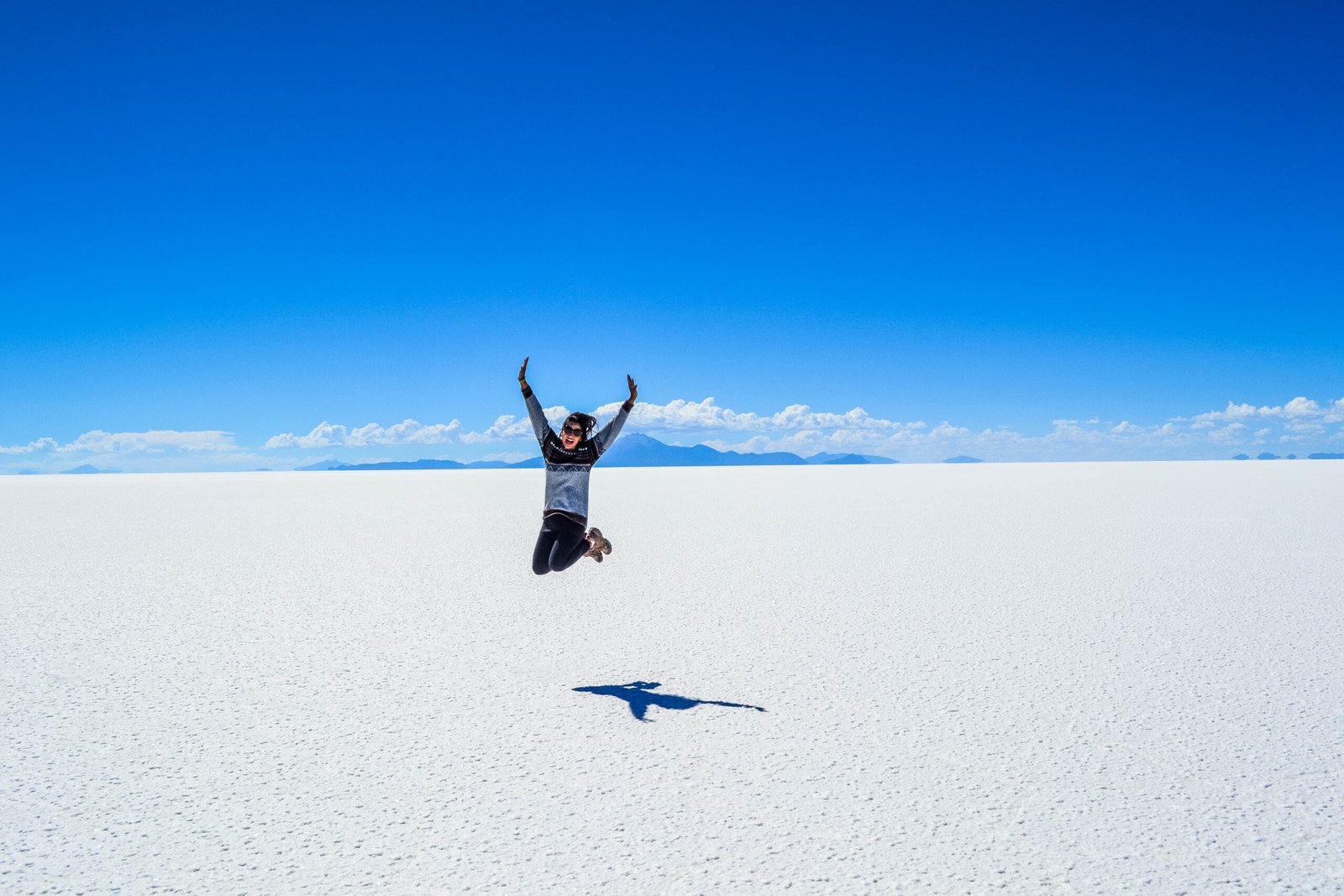
Salar de Uyuni is one of the strongest examples of a destination that feels unreal but requires very real planning. Photos show mirror skies, endless salt and strange perspective shots, but the reader still needs to understand seasons, altitude, transfers, tour quality and weather risk.
That combination makes it a powerful 2026 search topic. It satisfies visual intent and practical intent at the same time, which is exactly what a travel article needs if the goal is organic traffic and AdSense engagement.
Mirror season vs dry season
Mirror season usually falls during the rainy months, often January through March, when shallow water can create sky reflections. Dry season, often May through October, is better for geometric salt patterns, clearer access and night-sky tours.
Neither season is automatically better. Choose mirror season for surreal photography, dry season for reliability and cleaner logistics. If you care about the mirror effect, check recent local tour reports before locking your date.
Tour options and routes
Most travelers start from Uyuni town. A one-day tour covers the classic salt flat highlights, while a three-day route adds lagoons, deserts, flamingos and high-altitude landscapes. If you are arriving from La Paz, avoid stacking a night bus, tour and long onward transfer without rest.
Cross-border routes toward Chile can be efficient, but they need more planning. Confirm border conditions, luggage limits, included meals and sleeping arrangements before choosing the cheapest operator.
Budget, altitude and packing tips
Compare operators by vehicle condition, reviews, group size and what is included. Bring sunglasses, sunscreen, water, layers, a hat and a power bank. The sun and altitude can make easy days feel harder than expected.
Altitude is the detail many first-time visitors underestimate. Build in an easier first day, hydrate well and do not plan intense activities immediately after arriving from sea level.
Helpful Planning Links
Use these related CNC Travel guides to continue planning this trip from another angle.
Quick answer: The Scotland Highlands aesthetic is a moody 2026 travel idea built around castles, misty roads, lochs, wool layers, scenic drives and affordable village bases.
Why the Scotland Highlands aesthetic works for 2026
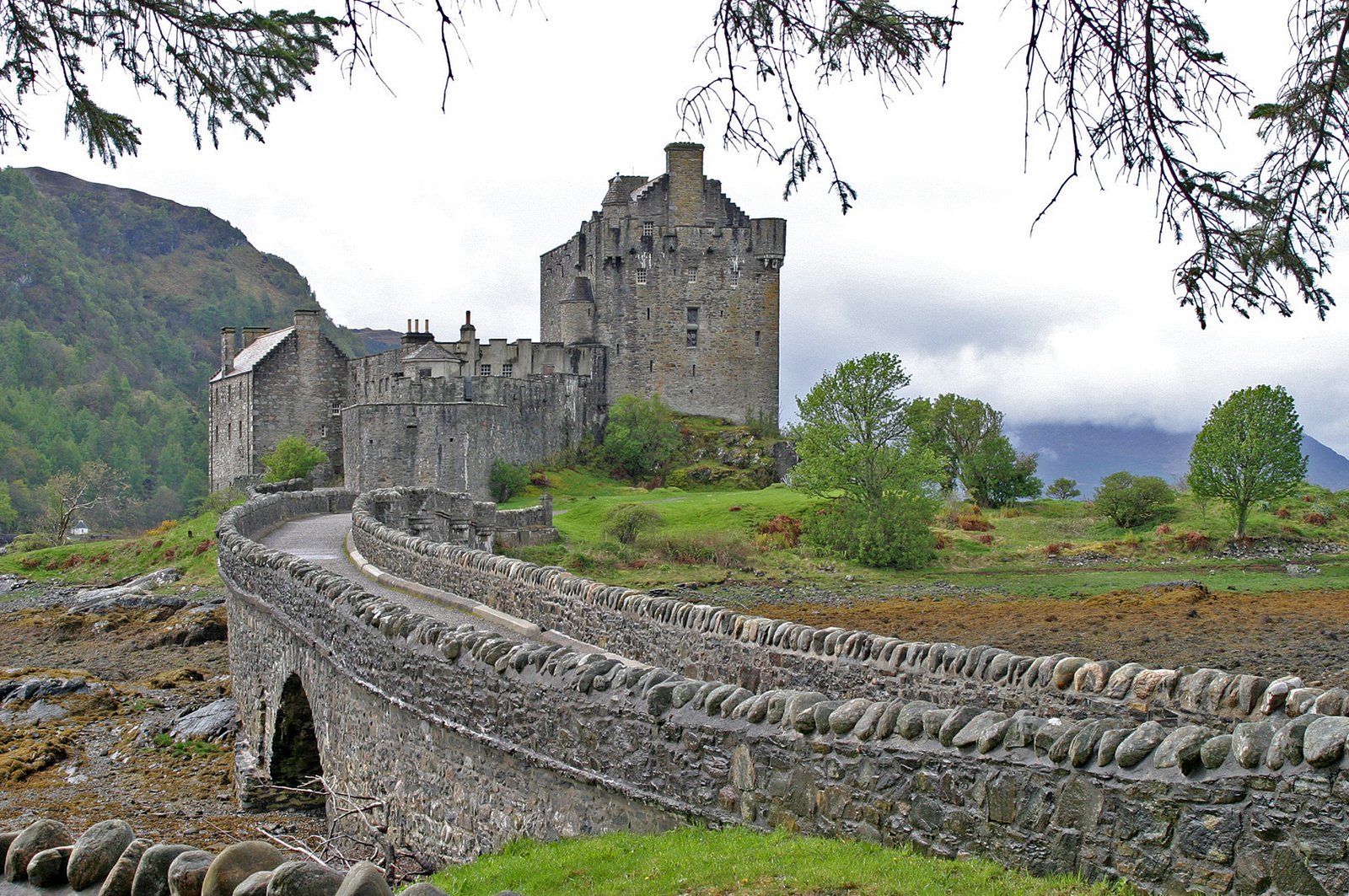
The strongest travel content in 2026 does not only answer where to go. It also answers what the trip should feel like. The Scotland Highlands aesthetic has that built in: dark lochs, stone castles, wet roads, mountain passes, quiet villages and dramatic weather that makes ordinary viewpoints feel cinematic.
For SEO and reader intent, this topic works because it blends inspiration with practical planning. People searching this phrase usually want a beautiful trip, but they also need a route, cost expectations, lodging advice and a way to avoid driving too far every day.
Best places to include
Build the trip around Inverness, Loch Ness, Urquhart Castle, Glen Coe, Eilean Donan Castle and the Isle of Skye if you have enough time. For a shorter and cheaper version, stay around Inverness and add Cairngorms National Park, Fort Augustus and one guided day trip.
The best route is not the one with the most pins. It is the one that gives you enough daylight, weather flexibility and time to stop safely. In the Highlands, a 90-minute drive can easily become half a day once you add viewpoints, rain, lunch and narrow roads.
5-day itinerary
Day 1: arrive in Inverness, walk the river, buy snacks and prepare for the road. Day 2: visit Loch Ness and Urquhart Castle, then sleep near Inverness or Fort Augustus. Day 3: drive toward Glen Coe with slow photo stops. Day 4: visit Eilean Donan Castle and continue toward Skye if conditions are good. Day 5: choose one Skye highlight or return slowly with a castle and cafe stop.
For budget travelers, avoid changing hotels every night. Two bases can be enough: Inverness for access and one western base for scenery. This lowers stress, reduces fuel waste and makes bad weather less damaging to the itinerary.
Budget, booking and transport tips
Book accommodation early for June through September. If prices are high, compare guesthouses outside the most famous villages, look at self-catering stays, and choose one or two paid attractions instead of entering every castle.
A rental car gives the best flexibility, but it is not the only option. Inverness-based day tours can work for travelers who do not want to drive. If you do rent, choose a small car, check insurance carefully and plan shorter driving days than Google Maps suggests.
Helpful Planning Links
Use these related CNC Travel guides to continue planning this trip from another angle.
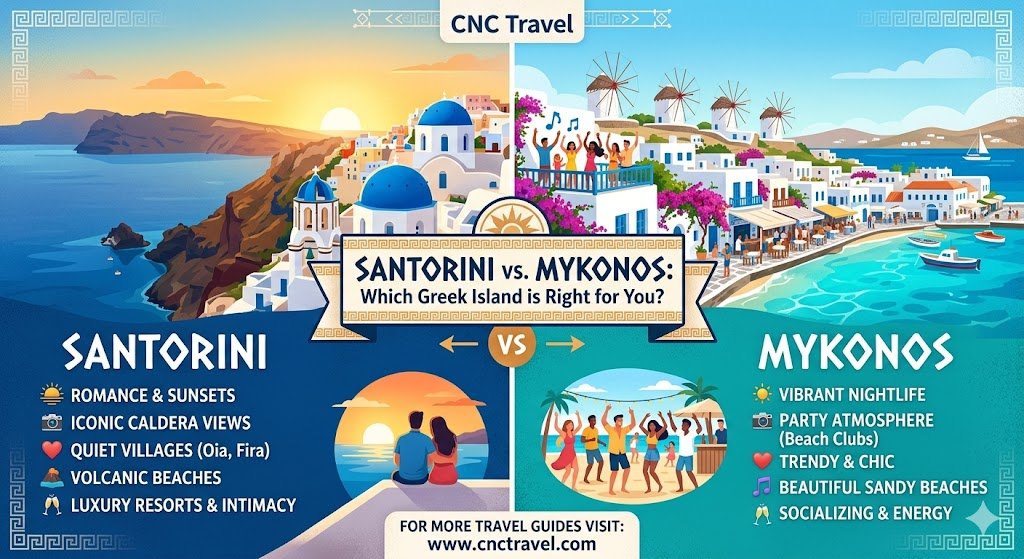
Quick answer: Santorini vs. Mykonos is easiest to plan when you compare season, total trip cost, transport, where to stay and the main experience you want before booking.
Two legendary islands, two completely different experiences. Here’s everything you need to make the perfect choice for your Greece vacation.
Planning a trip to Greece and torn between Santorini and Mykonos? You’re not alone. These two Cycladic islands consistently rank among the world’s most desirable destinations — yet they attract very different types of travelers. Choosing the wrong one for your travel style can be a costly mistake.
Santorini and Mykonos both belong to the Cyclades island group in the Aegean Sea and are just 45 minutes apart by high-speed ferry — yet stepping onto each one feels like entering a completely different universe.
🌅 Santorini
Romantic · Scenic · Refined
Dramatic caldera & cliffside views
World-famous sunsets in Oia
Volcanic beaches (black & red sand)
Excellent local wines (Assyrtiko)
Ancient ruins of Akrotiri
Relaxed, romantic atmosphere
🎉 Mykonos
Lively · Social · Cosmopolitan
World-class beach clubs
Legendary nightlife scene
Gorgeous white-sand beaches
LGBTQ+ welcoming & inclusive
Charming windmills & Little Venice
Day trips to ancient Delos
Santorini: The Romantic Dreamer
Santorini is built on the rim of a dormant volcano, and that geological drama is the heart of everything that makes it special. The iconic caldera — a vast, flooded volcanic crater — provides a backdrop unlike anywhere else on Earth. Whitewashed villages cling to the clifftops of Fira, Oia, and Imerovigli, offering some of the most photographed views in the world.
What Makes Santorini Special
Beyond the scenery, Santorini has a refined culinary and wine culture. The island’s volcanic soil produces the unique Assyrtiko grape, yielding crisp, mineral-driven white wines celebrated across Europe. Many restaurants sit perched over the caldera, offering a dining experience that is genuinely hard to match anywhere.
History lovers will appreciate the archaeological site of Akrotiri — a Bronze Age city buried by volcanic ash around 1600 BCE, often called the “Greek Pompeii.” It’s one of the most significant prehistoric settlements in the Aegean and a must-visit for culturally minded travelers.
💡
Insider tip: Book your caldera-view hotel or restaurant table at least 3–4 months in advance for summer visits. Capacity is limited and demand is enormous. Also read our guide on the best villages to stay in Santorini for neighborhood-by-neighborhood advice.
Best Areas to Stay in Santorini
Oia — most picturesque, best for sunsets and honeymoons
Imerovigli — highest point, quieter, dramatic caldera views
Fira — most central and lively, good transport links
Akrotiri — near the famous red beach, more authentic feel
Mykonos: The Social Butterfly
Mykonos has a well-earned reputation as the party capital of the Greek islands, but reducing it to just a party destination would be unfair. The island’s old town — known as Chora — is one of the most charming in all the Cyclades, with meandering alleys, famous windmills, and the picturesque waterfront area called Little Venice.
What Makes Mykonos Special
The beaches here are genuinely excellent — wide, sandy, and well-organized. Paradise Beach and Super Paradise Beach are the famous party beaches with all-day DJ sets, but there are quieter options too. Agios Ioannis, Panormos, and Fokos offer a more peaceful atmosphere for those who prefer a sunbed to a dance floor.
One of Mykonos’s greatest hidden assets is the nearby island of Delos — one of Greece’s most important UNESCO World Heritage archaeological sites. A 30-minute boat ride gets you to an entire uninhabited ancient island that was once the holiest sanctuary in the Aegean world.
ℹ️
Did you know? Mykonos is consistently rated as one of the most LGBTQ+-friendly destinations in Europe. The island has a long tradition of inclusion dating back to the 1970s. See our internal guide on LGBTQ+ travel in Mykonos for full details.
Side-by-Side Comparison
Use this table for a quick at-a-glance comparison of both islands across the most important categories:
Category
🌅 Santorini
🎉 Mykonos
Vibe
Romantic, scenic, refined
Social, lively, cosmopolitan
Best For
Couples, honeymooners
Friend groups, solo travelers
Beaches
Unique (volcanic, dramatic)
Better swimming, wider sandy
Nightlife
Low-key, wine bars
World-class clubs & beach parties
Food Scene
Excellent (volcanic wine focus)
Excellent (international variety)
Culture & History
★★★★★
★★★★☆
Scenery
★★★★★ (iconic caldera)
★★★★☆ (charming town)
Average Hotel Cost/Night
€180–€600+
€150–€500+
Crowds (July–Aug)
Very crowded
Very crowded
LGBTQ+ Friendly
Yes
Especially so
Good for Families
Moderate
Moderate
Getting Around
Bus, ATV, taxi (limited)
Bus, ATV, taxi, scooter
Beaches: Which Island Wins?
This is one area where the two islands are genuinely very different. Mykonos wins on beach quality for most travelers seeking classic sandy shores ideal for swimming and sunbathing.
Santorini’s Beaches
Santorini’s beaches are unique rather than traditionally beautiful. The famous Red Beach (Kokkini Paralia) features striking crimson cliffs and volcanic pebbles. The Black Beach at Kamari and Perissa is dramatic, though the dark sand absorbs heat quickly. These beaches are better for the experience and photos than long swims.
Mykonos’s Beaches
Mykonos delivers classic Mediterranean sand and crystal-clear water. Elia is the longest and arguably most beautiful. Agios Sostis is a raw, unspoiled stretch with no sun beds — just nature. And if you want to party, Paradise and Super Paradise deliver world-famous beach club energy. Learn more in our complete Mykonos beach guide.
Nightlife & Food: Two Different Scenes
Both islands have excellent dining, but the nightlife differs dramatically.
Santorini Dining & Nightlife
Santorini’s restaurants are among the most atmospheric in Greece — many perched on the caldera edge with sweeping views. The focus is on fine dining, local wine, and fresh seafood. Evenings tend to be about sunset cocktails and long dinners rather than dancing. Wine tasting at local estates like Santo Wines is a quintessential Santorini experience.
Mykonos Dining & Nightlife
Mykonos has a vibrant and truly international dining scene, from fresh Greek tavernas in the backstreets of Chora to celebrity-chef restaurants on the waterfront. After dinner, the island comes alive — clubs like Cavo Paradiso have hosted global DJs for decades and are genuinely world-class. The party scene typically runs until well after sunrise.
Cost & Budget: What to Expect
Both Santorini and Mykonos sit firmly in the premium tier of European travel destinations. Budget travel is difficult, though not impossible.
⚠️
Budget warning: Peak season (July–August) prices can be 2–3x higher than shoulder season. Visiting in May, June, or September saves significantly on accommodation while still delivering excellent weather. Read our article on the best time to visit the Greek islands for full seasonal breakdowns.
Mykonos: €130–€280/day (can spike sharply if clubbing)
Budget tip: Stay in Fira (Santorini) or inland Mykonos Town — views cost a premium
For comprehensive, up-to-date pricing, the Numbeo cost of living database provides crowd-sourced pricing data for both islands.
Who Should Choose Which Island?
Choose Santorini if you…
Are traveling as a couple or on a honeymoon
Prioritize scenery and photography over beach time
Love wine, fine dining, and sunset views
Enjoy history and archaeology (Akrotiri is world-class)
Want a relaxed, slower pace
Choose Mykonos if you…
Are traveling with a group of friends
Love beach clubs, dancing, and nightlife
Want the best swimming beaches
Identify as LGBTQ+ and want an inclusive scene
Want a cosmopolitan, high-energy holiday
✈️
Pro tip: Do both! Many travelers do Santorini + Mykonos in a single trip. A 7–10 day itinerary gives you 3–4 days on each island. The Seajets and Hellenic Seaways high-speed ferries connect them in about 45 minutes. See our ultimate Greece island-hopping itinerary for a suggested route.
🏆 The Final Verdict
There’s no universally “better” island — only the right one for you.
🌅 Choose Santorini for…
Romance, breathtaking scenery, wine culture, history, and a slower, more intimate atmosphere.
🎉 Choose Mykonos for…
Beach parties, nightlife, social scenes, great swimming beaches, and a cosmopolitan energy.
💑 Best for couples
Santorini — the sunsets, caldera views, and intimate dining are tailor-made for romance.
🎊 Best for groups
Mykonos — beach clubs, nightlife, and social atmosphere make it ideal for friend groups.
FAQ: Santorini vs. Mykonos
Can I visit both Santorini and Mykonos in one trip?
Absolutely. A 7–10 day trip with 3–4 days on each island is one of the most popular Greece itineraries. High-speed ferries run regularly between the two islands and take approximately 45 minutes to 2 hours depending on the service.
Which island is better for families with children?
Neither island is specifically designed for families, but Santorini is slightly calmer. The Kamari and Perivolos beach areas have good family facilities. Mykonos’s party-heavy reputation may not suit families with young children, though the quieter north of the island is perfectly family-friendly.
When is the best time to visit either island?
Late May, June, and September offer the best balance of good weather, manageable crowds, and lower prices. July and August are peak season — beautiful, but extremely crowded and expensive. See our full guide on the best time to visit the Cyclades.
Is Santorini or Mykonos more expensive?
Both are premium destinations. Santorini’s caldera-view hotels can be the most expensive in all of Greece. Mykonos beach club costs and VIP tables can also add up rapidly. Overall, costs are comparable for mid-range travelers, but Santorini’s iconic accommodation tends to carry the higher premium.
A stronger Santorini vs. Mykonos plan starts with intent. Decide whether the trip is about price, scenery, comfort, food, events, outdoor access or a specific bucket-list moment. That decision makes the rest of the planning easier because every hotel, transfer and activity can be judged against the same goal.
For 2026, travelers should also compare total trip cost instead of only headline prices. A cheap hotel can become expensive if transport is weak, while a slightly higher nightly rate can save money if it includes breakfast, transit access or a better location.
Budget and Booking Tips
Book refundable accommodation early, then keep comparing prices.
Check airport, train or bus access before choosing where to stay.
Plan one main paid experience per day instead of overloading the itinerary.
Use grocery stops, local transport and shoulder-season dates to control costs.
Keep a small buffer for weather, delays, luggage storage or last-minute transfers.
Before finalizing the trip, check an official resource for current rules, entry requirements, park access, event details or health guidance: European Union travel information.
Common Mistakes to Avoid
The most common mistake is planning from one viral photo or one cheap price. A useful itinerary checks distance, opening times, weather, local holidays, transfer costs and whether the experience still works if plans change.
Another mistake is ignoring the first and last day. Arrival and departure days often decide whether a trip feels smooth or stressful, so keep them lighter and avoid booking the most important activity immediately after a long transfer.
FAQ
How do you plan Santorini vs. Mykonos on a budget?
Start with flexible dates, compare accommodation outside the most expensive zone, check transport before booking and keep one paid activity as the main highlight.
What should you check before booking Santorini vs. Mykonos?
Check season, local transport, cancellation rules, official travel updates, safety requirements and whether the final cost includes food, transfers and extra fees.
Is Santorini vs. Mykonos worth it in 2026?
Yes, if the trip matches your budget, season and travel style. A focused itinerary usually gives better value than trying to visit too many places at once.
Budget travel guide to Bacalar Mexico—sound familiar? If you’ve ever dreamed about gorgeous turquoise water but rolled your eyes at pricey resorts and crowds (same, same), this is the place you want: Bacalar. So many folks want that “hidden gem” vibe, not Cancun-style mayhem. Bacalar’s perfect for budget travelers—yup, even backpackers. I wish I’d known all this before my first trip, but hey, now I’m passing it along to you. Looking for more inspiration? Check out this quick guide on the best things to do in Bacalar Lagoon.
Why Travel to Bacalar, Mexico?
Let me lay it out simply: Bacalar is the “Lagoon of Seven Colors”—for real, the water changes shades, and it’s not some Photoshop trick. Couldn’t believe my eyes.
Not as crowded (or expensive) as the obvious touristy places.
You get a friendly little town plus those lake views? Swoon-worthy.
There’s genuine charm here, no fake Disney stuff.
If you like water but aren’t a “seaweed-in-my-swimsuit” person, this lake is a dream.
“The slower pace, cheaper prices, and daily sunrise paddles are why I keep coming back. Feels like a secret the world hasn’t spoiled yet!” – Lara, fellow backpacker
Best Things to Do in Bacalar Mexico
Alright—here’s what I’d do first (or want to, if I had another chunk of days):
Kayak or paddleboard at sunrise. Calm, barely a ripple, no jet skis ruining the vibe.
Float in the Los Rapidos river—seriously, it’s like nature’s lazy river.
Check out Cenote Azul (bring spare pesos for snacks afterward because you will be hungry).
Grab tacos and micheladas by the main plaza—skip the fancy stuff, trust me.
Where to Stay in Bacalar
Okay, accommodations. It’s a mixed bag—don’t expect five-star luxury, but that’s part of the charm.
Hostels are everywhere; try Yak Lake House for decent prices and a lake view.
Airbnb is solid for small groups or privacy fans; just check reviews.
Sweet spot: mid-range eco-hotels with hammocks (if you don’t nap at least once, you’re missing out).
Getting to Bacalar
So, it’s kinda a trek from anywhere big, but not impossible.
Most fly into Cancun or Chetumal, then catch a bus—ADO is the easiest, and cheap.
If you’re up for it, rent a car (I did—blasted ‘90s hits, loved it).
Not much local transport, but cabs are around; negotiate before hopping in.
Bacalar Travel Tips
Alright, here’s the real-deal stuff nobody tells you until after you mess up:
Pack bug spray—mosquitoes are relentless.
ATM lines get wild, so bring cash.
Never flush your toilet paper (seriously, septic tanks here are, how do I say…sensitive).
Learn a few Spanish phrases, locals are awesome but not everyone speaks English (big bonus: makes you look less like a tourist).
Is Bacalar safe for travelers?
Yeah, overall, it’s chill. Petty theft happens, like anywhere, but I felt super safe walking around—even at night.
What’s the best time of year to visit?
March to June is prime. Less rain, but not frying-pan levels of hot.
Can you swim anywhere in the lagoon?
Pretty much, but there are private docks—don’t hop fences (awkward story, not for now).
Do you need to book tours in advance?
Nah, unless it’s high season. Usually, you can arrange stuff when you get there.
How long should you stay in Bacalar?
At least two full days. Four, if you want to do absolutely nothing—highly recommend.
So, Should You Try Bacalar? (Quick Yes)
Alright, you don’t have to take my word for it—lots of travelers vouch for this spot too. Bacalar brings that chill, natural beauty you accidentally find while looking for something else. Skip the high prices and over-planned tours, and do your own thing for a change. If you want extra assurance or ideas, peek at this budget friendly guide to Bacalar, Mexico – Marisa Vogiatzi or go deep with Bacalar Mexico: Travel Guide to The Yucatan’s Most Epic Lake—you’ll see, everyone who goes raves about it. Trust me, you’ll come home with new stories, lotsa sun, and seriously—the freshest tacos.
Best Time to Visit
The best time to visit Bacalar is from November to April, when the weather is drier and lagoon days are easier to plan. For lower prices, compare weekdays and shoulder-season dates in May or early November.
Helpful Planning Links
Use these related CNC Travel guides to compare routes, budgets, and destination ideas before booking.
Yes. Bacalar can be budget-friendly if you stay near town, use local food options, and choose lagoon tours carefully instead of booking every activity in advance.
How many days do you need in Bacalar?
Two to three days is enough for the lagoon, town, and a relaxed day trip. Add more time if you want a slower route through southern Mexico.
Is Bacalar cheaper than Tulum?
In most cases, Bacalar is cheaper than Tulum for accommodation, food, and daily costs, especially outside peak holiday weeks.
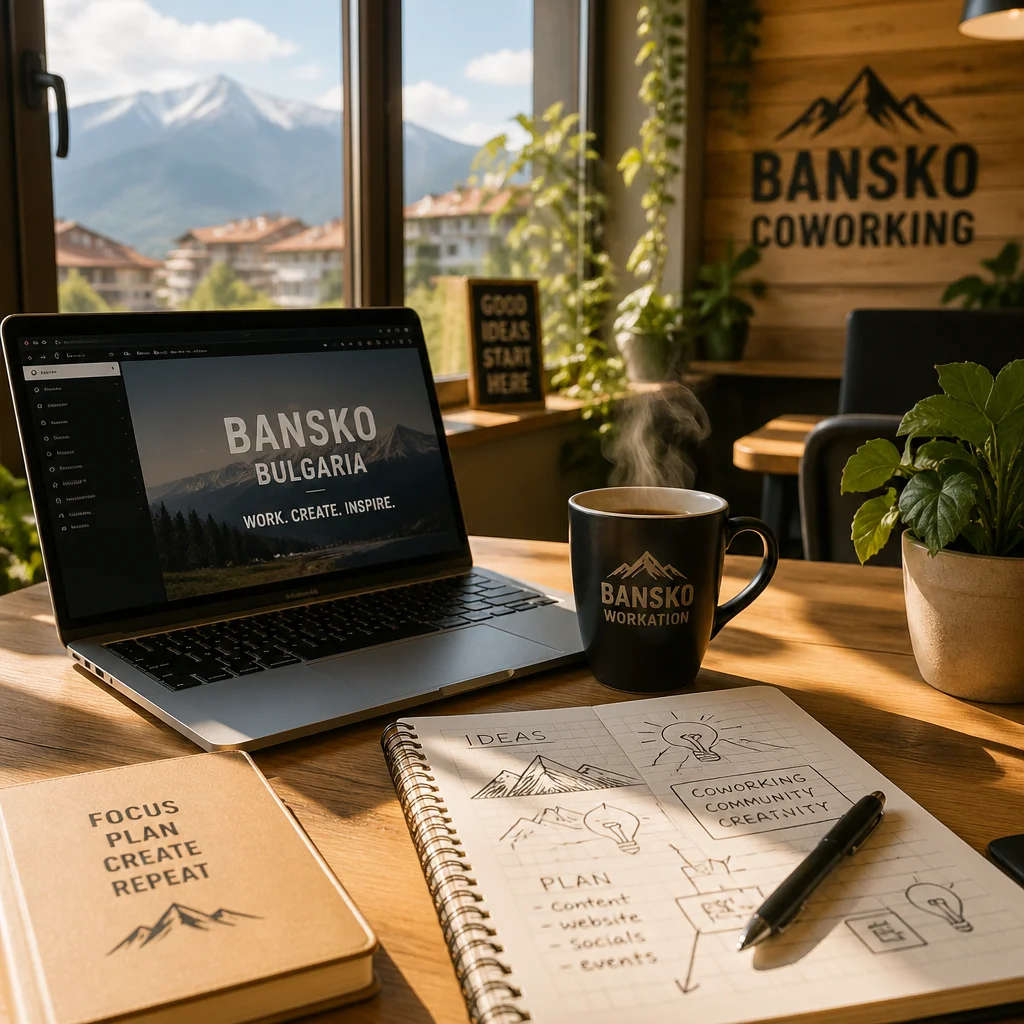
Quick answer: Bansko Bulgaria digital nomad cost is easiest to plan when you compare season, total trip cost, transport, where to stay and the main experience you want before booking.
Bansko Bulgaria digital nomad cost is the big question everyone and their grandma asks before landing here (and, yeah, I was the annoying person googling it over coffee). You want the mountain views, the ski lifts, fast Wi-Fi, and—let’s be real—a price that doesn’t have you living on instant noodles. If you’re tired of digital nomad “guides” that gloss over the actual bills, I’ve got your back. After all, saving a few bucks in Bansko leaves more for, you know, epic train adventures elsewhere (if that hits your wanderlust, this train ride in America is another wild story for later).
Why come to Bansko in Bulgaria exactly?
Look, Bansko isn’t some trendy fad—it’s low-key awesome. Here’s why people (like me, and half the coworking crowd) keep coming back:
Dirt cheap compared to Western Europe. The kind of cheap where you debate whether to splurge $3 on a coffee.
The mountains? A+ for outdoorsy fun—hiking in summer, skiing in winter, and so many wild goats you’ll lose count.
Fast internet. Seriously, if you’re Zooming, streaming, or coding, you’re golden here.
The town’s both chill and friendly. It’s not stuffy, and nobody cares if you wear flip-flops to the supermarket.
“Bansko made it easy to live my digital nomad dream without blowing my savings account. Plus, meeting folks from everywhere just made the vibe that much better.”
Coworking Bansko: how does it work?
You’re probably picturing a hip place—maybe beanbags, maybe not. Here’s the actual deal:
Buy a package, get access to open workspaces, coffee (lots of it), and sometimes kitchen bits for reheating leftovers.
Most offer social events: Think game nights, hiking trips, or “drink & complain about deadlines” mixers.
Great spot for networking—that means new friends, job leads, or just someone to share a late lunch with.
Walk in, sign up, plop down at a desk. Couldn’t be simpler, honestly.
Our Budget in Bansko: Bulgaria even cheaper than Asia
Okay, this part surprised even me—Bansko is, a lot of the time, wild inexpensive.
Rent: You can score a solid apartment for under €400/month—it’s not a cardboard box, either.
Groceries: Fresh market stuff for next to nothing. The cheese (sirene) will mess up your diet—in a good way.
Coworking memberships? Around €120-€150/month. Worth it for productivity and not losing your mind in a lonely Airbnb.
“It’s honestly cheaper than spots I tried in Vietnam, and feels just as cozy. Coffee out is less than a euro. Madness.”
Bansko Cost of Living: Renting or Buying an Apartment
The burning question: Rent or buy? Here’s what to know, quick-fire style:
Renting is stupidly easy—short lets or long. Studio flats from €200, bigger places can run €400+.
Buying: Loads of options, but you’ll want an agent who’s done it before (tricky rules, trust me).
Bills for stuff like heating, Wi-Fi, water—rarely above €100/month combined (unless you’re into saunas, then…uh, good luck).
Most places are furnished. You’ll get tableware that doesn’t match, but hey, it works.
Eating out is so budget-friendly you’ll feel weird not tipping extra. A hearty meal at a local “mehana” restaurant? About €6-8.
Groceries: seasonal veggies, breads, cheese, and local wine are way cheaper than at home.
Coffee in cafes: €1. Beer: Also roughly €1. (Dangerous!)
Pro tip: The pizza here punches way above its weight. Weird but true.
“Cafés and restaurants in Bansko let me eat like royalty. I’m almost convinced you can live here on the cost of your Starbucks habit in London.”
Common Questions
Is Bansko safe for digital nomads?
Yep. I walked everywhere at midnight and never felt sketchy. Locals and expats alike look out for each other.
Do I need to speak Bulgarian?
It helps, but most younger people and absolutely everyone in coworking spaces get by in English.
How’s the Wi-Fi?
Blisteringly fast and reliable. Great for Zoom calls—beats the pants off a lot of bigger cities.
What’s the best time to come?
Winter for skiing, summer for hiking and lake days. Spring and fall are quiet (and cheaper!).
Any tips for saving more?
Buy local (not imported!) food, walk instead of taxi, and try not to hit the après-ski scene every night.
So—Is Bansko Really That Cheap? Would I Recommend It?
If you’re after a good time, and don’t want your bank to panic, Bansko’s the place for digital nomads. Between the affordable apartments, tasty food, and tight local scene, you’ll seriously wonder why you ever paid double for less somewhere else. If you dig into even more travel hacks (I mean, who doesn’t love hidden gems?), take a peek at how to cut down the hidden travel costs for extra tips. And hey, there are also some real-life stories and honest numbers about digital nomad life in Bulgaria over at Coworking Bansko: Our Review and Budget after a months in Bulgaria if you get hungry for more info, or Bulgaria is a Bargain: Bansko Cost of Living.
Trust me: if saving money feels like winning, this is your kind of destination. Try it—you might not want to leave (and if you do, let’s swap stories about cheap adventures somewhere hot and jungle-y next time).
Best Time to Visit
The best time to stay in Bansko as a digital nomad is late winter for ski access or spring and fall for lower prices, quieter cafes, and easier apartment availability.
Helpful Planning Links
Use these related CNC Travel guides to compare routes, budgets, and destination ideas before booking.
Yes. Bansko is popular with digital nomads because it combines mountain scenery, coworking options, and relatively low living costs compared with many Western European hubs.
When is Bansko cheapest?
Bansko is usually cheaper outside the main ski season, especially in spring and fall when long-stay rentals can be easier to negotiate.
Do you need a car in Bansko?
Not always. Many nomads stay close to the center, but a car can help if you want regular mountain trips or regional exploring.
2026 Planning Update for Bansko Bulgaria Digital Nomad Cost
A stronger Bansko Bulgaria digital nomad cost plan starts with intent. Decide whether the trip is about price, scenery, comfort, food, events, outdoor access or a specific bucket-list moment. That decision makes the rest of the planning easier because every hotel, transfer and activity can be judged against the same goal.
For 2026, travelers should also compare total trip cost instead of only headline prices. A cheap hotel can become expensive if transport is weak, while a slightly higher nightly rate can save money if it includes breakfast, transit access or a better location.
Budget and Booking Tips
Book refundable accommodation early, then keep comparing prices.
Check airport, train or bus access before choosing where to stay.
Plan one main paid experience per day instead of overloading the itinerary.
Use grocery stops, local transport and shoulder-season dates to control costs.
Keep a small buffer for weather, delays, luggage storage or last-minute transfers.
Before finalizing the trip, check an official resource for current rules, entry requirements, park access, event details or health guidance: European Union travel information.
Common Mistakes to Avoid
The most common mistake is planning from one viral photo or one cheap price. A useful itinerary checks distance, opening times, weather, local holidays, transfer costs and whether the experience still works if plans change.
Another mistake is ignoring the first and last day. Arrival and departure days often decide whether a trip feels smooth or stressful, so keep them lighter and avoid booking the most important activity immediately after a long transfer.
FAQ
How do you plan Bansko Bulgaria digital nomad cost on a budget?
Start with flexible dates, compare accommodation outside the most expensive zone, check transport before booking and keep one paid activity as the main highlight.
What should you check before booking Bansko Bulgaria digital nomad cost?
Check season, local transport, cancellation rules, official travel updates, safety requirements and whether the final cost includes food, transfers and extra fees.
Is Bansko Bulgaria digital nomad cost worth it in 2026?
Yes, if the trip matches your budget, season and travel style. A focused itinerary usually gives better value than trying to visit too many places at once.
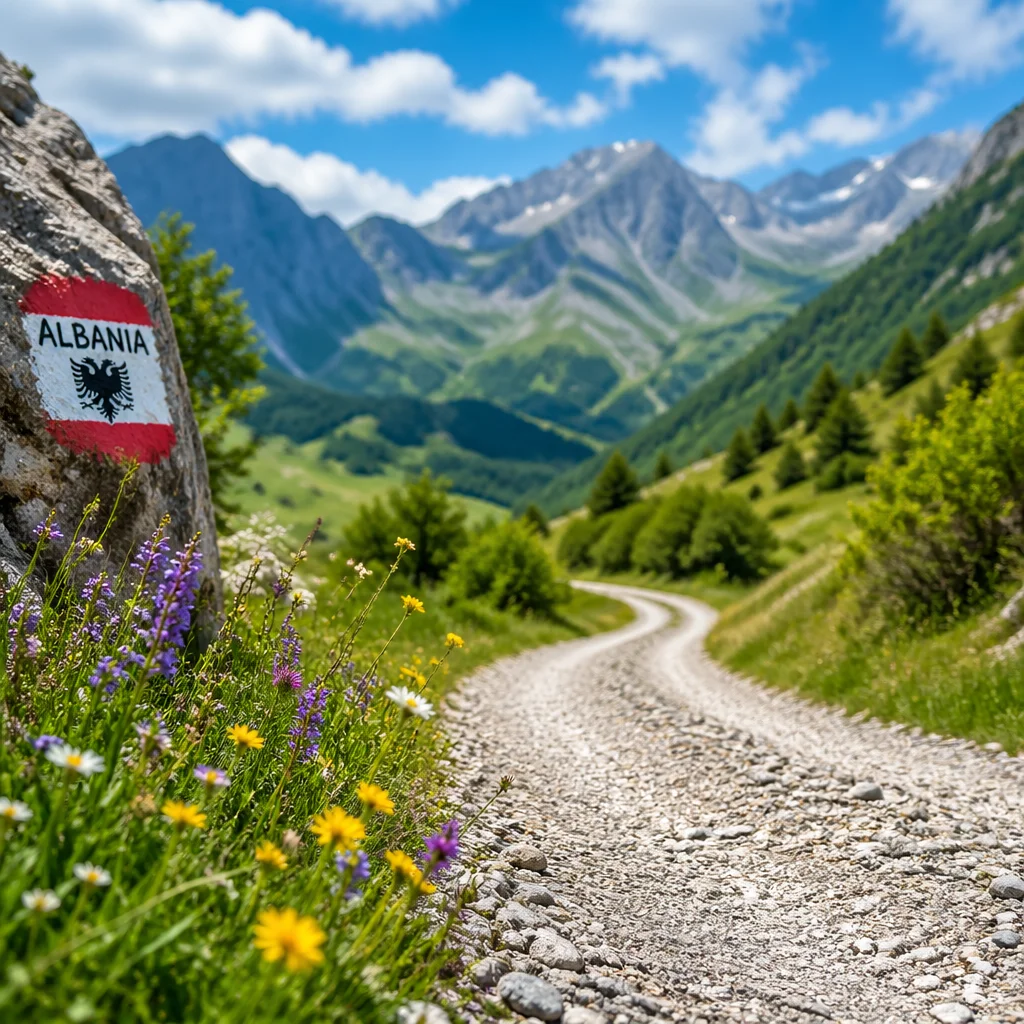
Quick answer: Albania vs Croatia budget 2026 is easiest to plan when you compare season, total trip cost, transport, where to stay and the main experience you want before booking.
Albania vs Croatia budget 2026—has this been haunting your travel dreams too? (You’re not alone, trust me.) I found myself binge-reading like twelve different blogs while my coffee went cold, just trying to figure out if Albania really is the “cheap Europe” of the moment or just hyped up talk. And Croatia… well, you hear “walled cities!” and “Game of Thrones!” and your wallet instantly panics, right? So, I dove in, crunched every receipt, and lived like a local—for science. If you’re torn, these 10 smart hacks to travel on a budget will set the record straight.
Albania Costs: What does a road trip through Europe’s cheapest travel destination cost?
Renting a car in Albania is wild (in a good way!)—I snagged mine for less than a hostel bed in Paris.
Gas? Way cheaper than in Croatia, but their signs weirdly switch between units. Don’t ask me why.
Most museums and parks charged, like, pocket change. Felt guilty about how little!
If you skip the tourist traps (trust your gut if you see busloads of folks in matching hats), expect to spend less than €35/day.
“I traveled around Albania for two weeks and never worried about my bank account once! Everything felt affordable, but never cheap in quality.”—Mira, Zurich
Albanian Lek in Euros: My 14-day budget overview
Total spend: about €460 for two weeks, not kidding. (I double-checked my math after three espressos.)
Most things are in Albanian lek, but everyone’s relaxed if you have euros.
ATMs are everywhere, but some sneak in wild fees. Take out cash in big chunks.
Local markets saved me a fortune—plus, you’ll taste olives that’ll ruin supermarket ones for you, forever.
Accommodation: Where I slept and how much it cost
Albania’s hostels are shockingly friendly—and dirt cheap. Think €7-15 a night. I stayed near the sea in Ksamil for less than my weekly coffee run at home.
Mid-range hotels? Still great deals, usually run by cute families who’ll feed you raki even if you say “no thank you”. (Spoiler: you won’t refuse twice.)
Airbnbs exist, but vet the reviews; some are gems, some… not so much.
Book ahead in the high season, though—it gets booked out by, like, June.
Albanian Food: The best cuisine for little money
Breakfasts here are filling and cost less than a smoothie bowl back home. Fave: byrek, which I’m sure is proof humans can invent perfection on a budget.
“Tavë kosi” was my surprise hit—baked lamb with yogurt, ahhhh, so comforting and about €6 at a proper sit-down spot.
Street food? YES. Grilled corn, juicy figs, insane seafood for loose change.
Pro tip: Don’t skip those seaside shacks that look a little too homemade. That’s where you’ll find five-star gleam on a three-euro plate.
Is a holiday in Albania dangerous? An honest, first-hand assessment.
Short answer: not at all. The media hypes things up—locals were protective (in a good way!), not sketchy.
Night busses felt fine, but I stuck to main roads. No issues, just… don’t go poking around dark alleys solo at 2am (I mean, basic common sense).
People will warn you about pickpockets but honestly, I had more trouble in Rome. Just keep your backpack closed.
Roads can be, let’s say, “adventurous.” If you can handle potholes, you’re grand. If not, stick to main towns.
“I never once felt unsafe—even the older ladies in small villages offered help when I got lost! Albania’s probably safer than most big European cities.”—Ellie, London
Common Questions
Q: Is Albania really cheaper than Croatia?
A: Yup—by quite a lot, especially for food and beds. Croatia’s gotten pricey, especially in summer.
Q: Do I need a car in Albania?
A: Kinda. If you want hidden beaches or mountain villages, it’s way quicker. Buses are doable, just slow.
Q: Can I get by with English?
A: Mostly, yes. Young folks are super fluent—older generation, not so much, but they’ll still bend over backward to help. Gestures work wonders!
Q: What about vegetarian food?
A: It’s not the vegetarian capital of Europe, but there are options. Try the cheese and veggie byrek.
Q: Is crossing borders easy?
A: Usually. EU/US passports breeze through, just double-check car rental rules.
Should You Go Albania or Croatia? My Take for 2026
If you’re chasing wild landscapes, fresh food, and small-budget big-adventure, Albania wipes the floor with anywhere I’ve tried lately. (Yep, even compared to Croatia.) You’ll save tons, eat like royalty, and have that smug “I knew before it got trendy” glow. Still, Croatia’s packed with charm—so, hey, try a mix if you can swing it! For juicy debates on spots like Saranda versus Dubrovnik, check out this excellent deep dive on Albania vs. Croatia 2026: Is the “New Maldives” Worth the Hype?. Still got nerves? These two first-time travelers share real advice in this thread, We are 2, 18yo girls going travelling in Albania for the first time!!!.
One last tip: with all that money you’ll save, maybe treat yourself with ideas from the 39 cheapest countries in the world for budget for your next trip.
Honestly, don’t overthink it—just go, try the byrek, and thank me later.
Best Time to Visit
The best time to compare Albania and Croatia on a budget is May, June, September, or early October. These months usually offer better prices, pleasant weather, and fewer crowds than July and August.
Helpful Planning Links
Use these related CNC Travel guides to compare routes, budgets, and destination ideas before booking.
Albania is generally cheaper for accommodation, food, and beach towns, while Croatia often costs more in famous coastal destinations during summer.
Which country is better for first-time travelers?
Croatia is easier for classic island and old-town routes, while Albania is stronger for travelers who want lower costs and a more emerging destination feel.
Can you visit both Albania and Croatia in one trip?
Yes, but it works best with at least 10 to 14 days so travel time does not take over the itinerary.
2026 Planning Update for Albania Vs Croatia Budget 2026
A stronger Albania vs Croatia budget 2026 plan starts with intent. Decide whether the trip is about price, scenery, comfort, food, events, outdoor access or a specific bucket-list moment. That decision makes the rest of the planning easier because every hotel, transfer and activity can be judged against the same goal.
For 2026, travelers should also compare total trip cost instead of only headline prices. A cheap hotel can become expensive if transport is weak, while a slightly higher nightly rate can save money if it includes breakfast, transit access or a better location.
Budget and Booking Tips
Book refundable accommodation early, then keep comparing prices.
Check airport, train or bus access before choosing where to stay.
Plan one main paid experience per day instead of overloading the itinerary.
Use grocery stops, local transport and shoulder-season dates to control costs.
Keep a small buffer for weather, delays, luggage storage or last-minute transfers.
Before finalizing the trip, check an official resource for current rules, entry requirements, park access, event details or health guidance: European Union travel information.
Common Mistakes to Avoid
The most common mistake is planning from one viral photo or one cheap price. A useful itinerary checks distance, opening times, weather, local holidays, transfer costs and whether the experience still works if plans change.
Another mistake is ignoring the first and last day. Arrival and departure days often decide whether a trip feels smooth or stressful, so keep them lighter and avoid booking the most important activity immediately after a long transfer.
FAQ
How do you plan Albania vs Croatia budget 2026 on a budget?
Start with flexible dates, compare accommodation outside the most expensive zone, check transport before booking and keep one paid activity as the main highlight.
What should you check before booking Albania vs Croatia budget 2026?
Check season, local transport, cancellation rules, official travel updates, safety requirements and whether the final cost includes food, transfers and extra fees.
Is Albania vs Croatia budget 2026 worth it in 2026?
Yes, if the trip matches your budget, season and travel style. A focused itinerary usually gives better value than trying to visit too many places at once.
if(last){
var africa=last.cloneNode(true);
africa.href="https://www.cnctravel.com/category/africa/";
africa.textContent="Africa";
last.insertAdjacentElement("afterend",africa);
}
}document.querySelectorAll(".blog article,.archive article").forEach(function(card){
if(card.querySelector("img,.cnc-archive-fallback-image")) return;
var title=card.querySelector(".entry-title,h2,h3");
if(!title) return;
var image=document.createElement("span");
image.className="cnc-archive-fallback-image";
image.setAttribute("aria-hidden","true");
card.insertBefore(image, card.firstChild);
});
});
})();