20 Traveling to Italy Tips

20 Traveling to Italy Tips

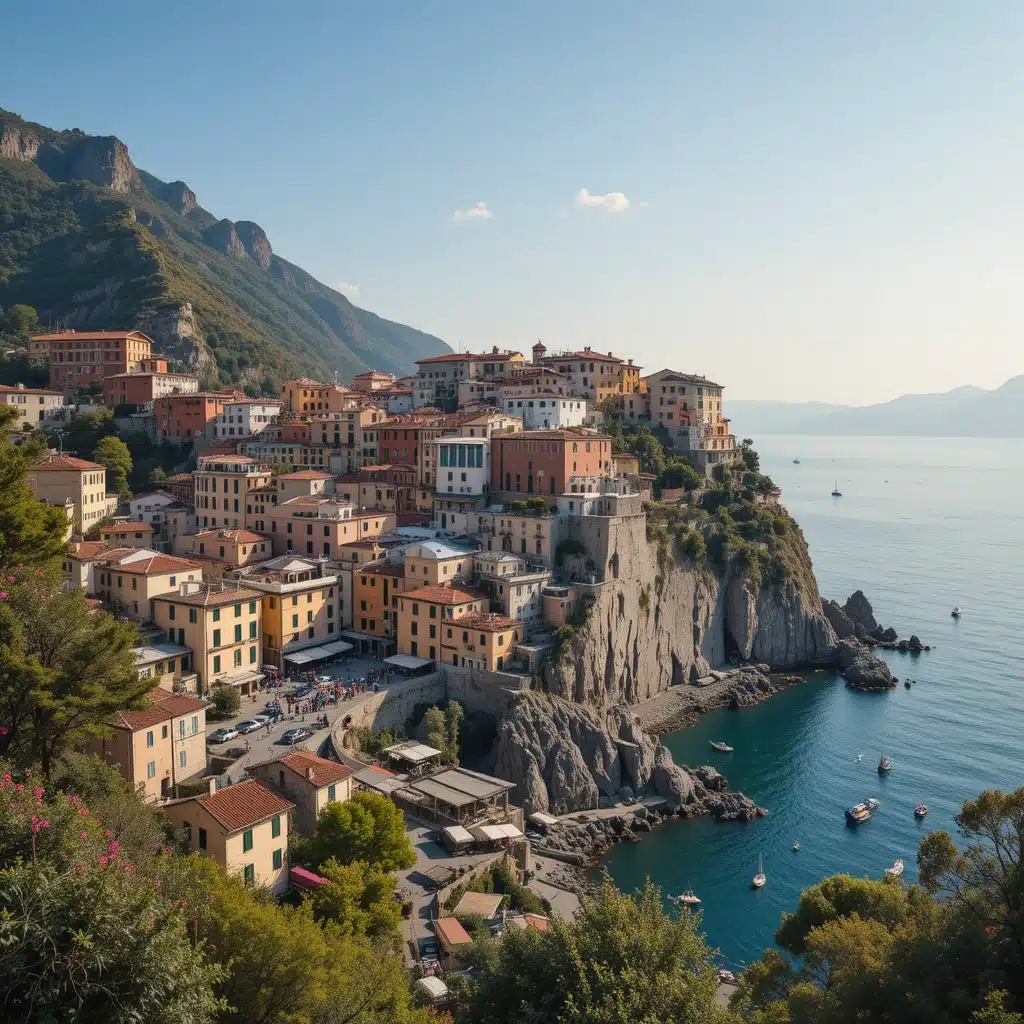
Picture yourself standing on a weathered stone balcony in Tuscany, watching amber light cascade across endless vineyards while the intoxicating scent of rosemary and garlic drifts from a nearby kitchen. The melodic rhythm of Italian conversations mingles with church bells echoing through medieval streets, creating a symphony that speaks directly to your soul.

This enchanting scene doesn’t have to remain a fantasy. Italy beckons travelers with its irresistible combination of ancient history, artistic masterpieces, culinary excellence, and passionate culture. Yet transforming your Italian dreams into reality requires more than simply booking a flight and hoping for the best.

After countless journeys through Italy’s winding cobblestone alleys, bustling piazzas, and hidden countryside gems, seasoned travelers understand that preparation separates magical experiences from disappointing mishaps. These carefully curated traveling to Italy tips will guide you toward authentic adventures while helping you sidestep common pitfalls that trap unprepared visitors.

Pre-Travel Planning That Makes All the Difference

Pre-Travel Planning That Makes All the Difference

Timing Your Italian Adventure Perfectly

Your journey’s success begins with selecting the ideal travel window. Spring months from April through June offer delightful weather conditions, blooming landscapes, and manageable crowd levels. September and October provide similar advantages with the added bonus of harvest season festivities throughout wine regions.

Summer brings intense heat, especially in southern regions, alongside peak tourist volumes that can diminish your experience. However, if summer represents your only available option, focus on coastal areas and northern lakes where temperatures remain more comfortable.

Winter travelers discover Italy’s quieter side, with fewer crowds and lower prices offsetting shorter daylight hours and occasional closures. Rome, Florence, and Venice maintain their charm during colder months, though some coastal destinations hibernate until spring arrives.

Documentation and Legal Requirements

American passport holders enjoy visa-free entry for stays up to 90 days within any 180-day period. Ensure your passport remains valid for at least six months beyond your planned departure date, as Italian immigration officials strictly enforce this requirement.

Travel insurance deserves serious consideration, particularly comprehensive policies covering medical emergencies, trip cancellations, and lost luggage. European healthcare costs can accumulate quickly, making insurance a wise investment rather than an unnecessary expense.

Smart Financial Strategies for Italian Adventures

Understanding Italian Pricing Structures

Italy’s cost variations depend heavily on location, season, and your travel style preferences. Northern cities like Milan command premium prices, while southern regions offer exceptional value without compromising quality or authenticity.

Travel CategoryBudget RangeLuxury RangeSmart Savings Tips
Accommodation€25-40/night€200+/nightBook early, consider suburbs
Dining€25-35/day€80+/dayLunch specials, local markets
Transportation€10-20/day€50+/dayRegional passes, advance booking
Activities€15-25/day€75+/dayFree museum days, walking tours

Money-Saving Strategies That Actually Work

Smart travelers leverage Italy’s aperitivo culture, where bars serve complimentary snacks with evening drinks between 6-8 PM. This tradition can easily substitute for dinner while providing authentic social experiences with locals.

Markets represent treasure troves for budget-conscious food lovers. Rome’s Campo de’ Fiori, Florence’s Mercato Centrale, and Venice’s Rialto Market offer fresh ingredients at fraction of restaurant prices. Many accommodations provide kitchen access, allowing you to prepare memorable meals using premium Italian ingredients.

Religious sites frequently offer free admission during specific hours or days. Vatican Museums welcome visitors without charge on the final Sunday morning of each month, though expect substantial crowds during these periods.

Mastering Italian Transportation Networks

Mastering Italian Transportation Networks

Train Travel: Your Italian Superhighway

Italy’s extensive rail network connects virtually every destination worth visiting. High-speed Frecciarossa and Italo trains whisk passengers between major cities in remarkable comfort, while regional services reach smaller towns and villages.

Advance ticket purchases unlock significant discounts, sometimes reducing fares by 50% or more. Download official Trenitalia and Italo applications for convenient mobile booking and real-time schedule updates.

Train station navigation becomes simpler once you understand the basic layout. Yellow departure boards display upcoming trains, while platform announcements occur in Italian and English at major stations. Validate regional train tickets using trackside machines before boarding to avoid hefty fines.

When Renting Cars Makes Sense

Tuscany’s rolling countryside, Umbria’s hilltop villages, and the Amalfi Coast’s dramatic scenery reveal their full splendor only through independent exploration. Rental cars provide freedom to discover hidden wineries, medieval fortress towns, and secluded beaches inaccessible by public transportation.

Urban driving presents significant challenges, with restricted traffic zones (ZTL) triggering automatic fines for unauthorized vehicles. Park outside city centers and rely on public transportation or walking for urban exploration.

Navigating Italian Airports Efficiently

Rome’s Fiumicino Airport connects to the city center via Leonardo Express trains departing every 15 minutes. The 32-minute journey costs €14 and terminates at Roma Termini, the main railway station.

Milan Malpensa offers Malpensa Express services to Milano Centrale station, while budget travelers can choose bus options for approximately half the train fare. Venice’s Marco Polo Airport provides water bus connections directly to San Marco Square, creating a magical arrival experience despite higher costs.

Accommodation Strategies for Every Traveler

Choosing Neighborhoods Like a Local

Rome’s Trastevere district pulses with nightlife energy and authentic trattorias, though noise levels can disturb light sleepers. The Vatican area offers convenience for early morning museum visits but lacks evening dining options. Testaccio provides genuine Roman atmosphere with excellent restaurants and reasonable prices.

Florence’s historic center places major attractions within walking distance, justifying premium accommodation rates for many travelers. Oltrarno offers artisan workshops, local markets, and fewer crowds while maintaining easy access to city highlights.

Venice’s San Marco area maximizes sightseeing convenience but comes with tourist-trap restaurants and inflated prices. Cannaregio provides authentic Venetian life with excellent dining options and convenient train station access.

Understanding Italian Hospitality Options

Traditional hotels offer consistent service standards and amenities, though prices reflect prime locations and established reputations. Family-run establishments frequently provide personalized attention and insider recommendations that transform ordinary stays into memorable experiences.

Agriturismo accommodations combine rural tranquility with authentic agricultural experiences. These working farms offer cooking classes, wine tastings, and opportunities to participate in seasonal activities like olive harvesting or grape picking.

Vacation rentals work well for longer stays or group travel, though recent regulations require careful attention to legal compliance and tourist tax obligations.

Culinary Adventures and Dining Wisdom

Culinary Adventures and Dining Wisdom

Embracing Italian Meal Rhythms

Italians approach dining as social ritual rather than mere sustenance. Breakfast remains light and sweet, typically consisting of cappuccino with pastry consumed while standing at neighborhood bars. Lunch represents the day’s primary meal, served between 12:30-2:30 PM, followed by lighter dinner portions between 7:30-10 PM.

Restaurant categories serve different purposes throughout your day. Ristorantes offer full-service dining with extensive wine lists, while trattorias provide family-style meals in casual atmospheres. Osterias focus on wine service with accompanying small plates, and pizzerias al taglio serve quick slices perfect for street-side snacking.

Regional Specialties Worth Seeking

Every Italian region celebrates distinct culinary traditions shaped by geography, climate, and historical influences. Rome’s carbonara requires only guanciale, pecorino Romano, eggs, and black pepper – never cream or peas despite tourist-targeted variations.

RegionSignature DishKey IngredientsBest Season
TuscanyBistecca FiorentinaT-bone steak, olive oilYear-round
Emilia-RomagnaTagliatelle BologneseFresh pasta, meat sauceFall/Winter
SicilyAranciniRice, saffron, cheeseYear-round
LiguriaPesto GenoveseBasil, pine nuts, pecorinoSpring/Summer

Market Shopping and Food Culture

Italian food markets operate as community gathering places where locals select daily ingredients while socializing with vendors and neighbors. Arrive early for best selection and freshest products, bringing your own shopping bag as environmental consciousness runs deep.

Quality indicators help identify superior products: Parmigiano-Reggiano wheels display official consortium stamps, extra virgin olive oils carry harvest dates and regional certifications, and seasonal produce reflects natural growing cycles rather than greenhouse cultivation.

Cultural Etiquette and Social Navigation

Understanding Italian Social Norms

Italians value personal relationships and take time to establish trust before conducting business or offering friendship. Greetings involve firm handshakes with direct eye contact, while close friends exchange cheek kisses – typically two, starting with the left cheek.

Formal address using “Lei” shows respect when meeting new people, particularly older individuals or those in professional contexts. Casual “tu” forms develop naturally as relationships progress, though allowing Italians to initiate this transition demonstrates cultural sensitivity.

Dining Etiquette Essentials

Cappuccino consumption

Cappuccino consumption follows strict temporal boundaries – morning only, never after meals or with food. Ordering cappuccino after dinner marks you immediately as a tourist and may prompt gentle correction from servers.

Pasta twirling requires only a fork against the plate’s edge, never with spoon assistance. Cutting pasta with knives horrifies Italian sensibilities, while adding cheese to seafood dishes violates fundamental flavor principles.

Meal pacing follows leisurely Italian rhythms. Rushing through courses or requesting immediate bill presentation signals dissatisfaction with the experience. Servers interpret your relaxed dining as appreciation for their hospitality.

Must-Experience Destinations and Hidden Treasures

Optimizing Classic Tourist Routes

Rome rewards strategic planning with reduced waiting times and enhanced experiences. Colosseum underground tours reveal architectural marvels invisible from standard visits, while Vatican Museum night openings provide intimate encounters with masterpieces usually surrounded by crowds.

Florence’s Uffizi Gallery requires advance reservations months ahead during peak seasons. Early morning or late afternoon appointments offer better lighting conditions for art appreciation and fewer crowds for contemplative viewing.

Venice’s maze-like layout initially confuses visitors but gradually reveals its logical structure. San Marco Square enchants during early morning or evening hours when day-trip tourists depart, leaving residents to reclaim their magnificent public living room.

Discovering Authentic Italian Life

Matera’s ancient cave dwellings transport visitors to prehistoric times while demonstrating how historical preservation can revitalize entire communities. This UNESCO World Heritage site transforms from forgotten backwater to cultural destination through careful restoration and community pride.

Alberobello’s trulli houses create fairy-tale landscapes in Puglia’s countryside, where traditional stone construction techniques continue serving modern families. Local craftspeople maintain ancient building skills while adapting historical forms to contemporary needs.

The Cinque Terre’s fame has created overcrowding issues, making alternative coastal destinations like Portovenere increasingly attractive. This UNESCO-protected village offers similar dramatic scenery with fewer crowds and more authentic interactions with local residents.

Communication and Language Strategies

Essential Italian Phrases for Travelers

Basic courtesy phrases open doors and hearts throughout Italy. “Buongiorno” (good morning) and “Buonasera” (good evening) acknowledge others’ presence respectfully, while “Per favore” (please) and “Grazie” (thank you) demonstrate your appreciation for Italian hospitality.

Emergency vocabulary provides crucial communication during unexpected situations:

  • “Aiuto!” (Help!)
  • “Chiama un dottore” (Call a doctor)
  • “Dov’è l’ospedale?” (Where is the hospital?)
  • “Non sto bene” (I don’t feel well)

Restaurant interactions become smoother with food-related phrases:

  • “Il menu, per favore” (The menu, please)
  • “Cosa consigliate?” (What do you recommend?)
  • “Il conto, per favore” (The check, please)
  • “È incluso il servizio?” (Is service included?)

Technology Tools for Better Communication

Modern translation applications bridge language gaps effectively, though human interaction remains irreplaceable for cultural understanding. Google Translate’s camera function translates restaurant menus instantly, while conversation mode facilitates basic exchanges with locals.

Offline map applications prevent data roaming charges while providing reliable navigation through Italy’s labyrinthine medieval centers. Download city maps before departure to ensure connectivity independence.

Rick Steves Audio Europe offers excellent self-guided tours for major attractions, providing historical context and insider insights that enhance your appreciation of Italy’s cultural treasures.

Safety and Health Considerations

European Health Insurance Cards provide EU citizens with access to Italian healthcare

Staying Secure While Traveling

Italian cities maintain relatively low crime rates, though tourist-targeted petty theft requires constant awareness. Pickpockets operate in crowded areas like transportation hubs, popular attractions, and busy markets using distraction techniques and coordinated group efforts.

Common scams include:

  • Friendship bracelet vendors who tie bracelets on your wrist then demand payment
  • Fake petitions requesting signatures while accomplices pick pockets
  • Restaurant bill padding with undisclosed cover charges or inflated wine prices
  • Taxi drivers taking circuitous routes or claiming meter malfunctions

Health and Medical Preparedness

European Health Insurance Cards provide EU citizens with access to Italian healthcare at local rates, while travel insurance covers international visitors’ medical needs. Italian pharmacies offer excellent service and can address minor health concerns without doctor visits.

Summer heat in southern regions can cause dehydration and heat exhaustion, particularly when combined with extensive walking on sun-reflecting stone surfaces. Carry water bottles, seek shade during midday hours, and recognize early warning signs of heat-related illness.

Italian healthcare standards match other developed nations, with English-speaking staff available at major hospitals and tourist areas. Emergency services respond to 112 calls with coordinated police, fire, and medical assistance.

Shopping and Authentic Souvenirs

Finding Genuine Italian Products

Italy’s reputation for quality craftsmanship makes shopping a highlight for many visitors, though distinguishing authentic products from imported imitations requires knowledge and attention to detail.

Florence’s leather goods command international recognition, but many market stalls sell mass-produced items manufactured elsewhere. Genuine leather feels supple, smells natural, and displays consistent stitching with quality hardware.

Venetian glass artisans continue centuries-old traditions on Murano island, where visitors can observe craftspeople creating intricate pieces using traditional techniques. Authentic Murano glass carries official stickers and comes with certificates of authenticity.

Understanding Tax Refunds and Customs

Non-EU residents can reclaim Value Added Tax (VAT) on purchases exceeding €154.94 from participating retailers. Request tax-free forms during purchase, have them stamped by customs officials before departure, and process refunds at airport counters or through mail-in procedures.

Customs regulations permit reasonable quantities of food products for personal consumption, though fresh items like cheese and meat face restrictions. Wine and olive oil travel well and make excellent gifts, though airline baggage weight limits require careful packing decisions.

Your Italian Adventure Awaits

These traveling to Italy tips represent distilled wisdom from countless journeys through one of the world’s most captivating destinations. Italy rewards prepared travelers with experiences that exceed even the most ambitious expectations, creating memories that enrich your life long after departure.

Remember that flexibility enhances any Italian adventure. While careful planning provides essential foundations, remain open to spontaneous discoveries that often become your most treasured experiences. That unplanned conversation with a local vintner, the detour through a medieval village, or the extended evening in a neighborhood trattoria may ultimately define your Italian journey more than any scheduled attraction.

Italy beckons with ancient wonders, artistic masterpieces, culinary excellence, and passionate people eager to share their culture with respectful visitors. Your preparation using these traveling to Italy tips creates the foundation for transformative experiences that will forever change how you see the world.

Ready to begin your Italian adventure? Start planning today by researching specific destinations that resonate with your interests, learning basic Italian phrases, and connecting with fellow travelers who share your passion for authentic experiences. Your dream Italian journey awaits – make it unforgettable by traveling prepared, respectful, and open to la dolce vita’s endless possibilities.

Milan Vacations: Your Ultimate Guide to Italy’s Spectacular Fashion and Culture Capital in 2025

Milan Vacations: Your Ultimate Guide to Italy's Spectacular Fashion and Culture Capital

Picture this: you’re sipping an expertly crafted espresso at a sidewalk café, watching impeccably dressed locals glide past designer boutiques while the magnificent Gothic spires of the Duomo pierce the azure Italian sky. This is the magic that awaits you on Milan vacations – a perfect blend of haute couture, Renaissance art, culinary excellence, and modern sophistication that will leave you utterly enchanted.

Milan vacations offer an intoxicating experience that goes far beyond the stereotypical Italian getaway. This northern Italian metropolis pulses with creative energy, where centuries-old traditions seamlessly merge with cutting-edge innovation. Whether you’re a fashion enthusiast, art lover, foodie, or culture seeker, Milan vacations promise memories that will last a lifetime.

Why Choose Milan for Your Next Italian Adventure

Why Choose Milan for Your Next Italian Adventure

The Fashion Capital’s Irresistible Allure

Milan vacations consistently rank among Europe’s most sophisticated travel experiences, and for compelling reasons. This cosmopolitan city serves as the global epicenter of fashion and design, hosting twice-yearly Fashion Weeks that set international trends. Beyond the glamorous runways, Milan vacations reveal a city where every street corner tells a story of artistic excellence and cultural refinement.

The city’s unique positioning makes Milan vacations ideal for travelers seeking:

  • Unparalleled shopping experiences in the legendary Quadrilatero della Moda
  • World-class museums and galleries housing masterpieces from Leonardo da Vinci to contemporary artists
  • Exceptional culinary scenes featuring both traditional Lombard cuisine and innovative modern gastronomy
  • Architectural marvels spanning Gothic cathedrals to sleek modern skyscrapers
  • Vibrant nightlife in trendy districts like Navigli and Brera

Strategic Location for European Exploration

Milan vacations benefit from the city’s strategic location in northern Italy. High-speed rail connections make day trips to Venice, Florence, and the Italian Lakes effortless, while Switzerland and France lie within easy reach. This connectivity transforms Milan vacations into perfect launching pads for broader European adventures.

Top Attractions That Define

The Magnificent Duomo: Gothic Grandeur Personified

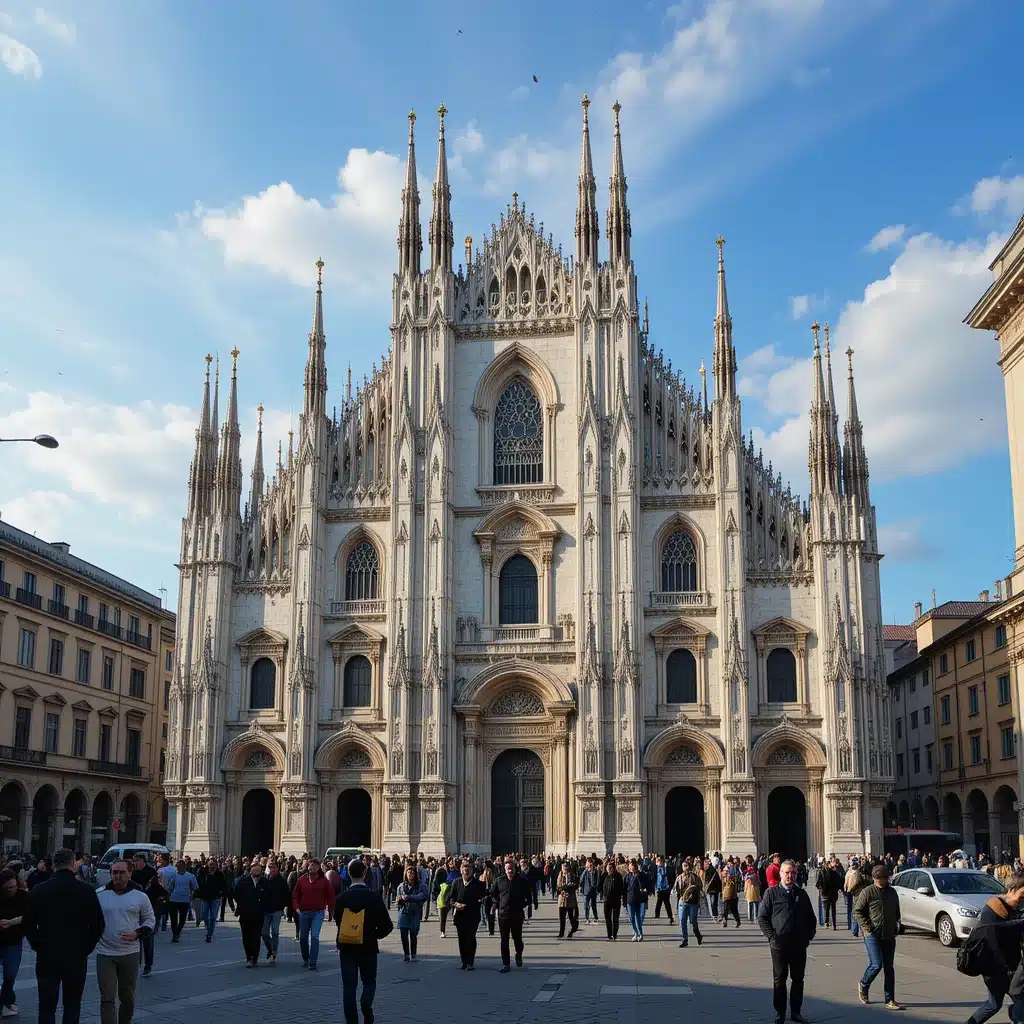
No discussion of vacations is complete without celebrating the breathtaking Duomo di Milano. This Gothic masterpiece, with its forest of spires and intricate facade, represents the spiritual and architectural heart of the city. Milan vacations should absolutely include:

  1. Cathedral interior exploration featuring stunning stained glass windows and sacred artworks
  2. Duomo rooftop access offering panoramic city views and close-up spire details
  3. Duomo Museum visits showcasing centuries of religious art and cathedral history
  4. Evening illuminations when the cathedral facade glows majestically

La Scala: Where Operatic Dreams Come Alive

reach cultural crescendos at Teatro alla Scala, the world’s most famous opera house. Since 1778, this legendary venue has premiered works by Verdi, Puccini, and other masters. Smart Milan vacations incorporate:

  • Guided theater tours revealing backstage secrets and historical anecdotes
  • La Scala Museum visits displaying costumes, instruments, and operatic memorabilia
  • Performance attendance (book well in advance for popular shows)
  • Café visits at nearby establishments frequented by opera stars

Milan’s Fashion Districts: Shopping Paradise

Quadrilatero della Moda: Luxury Shopping Nirvana

The crown jewel of Milan vacations shopping experiences lies within the prestigious Quadrilatero della Moda (Fashion Quadrilateral). This exclusive district, bounded by Via Montenapoleone, Via della Spiga, Via Sant’Andrea, and Via Borgospesso, houses:

Designer BoutiquesSpecialty FocusMust-Visit Features
PradaLuxury leather goodsOriginal flagship store
VersaceHigh fashionIconic palazzo location
ArmaniSophisticated eleganceMulti-level concept store
Dolce & GabbanaItalian glamourStunning window displays
Bottega VenetaArtisanal craftsmanshipExclusive leather collections

Navigli District: Trendy Boutiques and Vintage Finds

Milan vacations should explore beyond luxury districts to discover Navigli’s eclectic shopping scene. This canal-side neighborhood offers:

  • Independent designer studios showcasing emerging talent
  • Vintage clothing stores with unique fashion finds
  • Artisan workshops creating custom leather goods and jewelry
  • Local markets featuring handmade crafts and accessories

Culinary Delights: Savoring Gastronomic Excellence

Traditional Lombard Cuisine

provide exceptional opportunities to experience authentic northern Italian cuisine. Traditional dishes that define the region include:

Risotto alla Milanese Recipe Components

IngredientQuantityQuality Notes
Arborio rice320gHigh-quality Italian variety
Beef bone marrow100gFresh from quality butcher
Saffron threads0.5gPremium Lombard saffron
Parmigiano-Reggiano100gAged 24+ months
Beef stock1.5LHomemade preferred
White wine100mlDry Lombard variety

Essential Dishes for Your Vacation

  1. Cotoletta alla Milanese – Breaded veal cutlet, the city’s signature dish
  2. Osso Buco – Braised veal shanks with gremolata
  3. Panettone – Traditional Christmas bread (available year-round)
  4. Aperitivo culture – Evening drinks with complimentary appetizers

Modern Culinary Innovation

Contemporary Milan vacations showcase the city’s evolving food scene through:

  • Michelin-starred restaurants pushing culinary boundaries
  • Rooftop dining experiences with cathedral views
  • Street food markets like Mercato Metropolitano
  • Craft cocktail bars in trendy neighborhoods

Art and Culture: Milan’s Rich Cultural Tapestry

World-Class Museums and Galleries

Milan vacations offer incredible cultural enrichment through outstanding museums:

Pinacoteca di Brera

This prestigious gallery houses masterpieces by:

  • Caravaggio – “Supper at Emmaus” showcases dramatic chiaroscuro
  • Raphael – “Marriage of the Virgin” demonstrates Renaissance perfection
  • Francesco Hayez – “The Kiss” epitomizes Romantic nationalism
  • Giovanni Bellini – “Pietà” displays Venetian colorito mastery

Castello Sforzesco Museums

Castello Sforzesco Museums

The historic castle complex enriches

  • Ancient art collections spanning Egyptian to Medieval periods
  • Decorative arts galleries featuring furniture, ceramics, and textiles
  • Musical instrument museum with rare historical pieces
  • Michelangelo’s final sculpture – the unfinished “Rondanini Pietà”

Contemporary Art Scene

Modern Milan vacations embrace cutting-edge creativity through:

  1. Fondazione Prada – Rem Koolhaas-designed complex showcasing contemporary art
  2. Pirelli HangarBicocca – Massive industrial space for large-scale installations
  3. Gallerie d’Italia – Banking foundation’s impressive modern collection
  4. Street art tours exploring vibrant murals in Isola and Porta Garibaldi

Accommodation Options for Perfect Vacations

Luxury Hotels: Five-Star Elegance

Premium Milan vacations deserve exceptional accommodations:

  • Hotel Principe di Savoia – Dorchester Collection property with rooftop dining
  • Armani Hotel Milano – Designer aesthetics in fashion district location
  • Villa San Martino – Intimate luxury near La Scala opera house
  • Bulgari Hotel Milano – Contemporary sophistication with private gardens

Boutique Properties: Unique Character

Distinctive Milan vacations benefit from boutique hotel charm:

  • Room Mate Giulia – Modern design near central attractions
  • Nhow Milano – Contemporary style in emerging Tortona district
  • Hotel Spadari al Duomo – Art-focused property steps from cathedral
  • Senato Hotel Milano – Stylish rooms in prime shopping location

Budget-Friendly Options

Economical Milan vacations can still offer comfort and convenience:

  1. Generator Milano – Modern hostel with social atmosphere
  2. Hotel Aureus – Family-run property with personal service
  3. B&B Hotels Milano – Clean, efficient accommodation chain
  4. Ostello Bello Grande – Award-winning hostel near Centrale station

Transportation: Navigating Efficiently

Public Transportation Excellence

Metro System Overview

LineColorKey StopsTourist Attractions
M1 (Red)RedDuomo, CairoliCathedral, Castello Sforzesco
M2 (Green)GreenCentrale, GaribaldiMain station, Porta Nuova
M3 (Yellow)YellowMontenapoleone, TuratiFashion district, Brera
M5 (Purple)PurpleGaribaldi, IsolaModern district, nightlife

Alternative Transportation

  • Bike sharing systems like BikeMi for eco-friendly exploration
  • Electric scooters available throughout central districts
  • Traditional trams offering scenic city tours
  • Walking tours revealing hidden neighborhoods and local secrets

Day Trip Opportunities

Italian Lakes Region

Lake Como Adventures

  • Bellagio exploration – “Pearl of the Lake” with villa gardens
  • Villa del Balbianello visits – Historic property with movie connections
  • Boat tours connecting charming lakeside villages
  • Hiking trails offering panoramic Alpine views

Lake Maggiore Discoveries

  • Borromean Islands – Baroque palaces and botanical gardens
  • Stresa elegance – Belle Époque resort town atmosphere
  • Cable car rides to Mottarone summit viewpoints
  • Garden tours at Villa Taranto’s botanical wonderland

Cultural Day Trips

  1. Bergamo’s medieval charm – UNESCO World Heritage Città Alta
  2. Pavia’s university town atmosphere and Romanesque architecture
  3. Lake Garda’s southern shores with thermal spas and wine tastings
  4. Swiss border crossings to Lugano or Como’s Swiss section

Seasonal Considerations for Vacations

Spring in Milan (March-May)

  • Mild temperatures perfect for walking and outdoor dining
  • Blooming gardens in parks like Giardini Pubblici Indro Montanelli
  • Fashion Week excitement (typically April) with industry energy
  • Aperitivo season beginning with outdoor terrace openings

Summer Experiences (June-August

  • Rooftop bar season with cathedral views and sunset cocktails
  • Outdoor concert series in parks and piazzas
  • Extended museum hours allowing more cultural exploration
  • Day trip weather ideal for lake and mountain excursions

Autumn Cultural Season (September-November)

  • Fashion Week glamour (September) with international visitors
  • Harvest season in nearby wine regions like Franciacorta
  • Museum exhibition openings featuring major international shows
  • Opera season launches at La Scala and other venues

Winter Magic (December-February)

  • Christmas market charm around the Duomo and Castello
  • Indoor museum exploration without summer crowds
  • Cozy restaurant experiences featuring hearty Lombard cuisine
  • New Year celebrations with fireworks and special events

Practical Tips for Successful Vacations

Money and Payment Methods

  • Credit cards widely accepted at hotels, restaurants, and shops
  • Cash payments still preferred at smaller establishments and markets
  • Contactless payments increasingly popular, especially post-COVID
  • ATM availability extensive throughout city center and tourist areas

Language and Communication

Essential Phrases

  1. “Buongiorno” – Good morning (formal greeting)
  2. “Grazie mille” – Thank you very much
  3. “Scusi, parla inglese?” – Excuse me, do you speak English?
  4. “Dov’è il Duomo?” – Where is the cathedral?
  5. “Il conto, per favore” – The bill, please

Etiquette and Cultural Norms

  • Dress codes for churches require covered shoulders and appropriate length
  • Dining times typically later than Northern European or American schedules
  • Tipping practices moderate (5-10%) compared to American standards
  • Business hours include traditional lunch breaks (12:30-3:30 PM)

Budget and Planning

Daily Expense Estimates

Budget Breakdown by Category

Expense CategoryBudget RangeMid-RangeLuxury
Accommodation€30-60/night€100-200/night€300+/night
Meals€25-40/day€50-80/day€100+/day
Transportation€5-10/day€10-20/day€30+/day
Attractions€15-30/day€30-50/day€50+/day
ShoppingVariable€100-300/day€500+/day

Money-Saving Strategies

Smart utilize cost-effective approaches:

  1. Aperitivo culture – Evening drinks with complimentary food
  2. Free museum days – Many institutions offer no-cost entry monthly
  3. Walking tours – Self-guided exploration saves transportation costs
  4. Local markets – Fresh food purchases for picnic meals
  5. Off-season travel – Lower accommodation and activity prices

Safety and Health Considerations

General Safety for Milan Vacations

Milan vacations are generally very safe, but standard precautions apply:

  • Pickpocketing awareness in crowded tourist areas and public transport
  • Legitimate taxi services – use official stands or reputable apps
  • Emergency contacts – Police (113), Medical (118), Fire (115)
  • Travel insurance recommended for medical coverage and trip protection

Health Preparations

  • No special vaccinations required for EU/US travelers
  • European Health Insurance Card valid for EU citizens
  • Prescription medications should include generic names for pharmacy visits
  • Water safety – tap water completely safe for drinking

Conclusion: Your Unforgettable Vacation Awaits

Milan vacations represent the pinnacle of sophisticated European travel, where fashion, culture, cuisine, and history converge in spectacular harmony. This remarkable city offers experiences that satisfy every type of traveler – from fashion enthusiasts seeking the latest trends to art lovers discovering Renaissance masterpieces, from food connoisseurs savoring authentic Italian cuisine to culture seekers exploring world-class museums and opera houses.

The beauty of Milan vacations lies in their incredible diversity and accessibility. Whether you’re planning a romantic weekend getaway, a family cultural adventure, or a solo exploration of Italy’s fashion capital, Milan delivers memories that will last a lifetime. The city’s excellent transportation connections, outstanding hospitality, and rich cultural offerings ensure that your Milan vacations will exceed every expectation.

As you plan your journey to this magnificent city, remember that Milan vacations are about more than just visiting tourist attractions – they’re about immersing yourself in a lifestyle that celebrates beauty, creativity, and excellence in all its forms. From the moment you arrive until your reluctant departure, Milan vacations will enchant, inspire, and transform your understanding of what makes Italy truly special.

Frequently Asked Questions About Milan Vacations

Q: What is the best time of year for Milan vacations?

The optimal timing for Milan vacations depends on your interests and preferences. Spring (April-May) and fall (September-October) offer the most pleasant weather and fewer crowds, making them ideal for sightseeing and outdoor activities. However, Milan vacations during Fashion Week (February/March and September/October) provide unique opportunities to experience the city’s fashion energy, though accommodations will be more expensive and harder to find.

Q: How many days should I plan for complete Milan vacations?

Well-planned Milan vacations typically require 3-4 days to experience the city’s main attractions comfortably. This timeframe allows for cathedral visits, museum exploration, shopping experiences, and culinary adventures without feeling rushed. Extended Milan vacations of 5-7 days permit day trips to the Italian Lakes, additional museum visits, and deeper neighborhood exploration, providing a more comprehensive understanding of Milan’s diverse offerings.

Q: Are Milan vacations suitable for families with children?

Absolutely! Milan vacations can be wonderfully family-friendly with proper planning. The city offers numerous parks like Giardini Pubblici and Parco Sempione where children can play, while attractions like the Duomo rooftop and Castello Sforzesco capture young imaginations. Many restaurants welcome families, and the excellent public transportation system makes getting around with children convenient. Milan vacations provide excellent opportunities for children to experience Italian culture, art, and cuisine in an engaging, educational environment.

Discover Milan Your Gateway To Italy’s Most Sophisticated 2025

milan

You stand at the crossroads of history and innovation, where cobblestone streets lead to gleaming skyscrapers, and where centuries-old cathedrals coexist with cutting-edge design studios. Welcome to Milan, a city that will challenge your preconceptions about Italian travel while delivering an experience that surpasses your wildest expectations.

Your journey to Milan represents more than just another European getaway. This northern Italian metropolis pulses with an energy that’s distinctly different from Rome’s ancient grandeur or Florence’s Renaissance splendor. Here, you’ll encounter a dynamic fusion of tradition and modernity that creates something entirely unique – a destination where your morning espresso might be served in a café designed by a world-renowned architect, and your evening aperitivo could unfold against the backdrop of Gothic spires piercing the twilight sky.

Why Your Milan Adventure Will Transform Your Travel Perspective

Beyond the Tourist Trail: Authentic Milanese Experiences

You’ve probably heard Milan described as Italy’s fashion capital, but this characterization barely scratches the surface of what awaits you. Your exploration will reveal layers of complexity that make Milan one of Europe’s most rewarding destinations. Unlike cities that rely heavily on historical tourism, Milan invites you to participate in contemporary Italian life while discovering remarkable cultural treasures.

Your Milan experience begins the moment you step off the train at Centrale Station, an Art Deco masterpiece that sets the tone for everything that follows. You’ll quickly notice that Milanese style isn’t just about clothing – it permeates architecture, food presentation, public spaces, and even the way locals interact with their environment.

Strategic Location for Your European Journey

Your base in Milan opens doors to numerous possibilities across northern Italy and beyond. High-speed rail connections place Venice within three hours of your hotel, while the Italian Lakes lie just an hour away by regional transport. Switzerland’s alpine beauty beckons from the north, and France’s sophisticated cities remain easily accessible for extended adventures.

This connectivity transforms your Milan stay into a strategic hub for exploring multiple destinations without the hassle of constant packing and unpacking. You can wake up in Milan, spend your day exploring Lake Como’s villa gardens, and return for dinner at a Michelin-starred restaurant in the city center.

Navigating Milan’s Iconic Landmarks and Hidden Treasures

The Duomo: Your Portal to Medieval Magnificence

Your Milan journey inevitably centers around the breathtaking Duomo, but approaching this Gothic masterpiece requires strategy to maximize your experience. Rather than joining the crowds at midday, you’ll want to arrive early morning when golden light illuminates the intricate facade, or return at sunset when the spires create dramatic silhouettes against the sky.

Your cathedral exploration should include multiple perspectives:

Ground Level Appreciation Walk slowly around the entire perimeter, pausing to examine the detailed sculptures and reliefs that cover every surface. Each facade tells different stories, and you’ll discover new details with every viewing angle.

Interior Contemplation Enter through the main doors and allow your eyes to adjust to the filtered light streaming through magnificent stained glass windows. Your attention will be drawn upward to soaring vaulted ceilings that create an almost otherworldly atmosphere.

Rooftop Revelation Purchase your ticket for rooftop access and prepare for one of Milan’s most spectacular experiences. Walking among the spires provides intimate views of architectural details invisible from below, while the city spreads out beneath you in all directions.

La Scala: Where Musical Dreams Come Alive

La Scala: Where Musical Dreams Come Alive

Your cultural education in Milan reaches its crescendo at Teatro alla Scala, the world’s most prestigious opera house. Even if you’re not particularly interested in opera, your visit to La Scala offers insights into Italian artistic traditions and social customs that date back centuries.

Museum Exploration Begin your La Scala experience at the adjacent museum, where you’ll encounter costumes worn by legendary performers, original manuscripts by famous composers, and historical instruments that shaped musical history. The museum provides context that enhances any performance you might attend.

Theater Tours Guided tours reveal backstage areas, rehearsal rooms, and the famous boxes where European nobility once gathered. Your guide will share stories about legendary performances, behind-the-scenes drama, and the meticulous preparation required for world-class productions.

Performance Attendance If your schedule permits, securing tickets for an actual performance represents the pinnacle of Milan cultural experiences. Book well in advance, especially for popular operas or renowned conductors and performers.

Your Fashion District Adventure: Beyond Shopping

Quadrilatero della Moda: Where Style Becomes Art

Your exploration of Milan’s famous fashion quadrilateral transcends mere shopping – it becomes a journey through the evolution of Italian design and craftsmanship. Even if luxury purchases aren’t in your budget, walking these streets provides insights into aesthetic philosophy and cultural values that define modern Milan.

Window Shopping as Cultural Experience Each boutique window display represents a carefully curated artistic statement. You’ll notice how Italian designers approach color, texture, and form differently than their international counterparts. Take time to observe these presentations as you would museum exhibitions.

Architectural Appreciation The buildings housing these prestigious boutiques deserve your attention. Many occupy historic palazzos that have been carefully restored and adapted for contemporary use. You’ll see how modern retail spaces can respect historical architecture while serving current needs.

People Watching Mastery Position yourself at sidewalk cafes within the fashion district and observe how locals dress and carry themselves. You’ll quickly understand that Milan style extends far beyond expensive clothing – it encompasses attitude, confidence, and attention to detail that anyone can emulate.

Alternative Shopping Districts for Your Budget

Navigli Area Exploration Your shopping adventure shouldn’t be limited to luxury districts. The Navigli area offers vintage boutiques, independent designers, and artisan workshops where you can find unique pieces at reasonable prices. This neighborhood also provides excellent examples of Milan’s commitment to urban renewal and creative reuse of industrial spaces.

Porta Ticinese District Here you’ll discover how young Milanese express their creativity through fashion. Vintage stores, concept shops, and emerging designer boutiques create a more accessible shopping environment while maintaining the city’s commitment to style and quality.

Local Markets Experience Your authentic Milan experience should include visits to local markets where residents actually shop. Mercato di Porta Palazzo offers fresh produce, local specialties, and insights into daily Milanese life that tourist areas cannot provide.

Culinary Discoveries: Your Taste Journey Through Milan

Traditional Lombard Cuisine: Flavors of Northern Italy

Traditional Lombard Cuisine: Flavors of Northern Italy

Your culinary education in Milan begins with understanding regional specialties that differ significantly from southern Italian cuisine you might know. Northern Italian cooking emphasizes rice over pasta, butter over olive oil, and rich, hearty flavors suited to cooler climates.

Risotto Mastery Your Milan dining experience must include authentic risotto alla milanese, the city’s signature dish. This saffron-infused creation represents centuries of culinary tradition and demonstrates the Italian approach to transforming simple ingredients into extraordinary experiences.

Cotoletta Exploration The famous cotoletta alla milanese deserves your attention, but understand that authentic versions differ from schnitzel or other breaded cutlets you might know. Proper cotoletta uses veal, specific preparation techniques, and presentation styles that reflect Lombard traditions.

Aperitivo Culture Your evening routine in Milan should embrace aperitivo culture, a social tradition that combines drinks with complimentary food. This isn’t just about saving money on dinner – it represents a lifestyle philosophy that prioritizes relaxation, conversation, and enjoyment of life’s pleasures.

Contemporary Dining Scene

Michelin-Starred Experiences Your special occasion dining in Milan can reach extraordinary heights at restaurants that have earned international recognition. These establishments don’t just serve food – they create artistic experiences that showcase innovation while respecting tradition.

Trattorias and Osterias Your everyday dining should include neighborhood restaurants where locals gather for authentic, unpretentious meals. These establishments offer insights into contemporary Milan life while serving excellent food at reasonable prices.

Street Food Evolution Your quick meals in Milan reflect the city’s international character and changing demographics. From traditional panzerotti to contemporary fusion offerings, street food provides convenient, delicious options that fuel your exploration.

Cultural Immersion: Your Artistic Journey

Museum Hopping Strategy

Pinacoteca di Brera Your art education in Milan reaches sophisticated heights at this prestigious gallery. Rather than rushing through, select specific periods or artists that interest you and spend quality time with fewer works. The museum’s collection spans centuries and provides excellent examples of Italian artistic evolution.

Castello Sforzesco Complex Your historical exploration finds its center at this imposing fortress that houses multiple museums. Plan your visit carefully – the complex contains enough material for several days of exploration. Focus on specific areas that align with your interests rather than attempting to see everything.

Contemporary Art Venues Your understanding of Milan’s creative energy requires exposure to contemporary art spaces. Fondazione Prada, with its Rem Koolhaas-designed architecture, represents Milan’s commitment to cutting-edge cultural experiences.

Neighborhood Character Discovery

Brera District Your artistic sensibilities will thrive in this bohemian neighborhood where galleries, antique shops, and artist studios create an atmosphere reminiscent of Paris’s Montmartre. Evening strolls reveal hidden courtyards, intimate wine bars, and impromptu street performances.

Navigli Canals Your evening entertainment gravitates naturally toward the canal district, where historic waterways create romantic settings for dining and nightlife. The area demonstrates Milan’s commitment to preserving historical infrastructure while adapting it for contemporary use.

Isola Neighborhood Your exploration of modern Milan leads to this rapidly evolving district where innovative architecture creates dramatic skylines. The area showcases how cities can successfully blend residential, commercial, and cultural spaces.

Transportation Mastery: Your Milan Navigation Guide

Public Transit Excellence

Metro System Understanding Your efficient movement through Milan depends on mastering the metro system, which connects all major attractions and neighborhoods. Purchase multi-day passes that include buses and trams for maximum flexibility.

Walking Route Planning Your most rewarding Milan discoveries often happen on foot. The city center remains compact enough for walking, and pedestrian-friendly streets encourage exploration at a relaxed pace that allows for spontaneous discoveries.

Bike Sharing Integration Your eco-friendly transportation options include Milan’s excellent bike-sharing system. Dedicated bike lanes connect major attractions while providing different perspectives on the city’s architecture and street life.

Regional Connection Options

High-Speed Rail Access Your day trip possibilities expand dramatically thanks to Milan’s excellent rail connections. Venice, Florence, and Rome remain easily accessible for extended adventures, while regional trains connect you to lakes, mountains, and smaller cities.

Airport Connectivity Your arrival and departure experiences benefit from excellent connections between Milan’s airports and the city center. Plan your airport transfers in advance to maximize your time in the city.

Seasonal Strategies: Optimizing Your Milan Experience

Spring Advantages (March-May)

Your spring visit to Milan coincides with the city’s awakening from winter hibernation. Parks burst into bloom, outdoor dining returns, and the fashion industry prepares for major events that energize the entire city.

Weather Considerations Pack layers for your spring Milan adventure, as temperatures can vary significantly throughout the day. Comfortable walking shoes become essential as you’ll want to spend maximum time outdoors exploring.

Cultural Calendar Your spring timing might coincide with Milan Fashion Week, Design Week, or other major events that showcase the city’s creative industries. Research event schedules when planning your visit.

Summer Dynamics (June-August)

Your summer Milan experience offers extended daylight hours for exploration and numerous outdoor events, but also requires strategies for dealing with heat and crowds.

Heat Management Plan your outdoor activities for early morning and evening hours, reserving midday for air-conditioned museums, shopping centers, or restaurants. Your comfort and enjoyment depend on realistic scheduling.

Extended Hours Many attractions offer extended opening hours during summer months, allowing you more flexibility in planning your daily activities. Take advantage of late openings for rooftop dining and cultural events.

Autumn Opportunities (September-November)

Your fall visit combines pleasant weather with numerous cultural events as the city returns to full energy after summer holidays.

Fashion Week Energy September brings Milan Fashion Week, when the city buzzes with international visitors, special events, and exclusive presentations. Your accommodation costs will increase, but the cultural energy becomes extraordinary.

Harvest Season Your culinary experiences during autumn benefit from harvest season in nearby wine regions and the return of hearty seasonal dishes to restaurant menus.

Winter Charm (December-February)

Your winter Milan experience offers unique charms including Christmas markets, indoor cultural activities, and cozy restaurant scenes that provide intimate insights into local life.

Holiday Atmosphere Christmas markets around the Duomo and other locations create magical atmospheres, while reduced tourist crowds allow for more authentic interactions with locals.

Indoor Activities Plan your winter visit around museums, galleries, shopping, and cultural events that showcase Milan’s indoor attractions during shorter daylight hours.

Budget Strategies: Maximizing Your Milan Value

Accommodation Intelligence

Location Priorities Your accommodation choice should balance location, comfort, and budget. Staying within walking distance of major attractions saves transportation costs while maximizing your exploration time.

Booking Timing Reserve your accommodations well in advance, especially during Fashion Week, Design Week, or major trade shows when prices increase significantly.

Alternative Options Consider apartment rentals for longer stays, which provide kitchen facilities for preparing some meals and often offer better value than hotels for extended visits.

Dining Economics

Aperitivo Strategy Your evening routine should embrace aperitivo culture, where substantial complimentary food accompanies drinks, potentially replacing dinner while providing authentic cultural experiences.

Lunch Deals Many upscale restaurants offer fixed-price lunch menus that provide access to high-quality dining at more reasonable prices than dinner service.

Market Shopping Purchase fresh ingredients at local markets for picnic meals in parks or apartment preparation, combining budget savings with authentic local product experiences.

Cultural Savings

Free Museum Days Research free admission days at major museums and plan your cultural activities accordingly. Many institutions offer complimentary access once monthly for residents and visitors.

Walking Tours Self-guided exploration costs nothing beyond comfortable shoes and provides unlimited flexibility for discovering neighborhoods at your own pace.

Church Visits Many of Milan’s most beautiful churches welcome visitors free of charge, providing access to remarkable art and architecture without admission fees.

Safety and Practical Considerations

Personal Security

Your Milan experience should be worry-free regarding personal safety, as the city maintains low crime rates and excellent emergency services. Standard precautions apply regarding pickpockets in crowded tourist areas and public transportation.

Tourist Area Awareness Remain alert in heavily touristed locations where petty theft sometimes occurs, but don’t allow concerns to limit your exploration or enjoyment of the city.

Emergency Preparedness Familiarize yourself with local emergency numbers and the location of your country’s consulate. Keep digital copies of important documents accessible through cloud storage.

Health and Medical

Medical System Access Your healthcare needs can be addressed through Italy’s excellent medical system. EU citizens enjoy reciprocal healthcare agreements, while others should maintain appropriate travel insurance.

Pharmacy Services Italian pharmacies provide professional service and can address minor health concerns. Pharmacists often speak English and can recommend appropriate treatments for common ailments.

Communication and Language

English Proficiency Your language needs are generally well-served in Milan, where English proficiency rates are higher than in many Italian cities, particularly in tourist areas, hotels, and restaurants.

Basic Italian Phrases Learning a few essential Italian phrases enhances your interactions with locals and demonstrates respect for the culture. Milanese appreciate visitors’ efforts to communicate in Italian, even at basic levels.

Technology Solutions Download translation apps and offline maps to your smartphone before traveling. These tools provide backup communication methods and navigation assistance when needed.

Day Trip Extensions: Your Regional Exploration

Italian Lakes Adventure

Lake Como Excursions Your day trip to Lake Como provides relief from urban intensity while showcasing northern Italy’s natural beauty. Ferry connections between lakeside towns create scenic transportation that becomes part of the experience.

Villa and Garden Tours Historic villas around Lake Como offer insights into aristocratic life and landscape design traditions. Gardens provide peaceful settings for relaxation and photography.

Bellagio Exploration The town of Bellagio epitomizes Lake Como’s romantic appeal with narrow streets, elegant hotels, and stunning lake views that provide perfect settings for leisurely lunches and afternoon strolls.

Cultural Destinations

Bergamo Discovery Your exploration of Bergamo reveals a perfectly preserved medieval city that contrasts beautifully with Milan’s modernity. The funicular railway to the upper city creates dramatic arrival experiences.

Pavia University Town This historic university city offers insights into Italian academic traditions while showcasing remarkable Romanesque architecture that predates much of Milan’s cultural heritage.

Swiss Connections

Lugano Access Your passport allows easy access to Swiss Lugano, where Mediterranean climate combines with Alpine efficiency to create unique cultural experiences just hours from Milan.

Currency Considerations Plan for Swiss franc expenses if extending your journey across the border. Many establishments accept euros, but exchange rates may not be favorable.

Technology and Connectivity

Digital Preparation

SIM Card Options Your connectivity needs can be addressed through local SIM cards that provide data and calling services at reasonable rates. Purchase options exist at airports, train stations, and mobile phone shops throughout the city.

Wi-Fi Availability Most hotels, restaurants, and cafes provide complimentary Wi-Fi access. Public Wi-Fi networks exist in major tourist areas, though security precautions should guide your usage.

App Recommendations Download essential apps before traveling: transit apps for public transportation, translation tools for communication, and mapping services that work offline.

Photography Considerations

Social Media Sharing Your Milan experiences deserve documentation, but respect local customs regarding photography in religious sites and private establishments. Ask permission when photographing people or inside shops and restaurants.

Equipment Recommendations Milan’s architectural beauty and street style culture provide excellent photography opportunities. Consider bringing equipment that allows for both detailed architectural shots and candid street photography.

Your Milan Legacy: Making Lasting Connections

Cultural Integration

Local Interaction Your most meaningful Milan memories often emerge from conversations with locals. Milanese generally appreciate visitors who show genuine interest in their city and culture beyond tourist attractions.

Language Learning Consider your Milan visit as motivation for ongoing Italian language study. Even basic conversational ability enhances future travel experiences throughout Italy.

Skill Development Your exposure to Italian fashion, design, and culinary traditions might inspire new interests or hobbies that extend long beyond your visit.

Sustainable Tourism Practices

Environmental Responsibility Your travel choices can support Milan’s sustainability initiatives. Use public transportation, support local businesses, and minimize waste during your visit.

Cultural Respect Approach Milan’s cultural attractions and traditions with respect and curiosity rather than judgment or comparison to other destinations.

Economic Impact Your tourism spending should support local businesses and authentic cultural experiences rather than international chains or tourist traps that provide minimal benefit to the local community.

Planning Your Return: Building Long-term Relationships

Seasonal Variations

Your first Milan visit reveals only one facet of this complex city. Different seasons offer entirely different experiences, from summer rooftop dining to winter opera seasons, creating justification for multiple visits over time.

Event-Based Returns Plan future visits around specific events that interest you: Fashion Week for style enthusiasts, Design Week for architecture lovers, or La Scala’s opera season for music aficionados.

Deeper Exploration

Neighborhood Specialization Future visits can focus on specific neighborhoods that captured your imagination during your initial exploration. Each district offers sufficient depth for dedicated investigation.

Professional Development Your career interests might align with Milan’s strengths in fashion, design, finance, or technology, creating opportunities for professional development through workshops, conferences, or networking events.

Your Milan Journey Begins Now

Your adventure in Milan represents more than just another European vacation – it becomes a gateway to understanding contemporary Italian culture while appreciating historical traditions that continue to influence modern life. This remarkable city challenges assumptions about Italian travel while delivering experiences that exceed expectations in unexpected ways.

Your preparation for Milan should balance practical planning with openness to spontaneous discoveries. The city rewards curiosity, style consciousness, and appreciation for the finer aspects of life, from perfectly prepared risotto to impeccably tailored clothing to thoughtfully designed public spaces.

Remember that your Milan experience extends far beyond checking attractions off a list. The city invites you to participate in a lifestyle that values beauty, craftsmanship, creativity, and social connection. Your willingness to embrace this philosophy determines the depth and richness of your Milan adventure.

As you finalize your travel plans, consider how your Milan journey fits into your broader life goals and interests. This city has a remarkable ability to inspire new directions, whether in personal style, career development, cultural appreciation, or simply a renewed commitment to living life with greater intentionality and aesthetic awareness.

Your Milan story begins the moment you decide to visit, but it continues long after you return home, influencing how you approach fashion, food, design, and daily life with the sophisticated perspective that defines this extraordinary city.

Ready to transform your travel experience? Start planning your Milan adventure today by booking your accommodations, researching current exhibitions and events, and beginning to learn those essential Italian phrases that will enrich every interaction during your unforgettable journey to Italy’s most sophisticated destination.

The Best Destination in Europe This Summer is Saranda, Albania

Imagine Your Dream Summer Affordable, Untouched, and Unforgettable

Ever felt like Europe is just too expensive to enjoy during summer? The crowded beaches, overpriced meals, and endless lines at attractions might make you second-guess your travel plans. But what if you could escape to a pristine coastline, dine on fresh Mediterranean cuisine, and unwind under the sun all without draining your wallet?

You’re not dreaming. You’re about to discover Saranda, Albania Europe’s best-kept secret and the ultimate budget-friendly summer destination.


Why Saranda, Albania?

Why Saranda, Albania?

A Hidden Gem on the Ionian Coast

Saranda isn’t just beautiful—it’s breathtaking. Nestled on the southern coast of Albania, this town faces the sparkling Ionian Sea and is just a short ferry ride from Corfu, Greece.

  • Crystal-clear turquoise waters
  • Affordable luxury accommodations
  • Rich cultural history and ancient ruins

It’s everything you crave in a summer destination—without the heavy price tag.


How to Get to Saranda Without Breaking the Bank

Affordable Travel Options to Saranda

You’re probably wondering, “How do I even get there?” Here are your top low-cost travel routes:

  • Flight to Corfu, Greece – From there, take a 30-minute ferry to Saranda (as low as €20).
  • Bus or Van from Tirana – Buses run daily for around €12 and offer a scenic ride along the Albanian Riviera.
  • Budget airlines – Companies like Ryanair and WizzAir offer cheap flights to nearby cities.

Pro tip: Book early for summer travel to score the best deals!


Where to Stay: Top Budget Accommodations in Saranda

Where to Stay: Top Budget Accommodations in Saranda

Best Cheap Hotels and Guesthouses

You don’t need to shell out hundreds for a sea-view room. In Saranda, affordable doesn’t mean sacrificing comfort.

Budget-Friendly Options:

Hotel NamePrice (per night)Highlights
Hotel Iliria€25-€35Sea-view, close to beach
Saranda Backpackers€12-€20Hostel with a social vibe
Guesthouse Vasili€18-€30Family-run, free breakfast included


Things to Do in Saranda That Won’t Cost You a Fortune

Top Free and Cheap Activities

You want memories, not maxed-out credit cards. Luckily, Saranda is packed with experiences that cost little to nothing.

Must-See Attractions:

  • The Blue Eye Spring – A surreal natural spring with vibrant blue waters. Entry: €1
  • Lekursi Castle – Sunset views over the city and sea. Entry: Free
  • Butrint National Park – A UNESCO World Heritage site. Entry: €5
  • Mirror Beach & Ksamil Islands – White sand beaches, crystal-clear water, minimal entrance fees

You’ll never be bored—and your budget will thank you.


Eat Like Royalty on a Budget

Top Cheap Eats in Saranda

Foodies, rejoice. Albanian cuisine is a Mediterranean marvel—think Greek meets Italian, but with its own twist.

Top Dishes to Try:

  • Tavë Kosi – Baked lamb with yogurt and rice
  • Fërgesë – Bell peppers, tomatoes, and cottage cheese
  • Byrek – Savory pastries with cheese, spinach, or meat
  • Fresh seafood – Octopus, mussels, and sardines from the Ionian Sea

Budget Restaurants:

RestaurantPrice RangeMust-Try Dish
Haxhi€4-€8Grilled sardines
Bar Restorant Plazhi€3-€6Octopus salad
Fast Food Era€2-€4Cheese byrek and salad

Bonus Tip: Many local eateries don’t charge service fees, so you’ll actually pay what’s listed on the menu!


Explore the Riviera Without the Pricey Tours

Cheap Day Trips Around Saranda

Saranda is your gateway to the Albanian Riviera. Here’s how to explore without overpaying:

Self-Guided Day Trips:

  • Ksamil – Just 20 minutes by bus (€1.50), featuring the most stunning beaches in Europe.
  • Butrint Ruins – Walk the ancient streets of a city that dates back to 800 BC.
  • Gjirokastër – A UNESCO city with cobblestone streets and Ottoman architecture. Bus: €3

You don’t need a tour guide—you need a good pair of sandals and a curious mind.


Safety and Travel Tips for First-Timers

Is Saranda Safe?

Absolutely. Saranda is considered one of the safest cities in the Balkans. The locals are warm, friendly, and eager to help.

Travel Tips:

  • Learn a few phrases in Albanian—it goes a long way.
  • Stick to bottled water.
  • Use local buses—they’re cheap and reliable.

When to Visit Saranda for the Best Experience

Perfect Times for Budget and Weather

If you’re looking to balance warm weather and lower costs, aim for late May to early July or September.

  • Fewer tourists
  • Cheaper stays
  • Warm, sunny days (around 28°C/82°F)

Avoid peak August if you’re watching your wallet.


What Makes Saranda Different from Other Destinations?

What Makes Saranda Different from Other Destinations?

Authenticity and Affordability

While other European hot spots have become over-commercialized, Saranda still feels real. Here, you get:

  • Genuine Albanian hospitality
  • Unspoiled landscapes
  • Lower prices across the board

You’re not just another tourist. You’re a welcomed guest.


Budget Breakdown: How Much Will a Week in Saranda Cost You?

Budget Breakdown: How Much Will a Week in Saranda Cost You?
CategoryEstimated Cost
Accommodation (7 nights)€150–€200
Meals & Snacks€70–€100
Transport & Tours€30–€50
Entry Fees & Activities€20–€40
Total€270–€390

Yes, a full week of Mediterranean magic—under €400!


How to Pack Smart for Saranda

Your Summer Essentials

  • Light clothing, swimsuits, flip-flops
  • Portable charger and reusable water bottle
  • Sunscreen (it’s pricier locally)
  • Travel insurance

Hidden Spots You Must Explore

Go Beyond the Guidebooks

Want to discover Saranda’s soul? Check out:

  • Pellumbas Cave – A short hike with panoramic views
  • St. George Monastery – History and tranquility rolled into one
  • Lukovë Beach – Remote, peaceful, and breathtaking

Local Culture and Customs to Know

When in Albania, Do as the Albanians Do

  • Greet with a handshake or a kiss on both cheeks
  • Tip about 10% if service is great
  • Respect traditional dress codes in churches

Conclusion: Your Summer in Saranda Awaits

You don’t have to spend thousands to soak up the Mediterranean sun, swim in emerald waters, and eat like royalty. Saranda, Albania, offers a slice of paradise that’s still untouched, undiscovered, and unbelievably affordable.

This summer, skip the usual tourist traps. Embrace adventure. Embrace Albania.

Your perfect, budget-friendly European summer is just a flight away.


FAQs About Saranda, Albania

1. Is Saranda, Albania cheap for tourists?

Yes! You can enjoy a full week—including stay, food, and activities—for under €400.

2. What is the best way to get to Saranda?

The easiest and cheapest route is flying to Corfu, then taking a ferry across. Buses from Tirana are also budget-friendly.

3. Is it safe to travel to Saranda alone?

Absolutely. Saranda is considered very safe, even for solo travelers.

4. Can I use Euros in Saranda?

The official currency is the Albanian Lek, but many places also accept Euros—especially in tourist areas.

5. Are there vegan or vegetarian food options in Saranda?

Yes! From fresh salads to byrek filled with veggies or cheese, there are plenty of delicious plant-based options.

How to Spend a 3 Day City Break in Vienna

How to Spend a 3 Day City Break in Vienna

Welcome to Vienna – The City of Music and Majesty

Imagine standing in the heart of Europe, surrounded by imperial palaces, the aroma of freshly baked Apfelstrudel, and the melodic echo of a violinist in a cobbled alleyway. That’s Vienna for you. This isn’t just another European capital—it’s where past meets present in the most elegant way. Whether you’re here for history, art, food, or simply to unwind in a timeless city, Vienna embraces you with a charm that’s impossible to resist.

Planning a 3-day city break in Vienna? You’re in for an unforgettable experience. This guide gives you everything you need—from top sights to secret gems—ensuring you make the most of every moment.


Day 1 – Dive into Vienna’s Imperial Past

Dive into Vienna’s Imperial Past

Start Your Day at Schönbrunn Palace

You can’t kick off your Vienna visit without exploring Schönbrunn Palace, the former summer residence of the Habsburgs. Picture 1,441 rooms of Baroque brilliance, sweeping gardens, and panoramic views from the Gloriette. Arrive early to beat the crowds and take the Grand Tour—it walks you through the private lives of emperors with gold-draped rooms and historical anecdotes.

  • Best time: Morning (arrive by 9 AM)
  • Must-book: Grand Tour + Garden pass
  • Don’t miss: Neptune Fountain, Palm House

Lunch in the Hietzing District

After soaking in imperial luxury, head to the charming Hietzing district for a hearty lunch. Local favorite Café Dommayer offers classics like Wiener Schnitzel and Kaiserschmarrn in a relaxed setting with old-world vibes.

Stroll Through Hofburg Palace

Next stop: Hofburg Palace, located in the city center. This was the main winter residence of the Habsburg dynasty and now hosts:

  • The Imperial Apartments
  • The fascinating Sisi Museum
  • The Spanish Riding School (catch a show or tour the stables)

Let the atmosphere transport you to a time of emperors, empresses, and lavish balls.

Evening Walk & Dinner in the Old Town

Wrap up your day with a stroll through Graben and Kohlmarkt, Vienna’s elegant shopping streets leading to the awe-inspiring St. Stephen’s Cathedral. For dinner, try a Heuriger—a traditional wine tavern. Gigerl near Stephansplatz is cozy and authentic.


Day 2 – Art, Culture, and Coffee Houses

Art, Culture, and Coffee Houses

Morning at Belvedere Palace

Start your second day surrounded by art. Belvedere Palace is not only stunning from the outside but houses masterpieces inside—most famously Gustav Klimt’s The Kiss. The Upper and Lower Belvedere are both worth visiting, and the gardens make a perfect photo stop.

  • Tip: Pre-book skip-the-line tickets
  • Bonus: The palace gardens are free to explore

Explore MuseumsQuartier

Vienna’s MuseumsQuartier (MQ) is a haven for culture lovers. You’ll find:

  • Leopold Museum – filled with Egon Schiele and Austrian modernism
  • MUMOK – for lovers of contemporary art
  • Chill spots for coffee and people-watching

It’s the perfect place to absorb Vienna’s creative pulse.

Live the Coffee House Tradition

You haven’t really experienced until you’ve sipped coffee in a grand café. Make your way to Café Central—a historical haunt for intellectuals like Freud and Trotsky. Go ahead and indulge in a Melange with a slice of Sachertorte.

  • What to try: Melange, Sachertorte, or Apfelstrudel
  • Pro tip: Take your time—coffee culture here is slow and social

Vienna State Opera Night

If you’re lucky enough to snag a ticket, spending your evening at the Vienna State Opera is unforgettable. Dress up, book a box seat, and soak in one of Europe’s most iconic performances.

  • Book in advance
  • Nearby dinner: Plachutta for famous Tafelspitz

Day 3 – Local Life and Hidden Gems

Local Life and Hidden Gems

Eat Your Way Through Naschmarkt

Wake up your senses at the Naschmarkt, a buzzing marketplace with over 100 food stalls. Grab a Turkish borek, sample Austrian cheese, or enjoy a fresh falafel wrap. This is where locals shop, snack, and socialize.

  • Tip: Go early to avoid weekend crowds
  • Try: Käsekrainer (cheese sausage), pickles, fresh fruits

Marvel at Hundertwasserhaus

From Baroque to bizarre—next up is Hundertwasserhaus, an explosion of color and creativity by visionary architect Friedensreich Hundertwasser. The nearby Kunst Haus Wien museum dives deeper into his philosophies and artworks.

  • Most Instagrammable spot in Vienna
  • Great for fans of eco-architecture and surreal design

Cruise or Walk Along the Danube

Give your feet a break with a relaxing Danube river cruise or just enjoy a riverside stroll. The Danube Tower offers 360° views and a revolving restaurant that’s worth the detour.

  • Tours: Available from Schwedenplatz
  • Best for: Romantic sunset vibes

Toast the Trip at Kahlenberg

For your grand finale, head up to Kahlenberg in the Vienna Woods. The views are breathtaking, the air is crisp, and the wine taverns (Heuriger) serve up homegrown wines and rustic Austrian snacks.

  • Try: Grüner Veltliner or Gemischter Satz
  • Bus 38A takes you straight from the city center

Where to Stay

Whether you’re traveling on a shoestring or splurging on luxury, Vienna has something for every style.

BudgetMid-RangeLuxury
Meininger Downtown Franz25Hours Hotel at MuseumsQuartierHotel Sacher Wien
SuperbudeHotel Beethoven WienThe Ritz-Carlton, Vienna

Stay near Innere Stadt (1st District) for easy access to all major attractions.


Best Places to Eat in Vienna

Your Vienna break isn’t complete without tasting the city. Here are a few gems:

  • Figlmüller – Giant Wiener Schnitzels
  • Gasthaus Pöschl – Classic Viennese tavern
  • Steirereck – Fine dining meets innovation
  • Zum Schwarzen Kameel – Legendary sandwiches and wine

Vienna Travel Tips for First-Timers

  • Language: German (but English is widely spoken)
  • Currency: Euro (€)
  • Transport: Use the Vienna City Card for free public transport and discounts
  • Wi-Fi: Free in most cafes and public spots
  • Tipping: Round up or add ~5-10%

3-Day Itinerary at a Glance

DayMorningAfternoonEvening
1Schönbrunn PalaceHofburg & Old TownDinner in historic center
2Belvedere PalaceMuseumsQuartierOpera night
3NaschmarktHundertwasserhaus & DanubeSunset at Kahlenberg

Packing List for Vienna

  • Comfortable walking shoes
  • A light jacket (weather can surprise you)
  • Power adapter (Type F)
  • Travel umbrella
  • Daypack for exploring

Best Time to Visit

  • Spring (April-May): Blossoming gardens, mild weather
  • Summer (June-August): Outdoor events, bustling vibes
  • Autumn (September-October): Wine season, golden city views
  • Winter (November-December): Magical Christmas markets

Conclusion – Your Vienna City Break Awaits

So, there you have it—your ultimate 3-day Vienna escape, packed with grandeur, culture, food, and those priceless little moments that turn a trip into a memory. Whether you’re chasing classical music or culinary thrills, Vienna offers the perfect blend of both.

The best part? You can do it all in just three days and still feel like you’ve lived a little European dream.

So, what are you waiting for? Book that flight, pack your bags, and step into a city where every street corner tells a story.


FAQs

Can you explore Vienna in 3 days?

Yes, three days is enough to cover Vienna’s major attractions, experience local culture, and enjoy its food scene—if you plan smartly.

What’s the best way to get around Vienna?

Use the U-Bahn (metro), trams, and buses. The Vienna City Card offers unlimited public transport and discounts.

Is Vienna a walkable city?

Absolutely. Most top sights in the city center are within walking distance, making it ideal for explorers.

What food is Vienna famous for?

Wiener Schnitzel, Sachertorte, Apfelstrudel, and Tafelspitz are must-tries during your stay.

Do I need to speak German in Vienna?

Not necessarily. Most people speak English, especially in tourist areas, restaurants, and hotels.

2 Mastering Global Manners How to Respect Local Traditions

Mastering Global Manners: Understanding European Etiquette and the Rich Traditions of African Tribes

Table of Contents

When you set foot in a foreign land, every gesture you make becomes part of the conversation. Whether you’re navigating a formal dinner in Paris or joining a tribal dance in Kenya, your awareness of local etiquette reflects how deeply you respect the culture around you. This guide helps you unravel two distinct but equally fascinating cultural realms etiquette and African tribal traditions you can travel thoughtfully, connect deeply, and leave lasting impressions.


Understanding European Etiquette: What You Need to Know

Understanding European Etiquette: What You Need to Know

You might think a smile is universal, but across Europe, even a greeting can carry unexpected layers of meaning. Understanding etiquette isn’t about memorizing rules t’s about showing people you care enough to learn their ways.

Why it matters to you:

  • You avoid uncomfortable cultural missteps.
  • You earn genuine respect from locals.
  • You build richer, more authentic connections.

Greeting Norms Across Europe

Your first impression begins with a simple hello. But how you say it can shift depending on where you are.

Common Greetings by Country

  • France: Lean in for cheek kisses—la bise—if you’re familiar. Otherwise, offer a polite “Bonjour.”
  • Germany: Give a firm handshake with eye contact. Titles matter here, so don’t skip them.
  • UK: A handshake is fine, but a simple “Hello, how do you do?” goes a long way.
  • Italy: Expect enthusiastic greetings and kisses on both cheeks if you’re close. Use body language to express warmth.

Quick tip: Always follow the local’s lead. If in doubt, keep it formal.


Dining Etiquette You Can’t Ignore

Meal times in Europe are sacred social rituals. When you’re invited to dine, your table manners speak louder than your words.

Table Behavior to Adopt

  • France: Keep your hands visible on the table—not your lap.
  • Spain: Don’t rush. Dinner starts late, often after 9 PM.
  • Italy: Wait for the host to start the meal. Use utensils even for pizza in formal settings.
  • Germany: Say Guten Appetit before eating. Cutting lettuce with a knife? That’s a no-no.

Dos and Don’ts Table Summary

CountryDoDon’t
FranceUse quiet tones and multiple coursesSkip the cheese plate or rush dessert
UKPass items to the leftTalk with your mouth full
SwedenWait until everyone is servedBegin eating before a toast
AustriaToast with direct eye contactPut elbows on the table

Public Behavior and Personal Space

You’ll find that public conduct can reveal much about a society’s values. In Europe, subtlety and discretion are often prized.

Guidelines for Respectful Conduct

  • Mind the queue: In the UK, line-cutting is a serious offense.
  • Speak softly: Loud conversations in trains or cafés can draw unwanted stares.
  • Give space: In Nordic countries especially, people value physical distance.

You’ll blend in more gracefully by observing how locals act and matching their pace and volume.


Business Etiquette: Closing Deals with Class

Traveling for work? How you approach a business meeting could be the difference between signing a deal or being politely dismissed.

Professional Behavior Essentials

  • Germany & Switzerland: Punctuality isn’t optional. Arrive at least five minutes early.
  • France: Dress sharply, but don’t rush decisions—business moves at a slower pace.
  • Italy: Expect small talk before diving into business. It’s about relationships, not just contracts.

Use formal titles until invited to do otherwise. Shake hands at both the beginning and end of meetings.


The Rich Traditions of African Tribes: A Cultural Journey

The Rich Traditions of African Tribes: A Cultural Journey

A Deep Connection to History

Now shift your mindset. When you enter tribal communities in Africa, you step into a world where tradition pulses through every drumbeat, dance, and proverb. These practices aren’t just routines—they’re lifelines passed down over generations.


Language and Storytelling Traditions

In many African tribes, oral storytelling is the cornerstone of culture. As you listen, you’ll discover legends, morals, and wisdom that stretch back centuries.

Tribes Known for Storytelling

  • Zulu (South Africa): Folktales that teach moral values through animals and nature.
  • Yoruba (Nigeria): Stories infused with spirituality and mythical deities (Orishas).
  • Maasai (Kenya/Tanzania): Oral narratives reinforce bravery, honor, and community roles.

Your move: Ask elders to share stories, and listen with intention.


Ceremonial Dress and Symbolism

Every color, bead, and thread on traditional clothing holds meaning. Your appreciation of these aesthetics reflects your curiosity and respect.

What You’ll Notice

  • Maasai: Red shúkàs (robes) symbolize power and bravery.
  • Ndebele (Zimbabwe): Intricate beadwork tells stories of life transitions.
  • Ashanti (Ghana): Kente cloth weaves together history, philosophy, and leadership.

Take photos only when invited, and compliment the craftsmanship with genuine curiosity.


Spiritual Practices and Ancestral Beliefs

You’ll encounter deeply spiritual customs that intertwine nature, ancestors, and community.

Common Elements of African Spirituality

  • Ancestral worship: Elders are considered messengers between the spiritual and physical worlds.
  • Rituals: Drumming, chanting, and dance evoke connection to divine forces.
  • Symbols: Objects like cowrie shells, staffs, and masks are sacred.

Don’t participate in rituals unless explicitly invited. Always ask before entering sacred spaces.


Music, Dance, and Expression

Drums echo across the plains and villages, calling people to gather, celebrate, or mourn. You’ll quickly see that music isn’t entertainment—it’s a spiritual bridge.

Musical Elements You’ll Witness

  • Djembe drums: West Africa’s heartbeat.
  • Call-and-response chants: Building unity through rhythm and voice.
  • Dances: Expressing emotions, milestones, and praise to ancestors.

Join in if you’re welcomed. Your willingness to learn says more than perfect moves ever could.


Food Traditions Across Tribes

Ugali (East Africa)

Like in Europe, meals in African tribal settings are steeped in symbolism. They reflect seasons, spiritual practices, and local ecology.

Staple Dishes You Should Try

  • Ugali (East Africa): Maize porridge, eaten with meat stews or greens.
  • Jollof Rice (West Africa): A flavorful rice dish spiced and tomato-rich.
  • Injera (Ethiopia): Spongy bread served with lentils, vegetables, and meat.

Etiquette tip: Use your right hand for eating when using fingers. It’s a sign of cleanliness and respect.


Frequently Asked Questions (FAQ)

How can you show respect in both European and African settings?

By learning a few key customs, dressing appropriately, and showing humility. Always observe before acting.

Can you greet strangers in tribal villages?

Yes, but do so with warmth and modesty. Greet elders first if present.

Are gifts expected when visiting a local family?

In both settings, small gifts—wine in Europe or useful items in African villages—are appreciated.


Conclusion: Your Cultural Compass for Conscious Travel

You’ve just unlocked a deeper lens into two vibrant, contrasting worlds. Whether you’re clinking glasses in a Viennese cafe or listening to a griot under a baobab tree, your actions become part of the story. Respect, curiosity, and a bit of cultural prep empower you to move with grace and confidence.


Your Next Step

Ready to take your cultural fluency to new heights? Bookmark this guide and share it with your fellow travelers. And before your next journey—whether it’s to the lavender fieMastering Global Etiquette: Your Cultural Intelligence Guide to International Success

Introduction: Navigating Our Interconnected World with Grace and Strategy

In today’s globalized landscape, simply knowing a language or having a great product isn’t enough—understanding the unspoken rules of cultural etiquette is paramount. Picture this: a Canadian businessman visiting Poland presents his host with a beautiful set of dinnerware, only to realize later that even numbers of items symbolize death in Polish culture. Meanwhile, in Brazil, an American executive eats a sandwich with his hands at a business lunch, inadvertently signaling poor manners to his colleagues who expected the use of utensils.

These scenarios illustrate a critical reality: unawareness of cultural codes can lead to disrespect, lost deals, and missed opportunities. Conversely, mastering global manners and respecting local traditions “greases the wheel” and builds strong relationships that transcend geographical boundaries. This comprehensive guide will equip you with essential global etiquette tips, framed by the powerful concept of Cultural Intelligence (CQ), to ensure your success in international business, travel, and personal interactions.

The Indispensable Role of Etiquette in Our Global Village

More Than Just Manners

Global etiquette extends far beyond simple politeness—it’s a fundamental necessity for organizations and individuals aiming to make their mark on the global stage. In an era where businesses operate across continents and personal networks span multiple cultures, European etiquette knowledge and broader cultural awareness have become essential skills for professional and personal success.

Building Bridges, Not Barriers

Proper etiquette fosters trust, respect, and mutual understanding, which form the backbone of long-term relationships and successful collaborations. When you demonstrate awareness of local customs—whether it’s removing your shoes before entering a Japanese home or understanding the significance of gift-giving protocols in Chinese business culture—you signal respect for your host’s values and traditions.

Protecting Your Brand and Reputation

A company or individual sensitive to international customs portrays professionalism and attracts talent, while cultural missteps can cause significant harm to reputation and business relationships. Consider how major brands have stumbled when they failed to consider cultural nuances in their global expansion strategies, from marketing campaigns that offended local sensibilities to product launches that ignored cultural taboos.

Avoiding Costly Faux Pas

Real-world examples of misunderstandings highlight the critical need for cultural awareness. Beyond the Polish dinnerware incident and the Brazilian sandwich scenario, countless professionals have learned the hard way that gestures considered friendly in one culture can be deeply offensive in another. The simple act of showing the sole of your shoe, for instance, is considered highly insulting in many Arab cultures, while maintaining direct eye contact—valued in Western business settings—can be seen as disrespectful in certain Asian contexts.

Cultural Intelligence (CQ): The Framework for Mastering Global Etiquette

Defining Cultural Intelligence

Cultural Intelligence (CQ) represents the capability to work and relate effectively with people from different backgrounds, including nationalities, ethnicities, and age groups. This sophisticated skill set goes beyond mere cultural awareness to encompass the ability to adapt your behavior and thinking patterns to different cultural contexts while maintaining your authentic self.

Why CQ is Your Superpower for Etiquette

High CQ assists leaders and individuals in balancing growth, sustainability, and inclusivity by promoting innovation and collaboration. Research has identified CQ as one of the “six signature traits of inclusive leadership,” making it an indispensable tool for anyone seeking to master global manners and build meaningful international relationships.

The 5 C’s of Inclusive Leadership Enabled by CQ

Cultural Intelligence enhances five critical leadership capabilities:

  • Commitment: Dedication to understanding and respecting cultural differences
  • Cognisance: Awareness of your own cultural biases and those of others
  • Curiosity: Genuine interest in learning about different cultures and perspectives
  • Courage: Willingness to step outside your comfort zone and admit mistakes
  • Collaboration: Ability to work effectively across cultural boundaries

The Four CQ Capabilities in Action for Etiquette

CQ Drive represents your motivation and efficacy to adapt to different cultures. This internal engine fuels your desire to learn about local traditions and pushes you to step outside your comfort zone when navigating unfamiliar cultural territories.

CQ Knowledge involves identifying different values, belief systems, and social norms. This cognitive component helps you understand why certain behaviors are valued in some cultures while being discouraged in others.

CQ Strategy encompasses thoughtfully processing cultural knowledge, checking assumptions, and planning interactions. This metacognitive skill allows you to pause and consider the cultural implications of your actions before proceeding.

CQ Action focuses on adapting your behavior and interactions to different cultural backgrounds. This behavioral component transforms your cultural knowledge into appropriate actions and responses.

Essential Global Etiquette Categories: Insights & Applications of CQ

A. Greetings and Introductions: Setting the Right Tone

Global variations in greetings showcase the rich diversity of human interaction. While Americans and Germans typically favor firm handshakes, Japanese culture emphasizes respectful bows with varying degrees of inclination based on social hierarchy. In Argentina, Brazil, and parts of France, cheek kisses are common social greetings, while the Indian “Namaste” combines a slight bow with pressed palms.

These greeting rituals are crucial for making positive first impressions and respecting local social norms. They often set the tone for entire interactions and can immediately communicate your cultural awareness and respect for local customs.

CQ Application: Use CQ Knowledge to learn specific greetings before visiting a new culture, and employ CQ Action to emulate local behavior while maintaining authenticity in your interactions.

B. Dining Etiquette: A Taste of Respect

Dining customs reveal profound cultural values and social structures. The artful use of chopsticks in Japan reflects centuries of tradition and mindfulness, while the European preference for fork and knife demonstrates structured approaches to meals. In parts of India and Africa, eating with the right hand carries religious and hygienic significance, while Brazilians often approach even casual foods like burgers and pizza with cutlery.

Subtle nuances add layers of complexity to dining etiquette. In India, leaving a small portion of food on your plate signals satisfaction and appreciation, while in China, finishing everything demonstrates that you were provided adequate hospitality. Time perception also varies dramatically—the American concept of being “fashionably late” contrasts sharply with German expectations of strict punctuality.

Service interactions differ significantly across cultures. In many countries, restaurant staff provide space and privacy, requiring diners to actively beckon them for service rather than expecting constant attention.

CQ Application: Leverage CQ Knowledge to understand local dining customs and employ CQ Strategy to plan your approach to meals and social dining situations.

C. Dress Codes Across Cultures: Speaking Volumes Without Words

Clothing choices communicate respect, awareness, and cultural sensitivity without uttering a single word. Conservative dress requirements in Middle Eastern countries and parts of India reflect religious values and social norms, while Western nations often embrace more casual attire in professional settings.

Religious and sacred sites typically require heightened attention to dress codes, often mandating coverage of ankles, shoulders, or hair. These requirements aren’t merely suggestions but represent deep spiritual and cultural values that visitors must respect.

CQ Application: Apply CQ Knowledge to understand appropriate attire for different cultural contexts and use CQ Action to ensure your clothing choices align with local expectations and values.

D. Time Perception & Punctuality: Different Clocks, Different Norms

Time perception varies dramatically across cultures, reflecting different values and social structures. Countries like Germany, Switzerland, Netherlands, and South Korea place tremendous emphasis on strict punctuality, viewing timeliness as a fundamental sign of respect and professionalism.

Conversely, many Latin American countries, Brazil, and India embrace a more relaxed approach to time, prioritizing relationship-building and flexibility over rigid scheduling. This difference doesn’t indicate disrespect but rather reflects different cultural priorities and social rhythms.

CQ Application: Develop CQ Cognisance to recognize these differing time perceptions without making value judgments, understanding that both approaches have merit within their cultural contexts.

E. Personal Space & Physical Contact: Bridging the Distance

Physical boundaries and contact norms vary significantly across cultures, requiring careful navigation to avoid offense or discomfort. Some cultures embrace close physical proximity and frequent touching during conversation, while others maintain greater distances as signs of respect.

Specific gestures carry particular significance. Extending the left hand is considered unclean in many Middle Eastern countries, while showing the soles of your shoes is deeply insulting in Arab cultures. These seemingly minor details can have major impacts on relationship building and professional interactions.

CQ Application: Use CQ Knowledge to identify cultural norms around physical contact and employ CQ Action to adjust your behavior while setting appropriate boundaries for your own comfort.

F. Gift-Giving Customs: Gestures of Appreciation

Gift-giving protocols reveal intricate cultural values and social expectations. In India, recipients often open gifts in private to avoid appearing greedy or to prevent gift-giver embarrassment. Japanese culture emphasizes the obligatory exchange of “omiyage” (gifts) as expressions of thoughtfulness and social connection.

Flower-giving carries specific symbolism—presenting an even number of flowers in Russia is considered offensive unless intended for funerals. These nuances require careful attention to avoid unintended messages or cultural insensitivity.

CQ Application: Employ CQ Curiosity to learn specific customs and CQ Knowledge to avoid offense while demonstrating genuine appreciation and respect.

G. Communication Nuances: Verbal and Non-Verbal Cues

Communication extends far beyond words to encompass eye contact, body language, and conversational patterns. Eye contact interpretation varies dramatically—while Western cultures often view direct eye contact as confidence and honesty, some Asian cultures consider it disrespectful, particularly when directed toward authority figures.

Conversational topics require careful navigation. Avoid controversial subjects and personal inquiries with non-close friends, as these can create discomfort or offense. Directness versus ambiguity also varies culturally—while Americans often appreciate straightforward communication, many cultures prefer indirect approaches. In India, directly saying “no” is often avoided, with ambiguous responses like “we will see” serving as polite alternatives.

Digital etiquette adds modern complexity to traditional communication norms. Be mindful of language, content on social media, and privacy expectations, as these vary significantly across cultures. Cell phone usage during public or private gatherings is considered rude in many cultures, requiring awareness of local expectations.

Language barriers present opportunities for respect and connection. Speak slowly, use simple language, and learn basic phrases to show genuine interest in communication and cultural appreciation.

CQ Application: All CQ capabilities prove crucial for effective communication, particularly CQ Strategy for planning interactions and CQ Action for adapting your communication style to different cultural contexts.

Cultural Etiquette in Specialized Domains: Marketing & Nation Branding

A. Content Marketing Strategy: Beyond Literal Translation

Effective global marketing requires sophisticated understanding of cultural nuances that extend far beyond literal translation. Verbatim translation can lose meaning or create inappropriate messaging, as demonstrated by IKEA’s product names in Thai markets or Pepsi’s slogan complications in Chinese contexts.

Cultural perceptions of color and imagery create additional complexity. White symbolizes mourning in many Asian cultures while representing purity in Western contexts. Gerber’s baby food packaging caused confusion in African markets where pictorial representations were interpreted as ingredients rather than brand imagery.

Format and tone preferences vary significantly across cultures. Casual communication styles embraced in some Western contexts may not resonate in cultures that value formality and hierarchy. Humor presents particular challenges, as demonstrated by Dolce & Gabbana’s advertising missteps in China, where cultural insensitivity led to significant brand damage.

The solution involves hiring native speakers and local consultants for content creation and marketing strategies, ensuring cultural authenticity rather than mere translation.

CQ Application: CQ Knowledge proves critical for understanding cultural nuances in content creation, while CQ Strategy helps craft appropriate messages that resonate with local audiences.

B. Nation Branding: Projecting an Authentic Image

National image significantly affects how people and products are perceived globally. Consider how Samsung’s South Korean origins influence consumer perceptions compared to perceptions of similar products from other nations.

Authenticity trumps “window dressing” in effective nation branding. Genuine cultural values and daily behavior patterns create more lasting impact than short-term campaigns or attempts to suppress basic rights and freedoms.

Citizens play crucial roles in nation branding through individual behavior and willingness to share their culture with visitors and international partners. Every interaction contributes to broader perceptions of national character and values.

CQ Application: CQ Knowledge helps understand global perceptions of different nations, while CQ Drive fuels the desire to present authentic national images that reflect genuine cultural values.

Practical Strategies for Continuous Cultural Learning & Adaptability

Prioritize Research

Always invest time in researching local cultural etiquette before traveling or engaging with new cultural groups. This preparation demonstrates respect and helps avoid unintentional offense.

Observe and Emulate

Copy the behavior of locals to show respect and cultural awareness. This approach allows you to learn through observation while demonstrating your commitment to cultural sensitivity.

Embrace Discomfort as Growth

Introspection and acknowledging cultural differences can feel uncomfortable, but this discomfort represents opportunities for learning and personal development. Growth occurs outside comfort zones.

Patience and Openness

Approach cultural misunderstandings with patience and genuine willingness to learn. Mistakes are natural parts of cultural learning processes.

Set Boundaries Respectfully

While adapting to different cultures, you maintain the right to set appropriate boundaries for your own comfort and values. Cultural adaptation doesn’t require abandoning your authentic self.

Engage with Local Communities

Direct engagement with local communities provides invaluable first-hand experiences and deeper insights into cultural nuances that books and research cannot fully capture.

Lifelong Learning

Global etiquette continuously evolves as cultures adapt and change. Stay informed and maintain adaptability as you encounter new cultural contexts throughout your personal and professional journey.

Conclusion: Becoming a Respected Global Citizen

Understanding and embracing global etiquette, underpinned by Cultural Intelligence, extends far beyond simply avoiding offense. These practices represent conscious efforts to build bridges of cultural understanding and demonstrate deep respect for human diversity. Mastering global manners and respecting local traditions creates opportunities for meaningful connections, enhances personal growth, and achieves success in our increasingly diverse world.

These practices transcend mere rule-following to become expressions of genuine cultural appreciation and respect. They signal your commitment to building inclusive relationships and your recognition of the rich tapestry of human experience across different cultures and societies.

Call to Action

Start your journey today! Research your next destination’s cultural norms, consider language training courses for business applications, and actively engage with global communities in your area. Share your experiences and insights to contribute to collective understanding of our interconnected world.

Cultural intelligence and global etiquette mastery represent ongoing journeys rather than destinations. Each interaction offers opportunities to learn, grow, and contribute to a more connected and respectful global community. Embrace these opportunities with curiosity, respect, and genuine appreciation for the remarkable diversity of human culture and experience.lds of Provence or the heartlands of the Himba people—dive deeper into the traditions that shape our world.

Sign up for our cultural etiquette newsletter for more rich, reader-friendly insights.
Leave a comment below sharing your most memorable cultural experience!

Amalfi Coast – Italy: The Ultimate Travel Guide for Your Dream Escape


Amalfi Coast – Italy: Dive into the charm of coastal towns, gourmet cuisine, and unforgettable experiences with this ultimate travel guide.


Let the Amalfi Coast Enchant You

Picture this: warm Mediterranean breezes, cascading pastel-colored villages perched on cliffs, and the rhythmic lull of waves below. As you stroll through narrow cobblestone alleys, the scent of fresh lemon mingles with the aroma of wood-fired pizza. The Amalfi Coast in Italy doesn’t just offer a trip—it offers a transformation. If you’ve ever craved a destination that touches your soul and stirs your senses, you’re exactly where you need to be.


Discovering the Amalfi Coast: A Dream Destination

Discovering the Amalfi Coast: A Dream Destination

You’re not just heading to Italy; you’re heading to a 50-kilometer stretch of pure magic. The Amalfi Coast lies along the southern edge of Italy’s Sorrentine Peninsula, in the Campania region. This UNESCO World Heritage site combines natural beauty with cultural richness in a way that few places can match.

Quick Facts:

  • Location: Southern Italy, Campania region
  • Famous Towns: Positano, Amalfi, Ravello, Praiano
  • Languages Spoken: Italian (but English is widely understood)
  • Currency: Euro (€)

The Best Time to Visit Amalfi Coast, Italy

The Best Time to Visit Amalfi Coast, Italy

When should you go? That depends on what kind of experience you’re looking for.

Spring (April – June):

  • Wildflowers bloom across the coastline.
  • Pleasant temperatures, fewer tourists.
  • Ideal for hiking and exploring.

Summer (July – August):

  • High season—expect crowds and premium prices.
  • Perfect for beach lovers and nightlife seekers.

Autumn (September – October):

  • Sea is still warm, but the crowds thin out.
  • Best time for food lovers—harvest festivals abound.

Winter (November – March):

  • Quieter, more authentic feel.
  • Some hotels and restaurants close for the season.

Top Towns to Explore Along the Amalfi Coast

Each town on the coast has its own flavor. Here’s where you should go—and why.

1. Positano

  • Famous for vertical homes and Instagram-worthy views.
  • Chic boutiques and luxury dining.
  • Great for honeymooners and style lovers.

2. Amalfi

  • The historic heart of the coast.
  • Visit the Cathedral of Saint Andrew.
  • Don’t miss a ride on the old Amalfi paper mill route.

3. Ravello

  • Music and magic in the mountains.
  • Home to Villa Cimbrone and Villa Rufolo.
  • Offers the best panoramic views of the coast.

4. Praiano

  • A peaceful alternative to busier towns.
  • Sunsets here are legendary.

Must-See Attractions on the Amalfi Coast

Your itinerary wouldn’t be complete without these highlights.

Villa Rufolo (Ravello)

  • Terraced gardens with breathtaking vistas.
  • Hosts the Ravello Festival, a must-see for music lovers.

Sentiero degli Dei (Path of the Gods)

  • Hike from Bomerano to Nocelle.
  • Experience untouched nature and divine views.

Emerald Grotto (Grotta dello Smeraldo)

  • A natural sea cave with glowing green waters.
  • Take a guided boat tour inside.

Duomo di Amalfi

  • An architectural gem that mixes Arab-Norman styles.

Experiencing Local Cuisine on the Amalfi Coast

Scialatielli ai Frutti di Mare

You’re not just visiting—you’re feasting. Food here is more than sustenance; it’s storytelling.

DishMain IngredientsDescription
Scialatielli ai Frutti di MareFresh pasta, mixed seafood, olive oilA seafood lover’s dream
Delizia al LimoneLemon cream, sponge cakeA sweet, tangy dessert
Totani e PatateSquid and potatoesTraditional Amalfi comfort food
Mozzarella in CarrozzaMozzarella, bread, anchoviesCrunchy, cheesy goodness

How to Get Around the Amalfi Coast

Traveling along the coast can be just as thrilling as the destination itself.

By Bus (SITA)

  • Cheapest way to move between towns.
  • Scenic but often crowded in peak season.

By Ferry

  • Offers the best views of the coastline.
  • Avoids the road traffic.

Car Rental

  • Flexible, but driving is tricky on narrow roads.
  • Parking is expensive and limited.

On Foot

  • Best for exploring towns and hidden alleys.

Accommodation Options: From Luxury to Budget

Whether you want luxury or a local touch, you’ve got choices.

Luxury Picks:

  • Le Sirenuse (Positano)
  • Belmond Hotel Caruso (Ravello)

Mid-Range Favorites:

  • Hotel Marina Riviera (Amalfi)
  • Casa Angelina (Praiano)

Budget Stays:

  • Local B&Bs and hostels.
  • Look into agriturismos for rustic charm.

Outdoor Adventures and Activities in Amalfi

Don’t just see the coast—live it.

  • Hiking: Try the Valle delle Ferriere for lush waterfalls.
  • Snorkeling/Diving: Discover underwater caves.
  • Boat Tours: Rent a private boat for a sunset cruise.
  • Cooking Classes: Learn how to make pasta like a local.

Shopping and Souvenirs on the Amalfi Coast

Shopping and Souvenirs on the Amalfi Coast

Looking for something more meaningful than a fridge magnet?

  • Handmade Ceramics: Especially in Vietri sul Mare.
  • Limoncello Bottles: Choose beautifully painted ones.
  • Fashion: Positano is known for beach-chic fashion.
  • Paper Goods: Amalfi’s artisanal paper has centuries of history.

Nightlife and Entertainment Along the Amalfi Coast

While nightlife isn’t as wild as Rome or Milan, it has its charm.

  • Positano: Chic beach bars and cliffside cocktails.
  • Amalfi: Live music and piazza gatherings.
  • Ravello: Elegant classical concerts and jazz evenings.

Don’t miss: The Ravello Festival—music under the stars in a villa garden.


Cultural Events and Festivals on the Amalfi Coast

Festival of Sant’Andrea

Time your trip to coincide with one of these unique events.

  • Festival of Sant’Andrea (June & November) – Amalfi
  • Ravello Festival (Summer) – Music, art, and dance
  • Positano Premia la Danza (July) – Dance awards and performances

Sustainability and Responsible Tourism on the Amalfi Coast

You can enjoy the coast while preserving it for others.

Do This:

  • Support local businesses.
  • Choose accommodations with eco-certifications.
  • Carry reusable water bottles and bags.

Avoid This:

  • Overcrowding in peak season—spread your visit across less-visited towns.
  • Littering or damaging fragile trails.

Did you know? The Amalfi Coast receives over 5 million tourists annually, and even small conscious choices make a big impact.


FAQs: Amalfi Coast – Italy

1. What’s the best month to visit the Amalfi Coast – Italy for fewer crowds?

May and September offer ideal weather and thinner crowds.

2. How expensive is the Amalfi Coast for travelers?

It can be pricey, but budget options exist—especially if you stay in smaller towns.

3. What should I not miss on the Amalfi Coast?

Positano views, Ravello gardens, Amalfi’s cathedral, and a seafood feast.

4. How many days do you need on the Amalfi Coast?

A minimum of 4-5 days is ideal to explore comfortably.

5. Is it safe to travel alone to Amalfi Coast – Italy?

Yes, it’s very safe. Locals are welcoming, and public transportation is reliable.

6. Can you drive along the Amalfi Coast?

Yes, but be prepared for narrow, winding roads and limited parking.


Conclusion: Why You Should Visit Amalfi Coast, Italy Today

You’ve imagined it, now it’s time to live it. The Amalfi Coast – Italy offers more than just a vacation—it’s an experience that feeds your soul, ignites your senses, and leaves an imprint on your heart. Whether you crave adventure, tranquility, or indulgence, you’ll find it on this sun-drenched slice of paradise.

So why wait? Start planning your journey to the Amalfi Coast today. Let the cliffs, the sea, and the magic of Italy welcome you with open arms.

“Understanding European Etiquette: What You Need To Know”

European Etiquette

Traveling through Europe can be one of the most enriching experiences you’ll ever have. From the historic streets of Paris to the charming plazas of Rome, each country has its unique customs and social expectations. Understanding European etiquette is key to making your journey smooth, respectful, and memorable. This guide is designed to equip you with essential insights so you can navigate cultural nuances with confidence and grace.


Why Understanding European Etiquette Matters to You

When you travel, you’re not just a visitor—you’re a guest in someone else’s home. How you behave reflects not only on you but also on your respect for local traditions. By understanding the dos and don’ts across Europe, you’ll avoid awkward moments, foster genuine connections, and immerse yourself fully in the local culture. You’ll also find that locals often appreciate your efforts to respect their customs, opening doors to more authentic experiences.


General European Etiquette Tips to Keep in Mind

While Europe is incredibly diverse, several common etiquette threads run through many countries. Keep these general tips in mind as a foundation for your travels:

  • Politeness is key: Always greet people with a smile and a polite “hello” or local greeting.
  • Punctuality counts: Whether attending a business meeting or a casual dinner, arriving on time is a sign of respect.
  • Dress appropriately: Europeans tend to dress smartly, especially in urban areas and restaurants.
  • Use formal titles: When meeting someone for the first time, use titles like Mr., Mrs., or professional titles unless invited to use first names.
  • Table manners matter: Basic rules like waiting for everyone to be served before eating and keeping your hands visible on the table are appreciated.

Country-Specific Etiquette Highlights: What You Should Know

Country-Specific Etiquette Highlights: What You Should Know

Europe is a patchwork of cultures, each with its own unique social codes. Here’s a quick overview of etiquette essentials in some popular destinations.

France: The Art of Politeness and Formality

In France, formality is valued. When entering shops or restaurants, greet staff with a friendly “Bonjour” or “Bonsoir.” Avoid jumping straight to “you” (tu); use the formal “vous” until invited to be more familiar. When dining, keep your hands on the table but not your elbows, and never rush your meal—it’s meant to be savored.

Italy: Warmth and Expressiveness with Respect

In Italy, hospitality is heartfelt. You’re encouraged to greet with a handshake or cheek kisses depending on the region. When dining, avoid asking for substitutions; Italians take pride in their recipes. Also, remember to say “Buongiorno” (good day) upon entering any establishment.

Germany: Precision and Directness

Germans appreciate punctuality and straightforwardness. If you’re invited to a social gathering, arrive exactly on time or slightly early. Use formal greetings and maintain eye contact during conversations. Avoid overly personal questions unless you know the person well.

Spain: Social and Relaxed but Respectful

Spain thrives on social interactions. Greetings often include a double cheek kiss even on first meetings, but the formality can vary by region. At the dining table, keep your hands on the table but avoid resting your elbows. Also, it’s polite to try a little of every dish offered to you.


Navigating Dining Etiquette Across Europe: What You Need to Know

Navigating Dining Etiquette Across Europe: What You Need to Know

Eating customs can be the trickiest part of etiquette abroad. Here are some key pointers that will help you shine at any European meal:

  • Wait for the host: Always wait until the host invites you to start eating.
  • Bread rules: In many countries, tearing bread with your hands is common, but avoid buttering all of it at once.
  • Use cutlery properly: Generally, the fork is held in the left hand and the knife in the right. Avoid switching hands mid-meal.
  • Toast properly: Maintain eye contact when clinking glasses, and don’t start drinking until everyone has toasted.

How to Greet Like a Local: Gestures and Phrases You Should Master

Your first impression can set the tone for any interaction. Here are some greetings that will help you connect naturally:

CountryGreeting PhraseCommon Gesture
FranceBonjour (Hello)Light cheek kisses or handshake
ItalyCiao / BuongiornoCheek kisses or handshake
GermanyGuten Tag (Good day)Firm handshake
SpainHola (Hi)Double cheek kiss
UKHello / Good morningHandshake or nod

Using these simple phrases with a genuine smile goes a long way toward showing respect and openness.


Dressing to Impress: European Style and Etiquette

When packing for your European trip, keep in mind that style matters. Europeans tend to dress elegantly yet understatedly. Here’s what to consider:

  • Smart casual is your friend: Avoid overly casual clothes like gym wear or flip-flops outside of beaches.
  • Layers are practical: Weather varies greatly, so layers help you stay comfortable and stylish.
  • Avoid flashy logos: Minimalistic clothing is preferred over loud branding.
  • Shoes matter: Comfortable but polished shoes are essential; sneakers are fine but avoid athletic styles unless for sports.

Navigating Social Situations: Tips for Respectful Interaction

You might find yourself in situations where etiquette varies widely—from public transport to small talk. Here’s how to handle them:

  • Public transport: Let passengers exit before you board, keep your voice low, and offer seats to elderly or disabled people.
  • Gift giving: When invited to a home, a small gift such as wine, flowers, or chocolates is always appreciated.
  • Personal space: Respect the local sense of personal space; this can range from close proximity in Southern Europe to more reserved distances in the North.
  • Compliments: When giving compliments, be sincere and avoid exaggeration.

Common Etiquette Mistakes to Avoid During Your European Trip

To help you stay out of trouble, here are some common faux pas:

  • Avoid discussing politics or religion unless you know the person well.
  • Don’t assume everyone speaks English; a few words in the local language show respect.
  • Avoid loud conversations in public spaces.
  • Don’t start eating or drinking before the host invites you.
  • Avoid tipping too little or too much; research tipping customs for each country.

Frequently Asked Questions About European Etiquette

1. What is the best way to greet someone in Europe?
You should use a polite greeting appropriate to the country—often a handshake, cheek kisses, or a simple “hello” in the local language.

2. Should I tip in European restaurants?
Tipping customs vary, but leaving 5-10% in restaurants is typical unless service charge is included.

3. Is punctuality important in Europe?
Yes, especially in Northern and Central Europe, punctuality is seen as respectful and professional.

4. Can I speak English everywhere in Europe?
While English is widely spoken in tourist areas, learning basic phrases in the local language is appreciated.

5. What should I wear when visiting churches or religious sites?
Dress modestly by covering shoulders and knees; avoid hats indoors.

6. How do I handle dining etiquette if I’m unsure?
Observe others and follow the host’s lead. When in doubt, keep your hands visible and don’t start eating until invited.


Final Thoughts: Make Your European Journey Respectful and Rewarding

By embracing European etiquette, you not only avoid social blunders but also deepen your travel experience. Your respect for local customs invites warmth and friendship, making your adventure all the more meaningful. So pack your curiosity, sprinkle in respect, and prepare to create memories that last a lifetime.


Ready to Explore Europe Like a Local?

Start your journey today with confidence! Bookmark this guide, practice a few greetings, and step into Europe prepared to connect, respect, and enjoy every moment.

Best Aerial View Of La Cinta Sardinia Discover The Mediterraneans

Have you ever wished you could soar like a bird and take in the beauty of the world without barriers? If you’re seeking a place that looks like a painting but feels absolutely real, then you need to set your sights on the aerial view of La Cinta, Sardinia. This isn’t just another beach it’s a visual symphony of turquoise waves, ivory sands, and wild lagoon backdrops that whisper stories only the sky can tell.

This guide is your flight pass to a deeper, more breathtaking understanding of La Cinta. From what you’ll see from above to how you can capture it with your own eyes and lens, you’re about to experience Sardinia from an entirely new perspective—your own.


Where Is La Cinta and Why Does It Look Unreal from Above?

Where Is La Cinta and Why Does It Look Unreal from Above?

You’ll find La Cinta Beach in northeastern Sardinia, near the peaceful town of San Teodoro. It stretches for about 3 kilometers, hugging the coast with fine, white sand and hugging your soul with its almost surreal views.

From above, this beach reveals its true majesty:

  • A thin ribbon of bright white separates the sea from a lagoon.
  • The ocean fades from sapphire to aquamarine in soft gradients.
  • Behind the beach, nature unfolds into dense greenery and wetlands.

What you’re seeing from the sky isn’t just coastline—it’s a natural work of art, crafted over thousands of years.


Why an Aerial Perspective Changes Everything

You’ve walked along the sand before. You’ve swum in the waves. But have you seen a beach as a whole story? That’s what the aerial view gives you.

Here’s what shifts when you look from above:

  • The geometry: You notice shapes—curves, lines, and patterns invisible from ground level.
  • The contrasts: The shimmering blue sea versus the matte green wetlands.
  • The feeling: You stop being a participant and start becoming an observer of something larger than yourself.

It’s like reading a poem where every stanza only makes sense when you take a step back and look at the full page.


What You See from the Sky: A Color Spectrum You Can’t Forget

What You See from the Sky: A Color Spectrum You Can’t Forget

As your viewpoint rises, so does the intensity of color. Here’s what catches your eye:

  • Turquoise Water: So clear, you can spot the sandbanks and submerged stones.
  • Ivory Sand: The beach looks like a glowing thread weaving between water and land.
  • Emerald Green Lagoon: Often home to pink flamingos and rare birds.
  • Dark Olive Dunes: Where the sea ends, nature begins again.

And depending on the time of day, these colors change—becoming cooler at dawn, warmer at dusk, and otherworldly when clouds roll in.


La Cinta’s Hidden Twin: The Stagno di San Teodoro Lagoon

What’s so unique about La Cinta from above is not just the sea—but the calm, glassy lagoon that lies behind it. From a drone’s perspective, you can see how this large stretch of shallow water mirrors the sky, giving the beach a double-horizon effect.

What makes the lagoon so special?

  • It’s a nesting spot for flamingos, herons, and other waterfowl.
  • The water reflects like a mirror on calm days.
  • The ecosystem is completely untouched, protected, and only visible in full from above.

If you love the idea of nature still doing its thing, far from the crowds, this is your perfect hidden gem.


Sandbars and Silk: The Signature Texture of La Cinta

Zoom in just a bit from your aerial view, and you’ll spot the delicate textures that make this place stand out. The sandbar stretches like a thin brushstroke. It separates the calm lagoon from the open sea and gives La Cinta its iconic look.

Why it’s different from other beaches:

  • The sand is ultra-fine, almost flour-like in softness.
  • It doesn’t get scalding hot even in peak sun.
  • It acts like a barrier reef, calming the waves before they reach the shore.

You can walk along it for what feels like forever, and from above, you’ll notice how people look like tiny moving dots in an artist’s canvas.


Best Time to Experience the Aerial Magic

Not all hours are created equal when you’re trying to take in this sight. If you want to maximize beauty and minimize haze, here’s when you should aim for:

Time of DaySky ConditionsBest For
Early MorningSoft light, empty beachPeaceful photography
MiddayBright, vibrant waterClear underwater shots
SunsetDramatic colorsRomantic aerials & silhouettes

Avoid windy days—drone flying gets tricky, and the sand can obscure your view.


How to Capture Your Own Aerial View

You don’t have to be a pro photographer to take amazing shots. You just need the right gear, respect the local laws, and follow a few smart tips.

Gear Checklist:

  • Drone with HD video and gimbal (e.g., DJI Mini 3 Pro)
  • Extra batteries
  • Polarizing lens for glare reduction
  • Smartphone or tablet with live view

Pro Tips:

  • Launch from the south end of the beach to avoid crowds.
  • Fly along the sandbar, not over sunbathers.
  • Use top-down shots to show symmetry and contrast.

And always, always check the drone flight regulations in Sardinia before you fly.


Beyond La Cinta: Other Aerial Marvels Nearby

Beyond La Cinta: Other Aerial Marvels Nearby

Once you’re in the air, it’s hard to stop. Good news? La Cinta has neighbors worth zooming in on.

Top Spots You Can Fly Over:

  1. Cala Brandinchi – Called “Little Tahiti” for a reason.
  2. Lu Impostu Beach – Curves gently into glass-like water.
  3. Capo Coda Cavallo – Cliffs, coves, and deep blue contrast.

They’re close enough to capture in one extended drone session or stitch into a video montage later.


La Cinta from the Ground vs the Sky

So what’s the difference between seeing La Cinta from the ground and from the air? It’s the difference between touching the surface and feeling the whole picture.

ExperienceGround ViewAerial View
What you feelWarmth, texture, soundAwe, scale, symmetry
What you seeWaves, dunes, treesLayout, contrast, ecosystems
What you missFull scope of the beachClose-up sand details

The truth? You need both. But start with the sky—it changes the way you see everything else.


Stay, Eat, and Explore Like You Belong

You’re not just here to snap pics—you’re here to breathe it all in. So why not make the most of your stay?

Where to Stay Nearby

  • Hotel San Teodoro – Chic and modern, close to the action.
  • Residence Le Zagare – Budget-friendly, great for families.
  • Agriturismo Li Scopi – Rustic, peaceful, local food.

Top Local Eats (Perfect After a Beach Day)

Fregola con Arselle
DishWhat’s In ItWhere to Try
Fregola con ArselleSardinian couscous with clamsIl Mangiatutto
Pane FrattauFlatbread with tomato and eggLa Taverna degli Artisti
SeadasFried pastry with honey & cheeseAgriturismo Li Mori

You can explore in the morning, shoot aerials in the afternoon, and dine like royalty at night.


Aerial Ethics: See It Without Hurting It

Your drone is powerful, and so is your presence. Make sure you don’t disturb the beauty you came to witness.

Do’s:

  • Respect flight restrictions.
  • Fly only where drones are permitted.
  • Keep away from wildlife and nesting areas.

Don’ts:

  • Don’t fly near crowds.
  • Don’t leave equipment unattended on the beach.
  • Don’t ignore local signage—rules protect both people and nature.

When you take care of La Cinta, it gives you its best self in return.


Final Words: Your Sky-High Invitation

You came looking for a beach. What you found was a painting you can walk into, a memory you can film, a moment you can own. The aerial view of La Cinta, Sardinia, isn’t just a snapshot—it’s an open invitation. It tells you, “There’s more than what you see. Come look closer. Come see from above.”

So go ahead—pack your gear, plan your trip, and lift off. Let the wind guide your view, and let the sky remind you just how much beauty waits when you dare to see it differently.


FAQs About Aerial View of La Cinta, Sardinia

1. Do I need a license to fly a drone over La Cinta Beach?

Yes. If your drone is above 250g or used for commercial purposes, you’ll need to comply with Italian ENAC regulations.

2. Can I fly my drone in the lagoon area?

Most of the lagoon is protected; avoid flying over it unless you have explicit permission and you’re away from wildlife.

3. What’s the ideal height for capturing La Cinta’s sandbar?

Anywhere between 40 to 100 meters offers a strong balance of clarity and context.

4. Is La Cinta crowded in the summer for drone photography?

Yes, it gets busy in July and August. Aim for early morning or shoulder seasons like May and September.

5. What makes La Cinta’s aerial view unique compared to other beaches in Sardinia?

The dual nature of sea and lagoon, paired with the distinct sandbar, makes it visually unlike any other coastal spot in the Mediterranean.

Tropoja: How to Plan the Perfect 5-Day Adventure Trip

your ultimate guide to Albania’s hidden gem. Discover pristine nature, ancient traditions, and must-visit places in this complete travel guide.


Why Tropoja Captivates Every Traveler

Why Tropoja Captivates Every Traveler

Have you ever longed to find a place where time seems to slow down, where mountains whisper ancient tales and traditions still breathe in daily life? If so, you’re about to fall in love with .

Tucked away in northeastern Albania is one of those rare destinations where you don’t just visit you feel. Whether you’re tracing the path of the Valbona River or sharing a hearty meal in a stone-built village, this region wraps around your spirit like a familiar melody.

You won’t find packed resorts or artificial entertainment here. What you’ll discover instead is authenticity raw, honest, and unforgettable.


Where Is Tropoja? A Geographical Overview

Where Is Tropoja? A Geographical Overview

Tropoja sits in the heart of the Albanian Alps, bordering Kosovo to the northeast. It’s part of Kukës County and forms a natural gateway to some of the Balkans’ most pristine wilderness.

Here’s why the location matters to your travel plans:

  • Access to Valbona Valley National Park
  • Proximity to Theth and Gashi River Protected Areas
  • Direct border crossing to Kosovo via the Gjakova Highway

Whether you’re flying into Tirana or Pristina, Tropoja is reachable by road just prepare for winding mountain drives that are as scenic as they are adventurous.


Nature at Its Purest: National Parks in Tropoja

When you step foot in Tropoja, you’re entering a living canvas of green valleys, crystal-clear rivers, and towering peaks.

Valbona Valley National Park

Valbona Valley isn’t just beautiful it’s breathtaking. This park is your invitation to explore dramatic alpine terrain dotted with wildflowers and flanked by the Accursed Mountains.

Must-do activities:

  • Hiking the trail to Theth (a 6-8 hour hike, suitable for experienced trekkers)
  • Birdwatching: Home to golden eagles and Eurasian lynxes
  • Swimming in the ice-cold Valbona River

Gashi River and Protected Areas

The Gashi River Basin is a UNESCO Biosphere Reserve. Here, nature thrives untouched beech forests over 100 years old, glacial lakes, and biodiversity that includes the rare Balkan lynx.

Quick Facts:

  • Altitude range: 600–2,200 meters
  • Best visited: May to October
  • Highlights: Fishing, photography, eco-hiking

The Culture and Traditions of Tropoja

Tropoja isn’t just a place it’s a people. You’ll notice the moment you’re welcomed into a home that this region carries its heritage with pride.

Cultural highlights:

  • Dress: Women wear bright embroidered garments, especially during festivals
  • Music: Traditional lahuta (one-stringed instrument) storytelling is still alive
  • Hospitality: Expect to be offered rakia (fruit brandy) and homemade bread

In Tropoja, traditions aren’t preserved in museums they’re lived.


Traditional Tropoja Cuisine: What to Eat

Recipe Table: Byrek me Hithra (Nettle Pie)

Food in Tropoja tells its own story. Locally grown, often foraged, and passed down through generations, each meal is both nourishment and celebration.

Recipe Table: Byrek me Hithra (Nettle Pie)

IngredientQuantity
Fresh nettles300g
Onion (chopped)1 medium
Feta cheese150g
Eggs2
Cornmeal or flour200g
Olive oil3 tbsp
Salt and pepperTo taste

Steps:

  1. Boil and chop the nettles.
  2. Sauté onion in olive oil, add nettles.
  3. Mix with eggs, cheese, and spices.
  4. Layer inside dough or filo, bake for 30–40 minutes.

You’ve never had pie like this before wild, earthy, and deeply satisfying.


Top Things to Do

Tropoja isn’t a place you rush through. It’s a region you explore slowly, savoring every moment.

Don’t miss:

  • Hike to Maja e Hekurave (Iron Peak)
  • Swim in Xhema Lake
  • Attend a summer folk festival
  • Try horseback riding with locals

Every path you take opens up a new perspective on the land, and perhaps even yourself.


Best Villages to Visit in Tropoja

Rural life in Tropoja is more than scenic it’s spiritual. These villages offer a glimpse into a lifestyle that has resisted modern pressure.

Dragobia

  • Entry point to Valbona Valley
  • Quiet, green, ideal for photographers

Çerem

  • Surrounded by pastureland
  • Famous for dairy and traditional cheese

Gjinaj

  • Home to 300+ years of oral history
  • Beautiful stone houses and wooden barns

Each of these villages offers guesthouse stays, giving you a real taste of local life.


Where to Stay: Accommodations

Whether you’re a backpacker or a comfort-seeker, Tropoja offers stay options that balance authenticity and convenience.

Popular options:

  • Guesthouse Jezerca (Valbona) – family-run, full-board options
  • Rilindja Hotel – modern rooms, mountain views
  • Eco Lodge Çerem – sustainable, off-grid living

Most places offer home-cooked meals, guided hikes, and stories around the fireplace.


How to Get to Tropoja: Travel Tips

Getting to Tropoja might feel like a journey but that’s part of the magic.

Travel routes:

  • From Tirana: Bus to Bajram Curri (6–7 hours)
  • From Kosovo: Pristina to Tropoja via Gjakova (2–3 hours)
  • By car: Scenic, but requires caution narrow mountain roads

You’ll want to bring cash—ATMs are rare—and a phrasebook if you don’t speak Albanian.


Best Time to Visit & What to Pack

seasons paint very different pictures—choose yours based on what kind of traveler you are.

SeasonWeatherBest For
Spring10–20°CWildflowers, waterfalls
Summer20–30°CHiking, festivals
Autumn10–20°CFoliage, photography
Winter-5–5°CSnow treks, solitude

What to pack:

  • Hiking boots, layers, waterproof jacket
  • Reusable water bottle, snacks, power bank
  • Flashlight and a printed map (signal’s weak!)

Historical Landmarks and Stories

Old Stone Tower in Gjakova Pass

Tropoja has its roots deep in Illyrian and Ottoman history. Though modest in infrastructure, its tales are rich and plentiful.

Sites worth visiting:

  • Old Stone Tower in Gjakova Pass – used as a lookout
  • Remnants of Ottoman trade routes
  • Local folklore – stories of Albanian highland codes

Your guide or host will likely have stories handed down through generations. Ask—and you’ll be amazed.


Safety, Local Etiquette & Travel Tips

Tropoja is safe, but remote. Preparation is key.

Etiquette tips:

  • Always greet with “Mirëdita” (Good day)
  • Accept food and drink when offered—it’s a sign of respect
  • Dress modestly in villages

Safety tips:

  • Stick to marked trails—some paths are unmarked and wild
  • Travel insurance is a good idea
  • Tell someone before heading into the mountains

FAQs: Tropoja Travel Guide – 6 Power Questions Answered

1. Is Tropoja safe for solo travelers?

Yes, Tropoja is safe, even for solo female travelers. Locals are protective and welcoming.

2. What’s the best hike in Tropoja?

The Valbona–Theth trail is the most iconic, offering 17km of stunning alpine scenery.

3. Can you drive to Tropoja?

Yes, though roads can be rough. A 4×4 is recommended for higher elevations.

4. Are there guided tours available?

Absolutely—many guesthouses offer guided hikes, cooking classes, and village walks.

5. What’s the currency and do places accept cards?

Currency is Albanian Lek. Cards are rarely accepted—bring cash.

6. Is English spoken in Tropoja?

Some younger locals and guesthouse hosts speak basic English. Albanian or a phrasebook helps.


Final Thoughts: Why Tropoja Should Be on Your Bucket List

Tropoja isn’t just a travel destination—it’s a revelation. In a world rushing forward, this mountainous corner of Albania offers something rare: stillness, sincerity, and soul.

You’ll leave with more than photos. You’ll carry a piece of Tropoja in your heart—and maybe even a recipe or two.

So go ahead, take the leap. Tropoja is calling—and now, you know exactly how to answer.