
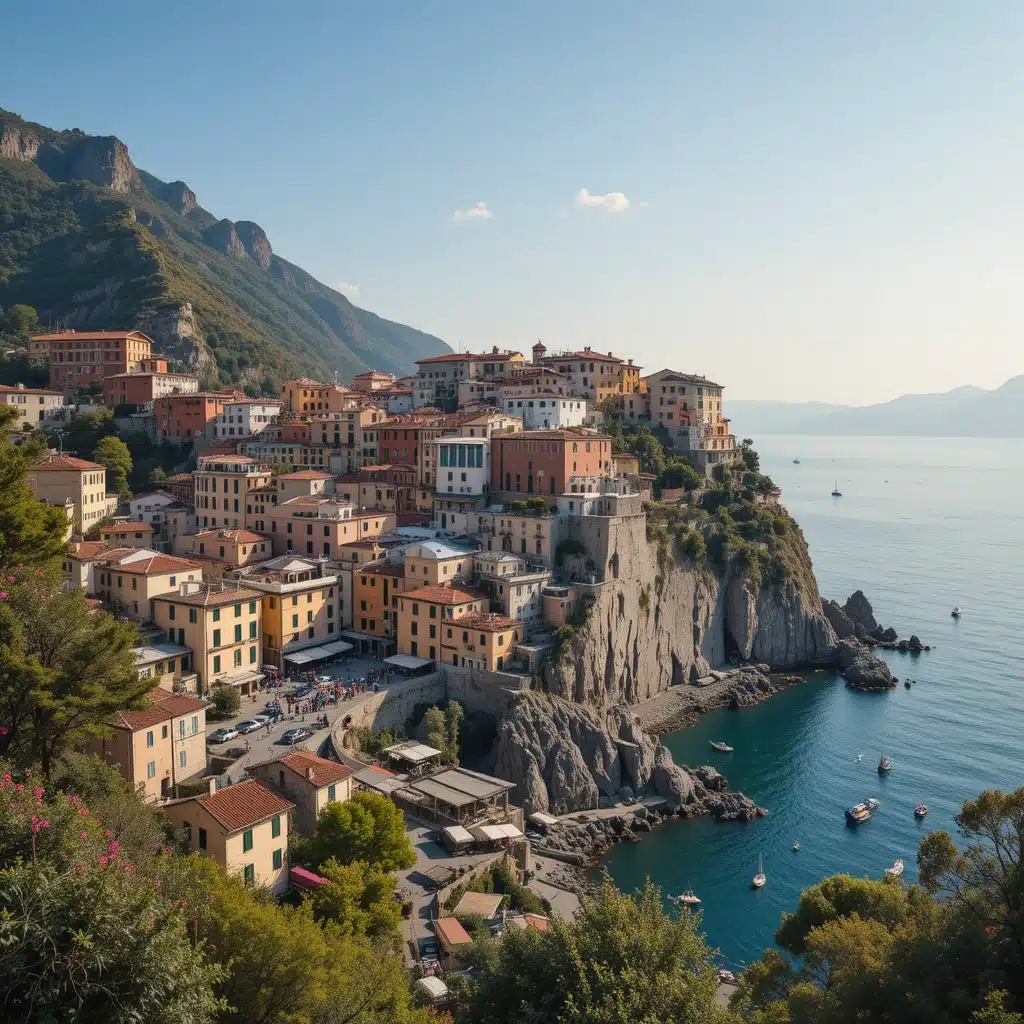
Budget travel guide 2026
Quick answer: Picture yourself standing on a weathered stone balcony in Tuscany, watching amber light cascade across endless vineyards while the intoxicating scent of rosemary and garlic drifts from a nearby kitchen. The melodic rhythm of Italian conversations mingles with church bells echoing through medieval streets, creating a.
In this guide
- Pre-Travel Planning That Makes All the Difference
- Timing Your Italian Adventure Perfectly
- Documentation and Legal Requirements
- Smart Financial Strategies for Italian Adventures
- Understanding Italian Pricing Structures
- Money-Saving Strategies That Actually Work
- Mastering Italian Transportation Networks
- Train Travel: Your Italian Superhighway
Suggested route
Picture yourself standing on a weathered stone balcony in Tuscany, watching amber light cascade across endless vineyards while the intoxicating scent of rosemary and garlic drifts from a nearby kitchen. The melodic rhythm of Italian conversations mingles with church bells echoing through medieval streets, creating a symphony that speaks directly to your soul.
This enchanting scene doesn’t have to remain a fantasy. Italy beckons travelers with its irresistible combination of ancient history, artistic masterpieces, culinary excellence, and passionate culture. Yet transforming your Italian dreams into reality requires more than simply booking a flight and hoping for the best.
After countless journeys through Italy’s winding cobblestone alleys, bustling piazzas, and hidden countryside gems, seasoned travelers understand that preparation separates magical experiences from disappointing mishaps. These carefully curated traveling to Italy tips will guide you toward authentic adventures while helping you sidestep common pitfalls that trap unprepared visitors.
Pre-Travel Planning That Makes All the Difference
Timing Your Italian Adventure Perfectly
Your journey’s success begins with selecting the ideal travel window. Spring months from April through June offer delightful weather conditions, blooming landscapes, and manageable crowd levels. September and October provide similar advantages with the added bonus of harvest season festivities throughout wine regions.
Summer brings intense heat, especially in southern regions, alongside peak tourist volumes that can diminish your experience. However, if summer represents your only available option, focus on coastal areas and northern lakes where temperatures remain more comfortable.
Winter travelers discover Italy’s quieter side, with fewer crowds and lower prices offsetting shorter daylight hours and occasional closures. Rome, Florence, and Venice maintain their charm during colder months, though some coastal destinations hibernate until spring arrives.
Documentation and Legal Requirements
American passport holders enjoy visa-free entry for stays up to 90 days within any 180-day period. Ensure your passport remains valid for at least six months beyond your planned departure date, as Italian immigration officials strictly enforce this requirement.
Travel insurance deserves serious consideration, particularly comprehensive policies covering medical emergencies, trip cancellations, and lost luggage. European healthcare costs can accumulate quickly, making insurance a wise investment rather than an unnecessary expense.
Smart Financial Strategies for Italian Adventures
Understanding Italian Pricing Structures
Italy’s cost variations depend heavily on location, season, and your travel style preferences. Northern cities like Milan command premium prices, while southern regions offer exceptional value without compromising quality or authenticity.
| Travel Category | Budget Range | Luxury Range | Smart Savings Tips |
|---|---|---|---|
| Accommodation | €25-40/night | €200+/night | Book early, consider suburbs |
| Dining | €25-35/day | €80+/day | Lunch specials, local markets |
| Transportation | €10-20/day | €50+/day | Regional passes, advance booking |
| Activities | €15-25/day | €75+/day | Free museum days, walking tours |
Money-Saving Strategies That Actually Work
Smart travelers leverage Italy’s aperitivo culture, where bars serve complimentary snacks with evening drinks between 6-8 PM. This tradition can easily substitute for dinner while providing authentic social experiences with locals.
Markets represent treasure troves for budget-conscious food lovers. Rome’s Campo de’ Fiori, Florence’s Mercato Centrale, and Venice’s Rialto Market offer fresh ingredients at fraction of restaurant prices. Many accommodations provide kitchen access, allowing you to prepare memorable meals using premium Italian ingredients.
Religious sites frequently offer free admission during specific hours or days. Vatican Museums welcome visitors without charge on the final Sunday morning of each month, though expect substantial crowds during these periods.
Mastering Italian Transportation Networks
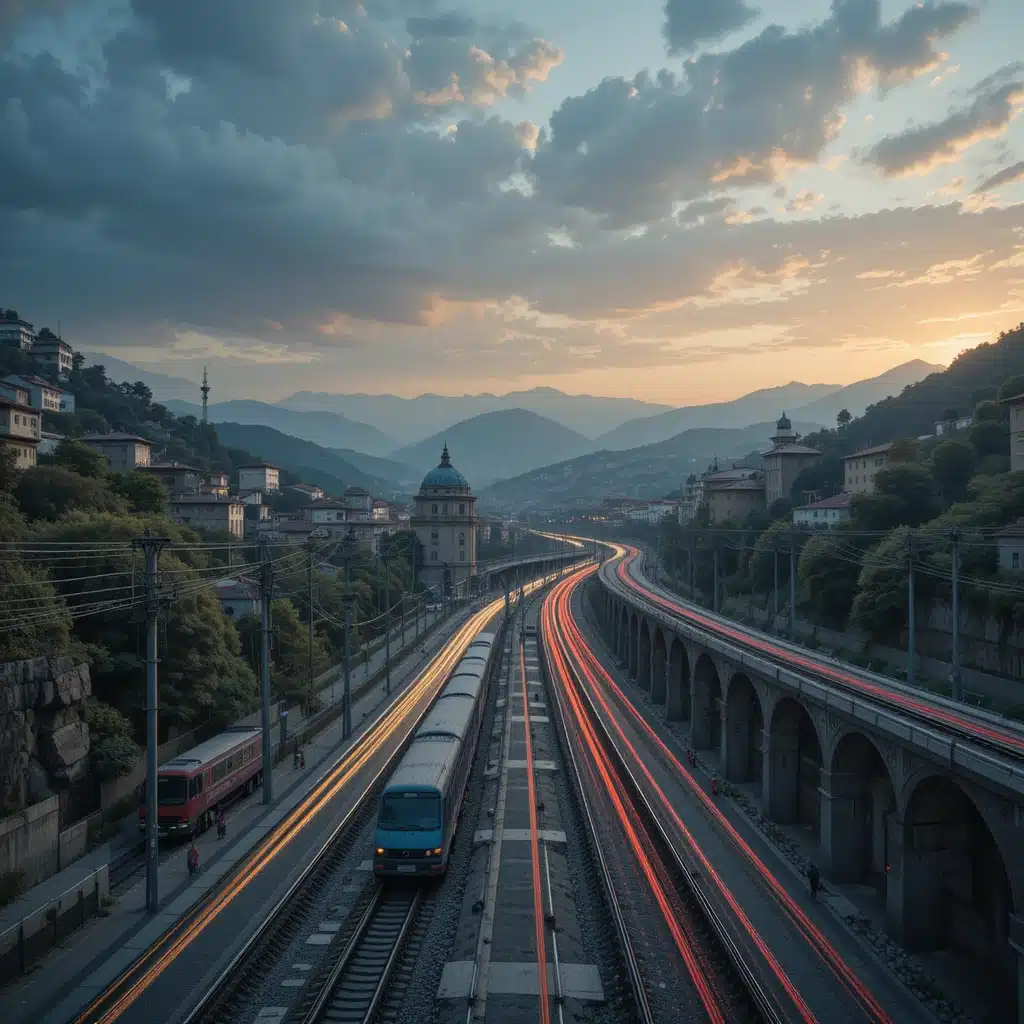
Train Travel: Your Italian Superhighway
Italy’s extensive rail network connects virtually every destination worth visiting. High-speed Frecciarossa and Italo trains whisk passengers between major cities in remarkable comfort, while regional services reach smaller towns and villages.
Advance ticket purchases unlock significant discounts, sometimes reducing fares by 50% or more. Download official Trenitalia and Italo applications for convenient mobile booking and real-time schedule updates.
Train station navigation becomes simpler once you understand the basic layout. Yellow departure boards display upcoming trains, while platform announcements occur in Italian and English at major stations. Validate regional train tickets using trackside machines before boarding to avoid hefty fines.
When Renting Cars Makes Sense
Tuscany’s rolling countryside, Umbria’s hilltop villages, and the Amalfi Coast’s dramatic scenery reveal their full splendor only through independent exploration. Rental cars provide freedom to discover hidden wineries, medieval fortress towns, and secluded beaches inaccessible by public transportation.
Urban driving presents significant challenges, with restricted traffic zones (ZTL) triggering automatic fines for unauthorized vehicles. Park outside city centers and rely on public transportation or walking for urban exploration.
Navigating Italian Airports Efficiently
Rome’s Fiumicino Airport connects to the city center via Leonardo Express trains departing every 15 minutes. The 32-minute journey costs €14 and terminates at Roma Termini, the main railway station.
Milan Malpensa offers Malpensa Express services to Milano Centrale station, while budget travelers can choose bus options for approximately half the train fare. Venice’s Marco Polo Airport provides water bus connections directly to San Marco Square, creating a magical arrival experience despite higher costs.
Accommodation Strategies for Every Traveler
Choosing Neighborhoods Like a Local
Rome’s Trastevere district pulses with nightlife energy and authentic trattorias, though noise levels can disturb light sleepers. The Vatican area offers convenience for early morning museum visits but lacks evening dining options. Testaccio provides genuine Roman atmosphere with excellent restaurants and reasonable prices.
Florence’s historic center places major attractions within walking distance, justifying premium accommodation rates for many travelers. Oltrarno offers artisan workshops, local markets, and fewer crowds while maintaining easy access to city highlights.
Venice’s San Marco area maximizes sightseeing convenience but comes with tourist-trap restaurants and inflated prices. Cannaregio provides authentic Venetian life with excellent dining options and convenient train station access.
Understanding Italian Hospitality Options
Traditional hotels offer consistent service standards and amenities, though prices reflect prime locations and established reputations. Family-run establishments frequently provide personalized attention and insider recommendations that transform ordinary stays into memorable experiences.
Agriturismo accommodations combine rural tranquility with authentic agricultural experiences. These working farms offer cooking classes, wine tastings, and opportunities to participate in seasonal activities like olive harvesting or grape picking.
Vacation rentals work well for longer stays or group travel, though recent regulations require careful attention to legal compliance and tourist tax obligations.
Culinary Adventures and Dining Wisdom
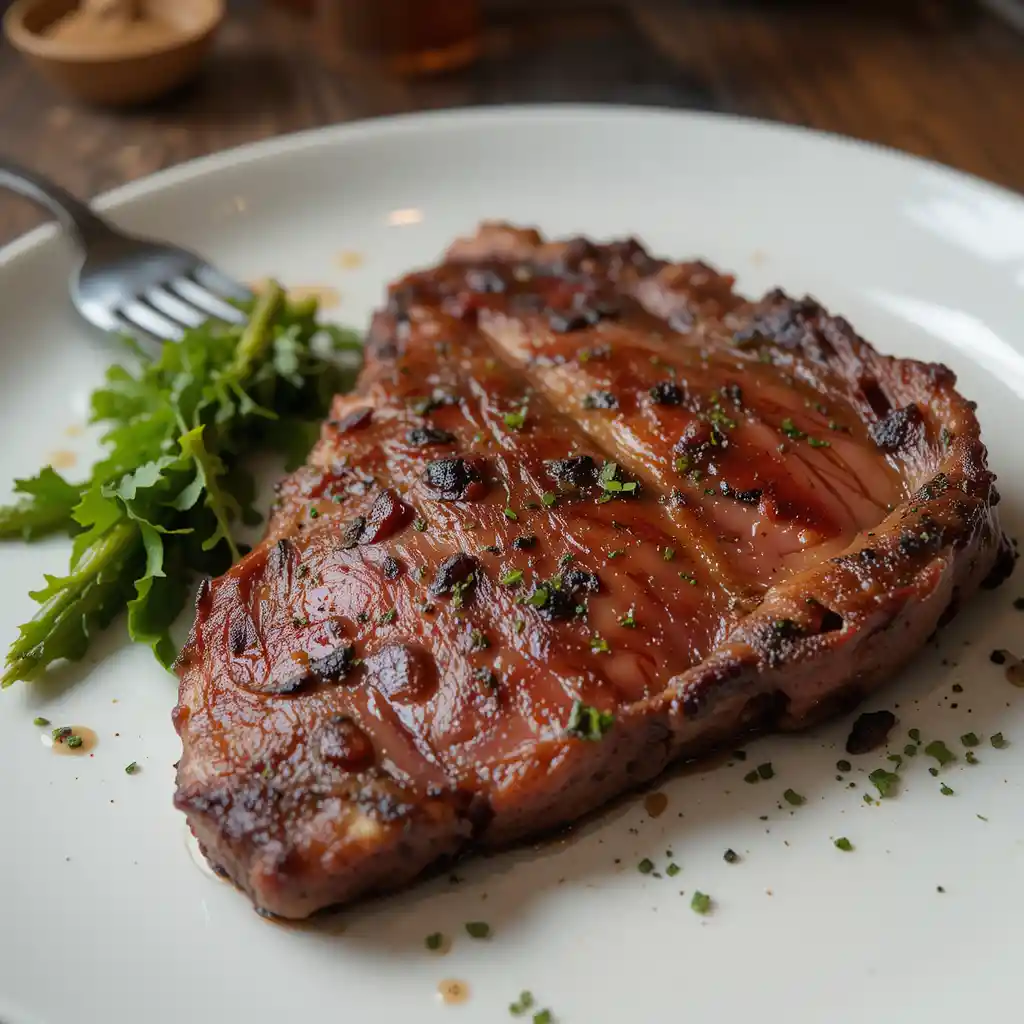
Embracing Italian Meal Rhythms
Italians approach dining as social ritual rather than mere sustenance. Breakfast remains light and sweet, typically consisting of cappuccino with pastry consumed while standing at neighborhood bars. Lunch represents the day’s primary meal, served between 12:30-2:30 PM, followed by lighter dinner portions between 7:30-10 PM.
Restaurant categories serve different purposes throughout your day. Ristorantes offer full-service dining with extensive wine lists, while trattorias provide family-style meals in casual atmospheres. Osterias focus on wine service with accompanying small plates, and pizzerias al taglio serve quick slices perfect for street-side snacking.
Regional Specialties Worth Seeking
Every Italian region celebrates distinct culinary traditions shaped by geography, climate, and historical influences. Rome’s carbonara requires only guanciale, pecorino Romano, eggs, and black pepper – never cream or peas despite tourist-targeted variations.
| Region | Signature Dish | Key Ingredients | Best Season |
|---|---|---|---|
| Tuscany | Bistecca Fiorentina | T-bone steak, olive oil | Year-round |
| Emilia-Romagna | Tagliatelle Bolognese | Fresh pasta, meat sauce | Fall/Winter |
| Sicily | Arancini | Rice, saffron, cheese | Year-round |
| Liguria | Pesto Genovese | Basil, pine nuts, pecorino | Spring/Summer |
Market Shopping and Food Culture
Italian food markets operate as community gathering places where locals select daily ingredients while socializing with vendors and neighbors. Arrive early for best selection and freshest products, bringing your own shopping bag as environmental consciousness runs deep.
Quality indicators help identify superior products: Parmigiano-Reggiano wheels display official consortium stamps, extra virgin olive oils carry harvest dates and regional certifications, and seasonal produce reflects natural growing cycles rather than greenhouse cultivation.
Cultural Etiquette and Social Navigation
Understanding Italian Social Norms
Italians value personal relationships and take time to establish trust before conducting business or offering friendship. Greetings involve firm handshakes with direct eye contact, while close friends exchange cheek kisses – typically two, starting with the left cheek.
Formal address using “Lei” shows respect when meeting new people, particularly older individuals or those in professional contexts. Casual “tu” forms develop naturally as relationships progress, though allowing Italians to initiate this transition demonstrates cultural sensitivity.
Dining Etiquette Essentials

Cappuccino consumption follows strict temporal boundaries – morning only, never after meals or with food. Ordering cappuccino after dinner marks you immediately as a tourist and may prompt gentle correction from servers.
Pasta twirling requires only a fork against the plate’s edge, never with spoon assistance. Cutting pasta with knives horrifies Italian sensibilities, while adding cheese to seafood dishes violates fundamental flavor principles.
Meal pacing follows leisurely Italian rhythms. Rushing through courses or requesting immediate bill presentation signals dissatisfaction with the experience. Servers interpret your relaxed dining as appreciation for their hospitality.
Must-Experience Destinations and Hidden Treasures
Optimizing Classic Tourist Routes
Rome rewards strategic planning with reduced waiting times and enhanced experiences. Colosseum underground tours reveal architectural marvels invisible from standard visits, while Vatican Museum night openings provide intimate encounters with masterpieces usually surrounded by crowds.
Florence’s Uffizi Gallery requires advance reservations months ahead during peak seasons. Early morning or late afternoon appointments offer better lighting conditions for art appreciation and fewer crowds for contemplative viewing.
Venice’s maze-like layout initially confuses visitors but gradually reveals its logical structure. San Marco Square enchants during early morning or evening hours when day-trip tourists depart, leaving residents to reclaim their magnificent public living room.
Discovering Authentic Italian Life
Matera’s ancient cave dwellings transport visitors to prehistoric times while demonstrating how historical preservation can revitalize entire communities. This UNESCO World Heritage site transforms from forgotten backwater to cultural destination through careful restoration and community pride.
Alberobello’s trulli houses create fairy-tale landscapes in Puglia’s countryside, where traditional stone construction techniques continue serving modern families. Local craftspeople maintain ancient building skills while adapting historical forms to contemporary needs.
The Cinque Terre’s fame has created overcrowding issues, making alternative coastal destinations like Portovenere increasingly attractive. This UNESCO-protected village offers similar dramatic scenery with fewer crowds and more authentic interactions with local residents.
Communication and Language Strategies
Essential Italian Phrases for Travelers
Basic courtesy phrases open doors and hearts throughout Italy. “Buongiorno” (good morning) and “Buonasera” (good evening) acknowledge others’ presence respectfully, while “Per favore” (please) and “Grazie” (thank you) demonstrate your appreciation for Italian hospitality.
Emergency vocabulary provides crucial communication during unexpected situations:
- “Aiuto!” (Help!)
- “Chiama un dottore” (Call a doctor)
- “Dov’è l’ospedale?” (Where is the hospital?)
- “Non sto bene” (I don’t feel well)
Restaurant interactions become smoother with food-related phrases:
- “Il menu, per favore” (The menu, please)
- “Cosa consigliate?” (What do you recommend?)
- “Il conto, per favore” (The check, please)
- “È incluso il servizio?” (Is service included?)
Technology Tools for Better Communication
Modern translation applications bridge language gaps effectively, though human interaction remains irreplaceable for cultural understanding. Google Translate’s camera function translates restaurant menus instantly, while conversation mode facilitates basic exchanges with locals.
Offline map applications prevent data roaming charges while providing reliable navigation through Italy’s labyrinthine medieval centers. Download city maps before departure to ensure connectivity independence.
Rick Steves Audio Europe offers excellent self-guided tours for major attractions, providing historical context and insider insights that enhance your appreciation of Italy’s cultural treasures.
Safety and Health Considerations
Staying Secure While Traveling
Italian cities maintain relatively low crime rates, though tourist-targeted petty theft requires constant awareness. Pickpockets operate in crowded areas like transportation hubs, popular attractions, and busy markets using distraction techniques and coordinated group efforts.
Common scams include:
- Friendship bracelet vendors who tie bracelets on your wrist then demand payment
- Fake petitions requesting signatures while accomplices pick pockets
- Restaurant bill padding with undisclosed cover charges or inflated wine prices
- Taxi drivers taking circuitous routes or claiming meter malfunctions
Health and Medical Preparedness
European Health Insurance Cards provide EU citizens with access to Italian healthcare at local rates, while travel insurance covers international visitors’ medical needs. Italian pharmacies offer excellent service and can address minor health concerns without doctor visits.
Summer heat in southern regions can cause dehydration and heat exhaustion, particularly when combined with extensive walking on sun-reflecting stone surfaces. Carry water bottles, seek shade during midday hours, and recognize early warning signs of heat-related illness.
Italian healthcare standards match other developed nations, with English-speaking staff available at major hospitals and tourist areas. Emergency services respond to 112 calls with coordinated police, fire, and medical assistance.
Shopping and Authentic Souvenirs
Finding Genuine Italian Products
Italy’s reputation for quality craftsmanship makes shopping a highlight for many visitors, though distinguishing authentic products from imported imitations requires knowledge and attention to detail.
Florence’s leather goods command international recognition, but many market stalls sell mass-produced items manufactured elsewhere. Genuine leather feels supple, smells natural, and displays consistent stitching with quality hardware.
Venetian glass artisans continue centuries-old traditions on Murano island, where visitors can observe craftspeople creating intricate pieces using traditional techniques. Authentic Murano glass carries official stickers and comes with certificates of authenticity.
Understanding Tax Refunds and Customs
Non-EU residents can reclaim Value Added Tax (VAT) on purchases exceeding €154.94 from participating retailers. Request tax-free forms during purchase, have them stamped by customs officials before departure, and process refunds at airport counters or through mail-in procedures.
Customs regulations permit reasonable quantities of food products for personal consumption, though fresh items like cheese and meat face restrictions. Wine and olive oil travel well and make excellent gifts, though airline baggage weight limits require careful packing decisions.
Your Italian Adventure Awaits
These traveling to Italy tips represent distilled wisdom from countless journeys through one of the world’s most captivating destinations. Italy rewards prepared travelers with experiences that exceed even the most ambitious expectations, creating memories that enrich your life long after departure.
Remember that flexibility enhances any Italian adventure. While careful planning provides essential foundations, remain open to spontaneous discoveries that often become your most treasured experiences. That unplanned conversation with a local vintner, the detour through a medieval village, or the extended evening in a neighborhood trattoria may ultimately define your Italian journey more than any scheduled attraction.
Italy beckons with ancient wonders, artistic masterpieces, culinary excellence, and passionate people eager to share their culture with respectful visitors. Your preparation using these traveling to Italy tips creates the foundation for transformative experiences that will forever change how you see the world.
Ready to begin your Italian adventure? Start planning today by researching specific destinations that resonate with your interests, learning basic Italian phrases, and connecting with fellow travelers who share your passion for authentic experiences. Your dream Italian journey awaits – make it unforgettable by traveling prepared, respectful, and open to la dolce vita’s endless possibilities.
Plan this trip smarter
Use this guide as a starting point, then compare dates, accommodation areas and transport before booking. The best budget trips usually come from a simple route, fewer base changes and one or two memorable paid experiences.
Budget snapshot
| Cost area | Smart planning note |
|---|---|
| Accommodation | Book near the main area you will actually use, not only the cheapest map result. |
| Transport | Limit long transfers and group nearby stops into the same day. |
| Food | Mix local casual meals with one higher-value experience. |
| Activities | Choose the paid experience that defines the trip, then use free viewpoints, walks and beaches around it. |