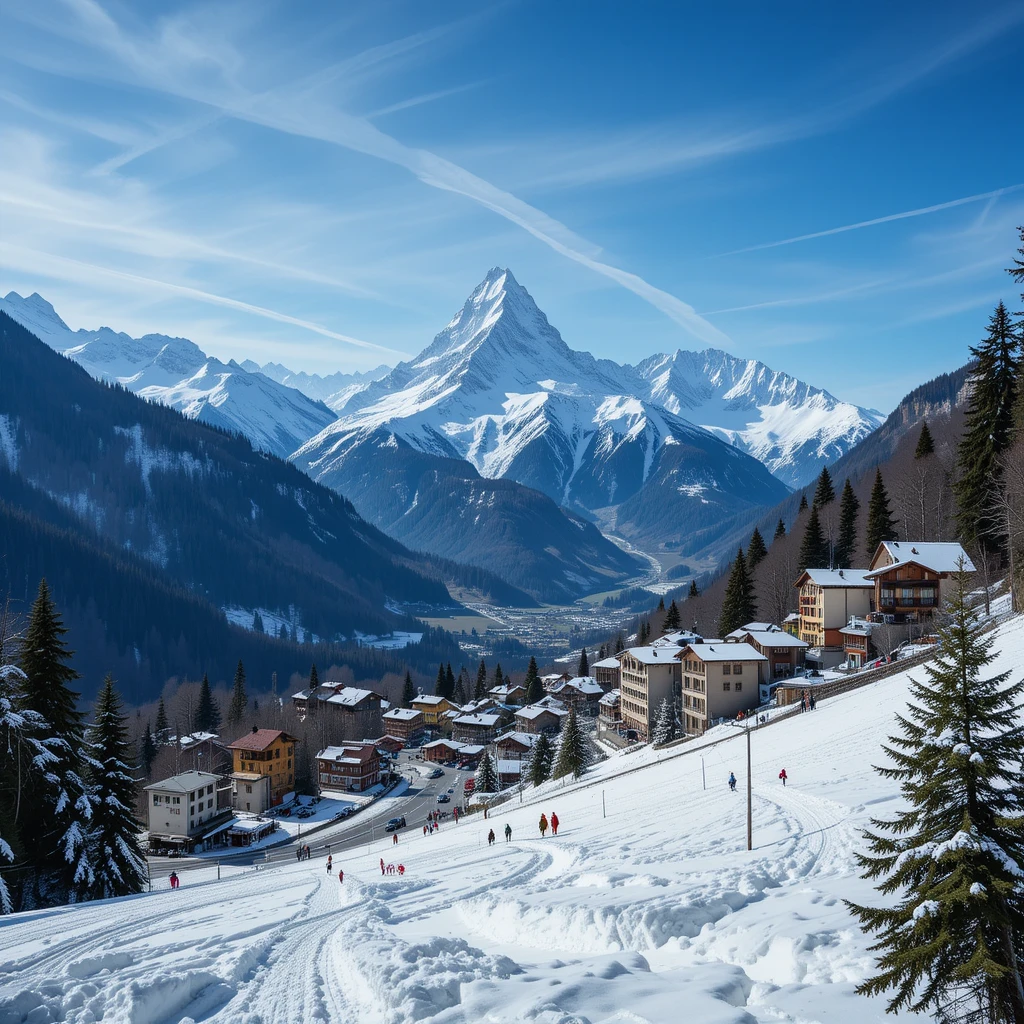
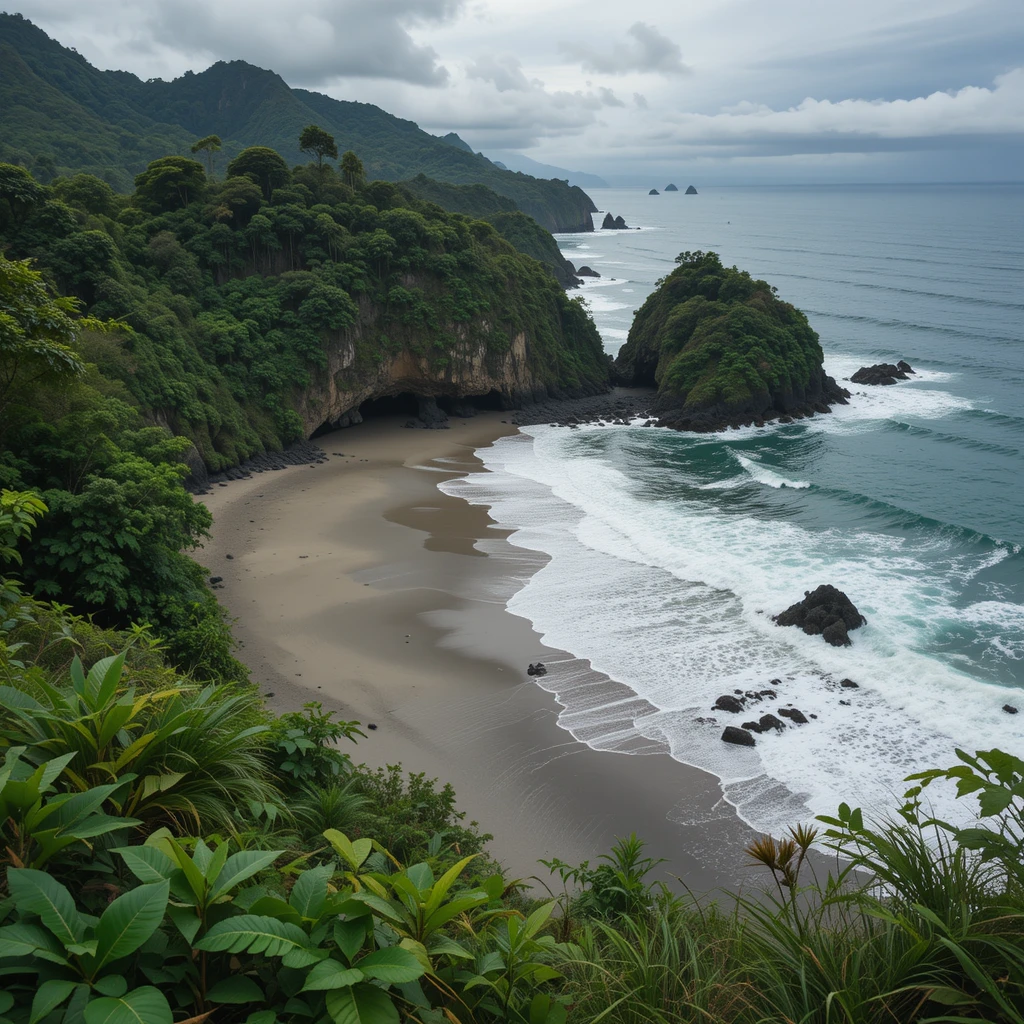
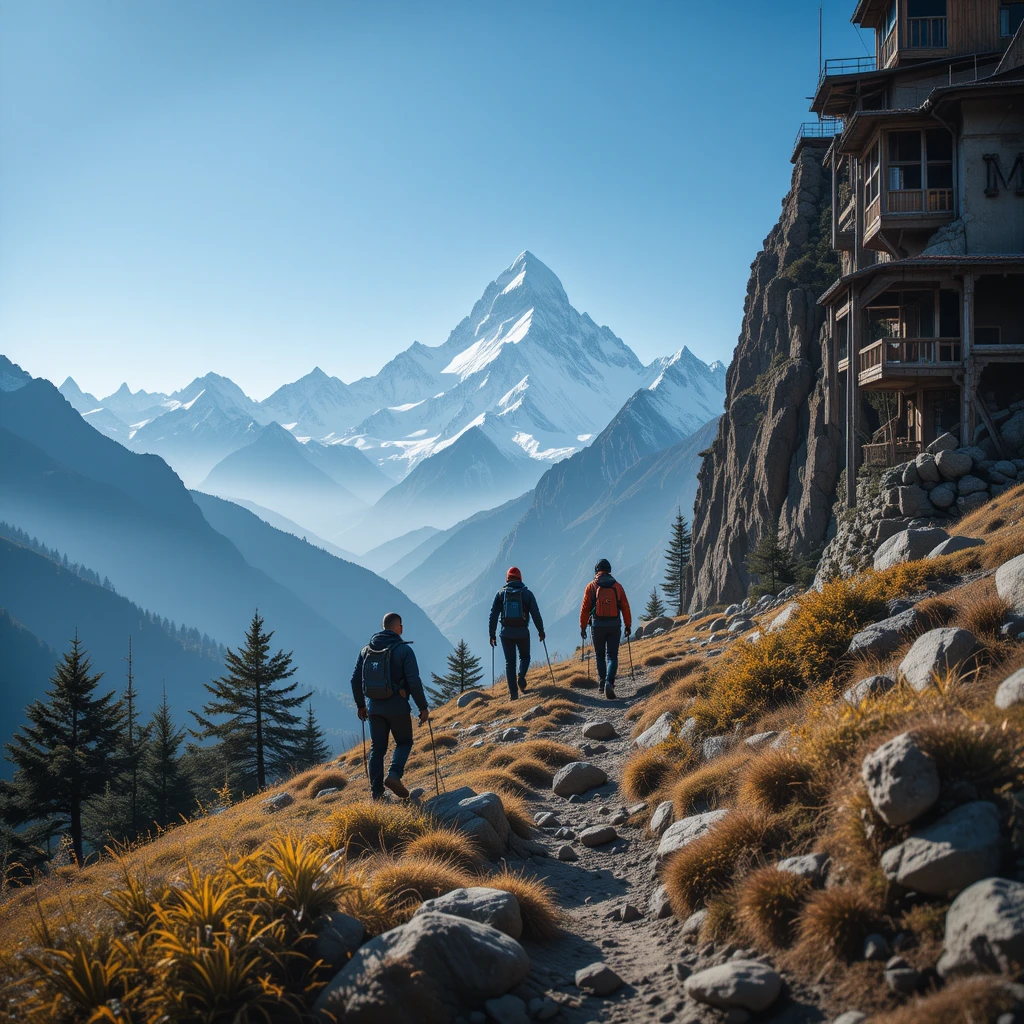
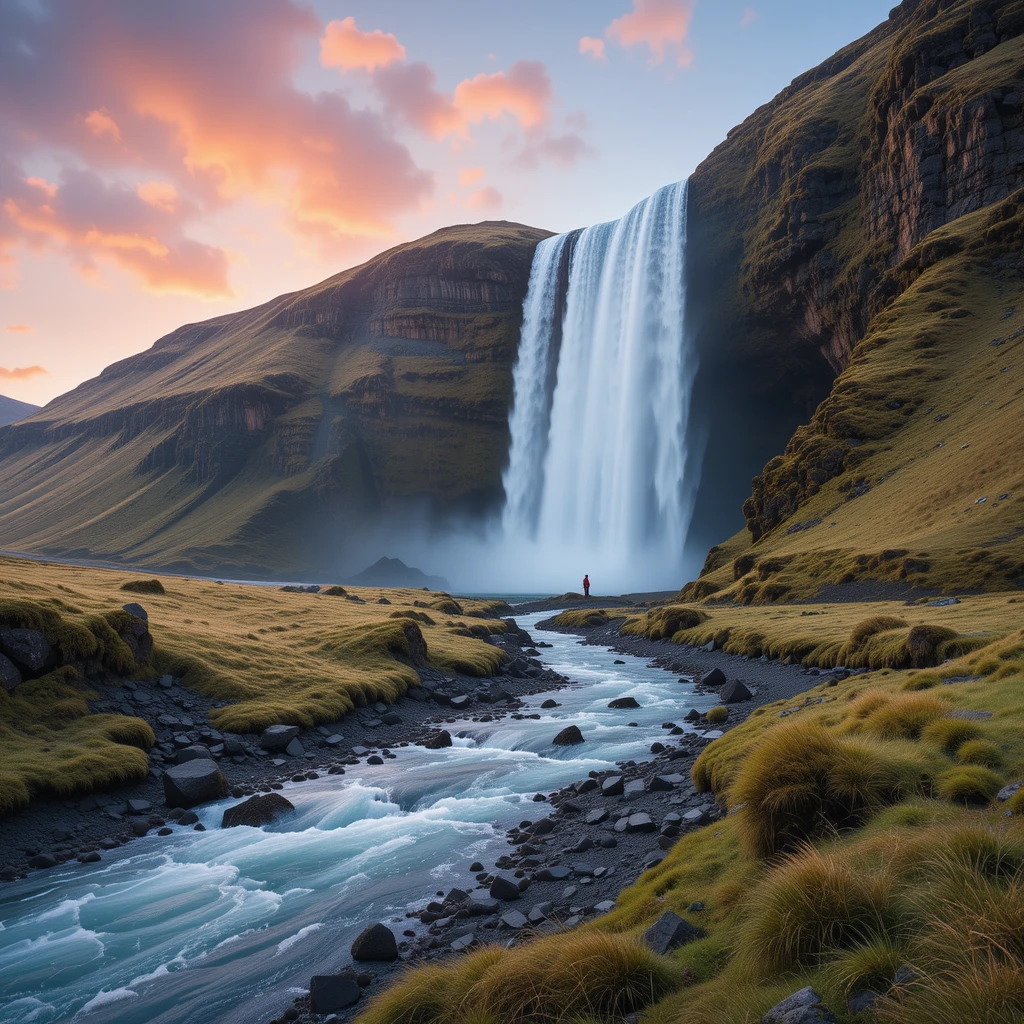
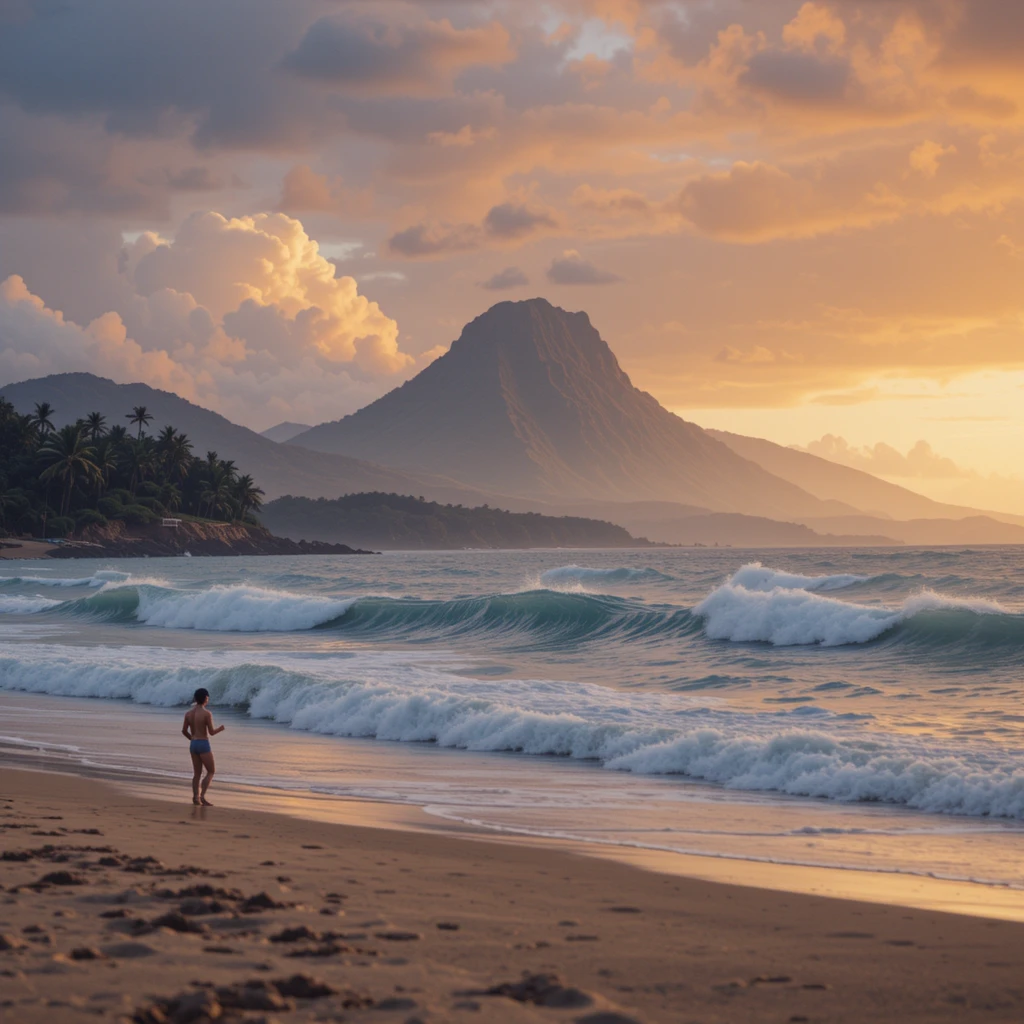
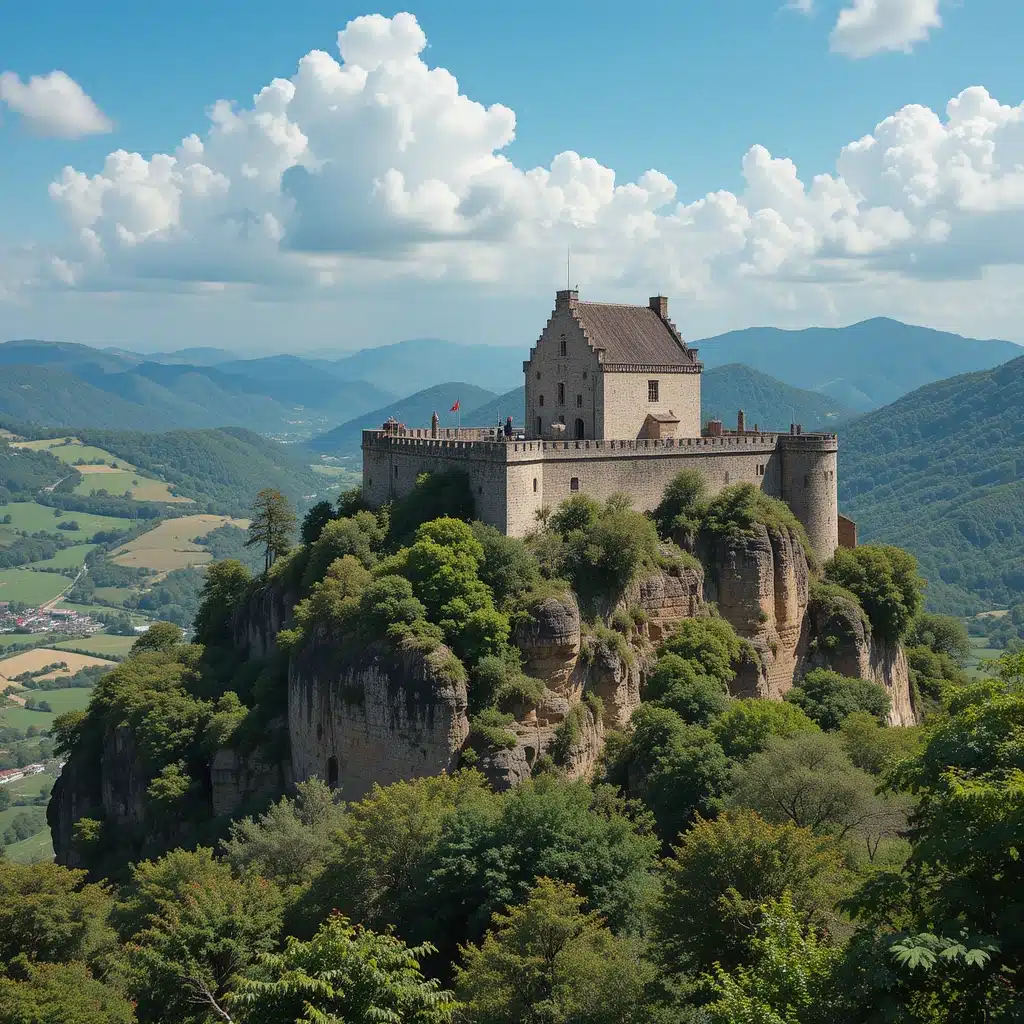
Santorini is the kind of place that lodges itself in your imagination long after you’ve left — cobalt seas, whitewashed villages clinging to cliffs, and sunsets that set the sky on fire. If you’re planning an escape that mixes dramatic scenery with gentle Mediterranean rhythms, Santorini should be near the top of your list. For travelers who love island stories, you can also explore ways to discover the magic of Pipa as a contrasting coastal adventure.
The Villages: Oia, Fira, and Beyond
Wandering the narrow lanes of Oia and Fira is a lesson in postcard-perfect architecture: cubic houses, bright blue domes, and terraces that seem to float over the caldera. Each village has its own character — Oia for sunsets and boutique shops, Fira for lively cafés and nightlife, and lesser-known spots like Pyrgos or Emporio for quiet, authentic charm. Walk slowly, take in the views, and stop at a café for a long espresso.
Sunsets and Light
Santorini’s light is legendary. As the sun dips behind the sea, colors shift through a spectrum that photographers and romantics chase year after year. Popular sunset spots fill quickly, so consider an early arrival or a sunset cruise for a less crowded perspective.
The Caldera and Boat Trips
The island’s crescent shape frames a volcanic caldera — a dramatic reminder of a massive eruption that shaped the landscape thousands of years ago. Boat trips let you feel the scale of the cliffs from the water, visit hot springs, and explore nearby islets. Whether you choose a small sailing tour or a private catamaran, being on the water offers a fresh perspective on Santorini’s geology and beauty.
Hikes and Views
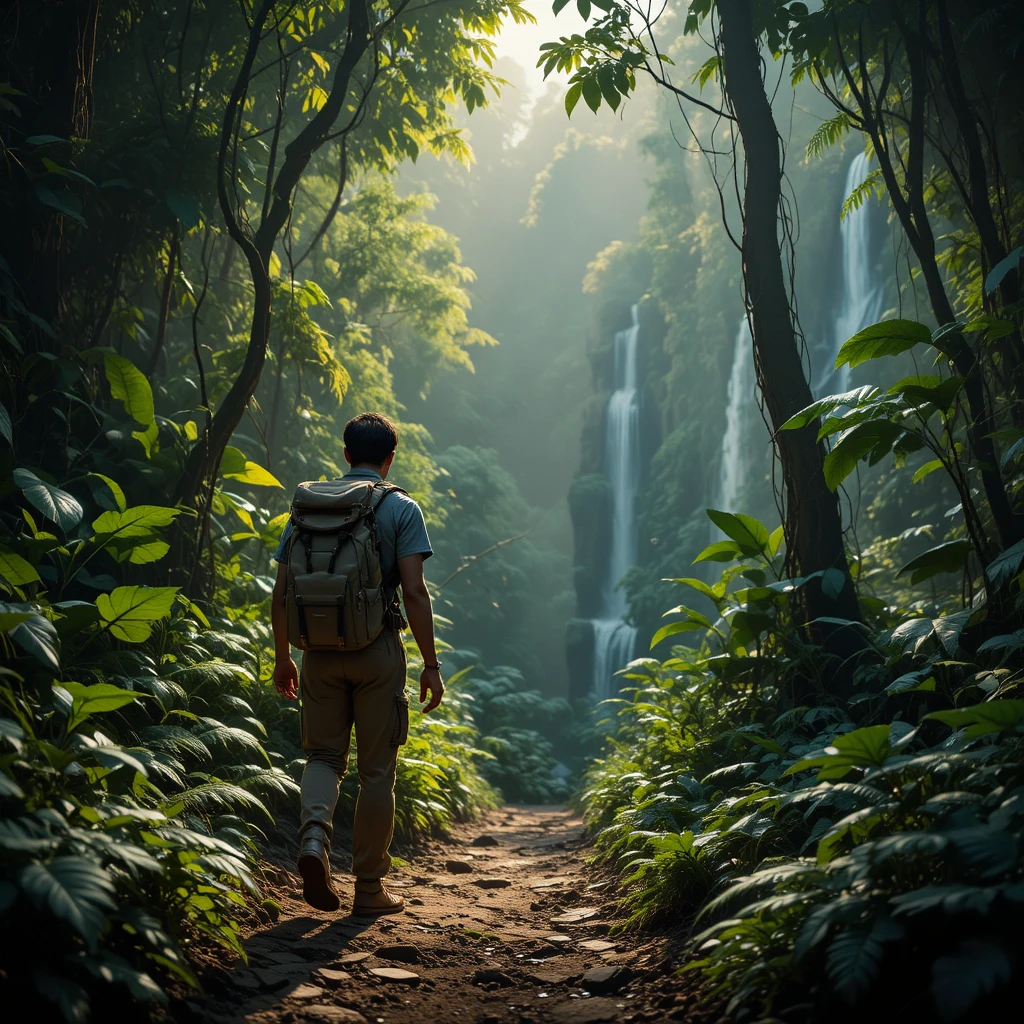
For hikers, the trail between Fira and Oia is a must. The coastal path follows the cliff edge and offers sweeping vistas at nearly every turn. Wear comfortable shoes, bring water, and plan for cooler hours in summer mornings or late afternoons. Shorter walks around villages or vineyard paths are perfect for those who prefer gentler exploration.
Wine, Food, and Local Flavors
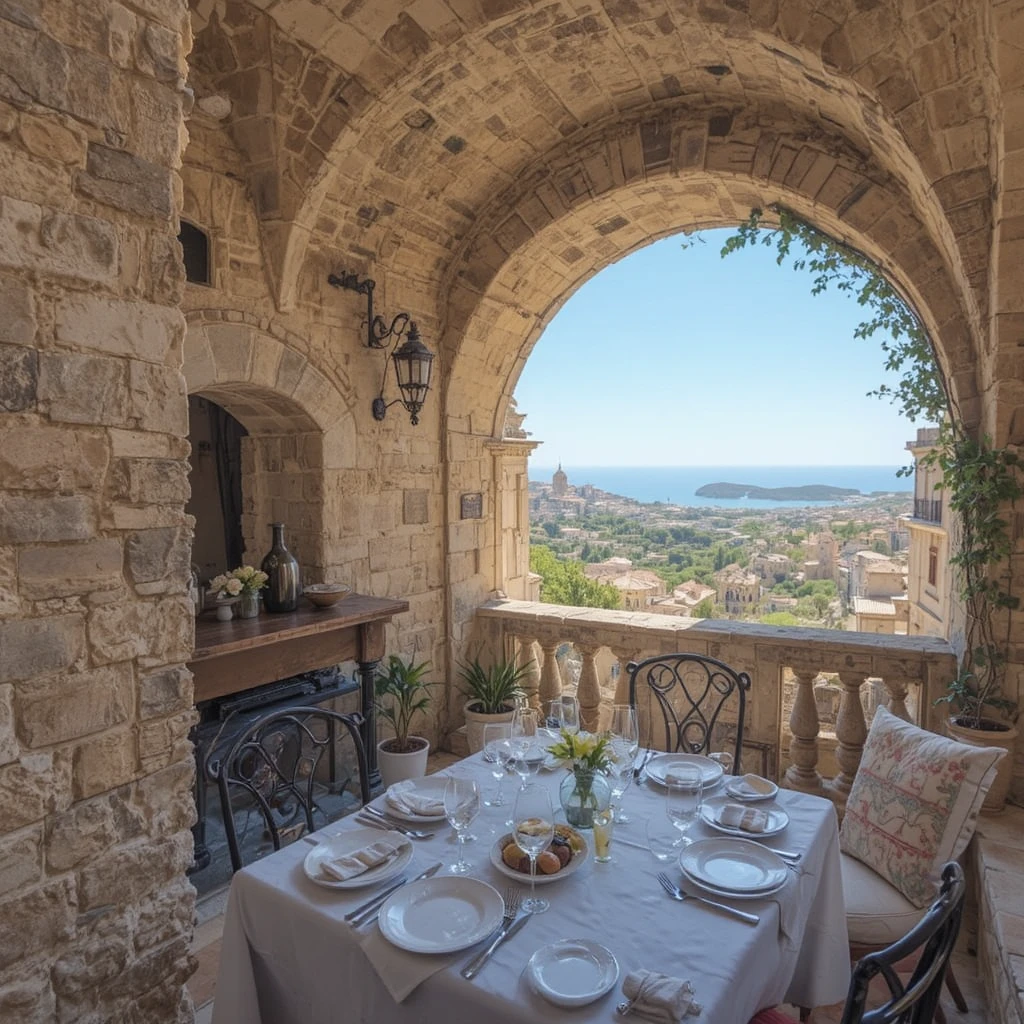
Santorini’s volcanic soils produce distinctive wines — Assyrtiko is the standout white, known for its minerality and bright acidity. Visiting a family-run winery for a tasting pairs beautifully with local specialties: fresh seafood, fava, tomato keftedes (tomato fritters), and savory pies. Dining in a taverna with a caldera view turns a meal into a memory.
Practical Tips
Best time to visit: late spring and early autumn for pleasant weather and fewer crowds.
Getting around: rent a scooter or use local buses; taxis can be scarce during peak times.
Accommodation: choose cliff-side hotels for the classic experience, or inland stays for better value and local life.
Respect the environment: stick to marked paths and support local businesses to help preserve Santorini’s charm.
Conclusion
If you want to experience Santorini from the sea and plan a day that combines swimming, sightseeing, and the island’s famous sunset, consider reading this detailed guide on Experience The Magic of Santorini by Boat.
2026 Planning Update for Santorini
A stronger Santorini plan starts with intent. Decide whether the trip is about price, scenery, comfort, food, events, outdoor access or a specific bucket-list moment. That decision makes the rest of the planning easier because every hotel, transfer and activity can be judged against the same goal.
For 2026, travelers should also compare total trip cost instead of only headline prices. A cheap hotel can become expensive if transport is weak, while a slightly higher nightly rate can save money if it includes breakfast, transit access or a better location.
Budget and Booking Tips
Book refundable accommodation early, then keep comparing prices.
Check airport, train or bus access before choosing where to stay.
Plan one main paid experience per day instead of overloading the itinerary.
Use grocery stops, local transport and shoulder-season dates to control costs.
Keep a small buffer for weather, delays, luggage storage or last-minute transfers.
Before finalizing the trip, check an official resource for current rules, entry requirements, park access, event details or health guidance: European Union travel information.
Common Mistakes to Avoid
The most common mistake is planning from one viral photo or one cheap price. A useful itinerary checks distance, opening times, weather, local holidays, transfer costs and whether the experience still works if plans change.
Another mistake is ignoring the first and last day. Arrival and departure days often decide whether a trip feels smooth or stressful, so keep them lighter and avoid booking the most important activity immediately after a long transfer.
FAQ
How do you plan Santorini on a budget?
Start with flexible dates, compare accommodation outside the most expensive zone, check transport before booking and keep one paid activity as the main highlight.
What should you check before booking Santorini?
Check season, local transport, cancellation rules, official travel updates, safety requirements and whether the final cost includes food, transfers and extra fees.
Is Santorini worth it in 2026?
Yes, if the trip matches your budget, season and travel style. A focused itinerary usually gives better value than trying to visit too many places at once.
Quick answer: Travel essentials is easiest to plan when you compare season, total trip cost, transport, where to stay and the main experience you want before booking.
Travel in 2025 blends elevated convenience with personal expression. Whether you’re planning a weekend city break or a months-long remote-work adventure, choosing the right beauty items, wardrobe pieces, and luggage tech will keep you looking and feeling your best while making transit simpler. For planning tools that save time and reduce stress, consider exploring a curated list of top travel apps for vacations that help with bookings, itineraries, and on-the-go logistics.
Beauty: Compact, Multiuse, and Clean
Streamlined skincare: Minimalist, travel-sized skincare kits with multiuse items (cleanser + makeup remover, serum + moisturizer) reduce baggage and simplify routines. Look for pressurized or TSA-compliant pump containers to avoid leaks.
Solid and waterless formulas: Solid shampoos, conditioners, and balms cut down on liquids and last longer; they’re also lighter and less likely to be restricted at security.
Makeup that doubles as care: Tinted SPF moisturizers, cream blushes that serve as lip color, and multi-stick palettes save space and speed up touch-ups.
Hygiene tech: Compact UV sanitizers for phones and small accessories, and quick-dry antimicrobial towels, are practical additions for frequent travelers.
Packing tip: Put liquid skincare items inside a small waterproof pouch and carry it in your personal item to avoid checked-bag mishaps.
Fashion: Versatility Meets Comfort
Capsule travel wardrobe: Build outfits around neutral, high-quality essentials—a wrinkle-resistant blazer, two interchangeable tops, one pair of versatile bottoms, and a dress that can be dressed up or down.
Performance fabrics: Breathable, odor-resistant, and quick-dry materials let you wear items multiple times between washes. Merino wool and technical blends remain top choices.
Footwear strategy: Pack one pair for walking (supportive and comfortable), one casual pair, and one dressier option that’s still travel-friendly.
Layering and accessories: Lightweight layers and a stylish scarf or belt transform outfits without taking much space. A compact travel scarf with hidden pockets adds both function and flair.
Style tip: Choose neutral colors with one accent hue to mix and match easily and keep outfits fresh throughout your trip.
Smart Luggage: Features That Matter in 2025
Integrated power and charging: Battery-equipped carry-ons with built-in USB-Cs and wireless charging pads let you top up devices between layovers (be sure to follow airline battery regulations).
Location tracking and anti-theft tech: GPS-enabled tags and smart locks that use temporary passcodes give peace of mind without compromising security.
Weight sensors and app integration: Some suitcases now tell you you’re over the airline limit before you arrive at the counter and sync packing lists with companion apps.
Modular interiors: Removable packing cubes, compression systems, and garment compartments make unpacking and repacking faster—especially useful for hybrid business/leisure trips.
Practical note: Check airline rules for built-in batteries and smart locks to avoid boarding complications.
Tech & Gadgets: Small Tools, Big Impact
Noise-cancelling earbuds/headphones: Essential for flights and working from transit hubs.
Universal travel adapter with surge protection: Look for compact units that handle multiple plug types and include USB-A and USB-C ports.
Portable Wi-Fi and eSIM: Reliable connectivity options let you avoid roaming surprises; an eSIM can be activated on arrival to skip physical SIM swapping.
Compact personal printer/scanner or smartphone apps: Helpful for last-minute documents or receipts when local services are limited.
Battery management: Carry a compact power bank (airline-compliant) and prioritize fast-charging cables so you spend less time tethered to outlets.
Packing Strategies & Organization
The 3-layer packing method: base layer (underwear/undergarments), outfit layer (tops/pants), and utility layer (tech/accessories); store each in dedicated packing cubes for quick access.
Smart toiletries kit: Keep daily essentials in a clear pouch for security checks; store backup items in checked luggage.
Streamline documents: Keep a digital copy of passports, itineraries, and confirmations in an encrypted cloud folder and a paper backup in a secure travel wallet.
Laundry planning: Pack a small detergent sheet or quick-wash kit for emergency washing to cut down on the number of outfits needed.
Sustainability tip: Reusable silicone bags and collapsible containers reduce single-use plastics and often meet carry-on size requirements.
Sustainable & Ethical Choices
Choose brands with transparent sourcing and recyclable designs—many luggage and beauty brands now offer take-back or repair programs.
Favor refillable cosmetics and concentrated formulations to reduce waste.
Rent specialty items (formalwear, bulky gear) when needed instead of buying for one trip.
Adopting small sustainable practices adds up: less weight, less waste, and often lower long-term cost.
Quick Checklist for 2025 Travel Essentials
Travel-sized, multiuse beauty kit with spill-proof containers
Capsule wardrobe with performance fabrics and a versatile blazer
Smart carry-on with integrated battery, GPS tag, and weight sensor
Noise-cancelling earbuds, universal adapter, and power bank
Packing cubes, quick-wash supplies, and a secure travel document system
Conclusion
As travel in 2025 becomes smarter and more intentional, the best gear prioritizes versatility, tech-enabled convenience, and sustainability. For curated industry picks and award-winning travel product recommendations to inspire your next trip, see the latest selections compiled by editors at Away You Go: The Oprah Daily Travel O-wards 2025.
2026 Planning Update for Travel Essentials
A stronger travel essentials plan starts with intent. Decide whether the trip is about price, scenery, comfort, food, events, outdoor access or a specific bucket-list moment. That decision makes the rest of the planning easier because every hotel, transfer and activity can be judged against the same goal.
For 2026, travelers should also compare total trip cost instead of only headline prices. A cheap hotel can become expensive if transport is weak, while a slightly higher nightly rate can save money if it includes breakfast, transit access or a better location.
Budget and Booking Tips
Book refundable accommodation early, then keep comparing prices.
Check airport, train or bus access before choosing where to stay.
Plan one main paid experience per day instead of overloading the itinerary.
Use grocery stops, local transport and shoulder-season dates to control costs.
Keep a small buffer for weather, delays, luggage storage or last-minute transfers.
The most common mistake is planning from one viral photo or one cheap price. A useful itinerary checks distance, opening times, weather, local holidays, transfer costs and whether the experience still works if plans change.
Another mistake is ignoring the first and last day. Arrival and departure days often decide whether a trip feels smooth or stressful, so keep them lighter and avoid booking the most important activity immediately after a long transfer.
FAQ
How do you plan travel essentials on a budget?
Start with flexible dates, compare accommodation outside the most expensive zone, check transport before booking and keep one paid activity as the main highlight.
What should you check before booking travel essentials?
Check season, local transport, cancellation rules, official travel updates, safety requirements and whether the final cost includes food, transfers and extra fees.
Is travel essentials worth it in 2026?
Yes, if the trip matches your budget, season and travel style. A focused itinerary usually gives better value than trying to visit too many places at once.
Carved into limestone cliffs in southern Italy’s Basilicata region, Matera stands as a testament to human resilience and architectural ingenuity. This extraordinary city, with its ancient cave dwellings known as the Sassi, has transformed from Italy’s most impoverished settlement to a UNESCO World Heritage Site and European Capital of Culture. Here’s everything you need to know about visiting one of the world’s most remarkable destinations.
The History of Matera: From Prehistoric Caves to Cultural Capital
Matera’s story begins in the mists of prehistory. Archaeological evidence reveals that humans have occupied these limestone caves since the Paleolithic period over 9,000 years ago making Matera one of the world’s oldest continuously inhabited cities. The Sassi di Matera, literally “stones of Matera,” represent an extraordinary example of human adaptation to the natural environment.
The cave dwellings evolved over millennia from simple shelters into complex, multi-level neighborhoods. Medieval monks expanded the caves into rock-hewn churches decorated with Byzantine frescoes, while successive generations carved deeper into the tufa rock, creating an intricate warren of homes, cisterns, and gathering spaces. This vertical city grew organically, with homes stacked upon homes, roofs serving as streets for the level above.
Decline and Renewal: From “Shame of Italy” to World Heritage Treasure
By the mid-20th century, Matera had become synonymous with poverty and despair. Overcrowding, lack of sanitation, and disease plagued the Sassi, where families often shared their cave homes with livestock. In his 1945 memoir “Christ Stopped at Eboli,” Carlo Levi described the shocking living conditions, bringing national attention to what became known as “la vergogna d’Italia” the shame of Italy.
The Italian government responded in the 1950s by forcibly relocating over 15,000 residents to modern housing developments, leaving the ancient Sassi largely abandoned. For decades, these historic caves sat empty, crumbling reminders of a forgotten past.
Matera’s renaissance began in the 1980s when artists, architects, and visionaries recognized the cultural and historical significance of the Sassi. UNESCO designated Matera a World Heritage Site in 1993, catalyzing restoration efforts. Today, the once-abandoned caves house boutique hotels, restaurants, museums, and artisan workshops. In 2019, Matera’s transformation reached its pinnacle when it served as European Capital of Culture, welcoming visitors from around the globe to experience its timeless beauty.
Local Cuisine and Accommodation: Savoring Matera’s Flavors and Staying in Stone
Culinary Delights: Traditional Flavors Rooted in History
Matera’s cuisine reflects centuries of peasant ingenuity, transforming humble ingredients into extraordinary dishes. The region’s culinary traditions have remained remarkably authentic, offering visitors a taste of genuine Lucanian cooking.
Pane di Matera deserves special mention as the city’s most iconic food. This ancient bread, protected by IGP (Protected Geographical Indication) status, features a distinctive yellow crumb from durum wheat flour and a thick, dark crust. Bakers shape the loaves to resemble the Sassi themselves, and the bread remains fresh for up to a week a necessity in the days when families baked only occasionally in communal ovens.
Orecchiette con Cime di Rapa showcases the region’s pasta-making expertise. These small, ear-shaped pasta shells are traditionally served with turnip greens, garlic, and a touch of chili pepper. Watch for elderly women still making orecchiette by hand in doorways throughout the Sassi a dying art preserved by tradition.
Other local specialties include:
Crapiata: A hearty soup made with legumes, wheat, and vegetables, traditionally prepared for the August 1st harvest festival
Peperoni cruschi: Crispy fried peppers that add crunch and sweet flavor to countless dishes
Caciocavallo podolico: A semi-hard cheese from Podolica cattle that graze in the Murgia highlands
Strazzate: Sweet pastries filled with chickpeas, chocolate, and cinnamon
The ultimate Matera dining experience involves eating in a cave restaurant. These atmospheric venues, carved into the ancient tufa, offer intimate settings where candlelight flickers against stone walls that have witnessed millennia of human history. Restaurants like Oi Marì, Alle Fornaci, and Baccanti combine traditional recipes with contemporary presentation in unforgettable subterranean settings.
Stay in the Sassi: Sleeping Where History Lives
Spending the night in a cave hotel ranks among travel’s most unique experiences. These carefully restored dwellings maintain their historical character while offering modern comforts a remarkable balance of ancient and contemporary.
Cave hotels range from simple, affordable rooms to luxurious suites with designer furnishings, spa facilities, and private terraces overlooking the ravine. Common features include:
Natural climate control: The thick limestone walls maintain comfortable temperatures year-round, staying cool in summer and warm in winter
Unique architectural elements: Original features like stone arches, carved niches, and ancient cisterns
Atmospheric lighting: Soft illumination that highlights the natural rock textures
Modern amenities: Despite their ancient appearance, most cave hotels offer Wi-Fi, heating, air conditioning, and contemporary bathrooms
Notable cave hotel options include Sextantio Le Grotte della Civita, which preserves authentic details while providing luxury service, and Sant’Angelo Luxury Resort, where rooms cascade down the hillside with stunning views. Budget-conscious travelers can find simpler cave accommodations that still deliver the essential experience of sleeping in history.
Practical Tips for Your Visit: Making the Most of Matera
When to Go: Timing Your Matera Adventure
Spring (April to June) and fall (September to October) offer ideal conditions for exploring Matera. During these seasons, temperatures hover comfortably between 15-25°C (59-77°F), perfect for walking the steep streets without excessive heat. The shoulder seasons also mean fewer crowds, allowing for a more intimate experience of the Sassi.
Spring brings wildflowers to the Murgia plateau and the ravine, creating beautiful photo opportunities. Fall offers harvest festivals and the chance to taste fresh olive oil and new wine.
Summer (July-August) can be intensely hot, with temperatures often exceeding 35°C (95°F). The exposed limestone reflects and amplifies the heat, making midday exploration challenging. However, summer also brings festivals, outdoor concerts, and extended opening hours at attractions.
Winter (November-March) sees fewer tourists and lower prices, but some restaurants and hotels close, and shorter daylight hours limit exploration time. The occasional dusting of snow creates a magical atmosphere, though rain can make the stone streets slippery.
Getting Around: Navigating the Ancient Streets
Walking is unquestionably the best way to explore Matera. The Sassi’s narrow alleyways, steep staircases, and uneven stone surfaces make motorized transport impractical in most areas. This limitation becomes an advantage, as meandering on foot reveals hidden churches, unexpected viewpoints, and quiet corners where time seems suspended.
Essential walking tips:
Wear comfortable, sturdy shoes with good grip: The polished limestone streets become slippery when wet, and uneven surfaces require ankle support. Save the fashionable footwear for another destination.
Start early: Begin exploring in the morning when temperatures are cooler and light creates dramatic shadows across the cave facades.
Embrace getting lost: Matera’s labyrinthine layout means you’ll inevitably wander off course. These “wrong turns” often lead to the most memorable discoveries.
Use the panoramic viewpoints: Belvedere di Piazza Giovanni Pascoli and Belvedere di Murgia Timone offer spectacular perspectives for orientation and photography.
For those with mobility challenges, the main areas of Sasso Caveoso and Sasso Barisano have some accessible routes, though the terrain remains fundamentally challenging. Taxis can drop visitors at various entry points, and some hotels offer porter services for luggage.
Conclusion: Matera’s Timeless Appeal
Matera’s transformation from abandoned slum to celebrated cultural destination represents one of preservation’s greatest success stories. This ancient city has not merely survived but thrived by honoring its past while embracing its future. The Sassi now pulse with life again not as symbols of poverty, but as testaments to human ingenuity, resilience, and the enduring power of cultural heritage.
Walking through Matera’s stone streets at dawn, when golden light illuminates the cave facades and church bells echo across the ravine, you experience something increasingly rare: a place where the boundary between past and present dissolves. Here, in these ancient dwellings carved by human hands from living rock, you don’t just observe history ou inhabit it.
Whether you’re savoring crusty Pane di Matera in a candlelit cave restaurant, watching the sunset from a troglodyte terrace, or simply wandering the timeless alleyways where footsteps have worn grooves in the stone, Matera offers an experience that transcends ordinary tourism. This is a journey into humanity’s enduring relationship with landscape, shelter, and community.
The question isn’t whether to visit Matera, but when. This extraordinary city awaits, ready to share its secrets with those willing to step back in time and discover why, after 9,000 years, it continues to captivate all who enter its ancient embrace. Plan your journey to Matera where every stone tells a story, and history lives in every shadow.
Quick answer: Travel is easiest to plan when you compare season, total trip cost, transport, where to stay and the main experience you want before booking.
You’ve probably spent years maybe decades perfecting the art of the itinerary. Color-coded spreadsheets. Restaurant reservations made three months in advance. Museum hours memorized. That spreadsheet. I mentioned that already, didn’t I? Anyway, you return home feeling like you’ve ticked boxes rather than lived. Like you were a tourist version of a robot. But here’s what nobody tells you what if the secret to actually enjoying travel has nothing to do with finding better destinations or booking those luxury accommodations everyone keeps posting about on Instagram?
What if it’s actually about doing the opposite? Like, completely opposite.
The real game-changer and I’m genuinely surprised more people haven’t figured this out is something called slow travel. It’s been hiding right there the whole time while you’ve been running around like a headless chicken trying to cram Bangkok, Chiang Mai, and Phuket into a two-week sprint.
Most travelers are operating under this scarcity mindset. Right? We think: more destinations equals better vacation. We’ve bought into this lie that if we’re not moving, we’re wasting time. It’s like being on a treadmill—constantly running but somehow never arriving anywhere meaningful. The travel industry loves this. Airlines, tour operators, those Instagram influencers with the perfect skin and impossibly white teeth they all profit from your anxiety. Your FOMO. Your desperate need to see everything before you die.
Why Nobody’s Talking About This (Spoiler: Money)
1. The Entire System Profits From Your Rushing Around
Think about it. The whole machine it’s designed for speed. Ten countries in fourteen days. Cheap flights that encourage constant movement. Hotels positioned strategically to minimize “wasted” travel time between attractions. Even the content creators, they’re optimizing for novelty, for the dopamine hit of “new destination every week.”
I stayed in Rome for three weeks once. Three weeks! My friends thought I’d lost my mind. They were doing Europe in a month and I was just… sitting in the same coffee bar on Via della Consolazione, ordering the same cappuccino, watching the same old man feed pigeons. And you know what? That trip changed something fundamental in me. Not because Rome is special (though it is), but because I slowed down. I stopped consuming and started absorbing.
But would the travel industry promote this? Would they tell you to book fewer flights, visit fewer places, spend less money? No. They wouldn’t. They can’t. Their business model depends on your constant movement, your perpetual hunger for the next thing.
Here’s a question that might sting a little: How many cities have you “visited” where you only saw the tourist corridor? Like, actually only the places designed for people like you and me?
2. Our Brains Are Wired Against Stillness (And They Know It)
Humans—we’re addicted to novelty. Our dopamine receptors light up at new experiences. The travel industry understands neuroscience better than most neuroscientists. They weaponize this against us. Slow travel requires something genuinely terrifying: choosing to stay put. Abandoning places you haven’t seen yet.
This feels like failure. Like you’re missing out on something crucial.
But—and this is important—the moment you accept that you literally cannot see everything? That’s when liberation happens. Not the Instagram kind. The real kind. The kind that sits in your chest.
I remember this moment (I can see it so clearly even now): I was in a small town in southern Portugal, population maybe five thousand, and I realized I could stay for a year and still have streets I hadn’t walked down. And instead of panicking, I felt… relieved? Is that the word? Like I’d been released from an obligation.
Would you rather have a selfie with the Eiffel Tower during a frantic 36-hour Paris sprint, or spend three weeks learning to make croissants from a grumpy French baker who grudgingly tolerates your terrible accent? Which memory hits differently ten years later?
3. Unstructured Time Terrifies Us And That’s Exactly Where the Magic Lives
Slow travel demands something most of us have trained ourselves to fear: boredom. Empty hours. A rainy afternoon with nothing scheduled, nowhere to be. Our phones scream at us that this is wasted time, that we should be optimizing, that every moment should be documented and transformed into content.
But in those quiet moments? That’s where things actually happen.
When you sit for five hours in a town square with zero agenda, something shifts. You overhear conversations in languages you don’t understand but somehow comprehend emotionally. You meet an old woman (there’s always an old woman in these stories, isn’t there?) selling flowers, and she invites you to her daughter’s wedding next week. The restaurant you stumble into randomly serves something life-changing. Maybe it’s literally just pasta, but the way the sun hits it through the window, the way the owner’s daughter laughs these details become the story.
The structured tourism industry? They can’t monetize this. They can’t sell “sit around and feel things.” They need you uncomfortable with unstructured time so you keep buying their solutions their tours, their experiences, their pre-packaged moments.
What if you just… stopped buying? What if you leaned into the uncertainty instead of resisting it?
4. The Secret Economics Nobody Advertises
Here’s something wild that nobody talks about: slow travel is often cheaper. Like, significantly cheaper.
When you stay longer in one place, you stop eating at restaurants designed for tourists and start eating where actual people eat. You negotiate monthly rental discounts. Your transportation costs plummet because you’re not constantly moving between cities. You develop relationships genuine ones with shop owners who give you real prices, not tourist markups.
But these savings? They’re invisible. They don’t generate engagement. You can’t post a photo of money you didn’t spend. The luxury resort, the helicopter tour those are Instagram moments. The actual financial wisdom of slow travel sits quietly in the background, unglamorous and unsexy.
The travel industry has zero incentive to promote this. They can’t make money off what you don’t consume. It’s almost elegant in how effective their silence has been.
5. You’re Actually Missing Nothing
I need to say this clearly: the Eiffel Tower will still be there. The temples won’t collapse. The beaches aren’t going anywhere. This isn’t scarcity. This is abundance disguised as scarcity.
The real scarcity? It’s depth. It’s understanding. It’s the ability to sit with a place long enough that it starts to reveal itself to you not the curated version, but the actual living, breathing thing.
How to Actually Do This (The Practical Stuff)
Start absurdly small. Don’t plan a six-month sabbatical (though if you can, do it). Choose your next trip by selecting one region—not one country, one region and commit to staying there for at least four weeks. Maybe even six. Maybe even two months if you’re feeling adventurous.
Book a short-term apartment instead of hotel-hopping. This matters more than you think. You’ll have a kitchen. You’ll go to the market like a regular person. You’ll have a favorite coffee place where the barista eventually stops charging tourist prices.
Give yourself explicit permission to do nothing of “touristic value.” Spend an entire day reading on a bench. Go back to the same restaurant five times. Learn the names of shopkeepers. Let boredom find you and see what it wants.
Silence that voice you know the one that says you’re missing out. Every deep hour spent in one place is an hour you’re not wasting in three places superficially. You’re not collecting experiences like Pokemon cards. You’re actually experiencing something.
(Also, and I can’t stress this enough, delete the travel app that shows you all the things you could be doing elsewhere. Just delete it.)
An Invitation That Might Change Something
The world’s going to keep spinning. The Instagram-famous temples, the trending beaches, that restaurant everyone’s talking about—it’ll all still be there. Probably forever. But the opportunity to actually slow down? The chance to let a place change you instead of you just consuming it?
That’s fragile. That’s endangered.
Here’s what I’m genuinely asking you to consider: Will you have the courage to travel in a way that contradicts everything you’ve been taught? Your friends will judge you. They’ll come back with their lists of seventeen countries and you’ll return with stories about one small town and the woman who ran the bakery and how you learned to order coffee in her language, finally, after three weeks of trying.
Whose vacation sounds more interesting to you, honestly?
The person who’s visited the most countries isn’t the most well-traveled. It’s the person who stopped rushing. The one who stayed long enough to be changed by it.
Your next great adventure doesn’t begin when you book the most destinations. It begins when you finally have the audacity to slow down.
2026 Planning Update for Travel
A stronger travel plan starts with intent. Decide whether the trip is about price, scenery, comfort, food, events, outdoor access or a specific bucket-list moment. That decision makes the rest of the planning easier because every hotel, transfer and activity can be judged against the same goal.
For 2026, travelers should also compare total trip cost instead of only headline prices. A cheap hotel can become expensive if transport is weak, while a slightly higher nightly rate can save money if it includes breakfast, transit access or a better location.
Budget and Booking Tips
Book refundable accommodation early, then keep comparing prices.
Check airport, train or bus access before choosing where to stay.
Plan one main paid experience per day instead of overloading the itinerary.
Use grocery stops, local transport and shoulder-season dates to control costs.
Keep a small buffer for weather, delays, luggage storage or last-minute transfers.
The most common mistake is planning from one viral photo or one cheap price. A useful itinerary checks distance, opening times, weather, local holidays, transfer costs and whether the experience still works if plans change.
Another mistake is ignoring the first and last day. Arrival and departure days often decide whether a trip feels smooth or stressful, so keep them lighter and avoid booking the most important activity immediately after a long transfer.
FAQ
How do you plan travel on a budget?
Start with flexible dates, compare accommodation outside the most expensive zone, check transport before booking and keep one paid activity as the main highlight.
What should you check before booking travel?
Check season, local transport, cancellation rules, official travel updates, safety requirements and whether the final cost includes food, transfers and extra fees.
Is travel worth it in 2026?
Yes, if the trip matches your budget, season and travel style. A focused itinerary usually gives better value than trying to visit too many places at once.
These sweet and tangy meatballs are a classic party appetizer that’s incredibly easy to make. The combination of grape jelly and BBQ sauce creates an irresistible glaze that keeps everyone coming back for more.
Optional: 1 tablespoon Worcestershire sauce for extra depth
Instructions
Prepare the slow cooker: Spray the inside of your slow cooker with non-stick cooking spray or lightly grease it.
Add the meatballs: Place the frozen meatballs in the slow cooker. No need to thaw them first.
Make the sauce: In a medium bowl, whisk together the grape jelly and BBQ sauce until well combined. If using Worcestershire sauce, add it now.
Combine: Pour the sauce mixture over the meatballs and stir gently to coat them evenly.
Cook: Cover and cook on LOW for 4-5 hours or on HIGH for 2-3 hours, stirring occasionally. The meatballs are done when they’re heated through and the sauce has thickened into a glossy glaze.
Serve: Keep the slow cooker on the WARM setting for serving. Provide toothpicks for easy grabbing.
Tips & Variations
Homemade meatballs: You can use homemade meatballs instead of frozen. Brown them in a skillet first for best results.
Spicy version: Add a tablespoon of sriracha or use a spicy BBQ sauce.
Different jellies: Try apricot preserves, cranberry sauce, or red currant jelly for variety.
Make ahead: This dish can be prepared the night before and refrigerated, then cooked the next day.
These meatballs are perfect for game day, holiday parties, or any gathering where you need a crowd-pleasing appetizer!
2026 Planning Update for Meatballs
A stronger Meatballs plan starts with intent. Decide whether the trip is about price, scenery, comfort, food, events, outdoor access or a specific bucket-list moment. That decision makes the rest of the planning easier because every hotel, transfer and activity can be judged against the same goal.
For 2026, travelers should also compare total trip cost instead of only headline prices. A cheap hotel can become expensive if transport is weak, while a slightly higher nightly rate can save money if it includes breakfast, transit access or a better location.
Budget and Booking Tips
Book refundable accommodation early, then keep comparing prices.
Check airport, train or bus access before choosing where to stay.
Plan one main paid experience per day instead of overloading the itinerary.
Use grocery stops, local transport and shoulder-season dates to control costs.
Keep a small buffer for weather, delays, luggage storage or last-minute transfers.
The most common mistake is planning from one viral photo or one cheap price. A useful itinerary checks distance, opening times, weather, local holidays, transfer costs and whether the experience still works if plans change.
Another mistake is ignoring the first and last day. Arrival and departure days often decide whether a trip feels smooth or stressful, so keep them lighter and avoid booking the most important activity immediately after a long transfer.
FAQ
How do you plan Meatballs on a budget?
Start with flexible dates, compare accommodation outside the most expensive zone, check transport before booking and keep one paid activity as the main highlight.
What should you check before booking Meatballs?
Check season, local transport, cancellation rules, official travel updates, safety requirements and whether the final cost includes food, transfers and extra fees.
Is Meatballs worth it in 2026?
Yes, if the trip matches your budget, season and travel style. A focused itinerary usually gives better value than trying to visit too many places at once.
Embarking on Your Solo Southeast Asia Adventure on a Budget
Picture this: You’re sipping fresh coconut water on a pristine Thai beach, having spent less than $15 on accommodation, meals, and transportation that day. This isn’t a fantasy it’s the reality of budget adventure travel in Southeast Asia, where nearly 40% of backpackers travel solo and stretch their dollars further than anywhere else in the world.
The desire to explore Southeast Asia solo often collides with budget concerns, leaving many dreamers stuck in planning paralysis. But here’s the truth: SEA is not just affordable it’s designed for budget-conscious adventurers who want to experience thrills without breaking the bank.
In this comprehensive guide, you’ll discover exactly how to navigate Southeast Asia as a solo traveler on a shoestring budget. From scoring $2 meals that’ll blow your mind to finding safe, social accommodation for under $10 per night, I’ll share the insider strategies I’ve developed through five years of solo backpacking across 12 Southeast Asian countries.
Having lived as a digital nomad throughout the region and helped hundreds of travelers plan their own budget adventures, I understand both the excitement and concerns that come with solo travel. This post will transform your Southeast Asia dreams into a concrete, achievable plan.
Why Southeast Asia is the Perfect Destination for Budget Solo Travelers
Southeast Asia stands as the ultimate playground for budget adventure travel, offering unparalleled value that lets you experience thrills while saving money. The cost of living across the region averages 60-80% lower than Western countries, meaning your daily budget of $25-40 can cover accommodation, meals, transport, and activities.
The solo travel friendliness of Southeast Asia is legendary among backpackers. From the moment you arrive, you’ll discover a thriving community of like-minded adventurers. Hostels buzz with social energy, local communities welcome solo travelers with genuine warmth, and the well-established backpacker trail makes meeting fellow adventurers effortless.
Cultural diversity adds another layer of value to your budget adventure travel experience. Within a single trip, you can explore ancient temples in Cambodia, trek through lush rainforests in Malaysia, island-hop in the Philippines, and navigate bustling markets in Vietnam all while maintaining your tight budget.
The infrastructure caters perfectly to budget-conscious solo travelers. English is widely spoken in tourist areas, transportation networks connect even remote destinations affordably, and the abundance of budget accommodations means you’ll never struggle to find a place to stay.
Planning Your Budget: Pre-Trip Essentials
Flights: Finding the Cheapest Deals
Your flight often represents the largest expense in budget adventure travel, but strategic booking can save you hundreds. The sweet spot for booking Southeast Asia flights is typically 2-3 months in advance, though last-minute deals occasionally appear.
Tuesday and Wednesday departures usually offer the best prices, while avoiding peak seasons (December-January and July-August) can cut costs by 30-50%. Budget airlines like AirAsia, Scoot, and Jetstar dominate regional routes, offering incredible value for short-haul flights.
Consider flying into hub cities like Bangkok, Kuala Lumpur, or Singapore, then using budget airlines for onward travel. Multi-city tickets often cost less than round-trip flights, giving you flexibility to explore multiple countries without backtracking.
Visa Requirements & Entry Fees
Most Southeast Asian countries offer visa-free entry or visa-on-arrival for many nationalities, keeping upfront costs minimal. Thailand, Malaysia, and Singapore typically allow 30-day visa-free stays, while Cambodia and Laos offer affordable visa-on-arrival options ($30-35).
Vietnam requires advance visa applications for most travelers, but the cost ($25-50) includes a month-long stay. The Philippines offers visa-free entry for 30 days, making it perfect for budget adventure travel.
Always check current requirements before departure, as policies change frequently. Some countries require proof of onward travel, so having a flexible bus or budget flight ticket can prevent entry issues.
Travel Insurance: A Non-Negotiable Budget Item
Travel insurance isn’t where you cut corners in budget adventure travel—it’s your financial safety net. A medical emergency or stolen gear can instantly destroy months of careful budget planning.
Comprehensive coverage typically costs $50-80 per month, covering medical expenses, gear replacement, and emergency evacuation. World Nomads and SafetyWing offer excellent backpacker-specific policies with reasonable premiums.
Look for policies covering adventure activities, as standard plans often exclude motorbike riding, diving, or trekking—activities central to the Southeast Asia experience.
Accommodation Hacks for Solo Backpackers
Hostels: Your Social & Budget Hub
Hostels form the backbone of budget adventure travel in Southeast Asia, offering beds from $5-15 per night while providing instant social connections. The best hostels feature common areas, organized activities, and helpful staff who become your local guides.
Look for hostels with strong online reviews, particularly from solo travelers. Female-only dorms provide extra security and comfort for women travelers, while mixed dorms often have more social energy.
I’ll never forget my first night at Mad Monkey Hostel in Siem Reap, where a casual conversation with fellow backpackers led to a week-long adventure through Cambodia’s remote temples—an experience that would have cost triple if organized independently.
Guesthouses & Local Stays
Family-run guesthouses offer authentic experiences often missing from hostels. These typically cost $8-20 per night and provide opportunities to connect with local families while supporting community-based tourism.
Platforms like Agoda and Booking.com list thousands of budget accommodations, but don’t overlook local booking sites and walk-in deals. In smaller towns, the best guesthouses rarely advertise online.
Homestays and local family accommodations, bookable through platforms like Homestay.com, provide immersive cultural experiences while keeping accommodation costs below $15 per night.
Eating on a Dime: Delicious & Affordable Food
Southeast Asian street food delivers incredible flavors at budget-friendly prices, with satisfying meals available for $1-3. Night markets and food courts offer safe, delicious options where you can watch preparation methods and follow local crowds.
Essential street food safety tips include choosing stalls with high turnover, avoiding raw vegetables in areas with questionable water quality, and starting with milder dishes to adjust your stomach gradually.
Local markets provide fresh ingredients for self-catering, with exotic fruits, vegetables, and proteins available at fraction of Western prices. Many hostels offer kitchen facilities, allowing you to prepare your own meals and stretch your budget further.
Must-try dishes include pad thai in Thailand ($1-2), banh mi in Vietnam ($0.50-1), nasi lemak in Malaysia ($1-2), and fresh mango sticky rice across the region ($1-3). These authentic experiences cost less than a coffee in most Western countries.
Getting Around: Budget Transportation Tips
Public transportation in Southeast Asia offers incredible value for budget adventure travel. Local buses connect major cities for $5-15, while overnight buses save on accommodation costs. Sleeper trains provide comfortable transport between destinations like Bangkok to Chiang Mai or Ho Chi Minh City to Hanoi.
Ride-sharing apps like Grab dominate urban transportation, offering transparent pricing and safety features perfect for solo travelers. Motorbike taxis provide quick, affordable transport for short distances, typically costing $1-3 per ride.
For longer distances, budget airlines frequently offer promotions with flights costing less than overland transport. AirAsia, Lion Air, and VietJet regularly run sales with flights under $30 between countries.
Local transport like tuk-tuks, songthaews, and jeepneys provide authentic experiences while remaining budget-friendly. Always negotiate prices beforehand or insist on using meters when available.
Staying Safe & Healthy as a Solo Female Traveler
Personal safety remains paramount in budget adventure travel, particularly for solo female travelers. Southeast Asia generally offers a safe environment, but basic precautions prevent most issues.
Keep valuables secure using hotel safes or money belts, avoid displaying expensive electronics, and trust your instincts about people and situations. Walking alone at night requires extra caution, particularly in less touristy areas.
Common scams include fake police checkpoints, overcharging for services, and “friendly” locals offering unsolicited help. Research common scams for each destination and maintain healthy skepticism toward unsolicited offers.
Health precautions include routine vaccinations, drinking bottled or purified water, and packing a basic first aid kit. Most countries offer quality healthcare at affordable prices, but travel insurance provides essential backup.
Building a support network happens naturally in Southeast Asia’s social backpacker environment. Join online communities, attend hostel events, and maintain regular contact with family and friends back home.
Free and low-cost activities abound throughout Southeast Asia, from temple visits costing $1-5 entrance fees to hiking trails offering stunning views without any cost. Beach days, local market exploration, and cultural performances provide rich experiences on minimal budgets.
Group tours, when booked locally, often cost 50-70% less than pre-booking from home. Day trips to Angkor Wat, Halong Bay cruises, and island-hopping adventures become affordable when organized through local operators.
Volunteering opportunities through organizations like Workaway or WWOOF allow extended stays while contributing to local communities. These experiences often include free accommodation and meals in exchange for 4-6 hours of daily work.
Hidden gems like the Kuang Si Falls in Laos, the rice terraces of Sapa in Vietnam, and the temples of Bagan in Myanmar offer incredible experiences away from crowds, often with minimal entrance fees.
Minimalist packing maximizes your mobility while minimizing airline fees. A single 40-50 liter backpack contains everything needed for months of budget adventure travel.
Essential gear includes quick-dry clothing suitable for hot, humid climates, a universal power adapter, lightweight travel towel, and comfortable walking shoes. A sarong serves multiple purposes towel, blanket, modest covering for temple visits, and beach mat.
Budget-friendly gear recommendations include Uniqlo’s Airism clothing line for hot climates, Anker power banks for device charging, and Sea to Summit travel towels for space-saving convenience.
Pack a basic first aid kit with pain relievers, anti-diarrheal medication, and any prescription medications. Sunscreen and insect repellent are often cheaper when purchased locally but pack small amounts for immediate use.
Your Unforgettable Solo Journey Awaits!
Budget adventure travel in Southeast Asia transforms dreams into reality without requiring trust fund finances. The strategies outlined here—from finding $5 accommodation to experiencing authentic culture through $2 meals—prove that experiencing thrills while saving money is entirely achievable.
The combination of affordable costs, solo-friendly culture, and incredible diversity makes Southeast Asia the perfect destination for your first (or next) solo adventure. Every dollar stretches further, every experience costs less, and every day brings new opportunities to explore without financial stress.
Your Southeast Asia adventure starts with a single step and that step doesn’t have to break your budget. The region welcomes solo travelers with open arms, affordable prices, and unforgettable experiences waiting around every corner.
Ready to start planning your budget adventure travel experience? Share your Southeast Asia dreams in the comments below, and don’t forget to subscribe to our newsletter for more money-saving travel tips and destination guides. Your solo journey to Southeast Asia awaits and it’s more affordable than you ever imagined!
So here’s a fun fact that’ll make you think twice: adventure travel accidents have jumped by 23% in the last five years, and get this—78% of adrenaline junkies (maybe you?) head out on their epic adventures without proper safety prep. Yeah, I know, we’re all guilty of it sometimes. In today’s world where everyone’s chasing that perfect Instagram moment on a cliff edge, we’ve kinda forgotten that looking cool doesn’t mean much if you’re not around to post about it later.
Look, I get it. You’re probably thinking “safety prep sounds boring, and I just want to have fun.” But here’s the thing—if you’re planning an adventure trip without knowing the basics of staying safe, you’re basically playing Russian roulette with your vacation budget and, well, your life.
The adventure travel scene has absolutely exploded (in a good way), and everyone from your yoga instructor to your accountant is suddenly planning trips to climb Kilimanjaro or swim with sharks. But here’s what nobody talks about: most of us have no clue what we’re doing when it comes to staying safe out there.
This Adventure Travel Safety Guide is basically your “how not to become a cautionary tale” handbook. Whether you’re the type who plans everything down to your sock choice or you’re more of a “let’s see what happens” traveler, understanding adventure travel safety isn’t just smart it’s what separates the awesome adventure stories from the “remember when Dave had to get airlifted” stories.
Know Thyself (And Your Crazy Adventure Dreams)
Figure Out What Kind of Adventurer You Actually Are
Before you start planning your next epic trip, let’s have an honest chat about who you are as an adventurer. Are you the type who wants to summit Everest, or are you more of a “nice hike with a great view and maybe a craft beer at the end” person? There’s no wrong answer here, but knowing your style helps you avoid signing up for something that’ll either bore you to tears or scare you senseless.
I learned this the hard way when I thought I was ready for advanced rock climbing after a few sessions at the local climbing gym. Spoiler alert: I wasn’t. The outdoor experience was completely different, and I spent more time clinging to the rock face like a terrified gecko than actually climbing. Not my finest moment, but hey, at least I figured out my limits!
Building Your Adventure Cred (The Fun Way)
Here’s where things get interesting becoming good at adventure travel safety doesn’t mean you need to become some hardcore survivalist who eats bugs for breakfast (unless you’re into that, no judgment). It’s more about learning from people who’ve been there, done that, and lived to tell the tale.
Take a wilderness first aid course they’re actually pretty fun, and you’ll learn stuff like how to deal with a dislocated shoulder using a backpack (super useful party trick). Chat with guides, read adventure blogs, join Facebook groups where people share their epic fails and wins. The adventure community is usually pretty generous with sharing knowledge, probably because we’ve all had those “oh crap” moments we’d rather others avoid.
Your Adventure Journey: From Daydreaming to “Holy Crap, I Actually Did That”
Every adventure has phases, kind of like a relationship but with more potential for altitude sickness:
The Dreaming Phase: This is where you’re scrolling through Instagram at 2 AM looking at pictures of people doing crazy stuff and thinking “I could totally do that.” Fun fact: this phase can last anywhere from five minutes to five years.
The “Oh Shit, This Is Actually Happening” Phase: You’ve booked the trip, bought the gear, and suddenly realized you need to actually prepare for this thing. This is where the magic happens or where you realize you should’ve started training six months ago.
The “I’m Actually Doing This” Phase: You’re there, you’re doing it, and you’re either having the time of your life or wondering why you didn’t just book a nice beach resort instead.
Becoming a Risk Assessment Ninja (It’s Cooler Than It Sounds)
The Scary Stuff That Can Actually Happen
Okay, let’s talk about the elephant in the room the things that can go wrong on adventure trips. I’m not trying to scare you into staying home and binge-watching Netflix (though Netflix is pretty great), but knowing what you’re up against helps you prepare better.
Mother Nature is basically a moody teenager unpredictable, powerful, and sometimes downright mean. Weather can change faster than your mind about what to have for lunch. I once went from perfect hiking conditions to a full-on thunderstorm in about twenty minutes. Pro tip: when the locals start pointing at the sky and shaking their heads, maybe listen to them.
Then there’s equipment failure, which is basically Murphy’s Law in action. Your gear will fail at the worst possible moment it’s like a universal constant. That’s why experienced adventurers are a bit obsessive about checking their stuff. We’re not neurotic (okay, maybe a little), we just know that a broken rope or a dead GPS can turn a fun day into a survival situation real quick.
Location-Specific Weirdness You Should Know About
Different places have different ways of trying to kill you (cheerful, right?). Mountains want to give you altitude sickness, freeze you, or bury you in an avalanche. Deserts prefer the slow burn of dehydration and heat exhaustion. Oceans are into the whole drowning thing, plus they’ve got sharks and jellyfish as backup options.
The key is doing your homework. Not the boring kind of homework from school, but the “this could save your life” kind. Learn about the specific risks of where you’re going. If you’re heading to bear country, know how to store your food. Going somewhere with altitude? Understand how to recognize altitude sickness before your brain turns to mush.
Weather is like that friend who says they’ll be ready in five minutes and shows up three hours later—completely unpredictable and often inconvenient. The difference is that weather can actually kill you, so it’s worth paying attention to.
Modern weather apps are pretty amazing, but they’re not perfect, especially in remote areas. Always have a backup plan, and be ready to change course if the weather gods decide to mess with your plans. I’ve had to turn around on plenty of trips because conditions got sketchy, and while it’s disappointing in the moment, it beats becoming a search and rescue statistic.
Gear Up (But Don’t Go Broke Doing It)
The Stuff You Actually Need vs. The Stuff That Looks Cool
Let’s be real—outdoor gear shopping can become an addiction. There’s always some new gadget that promises to make your adventures better, safer, or more Instagram-worthy. But here’s the thing: you don’t need every piece of gear REI sells to have a safe adventure.
Focus on the basics first: good navigation tools, proper clothing for the conditions, and safety equipment specific to your activity. Yeah, that high-tech GPS watch looks cool, but it’s useless if you don’t know how to use a map and compass when the battery dies (and it will die at the worst possible moment—see Murphy’s Law above).
When it comes to safety gear, this is not the time to be cheap. Your helmet, harness, ropes, or whatever keeps you alive should be quality stuff from reputable brands. Save money on the fancy coffee maker for camping, not on the gear that prevents you from becoming a pancake.
First Aid: More Than Just Band-Aids
I used to think first aid was just about slapping a Band-Aid on cuts and calling it good. Then I took a wilderness first aid course and realized how much I didn’t know. Turns out, dealing with injuries in the middle of nowhere is way different from dealing with them in your kitchen.
The good news is that wilderness first aid courses are actually pretty fun. You get to practice ridiculous scenarios like “your friend has a broken leg and you need to carry them out using only a backpack and some rope.” It sounds crazy, but this stuff actually works, and knowing it gives you confidence to handle problems when they come up.
Customize your first aid kit based on where you’re going and what you’re doing. A desert trip needs different supplies than a mountain expedition. And please, learn how to use everything in your kit before you need it. Trying to figure out how to use a splint while your friend is moaning in pain is not the ideal learning environment.
Staying Connected (When There’s No Cell Service)
One of the best things about adventure travel is getting away from constant connectivity, but you still need a way to call for help if things go sideways. Satellite communicators and personal locator beacons are like insurance—you hope you never need them, but you’ll be really glad you have them if you do.
Set up check-in schedules with people back home and stick to them. When you don’t check in as planned, that’s when people start worrying and potentially calling search and rescue. I’ve seen too many “false alarm” rescues that cost thousands of dollars and put rescuers at risk, all because someone forgot to check in.
Making Smart Decisions (Even When You’re Tired, Cold, and Hungry)
The Art of Not Doing Stupid Things
Here’s a secret: most adventure travel accidents happen because someone made a bad decision, not because of some freak occurrence. Usually, it’s a series of small bad decisions that add up to one big problem. The good news is that this means you have a lot of control over your safety.
Learn to recognize when conditions are getting sketchy and have the guts to turn around or change plans. I know it sucks when you’ve traveled halfway around the world to climb a mountain and the weather doesn’t cooperate, but “summit fever” has killed more climbers than bad gear or freak accidents.
Practice making go/no-go decisions on smaller adventures. If you can’t make good decisions on a day hike, you’re probably not ready for that multi-day expedition you’ve been dreaming about.
Group Dynamics: How Not to Let Your Friends Kill You
Adventures with friends can be amazing, but groups can also make spectacularly bad decisions together. Ever heard of groupthink? It’s when everyone in a group goes along with a bad idea because they assume everyone else knows what they’re doing. Spoiler alert: often, nobody knows what they’re doing.
Establish clear communication before you go. Make sure everyone feels comfortable speaking up if they’re not okay with the plan. And please, for the love of all that’s holy, don’t let the most reckless person in your group make all the decisions. You know who I’m talking about—we all have that friend.
Even with perfect planning, stuff happens. Equipment breaks, weather changes, people get hurt. The key is not to panic and fall back on your training and preparation.
Practice emergency scenarios before you need them. Run through what you’d do if someone got hurt, if you got lost, or if weather forced you to shelter in place. It might feel silly role-playing these scenarios at home, but it’s way better than trying to figure it out when your adrenaline is pumping and your friend is bleeding.
Getting Better at This Whole Adventure Thing
Learning from Other People’s Mistakes (So You Don’t Have to Make Them Yourself)
The adventure community is pretty good at sharing both the good stories and the bad ones. Read accident reports, not because you’re morbid, but because you can learn a lot from what went wrong. Most accident reports are like “we ignored the weather forecast, didn’t bring proper gear, and kept going when we should have turned around.” Learn from their mistakes so you don’t repeat them.
Join online communities, read blogs, and talk to experienced adventurers. Most people are happy to share their knowledge, especially if it helps someone avoid the mistakes they made.
Getting Your Body and Mind Ready
You don’t need to be an Olympic athlete to have safe adventures, but being in decent shape helps a lot. When you’re tired, cold, and stressed, you make worse decisions. Being physically prepared means you have more energy to deal with problems when they come up.
Mental preparation is just as important. Practice dealing with stress, uncertainty, and discomfort. Meditation, visualization, and even just getting comfortable with being uncomfortable all help when you’re facing challenging situations in the wilderness.
Technology: Your Friend (But Not Your Only Friend)
Modern technology can make adventures safer and more fun, but don’t become completely dependent on it. GPS is great until the battery dies. Weather apps are helpful until you’re in a dead zone. Always have backup systems and old-school skills.
That said, don’t be a technology snob either. A satellite communicator can literally save your life, and modern weather forecasting is pretty amazing. Use technology to enhance your safety, but don’t let it replace common sense and basic skills.
Keeping Track of How You’re Doing (Without Getting Too Nerdy About It)
Learning from Your Adventures
After each trip, take some time to think about what went well and what could have been better. This doesn’t need to be some formal debrief (unless you’re into that), but at least ask yourself: What would I do differently next time? What gear worked well? What decisions am I proud of?
Keep notes about your adventures. It’s fun to look back on, and you’ll start to see patterns in what works for you and what doesn’t. Plus, your notes might help other people who are planning similar trips.
Staying Current (Without Becoming a Safety Nerd)
Safety practices evolve, new gear comes out, and we learn new things from accidents and research. You don’t need to become obsessed with every new development, but staying somewhat current is smart.
Follow a few reputable adventure and safety blogs, join some online communities, and maybe take a refresher course every few years. The goal isn’t to become a safety expert (unless you want to), but to stay reasonably up-to-date on best practices.
Conclusion: Go Have Amazing Adventures (Just Don’t Be Stupid About It)
Look, adventure travel safety isn’t about being paranoid or taking all the fun out of adventures. It’s about being smart enough to have amazing experiences and still be around to plan the next trip. This Adventure Travel Safety Guide gives you the foundation to turn potentially dangerous situations into calculated risks that are totally worth taking.
The best part about getting good at safety? It actually makes adventures more fun, not less. When you know what you’re doing, you can relax and enjoy the experience instead of worrying about whether you’re about to do something that’ll get you killed.
So go book that trip you’ve been dreaming about. Learn the skills you need, get the right gear, and make smart decisions along the way. The world is full of incredible adventures waiting for you now you know how to tackle them safely and come home with epic stories instead of emergency room bills.
Your next adventure is out there waiting. Now stop reading about it and go make it happen! (But seriously, take a first aid course first.)
Picture yourself standing at the precipice of something extraordinary, where your heartbeat synchronizes with the rhythm of untamed landscapes. Your quest for genuine excitement has brought you to seek experiences that transcend ordinary vacation boundaries. When mundane routines no longer satisfy your restless spirit, these premier destinations beckon with promises of transformation through calculated risk and spectacular natural beauty.
Your journey toward ultimate adventure begins with understanding what separates exceptional thrill-seeking locations from typical tourist hotspots. These carefully curated destinations represent the convergence of cutting-edge safety protocols, breathtaking environments, and activities that will challenge every fiber of your being.
Understanding Your Adventure Travel Landscape in 2025
Your expectations for extreme experiences have evolved dramatically alongside technological advancement and sophisticated safety measures. Modern thrill-seekers like yourself demand more than basic adrenaline rushes – you seek comprehensive adventures that test physical limits while providing meaningful connections with spectacular natural environments.
Today’s premier adventure destinations recognize your need for authentic experiences that combine multiple extreme activities within accessible timeframes. Your safety remains paramount, yet the intensity of available experiences has reached unprecedented levels through improved equipment, professional training standards, and emergency response capabilities.
The destinations featured here have earned recognition through consistent delivery of world-class adventures. Your investment in these experiences yields memories that reshape personal boundaries and provide lifelong stories of courage and achievement.
Your access to previously impossible adventures has expanded exponentially through technological integration and infrastructure development. Destinations worldwide have invested heavily in creating environments where your extreme sport ambitions can flourish safely and sustainably.
Virtual reality training systems now prepare you for upcoming challenges, while real-time monitoring technology ensures optimal conditions for your activities. Your adventure experience benefits from drone-assisted safety protocols, GPS tracking systems, and sophisticated weather prediction capabilities that maximize both excitement and security.
1. Queenstown, New Zealand – Your Gateway to Extreme Excellence
Your adventure aspirations find their perfect match in Queenstown’s unparalleled variety of extreme activities. This destination earned its reputation as the world’s adventure capital through decades of innovation in thrill-seeking experiences.
Your typical day might begin with commercial bungee jumping from the historic Kawarau Gorge Bridge, progress to white-water rafting through Grade V rapids, and conclude with skydiving over the Southern Alps. The efficiency of combining multiple extreme activities within single days makes Queenstown ideal for maximizing your adventure investment.
Your Available Activities Include:
Multiple bungee jumping locations with varying heights and scenic backdrops
Helicopter-accessed skiing and snowboarding in pristine backcountry terrain
Canyon swinging experiences that combine free-fall with pendulum motion
Jet boat racing through narrow canyon passages at high speeds
Paragliding and skydiving with alpine panoramic views
Via ferrata climbing routes suitable for various skill levels
Your accommodation options range from luxury lodges to adventure-focused hostels, all positioned within walking distance of activity booking centers and equipment rental facilities.
2. Interlaken, Switzerland – Your Alpine Adventure Headquarters
Your Swiss adventure experience centers around Interlaken’s strategic location between pristine alpine lakes and towering peaks. This destination serves as your launching point for some of Europe’s most spectacular mountain adventures.
Your activities here blend traditional Alpine sports with modern extreme experiences. The region’s commitment to safety excellence allows you to push personal boundaries while maintaining confidence in professional support systems.
Your Mountain Adventures Feature:
Paragliding flights over snow-capped peaks with professional tandem instructors
Canyoning expeditions through glacier-carved gorges and waterfalls
BASE jumping opportunities from the renowned Lauterbrunnen Valley
Technical mountaineering routes on iconic peaks like the Eiger
Glacier skiing experiences accessible via mountain railway systems
Via ferrata climbing courses designed for progressive skill development
Your cultural immersion includes traditional Swiss hospitality, world-class cuisine, and access to mountain railway systems that have operated for over a century.
3. Moab, Utah – Your Desert Adventure Laboratory
Your American Southwest adventure finds its epicenter in Moab’s otherworldly red rock landscapes. This destination provides unique geological formations that create adventure opportunities unavailable anywhere else globally.
Your experience here revolves around the interplay between challenging terrain and spectacular scenery. The proximity to national parks enhances every activity with breathtaking backdrops that make your adventures infinitely more memorable.
Your Desert Challenges Include:
World-renowned mountain biking on technical slickrock trail systems
Multi-pitch rock climbing on towering sandstone formations
Off-road vehicle expeditions through challenging canyon country
Colorado River white-water rafting through ancient canyon systems
Canyoneering and rappelling in narrow slot canyons
BASE jumping and wingsuit flying from permitted cliff faces
Your base camp options range from luxury glamping experiences to traditional camping under star-filled desert skies, each offering unique perspectives on the region’s natural beauty.
4. Chamonix, France – Your Extreme Sports Heritage Site
Your European Alpine experience reaches its pinnacle in Chamonix, where extreme skiing was born and continues evolving. This legendary destination attracts adventurers seeking to test themselves against mountains that have challenged climbers and skiers for generations.
Your activities here carry the weight of mountaineering history while benefiting from modern safety equipment and techniques. The cultural depth of this destination enhances your physical challenges with meaningful connections to extreme sports heritage.
Your Activity Options
Skill Requirements
Optimal Timing
Time Investment
Vallée Blanche Descent
Advanced skiing ability
Winter months
Full adventure day
Mont Blanc Ascent
Technical climbing skills
Summer season
Multi-day expedition
Paragliding Adventures
Basic training required
Spring through fall
Half-day experience
Ice Climbing Routes
Intermediate climbing background
Winter conditions
Full-day challenges
Via Ferrata Courses
Beginner to expert levels
Warmer months
Variable duration
Your accommodation choices reflect the destination’s rich mountaineering culture, from historic climbing lodges to modern luxury hotels that cater specifically to adventure travelers.
5. Costa Rica – Your Biodiversity Adventure Paradise
Your Central American adventure unfolds within one of Earth’s most biodiverse environments, where extreme activities coexist with conservation efforts. This destination demonstrates how your thrill-seeking can support environmental protection while delivering unforgettable experiences.
Your daily adventures might transition from volcano boarding on active slopes to zip-lining through cloud forest canopies, all while contributing to sustainable tourism practices that preserve these incredible ecosystems for future generations.
Your Eco-Adventure Portfolio:
Volcano boarding down active volcanic slopes with specialized equipment
Canopy zip-lining through multiple forest ecosystem layers
Class IV white-water rafting on pristine river systems
Deep-sea fishing for world-record billfish species
Jungle survival skills training with indigenous guides
Cave diving in underground river systems and cenotes
Your lodging options emphasize eco-friendly practices while maintaining comfort standards that support your active lifestyle throughout extended adventure periods.
6. Nepal – Your High-Altitude Challenge Center
Your Himalayan adventure experience transcends typical mountain activities through access to the world’s highest peaks and most challenging terrain. This destination offers adventures that literally cannot be replicated anywhere else on Earth.
Your high-altitude experiences extend far beyond traditional trekking, encompassing technical mountaineering, extreme altitude sports, and cultural immersion with communities that have thrived in these challenging environments for centuries.
Your Himalayan Possibilities:
Everest Base Camp expeditions with technical climbing components
High-altitude mountaineering on multiple 8,000-meter peaks
Paragliding from Himalayan viewpoints at extreme altitudes
Ultra-marathon trail running through diverse altitude zones
Technical rock and ice climbing on world-class routes
Helicopter skiing in remote valleys accessible only by aircraft
Your cultural experiences include staying in traditional mountain lodges, learning from Sherpa guides, and participating in ancient Buddhist ceremonies that provide spiritual context for your physical challenges.
7. Iceland – Your Fire and Ice Adventure Gateway
Your Nordic adventure unfolds across landscapes that seem sculpted by otherworldly forces, where volcanic activity meets massive glaciers to create adventure opportunities found nowhere else. This destination combines natural wonder with extreme activities in ways that redefine your understanding of possible experiences.
Your Icelandic adventures take advantage of unique geological features that create both visual spectacle and physical challenge. The country’s investment in adventure infrastructure ensures your safety while preserving the raw, untamed character that makes these experiences so compelling.
Your Unique Icelandic Experiences:
Glacier climbing and ice cave exploration with specialized guides
Volcano hiking across active lava fields and thermal areas
Arctic surfing in challenging conditions with professional instruction
Snowmobile expeditions across vast glacier systems
Northern Lights photography adventures in remote locations
Geothermal diving in crystal-clear hot spring systems
Your accommodation ranges from luxury wilderness lodges to unique options like glacier hotels and volcanic cave stays that enhance your connection to Iceland’s extraordinary natural environment.
8. Patagonia – Your Ultimate Wilderness Test
Your most demanding adventures await in Patagonia’s vast, untamed landscapes where self-reliance and outdoor skills become essential for success. This destination represents the ultimate test of your adventure capabilities through extended expeditions in some of Earth’s most remote locations.
Your Patagonian experience demands serious preparation and commitment but rewards you with adventures impossible to find in more developed destinations. The region’s isolation creates authentic wilderness experiences where your personal growth matches the spectacular scenery.
Your Patagonian Challenges:
Multi-day trekking expeditions through Torres del Paine wilderness
Technical mountaineering on granite spires and ice-covered peaks
Glacier trekking with ice climbing components
World-class fly fishing in pristine river systems
Horseback expeditions across vast pampa grasslands
Sea kayaking among glaciers and marine wildlife
Your expedition logistics require careful planning, but the rewards include experiences that fundamentally change your perspective on personal capabilities and natural beauty.
9. Norway – Your Nordic Excellence Experience
Your Scandinavian adventure combines spectacular fjord landscapes with world-class adventure infrastructure. This destination excels at providing extreme experiences while maintaining the safety standards and hospitality Norway is renowned for worldwide.
Your Norwegian adventures capitalize on dramatic seasonal variations and unique Arctic conditions. From midnight sun summer activities to northern lights winter expeditions, your timing determines which incredible experiences become available.
Your Norwegian Adventure Specialties:
Extreme skiing and snowboarding in the dramatic Lofoten Islands
Arctic expedition cruising with polar wildlife encounters
Fjord BASE jumping and wingsuit flying in permitted areas
Dog sledding expeditions under dancing aurora displays
Ice climbing on frozen waterfalls with expert instruction
Midnight sun hiking and mountaineering during summer months
Your cultural immersion includes traditional Sami experiences, modern Scandinavian cuisine, and accommodation in everything from ice hotels to luxury fjord-side lodges.
10. Australia – Your Continental Adventure Diversity
Your Australian adventure spans an entire continent’s worth of diverse environments, from red desert centers to tropical reef systems. This destination’s vast scale allows you to experience virtually every type of extreme activity within a single country.
Your adventure planning benefits from Australia’s sophisticated tourism infrastructure and world-leading safety protocols. The country’s commitment to adventure tourism excellence ensures your experiences meet international standards while showcasing uniquely Australian environments.
Your Australian Adventure Spectrum:
Great Barrier Reef shark cage diving with marine biologists
Outback survival expeditions and desert navigation training
Blue Mountains canyoning and abseiling in ancient gorges
Crocodile territory kayaking with experienced local guides
Desert ultra-marathon running events and endurance challenges
World-class surfing at renowned breaks along endless coastlines
Your accommodation options reflect Australia’s outdoor culture, from luxury eco-lodges to adventure-focused hostels that cater specifically to active travelers seeking authentic experiences.
11. Canada – Your Wilderness Adventure Superpower
Your Canadian adventure unfolds across some of the world’s largest wilderness areas, where your self-reliance skills develop alongside your appreciation for pristine natural environments. This destination excels at providing authentic backcountry experiences while maintaining excellent safety standards.
Your wilderness immersion here emphasizes the development of outdoor skills that enhance your capability for independent adventure. The country’s vast scale means your experiences can range from accessible day adventures to extended expeditions requiring serious outdoor competence.
Your Regional Options
Featured Adventures
Ideal Seasons
Challenge Levels
Canadian Rockies
Mountaineering, Ice climbing
Summer/Fall
Advanced participants
British Columbia
Heli-skiing, Mountain biking
Year-round variety
Intermediate to expert
Arctic Territories
Dog sledding, Aurora viewing
Winter months
Beginner friendly
Atlantic Provinces
Sea kayaking, Iceberg watching
Warmer seasons
Intermediate skills
Your Canadian experience includes staying in remote wilderness lodges, learning from indigenous guides, and developing skills that enhance your capabilities for future independent adventures.
12. Japan – Your Precision Adventure Culture
Your Japanese adventure reveals how traditional cultural values enhance modern extreme sports through attention to detail and respect for natural environments. This destination demonstrates that your thrill-seeking can be elevated through cultural integration and philosophical approaches to challenge.
Your activities here blend physical extremes with cultural learning, creating adventures that engage both body and mind. Japan’s unique approach to adventure tourism provides experiences that are both intensely challenging and deeply meaningful.
Your Japanese Adventure Innovations:
Backcountry powder skiing in Hokkaido’s legendary snow conditions
Mount Fuji extreme hiking with traditional climbing techniques
Samurai warrior training integrated with outdoor challenges
Traditional hot spring recovery therapy following intense activities
Precision mountain biking on technical trail systems
Martial arts training combined with natural environment challenges
Your cultural immersion includes traditional ryokan stays, authentic cuisine experiences, and participation in ceremonies that provide philosophical context for your physical challenges.
13. South Africa – Your African Adventure Spirit
Your African adventure combines extreme activities with incredible wildlife encounters in ways that create uniquely meaningful experiences. This destination excels at providing heart-stopping activities while surrounded by some of Africa’s most spectacular landscapes and diverse ecosystems.
Your South African experience includes adventures that simply cannot be replicated elsewhere, from marine encounters with apex predators to aerial adventures from record-breaking heights. The country’s adventure tourism infrastructure maintains international safety standards while preserving authentic African character.
Your South African Adventure Highlights:
Great white shark cage diving in pristine marine environments
World’s highest commercial bungee jump from Bloukrans Bridge
Big Five safari walking expeditions with professional guides
Drakensberg Mountains hiking and technical climbing routes
Garden Route multi-activity adventure touring
Cape Town extreme sports hub with diverse urban adventures
Your accommodation ranges from luxury safari lodges to adventure-focused guesthouses that position you perfectly for early morning activity departures and equipment storage.
14. Peru – Your Ancient Adventure Landscape
Your Peruvian adventure unfolds across landscapes that have been considered sacred for millennia, where your extreme activities gain deeper meaning through connection to ancient cultures and spectacular natural beauty. This destination provides adventures that engage both physical capabilities and cultural curiosity.
Your experiences here combine challenging activities with opportunities to learn about indigenous cultures that have thrived in these demanding environments for thousands of years. The integration of cultural education with extreme sports creates adventures that resonate long after your return home.
Your Peruvian Adventure Experiences:
Inca Trail extreme trekking with archaeological site exploration
Amazon rainforest survival expeditions with indigenous guides
Huacachina Oasis sandboarding and high-speed dune buggy racing
Colca Canyon hiking with massive condor observation opportunities
Sacred Valley mountain biking through ancient agricultural terraces
Your cultural immersion includes staying in traditional communities, learning about ancient technologies, and participating in ceremonies that provide spiritual context for your physical challenges.
15. Scotland – Your Highland Adventure Heritage
Your Scottish adventure connects modern extreme sports with centuries of Highland warrior culture and outdoor survival traditions. This destination completes your global adventure education by demonstrating how historical context can enhance contemporary thrill-seeking experiences.
Your Highland experience combines rugged landscapes with rich cultural heritage, creating adventures that honor both physical challenge and historical significance. Scotland’s approach to adventure tourism integrates clan traditions and outdoor skills in ways that provide deeper meaning to your activities.
Your Scottish Highland Adventures:
Highland Games extreme competitions with traditional Scottish sports
Castle-to-castle adventure racing through historical landscapes
Whisky trail hiking combining distillery tours with mountain challenges
Sea kayaking expeditions among remote islands and wildlife
Cairngorms mountain climbing with traditional Scottish techniques
Highland survival skills training based on clan warrior traditions
Your accommodation includes historic castles, traditional hunting lodges, and modern adventure centers that provide convenient access to activities while maintaining authentic Scottish character.
Your adventure planning must prioritize safety without compromising the excitement that drives your thrill-seeking behavior. Modern adventure tourism has developed sophisticated safety protocols that enhance rather than diminish your experience quality.
Your pre-activity preparation should include thorough research of operator certifications, safety records, and emergency response capabilities. The best destinations invest heavily in guide training, equipment maintenance, and real-time monitoring systems that ensure optimal conditions for your activities.
Your personal preparation includes honest assessment of current skill levels, physical fitness evaluation, and acquisition of comprehensive travel insurance that covers extreme activities. Never compromise on safety equipment or professional instruction to save money – your life depends on these investments.
Your Budget Planning Strategy
Your adventure investment varies significantly based on destination choice, activity selection, and travel timing. Understanding cost structures helps you maximize your adventure value while maintaining safety standards.
Your budget should account for all adventure components: transportation, accommodation, activity fees, equipment rental, guide services, and emergency insurance. Many destinations offer package deals that provide better value than individual activity booking.
Your Budget Considerations:
Investment Category
Economy Range
Premium Range
What’s Included
Accommodation
$40-120/night
$250-600/night
Hostels to luxury lodges
Daily Activities
$80-250/day
$400-800/day
Equipment, guides, permits
Transportation
$400-1500
$1500-4000
International and local travel
Food and Nutrition
$25-65/day
$80-150/day
Meals and adventure fuel
Your timing flexibility can significantly impact costs, with shoulder seasons often providing better value while maintaining excellent activity conditions.
Your Adventure Future: Technology and Sustainability
Your Technology-Enhanced Experiences
Your future adventures will benefit from continued technological integration that enhances safety while providing unprecedented access to performance data and experience documentation. Virtual reality training, drone-assisted safety monitoring, and real-time biometric tracking are becoming standard features.
Your adventure documentation capabilities now include professional-quality video capture, GPS tracking of routes and achievements, and biometric data that helps you understand your physical responses to extreme challenges. These technologies enhance your experience without diminishing the authentic challenge that drives your participation.
Your Environmental Responsibility
Your adventure choices increasingly impact environmental conservation efforts. The best destinations now integrate sustainability practices that minimize environmental impact while maximizing your adventure opportunities.
Your participation in eco-friendly adventure tourism supports conservation efforts while ensuring these incredible destinations remain available for future generations. Choose operators that demonstrate genuine commitment to environmental protection and cultural sensitivity.
Your Call to Adventure
Your journey toward extraordinary experiences begins with a single decision to step beyond conventional boundaries. These fifteen destinations represent the pinnacle of adventure tourism, each offering unique opportunities to discover capabilities you never knew you possessed.
Your adventure education continues with every challenge you accept and every boundary you push. Whether you’re drawn to Alpine challenges, desert extremes, or polar expeditions, these destinations await your courage and commitment.
Start planning your 2025 adventure today. Research your preferred destinations, assess your current capabilities, and begin the preparation that will transform your dreams into reality. Your greatest adventures lie ahead – the only question is which destination will witness your next breakthrough.
Contact certified adventure operators in your chosen destinations to begin planning your transformational experience. Your future self will thank you for the courage to pursue extraordinary adventures that most people only dream about.
The world’s most incredible adventure destinations are ready for you. Are you ready for them?
Adventure travel has transformed from a niche pursuit into a global phenomenon, captivating millions of thrill-seekers who crave experiences beyond traditional tourism. This comprehensive guide explores everything you need to know about adventure travel, from heart-pounding activities to essential planning strategies that will help you embark on the journey of a lifetime.
What is Adventure Travel and Why It’s Revolutionizing Tourism
Adventure travel represents a unique form of tourism that combines physical activity, cultural exchange, and engagement with nature in extraordinary destinations. Unlike conventional vacations spent lounging on beaches or visiting museums, adventure travel pushes boundaries and challenges travelers to step outside their comfort zones while discovering the world’s most spectacular landscapes.
The adventure travel industry has experienced unprecedented growth, with the Adventure Travel Trade Association reporting that this sector generates over $600 billion annually. This explosive growth reflects travelers’ increasing desire for authentic, transformative experiences that create lasting memories and personal growth opportunities.
Modern adventure travel encompasses various activities, from mild adventures suitable for beginners to extreme expeditions that test the limits of human endurance. Whether you’re seeking a weekend hiking adventure or planning a multi-month expedition across remote continents, adventure travel offers something for every thrill-seeker.
Types of Adventure Travel Activities That Will Get Your Adrenaline Pumping
Land-Based Adventure Travel Experiences
Adventure travel on land offers countless opportunities to explore diverse terrains and challenge your physical capabilities. Hiking and trekking represent the most accessible forms of adventure travel, with iconic trails like the Inca Trail to Machu Picchu, Mount Kilimanjaro, and the Annapurna Circuit attracting thousands of adventurers annually.
Rock climbing and mountaineering take adventure travel to vertical heights, literally and figuratively. From beginner-friendly climbing gyms to technical alpine routes, these activities combine physical strength, mental focus, and breathtaking scenery. Popular adventure travel climbing destinations include Yosemite National Park, the Dolomites in Italy, and Thailand’s limestone cliffs.
Mountain biking has revolutionized adventure travel by allowing explorers to cover greater distances while experiencing adrenaline-fueled descents and challenging climbs. Destinations like Moab, Utah, Whistler, British Columbia, and the Scottish Highlands offer world-class mountain biking adventures for all skill levels.
Water-Based Adventure Travel Adventures
Water-based adventure travel activities provide thrilling experiences while showcasing the planet’s most beautiful aquatic environments. White-water rafting offers varying levels of excitement, from gentle float trips perfect for families to Class V rapids that challenge even experienced adventurers.
Kayaking and canoeing represent more intimate forms of adventure travel, allowing travelers to explore hidden coves, navigate through mangrove forests, and witness wildlife up close. Sea kayaking in places like Alaska’s Inside Passage or Norway’s fjords combines physical challenge with stunning natural beauty.
Scuba diving and snorkeling open underwater worlds filled with vibrant coral reefs, exotic marine life, and mysterious shipwrecks. Adventure travel diving destinations like the Great Barrier Reef, Maldives, and Galápagos Islands offer unforgettable encounters with sharks, rays, and colorful fish species.
Air-Based Adventure Travel Thrills
Aerial adventure travel activities provide unique perspectives and unmatched adrenaline rushes. Paragliding and hang gliding allow adventurers to soar like birds while taking in panoramic views of mountains, coastlines, and valleys below.
Skydiving represents the ultimate adventure travel experience for many thrill-seekers, offering the intense rush of freefalling through the sky before peacefully floating to earth under a parachute. Destinations like New Zealand, Dubai, and Switzerland provide spectacular backdrops for skydiving adventures.
Bungee jumping combines terror and exhilaration in a few heart-stopping seconds, with iconic locations like New Zealand’s Kawarau Gorge Bridge and Victoria Falls Bridge offering world-famous jumping experiences.
Top Adventure Travel Destinations Around the Globe
Nepal: The Adventure Travel Mecca
Nepal stands as the undisputed capital of adventure travel, offering everything from gentle treks through rhododendron forests to extreme mountaineering expeditions on the world’s highest peaks. The adventure travel opportunities in Nepal include the famous Everest Base Camp trek, Annapurna Circuit, and countless other hiking routes that showcase the Himalayas’ majesty.
Beyond trekking, Nepal’s adventure travel scene includes white-water rafting on the Trishuli and Bhote Koshi rivers, paragliding over Pokhara’s stunning landscapes, and wildlife safaris in Chitwan National Park. The country’s rich cultural heritage adds depth to every adventure travel experience.
New Zealand: Adventure Travel Paradise
New Zealand has built its entire tourism industry around adventure travel, earning its reputation as the world’s adventure capital. The country pioneered commercial bungee jumping and continues to innovate with new adventure travel activities that attract millions of thrill-seekers annually.
Queenstown serves as New Zealand’s adventure travel headquarters, offering skydiving, white-water rafting, glacier hiking, and scenic helicopter flights. The country’s diverse landscapes provide perfect settings for every type of adventure travel activity imaginable.
Costa Rica: Eco-Adventure Travel Hub
Costa Rica combines adventure travel with environmental conservation, creating sustainable tourism experiences that protect the country’s incredible biodiversity. Adventure travel activities in Costa Rica include zip-lining through cloud forests, volcano hiking, white-water rafting, and wildlife observation in national parks.
The country’s commitment to eco-tourism ensures that adventure travel experiences contribute to conservation efforts while providing authentic encounters with sloths, monkeys, colorful birds, and other exotic wildlife species.
Iceland’s dramatic landscapes create unique adventure travel opportunities found nowhere else on Earth. The country’s adventure travel attractions include glacier hiking, ice cave exploration, volcano trekking, and witnessing the Northern Lights during winter months.
Iceland’s adventure travel scene also features geothermal hot springs, powerful waterfalls, and rugged highlands that challenge even experienced adventurers. The country’s small size allows travelers to experience multiple adventure travel activities during short visits.
Essential Adventure Travel Planning and Preparation
Physical Fitness and Training for Adventure Travel
Successful adventure travel requires adequate physical preparation tailored to your chosen activities. Most adventure travel experiences demand higher fitness levels than typical vacations, making pre-trip training essential for safety and enjoyment.
Adventure travel fitness preparation should begin months before departure, incorporating cardiovascular exercise, strength training, and activity-specific practice. For hiking-focused adventure travel, spend time on trails with loaded backpacks to condition your body for long days of walking on varied terrain.
Consult healthcare professionals before embarking on challenging adventure travel expeditions, especially if you have pre-existing medical conditions or plan to visit high-altitude destinations where altitude sickness poses risks.
Adventure Travel Gear and Equipment Essentials
Proper equipment can make or break your adventure travel experience, with quality gear providing safety, comfort, and performance advantages. Adventure travel packing lists vary significantly based on activities and destinations, but certain items remain essential across all adventures.
Invest in high-quality adventure travel footwear appropriate for your planned activities, as comfortable, supportive shoes prevent injuries and enhance performance. Weather-appropriate clothing using moisture-wicking, quick-drying materials helps maintain comfort during challenging adventure travel conditions.
Safety equipment represents the most crucial adventure travel gear category, including first aid supplies, navigation tools, emergency communication devices, and activity-specific safety equipment like helmets, harnesses, and personal flotation devices.
Adventure Travel Insurance and Safety Considerations
Comprehensive travel insurance becomes absolutely essential for adventure travel, as standard policies often exclude coverage for high-risk activities. Specialized adventure travel insurance policies provide coverage for medical emergencies, evacuation costs, and equipment replacement or loss.
Research your adventure travel destination’s safety conditions, including political stability, crime rates, natural disaster risks, and healthcare quality. Register with your embassy when traveling to remote areas and maintain communication schedules with family or friends back home.
Budget-Friendly Adventure Travel Strategies
Adventure Travel on a Shoestring Budget
Adventure travel doesn’t require unlimited financial resources, with numerous strategies helping budget-conscious travelers experience incredible adventures without breaking the bank. Many of the world’s best adventure travel destinations offer affordable options for accommodation, transportation, and activities.
Camping represents the most economical adventure travel accommodation option, allowing travelers to stay in stunning natural settings while minimizing costs. Many adventure travel destinations provide excellent camping facilities with basic amenities at fraction of hotel costs.
Consider traveling during shoulder seasons when adventure travel prices drop significantly while weather conditions remain favorable for outdoor activities. Booking adventure travel packages well in advance often provides substantial discounts compared to last-minute arrangements.
DIY Adventure Travel vs. Guided Tours
Independent adventure travel planning can dramatically reduce costs while providing greater flexibility and authentic experiences. Research destinations thoroughly, obtain necessary permits independently, and arrange transportation directly with local providers to maximize savings.
However, guided adventure travel tours offer significant advantages for certain activities and destinations, particularly those requiring specialized knowledge, equipment, or safety oversight. Compare costs and benefits carefully when deciding between independent and guided adventure travel options.
Responsible adventure travel follows Leave No Trace principles that minimize environmental impact while preserving natural areas for future generations. These adventure travel ethics include proper waste disposal, respecting wildlife, staying on designated trails, and leaving natural objects undisturbed.
Adventure travel participants should pack out all trash, use established campsites when available, and avoid creating new trails or campsites in pristine areas. Respect local regulations and obtain required permits for adventure travel activities in protected areas.
Supporting Local Communities Through Adventure Travel
Ethical adventure travel supports local economies by hiring local guides, staying in locally-owned accommodations, and purchasing supplies from community businesses. This approach ensures that adventure travel benefits directly support the people and places you visit.
Choose adventure travel operators that demonstrate commitment to environmental protection and community development. Many responsible adventure travel companies contribute portions of profits to conservation projects and community development initiatives.
Adventure Travel Photography and Documentation
Capturing memories represents an integral part of most adventure travel experiences, with photography providing lasting reminders of incredible moments and breathtaking landscapes. Adventure travel photography requires specialized techniques and equipment to document activities safely while creating compelling images.
Waterproof and shockproof cameras or protective cases protect photography equipment during adventure travel activities involving water, dust, or potential impacts. Action cameras like GoPros excel at capturing adventure travel activities from unique perspectives while withstanding harsh conditions.
Learn basic adventure travel photography techniques including composition, lighting, and storytelling to create images that effectively convey the excitement and beauty of your adventures. Share your adventure travel experiences responsibly, avoiding location details for sensitive or fragile environments.
Health and Wellness During Adventure Travel
Nutrition and Hydration for Adventure Travel
Proper nutrition and hydration become critical during physically demanding adventure travel activities, with inadequate fuel leading to decreased performance, increased injury risk, and reduced enjoyment. Plan adventure travel meals that provide sustained energy while remaining lightweight and non-perishable.
Hydration requirements increase significantly during adventure travel activities, particularly in hot climates or high altitudes. Carry adequate water supplies or reliable purification methods when traveling in areas without safe drinking water sources.
Managing Adventure Travel Injuries and Emergencies
Adventure travel inherently involves higher injury risks than conventional tourism, making first aid knowledge essential for all participants. Basic first aid training helps adventure travelers respond effectively to common injuries like cuts, sprains, and altitude sickness.
Carry comprehensive first aid kits appropriate for your adventure travel activities and destination remoteness. Include prescription medications, pain relievers, bandages, antiseptic supplies, and emergency communication devices in your adventure travel medical kit.
Conclusion
Adventure travel offers transformative experiences that challenge personal limits while revealing the planet’s most spectacular destinations and cultures. Whether you’re planning your first adventure travel experience or seeking new challenges as a seasoned adventurer, proper preparation, responsible practices, and open-minded attitudes ensure safe, memorable, and rewarding journeys.
The adventure travel industry continues evolving with new destinations, activities, and sustainable practices that protect the environments and communities that make these experiences possible. Start planning your next adventure travel expedition today, and discover why millions of travelers choose adventure over conventional vacations for life-changing experiences that create lasting memories and personal growth.
Frequently Asked Questions About Adventure Travel
Q1: What’s the best way to start adventure travel if I’m a complete beginner?
Begin with local adventure travel activities near your home to build skills and confidence before traveling internationally. Start with guided tours or classes for activities like rock climbing or kayaking, then gradually progress to more independent and challenging adventures as your experience grows.
Q2: How much should I budget for adventure travel expenses?
Adventure travel costs vary dramatically based on destination, duration, accommodation choices, and activity levels. Budget travelers can experience adventure travel for $50-100 per day in affordable destinations, while luxury adventure travel may cost $300-500+ daily including premium accommodations and guided experiences.
Q3: Is adventure travel safe for solo travelers, especially women?
Solo adventure travel can be safe with proper preparation, research, and precautions. Choose reputable tour operators for high-risk activities, inform others of your itinerary, maintain regular communication, and trust your instincts about situations and people. Many destinations offer excellent solo adventure travel opportunities with supportive communities and infrastructure.
You stand at the crossroads of discovery, where Caribbean beauty meets profound cultural heritage. Haiti beckons you with promises of experiences that transform ordinary vacations into extraordinary journeys of the soul. This remarkable nation offers far more than pristine beaches and tropical sunshine—you’ll encounter a living tapestry of resilience, creativity, and authentic Caribbean spirit that exists nowhere else on Earth.
Your journey to Haiti represents more than tourism; it becomes an exploration of human triumph, artistic brilliance, and natural splendor that challenges every preconception while rewarding your adventurous spirit with memories that last lifetimes.
Why Haiti Deserves Your Attention in 2025
Your timing couldn’t be better for exploring Haiti’s wonders. The high season from November through March brings hot and dry weather, enhanced by vibrant celebrations like Carnival in Port-au-Prince and Jacmel in February, plus the countrywide Fet Gédé Vodou festival. You’ll witness celebrations that pulse with centuries-old traditions, where music, dance, and spirituality converge in spectacular displays of cultural expression.
The misconceptions surrounding Haiti often overshadow its incredible offerings. You deserve to know the truth: beyond sensationalized headlines lies a nation rich with UNESCO World Heritage sites, breathtaking natural landscapes, and communities eager to share their stories with respectful visitors.
Your exploration begins with understanding Haiti’s unique position as the world’s first Black republic, born from the only successful slave revolt in history. This revolutionary heritage permeates every aspect of your experience, from the architecture you’ll admire to the art you’ll discover and the music that will move your spirit.
You’ll encounter artistic expressions that challenge, inspire, and captivate at every turn. Haitian art transcends mere decoration—it serves as historical narrative, spiritual expression, and social commentary wrapped in brilliant colors and bold strokes. Your journey through art galleries in Port-au-Prince and Jacmel reveals works that compete with any major art destination worldwide.
Visit the Centre d’Art in Port-au-Prince, where you’ll witness the birthplace of modern Haitian art. Here, your understanding of Caribbean creativity expands as you observe how local artists transform everyday materials into profound statements about identity, struggle, and hope.
The iron sculptures of Croix-des-Bouquets demonstrate Haiti’s innovative spirit. You’ll watch skilled artisans transform discarded oil drums into intricate works of art, each piece telling stories of transformation and renewal that mirror Haiti’s own journey.
Music That Moves Your Spirit
Your ears will attune to rhythms that originated here and influenced musical traditions worldwide. Kompa, Haiti’s signature musical style, will have you moving to beats that blend African polyrhythms with Caribbean melodies and modern influences. You’ll discover how this music shaped Latin music across the Americas.
Experience live performances in local venues where authenticity trumps commercial polish. You’ll connect with musicians who view their craft as cultural preservation, not mere entertainment. These intimate encounters reveal music’s power to unite communities and preserve heritage across generations.
The annual festivals throughout your visit showcase musical diversity that extends far beyond kompa. You’ll encounter rara bands during Easter season, their bamboo instruments and call-and-response vocals creating processions that transform streets into concert halls.
Spiritual Traditions That Enlighten
Your understanding of spirituality expands through encounters with Vodou, often misunderstood but fundamental to Haitian identity. You’ll learn how this religion represents sophisticated theological thinking that preserved African spiritual traditions while adapting to Caribbean realities.
Respectful participation in ceremonies, when invited, reveals Vodou’s role as community healing, historical preservation, and spiritual guidance system. You’ll witness how practitioners maintain connections to ancestors, nature, and divine forces through ritual practices that predate colonization.
Visit the sacred waterfalls of Saut-d’Eau, where thousands of pilgrims gather annually. You’ll observe how Catholic and Vodou traditions coexist, creating unique spiritual expressions that define Haitian religious experience.
Natural Wonders That Take Your Breath Away
Beaches Beyond Your Imagination
Your beach experiences in Haiti surpass typical Caribbean destinations through their pristine condition and cultural authenticity. Labadee offers spectacular attractions including traditional Haitian dance performances, numerous beaches, water sports, and water parks, with particularly popular ziplining activities that provide stunning aerial views.
Explore Île-à-Vache, where your footsteps follow pirates and privateers across beaches that remain largely undeveloped. You’ll enjoy swimming, snorkeling, and sunbathing in relative solitude, experiencing Caribbean beauty without commercial overcrowding.
The northern coastline presents dramatic contrasts where mountains meet ocean. Your photography captures scenes of impossible beauty—azure waters against emerald mountains under endless blue skies.
Mountains That Challenge and Reward
Your hiking adventures through the Massif de la Hotte reveal Haiti’s status as the Caribbean’s most mountainous nation. You’ll climb peaks that offer panoramic views extending to neighboring Dominican Republic while discovering endemic plant species found nowhere else on Earth.
Trek to Pic la Selle, Haiti’s highest peak, where your efforts are rewarded with sunrise views that stretch across the entire island. The journey challenges your endurance while revealing rural communities that maintain traditional lifestyles largely unchanged for generations.
Explore the pine forests of Forêt des Pins, where cooler temperatures provide relief from coastal heat. You’ll encounter ecosystems that support unique wildlife while learning about conservation efforts protecting Haiti’s remaining forests.
Waterfalls That Refresh Your Spirit
Your visits to Haiti’s waterfalls provide more than scenic beauty—they offer spiritual renewal and cultural insight. Basin Bleu near Jacmel presents a series of cobalt-blue pools connected by cascading waterfalls, where you can swim in waters that locals consider sacred.
The Saut-Mathurine waterfall system creates natural pools perfect for swimming and reflection. You’ll understand why these locations serve as pilgrimage sites where visitors seek healing and spiritual renewal.
Hidden waterfalls throughout the countryside require guides and determination to reach, but your efforts are rewarded with private swimming holes and intimate encounters with Haiti’s natural beauty.
Culinary Adventures That Delight Your Palate
Flavors That Tell Stories
Your culinary journey through Haiti reveals how historical influences created unique flavors that satisfy both hunger and curiosity. French techniques merged with African ingredients and indigenous Taíno knowledge to create cuisine that reflects Haiti’s complex cultural heritage.
Griot, Haiti’s national dish, demonstrates this fusion perfectly. You’ll taste marinated pork that’s fried to crispy perfection, served with rice and beans that carry West African influence and plantains that connect to indigenous traditions.
Street food adventures introduce you to accra (spiced fritters), marinad (crispy fried snacks), and fresh tropical fruits that provide perfect refreshment during your explorations. Each bite tells stories of adaptation, creativity, and cultural preservation.
Markets That Engage Your Senses
Your visits to local markets immerse you in daily Haitian life while offering incredible photographic opportunities. The Iron Market in Port-au-Prince showcases architectural beauty alongside commercial activity, where you’ll navigate aisles filled with spices, crafts, and fresh produce.
Jacmel’s market reveals the town’s artistic character through vendors selling handcrafted items alongside fresh ingredients. You’ll interact with artisans who create the papier-mâché masks that make Jacmel’s Carnival celebrations internationally renowned.
Rural markets provide insight into agricultural traditions and community relationships. You’ll observe how commerce functions as social interaction, where buying and selling strengthens community bonds while providing economic sustenance.
Rum That Embodies History
Your appreciation for premium spirits deepens through encounters with Haitian rum, particularly Barbancourt, which ranks among the world’s finest. You’ll tour distilleries where traditional methods produce spirits that capture the essence of Haitian sugarcane and volcanic soil.
Tasting sessions reveal how climate, production methods, and aging processes create flavors that reflect Haiti’s terroir. You’ll understand why connoisseurs consider Haitian rum equal to the finest cognacs and whiskeys.
Local variations and artisanal producers offer unique expressions that you won’t find elsewhere. Your palate develops appreciation for subtle differences that reflect regional characteristics and individual distiller techniques.
Historical Sites That Educate and Inspire
Citadelle Laferrière: Monument to Freedom
Your visit to this UNESCO World Heritage site confronts you with human achievement that defies imagination. Built atop a 3,000-foot mountain, this massive fortress represents the determination of a newly free people to protect their independence against any threat.
The construction story inspires as much as the structure itself. You’ll learn how 20,000 workers moved massive stones and cannons up impossible terrain to create what many consider the eighth wonder of the world.
Your exploration reveals architectural genius that combined military necessity with artistic expression. The citadelle’s design maximizes defensive capabilities while creating spaces of surprising beauty and grandeur.
Sans-Souci Palace: Tropical Versailles
Your tour through these ruins reveals Haiti’s early ambitions to create a civilization that rivaled European powers. King Henri Christophe’s palace demonstrated that Black leadership could create magnificence equal to any European court.
The palace’s innovative design incorporated European architectural elements with tropical adaptations, creating unique solutions to Caribbean challenges. You’ll observe how builders integrated natural cooling systems and earthquake-resistant construction techniques.
Archaeological ongoing work continues revealing new aspects of palace life. Your visit might coincide with discoveries that add new chapters to understanding how Haiti’s early rulers lived and governed.
Colonial Architecture That Survives
Your walks through Jacmel’s Victorian-era buildings reveal architectural styles that survived earthquakes, hurricanes, and time itself. These structures demonstrate how Haitian builders adapted European designs to local conditions while creating distinctive Caribbean architectural expressions.
Port-au-Prince’s historic districts contain buildings that witnessed Haiti’s transformation from colony to independent nation. You’ll trace historical events through architectural evolution, observing how political changes influenced building styles and urban planning.
Rural areas preserve examples of traditional Haitian construction techniques that represent centuries of environmental adaptation. Your observations reveal how communities developed building methods that harmonize with tropical conditions while expressing cultural values.
Planning Your Haitian Adventure
Best Times for Your Visit
Your timing significantly impacts your Haitian experience. The high season from November through March offers hot and dry weather, enhanced by major celebrations like Carnival and the Fet Gédé Vodou festival, providing optimal conditions for both outdoor activities and cultural immersion.
Consider shoulder seasons for different advantages. April through June brings occasional rain but fewer crowds and lush landscapes refreshed by precipitation. You’ll enjoy more intimate interactions with locals and reduced accommodation costs.
Hurricane season requires careful planning but shouldn’t eliminate consideration. Many travelers find September and October offer excellent weather between storms, with the added benefit of experiencing Haiti during its most verdant period.
Transportation That Works
Your mobility options vary significantly between regions and seasons. Port-au-Prince offers the most transportation choices, including domestic flights to Cap-Haïtien that save time and provide spectacular aerial views of Haiti’s mountainous terrain.
Public transportation provides authentic experiences and significant cost savings, though it requires patience and flexibility. Tap-taps (decorated pickup trucks converted into buses) offer colorful introductions to Haitian creativity and community interaction.
Private guides and drivers provide security and convenience while supporting local economies. Your investment in local services creates employment while ensuring you access locations and experiences that independent travel might miss.
Accommodation That Suits You
Your lodging choices range from luxury resorts that provide international amenities to guesthouses that offer authentic cultural immersion. Each option provides different perspectives on Haitian hospitality and local life.
Boutique hotels in Jacmel and Pétion-Ville combine comfort with character, often featuring local art and architectural details that enhance your cultural experience. You’ll enjoy modern amenities while staying in buildings that reflect Haitian aesthetic sensibilities.
Eco-lodges in rural areas provide opportunities to experience Haiti’s natural beauty while supporting sustainable tourism initiatives. Your stay contributes to conservation efforts while offering unique perspectives on rural Haitian life.
Safety Considerations for Smart Travelers
Practical Precautions That Protect
Your safety depends on informed preparation and situational awareness, not avoidance. Current travel advisories reflect specific regional concerns rather than blanket restrictions, and many areas remain perfectly safe for respectful visitors who take reasonable precautions.
Work with reputable local guides who understand current conditions and can navigate any challenges that arise. Your investment in local expertise provides security while ensuring you don’t miss extraordinary experiences due to unfounded concerns.
Stay informed about political developments and adjust plans accordingly, but remember that many areas remain unaffected by national-level issues. Your flexibility allows you to experience Haiti’s highlights while avoiding any problematic situations.
Health Preparations That Prevent
Your medical preparations should address tropical disease prevention and ensure access to any prescription medications you require. Consult travel medicine specialists who can provide current recommendations based on your specific itinerary and health status.
Water and food safety require attention but shouldn’t prevent culinary exploration. You’ll learn which establishments locals trust and how to enjoy authentic cuisine while minimizing health risks.
Travel insurance that covers medical evacuation provides peace of mind while allowing you to fully engage with your Haitian adventure. Your preparation enables confident exploration rather than anxious restraint.
Your Haiti Journey Awaits
Haiti stands ready to reward your curiosity with experiences that transform perspectives and create lasting connections. Your journey here contributes to communities that benefit from respectful tourism while enriching your own understanding of Caribbean culture, history, and natural beauty.
The memories you’ll create in Haiti differ fundamentally from typical vacation experiences. You’ll return home with stories of human resilience, artistic inspiration, and natural wonder that enhance your appreciation for both Haitian culture and your own life’s possibilities.
Your adventure in Haiti represents more than tourism—it becomes cultural exchange that benefits both visitor and host community. Pack your curiosity, bring your respect, and prepare for discoveries that exceed every expectation while contributing positively to Haiti’s ongoing story.
Ready to discover Haiti’s wonders for yourself? Start planning your transformative Caribbean adventure today by connecting with reputable local tour operators who can help design an itinerary that matches your interests while supporting local communities. Your extraordinary Haitian journey begins with a single step toward booking the experience of a lifetime.
if(last){
var africa=last.cloneNode(true);
africa.href="https://www.cnctravel.com/category/africa/";
africa.textContent="Africa";
last.insertAdjacentElement("afterend",africa);
}
}document.querySelectorAll(".blog article,.archive article").forEach(function(card){
if(card.querySelector("img,.cnc-archive-fallback-image")) return;
var title=card.querySelector(".entry-title,h2,h3");
if(!title) return;
var image=document.createElement("span");
image.className="cnc-archive-fallback-image";
image.setAttribute("aria-hidden","true");
card.insertBefore(image, card.firstChild);
});
});
})();