Wanderlust Diaries – A Personal Travel Blog Journey

A woman exploring a scenic destination, embodying adventurous travel blogging.
Travel blog stories always suck me in, you know? Especially when it’s pouring rain or I’m stuck daydreaming at my desk. I used to feel weirdly anxious planning a trip—like I’d miss something obvious, or worse, end up eating sad airport snacks again (don’t even get me started). That’s exactly why this wanderlust diary exists—for all us “not-so-polished-but-hungry-for-adventure” souls. If you’re looking for solo female travel guides or just genius ways to avoid rookie mistakes (um, who doesn’t want that?!), I’ve found magic in having the right travel apps and knowing where you’ll be safest. travel blog

Learn to Travel Anywhere With Confidence

Ever felt like you needed a roadmap just to make a roadmap? I get you. Here’s how I peeled back that stress and learned to actually enjoy planning:
  • Start small. A weekend away works. You learn so much with even just a short trip—promise.
  • Pack for the “oops.” Toothpaste forgotten? Or rain again? Now my bag always has an extra pair of socks (thanks, past me).
  • Use tech (but not too much). My phone’s loaded with the best travel apps, but—swear—sometimes getting a little lost brings the best stories.
  • Say yes to new foods. Even if it looks kinda strange (especially if it’s street food—trust me!).
“I was terrified on my first solo trip, but now I wouldn’t have it any other way. This blog’s tips helped me skip the stress and focus on having fun instead.” — Jenna S., brave-snacker & now-confident wanderer
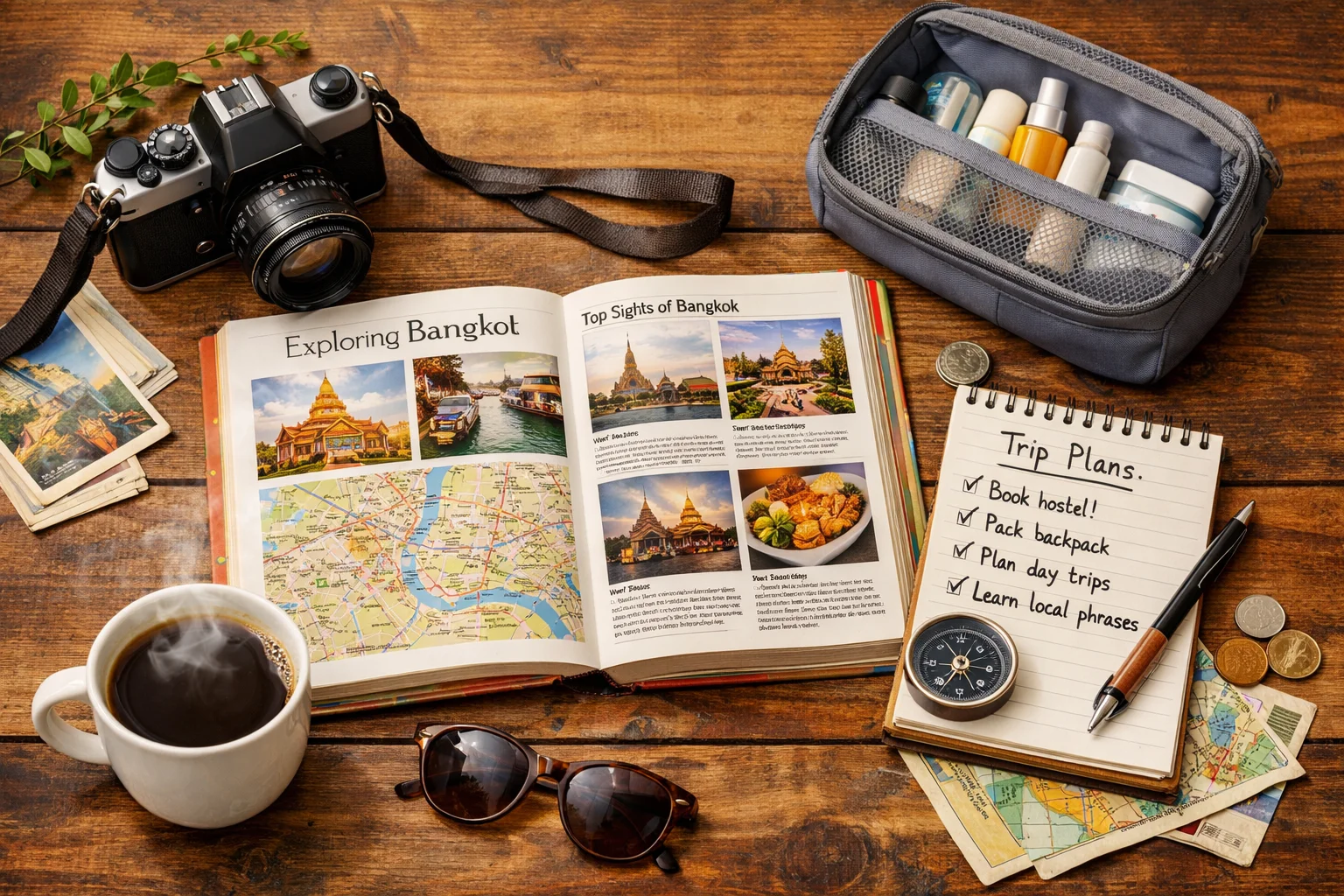
Wanderlust Diaries - A Personal Travel Blog Journey

SOLO FEMALE TRAVEL GUIDES

I’ll say it: traveling alone as a woman is a blast. But it’s no joke, you need a little street smarts. Here’s what’s saved my bacon:
  • Research, research, research. Check those lists of safest cities for solo female travelers—don’t just wing it.
  • Trust your gut (seriously). If something feels off, bail. No meal is worth feeling sketchy.
  • Dress how you want—just be aware of local customs. Not everywhere’s like my Midwest hometown.
  • Map out “plan B.” That means knowing where the embassy is or having a backup place to stay. It’s not being paranoid—it’s being smart.

TOP DESTINATIONS

Okay, packing bags time. Here are my five-star favorites lately—each one surprised me (in the best way):
  • Germany: Insanely pretty castles and chocolate that’ll ruin you for grocery store brands. Just, wow. For the full scoop, I wrote about must-see places in Germany.
  • Amalfi Coast, Italy: This one was “postcard perfect” (almost suspiciously so—seriously, it’s THAT pretty).
  • Mexico City: Street tacos at midnight—enough said…but also, just a vibrant, friendly place.
  • Savannah, Georgia: For that Southern charm and unexpectedly cozy food. The biscuits, y’all.
  • Bacalar, Mexico: Still sort of under the radar. It’s like swimming in a giant turquoise jewel.

OFF THE BEATEN PATH

Please don’t just stick to the usual, okay? Here’s what I did to keep my travels weird (and memorable):
  • Take the “wrong” bus on purpose (within reason!) and see where you end up.
  • Ask locals, not just Google, for food recs. They’ll give you the real deal—one time I tried cactus salad and, um, it surprisingly worked.
  • Venture outdoors. Forests, hidden beaches, night markets…just go.
  • Keep an open mind about everywhere—funny enough, sometimes the “boring” places surprise you most.

Plan a Trip!

Yeah, even last-minute plans can work if you know a few tricks. Here’s my not-too-fancy, totally doable method:
  • Sketch a super basic itinerary. Three things a day, max—leave room for random discoveries.
  • Check the weather! (Seems obvious, but I’ve blown it before.) Don’t skip a quick look at essential items to pack for fall travel, because yes—a good scarf does matter.
  • Book somewhere to sleep, but don’t sweat if it’s not Instagram-perfect. Comfort beats hype.
  • Get your apps pre-downloaded, so you’re not stranded without maps—that’s my personal nightmare.

Common Questions

Q: What if I can’t speak the language at all? A: Smile, point a lot, try Google Translate, and just be patient. Most folks appreciate the effort.Q: Do I really need travel insurance? A: Oh, heck yes. It’s boring till you need it, then it’s priceless. (Ask me about that time in Italy…)Q: I’m worried about eating street food, but I want to! Advice? A: Watch where the locals eat. Busy spots usually mean fresher food—and honestly, carry a little hand sanitizer. You’ll be fine, promise.Q: How do you meet other travelers as a solo explorer? A: Hostels, free walking tours, food markets… or just say hi. Most travelers love to swap stories.Q: Packing light. Can I REALLY do it? A: You’ll survive! Try rolling your clothes instead of folding—made all the difference for me.

Ready, Set…Wander!

Alright, friend. If you’ve made it this far, you’re already ahead of where I started. Travel blogs like Adventurous Kate and the super-detailed Rick Steves’ Travel Blog taught me to be bold (and a little more organized). Whenever I get stuck with my own trip plans, checking out guides at Moderately Adventurous Travel or even the wild stories over at Shalee Wanders lights that spark again. Your journey doesn’t need to be perfect; it just needs to be yours. So get out there—adventure (and probably some mind-blowing food) is waiting for you!Wanderlust Diaries - A Personal Travel Blog Journey

2026 Planning Update for Travel Blog

A stronger Travel Blog plan starts with intent. Decide whether the trip is about price, scenery, comfort, food, events, outdoor access or a specific bucket-list moment. That decision makes the rest of the planning easier because every hotel, transfer and activity can be judged against the same goal.

For 2026, travelers should also compare total trip cost instead of only headline prices. A cheap hotel can become expensive if transport is weak, while a slightly higher nightly rate can save money if it includes breakfast, transit access or a better location.

Budget and Booking Tips

  • Book refundable accommodation early, then keep comparing prices.
  • Check airport, train or bus access before choosing where to stay.
  • Plan one main paid experience per day instead of overloading the itinerary.
  • Use grocery stops, local transport and shoulder-season dates to control costs.
  • Keep a small buffer for weather, delays, luggage storage or last-minute transfers.

Internal Planning Links

Official Resource to Check

Before finalizing the trip, check an official resource for current rules, entry requirements, park access, event details or health guidance: U.S. State Department international travel information.

Common Mistakes to Avoid

The most common mistake is planning from one viral photo or one cheap price. A useful itinerary checks distance, opening times, weather, local holidays, transfer costs and whether the experience still works if plans change.

Another mistake is ignoring the first and last day. Arrival and departure days often decide whether a trip feels smooth or stressful, so keep them lighter and avoid booking the most important activity immediately after a long transfer.

FAQ

How do you plan Travel Blog on a budget?

Start with flexible dates, compare accommodation outside the most expensive zone, check transport before booking and keep one paid activity as the main highlight.

What should you check before booking Travel Blog?

Check season, local transport, cancellation rules, official travel updates, safety requirements and whether the final cost includes food, transfers and extra fees.

Is Travel Blog worth it in 2026?

Yes, if the trip matches your budget, season and travel style. A focused itinerary usually gives better value than trying to visit too many places at once.

Backpacking Basics: Fun Tips for Your 1 First Adventure

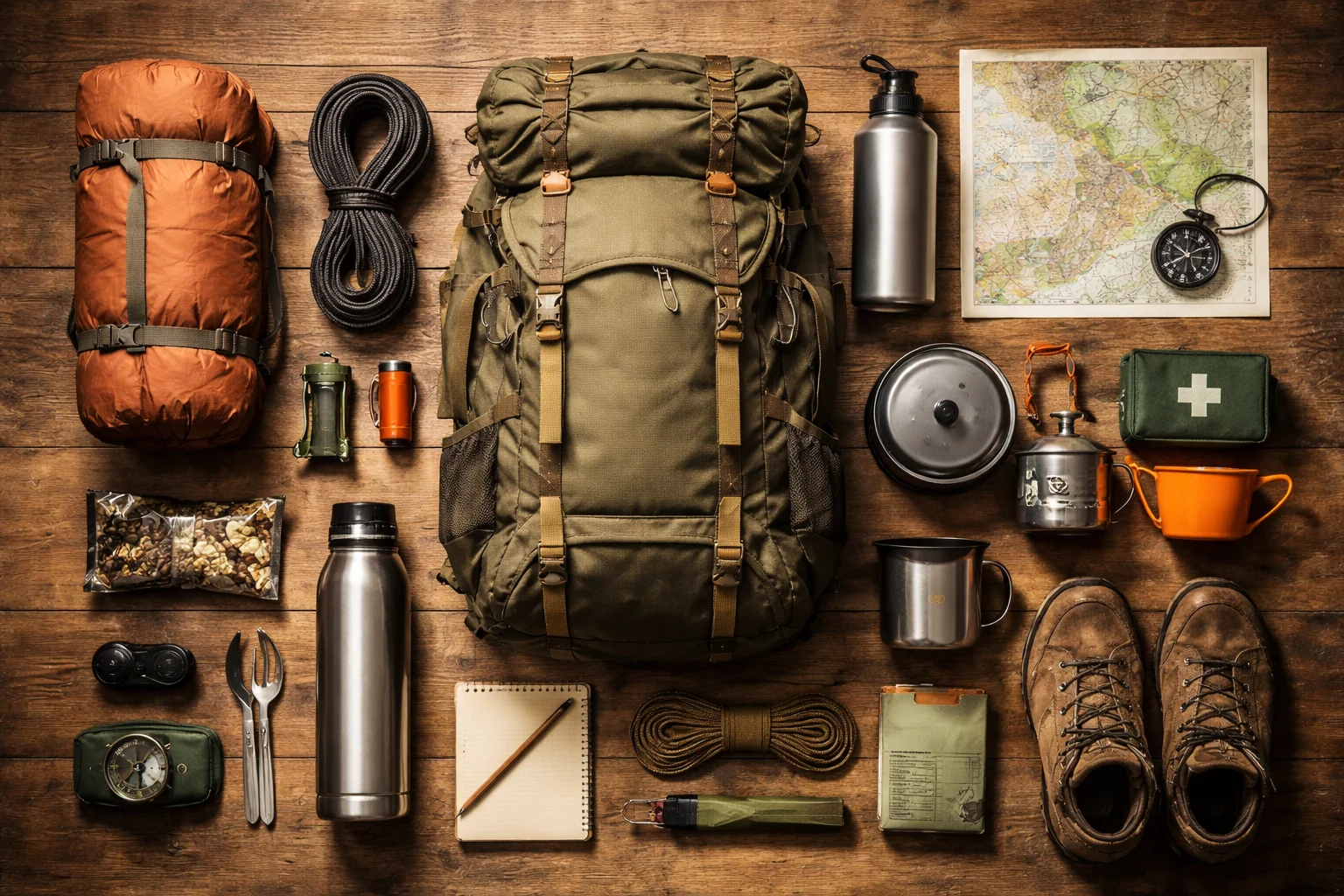
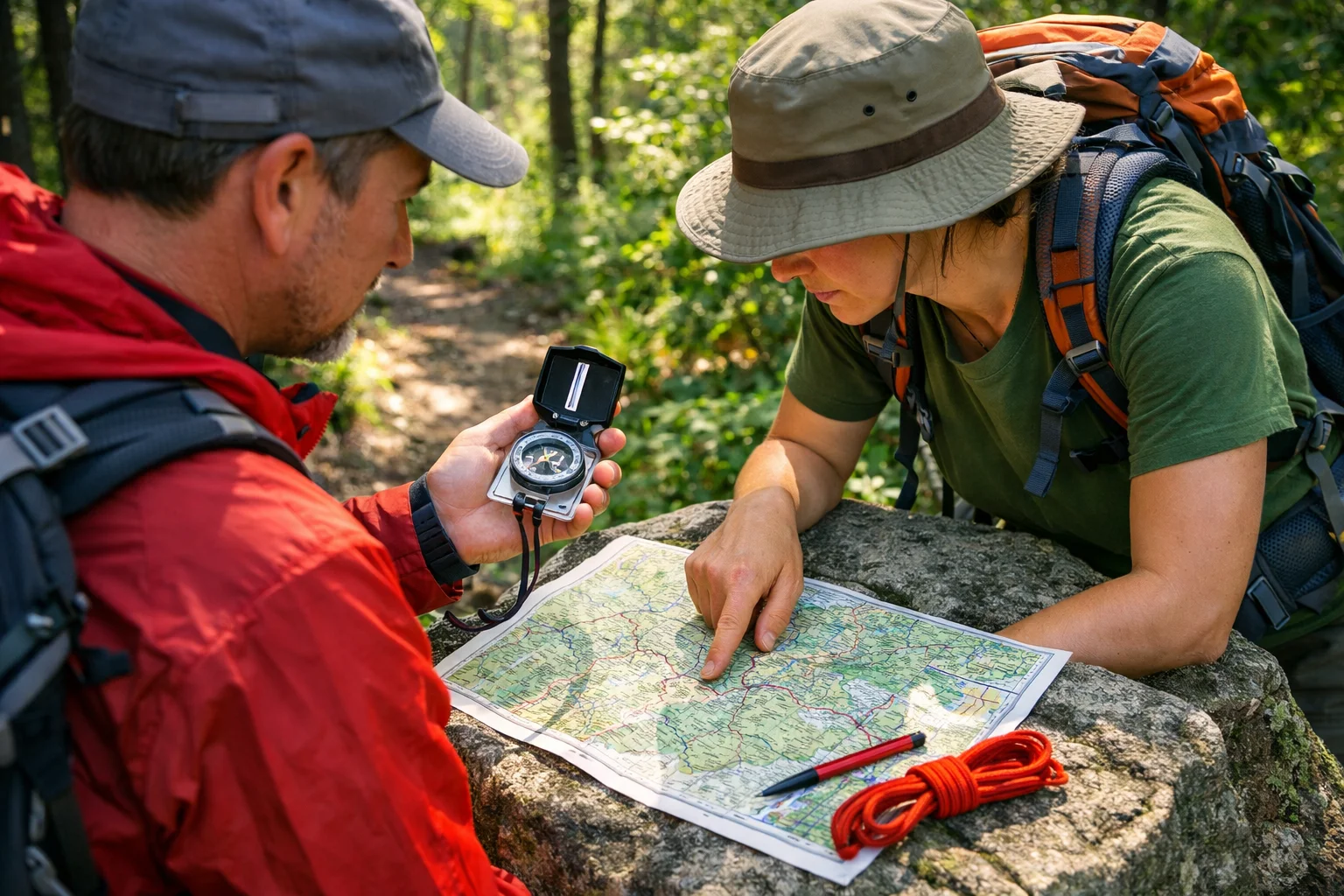
Backpacking adventure with gear and beautiful outdoor scenery.

Backpacking—isn’t it kind of wild how just the word fills your brain with either pure excitement or “uh, is this really a good idea?” vibes? The first time I decided to toss a few snacks in a bag and hit a trail (spoiler: I brought, like, six too many things), I wish I’d googled up some simple solutions. Lucky you—you found this fun little guide. Whether you’re planning to explore ancient ruins, chase sunrises, or just dip your toes into the whole adventure, you’ll get the confidence boost needed. Oh, and if you’re thinking about heading to Central America, I highly recommend checking out this ultimate guide to backpacking Central America or simply peeking at must-know backpacking tips (honestly, these tips saved my trip once or twice).
backpacking

Definition of Backpacking

Let’s clear this up—backpacking isn’t just strapping on a dusty old backpack and wandering around like a lost puppy.

  • Backpacking usually means you’re carrying (almost) everything you need for your trip—clothes, snacks, water, and maybe a pair of backup socks.
  • You’ll be on foot, sometimes for hours or even days (don’t worry, it sounds scarier than it is).
  • But don’t get fancy—this isn’t a five-star resort. It’s about simple living, tons of scenery, and saving money for what matters (hello, food).
  • For a more detailed scoop, check out the ins-and-outs at this guide to backpacking Central America.
“I used to think backpacking was for pros only. Now? It’s how I see the world—even if my hair never looks good in the photos.” – Jamie, trail newbie

Backpacking Basics: Fun Tips for Your First Adventure

Essential Equipment for Backpacking

You can tell a rookie from a mile away—giant bags stuffed to the brim or, worse, nothing but a water bottle and borrowed sneakers. Yikes! Here’s the need-to-know:

  • Backpack: Start small (30-45 liters is good for first-timers), keep it comfy.
  • Shoes: Please—get actual hiking shoes (not your beat-up tennis shoes from that 2012 gym class).
  • Water bottle, snacks, & a decent map: Your secret survival sauce.
  • For a longer ramble (like, out in Central America), consider lighter gear to avoid agony—details on how to travel light over here.

Skills and Safety Tips for Hiking

Nobody wants to get lost in the woods (I’ve done it, and my phone couldn’t save me. Oof). Here’s how to keep things smooth:

  • Know the trail—read up before you go, and maybe download a trail map to your phone.
  • Don’t go solo your first few times; a buddy makes everything less weird (and, like, they can rescue you when you faceplant in mud).
  • Pack a small first aid kit, sunscreen, and insect repellent—trust me, bugs respect no one.
  • Oh, always let someone know your plan, even if it’s just “I’ll text when I get WiFi.”

Accommodations: Where to Stay

This one’s fun because it’s where you can either rough it—hello, tent camping—or choose a comfy hostel where you meet funky fellow travelers.

  • Campsites are wallet-friendly but bring earplugs (nature’s noisy at night).
  • Hostels are great for swapping stories (and snacks); plus, lockers will save your sanity.
  • In places like Central America, there’s this magic thing called a hammock guesthouse—sounds weird, but you’ll thank me after a long hike.

Environmental Considerations for Outdoor Activities

You don’t want to be “that person.” Clean up after yourself, for the love of squirrels.

  • Never leave trash on the trail—even a tiny candy wrapper attracts the wrong crowd (like raccoons).
  • Stay on the path (trust me, no flower is worth getting poison ivy).
  • Use eco-friendly soaps if you’re showering outdoors (seriously, regular soap messes with the waterway critters).
  • Respect wildlife: It’s their home, not your Instagram backdrop.
    Backpacking Basics: Fun Tips for Your First Adventure

Common Questions

Should I go solo on my first trip?
Honestly, it’s more fun (and safe!) with a friend, especially if you’re new. Plus, who else will laugh when you attempt instant noodles over a teeny camp stove?

How heavy should my backpack be?
Shoot for roughly 20% of your body weight, max. Any heavier and your shoulders will revolt.

What do I eat on the trail?
Snacks, snacks, snacks! Trail mix, energy bars, and the classic PB&J are my survival trifecta.

How much water should I carry?
At least two liters. More if you’re sweating buckets or it’s hot—being thirsty is awful.

What if I don’t have fancy gear?
Don’t sweat it! Borrow, rent, or start with basics—fancy gear is cool, but not required.

Ready to Backpack? Let’s Wrap This Up

So, backpacking isn’t some impossible mountain you need to summit before you’re allowed to have fun. Just think simple, keep your bag light, be nice to nature, and learn as you go (seriously, learning is half the fun). If you need even more awesome starter tips, this REI Expert Advice guide for beginners is packed with ideas, or try out some sneaky ultralight hacks from Backpacking Light. Want a quick bit of inspiration? Read about epic journeys in Wikipedia’s intro or tag along for a laugh or two on the Boundary Waters trail guide. Trust me—your first trip will teach you things no kitchen ever could.

Backpacking Basics: Fun Tips for Your First Adventure

2026 Planning Update for Backpacking

A stronger Backpacking plan starts with intent. Decide whether the trip is about price, scenery, comfort, food, events, outdoor access or a specific bucket-list moment. That decision makes the rest of the planning easier because every hotel, transfer and activity can be judged against the same goal.

For 2026, travelers should also compare total trip cost instead of only headline prices. A cheap hotel can become expensive if transport is weak, while a slightly higher nightly rate can save money if it includes breakfast, transit access or a better location.

Budget and Booking Tips

  • Book refundable accommodation early, then keep comparing prices.
  • Check airport, train or bus access before choosing where to stay.
  • Plan one main paid experience per day instead of overloading the itinerary.
  • Use grocery stops, local transport and shoulder-season dates to control costs.
  • Keep a small buffer for weather, delays, luggage storage or last-minute transfers.

Internal Planning Links

Official Resource to Check

Before finalizing the trip, check an official resource for current rules, entry requirements, park access, event details or health guidance: U.S. State Department international travel information.

Common Mistakes to Avoid

The most common mistake is planning from one viral photo or one cheap price. A useful itinerary checks distance, opening times, weather, local holidays, transfer costs and whether the experience still works if plans change.

Another mistake is ignoring the first and last day. Arrival and departure days often decide whether a trip feels smooth or stressful, so keep them lighter and avoid booking the most important activity immediately after a long transfer.

FAQ

How do you plan Backpacking on a budget?

Start with flexible dates, compare accommodation outside the most expensive zone, check transport before booking and keep one paid activity as the main highlight.

What should you check before booking Backpacking?

Check season, local transport, cancellation rules, official travel updates, safety requirements and whether the final cost includes food, transfers and extra fees.

Is Backpacking worth it in 2026?

Yes, if the trip matches your budget, season and travel style. A focused itinerary usually gives better value than trying to visit too many places at once.
Explore Asia Travel: Your Guide to Unforgettable Adventures

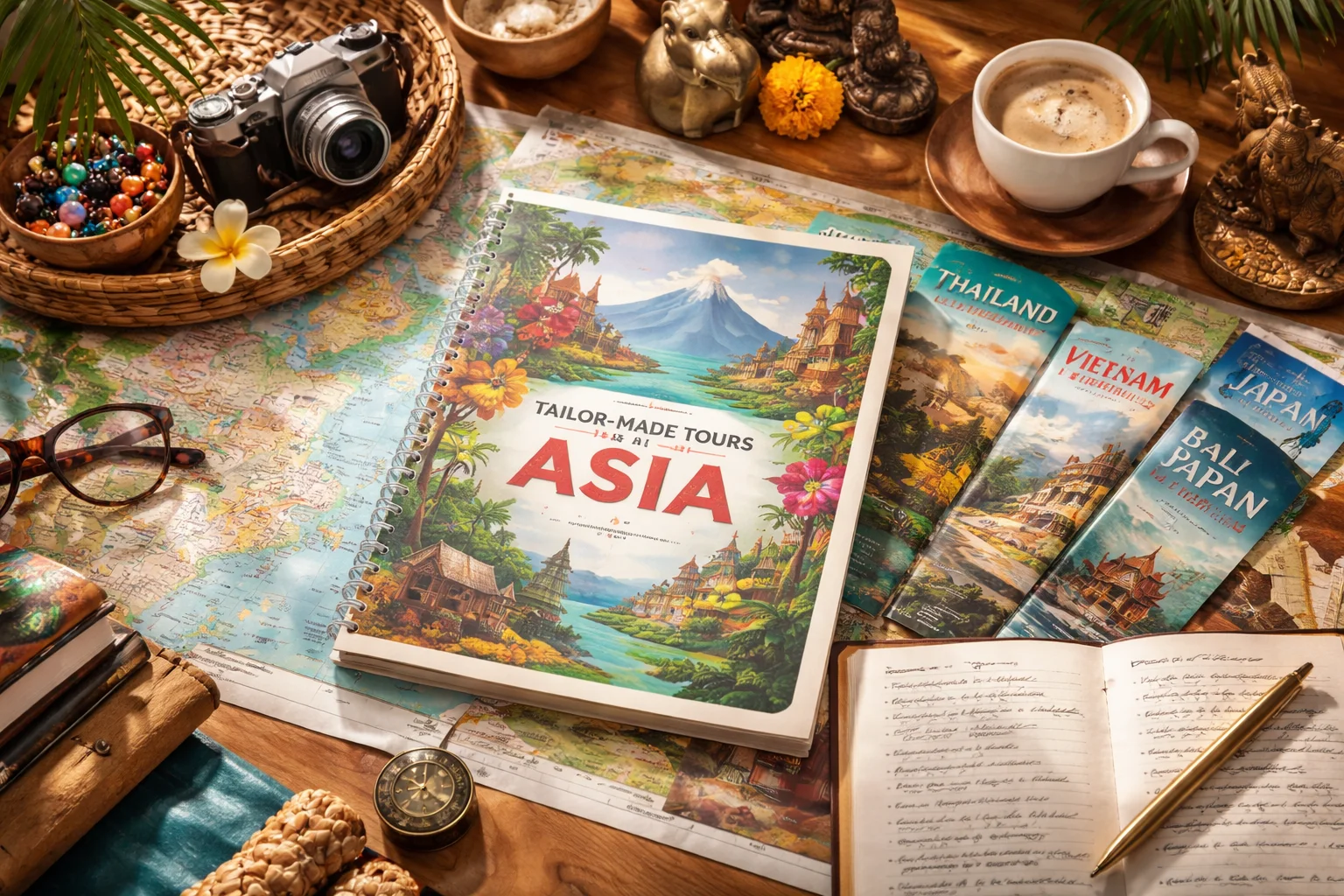
Tailor-made private tours for an unforgettable Asia travel experience.

Quick answer: Asia travel is easiest to plan when you compare season, total trip cost, transport, where to stay and the main experience you want before booking.

Asia travel—it’s never as easy as just booking a ticket and going, is it? There’s the stress of figuring out what to do, what to pack, and how not to get hopelessly (painfully) lost in a market somewhere. Don’t even get me started on trying to sort out if you need travel insurance. Oh—and if you want advice on affordable trips, check out these 7 budget-friendly destinations for solo travel or snag a list of 15 essential items to pack for fall travel in Asia before you leave. Both have saved my bacon.
Asia travel


Best Tailor-made Private Asia Tours For You

The truth? Cookie-cutter tours bore me to tears. If you want your trip to feel kinda legendary, go for a tailor-made private tour. A real human guide (not just an app!) will help you skip the tourist traps.

  • Personal guides usually speak the local language—less worry about, you know, accidentally ordering chicken feet for breakfast.
  • Flexible routines. Don’t wanna see another temple? You don’t have to—just say no. Make it your trip.
  • Great for folks—especially families or anyone anxious about travel—who want extra help (not everyone loves surprises!).
  • Ask your guide for weird local food recs: it beats crowdsourcing from review sites every. single. meal.
“Going private in Vietnam was like upgrading life to first class. I saw hidden places, ate street snacks from random carts, and even learned a trick or two about haggling. Worth every penny!”

Asia travel

Inspiring Best Asia Tour Itineraries

Let’s talk planning fatigue—because scrolling hundreds of must-do lists gets overwhelming fast. A good itinerary will save your sanity and probably help you avoid actually missing your train (I did once in Tokyo… still hurts).

  • Choose a route that matches your style: chasing beaches, culture overload, city lights—there’s an Asia plan for every mood.
  • Southeast Asia itineraries often blend Thailand, Vietnam, and Cambodia for crazy variety—in food, people, and landscapes.
  • Consider slower travel—a few days extra in one city beats trying to “see it all” (nobody actually does, let’s be real).
  • Don’t skip major festivals (Loi Krathong is pure magic). Worth building around!

Unique Experiences You Can Expect in Asia

Forget the postcard stuff. Asia’s ridiculous for real adventure and oddball finds that you’ll only hear about in bars later.

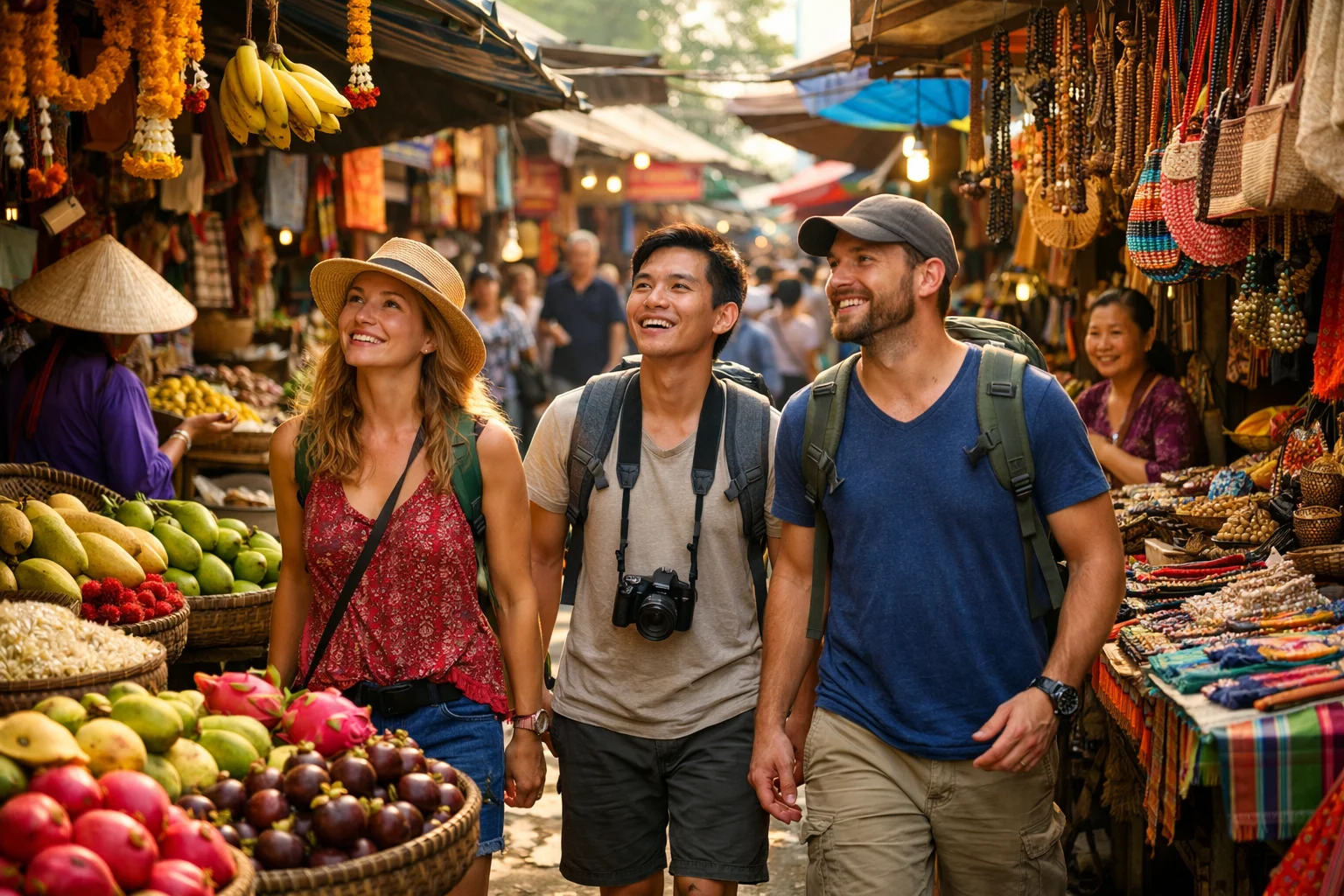
  • Night markets: You’ll smell them before you see ‘em. I once tried durian and… regret—but hey, it’s a story.
  • Learn to cook (or eat) local: Street food tours in Bangkok will change your life. Or at least your taste buds.
  • Island hopping is essential if you do Southeast Asia—those hidden coves? Better than any five-star resort.
  • Try a home stay: It’s awkward at first, honestly, but family meals at someone’s home will stick with you more than hotel breakfasts.

Helpful Tips for Planning Your Asia Trip

Okay, so planning. Ugh. But you could avoid rookie mistakes with just a couple of hacks (I wish someone had told me these the first round).

  • Download a couple of savvy travel apps for your vacation—they’re lifesavers for currency, maps, you name it.
  • Safety first. Certain countries have parts best skipped if you’re solo or female—see the 20 most dangerous places for women travelers and plan routes smart.
  • Pack light. Buy what you need as you go; Asian street shopping is half the fun anyway. I packed a suitcase and ended up wearing the same shorts all month.
  • Don’t obsess about hitting every sight. Pick a few must-sees and let the rest be a surprise—it makes for better stories.

You’re probably thinking, “Where do I even start?” Relax! Southeast Asia packs so much into one region. Here’s what you actually need to know.

  • Bangkok, Siem Reap, Hanoi: A classic circuit—everyone’s first big Asia tour, and for good reason (food coma included).
  • Include some wild cards: Slide in Luang Prabang or the Philippine islands if you’re feeling spicy.
  • Overland trains are slower but full of ridiculous people-watching—like, you’ll see chickens. Inside. On seats. Not kidding.
  • Go off-grid where you can: tiny villages have charm mega-cities just don’t.

Common Questions

Q: Is it safe to travel solo in Asia?
A: Mostly, yes. Just use common sense, stick to well-known places at night, and double-check which areas are less safe—especially if you’re a woman.

Q: What’s the best time of year to go?
A: Depends, but for most of Southeast Asia, November through February is cool but not too tourist-packed. Rainy season gear is a must for off-months!

Q: Do I need crazy visas?
A: Eh, it varies. Some countries are strict, some not at all. Google the country embassy before you book your flight.

Q: How can I save money while traveling Asia?
A: Eat street food, take trains not planes, or try group hostels. Also, check out a guide like the budget adventure travel complete guide for real-life hacks.

Q: Is English spoken everywhere?
A: In touristy spots, sort of. In villages? Not really. Carry a translation app and practice a few phrases; a smile goes far.


Ready for Your Big Adventure?

Honestly, nobody ever feels “ready” before their first Asia travel trip. Just remember, mistakes (like eating the giant chili by accident—yep, speaking from experience here) make the best stories. If you want some epic private trips, check out Asia Tours’ official tailor-made itineraries—they’re kinda the gold standard. Stay up-to-date via the Pacific Asia Travel Association and don’t forget to sneak a peek at the Southeast Asia Itineraries & Travel Routes (Ultimate Guide) for crazy-detailed routes (with maps and all). And if you’re poking around for deals, Asia Tours, Trips & Vacation Packages 2025/2026 – Goway Travel really helps compare options.

Just pack your sense of humor, trust your gut, and keep an open mind—Asia’s wild, friendly, and way more welcoming than you might think. See you out there, hopefully lost somewhere amazing.
Asia travel

2026 Planning Update for Asia Travel

A stronger Asia travel plan starts with intent. Decide whether the trip is about price, scenery, comfort, food, events, outdoor access or a specific bucket-list moment. That decision makes the rest of the planning easier because every hotel, transfer and activity can be judged against the same goal.

For 2026, travelers should also compare total trip cost instead of only headline prices. A cheap hotel can become expensive if transport is weak, while a slightly higher nightly rate can save money if it includes breakfast, transit access or a better location.

Budget and Booking Tips

  • Book refundable accommodation early, then keep comparing prices.
  • Check airport, train or bus access before choosing where to stay.
  • Plan one main paid experience per day instead of overloading the itinerary.
  • Use grocery stops, local transport and shoulder-season dates to control costs.
  • Keep a small buffer for weather, delays, luggage storage or last-minute transfers.

Internal Planning Links

Official Resource to Check

Before finalizing the trip, check an official resource for current rules, entry requirements, park access, event details or health guidance: U.S. State Department international travel information.

Common Mistakes to Avoid

The most common mistake is planning from one viral photo or one cheap price. A useful itinerary checks distance, opening times, weather, local holidays, transfer costs and whether the experience still works if plans change.

Another mistake is ignoring the first and last day. Arrival and departure days often decide whether a trip feels smooth or stressful, so keep them lighter and avoid booking the most important activity immediately after a long transfer.

FAQ

How do you plan Asia travel on a budget?

Start with flexible dates, compare accommodation outside the most expensive zone, check transport before booking and keep one paid activity as the main highlight.

What should you check before booking Asia travel?

Check season, local transport, cancellation rules, official travel updates, safety requirements and whether the final cost includes food, transfers and extra fees.

Is Asia travel worth it in 2026?

Yes, if the trip matches your budget, season and travel style. A focused itinerary usually gives better value than trying to visit too many places at once.
Easy Travel Planning for Your Next Adventure in Europe

Online trip planner for travel planning Europe travel and itinerary building.

Travel planning Europe travel used to make my head spin—maps everywhere, a hundred sticky notes, and still forgetting something major (like, um, the passport that one time). You want the trip of your life but, honestly, it’s easy to get lost in all the bits and bobs you need just to start. Been there, done that! Whether you’re wondering about the best family-friendly travel destinations in Europe for the kids or just curious if your solo journey will be smooth sailing, trust me, you’re not alone. If you’re dreaming of exploring dream cities while sticking to a budget, there’s hope—don’t miss these super handy tips and these must-visit European cities on a budget for inspiration.
travel planning Europe travel

Plan a great trip to Europe & follow the plan

Alright, let’s get real—winging your whole European vacation will basically guarantee chaos. Here’s what usually works for me (and my slightly scatterbrained, snack-obsessed brain):

  • Budget comes first, I swear by this. Know what you can spend so you don’t accidentally book five-star restaurant dinners every night.
  • Pick your dates based on weather and how much you hate crowds (I skip summer if possible. The sweaty T-shirt memories? Ugh).
  • Book main stuff early—like flights, and at least the first two nights somewhere cozy.
  • Leave room for some leeway. A plan is cool until you want to stay an extra day for that festival in Lisbon (trust me, you will).
“I used to over-plan, but leaving gaps gave me my best memories—ended up with new friends at a tiny cheese shop in Provence. Didn’t even know the shop existed before that day!”

Easy Travel Planning for Your Next Adventure in Europe

Create your Europe Trip Itinerary

Don’t feel like you need a minute-by-minute schedule—that’s recipe for stress and FOMO.

  • Google Maps is my hero: I pin places I want to eat (priority!) or sights I’d sob to miss. Kinda messy, but it works.
  • Mix big must-sees with quirky stops (like the bakery in Vienna…wow).
  • Group stuff together so you’re not zig-zagging all over the place. I learned that the hard way.
  • Take a peek at the top travel apps for your vacation—some will change your life (in a good way, not weird internet-ad way).

Which European City, Region, Country or Countries Would you like to visit?

Here’s where it gets fun and overwhelming and, honestly, a little silly (you’ll want to go everywhere, promise).

  • Are you after a classic city? Say, Paris or Rome? Or hunting hidden gems in Europe where the crowds haven’t caught on yet?
  • For food (my weakness), Italy and Spain always top my list. But, uh, go read the 20 traveling to Italy tips if you do—don’t order cappuccino after noon.
  • Don’t ignore trains. They’re weirdly fun, way scenic, and a must if you’re hopping a few countries.
  • Stuck choosing? Sometimes, close your eyes and point… worked out for me once; ended up in Slovenia. Not mad about it.

Check your European travel paperwork

Yikes—don’t skip this. Seriously. Getting stuck with the wrong documents is like undercooking your lasagna: bad.

  • Passport should be valid for six months after you get home. I made that mistake once—don’t.
  • Some places need visas. Double-check, even for countries that look “easy.”
  • Grab travel insurance. I used to cheap out on this… until I broke a tooth on a baguette (don’t laugh, it hurt, but my wallet was safe).
  • Make digital and paper copies, and stash them in weird places—sock, shoe, wherever (I always lose one, but not both).

Choose amazing Activities in each European destination

Picking what to do is the peanut butter to your travel planning jelly.

  • Start with what you can’t miss—think Amalfi Coast Italy travel guide level of must-do.
  • Food tours? Game changer. You’ll understand a city so much deeper (and, well, fuller).
  • Ask locals, skip tourist traps. Even just googling weird questions leads to gold.
  • Leave a “do nothing” day. You’ll thank me—wandering turns up the best stuff sometimes (ended up picnicking with locals in Munich, wearing borrowed hats—don’t ask).


Easy Travel Planning for Your Next Adventure in Europe

Common Questions

Q: Do I need to book everything ahead of time?
A: Not everything—big stuff like flights and pricey hotels, yes. But leave wiggle room for random discoveries (or naps).

Q: What if I don’t speak the language?
A: Most folks in touristy spots speak English, but please, try a “hello” or “thank you” in their language. You’ll get smiles, I promise.

Q: How do I keep travel planning for Europe simple?
A: Lists, a map, and a pinch of flexibility. Oh, and backup snacks. Always.

Q: Can I travel Europe on a tight budget?
A: Absolutely. Buses, hostels, bakeries, street food—budget European cities are totally doable (and often tastier).

Q: Is it safe to travel solo in Europe?
A: For the most part, yes, just stay aware and check tips for your exact cities. Solo friends swear by these solo travel safety tips.

Go Plan, Pack, and Eat Your Way Through Europe!

When it comes down to it, travel planning for Europe doesn’t need to turn into a complicated soufflé recipe. Just mix in some solid organization, a dash of flexibility, and a good dose of curiosity (plus snacks, always snacks). If you’re staring down all those details, breathe—there’s lots of help out there. Try classic guides like this How to Plan a Great Trip to Europe, or nifty helpers like the Online Trip Planner & Multi-City Itinerary Builder. If you’re puzzling over a months-long trip, this Trip Planner for a 90 day adventure might just save your sanity. For fine-tuning your route, don’t ignore tools like RoutePerfect—kind of a secret sauce. Now, go chase that adventure!
Easy Travel Planning for Your Next Adventure in Europe

2026 Planning Update for Europe

A stronger Europe plan starts with intent. Decide whether the trip is about price, scenery, comfort, food, events, outdoor access or a specific bucket-list moment. That decision makes the rest of the planning easier because every hotel, transfer and activity can be judged against the same goal.

For 2026, travelers should also compare total trip cost instead of only headline prices. A cheap hotel can become expensive if transport is weak, while a slightly higher nightly rate can save money if it includes breakfast, transit access or a better location.

Budget and Booking Tips

  • Book refundable accommodation early, then keep comparing prices.
  • Check airport, train or bus access before choosing where to stay.
  • Plan one main paid experience per day instead of overloading the itinerary.
  • Use grocery stops, local transport and shoulder-season dates to control costs.
  • Keep a small buffer for weather, delays, luggage storage or last-minute transfers.

Internal Planning Links

Official Resource to Check

Before finalizing the trip, check an official resource for current rules, entry requirements, park access, event details or health guidance: European Union travel information.

Common Mistakes to Avoid

The most common mistake is planning from one viral photo or one cheap price. A useful itinerary checks distance, opening times, weather, local holidays, transfer costs and whether the experience still works if plans change.

Another mistake is ignoring the first and last day. Arrival and departure days often decide whether a trip feels smooth or stressful, so keep them lighter and avoid booking the most important activity immediately after a long transfer.

FAQ

How do you plan Europe on a budget?

Start with flexible dates, compare accommodation outside the most expensive zone, check transport before booking and keep one paid activity as the main highlight.

What should you check before booking Europe?

Check season, local transport, cancellation rules, official travel updates, safety requirements and whether the final cost includes food, transfers and extra fees.

Is Europe worth it in 2026?

Yes, if the trip matches your budget, season and travel style. A focused itinerary usually gives better value than trying to visit too many places at once.

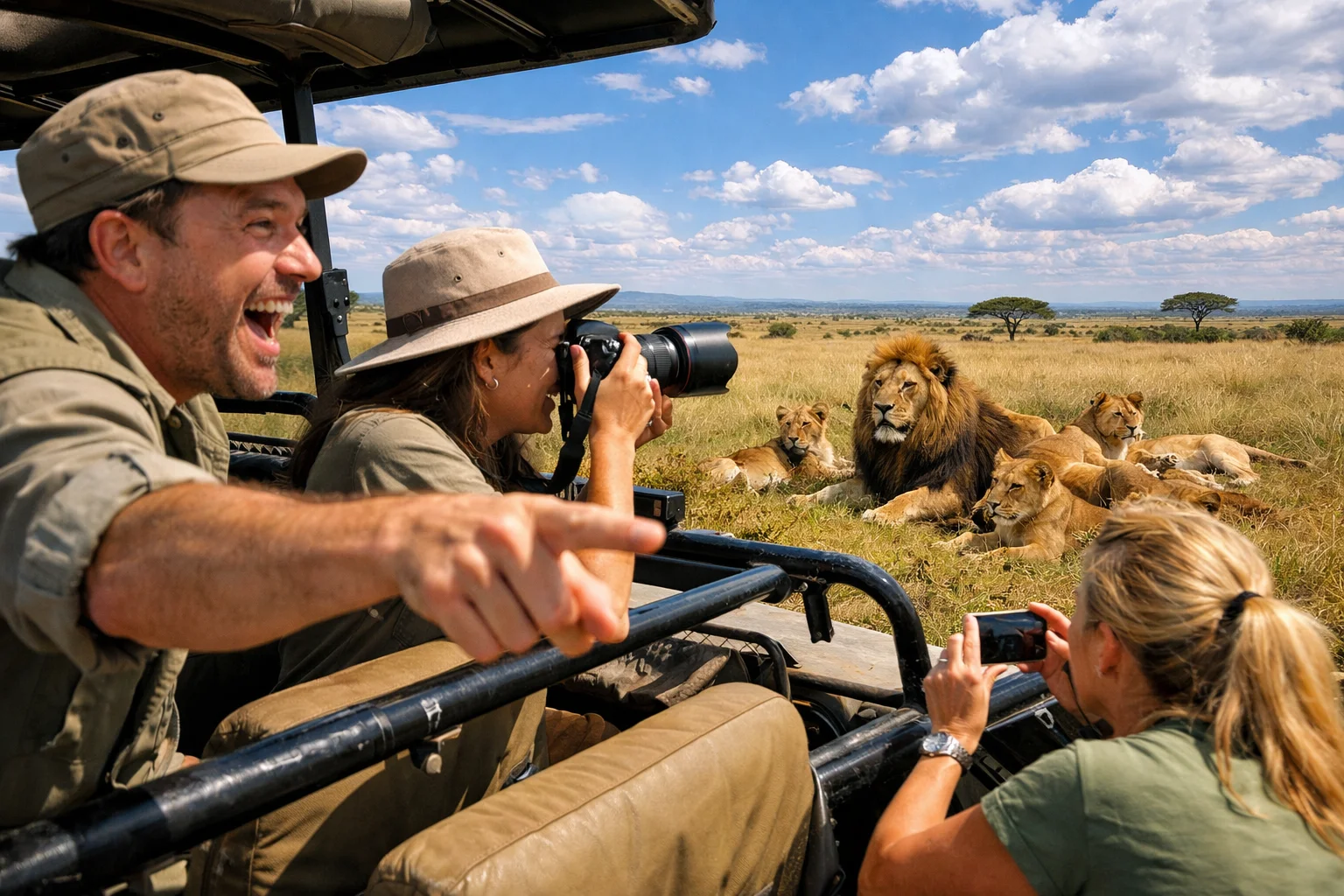
Discover the Magic of Africa Travel: Tips and Hidden Gems

Luxury African safari adventure: explore unique wildlife and tailored travel experiences.

Quick answer: Africa travel is easiest to plan when you compare season, total trip cost, transport, where to stay and the main experience you want before booking.

Ever daydream about Africa travel but get stuck on where to start—like, is it all just giant safaris or what? I totally get it. The browsing, the planning, the wild mix of excitement and “wait, do I need a plug adapter for this?” (Yes, probably!) Whether you’re gunning for the bucket-list stuff or just wanna wander off the main road (side note: you should totally check out these 10 best places to go in Africa if you’re still stuck on options), I’ve found some gems and tricks that just make everything smoother. Oh! And travel apps—lifesavers. Don’t even think about packing till you peek at this list of must-have travel apps for your vacation. Seriously, Africa isn’t just a “one recipe fits all” deal; each country’s got its own flavor, promise.

Discover the Magic of Africa Travel: Tips and Hidden Gems


Explore the Wonders of South Africa – A World in One Country

If I had a dollar for every time someone raved about South Africa—a whopping, flavor-packed stew of cultures—I’d have enough to buy all the samosas at a Cape Town market. Here’s why I swear you can’t skip it:

  • Cape Town alone could fill a week (Table Mountain! Insane food! Penguins. You heard me. Penguins).
  • Road trips are basically mandatory—those Garden Route views are not subtle about showing off.
  • Wine lovers, you’ll want to move into the vineyards. Lunches here hit five-star restaurant level—picnics with a mountain view, you kidding me?
  • Look up “diversity” and you’ll just get a photo of the South African landscape.
“I thought I was just coming for the wildlife, but South Africa caught me off-guard with its food and people. It’s got energy, you know?” – Jen, backpacker and self-confessed biltong addict

Discover the Magic of Africa Travel: Tips and Hidden Gems

Unforgettable Adventures in Kenya – Land of the Safari

Kenya’s a classic, but man, it’s got some curveballs (in the best way). Think beyond lions:

  • Maasai Mara is safari central, sure—but the hot air balloon sunrise is what actually sticks.
  • Diani Beach? Post-safari chill spot. White sand so fine I found it in my shoes for days.
  • Markets are spicy, chaotic, and genuinely warm. Buy the mango from a cart; trust me on this.
  • Local guides make the biggest difference—storytelling that’s a show and a history lesson all at once.


Discover the Magic of Zambia – Wilderness Wonderland

Like your travel with less crowd and more “did you hear that hippo?” Zambia’s a secret I almost (almost) didn’t wanna share:

  • Victoria Falls is louder and wilder than the postcards let on.
  • Canoe safaris! Forget the jeep—gliding along the Zambezi River was the real deal for me.
  • Wild campsites. Think campfire under the stars, listening for elephants. (Tingly nerves, but safe.)
  • People are just…genuine. Got invited to dinner after a ten-minute chat—felt like visiting a cousin.


Enchanting Madagascar Awaits – Uncover Nature’s Hidden Gem

Forget movie lemurs—real Madagascar is something else entirely:

  • Baobab trees look almost fake—like some broccoli-forest from a painting.
  • Local markets are FULL of things you don’t recognize—but you’ll want to try all of them. Vanilla and zebu steak? Yes please.
  • Trekking in rainforests that make you feel like Indiana Jones, minus the stress.
  • Infrastructure’s a little wild—bumpy roads, quirky hotels, but worth every, uh, “adventure detour.”


Luxury Safaris

Alright, so maybe you want a slice of high-life with your safari. Been there, treated myself—totally recommend:

  • Private game drives mean you see the magic without the crowds or awkward bus chatter.
  • Sundowners (fancy word for drinks at sunset) with herds of elephants in the distance. Possible? Yep, and it’s honestly surreal.
  • Stays range from tented camps (that are nicer than my apartment) to lodges with infinity pools. Dreamy.
  • Good news: affordable options exist—see these affordable safari experiences in Africa and budget-friendly safari destinations in East Africa if you wanna mix luxury and value.

Common Questions

Do I need a visa for every African country?
Not quite. Each country does its own thing—always check before you go (so much less stress).

Is Africa safe for solo travelers, especially women?
Depends on where you’re headed. Some spots are super chill, others need a bit more caution. Read up (and maybe peek at this safety guide for women).

Budget or luxury—which is better?
Honestly, both rock. Mix and match if you can—splurge on a night, balance with local stays.

What’s the deal with food? Is it spicy?
Can be! But it’s way more diverse than people think. Street snacks, grilled meats, mind-blowing stews—you’ll never go hungry.

What essential items should I pack?
Light layers, plug adaptors, bug spray, and an open mind. (Oh, and a power bank. Lifesaver for those marathon travel days.)


Ready to Cook Up Your Own Africa Adventure?

Alright, I hope you’re a little less daunted and a whole lot more hyped for Africa travel now. No two trips (heck, no two lunches) on this continent are ever the same. There’s so much to experience, whether you’re chasing those Luxury African Safaris and Tours or following your own path using the Africa Travel Guide. And honestly, the real magic’s in the in-between moments—like a random roadside snack, or a spirited chat with a stranger. Want some travel inspo? Head over to Africa Travel for even more local flavor, or check out what’s new at Johannesburg’s Airbnb Africa Travel Summit.

Give it a try. Go slow, joke with your guides, and—my personal mantra—never skip dessert if there’s a chance to try something new. You’ll come home with better stories than any postcard can show.

Discover the Magic of Africa Travel: Tips and Hidden Gems

2026 Planning Update for Africa Travel

A stronger Africa travel plan starts with intent. Decide whether the trip is about price, scenery, comfort, food, events, outdoor access or a specific bucket-list moment. That decision makes the rest of the planning easier because every hotel, transfer and activity can be judged against the same goal.

For 2026, travelers should also compare total trip cost instead of only headline prices. A cheap hotel can become expensive if transport is weak, while a slightly higher nightly rate can save money if it includes breakfast, transit access or a better location.

Budget and Booking Tips

  • Book refundable accommodation early, then keep comparing prices.
  • Check airport, train or bus access before choosing where to stay.
  • Plan one main paid experience per day instead of overloading the itinerary.
  • Use grocery stops, local transport and shoulder-season dates to control costs.
  • Keep a small buffer for weather, delays, luggage storage or last-minute transfers.

Internal Planning Links

Official Resource to Check

Before finalizing the trip, check an official resource for current rules, entry requirements, park access, event details or health guidance: U.S. State Department international travel information.

Common Mistakes to Avoid

The most common mistake is planning from one viral photo or one cheap price. A useful itinerary checks distance, opening times, weather, local holidays, transfer costs and whether the experience still works if plans change.

Another mistake is ignoring the first and last day. Arrival and departure days often decide whether a trip feels smooth or stressful, so keep them lighter and avoid booking the most important activity immediately after a long transfer.

FAQ

How do you plan Africa travel on a budget?

Start with flexible dates, compare accommodation outside the most expensive zone, check transport before booking and keep one paid activity as the main highlight.

What should you check before booking Africa travel?

Check season, local transport, cancellation rules, official travel updates, safety requirements and whether the final cost includes food, transfers and extra fees.

Is Africa travel worth it in 2026?

Yes, if the trip matches your budget, season and travel style. A focused itinerary usually gives better value than trying to visit too many places at once.
The 17 Best Resorts in California (2023) – Bon Traveler

The best resorts in California - 2023 guide by Bon Traveler
California’s resort scene stretches from fog-kissed Northern coastline to sun-drenched desert escapes. Whether you want oceanfront cliffside spas, historic vineyard estates, or secluded redwood retreats, the Golden State has a resort for every mood and season. Before diving into regional picks, you might enjoy a contrasting tropical destination that offers perspective on lagoon-front relaxation in our Bacalar Lagoon guide, which highlights a different kind of water-centered serenity.Below is a curated, region-by-region guide to 17 standout California resorts — selected for location, atmosphere, amenities, and distinct local experiences.

Northern California (Redwoods, Wine Country, Coast)

  1. Post Ranch Inn, Big Sur — Perched above the Pacific, this intimate eco-minded resort blends dramatic ocean views, contemporary rooms, and a celebrated spa. Ideal for romance and stargazing.
  2. Cavallo Point, Sausalito — Historic military buildings converted into elegant lodgings with sweeping views of the Golden Gate; great for cultural exploration of nearby San Francisco.
  3. Ventana Big Sur, an Alila Resort — A luxe retreat focused on wellness, with redwood hikes, alfresco dinners, and spacious suites tailored to unplugging.
  4. Cavallo Point / Auberge-style properties in Wine Country — Boutique hotels in Napa and Sonoma that combine vineyard access with Michelin-caliber dining (several properties offer vineyard tours and private tastings).

Central Coast (Surf Towns, Clifftop Views)

  1. Post Ranch Inn (mentioned above) fits this coastline as well, but for variety:
  2. Alila Ventana — (See regional picks for comparable clifftop, wellness-focused stays.)
  3. The Ranch at Laguna Beach — A coastal property with a wellness focus, activities like surf lessons and guided hikes, and strong local art connections.
  4. Carmel Valley Ranch — Known for sprawling grounds, farm-to-table dining, golf, and family-friendly activities set inland from the Carmel cliffs.
  5. Ponte Vedra / Pebble Beach-style luxury — Coastal golf-and-stay resorts with ocean vistas, fine dining, and curated seaside experiences.

Central California & Monterey Bay

  1. Monterey Plaza Hotel & Spa, Monterey — Oceanfront rooms with immediate access to Cannery Row, aquarium visits, and harbor cruises.
  2. Bernardus Lodge & Spa, Carmel Valley — A tranquil vineyard-adjacent resort with personalized service and a locally focused spa.

Southern California (Beaches to Mountains)

  1. The Resort at Pelican Hill, Newport Coast — Italian-inspired architecture, oceanside colonnades, and a championship golf experience.
  2. Terranea Resort, Rancho Palos Verdes — A large coastal resort with multiple pools, tidepool walks, canoeing, and extensive dining options.
  3. Ojai Valley Inn, Ojai — A pastoral wellness resort tucked into the mountains, celebrated for its holistic spa, creative arts programming, and quiet luxury.
  4. Hotel del Coronado, San Diego — A historic, iconic beachfront resort with Victorian charm and modern amenities, perfect for classic Southern California seaside glamour.
  5. Four Seasons Resort The Biltmore Santa Barbara — Timeless luxury amid palms and ocean breezes with easy access to Santa Barbara’s wine trails.

Desert Escapes (Palm Springs & Beyond)

  1. La Quinta Resort & Club, Palm Springs — Known for desert golf, pools set among palms, and desert serenity across expansive grounds.
  2. ACE Hotel & Swim Club, Palm Springs — A trendier, design-forward option with a lively pool scene and retro-meets-modern vibe.

How these picks were chosen

  • Location: proximity to unique natural features (ocean cliffs, vineyards, redwoods, deserts).
  • Character: historic properties, design-forward hotels, and eco-conscious retreats.
  • Amenities: spas, culinary programs, outdoor activities, family-friendly offerings.
  • Value: a range from ultra-luxe to boutique properties that offer memorable experiences.

Tips for Planning Your California Resort Stay

  • Timing: Coastal fog is common in late spring/early summer (the “June Gloom”); late summer and early fall usually offer the clearest beach weather. Desert resorts shine in cooler months (fall–spring).
  • Book spa and dining reservations well in advance for top resorts, especially on weekends and holidays.
  • Consider transportation: some properties are best reached by car; others are near regional airports or easy transfers.
  • Look for package deals that combine activities like wine tours, golf, or spa credits to maximize value.

Sustainable and Wellness-Focused Stays

Many California resorts now emphasize sustainability — from on-site organic gardens to water-wise landscaping and renewable energy initiatives. If reducing your footprint matters, inquire about local sourcing policies, waste reduction practices, and conservation partnerships before booking.

Conclusion

For more stories and regional suggestions that spotlight the best of Central California’s coast, wine country, and scenic drives, see the collection of Central California features on Bon Traveler at Central California resort guides on Bon Traveler.

2026 Planning Update for Best Resorts

A stronger best resorts plan starts with intent. Decide whether the trip is about price, scenery, comfort, food, events, outdoor access or a specific bucket-list moment. That decision makes the rest of the planning easier because every hotel, transfer and activity can be judged against the same goal.

For 2026, travelers should also compare total trip cost instead of only headline prices. A cheap hotel can become expensive if transport is weak, while a slightly higher nightly rate can save money if it includes breakfast, transit access or a better location.

Budget and Booking Tips

  • Book refundable accommodation early, then keep comparing prices.
  • Check airport, train or bus access before choosing where to stay.
  • Plan one main paid experience per day instead of overloading the itinerary.
  • Use grocery stops, local transport and shoulder-season dates to control costs.
  • Keep a small buffer for weather, delays, luggage storage or last-minute transfers.

Internal Planning Links

Official Resource to Check

Before finalizing the trip, check an official resource for current rules, entry requirements, park access, event details or health guidance: U.S. State Department international travel information.

Common Mistakes to Avoid

The most common mistake is planning from one viral photo or one cheap price. A useful itinerary checks distance, opening times, weather, local holidays, transfer costs and whether the experience still works if plans change.

Another mistake is ignoring the first and last day. Arrival and departure days often decide whether a trip feels smooth or stressful, so keep them lighter and avoid booking the most important activity immediately after a long transfer.

FAQ

How do you plan best resorts on a budget?

Start with flexible dates, compare accommodation outside the most expensive zone, check transport before booking and keep one paid activity as the main highlight.

What should you check before booking best resorts?

Check season, local transport, cancellation rules, official travel updates, safety requirements and whether the final cost includes food, transfers and extra fees.

Is best resorts worth it in 2026?

Yes, if the trip matches your budget, season and travel style. A focused itinerary usually gives better value than trying to visit too many places at once.
What To See In Italy In 12 Days — 2025 Complete Guide

Travel itinerary for exploring Italy in 12 days, featuring top sights and activities.
Italy in 12 days is a delightful sprint through history, art, food, and spectacular landscapes. This guide gives a day-by-day plan that balances iconic sights with slower-paced time to taste gelato, wander alleys, and linger over espresso. Before you go, consult this 20 traveling to Italy tips: your ultimate guide for practical pre-trip advice on packing, visas, and money matters.

Quick planning overview

  • Best seasons: late spring (May–June) and early fall (September–October) for fewer crowds and pleasant weather.
  • Travel style: mainly by train—fast, frequent, and scenic—so you can avoid driving and enjoy city-to-city travel.
  • Book ahead: major museums, Vatican entry, and some Cinque Terre ferries require pre-booking during high season (2025 will be busy as tourism rebounds).
  • Luggage: bring a carry-on-friendly bag for easier mobility on trains and cobblestone streets.

12-Day Italy Itinerary (day-by-day)

Day 1 — Arrival in Rome Arrive, check into your hotel, and take it easy. Walk around the Centro Storico: the Spanish Steps, Piazza Navona, and the Pantheon are perfect low-effort introductions.Day 2 — Ancient Rome Spend the day at the Colosseum (book a timed entry), the Roman Forum, and Palatine Hill. Evening: dinner in Trastevere for authentic Roman cuisine.Day 3 — Vatican City & Hidden Corners Morning at the Vatican Museums and St. Peter’s Basilica (reserve a skip-the-line slot). Afternoon: explore Castel Sant’Angelo or lesser-known neighborhoods like Testaccio for local food.Day 4 — Train to Florence + First Impressions Take a morning train to Florence (1.5–2 hours). After check-in, visit Piazza del Duomo and climb (or admire) Brunelleschi’s dome from the outside. Evening stroll across Ponte Vecchio.Day 5 — Florence Art & Food Uffizi Gallery in the morning (pre-book), then the Accademia to see Michelangelo’s David. Sample Florentine steak and gelato; climb Piazzale Michelangelo at sunset for panoramic views.Day 6 — Day Trip: Pisa or Siena Choose Pisa to tick off the Leaning Tower (quick visit) or Siena for medieval streets and the gorgeous Piazza del Campo. Return to Florence for the night.Day 7 — Travel to Cinque Terre Head north to La Spezia, then transfer to the Cinque Terre villages. Base yourself in Monterosso or Vernazza and enjoy sunset by the sea.Day 8 — Explore the Cinque Terre Hike or take the local trains/boats between villages—Manarola, Corniglia, Vernazza, and Riomaggiore. Try the local pesto, seafood, and Sciacchetrà wine.Day 9 — Train to Venice Longer travel day to Venice (approx. 4–5 hours). Arrive mid-afternoon and wander piazzas and canals—St. Mark’s Square and the Rialto Bridge are classic early stops.Day 10 — Venice sights & a gondola moment Visit St. Mark’s Basilica and the Doge’s Palace (reserve a tour). Get lost in the calli (narrow alleys) and consider a sunset gondola or vaporetto ride on the Grand Canal.Day 11 — Milan or Lake Como Travel to Milan for fashion, the Duomo, and Leonardo da Vinci’s Last Supper (book months ahead), or head to Lake Como for alpine scenery and villas—each offers a different final-act vibe.Day 12 — Leisure day and departure If you stayed in Como, relax by the lake; if Milan, do last-minute shopping or museum time before heading to the airport or train station.

Where to save time (and where to linger)

  • Save time by booking timed entrances for the Colosseum, Vatican, Uffizi, and Last Supper well in advance.
  • Linger in neighborhoods rather than trying to see every museum—Trastevere (Rome), Oltrarno (Florence), and Dorsoduro (Venice) reward slow wandering.

Getting around

  • Trains: Italy’s high-speed network (Frecciarossa, Italo) connects major cities; regional trains link smaller towns. Validate regional tickets if required.
  • Local transport: Venice uses water buses; Cinque Terre relies on local rail and ferries. Buy multi-day local passes if you’ll use public transport heavily.

Accommodation recommendations

  • Rome & Florence: central 3–4 star boutique hotels or well-located B&Bs for walking access.
  • Cinque Terre: smaller guesthouses or family-run hotels—book early for sea views.
  • Venice: stay on the main islands if you want easy access to attractions, but be prepared for higher prices.

Food & drink highlights

  • Rome: cacio e pepe, carbonara, supplì.
  • Florence: bistecca alla fiorentina, ribollita.
  • Cinque Terre: fresh focaccia, anchovies, pesto.
  • Veneto: cicchetti (small plates), risotto al nero di seppia.
  • Try regional wines wherever you go—Italy’s variety is enormous.

Practical tips for 2025

  • Tickets & reservations: plan at least 2–3 months ahead for high-demand attractions, especially in peak season.
  • Cash vs. card: cards are widely accepted, but small cafés and markets may prefer cash.
  • Respect local customs: many churches require modest dress; dining hours are typically later than in some countries.

Sample packing checklist

  • Comfortable walking shoes, light layers, a compact umbrella, plug adapter, daypack, photocopies of travel documents, medications, and a reusable water bottle (Italy has many drinking fountains in cities).

Final safety and etiquette notes

  • Watch for pickpockets in crowded tourist areas, especially on trains and at major sights.
  • Tip modestly—service is often included, but rounding up or leaving small change is appreciated.
  • Learn a few basic Italian phrases—locals value the effort.

Conclusion

If you want a slightly longer version or alternate routing ideas for a two-week stay, this detailed itinerary called The Best of Italy: Ultimate Two Week Italy Itinerary (14 Days) offers extended options and extra city suggestions to expand on the 12-day plan above.

2026 Planning Update for Italy In 12 Days

A stronger Italy In 12 Days plan starts with intent. Decide whether the trip is about price, scenery, comfort, food, events, outdoor access or a specific bucket-list moment. That decision makes the rest of the planning easier because every hotel, transfer and activity can be judged against the same goal.

For 2026, travelers should also compare total trip cost instead of only headline prices. A cheap hotel can become expensive if transport is weak, while a slightly higher nightly rate can save money if it includes breakfast, transit access or a better location.

Budget and Booking Tips

  • Book refundable accommodation early, then keep comparing prices.
  • Check airport, train or bus access before choosing where to stay.
  • Plan one main paid experience per day instead of overloading the itinerary.
  • Use grocery stops, local transport and shoulder-season dates to control costs.
  • Keep a small buffer for weather, delays, luggage storage or last-minute transfers.

Internal Planning Links

Official Resource to Check

Before finalizing the trip, check an official resource for current rules, entry requirements, park access, event details or health guidance: U.S. State Department international travel information.

Common Mistakes to Avoid

The most common mistake is planning from one viral photo or one cheap price. A useful itinerary checks distance, opening times, weather, local holidays, transfer costs and whether the experience still works if plans change.

Another mistake is ignoring the first and last day. Arrival and departure days often decide whether a trip feels smooth or stressful, so keep them lighter and avoid booking the most important activity immediately after a long transfer.

FAQ

How do you plan Italy In 12 Days on a budget?

Start with flexible dates, compare accommodation outside the most expensive zone, check transport before booking and keep one paid activity as the main highlight.

What should you check before booking Italy In 12 Days?

Check season, local transport, cancellation rules, official travel updates, safety requirements and whether the final cost includes food, transfers and extra fees.

Is Italy In 12 Days worth it in 2026?

Yes, if the trip matches your budget, season and travel style. A focused itinerary usually gives better value than trying to visit too many places at once.

Tasmania Bucket List: Hidden Gems & Epic Nature Escapes 🌿⛰️

Tasmania Bucket List showcasing hidden gems and nature escapes

Tasmania Bucket List: Hidden Gems & Epic Nature Escapes 🌿⛰️

Introduction Discovering Tasmania feels like opening a map of secrets: jagged coastlines, misty mountain plateaus, glassy bays and forests that have been uninterrupted for millennia. If you love getting off the beaten path, start your planning here and broaden your curiosity with a trusted resource on lesser-known travel finds from beyond our shores by exploring this guide to the best hidden gems in Europe—it’s useful for techniques on finding quiet, unforgettable spots wherever you go.Where to go: must-see wild places
  • Cradle Mountain-Lake St Clair National Park: Hike sections of the Overland Track, but also take shorter walks to Dove Lake or the less-traveled Marion’s Lookout for dramatic alpine views and button grass plains.
  • Bay of Fires: Orange lichen on white granite, miles of empty sand and crystalline water—perfect for beach walks, sunrise photography and quiet camping.
  • Maria Island: A wildlife sanctuary with tame wombats, painted cliffs and convict-era ruins; cycle the quiet roads and stay overnight to feel the island slow down.
Hidden-gem hikes and remote lookouts
  • Hartz Mountains: Alpine tarns and snow gums with short but rewarding trails; a great alternative when Cradle Mountain gets crowded.
  • Mt. Field National Park: Visit the towering swamp gums and step behind Russell Falls for a more intimate waterfall experience.
  • The Tarkine: Ancient temperate rainforest and wild river country in the northwest—ideal for multi-day drives, short walks and remote photography without the crowds.
Coastal escapes & island hopping
  • Bruny Island: Sample artisan cheeses and oysters, then climb the Truganini Lookout for panoramic views. Take a coastline cruise for sea-cliff and wildlife spotting.
  • Wineglass Bay and Freycinet Peninsula: Famous for a reason—balanced with early starts or shoulder-season visits, you can enjoy solitary stretches of sand and pink granite outcrops.
  • Southern bays and hidden coves: Rent a kayak or join a guided sea-kayak trip to explore sea caves, beaches accessible only by water and abundant marine life.
Nature experiences off the map
  • Night skies and bioluminescence: Away from light pollution, Tasmania’s southern latitudes reveal spectacular Milky Way views; check for local bioluminescence events on sheltered beaches.
  • Wildlife encounters: Dawn or dusk is best for spotting Tasmanian devils at sanctuaries, echidnas crossing the road, and seabird colonies; always observe from a respectful distance.
  • Foraging and food trails: Farmers’ markets, oyster farms and vineyard cellar doors reward those who seek local flavors—combine short drives with farm-gate stops.
Practical tips for adventurous travelers
  • Timing: Spring and autumn balance mild weather and fewer visitors. Summer brings long daylight hours but book ahead for popular spots.
  • Transport and access: A rental car is the most flexible way to reach remote bays and forest trails; some island trips require advance bookings.
  • Safety and conservation: Leave no trace—pack out what you pack in, stick to established paths where indicated, and respect wildlife and cultural sites.
Sample 3-day mini-itinerary (for inspiration) Day 1: Arrive Hobart — drive to Bruny Island for coastal walks and produce tasting. Day 2: Head east to Freycinet — short hike to the Wineglass Bay lookout, evening beach walk. Day 3: Drive northwest toward Cradle Mountain or Mt Field for alpine scenery, return via scenic stops.

Conclusion

For broader inspiration on must-do experiences across Australia that can complement a Tasmanian adventure, see this curated list of Australia’s bucket list: 101 things to do and see which offers ideas to extend your trip beyond the island.

2026 Planning Update for Tasmania Bucket List

A stronger Tasmania Bucket List plan starts with intent. Decide whether the trip is about price, scenery, comfort, food, events, outdoor access or a specific bucket-list moment. That decision makes the rest of the planning easier because every hotel, transfer and activity can be judged against the same goal.

For 2026, travelers should also compare total trip cost instead of only headline prices. A cheap hotel can become expensive if transport is weak, while a slightly higher nightly rate can save money if it includes breakfast, transit access or a better location.

Budget and Booking Tips

  • Book refundable accommodation early, then keep comparing prices.
  • Check airport, train or bus access before choosing where to stay.
  • Plan one main paid experience per day instead of overloading the itinerary.
  • Use grocery stops, local transport and shoulder-season dates to control costs.
  • Keep a small buffer for weather, delays, luggage storage or last-minute transfers.

Internal Planning Links

Official Resource to Check

Before finalizing the trip, check an official resource for current rules, entry requirements, park access, event details or health guidance: U.S. State Department international travel information.

Common Mistakes to Avoid

The most common mistake is planning from one viral photo or one cheap price. A useful itinerary checks distance, opening times, weather, local holidays, transfer costs and whether the experience still works if plans change.

Another mistake is ignoring the first and last day. Arrival and departure days often decide whether a trip feels smooth or stressful, so keep them lighter and avoid booking the most important activity immediately after a long transfer.

FAQ

How do you plan Tasmania Bucket List on a budget?

Start with flexible dates, compare accommodation outside the most expensive zone, check transport before booking and keep one paid activity as the main highlight.

What should you check before booking Tasmania Bucket List?

Check season, local transport, cancellation rules, official travel updates, safety requirements and whether the final cost includes food, transfers and extra fees.

Is Tasmania Bucket List worth it in 2026?

Yes, if the trip matches your budget, season and travel style. A focused itinerary usually gives better value than trying to visit too many places at once.
19 Must-See Locations In South America

19 must-see locations in South America for an unforgettable travel experience
South America is a continent of dramatic contrasts: soaring peaks, sprawling rainforests, windswept deserts, and colorful colonial cities. Whether you crave remote wilderness, rich history, or vibrant urban culture, these 19 destinations should be on your radar. If you’re traveling solo and want city ideas or practical tips, consider the curated list of best cities for solo travelers in South America to help plan your route.
  1. Machu Picchu, Peru An iconic Inca citadel perched high in the Andes, Machu Picchu rewards hikers and history lovers alike with dramatic terraces, stonework, and sweeping valley views. Visit early in the morning to catch mist rolling off the mountains.
  2. Galápagos Islands, Ecuador A living laboratory of evolution, the Galápagos offers unparalleled wildlife encounters—giant tortoises, marine iguanas, and blue-footed boobies—plus crystal-clear snorkeling and volcanic landscapes.
  3. Iguazú Falls, Argentina/Brazil One of the world’s largest waterfall systems, Iguazú’s thundering cascades are framed by subtropical rainforest. Walk the catwalks on both the Argentine and Brazilian sides for different perspectives.
  4. Torres del Paine National Park, Chile Jagged granite towers, glacial lakes, and lenga forests make Torres del Paine a trekking mecca. Multi-day circuits and day hikes offer access to dramatic scenery and abundant wildlife.
  5. Salar de Uyuni, Bolivia The planet’s largest salt flat transforms into a surreal mirror after rains and a blinding expanse of white in dry months. Visit the train cemetery, Incahuasi Island, and nearby deserts on a 4×4 tour.
  6. Amazon Rainforest (Brazil, Peru, Ecuador, Colombia, Bolivia) The Amazon Basin is a biodiversity hotspot. Stay at an eco-lodge or join a guided river expedition to see wildlife, learn about indigenous cultures, and explore flooded forests.
  7. Perito Moreno Glacier, Argentina Near El Calafate, this massive Patagonian glacier calves into Lake Argentino with spectacular crashes. Walk the viewing platforms or take a boat for a closer view.
  8. Cartagena, Colombia A beautifully preserved colonial port city on the Caribbean coast, Cartagena charms with pastel facades, walled streets, lively plazas, and excellent seafood.
  9. Rio de Janeiro, Brazil Famed for its beaches, samba, and dramatic setting between mountains and ocean, Rio’s highlights include Sugarloaf Mountain, Christ the Redeemer, and Copacabana beach culture.
  10. Buenos Aires, Argentina Launched by European-style boulevards and vibrant neighborhoods like Palermo and San Telmo, Buenos Aires is the continent’s cultural hub—tango, parrillas (steakhouses), and late-night cafés.
  11. Atacama Desert, Chile One of the driest places on Earth, the Atacama offers otherworldly landscapes: salt flats, geysers, high-altitude lagoons, and some of the world’s best stargazing.
  12. Lake Titicaca, Peru/Bolivia The highest navigable lake in the world, Lake Titicaca is dotted with reed islands and traditional communities. Visit Uros floating islands and the Andean town of Copacabana.
  13. Easter Island (Rapa Nui), Chile Remote and mysterious, Easter Island’s moai statues and volcanic landscapes offer a unique cultural and archaeological experience in the middle of the Pacific.
  14. Medellín, Colombia Once infamous, Medellín is now celebrated for its transformation: pleasant climate, modern metro system, vibrant arts scene, and nearby cable-car trails to mountain viewpoints.
  15. Cusco, Peru The former Inca capital is a living museum of colonial and indigenous heritage. Use Cusco as a base for short treks, archaeological sites, and the classic Inca Trail to Machu Picchu.
  16. Colca Canyon, Peru Twice as deep as the Grand Canyon in places, Colca Canyon offers dramatic hikes, terraced agriculture, and the chance to see Andean condors soaring above the cliffs.
  17. Valparaíso, Chile A colorful port city of steep hills, street art, and historic funiculars, Valparaíso’s bohemian neighborhoods and panoramic views make it an atmospheric stop along Chile’s coast.
  18. San Carlos de Bariloche, Argentina Set on a lake in the Argentine Lake District, Bariloche is popular for hiking, skiing, chocolate shops, and scenic drives through forests and alpine vistas.
  19. La Candelaria / Bogotá, Colombia Colombia’s capital blends museums, colonial architecture, and lively neighborhoods. La Candelaria’s cobblestone streets and cultural institutions provide a deep dive into Colombian history and art.

Conclusion

If you’re also planning trips in North America or want inspiration for travel timing, the guide to 19 Amazing Places To Visit In August In The USA offers seasonal ideas that complement a South American itinerary.

2026 Planning Update for South America

A stronger South America plan starts with intent. Decide whether the trip is about price, scenery, comfort, food, events, outdoor access or a specific bucket-list moment. That decision makes the rest of the planning easier because every hotel, transfer and activity can be judged against the same goal.

For 2026, travelers should also compare total trip cost instead of only headline prices. A cheap hotel can become expensive if transport is weak, while a slightly higher nightly rate can save money if it includes breakfast, transit access or a better location.

Budget and Booking Tips

  • Book refundable accommodation early, then keep comparing prices.
  • Check airport, train or bus access before choosing where to stay.
  • Plan one main paid experience per day instead of overloading the itinerary.
  • Use grocery stops, local transport and shoulder-season dates to control costs.
  • Keep a small buffer for weather, delays, luggage storage or last-minute transfers.

Internal Planning Links

Official Resource to Check

Before finalizing the trip, check an official resource for current rules, entry requirements, park access, event details or health guidance: U.S. State Department international travel information.

Common Mistakes to Avoid

The most common mistake is planning from one viral photo or one cheap price. A useful itinerary checks distance, opening times, weather, local holidays, transfer costs and whether the experience still works if plans change.

Another mistake is ignoring the first and last day. Arrival and departure days often decide whether a trip feels smooth or stressful, so keep them lighter and avoid booking the most important activity immediately after a long transfer.

FAQ

How do you plan South America on a budget?

Start with flexible dates, compare accommodation outside the most expensive zone, check transport before booking and keep one paid activity as the main highlight.

What should you check before booking South America?

Check season, local transport, cancellation rules, official travel updates, safety requirements and whether the final cost includes food, transfers and extra fees.

Is South America worth it in 2026?

Yes, if the trip matches your budget, season and travel style. A focused itinerary usually gives better value than trying to visit too many places at once.
Complete Costa Rica Travel Guide

Stunning landscapes and attractions in Costa Rica for travel enthusiasts
Costa Rica is a compact country packed with biodiversity, active volcanoes, lush rainforests, cloud forests, and Pacific and Caribbean coastlines — ideal for first-time and repeat travelers alike. Whether you want zip-lining through the canopy, surfing uncrowded breaks, or spotting toucans and sloths, solid planning makes the most of your trip. For tips on stretching your budget while still enjoying adventure activities, consult this helpful budget and adventure travel guide before you finalize plans.Getting Ready: When to Go and Entry Requirements
  • Best time to visit: Dry season (December–April) for sun and easy trekking; green season (May–November) for fewer crowds, lower rates, and lush landscapes.
  • Entry rules: Most visitors need a passport valid at least six months from arrival and a return or onward ticket; check visa rules for your nationality before departure.
  • Health: Routine vaccinations are usually sufficient; vaccine and mosquito-bite precautions are recommended for some areas. Bring basic meds and motion-sickness remedies if you plan river trips.
How to Get There and Around
  • International flights: Juan Santamaría (SJO) near San José and Daniel Oduber (LIR) in Liberia are the main airports.
  • Domestic travel: Short-haul flights save time for island or distant region travel. Buses are affordable and extensive; rental cars give flexibility but watch for narrow or unpaved roads in rural areas.
  • Driving tips: 4x4s are useful for rainy-season travel and remote access. Drive defensively, obey local laws, and factor in slower speeds on mountain roads.
Where to Go: Regions and Highlights
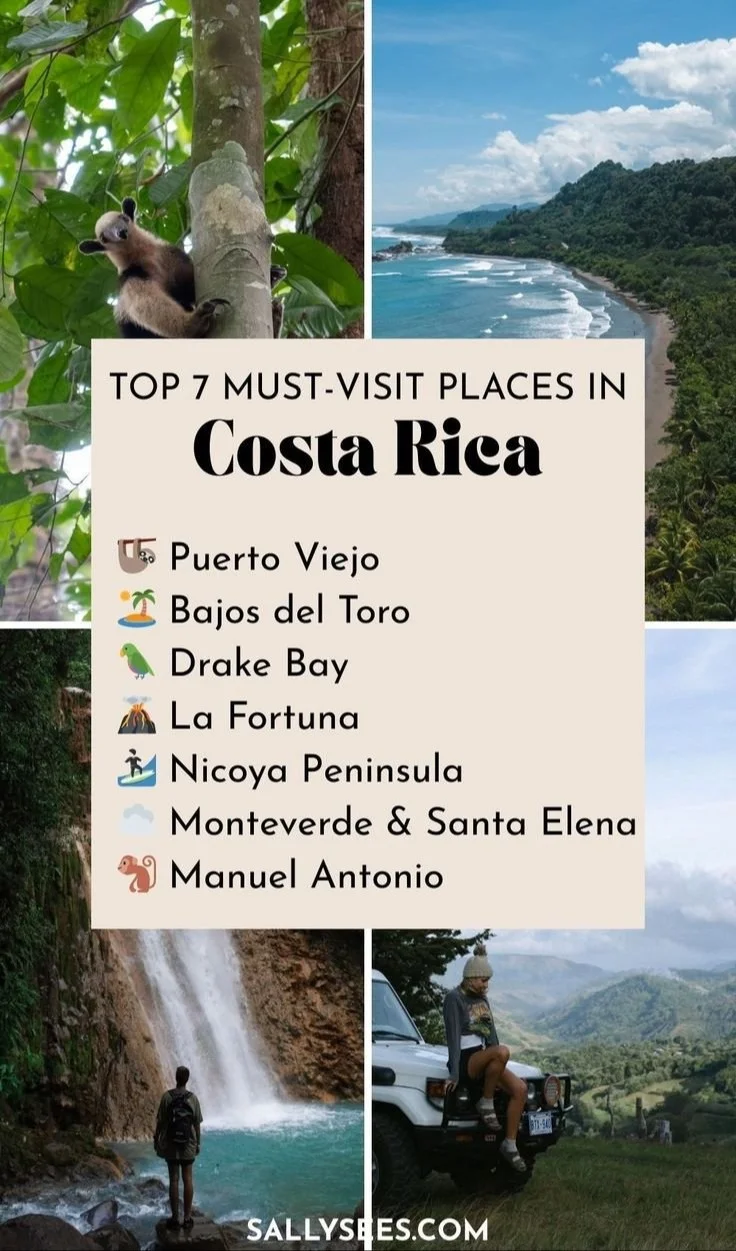
  • Arenal / La Fortuna: Hot springs, Arenal Volcano views, waterfalls, and abundant adventure operators offering canopy tours and rafting.
  • Monteverde Cloud Forest: Premier birding and hiking; best for quetzal sightings and serene cloud-forest walks.
  • Manuel Antonio: Compact national park with beaches, hiking trails, and approachable wildlife viewing near coastal amenities.
  • Nicoya Peninsula: Surf towns (Santa Teresa, Nosara), yoga retreats, and some of the country’s Blue Zones.
  • Osa Peninsula / Corcovado: Remote rainforest, exceptional biodiversity, and unparalleled wildlife for more adventurous travelers.
Top Activities and Adventures
  • Wildlife watching: Dawn and dusk are prime for spotting monkeys, sloths, and birds. Hire local naturalist guides for better success.
  • Surfing: Pacific coast offers waves for beginners to experts; many surf schools and board rentals at main beaches.
  • Rainforest canopy: Zip lines and hanging bridges provide thrilling views and unique perspectives on rainforest ecology.
  • Water adventures: Whitewater rafting and sea kayaking are widely available with varying difficulty levels.
  • Relaxation: Natural hot springs, beachfront lodges, and wellness retreats are plentiful for low-key rest days.
Sample Itineraries (by length)
  • 5 days: San José → La Fortuna (Arenal) 2–3 days → Monteverde 1–2 days → return.
  • 10 days: San José → Arenal → Monteverde → Pacific coast (Manuel Antonio or Nicoya) → relax and surf.
  • 2 weeks: Include Osa Peninsula/Corcovado for a deeper rainforest immersion; combine with a coastal escape.
Budgeting and Money
  • Costs vary widely: budget travelers can get by with hostels and public transport; mid-range travelers use boutique lodges and car rentals.
  • ATMs: Widely available in cities and tourist hubs; carry some cash when visiting remote areas.
  • Tipping: Not mandatory but appreciated — 10% in restaurants if service charge isn’t included; small tips for guides and drivers.
Safety and Practical Tips
  • Natural hazards: Be aware of rip currents on beaches, aggressive weather in rainy months, and uneven forest trails.
  • Personal safety: Costa Rica is relatively safe, but standard precautions against petty theft (watch belongings, lock your rental car) apply.
  • Sustainable travel: Respect protected areas, avoid single-use plastics, and support local businesses and community-run tours.
Packing Checklist
  • Lightweight rain jacket, quick-dry clothing, sturdy hiking shoes, reef-safe sunscreen, insect repellent, reusable water bottle, and a good pair of binoculars for birding.
  • Electrical: 110V outlets with types A/B plugs; bring adapters if necessary.
Responsible and Eco-Friendly Travel
  • Visit national parks with certified guides to reduce impact and learn about conservation efforts.
  • Choose lodges with sustainable practices (water-saving, waste reduction, local sourcing) to support ecological protection.
Final planning tips
  • Book popular lodges and excursions in high season well in advance.
  • Keep an eye on weather forecasts when arranging multi-day treks or boat transfers.
  • Learn basic Spanish phrases — locals appreciate the effort and it enhances interactions.

Conclusion

For detailed reviews to help you choose the best print and digital references, consider these Guidebook Recommendations for Costa Rica to guide your trip planning and on-the-ground decisions.

2026 Planning Update for Costa Rica

A stronger Costa Rica plan starts with intent. Decide whether the trip is about price, scenery, comfort, food, events, outdoor access or a specific bucket-list moment. That decision makes the rest of the planning easier because every hotel, transfer and activity can be judged against the same goal.

For 2026, travelers should also compare total trip cost instead of only headline prices. A cheap hotel can become expensive if transport is weak, while a slightly higher nightly rate can save money if it includes breakfast, transit access or a better location.

Budget and Booking Tips

  • Book refundable accommodation early, then keep comparing prices.
  • Check airport, train or bus access before choosing where to stay.
  • Plan one main paid experience per day instead of overloading the itinerary.
  • Use grocery stops, local transport and shoulder-season dates to control costs.
  • Keep a small buffer for weather, delays, luggage storage or last-minute transfers.

Internal Planning Links

Official Resource to Check

Before finalizing the trip, check an official resource for current rules, entry requirements, park access, event details or health guidance: U.S. State Department international travel information.

Common Mistakes to Avoid

The most common mistake is planning from one viral photo or one cheap price. A useful itinerary checks distance, opening times, weather, local holidays, transfer costs and whether the experience still works if plans change.

Another mistake is ignoring the first and last day. Arrival and departure days often decide whether a trip feels smooth or stressful, so keep them lighter and avoid booking the most important activity immediately after a long transfer.

FAQ

How do you plan Costa Rica on a budget?

Start with flexible dates, compare accommodation outside the most expensive zone, check transport before booking and keep one paid activity as the main highlight.

What should you check before booking Costa Rica?

Check season, local transport, cancellation rules, official travel updates, safety requirements and whether the final cost includes food, transfers and extra fees.

Is Costa Rica worth it in 2026?

Yes, if the trip matches your budget, season and travel style. A focused itinerary usually gives better value than trying to visit too many places at once.
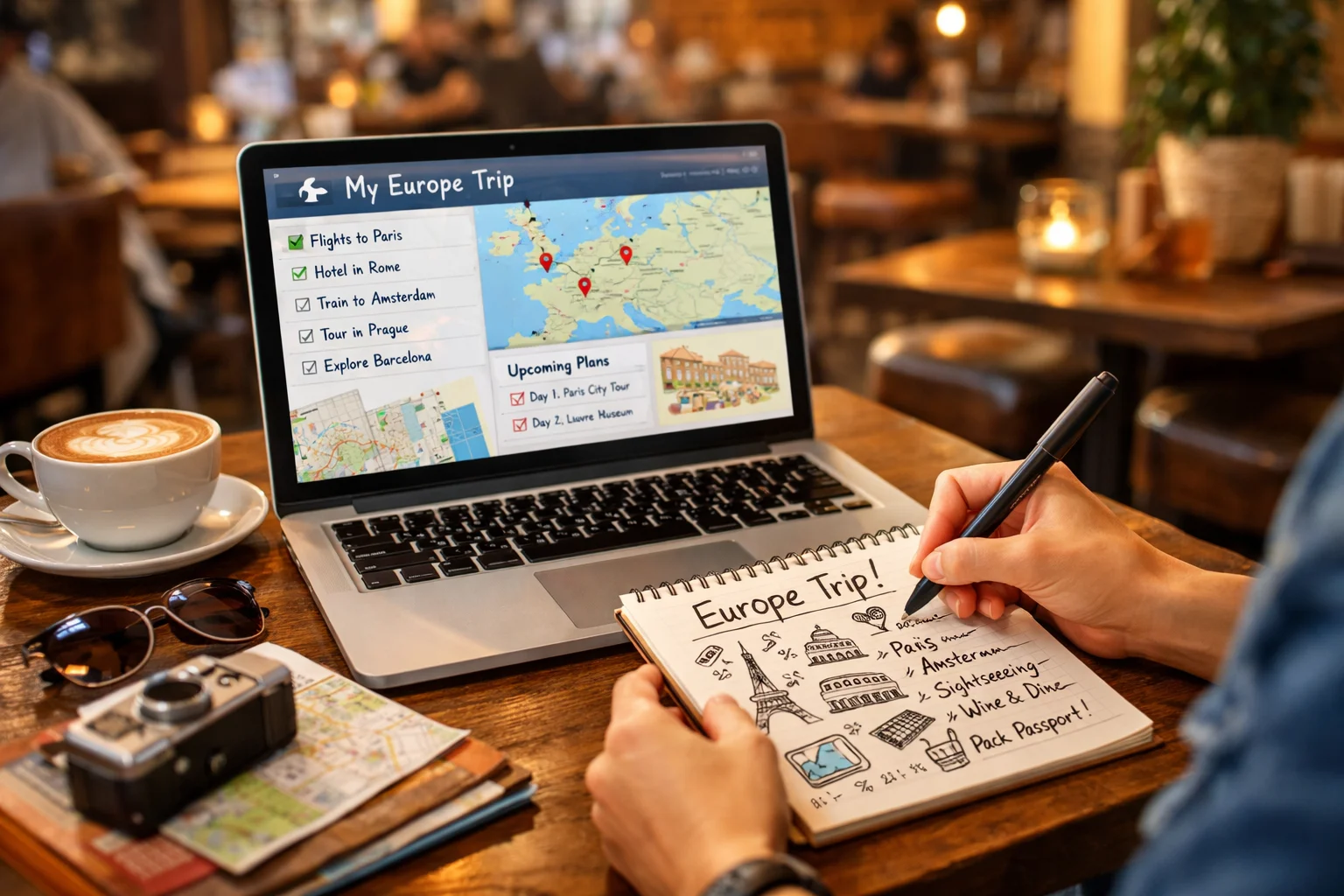
if(last){ var africa=last.cloneNode(true); africa.href="https://www.cnctravel.com/category/africa/"; africa.textContent="Africa"; last.insertAdjacentElement("afterend",africa); } }document.querySelectorAll(".blog article,.archive article").forEach(function(card){ if(card.querySelector("img,.cnc-archive-fallback-image")) return; var title=card.querySelector(".entry-title,h2,h3"); if(!title) return; var image=document.createElement("span"); image.className="cnc-archive-fallback-image"; image.setAttribute("aria-hidden","true"); card.insertBefore(image, card.firstChild); }); }); })();