
Budget travel guide 2026
Explore dark sky tourism destinations for stargazing trips, with park ideas, planning tips and advice for better night-sky travel.
Route at a glance
Dark sky tourism destinations is easiest to plan when you compare season, total trip cost, transport, where to stay and the main experience you want before booking.
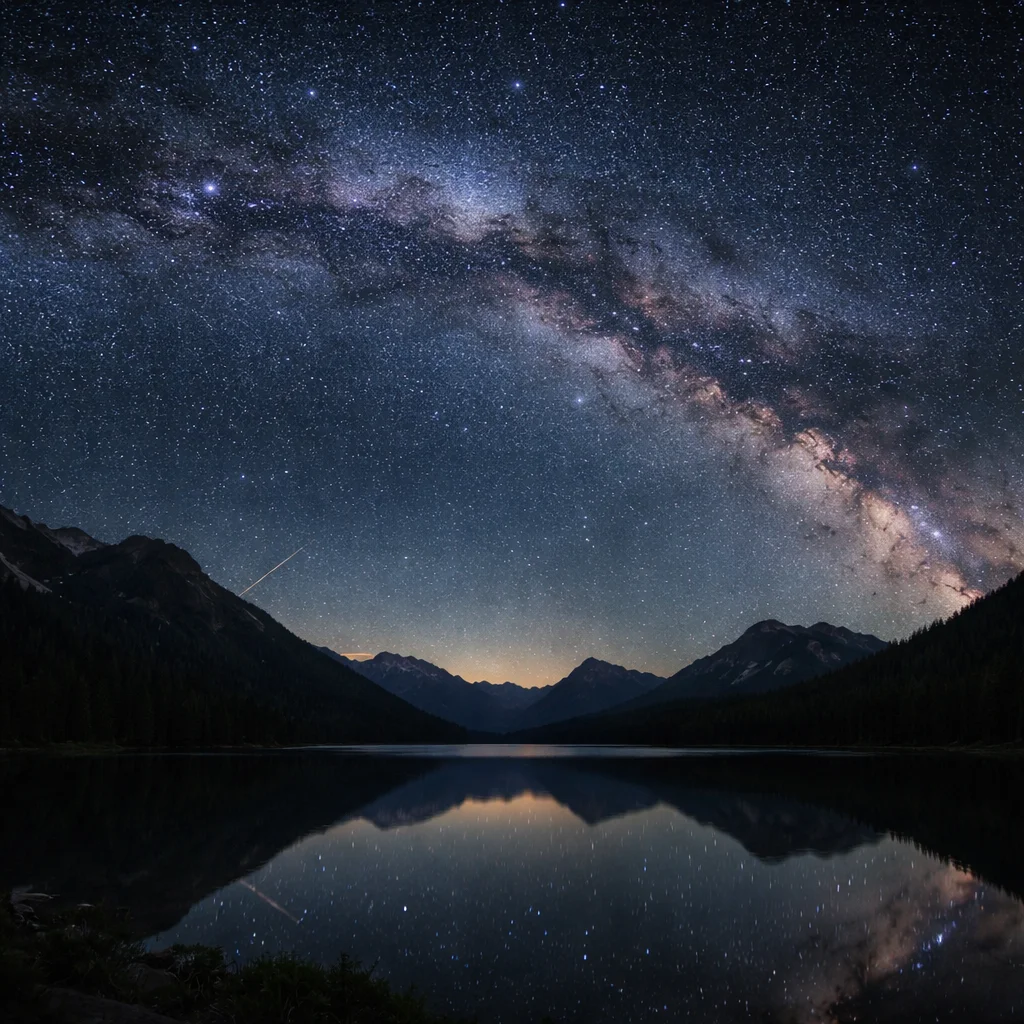
Ever planned a road trip, only to realize that you can’t see a single star at night? Yeah, we’ve all been there—just you, a picnic blanket, and… the faint glow of the nearest 7-Eleven sign. Dark sky tourism destinations are popping up everywhere as people chase adventures under actual constellations (not city smog). Let’s face it: sometimes you just need to see the Milky Way with your own eyes. It’s kinda like finding those hidden gems affordable destinations you can’t miss in travel—except, you know, you’re not wrestling crowds or airport security.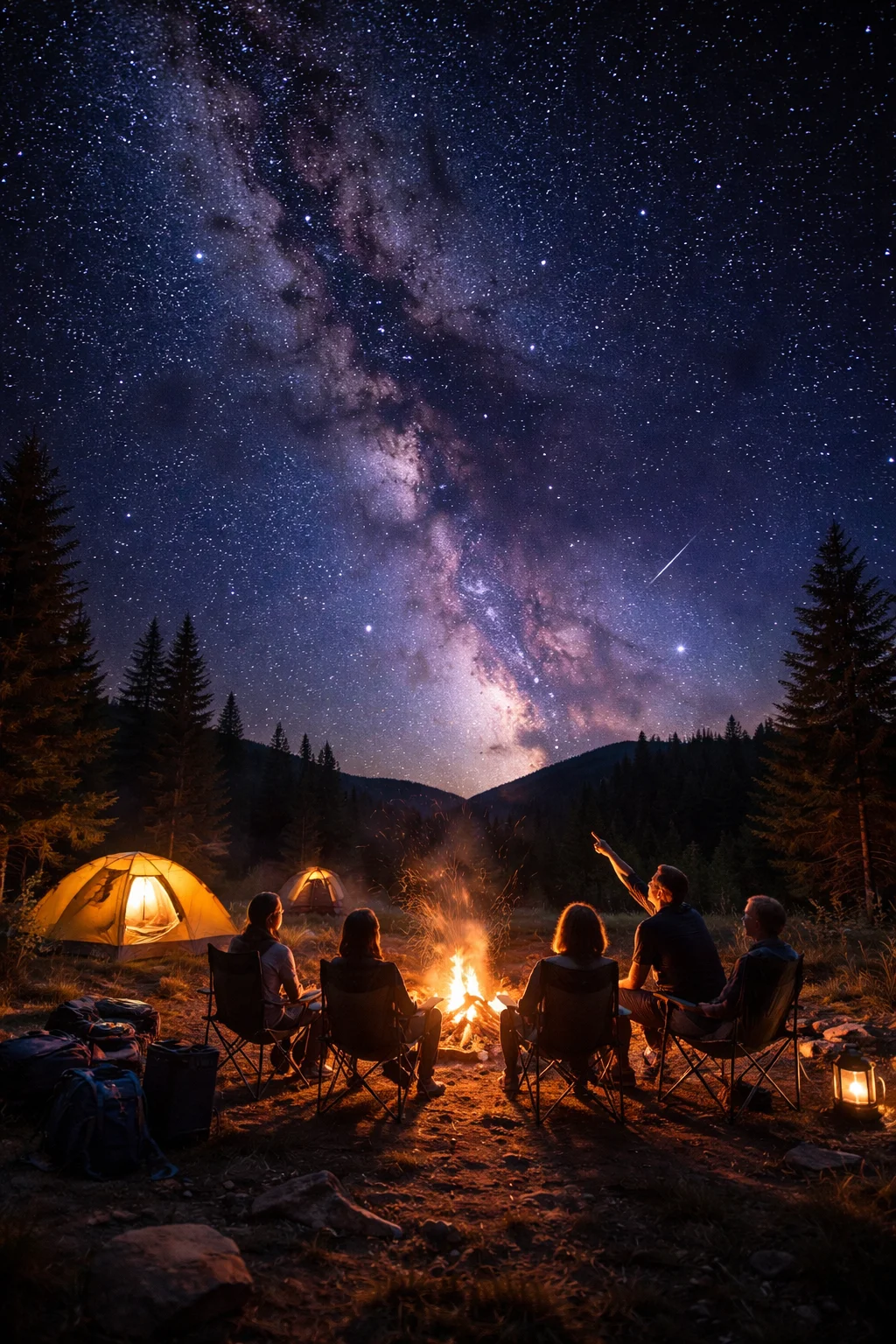
What is Dark Sky Tourism?
Let me break it down for you in everyday terms—dark sky tourism is, basically, traveling to places where you can really see the stars. No light pollution. No neon signs. Just cosmic goodness.- Think national parks, remote mountain towns, and deserts.
- Perfect for stargazing, nighttime hikes, or just zoning out.
- Some places even host astronomy events with giant telescopes.
“I took my kids to a dark sky park, and they still talk about tracing constellations. They were more excited than any amusement park trip!” – Jamie L., Oregon
Benefits of Dark Sky Tourism for Local Communities
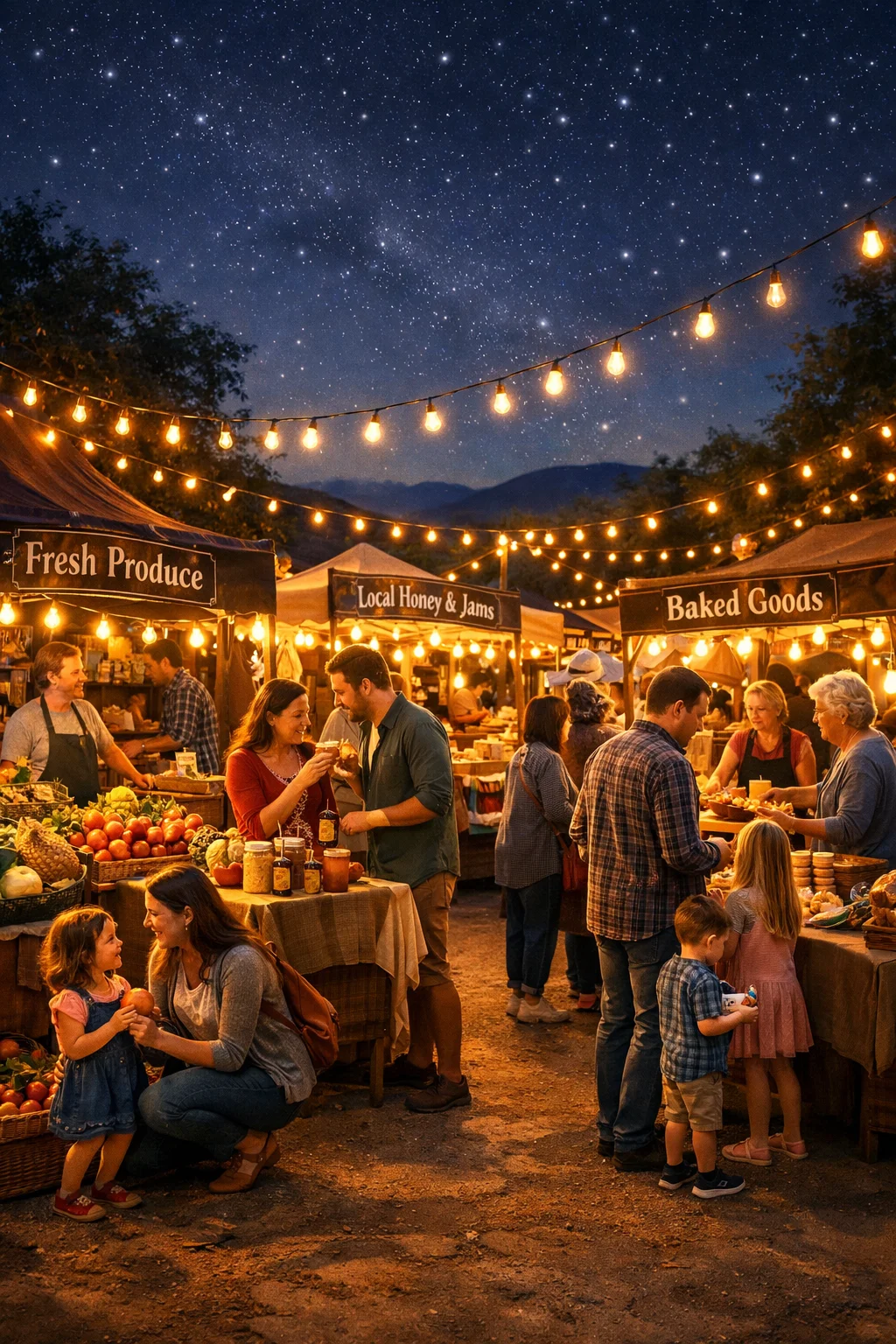
So, what’s in it for the locals? Turns out—a lot. Supporting dark sky areas brings some real wins:- Boosts small businesses (think cozy inns, family-run diners, and quirky souvenir shops).
- Keeps things sustainable—no need to overbuild or destroy nature.
- Puts local guides to work, leading night walks and astronomy nights.
How to Promote Dark Sky Tourism in Your Area
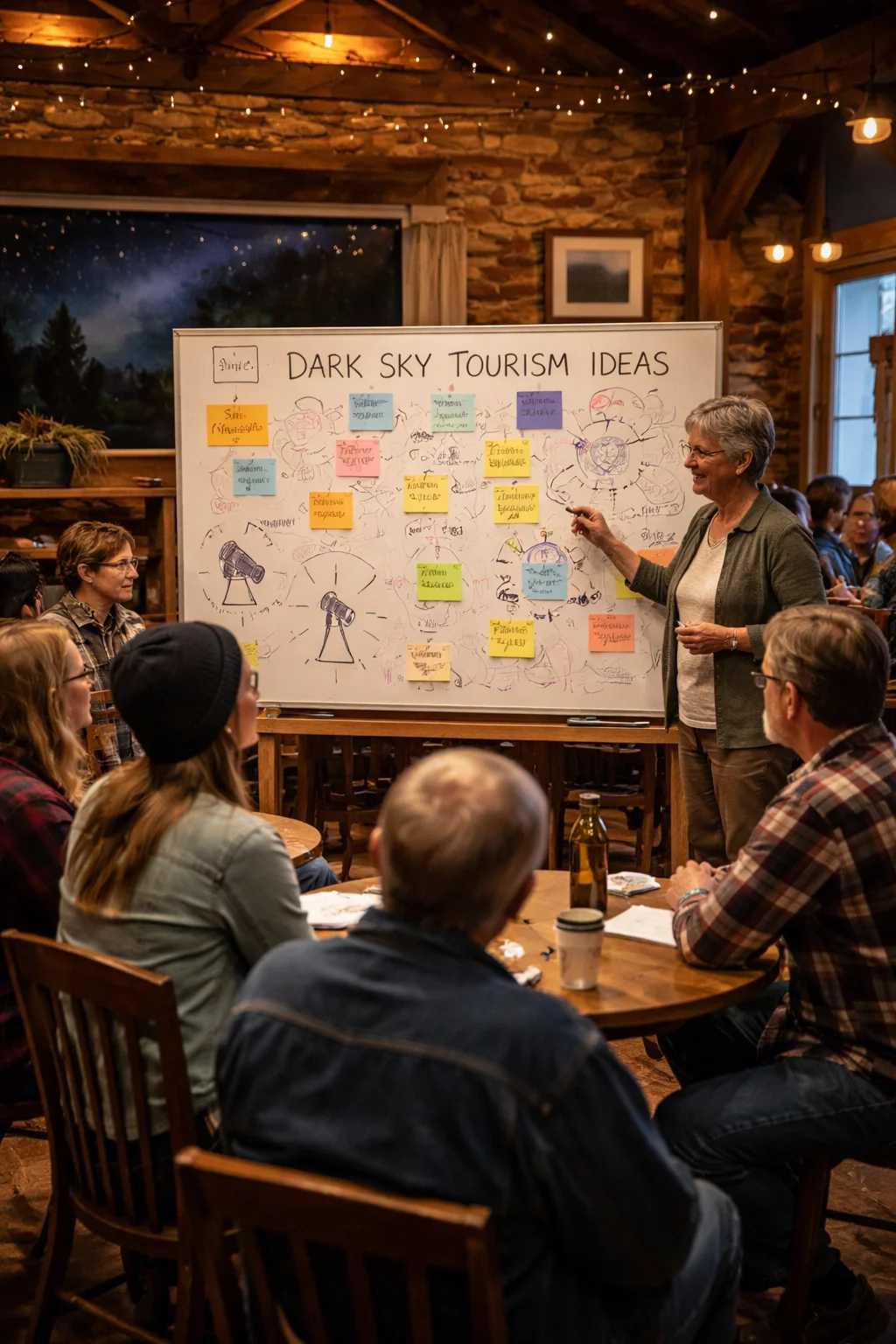
Alright, let’s say your own town could be prime for dark sky tourism—what can you do? Simple stuff helps:- Encourage businesses to use softer, shielded lighting.
- Share photos and stories online (#DarkSkyLife, anyone?).
- Team up with astronomy buffs or national park rangers for events (everyone loves a laser pointer tour of the stars).
Examples of Successful Dark Sky Tourism Initiatives
Some places are totally crushing it when it comes to stargazing tourism.- International Dark Sky Parks like Big Bend (Texas) and Aoraki Mackenzie (New Zealand) pull in serious stargazing crowds.
- Local festivals, like Utah’s Bryce Canyon Astronomy Fest, let everyone geek out together.
- Couple of towns in Europe switched to star-friendly streetlights—and wow, their tourism shot up without breaking the bank.
The Role of Conservation in Dark Sky Tourism
Last thing—this all ties back to protecting the wild. Starlight, wildlife, and ancient landscapes all thrive when we turn down the watts.- Dark sky policies keep animals on their natural sleep schedules. Bat fans: you’re welcome.
- Local conservation groups often step in to help educate and maintain the area.
- Tourists are more mindful too—it’s cool to see how starry wonders inspire people to take care of the planet.
Common Questions
Can I just stargaze anywhere? You can, but your local skies probably aren’t great. Real dark sky spots make everything look jaw-dropping.Is this expensive to try? Nope, not at all. Most of these areas are super budget-friendly, especially compared to city trips.What should I bring? Warm clothes (nights get cold!), a blanket, bug spray, maybe a cheap telescope. Oh, and snacks. Don’t be like me and get distracted.Are these places safe for families? Absolutely! Many sites have family-friendly programs—and the kids will remember it.How do I find a dark sky spot? Just look up “dark sky parks” online, or check with ranger stations. Some travel sites put together awesome lists, by the way.Time to Pack Your Blanket (and Maybe a Thermos)
Honestly, dark sky tourism has become my favorite excuse to just… be outside at night. There’s nothing like spotting a shooting star, or listening to folks gasp the first time they see the Milky Way. If you want even more inspiration, check out resources like the Dark Sky Place finder | DarkSky International, and for tips on local events or business ideas hit Dark Sky Tourism – Travel Oregon Industry. Whether you’re new to all this or a veteran constellation-chaser—give it a go. Trust me, it’s a million times better than just scrolling through stargazing pics online.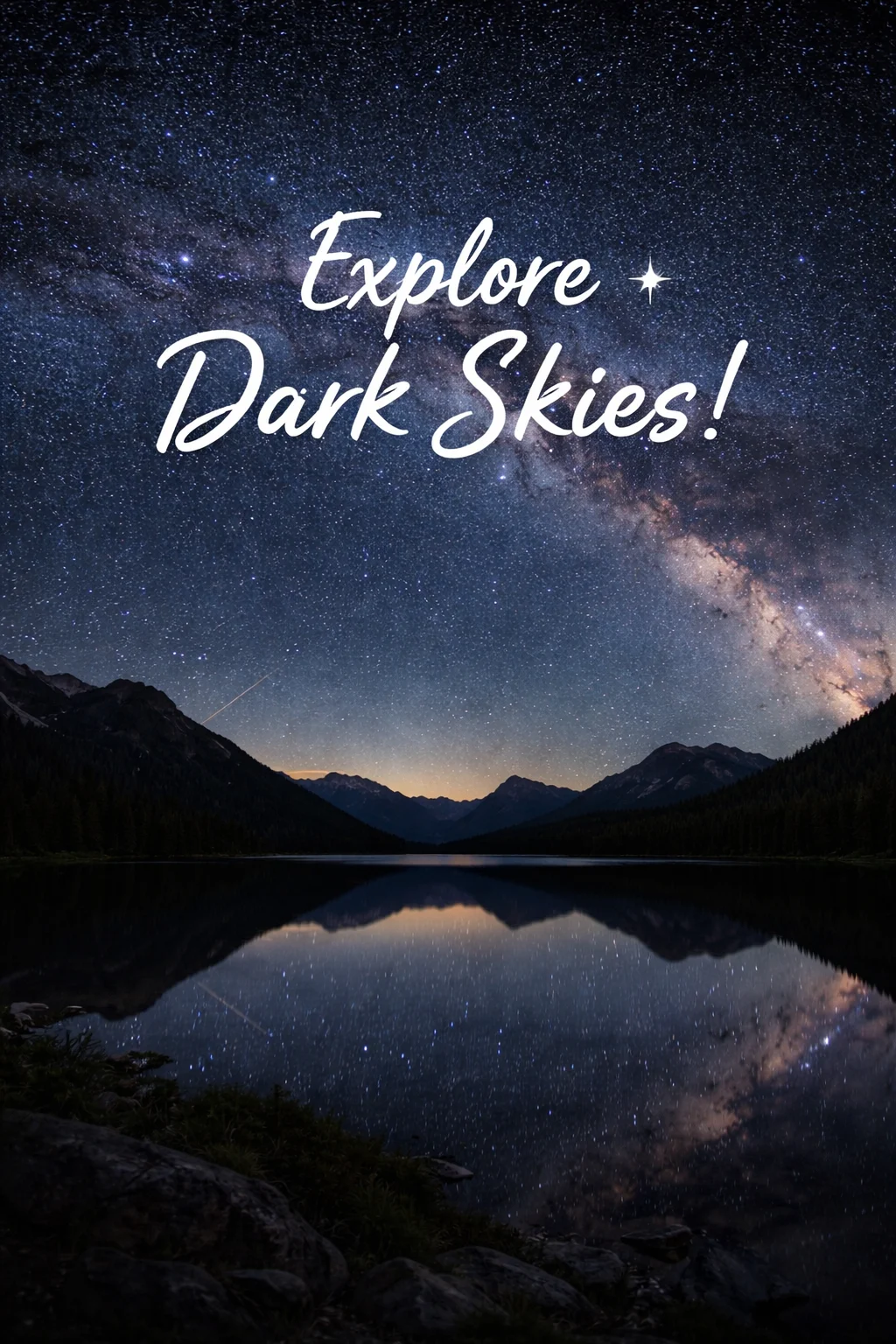
Best Time to Visit
The best time for dark sky tourism is around a new moon, outside rainy seasons, and away from major holiday crowds. Always check moon phase, cloud cover, and park access before booking.
Helpful Planning Links
Use these related CNC Travel guides to compare routes, budgets, and destination ideas before booking.
Frequently Asked Questions
What exactly counts as dark sky tourism?
Dark sky tourism is travel planned around places with low light pollution, where visitors can see stars, planets, meteor showers, and the Milky Way more clearly.
Do you need special gear for stargazing trips?
You do not need much gear. Warm layers, a red-light flashlight, a simple star app, and patience are enough for most beginners.
Are dark sky destinations good for families?
Yes, if you choose safe access, short night drives, and lodging close to the viewing area.
2026 Planning Update for Dark Sky Tourism Destinations
A stronger dark sky tourism destinations plan starts with intent. Decide whether the trip is about price, scenery, comfort, food, events, outdoor access or a specific bucket-list moment. That decision makes the rest of the planning easier because every hotel, transfer and activity can be judged against the same goal.
For 2026, travelers should also compare total trip cost instead of only headline prices. A cheap hotel can become expensive if transport is weak, while a slightly higher nightly rate can save money if it includes breakfast, transit access or a better location.
Budget and Booking Tips
- Book refundable accommodation early, then keep comparing prices.
- Check airport, train or bus access before choosing where to stay.
- Plan one main paid experience per day instead of overloading the itinerary.
- Use grocery stops, local transport and shoulder-season dates to control costs.
- Keep a small buffer for weather, delays, luggage storage or last-minute transfers.
Internal Planning Links
- Explore Bacalar, Mexico: Your Friendly Budget Travel Guide
- Explore the World Cup 2026 Host City Itinerary for Non-Sports Fans
- Best Cities for Concert Travel: Your Guide to Music Festival Logistics
Official Resource to Check
Before finalizing the trip, check an official resource for current rules, entry requirements, park access, event details or health guidance: National Park Service trip planning.
Common Mistakes to Avoid
The most common mistake is planning from one viral photo or one cheap price. A useful itinerary checks distance, opening times, weather, local holidays, transfer costs and whether the experience still works if plans change.
Another mistake is ignoring the first and last day. Arrival and departure days often decide whether a trip feels smooth or stressful, so keep them lighter and avoid booking the most important activity immediately after a long transfer.
FAQ
How do you plan dark sky tourism destinations on a budget?
Start with flexible dates, compare accommodation outside the most expensive zone, check transport before booking and keep one paid activity as the main highlight.
What should you check before booking dark sky tourism destinations?
Check season, local transport, cancellation rules, official travel updates, safety requirements and whether the final cost includes food, transfers and extra fees.
Is dark sky tourism destinations worth it in 2026?
Yes, if the trip matches your budget, season and travel style. A focused itinerary usually gives better value than trying to visit too many places at once.