
Budget travel guide 2026
Experience the most beautiful train ride in America for just $97. Discover stunning views and affordable adventure today!
In this guide
Route at a glance
The Most Beautiful Train Ride in America for $97: A Journey Worth Taking
Introduction There’s something almost timeless about train travel: the slow unfurling of landscapes, the unhurried conversations in the dining car, and the way every bend reveals a new postcard view. For roughly $97, you can ride a route that many travelers and critics call one of the most beautiful in America. If you’d like ideas for charming places to explore around the route’s stops, check out a guide to the 17 most charming small towns to plan side trips that pair perfectly with a scenic rail journey.
Why $97 Feels Like a Steal At first glance, $97 sounds like a bargain for a major scenic trip, and in many cases it is. That fare usually covers coach seating on a long-distance daytime route that threads together dramatic coastlines, mountain passes, river valleys, and rolling farmland. For travelers who don’t need private sleeper accommodations, the cost-to-experience ratio is exceptional: you get hours of uninterrupted scenery, onboard amenities like a café or sightseer lounge, and a slow, contemplative pace that’s impossible to replicate by car or plane.
What Makes This Route Special
- Diverse landscapes: The route moves through varied ecosystems—think jagged peaks giving way to lush forests, then opening onto vast river canyons and coastal stretches. The changing scenery keeps even long-legged travelers glued to the window.
- Iconic engineering and history: Many scenic lines follow historic corridors carved in the 19th and early 20th centuries. Tunnels, trestles, and vintage stations provide a sense of heritage alongside natural beauty.
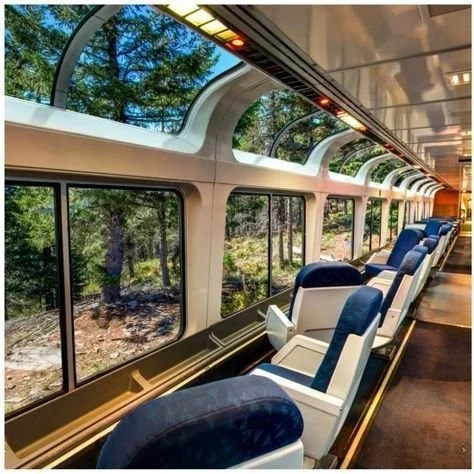
- Photographic moments: Sunrise and sunset rides produce cinematic light on ridgelines and water. Vista points from observation cars offer unobstructed views for both casual snapshots and serious photography.
- Community and culture: Stops along the way often link to small towns and regional attractions—farm-to-table restaurants, local museums, craft shops, and hiking trailheads—making it easy to turn a single ride into a multi-day regional exploration.
How to Make the Most of the Ride
- Choose your seat wisely: If possible, reserve a window seat on the side that faces the coastline or mountains for the longest uninterrupted views. If the train has a sightseer lounge or dome car, spend time there between naps.
- Travel light but prepared: Pack a water bottle, layered clothing (trains can run warm or cool), and small binoculars. A power bank helps keep cameras and phones charged for photos.
- Time your trip: Spring and fall offer vibrant colors and fewer crowds; winter can reveal a stark, snow-dusted beauty; summer gives long daylight hours. Consider checking local weather and daylight times when booking.
- Break it up: If your schedule allows, plan an overnight stop in a town along the line. A short local walk or an evening in a cozy inn enriches the journey and reduces travel fatigue.
- Be mindful of motion blur: For photographers, using a slightly higher shutter speed and resting your camera on the window frame helps capture crisp images while the train is moving.
Onboard Experience and Practicalities At $97, you’re typically traveling coach, but many trains include comfortable reclining seats, a snack car, restrooms, and friendly staff. If you prefer more amenities, investigate upgrade options—domestic sleeper cabins, dining service packages, or window-focused seating—which can dramatically transform the experience. Keep an eye on baggage policies and reservation deadlines; popular scenic routes can sell out during peak seasons.
Who Should Take This Trip
- Slow travelers who enjoy savored moments and landscapes
- Photographers looking for unique perspectives of iconic terrain
- Families seeking an alternative to driving with kids
- Anyone wanting a low-stress route between towns without the hassle of airports or rental cars
A Few Route-Specific Tips
- If the route runs along a coast, pick the direction that keeps the ocean on your preferred side for most of the trip.
- When traveling through mountain passes, sit on the side that faces the valley views during the pass segment.
- Ask conductors and staff about best vantage points and schedule adjustments; they often know where the light will be best for photos and when ferries or local displays are happening.
Sustainability and Slow Travel Train travel remains one of the most climate-friendly ways to move long distances. Choosing a scenic rail trip supports public transit infrastructure and encourages conservation-minded tourism in small towns and protected landscapes. It also fosters a slower, more intentional travel ethic—an antidote to the rushed itineraries of modern life.
Planning Your Budget Beyond the Fare Factor in transfers to and from the station, meals not included in coach service, optional overnight stays, and any excursions at stops. Even with these extras, a well-planned two- to three-day scenic train getaway can remain highly affordable compared with driving, renting a car, and paying for lodging plus fuel.
Final thought For roughly $97 you can experience a route that combines natural grandeur, historic charm, and the relaxed pace of rail travel—an accessible way to see some of America’s most celebrated landscapes without breaking the bank.
Conclusion
For more background on this specific cheap-yet-scenic journey and the exact itinerary that inspired the $97 price point, read the full feature from Yahoo in their article highlighting the most beautiful train ride in America.
2026 Planning Update for Train Ride
A stronger train ride plan starts with intent. Decide whether the trip is about price, scenery, comfort, food, events, outdoor access or a specific bucket-list moment. That decision makes the rest of the planning easier because every hotel, transfer and activity can be judged against the same goal.
For 2026, travelers should also compare total trip cost instead of only headline prices. A cheap hotel can become expensive if transport is weak, while a slightly higher nightly rate can save money if it includes breakfast, transit access or a better location.
Budget and Booking Tips
- Book refundable accommodation early, then keep comparing prices.
- Check airport, train or bus access before choosing where to stay.
- Plan one main paid experience per day instead of overloading the itinerary.
- Use grocery stops, local transport and shoulder-season dates to control costs.
- Keep a small buffer for weather, delays, luggage storage or last-minute transfers.
Internal Planning Links
- Explore Bacalar, Mexico: Your Friendly Budget Travel Guide
- Explore the World Cup 2026 Host City Itinerary for Non-Sports Fans
- Best Cities for Concert Travel: Your Guide to Music Festival Logistics
Official Resource to Check
Before finalizing the trip, check an official resource for current rules, entry requirements, park access, event details or health guidance: U.S. State Department international travel information.
Common Mistakes to Avoid
The most common mistake is planning from one viral photo or one cheap price. A useful itinerary checks distance, opening times, weather, local holidays, transfer costs and whether the experience still works if plans change.
Another mistake is ignoring the first and last day. Arrival and departure days often decide whether a trip feels smooth or stressful, so keep them lighter and avoid booking the most important activity immediately after a long transfer.
FAQ
How do you plan train ride on a budget?
Start with flexible dates, compare accommodation outside the most expensive zone, check transport before booking and keep one paid activity as the main highlight.
What should you check before booking train ride?
Check season, local transport, cancellation rules, official travel updates, safety requirements and whether the final cost includes food, transfers and extra fees.
Is train ride worth it in 2026?
Yes, if the trip matches your budget, season and travel style. A focused itinerary usually gives better value than trying to visit too many places at once.