
Table of Contents
Mexican cuisine is known for its rich flavors, vibrant colors, and diverse ingredients. But did you know that many traditional Mexican dishes can be made vegetarian or even vegan without losing their authenticity? Plant-based Mexican cuisine offers a delightful way to enjoy the bold, earthy flavors of Mexico while prioritizing health and sustainability.
The History of Mexican Vegetarian Dishes
Traditional Roots
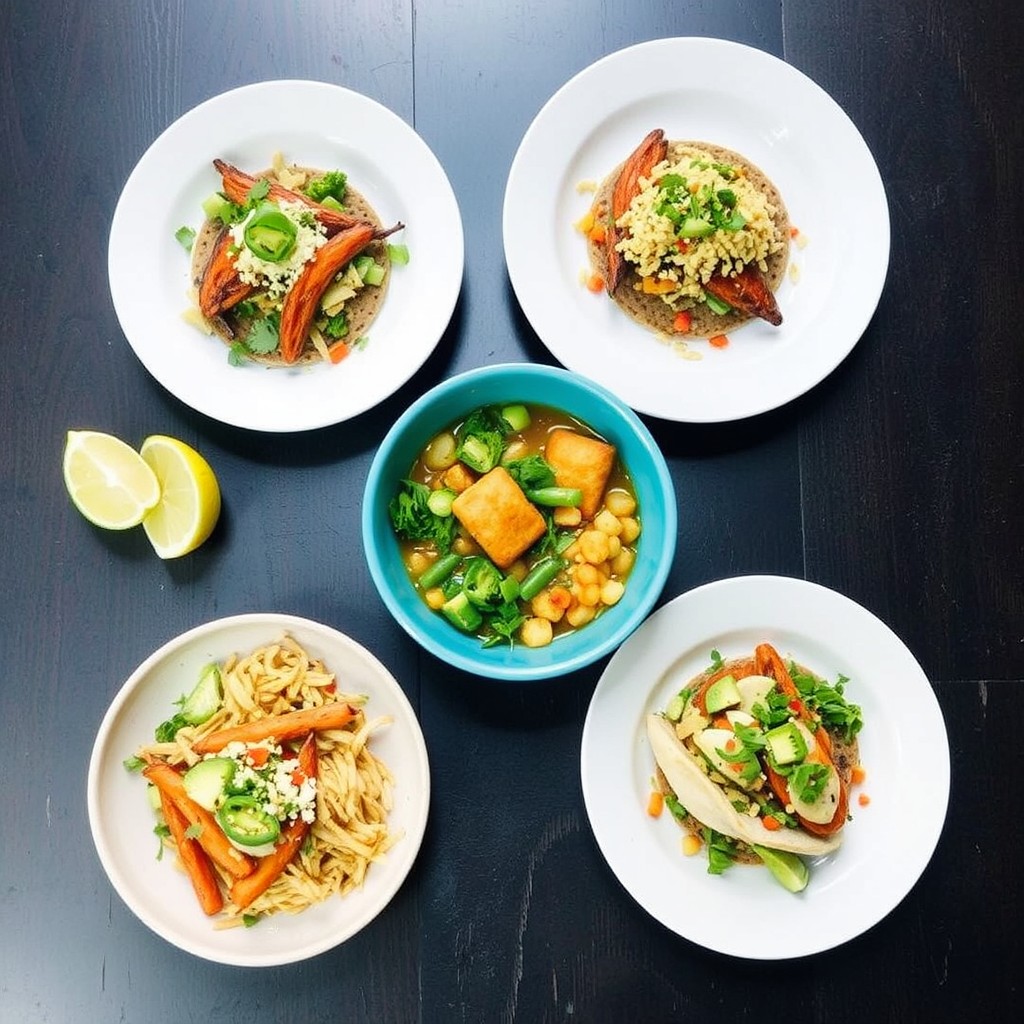
Mexican cuisine has deep roots in indigenous traditions, which often featured plant-based ingredients long before the introduction of meat. Staples such as corn, beans, squash, and chili peppers formed the backbone of the Mesoamerican diet.
Adapting to Modern Times
As plant-based diets become more popular, chefs and home cooks are reinventing traditional recipes with a vegetarian twist, bringing back age-old recipes and giving them a modern spin.
Benefits of Plant-Based Mexican Food
Health Benefits
A plant-based diet is known for being high in fiber, vitamins, and antioxidants. Consuming more vegetables, legumes, and whole grains can lead to better heart health, improved digestion, and reduced risk of chronic diseases.
Environmental Impact
Plant-based eating is more sustainable as it reduces carbon footprints and conserves water. By choosing plant-based Mexican dishes, you’re contributing to a healthier planet.
Essential Ingredients in Plant-Based Mexican Cooking
Beans and Legumes
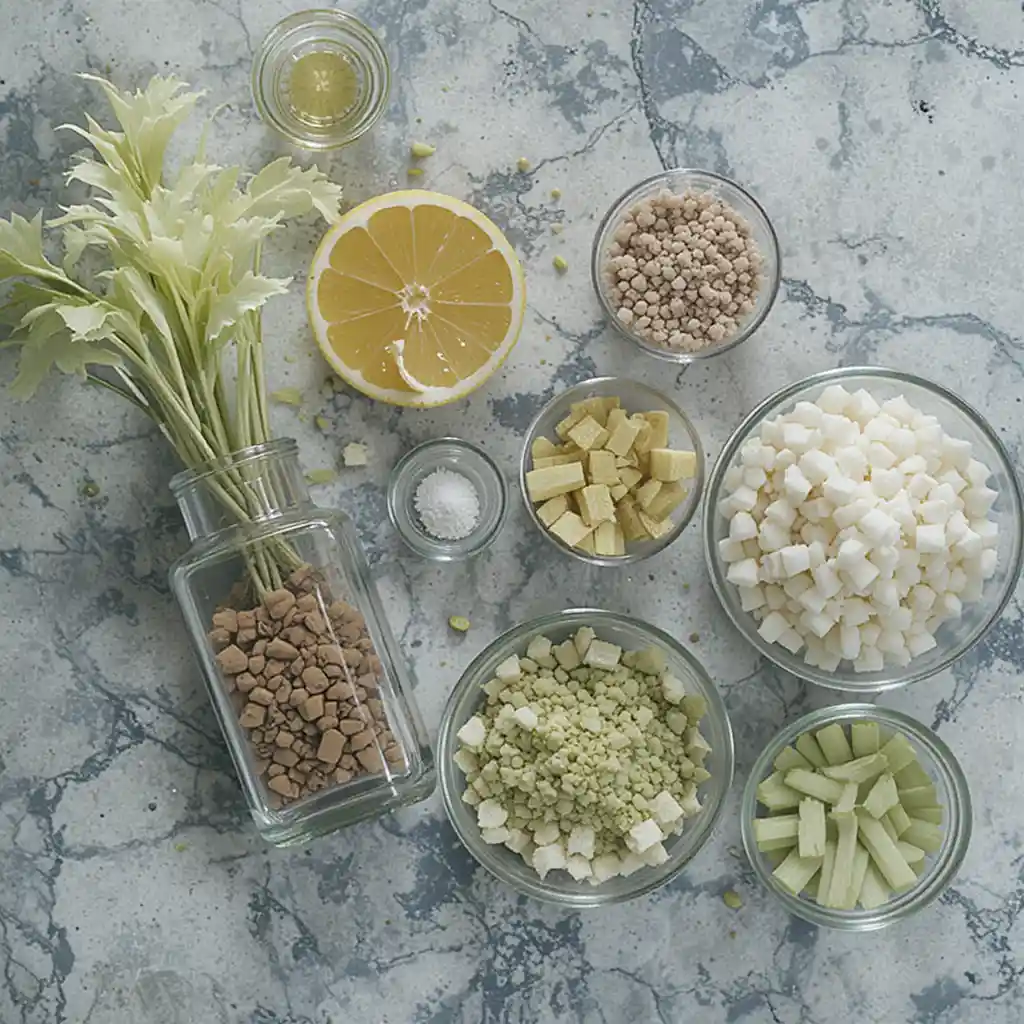
Beans like black beans, pinto beans, and lentils are essential in Mexican dishes. They are hearty, protein-rich, and can be used in soups, stews, and tacos.
Corn
Corn is the cornerstone of many Mexican foods. From tortillas and tamales to elote (grilled corn on the cob), corn is a versatile and gluten-free option.
Chilies and Spices
Mexican dishes are known for their depth of flavor, often brought to life with chilies like jalapeños, poblanos, and ancho peppers. Spices like cumin, coriander, and oregano add layers of taste.
Avocado
Avocado is a favorite in Mexican cooking for its creamy texture and healthy fats. It’s used in guacamole, salads, and as a topping for tacos and tostadas.
Herbs
Fresh herbs like cilantro and epazote add unique flavors. They are often used as garnishes or stirred into dishes for an aromatic finish.
Classic Plant-Based Mexican Recipes to Try
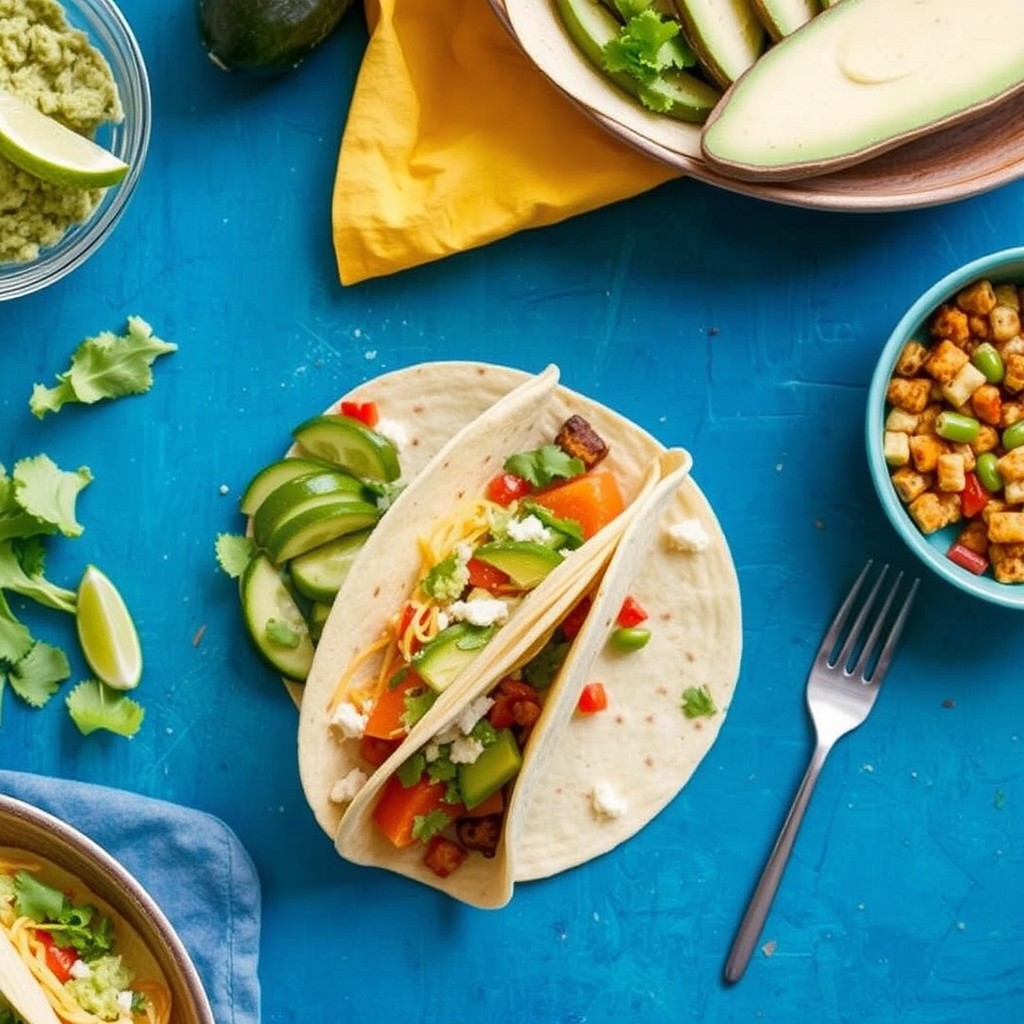
1. Vegetarian Tacos
Ingredients:
- Corn tortillas
- Black beans
- Grilled bell peppers and onions
- Avocado slices
- Salsa and fresh cilantro
Instructions:
- Heat the tortillas on a skillet.
- Layer with seasoned black beans and grilled vegetables.
- Top with avocado, salsa, and cilantro for a fresh finish.
2. Enchiladas with Spinach and Mushroom
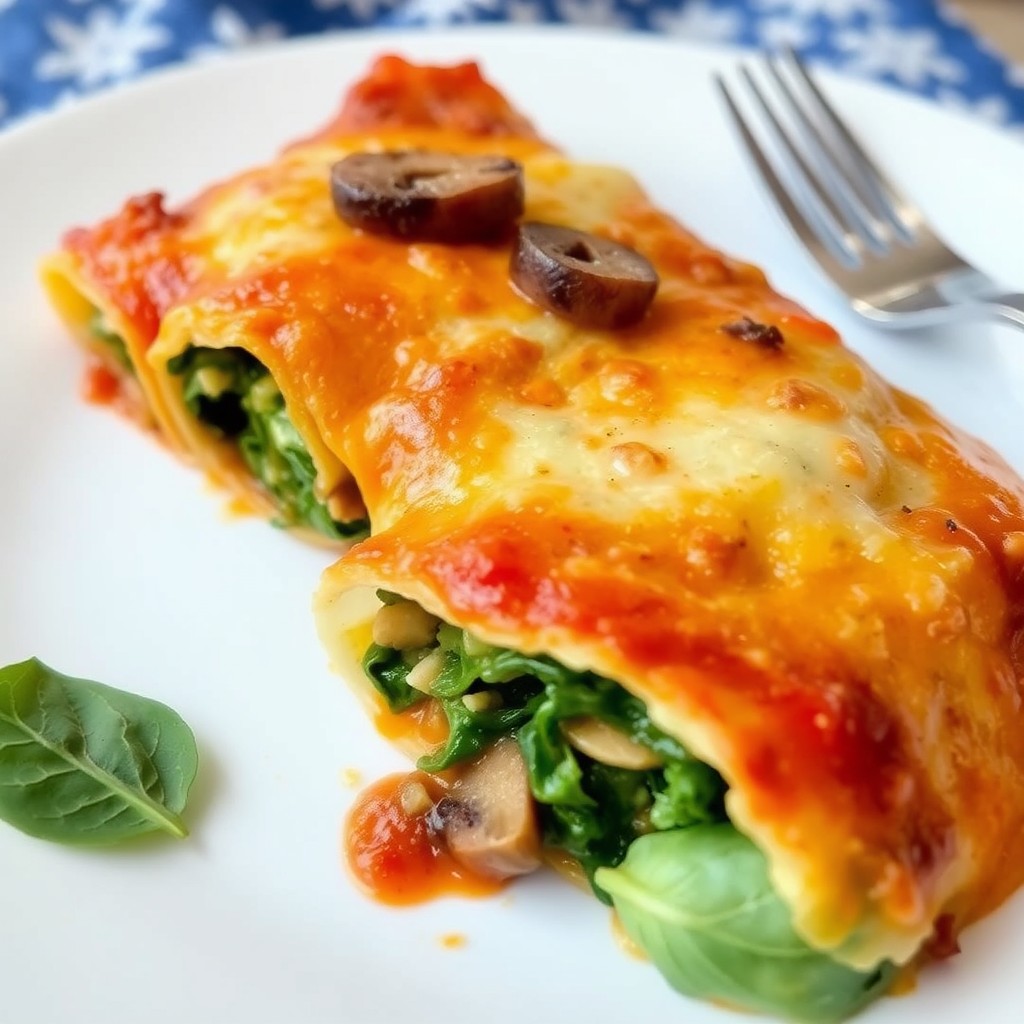
Ingredients:
- Corn tortillas
- Spinach
- Mushrooms
- Enchilada sauce
- Vegan cheese
Instructions:
- Sauté spinach and mushrooms.
- Roll the mixture into tortillas and place in a baking dish.
- Cover with enchilada sauce and vegan cheese.
- Bake at 350°F for 20 minutes.
3. Guacamole
Ingredients:
- 2 ripe avocados
- 1 lime
- Diced red onion
- Chopped cilantro
- Salt and diced jalapeño (optional)
Instructions:
- Mash avocados in a bowl.
- Add lime juice, onion, cilantro, and salt. Mix well.
- Serve with tortilla chips or as a topping.
Tips for Authentic Vegetarian Cooking
Use Fresh, Local Ingredients
Opt for fresh vegetables and herbs to enhance the authentic flavors. Farmers’ markets are great places to find locally grown produce.
Experiment with Plant-Based Proteins
Tofu, tempeh, and jackfruit can replace meat in many recipes. For example, jackfruit tacos mimic the texture of pulled pork and absorb marinades well.
Add Depth with Spices
Toast spices lightly before adding them to your dish to unlock their full flavor.
How to Make Your Mexican Feast Complete
Sides and Snacks
- Elote: Grilled corn seasoned with lime, chili powder, and plant-based mayo.
- Refried Beans: Make a healthier version using olive oil instead of lard.
Drinks to Complement Your Meal
- Agua Fresca: A refreshing blend of fruit, water, and a touch of sweetener.
- Horchata: A rice-based drink with cinnamon that pairs well with spicy food.
Common Substitutes in Plant-Based Mexican Recipes
Cheese
Replace traditional cheese with vegan options made from cashews or almonds.
Sour Cream
Coconut yogurt or cashew cream can replicate the tangy taste of sour cream.
Meat Substitutes
Plant-based crumbles or marinated tofu are excellent replacements for ground beef or chicken.
Conclusion
Plant-based Mexican cuisine is not just delicious it’s a celebration of vibrant flavors, nutritious ingredients, and cultural heritage. By choosing vegetarian options, you embrace a healthier lifestyle and a more sustainable future.
FAQs
1. What are some plant-based protein sources in Mexican cuisine? Beans, lentils, and tofu are common sources. They are rich in protein and can be seasoned to taste like traditional meat dishes.
2. Can traditional Mexican desserts be made vegan? Yes! Desserts like flan can be made using plant-based milk and agar-agar instead of gelatin.
3. How do I make my guacamole more flavorful? Add diced jalapeño and a dash of garlic powder to give it a kick.
4. What is the best substitute for cheese in quesadillas? Vegan cheese made from cashews or almonds melts well and tastes delicious.
5. Are there any traditional Mexican drinks that are naturally vegan? Yes, drinks like tamarind agua fresca and hibiscus tea (Jamaica) are naturally vegan and very refreshing.