

Budget travel guide 2026
Quick answer: Secret Cenotes: 7 Hidden Diving Spots Near Tulum and How to Find Them
In this guide
Suggested route
Table of Contents
Tulum, with its sun-kissed beaches and rich cultural heritage, is famed for its breathtaking cenotes. These natural wonders offer unique experiences for divers and adventurers. While many visit popular cenotes, hidden gems await those keen to explore off the beaten path. Here are seven lesser-known cenotes near Tulum that promise unforgettable diving experiences.
1. Cenote Escondido
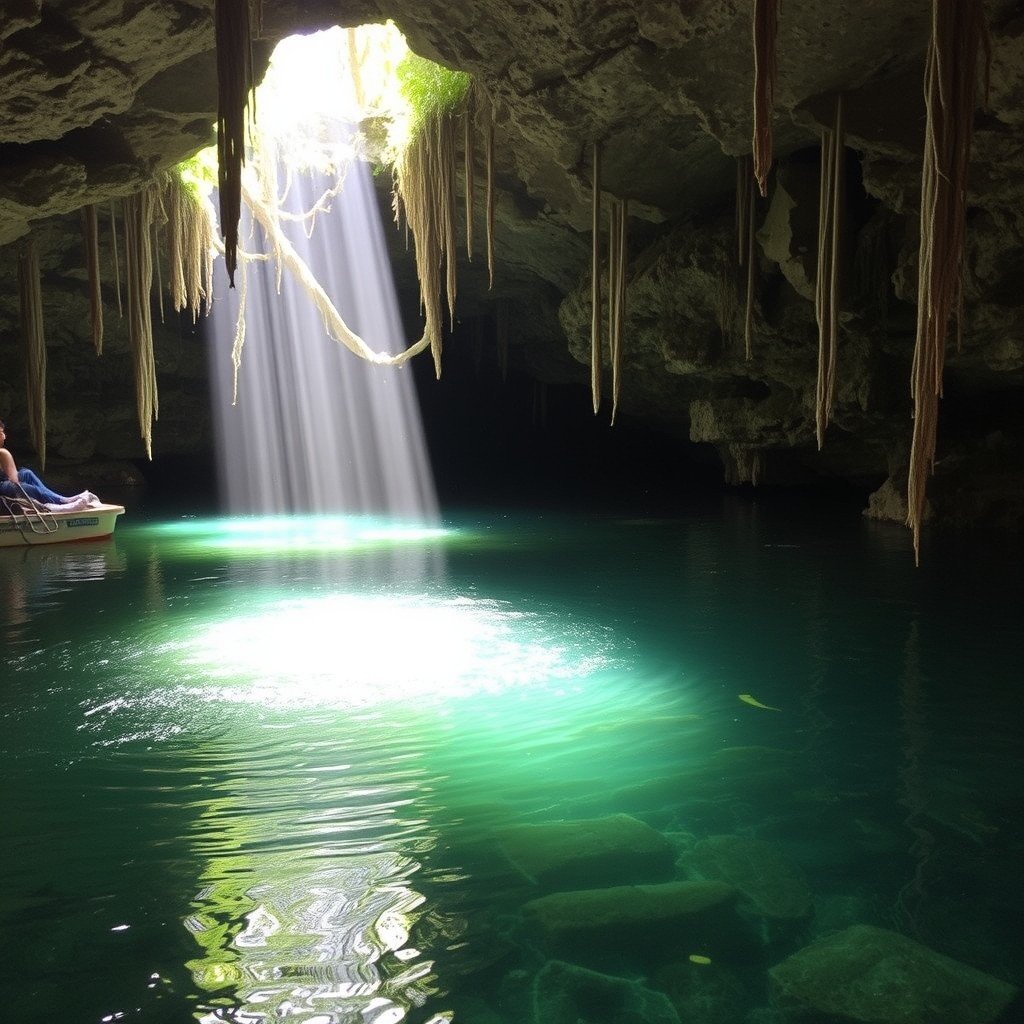
Location and Accessibility
Nestled just a few kilometers from Tulum, Cenote Escondido is aptly named for its secluded nature. Accessible via a short jungle trail, it offers a sense of adventure right from the start.
Diving Experience
With crystal-clear waters and varying depths, this cenote is perfect for beginners and experienced divers alike. The surrounding flora adds to the serene environment, making it ideal for a peaceful dive.
2. Cenote Calavera (Temple of Doom)
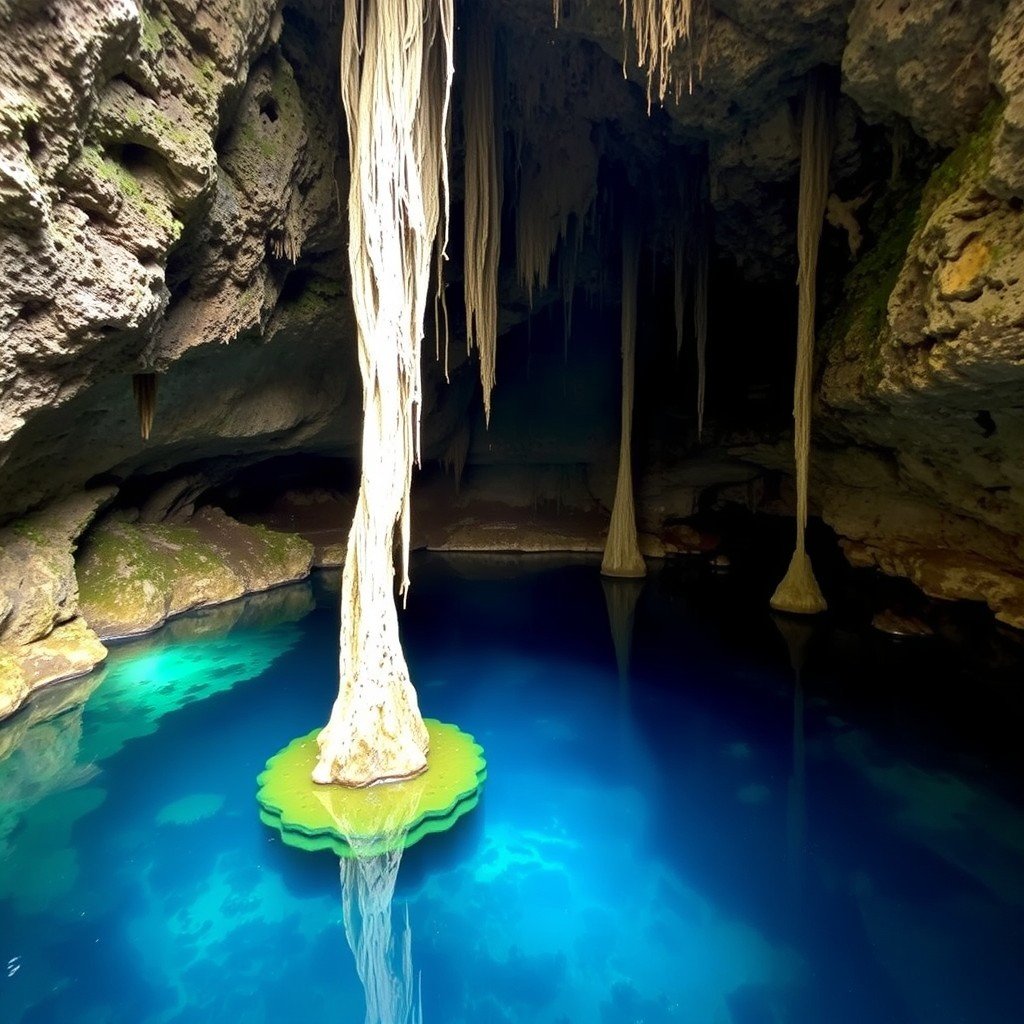
Why It’s Unique
Cenote Calavera is known for its three openings that resemble a skull’s eyes and mouth. This cenote offers a unique entry experience where divers can leap into the cenote from a height.
Dive Highlights
The cenote’s depth reaches about 16 meters and features mesmerizing light beams that create a halo effect, enhancing the mystical atmosphere.
3. Cenote Cristalino
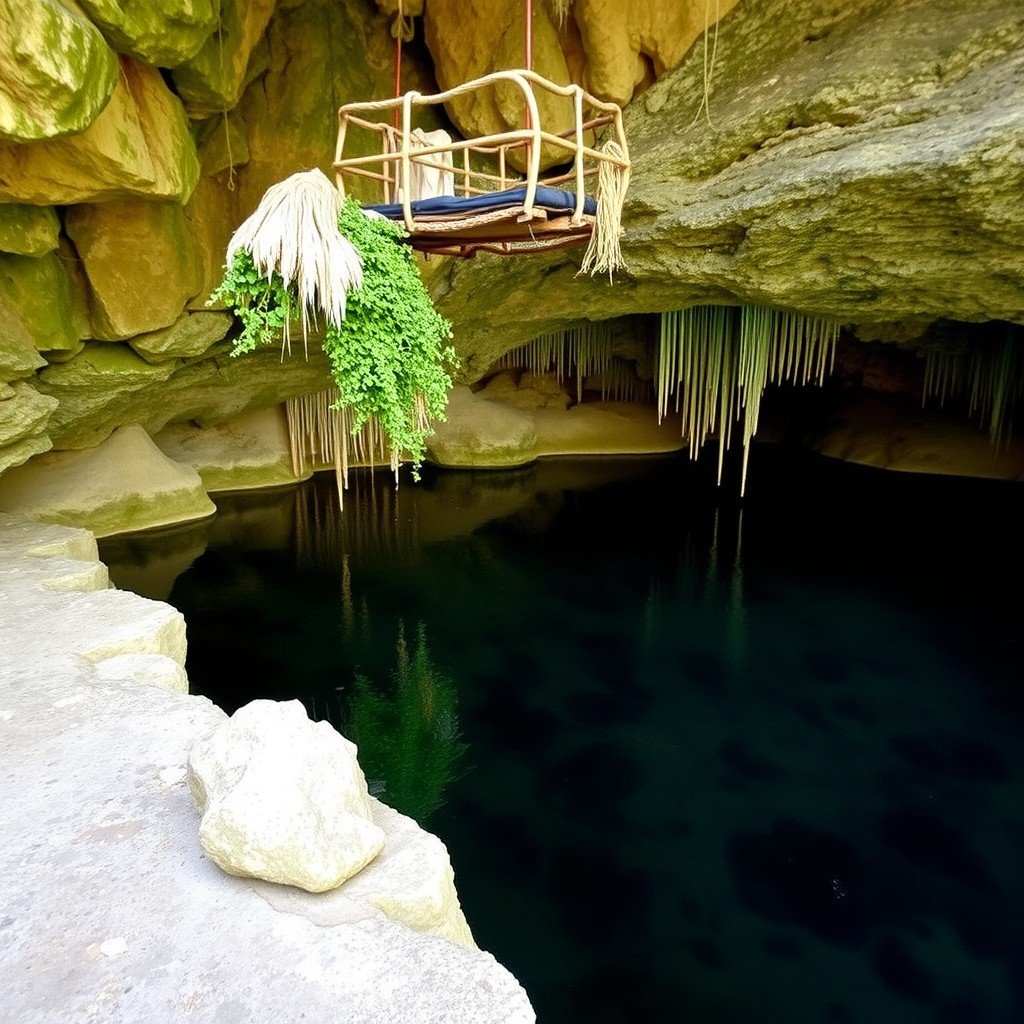
A Hidden Gem for Snorkelers and Divers
Cenote Cristalino is perfect for those who wish to alternate between diving and snorkeling. Its clear, shallow waters make it a great spot for casual exploration.
Features
The cenote is surrounded by lush greenery and offers caves for more adventurous divers. Small fish can often be seen swimming alongside you.
4. Cenote Angelita
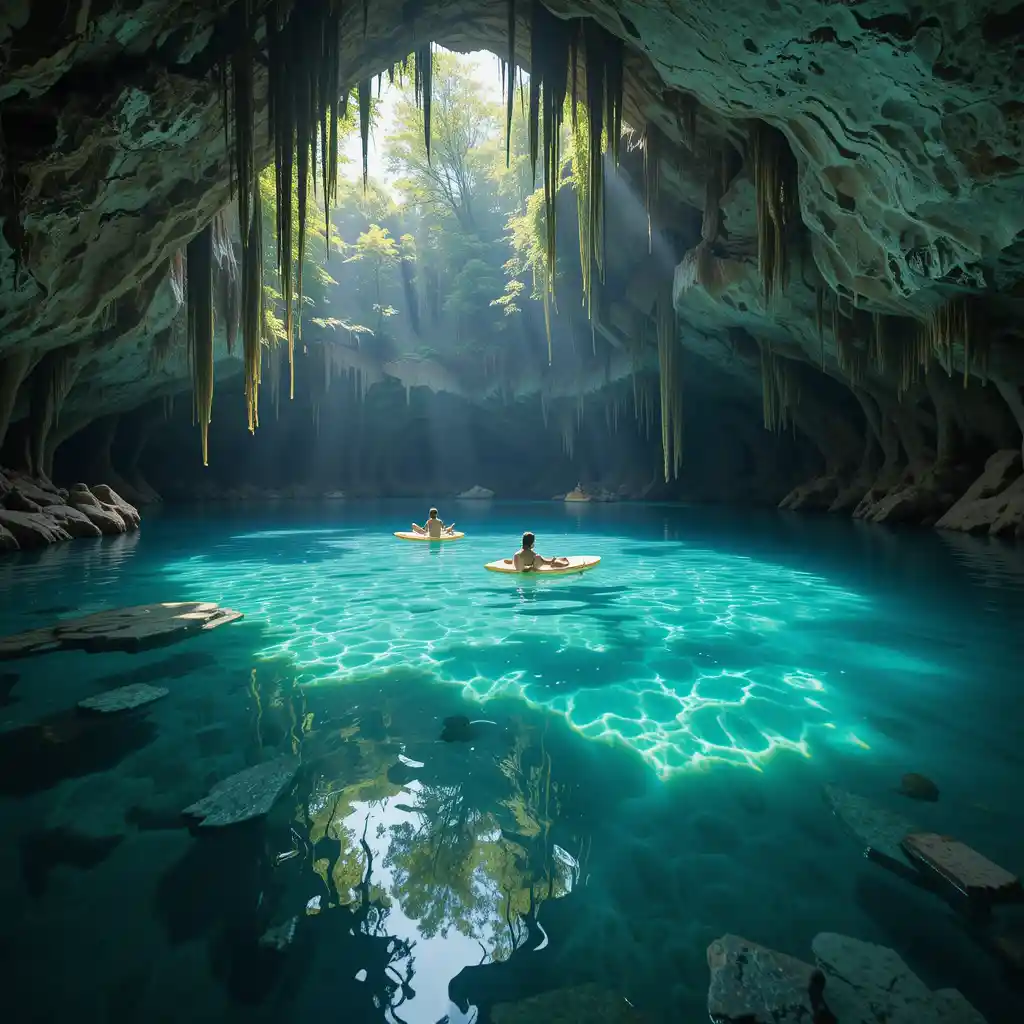
The Surreal Diving Spot
Cenote Angelita is famous for its deep-water experience. At about 30 meters, divers encounter a unique sulfur cloud layer that creates the illusion of an underwater river.
Challenge Level
This cenote is recommended for advanced divers due to its depth and unique conditions. However, the experience is unparalleled for those up for the challenge.
5. Cenote Carwash (Actun Ha)
Name Origin
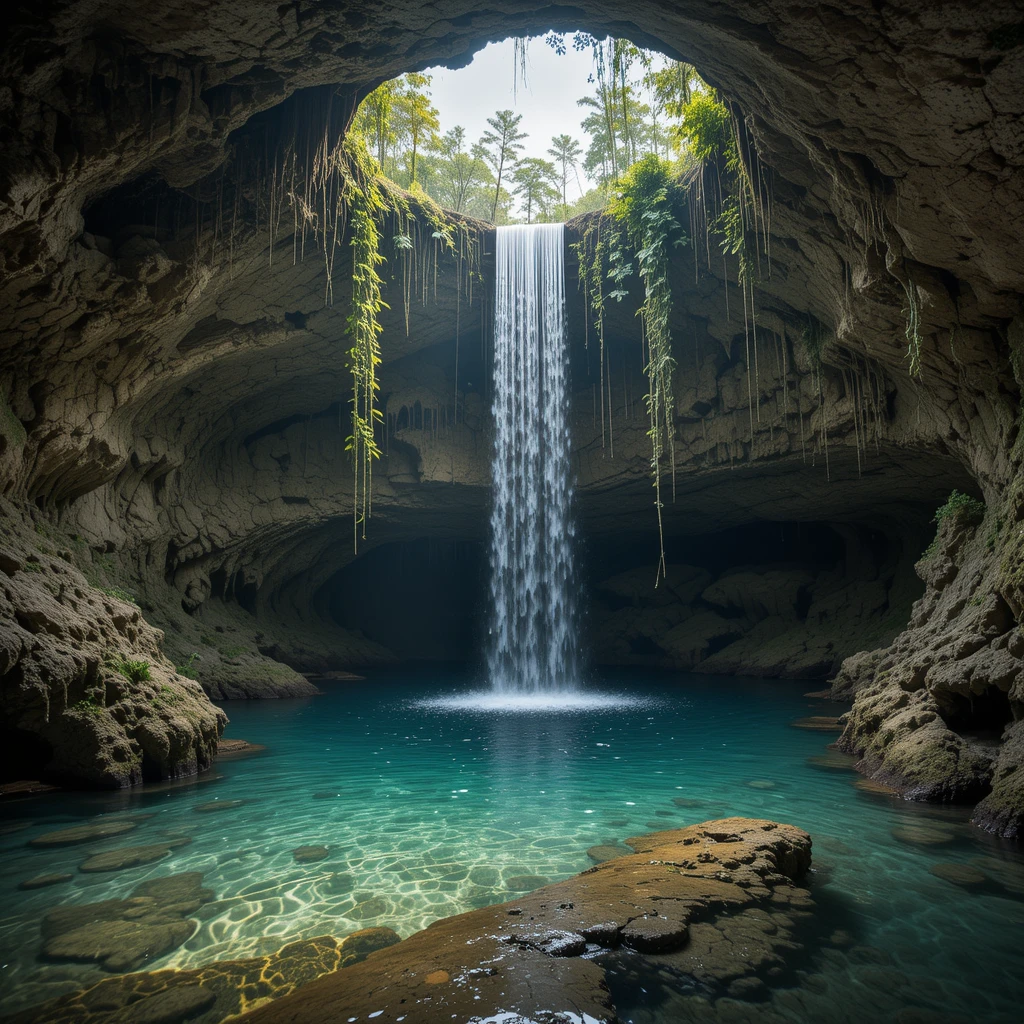
Once popular among taxi drivers for washing their cars, this cenote has become a hidden diving gem.
Diving Highlights
Cenote Carwash offers an easy entry and features clear water that reveals underwater plants and fish. At certain depths, you may even spot a small crocodile basking in the sun!
6. Cenote Sac Actun
The Longest Underwater Cave System
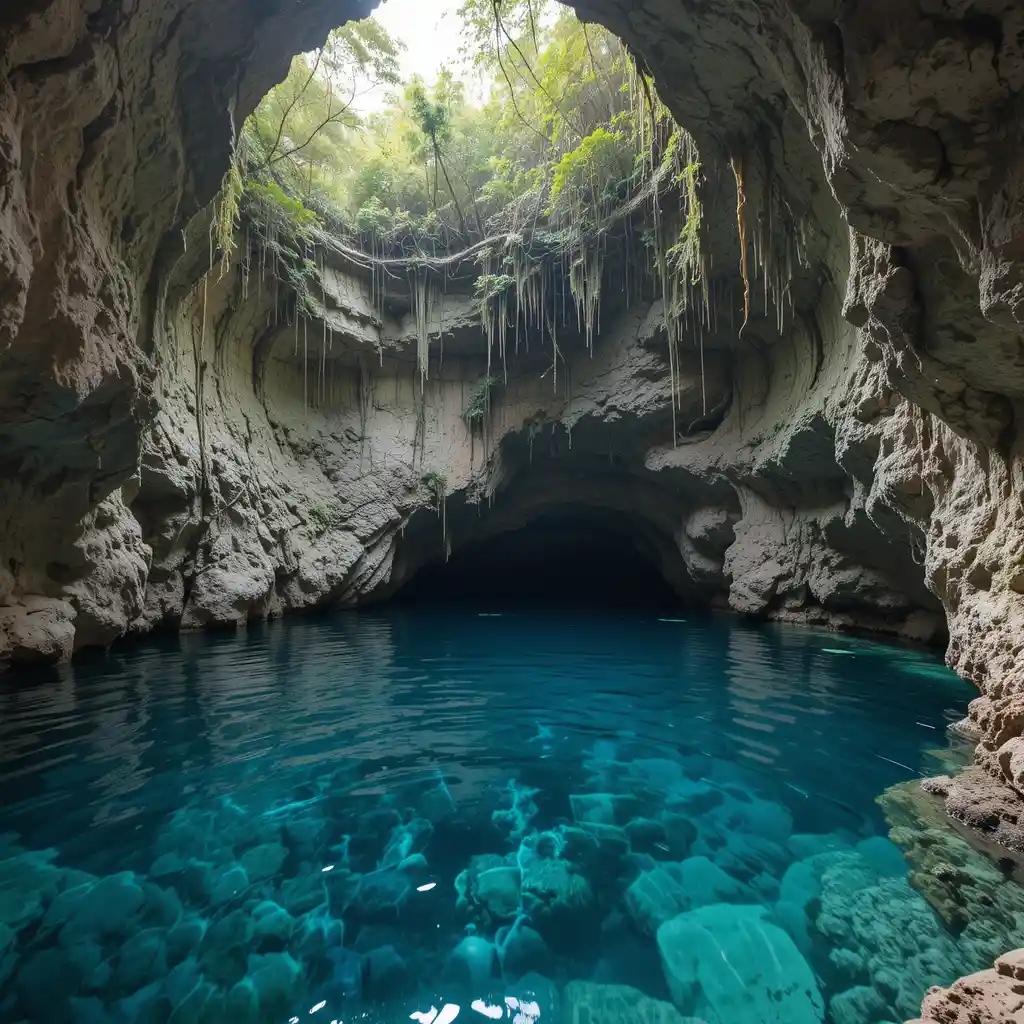
Part of the longest underwater cave system in the world, Cenote Sac Actun is a must-visit for serious cave divers.
What to Expect
Diving in Sac Actun offers an experience of labyrinthine tunnels adorned with stunning stalactites and stalagmites. It’s an otherworldly experience perfect for skilled divers.
7. Cenote Dos Ojos
Two Connected Caverns
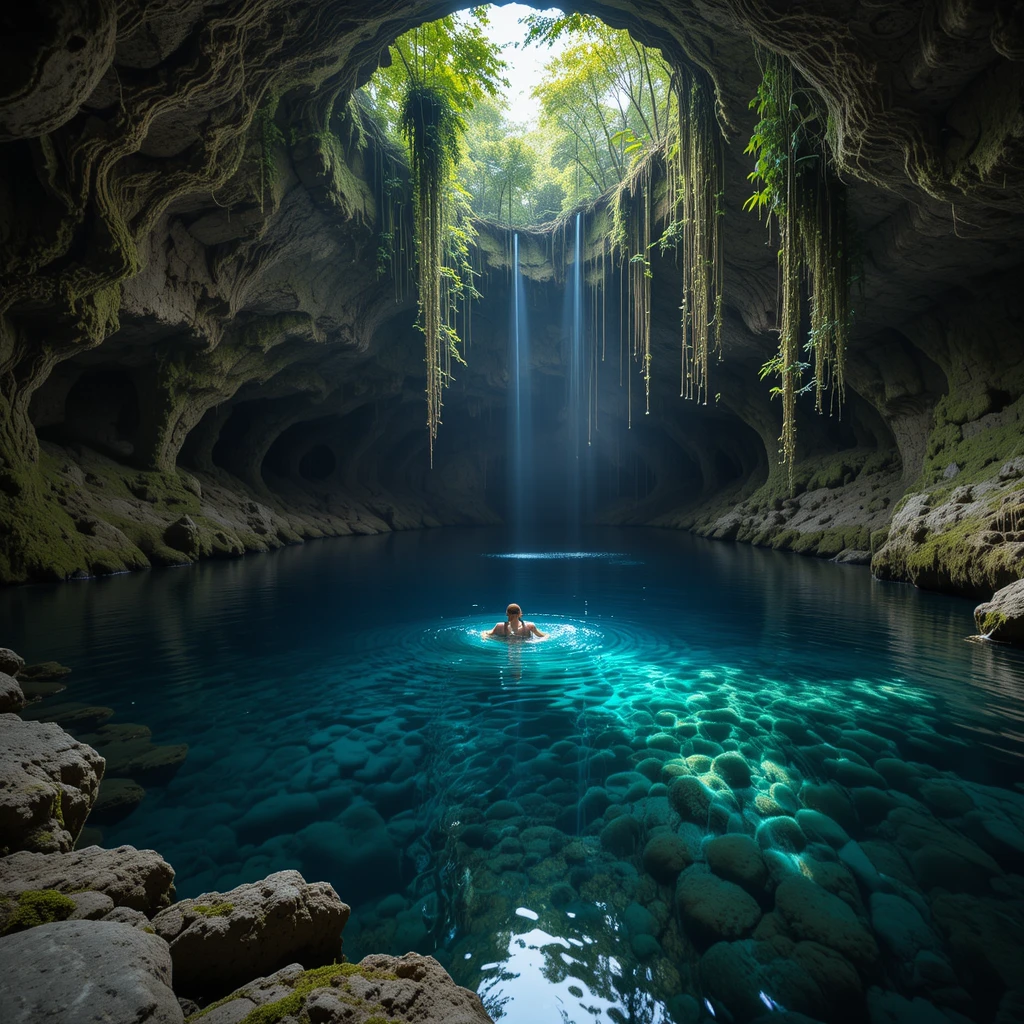
Cenote Dos Ojos is renowned for its interconnected caverns that form “two eyes” when viewed from above.
Diving Experience
This cenote offers one of the most beautiful underwater sceneries, complete with dramatic light effects and intriguing rock formations. The Bat Cave section is a highlight for those who enjoy an eerie adventure.
Conclusion
Tulum’s hidden cenotes offer unmatched diving experiences that cater to all skill levels. These spots provide a unique blend of natural beauty, mystery, and adventure. Whether you are a seasoned diver or a curious traveler, these cenotes promise memories that will last a lifetime.
FAQs
1. What is the best time of year to dive in Tulum’s cenotes?
The best time is between November and May, when the weather is dry and visibility is optimal.
2. Do I need special equipment to dive in these cenotes?
Most diving centers provide necessary equipment. However, experienced divers may prefer to bring their own gear.
3. Are the hidden cenotes suitable for beginner divers?
While some, like Cenote Cristalino and Cenote Escondido, are beginner-friendly, others such as Cenote Angelita are best for advanced divers.
4. How can I book a dive tour for these cenotes?
Many local dive shops and tour operators in Tulum offer guided tours. It’s best to book in advance.
5. Are these cenotes safe for solo diving?
Diving with a guide is recommended, especially for first-timers or when exploring deeper, less-known cenotes.
Plan this trip smarter
Use this guide as a starting point, then compare dates, accommodation areas and transport before booking. The best budget trips usually come from a simple route, fewer base changes and one or two memorable paid experiences.
Budget snapshot
| Cost area | Smart planning note |
|---|---|
| Accommodation | Book near the main area you will actually use, not only the cheapest map result. |
| Transport | Limit long transfers and group nearby stops into the same day. |
| Food | Mix local casual meals with one higher-value experience. |
| Activities | Choose the paid experience that defines the trip, then use free viewpoints, walks and beaches around it. |