

Budget travel guide 2026
Quick answer: Imagine walking through a landscape where ancient history comes alive. Serra da Capivara National Park, located in Brazil’s Piauí state, offers just that. Renowned for its breathtaking rock formations, ancient cave paintings, and unique wildlife, this UNESCO World Heritage Site is a treasure trove for history.
In this guide
Suggested route
Step Into a Prehistoric Paradise
Imagine walking through a landscape where ancient history comes alive. Serra da Capivara National Park, located in Brazil’s Piauí state, offers just that. Renowned for its breathtaking rock formations, ancient cave paintings, and unique wildlife, this UNESCO World Heritage Site is a treasure trove for history enthusiasts and nature lovers alike. Let’s uncover the magic of this extraordinary park and why it deserves a spot on your travel bucket list.
Why Serra da Capivara National Park Is a Must-Visit

A Glimpse Into Ancient Human History
- World’s Oldest Cave Paintings: The park is home to over 1,000 archaeological sites, featuring cave paintings that date back more than 30,000 years. These artworks depict daily life, hunting scenes, and rituals of ancient civilizations.
- Archaeological Importance: Discoveries here challenge traditional theories about human migration, making it a focal point for scientists worldwide.
Natural Beauty and Biodiversity
- Unique Landscapes: From towering cliffs to lush valleys, the park’s geology is a masterpiece sculpted by nature.
- Rare Wildlife: Spot species like the red-handed howler monkey and blue macaws, thriving in their natural habitats.
Adventure and Exploration
- Hiking Trails: With over 25 trails, ranging from beginner to advanced, adventure awaits every visitor.
- Guided Tours: Knowledgeable guides offer insights into the history and ecology of the park.
Top Attractions in Serra da Capivara National Park
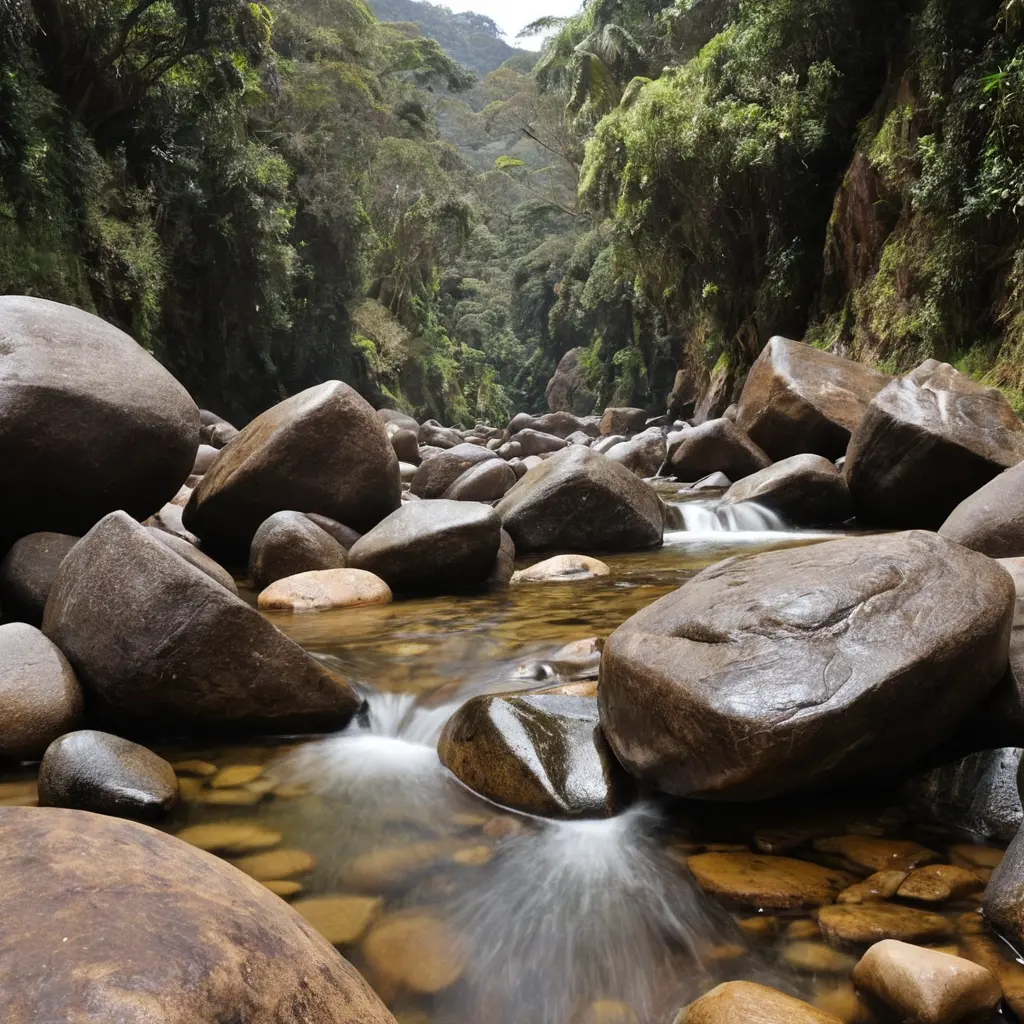
Boqueirão da Pedra Furada
One of the most iconic sites, this area features a stunning rock arch and numerous cave paintings. It’s a must-see for anyone visiting the park.
Toca da Entrada do Pajaú
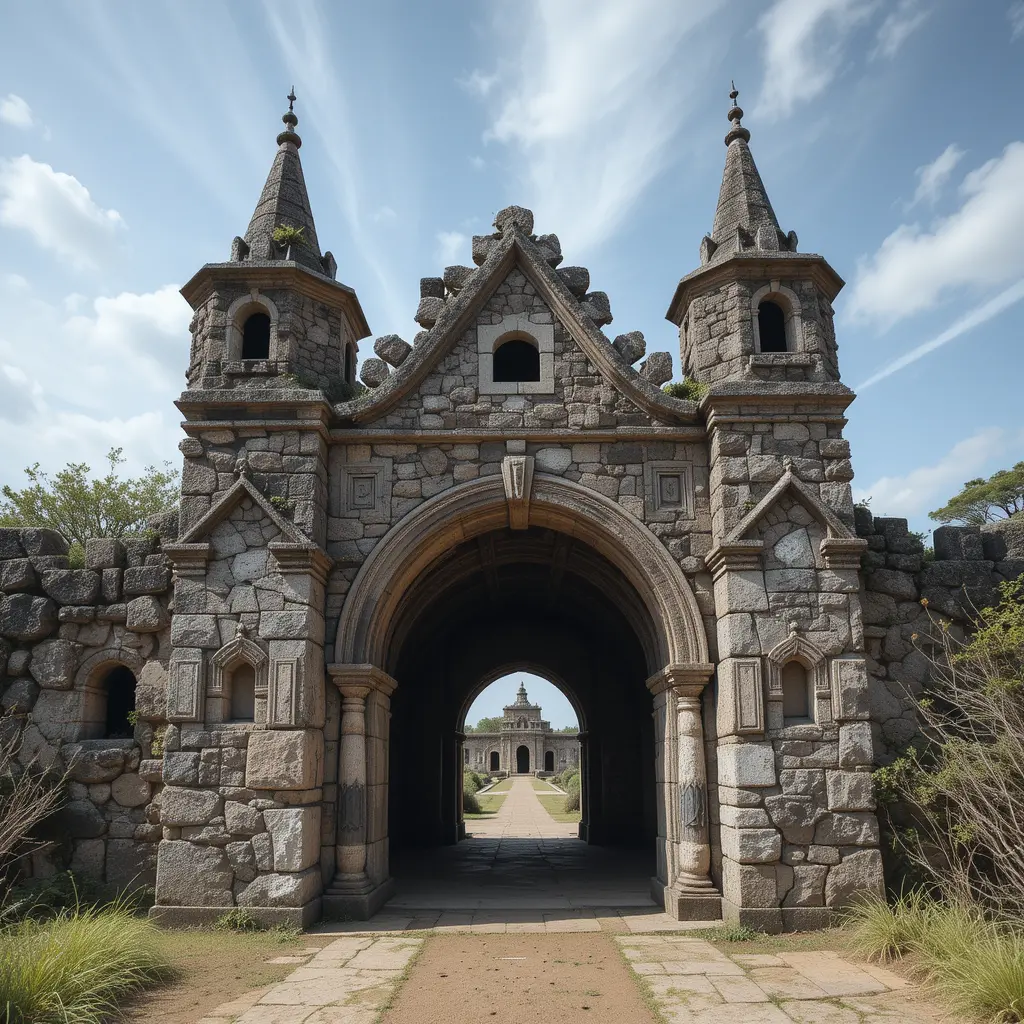
This site boasts some of the most intricate and well-preserved cave paintings in the park. The vivid depictions of human and animal figures are mesmerizing.
Museum of the American Man
Located near the park, this museum offers a comprehensive look at the archaeological findings from the area. Interactive exhibits make it a family-friendly destination.
Planning Your Visit
Best Time to Visit
- Dry Season: May to October is ideal for exploring, with cooler temperatures and clear skies.
- Rainy Season: While the landscape becomes lush, trails might be slippery and less accessible.
Getting There
- Nearest Airport: Petrolina Airport, followed by a scenic drive to the park.
- Transportation: Renting a car is the most convenient way to explore the region.
Where to Stay
- Local Lodges: Choose from cozy accommodations in nearby towns like São Raimundo Nonato.
- Camping: For an immersive experience, consider camping near the park.
Tips for a Memorable Experience
- Hire a Guide: Enhance your visit with expert knowledge about the park’s history and biodiversity.
- Stay Hydrated: The trails can be demanding, so carry plenty of water.
- Respect the Environment: Follow park guidelines to preserve its natural and cultural heritage.
FAQs About Serra da Capivara National Park
What is Serra da Capivara National Park famous for?
The park is renowned for its ancient cave paintings and archaeological significance, showcasing some of the oldest evidence of human life in the Americas.
Are guided tours available?
Yes, guided tours are highly recommended to fully appreciate the park’s historical and natural wonders.
Is the park family-friendly?
Absolutely! With educational attractions like the Museum of the American Man and manageable trails, it’s a great destination for families.
Can I visit the park year-round?
Yes, but the dry season (May to October) offers the best conditions for exploration.
Conclusion: A Journey Through Time and Nature
Serra da Capivara National Park is more than just a travel destination; it’s a portal to humanity’s ancient past and a celebration of nature’s artistry. Whether you’re an adventurer, history buff, or wildlife enthusiast, this park promises an unforgettable experience. Plan your visit today and step into a world where history and nature converge in breathtaking harmony.
Plan this trip smarter
Use this guide as a starting point, then compare dates, accommodation areas and transport before booking. The best budget trips usually come from a simple route, fewer base changes and one or two memorable paid experiences.
Budget snapshot
| Cost area | Smart planning note |
|---|---|
| Accommodation | Book near the main area you will actually use, not only the cheapest map result. |
| Transport | Limit long transfers and group nearby stops into the same day. |
| Food | Mix local casual meals with one higher-value experience. |
| Activities | Choose the paid experience that defines the trip, then use free viewpoints, walks and beaches around it. |
1 thought on “Serra da Capivara National Park: 7 Wonders to Explore Now”
Comments are closed.