

Budget travel guide 2026
So, you’re heading off on an African safari? That’s not just a vacation—it’s a once-in-a-lifetime journey into the wild heart of nature. Imagine the sun setting behind acacia trees while elephants roam in the distance, or hearing lions roar under a star-speckled sky. But to fully.
In this guide
Route at a glance
Embrace the Adventure—But Pack Like a Pro
So, you’re heading off on an African safari? That’s not just a vacation—it’s a once-in-a-lifetime journey into the wild heart of nature. Imagine the sun setting behind acacia trees while elephants roam in the distance, or hearing lions roar under a star-speckled sky. But to fully enjoy this awe-inspiring experience, there’s one crucial thing you must get right: your packing. Without the right gear and essentials, your dream trip could easily turn into a logistical nightmare. This guide will walk you through everything you need to pack for a seamless, safe, and unforgettable safari.
Why Packing Smart Matters on Safari
You can’t simply throw a few things in a suitcase and hope for the best. Safaris bring their own set of challenges: extreme weather, remote locations, and unpredictable terrain.
Challenges You Might Face
- Weight restrictions on bush planes
- Inaccessible shops in the wild
- Sudden weather changes
- Need for discreet, practical attire
The Ultimate Safari Packing List (Clothing & Gear)
Neutral Colors are King
Wearing khaki, olive, or beige isn’t just about fashion—it’s a survival tactic. Bright colors attract insects and might scare off wildlife.
What to Pack:
- 2–3 moisture-wicking T-shirts (earth tones)
- 2–3 long-sleeved shirts (for sun & insect protection)
- 2 pairs of lightweight safari pants (convertible ones are great!)
- 1 fleece or jacket (early mornings can be freezing!)
- 1 wide-brim hat or safari cap
- 1 lightweight rain jacket or poncho
- 1 swimsuit (yes, some lodges have pools!)
- 1 pair of comfortable, closed-toe shoes for game drives
- Flip-flops or sandals for relaxing at camp
Footwear Essentials for Safari Terrain
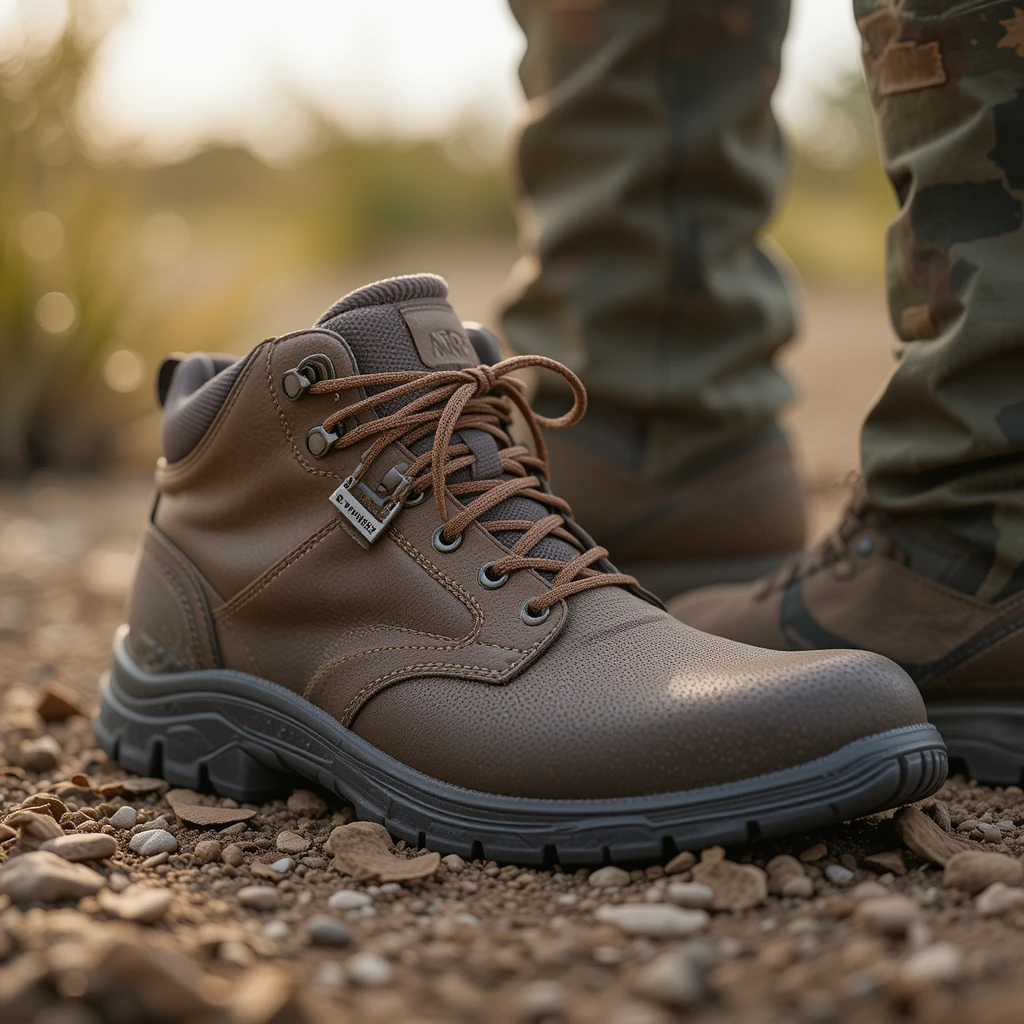
Best Shoes for Every Situation
Safari terrain can vary from dusty tracks to muddy trails. You’ll want sturdy, broken-in footwear.
Pro Tips:
- Choose hiking shoes over heavy boots
- Avoid brand-new shoes—you’ll regret the blisters
- Pack quick-dry socks to prevent sweat buildup
Luggage and Bags: What Works Best
Choose Soft-sided Duffels Over Hard Shell Suitcases
Bush planes often have strict weight limits (usually 15–20 kg) and small luggage holds.
Ideal Safari Luggage:
- 1 soft-sided duffel bag (max 24 inches)
- 1 daypack or backpack for excursions
- Packing cubes to organize your stuff
Safari Gear You Can’t Leave Behind
Binoculars & Tech Gadgets
Don’t rely on your guide’s binoculars—bring your own for the best experience.
Must-Pack Safari Gadgets:
- Binoculars (8×42 is a great spec)
- Camera with extra memory cards and batteries
- Portable charger or solar power bank
- Flashlight or headlamp
- Travel adapter (check plug types per country)
Toiletries & Personal Items

Keep it Light but Functional
You won’t find a pharmacy in the middle of the Serengeti, so bring your essentials.
Your Safari Toiletry Kit Should Include:
- Biodegradable soap and shampoo
- Toothbrush and small toothpaste
- Quick-dry travel towel
- Wet wipes and hand sanitizer
- Lip balm with SPF
- Sunscreen (reef-safe, SPF 30+)
- Insect repellent with DEET or picaridin
- Personal medications and mini first aid kit
Health & Safety Must-Haves
Be Prepared for Anything
Safaris are generally safe, but remote settings require personal responsibility.
Health Essentials:
- Antimalarial medication (check with your doctor)
- Anti-diarrheal tablets
- Electrolyte packets
- Band-aids and antiseptic cream
- Prescription meds in original packaging
Safari-Specific Extras You’ll Be Glad You Packed
- A lightweight scarf or buff (dust protection)
- Travel laundry soap (many camps offer laundry services)
- Ziploc bags for snacks, trash, or damp clothes
- Notebook or journal for recording your memories
Photography Tips & Packing List
Capture the Magic Without Regret
You’ll kick yourself later if you forget a lens or run out of memory during a cheetah chase.
Photography Gear Checklist:
- DSLR or mirrorless camera
- Zoom lens (at least 300mm for wildlife)
- Backup batteries
- Lens cloth and brush
- Bean bag for camera stability (great in jeeps!)
Weather Prep: From Chilly Mornings to Blazing Afternoons
Layering is Your Best Friend
Safari days often start cold and end in scorching heat. Dress smart.
Your Safari Layer Strategy:
- Base layer (T-shirt)
- Mid-layer (long sleeve or fleece)
- Outer shell (windbreaker or raincoat)
Important Documents to Carry
Don’t just rely on your phone—paper backups are still king in the wild.
Document Checklist:
- Passport + extra copies
- Visa (if required)
- Travel insurance docs
- Vaccination certificates (like Yellow Fever)
- Copy of your itinerary
- Emergency contact info
Food & Snacks: Stay Energized
What to Pack for the Trails
While most lodges provide amazing food, always have a backup snack stash.
Best Safari Snacks:
- Energy bars or granola
- Dried fruit and nuts
- Instant coffee or tea sachets
- Electrolyte drink powders
Safari Packing Tips for Families
Taking your kids? Awesome! Just tweak your list a bit.
Family Essentials:
- Extra layers and hats for kids
- Kid-friendly snacks and activities
- Child-safe bug repellent and sunscreen
- Familiar blanket or stuffed animal
Sustainability on Safari: Eco-Friendly Choices
Respect the Land You Came to Admire
Small decisions make a big impact on the environment.
Eco-Friendly Packing Tips:
- Bring a reusable water bottle
- Choose reef-safe toiletries
- Avoid single-use plastics
- Support local artisans and guides
Safari Packing Table for Quick Reference
| Item Category | Essentials |
|---|---|
| Clothing | Neutral shirts, pants, jacket, hat |
| Footwear | Hiking shoes, sandals |
| Toiletries | Biodegradable products, meds, wipes |
| Gear | Binoculars, camera, power bank |
| Documents | Passport, travel insurance, itinerary |
| Snacks | Energy bars, dried fruits, hydration mixes |
Final Safari Packing Advice
Don’t wait until the last minute. Lay out everything a week ahead. Check it twice. If it doesn’t serve a specific purpose, leave it behind. You’ll thank yourself when you’re bouncing in a jeep, wind in your hair, eyes locked on a leopard in the distance—not worried about an overstuffed bag.
Conclusion: Make Every Moment Count
Packing right for your African safari is more than just ticking boxes—it’s about preparing for an experience that could change the way you see the world. When you’re well-prepared, you’re free to soak up the magic, from the golden plains to the thundering herds. So use this guide as your roadmap to adventure, and let nothing get in the way of your wild dreams.
Frequently Asked Questions (FAQs)
1. What clothes should I avoid wearing on safari?
Avoid bright colors, white, and camouflage (which is often restricted). Stick with earthy tones like khaki, olive, and beige.
2. Do I need a power adapter in Africa?
Yes. Adapter types vary by country, so check in advance. Most lodges use British or South African plug types.
3. Can I bring a drone on safari?
Usually not. Drones are banned in many national parks for safety and privacy reasons.
4. What is the weight limit for luggage on safari?
Most bush planes limit you to 15–20 kg (33–44 lbs) of soft-sided luggage, including carry-ons.
5. Should I bring cash or rely on cards?
Bring a mix. Cash (especially USD) is great for tips and local markets. Credit cards work at most lodges, but don’t count on ATMs in remote areas.