
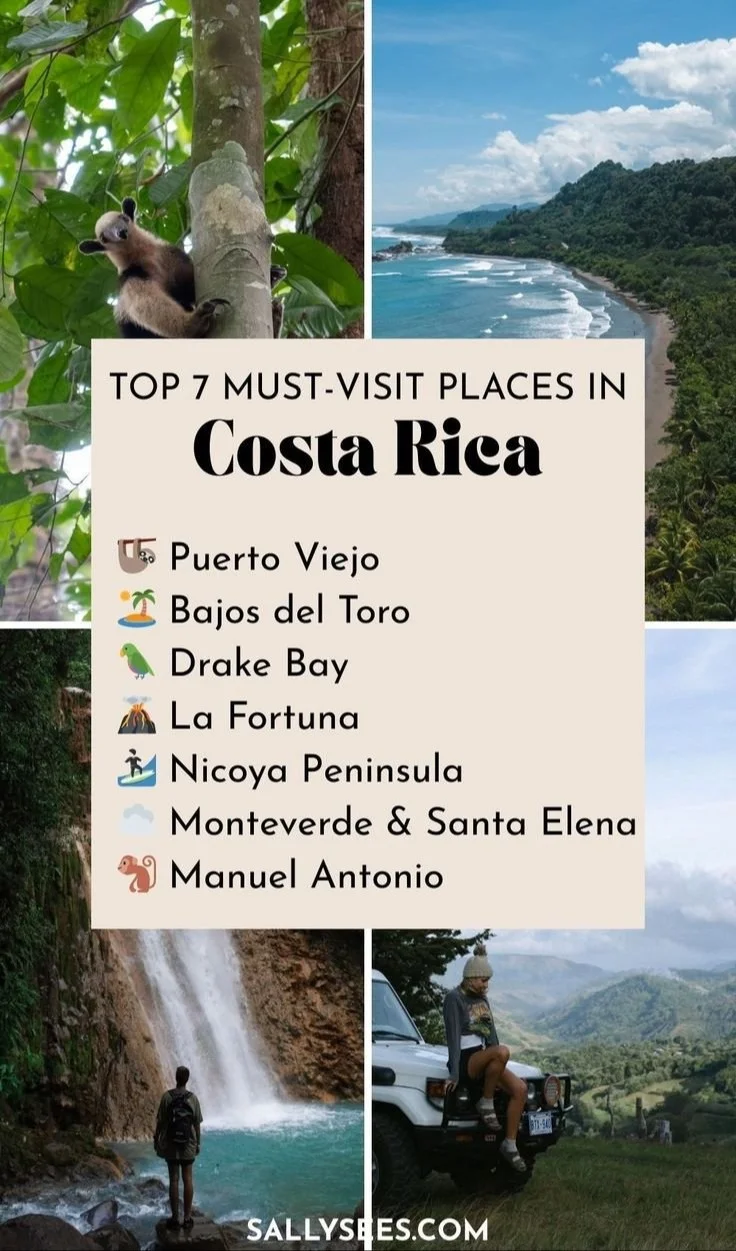
Costa Rica is a compact country packed with biodiversity, active volcanoes, lush rainforests, cloud forests, and Pacific and Caribbean coastlines — ideal for first-time and repeat travelers alike. Whether you want zip-lining through the canopy, surfing uncrowded breaks, or spotting toucans and sloths, solid planning makes the most of your trip. For tips on stretching your budget while still enjoying adventure activities, consult this helpful budget and adventure travel guide before you finalize plans.
Getting Ready: When to Go and Entry Requirements
- Best time to visit: Dry season (December–April) for sun and easy trekking; green season (May–November) for fewer crowds, lower rates, and lush landscapes.
- Entry rules: Most visitors need a passport valid at least six months from arrival and a return or onward ticket; check visa rules for your nationality before departure.
- Health: Routine vaccinations are usually sufficient; vaccine and mosquito-bite precautions are recommended for some areas. Bring basic meds and motion-sickness remedies if you plan river trips.
How to Get There and Around
- International flights: Juan Santamaría (SJO) near San José and Daniel Oduber (LIR) in Liberia are the main airports.
- Domestic travel: Short-haul flights save time for island or distant region travel. Buses are affordable and extensive; rental cars give flexibility but watch for narrow or unpaved roads in rural areas.
- Driving tips: 4x4s are useful for rainy-season travel and remote access. Drive defensively, obey local laws, and factor in slower speeds on mountain roads.
Where to Go: Regions and Highlights
- Arenal / La Fortuna: Hot springs, Arenal Volcano views, waterfalls, and abundant adventure operators offering canopy tours and rafting.
- Monteverde Cloud Forest: Premier birding and hiking; best for quetzal sightings and serene cloud-forest walks.
- Manuel Antonio: Compact national park with beaches, hiking trails, and approachable wildlife viewing near coastal amenities.
- Nicoya Peninsula: Surf towns (Santa Teresa, Nosara), yoga retreats, and some of the country’s Blue Zones.
- Osa Peninsula / Corcovado: Remote rainforest, exceptional biodiversity, and unparalleled wildlife for more adventurous travelers.
Top Activities and Adventures
- Wildlife watching: Dawn and dusk are prime for spotting monkeys, sloths, and birds. Hire local naturalist guides for better success.
- Surfing: Pacific coast offers waves for beginners to experts; many surf schools and board rentals at main beaches.
- Rainforest canopy: Zip lines and hanging bridges provide thrilling views and unique perspectives on rainforest ecology.
- Water adventures: Whitewater rafting and sea kayaking are widely available with varying difficulty levels.
- Relaxation: Natural hot springs, beachfront lodges, and wellness retreats are plentiful for low-key rest days.
Sample Itineraries (by length)
- 5 days: San José → La Fortuna (Arenal) 2–3 days → Monteverde 1–2 days → return.
- 10 days: San José → Arenal → Monteverde → Pacific coast (Manuel Antonio or Nicoya) → relax and surf.
- 2 weeks: Include Osa Peninsula/Corcovado for a deeper rainforest immersion; combine with a coastal escape.
Budgeting and Money
- Costs vary widely: budget travelers can get by with hostels and public transport; mid-range travelers use boutique lodges and car rentals.
- ATMs: Widely available in cities and tourist hubs; carry some cash when visiting remote areas.
- Tipping: Not mandatory but appreciated — 10% in restaurants if service charge isn’t included; small tips for guides and drivers.
Safety and Practical Tips
- Natural hazards: Be aware of rip currents on beaches, aggressive weather in rainy months, and uneven forest trails.
- Personal safety: Costa Rica is relatively safe, but standard precautions against petty theft (watch belongings, lock your rental car) apply.
- Sustainable travel: Respect protected areas, avoid single-use plastics, and support local businesses and community-run tours.
Packing Checklist
- Lightweight rain jacket, quick-dry clothing, sturdy hiking shoes, reef-safe sunscreen, insect repellent, reusable water bottle, and a good pair of binoculars for birding.
- Electrical: 110V outlets with types A/B plugs; bring adapters if necessary.
Responsible and Eco-Friendly Travel
- Visit national parks with certified guides to reduce impact and learn about conservation efforts.
- Choose lodges with sustainable practices (water-saving, waste reduction, local sourcing) to support ecological protection.
Final planning tips
- Book popular lodges and excursions in high season well in advance.
- Keep an eye on weather forecasts when arranging multi-day treks or boat transfers.
- Learn basic Spanish phrases — locals appreciate the effort and it enhances interactions.
Conclusion
For detailed reviews to help you choose the best print and digital references, consider these Guidebook Recommendations for Costa Rica to guide your trip planning and on-the-ground decisions.