Quick answer: The best ethereal places to visit in 2026 combine dreamlike scenery with practical access: mist, cliffs, forests, reflections, old architecture and routes you can actually plan.
Ethereal Places to Visit in 2026: 10 Mystic Outlands Destinations That Feel Unreal
What You Will Find in This Guide
Best places and itinerary ideas
Budget and booking tips for 2026
Internal CNC Travel resources for deeper planning
Official external resources for updated details
FAQ answers written for search intent
What makes a place ethereal?
An ethereal destination feels slightly removed from everyday life. It may have unusual light, fog, reflective water, old stone, dense forest, cliffs or a silence that changes the way a trip feels.
For readers, this is not just a pretty adjective. It is a planning filter. They want destinations that photograph beautifully but still have lodging, transport, safety information and clear timing advice.
10 destinations that fit the trend
Start with the Scottish Highlands, Faroe Islands, Salar de Uyuni and Arashiyama Bamboo Forest because each one has a strong visual identity and a clear planning angle. Then add Madeira, Cappadocia, Lake Bled, Lofoten, Iceland’s Westfjords and Lake Atitlan for travelers who want alternatives.
The best list is not only about famous photos. It should explain who each destination is best for. Scotland works for moody road trips, the Faroes for cliffs, Bolivia for reflections, Kyoto for forest texture, Madeira for green mountains and Cappadocia for surreal landforms.
How to choose the right destination
Choose based on access, season, cost and travel style. If you do not want to rent a car, Kyoto or Slovenia may be easier than the Faroes. If you want dramatic weather, Scotland and the Faroe Islands are stronger. If you want a once-in-a-lifetime visual effect, Salar de Uyuni is hard to beat.
Also consider your tolerance for uncertainty. The most ethereal trips often depend on fog, rain, clouds or reflections, which means the plan needs flexibility.
Budget planning for aesthetic travel
Ethereal does not always mean luxury. Many of these trips are built around free scenery. The expensive part is often access: flights, rental cars, ferries and remote lodging.
To save money, travel in shoulder season, pick two bases instead of five, book refundable stays early and prioritize one paid experience that truly improves the trip.
Helpful Planning Links
Use these related CNC Travel guides to continue planning this trip from another angle.
Quick answer: Arashiyama Bamboo Forest 2026 is worth visiting if you go early, pair the grove with nearby temples and treat it as a full Kyoto day trip rather than one quick photo stop.
Arashiyama Bamboo Forest 2026: Kyoto Day Trip Guide for Ethereal Photos
What You Will Find in This Guide
Best places and itinerary ideas
Budget and booking tips for 2026
Internal CNC Travel resources for deeper planning
Official external resources for updated details
FAQ answers written for search intent
Why Arashiyama still works in 2026
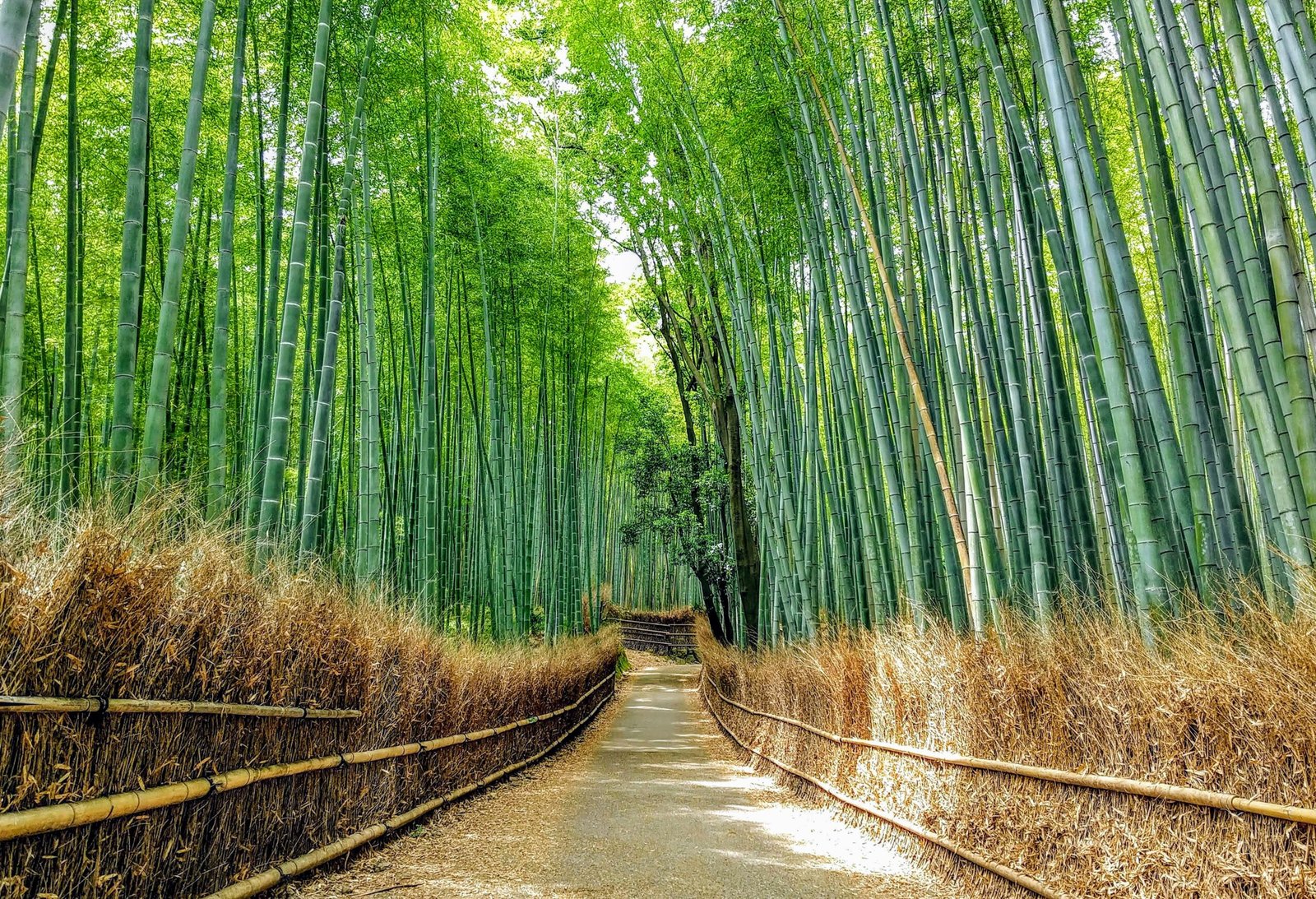
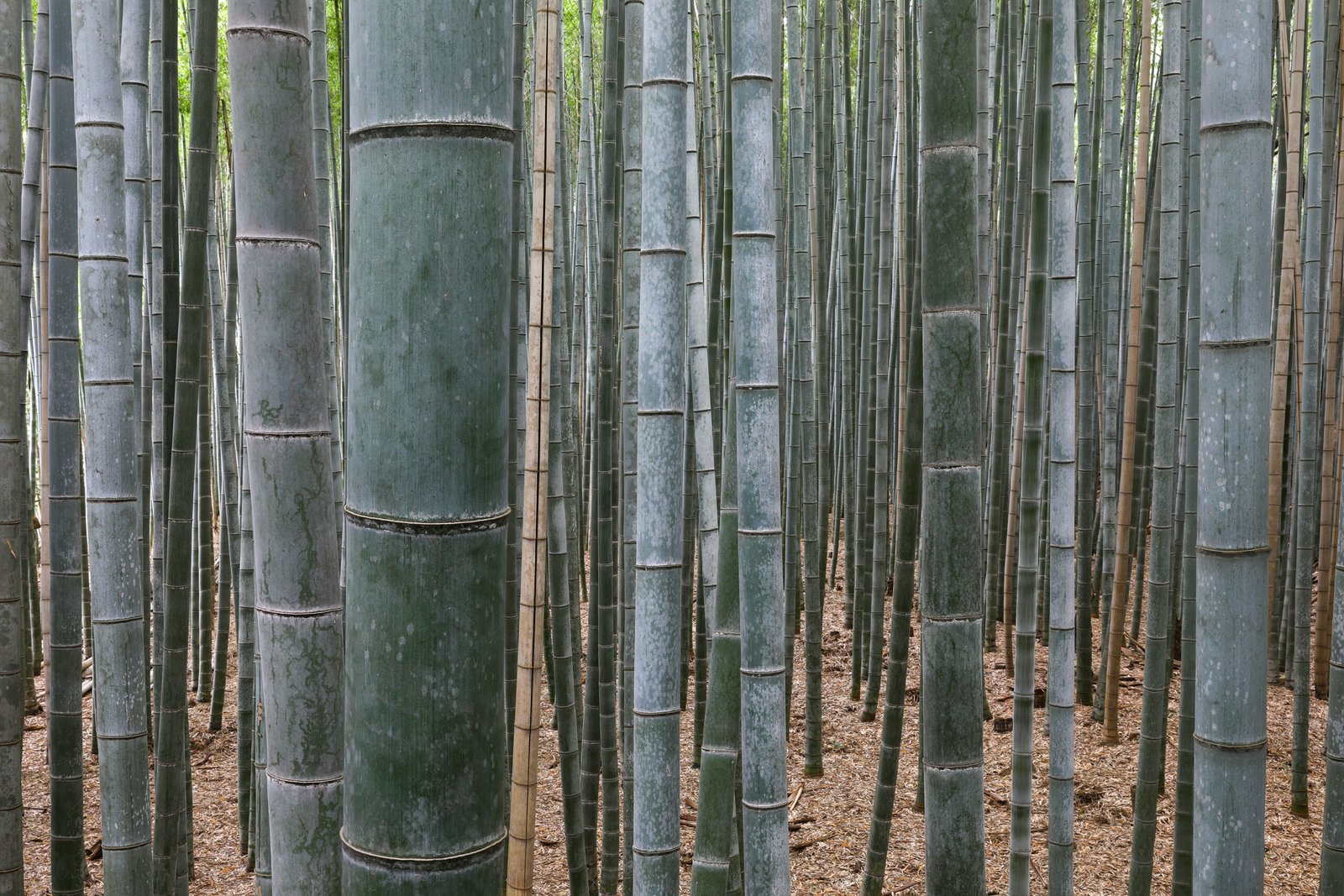
Arashiyama Bamboo Forest remains one of Kyoto’s most recognizable visual travel spots. The vertical bamboo, shaded path and green light give it an ethereal feel that matches the 2026 demand for atmospheric, photo-friendly travel.
The challenge is crowd expectation. The grove is beautiful, but it is not a secret. A strong guide should help readers plan timing, nearby sights and realistic photo strategy instead of selling an empty-path fantasy.
Best time to visit
Early morning is the strongest choice if you want fewer people and softer light. Late afternoon can also work, but midday is usually the hardest time for clean photos. During cherry blossom and fall color seasons, add extra buffer for transport and walking.
If you arrive and the path is already busy, do not panic. Focus on vertical framing, details, side angles and the wider Arashiyama neighborhood. Some of the best memories happen after the famous photo stop.
One-day itinerary
Start at the bamboo grove, continue to Tenryu-ji, then consider Okochi Sanso if it fits your budget. Walk toward the Katsura River and Togetsukyo Bridge, then choose either the monkey park or a slower cafe-and-side-street afternoon.
This route works because it reduces backtracking. It also turns Arashiyama into a layered day: forest texture, temple gardens, river views, food and neighborhood wandering.
Photo and budget tips
Use vertical composition for the bamboo, wide framing for the path and close details for texture. Keep your camera ready but do not block the walkway. The grove itself is free, but nearby gardens, temples and transport can add up.
For a budget-friendly day, choose one paid attraction and spend the rest of the time walking. Bring water, comfortable shoes and patience.
Helpful Planning Links
Use these related CNC Travel guides to continue planning this trip from another angle.
Quick answer: Bolivia Salar de Uyuni is best planned around the season you want: mirror reflections in rainy months or dry white salt patterns in clearer months.
Bolivia Salar de Uyuni 2026: Salt Flats, Mirror Season and Budget Planning
What You Will Find in This Guide
Best places and itinerary ideas
Budget and booking tips for 2026
Internal CNC Travel resources for deeper planning
Official external resources for updated details
FAQ answers written for search intent
Why Salar de Uyuni fits 2026 travel
Salar de Uyuni is one of the strongest examples of a destination that feels unreal but requires very real planning. Photos show mirror skies, endless salt and strange perspective shots, but the reader still needs to understand seasons, altitude, transfers, tour quality and weather risk.
That combination makes it a powerful 2026 search topic. It satisfies visual intent and practical intent at the same time, which is exactly what a travel article needs if the goal is organic traffic and AdSense engagement.
Mirror season vs dry season
Mirror season usually falls during the rainy months, often January through March, when shallow water can create sky reflections. Dry season, often May through October, is better for geometric salt patterns, clearer access and night-sky tours.
Neither season is automatically better. Choose mirror season for surreal photography, dry season for reliability and cleaner logistics. If you care about the mirror effect, check recent local tour reports before locking your date.
Tour options and routes
Most travelers start from Uyuni town. A one-day tour covers the classic salt flat highlights, while a three-day route adds lagoons, deserts, flamingos and high-altitude landscapes. If you are arriving from La Paz, avoid stacking a night bus, tour and long onward transfer without rest.
Cross-border routes toward Chile can be efficient, but they need more planning. Confirm border conditions, luggage limits, included meals and sleeping arrangements before choosing the cheapest operator.
Budget, altitude and packing tips
Compare operators by vehicle condition, reviews, group size and what is included. Bring sunglasses, sunscreen, water, layers, a hat and a power bank. The sun and altitude can make easy days feel harder than expected.
Altitude is the detail many first-time visitors underestimate. Build in an easier first day, hydrate well and do not plan intense activities immediately after arriving from sea level.
Helpful Planning Links
Use these related CNC Travel guides to continue planning this trip from another angle.
Quick answer: The Faroe Islands aesthetic is about green cliffs, grass-roof villages, ocean weather, waterfalls and slow scenic days with enough flexibility for fog and wind.
Faroe Islands Aesthetic 2026: Dreamy Villages, Sea Cliffs and a 5-Day Itinerary
What You Will Find in This Guide
Best places and itinerary ideas
Budget and booking tips for 2026
Internal CNC Travel resources for deeper planning
Official external resources for updated details
FAQ answers written for search intent
Why the Faroe Islands aesthetic is trending
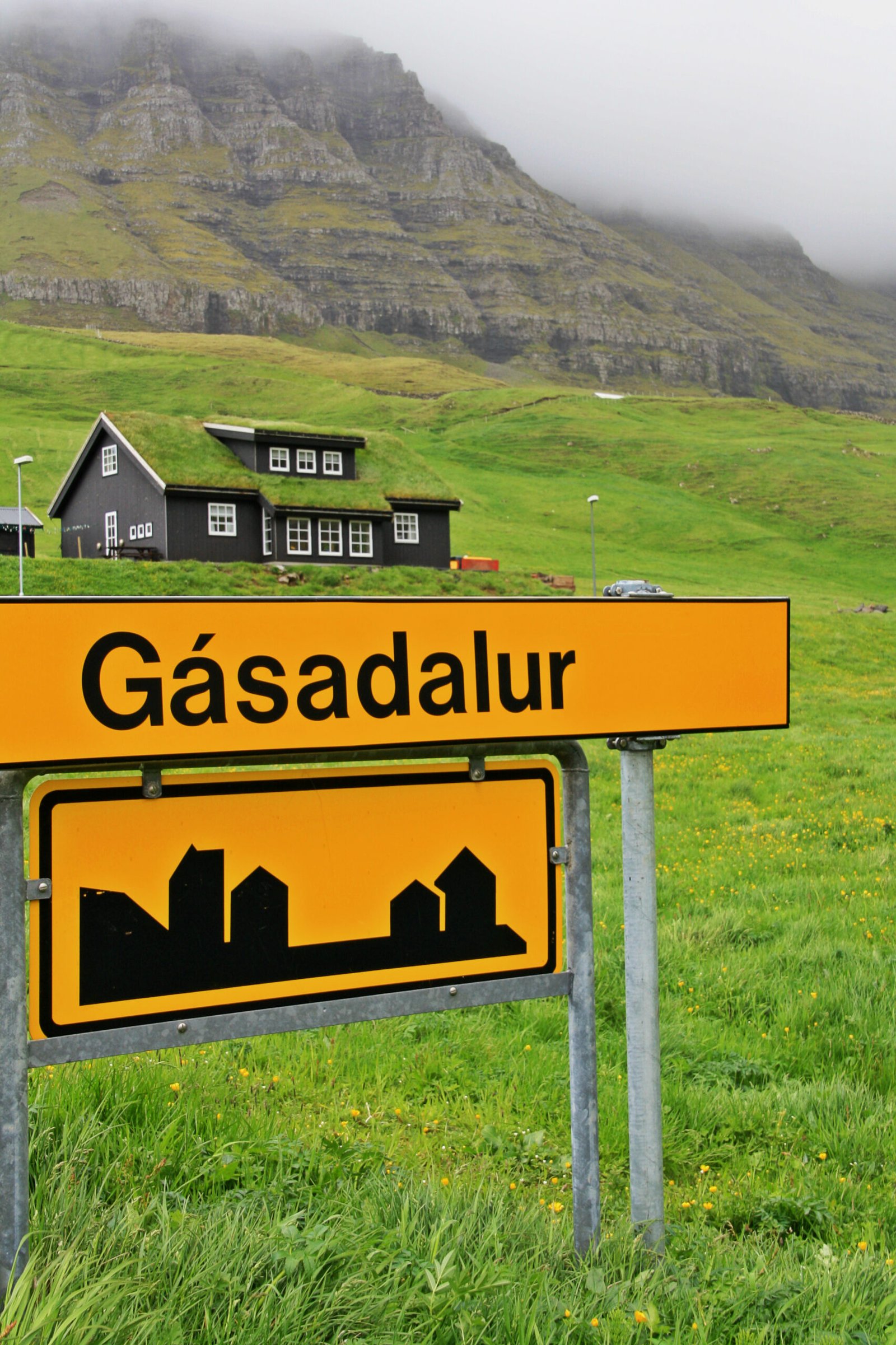
The Faroe Islands match the 2026 appetite for remote-looking places that still feel possible to plan. The visual identity is clear: cliffs, sheep roads, green slopes, dark sea, tiny villages and weather that changes the entire mood of a photo in minutes.
This is also a strong GEO topic because readers ask practical questions. They want to know how many days to spend, whether they need a car, which villages matter, what the weather does and how to keep costs under control.
Best places for a first trip
Use Torshavn as a base for food, lodging and easy logistics. Add Gasadalur, Mulafossur Waterfall, Saksun, Tjornuvik and the Lake Sorvagsvatn viewpoint if the weather is safe. Kalsoy is beautiful but should be treated as a bonus, not a fixed promise.
The biggest mistake is planning the Faroe Islands like a checklist. The best trip leaves open space. Fog, ferry schedules and wind can move your best day from Tuesday to Thursday, and that flexibility is exactly what makes the destination work.
5-day itinerary
Day 1: arrive, check into Torshavn and walk the harbor. Day 2: visit Gasadalur and nearby viewpoints. Day 3: plan Saksun and Tjornuvik, with a backup cafe or museum stop if the weather turns. Day 4: hike Sorvagsvatn or choose a lower-risk coastal drive. Day 5: use as a buffer for Kalsoy, missed views or a relaxed village day.
A realistic route is better than an overloaded one. If you only remember one planning rule, make it this: choose one major outdoor goal per day and let smaller stops fill the gaps.
Budget and safety planning
The Faroe Islands are not a cheap destination, so save money with apartment stays, grocery meals and a focused route. Renting a car is useful, but include tunnels, ferries, fuel and parking in the real budget.
For safety, respect closures, stay on marked paths and do not chase cliff photos in wind. The best aesthetic trip is still one where you return with good memories and a working phone, dry layers and no emergency story.
Helpful Planning Links
Use these related CNC Travel guides to continue planning this trip from another angle.
Quick answer: The Scotland Highlands aesthetic is a moody 2026 travel idea built around castles, misty roads, lochs, wool layers, scenic drives and affordable village bases.
Why the Scotland Highlands aesthetic works for 2026
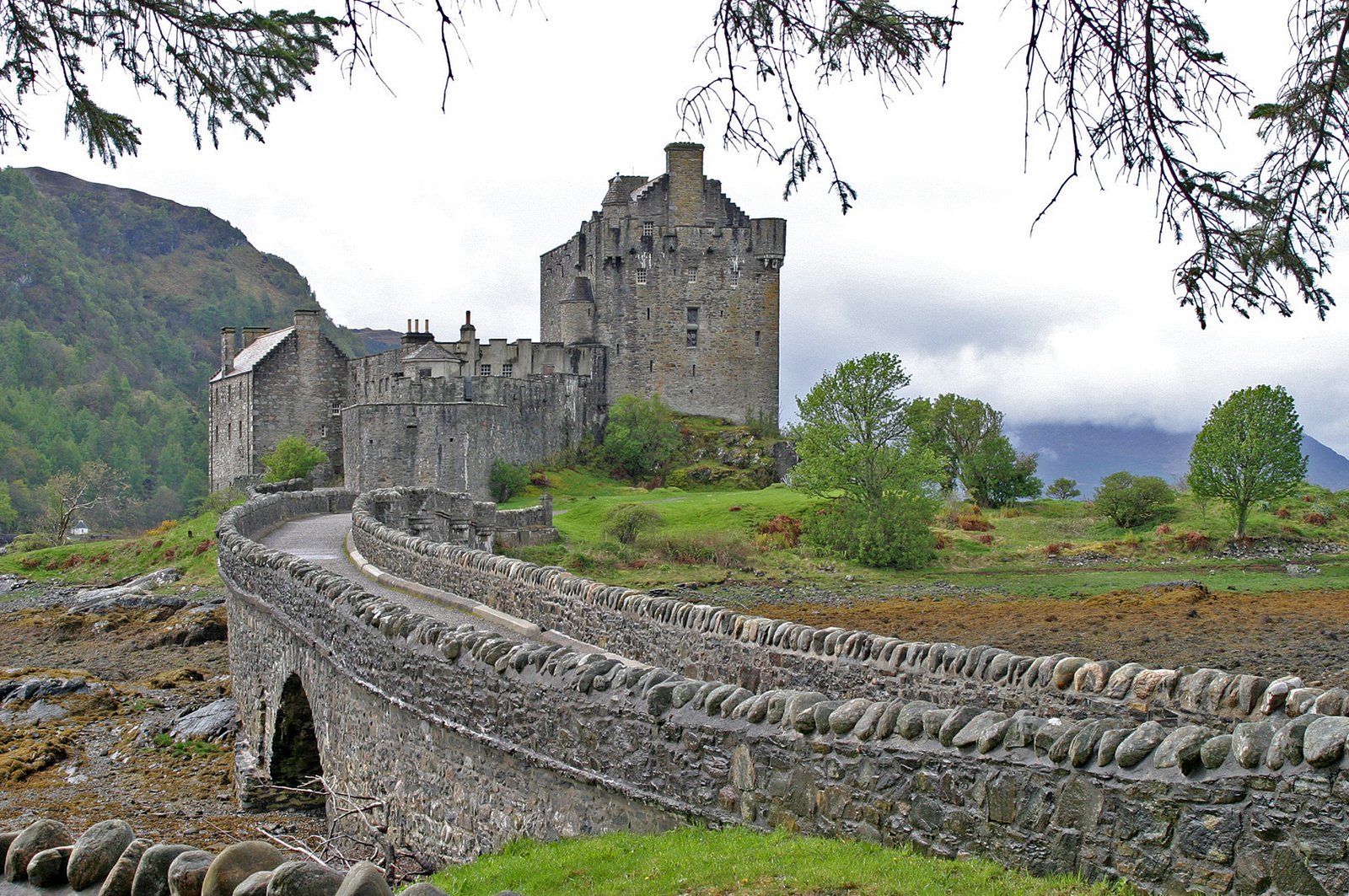
The strongest travel content in 2026 does not only answer where to go. It also answers what the trip should feel like. The Scotland Highlands aesthetic has that built in: dark lochs, stone castles, wet roads, mountain passes, quiet villages and dramatic weather that makes ordinary viewpoints feel cinematic.
For SEO and reader intent, this topic works because it blends inspiration with practical planning. People searching this phrase usually want a beautiful trip, but they also need a route, cost expectations, lodging advice and a way to avoid driving too far every day.
Best places to include
Build the trip around Inverness, Loch Ness, Urquhart Castle, Glen Coe, Eilean Donan Castle and the Isle of Skye if you have enough time. For a shorter and cheaper version, stay around Inverness and add Cairngorms National Park, Fort Augustus and one guided day trip.
The best route is not the one with the most pins. It is the one that gives you enough daylight, weather flexibility and time to stop safely. In the Highlands, a 90-minute drive can easily become half a day once you add viewpoints, rain, lunch and narrow roads.
5-day itinerary
Day 1: arrive in Inverness, walk the river, buy snacks and prepare for the road. Day 2: visit Loch Ness and Urquhart Castle, then sleep near Inverness or Fort Augustus. Day 3: drive toward Glen Coe with slow photo stops. Day 4: visit Eilean Donan Castle and continue toward Skye if conditions are good. Day 5: choose one Skye highlight or return slowly with a castle and cafe stop.
For budget travelers, avoid changing hotels every night. Two bases can be enough: Inverness for access and one western base for scenery. This lowers stress, reduces fuel waste and makes bad weather less damaging to the itinerary.
Budget, booking and transport tips
Book accommodation early for June through September. If prices are high, compare guesthouses outside the most famous villages, look at self-catering stays, and choose one or two paid attractions instead of entering every castle.
A rental car gives the best flexibility, but it is not the only option. Inverness-based day tours can work for travelers who do not want to drive. If you do rent, choose a small car, check insurance carefully and plan shorter driving days than Google Maps suggests.
Helpful Planning Links
Use these related CNC Travel guides to continue planning this trip from another angle.
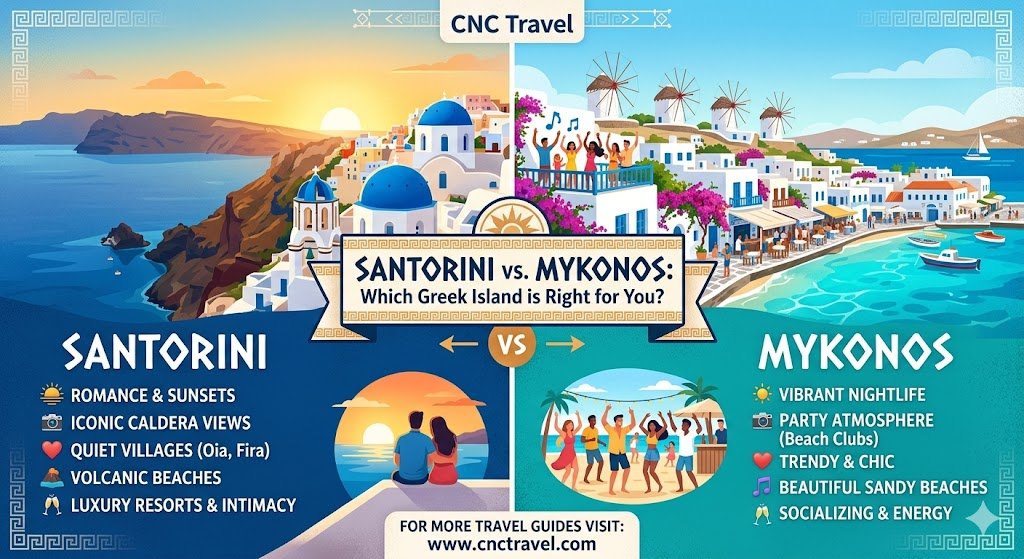
Quick answer: Santorini vs. Mykonos is easiest to plan when you compare season, total trip cost, transport, where to stay and the main experience you want before booking.
Two legendary islands, two completely different experiences. Here’s everything you need to make the perfect choice for your Greece vacation.
Planning a trip to Greece and torn between Santorini and Mykonos? You’re not alone. These two Cycladic islands consistently rank among the world’s most desirable destinations — yet they attract very different types of travelers. Choosing the wrong one for your travel style can be a costly mistake.
Santorini and Mykonos both belong to the Cyclades island group in the Aegean Sea and are just 45 minutes apart by high-speed ferry — yet stepping onto each one feels like entering a completely different universe.
🌅 Santorini
Romantic · Scenic · Refined
Dramatic caldera & cliffside views
World-famous sunsets in Oia
Volcanic beaches (black & red sand)
Excellent local wines (Assyrtiko)
Ancient ruins of Akrotiri
Relaxed, romantic atmosphere
🎉 Mykonos
Lively · Social · Cosmopolitan
World-class beach clubs
Legendary nightlife scene
Gorgeous white-sand beaches
LGBTQ+ welcoming & inclusive
Charming windmills & Little Venice
Day trips to ancient Delos
Santorini: The Romantic Dreamer
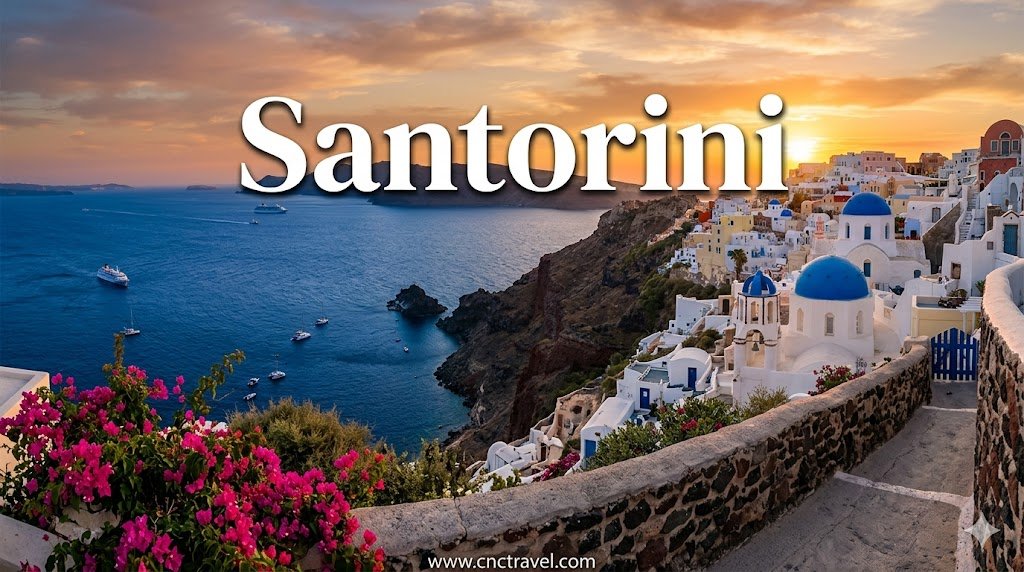
Santorini is built on the rim of a dormant volcano, and that geological drama is the heart of everything that makes it special. The iconic caldera — a vast, flooded volcanic crater — provides a backdrop unlike anywhere else on Earth. Whitewashed villages cling to the clifftops of Fira, Oia, and Imerovigli, offering some of the most photographed views in the world.
What Makes Santorini Special
Beyond the scenery, Santorini has a refined culinary and wine culture. The island’s volcanic soil produces the unique Assyrtiko grape, yielding crisp, mineral-driven white wines celebrated across Europe. Many restaurants sit perched over the caldera, offering a dining experience that is genuinely hard to match anywhere.
History lovers will appreciate the archaeological site of Akrotiri — a Bronze Age city buried by volcanic ash around 1600 BCE, often called the “Greek Pompeii.” It’s one of the most significant prehistoric settlements in the Aegean and a must-visit for culturally minded travelers.
💡
Insider tip: Book your caldera-view hotel or restaurant table at least 3–4 months in advance for summer visits. Capacity is limited and demand is enormous. Also read our guide on the best villages to stay in Santorini for neighborhood-by-neighborhood advice.
Best Areas to Stay in Santorini
Oia — most picturesque, best for sunsets and honeymoons
Imerovigli — highest point, quieter, dramatic caldera views
Fira — most central and lively, good transport links
Akrotiri — near the famous red beach, more authentic feel
Mykonos: The Social Butterfly
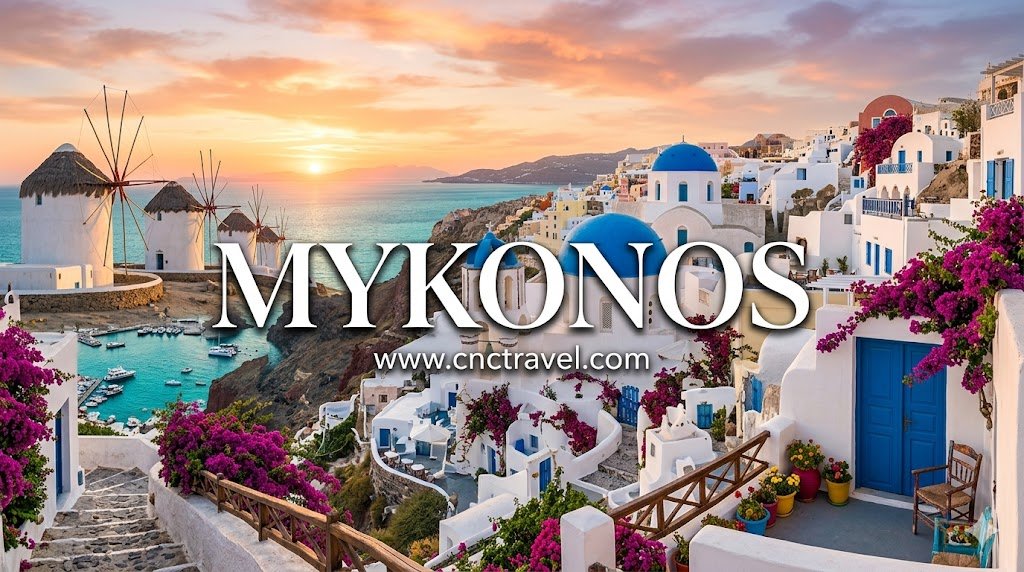
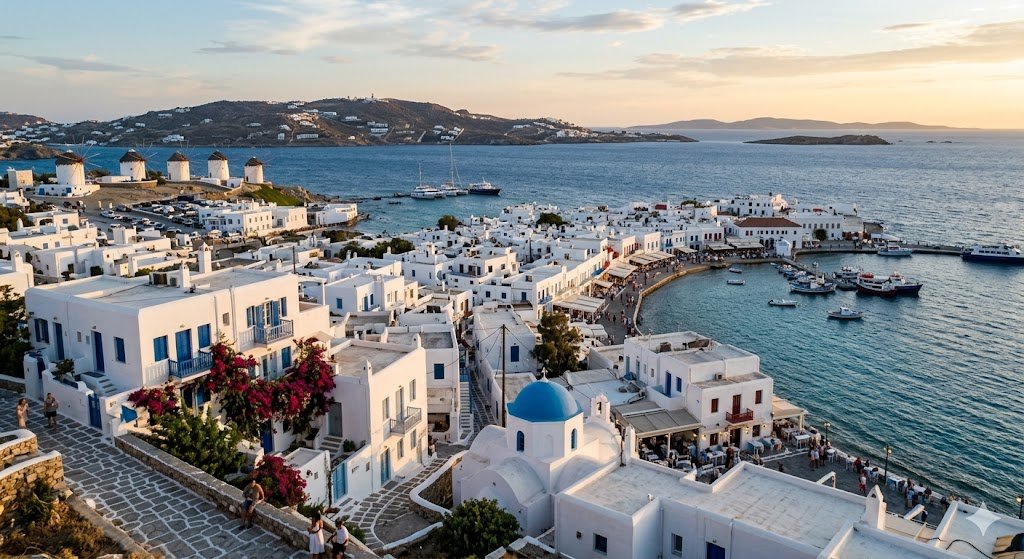
Mykonos has a well-earned reputation as the party capital of the Greek islands, but reducing it to just a party destination would be unfair. The island’s old town — known as Chora — is one of the most charming in all the Cyclades, with meandering alleys, famous windmills, and the picturesque waterfront area called Little Venice.
What Makes Mykonos Special
The beaches here are genuinely excellent — wide, sandy, and well-organized. Paradise Beach and Super Paradise Beach are the famous party beaches with all-day DJ sets, but there are quieter options too. Agios Ioannis, Panormos, and Fokos offer a more peaceful atmosphere for those who prefer a sunbed to a dance floor.
One of Mykonos’s greatest hidden assets is the nearby island of Delos — one of Greece’s most important UNESCO World Heritage archaeological sites. A 30-minute boat ride gets you to an entire uninhabited ancient island that was once the holiest sanctuary in the Aegean world.
ℹ️
Did you know? Mykonos is consistently rated as one of the most LGBTQ+-friendly destinations in Europe. The island has a long tradition of inclusion dating back to the 1970s. See our internal guide on LGBTQ+ travel in Mykonos for full details.
Side-by-Side Comparison
Use this table for a quick at-a-glance comparison of both islands across the most important categories:
Category
🌅 Santorini
🎉 Mykonos
Vibe
Romantic, scenic, refined
Social, lively, cosmopolitan
Best For
Couples, honeymooners
Friend groups, solo travelers
Beaches
Unique (volcanic, dramatic)
Better swimming, wider sandy
Nightlife
Low-key, wine bars
World-class clubs & beach parties
Food Scene
Excellent (volcanic wine focus)
Excellent (international variety)
Culture & History
★★★★★
★★★★☆
Scenery
★★★★★ (iconic caldera)
★★★★☆ (charming town)
Average Hotel Cost/Night
€180–€600+
€150–€500+
Crowds (July–Aug)
Very crowded
Very crowded
LGBTQ+ Friendly
Yes
Especially so
Good for Families
Moderate
Moderate
Getting Around
Bus, ATV, taxi (limited)
Bus, ATV, taxi, scooter
Beaches: Which Island Wins?
This is one area where the two islands are genuinely very different. Mykonos wins on beach quality for most travelers seeking classic sandy shores ideal for swimming and sunbathing.
Santorini’s Beaches
Santorini’s beaches are unique rather than traditionally beautiful. The famous Red Beach (Kokkini Paralia) features striking crimson cliffs and volcanic pebbles. The Black Beach at Kamari and Perissa is dramatic, though the dark sand absorbs heat quickly. These beaches are better for the experience and photos than long swims.
Mykonos’s Beaches
Mykonos delivers classic Mediterranean sand and crystal-clear water. Elia is the longest and arguably most beautiful. Agios Sostis is a raw, unspoiled stretch with no sun beds — just nature. And if you want to party, Paradise and Super Paradise deliver world-famous beach club energy. Learn more in our complete Mykonos beach guide.
Nightlife & Food: Two Different Scenes
Both islands have excellent dining, but the nightlife differs dramatically.
Santorini Dining & Nightlife
Santorini’s restaurants are among the most atmospheric in Greece — many perched on the caldera edge with sweeping views. The focus is on fine dining, local wine, and fresh seafood. Evenings tend to be about sunset cocktails and long dinners rather than dancing. Wine tasting at local estates like Santo Wines is a quintessential Santorini experience.
Mykonos Dining & Nightlife
Mykonos has a vibrant and truly international dining scene, from fresh Greek tavernas in the backstreets of Chora to celebrity-chef restaurants on the waterfront. After dinner, the island comes alive — clubs like Cavo Paradiso have hosted global DJs for decades and are genuinely world-class. The party scene typically runs until well after sunrise.
Cost & Budget: What to Expect
Both Santorini and Mykonos sit firmly in the premium tier of European travel destinations. Budget travel is difficult, though not impossible.
⚠️
Budget warning: Peak season (July–August) prices can be 2–3x higher than shoulder season. Visiting in May, June, or September saves significantly on accommodation while still delivering excellent weather. Read our article on the best time to visit the Greek islands for full seasonal breakdowns.
Mykonos: €130–€280/day (can spike sharply if clubbing)
Budget tip: Stay in Fira (Santorini) or inland Mykonos Town — views cost a premium
For comprehensive, up-to-date pricing, the Numbeo cost of living database provides crowd-sourced pricing data for both islands.
Who Should Choose Which Island?
Choose Santorini if you…
Are traveling as a couple or on a honeymoon
Prioritize scenery and photography over beach time
Love wine, fine dining, and sunset views
Enjoy history and archaeology (Akrotiri is world-class)
Want a relaxed, slower pace
Choose Mykonos if you…
Are traveling with a group of friends
Love beach clubs, dancing, and nightlife
Want the best swimming beaches
Identify as LGBTQ+ and want an inclusive scene
Want a cosmopolitan, high-energy holiday
✈️
Pro tip: Do both! Many travelers do Santorini + Mykonos in a single trip. A 7–10 day itinerary gives you 3–4 days on each island. The Seajets and Hellenic Seaways high-speed ferries connect them in about 45 minutes. See our ultimate Greece island-hopping itinerary for a suggested route.
🏆 The Final Verdict
There’s no universally “better” island — only the right one for you.
🌅 Choose Santorini for…
Romance, breathtaking scenery, wine culture, history, and a slower, more intimate atmosphere.
🎉 Choose Mykonos for…
Beach parties, nightlife, social scenes, great swimming beaches, and a cosmopolitan energy.
💑 Best for couples
Santorini — the sunsets, caldera views, and intimate dining are tailor-made for romance.
🎊 Best for groups
Mykonos — beach clubs, nightlife, and social atmosphere make it ideal for friend groups.
FAQ: Santorini vs. Mykonos
Can I visit both Santorini and Mykonos in one trip?
Absolutely. A 7–10 day trip with 3–4 days on each island is one of the most popular Greece itineraries. High-speed ferries run regularly between the two islands and take approximately 45 minutes to 2 hours depending on the service.
Which island is better for families with children?
Neither island is specifically designed for families, but Santorini is slightly calmer. The Kamari and Perivolos beach areas have good family facilities. Mykonos’s party-heavy reputation may not suit families with young children, though the quieter north of the island is perfectly family-friendly.
When is the best time to visit either island?
Late May, June, and September offer the best balance of good weather, manageable crowds, and lower prices. July and August are peak season — beautiful, but extremely crowded and expensive. See our full guide on the best time to visit the Cyclades.
Is Santorini or Mykonos more expensive?
Both are premium destinations. Santorini’s caldera-view hotels can be the most expensive in all of Greece. Mykonos beach club costs and VIP tables can also add up rapidly. Overall, costs are comparable for mid-range travelers, but Santorini’s iconic accommodation tends to carry the higher premium.
A stronger Santorini vs. Mykonos plan starts with intent. Decide whether the trip is about price, scenery, comfort, food, events, outdoor access or a specific bucket-list moment. That decision makes the rest of the planning easier because every hotel, transfer and activity can be judged against the same goal.
For 2026, travelers should also compare total trip cost instead of only headline prices. A cheap hotel can become expensive if transport is weak, while a slightly higher nightly rate can save money if it includes breakfast, transit access or a better location.
Budget and Booking Tips
Book refundable accommodation early, then keep comparing prices.
Check airport, train or bus access before choosing where to stay.
Plan one main paid experience per day instead of overloading the itinerary.
Use grocery stops, local transport and shoulder-season dates to control costs.
Keep a small buffer for weather, delays, luggage storage or last-minute transfers.
Before finalizing the trip, check an official resource for current rules, entry requirements, park access, event details or health guidance: European Union travel information.
Common Mistakes to Avoid
The most common mistake is planning from one viral photo or one cheap price. A useful itinerary checks distance, opening times, weather, local holidays, transfer costs and whether the experience still works if plans change.
Another mistake is ignoring the first and last day. Arrival and departure days often decide whether a trip feels smooth or stressful, so keep them lighter and avoid booking the most important activity immediately after a long transfer.
FAQ
How do you plan Santorini vs. Mykonos on a budget?
Start with flexible dates, compare accommodation outside the most expensive zone, check transport before booking and keep one paid activity as the main highlight.
What should you check before booking Santorini vs. Mykonos?
Check season, local transport, cancellation rules, official travel updates, safety requirements and whether the final cost includes food, transfers and extra fees.
Is Santorini vs. Mykonos worth it in 2026?
Yes, if the trip matches your budget, season and travel style. A focused itinerary usually gives better value than trying to visit too many places at once.
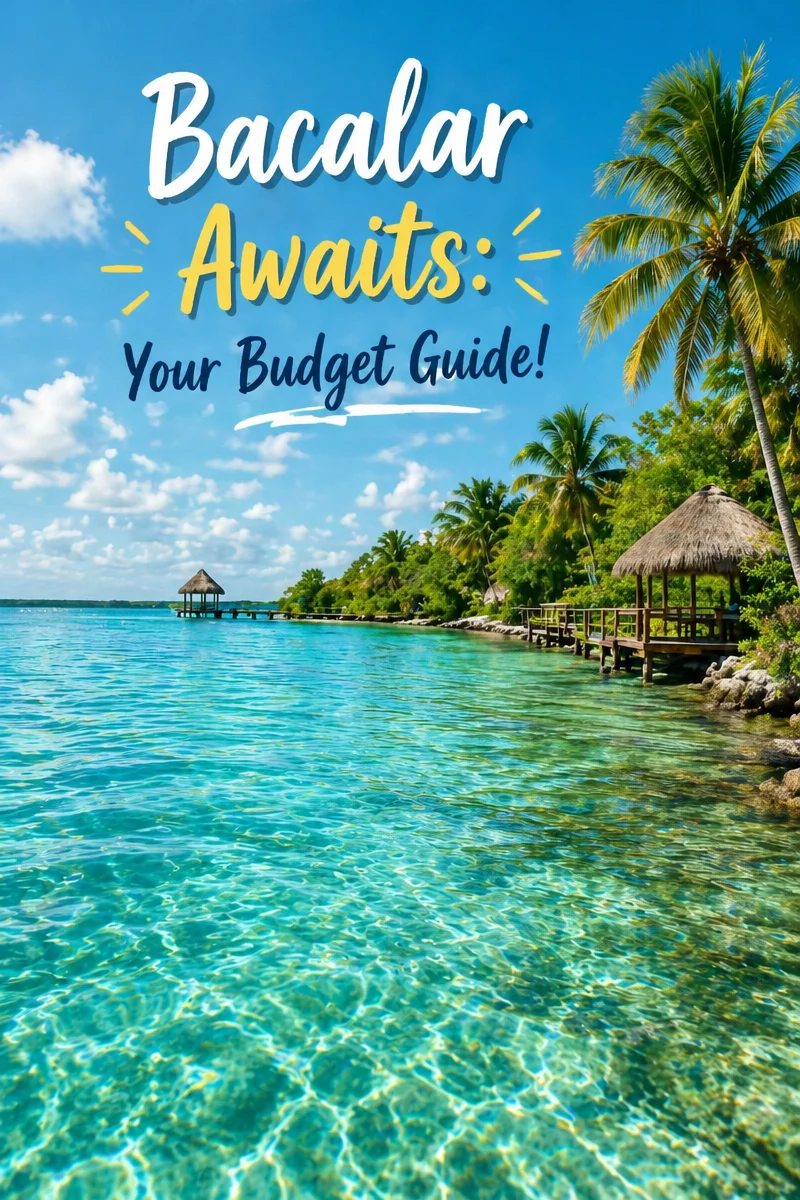
Budget travel guide to Bacalar Mexico—sound familiar? If you’ve ever dreamed about gorgeous turquoise water but rolled your eyes at pricey resorts and crowds (same, same), this is the place you want: Bacalar. So many folks want that “hidden gem” vibe, not Cancun-style mayhem. Bacalar’s perfect for budget travelers—yup, even backpackers. I wish I’d known all this before my first trip, but hey, now I’m passing it along to you. Looking for more inspiration? Check out this quick guide on the best things to do in Bacalar Lagoon.
Why Travel to Bacalar, Mexico?
Let me lay it out simply: Bacalar is the “Lagoon of Seven Colors”—for real, the water changes shades, and it’s not some Photoshop trick. Couldn’t believe my eyes.
Not as crowded (or expensive) as the obvious touristy places.
You get a friendly little town plus those lake views? Swoon-worthy.
There’s genuine charm here, no fake Disney stuff.
If you like water but aren’t a “seaweed-in-my-swimsuit” person, this lake is a dream.
“The slower pace, cheaper prices, and daily sunrise paddles are why I keep coming back. Feels like a secret the world hasn’t spoiled yet!” – Lara, fellow backpacker
Best Things to Do in Bacalar Mexico
Alright—here’s what I’d do first (or want to, if I had another chunk of days):
Kayak or paddleboard at sunrise. Calm, barely a ripple, no jet skis ruining the vibe.
Float in the Los Rapidos river—seriously, it’s like nature’s lazy river.
Check out Cenote Azul (bring spare pesos for snacks afterward because you will be hungry).
Grab tacos and micheladas by the main plaza—skip the fancy stuff, trust me.
Where to Stay in Bacalar
Okay, accommodations. It’s a mixed bag—don’t expect five-star luxury, but that’s part of the charm.
Hostels are everywhere; try Yak Lake House for decent prices and a lake view.
Airbnb is solid for small groups or privacy fans; just check reviews.
Sweet spot: mid-range eco-hotels with hammocks (if you don’t nap at least once, you’re missing out).
Getting to Bacalar
So, it’s kinda a trek from anywhere big, but not impossible.
Most fly into Cancun or Chetumal, then catch a bus—ADO is the easiest, and cheap.
If you’re up for it, rent a car (I did—blasted ‘90s hits, loved it).
Not much local transport, but cabs are around; negotiate before hopping in.
Bacalar Travel Tips
Alright, here’s the real-deal stuff nobody tells you until after you mess up:
Pack bug spray—mosquitoes are relentless.
ATM lines get wild, so bring cash.
Never flush your toilet paper (seriously, septic tanks here are, how do I say…sensitive).
Learn a few Spanish phrases, locals are awesome but not everyone speaks English (big bonus: makes you look less like a tourist).
Is Bacalar safe for travelers?
Yeah, overall, it’s chill. Petty theft happens, like anywhere, but I felt super safe walking around—even at night.
What’s the best time of year to visit?
March to June is prime. Less rain, but not frying-pan levels of hot.
Can you swim anywhere in the lagoon?
Pretty much, but there are private docks—don’t hop fences (awkward story, not for now).
Do you need to book tours in advance?
Nah, unless it’s high season. Usually, you can arrange stuff when you get there.
How long should you stay in Bacalar?
At least two full days. Four, if you want to do absolutely nothing—highly recommend.
So, Should You Try Bacalar? (Quick Yes)
Alright, you don’t have to take my word for it—lots of travelers vouch for this spot too. Bacalar brings that chill, natural beauty you accidentally find while looking for something else. Skip the high prices and over-planned tours, and do your own thing for a change. If you want extra assurance or ideas, peek at this budget friendly guide to Bacalar, Mexico – Marisa Vogiatzi or go deep with Bacalar Mexico: Travel Guide to The Yucatan’s Most Epic Lake—you’ll see, everyone who goes raves about it. Trust me, you’ll come home with new stories, lotsa sun, and seriously—the freshest tacos.
Best Time to Visit
The best time to visit Bacalar is from November to April, when the weather is drier and lagoon days are easier to plan. For lower prices, compare weekdays and shoulder-season dates in May or early November.
Helpful Planning Links
Use these related CNC Travel guides to compare routes, budgets, and destination ideas before booking.
Yes. Bacalar can be budget-friendly if you stay near town, use local food options, and choose lagoon tours carefully instead of booking every activity in advance.
How many days do you need in Bacalar?
Two to three days is enough for the lagoon, town, and a relaxed day trip. Add more time if you want a slower route through southern Mexico.
Is Bacalar cheaper than Tulum?
In most cases, Bacalar is cheaper than Tulum for accommodation, food, and daily costs, especially outside peak holiday weeks.
Quick answer: Albania vs Croatia budget 2026 is easiest to plan when you compare season, total trip cost, transport, where to stay and the main experience you want before booking.
Albania vs Croatia budget 2026—has this been haunting your travel dreams too? (You’re not alone, trust me.) I found myself binge-reading like twelve different blogs while my coffee went cold, just trying to figure out if Albania really is the “cheap Europe” of the moment or just hyped up talk. And Croatia… well, you hear “walled cities!” and “Game of Thrones!” and your wallet instantly panics, right? So, I dove in, crunched every receipt, and lived like a local—for science. If you’re torn, these 10 smart hacks to travel on a budget will set the record straight.
Albania Costs: What does a road trip through Europe’s cheapest travel destination cost?
Renting a car in Albania is wild (in a good way!)—I snagged mine for less than a hostel bed in Paris.
Gas? Way cheaper than in Croatia, but their signs weirdly switch between units. Don’t ask me why.
Most museums and parks charged, like, pocket change. Felt guilty about how little!
If you skip the tourist traps (trust your gut if you see busloads of folks in matching hats), expect to spend less than €35/day.
“I traveled around Albania for two weeks and never worried about my bank account once! Everything felt affordable, but never cheap in quality.”—Mira, Zurich
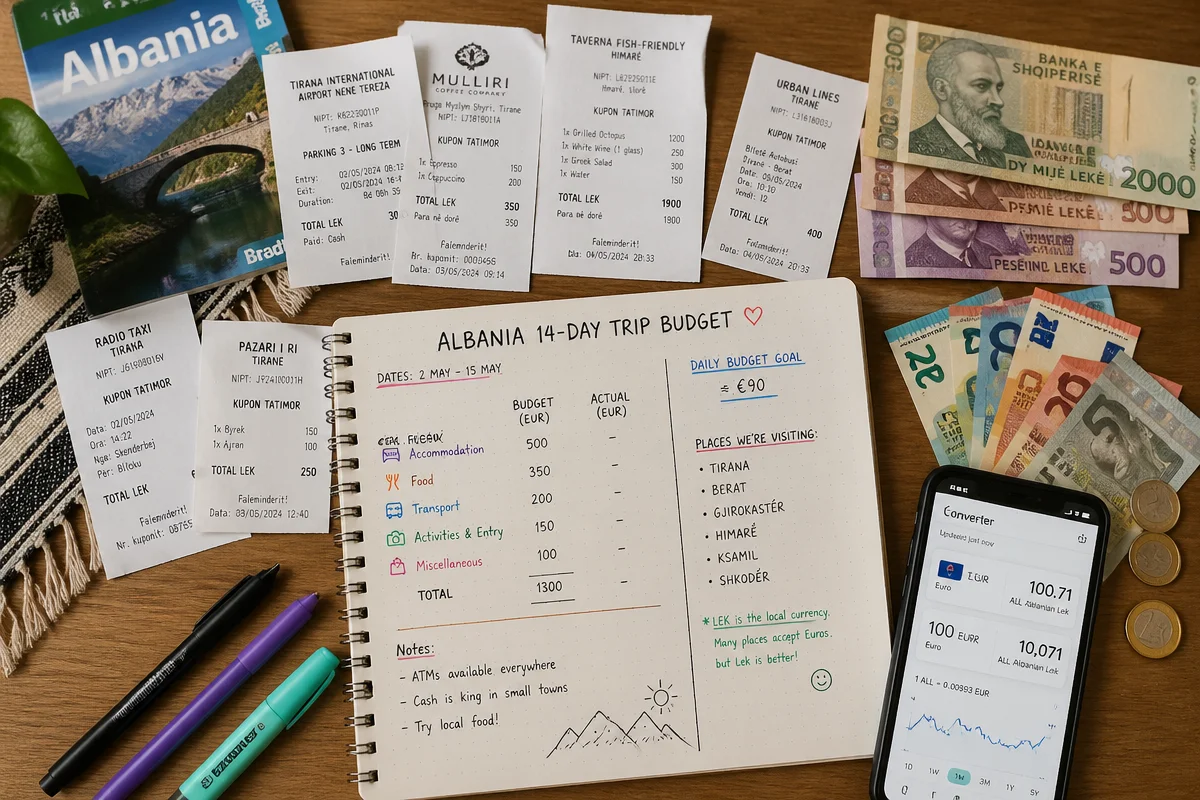
Albanian Lek in Euros: My 14-day budget overview
Total spend: about €460 for two weeks, not kidding. (I double-checked my math after three espressos.)
Most things are in Albanian lek, but everyone’s relaxed if you have euros.
ATMs are everywhere, but some sneak in wild fees. Take out cash in big chunks.
Local markets saved me a fortune—plus, you’ll taste olives that’ll ruin supermarket ones for you, forever.
Accommodation: Where I slept and how much it cost
Albania’s hostels are shockingly friendly—and dirt cheap. Think €7-15 a night. I stayed near the sea in Ksamil for less than my weekly coffee run at home.
Mid-range hotels? Still great deals, usually run by cute families who’ll feed you raki even if you say “no thank you”. (Spoiler: you won’t refuse twice.)
Airbnbs exist, but vet the reviews; some are gems, some… not so much.
Book ahead in the high season, though—it gets booked out by, like, June.
Albanian Food: The best cuisine for little money
Breakfasts here are filling and cost less than a smoothie bowl back home. Fave: byrek, which I’m sure is proof humans can invent perfection on a budget.
“Tavë kosi” was my surprise hit—baked lamb with yogurt, ahhhh, so comforting and about €6 at a proper sit-down spot.
Street food? YES. Grilled corn, juicy figs, insane seafood for loose change.
Pro tip: Don’t skip those seaside shacks that look a little too homemade. That’s where you’ll find five-star gleam on a three-euro plate.
Is a holiday in Albania dangerous? An honest, first-hand assessment.
Short answer: not at all. The media hypes things up—locals were protective (in a good way!), not sketchy.
Night busses felt fine, but I stuck to main roads. No issues, just… don’t go poking around dark alleys solo at 2am (I mean, basic common sense).
People will warn you about pickpockets but honestly, I had more trouble in Rome. Just keep your backpack closed.
Roads can be, let’s say, “adventurous.” If you can handle potholes, you’re grand. If not, stick to main towns.
“I never once felt unsafe—even the older ladies in small villages offered help when I got lost! Albania’s probably safer than most big European cities.”—Ellie, London
Common Questions
Q: Is Albania really cheaper than Croatia?
A: Yup—by quite a lot, especially for food and beds. Croatia’s gotten pricey, especially in summer.
Q: Do I need a car in Albania?
A: Kinda. If you want hidden beaches or mountain villages, it’s way quicker. Buses are doable, just slow.
Q: Can I get by with English?
A: Mostly, yes. Young folks are super fluent—older generation, not so much, but they’ll still bend over backward to help. Gestures work wonders!
Q: What about vegetarian food?
A: It’s not the vegetarian capital of Europe, but there are options. Try the cheese and veggie byrek.
Q: Is crossing borders easy?
A: Usually. EU/US passports breeze through, just double-check car rental rules.
Should You Go Albania or Croatia? My Take for 2026
If you’re chasing wild landscapes, fresh food, and small-budget big-adventure, Albania wipes the floor with anywhere I’ve tried lately. (Yep, even compared to Croatia.) You’ll save tons, eat like royalty, and have that smug “I knew before it got trendy” glow. Still, Croatia’s packed with charm—so, hey, try a mix if you can swing it! For juicy debates on spots like Saranda versus Dubrovnik, check out this excellent deep dive on Albania vs. Croatia 2026: Is the “New Maldives” Worth the Hype?. Still got nerves? These two first-time travelers share real advice in this thread, We are 2, 18yo girls going travelling in Albania for the first time!!!.
One last tip: with all that money you’ll save, maybe treat yourself with ideas from the 39 cheapest countries in the world for budget for your next trip.
Honestly, don’t overthink it—just go, try the byrek, and thank me later.
Best Time to Visit
The best time to compare Albania and Croatia on a budget is May, June, September, or early October. These months usually offer better prices, pleasant weather, and fewer crowds than July and August.
Helpful Planning Links
Use these related CNC Travel guides to compare routes, budgets, and destination ideas before booking.
Albania is generally cheaper for accommodation, food, and beach towns, while Croatia often costs more in famous coastal destinations during summer.
Which country is better for first-time travelers?
Croatia is easier for classic island and old-town routes, while Albania is stronger for travelers who want lower costs and a more emerging destination feel.
Can you visit both Albania and Croatia in one trip?
Yes, but it works best with at least 10 to 14 days so travel time does not take over the itinerary.
2026 Planning Update for Albania Vs Croatia Budget 2026
A stronger Albania vs Croatia budget 2026 plan starts with intent. Decide whether the trip is about price, scenery, comfort, food, events, outdoor access or a specific bucket-list moment. That decision makes the rest of the planning easier because every hotel, transfer and activity can be judged against the same goal.
For 2026, travelers should also compare total trip cost instead of only headline prices. A cheap hotel can become expensive if transport is weak, while a slightly higher nightly rate can save money if it includes breakfast, transit access or a better location.
Budget and Booking Tips
Book refundable accommodation early, then keep comparing prices.
Check airport, train or bus access before choosing where to stay.
Plan one main paid experience per day instead of overloading the itinerary.
Use grocery stops, local transport and shoulder-season dates to control costs.
Keep a small buffer for weather, delays, luggage storage or last-minute transfers.
Before finalizing the trip, check an official resource for current rules, entry requirements, park access, event details or health guidance: European Union travel information.
Common Mistakes to Avoid
The most common mistake is planning from one viral photo or one cheap price. A useful itinerary checks distance, opening times, weather, local holidays, transfer costs and whether the experience still works if plans change.
Another mistake is ignoring the first and last day. Arrival and departure days often decide whether a trip feels smooth or stressful, so keep them lighter and avoid booking the most important activity immediately after a long transfer.
FAQ
How do you plan Albania vs Croatia budget 2026 on a budget?
Start with flexible dates, compare accommodation outside the most expensive zone, check transport before booking and keep one paid activity as the main highlight.
What should you check before booking Albania vs Croatia budget 2026?
Check season, local transport, cancellation rules, official travel updates, safety requirements and whether the final cost includes food, transfers and extra fees.
Is Albania vs Croatia budget 2026 worth it in 2026?
Yes, if the trip matches your budget, season and travel style. A focused itinerary usually gives better value than trying to visit too many places at once.
Best rail-linked city pairings Europe budget travelers always talk about—let’s get real here. You want to see those postcard-worthy cities, eat way too much (who doesn’t, honestly?), and still have enough coins left for gelato. But those flights? Painful for your wallet, right? Here’s the good news: Europe’s train game is strong and does half the work for you. If you want to get the most out of your euros, check out these awesome rail routes and some budget-friendly city combos. By the way, you might want to peek at these must-visit European cities on a budget if you need more inspiration.
Popular multi-country train routes
Not gonna lie, the classic routes never disappoint—plus, they really save you a headache with travel planning.
Paris to Amsterdam is an all-star. Just over three hours, straight shot, no nonsense.
Madrid to Lisbon—trains aren’t super fast here, yeah, but you get sunrise views out the window? Totally worth it!
Prague to Vienna—cheap, quick, and if you pack a cheap sandwich, you’re rolling like a local.
If you fancy fresh scenery, Zurich to Milan. Day trip or weekend jaunt, your call.
I still remember lugging my backpack, totally lost in Antwerp, and two students showed me the right platform (laughing at my French accent but, hey, kindness is everywhere).
Best practices for booking train tickets across Europe
Getting tickets is tricky—mess it up and you’ll miss your train, trust me.
Always check national rail apps and international booking sites like RailEurope (prices flip-flop more than pancakes on Sunday).
Snag early bird tickets—book in advance, you’ll save more than you spend on breakfast for a week.
Split tickets sometimes work out cheaper (it’s weird, but play around with routes).
If you’re city-hopping, Interrail or Eurail passes might be a hack to save.
“Booking early saved us so much on our Venice trip, we ended up affording a fancy meal instead of sad sandwiches all week. Game-changer!” — Anna, dear friend and habitual train napper.
Tips for traveling between European cities by train
Let’s be honest—sometimes stuff goes sideways. Here’s what I learned, the hard way:
Trains aren’t always punctual (Swiss ones are, others… hmmm, take your time).
Print your ticket or keep a digital backup—my phone died once before Florence, almost missed my ride, yeesh.
Bring snacks you actually like, because train food is, uh, hit or miss (pack cheese and bread, classic move).
If you switch countries, check if your next station needs a special reservation (yep, had to learn that mid-trip).
Don’t forget luggage lockers in big stations—super useful if your Airbnb doesn’t do early check-ins.
Essentials to know about train travel in Europe
Okay, so these are the game-changing basics—don’t skip these, trust me.
The second class is usually fantastic (no need to splurge for first unless you love velvet seats).
Night trains are back in style—sleep cheap, wake up in a new country (like, you + budget = winning).
Train stations sometimes have the best bakeries just outside the exits. Don’t miss!
Don’t expect Wi-Fi to always work—old-school books, playlists, download stuff in advance.
If you want more tips for family adventures, these best family-friendly travel destinations in Europe are worth a scroll.
Recommended train services and travel partners
Here’s what (and who) I actually recommend—not just random stuff.
SNCF and Deutsche Bahn are super reliable, especially for cross-border trips.
Trenitalia’s seats are plush (if not always on time, well, it’s Italy!).
For budget, look up OUIGO (especially in France) and RegioJet (fun colors, nice prices in Central Europe).
National rail websites often have the best prices—skip the third-party upcharges when you can.
If you’re lost, station staff are way more helpful than you’d guess (don’t let the grumpy faces fool you).
Common Questions
Is it always cheaper to take trains over flights in Europe?
Not always, but booking in advance makes a big difference. Trains usually win for city-center to city-center travel and avoiding airport chaos.
Can you just buy tickets on the day of travel?
Yep, but sometimes you’ll pay more. For busy routes, last-minute can mean sold out—or just shelling out double.
Is seat reservation necessary?
Some routes need it, especially international or high-speed lines. But for slow, local trains—hop on, find a spot, done!
Are there discounts for groups or students?
So many! Always check student, youth, and senior rates before buying. Local passes help too.
Any luggage limits on European trains?
No strict checks like on planes. Still, giant suitcases will get you the evil eye, so try to pack smart.
Ready to Rail? Your Budget Adventure Awaits
So, snapping up best rail-linked city pairings Europe budget style is honestly one of the best moves for foodies, sightseers, or, you know, anyone with a wallet (I mean, who likes spending more than they have to?). The best part? You don’t have to race between airports or break the bank to see a bunch of cities on one trip. With a little train savvy, you can jump between spots with ease—maybe even squeeze in a bakery crawl. For even more inspiration, these Best European Country Pairings for a Multi-Country Adventure are worth a look, or scope out Train Holiday Itineraries in Europe for some ready-made ideas. Get out there and ride the rails—honestly, Europe’s waiting and your stomach will thank you later.
Best Time to Visit
The best time for budget rail trips in Europe is usually spring or fall. Train fares, hotels, and attractions are often easier to manage outside peak summer weeks and major holiday periods.
Helpful Planning Links
Use these related CNC Travel guides to compare routes, budgets, and destination ideas before booking.
They can be cheaper for short and medium routes, especially when you book early, avoid airport transfers, and compare city-center arrival costs.
How far ahead should you book trains in Europe?
For popular routes, start checking fares two to three months ahead. Flexible regional routes can often be booked closer to travel.
What makes a good rail city pair?
A strong rail city pair has a direct or simple connection, manageable travel time, and enough contrast between the two destinations to make the route worthwhile.
2026 Planning Update for Budget Europe Rail Trips
A stronger budget Europe rail trips plan starts with intent. Decide whether the trip is about price, scenery, comfort, food, events, outdoor access or a specific bucket-list moment. That decision makes the rest of the planning easier because every hotel, transfer and activity can be judged against the same goal.
For 2026, travelers should also compare total trip cost instead of only headline prices. A cheap hotel can become expensive if transport is weak, while a slightly higher nightly rate can save money if it includes breakfast, transit access or a better location.
Budget and Booking Tips
Book refundable accommodation early, then keep comparing prices.
Check airport, train or bus access before choosing where to stay.
Plan one main paid experience per day instead of overloading the itinerary.
Use grocery stops, local transport and shoulder-season dates to control costs.
Keep a small buffer for weather, delays, luggage storage or last-minute transfers.
Before finalizing the trip, check an official resource for current rules, entry requirements, park access, event details or health guidance: European Union travel information.
Common Mistakes to Avoid
The most common mistake is planning from one viral photo or one cheap price. A useful itinerary checks distance, opening times, weather, local holidays, transfer costs and whether the experience still works if plans change.
Another mistake is ignoring the first and last day. Arrival and departure days often decide whether a trip feels smooth or stressful, so keep them lighter and avoid booking the most important activity immediately after a long transfer.
FAQ
How do you plan budget Europe rail trips on a budget?
Start with flexible dates, compare accommodation outside the most expensive zone, check transport before booking and keep one paid activity as the main highlight.
What should you check before booking budget Europe rail trips?
Check season, local transport, cancellation rules, official travel updates, safety requirements and whether the final cost includes food, transfers and extra fees.
Is budget Europe rail trips worth it in 2026?
Yes, if the trip matches your budget, season and travel style. A focused itinerary usually gives better value than trying to visit too many places at once.
Ever thought about 10 days in Vietnam budget under $800—yeah, you read that right, less than $800!—and wondered if you’ll end up sleeping in a broom closet and eating only plain noodles? Trust me, I had the same doubts too (and honestly, the travel blogs make it sound way more complicated than it is). I’m all about stretching my dollar and squeezing out every drop of fun—kinda like when I followed these genius travel-on-a-budget tricks for my own epic wanderings. Let’s clear the fog! You absolutely can enjoy Vietnam’s wild side, rich food, and—oh—the scenery, without spending your rent money. No shame in pinching pennies if the adventure’s this good, right?
10 Days in Northern Vietnam Costs & Information
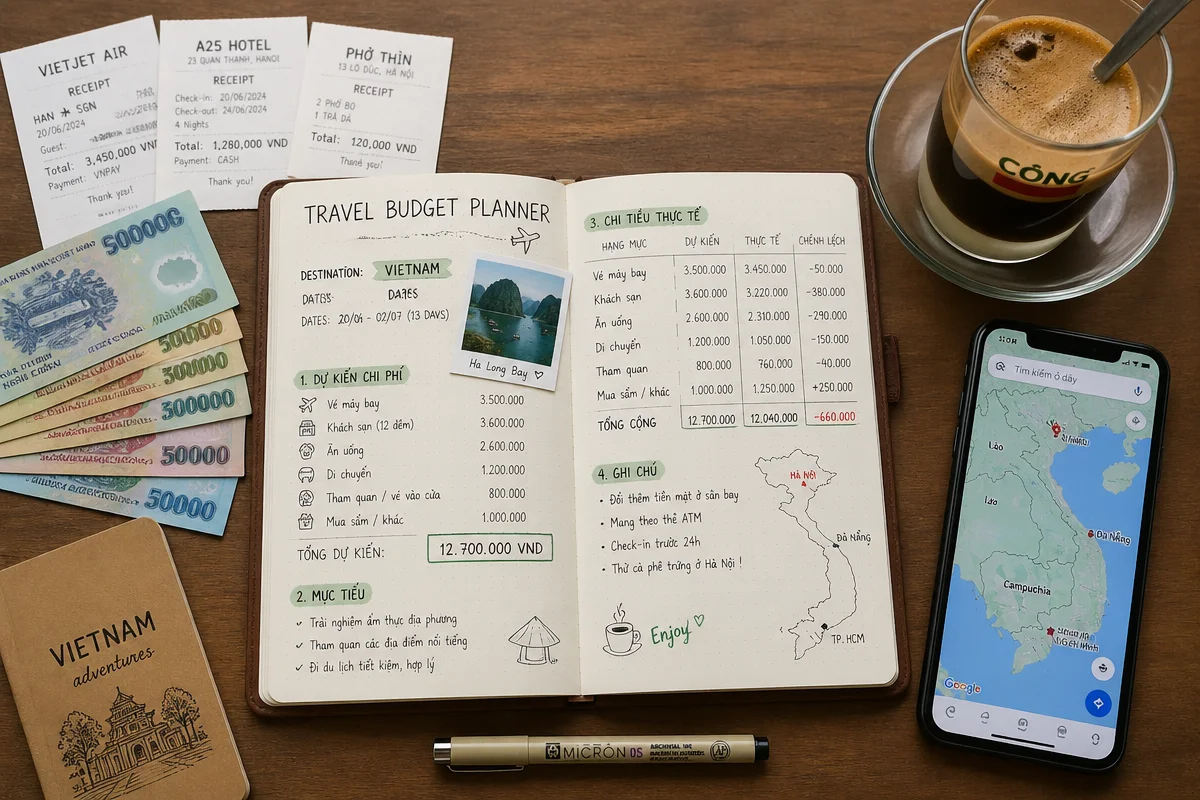
Let’s get practical—how do you do Vietnam for under $800? Here’s what actually worked for me:
Accommodation: Hostels, guesthouses ($7–20/night). Some spots felt like five-star hotels, swear!
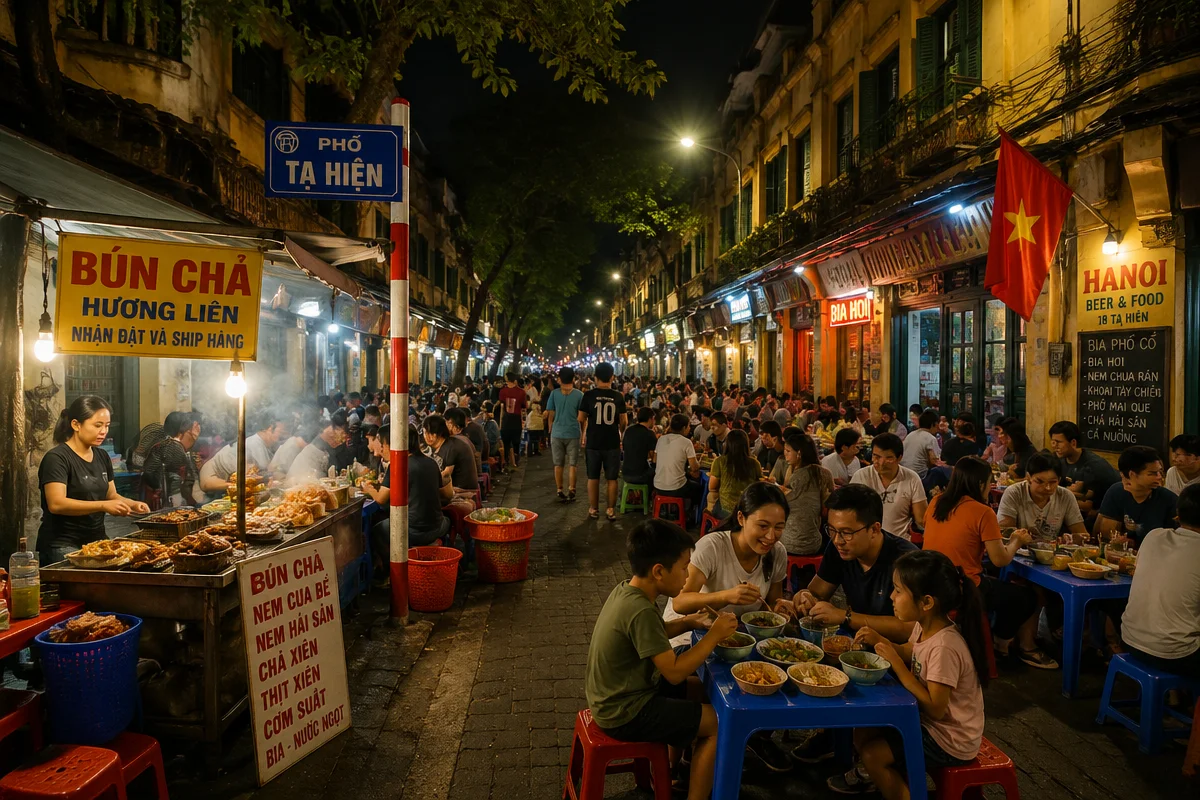
Food: Street eats. Budget $2–$5 a meal. Just don’t skip pho, life’s too short.
Transport: Overnight buses/train rides save on hotel costs (and yeah, you’ll probably snore next to a stranger).
Activities: Entry fees are usually $1–$15 for most sights. Bargain hard on tours—nothing to lose.
Oh—always carry some small bills. Cash is king here.
I kept a scrappy note on my phone, tallying daily expenses to stay on track. Winner move, honestly.
“We managed an incredible time in Vietnam and came in way under budget, without sacrificing a single memorable experience!” — Jamie T., Manchester
My 10-Day Itinerary in Northern Vietnam
Here’s how my route went (don’t worry, you don’t have to micromanage every hour):
Day 1-3: Hanoi. Eat everything (egg coffee, come to mama), stroll the Old Quarter, hoard souvenirs.
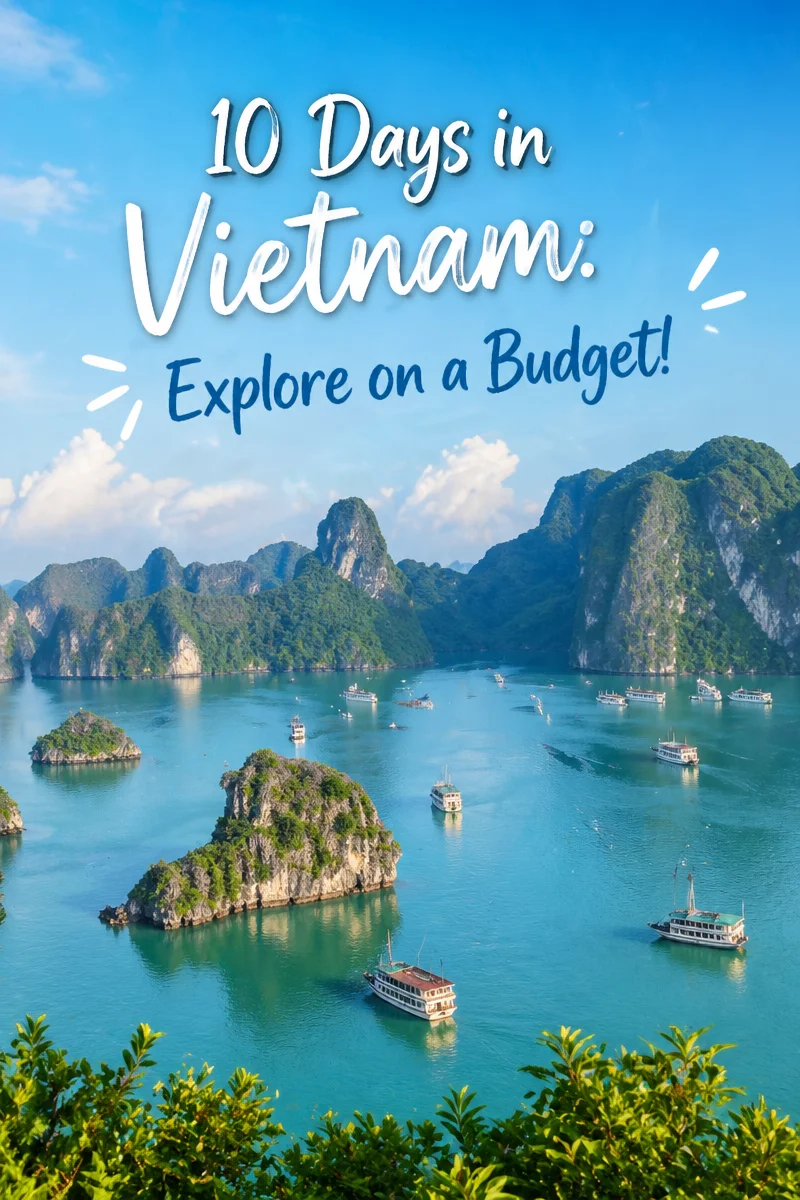
Day 4-5: Halong Bay. Day tour for the budget-savvy, or split a cheap overnight cruise with new friends.
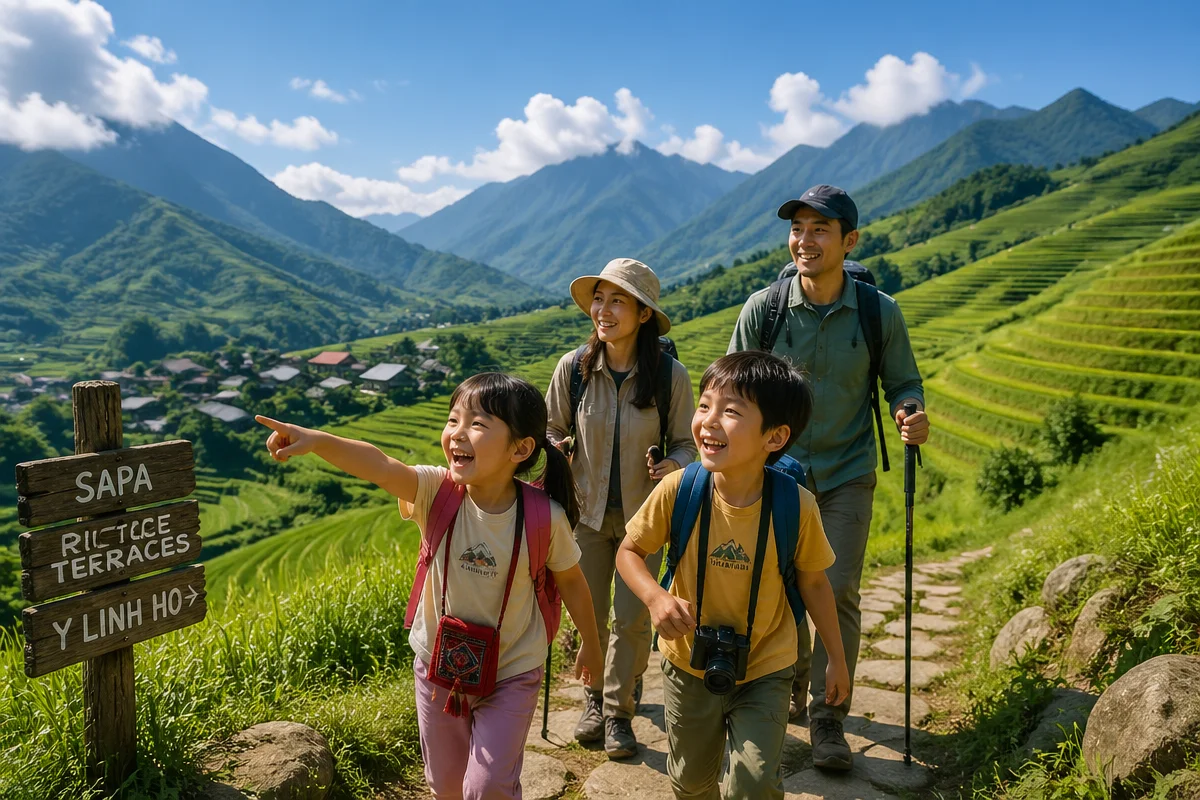
Day 6-7: Sapa. Trek rice fields, overeat home-cooked food in a homestay, panic slightly on the night train.
Day 10: Back to Hanoi. Last chance noodles, last-minute bargains, and maybe some bad karaoke.
If you love planning every second—good for you! I kept it flexible, let street food and weather guide my day sometimes (best decision ever).
Tips for Traveling with Kids in Vietnam
Not gonna lie, wrangling kids in Hanoi traffic made me rethink life choices (briefly). But here’s what actually helped:
Pack snacks; Vietnamese candy is hit or miss with picky eaters, trust me.
Stroller? Bigger cities, yeah—rural areas, forget it (hello, bumpy roads).
Teach simple phrases like “xin chào” (hello). Locals love chatty kiddos.
Always carry hand sanitizer. Street food = sticky fingers, happy tummies.
Don’t cram too much in a day. Heat and sightseeing meltdowns are “fun” for no one.
Breathe, laugh, let them chase pigeons—and give yourself plenty of snack breaks.
Recommended Activities and Attractions for Families
I’ll skip the tourist traps and tell you what hit the spot for my crew:
Hoan Kiem Lake in Hanoi: Loads of space for running, turtle spotting, people-watching.
Water Puppet Theatre: Sounds weird? It’s a hit with every age, plus AC!
Markets for food sampling—if they’ll try new stuff. Some kids love bánh mì, others, not so much.
Easy cycling tours in Ninh Binh—flat roads and beautiful views.
Boat trips—my crew was obsessed with those tiny wooden boats.
Plan for surprises. The unplanned stuff (random street games, chatty vendors) was magic.
Reflections and Considerations on My Trip to Vietnam
Some moments were messy—missed buses, rainy hikes, hungry “hangry” squabbles. But wow, it’s wild how much you can experience on a shoestring. Vietnamese folks are ridiculously friendly, the food basically deserves its own fan club, and the natural beauty? Unlimited.
I could ramble on, but if you’re tempted by Vietnam: make the leap. Stick to the budget (most days…), but also let yourself go a little over if it means epic memories (maybe just one rooftop cocktail, c’mon).
Common Questions
How do you stay under $800 for 10 days in Vietnam?
Eat street food, stay in hostels/guesthouses, use overnight buses, and book tours locally—not online in advance.
Is northern Vietnam too overwhelming for kids?
Not really—big cities are wild, but rural areas are super chill. Break up travel days and let them nap when needed.
What’s one food you can’t miss on a budget?
Pho, for sure. It’s cheap, filling, and honestly tastes better on a plastic stool by the street.
Best money-saving tip?
Bargain everything—tours, souvenirs, even hotel prices. Some places expect you to!
Is $800 enough for souvenirs and treats?
Yep! I even had enough left for extra coffee and some silly travel pants.
Seriously, Give It a Go—Vietnam’s Totally Doable on a Budget!
So there you go—10 days in Vietnam under $800 isn’t just doable, but downright thrilling (and your wallet will thank you). If you want more ways to stretch your travel funds, check out these clever ideas for countries where you can live on less than $800 a month. Or, if you’ve got a family rolling with you, take a peek at the real talk for Vietnam with tweens. If Vietnam’s not your style, maybe try these hidden gems you can actually afford. Bottom line? Don’t sweat the price tag—just pack curiosity, a sense of humor, and an appetite. Trust me, it’ll be the trip stories you talk about for years.
Best Time to Visit
The best time for a 10-day Vietnam budget trip depends on the route, but March to April and October to November are often strong choices for balanced weather and manageable prices.
Helpful Planning Links
Use these related CNC Travel guides to compare routes, budgets, and destination ideas before booking.