
Table of Contents
When exploring Mexico’s vibrant food scene, it’s hard not to be drawn to the aroma of sizzling pork dishes whether it’s tacos al pastor or a plate of succulent carnitas. However, with indulgence comes the question: Is eating pork in Mexico safe? To answer that, you need to understand the associated risks, safety measures, and best practices for enjoying these meals without compromising your health.
Pork in Mexican Cuisine: A Staple Tradition
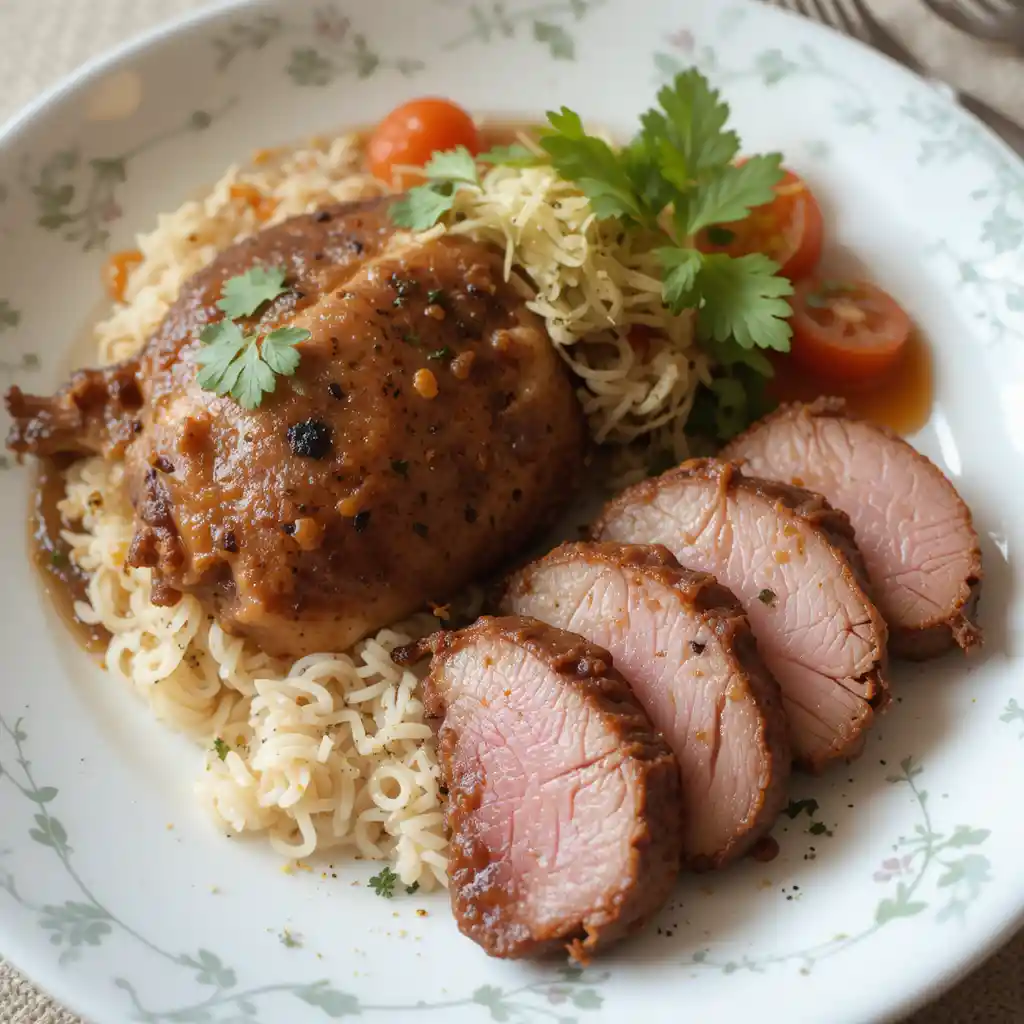
Pork holds a revered place in Mexican culinary culture. It’s the backbone of many beloved dishes, deeply rooted in tradition and celebration. From the marinated layers of tacos al pastor influenced by Middle Eastern shawarma to the slow-cooked cochinita pibil wrapped in banana leaves, pork has cemented its position as a staple in Mexican kitchens.
But while its popularity is unquestioned, understanding the preparation and safety protocols associated with pork can make a significant difference in your dining experience.
Health Concerns and Risks Associated with Eating Pork
Eating pork carries certain health risks, especially when it isn’t prepared correctly. Two primary issues come to mind: bacterial contamination and parasitic infections.
Foodborne Illnesses Linked to Pork
Pork, like any raw meat, is susceptible to various pathogens that can cause foodborne illnesses. Some of the most common include:
- Salmonella: Can cause severe stomach cramps, diarrhea, and fever.
- E. coli: Often results in severe gastrointestinal distress and can have long-term health consequences.
- Listeria: Particularly dangerous for pregnant women, it can lead to serious complications.
Parasitic Infections
One of the more notorious parasites linked to undercooked pork is Trichinella spiralis, which causes trichinosis. Although rare, this infection can result in symptoms such as muscle pain, fever, and fatigue.
Symptoms of Foodborne Illnesses
If you experience symptoms like stomach pain, vomiting, or persistent diarrhea after eating pork, it’s crucial to seek medical attention. Early diagnosis can help prevent complications.
Food Safety Regulations in Mexico
Mexico has established food safety regulations that aim to ensure the hygiene and quality of meat sold in markets and served in restaurants. The country follows standards set by authorities such as the Mexican Ministry of Health and COFEPRIS (Federal Commission for Protection Against Health Risks). These regulations require that pork be properly inspected and certified before it reaches consumers.
How These Regulations Compare Internationally
Compared to global standards, Mexico’s food safety protocols align closely with those set by the World Health Organization (WHO). However, adherence can vary, particularly when comparing high-end restaurants with smaller street vendors.
Street Food vs. Restaurants: Where’s the Real Risk?
One of the highlights of visiting Mexico is sampling street food. From bustling market stalls to roadside stands, the allure is undeniable. But when it comes to pork, the risk of foodborne illness can be higher if proper food handling practices aren’t followed.
Tips for Safely Eating Street Food
When eating street food, keep these tips in mind:
- Look for Clean Stalls: Choose vendors who maintain cleanliness in their cooking areas.
- Observe Food Preparation: Ensure that food is cooked to order and served piping hot.
- Go Where Locals Go: A long line at a food stall often signals that the vendor is trusted.
Evaluating Restaurant Safety Standards
Dining at restaurants can feel safer, but it’s still important to choose wisely. Look for:
- Health Certifications: Many restaurants display health inspection certificates.
- Online Reviews: Check recent reviews for any mentions of food safety issues.
- Visible Kitchen: Open kitchen setups provide an opportunity to observe food preparation practices.
Recognizing Safe Pork Preparation Methods
Understanding the safe handling and preparation of pork can be a game-changer. Pork should reach an internal temperature of at least 145°F (63°C) with a rest period of three minutes after cooking. For ground pork, the minimum safe temperature is 160°F (71°C).
Signs of Properly Cooked Pork
- Texture: Firm, not rubbery.
- Color: A slight blush of pink is acceptable, but it should not appear raw or translucent.
- Juices: Run clear, not bloody.
Home-Cooked Pork: Ensuring Safety
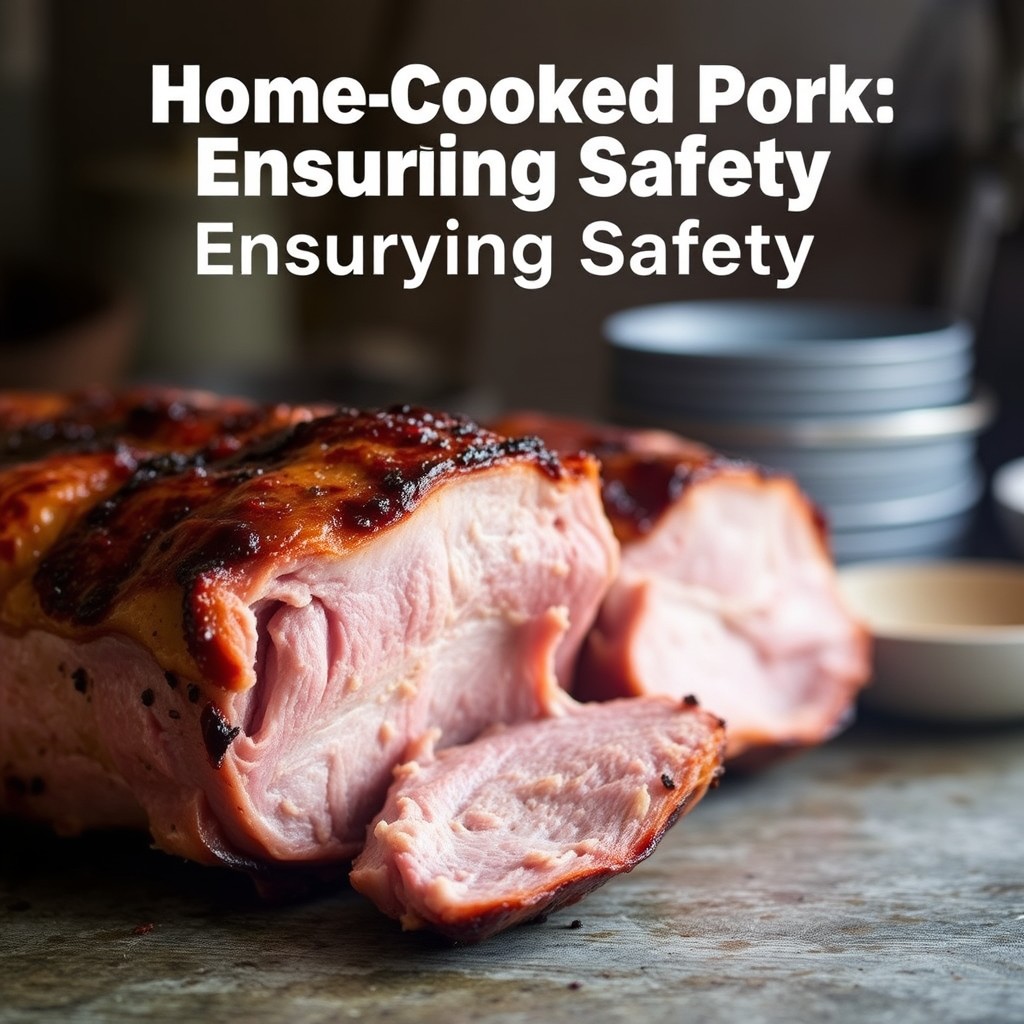
If you plan on cooking pork at home in Mexico, follow these best practices:
- Buy from Reputable Sources: Choose well-known markets or certified butchers.
- Refrigeration: Store pork at a temperature below 40°F (4°C) until you’re ready to cook it.
- Avoid Cross-Contamination: Use separate cutting boards for raw meat and other ingredients.
What to Do If You Get Sick
If you suspect food poisoning from pork, take these steps:
- Stay Hydrated: Replace lost fluids to avoid dehydration.
- Monitor Symptoms: Keep an eye on persistent or worsening symptoms.
- Seek Medical Attention: Contact a healthcare provider if symptoms are severe or last more than 48 hours.
Benefits of Eating Pork in Mexico
Despite potential risks, eating pork can offer nutritional and cultural benefits. Pork is rich in essential nutrients, including:
- Protein: Supports muscle growth and repair.
- B Vitamins: Helps in energy metabolism.
- Iron: Aids in oxygen transport in the blood.
Common Misconceptions About Pork Safety
Many myths about pork safety persist. One common belief is that all pork must be cooked to a dry, leathery state to be safe. This isn’t true; modern practices and proper cooking allow for moist, tender pork without compromising safety.
Modern Practices for Safe Consumption
Today, stricter farming practices and advanced meat inspection methods have made pork safer than ever. Farmers often follow updated protocols to reduce the risk of contamination, such as improved feed quality and better handling of livestock.
A Traveler’s Guide to Eating Pork Safely in Mexico
For travelers, eating pork safely in Mexico involves more than just choosing the right dish. Here’s a quick checklist:
- Research: Know the most reputable dining spots.
- Ask Locals: Seek advice from locals for reliable restaurant recommendations.
- Observe: Make sure food is freshly prepared and served hot.
- Trust Your Senses: If the food looks or smells off, don’t eat it.
Conclusion
Eating pork in Mexico can be an unforgettable culinary experience if approached with awareness and care. By understanding the risks and following essential safety practices, you can enjoy Mexico’s rich flavors while prioritizing your health.