

Budget travel guide 2026
Quick answer: Imagine standing in the heart of a vast, shimmering wetland, where the soft hues of sunrise reflect off still waters. Above you, colorful birds take flight, their calls echoing through the air. This isn’t just a nature lover’s dream; it’s the Pantanal Matogrossense a haven for.
In this guide
Suggested route
Table of Contents
Imagine standing in the heart of a vast, shimmering wetland, where the soft hues of sunrise reflect off still waters. Above you, colorful birds take flight, their calls echoing through the air. This isn’t just a nature lover’s dream; it’s the Pantanal Matogrossense a haven for birdwatchers and a sanctuary of unparalleled biodiversity. Here, every moment is a connection to nature’s beauty, making it a must-visit destination for anyone passionate about wildlife.
Where Is Pantanal Matogrossense and Why It’s a Birdwatcher’s Paradise
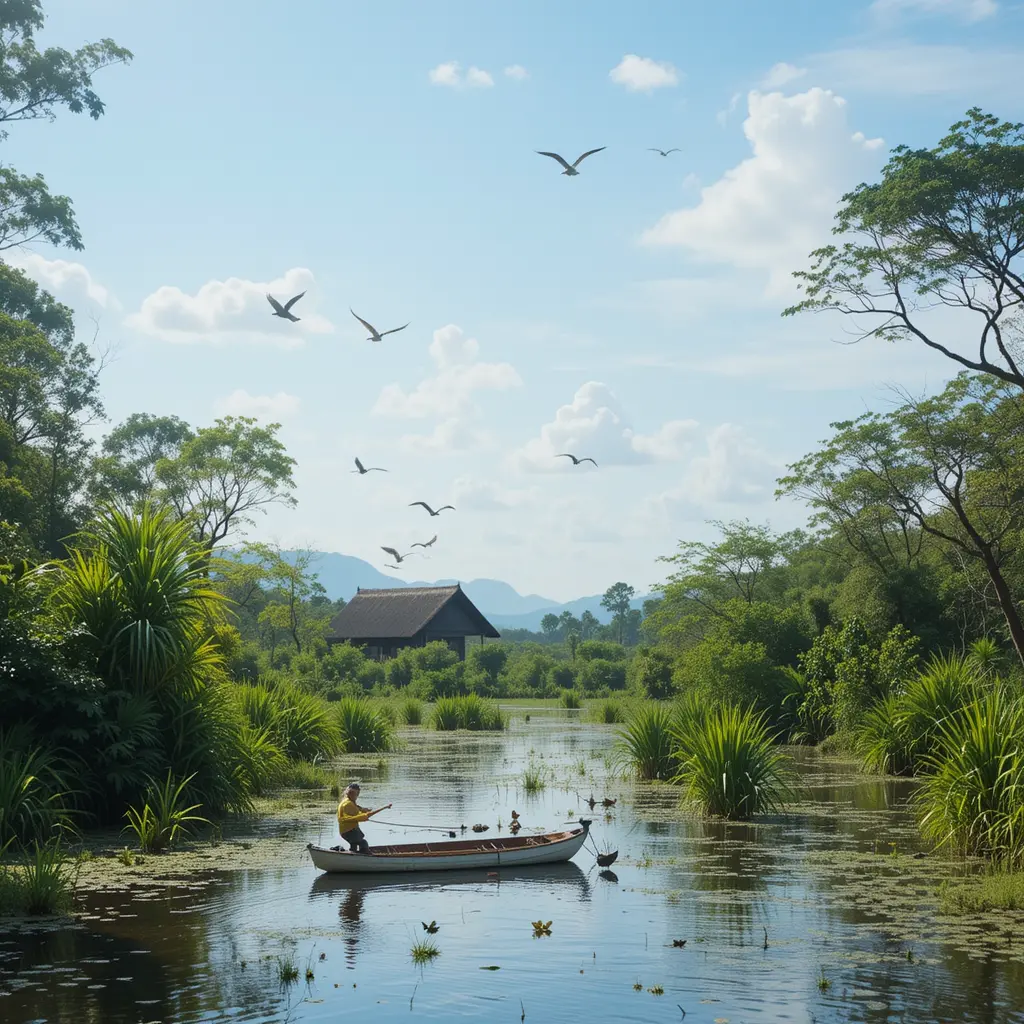
Location and Geography
Pantanal Matogrossense, located in central-west Brazil, spans an incredible 140,000 square kilometers, making it the largest tropical wetland in the world. Designated a UNESCO World Heritage Site, this region’s unique ecosystem thrives with a stunning variety of flora and fauna. Unlike the dense Amazon rainforest, Pantanal’s open landscapes offer unobstructed views of wildlife, making it ideal for birdwatching.
Birdwatching Highlights
Home to over 650 bird species, the Pantanal is a feast for the eyes. Some iconic birds you can encounter include:
- Hyacinth Macaw: The largest parrot in the world, recognizable by its vibrant blue feathers.
- Jabiru Stork: Often called the symbol of the Pantanal, this majestic bird stands tall with a black and red neck.
- Toco Toucan: Famous for its oversized, colorful beak, adding a touch of whimsy to the wetland scenery.
- Great Egret and Roseate Spoonbill: Wading gracefully in shallow waters.
The seasonal ebb and flow of the wetlands create a dynamic environment where each visit offers new bird species to observe.
Best Time to Visit Pantanal Matogrossense
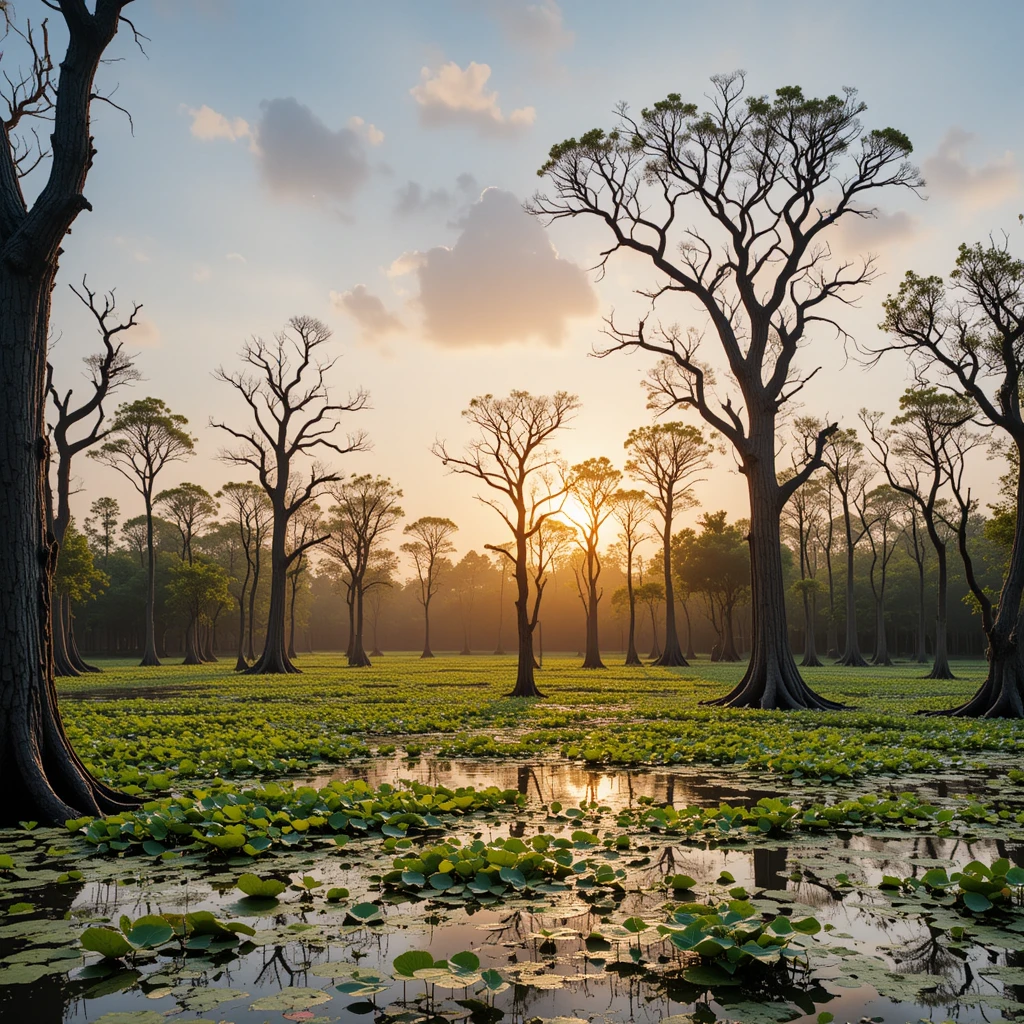
Dry Season (May to October)
The dry season is the peak time for birdwatchers. As water sources shrink, birds gather in large numbers around remaining lagoons and rivers, making it easier to spot them. Trails are dry and accessible, and wildlife activity is at its peak.
Wet Season (November to April)
During the wet season, the Pantanal transforms into a flooded paradise, with lush greenery and reflective waters. While access to some areas becomes challenging, the scenery is breathtaking, and bird species that thrive in aquatic environments become more prominent.
Summary Table of Seasons:
| Season | Pros | Cons |
|---|---|---|
| Dry (May–Oct) | High bird density, dry trails | Hot temperatures |
| Wet (Nov–Apr) | Lush landscapes, fewer crowds | Limited accessibility, floods |
How to Explore Pantanal Matogrossense for Birdwatching
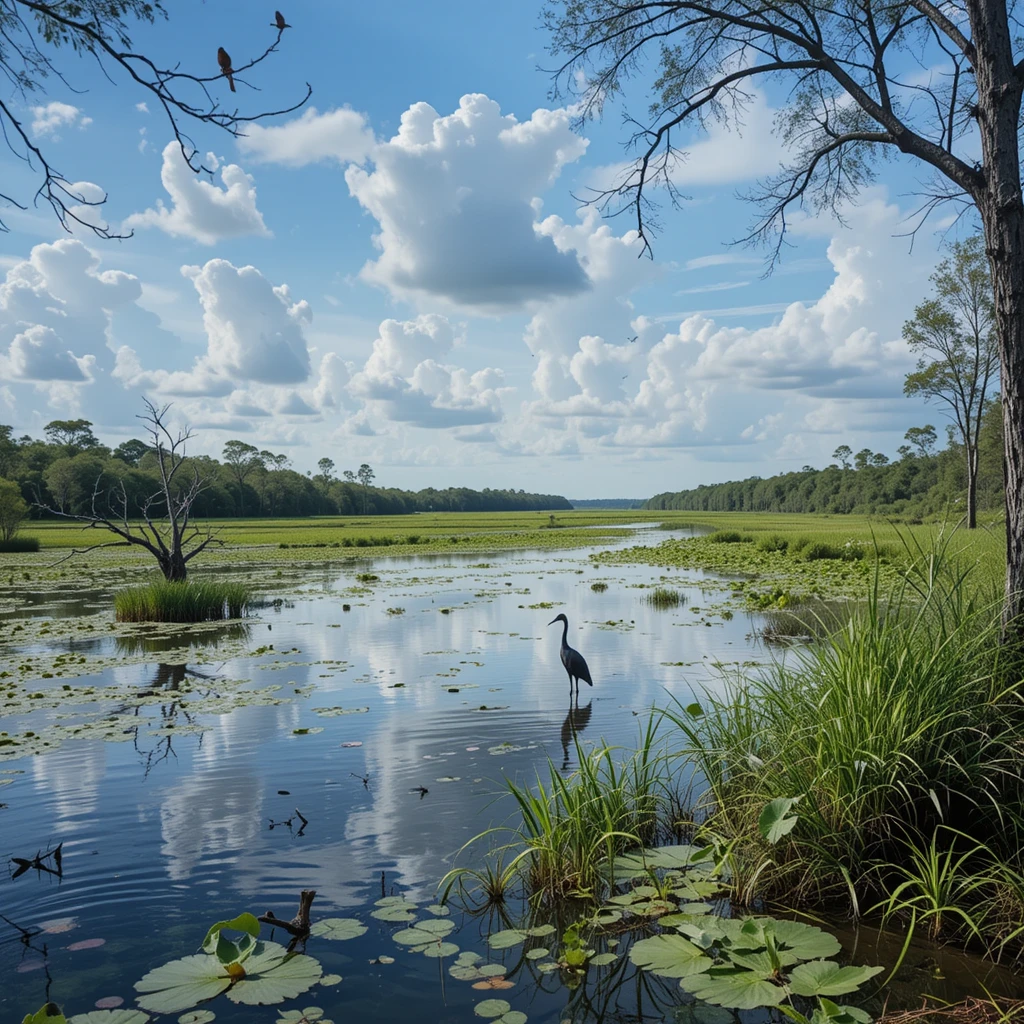
Guided Tours and Lodges
For the best experience, consider booking guided tours with local experts. Knowledgeable guides can help you identify rare bird species and navigate the wetlands’ vast terrain. Many lodges offer eco-tourism packages, combining comfortable accommodations with immersive wildlife experiences.
Key Birdwatching Hotspots
- Fazenda San Francisco: A renowned eco-lodge offering guided safaris and birdwatching tours.
- Transpantaneira Road: A 147-kilometer stretch that provides unparalleled access to diverse habitats.
- Taiamã Ecological Reserve: Known for its rich birdlife and tranquil waterways.
Conservation Efforts in the Pantanal
Protecting Bird Species and Habitats
The Pantanal faces threats from deforestation, agriculture, and wildfires. Conservation initiatives aim to safeguard this unique ecosystem through:
- Reforestation Projects: Restoring native habitats.
- Wildlife Monitoring: Tracking bird populations and health.
- Sustainable Tourism: Encouraging eco-friendly practices among visitors and operators.
Supporting these efforts ensures the Pantanal remains a thriving birdwatching paradise for generations to come.
Recipes Inspired by the Pantanal: A Taste of the Wetland

Traditional Pantanal Cuisine
Immerse yourself further into the Pantanal experience by savoring its culinary delights. Here’s a recipe inspired by the region:
Pantaneiro-Style Pintado Fish Stew
| Ingredient | Quantity | Notes |
| Pintado Fish | 500g | Fresh, deboned |
| Coconut milk | 1 cup | Optional for richness |
| Onion, diced | 1 medium | Adds sweetness |
| Bell peppers, sliced | 2 | For color and flavor |
| Garlic, minced | 3 cloves | Essential for aroma |
| Cilantro | Handful | For garnish |
Instructions:
- Heat oil in a large pot and sauté onions, garlic, and bell peppers until softened.
- Add the pintado fish and season with salt and pepper.
- Pour in coconut milk and let the stew simmer until the fish is cooked through.
- Garnish with cilantro and serve with rice.
Practical Tips for Visitors to the Pantanal
- What to Pack: Bring binoculars, lightweight clothing, sturdy boots, insect repellent, and a camera with a zoom lens.
- Photography Tips:
- Use natural light during early mornings or late afternoons.
- Keep your camera steady with a tripod for clear shots of birds in motion.
- Sustainability Reminder: Avoid leaving waste behind and respect local wildlife.
FAQ Section
What makes Pantanal Matogrossense a birdwatcher’s paradise?
Its unparalleled biodiversity, open landscapes, and the sheer number of bird species make it a dream destination for birdwatchers.
When is the best time for birdwatching in the Pantanal?
The dry season (May–October) offers the best opportunities to see concentrated bird activity.
How accessible is the Pantanal for international travelers?
Cuiabá and Campo Grande airports provide gateways to the region. Local transport options include buses, 4×4 vehicles, and boats.
A Journey Worth Taking
The Pantanal Matogrossense is more than just a destination; it’s an experience that stays with you long after you’ve left. From the vibrant birdlife to the serene landscapes, every aspect of this wetland invites you to reconnect with nature. Plan your visit today and embrace the magic of one of Earth’s most extraordinary ecosystems. Your adventure awaits!
Plan this trip smarter
Use this guide as a starting point, then compare dates, accommodation areas and transport before booking. The best budget trips usually come from a simple route, fewer base changes and one or two memorable paid experiences.
Budget snapshot
| Cost area | Smart planning note |
|---|---|
| Accommodation | Book near the main area you will actually use, not only the cheapest map result. |
| Transport | Limit long transfers and group nearby stops into the same day. |
| Food | Mix local casual meals with one higher-value experience. |
| Activities | Choose the paid experience that defines the trip, then use free viewpoints, walks and beaches around it. |
1 thought on “Pantanal 8 Amazing Adventures for Eco Travelers”
Comments are closed.