
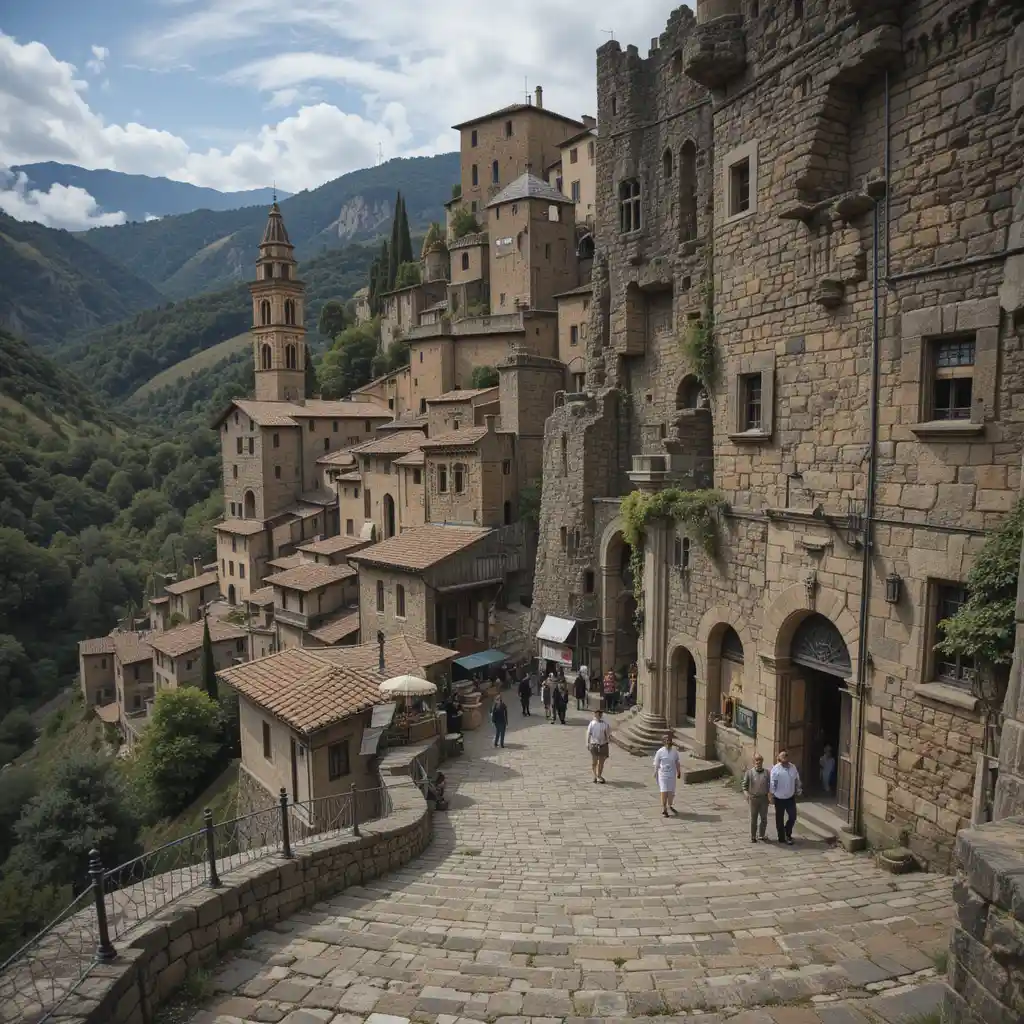
Imagine a village frozen in time, perched atop a crumbling cliff, where every step you take connects you to centuries of history. Welcome to Civita di Bagnoregio, a captivating yet fragile Italian hilltop town nicknamed “The Dying Town.” This unique destination invites you to uncover its beauty and history, even as it faces an uncertain future.
In this comprehensive guide, you’ll discover why Civita di Bagnoregio is a must-visit, what makes it so special, and how you can be part of its story.
Unraveling Civita di Bagnoregio’s Rich History
An Ancient Beginning
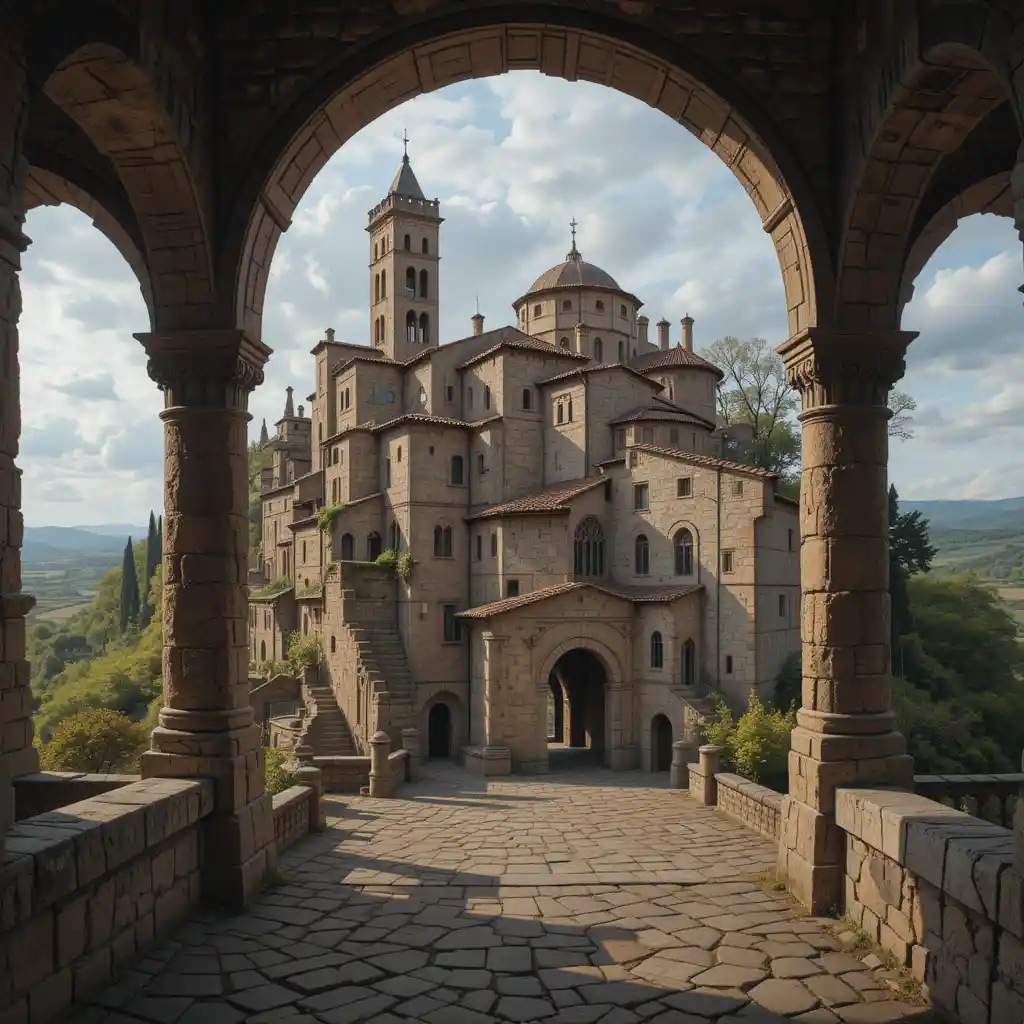
Civita di Bagnoregio’s roots date back to 600 BC when the Etruscans first established the village. Strategically located on a volcanic plateau, the town thrived during the Roman era and later became a bustling medieval hub. You’ll find traces of these eras in the town’s architecture, from ancient Etruscan tombs to grand Renaissance palazzos.
A Town Shaped by Geography
The unique landscape of Civita di Bagnoregio defines its identity. Situated atop soft volcanic rock, the town was once surrounded by a network of fertile valleys. Over the centuries, erosion and landslides have transformed this fertile land into steep cliffs, leaving Civita clinging precariously to its perch.
Historic Highlights to Explore
- Porta Santa Maria: This ancient stone gateway welcomes you to the town and marks the beginning of your journey through its cobblestone streets.
- Church of San Donato: Located in the main square, this beautiful church showcases Romanesque architecture and houses significant religious artifacts.
- Medieval Homes: Wander through the village to admire charming homes built with volcanic tuff, many of which date back hundreds of years.
Why Is Civita di Bagnoregio Called “The Dying Town”?
The Slow March of Erosion
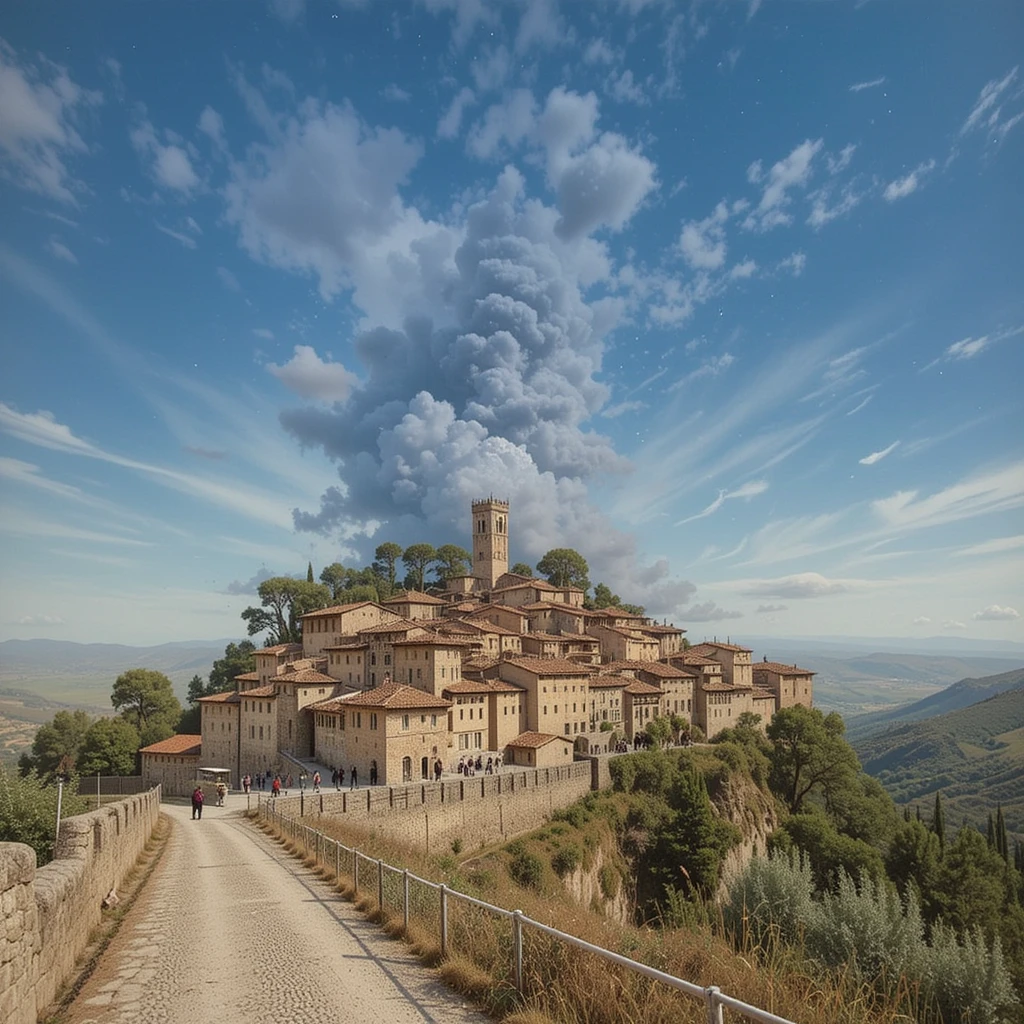
The town’s foundation is constantly under siege by erosion. The volcanic rock that supports Civita is slowly crumbling, causing parts of the village to collapse into the surrounding valley. Despite efforts to stabilize the terrain, this natural process remains a significant threat.
A Shrinking Population
In the mid-20th century, Civita’s population dwindled due to its isolation and lack of modern amenities. Today, only a handful of residents call this town home year-round, making it one of the least populated villages in Italy.
Limited Access
The only way to reach Civita is by crossing a narrow pedestrian bridge that connects it to the nearby town of Bagnoregio. This challenging access has further contributed to its nickname, “The Dying Town.”
Exploring Civita di Bagnoregio: A Visitor’s Guide
How to Get There
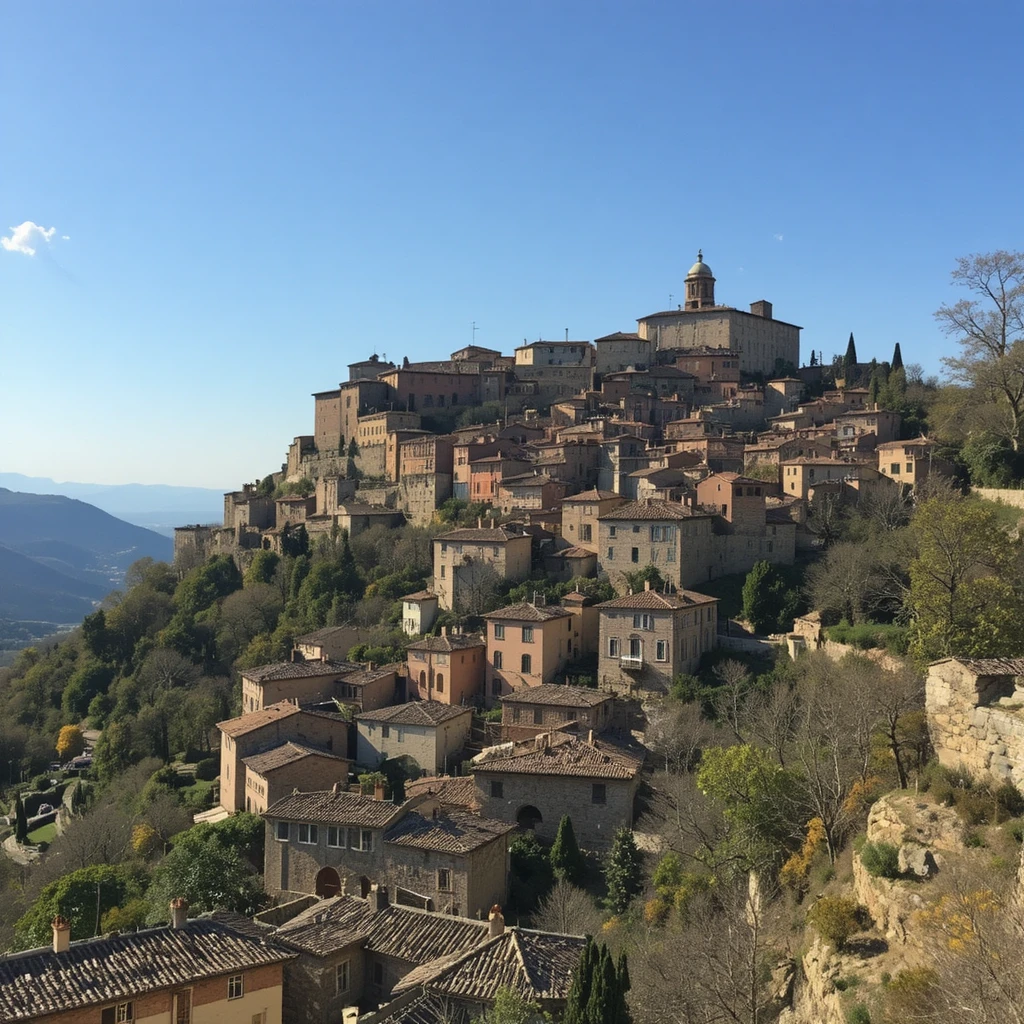
Civita di Bagnoregio is located in the Lazio region of Italy, about 120 kilometers north of Rome. You can reach the town by car or public transport, but be prepared for a short hike across the pedestrian bridge.
What to See and Do
- Stroll Through Time: Meander through cobblestone streets lined with ivy-clad walls and flower-filled balconies. Every corner tells a story.
- Visit the Geological Museum: Learn about the forces shaping Civita’s landscape and the ongoing efforts to preserve it.
- Enjoy Local Cuisine: Indulge in traditional dishes like handmade pappardelle with wild boar ragu at one of the town’s charming trattorias.
Best Times to Visit
Spring and fall are ideal for visiting Civita di Bagnoregio. During these seasons, you’ll enjoy mild weather, fewer crowds, and breathtaking views of the surrounding countryside.
Preservation Efforts: Can Civita di Bagnoregio Be Saved?
Conservation Initiatives
To combat erosion, engineers and conservationists are working to reinforce the town’s foundations. These efforts include installing retaining walls, stabilizing slopes, and limiting construction activity.
The Role of Tourism
Tourism plays a dual role in Civita’s story. While it brings much-needed revenue, excessive foot traffic can accelerate erosion. Sustainable tourism practices, such as limiting visitor numbers and encouraging responsible behavior, are essential for preserving the town.
Supporting the Community
By visiting Civita di Bagnoregio, you contribute to its economy and help fund preservation projects. Additionally, initiatives to attract new residents and businesses could provide a lifeline for the community.
FAQs About Civita di Bagnoregio
1. Why should I visit Civita di Bagnoregio?
Civita offers a unique blend of history, culture, and natural beauty. Its ancient streets, breathtaking views, and rich heritage make it a one-of-a-kind destination.
2. Is Civita di Bagnoregio safe to visit?
Yes, Civita is safe for tourists. However, visitors should be mindful of the town’s fragile infrastructure and follow local guidelines to minimize their impact.
3. Can I stay overnight in Civita di Bagnoregio?
Yes, there are a few accommodations within the town. Staying overnight allows you to experience its magic without the daytime crowds.
4. How much does it cost to visit Civita?
A small entrance fee is required to access the pedestrian bridge. This fee supports the town’s preservation efforts.
5. What is the significance of the town’s name?
“Civita di Bagnoregio” translates to “City of Bagnoregio.” The name reflects its historical ties to the nearby town of Bagnoregio.
A Call to Action: Be Part of Civita di Bagnoregio’s Story
Civita di Bagnoregio is more than just a destination; it’s a testament to resilience and the passage of time. By visiting this enchanting town, you not only immerse yourself in history but also contribute to its preservation.
Plan your trip today and experience the magic of Civita di Bagnoregio. Let’s ensure that this treasure endures for generations to come.
This article incorporates keywords naturally while maintaining readability and engagement. Would you like assistance refining it further?
1 thought on “Civita di Bagnoregio 7 Reasons It’s Italy’s Hidden Gem”
Comments are closed.