11 Epic Places To See In Dubai – Hand Luggage Only – Travel, Food And Photography Blog
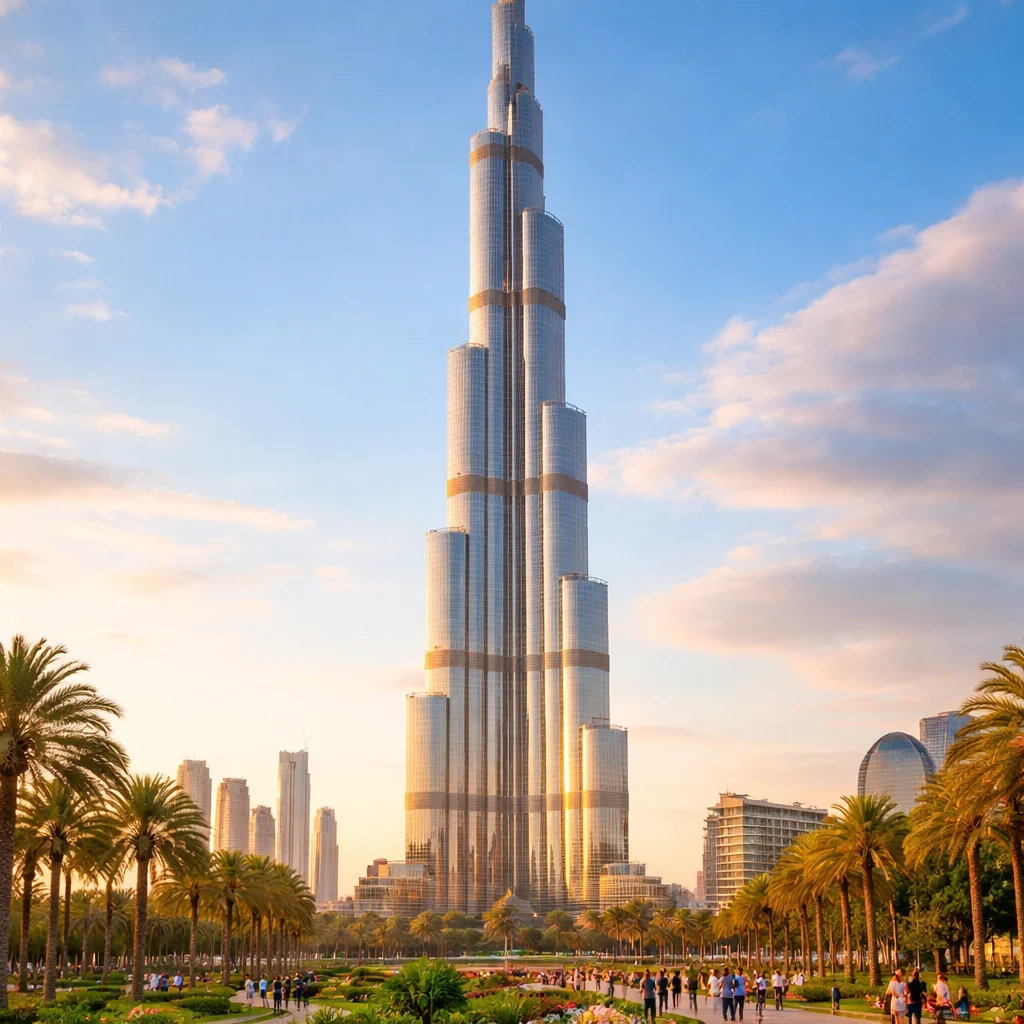
Iconic skyline and attractions of Dubai, featuring Burj Khalifa and Palm Jumeirah.

Okay, listen—so you’re plotting out a trip and wanna make sure you don’t miss anything mind-blowing in Dubai. You Google “11 Epic Places To See In Dubai,” and, as someone who’s been burned by fancy lists that skip the real good stuff (trust me—I once skipped the world’s best shawarma for a “mall experience” and still regret it), you’re looking for honest-to-goodness advice. There’s so much clamor about fancy brunches or crazy tall buildings, it’s hard to tell what’s actually worth your time. After digging around, checking spots like this awesome post about Lahore’s best places to visit, and doing the legwork in Dubai myself, I’m here to dish the good stuff. No tourist traps, just straight-talk and tried-and-true winners.
11 Epic Places To See In Dubai - Hand Luggage Only - Travel, Food And Photography Blog


Top Attractions in Grand Teton National Park

Oh geez, hang on a minute! Grand Teton? Well—that’s a bit of a mix-up, but let’s roll with it for the tips (because hey, exploring anywhere awesome isn’t that different!). And honestly, these tips are gold for Dubai explorations too.

  • Start at the Top: The Burj Khalifa. Cliché? Yes. Worth seeing? Obviously. Ride up (seriously, booking ahead will save you headaches), grab a coffee, and just admire the madness of how far up you are.
  • The Dubai Mall: Even if shopping isn’t your thing, this place is next-level. Walk, people-watch, check the aquarium (it’s bigger than my apartment, not joking).
  • Dubai Fountain: Catch the fountain show in the evening. It’s busy and a tad touristy, but oddly heartwarming—like seeing your neighbor’s Christmas lights, only, well, with jet streams and booming music.
“I never thought I’d care about a mall until I wandered into the Dubai Mall. That aquarium blew my mind. The food court? A five-star restaurant lineup all compacted into one!” – My college roommate, Josh

11 Epic Places To See In Dubai

Unique Experiences in Grand Teton National Park

Let’s be real: You want that “I did this in Dubai!” photo (don’t we all?). Here’s what’ll make your Instagram friends jealous:

  • Old Dubai/Al Fahidi: Wander the winding alleys, grab some local chai, and check out quirky art galleries.
  • Desert Safari: Bumpy rides, falcon shows, and BBQs under the stars. Bring sunglasses (lots of sand, and not in a romantic movie way).
  • Gold and Spice Souks: Go, even just to gawk. The smells. The colors. And the people-watching? Next level.


11 Epic Places To See In Dubai


Best Scenic Views and Hikes in Grand Teton

I know, “scenic hike” sounds weird for Dubai, but hang in—there are views that’ll knock your sandals off.

  • Sunset at Jumeirah Beach: Pack a picnic, watch the city light up, and maybe get awkwardly sandy (still worth it!).
  • Dubai Creek: Classic. Take an abra boat—cheap, breezy, and you feel a bit like a movie star.
  • The Palm Jumeirah Boardwalk: Good for a slow stroll and those killer city skyline snaps.


Family-Friendly Activities in Grand Teton

No way am I forgetting families (or, hey, people who just want easy fun).

  • Aquaventure Waterpark: Wild slides, lazy rivers, and a beach to crash on. Even as a “pretend adult,” I loved it.
  • Dubai Miracle Garden: It’s flowers, but you’ve never seen THIS many. Insta-heaven for little kids and, honestly, big ones too.
  • Dubai Frame: Okay, yup, it’s a giant picture frame—but the views from the top? Unreal.


Tips for Visiting Grand Teton National Park

Can’t skip this—these are the “wish I’d known sooner” bits, especially if it’s your first time.

  • Hydrate Constantly: Middle Eastern sun feels like standing in an oven sometimes.
  • Use Metro & Taxis: Traffic in Dubai? Ugly! The metro is fast and squeaky clean.
  • Respect Local Customs: Modesty matters, especially in old town areas. Shoulders covered, especially if you’re temple-hopping.

Common Questions

Q: Do I really need to prebook things like Burj Khalifa?
A: Oh, for sure. Lines are nuts on weekends. Book in advance. Saves your sanity.

Q: Can I wear shorts everywhere?
A: Not everywhere. Malls/modern tourist spots? Fine. Mosques or historical zones? Cover up a bit. It’s simple, really.

Q: Is public transport easy in Dubai?
A: Yes—and way cleaner than you’d expect. Buses and metro hit most tourist hot spots. Taxis are everywhere, too.

Q: Where’s the best food?
A: Try Al Mallah on Al Dhiyafah (local legendary). Also, give the street shawarma a shot. You can thank me later.

Q: Worth visiting the desert at night?
A: 100%. Cooler temps, campfire vibes. And the stars will blow your mind.


Why Dubai Needs to Be On Your Travel Bucket List

If you’re itching for adventure, big city buzz, and food that’ll make you wanna move in, Dubai should be at the very top of your list—no kidding. You’ll leave with a camera roll stuffed full of memories and, probably, a slightly bigger waistline (no shame!). If you loved this, keep wandering with this list of 11 Best Places In Grand Teton National Park To Visit. And, by the way, if you’re into exploring new corners, check out these incredible places to see in China for more jaw-dropping trips.
Go pack those bags—Dubai is absolutely worth the hype.
11 Epic Places To See In Dubai

2026 Budget Planning Notes

For stronger 11 Epic Places To See In Dubai planning, compare the full cost of the trip instead of only the headline price. Accommodation, local transport, food, activities, travel insurance and airport transfers can change the real budget quickly.

The smartest approach is to choose one main travel goal, then build the itinerary around it. This keeps the article useful for readers and helps the trip feel realistic instead of overloaded.

  • Book refundable stays early, then keep checking prices.
  • Use public transport or walkable neighborhoods when possible.
  • Save official travel pages and booking confirmations offline.
  • Keep one flexible half-day for delays, weather or rest.

Useful Internal Travel Guides

FAQ

How do you plan 11 Epic Places To See In Dubai on a budget?

Compare flexible dates, choose accommodation near useful transport, plan one main paid experience per day and keep a small buffer for unexpected costs.

What should you check before booking 11 Epic Places To See In Dubai?

Check total trip cost, best season, local transport, cancellation rules, safety guidance and current official travel information before booking.

Explore Asia Travel: Your Guide to Unforgettable Adventures

Tailor-made private tours for an unforgettable Asia travel experience.

Quick answer: Asia travel is easiest to plan when you compare season, total trip cost, transport, where to stay and the main experience you want before booking.

Asia travel—it’s never as easy as just booking a ticket and going, is it? There’s the stress of figuring out what to do, what to pack, and how not to get hopelessly (painfully) lost in a market somewhere. Don’t even get me started on trying to sort out if you need travel insurance. Oh—and if you want advice on affordable trips, check out these 7 budget-friendly destinations for solo travel or snag a list of 15 essential items to pack for fall travel in Asia before you leave. Both have saved my bacon.
Asia travel


Best Tailor-made Private Asia Tours For You

The truth? Cookie-cutter tours bore me to tears. If you want your trip to feel kinda legendary, go for a tailor-made private tour. A real human guide (not just an app!) will help you skip the tourist traps.

  • Personal guides usually speak the local language—less worry about, you know, accidentally ordering chicken feet for breakfast.
  • Flexible routines. Don’t wanna see another temple? You don’t have to—just say no. Make it your trip.
  • Great for folks—especially families or anyone anxious about travel—who want extra help (not everyone loves surprises!).
  • Ask your guide for weird local food recs: it beats crowdsourcing from review sites every. single. meal.
“Going private in Vietnam was like upgrading life to first class. I saw hidden places, ate street snacks from random carts, and even learned a trick or two about haggling. Worth every penny!”

Asia travel

Inspiring Best Asia Tour Itineraries

Let’s talk planning fatigue—because scrolling hundreds of must-do lists gets overwhelming fast. A good itinerary will save your sanity and probably help you avoid actually missing your train (I did once in Tokyo… still hurts).

  • Choose a route that matches your style: chasing beaches, culture overload, city lights—there’s an Asia plan for every mood.
  • Southeast Asia itineraries often blend Thailand, Vietnam, and Cambodia for crazy variety—in food, people, and landscapes.
  • Consider slower travel—a few days extra in one city beats trying to “see it all” (nobody actually does, let’s be real).
  • Don’t skip major festivals (Loi Krathong is pure magic). Worth building around!

Unique Experiences You Can Expect in Asia

Forget the postcard stuff. Asia’s ridiculous for real adventure and oddball finds that you’ll only hear about in bars later.

  • Night markets: You’ll smell them before you see ‘em. I once tried durian and… regret—but hey, it’s a story.
  • Learn to cook (or eat) local: Street food tours in Bangkok will change your life. Or at least your taste buds.
  • Island hopping is essential if you do Southeast Asia—those hidden coves? Better than any five-star resort.
  • Try a home stay: It’s awkward at first, honestly, but family meals at someone’s home will stick with you more than hotel breakfasts.

Helpful Tips for Planning Your Asia Trip

Okay, so planning. Ugh. But you could avoid rookie mistakes with just a couple of hacks (I wish someone had told me these the first round).

  • Download a couple of savvy travel apps for your vacation—they’re lifesavers for currency, maps, you name it.
  • Safety first. Certain countries have parts best skipped if you’re solo or female—see the 20 most dangerous places for women travelers and plan routes smart.
  • Pack light. Buy what you need as you go; Asian street shopping is half the fun anyway. I packed a suitcase and ended up wearing the same shorts all month.
  • Don’t obsess about hitting every sight. Pick a few must-sees and let the rest be a surprise—it makes for better stories.

You’re probably thinking, “Where do I even start?” Relax! Southeast Asia packs so much into one region. Here’s what you actually need to know.

  • Bangkok, Siem Reap, Hanoi: A classic circuit—everyone’s first big Asia tour, and for good reason (food coma included).
  • Include some wild cards: Slide in Luang Prabang or the Philippine islands if you’re feeling spicy.
  • Overland trains are slower but full of ridiculous people-watching—like, you’ll see chickens. Inside. On seats. Not kidding.
  • Go off-grid where you can: tiny villages have charm mega-cities just don’t.

Common Questions

Q: Is it safe to travel solo in Asia?
A: Mostly, yes. Just use common sense, stick to well-known places at night, and double-check which areas are less safe—especially if you’re a woman.

Q: What’s the best time of year to go?
A: Depends, but for most of Southeast Asia, November through February is cool but not too tourist-packed. Rainy season gear is a must for off-months!

Q: Do I need crazy visas?
A: Eh, it varies. Some countries are strict, some not at all. Google the country embassy before you book your flight.

Q: How can I save money while traveling Asia?
A: Eat street food, take trains not planes, or try group hostels. Also, check out a guide like the budget adventure travel complete guide for real-life hacks.

Q: Is English spoken everywhere?
A: In touristy spots, sort of. In villages? Not really. Carry a translation app and practice a few phrases; a smile goes far.


Ready for Your Big Adventure?

Honestly, nobody ever feels “ready” before their first Asia travel trip. Just remember, mistakes (like eating the giant chili by accident—yep, speaking from experience here) make the best stories. If you want some epic private trips, check out Asia Tours’ official tailor-made itineraries—they’re kinda the gold standard. Stay up-to-date via the Pacific Asia Travel Association and don’t forget to sneak a peek at the Southeast Asia Itineraries & Travel Routes (Ultimate Guide) for crazy-detailed routes (with maps and all). And if you’re poking around for deals, Asia Tours, Trips & Vacation Packages 2025/2026 – Goway Travel really helps compare options.

Just pack your sense of humor, trust your gut, and keep an open mind—Asia’s wild, friendly, and way more welcoming than you might think. See you out there, hopefully lost somewhere amazing.
Asia travel

2026 Planning Update for Asia Travel

A stronger Asia travel plan starts with intent. Decide whether the trip is about price, scenery, comfort, food, events, outdoor access or a specific bucket-list moment. That decision makes the rest of the planning easier because every hotel, transfer and activity can be judged against the same goal.

For 2026, travelers should also compare total trip cost instead of only headline prices. A cheap hotel can become expensive if transport is weak, while a slightly higher nightly rate can save money if it includes breakfast, transit access or a better location.

Budget and Booking Tips

  • Book refundable accommodation early, then keep comparing prices.
  • Check airport, train or bus access before choosing where to stay.
  • Plan one main paid experience per day instead of overloading the itinerary.
  • Use grocery stops, local transport and shoulder-season dates to control costs.
  • Keep a small buffer for weather, delays, luggage storage or last-minute transfers.

Internal Planning Links

Official Resource to Check

Before finalizing the trip, check an official resource for current rules, entry requirements, park access, event details or health guidance: U.S. State Department international travel information.

Common Mistakes to Avoid

The most common mistake is planning from one viral photo or one cheap price. A useful itinerary checks distance, opening times, weather, local holidays, transfer costs and whether the experience still works if plans change.

Another mistake is ignoring the first and last day. Arrival and departure days often decide whether a trip feels smooth or stressful, so keep them lighter and avoid booking the most important activity immediately after a long transfer.

FAQ

How do you plan Asia travel on a budget?

Start with flexible dates, compare accommodation outside the most expensive zone, check transport before booking and keep one paid activity as the main highlight.

What should you check before booking Asia travel?

Check season, local transport, cancellation rules, official travel updates, safety requirements and whether the final cost includes food, transfers and extra fees.

Is Asia travel worth it in 2026?

Yes, if the trip matches your budget, season and travel style. A focused itinerary usually gives better value than trying to visit too many places at once.

15 Incredible Places to See in China

A collage of 15 incredible places in China showcasing landscapes and cultural sites.
China is a vast country of dramatic landscapes, ancient history, and vibrant modern cities. Whether you’re a history buff, nature lover, or urban explorer, this list of 15 must-see destinations across China will help you plan a memorable trip. For a taste of how curated destination lists can guide your travels, you can compare formats with this 15 best places to visit in Maryland this summer travel guide.

1. Great Wall (Badaling & Mutianyu sections)

Few sights are as iconic as the Great Wall. Walk restored sections like Badaling or Mutianyu for dramatic views and impressive engineering. Tip: arrive early to avoid crowds and catch sunrise light on the ramparts.

2. Forbidden City, Beijing

The Forbidden City is the imperial heart of China, with palaces, courtyards, and museums showcasing centuries of history. Book timed tickets in advance and allow several hours to explore.

3. Terracotta Army, Xi’an

Discovered in 1974, the life-sized terracotta soldiers guarding Emperor Qin Shi Huang’s tomb are one of archaeology’s greatest finds. Combine a visit with Xi’an’s ancient city wall and Muslim Quarter food stalls.

4. Zhangjiajie National Forest Park

Spectacular pillar-like formations here inspired the landscapes in the film Avatar. Hike skywalks, take the glass bridge, and ride the Bailong Elevator for unforgettable panoramas.

5. Jiuzhaigou Valley, Sichuan

A UNESCO World Heritage site famed for its turquoise lakes, multi-tiered waterfalls, and alpine forests. Best visited in autumn when foliage and water colors are at their peak.

6. Li River & Guilin

Cruise the Li River from Guilin to Yangshuo to see dramatic karst peaks reflected in calm waters. Rent a bike in Yangshuo to discover rice terraces and rural life.

7. Potala Palace, Lhasa (Tibet)

This fortress-palace was the historical seat of the Dalai Lama. Visiting requires acclimatization to altitude and, for most travelers, permits—plan ahead and respect local rules.

8. Huangshan (Yellow Mountain)

Known for “sea of clouds” vistas, granite peaks, and twisted pines, Huangshan is a classic Chinese landscape. Sunrise and sunset hikes reward you with spectacular light and scenery.

9. West Lake, Hangzhou

A culturally rich lakeside area celebrated in art and poetry. Stroll the causeways, visit tea plantations nearby, and enjoy a serene boat ride at dusk.

10. Yangtze River & Three Gorges

Take a river cruise to see the dramatic Three Gorges, ancient temples, and the huge engineering feat of the Three Gorges Dam. Cruises vary from short trips to multi-day journeys.

11. The Bund & Pudong, Shanghai

Contrast the colonial-era Bund waterfront with the futuristic skyline of Pudong. Explore museums, boutique shops, and the Yu Garden in the old city for a full Shanghai experience.

12. Chengdu Research Base of Giant Panda Breeding

See giant pandas in a conservation setting and learn about efforts to protect this beloved species. Visit in the morning when pandas are most active.

13. Classical Gardens of Suzhou

Suicide for serenity—Suzhou’s classical gardens are masterpieces of design, combining water, rock, plants, and architecture in compact, elegant spaces perfect for reflection.

14. Mount Everest Base Camp (Tibetan side)

For seasoned trekkers, the Tibetan-side base camp offers majestic views of Everest’s north face. High-altitude preparation and necessary permits are essential.

15. Mogao Caves, Dunhuang

A treasure trove of Buddhist art spanning a millennium, the Mogao Caves feature exquisite murals and statues. Book guided tours to access delicate cave interiors and fragment exhibitions.

Travel Tips

  • Timing: China’s climate varies widely—spring and autumn offer pleasant weather in many regions.
  • Permits & Visas: Some areas (Tibet, certain border regions) require permits; always check entry requirements.
  • Local Culture: Learn a few Mandarin phrases and local customs; it enriches interactions and shows respect.
  • Transportation: High-speed trains connect many cities efficiently; domestic flights cover greater distances quickly.
  • Food: Regional cuisines vary—try Sichuan for spice, Cantonese for dim sum, and local specialties in each province.

Conclusion

These 15 destinations capture China’s diversity—from ancient palaces and sacred caves to otherworldly mountains and modern skylines. For a detailed, curated overview that complements this list, see China’s Top 15 Must-Visit Attractions which highlights historical, cultural, and scenic favorites across the country.

2026 Planning Update for China

A stronger China plan starts with intent. Decide whether the trip is about price, scenery, comfort, food, events, outdoor access or a specific bucket-list moment. That decision makes the rest of the planning easier because every hotel, transfer and activity can be judged against the same goal.

For 2026, travelers should also compare total trip cost instead of only headline prices. A cheap hotel can become expensive if transport is weak, while a slightly higher nightly rate can save money if it includes breakfast, transit access or a better location.

Budget and Booking Tips

  • Book refundable accommodation early, then keep comparing prices.
  • Check airport, train or bus access before choosing where to stay.
  • Plan one main paid experience per day instead of overloading the itinerary.
  • Use grocery stops, local transport and shoulder-season dates to control costs.
  • Keep a small buffer for weather, delays, luggage storage or last-minute transfers.

Internal Planning Links

Official Resource to Check

Before finalizing the trip, check an official resource for current rules, entry requirements, park access, event details or health guidance: U.S. State Department international travel information.

Common Mistakes to Avoid

The most common mistake is planning from one viral photo or one cheap price. A useful itinerary checks distance, opening times, weather, local holidays, transfer costs and whether the experience still works if plans change.

Another mistake is ignoring the first and last day. Arrival and departure days often decide whether a trip feels smooth or stressful, so keep them lighter and avoid booking the most important activity immediately after a long transfer.

FAQ

How do you plan China on a budget?

Start with flexible dates, compare accommodation outside the most expensive zone, check transport before booking and keep one paid activity as the main highlight.

What should you check before booking China?

Check season, local transport, cancellation rules, official travel updates, safety requirements and whether the final cost includes food, transfers and extra fees.

Is China worth it in 2026?

Yes, if the trip matches your budget, season and travel style. A focused itinerary usually gives better value than trying to visit too many places at once.

Budget Adventure Travel Your Complete Guide to Solo Southeast Asia
Budget Adventure Travel Your Complete Guide to Solo Southeast Asia

Embarking on Your Solo Southeast Asia Adventure on a Budget

Picture this: You’re sipping fresh coconut water on a pristine Thai beach, having spent less than $15 on accommodation, meals, and transportation that day. This isn’t a fantasy it’s the reality of budget adventure travel in Southeast Asia, where nearly 40% of backpackers travel solo and stretch their dollars further than anywhere else in the world.

The desire to explore Southeast Asia solo often collides with budget concerns, leaving many dreamers stuck in planning paralysis. But here’s the truth: SEA is not just affordable it’s designed for budget-conscious adventurers who want to experience thrills without breaking the bank.

In this comprehensive guide, you’ll discover exactly how to navigate Southeast Asia as a solo traveler on a shoestring budget. From scoring $2 meals that’ll blow your mind to finding safe, social accommodation for under $10 per night, I’ll share the insider strategies I’ve developed through five years of solo backpacking across 12 Southeast Asian countries.

Having lived as a digital nomad throughout the region and helped hundreds of travelers plan their own budget adventures, I understand both the excitement and concerns that come with solo travel. This post will transform your Southeast Asia dreams into a concrete, achievable plan.

Why Southeast Asia is the Perfect Destination for Budget Solo Travelers

Southeast Asia stands as the ultimate playground for budget adventure travel, offering unparalleled value that lets you experience thrills while saving money. The cost of living across the region averages 60-80% lower than Western countries, meaning your daily budget of $25-40 can cover accommodation, meals, transport, and activities.

The solo travel friendliness of Southeast Asia is legendary among backpackers. From the moment you arrive, you’ll discover a thriving community of like-minded adventurers. Hostels buzz with social energy, local communities welcome solo travelers with genuine warmth, and the well-established backpacker trail makes meeting fellow adventurers effortless.

Cultural diversity adds another layer of value to your budget adventure travel experience. Within a single trip, you can explore ancient temples in Cambodia, trek through lush rainforests in Malaysia, island-hop in the Philippines, and navigate bustling markets in Vietnam all while maintaining your tight budget.

The infrastructure caters perfectly to budget-conscious solo travelers. English is widely spoken in tourist areas, transportation networks connect even remote destinations affordably, and the abundance of budget accommodations means you’ll never struggle to find a place to stay.

Planning Your Budget: Pre-Trip Essentials

Planning Your Budget: Pre-Trip Essentials

Flights: Finding the Cheapest Deals

Your flight often represents the largest expense in budget adventure travel, but strategic booking can save you hundreds. The sweet spot for booking Southeast Asia flights is typically 2-3 months in advance, though last-minute deals occasionally appear.

Tuesday and Wednesday departures usually offer the best prices, while avoiding peak seasons (December-January and July-August) can cut costs by 30-50%. Budget airlines like AirAsia, Scoot, and Jetstar dominate regional routes, offering incredible value for short-haul flights.

Consider flying into hub cities like Bangkok, Kuala Lumpur, or Singapore, then using budget airlines for onward travel. Multi-city tickets often cost less than round-trip flights, giving you flexibility to explore multiple countries without backtracking.

Visa Requirements & Entry Fees

Most Southeast Asian countries offer visa-free entry or visa-on-arrival for many nationalities, keeping upfront costs minimal. Thailand, Malaysia, and Singapore typically allow 30-day visa-free stays, while Cambodia and Laos offer affordable visa-on-arrival options ($30-35).

Vietnam requires advance visa applications for most travelers, but the cost ($25-50) includes a month-long stay. The Philippines offers visa-free entry for 30 days, making it perfect for budget adventure travel.

Always check current requirements before departure, as policies change frequently. Some countries require proof of onward travel, so having a flexible bus or budget flight ticket can prevent entry issues.

Travel Insurance: A Non-Negotiable Budget Item

Travel insurance isn’t where you cut corners in budget adventure travel—it’s your financial safety net. A medical emergency or stolen gear can instantly destroy months of careful budget planning.

Comprehensive coverage typically costs $50-80 per month, covering medical expenses, gear replacement, and emergency evacuation. World Nomads and SafetyWing offer excellent backpacker-specific policies with reasonable premiums.

Look for policies covering adventure activities, as standard plans often exclude motorbike riding, diving, or trekking—activities central to the Southeast Asia experience.

Accommodation Hacks for Solo Backpackers

Hostels: Your Social & Budget Hub

Hostels form the backbone of budget adventure travel in Southeast Asia, offering beds from $5-15 per night while providing instant social connections. The best hostels feature common areas, organized activities, and helpful staff who become your local guides.

Look for hostels with strong online reviews, particularly from solo travelers. Female-only dorms provide extra security and comfort for women travelers, while mixed dorms often have more social energy.

I’ll never forget my first night at Mad Monkey Hostel in Siem Reap, where a casual conversation with fellow backpackers led to a week-long adventure through Cambodia’s remote temples—an experience that would have cost triple if organized independently.

Guesthouses & Local Stays

Family-run guesthouses offer authentic experiences often missing from hostels. These typically cost $8-20 per night and provide opportunities to connect with local families while supporting community-based tourism.

Platforms like Agoda and Booking.com list thousands of budget accommodations, but don’t overlook local booking sites and walk-in deals. In smaller towns, the best guesthouses rarely advertise online.

Homestays and local family accommodations, bookable through platforms like Homestay.com, provide immersive cultural experiences while keeping accommodation costs below $15 per night.

Eating on a Dime: Delicious & Affordable Food

Eating on a Dime: Delicious & Affordable Food
Southeast Asian street food delivers

Southeast Asian street food delivers incredible flavors at budget-friendly prices, with satisfying meals available for $1-3. Night markets and food courts offer safe, delicious options where you can watch preparation methods and follow local crowds.

Essential street food safety tips include choosing stalls with high turnover, avoiding raw vegetables in areas with questionable water quality, and starting with milder dishes to adjust your stomach gradually.

Local markets provide fresh ingredients for self-catering, with exotic fruits, vegetables, and proteins available at fraction of Western prices. Many hostels offer kitchen facilities, allowing you to prepare your own meals and stretch your budget further.

Must-try dishes include pad thai in Thailand ($1-2), banh mi in Vietnam ($0.50-1), nasi lemak in Malaysia ($1-2), and fresh mango sticky rice across the region ($1-3). These authentic experiences cost less than a coffee in most Western countries.

Getting Around: Budget Transportation Tips

Public transportation in Southeast Asia offers incredible value for budget adventure travel. Local buses connect major cities for $5-15, while overnight buses save on accommodation costs. Sleeper trains provide comfortable transport between destinations like Bangkok to Chiang Mai or Ho Chi Minh City to Hanoi.

Ride-sharing apps like Grab dominate urban transportation, offering transparent pricing and safety features perfect for solo travelers. Motorbike taxis provide quick, affordable transport for short distances, typically costing $1-3 per ride.

For longer distances, budget airlines frequently offer promotions with flights costing less than overland transport. AirAsia, Lion Air, and VietJet regularly run sales with flights under $30 between countries.

Local transport like tuk-tuks, songthaews, and jeepneys provide authentic experiences while remaining budget-friendly. Always negotiate prices beforehand or insist on using meters when available.

Staying Safe & Healthy as a Solo Female Traveler

Personal safety remains paramount in budget adventure travel, particularly for solo female travelers. Southeast Asia generally offers a safe environment, but basic precautions prevent most issues.

Keep valuables secure using hotel safes or money belts, avoid displaying expensive electronics, and trust your instincts about people and situations. Walking alone at night requires extra caution, particularly in less touristy areas.

Common scams include fake police checkpoints, overcharging for services, and “friendly” locals offering unsolicited help. Research common scams for each destination and maintain healthy skepticism toward unsolicited offers.

Health precautions include routine vaccinations, drinking bottled or purified water, and packing a basic first aid kit. Most countries offer quality healthcare at affordable prices, but travel insurance provides essential backup.

Building a support network happens naturally in Southeast Asia’s social backpacker environment. Join online communities, attend hostel events, and maintain regular contact with family and friends back home.

Top Budget-Friendly Experiences in Southeast Asia

Top Budget-Friendly Experiences in Southeast Asia

Free and low-cost activities abound throughout Southeast Asia, from temple visits costing $1-5 entrance fees to hiking trails offering stunning views without any cost. Beach days, local market exploration, and cultural performances provide rich experiences on minimal budgets.

Group tours, when booked locally, often cost 50-70% less than pre-booking from home. Day trips to Angkor Wat, Halong Bay cruises, and island-hopping adventures become affordable when organized through local operators.

Volunteering opportunities through organizations like Workaway or WWOOF allow extended stays while contributing to local communities. These experiences often include free accommodation and meals in exchange for 4-6 hours of daily work.

Hidden gems like the Kuang Si Falls in Laos, the rice terraces of Sapa in Vietnam, and the temples of Bagan in Myanmar offer incredible experiences away from crowds, often with minimal entrance fees.

Essential Packing List for Your SEA Budget Trip

Minimalist packing maximizes your mobility while minimizing airline fees. A single 40-50 liter backpack contains everything needed for months of budget adventure travel.

Essential gear includes quick-dry clothing suitable for hot, humid climates, a universal power adapter, lightweight travel towel, and comfortable walking shoes. A sarong serves multiple purposes towel, blanket, modest covering for temple visits, and beach mat.

Budget-friendly gear recommendations include Uniqlo’s Airism clothing line for hot climates, Anker power banks for device charging, and Sea to Summit travel towels for space-saving convenience.

Pack a basic first aid kit with pain relievers, anti-diarrheal medication, and any prescription medications. Sunscreen and insect repellent are often cheaper when purchased locally but pack small amounts for immediate use.

Your Unforgettable Solo Journey Awaits!

Budget adventure travel in Southeast Asia transforms dreams into reality without requiring trust fund finances. The strategies outlined here—from finding $5 accommodation to experiencing authentic culture through $2 meals—prove that experiencing thrills while saving money is entirely achievable.

The combination of affordable costs, solo-friendly culture, and incredible diversity makes Southeast Asia the perfect destination for your first (or next) solo adventure. Every dollar stretches further, every experience costs less, and every day brings new opportunities to explore without financial stress.

Your Southeast Asia adventure starts with a single step and that step doesn’t have to break your budget. The region welcomes solo travelers with open arms, affordable prices, and unforgettable experiences waiting around every corner.

Ready to start planning your budget adventure travel experience? Share your Southeast Asia dreams in the comments below, and don’t forget to subscribe to our newsletter for more money-saving travel tips and destination guides. Your solo journey to Southeast Asia awaits and it’s more affordable than you ever imagined!

The Ultimate Guide to Adventure Travel: Thrilling experience

The Ultimate Guide to Adventure Travel: Thrilling experience

Adventure travel has transformed from a niche pursuit into a global phenomenon, captivating millions of thrill-seekers who crave experiences beyond traditional tourism. This comprehensive guide explores everything you need to know about adventure travel, from heart-pounding activities to essential planning strategies that will help you embark on the journey of a lifetime.

What is Adventure Travel and Why It’s Revolutionizing Tourism

Adventure travel represents a unique form of tourism that combines physical activity, cultural exchange, and engagement with nature in extraordinary destinations. Unlike conventional vacations spent lounging on beaches or visiting museums, adventure travel pushes boundaries and challenges travelers to step outside their comfort zones while discovering the world’s most spectacular landscapes.

The adventure travel industry has experienced unprecedented growth, with the Adventure Travel Trade Association reporting that this sector generates over $600 billion annually. This explosive growth reflects travelers’ increasing desire for authentic, transformative experiences that create lasting memories and personal growth opportunities.

Modern adventure travel encompasses various activities, from mild adventures suitable for beginners to extreme expeditions that test the limits of human endurance. Whether you’re seeking a weekend hiking adventure or planning a multi-month expedition across remote continents, adventure travel offers something for every thrill-seeker.

Types of Adventure Travel Activities That Will Get Your Adrenaline Pumping

Types of Adventure Travel Activities That Will Get Your Adrenaline Pumping

Land-Based Adventure Travel Experiences

Adventure travel on land offers countless opportunities to explore diverse terrains and challenge your physical capabilities. Hiking and trekking represent the most accessible forms of adventure travel, with iconic trails like the Inca Trail to Machu Picchu, Mount Kilimanjaro, and the Annapurna Circuit attracting thousands of adventurers annually.

Rock climbing and mountaineering take adventure travel to vertical heights, literally and figuratively. From beginner-friendly climbing gyms to technical alpine routes, these activities combine physical strength, mental focus, and breathtaking scenery. Popular adventure travel climbing destinations include Yosemite National Park, the Dolomites in Italy, and Thailand’s limestone cliffs.

Mountain biking has revolutionized adventure travel by allowing explorers to cover greater distances while experiencing adrenaline-fueled descents and challenging climbs. Destinations like Moab, Utah, Whistler, British Columbia, and the Scottish Highlands offer world-class mountain biking adventures for all skill levels.

Water-Based Adventure Travel Adventures

Water-based adventure travel activities provide thrilling experiences while showcasing the planet’s most beautiful aquatic environments. White-water rafting offers varying levels of excitement, from gentle float trips perfect for families to Class V rapids that challenge even experienced adventurers.

Kayaking and canoeing represent more intimate forms of adventure travel, allowing travelers to explore hidden coves, navigate through mangrove forests, and witness wildlife up close. Sea kayaking in places like Alaska’s Inside Passage or Norway’s fjords combines physical challenge with stunning natural beauty.

Scuba diving and snorkeling open underwater worlds filled with vibrant coral reefs, exotic marine life, and mysterious shipwrecks. Adventure travel diving destinations like the Great Barrier Reef, Maldives, and Galápagos Islands offer unforgettable encounters with sharks, rays, and colorful fish species.

Air-Based Adventure Travel Thrills

Air-Based Adventure Travel Thrills

Aerial adventure travel activities provide unique perspectives and unmatched adrenaline rushes. Paragliding and hang gliding allow adventurers to soar like birds while taking in panoramic views of mountains, coastlines, and valleys below.

Skydiving represents the ultimate adventure travel experience for many thrill-seekers, offering the intense rush of freefalling through the sky before peacefully floating to earth under a parachute. Destinations like New Zealand, Dubai, and Switzerland provide spectacular backdrops for skydiving adventures.

Bungee jumping combines terror and exhilaration in a few heart-stopping seconds, with iconic locations like New Zealand’s Kawarau Gorge Bridge and Victoria Falls Bridge offering world-famous jumping experiences.

Top Adventure Travel Destinations Around the Globe

Nepal: The Adventure Travel Mecca

Nepal: The Adventure Travel Mecca

Nepal stands as the undisputed capital of adventure travel, offering everything from gentle treks through rhododendron forests to extreme mountaineering expeditions on the world’s highest peaks. The adventure travel opportunities in Nepal include the famous Everest Base Camp trek, Annapurna Circuit, and countless other hiking routes that showcase the Himalayas’ majesty.

Beyond trekking, Nepal’s adventure travel scene includes white-water rafting on the Trishuli and Bhote Koshi rivers, paragliding over Pokhara’s stunning landscapes, and wildlife safaris in Chitwan National Park. The country’s rich cultural heritage adds depth to every adventure travel experience.

New Zealand: Adventure Travel Paradise

New Zealand: Adventure Travel Paradise

New Zealand has built its entire tourism industry around adventure travel, earning its reputation as the world’s adventure capital. The country pioneered commercial bungee jumping and continues to innovate with new adventure travel activities that attract millions of thrill-seekers annually.

Queenstown serves as New Zealand’s adventure travel headquarters, offering skydiving, white-water rafting, glacier hiking, and scenic helicopter flights. The country’s diverse landscapes provide perfect settings for every type of adventure travel activity imaginable.

Costa Rica: Eco-Adventure Travel Hub

Costa Rica

Costa Rica combines adventure travel with environmental conservation, creating sustainable tourism experiences that protect the country’s incredible biodiversity. Adventure travel activities in Costa Rica include zip-lining through cloud forests, volcano hiking, white-water rafting, and wildlife observation in national parks.

The country’s commitment to eco-tourism ensures that adventure travel experiences contribute to conservation efforts while providing authentic encounters with sloths, monkeys, colorful birds, and other exotic wildlife species.

Iceland: Land of Fire and Ice Adventures

Iceland’s dramatic landscapes create unique adventure travel opportunities found nowhere else on Earth. The country’s adventure travel attractions include glacier hiking, ice cave exploration, volcano trekking, and witnessing the Northern Lights during winter months.

Iceland’s adventure travel scene also features geothermal hot springs, powerful waterfalls, and rugged highlands that challenge even experienced adventurers. The country’s small size allows travelers to experience multiple adventure travel activities during short visits.

Essential Adventure Travel Planning and Preparation

Physical Fitness and Training for Adventure Travel

Successful adventure travel requires adequate physical preparation tailored to your chosen activities. Most adventure travel experiences demand higher fitness levels than typical vacations, making pre-trip training essential for safety and enjoyment.

Adventure travel fitness preparation should begin months before departure, incorporating cardiovascular exercise, strength training, and activity-specific practice. For hiking-focused adventure travel, spend time on trails with loaded backpacks to condition your body for long days of walking on varied terrain.

Consult healthcare professionals before embarking on challenging adventure travel expeditions, especially if you have pre-existing medical conditions or plan to visit high-altitude destinations where altitude sickness poses risks.

Adventure Travel Gear and Equipment Essentials

Proper equipment can make or break your adventure travel experience, with quality gear providing safety, comfort, and performance advantages. Adventure travel packing lists vary significantly based on activities and destinations, but certain items remain essential across all adventures.

Invest in high-quality adventure travel footwear appropriate for your planned activities, as comfortable, supportive shoes prevent injuries and enhance performance. Weather-appropriate clothing using moisture-wicking, quick-drying materials helps maintain comfort during challenging adventure travel conditions.

Safety equipment represents the most crucial adventure travel gear category, including first aid supplies, navigation tools, emergency communication devices, and activity-specific safety equipment like helmets, harnesses, and personal flotation devices.

Adventure Travel Insurance and Safety Considerations

Comprehensive travel insurance becomes absolutely essential for adventure travel, as standard policies often exclude coverage for high-risk activities. Specialized adventure travel insurance policies provide coverage for medical emergencies, evacuation costs, and equipment replacement or loss.

Research your adventure travel destination’s safety conditions, including political stability, crime rates, natural disaster risks, and healthcare quality. Register with your embassy when traveling to remote areas and maintain communication schedules with family or friends back home.

Budget-Friendly Adventure Travel Strategies

Adventure Travel on a Shoestring Budget

Adventure travel doesn’t require unlimited financial resources, with numerous strategies helping budget-conscious travelers experience incredible adventures without breaking the bank. Many of the world’s best adventure travel destinations offer affordable options for accommodation, transportation, and activities.

Camping represents the most economical adventure travel accommodation option, allowing travelers to stay in stunning natural settings while minimizing costs. Many adventure travel destinations provide excellent camping facilities with basic amenities at fraction of hotel costs.

Consider traveling during shoulder seasons when adventure travel prices drop significantly while weather conditions remain favorable for outdoor activities. Booking adventure travel packages well in advance often provides substantial discounts compared to last-minute arrangements.

DIY Adventure Travel vs. Guided Tours

Independent adventure travel planning can dramatically reduce costs while providing greater flexibility and authentic experiences. Research destinations thoroughly, obtain necessary permits independently, and arrange transportation directly with local providers to maximize savings.

However, guided adventure travel tours offer significant advantages for certain activities and destinations, particularly those requiring specialized knowledge, equipment, or safety oversight. Compare costs and benefits carefully when deciding between independent and guided adventure travel options.

Sustainable and Responsible Adventure Travel Practices

Leave No Trace Adventure Travel Principles

Responsible adventure travel follows Leave No Trace principles that minimize environmental impact while preserving natural areas for future generations. These adventure travel ethics include proper waste disposal, respecting wildlife, staying on designated trails, and leaving natural objects undisturbed.

Adventure travel participants should pack out all trash, use established campsites when available, and avoid creating new trails or campsites in pristine areas. Respect local regulations and obtain required permits for adventure travel activities in protected areas.

Supporting Local Communities Through Adventure Travel

Ethical adventure travel supports local economies by hiring local guides, staying in locally-owned accommodations, and purchasing supplies from community businesses. This approach ensures that adventure travel benefits directly support the people and places you visit.

Choose adventure travel operators that demonstrate commitment to environmental protection and community development. Many responsible adventure travel companies contribute portions of profits to conservation projects and community development initiatives.

Adventure Travel Photography and Documentation

Capturing memories represents an integral part of most adventure travel experiences, with photography providing lasting reminders of incredible moments and breathtaking landscapes. Adventure travel photography requires specialized techniques and equipment to document activities safely while creating compelling images.

Waterproof and shockproof cameras or protective cases protect photography equipment during adventure travel activities involving water, dust, or potential impacts. Action cameras like GoPros excel at capturing adventure travel activities from unique perspectives while withstanding harsh conditions.

Learn basic adventure travel photography techniques including composition, lighting, and storytelling to create images that effectively convey the excitement and beauty of your adventures. Share your adventure travel experiences responsibly, avoiding location details for sensitive or fragile environments.

Health and Wellness During Adventure Travel

Nutrition and Hydration for Adventure Travel

Proper nutrition and hydration become critical during physically demanding adventure travel activities, with inadequate fuel leading to decreased performance, increased injury risk, and reduced enjoyment. Plan adventure travel meals that provide sustained energy while remaining lightweight and non-perishable.

Hydration requirements increase significantly during adventure travel activities, particularly in hot climates or high altitudes. Carry adequate water supplies or reliable purification methods when traveling in areas without safe drinking water sources.

Managing Adventure Travel Injuries and Emergencies

Adventure travel inherently involves higher injury risks than conventional tourism, making first aid knowledge essential for all participants. Basic first aid training helps adventure travelers respond effectively to common injuries like cuts, sprains, and altitude sickness.

Carry comprehensive first aid kits appropriate for your adventure travel activities and destination remoteness. Include prescription medications, pain relievers, bandages, antiseptic supplies, and emergency communication devices in your adventure travel medical kit.

Conclusion

Adventure travel offers transformative experiences that challenge personal limits while revealing the planet’s most spectacular destinations and cultures. Whether you’re planning your first adventure travel experience or seeking new challenges as a seasoned adventurer, proper preparation, responsible practices, and open-minded attitudes ensure safe, memorable, and rewarding journeys.

The adventure travel industry continues evolving with new destinations, activities, and sustainable practices that protect the environments and communities that make these experiences possible. Start planning your next adventure travel expedition today, and discover why millions of travelers choose adventure over conventional vacations for life-changing experiences that create lasting memories and personal growth.

Frequently Asked Questions About Adventure Travel

Q1: What’s the best way to start adventure travel if I’m a complete beginner?

Begin with local adventure travel activities near your home to build skills and confidence before traveling internationally. Start with guided tours or classes for activities like rock climbing or kayaking, then gradually progress to more independent and challenging adventures as your experience grows.

Q2: How much should I budget for adventure travel expenses?

Adventure travel costs vary dramatically based on destination, duration, accommodation choices, and activity levels. Budget travelers can experience adventure travel for $50-100 per day in affordable destinations, while luxury adventure travel may cost $300-500+ daily including premium accommodations and guided experiences.

Q3: Is adventure travel safe for solo travelers, especially women?

Solo adventure travel can be safe with proper preparation, research, and precautions. Choose reputable tour operators for high-risk activities, inform others of your itinerary, maintain regular communication, and trust your instincts about situations and people. Many destinations offer excellent solo adventure travel opportunities with supportive communities and infrastructure.

11 Best Places to Visit in Lahore, Pakistan: A Complete City Guide

11 Best Places to Visit in Lahore, Pakistan: A Complete City Guide

A Journey into Lahore’s Soul

Have you ever stepped into a city and felt like history whispered from every corner? That’s what happens when you visit Lahore a city where Mughal grandeur meets modern hustle, where vibrant bazaars collide with peaceful gardens, and where every alley tells a story. If you’re planning your first trip or coming back for a deeper dive, this guide to the 11 best places to visit in Lahore, Pakistan will be your perfect travel companion.

Let’s dive into the magic that makes Lahore unforgettable.


1. Badshahi Mosque – The King of Mosques

Badshahi Mosque

A Testament to Mughal Magnificence

You can’t talk about Lahore without starting with the Badshahi Mosque. Built in 1673 by Emperor Aurangzeb, this architectural marvel is one of the largest mosques in the world.

Why You Should Go

  • Marvel at its red sandstone facade and intricate marble inlays.
  • Feel the spiritual vibe as you walk through its massive courtyard that can hold over 100,000 people.

2. Lahore Fort – A Royal Experience

Lahore Fort – A Royal Experience

Uncover Centuries of Legacy

Right next to the Badshahi Mosque, the Lahore Fort (Shahi Qila) is a UNESCO World Heritage Site. This fort has witnessed empires rise and fall, from the Mughals to the Sikhs.

Must-See Highlights

  • Sheesh Mahal (Palace of Mirrors)
  • Alamgiri Gate
  • Picture Wall (an ornate mural spanning 1,450 feet)

Walk slowly—you’re walking through history itself.


3. Shalimar Gardens – A Mughal Paradise

Shalimar Gardens

A Retreat for the Soul

When you need to step away from the chaos of the city, Shalimar Gardens offers a sanctuary. Designed in the Persian style with cascading fountains and terraced levels, it’s a slice of heaven on earth.

What You’ll Love

  • The symmetry of Mughal landscaping
  • The calming sound of flowing water
  • A great spot for peaceful picnics

4. Minar-e-Pakistan – A Symbol of Freedom

Minar-e-Pakistan

Where History Was Made

Standing tall in Iqbal Park, the Minar-e-Pakistan commemorates the 1940 Lahore Resolution, a major step toward Pakistan’s creation.

What to Expect

  • Breathtaking night lighting
  • Panoramic views of the city from the top
  • Nearby food stalls and family-friendly vibes

5. Walled City of Lahore – The Heartbeat of Heritage

Walled City of Lahore – The Heartbeat of Heritage

Where Culture Comes Alive

If you really want to feel Lahore, wander through the narrow, bustling streets of the Walled City.

Don’t Miss:

  • Delhi Gate
  • Shahi Hammam (Royal Bath)
  • Food Street (especially for desi breakfast and Lahori chargha)

Bring comfy shoes and an empty stomach.


6. Lahore Museum – A Portal to the Past

Lahore Museum

Whether you’re a history nerd or just curious, the Lahore Museum is a treasure chest. From Gandhara sculptures to Sikh weapons and British artifacts, it gives you a panoramic view of Pakistan’s heritage.

Key Attractions

  • The famous statue of “Fasting Buddha”
  • Manuscripts, coins, and calligraphy exhibits
  • Rare miniature paintings

7. Anarkali Bazaar – The Shopper’s Dream

Anarkali Bazaar

Shop Like a Local

Named after the legendary courtesan Anarkali, this is one of South Asia’s oldest surviving markets. It’s chaotic, colorful, and captivating.

What You’ll Find

  • Traditional clothes and bridal wear
  • Handicrafts, bangles, and jhumkas
  • Delicious street food (try samosas and dahi bhallay)

Practice your bargaining skills—it’s half the fun!


8. Food Street, Gawalmandi – A Culinary Wonderland

Nihari and Halwa Puri

If Lahore had a flavor, you’d find it on Gawalmandi Food Street. It’s the heartbeat of the city’s culinary scene.

Must-Eats

  • Siri Paye (trotters)
  • Nihari and Halwa Puri
  • Kulfi and Falooda for dessert
DishDescriptionBest Time to Try
NihariSpicy beef stewEarly morning
Halwa PuriSweet semolina + fried breadBreakfast
KulfiCreamy ice-cream with pistachioEvening

9. Jilani Park (Racecourse Park) – Nature Meets Leisure

For Morning Walks and Evening Picnics

Need some fresh air? Head to Jilani Park, where flowers bloom year-round and walking tracks help you unwind.

Things to Do

  • Jog, walk, or just sit by the fountains
  • Catch a live horse race if you’re lucky
  • Great picnic spots with food stalls nearby

10. Liberty Market – Trendy Yet Traditional

Where East Meets West

Want a place that balances modern brands and local artisans? Liberty Market is your go-to.

Why You’ll Love It

  • Affordable fashion and accessories
  • Bridal stores and shoe boutiques
  • Plenty of cafes for quick bites and people-watching

11. Bagh-e-Jinnah – The Urban Oasis

Relax, Reflect, and Recharge

Located near the Mall Road, Bagh-e-Jinnah offers gardens, a cricket ground, and the grand Quaid-e-Azam Library.

Perfect For

  • Peaceful walks
  • Reading under century-old trees
  • Family-friendly outings

Conclusion: Lahore is More Than a Destination—It’s a Feeling

By now, you probably realize that Lahore is not just a city—it’s an experience. From its breathtaking architecture to its irresistible food, each spot has a story waiting for you to discover. Whether you’re a history buff, foodie, shopaholic, or just a wanderer at heart, wraps you in its warmth and doesn’t let go.

So pack your bags, lace up your sneakers, and get ready to fall in love—Lahore is calling.


FAQs About Visiting

1. What is the best time to visit , Pakistan?

The best time to visit is between November and March, when the weather is cooler and more pleasant for sightseeing.

2. Is Lahore safe for tourists?

Yes, Lahore is generally safe for tourists. Just follow basic travel precautions, especially in crowded areas.

3. How many days do I need to explore ?

Ideally, 3–5 days are enough to explore the major highlights and hidden gems.

4. What food is Lahore famous for?

Lahore is famous for Nihari, Halwa Puri, BBQ dishes, Lahori Chargha, and street snacks like samosas and gol gappay.

5. Do I need to dress conservatively in Lahore?

Yes, modest dressing is recommended, especially when visiting religious or cultural sites.

Explore Uzbekistan: Your Ultimate 10-Day Adventure Through Central Asia

Explore Uzbekistan: Your Ultimate 10-Day Adventure Through Central Asia

Are you searching for a journey that takes you off the beaten path and immerses you in timeless history? Uzbekistan is calling. With its Silk Road cities, desert landscapes, and unforgettable hospitality, this country promises a rich, culturally vibrant experience you won’t forget.

Let this 10-day itinerary be your guide to navigating Uzbekistan’s ancient beauty and modern charm.


Why Travel to Uzbekistan?

You’re not just visiting a country. You’re stepping into a living museum that blends Islamic architecture, Soviet history, and timeless traditions. Uzbekistan is a treasure trove for curious travelers who crave authenticity, color, and cultural depth.

Top reasons you’ll love Uzbekistan:

  • Stunning Islamic architecture in cities like Samarkand and Bukhara
  • Affordable and accessible overland travel
  • Friendly locals who go out of their way to help
  • A cuisine that surprises and delights
  • Diverse landscapes — from mountains to deserts

Day 1: Tashkent – Start Your Journey in the Heart of the Capital

Tashkent – Start Your Journey in the Heart of the Capital

Your arrival in Tashkent introduces you to a capital city that fuses the ancient and the modern. You’ll notice wide boulevards, Soviet architecture, and charming pockets of old-town streets.

Places to visit:

  • Amir Timur Square – A central plaza framed by history and monuments
  • Chorsu Bazaar – A chaotic, colorful market where you’ll try the freshest samsa
  • Khast Imam Complex – Home to the oldest Quran in the world

Pro tip: Ride the Tashkent Metro — not just for convenience, but to admire its uniquely decorated stations.


Day 2: From Tashkent to Samarkand – Your First Silk Road Stop

From Tashkent to Samarkand – Your First Silk Road Stop

Board the high-speed Afrosiyob train early and enjoy the scenic ride to Samarkand, one of the oldest cities on Earth. With a history that stretches over 2,500 years, you’re now in the former capital of Timur’s empire.

Must-see spots:

  • Registan Square – Three jaw-dropping madrasahs dominate this epic square
  • Bibi-Khanym Mosque – Once the largest mosque in Central Asia
  • Siab Bazaar – Pick up fresh figs, nuts, and handcrafted souvenirs

In the evening, watch the Registan light show — it’s pure magic under the stars.


Day 3: Dive Deeper into Samarkand’s Soul

Dive Deeper into Samarkand’s Soul

Spend your day visiting sites often missed in a rush.

Your highlights include:

  • Shah-i-Zinda – A necropolis of tiled mausoleums that feels sacred and still
  • Ulugh Beg Observatory – Explore astronomical history from the 15th century
  • Afrosiab Museum – Learn about Samarkand’s pre-Islamic roots

Grab dinner at a family-run chaikhana (teahouse) and try manti, Uzbekistan’s steamed dumplings filled with spiced meat.


Day 4: Travel to Bukhara – A Living Silk Road Museum

Travel to Bukhara – A Living Silk Road Museum

Hop aboard the train or hire a private car to reach Bukhara, a perfectly preserved city where time seems to stand still. This city has over 140 protected monuments, and every turn invites exploration.

Top things to do:

  • Visit the Ark Fortress, once the royal court of Bukhara
  • Wander the Po-i-Kalyan Complex, framed by its iconic minaret
  • Relax by Lyabi-Hauz, a pond surrounded by teahouses and mulberry trees

Insider tip: Catch a sunset from the Kalyan Minaret, and watch the city turn golden.


Day 5: Explore Bukhara’s Spiritual and Artisan Side

Today, slow down and connect with Bukhara’s deep spiritual and artisan traditions.

Places you shouldn’t miss:

  • Samanid Mausoleum – Built in the 10th century with perfect symmetry
  • Bolo-Hauz Mosque – Admire its unique wooden columns
  • Jeweler’s Bazaar – Buy locally crafted silverwork and lapis lazuli pieces

Enjoy lunch at a house-turned-restaurant where you can watch local women prepare plov over a wood fire.


Day 6: Desert Adventure in the Kyzylkum

Head west to the edge of the Kyzylkum Desert for a one-night nomadic adventure. Stay in a traditional yurt camp, surrounded by silence and stars.

What to do:

  • Ride camels across sandy dunes
  • Visit the Nurata Mountains and sacred spring
  • Dine beside a bonfire while locals play traditional instruments

This experience is raw, authentic, and unforgettable. It’s a window into the nomadic life that still survives in this corner of the world.


Day 7: Onward to Khiva – A Timeless Desert Fortress

Drive or fly to Khiva, Uzbekistan’s desert citadel. This city, encased by thick walls, feels like stepping into a Persian fairy tale.

Start your visit with:

  • Itchan Kala, the walled inner city with dozens of monuments
  • Kalta Minor Minaret, stunning for its turquoise color
  • Tash Khauli Palace, where harems and khans once lived

Khiva’s quiet charm and eerie silence give it a unique atmosphere, especially in the early morning and late afternoon.


Day 8: Discover the Magic of Khiva

Juma

Spend the day exploring more hidden corners. Climb minarets, walk atop the city walls, and sip tea on rooftop cafes.

What to explore:

  • Juma Mosque, with 200 intricately carved wooden columns
  • Islam Khodja Minaret, the tallest in the city
  • Stone Carvers’ Street, where craftspeople share their generational secrets

Let yourself wander and absorb the rhythm of Khiva — it’s like nowhere else.


Day 9: Return to Tashkent

Make your way back to Tashkent, whether by train, car, or air. Use your final hours to relax, buy any forgotten gifts, or grab one last plate of Uzbek plov.

Take time to reflect. Ten days ago, you arrived with curiosity. Now you leave with stories that stretch across deserts, domes, and dynasties.


Essential Travel Tips for Uzbekistan

Before you head out, make sure you’re well-prepared:

Currency: Uzbek Som – credit cards are limited, carry cash.
Connectivity: Local SIM cards are cheap and reliable.
Transport: High-speed trains are efficient; taxis are everywhere.
Language: Uzbek is the official language; Russian is also widely spoken.
Culture: Dress modestly, especially in religious places.

Packing essentials:

  • Lightweight, breathable clothing
  • Headscarf for women visiting mosques
  • Power adapter (Type C and F)
  • Sunscreen and refillable water bottle

What to Eat in Uzbekistan

What to Eat in Uzbekistan

Uzbek food is hearty, flavorful, and made to be shared.

Try these dishes:

  • Plov – Rice, meat, carrots, and spices cooked in a giant kazan
  • Lagman – Hand-pulled noodles in a rich broth
  • Shashlik – Grilled meat skewers, often lamb
  • Samsa – Baked pastries filled with minced meat or pumpkin
  • Chak Chak – Fried dough soaked in honey

You’ll find that meals are often the highlight of the day, and locals take pride in hospitality.


Tips for Responsible Travel in Uzbekistan

Travel with respect and an open mind. Avoid photographing people without permission, especially in markets and rural areas. Refrain from stepping on religious monuments or entering mosques during prayers. Always ask before entering private spaces, even if they appear public.

Support local artisans by buying directly from them, and stay in guesthouses when possible — you’ll get richer interactions and help communities thrive.


Final Words – Your Uzbek Adventure Awaits

Uzbekistan is more than a destination. It’s a journey through centuries of human expression, resilience, and wonder. You’ll be moved by its tiled architecture, fed by its fragrant dishes, and welcomed into homes with smiles and steaming cups of green tea.

So why wait?

Start planning your 10-day trip to Uzbekistan now and create a story that’s entirely your own — filled with memories, magic, and meaning.

27 Best Places to Visit in Baku, Azerbaijan

Step Into a City Where Fire Meets Stone, and Time Stands Still

You’ve probably seen photos of gleaming towers set against centuries-old stone walls or heard whispers about a city on the edge of Europe and Asia that dances between ancient tradition and futuristic vision. That place is Baku. Once you set foot here, you’ll feel the pull of its rich tapestry — oil-boom mansions, Zoroastrian fire temples, and warm winds off the Caspian Sea.

This isn’t just another travel list. These are the 27 best places to visit in Baku, Azerbaijan — including awe-inspiring day trips — that invite you to experience the city with all your senses. So take a moment, plan your route, and get ready to dive deep into the soul of this incredible destination.


Explore the Timeless Wonders of Baku’s Old City

1. Icherisheher (Old City)

Icherisheher (Old City)

You can’t visit Baku without wandering the narrow stone alleys of Icherisheher. Here, you’re walking inside a UNESCO World Heritage Site where history whispers from every carved doorway.

  • Visit ancient caravanserais and preserved hammams
  • Grab a bite at a traditional teahouse under fig trees
  • Ideal for street photography and artisan shopping

2. Maiden Tower

Maiden Tower

No symbol captures Baku’s mystery like the Maiden Tower. Climb to the top, and you’ll be rewarded with a sweeping view over the Caspian Sea.

  • Believed to date back to the 12th century
  • Linked to multiple legends — including a tragic love story
  • Houses a small but insightful museum

3. Palace of the Shirvanshahs

Palace of the Shirvanshahs

Step into royal history as you walk through courtyards and halls that once hosted rulers of the Shirvan kingdom.

  • 15th-century architecture with Islamic influences
  • Includes a mosque, tombs, and Diwan Khana
  • Quiet, atmospheric, and deeply spiritual

Baku’s Futuristic Face: Where Innovation Meets Culture

4. Flame Towers

You’ll spot them as soon as you arrive — three towering structures shaped like tongues of fire. At night, they come alive in a mesmerizing LED show.

  • Symbolize Azerbaijan’s nickname, “Land of Fire”
  • Hotel, business center, and luxury residences
  • Best viewed from Upland Park at dusk

5. Heydar Aliyev Center

Heydar Aliyev Center

You’ve never seen a building like this. Designed by Zaha Hadid, it defies gravity and straight lines.

  • Features rotating cultural exhibitions
  • Insta-worthy curves and futuristic design
  • Great for architecture lovers

6. Baku Boulevard (National Park)

Baku Boulevard (National Park)

Need a breather? Stroll along the Caspian with sea breezes, street performers, and quiet cafés.

  • Includes Mini Venice, an amusement park, and the Carpet Museum
  • Ideal for sunsets and boat rides
  • Family-friendly and walkable

Cultural & Creative Corners You Can’t Miss

7. Azerbaijan Carpet Museum

Azerbaijan Carpet Museum

Even if you’re not into textiles, this place will change your mind.

  • Building shaped like a rolled-up carpet
  • Interactive exhibits and centuries-old masterpieces
  • Learn about symbolism in traditional patterns

8. Museum of Modern Art

Feeling curious? This spot celebrates Azerbaijan’s contemporary voices.

  • Over 800 works by Azerbaijani artists
  • Avant-garde layout without walls
  • Great contrast to Baku’s historic sites

9. Nizami Street (Targovy)

Get ready for a sensory overload. This pedestrian street is where old Europe meets Middle Eastern charm.

  • Fashion boutiques, bookstores, art galleries
  • Cobbled lanes lit with chandeliers
  • Bustling both day and night

Soulful Spaces: Religious and Spiritual Sites

10. Bibi-Heybat Mosque

Overlooking the Caspian, this mosque is both a visual landmark and a spiritual retreat.

  • Replica of a 13th-century original destroyed by Soviets
  • Important pilgrimage site
  • Quiet, reflective, and beautiful

11. Taza Pir Mosque

It might not be ancient, but its white marble exterior and golden domes are breathtaking.

  • Recently restored and centrally located
  • Open to visitors outside prayer times
  • Often missed by tourists — worth the stop

Nature and Parks That Reconnect You with Stillness

12. Upland Park

Want the best panoramic view of Baku? This is your spot.

  • Perfect for sunset photography
  • Great vantage point for Flame Towers and the bay
  • Includes war memorials and fountains

13. Botanical Garden

Take a quiet walk surrounded by rare and local flora.

  • Over 2,000 species of plants
  • Popular with locals and nature photographers
  • Ideal for a relaxing morning

14. Dendro Park

Family in tow? This peaceful park has room for everyone.

  • Picnicking areas, walking trails, and shaded benches
  • Local favorite for weekend strolls
  • Less touristy, more authentic

Only in Baku: Quirky & Surprising Spots

15. Yanar Dag (Burning Mountain)

Yanar Dag (Burning Mountain)

Yes, the mountain is on fire.

  • Natural gas blaze that’s been burning for decades
  • 30-minute drive from Baku
  • Best seen at night

16. Ateshgah (Fire Temple)

You’ll step into a mix of Hindu, Sikh, and Zoroastrian history.

  • Once a hub on the Silk Road
  • Stone altar where fire rituals were performed
  • Small museum inside

17. Mini Venice

Float along narrow canals in a gondola — no passport required.

  • Located in Baku Boulevard
  • Short but scenic ride
  • Great for families and couples

Savor the Flavors: Best Places to Eat in Baku

18. Nergiz Restaurant

Authentic Azerbaijani cuisine in a cave-like setting.

  • Famous for plov and lamb dishes
  • Traditional music often performed live

19. Sehrli Təndir

Ever tried tandir bread pulled fresh from a clay oven? You will here.

  • Cozy and family-run
  • Local wines available

20. Çayxana (Tea House) Culture

Çayxana (Tea House) Culture

Don’t skip this ritual — tea is more than just a drink in Baku.

  • Try black tea with pakhlava or jam
  • Enjoy it outdoors with sea views
  • A daily tradition you’ll grow to love

The Best Day Trips from Baku

21. Gobustan National Park

Want ancient art and surreal terrain? Start here.

  • Petroglyphs carved 40,000 years ago
  • Mud volcanoes bubbling on the horizon
  • UNESCO World Heritage status

22. Qobustan Mud Volcanoes

It’s like Mars, but closer — and squishier.

  • Over 350 mud volcanoes in Azerbaijan
  • Bring a change of shoes!
  • Combine with Gobustan tour

23. Ateshgah Temple (Surakhani)

Not to be confused with Baku’s Fire Temple — this one’s even older.

  • Features eternal flames
  • 30 minutes from downtown
  • Guided tours available

24. Yanar Dag

If you missed it at night, day tours also run here with optional camel rides.

  • See the fire up close
  • Entry fee around $2
  • Nearby souvenir stalls

25. Khinalug Village

Remote, high-altitude, and unforgettable.

  • One of the highest settlements in Europe
  • Ancient language and customs still alive
  • Ideal for photographers

26. Lahij Village

A craftsman’s paradise in the mountains.

  • Famous for copperwork and handmade carpets
  • Cobblestone streets and historic baths
  • Best visited with a local guide

27. Sheki

Sheki

An all-day adventure that rewards your effort.

  • Visit the Palace of the Sheki Khans
  • Sample Sheki halva, a local delicacy
  • Rich Persian-influenced architecture

Table: Must-Try Azerbaijan Dishes

Plov
DishDescriptionBest Place to Try
PlovSaffron rice with meat and fruitsNergiz Restaurant
DolmaStuffed vine leaves or veggiesSehrli Təndir
DushbaraMini dumplings in aromatic brothOld City Eateries
PakhlavaNut-filled layered pastryLocal Tea Houses

Quick Travel Tips for a Smooth Visit

  • Currency: Azerbaijani manat (AZN)
  • Language: Azerbaijani, but English is understood in tourist areas
  • Getting Around: Use Bolt for rides or the clean, efficient metro
  • Best Time to Visit: Spring (April–June) and Fall (Sept–Oct)

FAQs About Visiting Baku, Azerbaijan

What are the 27 best places to visit in Baku, Azerbaijan?

From the ancient walls of Icherisheher to the surreal flames of Yanar Dag, this list includes historic, modern, cultural, and natural attractions — plus unforgettable day trips.

Is Baku good for short or long trips?

You can see the highlights in 3–4 days, but a full week lets you explore deeper and take several day trips.

Are the day trips easy to arrange?

Yes. Many tours depart from Baku daily, and you can book online or through local operators.


Your Baku Adventure Starts Now

You came looking for the best places to visit in Baku, Azerbaijan — and now you’ve got the ultimate roadmap. But remember, Baku isn’t just about ticking off locations. It’s about sipping that tea slowly, watching the fire dance on stone, and losing track of time in an alley older than your great-grandparents.

So what are you waiting for? Book that ticket, pack your sense of wonder, and let Baku change the way you travel.

6 Must-Visit Islands in Thailand

Have you ever craved an escape that feels like stepping into a dream? Thailand’s islands offer you more than just scenery they offer peace, freedom, and moments that stick with you for life. Whether you’re chasing sunsets or seeking solitude, there’s an island calling your name. Let’s dive into six must-visit islands in Thailand that promise to sweep

You’ve probably seen the pictures turquoise waves, lush greenery, and golden sands. But experiencing it yourself? That’s where the real magic lies. These islands aren’t just beautiful; they’re diverse. Some cater to thrill-seekers. Others are havens for tranquility. And every single one offers something memorable.

From wellness retreats to night-long parties, from diving with sea turtles to kayaking through hidden lagoons, Thailand’s islands are more than places they’re journeys waiting to happen.


1. Phuket – Thailand’s Island Capital

Phuket – Thailand’s Island Capital

Keyword focus: Phuket, best beaches in Thailand, Thailand nightlife

If you’re new to Thai islands, Phuket is your natural starting point. As Thailand’s largest and most developed island, it gives you a bit of everything.

What You’ll Love

  • A mix of adventure, culture, and comfort
  • Endless white-sand beaches like Patong, Kata, and Karon
  • Nightlife that’s as vibrant as it is unforgettable

Top Things to Do

  • Visit the towering Big Buddha for panoramic views
  • Explore Old Phuket Town’s Sino-Portuguese architecture
  • Join a Thai cooking class in the jungle
  • Cruise to Phi Phi Islands or James Bond Island

Phuket is perfect if you want variety without compromising convenience. You’ll find international airports, world-class hospitals, and every type of accommodation from backpacker hostels to five-star resorts.


2. Koh Samui – The Wellness Island

Keyword focus: Koh Samui, wellness retreats in Thailand, romantic Thai islands

When your soul craves balance, Koh Samui delivers. With luxury wellness resorts, tranquil beaches, and laid-back vibes, this island is your personal sanctuary.

Why You’ll Love It

  • Spa retreats offering yoga, detox, and mindfulness
  • Lush mountains and jungle-covered hills
  • Stunning sunset beaches like Lamai and Lipa Noi

Things to Explore

  • Wat Plai Laem’s 18-armed goddess statue
  • Na Muang Waterfalls for a jungle hike
  • Secret Buddha Garden hidden in the hills
  • Fisherman’s Village night market for a taste of local life

If you’re planning a romantic escape or a wellness-focused trip, Koh Samui wraps you in comfort, clarity, and calm.


3. Koh Phi Phi – For the Adventurer in You

Koh Phi Phi – For the Adventurer in You

Keyword focus: Koh Phi Phi, snorkeling in Thailand, adventure travel Thailand

Looking for thrill, beauty, and a touch of chaos? Koh Phi Phi is your adrenaline playground. Known for its cliffs, bays, and nightlife, this island has it all.

What Makes It Special

  • Epic viewpoints with heart-stopping views
  • Famous Maya Bay (featured in The Beach)
  • Lively parties that last until dawn

Unmissable Activities

  • Hike to the Phi Phi Viewpoint at sunrise
  • Snorkel in Shark Point or Hin Klang
  • Take a long-tail boat to Bamboo Island
  • Cliff jump (safely!) into turquoise waters

Even with its buzz, Phi Phi lets you find peace in quieter spots like Long Beach. You just need to know where to look—and when.


4. Koh Lipe – The Hidden Maldives of Thailand

Koh Lipe – The Hidden Maldives of Thailand

Keyword focus: Koh Lipe, off-the-beaten-path Thailand, snorkeling Thailand

Craving something untouched and intimate? You’ll fall in love with Koh Lipe. This tiny island near Malaysia’s border feels like a secret you’re lucky to know.

What You’ll Experience

  • Soft, powder-white beaches
  • A small, walkable island without cars
  • Crystal-clear waters ideal for diving and snorkeling

Top Spots

  • Sunrise Beach for peaceful mornings
  • Pattaya Beach for social evenings
  • Sunset Beach for that picture-perfect farewell
  • Excursions to Tarutao National Park

Koh Lipe lets you pause, breathe, and truly unplug. It’s where time slows down, and every wave sounds like a whisper of freedom.


5. Koh Tao – Your Scuba Classroom and Playground

Koh Tao – Your Scuba Classroom and Playground

Keyword focus: Koh Tao, diving in Thailand, underwater Thailand

Dreaming of learning to dive? You won’t find a better place than Koh Tao. Renowned worldwide for its affordable certifications and vibrant coral reefs, it’s a must-visit for anyone drawn to the deep.

What You Can Expect

  • Dozens of PADI dive schools
  • Friendly vibes and chilled-out nightlife
  • Clear water teeming with marine life

Best Dive Sites

  • Chumphon Pinnacle for big fish encounters
  • Shark Bay for snorkeling with blacktip reef sharks
  • Japanese Gardens for beginners
  • HTMS Sattakut wreck for experienced divers

Even if you don’t dive, Koh Tao charms you with its quiet beaches, beachfront bungalows, and killer sunsets.


6. Koh Yao Noi – Where Silence Sings

Koh Yao Noi – Where Silence Sings

Keyword focus: Koh Yao Noi, quiet islands Thailand, eco-tourism Thailand

If you’re tired of the crowds and want authentic local life, Koh Yao Noi is your peaceful paradise. Located between Phuket and Krabi, this lesser-known island is a world apart.

Why You’ll Cherish It

  • Traditional fishing villages and rice paddies
  • Gorgeous views of limestone cliffs over the water
  • No tourist traps—just nature and culture

Must-Do Experiences

  • Rent a bike and explore local life
  • Kayak through mangroves and hidden lagoons
  • Join a Thai cooking class in a family home
  • Relax in boutique eco-resorts

Koh Yao Noi helps you reset. It’s perfect for digital detox, romantic reflection, or deep immersion into Thai culture.


Best Time to Visit These Thai Islands

To enjoy these islands at their best, you’ll want to time your visit wisely.

SeasonMonthsConditionsIdeal For
Cool & Dry SeasonNovember to FebruaryPleasant weather, perfect beach daysAll islands
Hot SeasonMarch to MayHigh temperatures, fewer crowdsKoh Tao, Koh Samui
Rainy SeasonJune to OctoberLower prices, occasional heavy rainsKoh Yao Noi, for a quiet and cozy escape

Tips for Traveling to Thailand’s Islands

You don’t want to miss out because of avoidable mistakes. Here are a few tips just for you:

  • Pack light and breathable clothes – The humidity can catch you off-guard.
  • Use reef-safe sunscreen – Help protect the marine ecosystems you’re about to fall in love with.
  • Book ferries in advance during high season – Spots can fill fast.
  • Learn a few Thai phrases – A little goes a long way in gaining smiles and trust.
  • Try local food – Skip the pizza and embrace pad Thai, tom yum, and mango sticky rice.

Island-Hopping Itinerary Sample

Not sure how to fit everything into your trip? Here’s a sample plan:

Week 1: Phuket → Phi Phi → Koh Lipe

  • Start big with Phuket’s buzz
  • Jump to Phi Phi for thrills
  • Slow it down in Koh Lipe

Week 2: Koh Tao → Koh Samui → Koh Yao Noi

  • Dive deep in Koh Tao
  • Recharge in Samui’s wellness resorts
  • Reflect in the peace of Koh Yao Noi

Frequently Asked Questions (FAQ)

Which island in Thailand is best for diving?

Koh Tao is the top choice if you’re looking to dive, with affordable certifications and colorful reefs.

Can you visit multiple Thai islands in one trip?

Yes, island-hopping is easy with ferries and speedboats. Many travelers visit 3–5 islands in two weeks.

Is it safe to travel to Thai islands alone?

Absolutely. Thailand is solo-travel friendly, with welcoming locals and plenty of other travelers to meet.

How much should you budget for a trip to Thailand’s islands?

You can travel comfortably for $40–100/day depending on your choices. Budget options are widely available.

Do you need travel insurance for Thailand?

Yes. Always get insurance that covers health, activities (like diving), and transportation issues.


Your Next Move: Make the Island Life Yours

Now that you know where to go, what’s stopping you? Thailand’s islands are ready to give you stories to tell for the rest of your life. You deserve sunsets that make you gasp, meals that dance on your tongue, and moments that slow time.

Book that flight. Map your journey. Say yes to adventure. Thailand is waiting for you.

Discover the best Paradise of Île de Koh Lading Thailand

Why Île de Koh Lading, Thaïlande is a Must-Visit Destination

Why Île de Koh Lading, Thaïlande is a Must-Visit Destination

Nestled in the Andaman Sea, Île de Koh Lading is a breathtaking tropical haven waiting to be explored. If you’re craving an escape from the usual tourist hotspots, this serene island delivers an unmatched experience with its pristine beaches, turquoise waters, and thriving marine biodiversity. Whether you’re an adventurer, nature lover, or simply in search of tranquility, Koh Lading offers an unforgettable getaway.

How to Get to Île de Koh Lading

By Boat

Reaching this paradise is an adventure in itself. You can choose from several options depending on your starting point:

  • Long-tail boats from Ao Nang, Krabi (budget-friendly and scenic)
  • Private speedboats from Phuket or Koh Yao Noi (faster and more comfortable)
  • Organized tours that include snorkeling and sightseeing stops

Best Time to Visit

Timing is everything when planning your dream getaway. The best months to visit Koh Lading are:

  • November to April: Expect warm, sunny weather with calm waters—ideal for beach lovers.
  • May to October: Fewer tourists, but be prepared for occasional rain showers and rougher seas.

Top Attractions on Île de Koh Lading

1. Stunning Beaches

Golden sands, crystal-clear waters, and dramatic limestone cliffs make Koh Lading’s beaches an absolute paradise. You can sunbathe, take a refreshing dip, or simply soak in the mesmerizing views.

2. Snorkeling and Marine Life

The island boasts a vibrant underwater ecosystem, making it a haven for snorkelers. Dive into the crystal waters and encounter:

  • Colorful coral reefs
  • Tropical fish like clownfish and parrotfish
  • Occasionally, graceful sea turtles gliding by

3. Kayaking Through Hidden Lagoons

For a more immersive experience, rent a kayak and navigate the island’s secret lagoons. You’ll paddle through:

  • Mangrove forests teeming with life
  • Hidden caves with awe-inspiring rock formations
  • Tranquil waters perfect for a peaceful escape

4. Bird Watching and Wildlife

Nature enthusiasts will love the island’s rich biodiversity. Keep an eye out for:

  • Exotic birds like hornbills and kingfishers
  • Monitor lizards basking in the sun
  • Unique tropical plants thriving in the untouched landscape

What to Pack for Your Trip

Preparing well ensures a smooth experience. Here’s a checklist of essentials:

  • Light, breathable clothing to stay cool in the tropical heat
  • Snorkeling gear if you prefer using your own equipment
  • Waterproof camera to capture stunning landscapes
  • Reef-safe sunscreen to protect marine life
  • Cash since small islands may not have ATMs

Best Local Food to Try

Pad Thai

No trip to Thailand is complete without indulging in its mouthwatering cuisine. Near Koh Lading, you can enjoy:

DishDescription
Pad ThaiStir-fried noodles with shrimp, tofu, peanuts, and lime
Tom YumA spicy and tangy shrimp soup infused with lemongrass
Mango Sticky RiceSweet, coconut-flavored sticky rice paired with ripe mango
Grilled SeafoodFreshly caught fish, prawns, and squid, char-grilled to perfection

Where to Stay Near Île de Koh Lading

Although Koh Lading itself doesn’t offer accommodations, you’ll find excellent stays nearby.

Luxury Resorts

  • Rayavadee Krabi – A 5-star beachfront resort offering private villas
  • Six Senses Yao Noi – A secluded retreat with breathtaking ocean views

Budget-Friendly Stays

  • Ao Nang Cliff View Resort – Affordable, with beautiful jungle surroundings
  • Chill Out Bungalows – An eco-friendly option for nature lovers

FAQs About Île de Koh Lading, Thaïlande

Is Île de Koh Lading good for families?

Absolutely! The calm waters and soft beaches make it a perfect destination for families with children.

Do I need a visa to visit Thailand?

Visitors from many countries can enter visa-free for up to 30 days. Check the latest travel regulations before your trip.

Are there restaurants on Île de Koh Lading?

No, but you can bring food or dine at nearby islands that have excellent seafood restaurants.

Can I camp on Île de Koh Lading?

Camping is not permitted, but there are plenty of overnight accommodations on nearby islands.

Final Thoughts

Île de Koh Lading, Thaïlande is a hidden treasure that offers serenity, adventure, and natural beauty. Whether you’re a nature lover, an adventure seeker, or someone looking for relaxation, this island has something for everyone. Plan your trip today and experience the magic of Thailand’s untouched paradise!

Ready to explore Île de Koh Lading? Start planning your dream vacation today!

if(last){ var africa=last.cloneNode(true); africa.href="https://www.cnctravel.com/category/africa/"; africa.textContent="Africa"; last.insertAdjacentElement("afterend",africa); } }document.querySelectorAll(".blog article,.archive article").forEach(function(card){ if(card.querySelector("img,.cnc-archive-fallback-image")) return; var title=card.querySelector(".entry-title,h2,h3"); if(!title) return; var image=document.createElement("span"); image.className="cnc-archive-fallback-image"; image.setAttribute("aria-hidden","true"); card.insertBefore(image, card.firstChild); }); }); })();