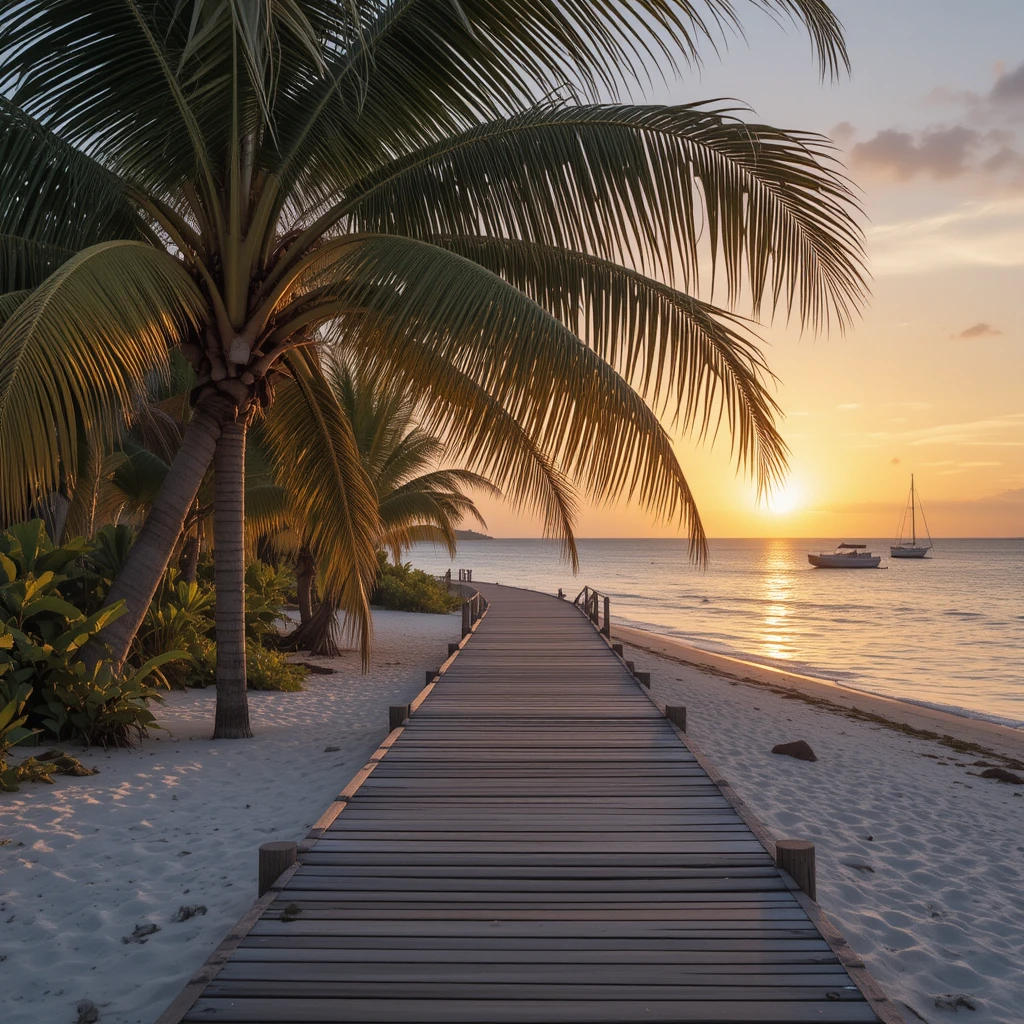
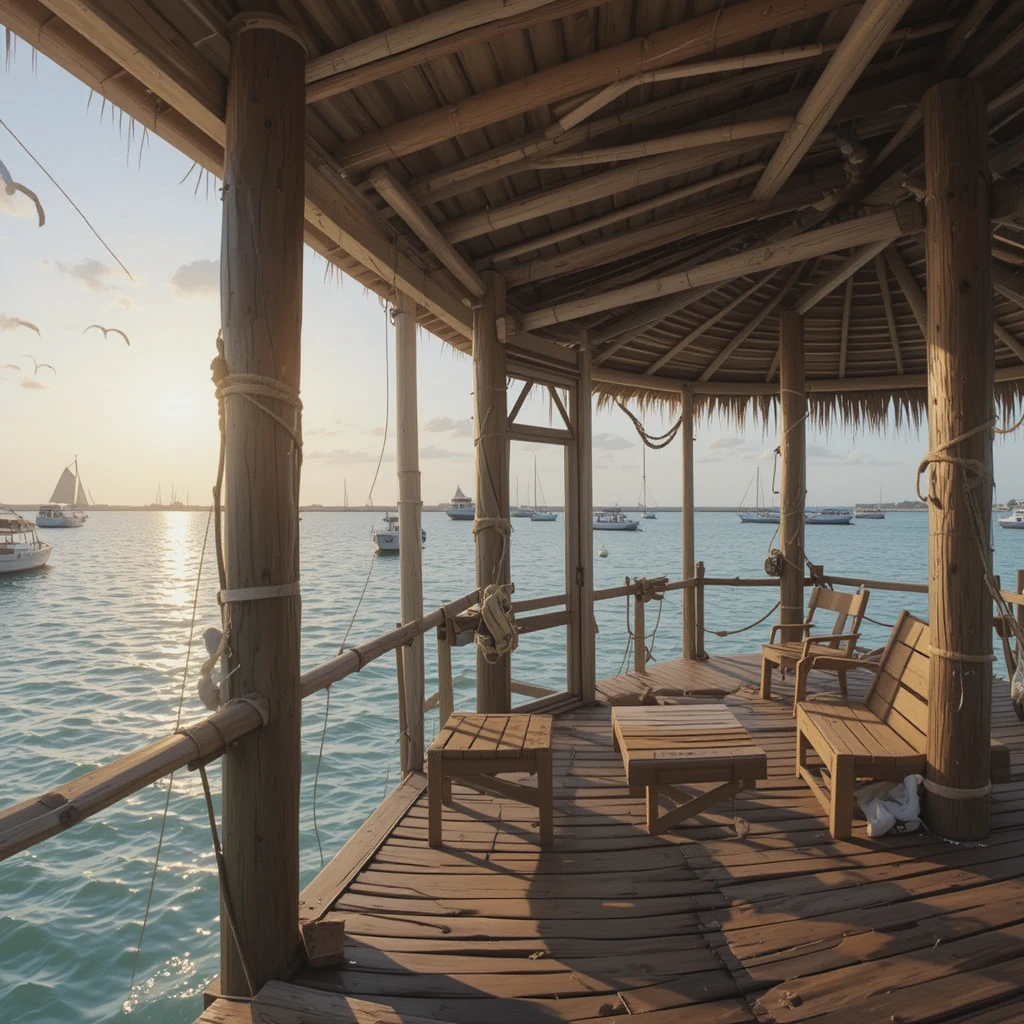
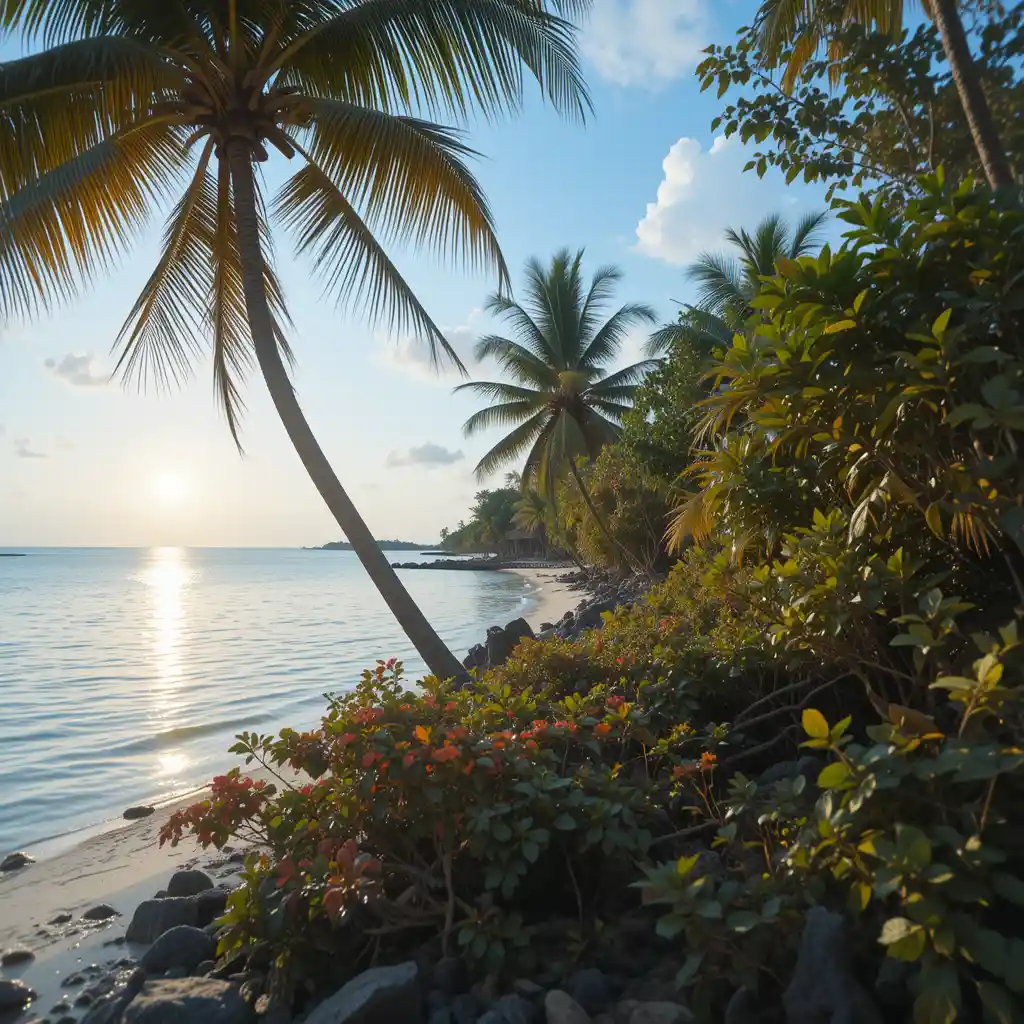
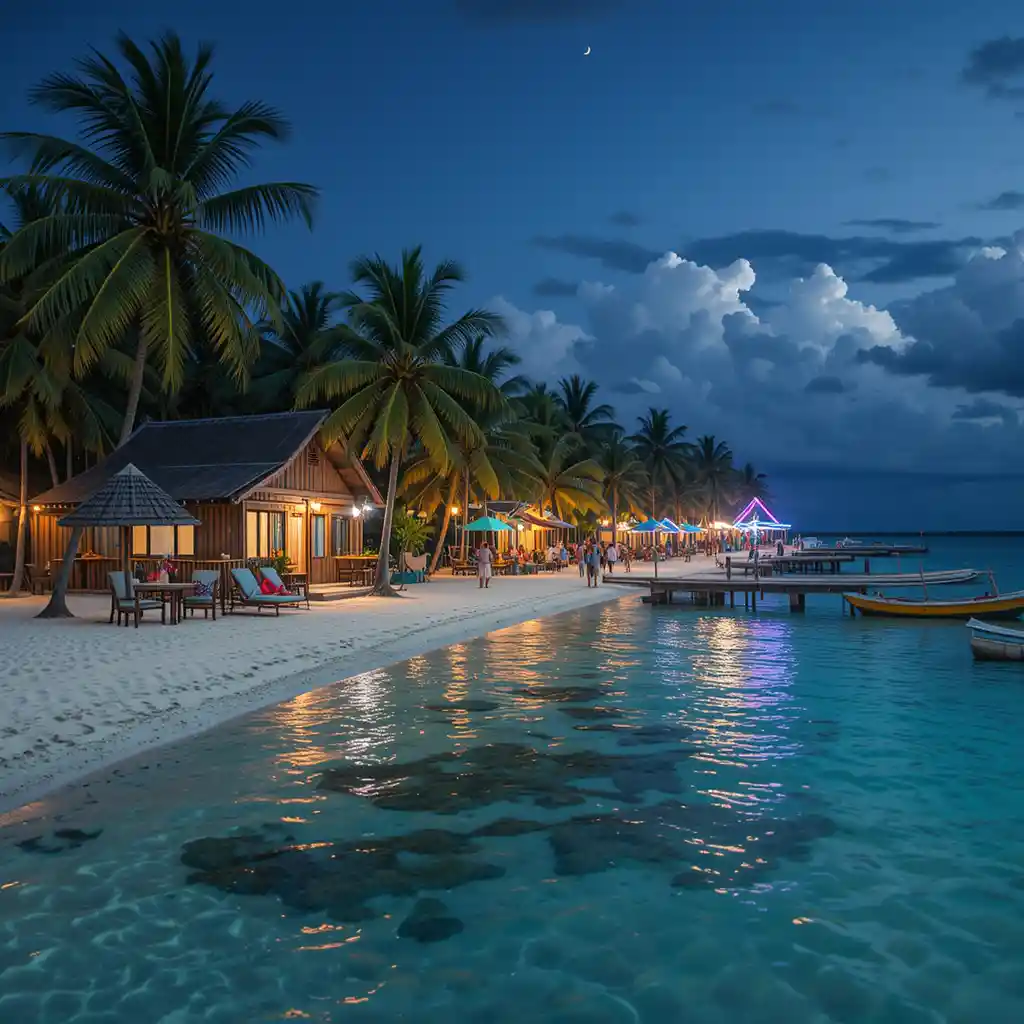
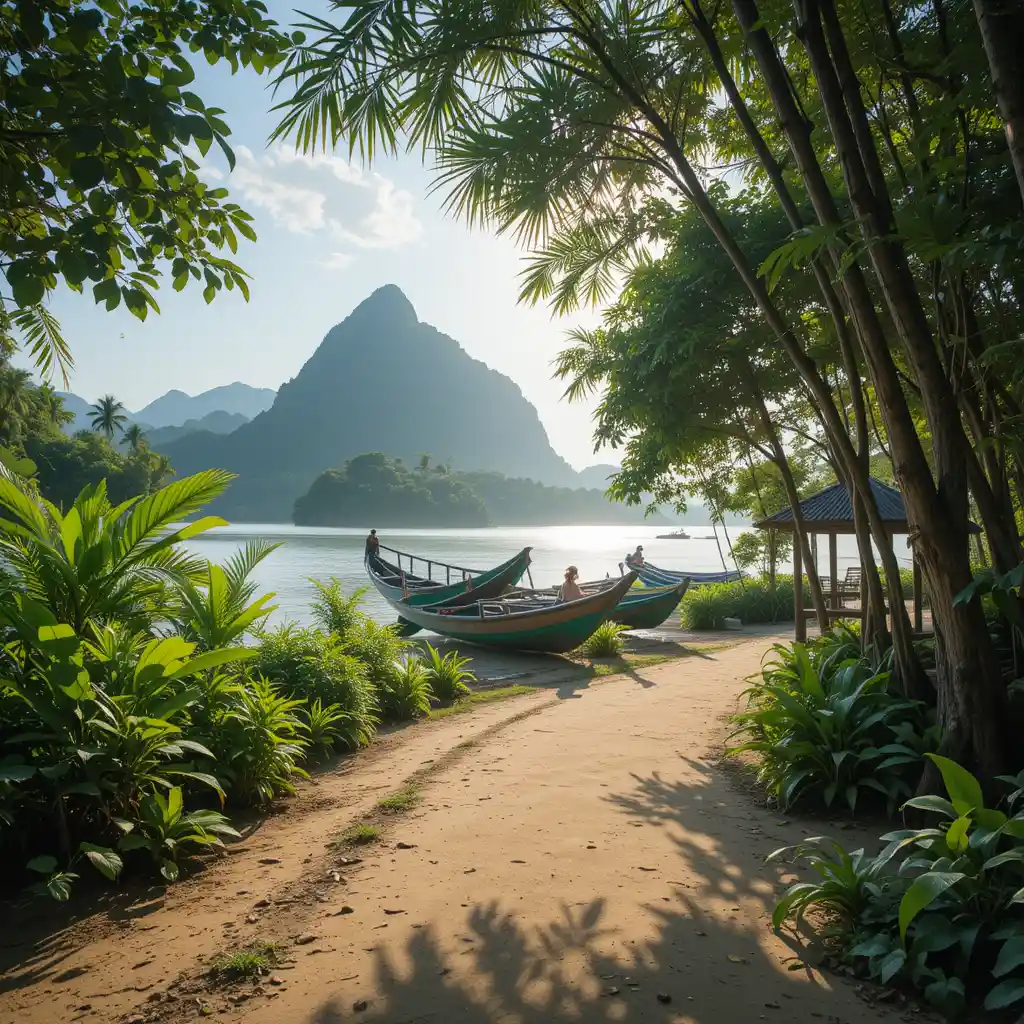
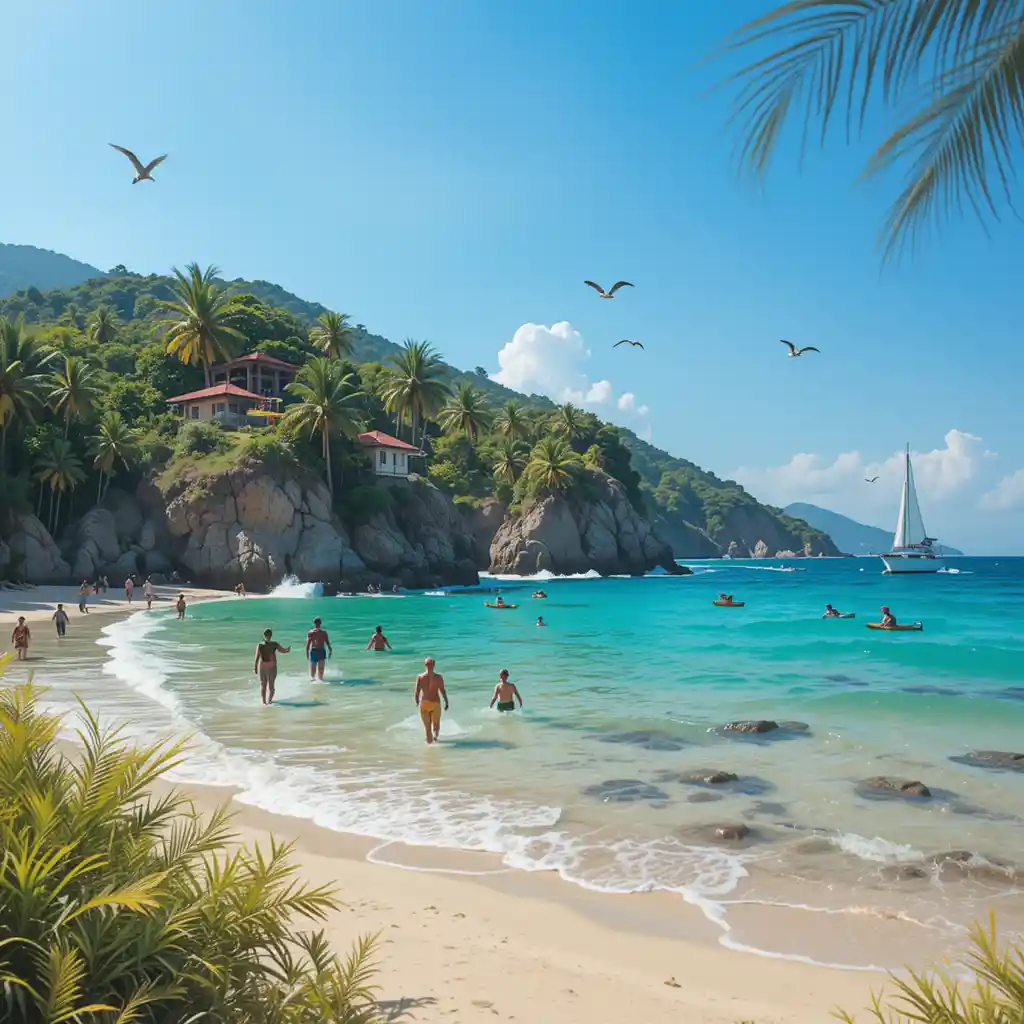
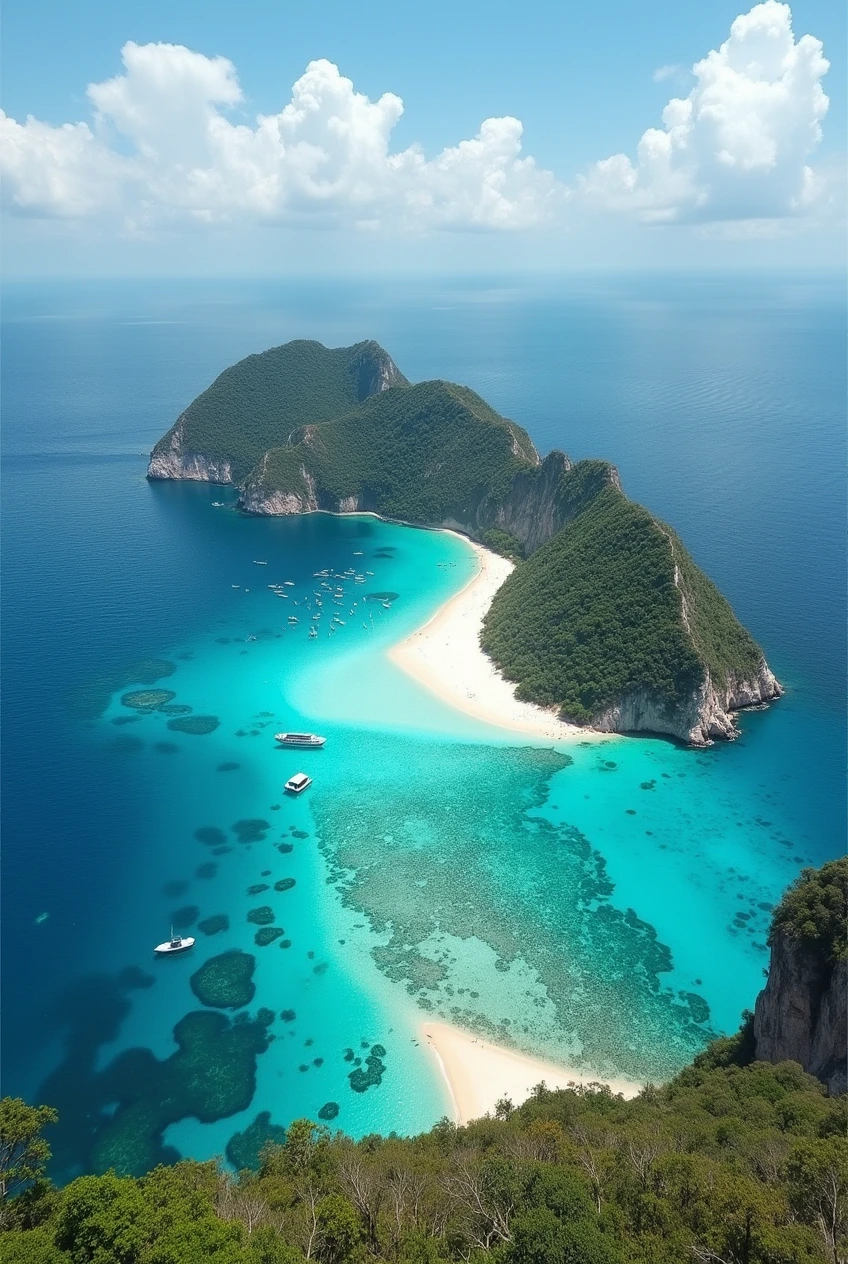
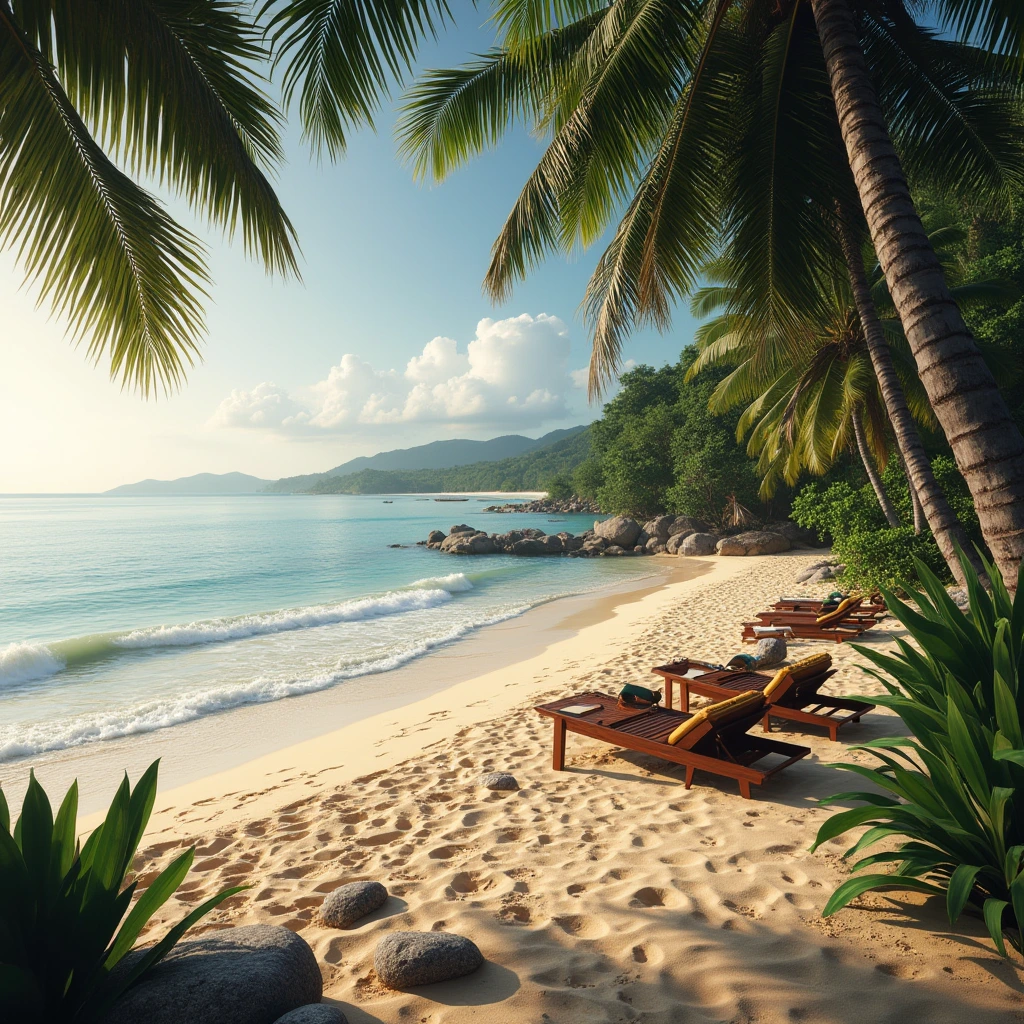
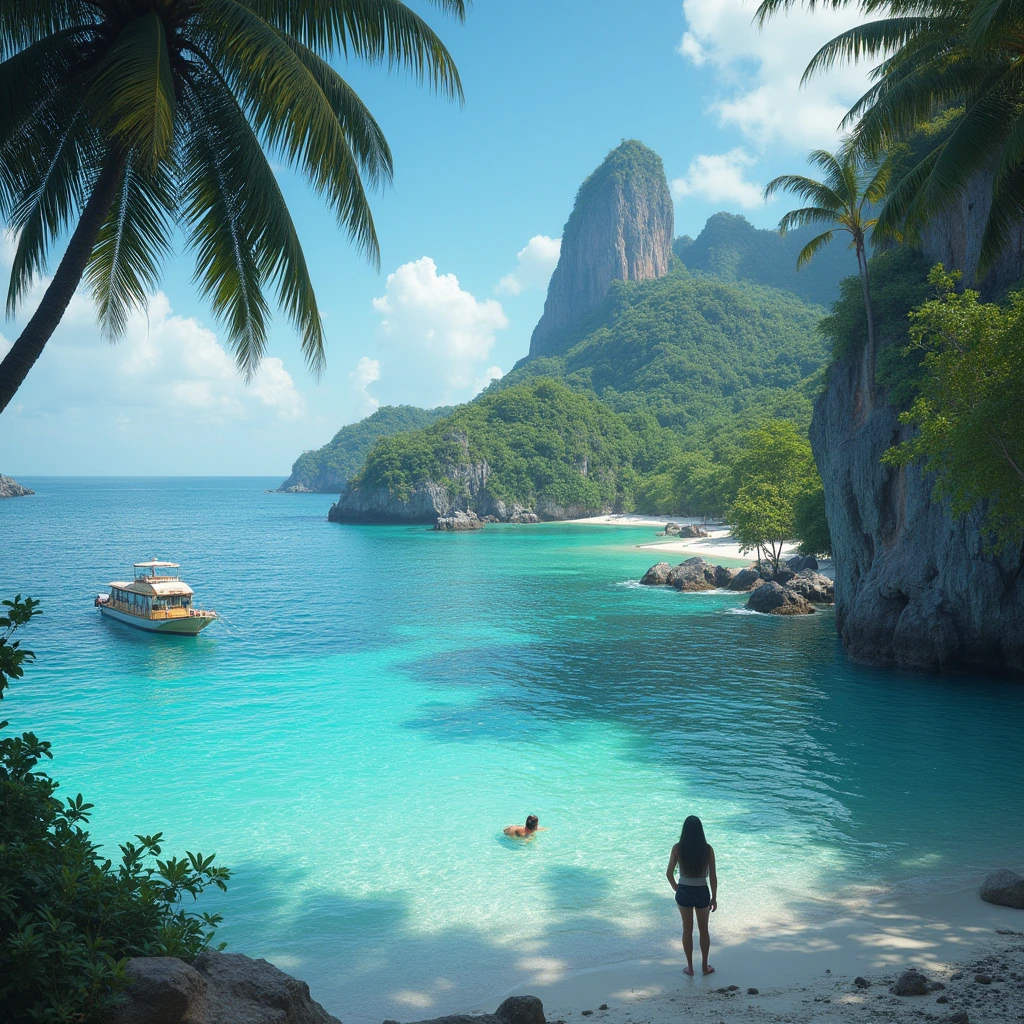
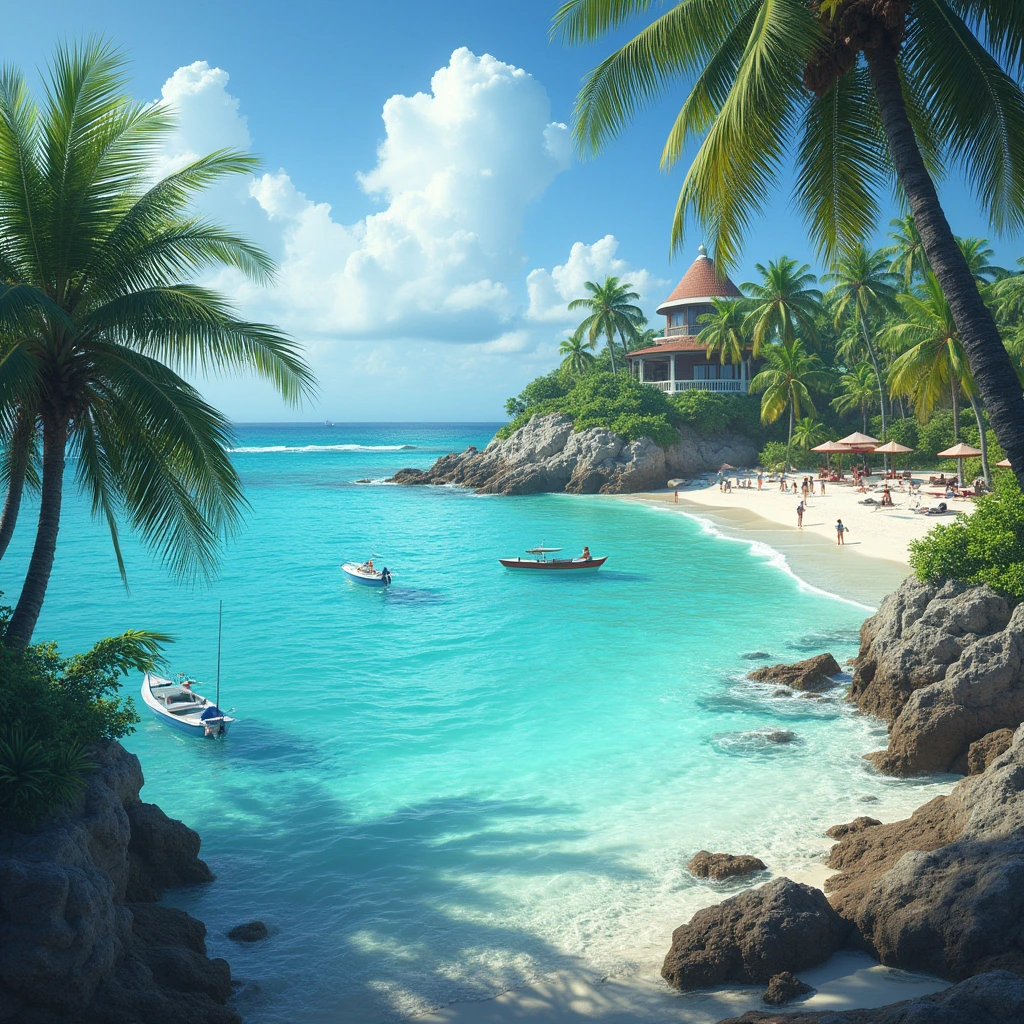
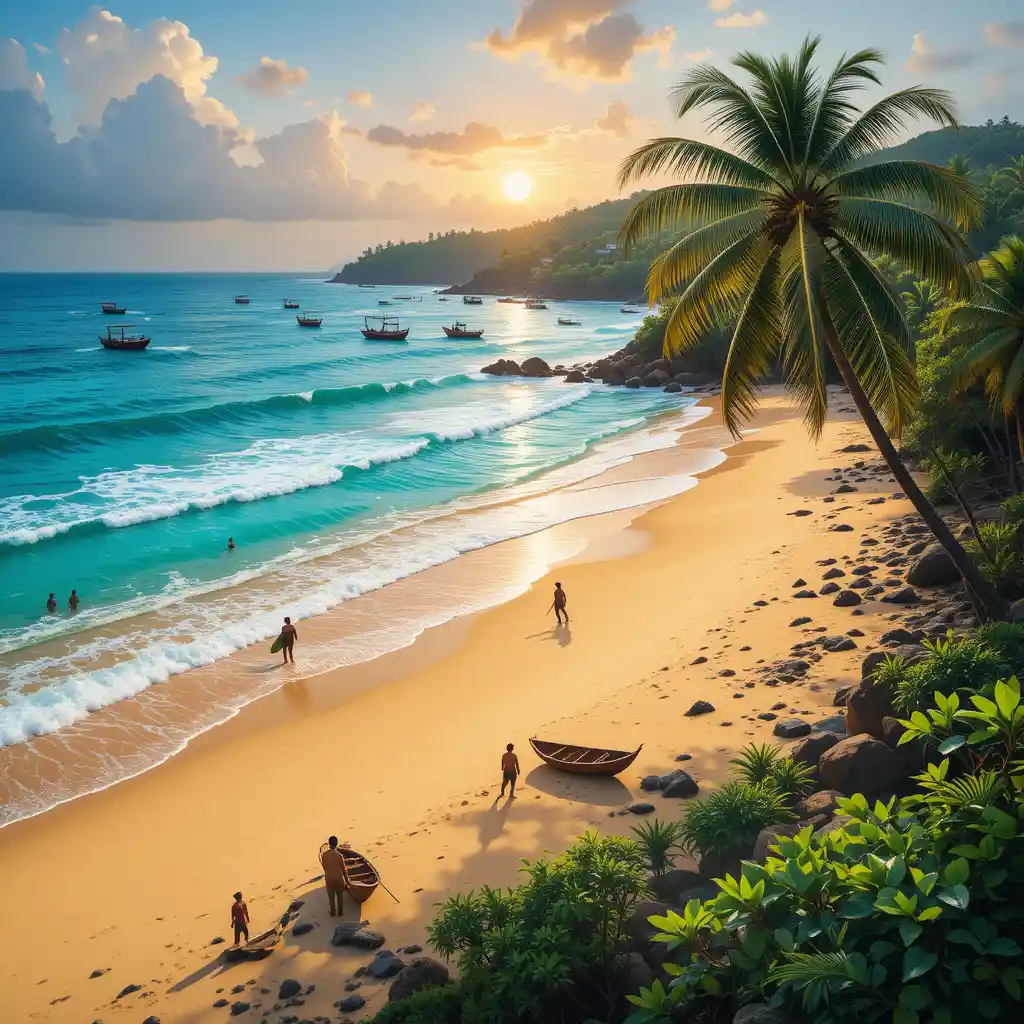
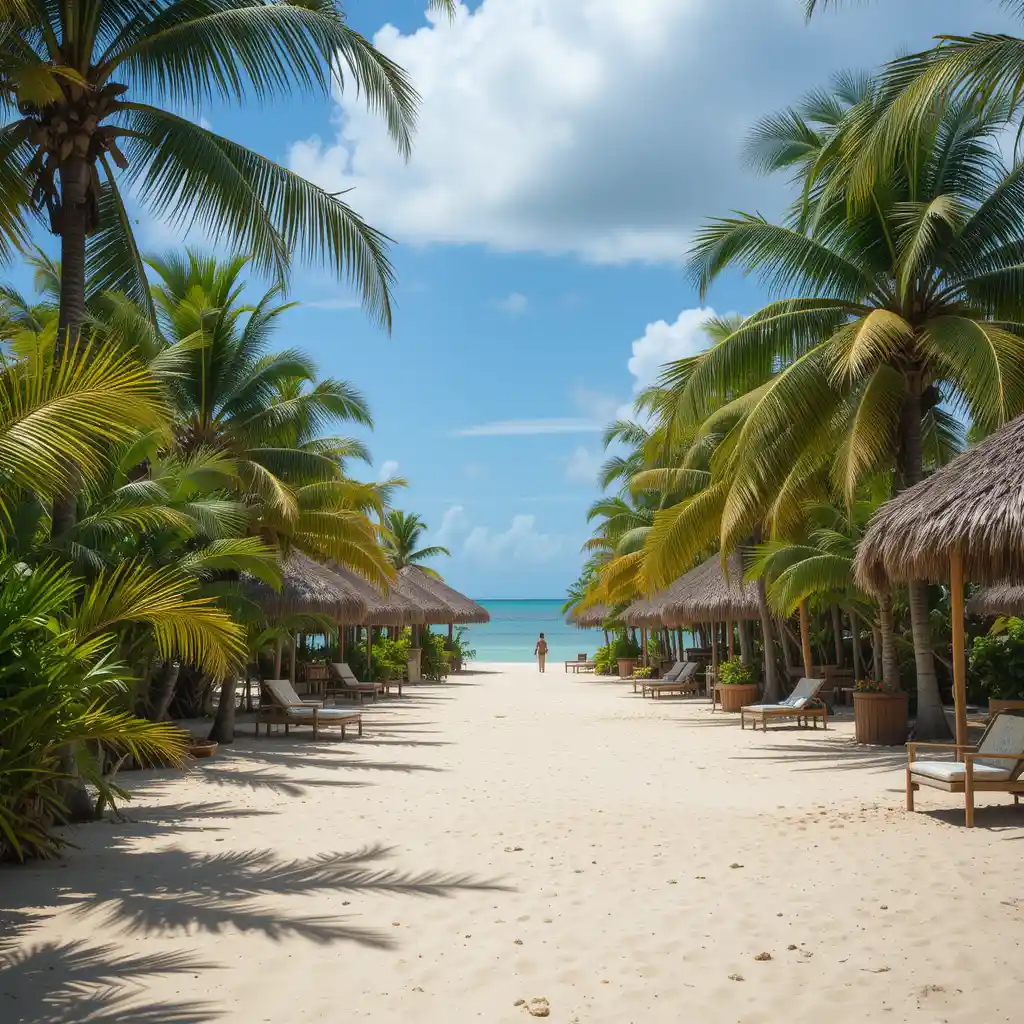
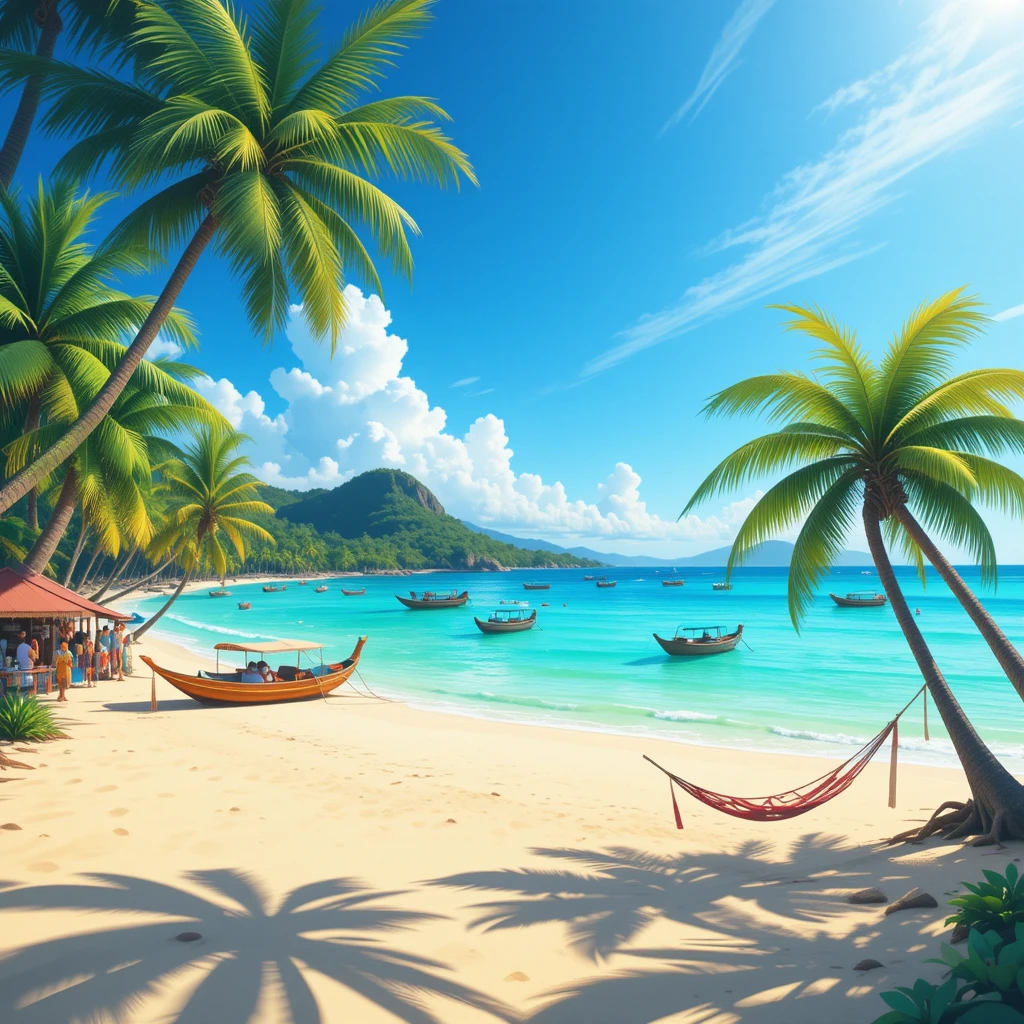
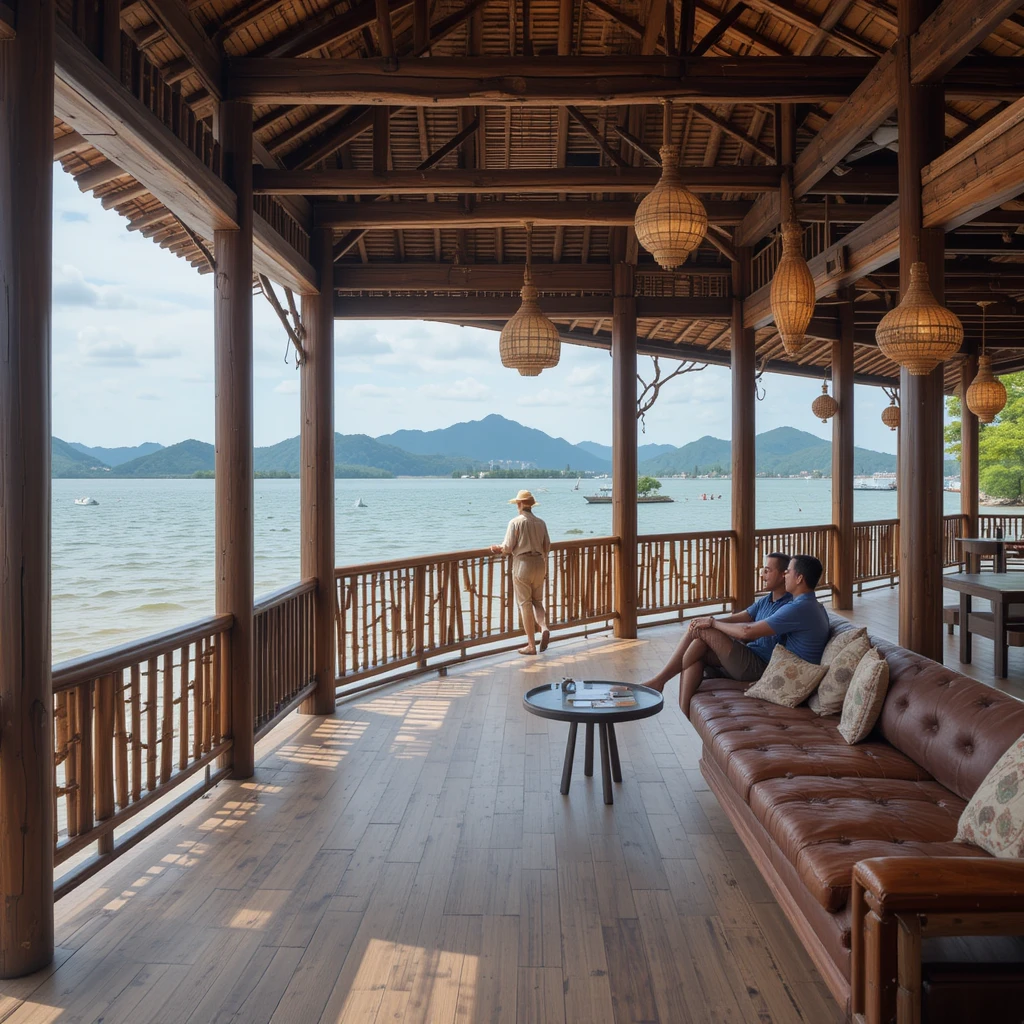
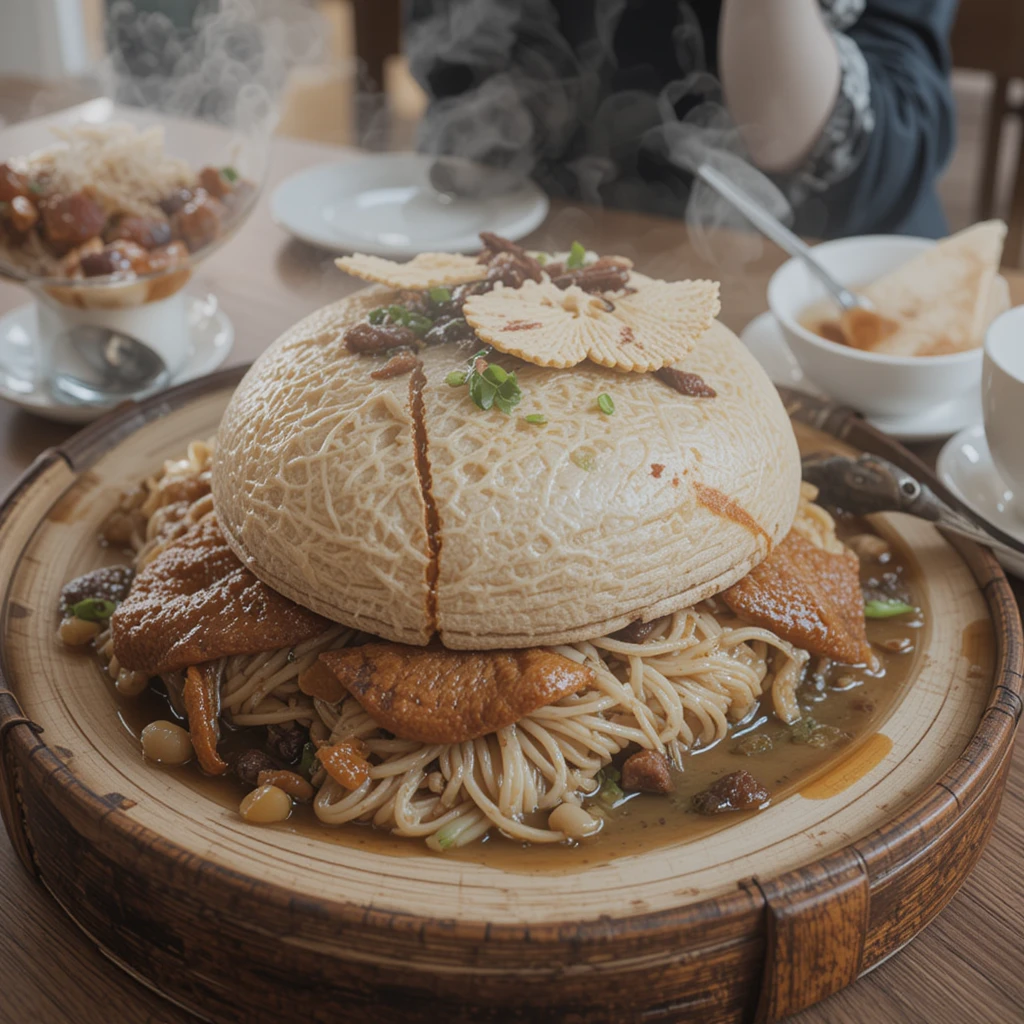
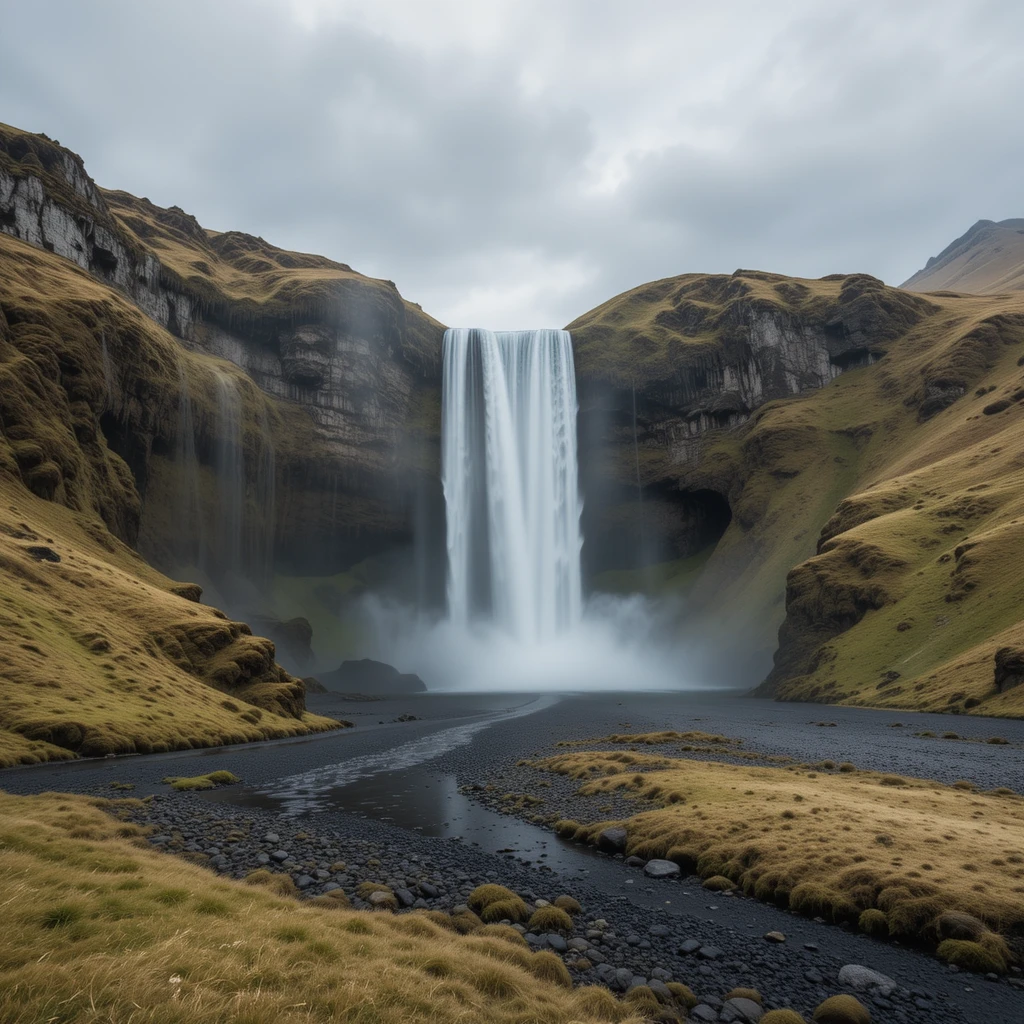
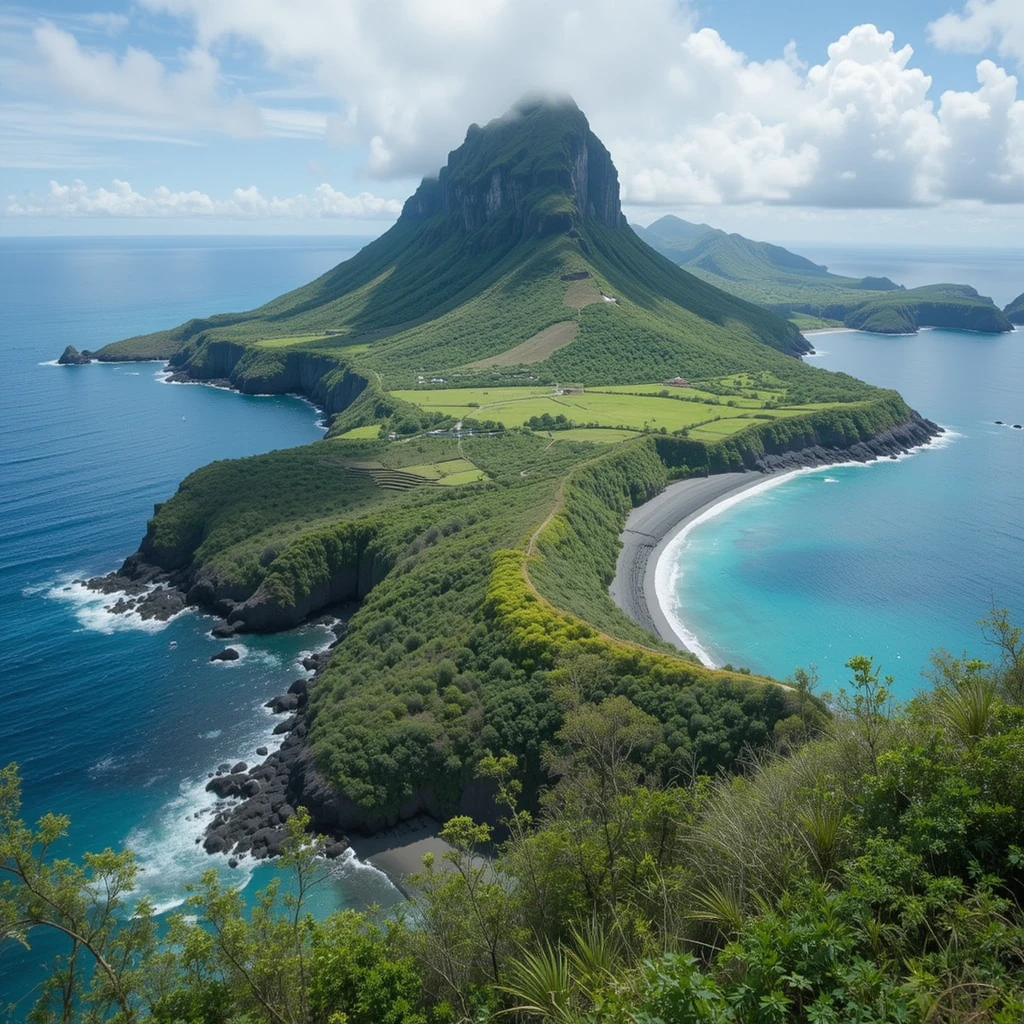
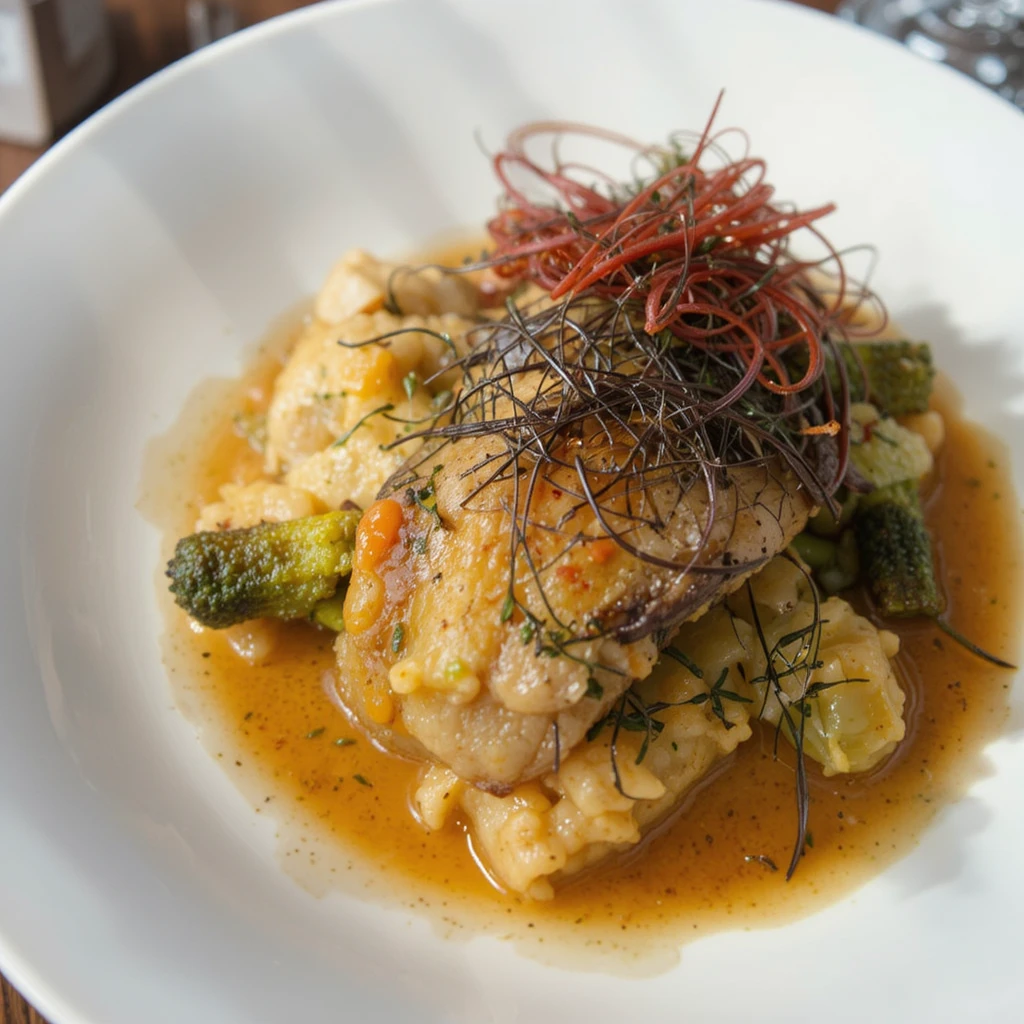
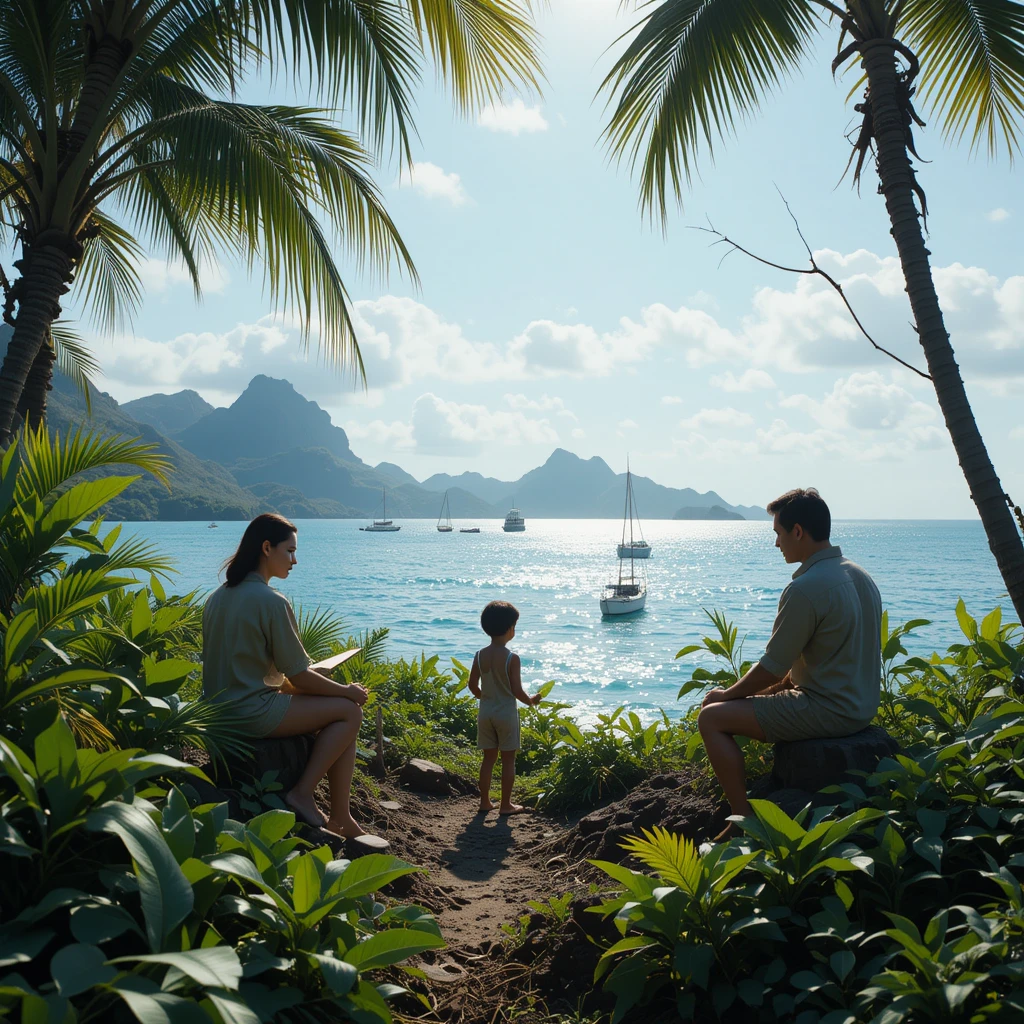
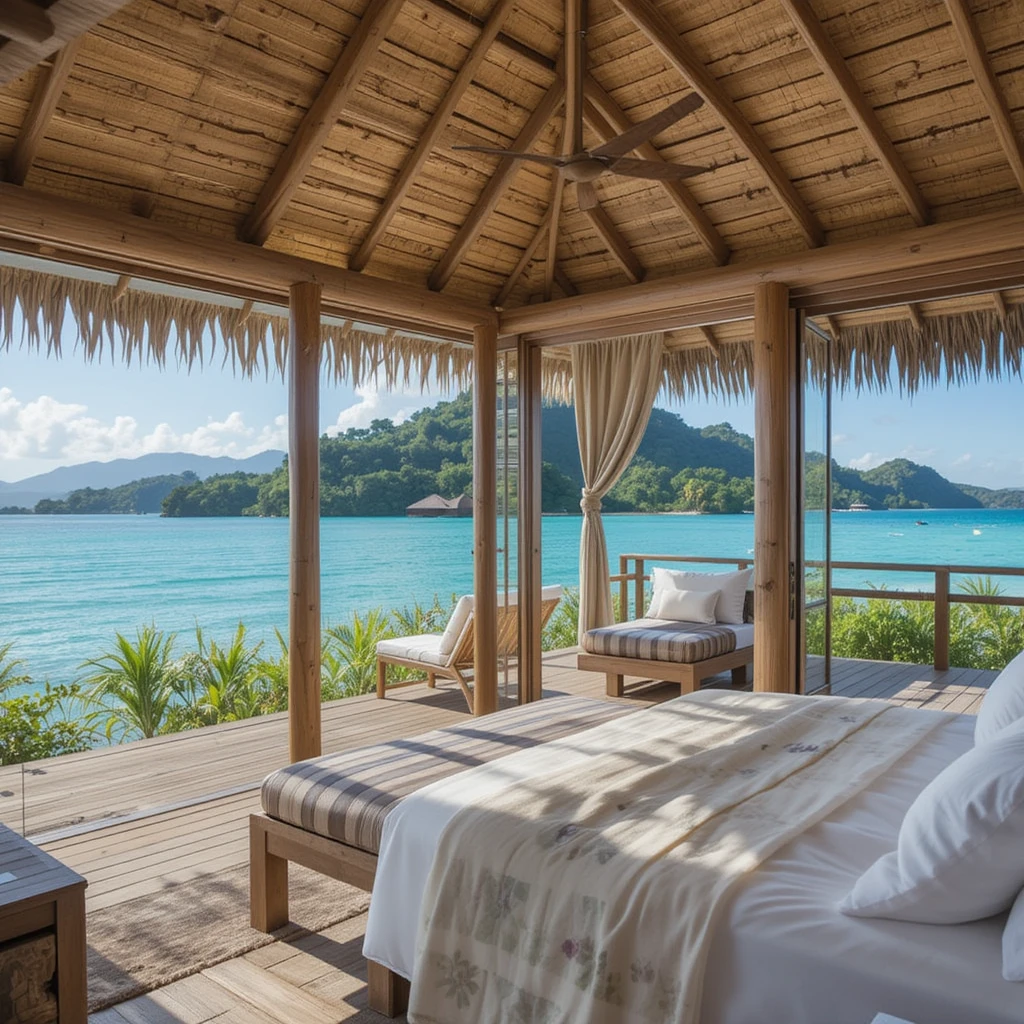
Imagine a place where the Caribbean breeze sways gently through palm trees, where sandy streets replace paved roads, and where time slows down just enough for you to truly relax. Welcome to Caye Caulker, Belize’s little slice of paradise! Whether you’re an adventure seeker, a beach lover, or just someone looking to escape reality for a while, this island has something special for you. In this guide, we’ll cover everything you need to know about Caye Caulker from things to do, where to eat, and where to stay, to hidden gems only locals know about.
Caye Caulker is known for its laid-back vibe, stunning turquoise waters, and friendly locals. Unlike its busier neighbor, Ambergris Caye, this island remains relatively untouched, offering a more authentic and relaxed experience.
Unparalleled Snorkeling & Diving: Home to the Belize Barrier Reef, the island is a dream for underwater explorers.
No Cars, No Stress: Golf carts and bicycles are the primary means of transportation.
Affordable & Backpacker-Friendly: Caye Caulker offers a range of budget accommodations and street food options.
Rich Culture: A fusion of Creole, Garifuna, and Mestizo influences.
How to Get to Caye Caulker
Getting to Caye Caulker is easy! You can reach it via:
By Boat:
Water taxis from Belize City take around 45 minutes.
Tickets cost approximately $25 USD round-trip.
By Plane:
Tropic Air and Maya Island Air operate flights from Belize City.
The flight takes about 10 minutes but costs significantly more than the boat.
The ideal time to visit Caye Caulker is between November and May when the weather is dry and sunny. June to October is the rainy season, with occasional hurricanes.
Month
Weather
Crowds
November
Warm, Dry
Moderate
December
Sunny, Peak
High
January
Cooler Nights
High
June
Rainy Season
Low
Top Things to Do
Snorkeling and Diving
Caye Caulker boasts some of the best snorkeling and diving spots in the world, including:
Hol Chan Marine Reserve
Shark Ray Alley (Swim with nurse sharks!)
Blue Hole Dive (For experienced divers)
Visit The Split
The Split is the most famous swimming area on the island, created by a hurricane in the 1960s. Grab a drink at Lazy Lizard and enjoy the vibrant atmosphere.
Explore the Caye Caulker Marine Reserve
This protected area is home to mangroves, exotic birds, and incredible sea life.
Best Places to Eat
Restaurant
Specialty Dish
Price Range
Errolyn’s House of Fry Jacks
Fry Jacks (Stuffed pastries)
Budget
Maggie’s Sunset Kitchen
Fresh Lobster
Mid-Range
Reina’s
Grilled Snapper
Mid-Range
Pasta Per Caso
Handmade Italian Pasta
Mid-Range
Where to Stay
Budget: Bella’s Backpackers Hostel
Mid-Range: Sea Dreams Hotel
Luxury: We’Yu Boutique Hotel
Island Transportation: How to Get Around
Walk: The island is only 5 miles long.
Bike Rentals: ~$10 USD per day.
Golf Carts: Available for rent, but expensive (~$50 USD/day).
Hidden Gems & Local Tips
Secret Beach: A secluded spot only locals know about.
Try Local Rum Punch: It’s stronger than it looks!
Support Local Artisans: Handmade crafts make for great souvenirs.
Caye Caulker’s Nightlife
While not as wild as other Caribbean islands, you can still find fun at:
The Lazy Lizard (Beachside bar)
The Barrier Reef Sports Bar (Live music)
I & I Reggae Bar (Rooftop vibes)
Shopping on the Island
Handmade jewelry
Coconut carvings
Belizean hot sauce
Weather and Packing Tips
Lightweight clothing
Waterproof phone case
Bug spray (Mosquitoes can be fierce!)
Safety Tips for Travelers
Stick to well-lit areas at night.
Avoid carrying large amounts of cash.
Respect local customs.
Budgeting for Your Trip
Expense
Average Cost (Per Day)
Accommodation
$20 – $200
Food
$10 – $50
Activities
$30 – $100
Final Thoughts
Caye Caulker is a tropical paradise that offers relaxation, adventure, and culture all in one. Whether you want to dive into the ocean, sip a cocktail by the beach, or explore local cuisine, this island is sure to leave you enchanted.
FAQs
Is Caye Caulker expensive?
It’s budget-friendly compared to other Caribbean destinations.
Do they speak English in Caye Caulker?
Yes, English is the official language of Belize.
What currency is used?
Belize Dollar (BZD), but USD is widely accepted.
Can you swim at The Split?
Absolutely! It’s the best swimming spot on the island.
Have you ever dreamed of finding a coastal paradise untouched by mass tourism? Imagine a place where golden sands stretch for miles, where the sound of the waves harmonizes with the whispers of the wind, and where you can reconnect with nature without the chaos of city life. Welcome to , Yucatán’s best-kept secret.
Far from the bustling streets of Cancun and the crowded beaches of Tulum, offers an authentic escape for travelers looking to immerse themselves in serenity, adventure, and culture. This hidden gem of Mexico remains largely undiscovered, making it an ideal spot for those seeking a truly unique experience. Whether you’re a nature enthusiast, an adventure seeker, or simply longing for peace by the sea, this guide will unveil why deserves a spot on your travel bucket list.
El Cuyo is nestled in the northeastern corner of the Yucatán Peninsula, right on the edge of the Ría Lagartos Biosphere Reserve. This small fishing village is surrounded by stunning landscapes, including lush mangroves, salt flats, and the shimmering Gulf of Mexico.
How to Reach
By Car: The most convenient way to reach El Cuyo is by driving. From Cancun, it’s about a 3-hour scenic drive via highway 180D and route 295. From Mérida, expect a 3.5-hour journey.
By Bus: Public transportation is limited. You can take an ADO bus to Tizimín and then a colectivo or taxi to El Cuyo.
By Tour Package: Some eco-tourism companies offer private transfers or full-day excursions.
Unlike the overly commercialized beaches of Cancun and Playa del Carmen, boasts untouched shores with soft white sand and crystal-clear waters. You can walk for miles without seeing a single resort or high-rise hotel.
2. A Kitesurfing Paradise
El Cuyo is one of Mexico’s top kitesurfing destinations thanks to its consistent winds and shallow waters. If you’re a beginner, several local schools offer lessons. Experienced riders can enjoy thrilling downwind rides along the coast.
3. Breathtaking Wildlife Encounters
Situated next to the Ría Lagartos Biosphere Reserve, is home to an abundance of wildlife. Spot flamingos, pelicans, and even sea turtles during your visit.
4. A Laid-Back Local Vibe
retains its small-town charm. Life here moves at a slow pace, allowing you to disconnect from technology and savor the simple pleasures of coastal living.
5. Stunning Sunset Views
Since faces north, it offers breathtaking sunset views over the water—a rare treat along the Yucatán coast.
Top Things to Do in El Cuyo
1. Relax on the Beach
El Cuyo’s shoreline is perfect for sunbathing, beachcombing, and swimming. Bring a hammock, find a shady palapa, and enjoy the peace.
2. Try Kitesurfing
With its steady winds from November to June, El Cuyo is a kitesurfer’s dream. Rent equipment or take a lesson from expert instructors.
3. Visit the Ría Lagartos Biosphere Reserve
Take a boat tour through the mangroves to see pink flamingos, crocodiles, and vibrant bird species.
4. Explore the Pink Lakes of Las Coloradas
A short drive from El Cuyo, the Las Coloradas salt flats are a must-visit for their surreal, Instagram-worthy pink waters.
5. Climb the Lighthouse for Stunning Views
El Cuyo’s old lighthouse provides panoramic views of the coastline and surrounding landscapes.
6. Taste Local Yucatecan Cuisine
Enjoy freshly caught seafood and traditional Yucatécan dishes at the town’s small restaurants and beachside eateries.
Where to Stay in El Cuyo
Budget-Friendly Accommodations
Cabañas El Cuyo – Beachfront cabins with a rustic vibe.
Hostel Casa Mate – A cozy, budget-friendly option.
Mid-Range Hotels
LunArena Boutique Beach Hotel – Stylish rooms with ocean views.
Casa Cuyo – A charming, locally-owned stay.
Luxury & Unique Stays
Ser Casasandra – A high-end eco-lodge with spa services.
Private Beach Villas – Available for rent on Airbnb.
Local Cuisine & A Traditional Recipe
What to Eat in El Cuyo?
Ceviche – Freshly caught fish marinated in lime juice.
Pescado Tikin-Xic – A traditional Yucatécan grilled fish dish.
Cochinita Pibil – Slow-roasted pork marinated in achiote.
Recipe: Tikin-Xic Grilled Fish
Ingredient
Quantity
White Fish (Grouper or Snapper)
1 whole fish (1 kg)
Achiote Paste
2 tbsp
Orange Juice
½ cup
Garlic
2 cloves (minced)
Salt & Pepper
To taste
Banana Leaves
2 large pieces
Instructions:
Marinate the fish in achiote paste, orange juice, and garlic.
Wrap it in banana leaves and grill over medium heat.
Serve with fresh tortillas and pickled onions.
When is the Best Time to Visit?
November to May: Best for sunshine and beach activities.
December to June: Ideal for kitesurfing.
June to October: Warmer, with occasional rain showers.
Frequently Asked Questions (FAQ)
Is El Cuyo safe for travelers?
Absolutely! El Cuyo is a peaceful fishing village with a low crime rate.
How long should I stay in El Cuyo?
3-5 days is perfect for exploring and relaxing.
Can I visit El Cuyo on a day trip?
Yes, but staying overnight allows you to experience its magic fully.
What should I pack for El Cuyo?
Light clothing, sunscreen, insect repellent, and a reusable water bottle.
Conclusion: Plan Your Escape to El Cuyo
El Cuyo is **not just another tourist destination **it’s an experience that immerses you in the beauty of unspoiled nature and the warmth of local culture. If you’re searching for an alternative to crowded resorts, a place where tranquility meets adventure, then is waiting for you.
Are you ready to uncover Yucatán’s best-kept secret? Pack your bags, book your trip, and experience before the world discovers its magic!
Imagine stepping onto a pristine island where the only sounds are the rhythmic waves and the whispering breeze. Welcome to Koh Lao, Krabi, Thailand a hidden sanctuary that remains one of Thailand’s best-kept secrets. Whether you seek adventure, relaxation, or an escape from the tourist crowds, this secluded paradise offers an experience unlike any other.
Getting to Koh Lao is an adventure in itself. Here’s what you need to know:
Nearest Airport: Krabi International Airport (KBV) is your best entry point.
Boat Transfers: The only way to reach Koh Lao is via boat. You can hire a long-tail boat or opt for a speedboat transfer from Ao Nang, Railay Beach, or Koh Lanta.
Best Time to Visit: Plan your trip between November and April for optimal weather.
Travel Tips:
Book boat transfers in advance, especially during peak season.
Bring cash, as ATMs are scarce.
Pack reef-safe sunscreen and mosquito repellent to stay protected.
Koh Lao is a paradise for underwater enthusiasts. Dive into the Andaman Sea and discover vibrant coral reefs, exotic marine life, and crystal-clear waters. Some of the best snorkeling spots are located on the northern and eastern sides of the island.
H3: Kayaking and Paddleboarding
For a peaceful yet adventurous experience, rent a kayak and explore hidden lagoons, towering limestone cliffs, and mangrove forests.
H3: Hiking and Exploring Nature Trails
Trek through scenic jungle trails with breathtaking panoramic views.
Keep an eye out for wildlife, including tropical birds and monitor lizards.
H3: Relaxing on Secluded Beaches
Escape the crowds and unwind on untouched white sandy beaches. The island’s serenity makes it an ideal spot for meditation, yoga, and peaceful sunbathing.
Where to Stay: Accommodation Options on Koh Lao
H2: Best Places to Stay in Koh Lao, Krabi, Thailand
Accommodation Type
Recommended Options
Price Range (per night)
Budget Bungalows
Eco Bamboo Retreat
$20 – $50
Mid-Range Resorts
Seaview Cliff Resort
$60 – $120
Luxury Villas
Sunset Private Villas
$150 – $300
Local Cuisine: Must-Try Food in Koh Lao
H2: A Taste of Thailand on Koh Lao
H3: Best Restaurants and Local Dishes
Fresh Seafood: Grilled fish, prawns, and squid caught daily.
Thai Classics: Enjoy dishes like Pad Thai, Green Curry, and Tom Yum Soup.
Beachfront Dining: Nothing beats a meal with a stunning ocean view.
H2: Simple Thai Recipe to Try at Home
H3: Authentic Thai Green Curry
Ingredients
Quantity
Coconut milk
400ml
Green curry paste
2 tbsp
Chicken or tofu
250g
Thai eggplant
5 pieces
Kaffir lime leaves
4 leaves
Fish sauce
2 tbsp
Sugar
1 tsp
Basil leaves
Handful
Red chili (optional)
1 sliced
Jasmine rice (served)
1 cup
Instructions:
Heat coconut milk and green curry paste in a pan.
Add chicken or tofu and cook until done.
Stir in Thai eggplant, kaffir lime leaves, fish sauce, and sugar.
Simmer for 5 minutes, then add basil and chili.
Serve with jasmine rice and enjoy!
Sustainable Travel Tips for Visiting Koh Lao
H2: Responsible Tourism in Koh Lao
Respect the Environment: Avoid littering and use eco-friendly products.
Support Local Businesses: Stay in locally owned accommodations and eat at family-run restaurants.
Protect Marine Life: Never touch corals or feed fish while snorkeling.
FAQ About Koh Lao, Krabi, Thailand
H2: Frequently Asked Questions
H3: Is Koh Lao crowded with tourists?
No, Koh Lao remains a hidden gem with fewer visitors, offering a peaceful escape.
H3: What is the best time to visit Koh Lao?
The ideal time to visit is from November to April, when the weather is sunny and dry.
H3: Can I find WiFi on Koh Lao?
Some resorts and cafes offer WiFi, but overall connectivity is limited.
H3: Are there ATMs on Koh Lao?
No, you should carry enough cash before arriving on the island.
Conclusion: Why Koh Lao Should Be on Your Travel Bucket List
Koh Lao, Krabi, Thailand, is an untouched paradise waiting to be explored. Whether you’re looking for thrilling adventures, peaceful relaxation, or an authentic Thai experience, this island offers something special for every traveler. Start planning your journey today and uncover the hidden beauty of Koh Lao!
Call to Action:
Are you ready to experience Koh Lao for yourself? Book your trip now and embrace the adventure of a lifetime!
Embarking on a solo journey is an exhilarating experience, granting you the freedom to explore on your terms. But what if you could satisfy your wanderlust without breaking the bank? That’s where budget-friendly destinations come into play. You don’t have to spend a fortune to create unforgettable memories. Whether you’re looking for tropical beaches, bustling cities, or breathtaking landscapes, this guide presents seven incredible destinations perfect for solo travelers on a budget in 2025.
1. Vietnam – A Backpacker’s Paradise
Why Vietnam?
Low-cost accommodations, food, and transportation
Stunning natural beauty: mountains, beaches, and rice terraces
Rich history and welcoming locals
Top Attractions
Hanoi Old Quarter – Immerse yourself in the charm of Vietnam’s capital.
Ha Long Bay – Explore emerald waters and limestone cliffs on budget boat tours.
Hoi An – Wander through lantern-lit streets and historic sites.
A diverse range of experiences from cities to nature
Must-Visit Spots
Mexico City – Packed with museums, historic sites, and lively markets.
Oaxaca – Famous for its culture, traditions, and authentic cuisine.
Tulum – Stunning beaches and affordable Mayan ruins.
4. Georgia – Europe’s Hidden Gem
Why Georgia?
One of the most affordable destinations in Europe
A blend of European and Asian cultures
Visa-free for many travelers
Highlights
Tbilisi’s Old Town – A charming blend of history and modernity.
Kazbegi National Park – Ideal for breathtaking hikes.
Batumi’s Black Sea Coast – A relaxed and budget-friendly getaway.
5. Indonesia – Island Adventures on a Budget
Why Indonesia?
Extremely low cost of living
Countless islands to explore
Great for digital nomads and long-term travelers
Best Spots for Solo Travelers
Bali – A hotspot for budget-conscious adventurers.
Yogyakarta – A cultural and historical hub on Java Island.
Komodo Islands – A paradise for nature lovers at reasonable costs.
6. Colombia – South America’s Budget Star
Why Colombia?
Affordable food, lodging, and transportation
Rich cultural heritage and diverse landscapes
A rapidly improving travel infrastructure
Must-See Places
Medellín – A dynamic city with a rich history.
Cartagena – Beautiful colonial architecture with budget-friendly stays.
Salento – A coffee region that offers breathtaking landscapes at low costs.
7. India – A Budget Traveler’s Dream
Why India?
One of the cheapest travel destinations in the world
A vast country with diverse experiences
Affordable trains, buses, and street food
Top Places to Visit
Jaipur & Rajasthan – Historic forts and palaces at bargain prices.
Goa – A budget beach paradise with an exciting nightlife scene.
Varanasi – Experience deep spirituality on the Ganges River.
FAQ Section
1. What is the cheapest country to travel solo in 2025?
Vietnam and India top the list due to their low accommodation, food, and transport costs.
2. How can I travel safely as a solo traveler?
Choose highly rated hostels and hotels.
Stay vigilant and avoid risky areas at night.
Use local transportation services with good reviews.
3. What are the best solo travel destinations for first-time travelers?
Portugal, Mexico, and Vietnam offer excellent infrastructure, safety, and affordability.
4. How much money do I need for a budget solo trip?
Most budget-friendly destinations can be explored for $20–$50 per day, depending on the country.
5. What are some must-have travel apps for solo travelers?
Google Maps, Airbnb, Rome2Rio, and Duolingo help with navigation, booking, and communication.
6. What is the best time to travel on a budget?
The shoulder seasons spring and fall offer lower prices on flights and accommodations.
Conclusion
Traveling solo doesn’t have to drain your wallet. With the right planning, you can enjoy incredible experiences at a fraction of the cost. Whether you’re craving tropical beaches, cultural immersion, or breathtaking landscapes, these seven budget-friendly destinations make solo travel in 2025 an exciting and affordable reality. It’s time to pack your bags, book your ticket, and embark on the adventure of a lifetime!
Picture this: You wake up to the sound of gentle waves lapping against the shore, a soft ocean breeze brushing against your skin, and the sight of an endless blue horizon stretching before you. Now, what if I told you that this dreamy island escape doesn’t have to break the bank?
Contrary to popular belief, island getaways aren’t just for the rich and famous. With the right planning, you can enjoy pristine beaches, turquoise waters, and unforgettable adventures without spending a fortune. This guide introduces you to nine of the most affordable island destinations for 2025 each offering breathtaking views, budget-friendly accommodations, and experiences that will make your trip unforgettable.
What Makes an Island Budget-Friendly?
Not all islands cater to luxury travelers. Some are havens for budget explorers, offering incredible experiences at a fraction of the cost. Here’s what makes an island perfect for budget-conscious travelers:
Affordable stays – Budget hostels, guesthouses, and local homestays.
Low-cost food – Street markets, food stalls, and local eateries offering delicious meals for a few dollars.
Cheap or free attractions – Beaches, hiking trails, and cultural experiences that don’t cost a dime.
Easy transportation – Public buses, ferries, and bike rentals that save you money.
Why visit? A diver’s paradise with vibrant marine life.
Budget stays: Hostels from $25.
Food: Tacos and street food for $2–$5.
Activities: Free beach access, cheap ferry rides, and snorkeling.
6. Mirissa & Unawatuna, Sri Lanka
Why visit? Gorgeous golden beaches with a laid-back atmosphere.
Budget stays: Guesthouses for $10–$15 per night.
Food: Traditional rice and curry meals under $2.
Activities: Affordable whale-watching tours and public transport.
7. Roatán, Honduras
Why visit? A Caribbean island with affordable diving and snorkeling.
Budget stays: Homestays and guesthouses from $15.
Food: Local seafood dishes for $5.
Activities: Free snorkeling spots and budget dive centers.
8. Crete, Greece
Why visit? An authentic Greek island experience without Mykonos’ price tag.
Budget stays: Hostels and family-run guesthouses under $20.
Food: Gyros and souvlaki for $3–$4.
Activities: Free beaches and scenic hiking trails.
9. Bocas del Toro, Panama
Why visit? A vibrant Caribbean island with colorful streets and laid-back vibes.
Budget stays: Overwater hostels from $15.
Food: Local meals for $5.
Activities: Affordable boat tours and budget-friendly beaches.
How to Travel Cheaply on Islands
Budget Accommodation Tips
Choose hostels, homestays, or Airbnb rentals.
Consider Couchsurfing or Workaway for free lodging.
Saving Money on Food
Eat at local food stalls or cook your own meals.
Buy fresh produce from markets instead of restaurants.
Affordable Transport Options
Use public transportation instead of taxis.
Rent a scooter or bike to explore.
Budget-Friendly Activities on Islands
Free & Low-Cost Adventures
Beach hopping and swimming.
Snorkeling in public areas.
Exploring local markets.
Hiking and nature walks.
FAQs – Top 9 Cheap Islands to Visit in 2025 for Budget Travelers
What is the cheapest island to visit in 2025?
Koh Rong, Cambodia, is one of the most affordable islands, with accommodations starting at $10 per night and meals under $5.
Which island offers the best budget-friendly activities?
Palawan, Philippines, and Nusa Penida, Indonesia, offer cheap island-hopping tours, free beaches, and low-cost adventures.
How can I save money while visiting an island?
Stay in budget hostels, eat at local food stalls, and use public transportation.
What’s the best island for solo travelers on a budget?
Nusa Penida and Palawan are great for solo travelers, offering social hostels and budget-friendly activities.
Conclusion
Island travel doesn’t have to cost a fortune. With the right planning, you can explore breathtaking destinations, soak in the sun, and create lifelong memories—all while staying within budget. Whether you’re craving a tropical paradise, a cultural escape, or an adventure-packed getaway, these nine affordable islands will give you the experience of a lifetime without draining your wallet.
So, which island is calling your name? Let us know in the comments, and start planning your next budget-friendly adventure today!
Traveling the world doesn’t have to drain your savings. If you dream of experiencing diverse cultures, breathtaking landscapes, and delicious cuisine without spending a fortune, you’re in luck. There are numerous destinations where you can make the most of your budget while enjoying unforgettable experiences. Whether you’re a backpacker, digital nomad, or simply looking for a cost-effective vacation, these 39 cheapest countries in the world offer incredible value for money.
(The list continues with more affordable travel destinations, including Eastern Europe, Africa, and Latin America.)
How to Maximize Your Budget While Traveling
1. Eat Like a Local
Skip the touristy restaurants and opt for street food or local markets. Not only do you get authentic flavors, but the prices are unbeatable.
2. Use Public Transport
Instead of taxis, use buses, trains, and shared rides. In many countries, public transportation is efficient, safe, and significantly cheaper.
3. Stay in Hostels or Guesthouses
Accommodations like hostels, budget hotels, and guesthouses offer great deals, often with free breakfast and socializing opportunities.
4. Travel Off-Peak Season
Avoid peak tourist months to get discounts on flights, accommodations, and attractions.
5. Negotiate Prices
In many markets, you can bargain for better deals, especially for souvenirs, transport, and guided tours.
6. Choose Free or Low-Cost Activities
Many destinations offer free walking tours, stunning hikes, and public beaches that cost nothing to enjoy.
FAQs About Traveling on a Budget
What is the absolute cheapest country to travel to?
Vietnam and India are among the cheapest due to their low-cost food, accommodation, and transport.
How much should I budget for a month in these countries?
Depending on the country, you can live comfortably on $500–$1,000 per month.
Are these countries safe for solo travelers?
Most of them are safe, but always take standard travel precautions and research local customs.
Can I work remotely in these countries?
Yes! Many of these destinations, like Thailand, Indonesia, and the Philippines, are great for digital nomads with affordable living and reliable Wi-Fi.
Final Thoughts: Start Planning Your Budget Adventure Today
You don’t need a massive budget to explore the world. By choosing cost-effective destinations, adopting smart spending habits, and embracing local cultures, you can enjoy rich travel experiences without financial stress. Start planning your next adventure to one of these budget-friendly countries and make your travel dreams a reality!
Phu Quoc Island is a dream destination that promises everything a traveler could desire pristine beaches, rich culture, and a vibrant local scene. Whether you’re planning a quick getaway or a more extended stay, this detailed guide will help you maximize your experience. From the best time to visit, top attractions, to food recommendations and where to stay, we’ve crafted the ultimate itinerary for you. Let’s dive into the perfect Phu Quoc itinerary and explore everything this stunning island offers.
Your journey to Phu Quoc begins with easy access from various parts of Vietnam and other countries. Let’s take a look at your travel options.
Flight Options to Phu Quoc
You’ll find multiple flights heading to Phu Quoc from major cities such as Hanoi and Ho Chi Minh City. International flights are also available, especially from neighboring countries like Thailand, Cambodia, and Singapore. Phu Quoc International Airport is modern and well-equipped to handle tourists, making your arrival smooth and stress-free.
What to Know About Phu Quoc International Airport
Phu Quoc’s international airport, located just a 10-minute drive from Duong Dong Town, is an excellent gateway to the island. It offers both domestic and international flights, ensuring easy access for global visitors. Once you arrive, you’ll find the transportation options to your hotel quick and efficient.
Phu Quoc has a tropical climate, which means it’s important to choose the right time to visit for the best experience.
Understanding Phu Quoc’s Climate
Phu Quoc’s tropical weather is split into two main seasons: the dry season (November to March) and the rainy season (April to October). The dry season is perfect for those who want to enjoy sunny days on the beach. Expect clear skies, warm temperatures, and calm seas, ideal for outdoor activities and exploring.
Activities to Enjoy During Different Seasons
Dry Season: This is the ideal time for water sports, beach relaxation, and exploring nature trails. Since the weather is perfect, you can enjoy everything from diving and snorkeling to boat trips.
Rainy Season: While you may encounter showers, this season can still be enjoyable. The rain typically falls in short bursts, so you’ll still have time to explore local attractions like museums, markets, and indoor activities.
The Perfect Phu Quoc Itinerary: A Day-by-Day Guide
Now that you know how to get there and the best time to go, let’s break down your perfect itinerary. With five days on the island, you’ll have plenty of time to see it all!
Day 1: Explore Duong Dong Town and Its Surroundings
Start your adventure in Duong Dong Town, the heart of Phu Quoc. The town offers a unique blend of local culture, history, and cuisine. Begin your exploration by visiting the famous Dinh Cau Night Market. Here, you can sample fresh seafood, buy souvenirs, and enjoy the vibrant atmosphere.
Key Highlights:
Dinh Cau Temple: Situated on a small hill, this temple offers panoramic views of the ocean and a chance to learn about local beliefs.
Dinh Cau Night Market: A bustling place to try delicious local food, such as grilled seafood, noodles, and tropical fruits.
In the evening, treat yourself to dinner at a beachfront restaurant while watching the sunset.
Day 2: Relax on Phu Quoc’s Famous Beaches
Phu Quoc is known for its pristine beaches, so day two should be all about relaxation. The island has several incredible beaches that are perfect for unwinding, swimming, or enjoying water sports.
Top Beaches to Visit:
Long Beach: Known for its fine, golden sand and calm waters, this beach is perfect for a laid-back day.
Sao Beach: This is often considered the island’s most beautiful beach, with crystal-clear waters and stunning views.
You can spend your day lounging, reading, or trying out activities like kayaking and paddleboarding.
Day 3: Discover Phu Quoc’s Nature and Wildlife
Phu Quoc isn’t just about beachesits nature reserves and wildlife parks are equally captivating. On day three, head out for a more active day exploring the island’s green spaces.
Must-See Natural Attractions:
Vinpearl Safari: This wildlife park is home to a wide variety of animals, including exotic species. It’s a great way to learn about the island’s biodiversity while enjoying a day in nature.
Phu Quoc National Park: Covering over half of the island, this vast park offers hiking trails through thick forests, where you might spot wildlife such as monkeys, deer, and various bird species.
Day 4: Explore Phu Quoc’s Historical and Cultural Sites
Dive deeper into Phu Quoc’s rich history on day four by visiting some of its most iconic cultural landmarks.
Essential Cultural Spots:
Coi Nguon Museum: This museum provides insights into the history, culture, and heritage of Phu Quoc, showcasing everything from ancient artifacts to traditional clothing.
Pepper Farms: Phu Quoc is known for its pepper, and visiting a local pepper farm gives you the chance to see how this prized crop is cultivated. You can even buy some fresh pepper to take home.
Day 5: Day Trip to Nearby Islands
Wrap up your trip with a day trip to one of the nearby islands. Phu Quoc is surrounded by small, uninhabited islands that are perfect for a peaceful escape.
Popular Islands to Visit:
Hon Thom Island: Known for its crystal-clear water, this island is a top spot for snorkeling and relaxation.
Gam Ghi Island: A serene, untouched island, perfect for those looking for a quiet place to unwind.
Boats depart from the main harbor, and many tour operators offer all-inclusive trips to these islands, so you can focus on enjoying the beauty of the surrounding waters.
Where to Stay in Phu Quoc
Phu Quoc offers a wide range of accommodations, from luxury resorts to budget-friendly options. Whether you’re looking for a beachfront villa or a cozy guesthouse, the island has something for everyone.
Top Accommodations:
Vinpearl Resort Phu Quoc: A five-star resort offering luxury amenities, beachfront views, and world-class service.
Sunset Sanato Resort & Villas: This beachfront resort offers both luxury and comfort, with amazing facilities and easy access to the island’s natural beauty.
If you’re looking for something more budget-friendly, there are plenty of guesthouses and hostels that still offer great service and convenience.
Phu Quoc’s Delicious Cuisine
One of the highlights of visiting Phu Quoc is its incredible food scene. The island’s cuisine is dominated by fresh seafood, exotic fruits, and local specialties that will leave your taste buds wanting more.
Top Dishes to Try:
Bun Quay: A delicious noodle dish that’s served with fresh seafood, herbs, and vegetables. It’s light but packed with flavor.
Grilled Squid: Freshly grilled and served with a tangy dipping sauce, grilled squid is a local delicacy you can’t miss.
Where to Eat:
The Pepper Tree Restaurant: This fine-dining restaurant offers both local and international dishes, with stunning views of the sea.
The Local Market: For a more authentic experience, head to the local market where you can try various street food like fried fish cakes, spring rolls, and tropical fruits.
Frequently Asked Questions (FAQ)
What is the best time to visit Phu Quoc?
The best time to visit is between November and March when the weather is dry and sunny, perfect for beach activities.
How long should I stay in Phu Quoc?
A 5-day itinerary is ideal for exploring the island’s main attractions. If you have more time, you can extend your trip to explore even further.
Is Phu Quoc safe for tourists?
Yes, Phu Quoc is generally very safe for tourists. However, as with any destination, it’s always a good idea to keep an eye on your belongings.
Conclusion: Your Ultimate Phu Quoc Adventure Awaits
Phu Quoc is more than just a destination it’s an experience that will leave you with unforgettable memories. From its beautiful beaches and natural wonders to its vibrant culture and mouthwatering cuisine, this island truly has something for everyone. Use this guide to plan your perfect Phu Quoc itinerary and get ready for an adventure like no other.
Ready to start your Phu Quoc journey? Pack your bags, and let the adventure begin!
This comprehensive guide is designed to help you plan every detail of your Phu Quoc trip, ensuring that you have the perfect balance of relaxation, adventure, and culture. Don’t forget to share your experiences with fellow travelers and check back for more travel guides!
Iceland is home to some of the most breathtaking natural wonders, and Seljalandsfoss stands out as one of its most iconic waterfalls. With its cascading water and the unique ability to walk behind it, this waterfall offers an unforgettable experience for visitors. If you’re planning a trip to Iceland, Seljalandsfoss should be at the top of your itinerary.
One of Iceland’s Most Famous Waterfalls – A must-visit attraction for nature lovers and photographers.
Walk Behind the Waterfall – Unlike most waterfalls, you can take a path behind Seljalandsfoss for a unique perspective.
Easily Accessible – Located just off the Ring Road, making it a convenient stop.
Perfect for Photography – The mist, surrounding cliffs, and lighting make for spectacular photos.
How to Get to Seljalandsfoss
By Car
Seljalandsfoss is located about 120 km (75 miles) from Reykjavik, along the famous Route 1 (Ring Road). Simply follow the road east toward Selfoss and continue until you reach the waterfall’s parking area.
By Tour
Many guided tours include Seljalandsfoss as part of a South Coast itinerary. These tours often stop at other famous sites like Skógafoss, Reynisfjara Black Sand Beach, and Vik.
Long daylight hours, lush green landscapes, and easier access.
Winter (December-February)
Frozen waterfalls, fewer tourists, and a magical snowy setting.
Spring/Fall (March-May, September-November)
A mix of winter charm and summer beauty with moderate crowds.
Things to Do at Seljalandsfoss
1. Walk Behind the Waterfall
This is the main highlight! Be prepared to get wet, as the mist can be quite strong. Wear waterproof clothing for a comfortable experience.
2. Explore Gljúfrabúi – The Hidden Waterfall
Just a short walk from Seljalandsfoss, you’ll find Gljúfrabúi, a waterfall hidden behind a rock canyon. This lesser-known gem is worth visiting for a magical and secluded experience.
3. Capture Stunning Photographs
Whether it’s a bright summer day or an icy winter scene, Seljalandsfoss is a paradise for photographers. The best time for photography is during sunrise or sunset when the light adds a golden glow to the water.
4. Have a Picnic with a View
Enjoy a meal while soaking in the beauty of Seljalandsfoss. There are nearby areas where you can sit and relax.
5. Experience the Northern Lights
If you’re visiting in winter, Seljalandsfoss is a fantastic spot to witness the Northern Lights. The open surroundings provide a clear view of the sky, making it an excellent location for aurora hunting.
6. Take a Drone Shot
For those into aerial photography, capturing Seljalandsfoss from above offers a breathtaking perspective. Ensure you follow local drone regulations for a safe and legal flight.
Tips for Visiting Seljalandsfoss
Wear Waterproof Gear – The mist from the waterfall can soak you quickly.
Use Sturdy Shoes – The path behind the waterfall can be slippery.
Visit Early or Late in the Day – Avoid peak crowds for a more peaceful experience.
Bring a Waterproof Camera or Case – Protect your gear from water spray.
Check the Weather Forecast – Conditions in Iceland change rapidly, so be prepared.
Carry Snacks and Water – There are limited facilities near the waterfall.
Frequently Asked Questions About Seljalandsfoss
1. Is Seljalandsfoss free to visit?
Yes, there is no entrance fee, but you may need to pay for parking.
2. How long does it take to explore Seljalandsfoss?
Plan for at least 30-60 minutes to fully enjoy the area and nearby Gljúfrabúi.
3. Can you visit Seljalandsfoss at night?
Yes, the waterfall is open 24/7, and it’s often beautifully lit up at night.
4. Is Seljalandsfoss safe for children?
Yes, but be cautious as the paths can be slippery.
5. Are there any nearby accommodations?
Yes, there are guesthouses, hotels, and campgrounds nearby, offering options for all budgets.
6. Can I swim at Seljalandsfoss?
No, swimming is not allowed due to strong currents and safety concerns.
Conclusion
Seljalandsfoss is one of Iceland’s most remarkable natural attractions. Its unique feature of allowing visitors to walk behind the waterfall makes it an unforgettable experience. Whether you’re a photographer, adventurer, or nature lover, Seljalandsfoss will leave you in awe. Plan your visit wisely, dress appropriately, and get ready to be mesmerized by one of Iceland’s most beautiful waterfalls!
For an even better experience, combine your visit with other South Coast gems like Skógafoss, Reynisfjara, and the black sand beaches of Vik. Iceland’s natural wonders are waiting to be explored!
The thrill of planning your dream vacation can quickly turn into financial anxiety when those hidden costs start piling up. I learned this the hard way during my trip to Europe last summer when what I budgeted as a $3,000 getaway ballooned to over $4,500 due to expenses I never saw coming. Sound familiar? You’re not alone. According to recent industry research, travelers spend an average of 27% more than their initial budget due to hidden costs that quietly accumulate throughout their journey.
But here’s the good news you don’t have to fall victim to these financial surprises. The travel industry might prefer you remain in the dark about certain cost-cutting measures, but this comprehensive guide will illuminate those secret pathways to savings that seasoned travelers have been using for years. By implementing these strategies, you’ll finally experience the freedom of exploring the world without the lingering shadow of budget anxiety following you home.
Understanding the Hidden Cost Trap in Travel
Why Travel Budgets Fail
Travel budgets rarely survive contact with reality, and this isn’t merely due to lack of planning. The travel industry has engineered an ecosystem where the advertised price rarely reflects the true cost of your experience. Airlines showcase base fares but quietly add seat selection fees, baggage charges, and even convenience fees for booking. Hotels advertise competitive nightly rates only to add resort fees, parking costs, and inflated service charges once you’ve committed.
This deliberate fragmentation of costs plays on a psychological principle known as anchoring—once you’ve mentally committed to a trip based on the initial price point, you’re more likely to accept the incremental costs that follow rather than restart your search. Understanding this tactic is your first defense against falling victim to it.
The Most Common Hidden Travel Expenses
Before tackling solutions, let’s identify the primary culprits that derail your travel budget:
Airport fees and surcharges: From passenger facility charges to security fees, these can add $20-50 to your ticket price
Currency exchange markups: Banks and exchange services often charge 2-5% above the actual exchange rate
Hotel “resort fees”: These mandatory charges can add $20-40 per night regardless of whether you use the amenities
Rental car insurance and add-ons: Pressure tactics at the counter can add hundreds to your rental cost
Data roaming charges: Using your phone internationally without a plan can result in shocking bills
Tourist taxes: Many destinations charge daily visitor taxes that aren’t included in advertised rates
Recognizing these expenses before they surprise you is crucial to developing strategies to minimize or eliminate them altogether.
Pre-Booking Strategies to Slash Travel Costs
Timing Your Travel for Maximum Savings
The timing of your bookings can dramatically impact the final cost of your trip. Flight prices, contrary to popular belief, don’t simply decline the earlier you book. According to data from Skyscanner, domestic flights typically reach their lowest price point 1-3 months before departure, while international journeys benefit from 2-6 months advance booking.
Beyond booking windows, consider these timing factors:
Traveling during shoulder season (the period between peak and off-peak) often reduces costs by 30-40% while still providing favorable conditions
Tuesday and Wednesday departures typically offer lower fares than weekend travel
Hotel rates in business districts plummet on weekends, while resort areas become more affordable midweek
Digital Tools That Find Hidden Deals
The modern traveler has access to a powerful arsenal of digital tools designed to uncover savings opportunities:
Price comparison platforms like Kayak and Momondo search hundreds of sites simultaneously
Google Flights’ price tracking feature alerts you when fares drop on routes you’re watching
Hopper analyzes billions of flight prices to predict future price movements with remarkable accuracy
However, not all digital tools deliver equal value. Third-party booking sites sometimes advertise marginally lower rates but restrict cancellation options and customer service access—potential costs that manifest later if plans change.
Insider Alert Systems
Develop a personalized alert ecosystem that notifies you when genuine deals emerge:
Configure fare alerts on multiple platforms to receive notifications about price drops
Subscribe to Scott’s Cheap Flights or Airfarewatchdog for expert-curated deal notifications
Join destination-specific Facebook groups where travelers share time-sensitive deals and loopholes
These systems essentially create an automated team of researchers working around the clock to identify savings opportunities tailored to your travel preferences.
Accommodation Hacks That Save Hundreds
Beyond Traditional Hotels
While conventional hotels dominate the accommodation landscape, alternative options often deliver superior value and unique experiences:
Accommodation TypeAverage SavingsBest ForPotential DrawbacksHouse Sitting90-100%Long staysResponsibility for propertyHome Exchange80-95%FamiliesRequires your own propertyHostels (Private)40-60%Solo travelersShared facilitiesVacation Rentals30-50%GroupsLess service than hotelsUniversity Dorms70-80%Summer travelBasic amenities
These alternatives not only reduce accommodation costs but often provide more authentic cultural immersion than traditional tourist bubbles.
Negotiation Strategies That Actually Work
The listed price for accommodations frequently has substantial built-in negotiation margin, particularly for longer stays or during slower periods:
Contact properties directly after finding them on booking platforms—many will offer 10-15% discounts to avoid commission fees
Request complimentary upgrades or breakfast inclusion rather than rate reductions, as these often have lower resistance
For stays of a week or longer, always propose a discounted rate—properties would rather secure continuous occupancy at a lower rate than risk vacancy
A particularly effective script when calling directly: “I’m interested in booking your property for [dates] and noticed you’re offering [rate] on [booking site]. If I book directly with you, could you offer a better rate since you wouldn’t be paying their commission?”
Transportation Cost-Cutting Without Sacrificing Experience
Beyond basic fare searches lie several advanced techniques that can yield substantial savings:
Hidden city ticketing: Sometimes booking a flight with a connection beyond your actual destination and simply not taking the second leg can be cheaper than a direct flight (though this violates airline policies and carries some risk)
Multi-city vs. round-trip: Building your own multi-city itinerary can sometimes cost less than a standard round-trip, particularly when combining different airlines
Mistake fares: Airlines occasionally publish dramatically reduced fares due to currency conversion errors or technical glitches—following alert services can help you capture these before they’re corrected
Remember that booking directly with airlines after researching fares elsewhere often results in more favorable cancellation policies and easier customer service resolution if issues arise.
Ground Transportation Money Savers
Once at your destination, ground transportation costs can quickly accumulate:
Research rental car alternatives like Turo or Getaround, where individuals rent their personal vehicles
Investigate weekly transportation passes rather than paying for individual rides
Consider walking-friendly accommodation locations that eliminate transit costs altogether
Utilize free walking tour apps that replace expensive guided experiences
The common thread among these strategies is prioritizing accessibility over convenience—a small investment of research time before your trip can eliminate numerous impromptu transportation expenses during your journey.
Strategic Meal Planning While Traveling
Food expenses typically comprise 25-35% of daily travel budgets, but strategic approaches can maintain quality while reducing costs:
Embrace the “one fancy meal” rule—prioritize a single memorable dining experience per destination rather than multiple mediocre splurges
Select accommodations with kitchen access to prepare simple breakfasts or occasional dinners
Shopping at local markets connects you with authentic food culture while reducing restaurant dependency
This approach transforms food from a purely functional expense into a curated element of your travel experience.
Restaurant Selection Strategy
When dining out remains the preference, these tactics minimize unnecessary expense:
Research lunch menus at restaurants you wish to experience—midday offerings often feature similar cuisine at 30-40% lower prices
Apply the distance principle: Each block away from major tourist attractions typically reduces menu prices by approximately 10-15%
Download apps like TheFork or OpenTable that offer exclusive dining discounts in your destination
The combination of these approaches allows you to experience local cuisine authentically without the premium typically associated with tourist-oriented establishments.
Avoiding the Technology Cost Trap
Communication Without Roaming Charges
Staying connected while abroad represents one of the most common yet avoidable travel expenses:
Investigate eSIM options like Airalo or purchase local SIM cards upon arrival for data at a fraction of roaming costs
Map offline-accessible WiFi hotspots before departure using apps like WiFi Map
Download essential content (maps, translation dictionaries, entertainment) before departure to minimize data needs
These preparation steps eliminate the connectivity anxiety that often leads travelers to purchase overpriced international plans from their home carriers.
Device and Adapter Savings
The gadget ecosystem surrounding travel contains numerous potential cost traps:
Purchase universal adapters before departure—airport versions typically cost 3-4 times more
Consider smartphone camera capabilities versus dedicated camera equipment unless photography is a primary trip focus
Investigate rental options for specialized equipment needed only briefly during your journey
This selective approach to technology prevents accumulating costly items with limited post-trip utility.
Destination-Specific Money-Saving Tactics
European Travel Cost Savers
Europe presents unique savings opportunities alongside its distinctive financial pitfalls:
Museum passes in major cities (Paris Museum Pass, Madrid Card) typically break even after visiting just 2-3 attractions
Open-jaw flights combined with regional rail often cost less than round-trip flying plus backtracking
VAT refund procedures can return 15-25% on qualifying purchases when properly processed
Understanding these regional peculiarities allows for significant savings without compromising cultural experiences.
Asian Destination Budget Stretchers
Asian destinations offer different economic structures requiring specialized approaches:
Night markets provide authentic culinary experiences at 50-70% less than formal restaurants
Transportation strategies vary dramatically by country—from Japan’s cost-effective rail passes to Southeast Asia’s rideshare apps
Cultural contexts around negotiation differ substantially—research appropriate bargaining etiquette before arrival
These region-specific insights prevent applying Western consumption patterns in contexts where more economical alternatives exist.
North American Expense Reduction
Even familiar destinations offer savings opportunities that many domestic travelers overlook:
The America the Beautiful Pass ($80) grants access to all national parks and federal recreational lands—breaking even after visiting just 3-4 major parks
City tourist cards often include public transportation and attraction access at substantial discounts
Happy hour culture provides dining opportunities at 40-50% below standard pricing in most urban centers
These tactics remain equally valuable whether exploring familiar territory or venturing to new domestic destinations.
Utilize expense tracking apps like Trail Wallet to maintain daily awareness of spending patterns
Establish a midpoint financial check-in to assess budget status and make necessary adjustments
Maintain a separate “emergency splurge” allocation for truly exceptional opportunities
This ongoing financial awareness transforms budgeting from a restrictive exercise into an empowering framework.
Post-Trip Financial Recovery
Strategic post-trip actions maximize value from your travel investment:
Leverage credit card points accumulated during travel for future trips
Document effective savings strategies specific to your destination for future reference
Analyze expense patterns to identify personal spending triggers for improved future planning
These reflective practices convert each journey into a learning opportunity that enhances future travel experiences both financially and experientially.
Conclusion
Traveling shouldn’t leave you choosing between remarkable experiences and financial stability—the strategies outlined here demonstrate that both are simultaneously achievable. By implementing these approaches, you can reasonably expect to reduce total trip costs by 30-40% without sacrificing the quality of your experience.
The most liberating aspect of these cost-cutting measures isn’t merely financial—it’s the emotional freedom of immersing yourself fully in new destinations without the persistent worry about mounting expenses. Your memories should be dominated by breathtaking views and cultural discoveries, not by the creeping anxiety of exceeding your budget.
Begin implementing these strategies for your next adventure. Start small by selecting just three techniques that resonate most strongly with your travel style, then expand your approach as your confidence grows. The world awaits—and now you’re equipped to explore it more affordably than ever before.
FAQ Section
What are the biggest hidden costs in travel?
The biggest hidden costs when traveling include baggage fees, resort fees at hotels, currency exchange markups, rental car insurance, and data roaming charges. These best ways to cut down the hidden travel costs involve researching these fees before booking and finding alternatives or negotiating them away.
How far in advance should I book flights to get the best deals?
For domestic flights, booking 1-3 months ahead typically yields the best prices. International journeys benefit from 2-6 months advance booking. However, one of the secret travel hacks is to set fare alerts immediately, as exceptional deals can appear at any time.
Are travel insurance policies worth the cost?
Travel insurance can be worth it depending on your trip cost, destination, and personal circumstances. One of the best ways to cut down the hidden travel costs is to check if your credit card already offers travel protection before purchasing separate insurance.
How can I avoid foreign transaction fees while traveling?
To avoid these fees, obtain a credit card with no foreign transaction fees before your trip, use local currency ATM withdrawals from bank networks with reciprocal agreements, and avoid airport currency exchanges. These secret travel hacks can save you 3-5% on every purchase abroad.
What’s the best way to find authentic, affordable local food?
Follow the “walk five blocks from any major tourist attraction” rule, use apps like Yelp with local language filters, or ask hotel staff where they eat personally (not where they recommend to tourists). These best ways to cut down the hidden travel costs ensure you enjoy local cuisine without tourist premiums.
Is it cheaper to book tours in advance or at the destination?
While booking in advance provides peace of mind, one of the most effective secret travel hacks is negotiating tours in person at your destination, which can save 30-50% off pre-booked prices for many experiences, especially in countries with bargaining cultures.
Few destinations on Earth can genuinely claim to redefine luxury travel, yet Ile Laucala stands apart as a realm where exclusivity meets unspoiled natural splendor. Nestled among Fiji’s northern islands, this private retreat offers an experience so profound that it forever alters what discerning travelers expect from paradise.
The Fascinating History of Ile Laucala
From Copra Plantation to Billionaire’s Playground
Your journey to understanding Ile Laucala begins with its remarkable transformation through history. Originally developed as a copra plantation during the late 19th century, the island spent decades as a commercial enterprise before catching the eye of publishing magnate Malcolm Forbes in 1972. Forbes recognized the island’s extraordinary potential, purchasing it as his personal sanctuary and occasional retreat.
The island’s modern chapter began in 2003 when Dietrich Mateschitz, co-founder of Red Bull, acquired this Fijian jewel. Rather than simply creating another luxury resort, Mateschitz envisioned something extraordinary, a sanctuary where uncompromising luxury harmonized with environmental stewardship. Through meticulous planning and an unwavering commitment to authenticity, he transformed Laucala while preserving its natural essence and historical significance.
Today, remnants of the island’s plantation history remain, with coconut groves carefully maintained not merely as decorative elements but as living connections to Laucala’s heritage. These historical touchpoints create a fascinating contrast with the understated luxury that now defines the island experience.
Beyond its recent prominence in luxury travel circles, Laucala holds deeper cultural significance within Fiji. Local communities have long revered the island, with traditional narratives and legends embedding it within the cultural fabric of the region.
The name “Laucala” itself carries meaning in Fijian culture, reflecting linguistic elements that connect to the island’s natural features. What distinguishes the current incarnation of Laucala is how thoughtfully indigenous cultural elements have been woven into the resort experience—from architectural influences to ceremonial practices that honor the island’s heritage.
Location and Geography of Ile Laucala
Navigating to Paradise
Positioned within Fiji’s northern archipelago, Ile Laucala occupies a privileged position approximately 45 minutes by air from Nadi International Airport. This strategic isolation—accessible yet removed from mainstream tourism—contributes significantly to its allure.
Your journey to Laucala typically begins with a private flight aboard the resort’s King Air B200 aircraft, though alternatives include helicopter transfers or yacht arrivals for those preferring maritime approaches. This carefully choreographed arrival experience serves as a fitting introduction to the exclusivity that awaits.
The island itself spans approximately 3,500 acres, offering a vastness rarely found in private island retreats. This expansive territory encompasses diverse ecosystems, from mountain peaks to sheltered bays, providing natural boundaries that enhance privacy while offering varied landscapes to explore.
Natural Wonders of Laucala Island
Laucala’s geographical diversity proves astonishing for an island of its size. Your explorations will reveal pristine rainforests transitioning to mangrove ecosystems, which in turn give way to immaculate beaches and vibrant coral formations. This ecological variety stems from the island’s volcanic origins, which created dramatic elevations and fertile soils supporting abundant biodiversity.
The island hosts numerous species found nowhere else, with conservation programs actively protecting these unique ecological treasures. Marine environments surrounding Laucala boast exceptional health, with coral reefs teeming with vivid marine life—a testament to the careful environmental stewardship practiced here.
Accommodations on Ile Laucala
Luxury Villas and Private Residences
Accommodations on Laucala defy conventional resort classifications. Instead of rooms or suites, you’ll discover 25 meticulously crafted villas distributed across five distinct environmental settings—each offering unique perspectives on the island’s beauty.
These residences represent architectural achievements that balance seemingly contradictory elements: traditional Fijian design principles with contemporary luxury expectations; privacy with breathtaking openness to nature; rustic authenticity with technological sophistication. Each villa features its own swimming pool, outdoor bathing facilities, and expansive living spaces that blur boundaries between indoor and outdoor environments.
The materials themselves tell a story of sustainability and regional authenticity—thatch roofs constructed using traditional techniques, structural elements fashioned from local timber, and decorative features crafted by Fijian artisans. This commitment to indigenous craftsmanship extends to staffing, with approximately twelve staff members dedicated to each guest, creating an exceptionally attentive yet unobtrusive service environment.
The Hilltop Estate – Laucala’s Crown Jewel
For those seeking the absolute pinnacle of Laucala’s offerings, the Hilltop Estate represents the island’s most exclusive accommodation. Originally serving as Mateschitz’s personal residence, this extraordinary complex now welcomes particularly discerning guests, subject to special approval processes.
Perched at the island’s highest accessible point, the Estate commands uninterrupted 360-degree views encompassing the entire island and surrounding ocean expanses. The residence comprises multiple pavilions connected by landscaped pathways, centered around a spectacular infinity pool that creates the illusion of extending directly into the Pacific horizon.
Access to this remarkable accommodation requires not only significant financial investment but often personal approval from ownership—a reflection of how carefully the Laucala experience is curated even at its most exclusive levels.
Dining Experiences on Ile Laucala
Farm-to-Table Philosophy
Laucala’s culinary program represents one of the most ambitious farm-to-table implementations in the resort world. Unlike properties that merely incorporate select local ingredients, Laucala produces approximately 85% of its culinary needs on a dedicated 240-acre farm within the island.
Your dining experiences benefit from this extraordinary self-sufficiency—vegetables harvested hours before reaching your plate, fruits picked at perfect ripeness, herbs gathered by chefs each morning, and livestock raised according to organic principles. This agricultural commitment extends to aquaculture, with fresh seafood sourced from the island’s waters according to sustainable practices.
The culinary team adapts daily offerings based on seasonal availability, creating menus that reflect both the island’s bounty and your personal preferences. This flexibility allows for extraordinary customization—each meal becoming a bespoke experience rather than a selection from predetermined options.
Signature Restaurants and Culinary Highlights
Your culinary journey spans five distinct dining venues, each offering unique ambiance and specialties:
Plantation House occupies a colonial-style building overlooking the island, specializing in refined cuisine complemented by rare wines from an exceptional cellar. Seagrass Restaurant presents Asian-influenced dishes with particular emphasis on Thai and Chinese traditions, while Beach Bar offers casual seafood preparations and tropical cocktails just steps from the ocean.
The Rock Lounge provides perhaps the island’s most dramatic setting—a cliffside perch ideal for sunset cocktails and tapas-style dining. For more intimate occasions, bespoke dining experiences can be arranged virtually anywhere on the island, from torchlit beach dinners to picnics in secluded coves accessible only by boat.
Laucala’s Signature Kokoda Recipe
Among Laucala’s culinary treasures, the island’s interpretation of kokoda—Fiji’s traditional ceviche—stands as a guest favorite. The resort’s version elevates this classic through exceptional ingredients:
IngredientsQuantityNotesFresh local fish (mahi-mahi or snapper)500gDiced into 1cm cubesCoconut cream1 cupFreshly pressed on the islandLime juice1/4 cupFrom island-grown limesRed onion1 smallFinely dicedTomato1 mediumDiced, seeds removedCucumber1/2Finely dicedChili1 smallFinely chopped (optional)Sea saltTo tasteLocally harvestedFresh cilantro1/4 cupFrom the island's herb garden
This refreshing preparation perfectly showcases the island’s commitment to purity of flavor and local sourcing.
Activities and Experiences on Ile Laucala
Water Adventures
Laucala’s location amidst some of Fiji’s most pristine waters provides exceptional opportunities for aquatic exploration. Your marine adventures might include deep-sea fishing excursions in waters abundant with tuna, wahoo, and marlin, with experienced guides ensuring both sporting challenge and sustainability.
For underwater enthusiasts, the surrounding reefs offer extraordinary diving and snorkeling opportunities, with visibility often exceeding 30 meters and diverse marine ecosystems to explore. Perhaps most uniquely, Laucala offers submarine excursions aboard a private DeepFlight Super Falcon submersible—a rare opportunity to explore deeper marine environments without diving certification.
More conventional water activities include sailing aboard the island’s fleet of watercraft, jet skiing, paddleboarding, and surfing on seasonal breaks. Each activity benefits from expert guidance and top-tier equipment, ensuring memorable experiences regardless of your skill level.
Land-Based Excursions
Terrestrial adventures prove equally compelling, with horseback riding along deserted beaches or through rainforest trails offering particularly memorable perspectives on the island’s diversity. Hiking opportunities range from gentle nature walks to more ambitious treks reaching panoramic viewpoints.
Golf enthusiasts appreciate the 18-hole championship course designed by David McLay Kidd, notable for both its technical challenges and spectacular setting. The course winds through dramatic landscapes, incorporating natural features while maintaining environmental sensitivity through organic maintenance practices.
Tennis courts, fitness facilities, and cultural experiences round out the land-based offerings, with particular emphasis on traditional Fijian activities that connect guests with indigenous heritage through hands-on experiences.
Wellness and Relaxation
Laucala’s wellness philosophy integrates Fijian healing traditions with contemporary spa approaches in a setting of extraordinary natural beauty. The spa itself comprises open-air treatment villas nestled among tropical gardens, where therapies incorporate locally sourced ingredients—many harvested from the island’s own grounds.
Traditional Fijian healing practices feature prominently, with treatments utilizing native plants and cultural techniques passed through generations. Volcanic mud treatments, hot spring soaks, and custom-blended oils create sensory experiences uniquely tied to the island’s natural resources.
Beyond formal treatments, wellness programming includes yoga and meditation sessions conducted in spectacular natural settings, from sunrise beach sessions to evening practices on elevated platforms overlooking the Pacific.
Sustainability Initiatives on Ile Laucala
Environmental Conservation
Laucala’s commitment to environmental stewardship forms a core aspect of its identity, with comprehensive programs addressing both marine and terrestrial conservation. Coral reef restoration projects actively regenerate damaged reef sections, while strict fishing policies ensure marine population sustainability.
On land, native species protection initiatives preserve indigenous flora and fauna, with particular attention to endangered species. The island’s development plan deliberately limited built environments to a small percentage of total land area, preserving vast tracts in their natural state.
Operational practices reflect this environmental commitment, with advanced waste management systems, water conservation measures, and renewable energy sources reducing the resort’s ecological footprint despite its luxury positioning.
Agricultural Self-Sufficiency
The island’s agricultural program extends beyond merely supplying resort kitchens—it represents a comprehensive approach to sustainable food production. Organic farming methods eliminate chemical inputs, while carefully selected livestock breeds thrive in the island environment with minimal environmental impact.
Innovative hydroponic and aquaponic systems supplement traditional farming approaches, maximizing production while conserving water resources. Seed preservation programs maintain heritage varieties, protecting genetic diversity while producing unique ingredients for culinary programs.
This agricultural self-sufficiency reduces dependency on imported goods, decreasing carbon footprint while ensuring exceptional freshness and quality control throughout the culinary operation.
Planning Your Ile Laucala Experience
Best Time to Visit
While Ile Laucala welcomes guests year-round, seasonal variations influence the island experience. May through October typically brings drier conditions with pleasant temperatures averaging 25-28°C (77-82°F)—ideal for outdoor activities and water sports.
November through April brings warmer temperatures and higher humidity, with occasional tropical showers that maintain the island’s lush vegetation. These months offer advantages for those interested in lusher landscapes and slightly warmer ocean temperatures, though all activities remain available throughout the year.
Special experiences occur seasonally, including whale watching opportunities from July to October and certain fruit harvests that influence culinary offerings throughout the year.
Investment Required
Experiencing Ile Laucala represents a significant investment, with villa rates beginning at approximately $4,500 per night for the more modest accommodations and rising substantially for premium categories. These rates typically include all meals, most activities, and standard beverages, though certain specialized experiences incur additional charges.
Minimum stays typically range from three to five nights depending on season, with longer stays recommended to fully experience the island’s diverse offerings. Booking well in advance proves advisable, particularly for peak periods and preferred villa categories.
Celebrities and Notable Guests of Ile Laucala
Famous Visitors and Their Experiences
Ile Laucala’s exceptional privacy and security measures have attracted numerous high-profile guests, including Hollywood celebrities, international business leaders, and even royalty. While discretion remains paramount—indeed, many visitors value Laucala precisely for its protective measures—the island has hosted well-publicized visits from figures including Oprah Winfrey and Google co-founder Larry Page.
For those requiring absolute privacy, complete island buyouts accommodate exclusive groups up to approximately 80 guests, providing complete control over the environment with enhanced security protocols tailored to specific requirements.
Comparing Ile Laucala to Other Luxury Island Retreats
What Sets Laucala Apart
While numerous properties claim six-star status or ultra-luxury positioning, several factors genuinely distinguish Laucala within this rarefied category. The island’s sheer size 3,500 acres supporting just 25 villas creates a guest density virtually unmatched in luxury resorts, providing extraordinary privacy and exclusivity.
The comprehensive self-sufficiency model, particularly regarding food production and water management, represents implementation at a scale rarely attempted in resort operations. This commitment extends to staffing, with approximately 400 team members serving a maximum of 80 guests—a ratio that enables exceptional personalization without intrusion.
Perhaps most significantly, Laucala’s approach balances seemingly contradictory elements—environmental sustainability with uncompromising luxury, authentic Fijian culture with sophisticated international expectations, dramatic natural beauty with refined human intervention. This harmonious integration creates an experience that transcends typical resort offerings to become truly transformative.
Conclusion
Ile Laucala exists as more than a destination—it represents a vision of how luxury travel can harmonize with environmental stewardship, cultural authenticity, and genuine human connection. For those fortunate enough to experience its shores, Laucala offers not merely accommodation but transformation—a profound recalibration of expectations and possibilities.
The island demonstrates that true luxury lies not in ostentation but in meaningful experiences, environmental integrity, and moments of genuine wonder. As global tourism continues evolving toward more conscious models, Laucala stands as both pioneer and exemplar—showing how exceptional experiences can coexist with responsible stewardship of natural and cultural treasures.
For the discerning traveler seeking experiences that transcend ordinary luxury, Ile Laucala offers the rarest of invitations—to discover paradise not as an escape from reality, but as a glimpse of what reality at its most extraordinary can be.
FAQs About Ile Laucala
How do you get to Ile Laucala? Your journey to Ile Laucala typically begins with international flights to Nadi International Airport in Fiji, followed by a 50-minute transfer aboard the resort’s private King Air B200 aircraft. Alternative arrival options include helicopter transfers or private yacht, with the resort team handling all logistics and connection arrangements.
Is Ile Laucala open year-round? Yes, Ile Laucala welcomes guests throughout all seasons. While May through October offers slightly drier conditions, the island’s facilities and activities remain fully operational year-round, with seasonal variations simply offering different perspectives on the island’s beauty.
How many guests can Ile Laucala accommodate? The island’s 25 villas can host approximately 80 guests at maximum capacity, though typical occupancy remains lower to ensure exceptional service levels and privacy. This limited capacity contributes significantly to the exclusive atmosphere that defines the Laucala experience.
Can I book Ile Laucala for a private event? Yes, Ile Laucala offers exclusive buyout options for weddings, milestone celebrations, corporate retreats, and other private gatherings. These arrangements provide complete privacy and customization possibilities, with dedicated event planning teams ensuring flawless execution of your vision.
What makes Ile Laucala different from other luxury resorts in Fiji? Ile Laucala distinguishes itself through unparalleled privacy (3,500 acres for just 25 villas), exceptional service ratios (approximately 400 staff for 80 guests), comprehensive self-sufficiency (producing 85% of culinary ingredients on-site), and unique experiences unavailable elsewhere (such as submarine excursions and the championship golf course).
Does Ile Laucala cater to families with children? Absolutely. Despite its sophisticated positioning, Ile Laucala welcomes families and offers dedicated programs for younger guests. The Kids Club provides age-appropriate activities emphasizing Fijian culture and natural exploration, while family-friendly excursions and villa configurations accommodate multigenerational travel with ease.
if(last){
var africa=last.cloneNode(true);
africa.href="https://www.cnctravel.com/category/africa/";
africa.textContent="Africa";
last.insertAdjacentElement("afterend",africa);
}
}document.querySelectorAll(".blog article,.archive article").forEach(function(card){
if(card.querySelector("img,.cnc-archive-fallback-image")) return;
var title=card.querySelector(".entry-title,h2,h3");
if(!title) return;
var image=document.createElement("span");
image.className="cnc-archive-fallback-image";
image.setAttribute("aria-hidden","true");
card.insertBefore(image, card.firstChild);
});
});
})();