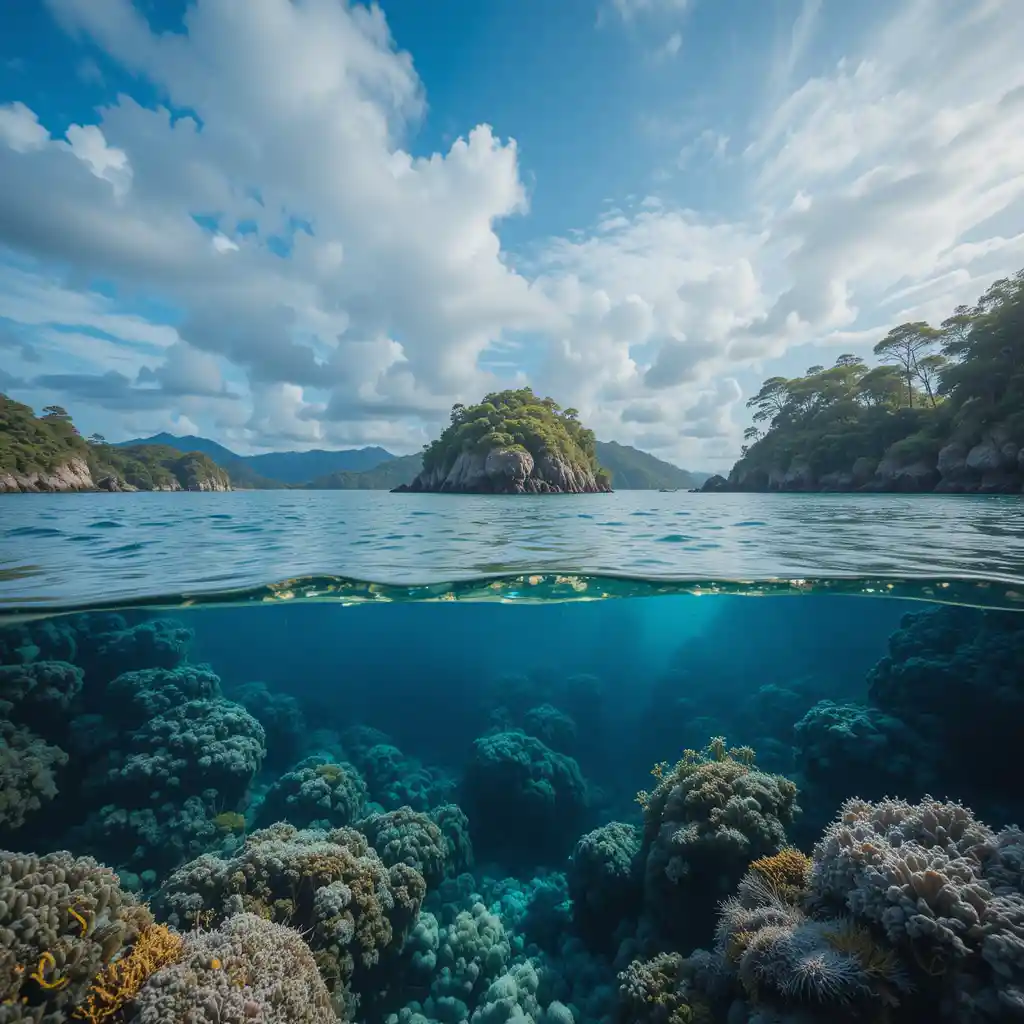
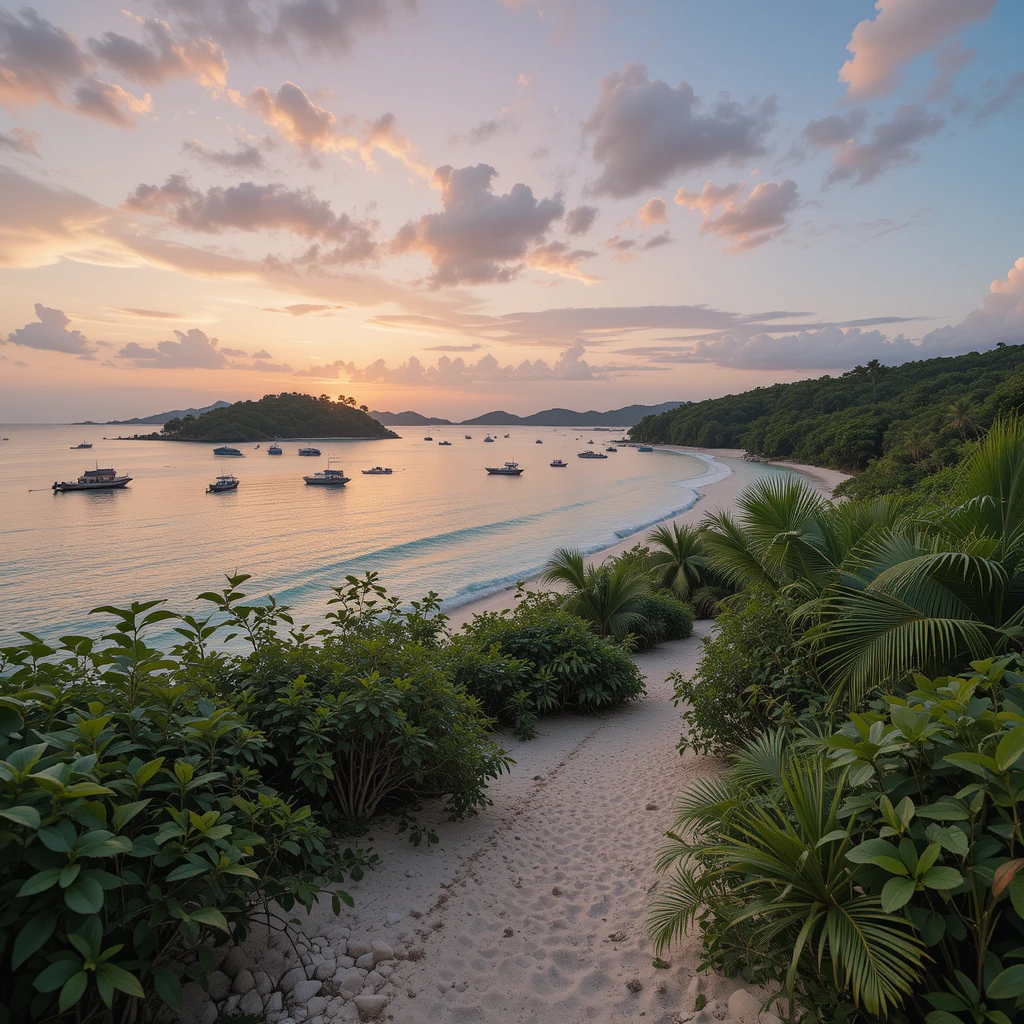
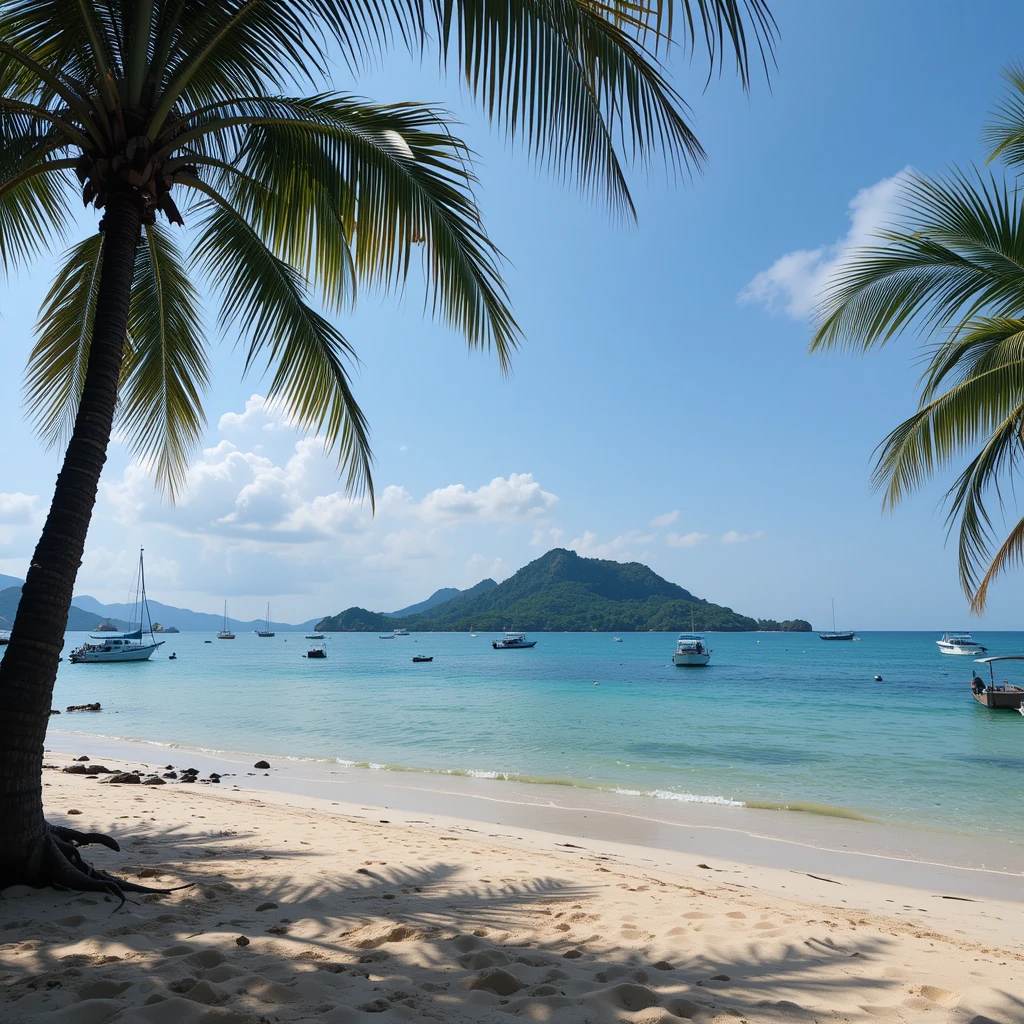
Turks and Caicos Travel Advisory: Everything You Need to Know Before Your Trip in 5 Easy Steps

Meta Description

Planning a trip to Turks and Caicos? Stay updated with the latest Turks and Caicos travel advisory for 2025. Get insights on safety, visa policies, and travel tips for a seamless vacation experience.

Table of Contents

  1. Introduction
  2. Why Visit Turks and Caicos?
  3. Latest Travel Advisory Updates
  4. Entry Requirements and Visa Information
  5. Health and Safety Guidelines
  6. Crime and Security Precautions
  7. Weather and Natural Disaster Preparedness
  8. Transportation and Road Safety
  9. Currency and Payment Methods
  10. Top Attractions and Activities
  11. Cultural and Local Etiquette
  12. Best Time to Visit
  13. Essential Packing Tips
  14. Frequently Asked Questions (FAQs)
  15. Conclusion & Final Travel Tips

1. Introduction

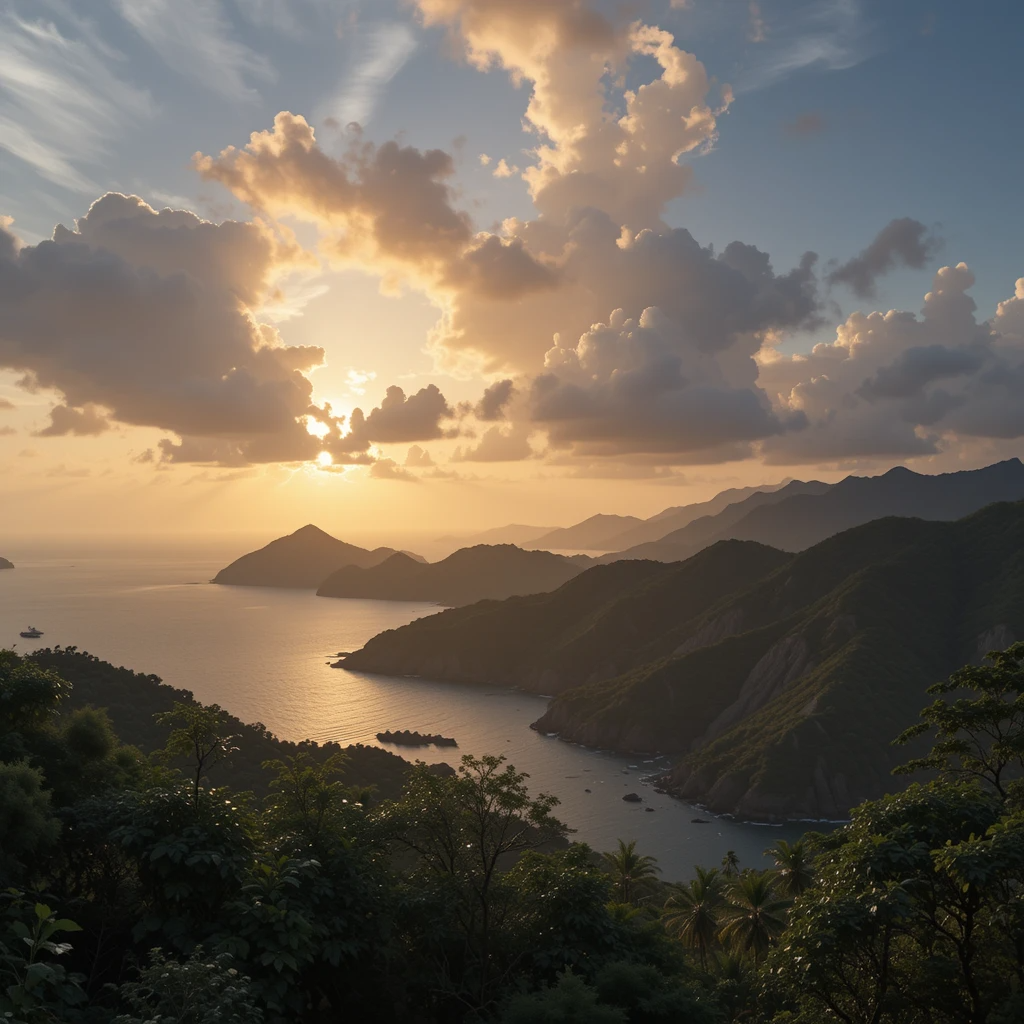
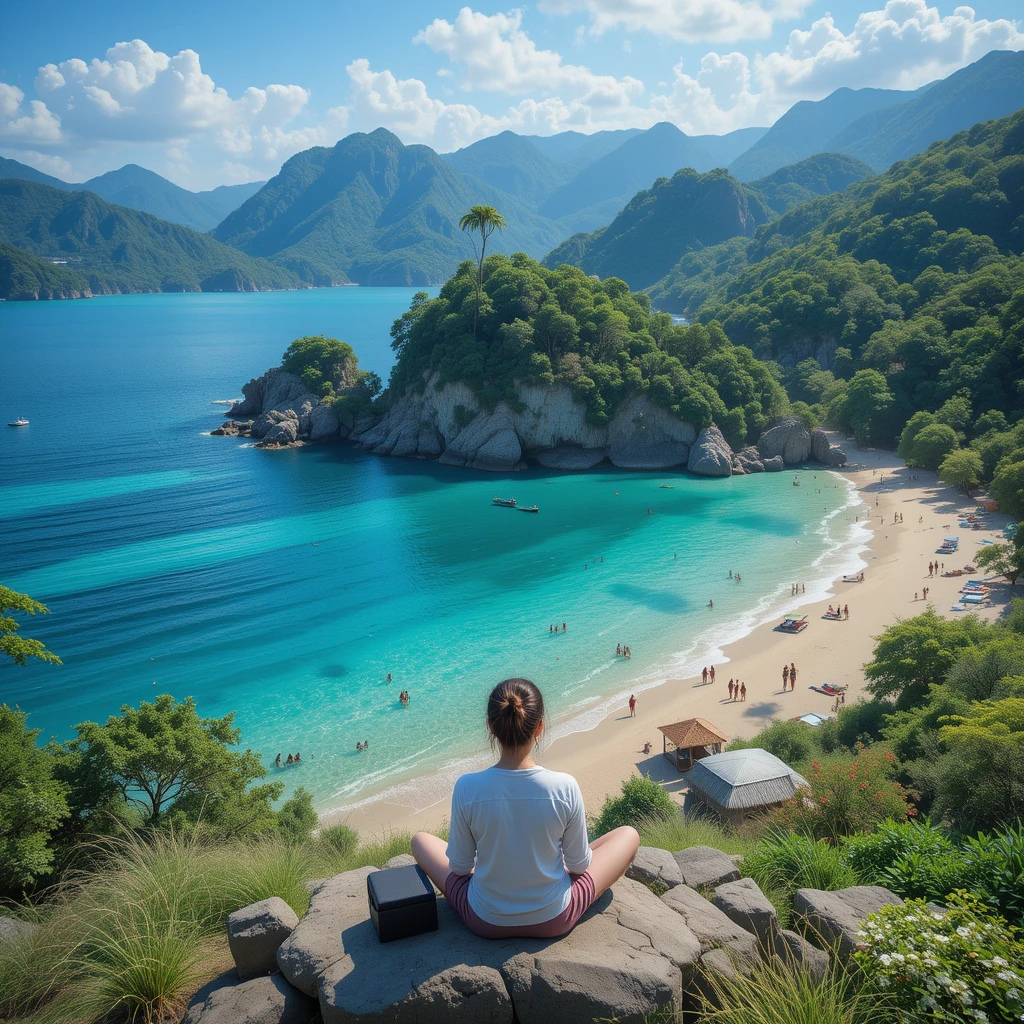
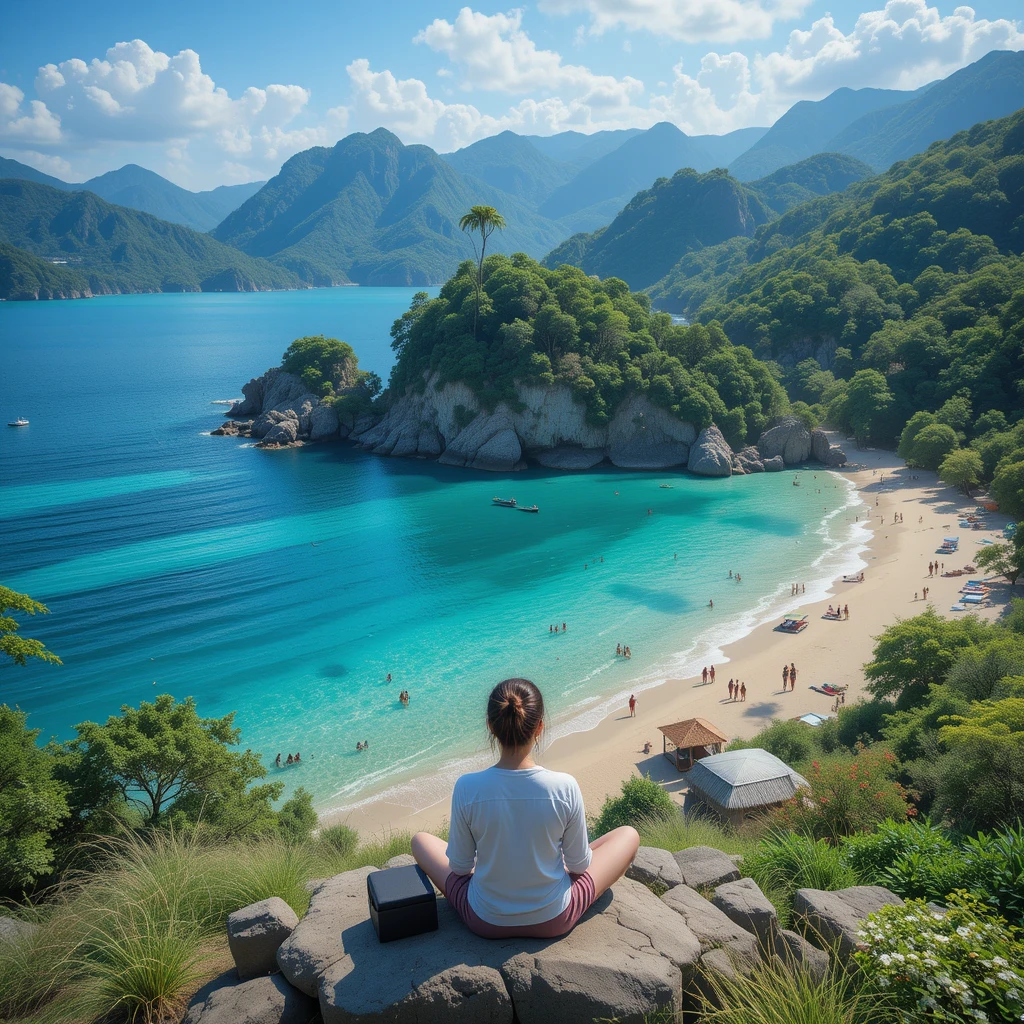
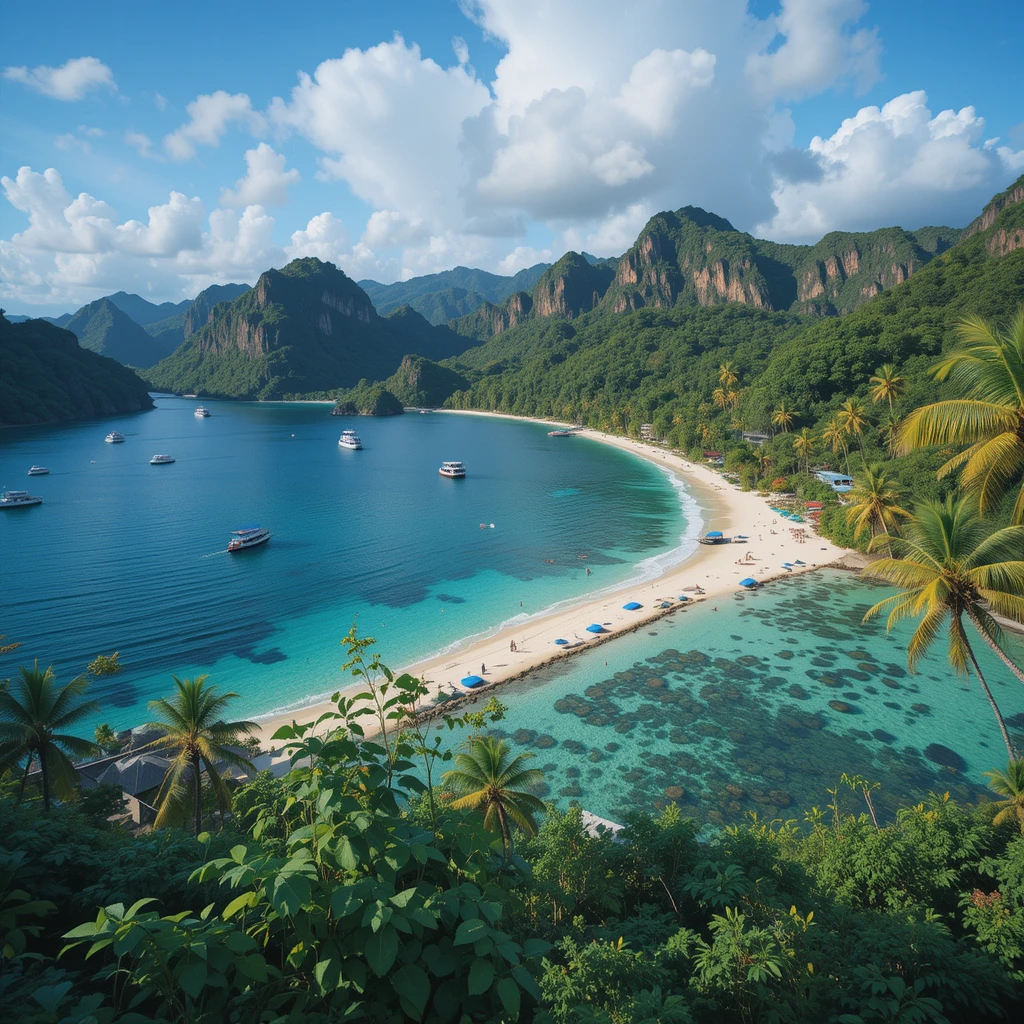
Imagine yourself stepping onto a sun-drenched beach with powdery white sand between your toes and the crystal-clear turquoise waters of the Caribbean stretching out before you. Turks and Caicos is the ultimate escape for travelers seeking relaxation, adventure, and luxury. But before you book that flight, it’s crucial to stay informed about the Turks and Caicos travel advisory to ensure a smooth and hassle-free experience.

2. Why Visit Turks and Caicos?

Why Visit Turks and Caicos?
  • Unmatched natural beauty – Pristine beaches, stunning coral reefs, and serene turquoise waters.
  • Exclusive resorts – A haven for those looking for world-class accommodations.
  • Outdoor adventures – Snorkeling, scuba diving, and paddleboarding await.
  • Cultural richness – Experience the unique heritage of the islands through music, cuisine, and local traditions.

3. Latest Travel Advisory Updates

Turks and Caicos Travel Advisory

Keeping up with travel advisories ensures that you’re well-prepared. Here’s what you need to know for 2025:

  • COVID-19 regulations: No mandatory quarantine or restrictions, but health screenings may still apply.
  • Security status: Generally safe, with minor concerns in isolated areas.
  • Customs and border control: Strict policies on what you can bring into the islands.

4. Entry Requirements and Visa Information

  • Who needs a visa?
    • U.S., Canada, UK, and EU citizens can stay for up to 90 days without a visa.
  • Passport validity:
    • Your passport must be valid for at least six months from your arrival date.
  • Customs regulations:
    • Restrictions on alcohol, tobacco, and agricultural products apply.

5. Health and Safety Guidelines

  • Vaccinations:
    • Standard vaccinations recommended; Yellow Fever vaccine required if coming from an affected country.
  • Medical services:
    • Limited but reliable hospitals and clinics; comprehensive travel insurance is highly advised.
  • Mosquito precautions:
    • To prevent Zika and Dengue, use insect repellents and wear protective clothing.

6. Crime and Security Precautions

  • Is it safe to visit?
    • Generally yes, but minor crimes such as pickpocketing can occur in busy tourist areas.
  • How to stay safe:
    • Avoid isolated beaches at night.
    • Secure your valuables in hotel safes.
    • Be cautious when using ATMs.
  • Emergency numbers:
    • Dial 911 for police, fire, or medical assistance.

7. Weather and Natural Disaster Preparedness

  • Hurricane season:
    • Runs from June to November, so travel insurance covering weather-related disruptions is a must.
  • Best travel season:
    • December to April offers the best weather conditions.
  • Flood risks:
    • Temporary flooding can occur after heavy rain.

8. Transportation and Road Safety

  • Driving rules:
    • Cars drive on the left side; international driver’s license required.
  • Taxis:
    • Negotiate fares in advance as meters are not used.
  • Public transport:
    • Limited, so renting a car or bike is a better option.

9. Currency and Payment Methods

  • Official currency:
    • The U.S. Dollar (USD) is used.
  • Using credit cards:
    • Widely accepted, but some remote areas may require cash.
  • ATM access:
    • Available in major towns but carry cash for smaller establishments.

10. Top Attractions and Activities

  • Grace Bay Beach – One of the world’s most beautiful beaches.
  • Chalk Sound National Park – A breathtaking turquoise lagoon.
  • Diving and snorkeling – Vibrant coral reefs teeming with marine life.
  • Grand Turk Lighthouse – A historical landmark offering stunning views.

11. Cultural and Local Etiquette

  • Respect the dress code:
    • Beachwear is not appropriate in towns.
  • Tipping customs:
    • 15-20% is expected at restaurants.
  • Follow local laws:
    • Strict policies on drug possession and public disturbances.

12. Best Time to Visit

  • Peak season:
    • December to April is ideal for sunshine and cool breezes.
  • Off-season travel:
    • May to November offers fewer crowds and lower prices, but there is a risk of storms.

13. Essential Packing Tips

  • Clothing:
    • Lightweight, breathable outfits for warm weather.
  • Sun protection:
    • Sunscreen, sunglasses, and a hat.
  • Electronics:
    • Waterproof phone case, power bank.
  • Documents:
    • Travel insurance, passport, and printed hotel reservations.

14. Frequently Asked Questions (FAQs)

1. Do I need a visa for Turks and Caicos?

Most travelers, including those from the U.S., Canada, and the UK, can enter visa-free for up to 90 days.

2. Is Turks and Caicos safe for tourists?

Yes, but it’s always smart to be aware of your surroundings and follow standard safety precautions.

3. What currency is used in Turks and Caicos?

The U.S. Dollar (USD) is the official currency.

4. When is the best time to visit?

December to April is the peak season with the best weather.

5. What language is spoken in Turks and Caicos?

English is the official language.

6. Can I drink tap water?

Bottled or filtered water is recommended.

15. Conclusion & Final Travel Tips

Turks and Caicos is a breathtaking paradise waiting for you to explore. By staying informed about the latest Turks and Caicos travel advisory, understanding local customs, and planning ahead, you’ll enjoy a stress-free and memorable vacation. Don’t forget to pack smart, stay safe, and make the most of every moment in this Caribbean jewel.


Museum of Science 10 Reasons It’s Worth Visiting This Year

Museum of Science 10 Reasons It’s Worth Visiting This Year

Science museums offer a unique blend of education and entertainment, making them perfect for family outings. These interactive spaces bring science to life, sparking curiosity in children and adults alike. In this guide, we explore ten must-visit science museums that promise hands-on experiences and unforgettable discoveries.

1. Exploratorium – San Francisco, California

 Exploratorium – San Francisco, California

Why Visit?

  • Over 650 interactive exhibits
  • Tactile Dome for sensory exploration
  • Outdoor exhibits with stunning bay views

2. Smithsonian National Air and Space Museum – Washington, D.C.

Smithsonian National Air and Space Museum – Washington, D.C.

Key Highlights:

  • Moon landing artifacts
  • Interactive flight simulators
  • STEM-focused activities

3. Museum of Science and Industry – Chicago, Illinois

Museum of Science and Industry – Chicago, Illinois

Must-See Exhibits:

  • U-505 Submarine
  • Science Storms interactive lab
  • The Great Train Story model railroad

4. California Science Center – Los Angeles, California

4. California Science Center – Los Angeles, California

Attractions:

  • Space Shuttle Endeavour
  • IMAX theater with educational films
  • Ecosystems exhibit with live animals

5. Liberty Science Center – Jersey City, New Jersey

 Liberty Science Center – Jersey City, New Jersey

Family-Friendly Features:

  • Largest planetarium in the Western Hemisphere
  • Dino Dig Adventure
  • Interactive Touch Tunnel

6. COSI (Center of Science and Industry) – Columbus, Ohio

 COSI (Center of Science and Industry) – Columbus, Ohio

Fun Activities:

  • Energy Explorers exhibit
  • Ocean exhibit with a submerged submarine
  • KidSpace for younger children

7. The Franklin Institute – Philadelphia, Pennsylvania

The Franklin Institute – Philadelphia, Pennsylvania

Notable Exhibits:

  • Giant heart walkthrough
  • SportsZone for physics-based challenges
  • Space Command for astronaut training simulations

8. Science Museum of Minnesota – Saint Paul, Minnesota

8. Science Museum of Minnesota – Saint Paul, Minnesota

Family Favorites:

  • Dinosaurs & Fossils gallery
  • Experiment Gallery with live demos
  • Mississippi River interactive exhibit

9. The Tech Interactive – San Jose, California

The Tech Interactive – San Jose, California

Top Features:

  • AI and Robotics Lab
  • BioDesign Studio for hands-on biotech learning
  • Virtual reality experiences

10. Ontario Science Centre – Toronto, Canada

Ontario Science Centre – Toronto, Canada

Highlights:

  • Planetarium and space exhibits
  • Science Arcade with hands-on experiments
  • Living Earth exhibit with real weather simulations

Frequently Asked Questions (FAQs)

1. What makes a science museum interactive?

Interactive science museums allow visitors to engage with exhibits through touch, experiments, and immersive experiences.

2. Are science museums suitable for all ages?

Yes! Most museums have dedicated sections for young children, teens, and adults, ensuring an educational experience for everyone.

3. How much time should we allocate for a visit?

Plan for at least 3-4 hours to explore major exhibits, though a full day allows for a more relaxed visit.

4. Do these museums have dining options?

Many science museums feature cafés and snack areas, but some allow visitors to bring their own food.

5. Are there any free admission days?

Some museums offer free or discounted days check their official websites for details.

6. Can I book tickets in advance?

Yes, most science museums offer online ticketing options to avoid long lines.

Conclusion

Exploring interactive science museums is a fantastic way to inspire curiosity and learning in children and adults. Whether you’re interested in space exploration, robotics, or the wonders of the human body, these ten museums offer something for everyone. Plan your visit today and embark on a journey of discovery!

5 Best Places to Visite in Tanzania 2025 and How to Plan Your Trip

If you have ever dreamed of embarking on a journey filled with breathtaking landscapes, diverse wildlife, and rich cultural experiences, then Tanzania should be at the top of your list. This East African gem offers adventures beyond imagination, from witnessing the Great Migration to relaxing on pristine white-sand beaches. Whether you’re an adrenaline-seeker, a nature enthusiast, or a history buff, Tanzania has something extraordinary for you.

In this detailed guide, you’ll discover the five best places to visit in Tanzania in 2025, what makes them special, and why they should be part of your next adventure.


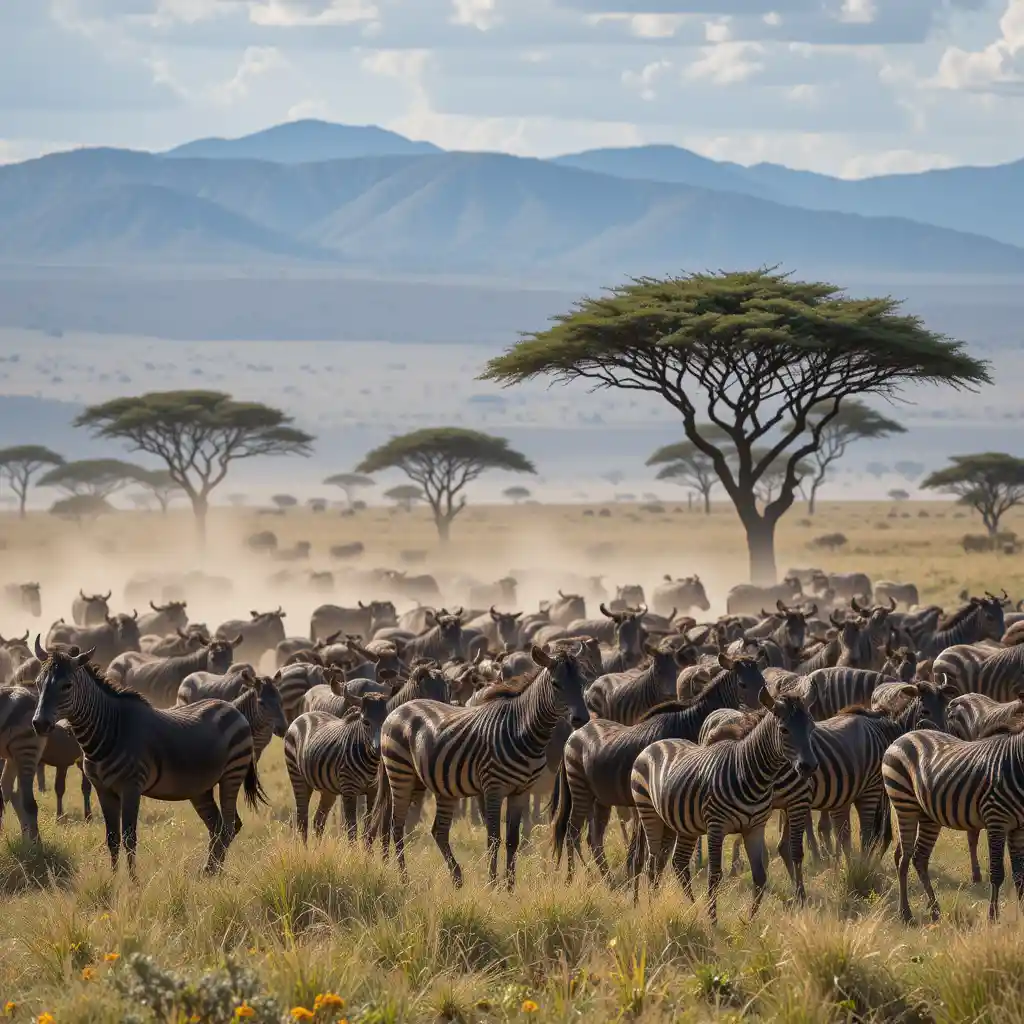
1. Serengeti National Park – Witness the Great Migration

Serengeti National Park – Witness the Great Migration

Why You Should Visit

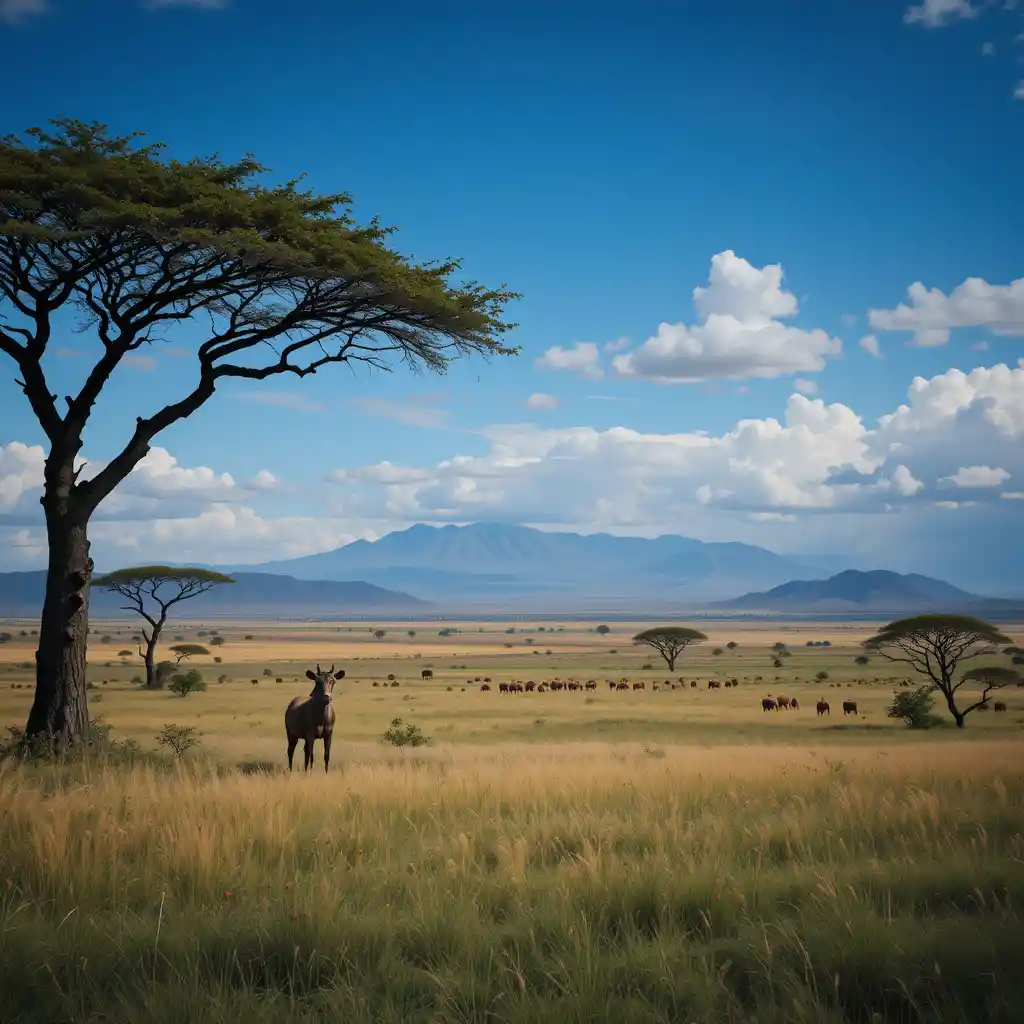
  • Home to the world-famous Great Migration, where millions of wildebeests and zebras traverse the plains.
  • Abundant wildlife, including the Big Five – lions, leopards, elephants, rhinos, and buffalos.
  • Expansive golden savannahs, perfect for picturesque landscapes and photography.

Best Time to Visit

  • June to October is the prime time to witness the migration and experience the best wildlife viewing opportunities.

Things to Do

  • Game drives: Spot predators in action and see diverse wildlife up close.
  • Hot air balloon safari: Soar above the vast plains at sunrise for a bird’s-eye view.
  • Cultural experiences: Visit the Maasai villages and learn about their unique traditions.

2. Mount Kilimanjaro – Conquer Africa’s Tallest Peak

Mount Kilimanjaro – Conquer Africa’s Tallest Peak

Why You Should Visit

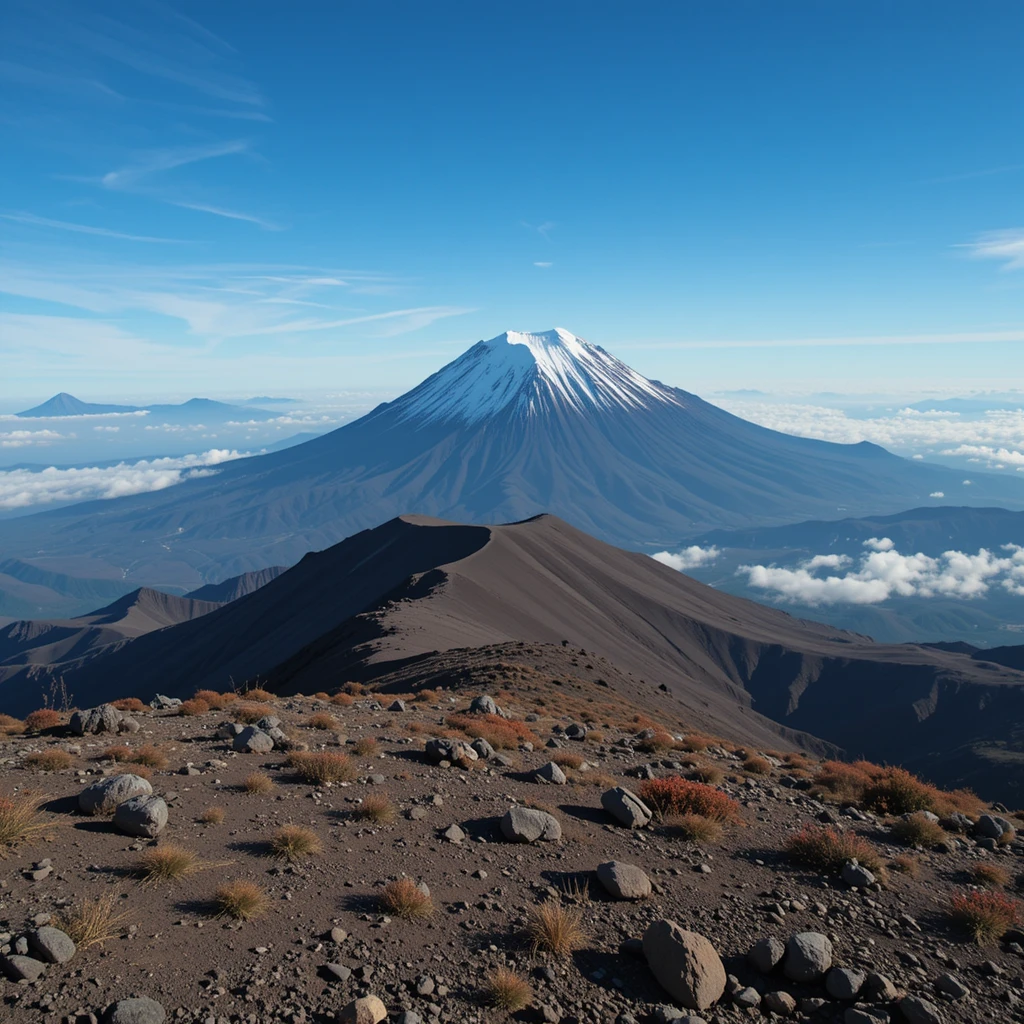
  • The highest mountain in Africa, standing tall at 5,895 meters (19,341 feet).
  • A bucket-list challenge for hikers and adventurers from all over the world.
  • Breathtaking views and diverse ecological zones, from rainforests to snow-capped peaks.

Best Time to Visit

  • January to March and June to October provide the most favorable trekking conditions.

Things to Do

  • Choose from multiple trekking routes: Marangu, Machame, Lemosho, and more.
  • Capture stunning sunrise views from Uhuru Peak.
  • Explore Kilimanjaro National Park and witness unique flora and fauna.

3. Zanzibar – The Tropical Paradise

Zanzibar – The Tropical Paradise

Why You Should Visit

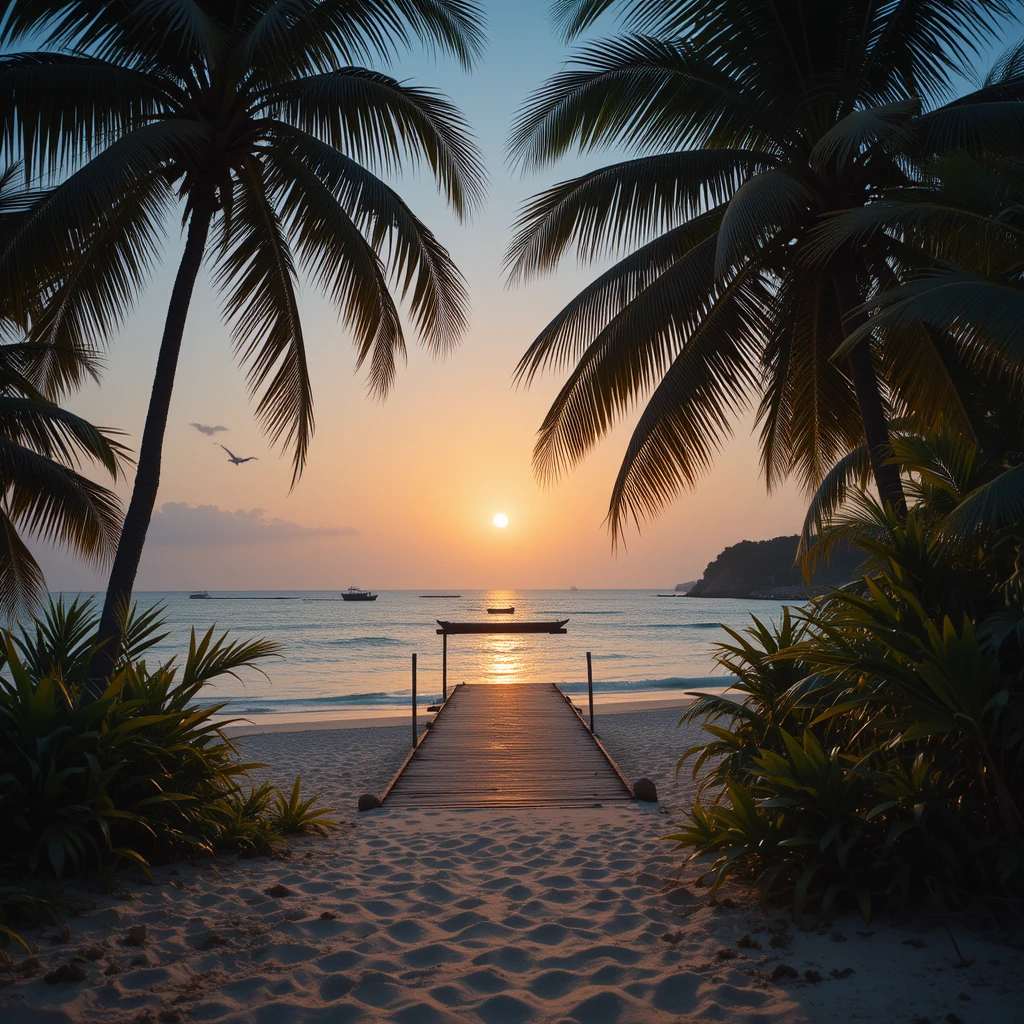
  • Pristine white-sand beaches and turquoise waters.
  • Rich history and culture in Stone Town, a UNESCO World Heritage Site.
  • World-class diving and snorkeling spots.

Best Time to Visit

  • June to October (dry season) & December to February (warm season).

Things to Do

  • Relax on Nungwi and Kendwa beaches, known for their clear waters.
  • Explore Stone Town, with its mix of African, Arab, and European influences.
  • Snorkel or scuba dive at Mnemba Atoll, home to vibrant coral reefs.

4. Ngorongoro Crater – A Wildlife Haven

Ngorongoro Crater – A Wildlife Haven

Why You Should Visit

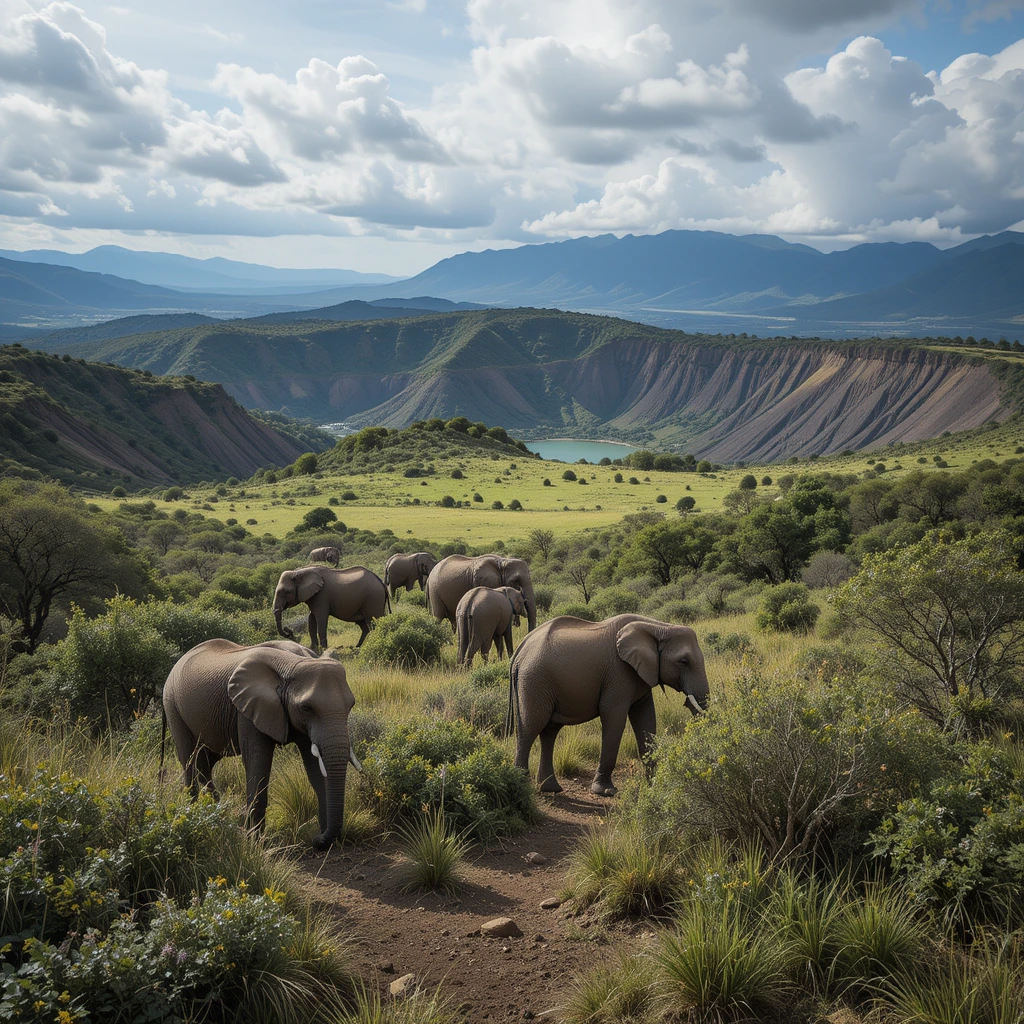
  • One of the most biodiverse locations in Africa, teeming with wildlife.
  • A UNESCO World Heritage Site, often called “Africa’s Garden of Eden.”
  • High density of predators and rare animals, including the endangered black rhino.

Best Time to Visit

  • Year-round, but best from June to September.

Things to Do

  • Safari within the crater, home to an incredible variety of animals.
  • Visit the Olduvai Gorge, one of the most important archaeological sites in the world.
  • Enjoy breathtaking landscapes, featuring lush grasslands and a volcanic caldera.

5. Tarangire National Park – Off-the-Beaten-Path Safari

tanzania

Why You Should Visit

  • A hidden gem with fewer crowds than the Serengeti and Ngorongoro.
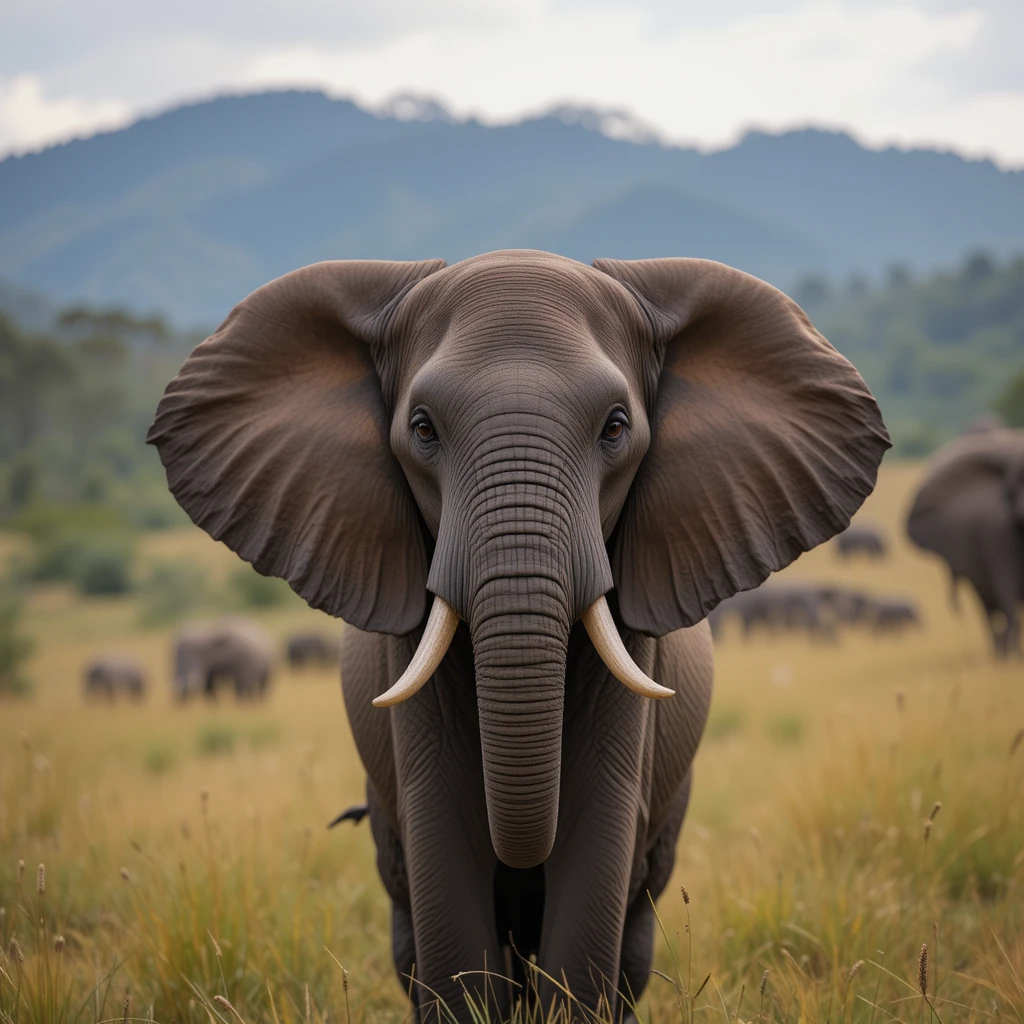
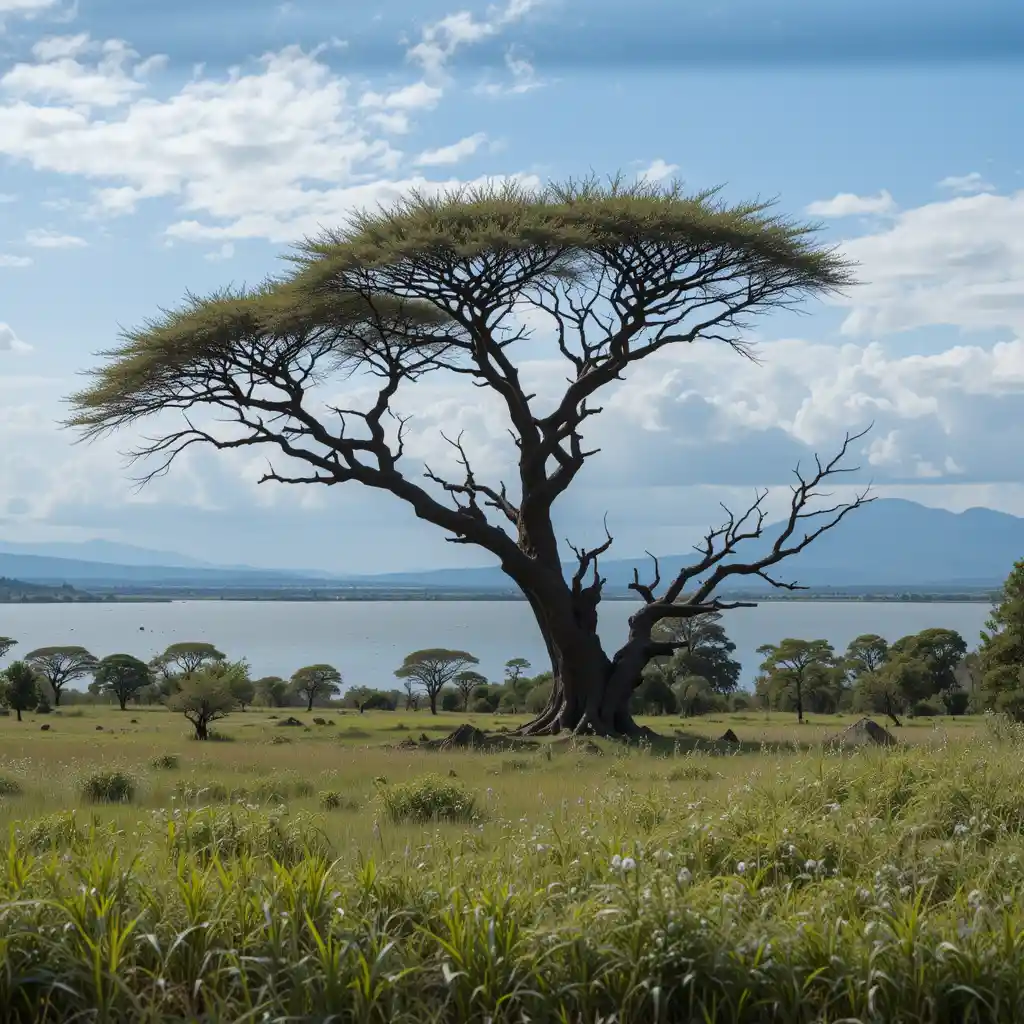
  • Home to massive elephant herds and picturesque baobab trees.
  • Over 500 bird species, making it a paradise for birdwatchers.

Best Time to Visit

  • June to October (dry season, ideal for wildlife viewing).

Things to Do

  • Safari adventures to see elephants, giraffes, and lions.
  • Walking safaris for a closer look at the ecosystem.
  • Birdwatching expeditions to spot rare and colorful species.

FAQs

1. What is the best time to visit Tanzania?

The best time is June to October for wildlife safaris and December to March for beach vacations in Zanzibar.

2. Do I need a visa to visit Tanzania?

Yes, most travelers need a visa, which can be obtained online or upon arrival.

3. Is Tanzania safe for tourists?

Yes, Tanzania is generally safe. However, it’s recommended to take standard precautions, especially in urban areas.

4. What currency is used in Tanzania?

The Tanzanian Shilling (TZS), though US dollars are widely accepted in hotels and tourist areas.

5. What vaccinations are required for Tanzania?

Yellow fever vaccination is required if traveling from an endemic country. Other recommended vaccines include Hepatitis A, Typhoid, and Malaria prophylaxis.

Final Thoughts – Your Adventure Awaits

Tanzania is a destination like no other. Whether you’re chasing the thrill of an African safari, reaching the peak of Kilimanjaro, or indulging in the serene beaches of Zanzibar, your journey will be nothing short of magical. Plan your 2025 trip now and experience the adventure of a lifetime.

Ready to explore Tanzania? Start planning your trip today!

Unlock Mexico’s Secrets: Best Mexico Travel Tips for an Unforgettable Journey in 5 Easy Ways

Mexico is a land of vibrant culture, breathtaking landscapes, and deep-rooted traditions. Whether you dream of pristine beaches, historical ruins, or flavorful cuisine, Mexico has something for every traveler. But to truly make the most of your trip, you need the right tips and insights. In this guide, you’ll uncover Mexico’s best-kept secrets, ensuring an unforgettable adventure.

1. Best Time to Visit Mexico

Best Time to Visit Mexico

Peak Season (December to April)

  • Ideal for beach vacations and sunny weather
  • Higher prices and crowded tourist areas
  • Best time for festivals like Día de los Muertos and Semana Santa

Shoulder Season (May to June, September to November)

  • Fewer crowds and lower accommodation rates
  • Comfortable weather with occasional rain showers
  • Great time for exploring historical and cultural sites

Off-Season (July to August)

  • Hotter temperatures and higher humidity
  • Hurricane risk in coastal regions
  • Perfect for budget-conscious travelers looking for deals

2. Top Destinations in Mexico

Cancun & Riviera Maya

  • Crystal-clear waters and luxurious resorts
  • Explore cenotes, Mayan ruins, and marine life
  • Vibrant nightlife and fine dining options

Mexico City

Mexico City
  • A mix of history, art, and urban life
  • Visit Zócalo, Chapultepec Castle, and the Frida Kahlo Museum
  • Sample authentic street food like tacos and tamales

Oaxaca

Oaxaca
  • Known for its rich culinary heritage and artisan markets
  • Try traditional mole and mezcal
  • Explore Monte Albán, an ancient Zapotec city

Guadalajara

  • Birthplace of mariachi music and tequila
  • Colonial architecture and lively plazas
  • Take a day trip to Tequila, Jalisco

Chiapas

mexico
  • Hidden natural wonders like Sumidero Canyon
  • Discover Palenque’s Mayan ruins
  • Experience indigenous communities and their traditions

3. Essential Travel Tips for Mexico

Travel Documents & Visa Requirements

  • Most tourists receive an FMM (Tourist Permit) upon arrival
  • Ensure your passport is valid for at least six months
  • Check visa requirements based on your nationality

Safety Tips & Common Scams

  • Stick to well-known areas and use authorized transportation
  • Avoid flashing valuables and be cautious of pickpockets
  • Be wary of overly friendly strangers offering deals

Money Matters

  • Use ATMs inside banks for safer transactions
  • Carry a mix of cash and cards for convenience
  • Negotiate prices in markets but respect fair pricing

4. What to Eat in Mexico

Street Food Must-Trys

  • Tacos al Pastor – Marinated pork with pineapple
  • Tamales – Corn dough filled with meats or sweets
  • Elotes – Grilled corn with cheese and spices

Regional Specialties

  • Yucatán: Cochinita Pibil – Slow-roasted pork
  • Oaxaca: Mole – Rich sauce with chocolate and spices
  • Jalisco: Birria – Spicy, slow-cooked meat stew

Beverages to Try

  • Tequila & Mezcal – Traditional Mexican spirits
  • Agua Frescas – Refreshing fruit-infused drinks
  • Horchata – Sweet rice and cinnamon drink

5. Cultural Etiquette & Local Customs

  • Learn basic Spanish phrases for better communication
  • Greet with a handshake or friendly “buenos días”
  • Tipping is expected in restaurants (10-15%)

6. Packing List for Mexico

  • Light, breathable clothing for warm climates
  • Comfortable walking shoes for exploring ruins and cities
  • Essentials: Sunscreen, bug repellent, reusable water bottle

7. Transportation in Mexico

  • Buses are affordable and reliable for long distances
  • Domestic flights can save travel time
  • Uber is safer than street taxis in big cities

8. Best Activities & Adventures

Beach & Water Activities

  • Snorkeling in Cozumel’s coral reefs
  • Surfing in Puerto Escondido
  • Swimming in hidden cenotes

Historical & Cultural Attractions

  • Chichén Itzá – One of the New Seven Wonders
  • Teotihuacán – Ancient city with pyramids
  • Monte Albán – Zapotec archaeological site

Adventure Tourism

  • Ziplining in Copper Canyon
  • Hiking active volcanoes like Popocatépetl
  • Exploring underground rivers in the Yucatán

9. Hidden Gems in Mexico

  • Isla Holbox – A tranquil paradise with bioluminescent waters
  • Bacalar – Known as the “Lagoon of Seven Colors”
  • Real de Catorce – A mystical ghost town

10. Final Tips for an Amazing Trip

  • Be mindful of cultural traditions and local laws
  • Support eco-friendly tourism and small businesses
  • Stay connected with a local SIM card or portable WiFi

Conclusion

Your journey through Mexico will be filled with unforgettable experiences, from stunning landscapes to rich cultural encounters. With these travel tips, you’ll be prepared for an incredible adventure. Pack your bags, embrace the spirit of Mexico, and let the journey begin!

FAQs

  1. Is Mexico safe for tourists?
    • Yes, but follow common-sense precautions and stay in tourist-friendly areas.
  2. Do I need a visa to visit Mexico?
    • Many travelers receive a tourist permit on arrival, but check your country’s specific requirements.
  3. What is the best time to visit Mexico?
    • November to April offers the best weather, though off-season travel can be more budget-friendly.
  4. What currency is used in Mexico?
    • The Mexican Peso (MXN), though USD is sometimes accepted in tourist areas.
  5. Can I drink tap water in Mexico?
    • No, always drink bottled or filtered water.

The Ultimate Guide to Backpacking in Central America: Tips & Tricks

Central America

Backpacking across Central America is an exhilarating adventure filled with breathtaking landscapes, rich cultures, and budget-friendly experiences. Whether you’re a first-time backpacker or a seasoned traveler, knowing the best tips and tricks can enhance your journey and ensure a smooth trip. This guide covers everything you need to know, from planning your route to staying safe on the road.


Why Backpacking in Central America?

Central America is a paradise for backpackers. It offers:

  • Affordability: Travel, food, and accommodation are budget-friendly.
  • Diverse landscapes: Explore rainforests, beaches, volcanoes, and ancient ruins.
  • Cultural richness: Engage with indigenous traditions, colonial towns, and vibrant cities.
  • Adventure opportunities: Surfing, diving, hiking, and wildlife spotting abound.

1. Planning Your Route

Central America consists of seven countries, each offering unique experiences. Having a general plan helps optimize time and costs. Here’s a breakdown:

  • Guatemala: Discover Tikal’s ancient Mayan ruins and explore the colonial city of Antigua.
  • Belize: Snorkel in the Great Blue Hole and visit Caye Caulker.
  • Honduras: Experience the Bay Islands and the impressive Copán Ruins.
  • El Salvador: Catch waves at El Tunco and hike Santa Ana Volcano.
  • Nicaragua: Wander through Granada and relax on Ometepe Island.
  • Costa Rica: Immerse yourself in lush rainforests and pristine beaches.
  • Panama: Explore the Bocas del Toro archipelago and witness the Panama Canal.

How to Travel Between Countries

  • Public Buses: Affordable and widely available, but not always the fastest option.
  • Shuttle Services: More comfortable but pricier.
  • Domestic Flights: Best for saving time but expensive.
  • Boats: Essential for reaching islands like Bocas del Toro or the Bay Islands.

2. Budgeting for Your Trip

Backpacking on a budget is easy in Central America, but knowing where to save can stretch your funds further.

Estimated Daily Costs

Expense CategoryBudget Range (USD)
Accommodation$5 – $20
Food$3 – $10
Transportation$1 – $5
Activities$5 – $25
Total$15 – $60 per day

Money-Saving Tips

  • Stay in hostels or use Couchsurfing.
  • Eat at local markets instead of touristy restaurants.
  • Take public transportation over private taxis.
  • Use ATMs strategically to avoid high withdrawal fees.

3. Packing Essentials

Central America

Packing light makes travel more manageable. Here’s what you need:

Clothing:

  • Lightweight and breathable outfits
  • A rain jacket for unexpected showers
  • Comfortable walking shoes and sandals
  • Swimsuit for beaches and waterfalls

Travel Gear:

  • A 40-50L backpack for optimal mobility
  • Packing cubes to stay organized
  • A microfiber towel for quick drying
  • A water bottle with a filter to avoid buying plastic bottles

Health & Safety:

  • Travel insurance for medical emergencies
  • A first-aid kit with essentials
  • Insect repellent and sunscreen
  • Photocopies of important documents

4. Staying Safe While Traveling

While Central America is generally safe, it’s best to take precautions.

  • Avoid walking alone at night, especially in unfamiliar areas.
  • Keep your valuables in a money belt or secure pouch.
  • Use only official taxis or ride-share apps.
  • Research common scams in each country.
  • Trust your instincts and avoid risky situations.

5. Learning Basic Spanish

English is spoken in major tourist areas, but Spanish helps you connect with locals.

Useful Spanish Phrases:

  • Hola, cómo estás? – Hello, how are you?
  • Cuánto cuesta? – How much does it cost?
  • Dónde está…? – Where is…?
  • Necesito ayuda. – I need help.

6. Experiencing Local Culture & Cuisine

The best way to immerse yourself in Central America is through its food and traditions.

CountryMust-Try DishDescription
GuatemalaPepianA rich meat stew
BelizeFry JacksFried dough with honey
HondurasBaleadasThick tortillas with beans and cheese
El SalvadorPupusasCorn tortillas stuffed with cheese or meat
NicaraguaGallo PintoRice and beans cooked together
Costa RicaCasadoA plate with rice, beans, and meat
PanamaSancochoA hearty chicken soup

7. Best Activities & Adventures

Outdoor Adventures:

  • Hiking Volcanoes: Try Acatenango (Guatemala) or Concepción (Nicaragua).
  • Surfing: Head to Tamarindo (Costa Rica) or El Tunco (El Salvador).
  • Diving & Snorkeling: Explore Belize’s Barrier Reef or Roatán’s coral gardens.

Cultural Experiences:

  • Join a traditional cacao-making workshop in Guatemala.
  • Visit indigenous communities in Lake Atitlán.
  • Experience Semana Santa (Holy Week) in Antigua.

8. FAQs About Backpacking in Central America

1. Is Central America Safe for Solo Travelers?

Yes! While some areas require extra caution, sticking to well-traveled routes and taking basic safety measures ensures a smooth trip.

2. When is the Best Time to Visit?

The dry season (November-April) is ideal, while the rainy season (May-October) offers fewer crowds and lush landscapes.

3. How Much Money Do I Need for a Month?

A backpacker’s budget ranges from $600 to $1800 per month, depending on accommodation, activities, and travel style.

4. Do I Need a Visa?

Many nationalities can enter visa-free for 30-90 days. Check each country’s specific requirements before traveling.


Final Thoughts

Backpacking through Central America is an unforgettable journey. With proper planning, budgeting, and safety precautions, you’ll experience stunning landscapes, vibrant cultures, and thrilling adventures. Whether you’re trekking volcanoes, exploring ancient ruins, or relaxing on tropical beaches, this region offers something for everyone.

Now it’s time to pack your bags and embark on your adventure!

Exploring Medieval Villages in Tuscany, Italy: A Journey Through Time

Introduction

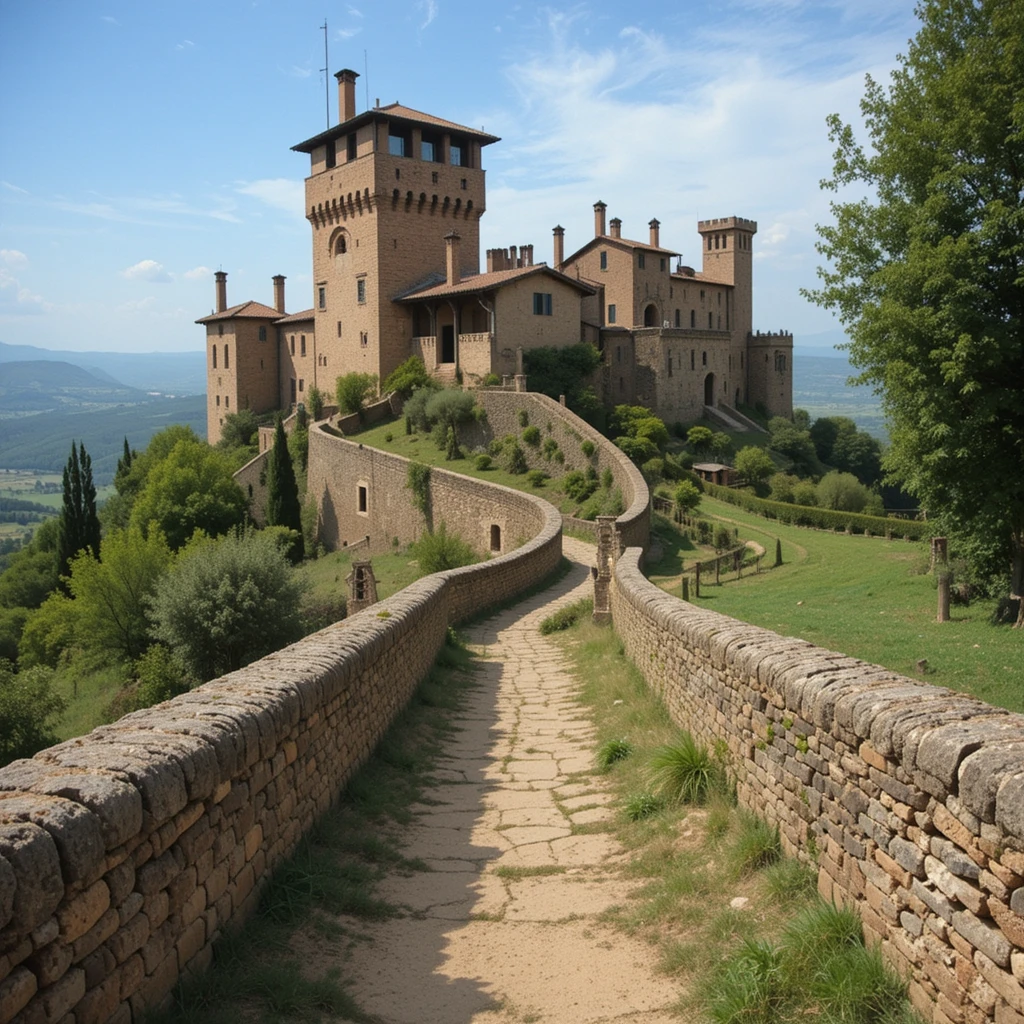
Tuscany is a treasure trove of history, culture, and breathtaking landscapes. Among its rolling hills and vineyards lie some of Italy’s most enchanting medieval villages. These towns transport you back in time with their well-preserved architecture, cobbled streets, and ancient traditions. Whether you’re a history lover, a foodie, or simply in search of stunning views, exploring medieval villages in Tuscany, Italy, is a must.

Top Medieval Villages to Visit in Tuscany

italy

1. San Gimignano – The City of Towers

San Gimignano is one of the most famous medieval towns in Tuscany. Known for its striking skyline, the town is dotted with medieval towers that once symbolized wealth and power.

Highlights:

  • Visit the iconic Torre Grossa, the tallest tower in the town.
  • Explore Piazza della Cisterna, a picturesque square surrounded by medieval buildings.
  • Taste the world-famous Vernaccia di San Gimignano wine.

2. Monteriggioni – A Perfectly Preserved Fortress

Monteriggioni – A Perfectly Preserved Fortress

This small, walled village looks like something straight out of a medieval fantasy. Monteriggioni’s fortress is one of the best-preserved in Italy.

Highlights:

  • Walk along the castle walls for stunning panoramic views.
  • Visit the Monteriggioni Museum to learn about medieval weaponry.
  • Enjoy authentic Tuscan cuisine at a local trattoria.

3. Volterra – Etruscan and Medieval Charm

Volterra offers a mix of Etruscan, Roman, and medieval history. It’s an excellent spot for those who love archaeology and ancient architecture.

Highlights:

  • Discover the Etruscan Museum, showcasing artifacts over 2,500 years old.
  • Walk through the Porta all’Arco, an ancient Etruscan gate.
  • Explore the medieval Palazzo dei Priori, Tuscany’s oldest town hall.

4. Pienza – The Renaissance Gem

Though slightly different in origin, Pienza still retains a strong medieval feel. It was redesigned during the Renaissance but preserves its medieval charm.

Highlights:

  • Enjoy breathtaking views of the Val d’Orcia.
  • Visit the Palazzo Piccolomini, a masterpiece of Renaissance architecture.
  • Try the famous Pecorino di Pienza cheese.

Tuscany’s Medieval Cuisine: A Taste of History

Tuscany’s medieval villages are not just about history and architecture; they also offer some of the best food in Italy. Here are a few dishes you must try:

Traditional Tuscan Recipe: Ribollita (Tuscan Bread Soup)

IngredientQuantity
Stale bread200g
Cannellini beans250g
Kale200g
Carrots2
Celery2 stalks
Onion1
Garlic2 cloves
Tomato paste2 tbsp
Olive oil3 tbsp
Salt & pepperTo taste

Instructions:

  1. Sauté the onions, carrots, celery, and garlic in olive oil.
  2. Add the kale and tomato paste, cooking for a few minutes.

  3. Pour in the cooked beans and some of their cooking liquid.
  4. Add the stale bread and let it absorb the liquid.
  5. Simmer for 30 minutes and serve hot with extra virgin olive oil.

Why You Should Explore Medieval Tuscany

Exploring medieval villages in Tuscany isn’t just about sightseeing. You get to immerse yourself in rich traditions, taste exceptional food, and witness timeless beauty. These villages tell a story—one that you can walk through, touch, and taste.

Reasons to Visit:

  • Timeless Atmosphere: Every stone and alleyway holds centuries of history.
  • Authentic Cuisine: Local dishes that have stood the test of time.
  • Stunning Views: Rolling hills, vineyards, and unforgettable landscapes.
  • Friendly Locals: Experience genuine Tuscan hospitality.

FAQs: Exploring Medieval Villages in Tuscany, Italy

1. What is the best time to visit Tuscany’s medieval villages?

The best time to visit is in the spring (April-June) and fall (September-October) when the weather is pleasant and there are fewer tourists.

2. Are Tuscany’s medieval villages accessible by public transport?

Some villages like San Gimignano and Volterra can be reached by bus, but renting a car is the best way to explore Tuscany at your own pace.

3. What should I wear when visiting medieval villages in Tuscany?

Comfortable shoes are a must, as many villages have cobbled streets and steep paths. Light clothing in summer and layers in winter are recommended.

4. Are there any festivals in Tuscany’s medieval villages?

Yes! Monteriggioni hosts a Medieval Festival in July, while San Gimignano celebrates historical reenactments throughout the year.

5. What are some must-try local products in Tuscany’s villages?

Pecorino cheese from Pienza, Vernaccia wine from San Gimignano, and truffle-based dishes from Volterra are must-tries.

Conclusion & Call to Action

Exploring medieval villages in Tuscany, Italy, is a journey through time, culture, and tradition. From the towering skyline of San Gimignano to the fortress walls of Monteriggioni, each village tells a unique story. Pair your adventure with delicious Tuscan cuisine, and you’ll have an unforgettable experience. Whether you’re a history enthusiast, a food lover, or a traveler seeking authentic Italian charm, Tuscany’s medieval villages will not disappoint.

Start planning your Tuscan adventure today! Book your trip, explore the villages, and experience history like never before.

Best Scuba Diving Spots in the Philippines

Explore the Underwater Paradise of the Philippines

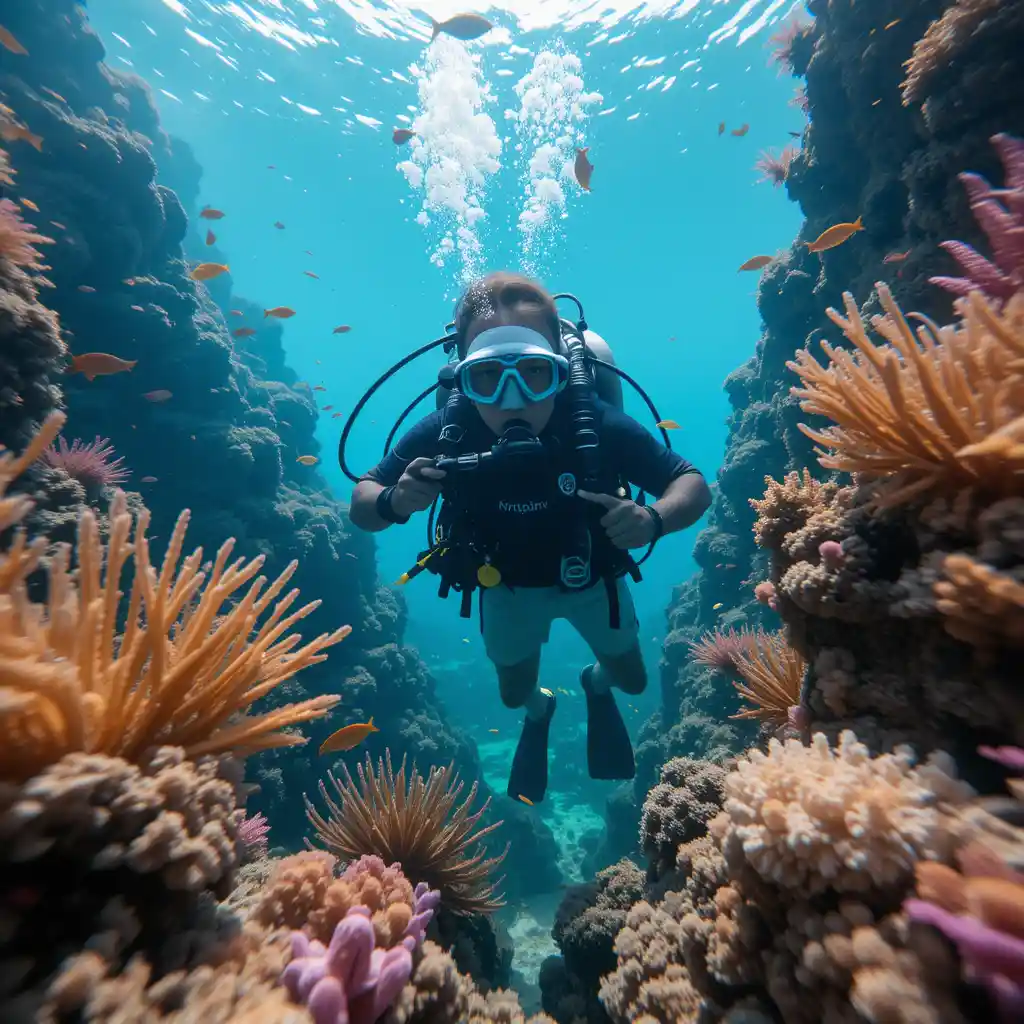
The Philippines, with over 7,000 islands, is a dream destination for divers. You will find crystal-clear waters, vibrant marine life, and breathtaking coral reefs that make this country one of the top scuba diving locations worldwide. Whether you’re a beginner or an advanced diver, the Philippines has an incredible underwater adventure waiting for you.

Why Choose the Philippines for Scuba Diving?

  • Diverse Marine Life: From thresher sharks to sea turtles, you will encounter an array of underwater creatures.
  • Pristine Coral Reefs: Vibrant reefs teeming with life make for unforgettable dives.
  • World-Class Dive Sites: The Philippines offers everything from deep wreck dives to shallow reef explorations.
  • Ideal Diving Conditions: With warm waters and excellent visibility, you can enjoy diving year-round.

Top Scuba Diving Spots in the Philippines

Top Scuba Diving Spots in the Philippines

1. Tubbataha Reefs Natural Park

  • Recognized as a UNESCO World Heritage Site
  • Home to over 600 species of fish
  • Pristine coral reefs and diverse marine biodiversity
  • Best time to visit: March to June

Tubbataha is one of the most celebrated dive sites in the world. You can expect to see large pelagic fish, manta rays, and even whale sharks. Due to its remote location, liveaboard trips are the only way to explore this spectacular reef.

2. Apo Reef, Mindoro

Apo Reef, Mindoro
  • Largest reef system in the Philippines
  • Perfect for deep-sea diving
  • Frequent sightings of sharks, manta rays, and sea turtles
  • Best time to visit: November to May

Apo Reef offers dramatic drop-offs and walls filled with vibrant corals and exotic marine life. You can witness schools of barracuda, tuna, and reef sharks patrolling the waters, making it a perfect site for adrenaline-filled dives.

3. Malapascua Island, Cebu

Malapascua Island, Cebu
  • Famous for thresher shark encounters
  • Unique coral gardens and wrecks
  • Great night diving opportunities
  • Best time to visit: December to April

If you’re seeking a one-of-a-kind experience, Malapascua is the place to be. You can witness rare pelagic thresher sharks, known for their long, whip-like tails, in their natural habitat. The island is also great for macro photography enthusiasts.

4. Anilao, Batangas

Anilao, Batangas
  • A paradise for underwater macro photography
  • Rich biodiversity, including nudibranchs and seahorses
  • Close to Manila, ideal for short trips
  • Best time to visit: November to May

Anilao is a haven for divers who love macro life. You will be mesmerized by the tiny, colorful critters such as frogfish, pipefish, and ornate ghost pipefish hiding within the reefs.

5. Moalboal, Cebu

 Moalboal, Cebu
  • Famous for the mesmerizing Sardine Run
  • Regular sightings of sea turtles and whale sharks
  • Variety of dive sites for all skill levels
  • Best time to visit: December to May

Imagine being surrounded by millions of shimmering sardines moving in hypnotic patterns. The Sardine Run in Moalboal is a bucket-list experience for divers worldwide.

6. Coron, Palawan

Coron, Palawan
  • Known for its historic World War II wreck dives
  • Stunning lagoons and underwater caves
  • Excellent visibility and calm waters
  • Best time to visit: October to June

For wreck diving enthusiasts, Coron is the ultimate destination. You will explore sunken Japanese warships from World War II, now covered in corals and teeming with marine life.

7. Dauin, Negros Oriental

Dauin, Negros Oriental
  • Renowned for its muck diving opportunities
  • Unique critters such as frogfish and mimic octopuses
  • Close to Apo Island for coral reef exploration
  • Best time to visit: November to May

Dauin is an absolute gem for macro lovers. Here, you can find elusive sea creatures hiding within the sand, including flamboyant cuttlefish and tiny sea horses.

8. Balicasag Island, Bohol

Balicasag Island, Bohol
  • Turtle sanctuary and vibrant coral formations
  • Strong currents for thrilling drift dives
  • Rich marine biodiversity
  • Best time to visit: November to May

Balicasag Island is ideal if you love diving with turtles. You will encounter green sea turtles, along with schools of jacks, barracuda, and anemone fish, thriving in the island’s marine sanctuary.

Scuba Diving Tips for the Philippines

  • Check weather conditions before planning your dive trip.
  • Choose certified dive operators for safety and high-quality service.
  • Respect marine life avoid touching corals and sea creatures.
  • Use reef-safe sunscreen to protect marine ecosystems.
  • Get proper dive insurance to stay covered in case of emergencies.

FAQ – Best Scuba Diving Spots in the Philippines

1. What is the best time to go scuba diving in the Philippines?

The best diving season is November to May, when the waters are calm, and visibility is optimal.

2. Do I need a certification to dive in the Philippines?

Yes, you need an Open Water Certification for most dive sites. Some advanced locations may require specialty or deep-diving certifications.

3. Are there beginner-friendly dive sites?

Absolutely! Anilao, Moalboal, and Balicasag Island are excellent for beginners, offering shallow reefs and mild currents.

4. Where can I see whale sharks while diving?

Whale sharks can be spotted in Donsol, Sorsogon, and Oslob, Cebu during their migration season.

5. What marine species can I expect to see?

You will encounter sea turtles, manta rays, sharks, barracudas, nudibranchs, and vibrant coral reefs throughout the Philippines.

Final Thoughts

Scuba diving in the Philippines is an adventure like no other. Whether you’re searching for thrilling shark encounters, vibrant coral gardens, or historic wrecks, the country has something for every diver. Don’t miss out pack your gear, book your dive trip, and explore the breathtaking underwater world of the Philippines!

Ready to take the plunge? Start planning your dive adventure today and discover the magic beneath the waves!

5 Budget-Friendly Safari Destinations in East Africa You’ll Love

5 Budget-Friendly Safari Destinations in East Africa You’ll Love

Discover Affordable Safari Adventures in East Africa

You dream of embarking on a thrilling African safari, but your budget feels like a roadblock. The good news? East Africa offers breathtaking wildlife experiences without costing a fortune. Whether you’re a solo traveler, a couple, or a family seeking adventure, there are stunning destinations that let you witness nature’s wonders without breaking the bank.


Top Budget-Friendly Safari Destinations

Top Budget-Friendly Safari Destinations

1. Maasai Mara National Reserve, Kenya

Maasai Mara National Reserve, Kenya
  • Best for: Witnessing the Great Migration
  • Entry Fee: $80 per adult
  • Budget Lodging: Campsites and budget lodges ($40–$100 per night)

Maasai Mara is synonymous with jaw-dropping wildlife spectacles, particularly the world-famous Great Migration. With thousands of wildebeests, zebras, and predators roaming the plains, this is one of Africa’s most iconic safari destinations. For budget-conscious travelers, camping within or just outside the reserve is a fantastic way to cut costs. Additionally, group tours can significantly lower safari expenses.

2. Serengeti National Park, Tanzania

East Africa
  • Best for: Vast landscapes and predator sightings
  • Entry Fee: $70 per adult
  • Budget Lodging: Public campsites ($30–$50 per night)

Serengeti’s golden plains stretch endlessly, hosting a dazzling array of wildlife, including lions, cheetahs, and elephants. To make your visit affordable, consider budget lodges or opt for public camping sites. Self-drive safaris are also a cost-saving alternative, giving you the freedom to explore at your own pace.

3. Queen Elizabeth National Park, Uganda

  • Best for: Tree-climbing lions and diverse bird species
  • Entry Fee: $40 per adult
  • Budget Lodging: Eco-lodges and budget-friendly camps ($30–$70 per night)

This stunning Ugandan park offers a diverse range of wildlife, from herds of elephants to the famous tree-climbing lions of Ishasha. If you’re an avid birdwatcher, you’ll be thrilled by the 600+ species found here. Affordable boat safaris along the Kazinga Channel provide an up-close view of hippos, crocodiles, and other wildlife.

4. Lake Nakuru National Park, Kenya

 Lake Nakuru National Park, Kenya
  • Best for: Flamingo-filled shores and rhino sightings
  • Entry Fee: $60 per adult
  • Budget Lodging: Guesthouses and budget camps ($25–$80 per night)

Lake Nakuru’s shimmering waters are home to thousands of flamingos, creating a surreal pink shoreline. This park is also a sanctuary for rhinos, offering incredible opportunities to see both black and white rhinos in the wild. With its small size, it’s easy to explore in just a day, making it a great choice for travelers on a time crunch.

5. Akagera National Park, Rwanda

  • Best for: Big Five safari with fewer crowds
  • Entry Fee: $50 per adult
  • Budget Lodging: Community-run campsites ($20–$60 per night)

Rwanda may be famous for mountain gorillas, but Akagera National Park is an underrated gem for budget safari lovers. The park boasts the Big Five (lion, leopard, rhino, elephant, and buffalo) and offers self-drive options that allow you to control your pace and cut costs significantly.


Money-Saving Safari Tips

  • Travel During Off-Peak Seasons: April to June and October to November offer lower accommodation rates and park fees.
  • Join a Group Safari: Splitting costs with fellow travelers reduces expenses on transport, guides, and park entry.
  • Opt for Public Campsites: Avoid luxury lodges by staying at affordable campsites or eco-lodges.
  • Consider Self-Drive Safaris: Renting a car and exploring parks independently can be cheaper than hiring private guides.
  • Book with Local Tour Operators: Directly booking through local operators often leads to better deals than using international agencies.

Comparison Table of Budget-Friendly Safari Parks

Park NameCountryEntry Fee (Per Adult)Budget LodgingBest For
Maasai MaraKenya$80$40–$100Great Migration
SerengetiTanzania$70$30–$50Predator sightings
Queen ElizabethUganda$40$30–$70Tree-climbing lions
Lake NakuruKenya$60$25–$80Flamingos & rhinos
AkageraRwanda$50$20–$60Big Five viewing

FAQs About Budget Safaris in East Africa

1. What is the cheapest safari destination in East Africa?

Queen Elizabeth National Park in Uganda has one of the lowest entry fees and offers affordable lodging options.

2. Can I do a safari on my own?

Yes! Many parks allow self-drive safaris, which can save money compared to guided tours.

3. What is the best time for a budget safari?

The off-peak season (April–June, October–November) offers lower prices and fewer crowds.

4. Are budget safaris safe?

Yes, as long as you follow park rules, stay in designated areas, and book with reputable local guides.

5. How much does a budget safari cost?

A budget safari can range from $100 to $300 per person per day, depending on the park and accommodation choices.


Final Thoughts

Experiencing East Africa’s incredible wildlife doesn’t have to be out of reach. By choosing the right destinations, traveling in the off-season, and opting for cost-saving strategies, you can embark on an unforgettable safari without stretching your budget. Whether you dream of seeing the Great Migration, tracking rhinos, or spotting rare tree-climbing lions, East Africa has an affordable safari adventure waiting for you.

So, what are you waiting for? Start planning your dream budget safari today!

Wanderlust Therapy: 8 Reasons Travel Is the Best Self-Care

Introduction

Have you ever felt trapped in the daily grind, longing for something more? The constant demands of work, responsibilities, and obligations can leave you feeling exhausted and uninspired. Traveling offers a unique form of therapy, one that restores your energy, expands your worldview, and deepens your connection with yourself and the world around you. Wanderlust therapy isn’t just about seeing new places it’s about finding inner peace, self-discovery, and mental clarity.

The Science Behind Wanderlust Therapy

The Science Behind Wanderlust Therapy

How Travel Affects Your Mental Well-being

Research shows that travel has profound effects on mental health, including:

  • Reducing stress and anxiety – Being in new environments helps break the cycle of stress by engaging your mind in fresh experiences.
  • Boosting creativity and problem-solving skills – Exposure to different cultures and ways of thinking sparks innovative ideas.
  • Enhancing emotional resilience – Facing new challenges fosters adaptability and confidence.

Cultural Immersion and Emotional Growth

Experiencing new cultures helps you build empathy, tolerance, and a broader perspective. When you immerse yourself in diverse ways of life, you gain a newfound appreciation for different viewpoints, making you more open-minded and self-aware.

Why Traveling is Essential for Your Well-being

1. Breaking Free from Routine

Your daily schedule can become a cycle of monotony, draining your enthusiasm for life. Traveling disrupts that routine, infusing your days with excitement and novelty.

2. Expanding Your Perspective and Enhancing Mindfulness

Stepping into an unfamiliar environment forces you to be present in the moment. Whether you’re exploring a bustling city or a serene mountain retreat, travel fosters mindfulness and appreciation for life’s beauty.

3. Nature’s Therapeutic Effects

Spending time in nature has been scientifically proven to lower stress hormones and improve overall well-being.

  • Beach destinations promote relaxation and reduce stress levels.
  • Mountain hikes encourage physical activity and boost endorphins.
  • Forest retreats have a calming effect on the nervous system, fostering inner peace.

4. Strengthening Relationships

Whether you’re traveling solo, with family, or friends, shared experiences create stronger emotional connections. Facing new challenges together fosters teamwork and strengthens bonds.

Top Destinations for Mental Rejuvenation

Serene Getaways

  • Bali, Indonesia – Renowned for yoga retreats and spiritual healing.
  • Santorini, Greece – Famous for its tranquil sunsets and breathtaking views.
  • Kyoto, Japan – A perfect blend of tradition and peaceful ambiance.

Adventure-Filled Escapes

  • Machu Picchu, Peru – Ideal for history lovers and nature enthusiasts.
  • Iceland’s Northern Lights – A mesmerizing natural wonder that soothes the soul.
  • New Zealand’s South Island – A paradise for adventure seekers looking for peace in nature.

Tips for a Meaningful and Therapeutic Travel Experience

traveling
  • Plan with Purpose – Choose destinations that align with your self-care and wellness goals.
  • Unplug and Disconnect – Reduce screen time to fully embrace the experience.
  • Embrace the Unknown – Leave room for spontaneity and new adventures.
  • Keep a Travel Journal – Reflect on your emotions, experiences, and personal growth.

Frequently Asked Questions About Wanderlust Therapy

1. What is wanderlust therapy?

Wanderlust therapy is the concept of using travel as a means of self-discovery, stress relief, and mental rejuvenation.

2. Can traveling improve mental health?

Yes, traveling introduces new perspectives, reduces stress, and encourages mindfulness, all of which contribute to mental well-being.

3. Is solo travel beneficial?

Absolutely! Solo travel fosters independence, self-reflection, and confidence, making it a powerful therapeutic tool.

4. How often should I travel for mental wellness?

Even short trips can provide immense benefits. Aim for periodic getaways, whether a weekend retreat or an extended vacation.

Conclusion

Wanderlust therapy is more than just taking a vacation—it’s a life-changing experience that nurtures your mental and emotional well-being. By embracing new cultures, stepping out of your comfort zone, and immersing yourself in the wonders of the world, you cultivate a more balanced, joyful, and meaningful life. So, pack your bags, embark on your next journey, and let the world inspire and heal you.

Feeling inspired? Start planning your next getaway today and experience the transformative power of travel!

Summer 2025: 7 Powerful Reasons to Charter a Yacht in Croatia

Discover the Ultimate Summer Escape in Croatia

Are you dreaming of an unforgettable summer in 2025? Imagine cruising along the stunning Croatian coastline, exploring crystal-clear waters, and experiencing breathtaking sunsets on a private yacht. Chartering a yacht in Croatia is the perfect way to enjoy luxury, adventure, and relaxation all in one trip.

Why Choose Croatia for Your Yacht Charter?

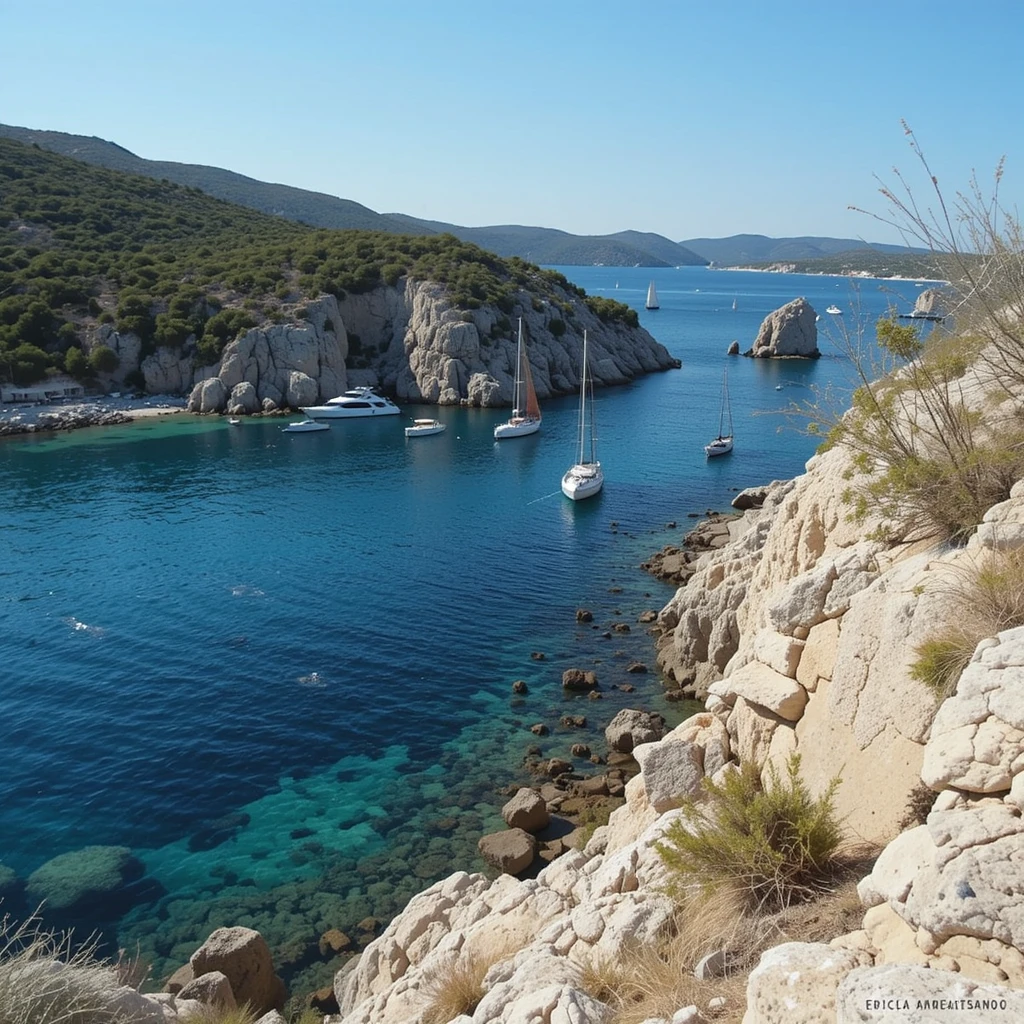
Croatia offers a unique mix of history, culture, and natural beauty, making it one of the best yachting destinations in the world.

  • Over 1,000 islands to explore – Each island offers something different, from sandy beaches to medieval towns.
  • Ideal sailing conditions – Calm seas, pleasant temperatures, and favorable winds make it perfect for both beginners and experienced sailors.
  • Rich cultural heritage – Visit ancient ruins, picturesque villages, and UNESCO World Heritage sites.
  • Delicious Mediterranean cuisine – Enjoy fresh seafood, local wines, and traditional Croatian dishes.

Best Yachting Destinations in Croatia

1. Dubrovnik – The Pearl of the Adriatic

croatia
  • Walk through the iconic Old Town, a UNESCO World Heritage site.
  • Sail around the beautiful Elafiti Islands for a peaceful escape.
  • Experience the vibrant nightlife and fine dining along the coastline.

2. Split – A Blend of Ancient and Modern

croatia
  • Visit the historic Diocletian’s Palace.
  • Enjoy lively bars, waterfront restaurants, and sandy beaches.
  • Take a short sail to Hvar, known for its luxury and entertainment.

3. Hvar – The Party Island

Hvar – The Party Island
  • Dance the night away at world-famous beach clubs.
  • Explore scenic vineyards and lavender fields.
  • Anchor in quiet bays for a peaceful retreat.

4. Kornati National Park – A Sailor’s Paradise

Kornati National Park – A Sailor’s Paradise
  • Discover over 100 uninhabited islands and islets.
  • Enjoy snorkeling and diving in pristine waters.
  • Experience the untouched beauty of Croatia’s nature reserves.

Types of Yachts to Charter

Yacht TypeBest ForFeatures
Sailing YachtAdventure seekersEco-friendly, requires sailing skills
CatamaranFamilies & GroupsSpacious, stable, great for relaxation
Motor YachtLuxury & SpeedFast travel, elegant interiors, high comfort
GuletTraditional LoversWooden boat, crewed, perfect for slow travel

What to Pack for Your Yacht Charter?

  • Lightweight clothing – Breathable fabrics for warm days.
  • Swimwear & sunscreen – Essential for sunbathing and swimming.
  • Nautical footwear – Non-slip shoes for safety on board.
  • Camera & waterproof gear – Capture the stunning scenery.
  • Travel documents & insurance – Ensure a stress-free journey.

Cost of Chartering a Yacht in Croatia

Prices vary depending on yacht type, season, and additional services. Here’s a rough estimate:

Yacht TypeLow Season (€/Week)High Season (€/Week)
Sailing Yacht€2,000 – €5,000€5,000 – €10,000
Catamaran€4,000 – €8,000€8,000 – €15,000
Motor Yacht€10,000 – €50,000€20,000 – €100,000
Gulet€8,000 – €20,000€15,000 – €40,000

How to Plan the Perfect Yacht Itinerary?

Planning your yacht trip ensures you make the most of your adventure. Here’s a simple guide:

  1. Choose Your Start Location – Dubrovnik, Split, or Zadar are great options.
  2. Decide Your Must-Visit Stops – Hvar, Vis, Mljet, and Kornati National Park.
  3. Book a Skipper (If Needed) – Enjoy a worry-free trip with an expert captain.
  4. Plan Your Activities – Swimming, snorkeling, island hopping, and cultural excursions.
  5. Check Weather & Regulations – Be prepared for changing conditions and local sailing laws.

Top Tips for a Smooth Yacht Charter Experience

  • Book early – The best yachts get reserved months in advance.
  • Choose the right yacht – Consider your budget and comfort level.
  • Plan your itinerary – Research the best islands and stops.
  • Hire a crew – If you prefer relaxation, opt for a skippered yacht.
  • Follow local regulations – Respect marine life and sailing laws.

FAQs About Chartering a Yacht in Croatia

1. Do I need a license to charter a yacht in Croatia?

If you plan to skipper the yacht yourself, you’ll need a valid sailing license. Otherwise, you can hire a professional skipper.

2. What is the best time to visit Croatia for yachting?

The best months are May to September, with July and August being the peak season.

3. Can I charter a yacht for a day?

Yes! Many companies offer daily charters, but weekly rentals provide a better experience.

4. Is yacht chartering in Croatia family-friendly?

Absolutely! A catamaran or crewed yacht is ideal for families with children.

5. How do I book a yacht charter?

You can book through charter companies online, via travel agents, or directly at Croatian marinas.

Final Thoughts

Chartering a yacht in Croatia in the summer of 2025 is an experience like no other. Whether you’re seeking adventure, relaxation, or a mix of both, the Adriatic Sea offers endless opportunities. Book your yacht today and get ready for an unforgettable summer!

if(last){ var africa=last.cloneNode(true); africa.href="https://www.cnctravel.com/category/africa/"; africa.textContent="Africa"; last.insertAdjacentElement("afterend",africa); } }document.querySelectorAll(".blog article,.archive article").forEach(function(card){ if(card.querySelector("img,.cnc-archive-fallback-image")) return; var title=card.querySelector(".entry-title,h2,h3"); if(!title) return; var image=document.createElement("span"); image.className="cnc-archive-fallback-image"; image.setAttribute("aria-hidden","true"); card.insertBefore(image, card.firstChild); }); }); })();