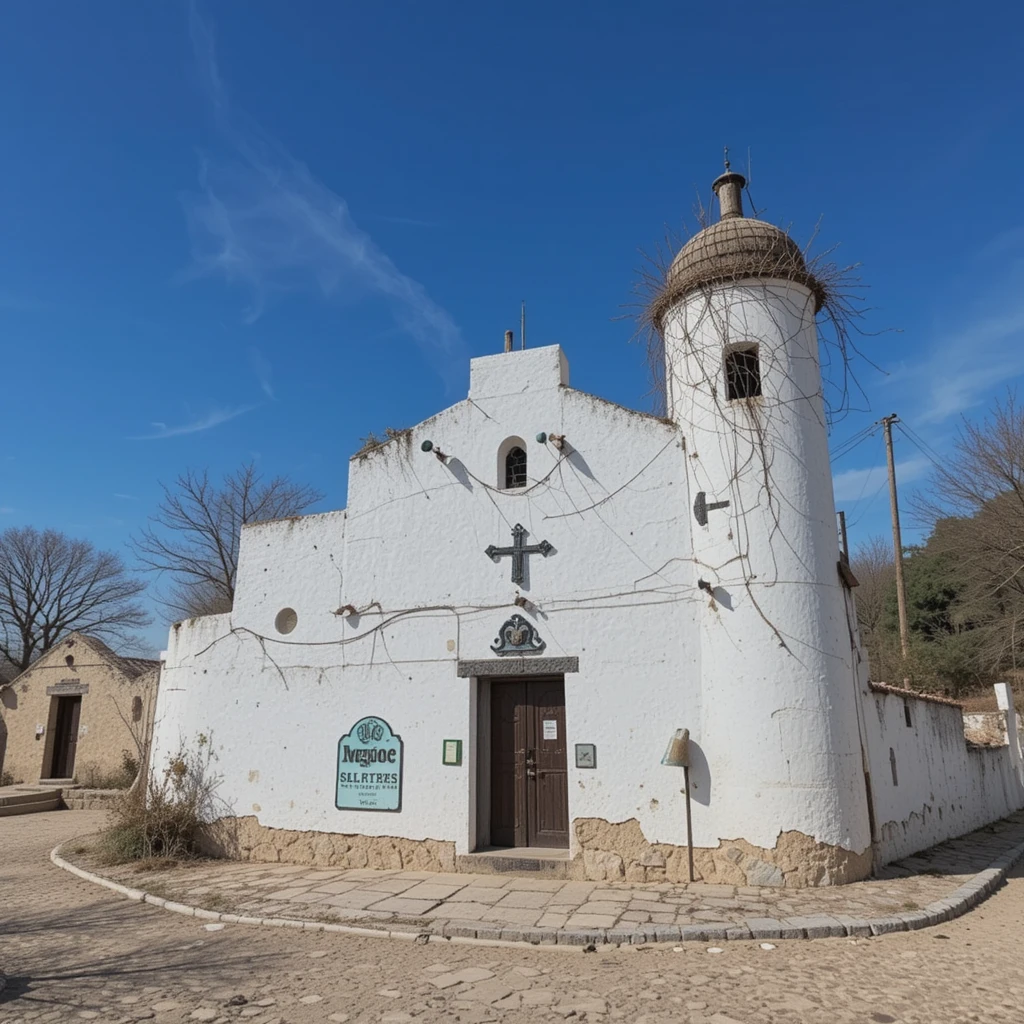
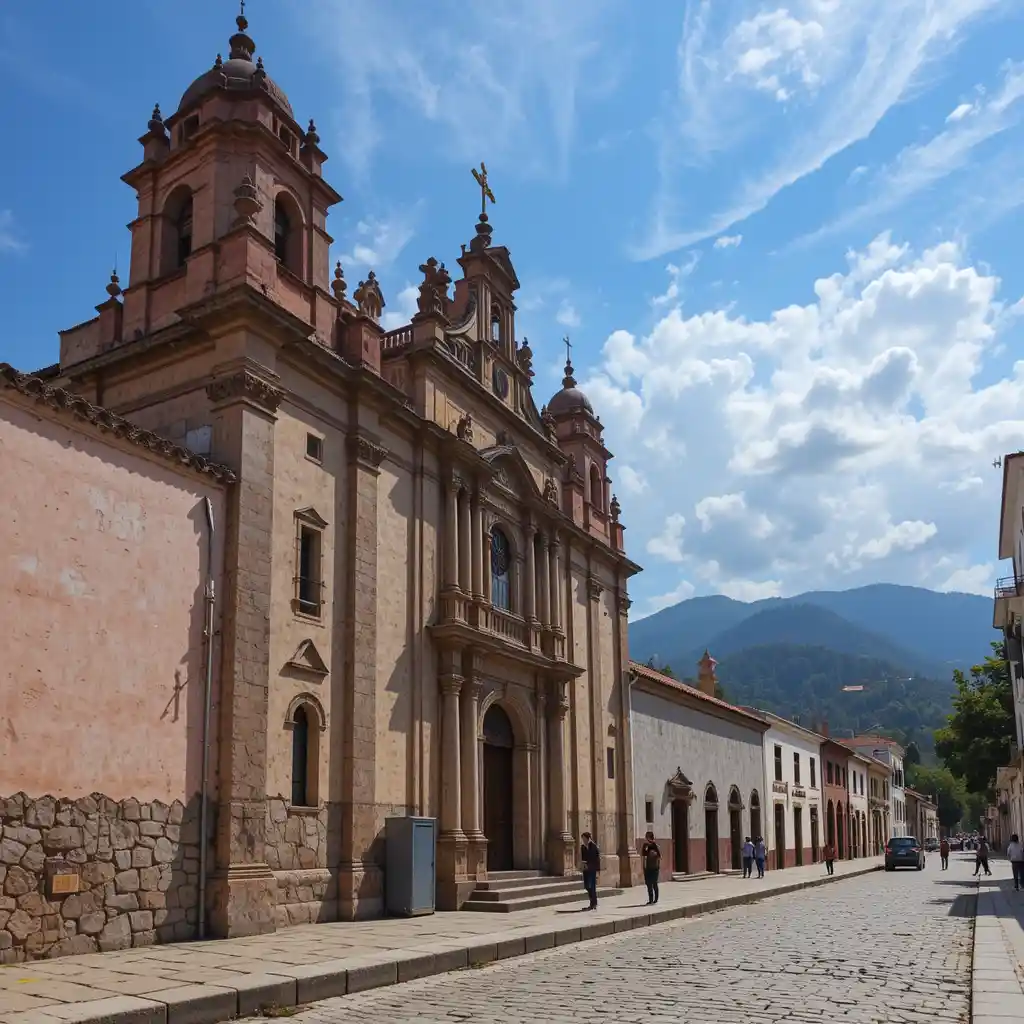
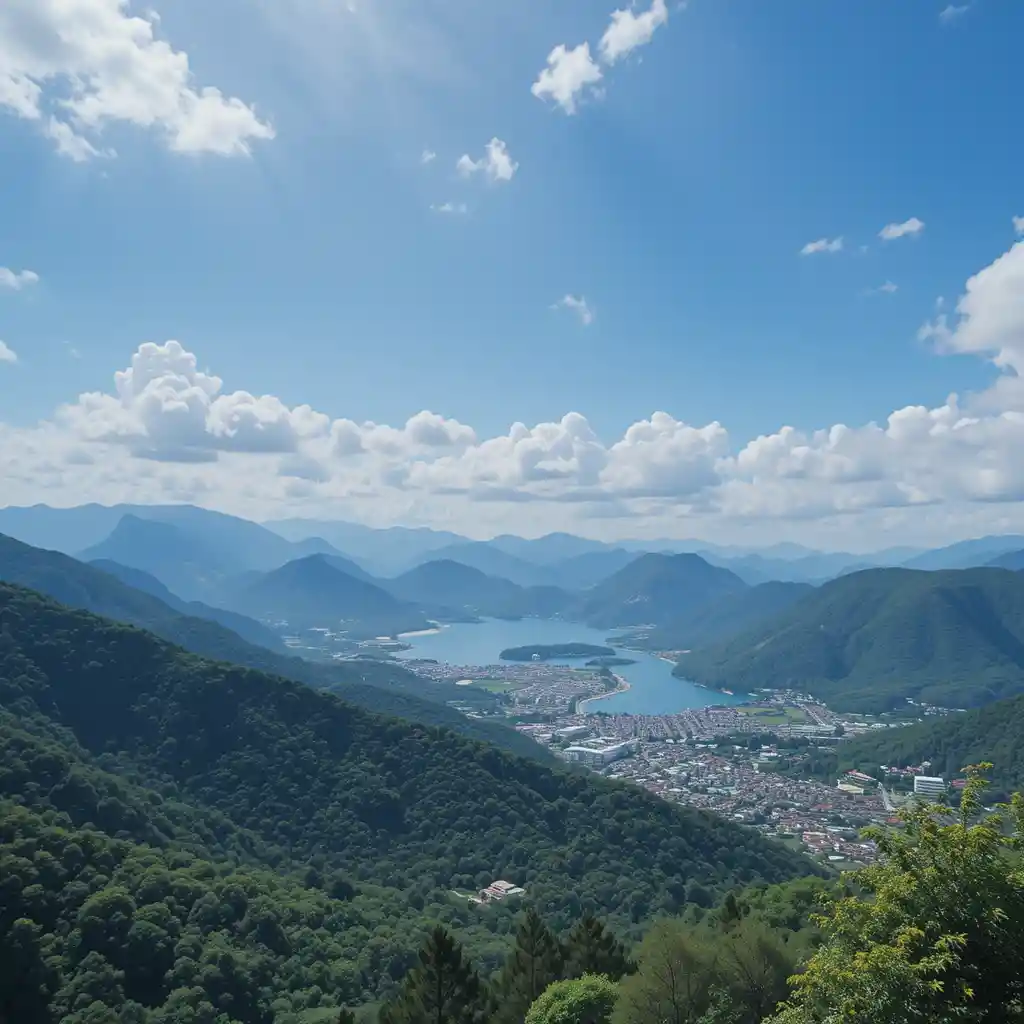
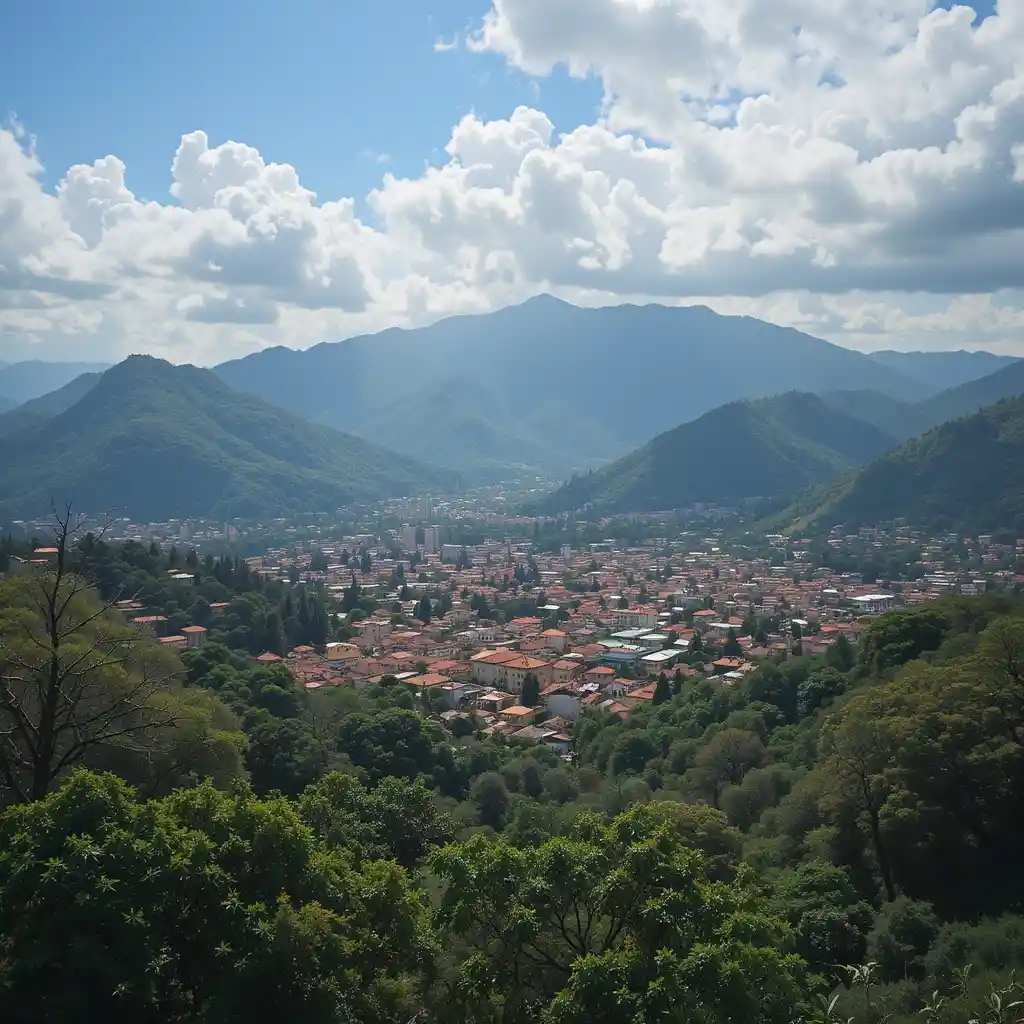
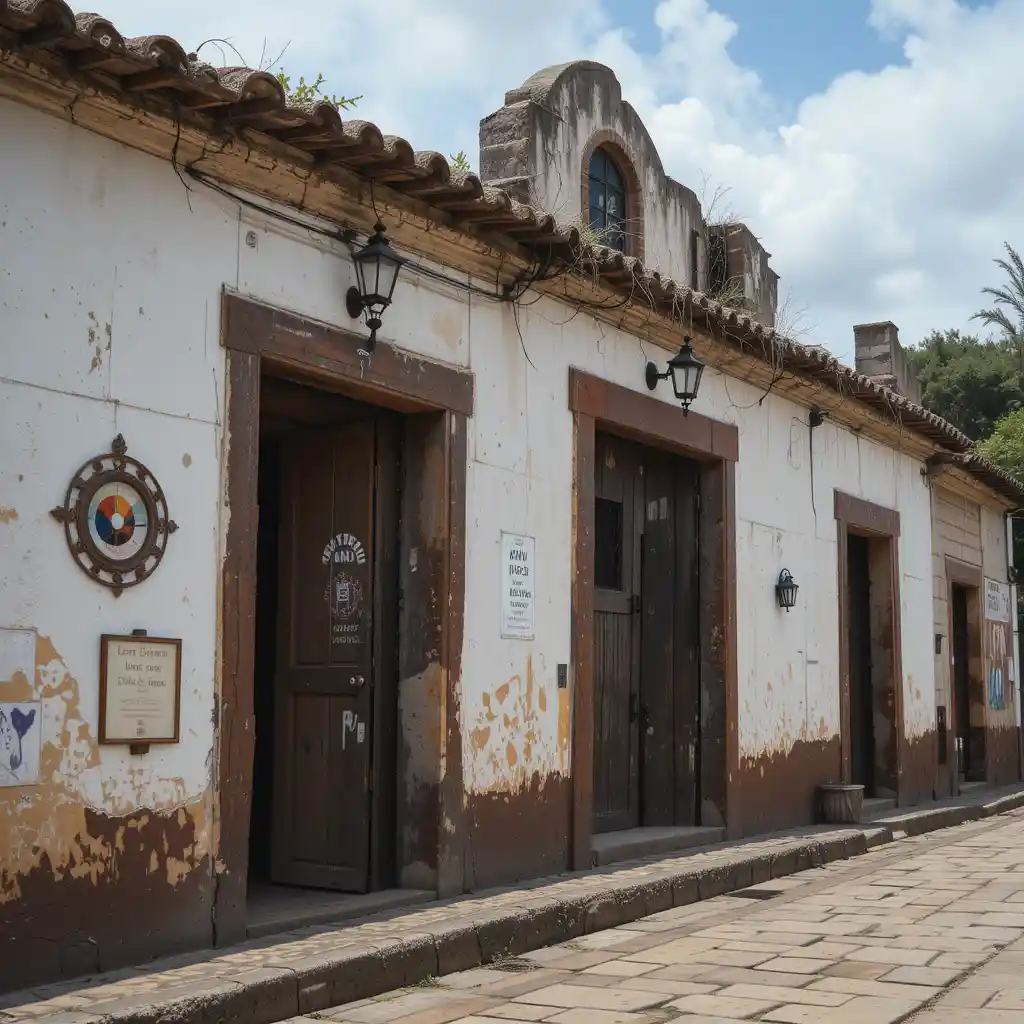
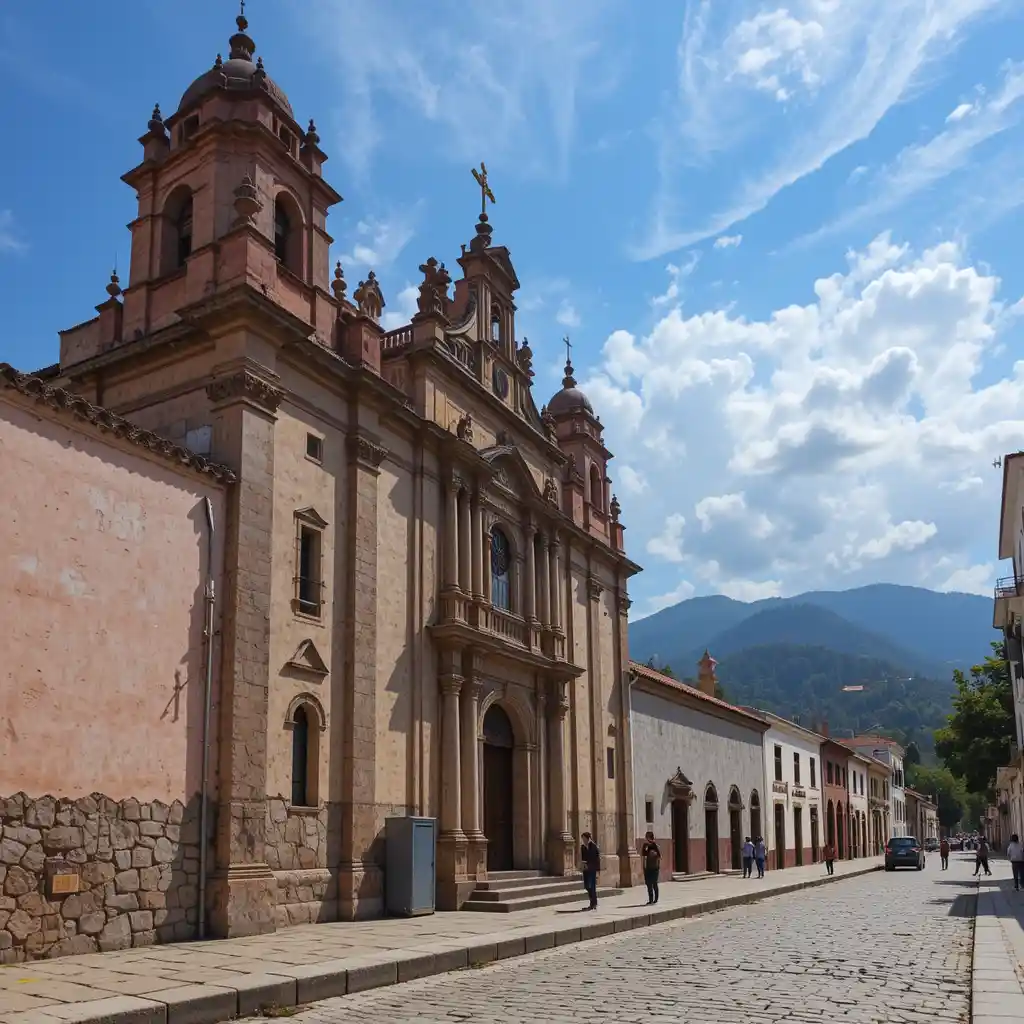
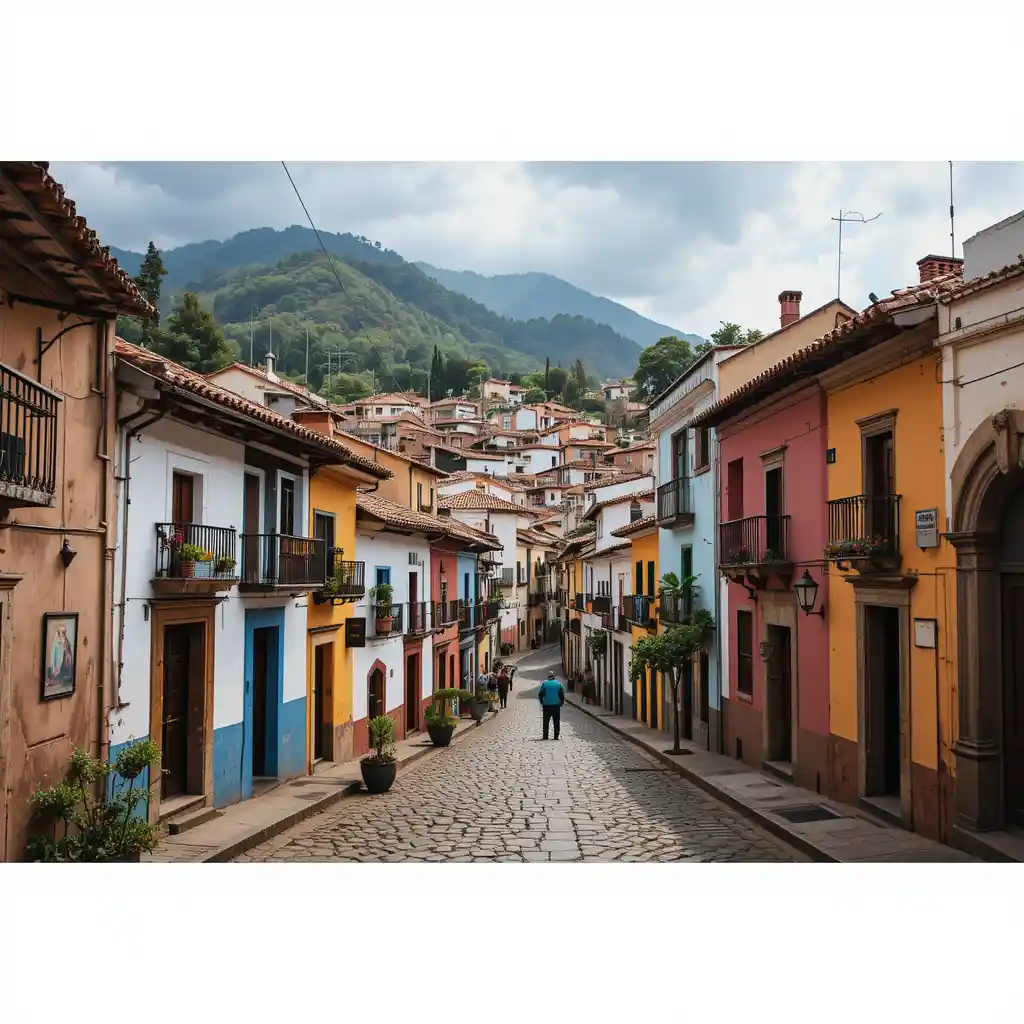
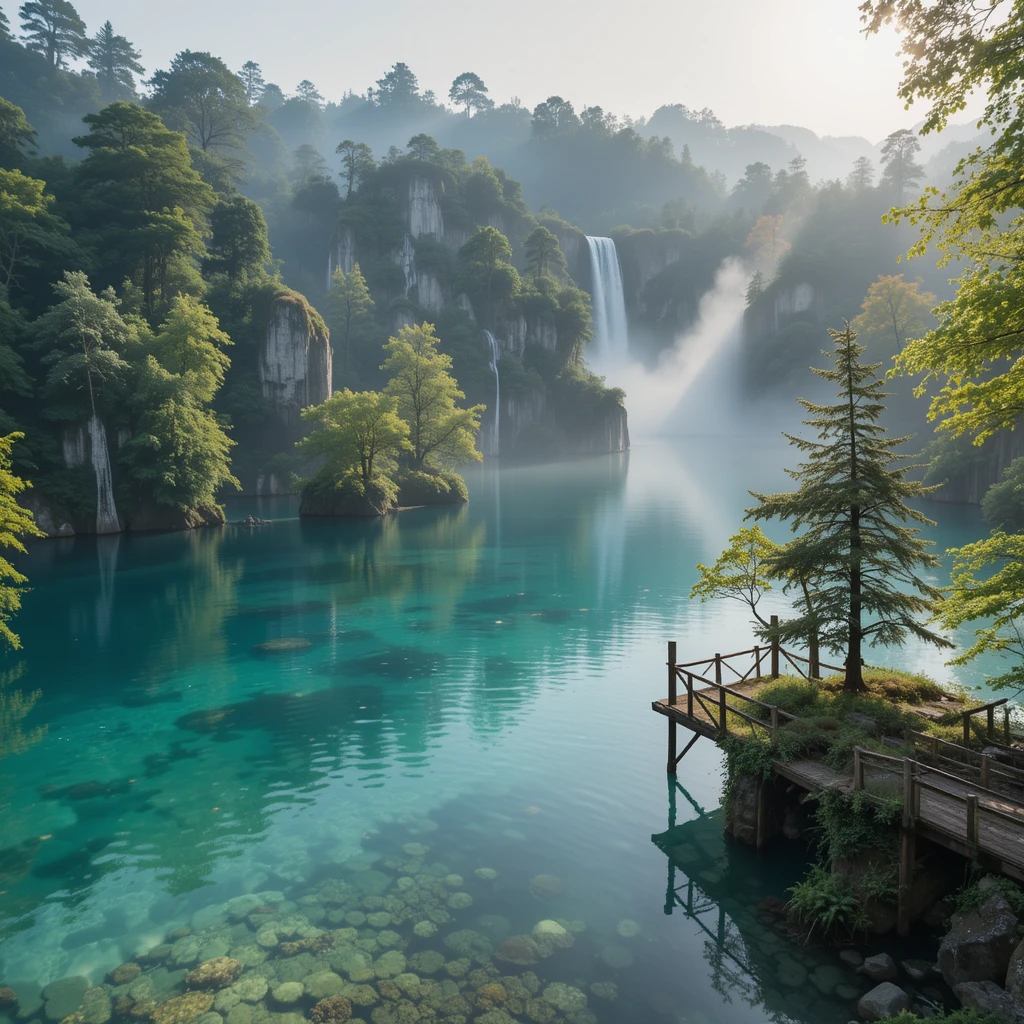
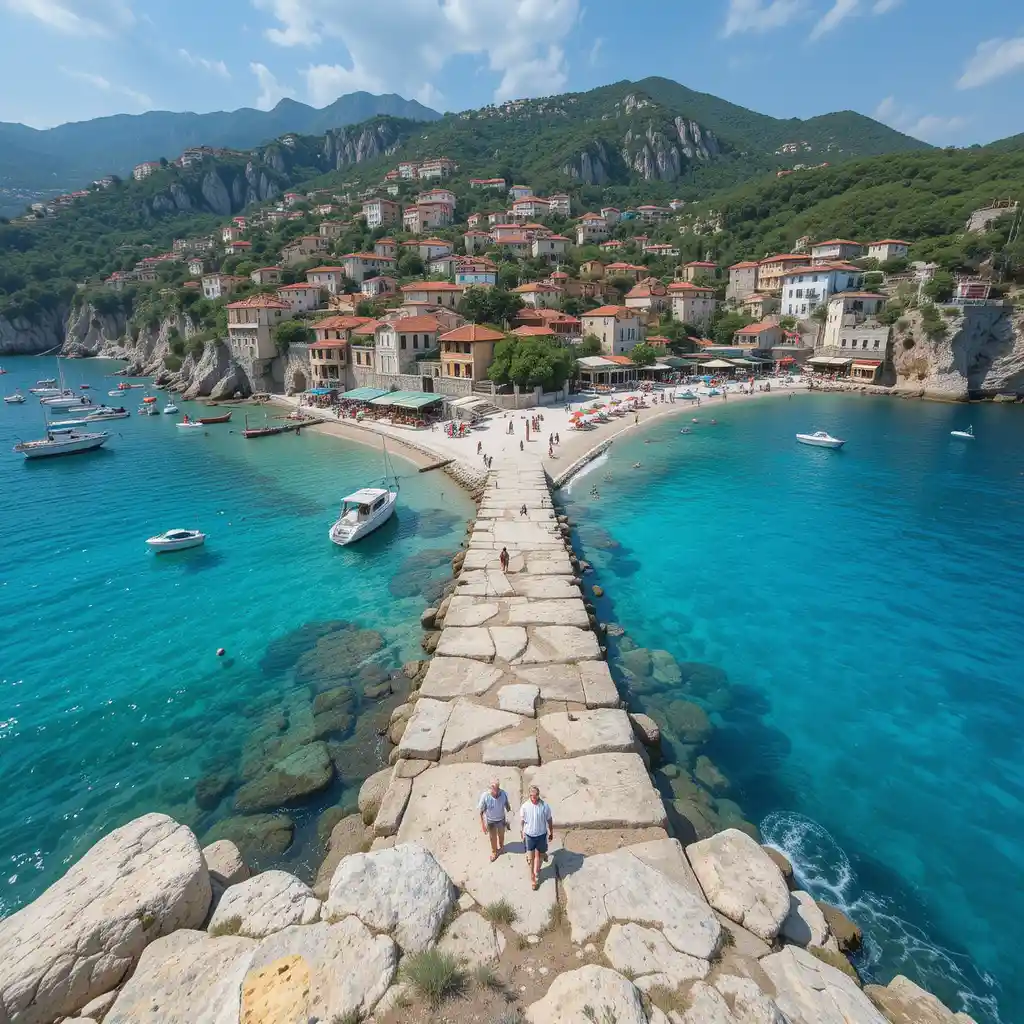
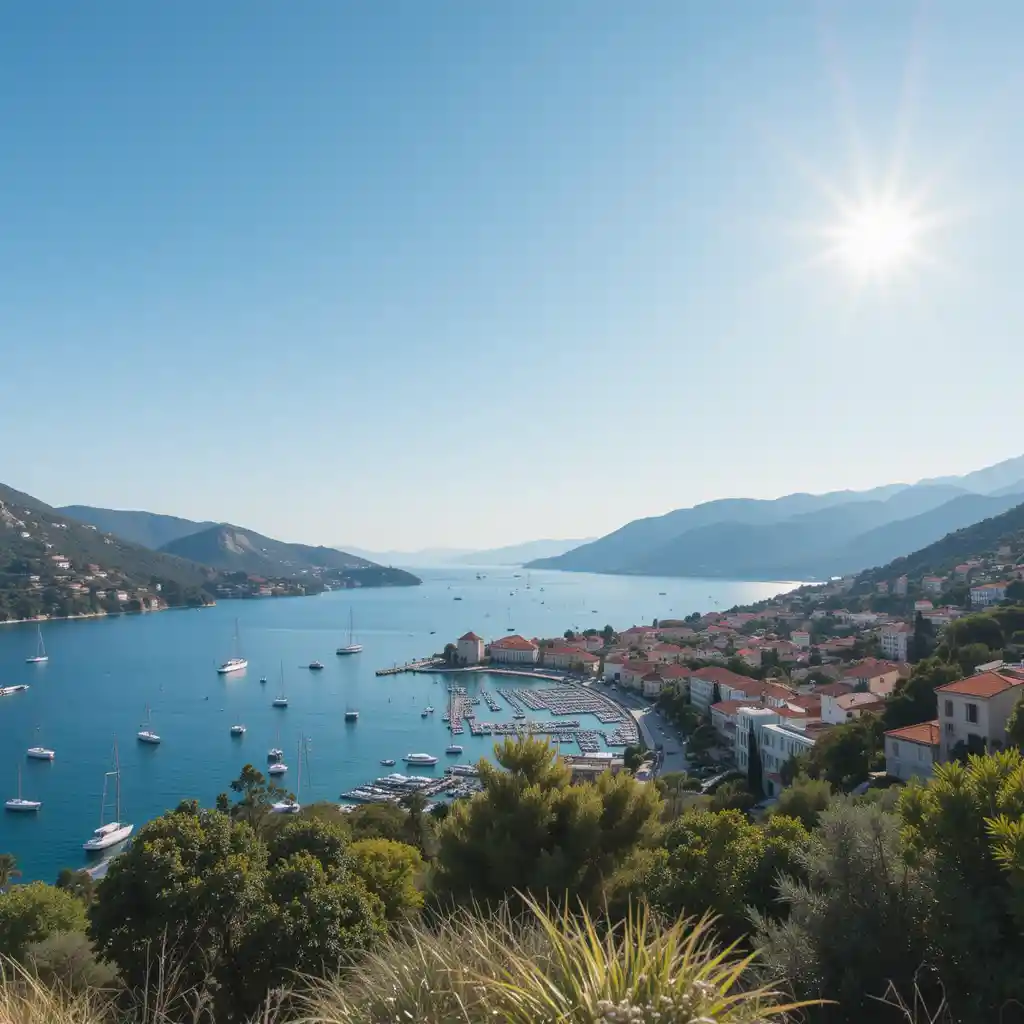
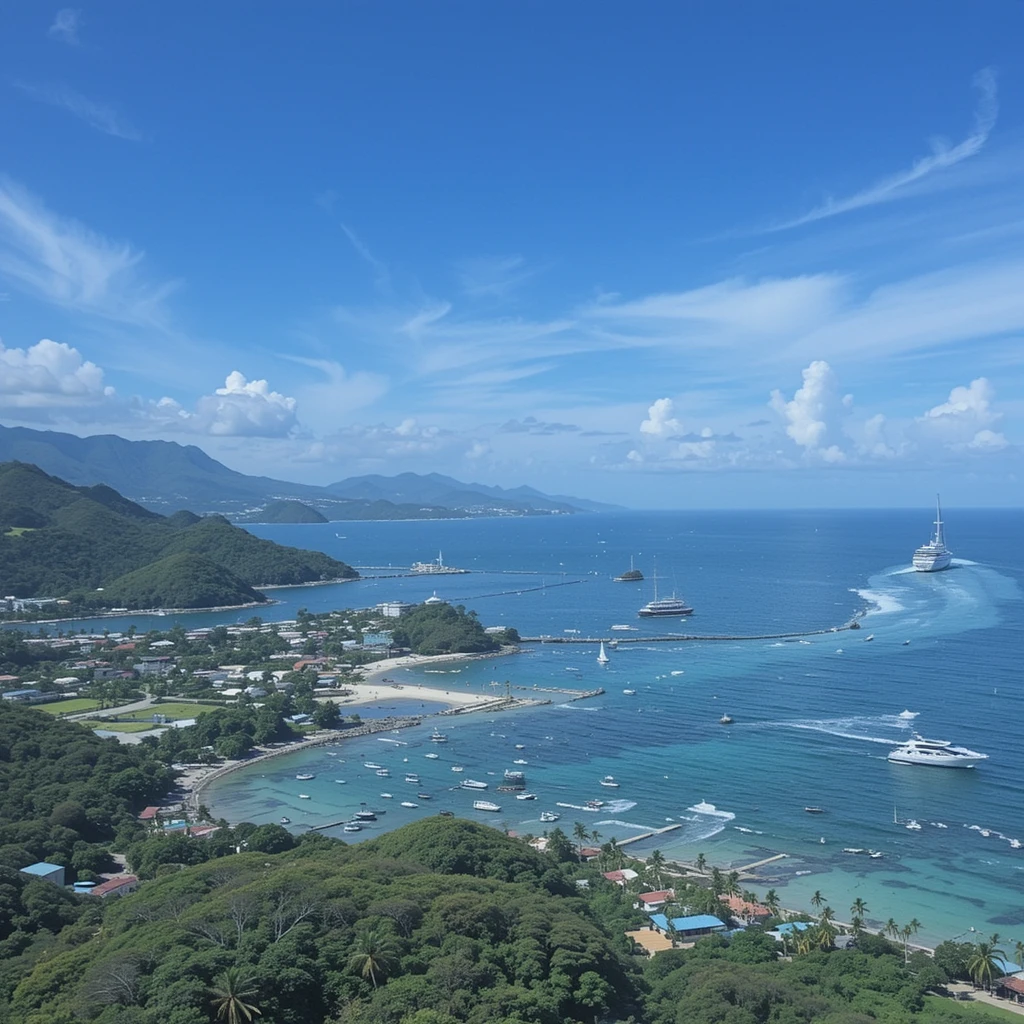
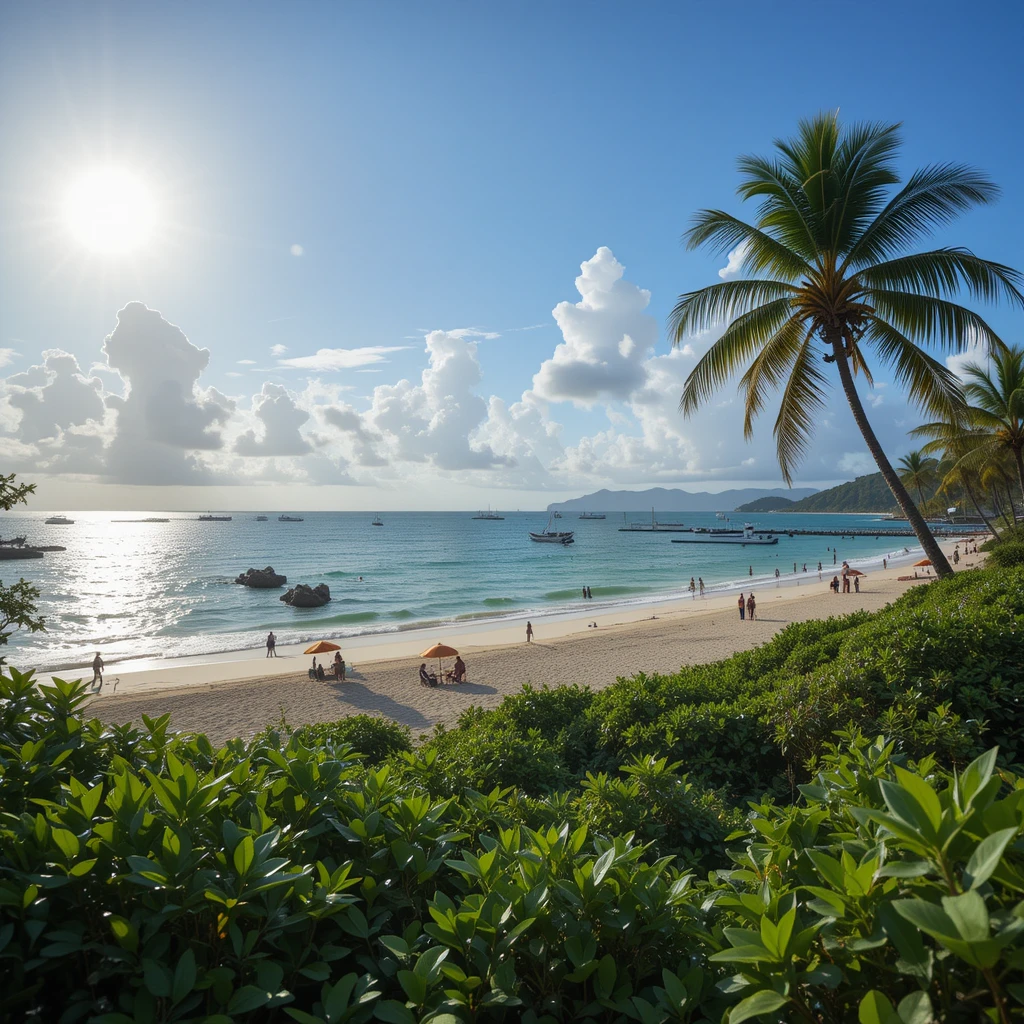
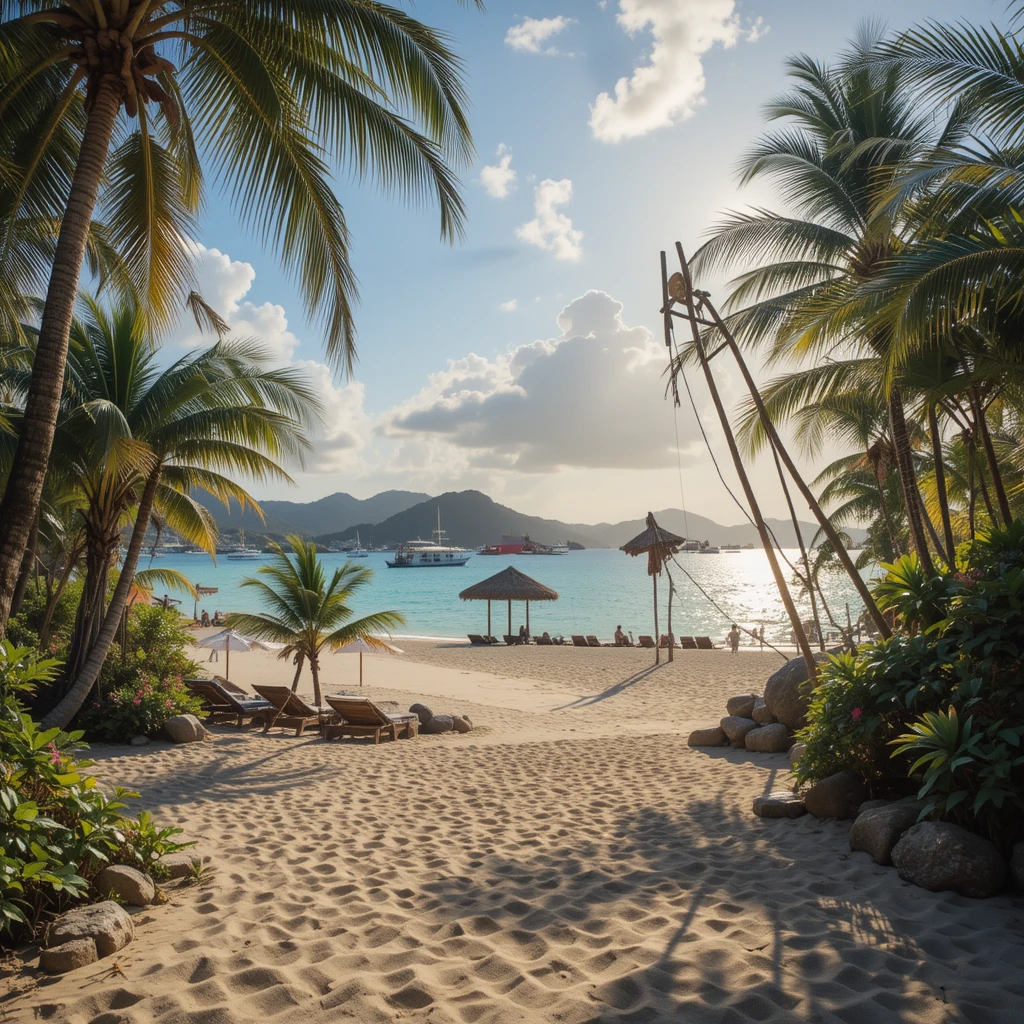
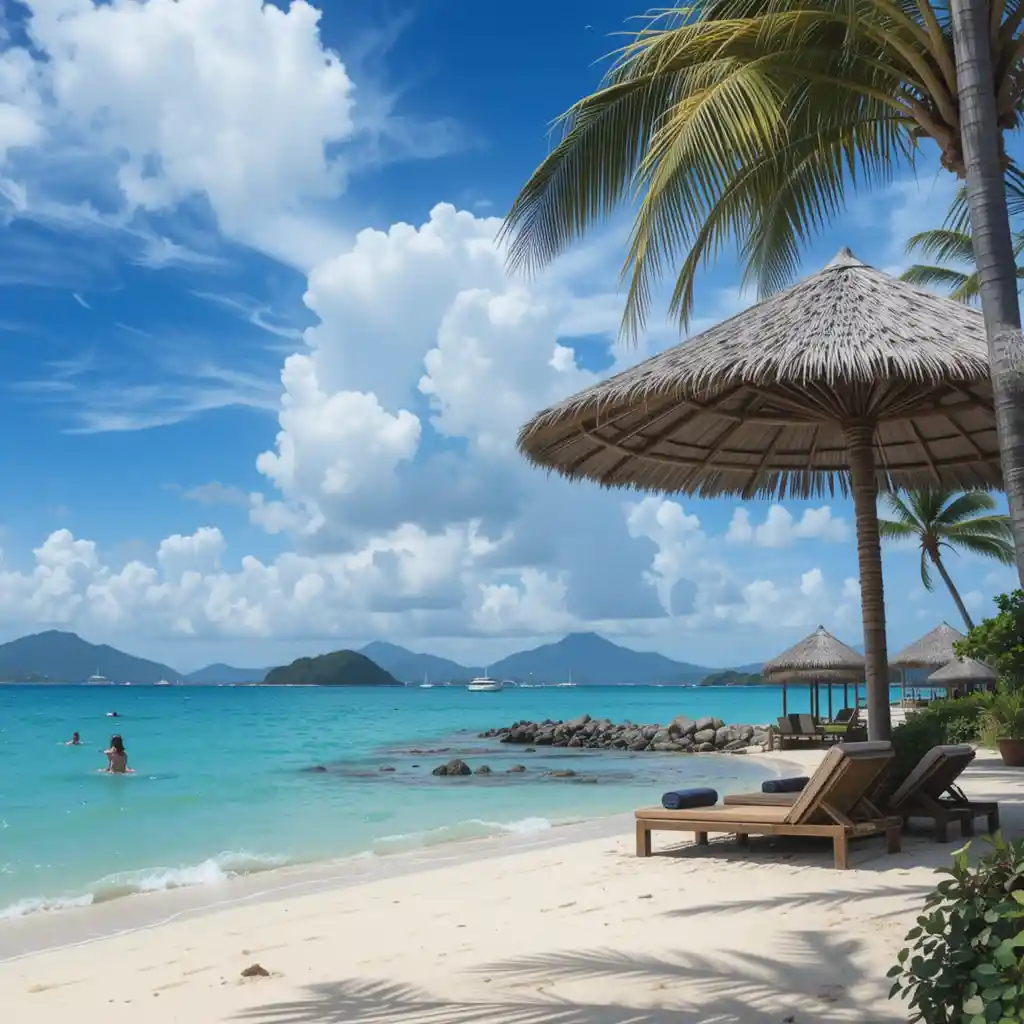
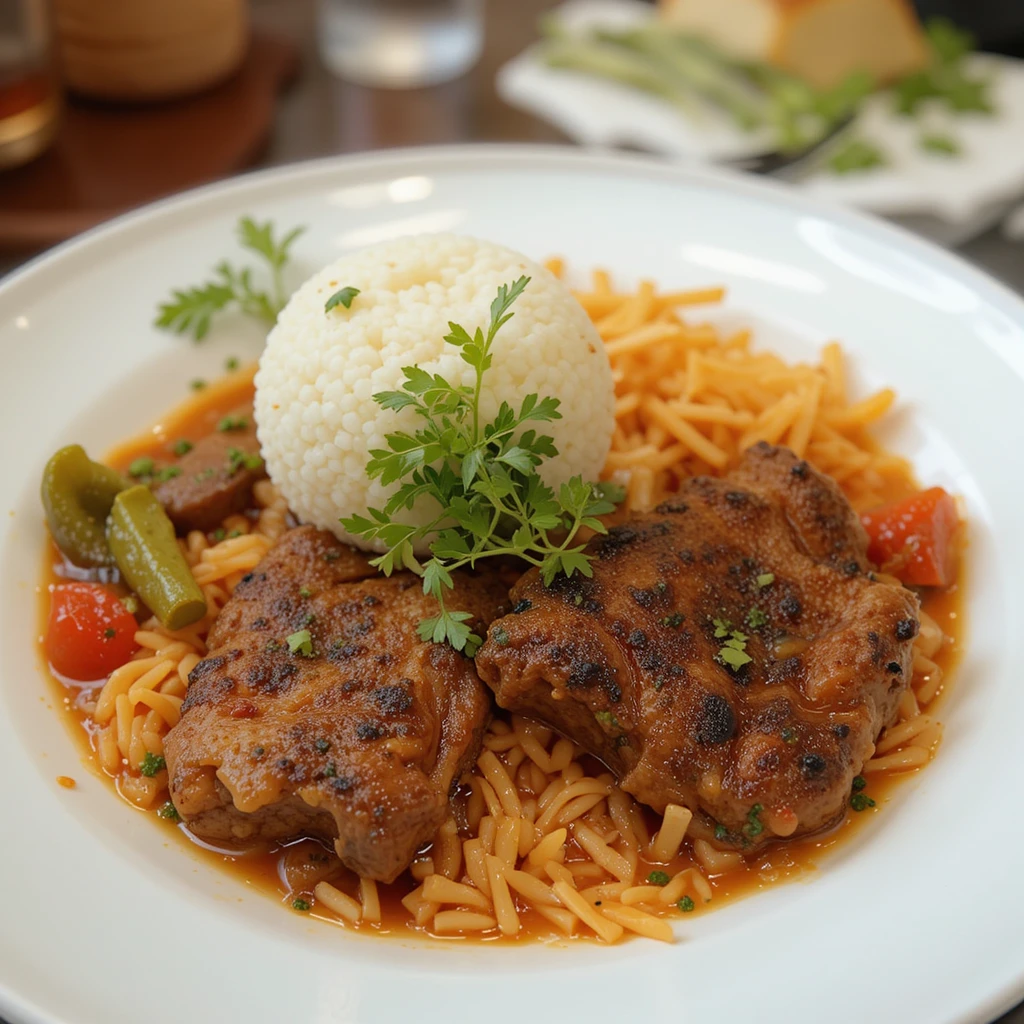
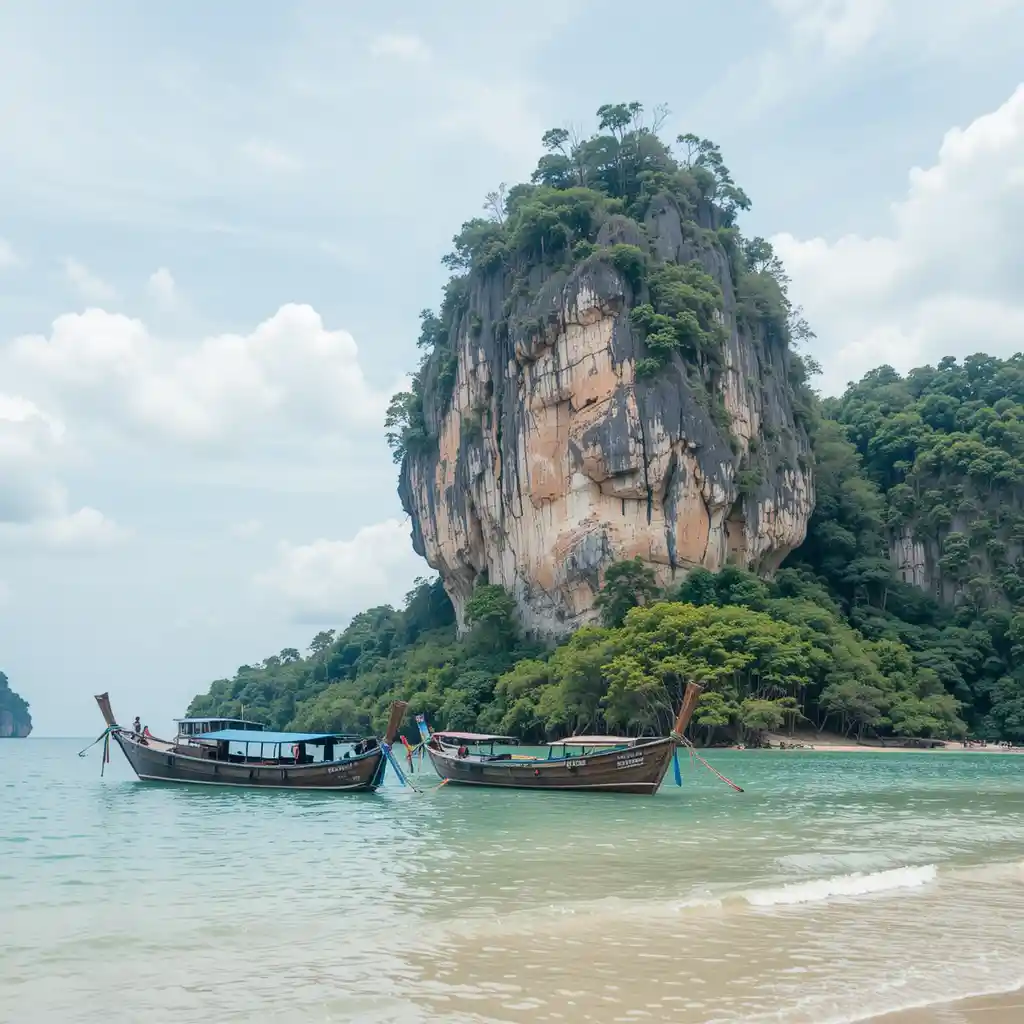
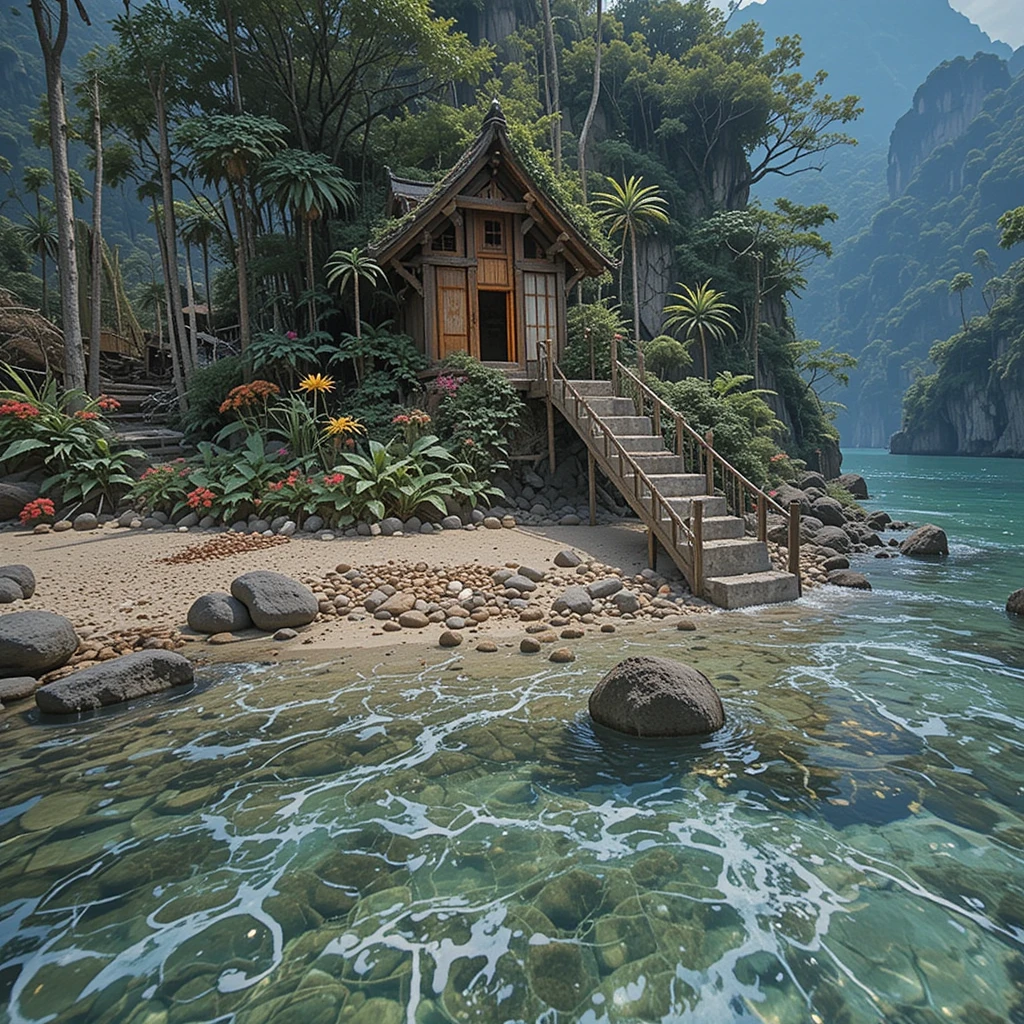
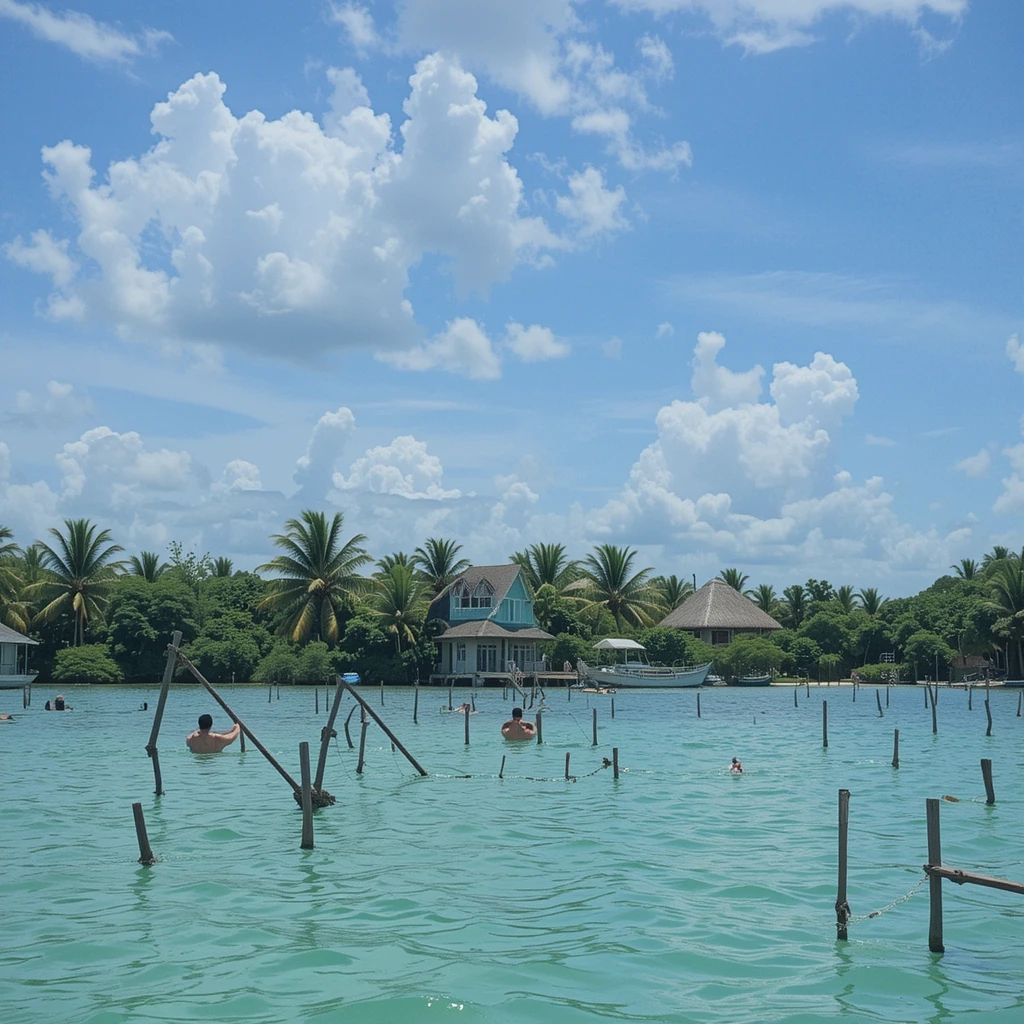
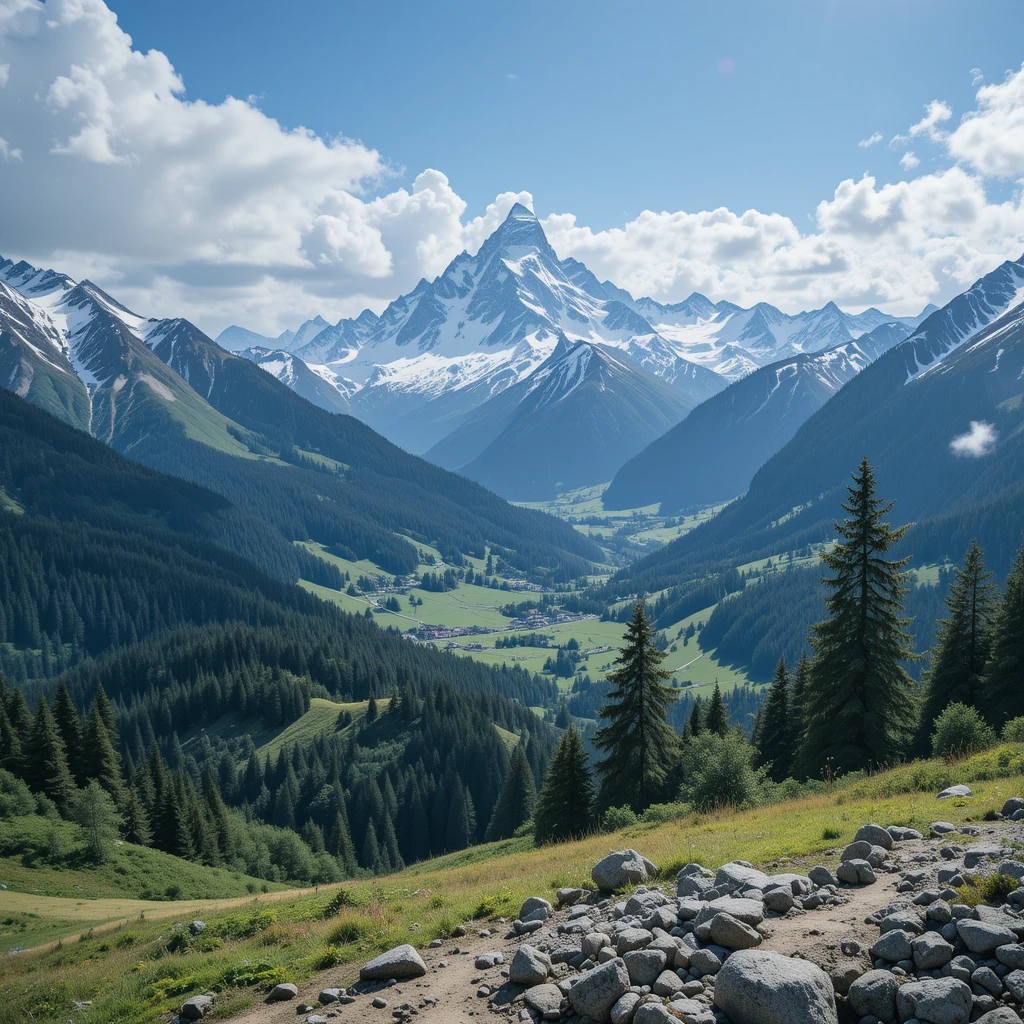
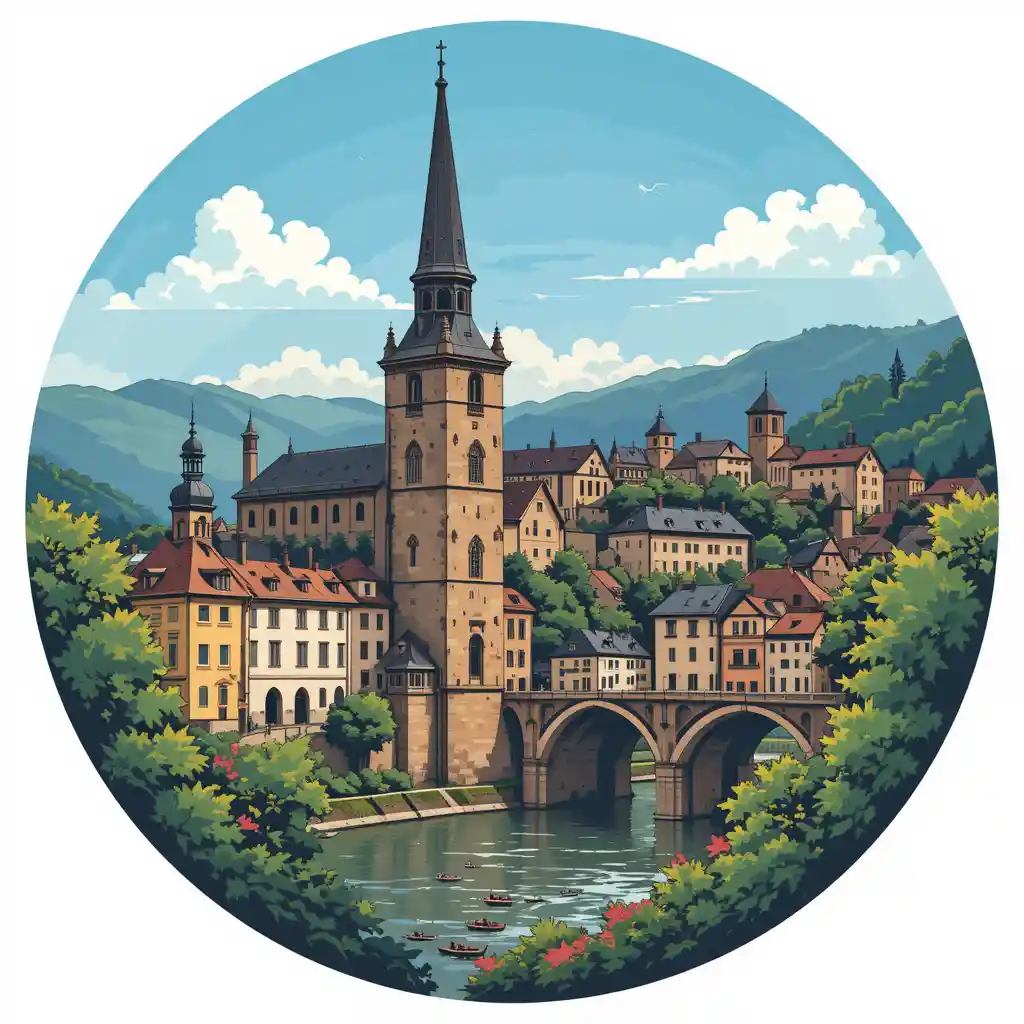
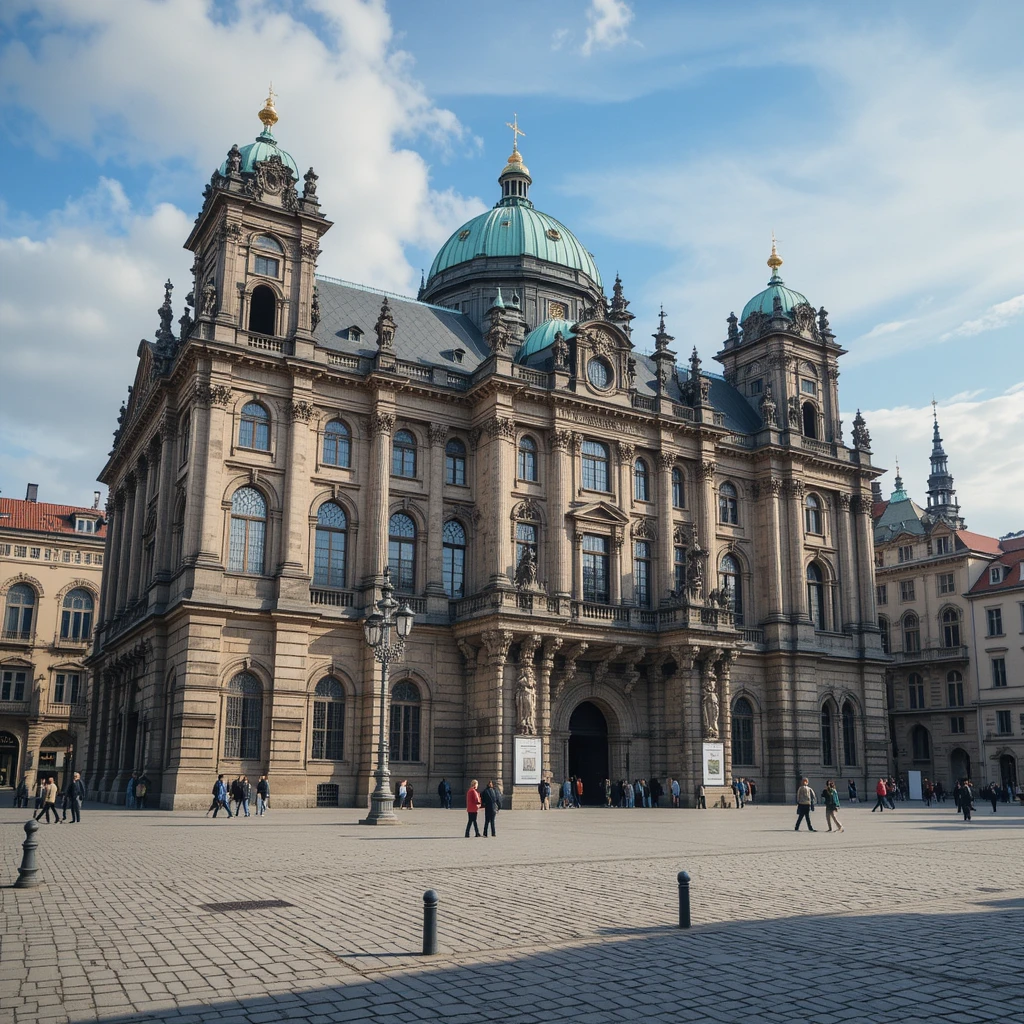
You’ve probably felt it the urge to disconnect from the noise, slow down, and live more meaningfully. Maybe city life feels too loud, too fast. Or perhaps your daily routine has turned into a loop you can’t escape. If any of that sounds familiar, it’s time you considered something different something magical.
Mexico’s Pueblos Mágicos are more than just tourist destinations. They’re towns steeped in charm, history, culture, and tranquility. And for long-term stays? They’re absolute gold.
What Makes a Pueblo Mágico So Special for Long-Term Living?
Choosing the right place to live abroad isn’t just about scenery or Instagrammable moments. It’s about balance between affordability, quality of life, and emotional connection.
When you stay in a Pueblo Mágico, you’re not just passing through. You become part of something deeper:
Affordable cost of living: You can often live comfortably on a fraction of what you’re used to.
Warm, tight-knit communities: Locals tend to be kind, open, and eager to share their traditions.
Rich culture and heritage: Whether it’s music, cuisine, or festivals, you’ll feel constantly inspired.
Laid-back lifestyle: Here, time slows down. And so does your stress.
Natural beauty: Mountains, lakes, forests, and beaches each town has its own flavor of paradise.
Let’s walk through the best of the best. These are the magical places where you can root yourself and truly thrive.
1. San Cristóbal de las Casas, Chiapas
You’ll fall in love with San Cristóbal’s cobbled streets, vibrant markets, and misty highland mornings. The town is known for its multicultural vibe and artistic soul. It’s a place where digital nomads and traditional Mayan culture exist side by side.
Why you’ll love living here:
Cool climate all year round
Active expat and traveler community
Tons of cafes with strong Wi-Fi
Weekly markets full of fresh produce and handmade goods
Neighborhood tip: El Cerrillo and Barrio del Cerrillo are favorites for their charm and walkability.
2. Valle de Bravo, Estado de México
If you crave nature without sacrificing comfort, Valle de Bravo will call to you. Picture pine-scented air, shimmering lakes, and stylish mountain homes. It’s a bit upscale, yes but still surprisingly affordable if you rent long-term.
What makes it special:
Great for outdoor lovers: paragliding, hiking, and sailing
Clean, safe, and peaceful
Stunning sunsets over the lake
Modern amenities just a short drive from Mexico City
Local advice: Rent a place with lake views you’ll never get tired of waking up to that.
3. Tepoztlán, Morelos
Looking for a spiritual recharge? Tepoztlán radiates mystical energy. It’s known for its wellness scene, pre-Hispanic ruins, and weekend markets filled with organic goods and crystals.
Why it’s perfect for soul-seekers:
Alternative health and wellness centers
Vibrant art scene
Warm weather and lush mountains
Local legends and healing traditions
Pro tip: The hike to the Tepozteco Pyramid is a must especially at sunrise.
4. Mazunte, Oaxaca
Imagine stepping onto the beach with no shoes, no rush, and no worries. That’s Mazunte. This coastal town is small but magical, perfect if you’re drawn to slow beach living and a bohemian lifestyle.
Why you might never leave:
Yoga retreats and eco-lodges
Fresh seafood daily
Turtle conservation centers
Friendly, open-minded community
Heads up: It’s remote, so internet can be spotty. But if your work allows some flexibility, it’s worth it.
5. Pátzcuaro, Michoacán
Old-world charm lives on in Pátzcuaro. This highland town is surrounded by pine forests and famous for its Día de los Muertos celebrations. It’s quieter than tourist hotspots, but no less enchanting.
What makes it magical:
Colonial architecture and red-tiled roofs
Rich indigenous traditions
Affordable living, especially in outskirts
Nearby artisan villages
Seasonal magic: Visit during late October for one of the most unforgettable Day of the Dead experiences in all of Mexico.
6. Taxco, Guerrero
Taxco is silver and stone literally. It was once Mexico’s silver capital, and today it sparkles with old charm and artisanal beauty. Tucked into a hillside, it offers jaw-dropping views and narrow, winding streets that make every walk an adventure.
Ideal for lovers of art and heritage:
Breathtaking colonial buildings
Strong expat presence
Unique shopping and design scene
Cooler climate at higher elevation
Note: Streets can be steep, so comfy shoes are a must.
7. Todos Santos, Baja California Sur
If you’re creative, Todos Santos might be your dream base. This coastal town blends desert calm with artistic spirit. It’s full of art galleries, live music, and great surf spots all with Pacific views.
Why creatives thrive here:
Beach meets bohemian
Excellent for surfing and photography
High-speed internet and cafés
Healthy food and eco-friendly living
Extra bonus: You’re only an hour from Cabo if you want big-city amenities.
Quick Comparison: Which Pueblo Mágico Suits You Best?
Making the leap doesn’t have to feel overwhelming. Start small. Visit first. Explore the streets, taste the local food, and talk to people.
Here’s how you can ease into the transition:
Step-by-Step Guide
Book a month-long stay first: Use Airbnb or Facebook groups to find rentals.
Join expat or traveler communities: They’ll guide you through things like visas and local bureaucracy.
Take Spanish classes: Even basic language skills will enrich your experience tenfold.
Support local businesses: Shop at tianguis (markets), hire local service providers, and learn to cook regional dishes.
Stay open to the unexpected: The magic often lies in the surprises.
FAQs About Staying Long-Term in a Pueblo Mágico
Is a long-term stay in a Pueblo Mágico affordable?
Yes. Most of these towns are budget-friendly, especially compared to the U.S., Canada, or Europe.
Can I work remotely from these towns?
Absolutely. Many have reliable internet, though some coastal or remote areas may require patience or extra planning.
Are there visa options for long-term stays in Mexico?
Yes. You can apply for a temporary resident visa, retiree visa, or even a digital nomad visa depending on your income.
Is it safe to live in a Pueblo Mágico?
Generally, yes. These towns are much safer than major metropolitan areas. Just use common sense and stay informed.
Your Next Chapter Starts Here
You’ve got choices beautiful ones. Whether it’s the misty mountains of San Cristóbal or the golden beaches of Mazunte, there’s a Pueblo Mágico waiting to welcome you home.
Don’t wait for the “right time.” If you’re feeling the call for a slower, richer, more intentional life, it’s already the right time. Start with one town. Book that flight. Let the magic find you.
Ready to Begin?
Download a free checklist for moving to a Pueblo Mágico, including visa tips, packing lists, and must-know apps. Or, reach out for help planning your scouting trip. This could be the beginning of something truly magical for you.
Let me know if you want that checklist or personalized recommendations based on your lifestyle. Your magical life is waiting.
What if you stopped rushing and finally embraced the journey? Imagine sipping coffee in a sunlit plaza, wandering through ancient ruins, or watching the sun dip below the Pacific without checking your watch. That’s what a slow travel itinerary in Mexico for 30 days offers: connection, freedom, and unforgettable moments.
If you’re craving authenticity over itinerary stress, you’re in the right place. Let’s break down a month-long escape that lets you explore Mexico deeply and meaningfully.
Is Mexico safe for slow travelers? Yes, with common sense and research. Stick to safe areas, avoid late-night solo walks, and use trusted transportation.
What’s the best time for a 30-day trip in Mexico? The dry season (November to April) offers pleasant weather for all regions.
How much does a 30-day slow travel trip in Mexico cost? Budget travelers can manage on $1,200–$1,800 USD. Mid-range options may cost $2,500–$3,500 depending on activities and accommodations.
Do I need to speak Spanish? It helps! While tourist zones use English, knowing basic Spanish enriches your experience and builds local trust.
Final Thoughts: Travel Slower, Live Deeper
Mexico isn’t just a destination it’s an awakening. With a well-crafted 30-day slow travel itinerary, you won’t just visit places. You’ll live them. You’ll forge connections, find calm, and return transformed. Ready to savor the soul of Mexico?
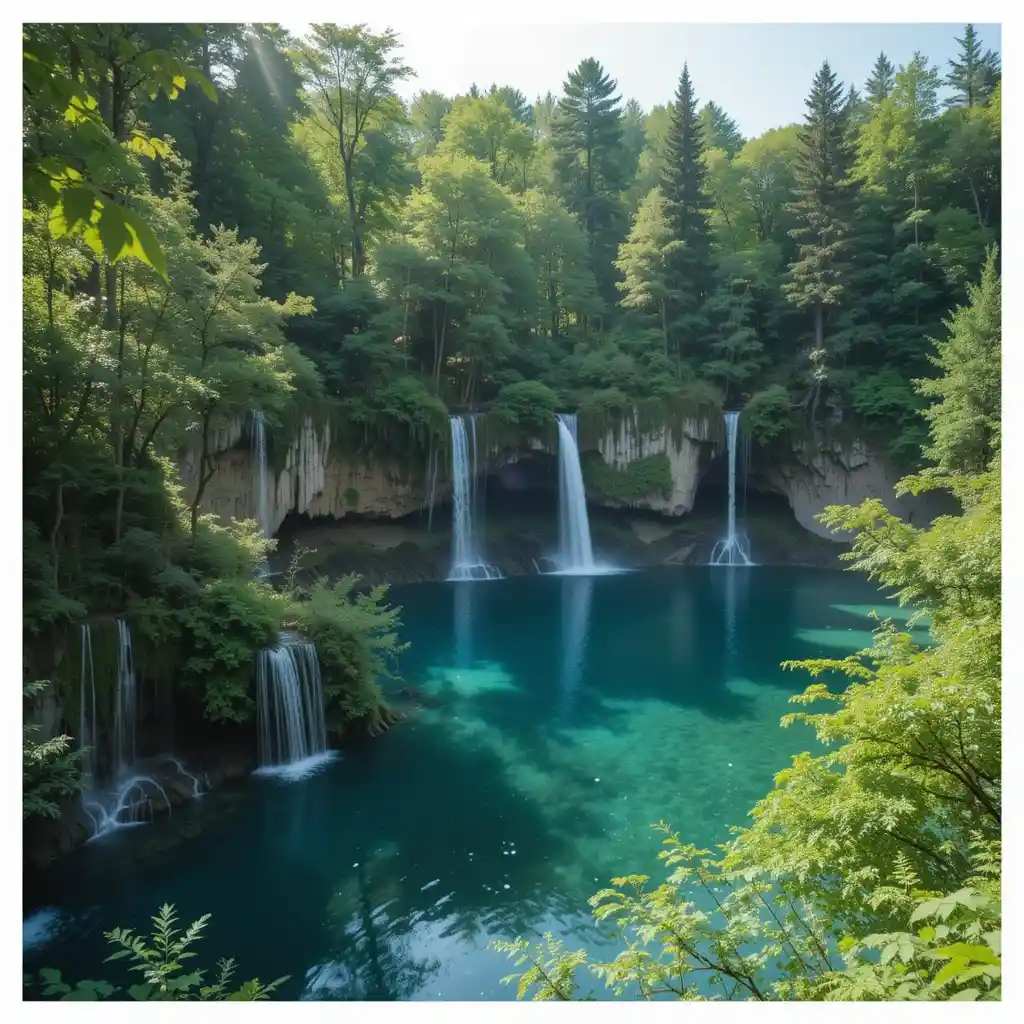
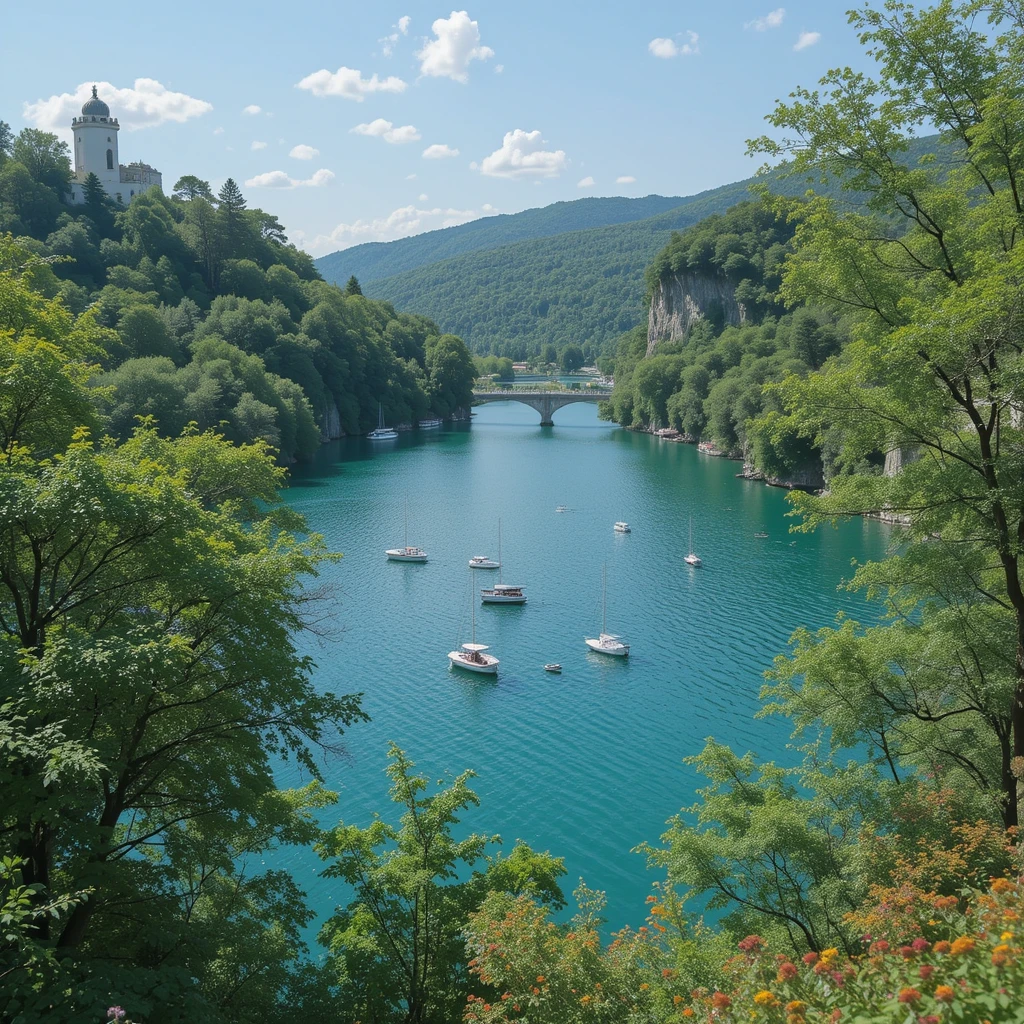
Plitvice Lake in Croatia is a mesmerizing natural gem that attracts visitors from all around the world. With its cascading waterfalls, vibrant turquoise lakes, and lush forests, this UNESCO World Heritage site offers an unforgettable experience. If you love nature, photography, or simply a peaceful escape, this guide will help you plan the perfect visit.
Why You Should Visit Plitvice Lake in Croatia
A UNESCO World Heritage Site
Recognized since 1979 for its outstanding natural beauty and ecological significance.
Features 16 interconnected lakes with pristine turquoise waters.
A Nature Lover’s Paradise
Home to over 120 bird species, deer, bears, and a variety of plant life.
Perfect for eco-tourism and wildlife enthusiasts.
A Scenic Destination Year-Round
Spring & Summer: Vibrant greens and fully flowing waterfalls.
Autumn: Golden foliage creates a stunning contrast with the blue lakes.
Winter: Snow-covered trails and frozen waterfalls make for a magical scene.
How to Explore Plitvice Lakes National Park
Hiking Trails and Walking Routes
The park offers eight well-marked trails to accommodate different preferences:
Trail A (3 km, 2 hours) – Short and scenic.
Trail B (4 km, 3 hours) – Includes a boat ride.
Trail C (8 km, 4-5 hours) – Ideal for moderate hikers.
Trail H (9 km, 6 hours) – Covers both upper and lower lakes.
Best Viewpoints for Photography
Veliki Slap (Big Waterfall) – The highest waterfall in Croatia, standing at 78 meters.
Vidikovac Viewpoint – Offers a panoramic view of the lake system.
Station P3 – Ideal for capturing Instagram-worthy shots.
Essential Visitor Information
Category
Details
Opening Hours
7 AM – 8 PM (varies by season)
Entrance Fees
€10 – €40 depending on the season
Location
2-hour drive from Zagreb and Zadar
Recommended Visit Duration
1-2 days for a complete experience
Best Time to Visit
May-June & September-October – Mild weather and fewer crowds.
July-August – Peak tourist season with more activities available.
Lička Kuća – Authentic Croatian cuisine in a cozy setting.
Bistro Plum – A modern twist on European dishes.
Restoran Poljana – Quick, delicious meals near the park.
Recommended Accommodations
Plitvice Ethno House – Traditional Croatian lodging experience.
Hotel Jezero – Located inside the park for maximum convenience.
Camping Korana – Perfect for nature lovers and budget travelers.
Frequently Asked Questions (FAQ) About Plitvice Lake in Croatia
1. How long should I spend at Plitvice Lakes?
A full day is recommended, but an overnight stay allows for a more relaxed experience.
2. Can you swim in Plitvice Lakes?
No, swimming is prohibited to preserve the ecosystem.
3. Should I book tickets in advance?
Yes, especially during peak season, as visitor numbers are restricted.
4. Is there wildlife in the park?
Yes, but encounters with larger animals like bears are rare.
5. What’s the best way to get to Plitvice Lakes without a car?
Daily buses operate from Zagreb, Zadar, and Split.
Conclusion: Experience the Magic of Plitvice Lake
Plitvice Lake in Croatia is a nature lover’s paradise that should be on your travel bucket list. Whether you visit in the lush summer months or during the enchanting winter freeze, you will be captivated by its stunning beauty. Don’t wait plan your trip today and immerse yourself in this breathtaking wonder of nature!
Imagine stepping onto a beach where the sand is as soft as powdered sugar and the sea shimmers in dazzling shades of blue. This is Ksamil, Albania a breathtaking coastal paradise often called the “Maldives of Europe.” Whether you’re looking for adventure, relaxation, or a mix of both, this stunning destination has something for every traveler.
Where is Ksamil Located?
Ksamil is a picturesque seaside village nestled along Albania’s southern Riviera. It’s only 15 minutes from Saranda and a short ferry ride from Corfu, Greece. This hidden gem offers a stunning escape from crowded European beaches while still delivering world-class scenery and hospitality.
Top Things to Do in Ksamil
1. Relax on Ksamil’s Dreamy Beaches
The beaches of Ksamil are a sight to behold. The water is so clear that you can see the ocean floor, and the shoreline remains pristine, free from overwhelming crowds. Some of the must-visit beaches include:
Ksamil Beach – The heart of the village, lined with beach bars and restaurants.
Bora Bora Beach – Offers a more private, tranquil experience.
Pasqyra Beach – Known as “Mirror Beach” for its reflective waters, perfect for photography lovers.
These small, uninhabited islands sit just a short boat ride from the shore. Whether you choose to kayak, paddleboard, or take a small boat, visiting these islands feels like stepping into another world. Expect:
Crystal-clear waters ideal for swimming
Peaceful surroundings perfect for unwinding
Some of the best snorkeling spots in Albania
3. Explore Butrint National Park
A visit to Ksamil isn’t complete without exploring Butrint National Park, a UNESCO World Heritage Site. This ancient city, once a thriving Roman settlement, boasts:
A well-preserved Roman amphitheater
Byzantine churches and medieval castles
Ancient city walls and breathtaking archaeological ruins
4. Indulge in Authentic Albanian Cuisine
You can’t leave Ksamil without experiencing the local food scene. Traditional Albanian cuisine blends Mediterranean flavors with fresh, local ingredients. Try these mouth-watering dishes:
Grilled octopus – A seafood specialty caught fresh from the Ionian Sea.
Byrek – A flaky pastry filled with cheese, spinach, or meat.
Tave Kosi – A savory lamb and yogurt casserole, bursting with flavor.
Traditional Dish
Ingredients
Byrek
Flour, cheese, spinach, oil
Tave Kosi
Lamb, eggs, yogurt, butter
Fërgesë
Peppers, tomatoes, feta cheese
5. Experience Thrilling Water Activities
If you crave adventure, Ksamil won’t disappoint. The warm, clear waters make it perfect for activities such as:
Jet skiing
Snorkeling
Paddleboarding
Scuba diving
6. Take a Day Trip to Blue Eye (Syri i Kalter)
Just a short drive from Ksamil, you’ll find one of Albania’s most mesmerizing natural wonders—the Blue Eye Spring. This deep underwater spring is famous for its vibrant blue color and refreshing temperature. It’s a must-visit for nature lovers and photographers alike.
Best Time to Visit Ksamil
The ideal time to visit Ksamil is between May and September. During these months, the weather is warm, the sea is calm, and the town is lively. If you prefer a quieter experience, visit in May or September when you’ll still enjoy great weather without the peak-season crowds.
How to Get to Ksamil
Getting to Ksamil is easier than you might think:
By Air: Fly into Tirana International Airport and drive or take a bus to Ksamil (about a 4-hour journey).
By Ferry: Arrive from Corfu, Greece, via ferry to Saranda, then take a 15-minute taxi or bus ride to Ksamil.
By Car: If you’re coming from within Albania or Greece, a scenic coastal drive is the best way to reach Ksamil.
Where to Stay in Ksamil
Whether you’re a backpacker on a budget or looking for a luxury retreat, Ksamil has a variety of accommodations to suit your needs:
Luxury Hotels:Poda Boutique Hotel, Hotel Mira Mare – Stunning sea views and top-tier amenities.
Mid-Range Stays:Hotel Livia, Vila Enea – Comfortable rooms with a great balance of price and quality.
Budget-Friendly Options:Guesthouses and hostels – Affordable stays with a cozy, local feel.
Frequently Asked Questions About Ksamil, Albania
Is Ksamil expensive?
Ksamil is more budget-friendly compared to other Mediterranean destinations. Food, accommodations, and activities are all reasonably priced, making it a fantastic spot for travelers looking to enjoy paradise without overspending.
Do I need a visa to visit Ksamil?
Visitors from most European countries, the U.S., and Canada do not need a visa for stays under 90 days.
Is Ksamil safe for tourists?
Yes! Ksamil is known for its low crime rate and friendly locals, making it a safe destination for solo travelers, couples, and families alike.
Can I visit Ksamil in winter?
While most beach bars and hotels close during the off-season, Ksamil still offers a peaceful retreat for those who love quiet coastal walks and cooler weather.
Your Next Adventure Starts Here
Ksamil, Albania, is a dream destination waiting to be explored. Whether you want to soak up the sun on pristine beaches, discover ancient history, or indulge in mouthwatering cuisine, this Mediterranean paradise has it all.
Are you ready to experience the Maldives of Europe for yourself? Start planning your trip today and create unforgettable memories in one of the most stunning destinations in the world!
If you’re searching for a breathtaking destination that blends natural beauty, history, and adventure, Krka National Park in Croatia is a must-visit. Known for its cascading waterfalls, emerald lakes, and diverse wildlife, this national park is a sanctuary for nature lovers and explorers. Whether you enjoy hiking, swimming, or simply soaking in scenic landscapes, Krka National Park offers an unforgettable experience.
Krka National Park spans 109 square kilometers and boasts seven stunning waterfalls, including the famous Skradinski Buk. Unlike many other national parks, Krka allows visitors to swim in designated areas, providing a one-of-a-kind nature experience. Here’s why this park stands out:
1. Breathtaking Waterfalls
Waterfalls are the main attraction at Krka National Park, each offering unique beauty and charm:
Skradinski Buk – The most famous waterfall, featuring a wooden boardwalk that winds through lush greenery and rushing water.
Roški Slap – A series of picturesque cascades, known as the “necklace” due to its shape.
Manojlovac Waterfall – The tallest waterfall in the park, surrounded by dramatic cliffs and stunning viewpoints.
2. Diverse Wildlife and Rich Flora
Home to over 200 bird species, including eagles, herons, and kingfishers.
The Krka River is abundant with freshwater fish, including trout and carp.
You’ll find rare plant species, including medicinal herbs and vibrant wildflowers.
3. Cultural and Historical Landmarks
Visovac Island – A peaceful island featuring a 15th-century Franciscan monastery, accessible only by boat.
Krka Monastery – A Serbian Orthodox monastery with centuries of religious and cultural significance.
Roman Ruins – Explore the remnants of the Burnum Roman military camp, an archaeological site showcasing the region’s rich history.
Your experience at Krka National Park will depend on the time of year you choose to visit:
Spring (April–June): Ideal for mild temperatures and vibrant greenery.
Summer (July–August): Best for swimming but expect larger crowds.
Autumn (September–October): Pleasant weather with fewer tourists.
Entrance Fees
Season
Adults (€)
Children (€)
Low Season
7–10
4–5
High Season
20–40
10–20
How to Get There
By Car: Krka National Park is a 1-hour drive from Split or Zadar.
By Bus: Direct bus routes from Šibenik and nearby towns.
By Boat: Tours operate from Skradin, offering a scenic ride to the park’s entrance.
Things to Do in Krka National Park
1. Explore Scenic Walking Trails
One of the best ways to experience Krka National Park is by walking along its well-maintained trails. The wooden boardwalk at Skradinski Buk allows you to walk through breathtaking landscapes while observing waterfalls and wildlife up close.
2. Take a Boat Tour
Boat excursions offer a relaxing way to explore the park. You can visit Visovac Island, home to a historic monastery, or enjoy a boat ride along the Krka River, surrounded by pristine nature.
3. Swim in Designated Areas
Unlike many national parks, Krka allows swimming in specific locations, offering a refreshing experience. While Skradinski Buk no longer permits swimming, you can still enjoy designated spots in other areas of the park.
4. Visit Ethno Villages
Krka National Park preserves Croatia’s traditional way of life through its ethno villages. These villages feature restored watermills, old stone houses, and exhibits showcasing traditional crafts.
Local Cuisine to Try
No visit to Krka National Park is complete without sampling some local Croatian dishes. Here are a few must-try specialties:
Dish
Ingredients
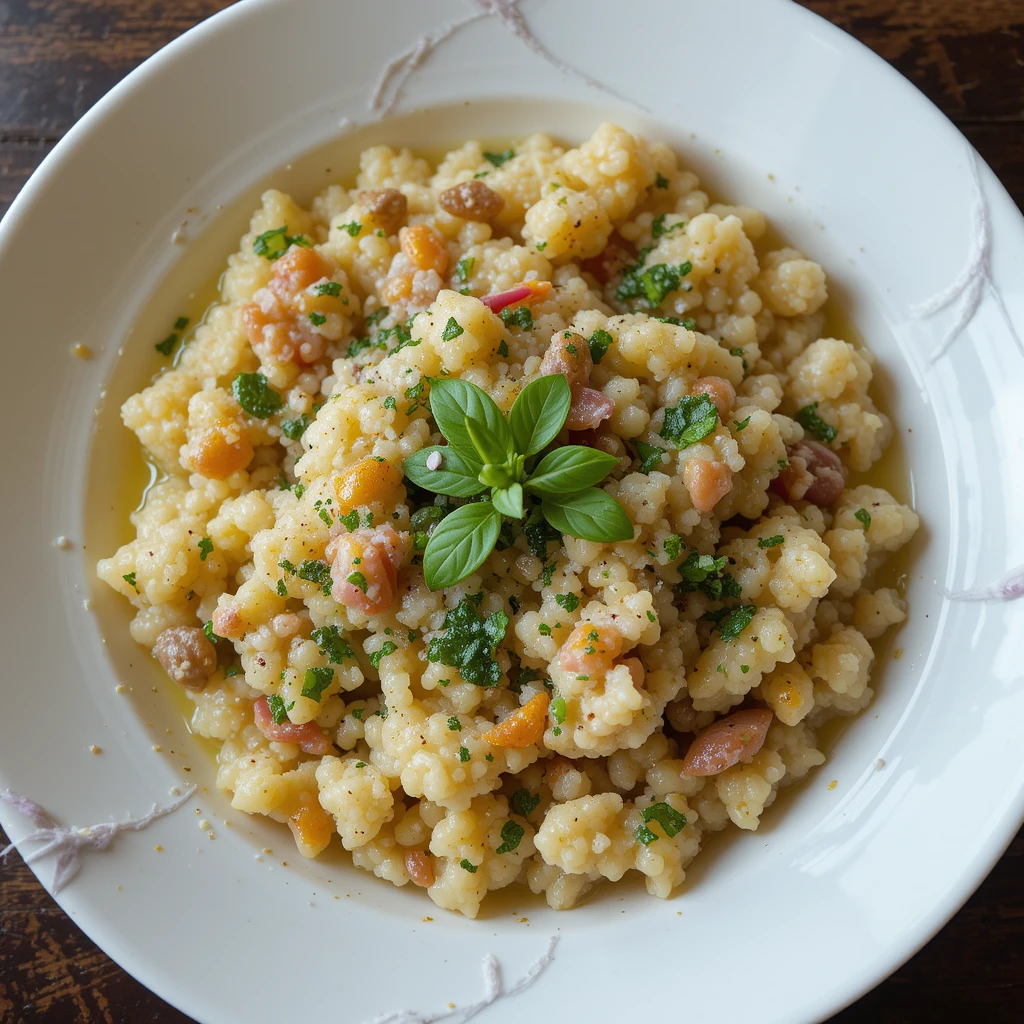
Skradin Risotto
Veal, rice, white wine, herbs
Peka
Meat (lamb or octopus), potatoes, vegetables
Pag Cheese
Sheep milk cheese from nearby Pag Island
FAQs About Krka National Park
1. Can you swim in Krka National Park?
Yes, but only in designated areas. Since 2021, swimming near Skradinski Buk is no longer allowed to preserve the ecosystem.
2. How long does it take to explore Krka National Park?
A half-day visit (4-5 hours) covers the main attractions, but a full-day visit allows for a more relaxed experience.
3. Is Krka National Park wheelchair accessible?
Yes, but some trails have uneven terrain. The Skradinski Buk boardwalk is the most accessible part of the park.
4. What should I bring to Krka National Park?
Comfortable shoes for walking
Swimsuit and towel for swimming
Sunscreen and hat for sun protection
Camera to capture stunning views
Why You Should Visit Krka National Park
Krka National Park isn’t just a beautiful destination—it’s an immersive experience that connects you with nature, history, and adventure. From its breathtaking waterfalls and diverse wildlife to its rich cultural heritage, this park offers something for everyone.
Call to Action: Plan Your Visit Today!
Are you ready to explore Krka National Park? Whether you’re a nature enthusiast, a history lover, or an adventure seeker, this park offers an unforgettable journey. Start planning your trip today and experience the magic of Krka National Park for yourself!
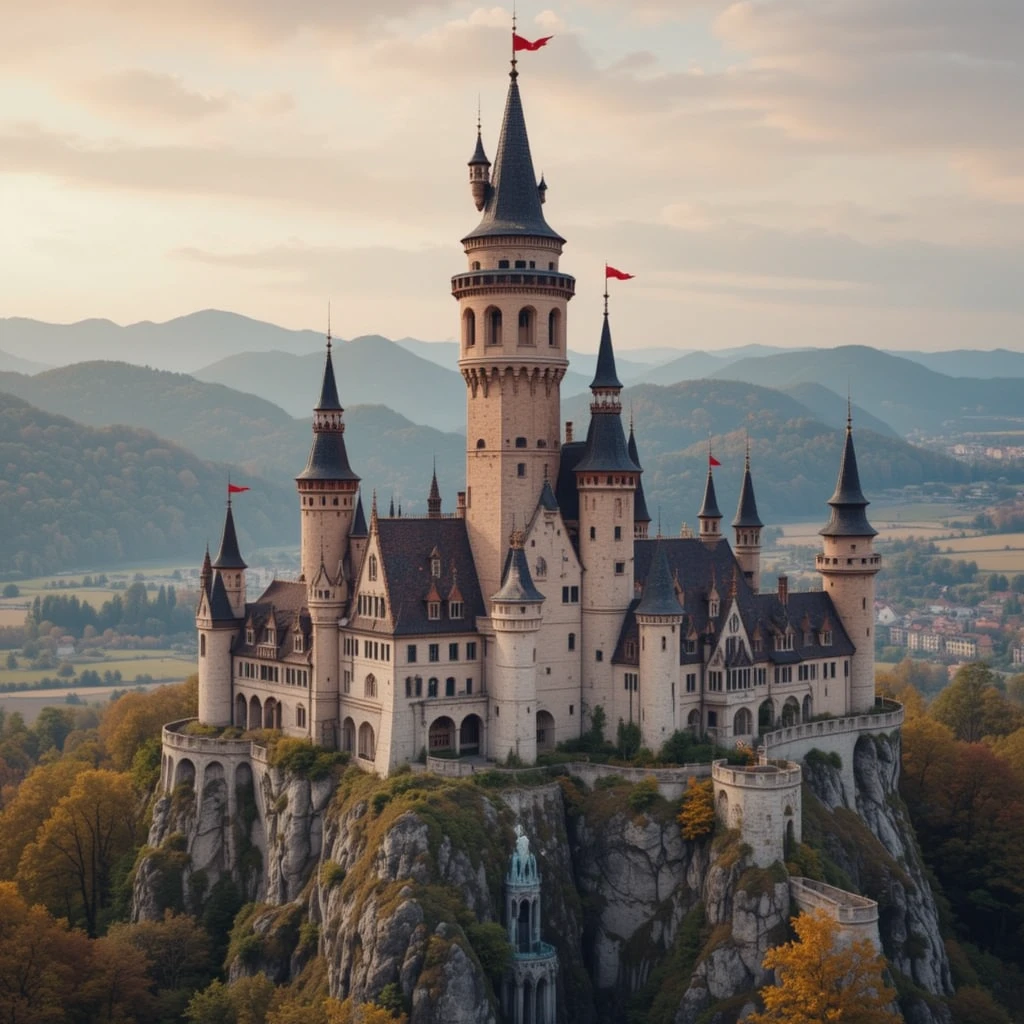
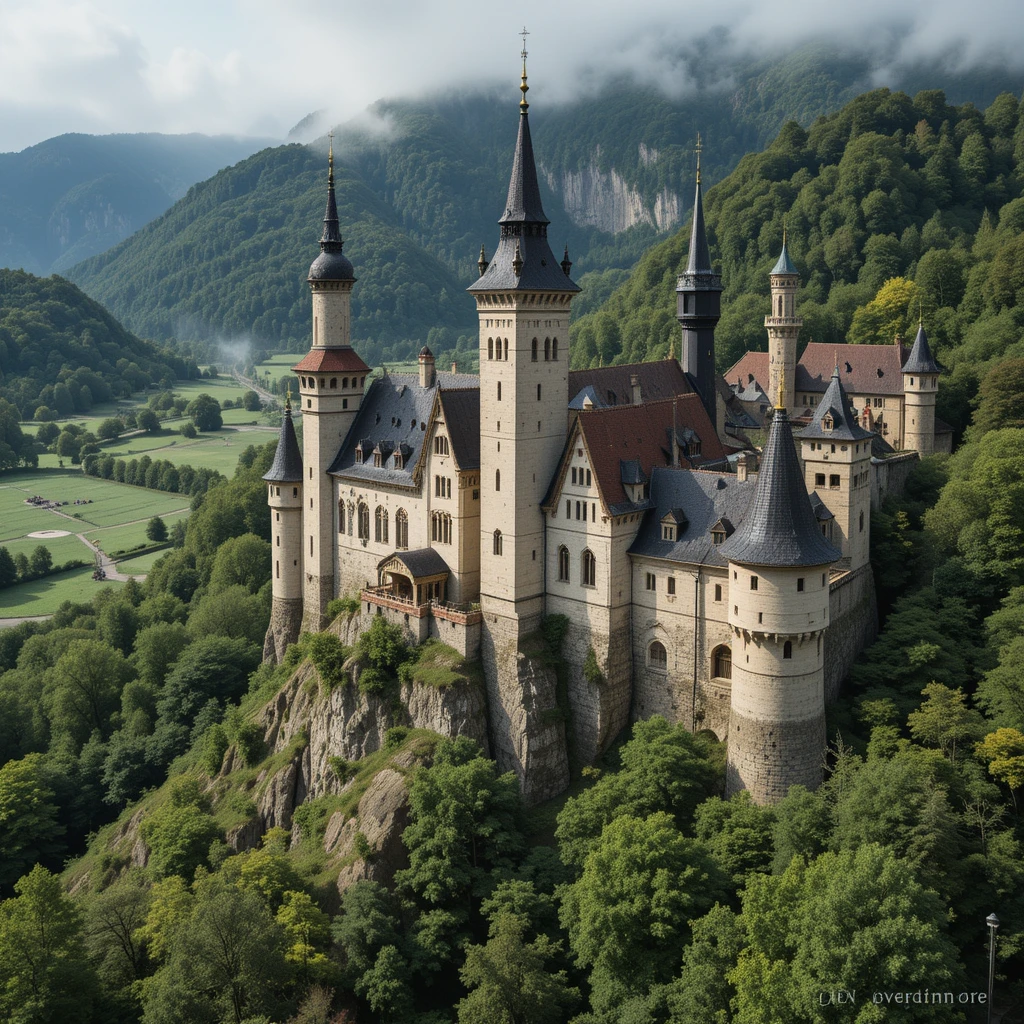
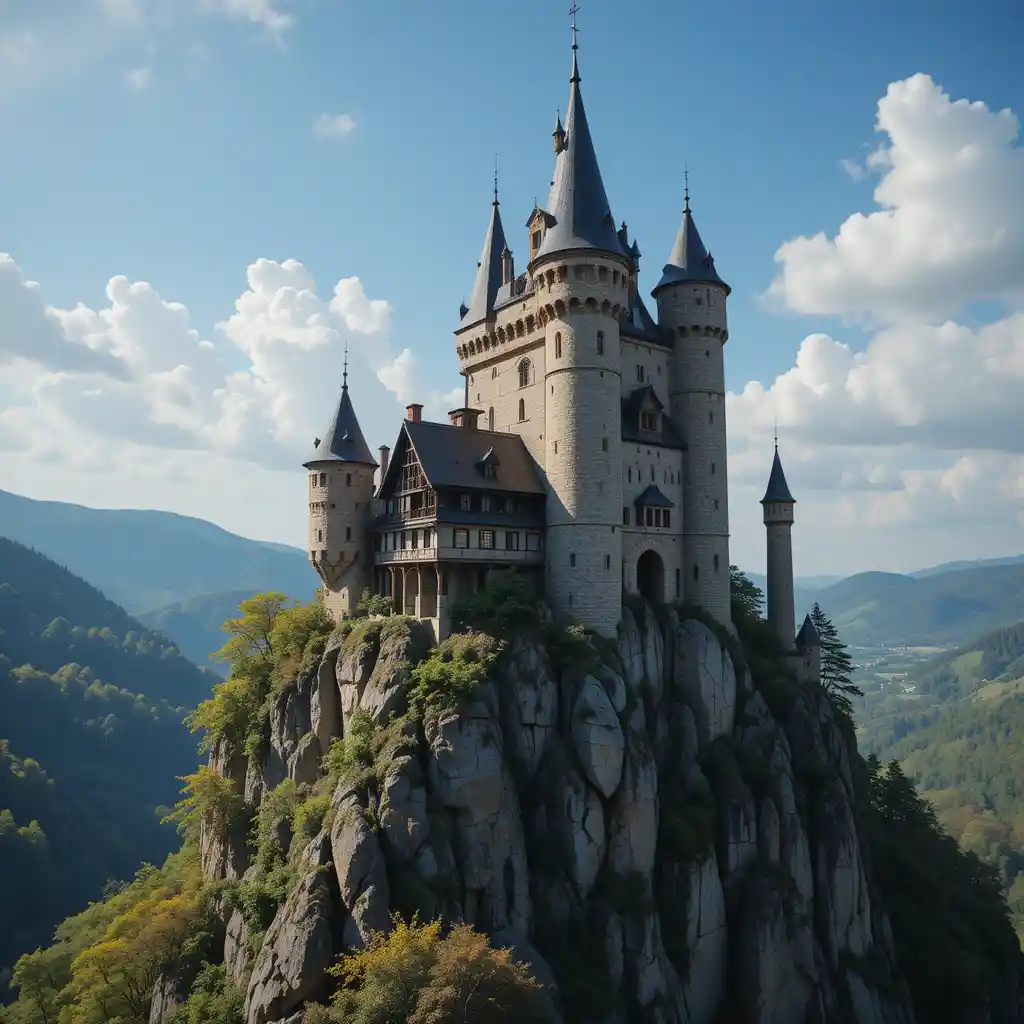
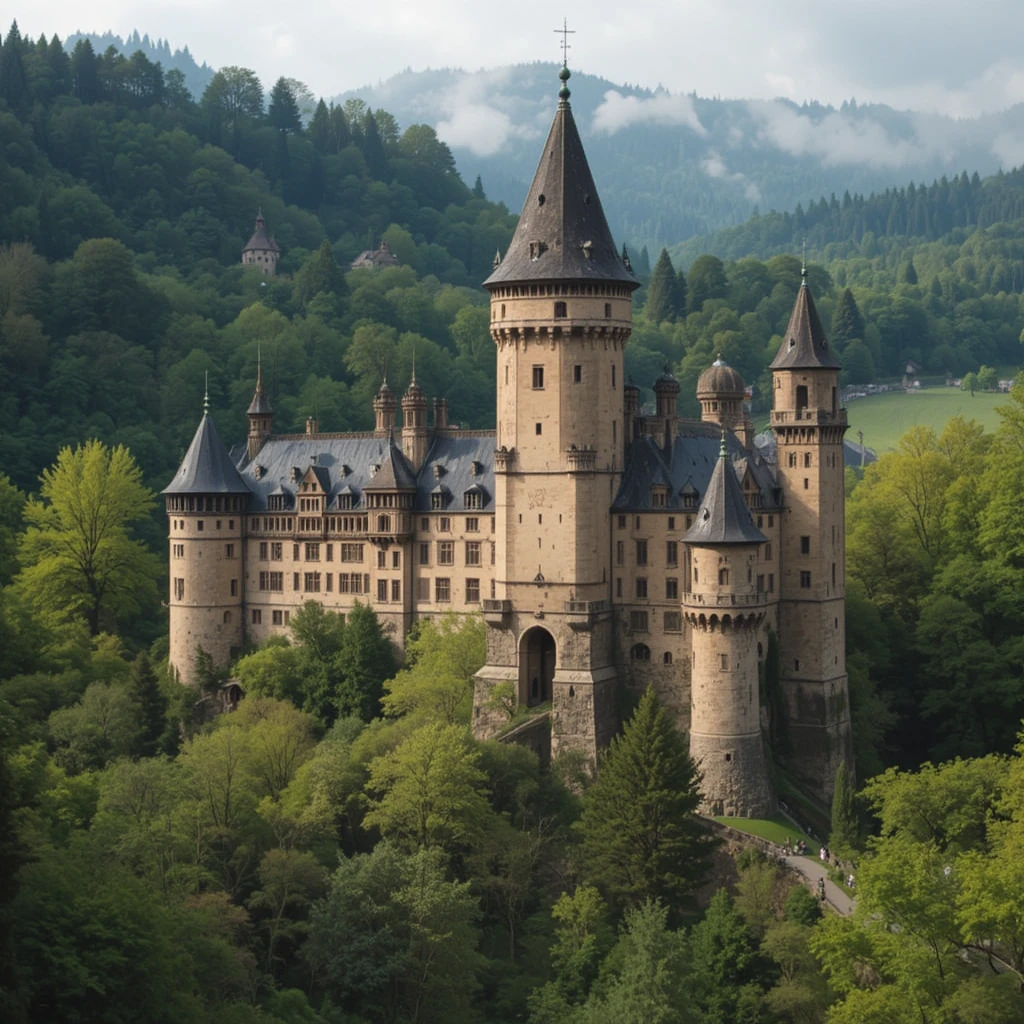
Perched dramatically on Alpine peaks, nestled among verdant forests, or rising spectacularly from mist-shrouded lakes Germany’s enchanting castles seem torn directly from the pages of childhood storybooks. These architectural marvels have captivated travelers for centuries, becoming the physical embodiment of our collective fairy tale dreams.
When Dreams Meet Stone and Mortar
Have you ever rounded a bend on a winding German road only to gasp at the sight of a magnificent castle seemingly suspended between earth and sky? That singular moment when childhood wonder collides with architectural majesty leaves an indelible mark on your soul. During my first journey through Bavaria, I watched fellow travelers hardened adults with mortgages and responsibilities transform into wide-eyed children as Neuschwanstein Castle emerged through the morning mist.
Germany’s fairytale castles aren’t simply historical structures of stone and mortar; they’re tangible gateways to realms of imagination that most of us reluctantly abandoned in childhood. These enchanting monuments have whispered inspiration to generations of storytellers, including Walt Disney himself, who famously modeled his iconic castle logo after these Bavarian treasures.
Whether you’re planning your maiden voyage to these magical sites or seeking to deepen your appreciation before a return trip, the spellbinding allure of these castles promises to transport you beyond mere tourism into a genuine adventure.
Germany’s castle landscape evolved dramatically over seven centuries, reflecting changing military needs, political climates, and artistic sensibilities. What began as practical defensive fortifications gradually transformed into lavish statements of wealth, power, and artistic vision.
12th-14th centuries: Defensive structures dominated castle architecture, featuring thick walls, minimal windows, and strategic hilltop positions to guard against invaders
15th-16th centuries: As gunpowder revolutionized warfare, castles began incorporating artillery bastions while simultaneously featuring more comfortable residential quarters
17th-18th centuries: Noble families increasingly transformed austere fortresses into luxurious palaces as military functions diminished
19th century: The Romantic movement sparked renewed interest in medieval aesthetics, inspiring fantastical neo-Gothic reconstructions that prioritized theatrical beauty over historical accuracy
No figure looms larger in the creation of Germany’s most iconic fairytale castles than King Ludwig II of Bavaria (1845-1886), affectionately known as “The Fairytale King” or less charitably as “Mad King Ludwig.” Ascending to the throne at just 18, Ludwig channeled his considerable artistic sensibilities and royal treasury into creating fantastical retreats that intentionally evoked theatrical dreamscapes rather than practical residences.
While Germany once boasted approximately 25,000 castle sites throughout its territories, many fell victim to war, neglect, or practical repurposing over centuries. Thankfully, those that survived whether as painstakingly preserved time capsules or imaginatively reconstructed tributes continue enchanting millions of annual visitors.
1. Neuschwanstein Castle: The Ultimate Disney Inspiration
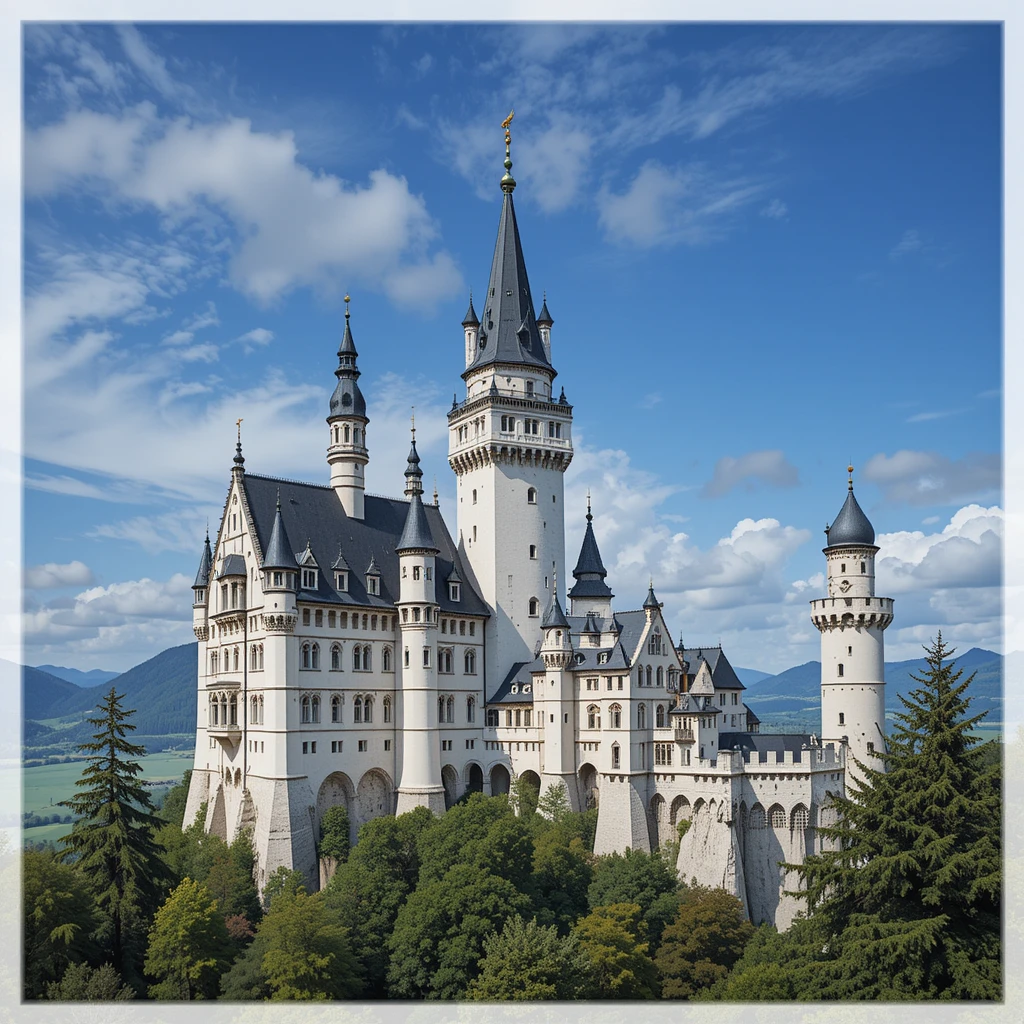
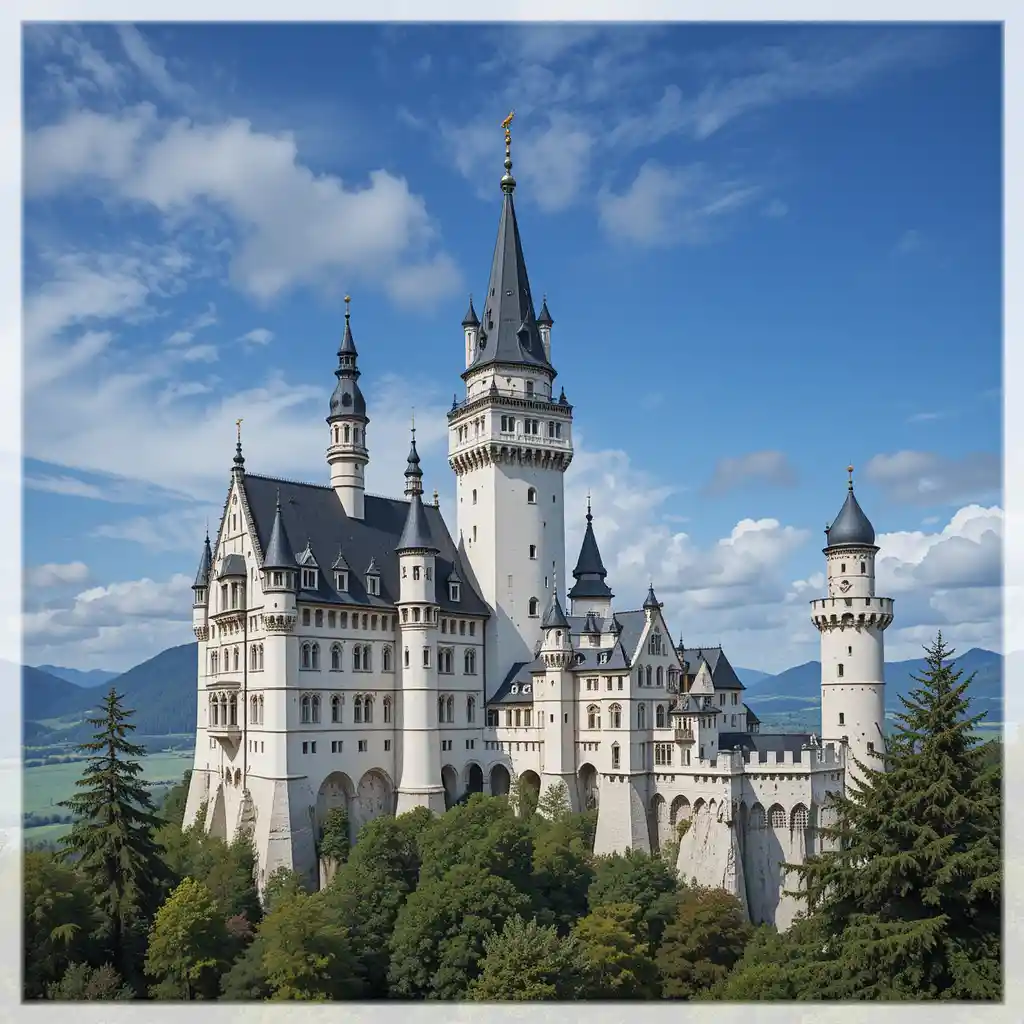
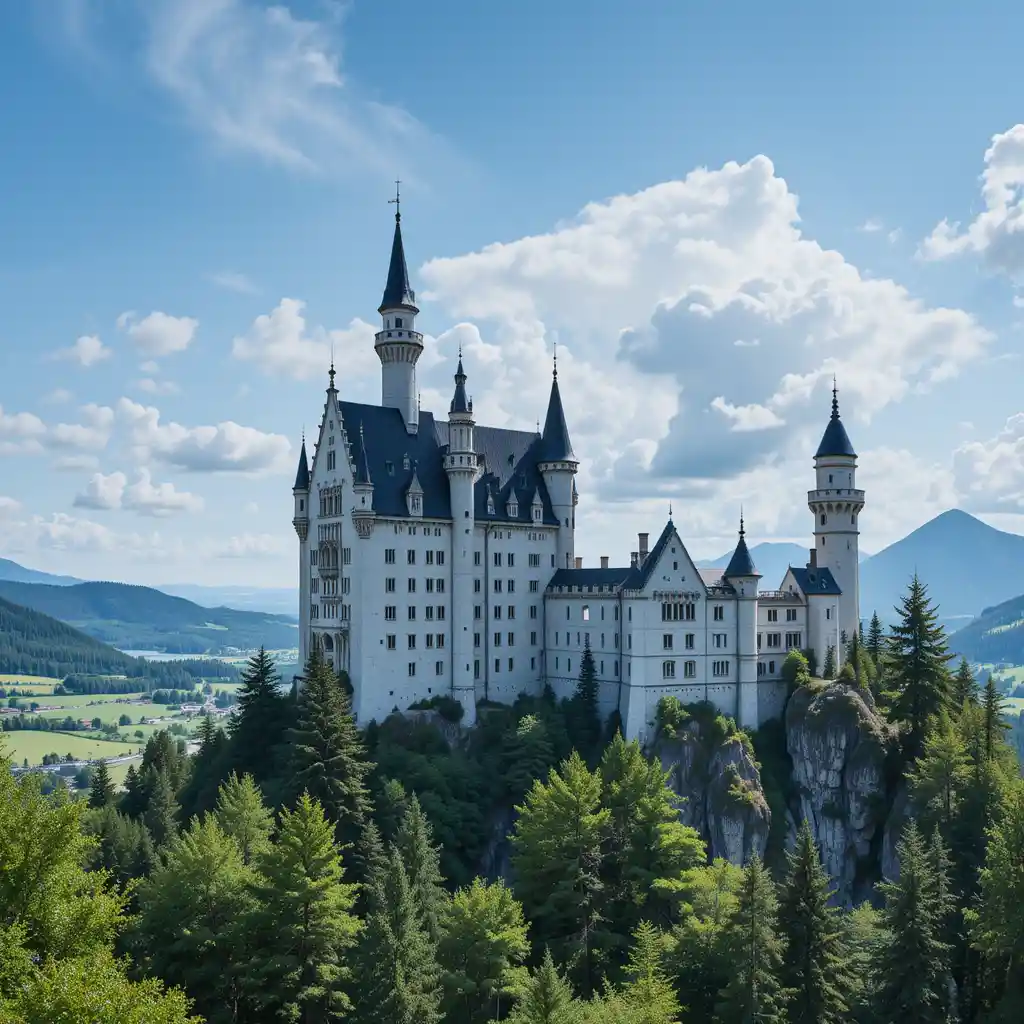
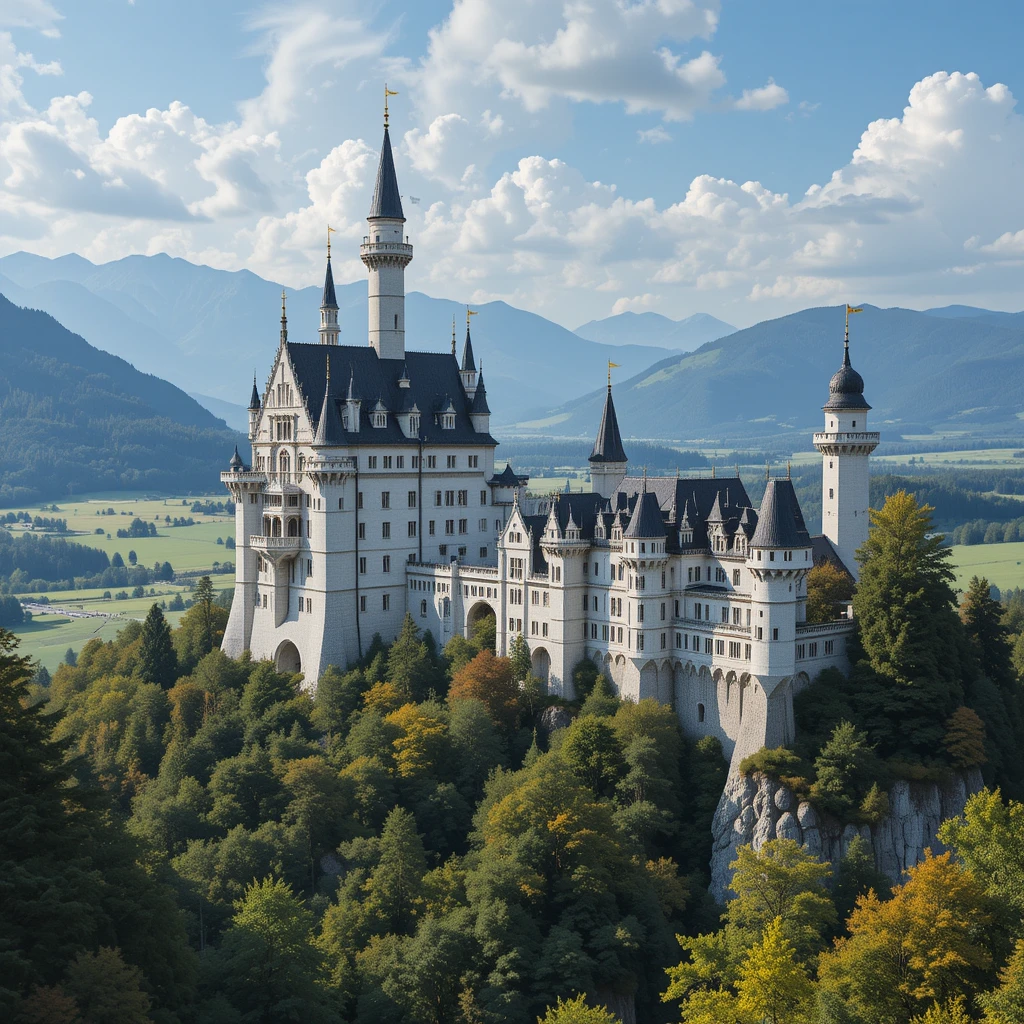
Rising majestically above the Alpine village of Hohenschwangau, Neuschwanstein Castle represents the pinnacle of fairytale architecture and the crown jewel of Ludwig II’s fantastical vision. Constructed between 1869 and 1886, this relatively modern palace intentionally evokes medieval romance while incorporating cutting-edge comforts of its era, including running water, central heating, and telephone lines.
The castle’s impossibly picturesque exterior featuring soaring white limestone towers, turquoise turrets, and dramatic mountain backdrop has made it Germany’s most photographed building and welcomes over 1.4 million visitors annually. Eagle-eyed Disney fans immediately recognize its silhouette as the inspiration for Sleeping Beauty Castle at Disneyland.
For the most breathtaking views, venture beyond the typical tourist paths to Mary’s Bridge (Marienbrücke), which spans a dramatic gorge offering unparalleled castle vistas. While interior photography restrictions limit social media opportunities inside, the ornate Singers’ Hall and Ludwig’s lavishly decorated bedroom prove worth experiencing firsthand.
2. Hohenzollern Castle: The Cloud Castle
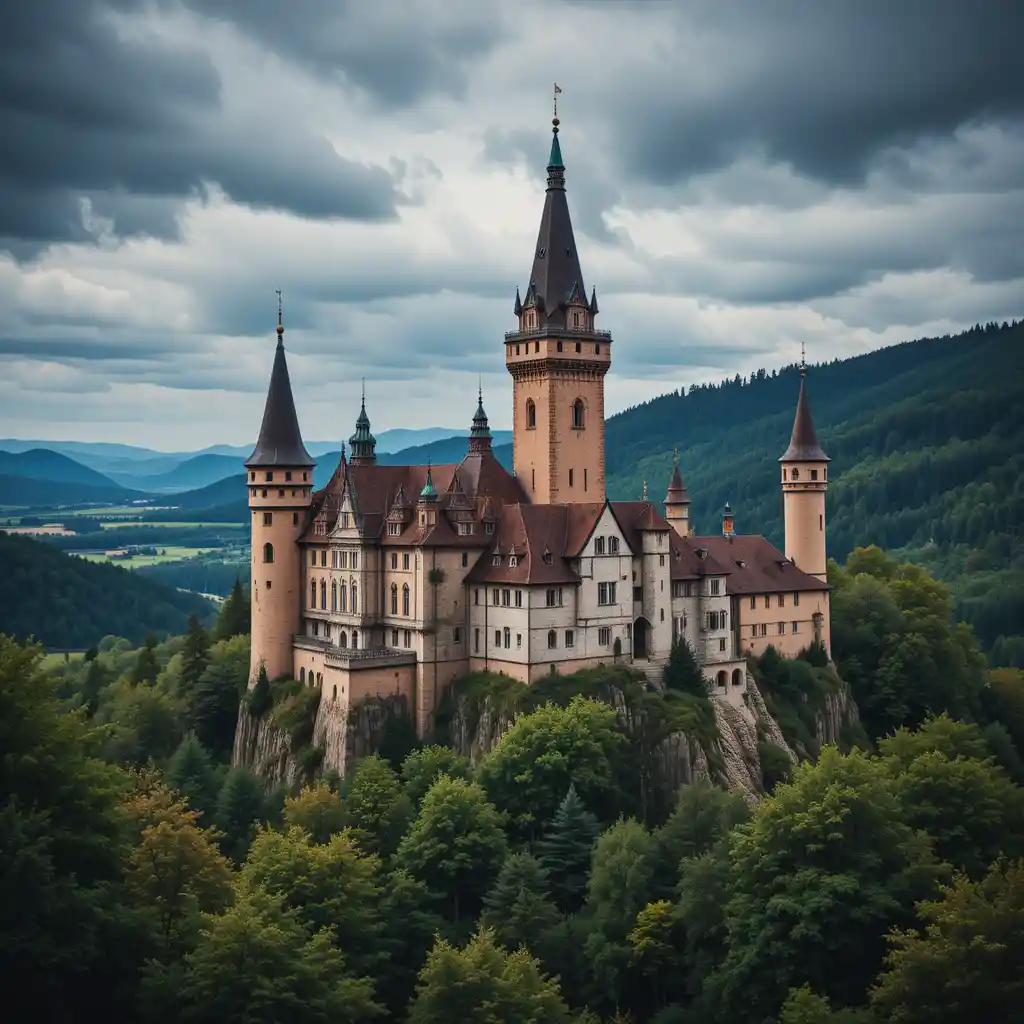
Crowning an isolated 855-meter peak in the Swabian Alps, Hohenzollern Castle seems perpetually adrift in the clouds, earning its reputation as “the castle above the clouds.” The current neo-Gothic structure, completed in the 1850s, represents the third castle built on this strategic site, following predecessors from the 11th and 15th centuries.
Unlike many peers, Hohenzollern maintains connections to living aristocracy as ancestral seat of the Prussian royal house. The castle museum showcases priceless artifacts including Frederick the Great’s personal effects and the Prussian royal crown.
Drone photography reveals Hohenzollern’s perfect star-shaped defensive wall design, while meteorological peculiarities often create a magical sea of clouds surrounding the castle while leaving its towers exposed producing otherworldly photographs that seem plucked from fantasy literature.
3. Burg Eltz: The Medieval Time Capsule
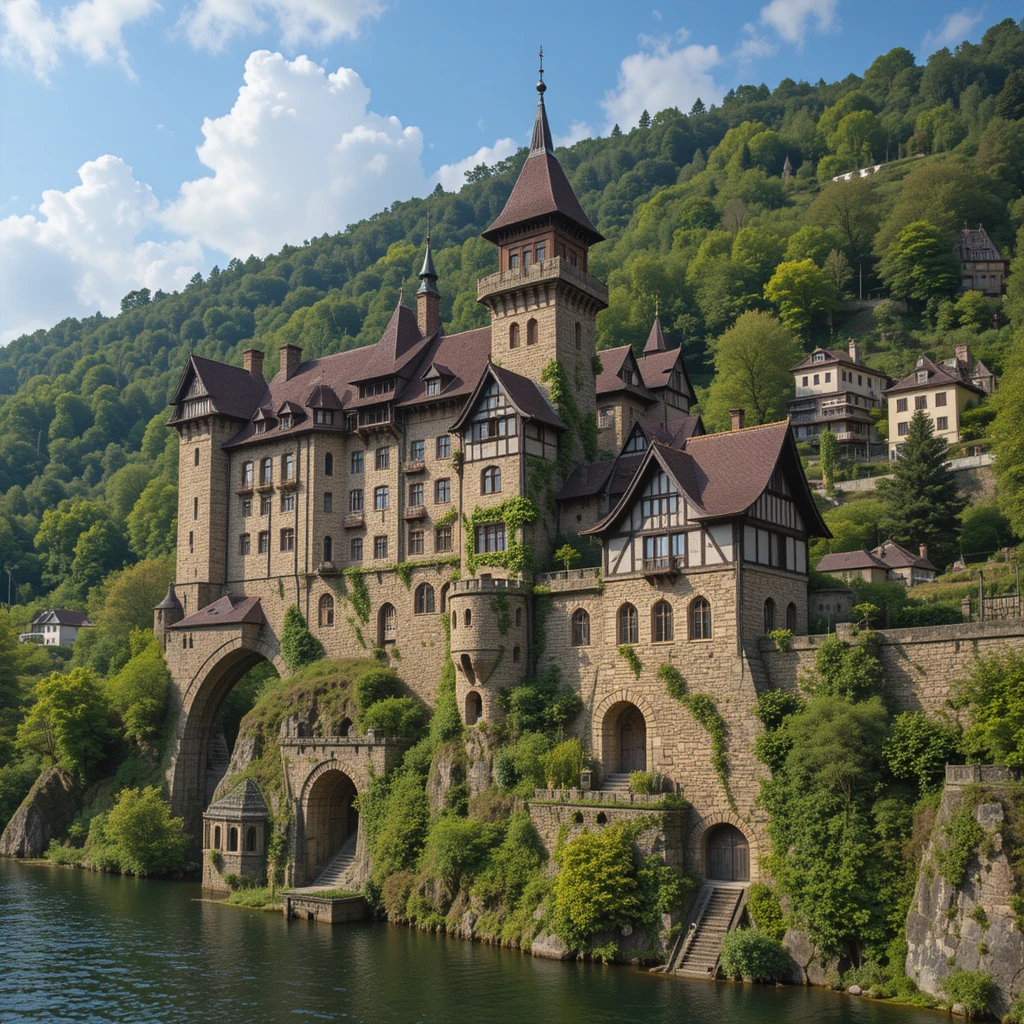
Unlike its reconstructed cousins, Burg Eltz represents authentic medieval architecture miraculously preserved through 800+ years of continuous family ownership. Nestled in a verdant valley rather than perched defensively on high ground, this remarkable castle survived European wars unscathed while its 120 rooms housed multiple branches of the same noble family simultaneously.
Walking through Burg Eltz’s timber-framed courtyard transports you genuinely backward through time rather than into romantic reimaginings. The Treasury exhibits precious metalwork spanning 900 years, while the armory displays medieval weapons contextualizing the castle’s defensive capabilities.
For photography enthusiasts, arrive early morning when mist frequently envelops the forest surrounding the castle, creating ethereal landscapes worthy of Grimm’s fairy tales.
4. Heidelberg Castle: The Romantic Ruin
Not all fairytale castles maintain pristine conditions—sometimes partial destruction creates its own magical aesthetic. Heidelberg Castle exemplifies romantic ruination, its pink sandstone walls partially demolished by lightning strikes, fires, and war during the 17th century.
These atmospheric ruins inspired countless Romantic painters, poets, and writers during the 19th century, cementing Heidelberg’s place in cultural imagination. Despite extensive damage, impressive Renaissance facades remain alongside curiously intact features like the Great Tun
an enormous wine barrel capable of holding 220,000 liters.
Position yourself along the Philosopher’s Walk (Philosophenweg) on the opposite bank of the Neckar River for spectacular panoramic views encompassing castle, old town, and river in one magnificent vista.
5. Lichtenstein Castle: The Fairy Tale Fortress
Dramatically cantilevered over a precipitous cliff edge, diminutive Lichtenstein Castle maximizes visual impact despite modest proportions. Built in the 1840s, this relatively young castle represents literal fiction-to-reality transformation, as its construction was inspired by Wilhelm Hauff’s popular novel “Lichtenstein.”
Lichtenstein exemplifies Romantic-era castle building at its most theatrical, prioritizing dramatic appearance over historical authenticity or practical function. Its precarious position creates unforgettable silhouettes against southern German landscapes, especially during sunrise when golden light bathes its Neo-Gothic towers.
The castle’s compact dimensions make it quickly accessible for travelers with limited time, while relatively modest visitor numbers ensure more intimate experiences than at Bavaria’s more famous attractions.
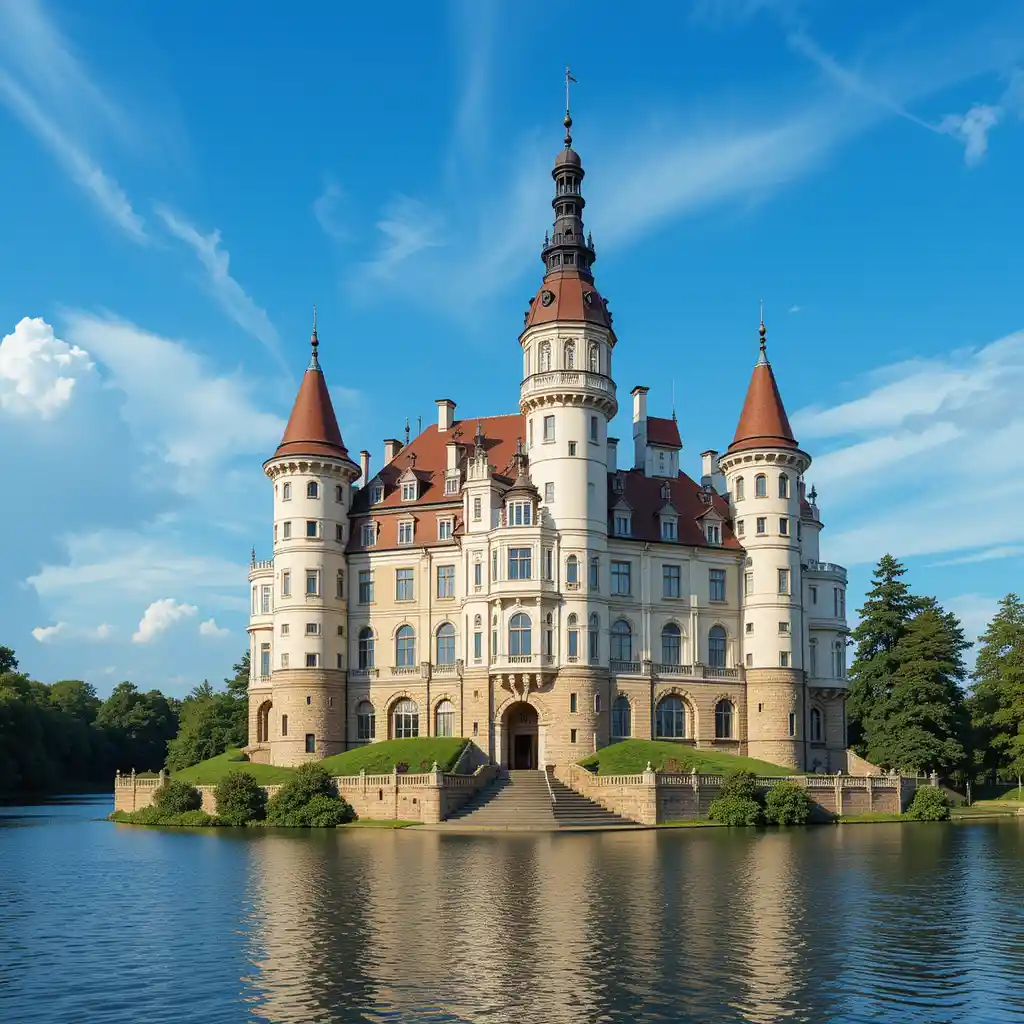
6. Schwerin Castle: The Island Palace
Rising dramatically from an island in Lake Schwerin, this multi-towered palace crowned with golden domes seems transported from Slavic fairy tales rather than Germanic traditions. Serving historically as ducal residence for Mecklenburg rulers, today’s structure primarily dates to 19th-century reconstruction incorporating earlier medieval elements.
According to persistent local legend, Schwerin Castle shares space with a benevolent ghostly guardian named “Petermännchen” who protects the palace while occasionally playing tricks on disrespectful visitors. The surrounding gardens utilize the lakeside setting magnificently, creating mirror-like reflections that double the castle’s visual impact.
Contemporary visitors appreciate Schwerin’s accessibility unlike remote mountain castles requiring strenuous climbs, this palace connects easily to the charming eponymous town via a short bridge.
7. Cochem Imperial Castle: The Moselle Valley Gem
Commanding breathtaking views over the serpentine Moselle River and surrounding vineyards, Cochem Castle represents historical resilience through destruction and rebirth. Originally constructed around 1000 AD, the medieval fortress lay in ruins for centuries following French destruction in 1689, until Berlin businessman Louis Ravené purchased and reconstructed it between 1868-1877.
This reconstruction embraced neo-Gothic fantasy rather than archaeological accuracy, creating the romanticized silhouette visible today. Modern visitors particularly enjoy interactive experiences including medieval banquets featuring period-appropriate cuisine, costumes, and entertainment.
Wine enthusiasts appreciate Cochem’s position amid Germany’s steep-sloped Moselle vineyards, allowing castle visits to incorporate regional Riesling tastings for complete cultural immersion.
8. Wernigerode Castle: The Colorful Harz Mountain Palace
Distinguished by asymmetrical towers and half-timbered sections in striking white-and-red color schemes, Wernigerode Castle brings storybook illustrations to three-dimensional life. This northern German treasure evolved from medieval hunting lodge to baroque residence, ultimately receiving romantic flourishes during 19th-century renovations.
Wernigerode’s distinctive silhouette has attracted numerous film and television productions seeking fairytale backdrops, most famously appearing in “The Little Witch” (Die Kleine Hexe).
The castle’s position overlooking the Harz Mountain region connects it with rich folklore traditions including witchcraft legends and Germanic mythology, creating fascinating cultural context beyond architectural appreciation.
9. Hohenschwangau Castle: Neuschwanstein’s Often Overlooked Neighbor
While millions flock to neighboring Neuschwanstein, many visitors overlook Ludwig II’s childhood home standing just across the valley. Constructed by his father Maximilian II between 1832-1837, Hohenschwangau’s warm yellow exterior and comprehensive furnishings offer complementary experiences to its more famous counterpart.
The castle’s elaborately painted interiors tell stories through murals depicting Germanic legends including Lohengrin and the Swan Knight—tales that profoundly influenced young Ludwig’s imagination and later architectural projects.
Savvy travelers visit both castles sequentially to understand the architectural progression and personal history connecting these neighboring structures. Combined tickets offer savings, while chronological visits provide meaningful narrative context enhancing appreciation of both sites.
Planning Your German Fairytale Castle Tour
Best Seasons to Visit Germany’s Enchanting Castles
Each season transforms Germany’s fairytale castles through distinct atmospheric conditions, visitor patterns, and surrounding landscapes:
Spring (April-May): Emerging greenery and wildflowers provide vibrant backgrounds while moderate temperatures and pre-summer crowds create balanced visitor experiences
Summer (June-August): Peak tourist season brings extended opening hours and special events alongside higher temperatures and maximum visitor numbers
Autumn (September-October): Spectacular foliage frames castles in gold and crimson while thinning crowds improve experience quality
Photographers particularly treasure winter conditions when Neuschwanstein achieves its most magical appearance surrounded by snow-laden Alpine landscapes. However, weather unpredictability demands flexible itineraries during colder months.
Special seasonal events include Christmas markets at Heidelberg Castle, summer concerts in castle courtyards, and autumn wine festivals near Rhine and Moselle valley castles.
Transportation and Castle Routes
Germany’s well-established tourism infrastructure offers multiple approaches to castle exploration:
The Romantic Road: This 350km route between Würzburg and Füssen connects multiple fairytale castles including Neuschwanstein via picturesque villages and medieval towns
The Castle Road: Stretching 770km from Mannheim to Prague, this alternative route encompasses over 70 castles including Heidelberg
Regional Clusters: Bavaria, Rhine Valley, and Moselle Valley each offer concentrated castle experiences minimizing transit time
While public transportation reaches major castles, rental vehicles provide maximum flexibility for reaching remote locations. Consider centralized accommodations in towns like Füssen or Heidelberg for day-trip access to multiple sites.
For those preferring structured experiences, numerous tour operators offer castle-focused packages ranging from single-day excursions to comprehensive multi-week itineraries.
Accommodation Options for Your Magical Journey
Extend your fairytale experience beyond daylight hours by selecting atmospheric lodgings:
Castle Hotels: Properties like Castle Hotel Auf Schönburg and Schloss Lieser offer authentic overnight castle experiences with modernized comforts
Historic Town Accommodations: Medieval towns surrounding major castles frequently feature characterful accommodations in centuries-old buildings
Budget-conscious travelers benefit from booking accommodations in secondary towns connected to castle sites by public transportation rather than immediately adjacent tourist centers.
Regardless of accommodation category, advance reservations prove essential during summer months when demand consistently exceeds capacity throughout popular castle regions.
Experiencing Castle Culture: Beyond the Architecture
Castle Festivals and Special Events
Germany’s calendar brims with castle-centered celebrations enhancing visitor experiences:
Medieval Festivals: Costumed reenactments bring historical periods alive through tournaments, craft demonstrations, and period music
Classical Concerts: Atmospheric castle courtyards and halls host performances ranging from chamber music to full orchestras
Seasonal Markets: Christmas markets transform castle grounds during December with traditional crafts, food, and mulled wine
Particularly noteworthy annual events include Heidelberg Castle Illuminations combining fireworks with historical commemorations and Kaltenberg Knights’ Tournament featuring Europe’s largest medieval joust.
Checking castle websites before travel allows incorporating these special events into itineraries, sometimes justifying schedule adjustments to experience castles during their most vibrant periods.
Dish TypeCommon IngredientsRegional VariationsAppetizersSmoked meats, local cheeses, pickled vegetablesBavarian pretzels, Black Forest hamMain CoursesWild game, pork, freshwater fishSauerbraten, Schweinshaxe, ForelleSide DishesDumplings, potatoes, cabbage preparationsSpätzle, Knödel, SauerkrautDessertsFruit-based pastries, custardsBlack Forest cake, apple strudelBeveragesRegional wines, beers, fruit brandiesRiesling, Wheat beer, Schnapps
Castle restaurants range from touristy cafés to genuine culinary destinations. Standouts include Neuschwanstein’s Schlossrestaurant Neuschwanstein featuring traditional Bavarian fare and Burg Satzvey’s medieval-themed banquets incorporating period-appropriate dining customs.
Wine enthusiasts particularly appreciate castle visits throughout Rhine and Moselle valleys where centuries-old viticulture traditions continue producing distinctive wines often served in castle restaurants with spectacular vineyard views.
Specific recommended viewpoints include Marienbrücke for Neuschwanstein, Philosophers’ Walk for Heidelberg Castle, and hiking trails surrounding Hohenzollern for atmospheric “castle above clouds” compositions.
Drone photography regulations vary by location—Neuschwanstein strictly prohibits drones while more remote castles sometimes permit controlled flights following permit acquisition.
Editing Techniques for Magical Castle Photography
Post-processing transforms good castle photographs into exceptional images:
Enhance atmospheric conditions by adjusting clarity, dehaze, and contrast
Apply selective color adjustments emphasizing architectural elements against natural backgrounds
Utilize graduated filters balancing brightness between sky and castle facades
Consider subtle HDR techniques preserving details in both shadows and highlights without creating artificial appearances
Mobile photographers achieve impressive results using applications like Snapseed and Lightroom Mobile offering sophisticated adjustment capabilities without requiring professional equipment.
When sharing castle photography, specific hashtags like #germancastles, #fairytalecastle and #neuschwanstein connect your images with engaged communities sharing similar interests.
The Cultural Impact of Germany’s Fairytale Castles
Literary and Artistic Inspirations
Germany’s castles have profoundly influenced cultural expressions across centuries:
Grimm Brothers’ fairy tales feature castles prominently as settings for iconic stories
19th-century Romantic painters including Caspar David Friedrich captured atmospheric castle scenes
Richard Wagner’s operas draw heavily from castle-centered mythology, particularly at venues like Wartburg Castle
Modern filmmakers regularly utilize German castles for productions ranging from historical dramas to fantasy adventures
Beyond direct representations, these structures conceptually influenced countless creative works, perhaps most famously informing Disney’s animated aesthetic establishing castle silhouettes as universal symbols of magic and wonder.
Contemporary visitors frequently describe experiencing “déjà vu” when approaching famous castles—recognizing silhouettes from childhood films despite never having physically visited previously.
Preservation Efforts and Future Challenges
Maintaining these architectural treasures demands enormous resources and creative solutions:
Rising visitor numbers threaten physical structures through wear while simultaneously providing necessary funding
Climate change introduces unprecedented preservation challenges including increased rainfall, temperature fluctuations, and extreme weather events
Digital preservation initiatives create three-dimensional records ensuring architectural knowledge survives regardless of physical structure fates
Sustainable tourism models attempt balancing access with conservation through timed entries, visitor limits, and educational components
Supporting castle preservation occurs through direct donation opportunities, responsible visitor practices, and participation in “adopt-a-stone” programs allowing individuals to contribute meaningfully toward specific restoration projects.
Conclusion: Finding Your Own Fairytale
In an era where authentic wonder becomes increasingly rare, Germany’s fairytale castles offer something precious—tangible connections to collective imagination and architectural ambition. These magnificent structures embody human creativity’s highest aspirations, transforming defensive necessity into artistic expression across centuries.
As you plan your journey through Germany’s enchanted landscapes, remember these castles offer more than mere photo opportunities. Each tower, turret, and great hall invites personal connection with historical narratives while simultaneously inspiring your individual imagination.
Whether marveling at Neuschwanstein’s soaring spires, exploring Burg Eltz’s medieval chambers, or watching sunset transform Heidelberg’s ruins, your castle experiences become chapters in an ongoing story—one now including you. Which spectacular castle will begin your fairytale adventure?
FAQ About Fairytale Castles in Germany
Are Germany’s fairytale castles real castles or palaces?
Many of Germany’s fairytale castles technically qualify as “Schlösser” (palaces) rather than defensive “Burgen” (castles). Neuschwanstein exemplifies this distinction, built during the 19th century as a romantic retreat without military purpose. However, both categories contribute to Germany’s magnificent collection of fairytale structures captivating millions annually.
Which fairytale castle in Germany inspired Disney?
Neuschwanstein Castle in Bavaria stands as the primary German fairytale castle inspiring Disney’s Sleeping Beauty Castle. Its distinctive silhouette, featuring romantic towers against Alpine backdrops, established the template for fantasy castle architecture worldwide.
Can you stay overnight in any fairytale castles in Germany?
While famous showpieces like Neuschwanstein prohibit overnight stays, numerous historic German castles welcome guests as luxury hotels. Notable castle accommodations include Schloss Lieser in Moselle Valley, Burg Colmberg in Franconia, and Castle Hotel Auf Schönburg overlooking the Rhine.
What is the best time of year to visit fairytale castles in Germany?
Spring (April-May) and early autumn (September-October) offer ideal conditions combining comfortable temperatures with modest crowd levels. These shoulder seasons provide either blooming landscapes or spectacular fall colors depending on timing, while avoiding summer tourist congestion.
How many fairytale castles are there in Germany?
Germany boasts approximately 25,000 castles and castle ruins throughout its territories, with several dozen qualifying as “fairytale castles” through romantic architecture and storybook appearances. Famous examples include Neuschwanstein, Hohenzollern, Burg Eltz, and Lichtenstein Castle.
Are Germany’s fairytale castles accessible to people with mobility challenges?
Accessibility varies significantly between castle properties due to historical construction and preservation requirements. Neuschwanstein offers limited wheelchair accessibility through specific entrances, while Schwerin Castle provides more comprehensive accommodations. Always verify specific accessibility options through official castle websites before visiting.
How long does it take to tour a typical fairytale castle in Germany?
Comprehensive castle tours typically require 1-2 hours for interior exploration, while larger complexes like Heidelberg Castle might demand half-day visits including grounds and museums. Factor additional time for photography, relaxation in castle gardens, and meals at on-site restaurants.
Montego Bay, often called “MoBay,” is a dream destination for travelers seeking crystal-clear waters, vibrant culture, and breathtaking landscapes. Whether you’re looking for adventure, relaxation, or culinary delights, this Jamaican hotspot has something for everyone.
The Wexford Hotel – Ideal for solo travelers and families
Best Time to Visit Montego Bay
Season
Weather
Activities
Winter (Dec-Apr)
Warm, dry
Best for beach activities and festivals
Summer (May-Oct)
Hot, humid
Ideal for budget travelers, off-peak discounts
Fall (Nov)
Mild, occasional rain
Fewer crowds, great for relaxation
Jamaican Recipe: Authentic Jerk Chicken
Ingredients:
Ingredient
Quantity
Chicken (whole or pieces)
2 lbs
Jerk seasoning
3 tbsp
Garlic (minced)
2 cloves
Scotch bonnet pepper
1 (chopped)
Thyme (fresh)
1 tbsp
Allspice
1 tsp
Soy sauce
2 tbsp
Lime juice
2 tbsp
Instructions:
Mix all ingredients in a bowl.
Rub seasoning onto chicken and marinate for at least 4 hours.
Grill over medium heat until fully cooked.
Serve hot with rice and peas.
FAQs About Montego Bay
1. What is the best way to get around Montego Bay?
Taxis, car rentals, and tour buses are the most convenient options. Public minibuses are available but less reliable.
2. Is Montego Bay safe for tourists?
Yes, but travelers should take standard precautions. Stick to tourist areas and avoid isolated places at night.
3. What currency is used in Montego Bay?
The Jamaican Dollar (JMD) is the local currency, but US dollars are widely accepted.
4. What should I pack for my trip?
Pack light clothing, swimsuits, sunscreen, and insect repellent. Comfortable walking shoes are recommended.
5. Can I visit Montego Bay on a budget?
Yes! Opt for budget hotels, eat at local spots, and use public beaches to save money.
Montego Bay is the perfect blend of adventure, relaxation, and culture. Whether you’re planning a romantic getaway or a family vacation, this Jamaican paradise offers an unforgettable experience.
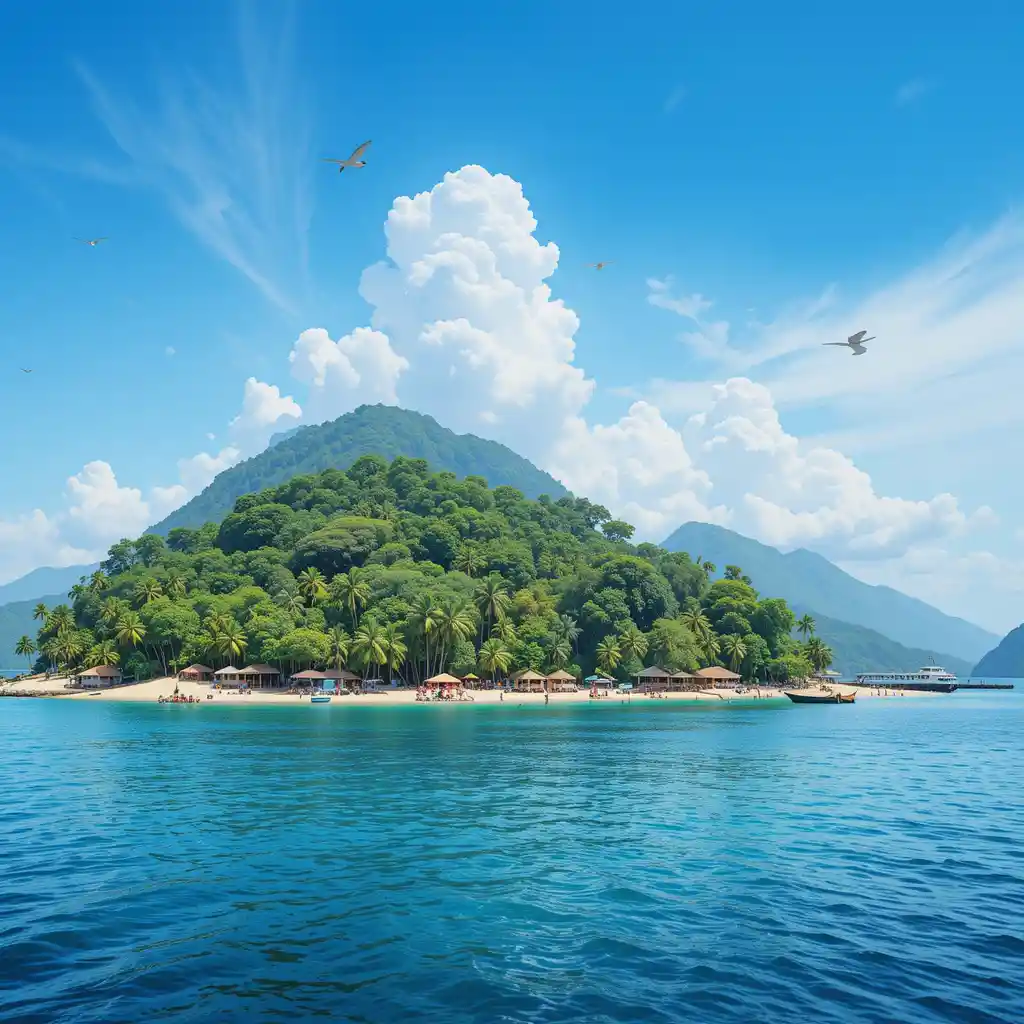
Nestled in the Andaman Sea, Île de Koh Lading is a breathtaking tropical haven waiting to be explored. If you’re craving an escape from the usual tourist hotspots, this serene island delivers an unmatched experience with its pristine beaches, turquoise waters, and thriving marine biodiversity. Whether you’re an adventurer, nature lover, or simply in search of tranquility, Koh Lading offers an unforgettable getaway.
Reaching this paradise is an adventure in itself. You can choose from several options depending on your starting point:
Long-tail boats from Ao Nang, Krabi (budget-friendly and scenic)
Private speedboats from Phuket or Koh Yao Noi (faster and more comfortable)
Organized tours that include snorkeling and sightseeing stops
Best Time to Visit
Timing is everything when planning your dream getaway. The best months to visit Koh Lading are:
November to April: Expect warm, sunny weather with calm waters—ideal for beach lovers.
May to October: Fewer tourists, but be prepared for occasional rain showers and rougher seas.
Top Attractions on Île de Koh Lading
1. Stunning Beaches
Golden sands, crystal-clear waters, and dramatic limestone cliffs make Koh Lading’s beaches an absolute paradise. You can sunbathe, take a refreshing dip, or simply soak in the mesmerizing views.
2. Snorkeling and Marine Life
The island boasts a vibrant underwater ecosystem, making it a haven for snorkelers. Dive into the crystal waters and encounter:
Colorful coral reefs
Tropical fish like clownfish and parrotfish
Occasionally, graceful sea turtles gliding by
3. Kayaking Through Hidden Lagoons
For a more immersive experience, rent a kayak and navigate the island’s secret lagoons. You’ll paddle through:
Mangrove forests teeming with life
Hidden caves with awe-inspiring rock formations
Tranquil waters perfect for a peaceful escape
4. Bird Watching and Wildlife
Nature enthusiasts will love the island’s rich biodiversity. Keep an eye out for:
Exotic birds like hornbills and kingfishers
Monitor lizards basking in the sun
Unique tropical plants thriving in the untouched landscape
What to Pack for Your Trip
Preparing well ensures a smooth experience. Here’s a checklist of essentials:
Light, breathable clothing to stay cool in the tropical heat
Snorkeling gear if you prefer using your own equipment
Waterproof camera to capture stunning landscapes
Reef-safe sunscreen to protect marine life
Cash since small islands may not have ATMs
Best Local Food to Try
No trip to Thailand is complete without indulging in its mouthwatering cuisine. Near Koh Lading, you can enjoy:
Dish
Description
Pad Thai
Stir-fried noodles with shrimp, tofu, peanuts, and lime
Tom Yum
A spicy and tangy shrimp soup infused with lemongrass
Mango Sticky Rice
Sweet, coconut-flavored sticky rice paired with ripe mango
Grilled Seafood
Freshly caught fish, prawns, and squid, char-grilled to perfection
Rayavadee Krabi – A 5-star beachfront resort offering private villas
Six Senses Yao Noi – A secluded retreat with breathtaking ocean views
Budget-Friendly Stays
Ao Nang Cliff View Resort – Affordable, with beautiful jungle surroundings
Chill Out Bungalows – An eco-friendly option for nature lovers
FAQs About Île de Koh Lading, Thaïlande
Is Île de Koh Lading good for families?
Absolutely! The calm waters and soft beaches make it a perfect destination for families with children.
Do I need a visa to visit Thailand?
Visitors from many countries can enter visa-free for up to 30 days. Check the latest travel regulations before your trip.
Are there restaurants on Île de Koh Lading?
No, but you can bring food or dine at nearby islands that have excellent seafood restaurants.
Can I camp on Île de Koh Lading?
Camping is not permitted, but there are plenty of overnight accommodations on nearby islands.
Final Thoughts
Île de Koh Lading, Thaïlande is a hidden treasure that offers serenity, adventure, and natural beauty. Whether you’re a nature lover, an adventure seeker, or someone looking for relaxation, this island has something for everyone. Plan your trip today and experience the magic of Thailand’s untouched paradise!
Ready to explore Île de Koh Lading? Start planning your dream vacation today!
Imagine stepping into a place where nature paints the water in seven breathtaking shades of blue. That’s exactly what awaits you at Bacalar Lagoon, a pristine paradise tucked away in Mexico’s Quintana Roo region. If you crave tranquility, stunning scenery, and an escape from tourist-packed beaches, Bacalar Lagoon is your dream destination.
You might have heard of Cancun and Tulum, but Bacalar offers something unique: untouched beauty, fewer crowds, and a sense of adventure like no other. Here’s why you should visit:
Crystal-Clear Waters – The lagoon’s water clarity rivals the Caribbean Sea.
Authentic Mexican Charm – Unlike commercialized beach towns, Bacalar retains its local essence.
Eco-Friendly Destination – Many accommodations and activities focus on sustainability.
Affordable Getaway – Enjoy luxury experiences at budget-friendly prices.
Top Attractions & Activities in Bacalar Lagoon
1. Explore the Lagoon’s Seven Shades of Blue
The stunning hues of Bacalar’s waters shift from pale turquoise to deep navy. The secret? The lagoon’s varying depths and mineral-rich bottom. The best way to experience this phenomenon is by kayaking, paddleboarding, or taking a boat tour.
2. Float Through Los Rápidos
One of Bacalar’s most unique experiences is drifting through Los Rápidos, a natural canal with a gentle current. You’ll glide effortlessly while admiring mangroves, stromatolites (some of the world’s oldest living organisms), and diverse wildlife.
3. Dive into the Depths of Cenote Azul
Depth: 90 meters (ideal for diving and snorkeling)
Best for: Exploring underwater caves and rock formations
Pro Tip: Arrive early to avoid crowds and enjoy peaceful swimming conditions.
4. Visit the Historic San Felipe Fort
Bacalar has a fascinating history, including pirate invasions! The San Felipe Fort, built in the 18th century, offers a glimpse into the past with its museum and panoramic lagoon views.
5. Unwind at Bacalar’s Best Beach Clubs
For those seeking relaxation, Bacalar’s beachfront spots provide the perfect setting. Enjoy fresh seafood, lounge in hammocks, and sip on tropical drinks while overlooking the peaceful lagoon.
Where to Stay: Top Accommodations in Bacalar
Accommodation Type
Recommended Options
Key Features
Luxury
Casa Hormiga
Eco-conscious, spa & pool
Mid-Range
Hotel Aires
Cozy atmosphere, lagoon views
Budget
Yak Lake House
Social hostel, perfect for backpackers
Best Local Restaurants You Shouldn’t Miss
1. La Playita
Stunning lakeside views
Fresh ceviche, tacos, and cocktails
2. Mango y Chile
Vegan-friendly and organic options
Must-try: Their homemade veggie burgers
3. Ixchel Bacalar
Authentic Mayan dishes
Cozy and locally owned
Delicious Bacalar-Inspired Recipe: Fresh Ceviche
Ingredient
Quantity
Fresh white fish
500g
Lime juice
1 cup
Red onion
1, finely chopped
Cilantro
½ cup, chopped
Tomato
1, diced
Sea salt
To taste
Instructions:
Dice the fresh fish into small pieces.
Marinate in lime juice for 30 minutes (this “cooks” the fish).
Add onion, tomato, cilantro, and sea salt.
Mix well and serve chilled with crispy tortilla chips.
When Is the Best Time to Visit Bacalar?
High Season (November – May): Clear skies, warm temperatures, and ideal swimming conditions.
Low Season (June – October): Fewer tourists and lush greenery, but occasional rain showers.
FAQs About Bacalar Lagoon
1. Is Bacalar Lagoon safe for swimming?
Absolutely! The water is calm, clean, and free of strong waves, making it ideal for swimming, paddleboarding, and kayaking.
2. How do I get to Bacalar from Cancun?
You can take a direct ADO bus (about 5 hours) or rent a car for a scenic road trip through Mexico’s Riviera Maya.
3. What sets Bacalar apart from other Mexican beach destinations?
Bacalar offers a serene, authentic experience without the massive crowds of Cancun or Playa del Carmen. Plus, its freshwater lagoon provides a different kind of beauty compared to ocean beaches.
4. Are there eco-friendly accommodations in Bacalar?
Yes! Many hotels and lodges in Bacalar prioritize sustainability, using solar power, water conservation techniques, and natural building materials.
Your Next Adventure Awaits
Bacalar Lagoon is a must-visit destination for nature lovers, adventure seekers, and those craving a peaceful retreat. Whether you’re gliding through its seven shades of blue, indulging in local cuisine, or exploring historical sites, Bacalar promises a memorable experience. Pack your bags and discover this hidden paradise before the rest of the world catches on!
Ready to explore Bacalar Lagoon? Start planning your trip today and experience one of Mexico’s best-kept secrets!
Germany is a country that seamlessly blends rich history, breathtaking landscapes, and vibrant modern cities. Whether you’re a culture enthusiast, history buff, or nature lover, there’s something that will leave you in awe. This guide will take you through 9 incredible must-see places in Germany, ensuring you make the most of your adventure.
Prepare to discover medieval castles, scenic routes, fairytale villages, and bustling urban centers. From the awe-inspiring Neuschwanstein Castle to the dynamic city of Berlin, let’s explore the best has to offer!
If you’ve ever dreamed of visiting a real-life fairytale castle, Neuschwanstein is the place to be. This Bavarian masterpiece, nestled among the Alps, is rumored to have inspired Disney’s Sleeping Beauty Castle.
Why Visit?
Stunning 19th-century Romanesque architecture
Panoramic views of the surrounding mountains and lakes
A magical atmosphere, especially in winter or fall
Travel Tips:
Nearest town: Füssen
How to get there: Train from Munich to Füssen, then a short bus ride
Best time to visit: Spring or autumn for fewer crowds
2. Berlin – A City of History and Culture
Berlin is a dynamic metropolis filled with historical landmarks, cultural hotspots, and an energetic nightlife scene.
Top Attractions:
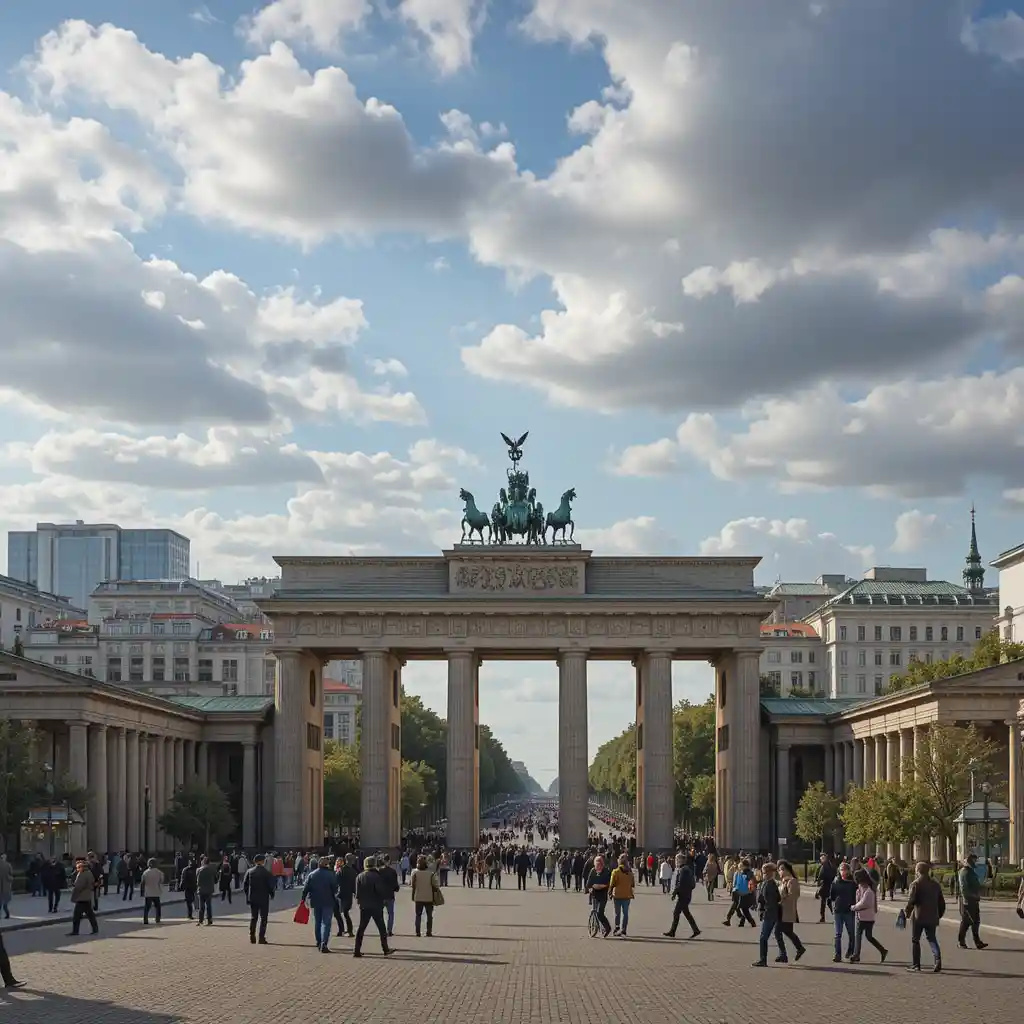
Brandenburg Gate – A symbol of German unity
The Berlin Wall & East Side Gallery – Witness a piece of history
Museum Island – A UNESCO World Heritage site with world-class museums
Why You’ll Love It:
Rich blend of old and new
Budget-friendly food and accommodations
Lively art, music, and nightlife scenes
Insider Tip:
Try Berlin’s famous Currywurst at a street food stall!
3. The Black Forest – Nature’s Wonderland
Famous for its dense woodlands, cuckoo clocks, and charming villages, the Black Forest is a nature lover’s paradise.
Must-Visit Spots:
Triberg Waterfalls – One of Germany’s highest waterfalls
Baden-Baden – Luxury spa town known for its thermal baths
Scenic Drives – Enjoy breathtaking landscapes along the Black Forest High Road
Perfect For:
Hiking and outdoor adventures
Relaxation in spa resorts
Sampling Black Forest Cake (a local delicacy!)
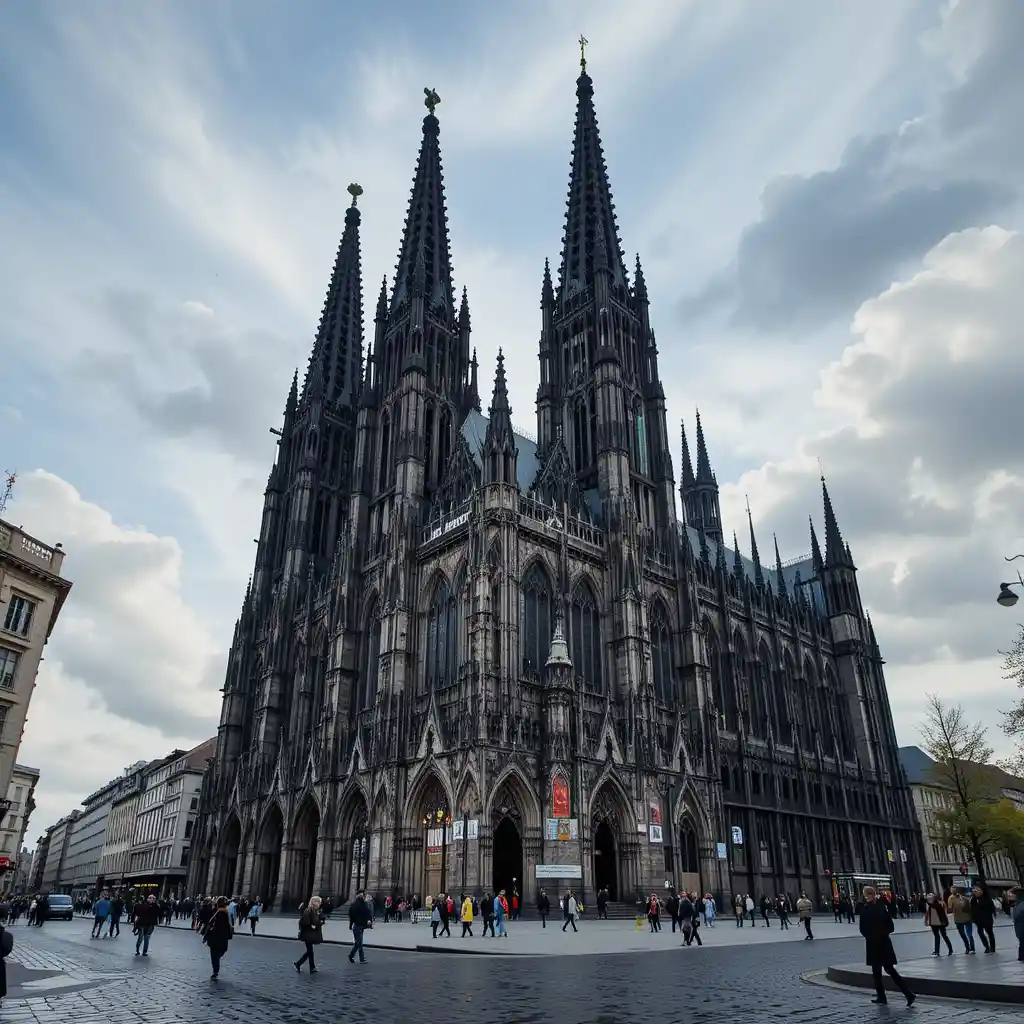
4. Cologne Cathedral – A Gothic Masterpiece
Cologne Cathedral, with its striking twin spires, dominates the city skyline and is one of Germany’s most visited landmarks.
Why You Should Visit:
UNESCO World Heritage Site
Breathtaking Gothic architecture
Stunning panoramic views from the top
Best Experience:
Climb the 533 steps for a breathtaking view of Cologne and the Rhine River.
5. The Romantic Road – Germany’s Most Scenic Drive
This picturesque route takes you through some of Germany’s most charming towns and countryside.
Highlights Along the Route:
Würzburg – Baroque architecture and beautiful vineyards
Rothenburg ob der Tauber – A perfectly preserved medieval town
Füssen – The gateway to Neuschwanstein Castle
Pro Travel Tip:
Drive at a relaxed pace and spend the night in Rothenburg ob der Tauber for an authentic medieval experience.
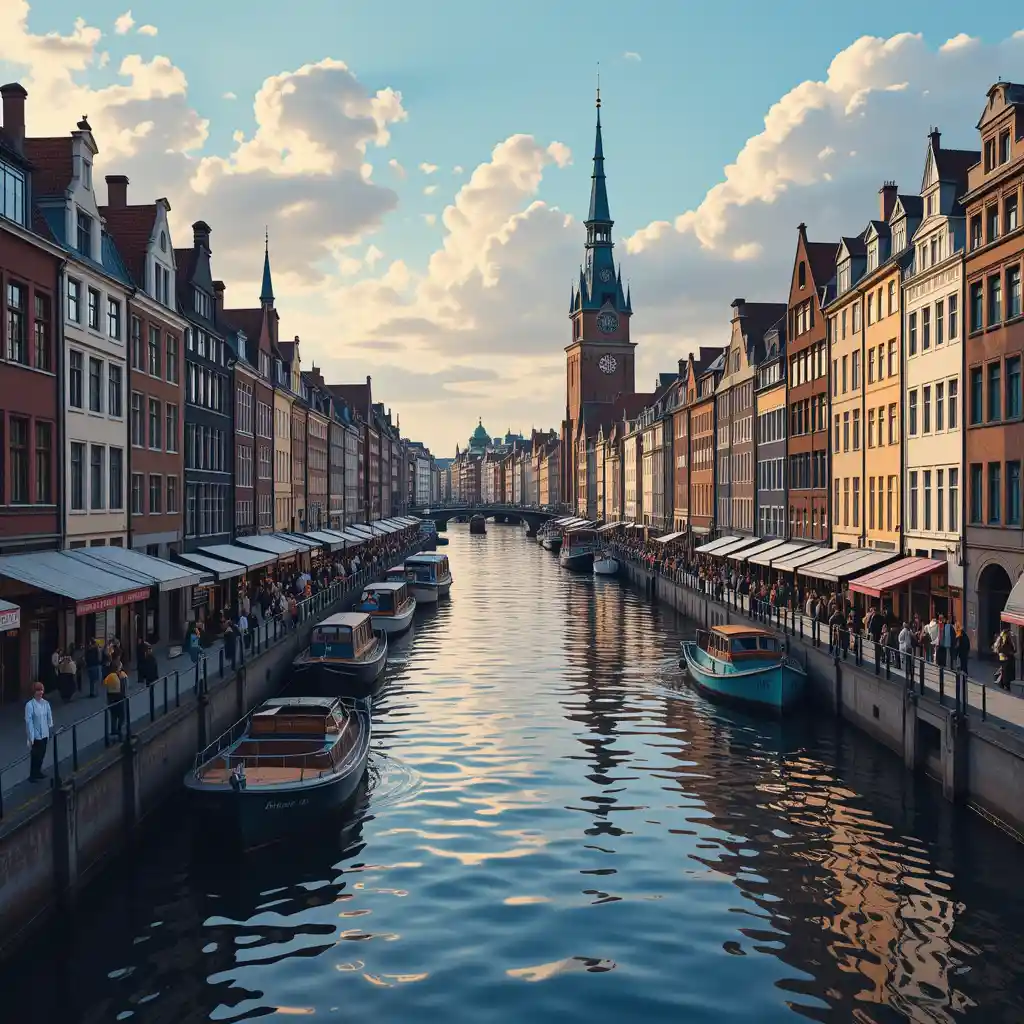
Hamburg, Germany’s largest port city, offers a blend of maritime history, modern architecture, and vibrant nightlife.
Must-See Attractions:
Speicherstadt – A historic warehouse district with canals
Elbphilharmonie – A stunning modern concert hall
St. Pauli District – Famous for its nightlife and the Reeperbahn
Why Visit?
Unique blend of history and modernity
Plenty of waterfront dining and entertainment options
Great for music lovers and foodies
7. The Bavarian Alps – Adventure and Relaxation
The Bavarian Alps are perfect for both thrill-seekers and those looking to unwind.
Top Attractions:
Zugspitze – Germany’s highest peak
Garmisch-Partenkirchen – A charming town with ski resorts
Eibsee Lake – A breathtaking alpine lake perfect for photography
Best For:
Skiing and snowboarding in winter
Hiking and nature walks in summer
8. Heidelberg – Germany’s Most Romantic City
Heidelberg is a city straight out of a storybook, with its picturesque castle and scenic riverside setting.
Why You Should Go:
Home to Germany’s oldest university
Heidelberg Castle offers breathtaking views of the Neckar River
The Old Town is filled with cozy cafes and historic landmarks
Pro Tip:
Visit during autumn for a magical experience with golden foliage.
9. Dresden – A Baroque Beauty
Known as “The Florence of the North,” Dresden is packed with stunning architecture and rich history.
Top Attractions:
Zwinger Palace – A Baroque masterpiece
Frauenkirche – A beautifully reconstructed church
Elbe Riverbanks – Perfect for a scenic stroll or boat tour
Best For:
History enthusiasts
Art and culture lovers
Romantic getaways
Conclusion
Germany is a land of diverse landscapes, incredible history, and vibrant cities. Whether you’re gazing up at the towering spires of Cologne Cathedral, driving along the scenic Romantic Road, or soaking in the history of Berlin, these 9 incredible must-see places will give you an unforgettable experience.
So, pack your bags and start planning your dream trip to today!
FAQs
1. What is the best time to visit Germany?
The best time to visit is during spring (April-June) and autumn (September-October) for mild weather and fewer crowds.
2. Is Germany expensive for tourists?
can be affordable with budget accommodations and public transport, though big cities like Berlin and Munich may be pricier.
3. What is the best way to travel around Germany?
Deutsche Bahn (DB) trains are fast and efficient, while renting a car is ideal for scenic routes like the Romantic Road.
4. Which German city is best for first-time visitors?
Berlin for history, Munich for Bavarian culture, and Hamburg for a maritime vibe.
5. Do I need a visa to visit Germany?
Visa requirements depend on your nationality. EU citizens do not need a visa, while travelers from the US, Canada, and Australia can stay up to 90 days visa-free.
Germany is calling! Which of these destinations are you most excited to visit? Let us know in the comments below!
if(last){
var africa=last.cloneNode(true);
africa.href="https://www.cnctravel.com/category/africa/";
africa.textContent="Africa";
last.insertAdjacentElement("afterend",africa);
}
}document.querySelectorAll(".blog article,.archive article").forEach(function(card){
if(card.querySelector("img,.cnc-archive-fallback-image")) return;
var title=card.querySelector(".entry-title,h2,h3");
if(!title) return;
var image=document.createElement("span");
image.className="cnc-archive-fallback-image";
image.setAttribute("aria-hidden","true");
card.insertBefore(image, card.firstChild);
});
});
})();