
Table of Contents
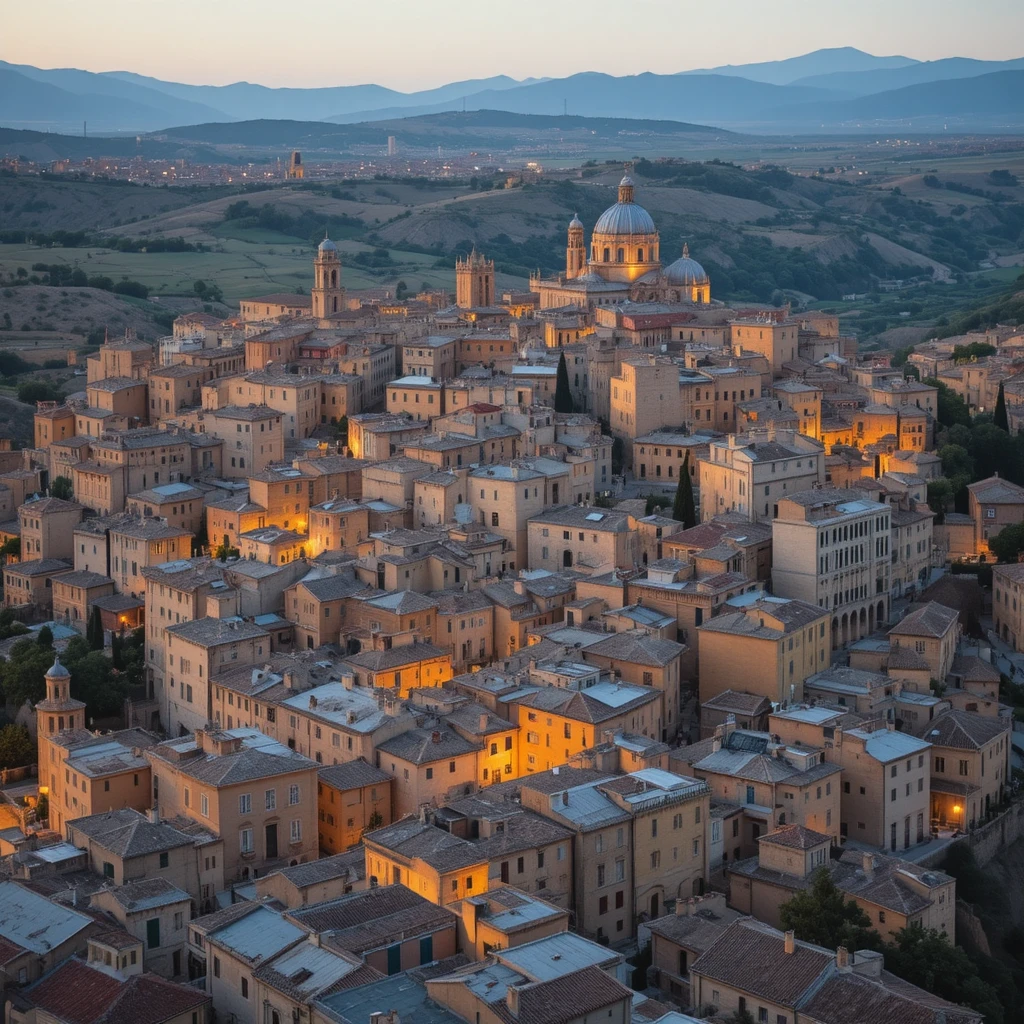
Carved into limestone cliffs in southern Italy’s Basilicata region, Matera stands as a testament to human resilience and architectural ingenuity. This extraordinary city, with its ancient cave dwellings known as the Sassi, has transformed from Italy’s most impoverished settlement to a UNESCO World Heritage Site and European Capital of Culture. Here’s everything you need to know about visiting one of the world’s most remarkable destinations.
The History of Matera: From Prehistoric Caves to Cultural Capital
Ancient Origins: A City Carved in Stone
Matera’s story begins in the mists of prehistory. Archaeological evidence reveals that humans have occupied these limestone caves since the Paleolithic period over 9,000 years ago making Matera one of the world’s oldest continuously inhabited cities. The Sassi di Matera, literally “stones of Matera,” represent an extraordinary example of human adaptation to the natural environment.
The cave dwellings evolved over millennia from simple shelters into complex, multi-level neighborhoods. Medieval monks expanded the caves into rock-hewn churches decorated with Byzantine frescoes, while successive generations carved deeper into the tufa rock, creating an intricate warren of homes, cisterns, and gathering spaces. This vertical city grew organically, with homes stacked upon homes, roofs serving as streets for the level above.
Decline and Renewal: From “Shame of Italy” to World Heritage Treasure
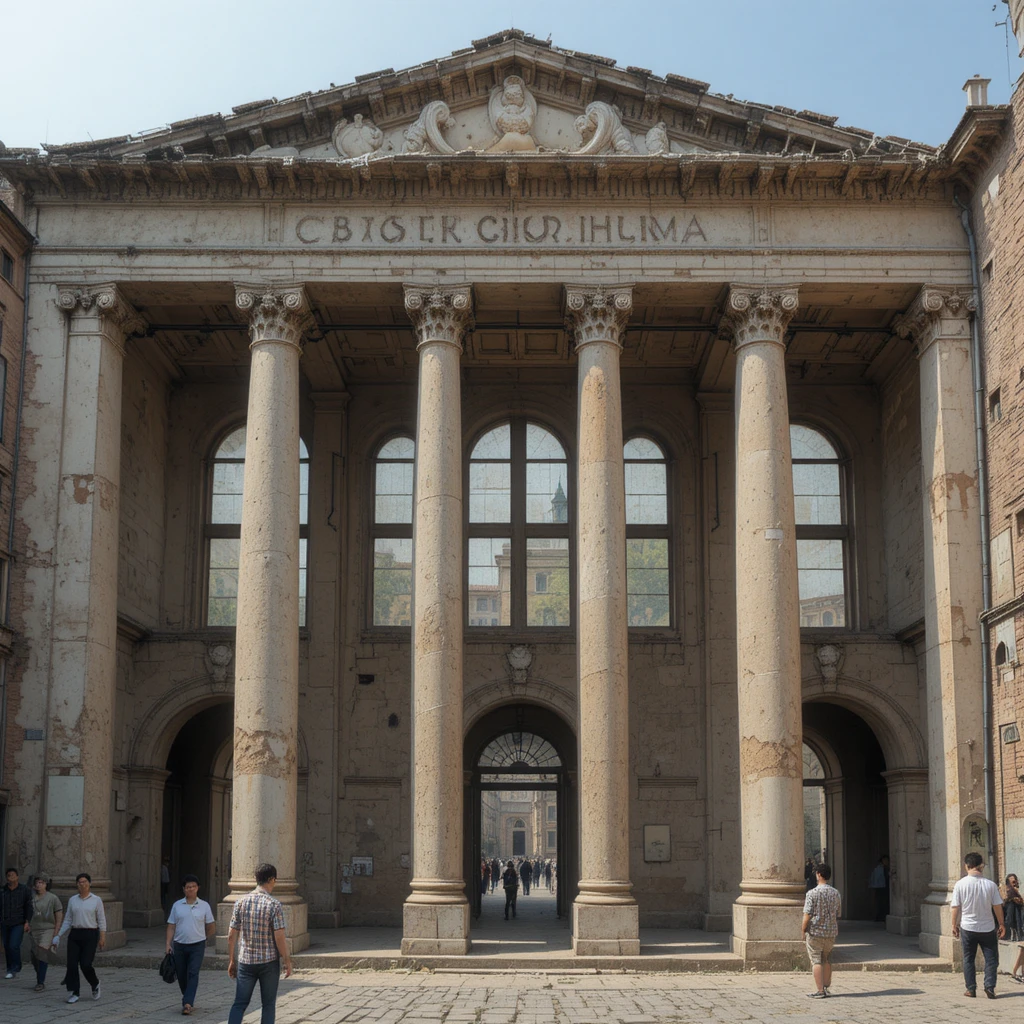
By the mid-20th century, Matera had become synonymous with poverty and despair. Overcrowding, lack of sanitation, and disease plagued the Sassi, where families often shared their cave homes with livestock. In his 1945 memoir “Christ Stopped at Eboli,” Carlo Levi described the shocking living conditions, bringing national attention to what became known as “la vergogna d’Italia” the shame of Italy.
The Italian government responded in the 1950s by forcibly relocating over 15,000 residents to modern housing developments, leaving the ancient Sassi largely abandoned. For decades, these historic caves sat empty, crumbling reminders of a forgotten past.
Matera’s renaissance began in the 1980s when artists, architects, and visionaries recognized the cultural and historical significance of the Sassi. UNESCO designated Matera a World Heritage Site in 1993, catalyzing restoration efforts. Today, the once-abandoned caves house boutique hotels, restaurants, museums, and artisan workshops. In 2019, Matera’s transformation reached its pinnacle when it served as European Capital of Culture, welcoming visitors from around the globe to experience its timeless beauty.
Local Cuisine and Accommodation: Savoring Matera’s Flavors and Staying in Stone
Culinary Delights: Traditional Flavors Rooted in History
Matera’s cuisine reflects centuries of peasant ingenuity, transforming humble ingredients into extraordinary dishes. The region’s culinary traditions have remained remarkably authentic, offering visitors a taste of genuine Lucanian cooking.
Pane di Matera deserves special mention as the city’s most iconic food. This ancient bread, protected by IGP (Protected Geographical Indication) status, features a distinctive yellow crumb from durum wheat flour and a thick, dark crust. Bakers shape the loaves to resemble the Sassi themselves, and the bread remains fresh for up to a week a necessity in the days when families baked only occasionally in communal ovens.
Orecchiette con Cime di Rapa showcases the region’s pasta-making expertise. These small, ear-shaped pasta shells are traditionally served with turnip greens, garlic, and a touch of chili pepper. Watch for elderly women still making orecchiette by hand in doorways throughout the Sassi a dying art preserved by tradition.
Other local specialties include:
- Crapiata: A hearty soup made with legumes, wheat, and vegetables, traditionally prepared for the August 1st harvest festival
- Peperoni cruschi: Crispy fried peppers that add crunch and sweet flavor to countless dishes
- Caciocavallo podolico: A semi-hard cheese from Podolica cattle that graze in the Murgia highlands
- Strazzate: Sweet pastries filled with chickpeas, chocolate, and cinnamon
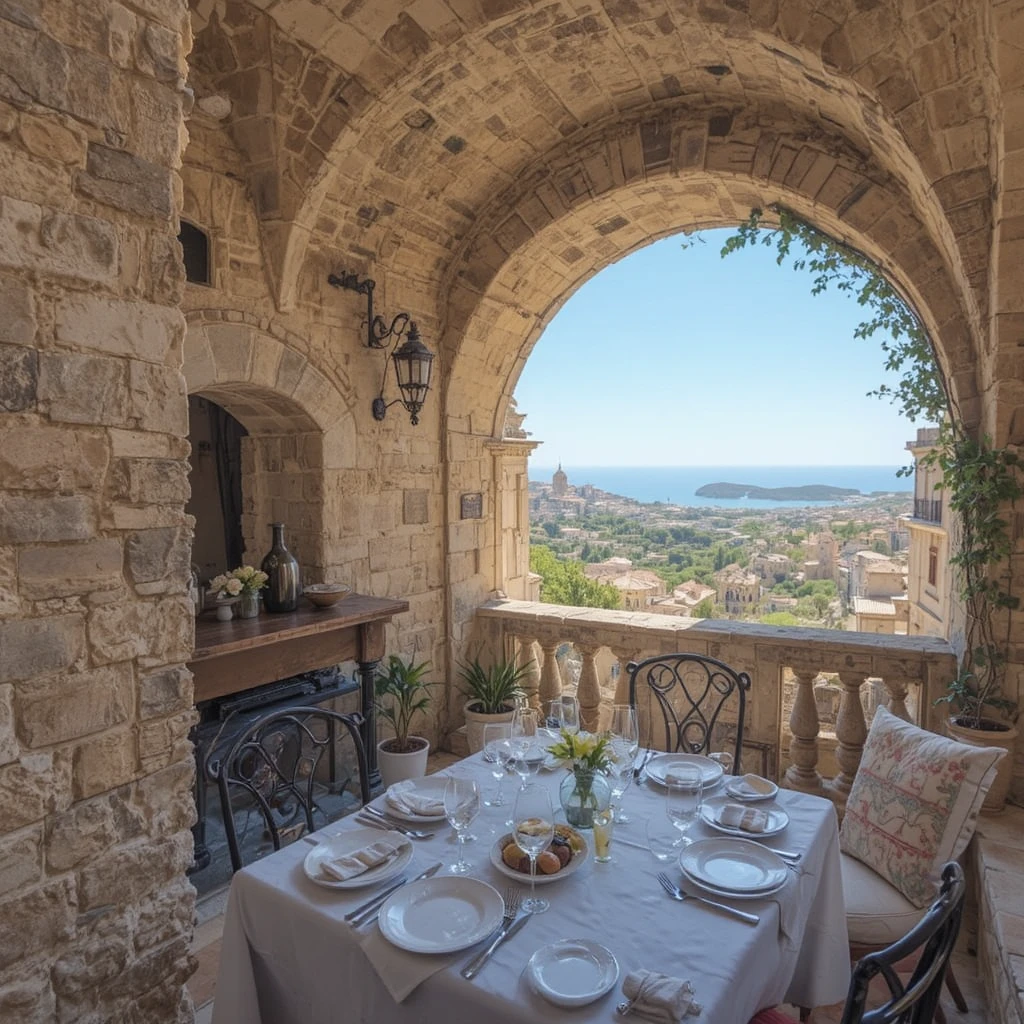
The ultimate Matera dining experience involves eating in a cave restaurant. These atmospheric venues, carved into the ancient tufa, offer intimate settings where candlelight flickers against stone walls that have witnessed millennia of human history. Restaurants like Oi Marì, Alle Fornaci, and Baccanti combine traditional recipes with contemporary presentation in unforgettable subterranean settings.
Stay in the Sassi: Sleeping Where History Lives
Spending the night in a cave hotel ranks among travel’s most unique experiences. These carefully restored dwellings maintain their historical character while offering modern comforts a remarkable balance of ancient and contemporary.
Cave hotels range from simple, affordable rooms to luxurious suites with designer furnishings, spa facilities, and private terraces overlooking the ravine. Common features include:
- Natural climate control: The thick limestone walls maintain comfortable temperatures year-round, staying cool in summer and warm in winter
- Unique architectural elements: Original features like stone arches, carved niches, and ancient cisterns
- Atmospheric lighting: Soft illumination that highlights the natural rock textures
- Modern amenities: Despite their ancient appearance, most cave hotels offer Wi-Fi, heating, air conditioning, and contemporary bathrooms
Notable cave hotel options include Sextantio Le Grotte della Civita, which preserves authentic details while providing luxury service, and Sant’Angelo Luxury Resort, where rooms cascade down the hillside with stunning views. Budget-conscious travelers can find simpler cave accommodations that still deliver the essential experience of sleeping in history.
Practical Tips for Your Visit: Making the Most of Matera
When to Go: Timing Your Matera Adventure
Spring (April to June) and fall (September to October) offer ideal conditions for exploring Matera. During these seasons, temperatures hover comfortably between 15-25°C (59-77°F), perfect for walking the steep streets without excessive heat. The shoulder seasons also mean fewer crowds, allowing for a more intimate experience of the Sassi.
Spring brings wildflowers to the Murgia plateau and the ravine, creating beautiful photo opportunities. Fall offers harvest festivals and the chance to taste fresh olive oil and new wine.
Summer (July-August) can be intensely hot, with temperatures often exceeding 35°C (95°F). The exposed limestone reflects and amplifies the heat, making midday exploration challenging. However, summer also brings festivals, outdoor concerts, and extended opening hours at attractions.
Winter (November-March) sees fewer tourists and lower prices, but some restaurants and hotels close, and shorter daylight hours limit exploration time. The occasional dusting of snow creates a magical atmosphere, though rain can make the stone streets slippery.
Getting Around: Navigating the Ancient Streets
Walking is unquestionably the best way to explore Matera. The Sassi’s narrow alleyways, steep staircases, and uneven stone surfaces make motorized transport impractical in most areas. This limitation becomes an advantage, as meandering on foot reveals hidden churches, unexpected viewpoints, and quiet corners where time seems suspended.
Essential walking tips:
- Wear comfortable, sturdy shoes with good grip: The polished limestone streets become slippery when wet, and uneven surfaces require ankle support. Save the fashionable footwear for another destination.
- Start early: Begin exploring in the morning when temperatures are cooler and light creates dramatic shadows across the cave facades.
- Embrace getting lost: Matera’s labyrinthine layout means you’ll inevitably wander off course. These “wrong turns” often lead to the most memorable discoveries.
- Use the panoramic viewpoints: Belvedere di Piazza Giovanni Pascoli and Belvedere di Murgia Timone offer spectacular perspectives for orientation and photography.
For those with mobility challenges, the main areas of Sasso Caveoso and Sasso Barisano have some accessible routes, though the terrain remains fundamentally challenging. Taxis can drop visitors at various entry points, and some hotels offer porter services for luggage.
Conclusion: Matera’s Timeless Appeal
Matera’s transformation from abandoned slum to celebrated cultural destination represents one of preservation’s greatest success stories. This ancient city has not merely survived but thrived by honoring its past while embracing its future. The Sassi now pulse with life again not as symbols of poverty, but as testaments to human ingenuity, resilience, and the enduring power of cultural heritage.
Walking through Matera’s stone streets at dawn, when golden light illuminates the cave facades and church bells echo across the ravine, you experience something increasingly rare: a place where the boundary between past and present dissolves. Here, in these ancient dwellings carved by human hands from living rock, you don’t just observe history ou inhabit it.
Whether you’re savoring crusty Pane di Matera in a candlelit cave restaurant, watching the sunset from a troglodyte terrace, or simply wandering the timeless alleyways where footsteps have worn grooves in the stone, Matera offers an experience that transcends ordinary tourism. This is a journey into humanity’s enduring relationship with landscape, shelter, and community.
The question isn’t whether to visit Matera, but when. This extraordinary city awaits, ready to share its secrets with those willing to step back in time and discover why, after 9,000 years, it continues to captivate all who enter its ancient embrace. Plan your journey to Matera where every stone tells a story, and history lives in every shadow.