
Budget travel guide 2026
Quick answer: Chocolate holds a special place in the hearts of many around the world, and Mexico, with its rich history and cultural heritage, is where this beloved treat has deep roots. But how does one create authentic Mexican chocolate from bean to bar? Let’s take a journey.
In this guide
Suggested route
Table of Contents
Chocolate holds a special place in the hearts of many around the world, and Mexico, with its rich history and cultural heritage, is where this beloved treat has deep roots. But how does one create authentic Mexican chocolate from bean to bar? Let’s take a journey through the entire process a hands-on guide that will make you appreciate each rich, decadent bite.
The Roots of Mexican Chocolate
A Brief History of Chocolate in Mexico
The story of chocolate dates back thousands of years, to the ancient Olmecs who were among the first to cultivate cacao. The Aztecs and Mayans followed, elevating chocolate to a divine beverage fit for gods and kings.
Cultural Significance
Chocolate in Mexico is more than just a sweet treat. It’s a symbol of tradition, often used in religious ceremonies and cultural gatherings. It is deeply woven into the social fabric, enriching celebrations and bonding families.
The Journey from Bean to Bar
Selecting Quality Cacao Beans
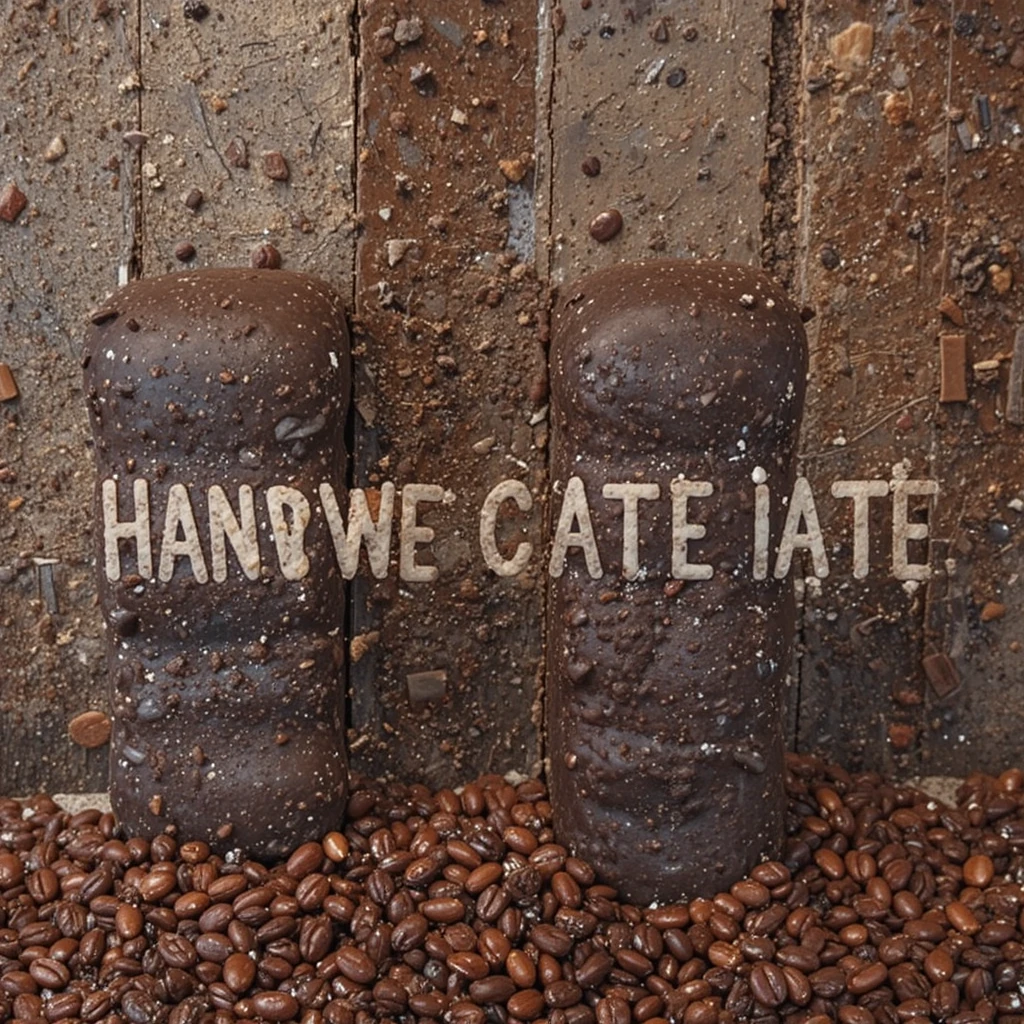
Choosing the right cacao beans is crucial. Mexican chocolate makers often opt for Criollo beans, known for their unique flavors and minimal bitterness.
Sorting and Inspecting Beans
Inspect each bean for quality, discarding any that are cracked or moldy. Only the best beans should make it to the roasting stage.
Tips for Roasting
Rotate the beans periodically for an even roast. Listen for a soft cracking sound, which indicates they’re ready.
Cracking and Winnowing
Once the beans cool, the next step is to crack them open and remove the husks, leaving behind the nibs.
The Winnowing Process
Traditionally, this can be done by hand or using a mechanical winnower for larger batches. The goal is to separate the nibs from the husks efficiently.
Grinding the Nibs
Grinding the cacao nibs turns them into a paste called chocolate liquor.
Using Traditional Metate
For an authentic experience, a metate (a traditional stone tool) can be used to grind the nibs manually. The friction releases the natural cacao butter, resulting in a smooth paste.
Modern Equipment
Electric grinders are faster and ideal for larger quantities, preserving the rich flavors while ensuring a finer consistency.
Conching the Chocolate
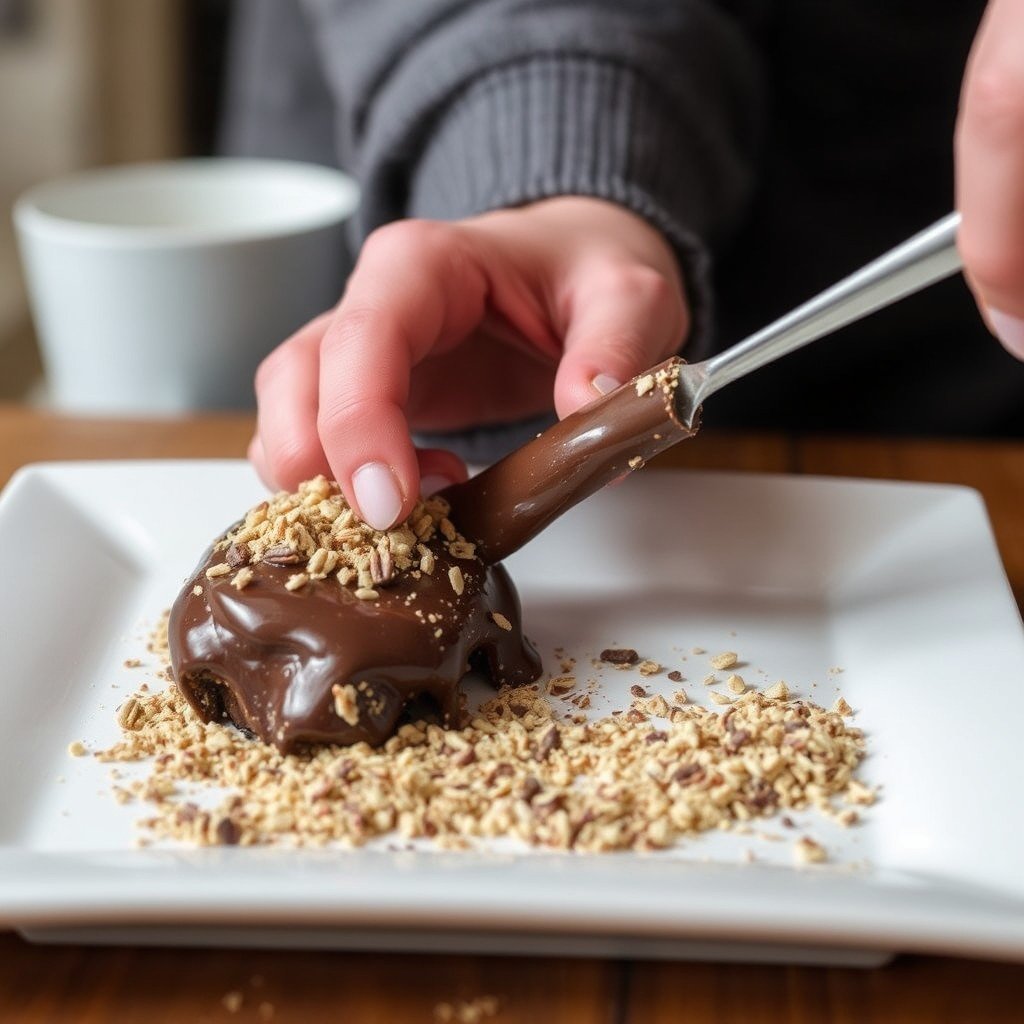
Conching refines the flavor and texture. This process involves mixing and aerating the chocolate to remove any unwanted acidity and enhance its smoothness.
Traditional vs. Modern Conching
Traditionally, conching can take several hours or even days. Modern machinery can achieve the same results in a shorter time, providing a balance of flavor and texture.
Tempering the Chocolate
Tempering gives chocolate its signature shine and snap. The process involves heating and cooling the chocolate in a controlled manner.
How to Temper Chocolate
- Melt the chocolate to 115°F (46°C).
- Cool it down to 81°F (27°C).
- Reheat slightly to 88-90°F (31-32°C).
Molding and Setting
Pour the tempered chocolate into molds and allow it to set at room temperature or in a cool environment.
Creative Shapes and Additions
Experiment with traditional molds or add spices like cinnamon or chili for a unique twist.
The Final Touches
Packaging Your Homemade Mexican Chocolate
Wrap the bars in foil and use decorative paper for a traditional touch. Handmade packaging enhances the artisan appeal.
Storing Your Chocolate
Store in a cool, dry place to maintain quality and prevent blooming.
Enjoying Your Mexican Chocolate
Traditional Ways to Savor It
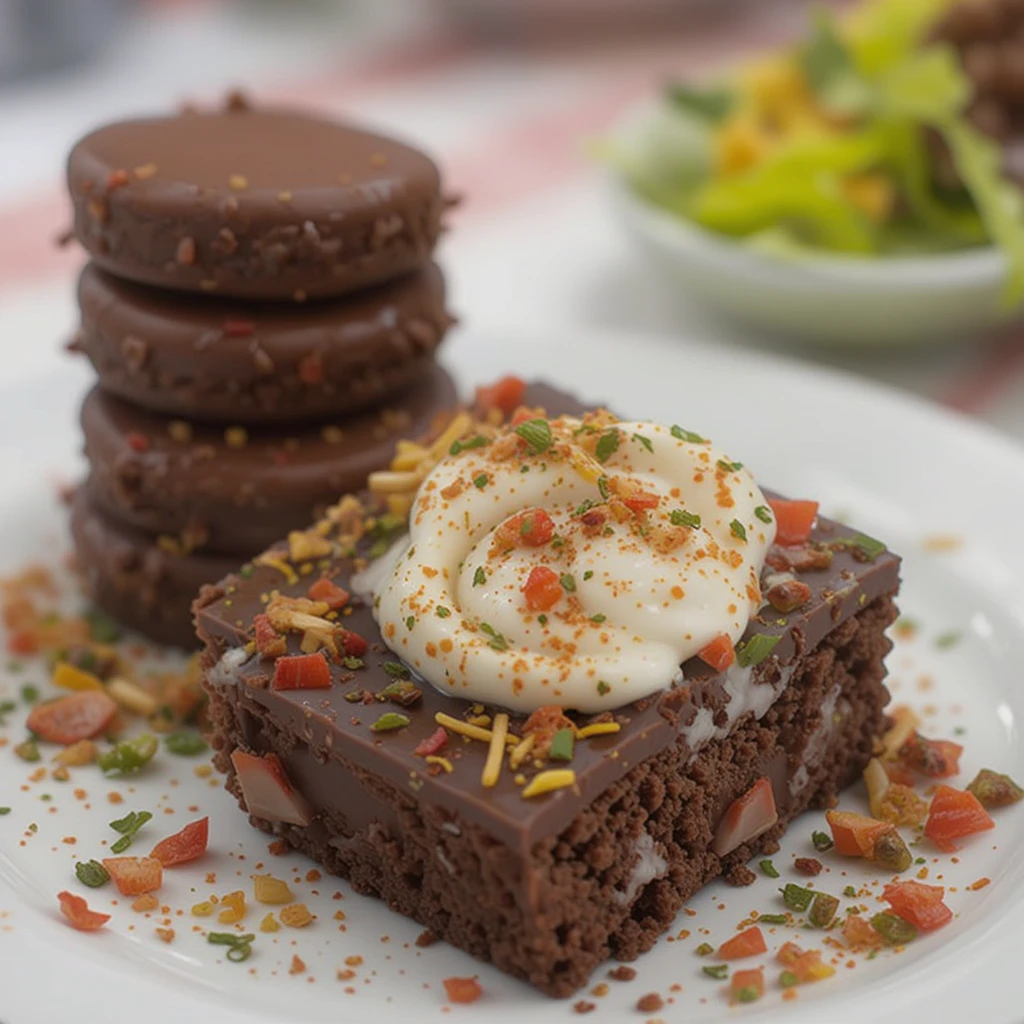
Mexican chocolate is often used to make hot chocolate. Simply dissolve a piece in warm milk or water, whisking until frothy.
Pairing Ideas
Pair your chocolate with a cup of café de olla or enjoy it alongside fresh fruit and nuts.
Conclusion
Creating Mexican chocolate from bean to bar is a rewarding process that connects you to centuries of tradition and flavor. Each step, from selecting beans to savoring the final product, is a journey worth taking.
FAQs
Q1: What makes Mexican chocolate unique?
A: Mexican chocolate often includes additional ingredients like cinnamon, sugar, and chili, giving it a distinct flavor profile.
Q2: Can I use other types of cacao beans?
A: Yes, but Criollo beans are preferred for their high-quality taste. For a bolder flavor, try using Forastero or Trinitario beans.
Q3: Is tempering necessary?
A: Yes, if you want a glossy finish and that satisfying snap when you break a piece.
Q4: How long does homemade chocolate last?
A: If stored properly in a cool, dry place, it can last several months.
Q5: What is the best temperature for storing chocolate?
A: Ideally, chocolate should be stored at 60-70°F (15-21°C).
Plan this trip smarter
Use this guide as a starting point, then compare dates, accommodation areas and transport before booking. The best budget trips usually come from a simple route, fewer base changes and one or two memorable paid experiences.
Budget snapshot
| Cost area | Smart planning note |
|---|---|
| Accommodation | Book near the main area you will actually use, not only the cheapest map result. |
| Transport | Limit long transfers and group nearby stops into the same day. |
| Food | Mix local casual meals with one higher-value experience. |
| Activities | Choose the paid experience that defines the trip, then use free viewpoints, walks and beaches around it. |