
Table of Contents
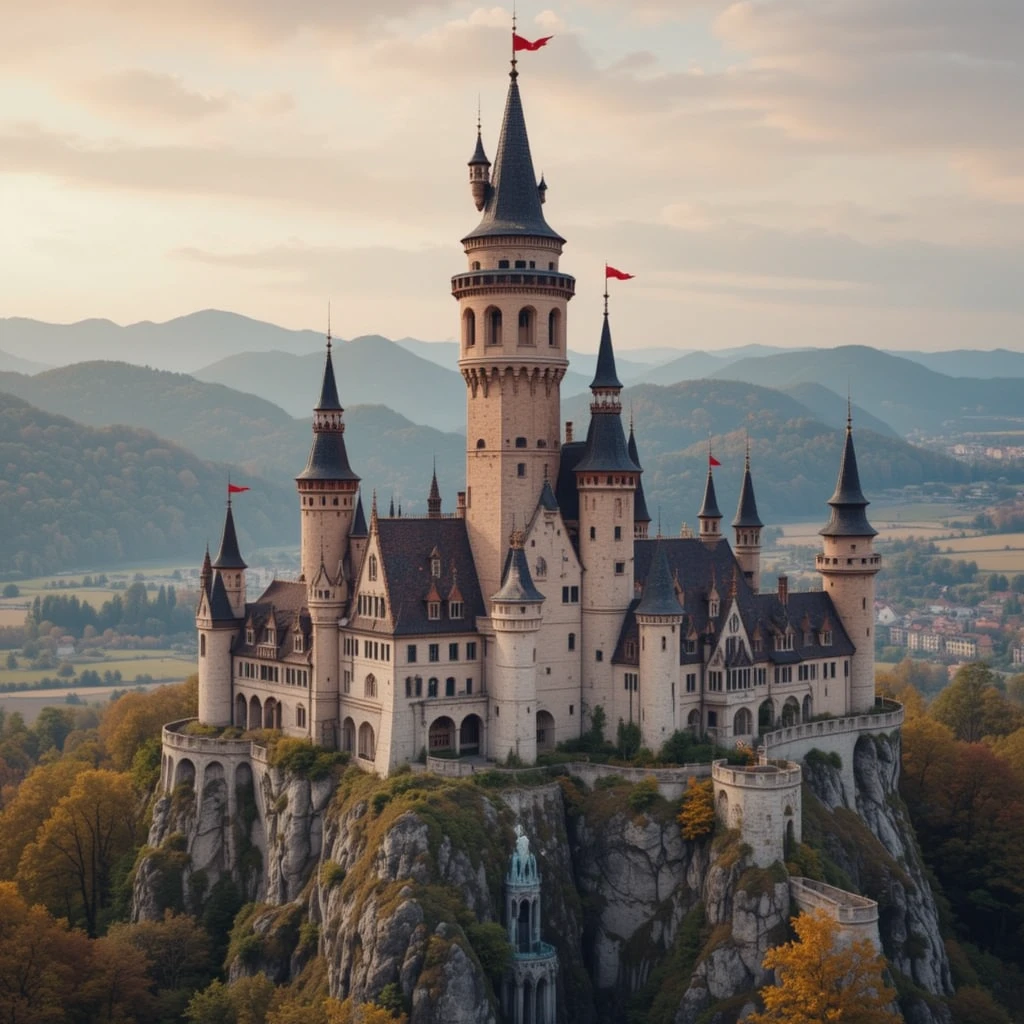
Perched dramatically on Alpine peaks, nestled among verdant forests, or rising spectacularly from mist-shrouded lakes Germany’s enchanting castles seem torn directly from the pages of childhood storybooks. These architectural marvels have captivated travelers for centuries, becoming the physical embodiment of our collective fairy tale dreams.
When Dreams Meet Stone and Mortar
Have you ever rounded a bend on a winding German road only to gasp at the sight of a magnificent castle seemingly suspended between earth and sky? That singular moment when childhood wonder collides with architectural majesty leaves an indelible mark on your soul. During my first journey through Bavaria, I watched fellow travelers hardened adults with mortgages and responsibilities transform into wide-eyed children as Neuschwanstein Castle emerged through the morning mist.
Germany’s fairytale castles aren’t simply historical structures of stone and mortar; they’re tangible gateways to realms of imagination that most of us reluctantly abandoned in childhood. These enchanting monuments have whispered inspiration to generations of storytellers, including Walt Disney himself, who famously modeled his iconic castle logo after these Bavarian treasures.
Whether you’re planning your maiden voyage to these magical sites or seeking to deepen your appreciation before a return trip, the spellbinding allure of these castles promises to transport you beyond mere tourism into a genuine adventure.
The Rich History Behind Germany’s Fairytale Castles
From Medieval Fortresses to Romantic Retreats
Germany’s castle landscape evolved dramatically over seven centuries, reflecting changing military needs, political climates, and artistic sensibilities. What began as practical defensive fortifications gradually transformed into lavish statements of wealth, power, and artistic vision.
- 12th-14th centuries: Defensive structures dominated castle architecture, featuring thick walls, minimal windows, and strategic hilltop positions to guard against invaders
- 15th-16th centuries: As gunpowder revolutionized warfare, castles began incorporating artillery bastions while simultaneously featuring more comfortable residential quarters
- 17th-18th centuries: Noble families increasingly transformed austere fortresses into luxurious palaces as military functions diminished
- 19th century: The Romantic movement sparked renewed interest in medieval aesthetics, inspiring fantastical neo-Gothic reconstructions that prioritized theatrical beauty over historical accuracy
No figure looms larger in the creation of Germany’s most iconic fairytale castles than King Ludwig II of Bavaria (1845-1886), affectionately known as “The Fairytale King” or less charitably as “Mad King Ludwig.” Ascending to the throne at just 18, Ludwig channeled his considerable artistic sensibilities and royal treasury into creating fantastical retreats that intentionally evoked theatrical dreamscapes rather than practical residences.
While Germany once boasted approximately 25,000 castle sites throughout its territories, many fell victim to war, neglect, or practical repurposing over centuries. Thankfully, those that survived whether as painstakingly preserved time capsules or imaginatively reconstructed tributes continue enchanting millions of annual visitors.
Top 9 Must-Visit Fairytale Castles in Germany
1. Neuschwanstein Castle: The Ultimate Disney Inspiration
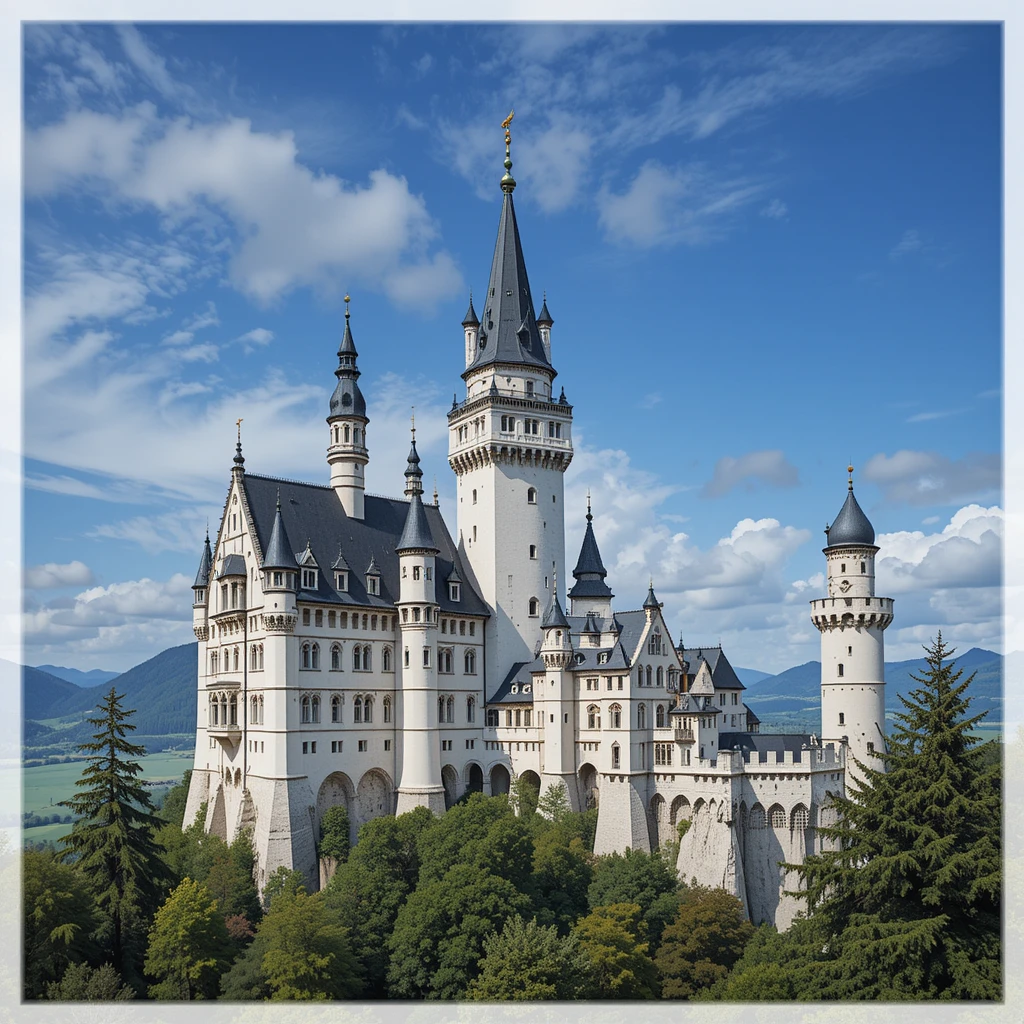
Rising majestically above the Alpine village of Hohenschwangau, Neuschwanstein Castle represents the pinnacle of fairytale architecture and the crown jewel of Ludwig II’s fantastical vision. Constructed between 1869 and 1886, this relatively modern palace intentionally evokes medieval romance while incorporating cutting-edge comforts of its era, including running water, central heating, and telephone lines.
The castle’s impossibly picturesque exterior featuring soaring white limestone towers, turquoise turrets, and dramatic mountain backdrop has made it Germany’s most photographed building and welcomes over 1.4 million visitors annually. Eagle-eyed Disney fans immediately recognize its silhouette as the inspiration for Sleeping Beauty Castle at Disneyland.
For the most breathtaking views, venture beyond the typical tourist paths to Mary’s Bridge (Marienbrücke), which spans a dramatic gorge offering unparalleled castle vistas. While interior photography restrictions limit social media opportunities inside, the ornate Singers’ Hall and Ludwig’s lavishly decorated bedroom prove worth experiencing firsthand.
2. Hohenzollern Castle: The Cloud Castle
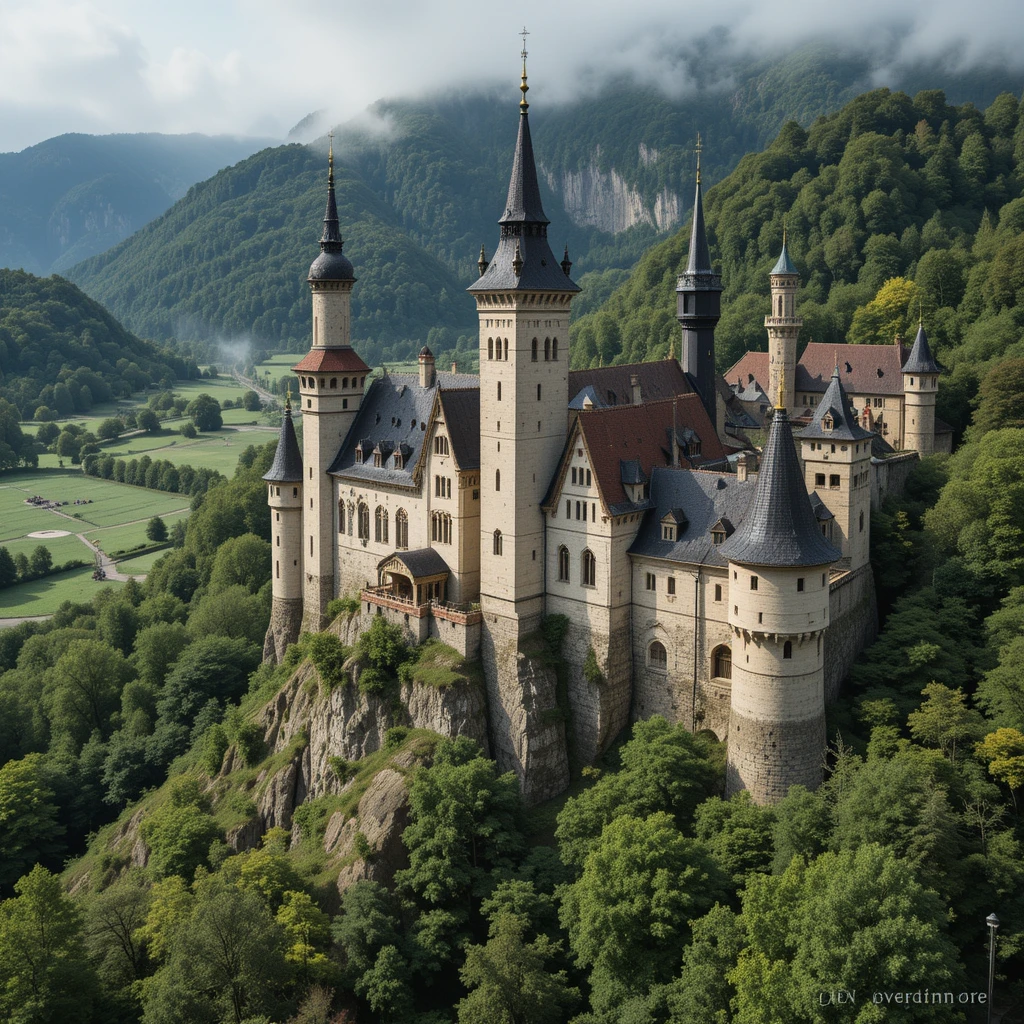
Crowning an isolated 855-meter peak in the Swabian Alps, Hohenzollern Castle seems perpetually adrift in the clouds, earning its reputation as “the castle above the clouds.” The current neo-Gothic structure, completed in the 1850s, represents the third castle built on this strategic site, following predecessors from the 11th and 15th centuries.
Unlike many peers, Hohenzollern maintains connections to living aristocracy as ancestral seat of the Prussian royal house. The castle museum showcases priceless artifacts including Frederick the Great’s personal effects and the Prussian royal crown.
Drone photography reveals Hohenzollern’s perfect star-shaped defensive wall design, while meteorological peculiarities often create a magical sea of clouds surrounding the castle while leaving its towers exposed producing otherworldly photographs that seem plucked from fantasy literature.
3. Burg Eltz: The Medieval Time Capsule
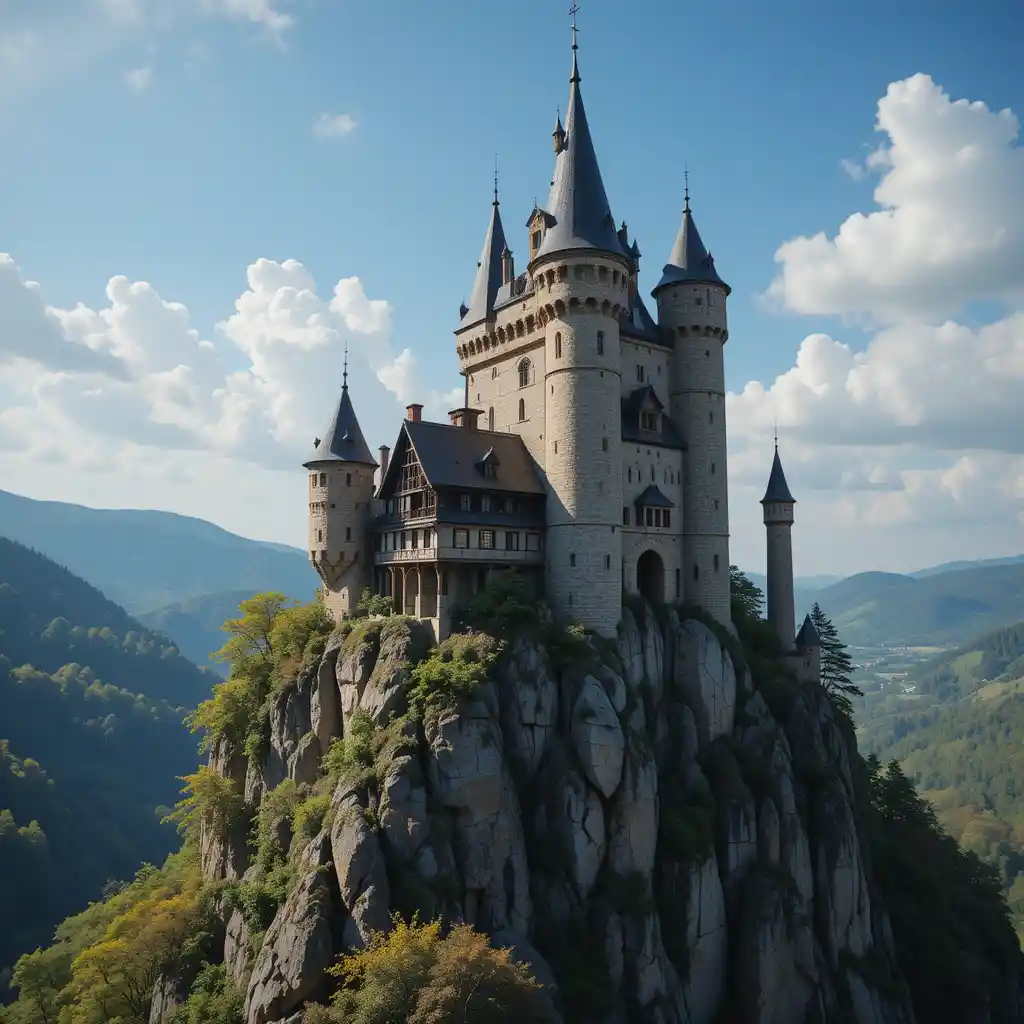
Unlike its reconstructed cousins, Burg Eltz represents authentic medieval architecture miraculously preserved through 800+ years of continuous family ownership. Nestled in a verdant valley rather than perched defensively on high ground, this remarkable castle survived European wars unscathed while its 120 rooms housed multiple branches of the same noble family simultaneously.
Walking through Burg Eltz’s timber-framed courtyard transports you genuinely backward through time rather than into romantic reimaginings. The Treasury exhibits precious metalwork spanning 900 years, while the armory displays medieval weapons contextualizing the castle’s defensive capabilities.
For photography enthusiasts, arrive early morning when mist frequently envelops the forest surrounding the castle, creating ethereal landscapes worthy of Grimm’s fairy tales.
4. Heidelberg Castle: The Romantic Ruin
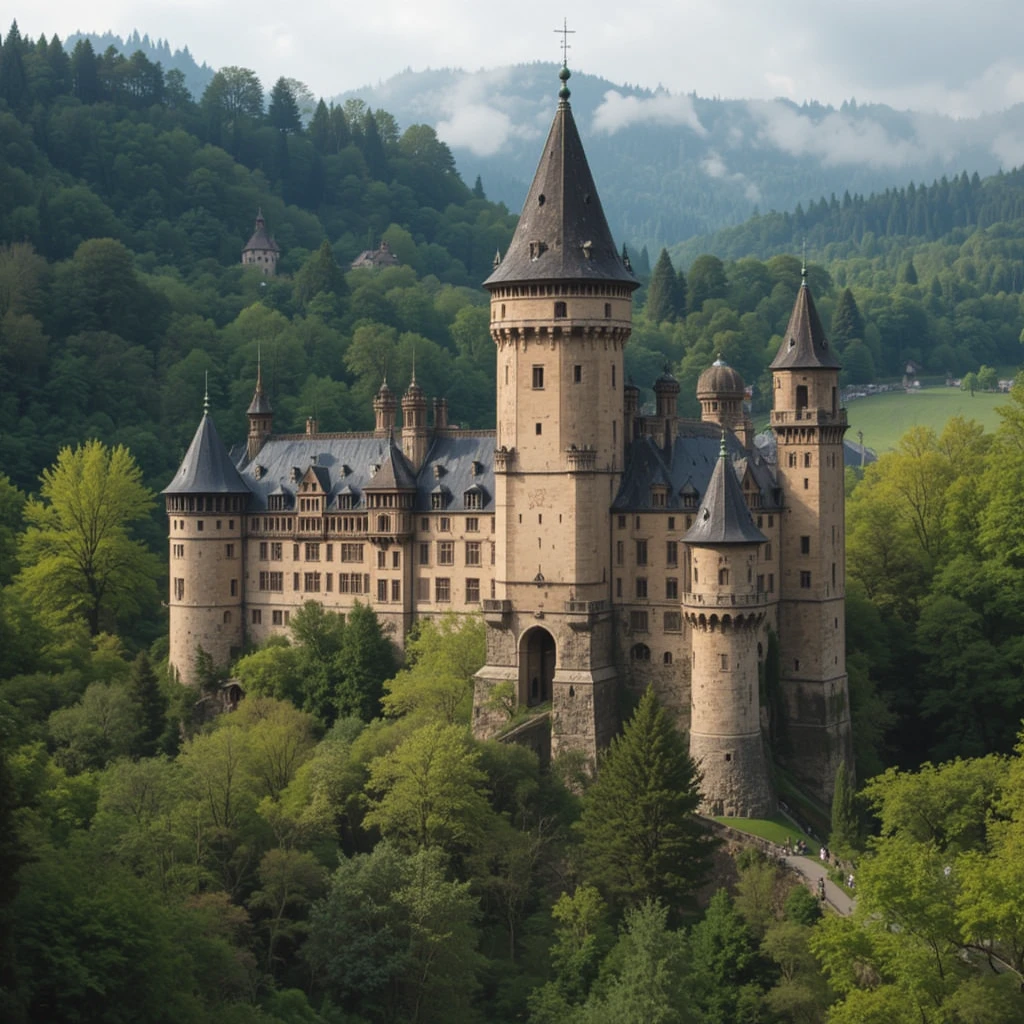
Not all fairytale castles maintain pristine conditions—sometimes partial destruction creates its own magical aesthetic. Heidelberg Castle exemplifies romantic ruination, its pink sandstone walls partially demolished by lightning strikes, fires, and war during the 17th century.
These atmospheric ruins inspired countless Romantic painters, poets, and writers during the 19th century, cementing Heidelberg’s place in cultural imagination. Despite extensive damage, impressive Renaissance facades remain alongside curiously intact features like the Great Tun
an enormous wine barrel capable of holding 220,000 liters.
Position yourself along the Philosopher’s Walk (Philosophenweg) on the opposite bank of the Neckar River for spectacular panoramic views encompassing castle, old town, and river in one magnificent vista.
5. Lichtenstein Castle: The Fairy Tale Fortress
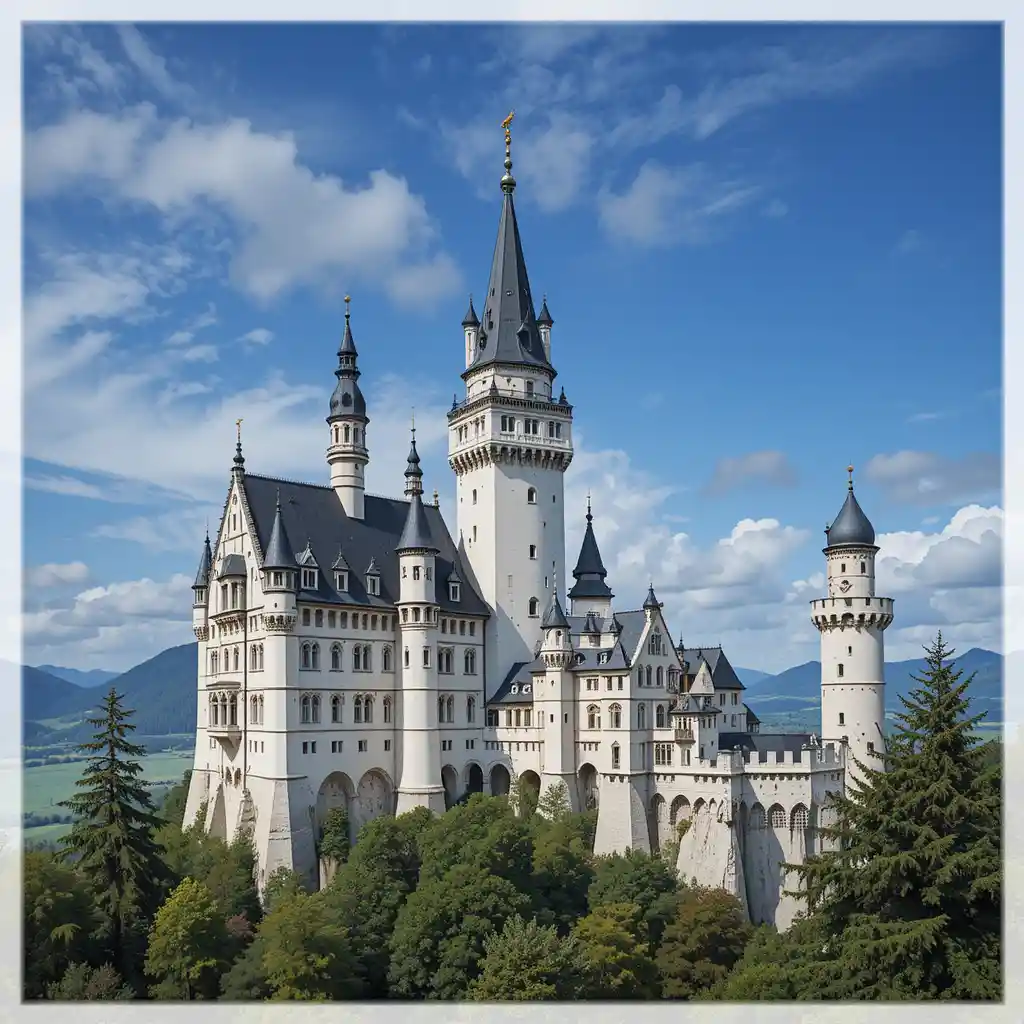
Dramatically cantilevered over a precipitous cliff edge, diminutive Lichtenstein Castle maximizes visual impact despite modest proportions. Built in the 1840s, this relatively young castle represents literal fiction-to-reality transformation, as its construction was inspired by Wilhelm Hauff’s popular novel “Lichtenstein.”
Lichtenstein exemplifies Romantic-era castle building at its most theatrical, prioritizing dramatic appearance over historical authenticity or practical function. Its precarious position creates unforgettable silhouettes against southern German landscapes, especially during sunrise when golden light bathes its Neo-Gothic towers.
The castle’s compact dimensions make it quickly accessible for travelers with limited time, while relatively modest visitor numbers ensure more intimate experiences than at Bavaria’s more famous attractions.
6. Schwerin Castle: The Island Palace
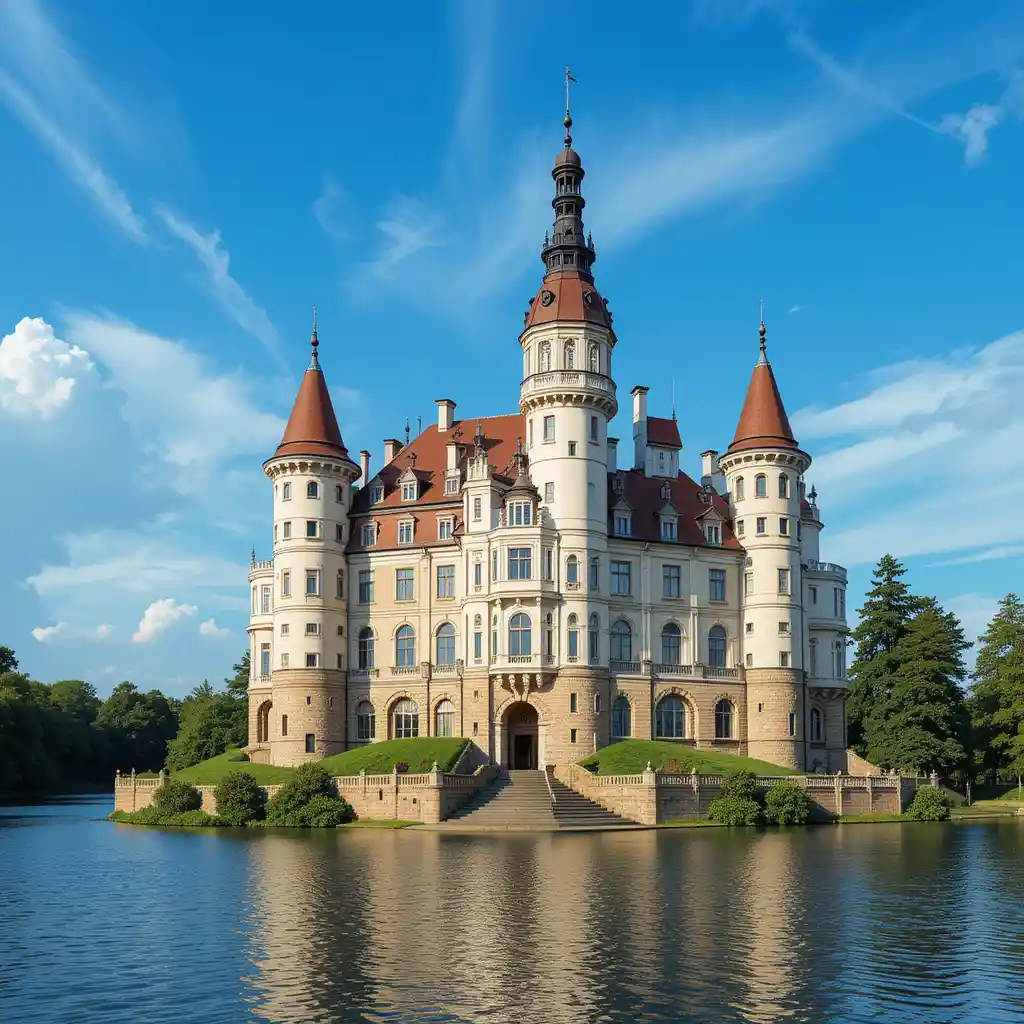
Rising dramatically from an island in Lake Schwerin, this multi-towered palace crowned with golden domes seems transported from Slavic fairy tales rather than Germanic traditions. Serving historically as ducal residence for Mecklenburg rulers, today’s structure primarily dates to 19th-century reconstruction incorporating earlier medieval elements.
According to persistent local legend, Schwerin Castle shares space with a benevolent ghostly guardian named “Petermännchen” who protects the palace while occasionally playing tricks on disrespectful visitors. The surrounding gardens utilize the lakeside setting magnificently, creating mirror-like reflections that double the castle’s visual impact.
Contemporary visitors appreciate Schwerin’s accessibility unlike remote mountain castles requiring strenuous climbs, this palace connects easily to the charming eponymous town via a short bridge.
7. Cochem Imperial Castle: The Moselle Valley Gem
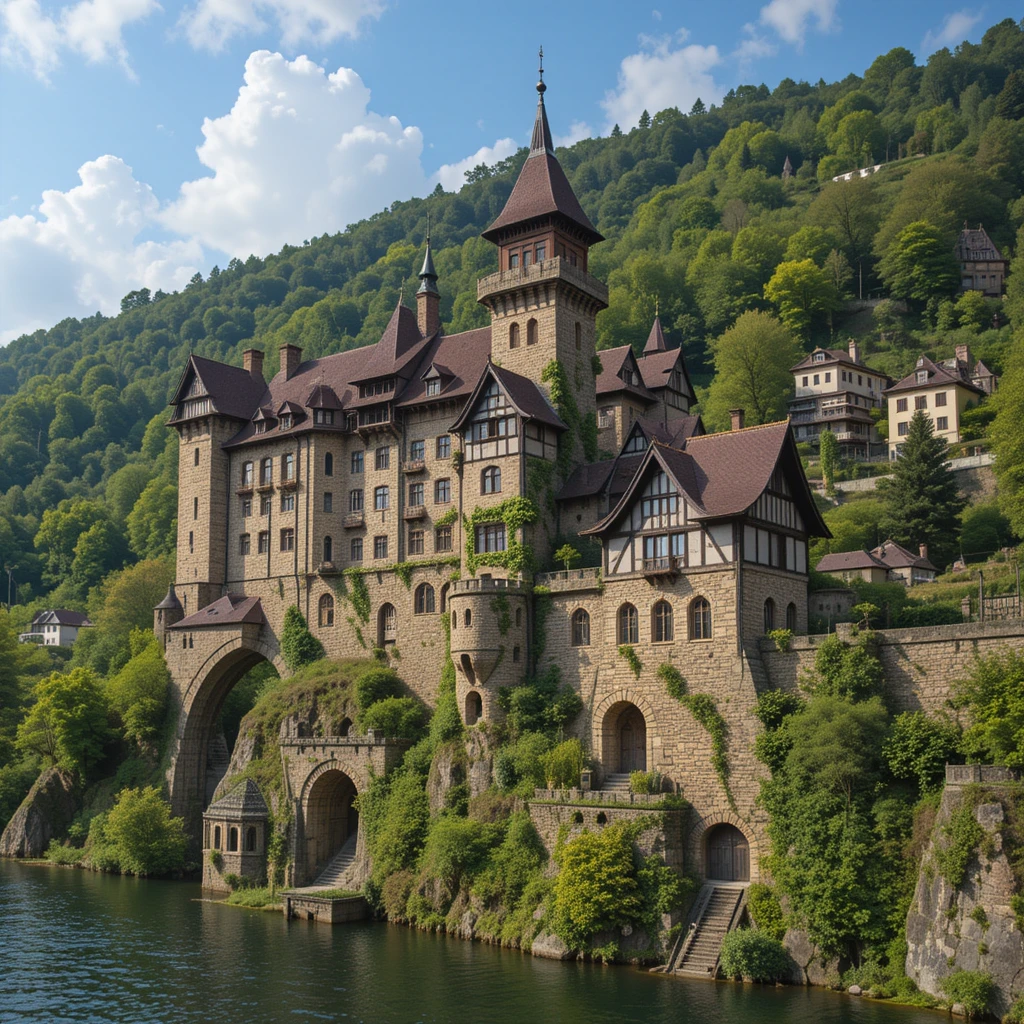
Commanding breathtaking views over the serpentine Moselle River and surrounding vineyards, Cochem Castle represents historical resilience through destruction and rebirth. Originally constructed around 1000 AD, the medieval fortress lay in ruins for centuries following French destruction in 1689, until Berlin businessman Louis Ravené purchased and reconstructed it between 1868-1877.
This reconstruction embraced neo-Gothic fantasy rather than archaeological accuracy, creating the romanticized silhouette visible today. Modern visitors particularly enjoy interactive experiences including medieval banquets featuring period-appropriate cuisine, costumes, and entertainment.
Wine enthusiasts appreciate Cochem’s position amid Germany’s steep-sloped Moselle vineyards, allowing castle visits to incorporate regional Riesling tastings for complete cultural immersion.
8. Wernigerode Castle: The Colorful Harz Mountain Palace
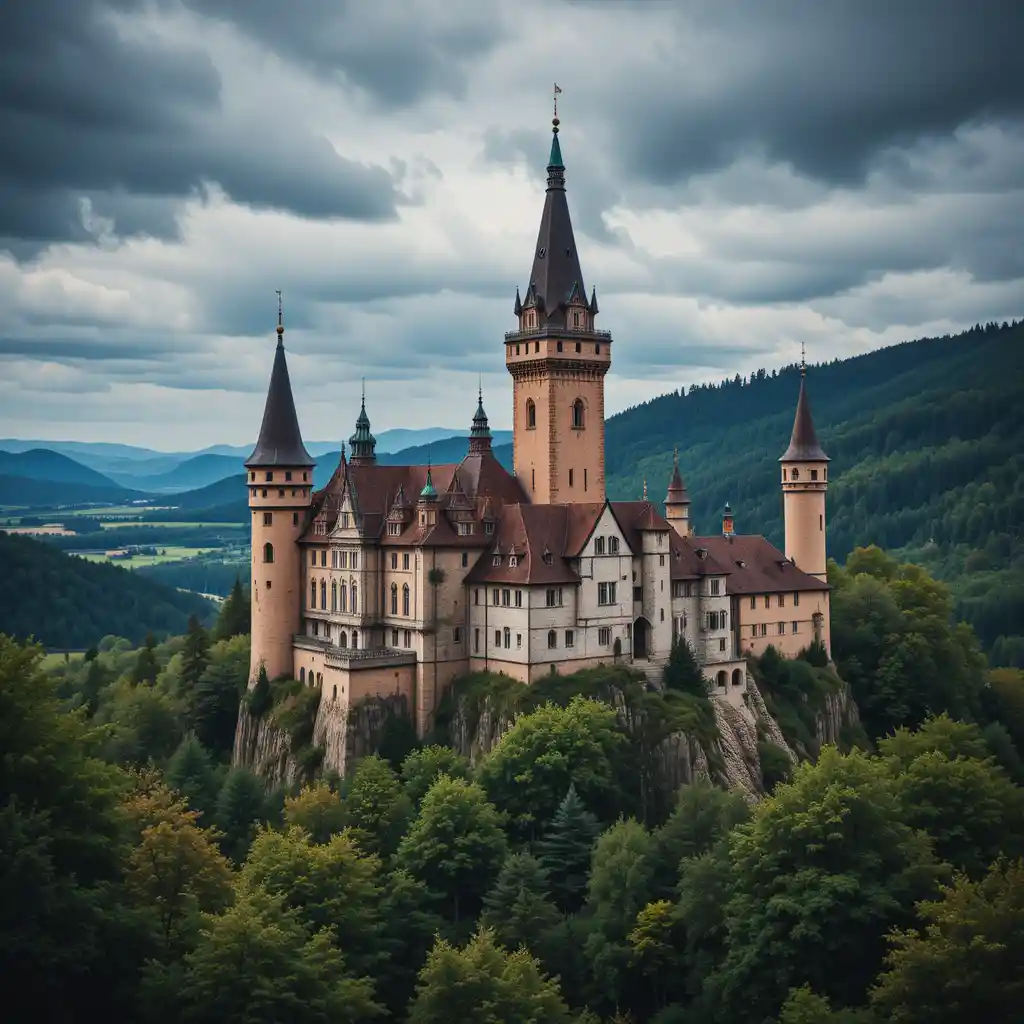
Distinguished by asymmetrical towers and half-timbered sections in striking white-and-red color schemes, Wernigerode Castle brings storybook illustrations to three-dimensional life. This northern German treasure evolved from medieval hunting lodge to baroque residence, ultimately receiving romantic flourishes during 19th-century renovations.
Wernigerode’s distinctive silhouette has attracted numerous film and television productions seeking fairytale backdrops, most famously appearing in “The Little Witch” (Die Kleine Hexe).
The castle’s position overlooking the Harz Mountain region connects it with rich folklore traditions including witchcraft legends and Germanic mythology, creating fascinating cultural context beyond architectural appreciation.
9. Hohenschwangau Castle: Neuschwanstein’s Often Overlooked Neighbor
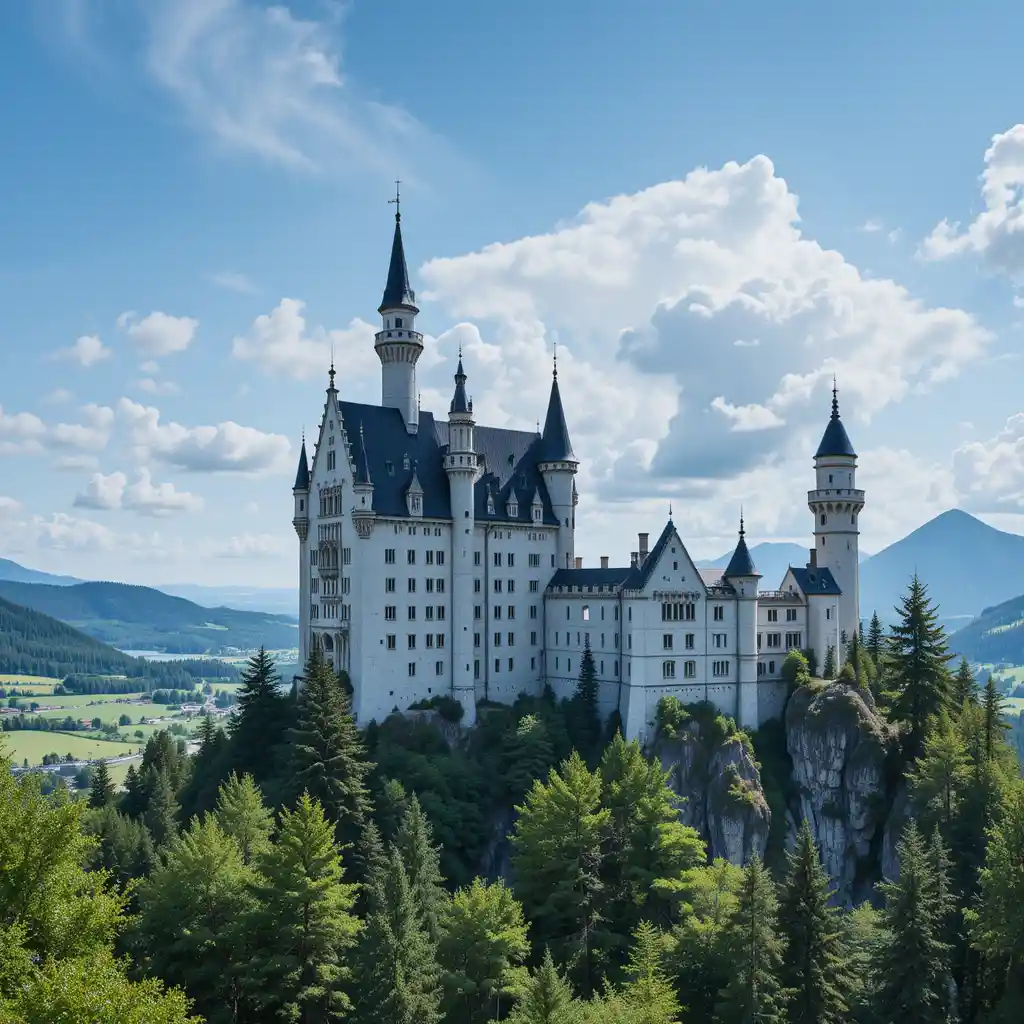
While millions flock to neighboring Neuschwanstein, many visitors overlook Ludwig II’s childhood home standing just across the valley. Constructed by his father Maximilian II between 1832-1837, Hohenschwangau’s warm yellow exterior and comprehensive furnishings offer complementary experiences to its more famous counterpart.
The castle’s elaborately painted interiors tell stories through murals depicting Germanic legends including Lohengrin and the Swan Knight—tales that profoundly influenced young Ludwig’s imagination and later architectural projects.
Savvy travelers visit both castles sequentially to understand the architectural progression and personal history connecting these neighboring structures. Combined tickets offer savings, while chronological visits provide meaningful narrative context enhancing appreciation of both sites.
Planning Your German Fairytale Castle Tour
Best Seasons to Visit Germany’s Enchanting Castles
Each season transforms Germany’s fairytale castles through distinct atmospheric conditions, visitor patterns, and surrounding landscapes:
- Spring (April-May): Emerging greenery and wildflowers provide vibrant backgrounds while moderate temperatures and pre-summer crowds create balanced visitor experiences
- Summer (June-August): Peak tourist season brings extended opening hours and special events alongside higher temperatures and maximum visitor numbers
- Autumn (September-October): Spectacular foliage frames castles in gold and crimson while thinning crowds improve experience quality
- Winter (November-February): Snow-draped castles achieve peak fairytale appearance despite limited access hours and potential weather disruptions
Photographers particularly treasure winter conditions when Neuschwanstein achieves its most magical appearance surrounded by snow-laden Alpine landscapes. However, weather unpredictability demands flexible itineraries during colder months.
Special seasonal events include Christmas markets at Heidelberg Castle, summer concerts in castle courtyards, and autumn wine festivals near Rhine and Moselle valley castles.
Transportation and Castle Routes
Germany’s well-established tourism infrastructure offers multiple approaches to castle exploration:
- The Romantic Road: This 350km route between Würzburg and Füssen connects multiple fairytale castles including Neuschwanstein via picturesque villages and medieval towns
- The Castle Road: Stretching 770km from Mannheim to Prague, this alternative route encompasses over 70 castles including Heidelberg
- Regional Clusters: Bavaria, Rhine Valley, and Moselle Valley each offer concentrated castle experiences minimizing transit time
While public transportation reaches major castles, rental vehicles provide maximum flexibility for reaching remote locations. Consider centralized accommodations in towns like Füssen or Heidelberg for day-trip access to multiple sites.
For those preferring structured experiences, numerous tour operators offer castle-focused packages ranging from single-day excursions to comprehensive multi-week itineraries.
Accommodation Options for Your Magical Journey
Extend your fairytale experience beyond daylight hours by selecting atmospheric lodgings:
- Castle Hotels: Properties like Castle Hotel Auf Schönburg and Schloss Lieser offer authentic overnight castle experiences with modernized comforts
- Historic Town Accommodations: Medieval towns surrounding major castles frequently feature characterful accommodations in centuries-old buildings
- Panoramic View Properties: Select strategically positioned hotels offering castle views from private balconies
Budget-conscious travelers benefit from booking accommodations in secondary towns connected to castle sites by public transportation rather than immediately adjacent tourist centers.
Regardless of accommodation category, advance reservations prove essential during summer months when demand consistently exceeds capacity throughout popular castle regions.
Experiencing Castle Culture: Beyond the Architecture
Castle Festivals and Special Events
Germany’s calendar brims with castle-centered celebrations enhancing visitor experiences:
- Medieval Festivals: Costumed reenactments bring historical periods alive through tournaments, craft demonstrations, and period music
- Classical Concerts: Atmospheric castle courtyards and halls host performances ranging from chamber music to full orchestras
- Seasonal Markets: Christmas markets transform castle grounds during December with traditional crafts, food, and mulled wine
Particularly noteworthy annual events include Heidelberg Castle Illuminations combining fireworks with historical commemorations and Kaltenberg Knights’ Tournament featuring Europe’s largest medieval joust.
Checking castle websites before travel allows incorporating these special events into itineraries, sometimes justifying schedule adjustments to experience castles during their most vibrant periods.
Culinary Experiences at German Fairytale Castles
Castle visits encompass gastronomic opportunities connecting historical dining traditions with contemporary palates:
Traditional Castle Feast Ingredients
Dish TypeCommon IngredientsRegional VariationsAppetizersSmoked meats, local cheeses, pickled vegetablesBavarian pretzels, Black Forest hamMain CoursesWild game, pork, freshwater fishSauerbraten, Schweinshaxe, ForelleSide DishesDumplings, potatoes, cabbage preparationsSpätzle, Knödel, SauerkrautDessertsFruit-based pastries, custardsBlack Forest cake, apple strudelBeveragesRegional wines, beers, fruit brandiesRiesling, Wheat beer, Schnapps
Castle restaurants range from touristy cafés to genuine culinary destinations. Standouts include Neuschwanstein’s Schlossrestaurant Neuschwanstein featuring traditional Bavarian fare and Burg Satzvey’s medieval-themed banquets incorporating period-appropriate dining customs.
Wine enthusiasts particularly appreciate castle visits throughout Rhine and Moselle valleys where centuries-old viticulture traditions continue producing distinctive wines often served in castle restaurants with spectacular vineyard views.
Traditional Castle Feast Ingredients
Best Angles and Vantage Points
Creating memorable castle photography requires seeking perspectives beyond standard tourist viewpoints:
- Research alternative hiking paths revealing less common angles
- Arrive during golden hour (approximately one hour after sunrise or before sunset) when directional light dramatically enhances architectural details
- Consider seasonal impacts—winter snow simplifies backgrounds while spring foliage adds vibrant framing elements
- Venture beyond immediate castle grounds to discover distant vantage points revealing contextual landscapes
Specific recommended viewpoints include Marienbrücke for Neuschwanstein, Philosophers’ Walk for Heidelberg Castle, and hiking trails surrounding Hohenzollern for atmospheric “castle above clouds” compositions.
Drone photography regulations vary by location—Neuschwanstein strictly prohibits drones while more remote castles sometimes permit controlled flights following permit acquisition.
Editing Techniques for Magical Castle Photography
Post-processing transforms good castle photographs into exceptional images:
- Enhance atmospheric conditions by adjusting clarity, dehaze, and contrast
- Apply selective color adjustments emphasizing architectural elements against natural backgrounds
- Utilize graduated filters balancing brightness between sky and castle facades
- Consider subtle HDR techniques preserving details in both shadows and highlights without creating artificial appearances
Mobile photographers achieve impressive results using applications like Snapseed and Lightroom Mobile offering sophisticated adjustment capabilities without requiring professional equipment.
When sharing castle photography, specific hashtags like #germancastles, #fairytalecastle and #neuschwanstein connect your images with engaged communities sharing similar interests.
The Cultural Impact of Germany’s Fairytale Castles
Literary and Artistic Inspirations
Germany’s castles have profoundly influenced cultural expressions across centuries:
- Grimm Brothers’ fairy tales feature castles prominently as settings for iconic stories
- 19th-century Romantic painters including Caspar David Friedrich captured atmospheric castle scenes
- Richard Wagner’s operas draw heavily from castle-centered mythology, particularly at venues like Wartburg Castle
- Modern filmmakers regularly utilize German castles for productions ranging from historical dramas to fantasy adventures
Beyond direct representations, these structures conceptually influenced countless creative works, perhaps most famously informing Disney’s animated aesthetic establishing castle silhouettes as universal symbols of magic and wonder.
Contemporary visitors frequently describe experiencing “déjà vu” when approaching famous castles—recognizing silhouettes from childhood films despite never having physically visited previously.
Preservation Efforts and Future Challenges
Maintaining these architectural treasures demands enormous resources and creative solutions:
- Rising visitor numbers threaten physical structures through wear while simultaneously providing necessary funding
- Climate change introduces unprecedented preservation challenges including increased rainfall, temperature fluctuations, and extreme weather events
- Digital preservation initiatives create three-dimensional records ensuring architectural knowledge survives regardless of physical structure fates
- Sustainable tourism models attempt balancing access with conservation through timed entries, visitor limits, and educational components
Supporting castle preservation occurs through direct donation opportunities, responsible visitor practices, and participation in “adopt-a-stone” programs allowing individuals to contribute meaningfully toward specific restoration projects.
Conclusion: Finding Your Own Fairytale
In an era where authentic wonder becomes increasingly rare, Germany’s fairytale castles offer something precious—tangible connections to collective imagination and architectural ambition. These magnificent structures embody human creativity’s highest aspirations, transforming defensive necessity into artistic expression across centuries.
As you plan your journey through Germany’s enchanted landscapes, remember these castles offer more than mere photo opportunities. Each tower, turret, and great hall invites personal connection with historical narratives while simultaneously inspiring your individual imagination.
Whether marveling at Neuschwanstein’s soaring spires, exploring Burg Eltz’s medieval chambers, or watching sunset transform Heidelberg’s ruins, your castle experiences become chapters in an ongoing story—one now including you. Which spectacular castle will begin your fairytale adventure?
FAQ About Fairytale Castles in Germany
Are Germany’s fairytale castles real castles or palaces?
Many of Germany’s fairytale castles technically qualify as “Schlösser” (palaces) rather than defensive “Burgen” (castles). Neuschwanstein exemplifies this distinction, built during the 19th century as a romantic retreat without military purpose. However, both categories contribute to Germany’s magnificent collection of fairytale structures captivating millions annually.
Which fairytale castle in Germany inspired Disney?
Neuschwanstein Castle in Bavaria stands as the primary German fairytale castle inspiring Disney’s Sleeping Beauty Castle. Its distinctive silhouette, featuring romantic towers against Alpine backdrops, established the template for fantasy castle architecture worldwide.
Can you stay overnight in any fairytale castles in Germany?
While famous showpieces like Neuschwanstein prohibit overnight stays, numerous historic German castles welcome guests as luxury hotels. Notable castle accommodations include Schloss Lieser in Moselle Valley, Burg Colmberg in Franconia, and Castle Hotel Auf Schönburg overlooking the Rhine.
What is the best time of year to visit fairytale castles in Germany?
Spring (April-May) and early autumn (September-October) offer ideal conditions combining comfortable temperatures with modest crowd levels. These shoulder seasons provide either blooming landscapes or spectacular fall colors depending on timing, while avoiding summer tourist congestion.
How many fairytale castles are there in Germany?
Germany boasts approximately 25,000 castles and castle ruins throughout its territories, with several dozen qualifying as “fairytale castles” through romantic architecture and storybook appearances. Famous examples include Neuschwanstein, Hohenzollern, Burg Eltz, and Lichtenstein Castle.
Are Germany’s fairytale castles accessible to people with mobility challenges?
Accessibility varies significantly between castle properties due to historical construction and preservation requirements. Neuschwanstein offers limited wheelchair accessibility through specific entrances, while Schwerin Castle provides more comprehensive accommodations. Always verify specific accessibility options through official castle websites before visiting.
How long does it take to tour a typical fairytale castle in Germany?
Comprehensive castle tours typically require 1-2 hours for interior exploration, while larger complexes like Heidelberg Castle might demand half-day visits including grounds and museums. Factor additional time for photography, relaxation in castle gardens, and meals at on-site restaurants.