
Table of Contents
Why Visit the Markets in La Paz?
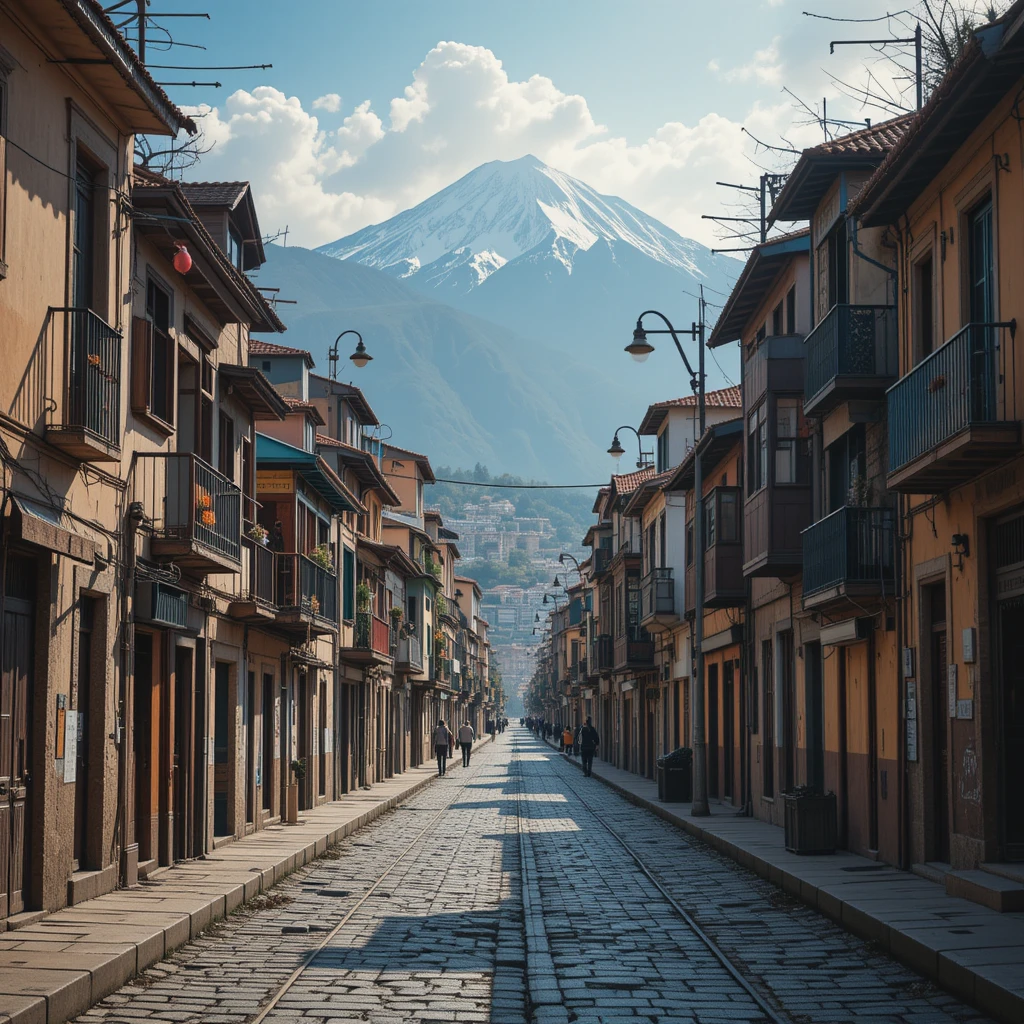
La Paz, the vibrant capital of Bolivia, offers much more than its stunning landscapes and rich history. One of the best ways to experience the culture of this dynamic city is by visiting its local markets. From colorful textiles to exotic food items, La Paz’s markets offer a deep dive into the Bolivian way of life. In this guide, we’ll explore the must-visit markets in La Paz and why these bustling hubs are essential to any travel itinerary.
1. Discovering La Paz’s Cultural and Economic Heart
La Paz’s markets aren’t just places to shop they are the heart of the city’s economy and culture. These markets bring together artisans, food vendors, and locals, offering visitors a taste of everyday Bolivian life. With every corner offering a new experience, they’re perfect for those seeking authentic, off-the-beaten-path travel experiences.
2. The Most Popular Markets in La Paz
La Paz has a diverse range of markets, each with its unique charm and offerings. Whether you’re looking for handcrafted goods, fresh produce, or rare spices, there’s a market for every type of shopper.
2.1. Mercado de las Brujas (Witches’ Market)
One of the most famous markets in La Paz, the Mercado de las Brujas, is a must-visit for any traveler. Known for its fascinating collection of mystical items like dried llama fetuses, potions, and herbs, this market is where locals buy items to bring good fortune or ward off evil spirits. The market also features a variety of textiles, jewelry, and souvenirs.
2.2. Mercado Lanza: A Food Lover’s Paradise
For those wanting to explore the culinary side of La Paz, Mercado Lanza is the place to be. Known for its fresh fruits, vegetables, meats, and local delicacies, it’s an excellent spot to immerse yourself in Bolivian flavors. Here, you can taste everything from freshly made empanadas to exotic Andean potatoes.
2.3. Mercado Camacho: The Textile Wonderland
If you’re looking for traditional Bolivian textiles, Mercado Camacho should be at the top of your list. Located near the city center, this market is home to an extensive collection of hand-woven blankets, shawls, and ponchos, crafted by indigenous artisans. The vivid colors and intricate patterns tell stories of Bolivia’s rich cultural heritage.
2.4. Mercado de San Francisco: For Artisans and Souvenirs
This market is perfect for anyone searching for handcrafted goods. From intricate jewelry to pottery and wooden carvings, Mercado de San Francisco is a fantastic spot to pick up unique souvenirs. Local artisans proudly display their creations, making it a vibrant and artistic shopping experience.
3. Tips for Visiting La Paz’s Markets

To make the most of your market visits in La Paz, here are some practical tips to ensure a smooth and enjoyable experience.
3.1. Bargaining is Common
While the prices in La Paz’s markets are often very reasonable, bargaining is expected. Don’t be shy to haggle a little, especially in the larger markets like Mercado de las Brujas or Mercado Camacho. Sellers are usually open to negotiating, so try to get a good deal.
3.2. Keep an Eye on Your Belongings
As with any busy market, be mindful of pickpockets. Keep your belongings secure and avoid carrying large amounts of cash. It’s best to bring a small bag or backpack to carry essentials.
3.3. Try Local Food
La Paz’s markets are known for their authentic street food. Be adventurous and try local dishes like salteñas (Bolivian empanadas), anticuchos (grilled meat skewers), and fresh juices made from exotic fruits. You’ll find plenty of stalls offering these delights, so don’t miss out on a culinary adventure.
3.4. Go Early for the Best Selection
If you’re looking for fresh produce or the best selection of textiles, visiting the market early in the day will give you the most choices. The markets can get crowded, especially on weekends, so getting there early ensures you won’t miss out on anything.
4. What to Buy at the Markets in La Paz
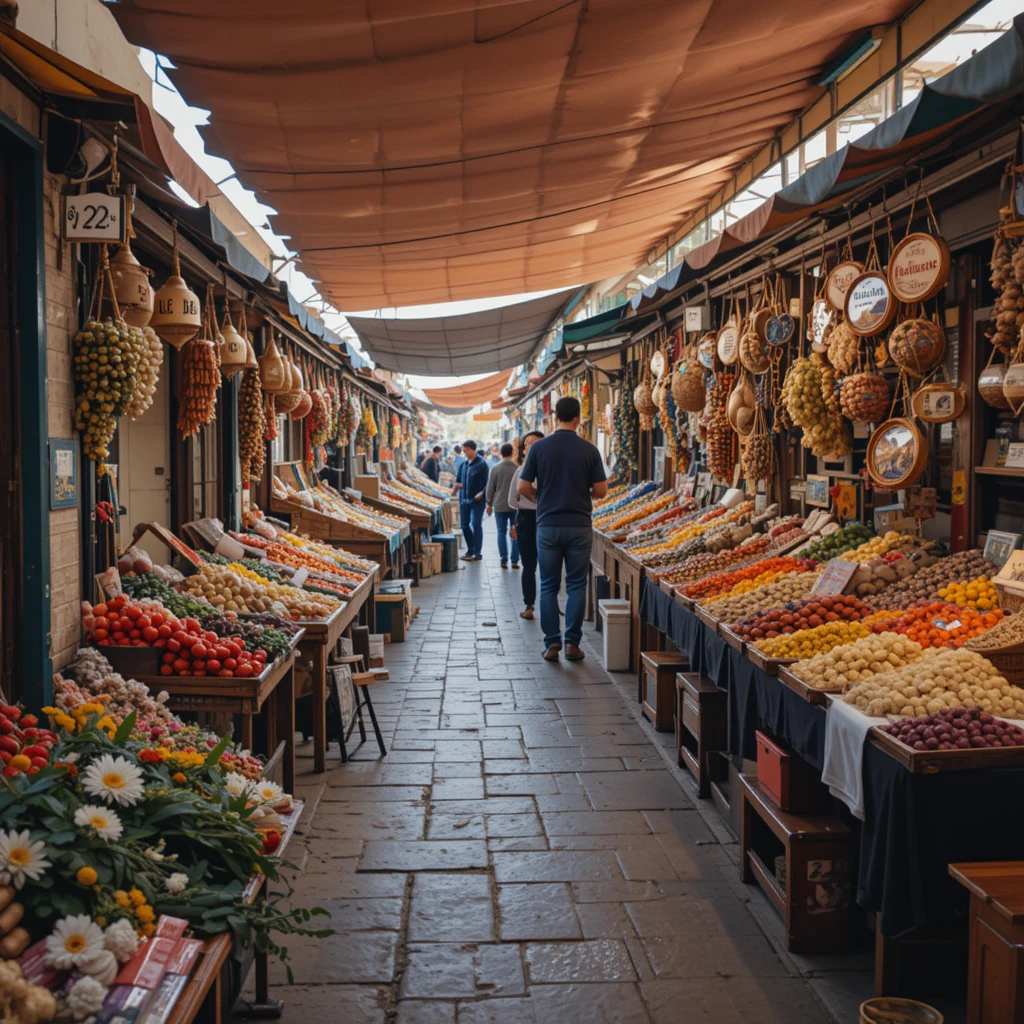
Each market in La Paz offers something special. Whether you’re shopping for souvenirs, gifts, or local products, here’s what to look out for:
4.1. Handwoven Textiles
Bolivia is known for its stunning handwoven textiles, and the markets in La Paz are the perfect place to pick up a piece of this tradition. From brightly colored blankets to ponchos and scarves, these textiles make for great keepsakes or gifts.
4.2. Exotic Spices and Herbs
Many markets in La Paz offer a wide array of spices and herbs unique to Bolivia. You can find everything from Andean herbs used in traditional medicine to flavorful seasonings for your cooking. If you love experimenting with new flavors, these spices are a must-have.
4.3. Traditional Bolivian Jewelry
For those interested in jewelry, La Paz’s markets offer beautiful, handcrafted pieces, often made with local materials like silver, turquoise, and colorful beads. These items are perfect for adding a unique touch to your accessories collection or as souvenirs to take home.
4.4. Fresh Produce and Local Snacks
If you’re a foodie, the fresh fruits and vegetables at La Paz’s markets are not to be missed. From the famous Andean potatoes to exotic fruits you won’t find anywhere else, these markets are a great place to stock up on fresh ingredients.
5. Understanding the Cultural Significance of La Paz’s Markets
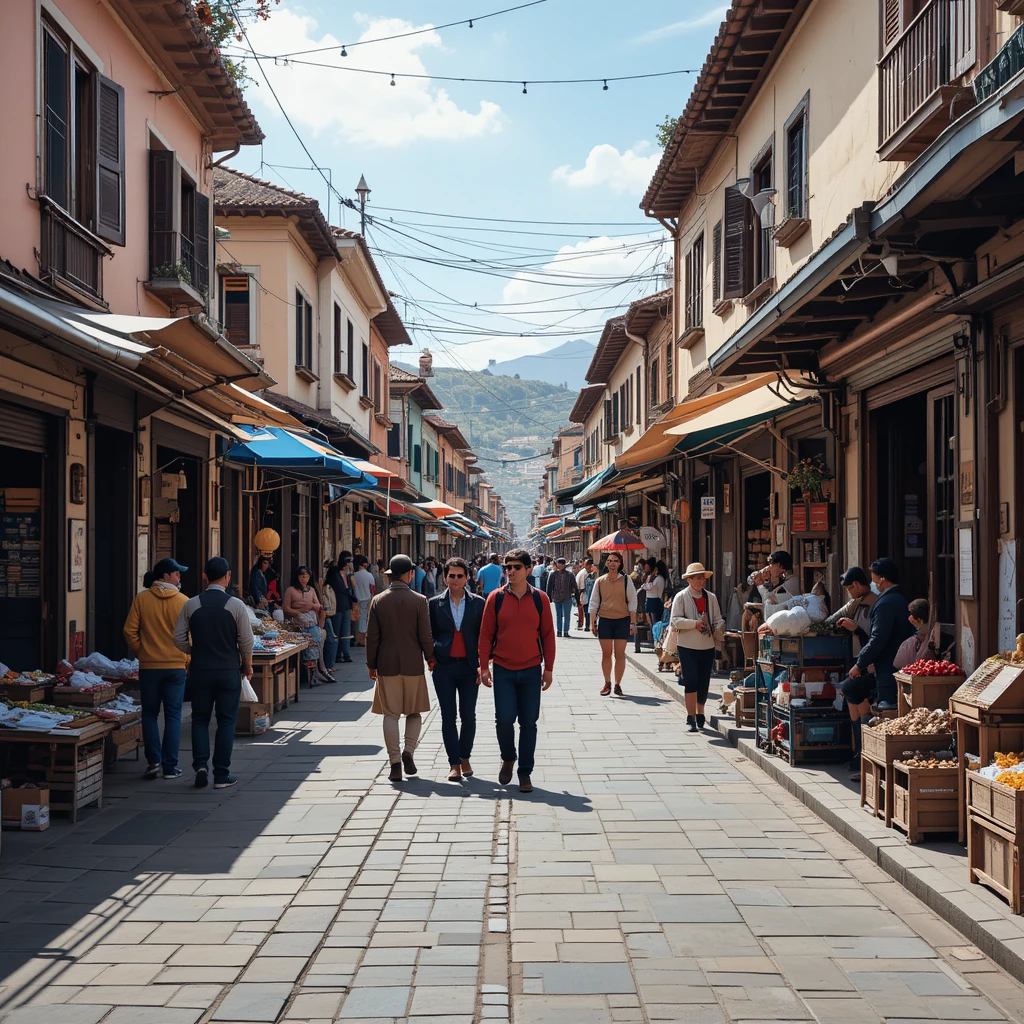
La Paz’s markets are more than just places to shop they’re a reflection of Bolivia’s rich culture and history. Each market tells a different story, whether it’s the spiritual traditions of the Witches’ Market or the agricultural history represented in Mercado Lanza.
6. The Best Times to Visit the Markets in La Paz
The best time to visit La Paz’s markets depends on what you’re looking for. Early mornings are perfect for getting fresh produce and avoiding crowds, while afternoons tend to be busier with locals and tourists alike. It’s also important to note that many markets are closed on Sundays, so plan your visit accordingly.
7. How to Get to the Markets in La Paz
La Paz has a variety of transportation options to get you to the markets. Many markets are within walking distance of major tourist areas, like Plaza Murillo, but you can also take a taxi or public transport. The city’s network of minibuses and cable cars makes it easy to get around.
8. Cultural Etiquette When Shopping at La Paz Markets
When shopping in La Paz’s markets, it’s important to respect local customs and traditions. Be polite when bargaining, and don’t forget to smile. Many vendors speak Spanish, but learning a few key phrases in Spanish or Aymara, the local indigenous language, can go a long way in making your shopping experience more enjoyable.
9. Conclusion: The Markets of La Paz Are a Must-See
Whether you’re interested in Bolivian culture, food, or shopping, the markets of La Paz offer an unforgettable experience. From the magical atmosphere of Mercado de las Brujas to the fresh ingredients at Mercado Lanza, these markets provide a glimpse into the heart of Bolivia. Don’t miss out on this essential part of any visit to La Paz.
Frequently Asked Questions (FAQs)
1. What should I buy at the Witches’ Market in La Paz?
The Witches’ Market is famous for mystical items like dried llama fetuses, herbs, and potions. You can also find unique souvenirs, such as handwoven textiles and jewelry.
2. Is bargaining necessary at La Paz markets?
Yes, bargaining is common in La Paz’s markets, especially in larger markets like Mercado de las Brujas and Mercado Camacho. Don’t hesitate to negotiate for a better price.
3. What is the best time to visit La Paz’s markets?
The best time to visit the markets is early in the morning for the freshest produce and fewer crowds. However, afternoons are also lively with plenty of activity.
4. Are the markets safe to visit in La Paz?
While La Paz’s markets are generally safe, it’s important to remain cautious of pickpockets, especially in crowded areas. Keep your belongings secure.
5. What can I expect to find at Mercado Lanza?
Mercado Lanza is a food lover’s paradise, offering fresh produce, meats, cheeses, and traditional Bolivian dishes like empanadas and salteñas.