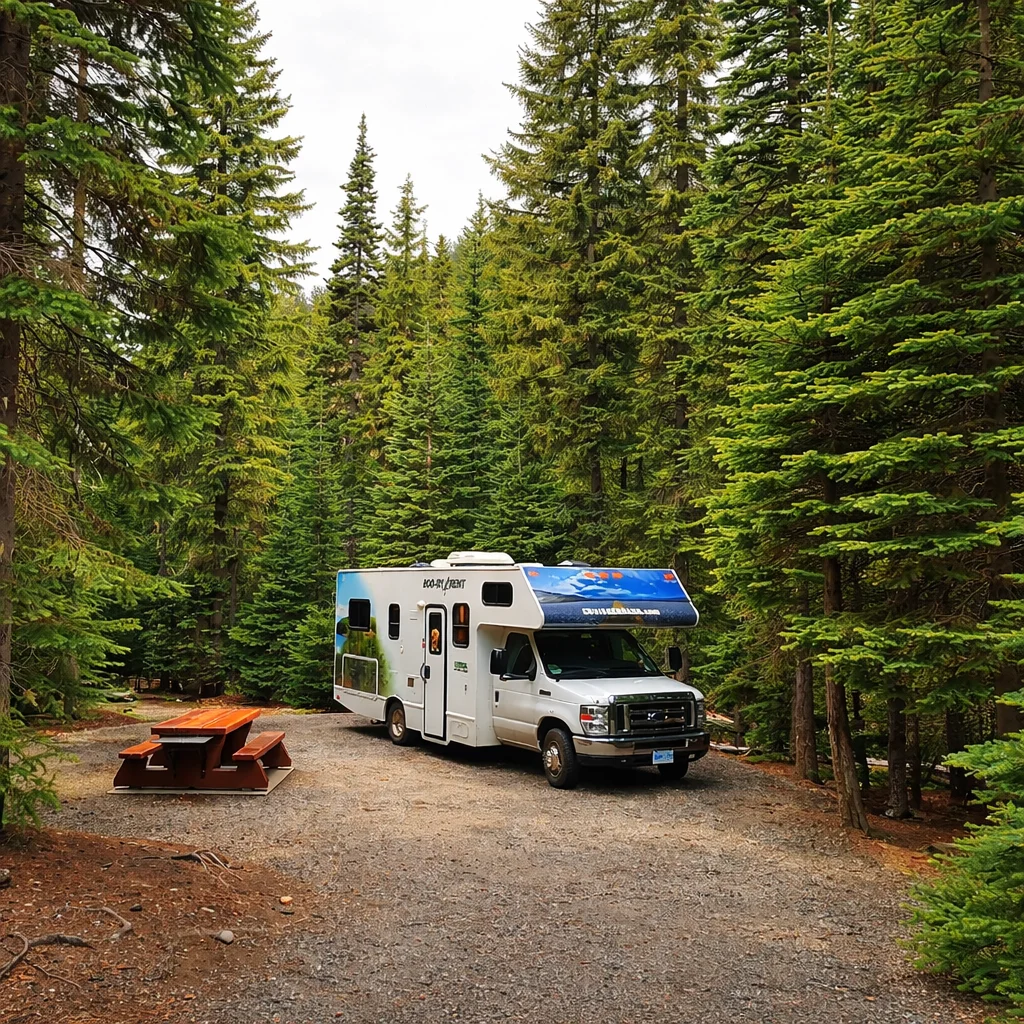
Fun and Creative Vacation Ideas for Your Next Family Adventure

Family vacation ideas for unforgettable trips across the US.

Vacation ideas for families can quickly start to sound exactly the same. If you’ve ever found yourself staring at endless lists and feeling more tired than inspired, trust me—you’re not alone. Between school calendars, picky eaters, and everyone wanting something different (my own kids once argued Disneyland vs. “muddy tent camping”—you can guess which side I was on), it’s tough! So, if you want simple, practical ways to make your next family trip downright awesome, you’re in good company here. Honestly, sometimes you just need real tips, like these kid-approved vacation ideas for busy families or if you’re dreaming a little bigger, an Italy trip itinerary no one will forget. Ready to take the planning stress down a notch? I’ll jump right in.

Fun and Creative Vacation Ideas for Your Next Family Adventure

Theme Park & Water Parks

If high-energy days are your jam, look no further. Kids (heck, most grown-ups too) can’t say no to wild rides and splashy water slides.

  • Check out seasonal events—festivals make parks twice as magical.
  • Look for bundle deals. They save money and…uhh, sometimes your sanity, too.
  • Don’t overlook smaller, local parks. Less crowds, more hot dogs!
  • Bring a change of clothes—wet socks ruin everything, trust me.

“Best family trip ever! My 7-year-old still talks about the rollercoaster with her grandpa—I call that a parenting win.”

Fun and Creative Vacation Ideas for Your Next Family Adventure

National Parks Trips

Alright, if you’re into the great outdoors or just want everyone off their screens, national parks are pure gold. And yes, even your surly teen might smile. Eventually.

  • Go during shoulder seasons (spring or fall) for amazing scenery minus the crowds.
  • Pick parks with kid-friendly hikes—nobody wants a meltdown halfway up.
  • Don’t forget a scavenger hunt! Kids love finding squirrels (and you score chill time).
  • Reserve campsites early—those things book up faster than concert tickets.

Beach Destinations

Is there anything better than plopping your toes in sand? Beaches are classic—simple, easy, and everyone finds happiness (sometimes for hours!) in digging holes for no reason.

City Break Trips

Don’t sleep on city trips! Urban exploring isn’t just museums (though, okay, I’m a big fan of weird local exhibits).

  • Hop on public transport—kids think subways are wild adventure rides (at least my nephew did).
  • Local food markets are basically edible theme parks. Hello, tacos!
  • Download a couple of handy travel apps for getting around and local recommendations in a snap.
  • Snap quick family photos for a killer vacation vision board.

Top Family-Friendly Activities

Sometimes the small stuff is the big win. Try layering in a couple of these crowd-pleasers.

  • Take a boat ride, even if it’s on a pond—it’s weirdly thrilling for all ages.
  • Mini golf…yes, so dorky, but you will all secretly love it.
  • Rent bikes for a day—bonus points if you get a ridiculous tandem.
  • Have a snack crawl. Ice cream counts as lunch. Who’s judging?

Common Questions

Q: How do I plan a vacation everyone will like?
A: Start with a family brainstorm (chaotic but worth it). Let everyone pick one must-do.

Q: What’s the best way to save money on family trips?
A: Bundle tickets, travel off-peak, and use points! Always double-check local deals, too.

Q: Are city vacations really kid-friendly?
A: Yup, as long as you break it up with parks and lots of snacks (I learned this the hard way).

Q: How far in advance should I book?
A: If you want popular places like national parks or resorts: as early as possible—six months isn’t crazy!

Q: What if it rains the whole time?
A: Have a backup plan: indoor pools, museums, and food tours save the day every time.


Ready to Pack Your Bags? Let’s Make Some Memories

Here’s the thing: no vacation ideas are perfect (and let’s be honest, someone will lose a sock or need a snack at the worst moment). But honestly, the wild stories and “remember when…” moments are what you’ll all carry home. For more inspiration, check out these trips to take with your kids before they grow up or browse 25 of the best summer vacation spots in the US if you’re a fan of sunny road trips. Don’t forget, sometimes the best plans are spontaneous—this piece on planning vs. spontaneous vacation ideas in summer (and the follow-up here) sparks all kinds of ideas. Go easy on yourself and remember: the best adventure is the one you share.

vacation ideas

Discover the Joys of North America Travel: Tips for Your Journey

Luxury tailor-made North America travel experiences with local experts.

Ever feel like North America travel sounds great, but you don’t quite know where to start? Maybe you’ve got wanderlust but you’re swamped by too many choices—so you freeze up, like, what if I pick the “wrong” spot? Same. First time I tried to plan a trip, let’s just say my browser had a workout. Heck, I even got sidetracked by this train ride in America that costs $97—don’t laugh, you might now too. Oh, and don’t get me started on all those planning apps out there. (Seriously, check this helpful round-up of travel apps before you pack. Trust me.) Let’s dig in, friend—here’s the real scoop on leveling up your North America travel adventure.

Discover the Joys of North America Travel: Tips for Your Journey

Discover must-visit destinations in Canada

So, Canada—honestly, it’s underrated. There’s more than just maple syrup (though, yum). I usually get swept away in these places:

  • Banff National Park: Insane mountain views. So photogenic you’ll want to frame every shot.
  • Montreal: All the croissants, cobblestones, and way more French than your high school textbook warned you about.
  • Toronto: Super diverse. Did I mention street food that’ll knock your socks off?
  • Vancouver: Two words: urban nature. One minute, you’re eating sushi, the next, you’re hiking.

You could do any of these cities in a week, but honestly, give yourself longer if you can. Never enough time—classic, right?

“I never thought I’d fall for Canada, but Banff’s lakes were magic. Would go back tomorrow if I could!” – Jen, Texas

Discover the Joys of North America Travel: Tips for Your Journey

Explore various travel options and adventures

Look, I’m not just saying “get in a car and drive.” There are so many ways to roll—err, or fly, or even cruise.

  • Road trips: Nothing beats rolling down Highway 1 with snacks and playlists (sometimes bickering, but it’s all part of the fun).
  • Train journeys: If you love the window seat and not worrying about traffic, trains are way more charming than you’d expect. Check out those scenic rail routes.
  • Adventure tours: Kayaking in British Columbia? Skiing in Colorado? Wild, but so worth it.
  • Budget hacks: If you’re not made of money (I mean, are any of us?), you’ll want to see this budget adventure travel guide—super practical tips packed in.

I mix and match, depending on the mood (and weather, which, let’s be honest, never seems to cooperate).

Understand the benefits of traveling with our services

Why bother with booking help? I used to roll my eyes, but now—hand to heart—I’m converted. Here’s why:

  • Someone else does all the boring bits: bookings, confirmations, fixing mistakes when you mess up dates (guilty).
  • Local tips you’d never hope to find from scrolling at 2 a.m.
  • Support if your plan blows up (snowstorm in April—yup, happened to me).
  • Some companies actually save you money with good deals and group discounts.

It really feels like a five-star travel experience, but without shelling out your savings. Not bad, right?

Read user testimonials and reviews

Don’t just take my word for it—listen to fellow travelers. Reviews help big-time.

  • Most travelers praise the flexibility—last-minute changes don’t scare the best providers.
  • Folks rave about local guides (the kind who know where to find the best donuts, not just facts).
  • Negative reviews? Well, I trust them, too. Look for honest feedback, not just five stars. If someone’s photo doesn’t match your vibe, keep scrolling.

It’s kind of like finding your new brunch spot, but with higher stakes (and less avocado toast).

Get inspired by the latest travel blog posts

Still not sure where to go next? I get it—so many options. I stalk travel blogs like other people stalk, well, everything else online.

  • New must-sees pop up, like every week. Blogs keep you in the loop.
  • You get those little “Aha!” moments. Like, “Wait, cheese festivals?!” Yes, it’s a thing.
  • Bloggers spill the real scoop about what’s worth your bucks and what’s totally skippable.

Honestly, after a scroll or two, my itinerary grows faster than my snacks disappear. (And trust me, I’ve got snack skills.)

Discover the Joys of North America Travel: Tips for Your Journey

Common Questions

Is North America travel good for solo travelers?
Absolutely! Tons of travelers go it alone and love the flexibility (and meeting new pals on the road). You might want to start with cities—Toronto and Montreal are super friendly.

What’s the best way to save money on North America travel?
Book early (or last minute), look for package deals, and use public transit where you can. Check out some detailed guides before you go.

Do I need special insurance?
Yes, always. Stuff happens—missed flights, lost bags, the occasional “oops.” Travel insurance’s the backup you don’t know you need till you do.

What’s one hidden gem you love?
Quebec City in winter. Feels like a snow globe.

Any packing tips?
Dress in layers. Weather is unpredictable—one minute sunny, next minute it’s basically Canada’s version of London. If you’re going in fall, don’t forget these essential items to pack.

Ready to hit the road? Here’s why you should just go

Alright, I know planning North America travel can feel like juggling flaming marshmallows, but honestly, it’s so worth it. There’s a mind-boggling mix of adventures, delicious snacks, epic train rides, and memories you’ll talk about for years. If you want more inspo, poke around a few trusty sources—Luxury Tailor-Made USA & Canada Holidays | North America Travel …, or explore that iconic North America Travel Guide | National Geographic for even more jaw-dropping ideas. You can even Contact – North America Travel Service if you want help (sometimes your brain just needs a break, right?). And for the pros out there, I’m loving the latest ideas in the North America – Book – Lonely Planet. Go ahead, book your adventure. Promise it’ll taste better than your favorite recipe.

Discover the Joys of North America Travel: Tips for Your Journey

The 17 Best Resorts in California (2023) – Bon Traveler

The best resorts in California - 2023 guide by Bon Traveler
California’s resort scene stretches from fog-kissed Northern coastline to sun-drenched desert escapes. Whether you want oceanfront cliffside spas, historic vineyard estates, or secluded redwood retreats, the Golden State has a resort for every mood and season. Before diving into regional picks, you might enjoy a contrasting tropical destination that offers perspective on lagoon-front relaxation in our Bacalar Lagoon guide, which highlights a different kind of water-centered serenity.Below is a curated, region-by-region guide to 17 standout California resorts — selected for location, atmosphere, amenities, and distinct local experiences.

Northern California (Redwoods, Wine Country, Coast)

  1. Post Ranch Inn, Big Sur — Perched above the Pacific, this intimate eco-minded resort blends dramatic ocean views, contemporary rooms, and a celebrated spa. Ideal for romance and stargazing.
  2. Cavallo Point, Sausalito — Historic military buildings converted into elegant lodgings with sweeping views of the Golden Gate; great for cultural exploration of nearby San Francisco.
  3. Ventana Big Sur, an Alila Resort — A luxe retreat focused on wellness, with redwood hikes, alfresco dinners, and spacious suites tailored to unplugging.
  4. Cavallo Point / Auberge-style properties in Wine Country — Boutique hotels in Napa and Sonoma that combine vineyard access with Michelin-caliber dining (several properties offer vineyard tours and private tastings).

Central Coast (Surf Towns, Clifftop Views)

  1. Post Ranch Inn (mentioned above) fits this coastline as well, but for variety:
  2. Alila Ventana — (See regional picks for comparable clifftop, wellness-focused stays.)
  3. The Ranch at Laguna Beach — A coastal property with a wellness focus, activities like surf lessons and guided hikes, and strong local art connections.
  4. Carmel Valley Ranch — Known for sprawling grounds, farm-to-table dining, golf, and family-friendly activities set inland from the Carmel cliffs.
  5. Ponte Vedra / Pebble Beach-style luxury — Coastal golf-and-stay resorts with ocean vistas, fine dining, and curated seaside experiences.

Central California & Monterey Bay

  1. Monterey Plaza Hotel & Spa, Monterey — Oceanfront rooms with immediate access to Cannery Row, aquarium visits, and harbor cruises.
  2. Bernardus Lodge & Spa, Carmel Valley — A tranquil vineyard-adjacent resort with personalized service and a locally focused spa.

Southern California (Beaches to Mountains)

  1. The Resort at Pelican Hill, Newport Coast — Italian-inspired architecture, oceanside colonnades, and a championship golf experience.
  2. Terranea Resort, Rancho Palos Verdes — A large coastal resort with multiple pools, tidepool walks, canoeing, and extensive dining options.
  3. Ojai Valley Inn, Ojai — A pastoral wellness resort tucked into the mountains, celebrated for its holistic spa, creative arts programming, and quiet luxury.
  4. Hotel del Coronado, San Diego — A historic, iconic beachfront resort with Victorian charm and modern amenities, perfect for classic Southern California seaside glamour.
  5. Four Seasons Resort The Biltmore Santa Barbara — Timeless luxury amid palms and ocean breezes with easy access to Santa Barbara’s wine trails.

Desert Escapes (Palm Springs & Beyond)

  1. La Quinta Resort & Club, Palm Springs — Known for desert golf, pools set among palms, and desert serenity across expansive grounds.
  2. ACE Hotel & Swim Club, Palm Springs — A trendier, design-forward option with a lively pool scene and retro-meets-modern vibe.

How these picks were chosen

  • Location: proximity to unique natural features (ocean cliffs, vineyards, redwoods, deserts).
  • Character: historic properties, design-forward hotels, and eco-conscious retreats.
  • Amenities: spas, culinary programs, outdoor activities, family-friendly offerings.
  • Value: a range from ultra-luxe to boutique properties that offer memorable experiences.

Tips for Planning Your California Resort Stay

  • Timing: Coastal fog is common in late spring/early summer (the “June Gloom”); late summer and early fall usually offer the clearest beach weather. Desert resorts shine in cooler months (fall–spring).
  • Book spa and dining reservations well in advance for top resorts, especially on weekends and holidays.
  • Consider transportation: some properties are best reached by car; others are near regional airports or easy transfers.
  • Look for package deals that combine activities like wine tours, golf, or spa credits to maximize value.

Sustainable and Wellness-Focused Stays

Many California resorts now emphasize sustainability — from on-site organic gardens to water-wise landscaping and renewable energy initiatives. If reducing your footprint matters, inquire about local sourcing policies, waste reduction practices, and conservation partnerships before booking.

Conclusion

For more stories and regional suggestions that spotlight the best of Central California’s coast, wine country, and scenic drives, see the collection of Central California features on Bon Traveler at Central California resort guides on Bon Traveler.

2026 Planning Update for Best Resorts

A stronger best resorts plan starts with intent. Decide whether the trip is about price, scenery, comfort, food, events, outdoor access or a specific bucket-list moment. That decision makes the rest of the planning easier because every hotel, transfer and activity can be judged against the same goal.

For 2026, travelers should also compare total trip cost instead of only headline prices. A cheap hotel can become expensive if transport is weak, while a slightly higher nightly rate can save money if it includes breakfast, transit access or a better location.

Budget and Booking Tips

  • Book refundable accommodation early, then keep comparing prices.
  • Check airport, train or bus access before choosing where to stay.
  • Plan one main paid experience per day instead of overloading the itinerary.
  • Use grocery stops, local transport and shoulder-season dates to control costs.
  • Keep a small buffer for weather, delays, luggage storage or last-minute transfers.

Internal Planning Links

Official Resource to Check

Before finalizing the trip, check an official resource for current rules, entry requirements, park access, event details or health guidance: U.S. State Department international travel information.

Common Mistakes to Avoid

The most common mistake is planning from one viral photo or one cheap price. A useful itinerary checks distance, opening times, weather, local holidays, transfer costs and whether the experience still works if plans change.

Another mistake is ignoring the first and last day. Arrival and departure days often decide whether a trip feels smooth or stressful, so keep them lighter and avoid booking the most important activity immediately after a long transfer.

FAQ

How do you plan best resorts on a budget?

Start with flexible dates, compare accommodation outside the most expensive zone, check transport before booking and keep one paid activity as the main highlight.

What should you check before booking best resorts?

Check season, local transport, cancellation rules, official travel updates, safety requirements and whether the final cost includes food, transfers and extra fees.

Is best resorts worth it in 2026?

Yes, if the trip matches your budget, season and travel style. A focused itinerary usually gives better value than trying to visit too many places at once.

Seattle to San Francisco in 5 Days: The Best Road Trip Stops

Scenic road trip stops from Seattle to San Francisco
A five-day drive from Seattle to San Francisco is ambitious but totally doable if you balance scenic detours with realistic daily distances. This itinerary favors the Pacific Coast Highway and coastal highlights where possible, mixing world-class viewpoints, short hikes, seafood stops, and comfortable towns to spend the night. For one example of travel planning inspiration beyond the West Coast, see this roundup of 15 best places to visit in Maryland this summer, which demonstrates how compact trip guides can help you prioritize stops and activities.Day 1 — Seattle to Astoria (approx. 190–220 miles, 4.5–5.5 hours)
  • Morning: Depart Seattle early and cruise south on I-5; consider a short ferry from Edmonds to Kingston to break the routine and enjoy water views.
  • Afternoon: Reach the Oregon coast and head toward Astoria. Stop at Cannon Beach for Haystack Rock photos and a quick beach walk.
  • Evening: Explore Astoria’s waterfront, climb the Astoria Column at sunset for panoramic views, and dine on fresh Pacific seafood. Overnight in Astoria.
Day 2 — Astoria to Newport (approx. 175–200 miles, 4.5–5.5 hours)
  • Morning: Drive along US-101 with scenic coastal pullouts. Visit the Lewis and Clark Interpretive Center near Fort Clatsop if you enjoy history.
  • Midday: Stop in Tillamook for a cheese factory tour and samples.
  • Afternoon: Continue to Newport. Visit the Yaquina Head Lighthouse and the Oregon Coast Aquarium if time allows.
  • Evening: Stroll Newport’s historic bayfront and try local clam chowder. Overnight in Newport.
Day 3 — Newport to Bandon (approx. 145 miles, 3.5–4.5 hours)
  • Morning: Head south through the picturesque central Oregon coast—short hikes at Cape Perpetua and Devil’s Punchbowl are highly rewarding.
  • Midday: Explore Florence’s Oregon Dunes National Recreation Area if you want dune rides or scenic viewpoints.
  • Afternoon: Continue to Bandon, one of the coast’s gems—famous for rock formations, blown sand beaches, and a charming old town.
  • Evening: Catch the sunset at Face Rock State Scenic Viewpoint. Overnight in Bandon.
Day 4 — Bandon to Redwood Country to Mendocino (approx. 240–300 miles, 6–8 hours)
  • Morning: Cross into California and make time for Redwood National and State Parks—take short walks among towering redwoods (Trillium Falls, Lady Bird Johnson Grove).
  • Midday: Drive the Highway 101 Redwood corridor, stopping in Crescent City for a quick harbor lunch or a tidepool walk.
  • Afternoon: As you head farther south, consider the Avenue of the Giants detour for an unforgettable old-growth redwood drive.
  • Evening: Stay in the coastal village of Mendocino or nearby Fort Bragg for charming galleries, cliffs, and dinner. Overnight in Mendocino/Fort Bragg.
Day 5 — Mendocino to San Francisco (approx. 150–170 miles, 3.5–5 hours)
  • Morning: Drive the scenic coastal route (where accessible) through Sonoma County—time permitting, stop at Point Arena Lighthouse or a coastal overlook.
  • Midday: If you enjoy wine, a brief tasting in Russian River Valley or Sonoma is possible before the final leg.
  • Afternoon: Arrive in San Francisco via Highway 1 or US-101. Plan a late-afternoon visit to the Golden Gate viewpoint or a walk along Fisherman’s Wharf to celebrate the end of the trip.
Practical Tips
  • Pace: Average daily drive times above include short stops; keep long hikes optional so you can enjoy views without feeling rushed.
  • Reservations: Summer and holiday weekends book up—reserve hotels in coastal towns in advance.
  • Fuel & Services: Some stretches of the Oregon and Northern California coasts have sparse services—top off your tank when you can.
  • Weather: Coastal fog is common—layers, windproof jackets, and waterproof shoes will make outdoor stops more enjoyable.
  • Car considerations: Choose a comfortable car for long driving days and bring a phone mount, power bank, and offline maps for stretches with spotty service.
  • Food: Try local fish markets and family-run bakeries in small coastal towns—these are often the most memorable meals.
Short detours worth the time
  • Cape Perpetua Scenic Area (Oregon) — impressive viewpoints with short accessible trails.
  • Avenue of the Giants (California) — a tranquil and awe-inspiring redwood driving alternative to US-101.
  • Mendocino Headlands State Park — quick coastal cliff walks that are perfect for stretching legs before the final drive.
Packing checklist (brief)
  • Layers and waterproof outerwear
  • Comfortable walking shoes and a small daypack
  • Sunglasses, sunscreen, reusable water bottle
  • Driver essentials: phone mount, charger, printed reservation info
  • Snacks and a cooler for fresh seafood or picnic lunches

Conclusion

If you want a step-by-step planning guide with maps, suggested daily mileage, and extra route options for a Seattle-to-San-Francisco road trip, check out this practical resource on How To Plan An Amazing Seattle To San Francisco Road Trip.

2026 Planning Update for Road Trip Stops

A stronger road trip stops plan starts with intent. Decide whether the trip is about price, scenery, comfort, food, events, outdoor access or a specific bucket-list moment. That decision makes the rest of the planning easier because every hotel, transfer and activity can be judged against the same goal.

For 2026, travelers should also compare total trip cost instead of only headline prices. A cheap hotel can become expensive if transport is weak, while a slightly higher nightly rate can save money if it includes breakfast, transit access or a better location.

Budget and Booking Tips

  • Book refundable accommodation early, then keep comparing prices.
  • Check airport, train or bus access before choosing where to stay.
  • Plan one main paid experience per day instead of overloading the itinerary.
  • Use grocery stops, local transport and shoulder-season dates to control costs.
  • Keep a small buffer for weather, delays, luggage storage or last-minute transfers.

Internal Planning Links

Official Resource to Check

Before finalizing the trip, check an official resource for current rules, entry requirements, park access, event details or health guidance: U.S. State Department international travel information.

Common Mistakes to Avoid

The most common mistake is planning from one viral photo or one cheap price. A useful itinerary checks distance, opening times, weather, local holidays, transfer costs and whether the experience still works if plans change.

Another mistake is ignoring the first and last day. Arrival and departure days often decide whether a trip feels smooth or stressful, so keep them lighter and avoid booking the most important activity immediately after a long transfer.

FAQ

How do you plan road trip stops on a budget?

Start with flexible dates, compare accommodation outside the most expensive zone, check transport before booking and keep one paid activity as the main highlight.

What should you check before booking road trip stops?

Check season, local transport, cancellation rules, official travel updates, safety requirements and whether the final cost includes food, transfers and extra fees.

Is road trip stops worth it in 2026?

Yes, if the trip matches your budget, season and travel style. A focused itinerary usually gives better value than trying to visit too many places at once.

12 Jaw‑Dropping Nova Scotia Spots So Unreal You’ll Pin Them Now

Stunning view of a Nova Scotia spot showcasing its breathtaking landscape.
Nova Scotia is the kind of place that looks like someone pressed “enhance” on nature. From misty shorelines and soaring cliffs to ghostly sandbars and tiny towns full of color, the province offers scenes that don’t feel real until you’re standing in them. If you love collecting otherworldly travel photos, you might also enjoy this guide to 12 stunning spots near Cancún for more inspiration beyond the Atlantic coast.Below are twelve Nova Scotia destinations that will make you reach for your camera and a pin.

1. Peggy’s Cove

A tiny fishing hamlet crowned by a squat red-and-white lighthouse perched on glistening granite, Peggy’s Cove feels sculpted. Waves crash in dramatic, slow-motion splashes, and the smooth, weather-polished rocks create natural seats and picture frames for every sunset.

2. Lunenburg

This UNESCO World Heritage town is a palette of pastel houses and crooked streets that look hand-painted. The waterfront fishing boats, old shipbuilding sheds, and the vibrant Fisheries Museum make Lunenburg a living postcard.

3. Cape Breton Highlands National Park

Where the highlands tumble into the sea, fog-draped forests and cliffside lookouts deliver cinematic views. Hike the Skyline Trail at dawn and watch the mist roll through in layers — it’s like watching the coast breathe.

4. Cabot Trail

A winding ribbon of road that hugs the coastline and cliffs, the Cabot Trail offers lookout points that feel impossibly close to the edge of the world. Each turn reveals a new frame-worthy vista of ocean, valley, and distant headlands.

5. Kejimkujik National Park & National Historic Site

Dark skies, mirrored lakes, and ancient Mi’kmaq petroglyphs give this inland park a mystical quality. Canoe a quiet river at dusk and you’ll swear the loon calls echo from another time.

6. Bay of Fundy — Burntcoat Head

Experience the world’s highest tides at Burntcoat Head and watch the ocean retreat to reveal a sculpted mudflat labyrinth. At low tide the seabed transforms into an alien landscape of rivulets and tidal pools, teeming with life.

7. Blomidon Provincial Park

Red sandstone cliffs rise sharply from winding tidal rivers and farmland, painted in tones of rust and ochre at sunset. The views from the headlands feel theatrical, with the Minas Basin stretching like an oil painting below.

8. Five Islands Provincial Park

Sea stacks and dramatic cliffs carve the Minas Basin coastline into surreal shapes of stone and water. Photographers love the interplay of reflective tidal flats and towering rock formations at low tide.

9. Sable Island

A long, lonely crescent of sand far offshore, Sable Island is famous for its wild horses drifting through dunes and fog. The sense of isolation — dune, horse, sky — makes every scene feel cinematic.

10. Mahone Bay

Three iconic churches line the harbor against a backdrop of bobbing sailboats and cottony clouds. The compact waterfront, dotted with artisan shops and cafés, makes Mahone Bay a picture-perfect detour.

11. Crystal Crescent Beach

Only a short drive from Halifax, these dunes and crescent-shaped white-sand beaches surprise many visitors with Caribbean-like clarity of water on a cool Atlantic day. Hike the dune trails or stroll the shore for endless coastal compositions.

12. Brier Island

A bit off the beaten path, Brier Island offers dramatic cliffs, intimate coves, and some of Nova Scotia’s best whale-watching. The island’s geology and wildflower-carpeted meadows give it a remote, storybook quality.

Conclusion

If these Nova Scotia finds have sparked a taste for surreal landscapes everywhere, take a look at this Dashboard Living’s guide to surreal places for more extraordinary destinations to add to your travel pins.

2026 Planning Update for Nova Scotia Spots

A stronger Nova Scotia spots plan starts with intent. Decide whether the trip is about price, scenery, comfort, food, events, outdoor access or a specific bucket-list moment. That decision makes the rest of the planning easier because every hotel, transfer and activity can be judged against the same goal.

For 2026, travelers should also compare total trip cost instead of only headline prices. A cheap hotel can become expensive if transport is weak, while a slightly higher nightly rate can save money if it includes breakfast, transit access or a better location.

Budget and Booking Tips

  • Book refundable accommodation early, then keep comparing prices.
  • Check airport, train or bus access before choosing where to stay.
  • Plan one main paid experience per day instead of overloading the itinerary.
  • Use grocery stops, local transport and shoulder-season dates to control costs.
  • Keep a small buffer for weather, delays, luggage storage or last-minute transfers.

Internal Planning Links

Official Resource to Check

Before finalizing the trip, check an official resource for current rules, entry requirements, park access, event details or health guidance: U.S. State Department international travel information.

Common Mistakes to Avoid

The most common mistake is planning from one viral photo or one cheap price. A useful itinerary checks distance, opening times, weather, local holidays, transfer costs and whether the experience still works if plans change.

Another mistake is ignoring the first and last day. Arrival and departure days often decide whether a trip feels smooth or stressful, so keep them lighter and avoid booking the most important activity immediately after a long transfer.

FAQ

How do you plan Nova Scotia spots on a budget?

Start with flexible dates, compare accommodation outside the most expensive zone, check transport before booking and keep one paid activity as the main highlight.

What should you check before booking Nova Scotia spots?

Check season, local transport, cancellation rules, official travel updates, safety requirements and whether the final cost includes food, transfers and extra fees.

Is Nova Scotia spots worth it in 2026?

Yes, if the trip matches your budget, season and travel style. A focused itinerary usually gives better value than trying to visit too many places at once.

Things to Do in St. Thomas, USVI — Island Adventure Guide

Scenic view of St. Thomas in the US Virgin Islands with turquoise waters
St. Thomas is a vibrant, sun-drenched Caribbean island where turquoise bays meet lush hills and every day invites a new adventure. Whether you’re chasing secluded beaches, hunting for the best snorkeling spots, or sampling local flavors in Charlotte Amalie, this guide will help you plan a memorable visit. For ideas on similar island escapes and how to pace your days, see this helpful resource about another popular destination: the Isla Mujeres travel guide.

Best Beaches — Sand, Shade, and Swimming

  • Magens Bay: A classic crescent beach with calm, shallow water that’s ideal for families and gentle swimmers. Rent a kayak or simply relax under the palm trees.
  • Sapphire Beach: Known for great snorkeling right off the sand and a lively beach bar scene.
  • Coki Point Beach: A favorite for snorkeling and colorful reef life; watch for local vendors selling fresh snacks and drinks.
Tips: Arrive early to secure parking and shade, and bring reef-safe sunscreen to protect the marine environment.

Snorkeling and Diving — Explore Underwater Gardens

St. Thomas sits near vibrant reefs and wrecks. Popular sites include:
  • Turtle Cove and Cow and Calf for easy shore snorkeling.
  • Wreck dives on nearby sites for certified divers looking for dramatic underwater history.
  • Book a guided snorkeling trip if you prefer someone else to handle gear and navigation.
Bring a mask that fits well and consider a guided tour if you want to learn about local marine species.

Sailing, Day Cruises, and Island Hopping

A day sail is one of the best ways to experience the USVI. Options range from luxury catamarans to small, personable charters. Typical itineraries include:
  • Snorkeling stops at protected reefs.
  • Visits to nearby islands like St. John and the British Virgin Islands (check cruising regulations).
  • Sunset cruises with cocktails and live music.
Look for operators that emphasize small groups and eco-friendly practices.

Historic Charlotte Amalie — Culture and Shopping

Charlotte Amalie, the island’s capital, blends colonial architecture with duty-free shopping. Highlights:
  • Blackbeard’s Castle and historic forts for panoramic island views.
  • Main Street’s shopping for jewelry, leather goods, and local crafts.
  • Local museums and guided walking tours to learn about the island’s Danish colonial past.
Tip: Haggling is common in local markets—polite negotiation can score you a better price.

Food & Drink — Taste the Island

St. Thomas offers a mix of Caribbean, seafood, and international cuisine.
  • Try conch fritters, fresh mahi-mahi, and island-roasted coffee.
  • Visit local rum bars for tastings and cocktails such as the Painkiller.
  • Food trucks and beachside grills often have the most authentic flavors at budget-friendly prices.
Look for restaurants with locally sourced fish and produce for the most authentic meals.

Hiking and Nature — Hills, Views, and Quiet Trails

The island’s interior offers lush trails with rewarding overlooks.
  • Drake’s Seat and Mountain Top provide iconic panoramic views.
  • Trails on the eastern side lead through native vegetation and quiet coves.
  • Bring sturdy shoes, water, and insect repellent; many trails are unshaded.
Guided hikes can enhance your experience with local flora and fauna knowledge.

Family-Friendly Activities

  • Coral World Ocean Park (on nearby St. Thomas shores) offers interactive marine exhibits and shallow water attractions for kids.
  • Easy snorkeling beaches and calm bays are perfect for teaching children to swim.
  • Short boat trips and glass-bottom boat tours keep little ones entertained without long excursions.
Check age and safety guidelines for any water activity before booking.

Practical Tips and Transportation

  • Driving is on the left; rentals are available but narrow roads and hilly terrain mean many visitors opt for taxis or organized tours.
  • Cash and cards are widely accepted, but smaller vendors may prefer cash.
  • Respect local customs and marine protections—avoid touching coral and follow posted guidelines in parks and reserves.
Pack light layers, reef-safe sunscreen, and a reusable water bottle to stay comfortable.

Where to Stay — Neighborhoods and Vibes

  • Charlotte Amalie: Best for shopping, nightlife, and cruise-ship convenience.
  • Red Hook: A lively area with ferries to nearby islands and good nightlife.
  • Northside/Magens Bay area: Quieter, more residential, with proximity to top beaches.
Consider your priorities—beach access, nightlife, or easy island connections—when choosing lodging.

Conclusion

For a thorough, firsthand roundup of activities, practical tips, and travel-tested recommendations to help you get the most out of your time in St. Thomas, consult this detailed guide: What to do in St Thomas, USVI — An Ultimate Guide.

2026 Planning Update for St. Thomas

A stronger St. Thomas plan starts with intent. Decide whether the trip is about price, scenery, comfort, food, events, outdoor access or a specific bucket-list moment. That decision makes the rest of the planning easier because every hotel, transfer and activity can be judged against the same goal.

For 2026, travelers should also compare total trip cost instead of only headline prices. A cheap hotel can become expensive if transport is weak, while a slightly higher nightly rate can save money if it includes breakfast, transit access or a better location.

Budget and Booking Tips

  • Book refundable accommodation early, then keep comparing prices.
  • Check airport, train or bus access before choosing where to stay.
  • Plan one main paid experience per day instead of overloading the itinerary.
  • Use grocery stops, local transport and shoulder-season dates to control costs.
  • Keep a small buffer for weather, delays, luggage storage or last-minute transfers.

Internal Planning Links

Official Resource to Check

Before finalizing the trip, check an official resource for current rules, entry requirements, park access, event details or health guidance: U.S. State Department international travel information.

Common Mistakes to Avoid

The most common mistake is planning from one viral photo or one cheap price. A useful itinerary checks distance, opening times, weather, local holidays, transfer costs and whether the experience still works if plans change.

Another mistake is ignoring the first and last day. Arrival and departure days often decide whether a trip feels smooth or stressful, so keep them lighter and avoid booking the most important activity immediately after a long transfer.

FAQ

How do you plan St. Thomas on a budget?

Start with flexible dates, compare accommodation outside the most expensive zone, check transport before booking and keep one paid activity as the main highlight.

What should you check before booking St. Thomas?

Check season, local transport, cancellation rules, official travel updates, safety requirements and whether the final cost includes food, transfers and extra fees.

Is St. Thomas worth it in 2026?

Yes, if the trip matches your budget, season and travel style. A focused itinerary usually gives better value than trying to visit too many places at once.

27 Best Places to Visit in the USA in March (2026)

27 best places to visit in the USA in March 2026 for travel inspiration

Quick answer: Places to visit is easiest to plan when you compare season, total trip cost, transport, where to stay and the main experience you want before booking.

March is an ideal month to travel in the United States: winter crowds thin in many northern destinations, early spring blooms begin to appear, ski resorts still have good snow, and warm-weather spots start to shake off winter chill. Whether you’re chasing festivals, wildflower blooms, whale watching, or last-chance skiing, this curated list highlights 27 varied destinations that shine in March. If you’re comparing U.S. March escapes with international options, take a look at this helpful roundup of 27 best places to visit in Baku for a different kind of travel inspiration.

Why March?

  • Mild shoulder-season weather in many regions
  • Lower prices and fewer tourists than peak summer months
  • Seasonal events (Mardi Gras in early March some years, SXSW, spring festivals)
  • Excellent conditions for wildlife viewing (whale migrations, birding) and wildflower season in deserts and southern California

Northeast & Mid-Atlantic

  1. Washington, D.C. — Cherry blossom season often begins in late March; monuments and museums are less crowded than in April.
  2. Philadelphia, PA — Historic sightseeing with pleasant spring walks along the Schuylkill River and early-season food festivals.
  3. Boston, MA — Early spring museum visits, fewer tourists, and crisp coastal walks before summer crowds return.
(Note: In March, New England can still be chilly; check weather for coastal vs. inland plans.)

Southeast & Florida

  1. Savannah, Georgia — Spanish moss, blooming azaleas, and comfortable daytime temperatures; great for historic walking tours.
  2. Charleston, South Carolina — Garden tours and pastel architecture look especially appealing as spring begins.
  3. Hilton Head Island, South Carolina — Mild weather for golf, biking, and quieter beaches.
  4. Myrtle Beach, South Carolina — Early spring offers off-season rates, long beaches, and family-friendly attractions.
  5. New Orleans, Louisiana — If Mardi Gras falls in February some years, March still offers live music, beignets, and fewer crowds.
  6. Miami & South Beach, Florida — Warm weather, art deco architecture, and thriving nightlife; March is busy with spring breakers, so book ahead.
  7. Key West, Florida — Perfect for snorkeling, sunsets, and a relaxed island vibe before the heat and humidity build later in the year.

South & Texas

  1. Austin, Texas — SXSW (normally mid-March) brings music, film, and tech energy; outside festival dates enjoy live music and great food.
  2. San Antonio, Texas — The River Walk is especially pleasant in March; historic missions and Tex-Mex cuisine make for a flavorful trip.

Southwest & Desert Blooms

  1. Scottsdale/Phoenix, Arizona — Warm daytime temps for golf, spas, and desert hiking; good wildflower sightings in surrounding areas.
  2. Sedona, Arizona — Red-rock hikes with psychedelic sunsets and fewer crowds than later in spring.
  3. Grand Canyon, Arizona — Cooler rim temperatures and clearer skies; some viewpoints are less crowded before peak season.
  4. Moab, Utah (Arches & Canyonlands) — Mild weather for hiking and mountain biking; dramatic red-rock colors pop in spring light.
  5. Zion National Park, Utah — Comfortable hiking conditions before summer heat; waterfalls can be higher after winter runoff.
  6. Joshua Tree National Park, California — Great for rock climbing, stargazing, and enjoying early bloomers in the high desert.

California Highlights

  1. Anza-Borrego Desert State Park, California — March is prime time for desert wildflower blooms in wet years; scenic drives and hiking are rewarding.
  2. Palm Springs, California — Sunny, dry, and perfect for poolside relaxing or exploring mid-century architecture.
  3. San Diego, California — Mild temperatures, whale-watching opportunities, and fewer tourists than summer.
  4. Los Angeles, California — March offers manageable traffic, museum visits, and early outdoor events.
  5. San Francisco, California — Spring coolness, clearer skies for views of the Golden Gate, and city festivals starting up.

Rocky Mountains & High Country

  1. Aspen, Colorado — Late-season skiing with fewer crowds and lively après-ski; spring festivals sometimes begin in March.
  2. Vail, Colorado — Still a great month for snow sports and sunny days in the valley.

Pacific Northwest & Northern Rockies

  1. Yellowstone National Park, Wyoming — Early spring wildlife viewing (elk, bison, wolves) and dramatic landscapes as winter thaws; some park roads may still be closed—plan accordingly.
  2. Seattle, Washington — Early cherry blossoms and a lively coffee/culture scene; March can be wet but museums and indoor activities shine.

How to Choose

  • For warm beaches and spring break energy choose Florida or Hawaii.
  • For desert wildflowers and comfortable hikes, aim for southern California and the Arizona deserts.
  • For skiing with thinner crowds, book Colorado resorts in early March.
  • For cultural festivals, check event calendars (SXSW, local spring fairs, and city-specific events).

Practical Tips

  • Book popular destinations early if your trip coincides with festivals or spring break.
  • Layer clothing: March weather can swing from warm afternoons to cool mornings or evenings.
  • Check park road openings and wildfire/air quality advisories in the West before you go.
  • If chasing blooms, look up bloom forecasts for deserts and cherry blossom peak predictions for D.C. and Seattle.

Conclusion

March offers a sweet spot for travel across the U.S.—from desert wildflowers and desert warmth to mountain skiing and iconic springtime festivals. If you’re also planning winter escapes later in the year, this helpful guide to the 27 Best Places to Visit in the USA in December can help you compare seasonal highlights and plan future trips.

2026 Planning Update for Places To Visit

A stronger places to visit plan starts with intent. Decide whether the trip is about price, scenery, comfort, food, events, outdoor access or a specific bucket-list moment. That decision makes the rest of the planning easier because every hotel, transfer and activity can be judged against the same goal.

For 2026, travelers should also compare total trip cost instead of only headline prices. A cheap hotel can become expensive if transport is weak, while a slightly higher nightly rate can save money if it includes breakfast, transit access or a better location.

Budget and Booking Tips

  • Book refundable accommodation early, then keep comparing prices.
  • Check airport, train or bus access before choosing where to stay.
  • Plan one main paid experience per day instead of overloading the itinerary.
  • Use grocery stops, local transport and shoulder-season dates to control costs.
  • Keep a small buffer for weather, delays, luggage storage or last-minute transfers.

Internal Planning Links

Official Resource to Check

Before finalizing the trip, check an official resource for current rules, entry requirements, park access, event details or health guidance: U.S. State Department international travel information.

Common Mistakes to Avoid

The most common mistake is planning from one viral photo or one cheap price. A useful itinerary checks distance, opening times, weather, local holidays, transfer costs and whether the experience still works if plans change.

Another mistake is ignoring the first and last day. Arrival and departure days often decide whether a trip feels smooth or stressful, so keep them lighter and avoid booking the most important activity immediately after a long transfer.

FAQ

How do you plan places to visit on a budget?

Start with flexible dates, compare accommodation outside the most expensive zone, check transport before booking and keep one paid activity as the main highlight.

What should you check before booking places to visit?

Check season, local transport, cancellation rules, official travel updates, safety requirements and whether the final cost includes food, transfers and extra fees.

Is places to visit worth it in 2026?

Yes, if the trip matches your budget, season and travel style. A focused itinerary usually gives better value than trying to visit too many places at once.

Roadtrip in the Adirondacks: a Blend of Culture and Nature

Scenic view of the Adirondacks showcasing nature and culture on a road trip.
The Adirondacks invite travelers to slow down, tune into the landscape, and discover how human stories are woven into wild places. A roadtrip here moves beyond postcard vistas: roadside museums, historic hamlets, seasonal festivals and artisan studios punctuate lakeshore pull-offs and mountain overlooks. If you want ideas for folding cultural stops into an outdoors-heavy itinerary, see this guide to immersive Mexican cultural experiences for inspiration on how food, history and local traditions can enrich a route.

Where the road takes you: scenic corridors and unexpected detours

Start with the classic drives—Route 73 through the High Peaks, Route 30 skirting winding rivers, and the lakeside stretches around Lake George and Lake Placid. These roads deliver the Adirondacks’ trademark mix of dense forest, exposed granite, and mirror-flat water, but the best discoveries often come from detours:
  • Small-town main streets where century-old opera houses and craftsmen still operate.
  • Historic roadside markers that tell stories of logging camps, early resorts, and Indigenous travel routes.
  • Overlook pullouts that double as picnic rooms for impromptu interpretive chats with locals.
Plan your pace so you can stop: museums and galleries in hamlets like Saranac Lake and Tupper Lake are compact but rich, letting you pivot quickly between cultural immersion and trailhead parking lots.

Cultural highlights: museums, artisans, and seasonal events

Culture in the Adirondacks is grassroots and place-based. Look for regional history museums that focus on Adirondack life, logging industry exhibits, and natural history displays. Local artisan workshops—pottery studios, woodworkers, and textile makers—often welcome visitors by appointment or during open-studio weekends.Seasonal events also showcase community identity: summer music festivals, fall harvest fairs, and winter sports celebrations reflect both heritage and contemporary creativity. Time your trip to include a farmers market or a craft fair; tasting locally smoked fish, maple products, or chowder can be as revealing as a museum visit.

Nature-first activities with cultural undertones

Outdoor pursuits here are classic and accessible: day hikes, canoe trips, birding, and kayaking. Choose routes with interpretive signage or guided options to learn ecological and historical context while moving through the landscape.
  • Paddle historic waterways that once carried logs and early settlers—interpretive plaques sometimes reveal layers of use over centuries.
  • Join ranger-led walks or talks at state parks and preserves to connect natural features with cultural history.
  • Visit Adirondack Great Camps—some are open for tours and offer a window into the region’s Gilded Age leisure culture.
Blending hikes with nearby cultural stops makes each day feel curated: a morning ridge hike, afternoon in a museum, and an evening concert or local dinner.

Practical tips for a smooth, respectful roadtrip

  • Timing: Late spring through early fall is prime for access and events; fall brings vivid colors and harvest festivals. Winter opens a different world of snow sports and quieter cultural programming.
  • Reservations: Popular lake towns and Great Camp tours can sell out—book lodging and special tours ahead of time.
  • Leave no trace: The Adirondacks’ ecology and local way of life depend on low-impact travel. Respect private properties, obey signage, and pack out what you bring in.
  • Talk to locals: Civic centers, chamber of commerce offices, and café owners often share the best offbeat tips—seasonal festivals, workshop openings, or short, lesser-known trails.

Sample two-day micro-itinerary

Day 1: Drive a scenic loop, stop at a roadside market for breakfast, hike a moderate trail, visit a small museum in the afternoon, and dine at a family-run tavern.Day 2: Morning paddling on a calm lake with interpretive signage, tour an artisan studio, enjoy an outdoor concert or community event, and finish with a sunset lookout.

Conclusion

For a practical itinerary and more inspiration about combining nature and local culture on the road, see this feature: Roadtrip in the Adirondacks: Where Nature Meets Culture.

2026 Planning Update for Adirondacks

A stronger Adirondacks plan starts with intent. Decide whether the trip is about price, scenery, comfort, food, events, outdoor access or a specific bucket-list moment. That decision makes the rest of the planning easier because every hotel, transfer and activity can be judged against the same goal.

For 2026, travelers should also compare total trip cost instead of only headline prices. A cheap hotel can become expensive if transport is weak, while a slightly higher nightly rate can save money if it includes breakfast, transit access or a better location.

Budget and Booking Tips

  • Book refundable accommodation early, then keep comparing prices.
  • Check airport, train or bus access before choosing where to stay.
  • Plan one main paid experience per day instead of overloading the itinerary.
  • Use grocery stops, local transport and shoulder-season dates to control costs.
  • Keep a small buffer for weather, delays, luggage storage or last-minute transfers.

Internal Planning Links

Official Resource to Check

Before finalizing the trip, check an official resource for current rules, entry requirements, park access, event details or health guidance: U.S. State Department international travel information.

Common Mistakes to Avoid

The most common mistake is planning from one viral photo or one cheap price. A useful itinerary checks distance, opening times, weather, local holidays, transfer costs and whether the experience still works if plans change.

Another mistake is ignoring the first and last day. Arrival and departure days often decide whether a trip feels smooth or stressful, so keep them lighter and avoid booking the most important activity immediately after a long transfer.

FAQ

How do you plan Adirondacks on a budget?

Start with flexible dates, compare accommodation outside the most expensive zone, check transport before booking and keep one paid activity as the main highlight.

What should you check before booking Adirondacks?

Check season, local transport, cancellation rules, official travel updates, safety requirements and whether the final cost includes food, transfers and extra fees.

Is Adirondacks worth it in 2026?

Yes, if the trip matches your budget, season and travel style. A focused itinerary usually gives better value than trying to visit too many places at once.

17 South Dakota Hotspots Around Rapid City for Your 2025 Adventure

Scenic view of a South Dakota hotspot near Rapid City, perfect for travel enthusiasts.
Planning a 2025 trip around Rapid City means mixing iconic monuments, sweeping prairie, granite spires, and small-town charm. Before you pack, consider arming your phone with useful planning tools—here’s a helpful list of 14 travel apps to simplify your trip that can make navigating parks, trails, and nearby towns easier.Below are 17 must-see hotspots within easy reach of Rapid City, each with a quick description, why it’s worth the stop, and a practical tip.
  1. Mount Rushmore National Memorial (Keystone)
    • Why go: The colossal presidential carvings are an American icon and a ceremony at dusk is memorable.
    • Tip: Arrive early or stay for the evening lighting ceremony (seasonal) to avoid crowds.
  2. Custer State Park
    • Why go: Scenic drives, abundant wildlife (bison!), hiking, and family-friendly lakes.
    • Tip: Drive the Wildlife Loop early morning or late afternoon for the best animal sightings.
  3. Badlands National Park
    • Why go: Otherworldly eroded buttes and pinnacles with dramatic sunrise and stargazing.
    • Tip: Bring water and sun protection—services are limited inside the park.
  4. Crazy Horse Memorial
    • Why go: A massive mountain carving in progress honoring Native American heritage.
    • Tip: Visit the adjoining Indian Museum of North America to deepen your understanding.
  5. Black Hills National Forest
    • Why go: Miles of trails for hiking, mountain biking, and scenic forest drives.
    • Tip: Download trail maps in advance—cell service can be spotty in the hills.
  6. Spearfish Canyon
    • Why go: A lush, photogenic gorge with waterfalls and classic drives in every season.
    • Tip: Stop at Bridal Veil Falls for an easy walk and great photos.
  7. Jewel Cave National Monument
    • Why go: One of the world’s longest caves with guided tours through stunning passages.
    • Tip: Book cave tours ahead of high season—they fill up fast.
  8. Wind Cave National Park
    • Why go: Unique boxwork cave formations and prairies with bison and elk herds.
    • Tip: Combine a cave tour with a scenic drive through the park.
  9. Sylvan Lake (Custer State Park)
    • Why go: A postcard-perfect alpine lake framed by granite cliffs—great for kayaking and short hikes.
    • Tip: The Little Devil’s Tower trail offers panoramic views above the lake.
  10. Needles Highway (SD Route 87)
    • Why go: Narrow tunnels and granite spires make this one of the most scenic drives in the state.
    • Tip: Drive slowly—some stretches are tight and RVs may be restricted.
  11. Pactola Lake Recreation Area
    • Why go: The largest reservoir in the Black Hills for boating, fishing, and swimming.
    • Tip: Summer weekends are busy; consider weekdays for a quieter experience.
  12. Bear Butte State Park
    • Why go: A sacred site for Plains tribes and a great lookout over the plains.
    • Tip: Respect cultural practices—ask at the visitor center about trails and ceremonies.
  13. Rapid City Downtown & Main Street Square
    • Why go: Murals, shops, breweries, and seasonal events give a lively urban break.
    • Tip: Check local event calendars—farmers markets and concerts are frequent in warmer months.
  14. Museum of Geology (Spearfish or Surrounded area exhibits)
    • Why go: Fossils and rock collections that tell the geologic story of the region.
    • Tip: Great for families—look for hands-on exhibits and fossil displays.
  15. Reptile Gardens (Rapid City)
    • Why go: Extensive reptile collections and interactive animal shows—fun for kids.
    • Tip: Combine with other family attractions around Rapid City for a full day.
  16. Chapel in the Hills (Sturgis area)
    • Why go: A charming replica of a Norwegian stave church set among the pines—quiet and photogenic.
    • Tip: It’s a peaceful stop en route to other western Black Hills destinations.
  17. Dark-Sky Viewing Spots (Black Hills & Badlands areas)
    • Why go: Minimal light pollution offers spectacular Milky Way and meteor views.
    • Tip: Check moon phases—new moon nights are best for deep-sky observing.
Practical tips for visiting the Rapid City region in 2025:
  • Timing: Summer is busiest; late spring and early fall offer pleasant weather with fewer crowds.
  • Weather: Be prepared for rapid changes—layers and waterproof gear can save the day.
  • Driving: Distances are short but roads can be winding; fill your tank when you can.
  • Reservations: For popular sites and tours, booking ahead is strongly recommended.

Conclusion

If you’re planning a multi-state route that includes Rapid City as a hub, a helpful resource is this 12-Day Road Trip Itinerary for Montana, Wyoming, and the Dakotas, which pairs well with the stops listed above. Enjoy planning your 2025 adventure and travel safely!

2026 Planning Update for South Dakota Hotspots

A stronger South Dakota hotspots plan starts with intent. Decide whether the trip is about price, scenery, comfort, food, events, outdoor access or a specific bucket-list moment. That decision makes the rest of the planning easier because every hotel, transfer and activity can be judged against the same goal.

For 2026, travelers should also compare total trip cost instead of only headline prices. A cheap hotel can become expensive if transport is weak, while a slightly higher nightly rate can save money if it includes breakfast, transit access or a better location.

Budget and Booking Tips

  • Book refundable accommodation early, then keep comparing prices.
  • Check airport, train or bus access before choosing where to stay.
  • Plan one main paid experience per day instead of overloading the itinerary.
  • Use grocery stops, local transport and shoulder-season dates to control costs.
  • Keep a small buffer for weather, delays, luggage storage or last-minute transfers.

Internal Planning Links

Official Resource to Check

Before finalizing the trip, check an official resource for current rules, entry requirements, park access, event details or health guidance: U.S. State Department international travel information.

Common Mistakes to Avoid

The most common mistake is planning from one viral photo or one cheap price. A useful itinerary checks distance, opening times, weather, local holidays, transfer costs and whether the experience still works if plans change.

Another mistake is ignoring the first and last day. Arrival and departure days often decide whether a trip feels smooth or stressful, so keep them lighter and avoid booking the most important activity immediately after a long transfer.

FAQ

How do you plan South Dakota hotspots on a budget?

Start with flexible dates, compare accommodation outside the most expensive zone, check transport before booking and keep one paid activity as the main highlight.

What should you check before booking South Dakota hotspots?

Check season, local transport, cancellation rules, official travel updates, safety requirements and whether the final cost includes food, transfers and extra fees.

Is South Dakota hotspots worth it in 2026?

Yes, if the trip matches your budget, season and travel style. A focused itinerary usually gives better value than trying to visit too many places at once.

26 Kid-Approved Vacation Ideas for Busy Families in 2026

Family vacation ideas for busy parents and kids in 2026
Short on time but big on family fun? These 26 creative, low-stress vacation ideas are designed for busy parents who want memorable trips that keep kids engaged, minimize logistics, and maximize joy. If you’re imagining something more luxurious and low-hassle, consider planning a family yacht trip in Croatia as inspiration for future itineraries.
  1. Local “Staycation” with a Theme — Turn your home or nearby hotel stay into a week-long theme (space, wildlife, art) with simple props, scavenger hunts, and a daily mini-adventure.
  2. National Park Short Hike Weekend — Choose a park within a few hours’ drive, pick one easy trail, and camp or lodge nearby; ranger programs are great for kids.
  3. Beach Town Mini-Getaway — Book a single beachfront night so kids can play without overpacking or complicated plans.
  4. City Pass Day — Buy a city attraction pass and pick a 1–2 day concentrated itinerary (aquarium, science center, zoo) to keep transit minimal and excitement high.
  5. Farm Stay Experience — Kids can meet animals, help with chores, and parents get a slower pace and simpler meals.
  6. Train Trip to a Nearby Town — Trains reduce logistics and screen time; plan one main activity at the destination and enjoy the ride.
  7. Theme-Park “Half-Day” Plan — Visit a theme park for just a morning or afternoon to avoid overstimulation and long queuing for little kids.
  8. RV or Camper Short Loop — Rent a small camper for an overnight loop; it’s easier than full-time RVing but gives the novelty kids love.
  9. Cultural Immersion Weekend — Attend a local festival or cultural center with food, music, and crafts suited to kids.
  10. Educational Roadtrip with Audible Stories — Pair short driving legs with a family audiobook and planned stops at quirky roadside attractions.
  11. Museum Sleepover for Kids — Some museums offer overnight programs—an exciting, contained adventure that parents can accompany or drop off for a few hours.
  12. Glacier or Mountain Scenic Drive — For families who like views over activities: make short scenic stops, picnic, and keep hiking minimal.
  13. Island Ferry Hop — Take a short ferry to a nearby island for a day of exploring tide pools, lighthouses, and simple ferry rides that feel like a voyage.
  14. Volunteer Vacation — Spend a weekend helping at a nature reserve or community garden—teaches kids empathy and keeps the trip purposeful.
  15. Foodie Family Tour — Choose a city or neighborhood known for kid-friendly eats and sample small plates, markets, and dessert spots.
  16. Sports Camp Sampler — Enroll kids for a 2–3 day sports clinic while parents relax nearby—structured fun and a break for adults.
  17. Farm-to-Table Tour — Visit a local orchard, learn to pick fruit, and enjoy a farm meal; hands-on food experiences are big hits with kids.
  18. Short Cruise or Ferry Excursion — Opt for a mini-cruise or day ferry trip that includes entertainment but avoids long itineraries.
  19. National Landmark Quick Visit — Pick one or two national monuments or historic sites and focus on interactive exhibits or junior ranger programs.
  20. Waterpark Day Trip — A single-day visit to a waterpark provides big thrills with a simple plan and easy timing.
  21. Biking Weekend on Safe Trails — Rent bikes or bring your own and explore kid-friendly trails with frequent snack breaks.
  22. Glamping at a Nearby Site — Enjoy nature comforts—heated tents, beds, and prepped meals—minus complicated gear or long travel.
  23. Aquarium & Harbor Combo — Combine an aquarium visit with a short harbor boat tour for a marine-themed, low-effort day.
  24. Educational Science Center Visit — Hands-on exhibits can keep a broad age range engaged for several focused hours.
  25. Roadside Museum Roadtrip — Assemble a route of quirky roadside attractions and small museums and plan 1–2 fun stops per day.
  26. Backyard Campout Weekend — If time is truly tight, set up a tent in the yard, light a small fire (if safe), and treat it like a getaway with themed meals and star-gazing.
Practical tips for busy families
  • Pack a “fun kit” with portable games, small crafts, and snacks to reduce stops.
  • Prioritize one highlight per day to avoid rushed schedules.
  • Use local babysitting swaps or on-site kids’ clubs for parents who want a short break.
  • Keep travel windows short: early starts or late afternoons often mean less traffic and calmer kids.

Conclusion

For ideas that specifically cut screen time and amp up engagement during drives, check out these curated screen-free road trip activities for toddlers and children to make travel time part of the vacation fun.

2026 Planning Update for Vacation Ideas

A stronger vacation ideas plan starts with intent. Decide whether the trip is about price, scenery, comfort, food, events, outdoor access or a specific bucket-list moment. That decision makes the rest of the planning easier because every hotel, transfer and activity can be judged against the same goal.

For 2026, travelers should also compare total trip cost instead of only headline prices. A cheap hotel can become expensive if transport is weak, while a slightly higher nightly rate can save money if it includes breakfast, transit access or a better location.

Budget and Booking Tips

  • Book refundable accommodation early, then keep comparing prices.
  • Check airport, train or bus access before choosing where to stay.
  • Plan one main paid experience per day instead of overloading the itinerary.
  • Use grocery stops, local transport and shoulder-season dates to control costs.
  • Keep a small buffer for weather, delays, luggage storage or last-minute transfers.

Internal Planning Links

Official Resource to Check

Before finalizing the trip, check an official resource for current rules, entry requirements, park access, event details or health guidance: U.S. State Department international travel information.

Common Mistakes to Avoid

The most common mistake is planning from one viral photo or one cheap price. A useful itinerary checks distance, opening times, weather, local holidays, transfer costs and whether the experience still works if plans change.

Another mistake is ignoring the first and last day. Arrival and departure days often decide whether a trip feels smooth or stressful, so keep them lighter and avoid booking the most important activity immediately after a long transfer.

FAQ

How do you plan vacation ideas on a budget?

Start with flexible dates, compare accommodation outside the most expensive zone, check transport before booking and keep one paid activity as the main highlight.

What should you check before booking vacation ideas?

Check season, local transport, cancellation rules, official travel updates, safety requirements and whether the final cost includes food, transfers and extra fees.

Is vacation ideas worth it in 2026?

Yes, if the trip matches your budget, season and travel style. A focused itinerary usually gives better value than trying to visit too many places at once.

if(last){ var africa=last.cloneNode(true); africa.href="https://www.cnctravel.com/category/africa/"; africa.textContent="Africa"; last.insertAdjacentElement("afterend",africa); } }document.querySelectorAll(".blog article,.archive article").forEach(function(card){ if(card.querySelector("img,.cnc-archive-fallback-image")) return; var title=card.querySelector(".entry-title,h2,h3"); if(!title) return; var image=document.createElement("span"); image.className="cnc-archive-fallback-image"; image.setAttribute("aria-hidden","true"); card.insertBefore(image, card.firstChild); }); }); })();