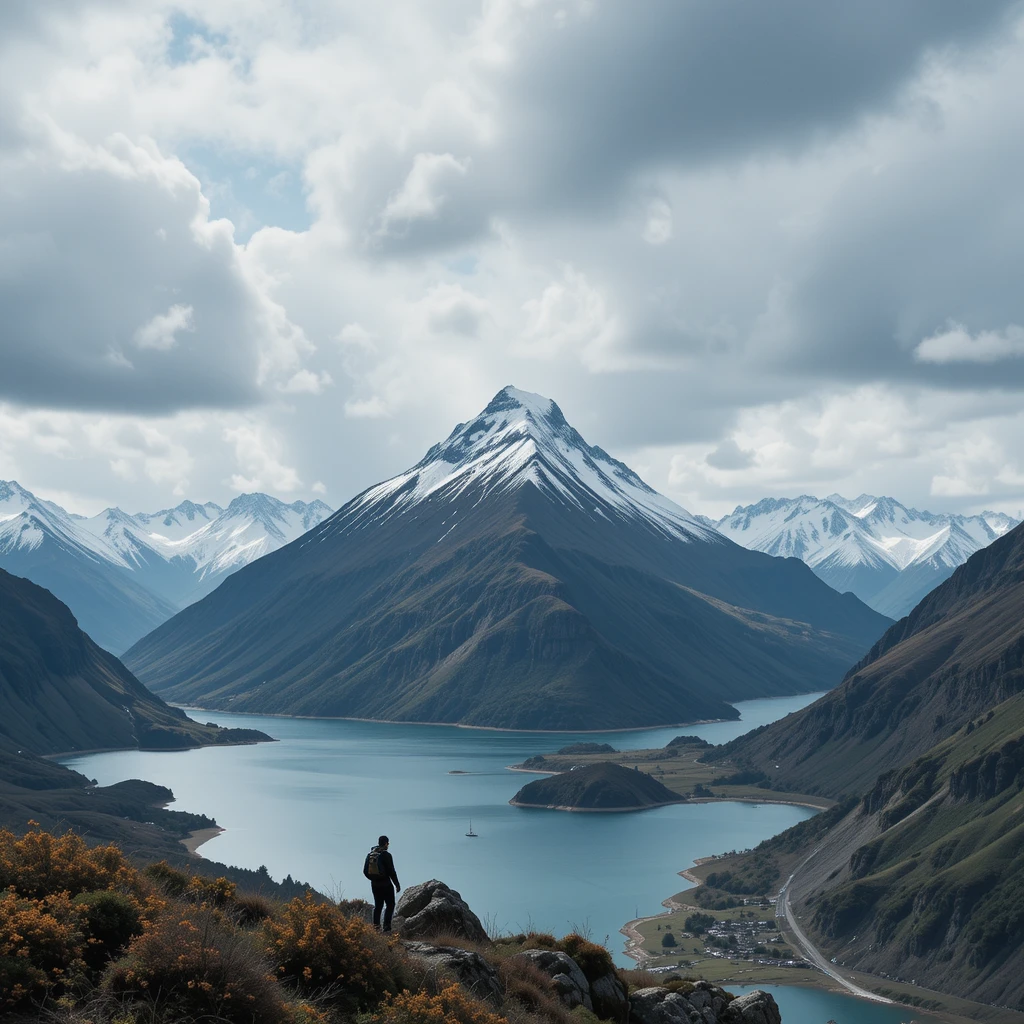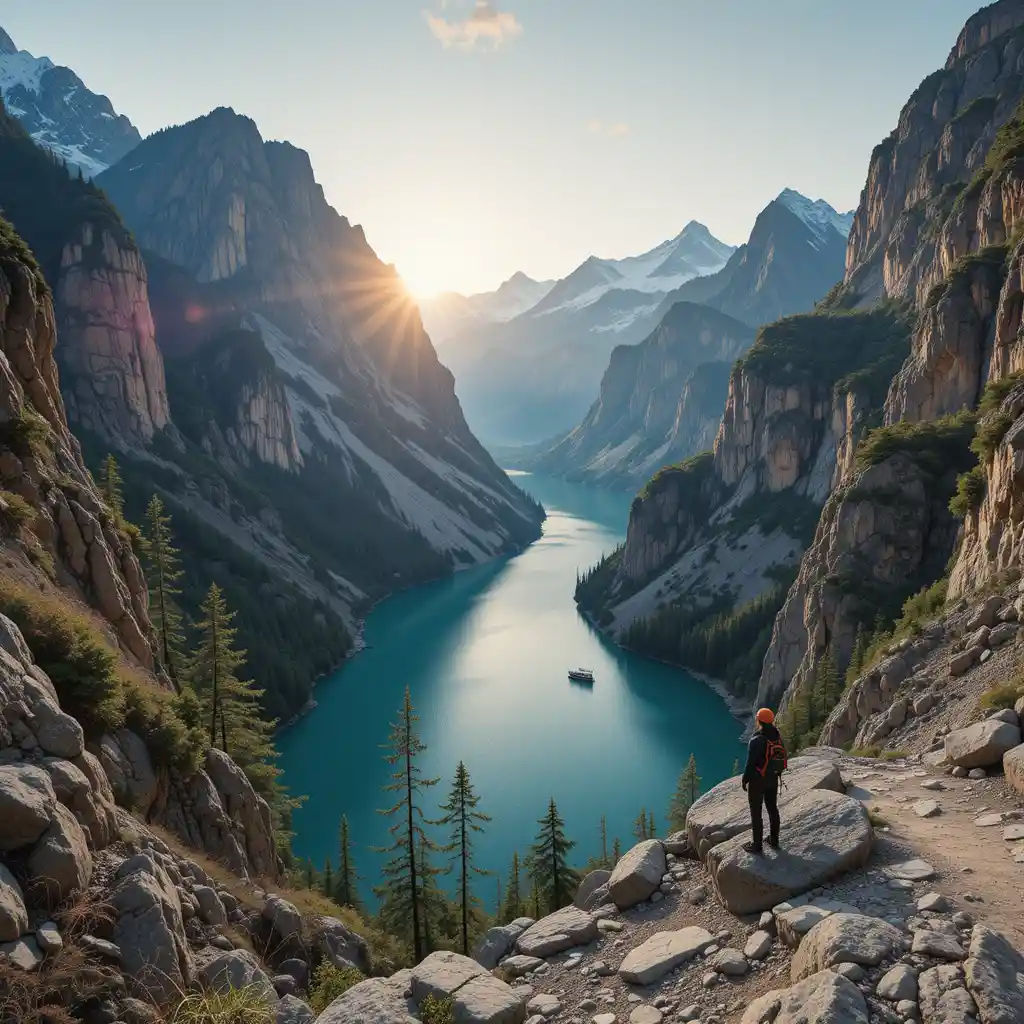
best hiking trails Glacier National Park Montana

Glacier National Park Montana

Table of Contents

  1. Introduction: Welcome to Glacier National Park
  2. Where Is Glacier National Park Located?
  3. Why Glacier National Park Deserves a Spot on Your Bucket List
  4. Top Attractions You Can’t Miss
    • 4.1 Going-to-the-Sun Road
    • 4.2 Lake McDonald
    • 4.3 Many Glacier
    • 4.4 Grinnell Glacier
    • 4.5 Hidden Lake Overlook
  5. Best Time to Visit Glacier National Park
  6. Wildlife You Might Encounter
  7. Things to Do in Glacier National Park
    • 7.1 Hiking Adventures
    • 7.2 Camping Under the Stars
    • 7.3 Photography and Scenic Views
    • 7.4 Boating and Fishing
  8. Glacier National Park Weather Guide
  9. Park Safety Tips for Your Adventure
  10. Where to Stay: Lodges, Cabins, and Campgrounds
  11. Dining in and Around the Park
  12. Eco-Friendly Travel Tips
  13. Planning Your Road Trip to Glacier
  14. Glacier National Park vs. Yellowstone: Which is Right for You?
  15. Final Thoughts: Nature’s Masterpiece
  16. FAQs About Glacier National Park, Montana

Introduction: Welcome to Glacier National Park

Imagine standing at the edge of a crystal-clear lake, framed by snow-kissed peaks and endless skies. The air is fresh, crisp, and smells faintly of pine. This isn’t a dream—this is Glacier National Park, Montana, and it’s calling your name.

If you’re craving raw, untouched nature that stirs your soul and quiets your thoughts, you’re in for a treat. This article is your insider’s guide to experiencing the best that Glacier has to offer. You’ll walk away ready to plan the trip of a lifetime.


Where Is Glacier National Park Located?

You’ll find this natural wonder tucked in the northwest corner of Montana, bordering Canada’s Waterton Lakes National Park. Together, they form the world’s first International Peace Park—a symbol of unity, nature, and freedom.

GPS Coordinates: 48.7596° N, 113.7870° W

Nearest Airport: Glacier Park International Airport (FCA)


Why Glacier National Park Deserves a Spot on Your Bucket List

You know those places that look too good to be true in photos? Glacier National Park actually lives up to the hype. It boasts:

  • Over 700 miles of hiking trails
  • 26 active glaciers
  • 131 named lakes
  • 1,000+ species of plants
  • Nearly 300 species of birds and mammals

It’s not just beautiful—it’s wild, alive, and unforgettable.


Top Attractions You Can’t Miss

4.1 Going-to-the-Sun Road

 Going-to-the-Sun Road

This is the spine of the park—a 50-mile scenic drive through jaw-dropping alpine terrain. Picture cliffs, waterfalls, and wildlife at every turn.

4.2 Lake McDonald

The park’s largest lake. You can kayak, paddleboard, or simply soak up the reflection of the mountains on the glassy surface.

4.3 Many Glacier

Often called the “heart of Glacier,” Many Glacier offers everything: hikes, wildlife, scenic boat rides, and even historic lodges.

4.4 Grinnell Glacier

A moderate-to-difficult hike rewards you with close-up views of a slowly melting giant. Trust me, it’s worth every step.

4.5 Hidden Lake Overlook

An easy hike with a high payoff. The view of Hidden Lake with Bearhat Mountain towering above it? Pure magic.


Best Time to Visit Glacier National Park

Timing is everything. Your experience will vary depending on when you visit:

SeasonWhat to Expect
Spring (April–June)Waterfalls at full flow, melting snow, fewer crowds
Summer (July–August)All roads and trails are open, peak season
Fall (September–October)Autumn colors, fewer people, chilly nights
Winter (November–March)Limited access, cross-country skiing, serenity

Wildlife You Might Encounter

Keep your eyes peeled—you might see:

  • Grizzly and black bears (carry bear spray!)
  • Mountain goats
  • Elk and moose
  • Bighorn sheep
  • Wolves and lynx

Always follow park guidelines and never feed or approach animals.


Things to Do in Glacier National Park

7.1 Hiking Adventures

You’ve got endless trails, from easy strolls to multi-day backpacking treks. A few top picks:

  • Avalanche Lake Trail (moderate, 4.5 miles round trip)
  • Highline Trail (strenuous, 11.8 miles)
  • Trail of the Cedars (easy, wheelchair accessible)

7.2 Camping Under the Stars

Sleep under Montana’s massive sky. Choose from 13 campgrounds inside the park. You’ll wake up to birdsong instead of alarms.

7.3 Photography and Scenic Views

Bring your camera—you won’t regret it. Sunrise over Lake Josephine and sunset at Logan Pass? Unreal.

7.4 Boating and Fishing

You can rent a boat or bring your own (permits required). Fish for trout in glacier-fed streams and lakes.


Glacier National Park Weather Guide

Weather can change in minutes. Always dress in layers and pack:

  • Waterproof jacket
  • Warm base layers
  • Sunscreen and hat
  • Bug spray
  • Plenty of water

Park Safety Tips for Your Adventure

  • Always check the park’s official trail and road status updates.
  • Carry bear spray—and know how to use it.
  • Don’t rely on cell service; bring a paper map.
  • Respect the “Leave No Trace” principles.

Where to Stay: Lodges, Cabins, and Campgrounds

Whether you love rustic charm or comfy beds, there’s a spot for you:

  • Many Glacier Hotel: Historic with stunning views
  • Lake McDonald Lodge: Cozy and close to the lake
  • Swiftcurrent Motor Inn: Great for budget travelers
  • Apgar Campground: Family-friendly and near the Visitor Center

Dining in and Around the Park

No five-star restaurants, but hearty meals and warm vibes await. Try:

  • Ptarmigan Dining Room in Many Glacier Hotel
  • Russell’s Fireside Dining Room at Lake McDonald Lodge
  • Belton Chalet Grill just outside the west entrance

Eco-Friendly Travel Tips

Do your part to keep this gem pristine:

  • Use refillable water bottles
  • Stick to trails
  • Don’t feed wildlife
  • Bring reusable food containers

Planning Your Road Trip to Glacier

Driving in? Here’s what you’ll want:

  • A full tank of gas (no stations inside the park)
  • Offline maps
  • Park Pass ($35 per vehicle for 7 days)
  • Entry reservations during peak season

Glacier National Park vs. Yellowstone: Which is Right for You?

FeatureGlacier NPYellowstone NP
Glaciers✅ Yes❌ No
Geysers❌ No✅ Yes
CrowdsLess crowdedVery crowded
HikingExcellentAlso excellent
SceneryAlpine & ruggedVaried terrain

Can’t decide? Do both!


Final Thoughts: Nature’s Masterpiece

You’re not just planning a vacation—you’re planning a soul-refreshing escape. Glacier National Park, Montana, doesn’t just offer landscapes; it offers perspective. Whether it’s your first visit or your fifth, you’ll leave changed.

So lace up those boots, pack that camera, and let the mountains move you.


FAQs About Glacier National Park, Montana

1. Do you need reservations to enter Glacier National Park?
Yes, from late May to mid-September, you need a vehicle reservation for popular areas like Going-to-the-Sun Road.

2. How many days should you spend in Glacier National Park?
Ideally, plan for 3–5 days to explore the highlights without rushing.

3. Can you see glaciers in Glacier National Park?
Absolutely! Grinnell Glacier and Jackson Glacier are among the most accessible.

4. What is the best time to visit Glacier National Park for photography?
Late June through early September offers the best lighting and open roads.

5. Are pets allowed in Glacier National Park?
Only in developed areas, parking lots, and campgrounds. Not on most trails.

The Best Destination in Europe This Summer is Saranda, Albania

Imagine Your Dream Summer Affordable, Untouched, and Unforgettable

Ever felt like Europe is just too expensive to enjoy during summer? The crowded beaches, overpriced meals, and endless lines at attractions might make you second-guess your travel plans. But what if you could escape to a pristine coastline, dine on fresh Mediterranean cuisine, and unwind under the sun all without draining your wallet?

You’re not dreaming. You’re about to discover Saranda, Albania Europe’s best-kept secret and the ultimate budget-friendly summer destination.


Why Saranda, Albania?

Why Saranda, Albania?

A Hidden Gem on the Ionian Coast

Saranda isn’t just beautiful—it’s breathtaking. Nestled on the southern coast of Albania, this town faces the sparkling Ionian Sea and is just a short ferry ride from Corfu, Greece.

  • Crystal-clear turquoise waters
  • Affordable luxury accommodations
  • Rich cultural history and ancient ruins

It’s everything you crave in a summer destination—without the heavy price tag.


How to Get to Saranda Without Breaking the Bank

Affordable Travel Options to Saranda

You’re probably wondering, “How do I even get there?” Here are your top low-cost travel routes:

  • Flight to Corfu, Greece – From there, take a 30-minute ferry to Saranda (as low as €20).
  • Bus or Van from Tirana – Buses run daily for around €12 and offer a scenic ride along the Albanian Riviera.
  • Budget airlines – Companies like Ryanair and WizzAir offer cheap flights to nearby cities.

Pro tip: Book early for summer travel to score the best deals!


Where to Stay: Top Budget Accommodations in Saranda

Where to Stay: Top Budget Accommodations in Saranda

Best Cheap Hotels and Guesthouses

You don’t need to shell out hundreds for a sea-view room. In Saranda, affordable doesn’t mean sacrificing comfort.

Budget-Friendly Options:

Hotel NamePrice (per night)Highlights
Hotel Iliria€25-€35Sea-view, close to beach
Saranda Backpackers€12-€20Hostel with a social vibe
Guesthouse Vasili€18-€30Family-run, free breakfast included


Things to Do in Saranda That Won’t Cost You a Fortune

Top Free and Cheap Activities

You want memories, not maxed-out credit cards. Luckily, Saranda is packed with experiences that cost little to nothing.

Must-See Attractions:

  • The Blue Eye Spring – A surreal natural spring with vibrant blue waters. Entry: €1
  • Lekursi Castle – Sunset views over the city and sea. Entry: Free
  • Butrint National Park – A UNESCO World Heritage site. Entry: €5
  • Mirror Beach & Ksamil Islands – White sand beaches, crystal-clear water, minimal entrance fees

You’ll never be bored—and your budget will thank you.


Eat Like Royalty on a Budget

Top Cheap Eats in Saranda

Foodies, rejoice. Albanian cuisine is a Mediterranean marvel—think Greek meets Italian, but with its own twist.

Top Dishes to Try:

  • Tavë Kosi – Baked lamb with yogurt and rice
  • Fërgesë – Bell peppers, tomatoes, and cottage cheese
  • Byrek – Savory pastries with cheese, spinach, or meat
  • Fresh seafood – Octopus, mussels, and sardines from the Ionian Sea

Budget Restaurants:

RestaurantPrice RangeMust-Try Dish
Haxhi€4-€8Grilled sardines
Bar Restorant Plazhi€3-€6Octopus salad
Fast Food Era€2-€4Cheese byrek and salad

Bonus Tip: Many local eateries don’t charge service fees, so you’ll actually pay what’s listed on the menu!


Explore the Riviera Without the Pricey Tours

Cheap Day Trips Around Saranda

Saranda is your gateway to the Albanian Riviera. Here’s how to explore without overpaying:

Self-Guided Day Trips:

  • Ksamil – Just 20 minutes by bus (€1.50), featuring the most stunning beaches in Europe.
  • Butrint Ruins – Walk the ancient streets of a city that dates back to 800 BC.
  • Gjirokastër – A UNESCO city with cobblestone streets and Ottoman architecture. Bus: €3

You don’t need a tour guide—you need a good pair of sandals and a curious mind.


Safety and Travel Tips for First-Timers

Is Saranda Safe?

Absolutely. Saranda is considered one of the safest cities in the Balkans. The locals are warm, friendly, and eager to help.

Travel Tips:

  • Learn a few phrases in Albanian—it goes a long way.
  • Stick to bottled water.
  • Use local buses—they’re cheap and reliable.

When to Visit Saranda for the Best Experience

Perfect Times for Budget and Weather

If you’re looking to balance warm weather and lower costs, aim for late May to early July or September.

  • Fewer tourists
  • Cheaper stays
  • Warm, sunny days (around 28°C/82°F)

Avoid peak August if you’re watching your wallet.


What Makes Saranda Different from Other Destinations?

What Makes Saranda Different from Other Destinations?

Authenticity and Affordability

While other European hot spots have become over-commercialized, Saranda still feels real. Here, you get:

  • Genuine Albanian hospitality
  • Unspoiled landscapes
  • Lower prices across the board

You’re not just another tourist. You’re a welcomed guest.


Budget Breakdown: How Much Will a Week in Saranda Cost You?

Budget Breakdown: How Much Will a Week in Saranda Cost You?
CategoryEstimated Cost
Accommodation (7 nights)€150–€200
Meals & Snacks€70–€100
Transport & Tours€30–€50
Entry Fees & Activities€20–€40
Total€270–€390

Yes, a full week of Mediterranean magic—under €400!


How to Pack Smart for Saranda

Your Summer Essentials

  • Light clothing, swimsuits, flip-flops
  • Portable charger and reusable water bottle
  • Sunscreen (it’s pricier locally)
  • Travel insurance

Hidden Spots You Must Explore

Go Beyond the Guidebooks

Want to discover Saranda’s soul? Check out:

  • Pellumbas Cave – A short hike with panoramic views
  • St. George Monastery – History and tranquility rolled into one
  • Lukovë Beach – Remote, peaceful, and breathtaking

Local Culture and Customs to Know

When in Albania, Do as the Albanians Do

  • Greet with a handshake or a kiss on both cheeks
  • Tip about 10% if service is great
  • Respect traditional dress codes in churches

Conclusion: Your Summer in Saranda Awaits

You don’t have to spend thousands to soak up the Mediterranean sun, swim in emerald waters, and eat like royalty. Saranda, Albania, offers a slice of paradise that’s still untouched, undiscovered, and unbelievably affordable.

This summer, skip the usual tourist traps. Embrace adventure. Embrace Albania.

Your perfect, budget-friendly European summer is just a flight away.


FAQs About Saranda, Albania

1. Is Saranda, Albania cheap for tourists?

Yes! You can enjoy a full week—including stay, food, and activities—for under €400.

2. What is the best way to get to Saranda?

The easiest and cheapest route is flying to Corfu, then taking a ferry across. Buses from Tirana are also budget-friendly.

3. Is it safe to travel to Saranda alone?

Absolutely. Saranda is considered very safe, even for solo travelers.

4. Can I use Euros in Saranda?

The official currency is the Albanian Lek, but many places also accept Euros—especially in tourist areas.

5. Are there vegan or vegetarian food options in Saranda?

Yes! From fresh salads to byrek filled with veggies or cheese, there are plenty of delicious plant-based options.

Essential Packing Tips for an African Safari

Embrace the Adventure—But Pack Like a Pro

So, you’re heading off on an African safari? That’s not just a vacation—it’s a once-in-a-lifetime journey into the wild heart of nature. Imagine the sun setting behind acacia trees while elephants roam in the distance, or hearing lions roar under a star-speckled sky. But to fully enjoy this awe-inspiring experience, there’s one crucial thing you must get right: your packing. Without the right gear and essentials, your dream trip could easily turn into a logistical nightmare. This guide will walk you through everything you need to pack for a seamless, safe, and unforgettable safari.


Why Packing Smart Matters on Safari

You can’t simply throw a few things in a suitcase and hope for the best. Safaris bring their own set of challenges: extreme weather, remote locations, and unpredictable terrain.

Challenges You Might Face

  • Weight restrictions on bush planes
  • Inaccessible shops in the wild
  • Sudden weather changes
  • Need for discreet, practical attire

The Ultimate Safari Packing List (Clothing & Gear)

Neutral Colors are King

Wearing khaki, olive, or beige isn’t just about fashion—it’s a survival tactic. Bright colors attract insects and might scare off wildlife.

What to Pack:

  • 2–3 moisture-wicking T-shirts (earth tones)
  • 2–3 long-sleeved shirts (for sun & insect protection)
  • 2 pairs of lightweight safari pants (convertible ones are great!)
  • 1 fleece or jacket (early mornings can be freezing!)
  • 1 wide-brim hat or safari cap
  • 1 lightweight rain jacket or poncho
  • 1 swimsuit (yes, some lodges have pools!)
  • 1 pair of comfortable, closed-toe shoes for game drives
  • Flip-flops or sandals for relaxing at camp

Footwear Essentials for Safari Terrain

Footwear Essentials for Safari Terrain

Best Shoes for Every Situation

Safari terrain can vary from dusty tracks to muddy trails. You’ll want sturdy, broken-in footwear.

Pro Tips:

  • Choose hiking shoes over heavy boots
  • Avoid brand-new shoes—you’ll regret the blisters
  • Pack quick-dry socks to prevent sweat buildup

Luggage and Bags: What Works Best

Choose Soft-sided Duffels Over Hard Shell Suitcases

Bush planes often have strict weight limits (usually 15–20 kg) and small luggage holds.

Ideal Safari Luggage:

  • 1 soft-sided duffel bag (max 24 inches)
  • 1 daypack or backpack for excursions
  • Packing cubes to organize your stuff

Safari Gear You Can’t Leave Behind

Binoculars & Tech Gadgets

Don’t rely on your guide’s binoculars—bring your own for the best experience.

Must-Pack Safari Gadgets:

  • Binoculars (8×42 is a great spec)
  • Camera with extra memory cards and batteries
  • Portable charger or solar power bank
  • Flashlight or headlamp
  • Travel adapter (check plug types per country)

Toiletries & Personal Items

Toiletries & Personal Items

Keep it Light but Functional

You won’t find a pharmacy in the middle of the Serengeti, so bring your essentials.

Your Safari Toiletry Kit Should Include:

  • Biodegradable soap and shampoo
  • Toothbrush and small toothpaste
  • Quick-dry travel towel
  • Wet wipes and hand sanitizer
  • Lip balm with SPF
  • Sunscreen (reef-safe, SPF 30+)
  • Insect repellent with DEET or picaridin
  • Personal medications and mini first aid kit

Health & Safety Must-Haves

Be Prepared for Anything

Safaris are generally safe, but remote settings require personal responsibility.

Health Essentials:

  • Antimalarial medication (check with your doctor)
  • Anti-diarrheal tablets
  • Electrolyte packets
  • Band-aids and antiseptic cream
  • Prescription meds in original packaging

Safari-Specific Extras You’ll Be Glad You Packed

  • A lightweight scarf or buff (dust protection)
  • Travel laundry soap (many camps offer laundry services)
  • Ziploc bags for snacks, trash, or damp clothes
  • Notebook or journal for recording your memories

Photography Tips & Packing List

Capture the Magic Without Regret

You’ll kick yourself later if you forget a lens or run out of memory during a cheetah chase.

Photography Gear Checklist:

  • DSLR or mirrorless camera
  • Zoom lens (at least 300mm for wildlife)
  • Backup batteries
  • Lens cloth and brush
  • Bean bag for camera stability (great in jeeps!)

Weather Prep: From Chilly Mornings to Blazing Afternoons

Layering is Your Best Friend

Safari days often start cold and end in scorching heat. Dress smart.

Your Safari Layer Strategy:

  1. Base layer (T-shirt)
  2. Mid-layer (long sleeve or fleece)
  3. Outer shell (windbreaker or raincoat)

Important Documents to Carry

Don’t just rely on your phone—paper backups are still king in the wild.

Document Checklist:

  • Passport + extra copies
  • Visa (if required)
  • Travel insurance docs
  • Vaccination certificates (like Yellow Fever)
  • Copy of your itinerary
  • Emergency contact info

Food & Snacks: Stay Energized

What to Pack for the Trails

While most lodges provide amazing food, always have a backup snack stash.

Best Safari Snacks:

  • Energy bars or granola
  • Dried fruit and nuts
  • Instant coffee or tea sachets
  • Electrolyte drink powders

Safari Packing Tips for Families

Taking your kids? Awesome! Just tweak your list a bit.

Family Essentials:

  • Extra layers and hats for kids
  • Kid-friendly snacks and activities
  • Child-safe bug repellent and sunscreen
  • Familiar blanket or stuffed animal

Sustainability on Safari: Eco-Friendly Choices

Respect the Land You Came to Admire

Small decisions make a big impact on the environment.

Eco-Friendly Packing Tips:

  • Bring a reusable water bottle
  • Choose reef-safe toiletries
  • Avoid single-use plastics
  • Support local artisans and guides

Safari Packing Table for Quick Reference

Item CategoryEssentials
ClothingNeutral shirts, pants, jacket, hat
FootwearHiking shoes, sandals
ToiletriesBiodegradable products, meds, wipes
GearBinoculars, camera, power bank
DocumentsPassport, travel insurance, itinerary
SnacksEnergy bars, dried fruits, hydration mixes

Final Safari Packing Advice

Don’t wait until the last minute. Lay out everything a week ahead. Check it twice. If it doesn’t serve a specific purpose, leave it behind. You’ll thank yourself when you’re bouncing in a jeep, wind in your hair, eyes locked on a leopard in the distance—not worried about an overstuffed bag.


Conclusion: Make Every Moment Count

Packing right for your African safari is more than just ticking boxes—it’s about preparing for an experience that could change the way you see the world. When you’re well-prepared, you’re free to soak up the magic, from the golden plains to the thundering herds. So use this guide as your roadmap to adventure, and let nothing get in the way of your wild dreams.


Frequently Asked Questions (FAQs)

1. What clothes should I avoid wearing on safari?

Avoid bright colors, white, and camouflage (which is often restricted). Stick with earthy tones like khaki, olive, and beige.

2. Do I need a power adapter in Africa?

Yes. Adapter types vary by country, so check in advance. Most lodges use British or South African plug types.

3. Can I bring a drone on safari?

Usually not. Drones are banned in many national parks for safety and privacy reasons.

4. What is the weight limit for luggage on safari?

Most bush planes limit you to 15–20 kg (33–44 lbs) of soft-sided luggage, including carry-ons.

5. Should I bring cash or rely on cards?

Bring a mix. Cash (especially USD) is great for tips and local markets. Credit cards work at most lodges, but don’t count on ATMs in remote areas.

How to Spend a 3 Day City Break in Vienna

How to Spend a 3 Day City Break in Vienna

Welcome to Vienna – The City of Music and Majesty

Imagine standing in the heart of Europe, surrounded by imperial palaces, the aroma of freshly baked Apfelstrudel, and the melodic echo of a violinist in a cobbled alleyway. That’s Vienna for you. This isn’t just another European capital—it’s where past meets present in the most elegant way. Whether you’re here for history, art, food, or simply to unwind in a timeless city, Vienna embraces you with a charm that’s impossible to resist.

Planning a 3-day city break in Vienna? You’re in for an unforgettable experience. This guide gives you everything you need—from top sights to secret gems—ensuring you make the most of every moment.


Day 1 – Dive into Vienna’s Imperial Past

Dive into Vienna’s Imperial Past

Start Your Day at Schönbrunn Palace

You can’t kick off your Vienna visit without exploring Schönbrunn Palace, the former summer residence of the Habsburgs. Picture 1,441 rooms of Baroque brilliance, sweeping gardens, and panoramic views from the Gloriette. Arrive early to beat the crowds and take the Grand Tour—it walks you through the private lives of emperors with gold-draped rooms and historical anecdotes.

  • Best time: Morning (arrive by 9 AM)
  • Must-book: Grand Tour + Garden pass
  • Don’t miss: Neptune Fountain, Palm House

Lunch in the Hietzing District

After soaking in imperial luxury, head to the charming Hietzing district for a hearty lunch. Local favorite Café Dommayer offers classics like Wiener Schnitzel and Kaiserschmarrn in a relaxed setting with old-world vibes.

Stroll Through Hofburg Palace

Next stop: Hofburg Palace, located in the city center. This was the main winter residence of the Habsburg dynasty and now hosts:

  • The Imperial Apartments
  • The fascinating Sisi Museum
  • The Spanish Riding School (catch a show or tour the stables)

Let the atmosphere transport you to a time of emperors, empresses, and lavish balls.

Evening Walk & Dinner in the Old Town

Wrap up your day with a stroll through Graben and Kohlmarkt, Vienna’s elegant shopping streets leading to the awe-inspiring St. Stephen’s Cathedral. For dinner, try a Heuriger—a traditional wine tavern. Gigerl near Stephansplatz is cozy and authentic.


Day 2 – Art, Culture, and Coffee Houses

Art, Culture, and Coffee Houses

Morning at Belvedere Palace

Start your second day surrounded by art. Belvedere Palace is not only stunning from the outside but houses masterpieces inside—most famously Gustav Klimt’s The Kiss. The Upper and Lower Belvedere are both worth visiting, and the gardens make a perfect photo stop.

  • Tip: Pre-book skip-the-line tickets
  • Bonus: The palace gardens are free to explore

Explore MuseumsQuartier

Vienna’s MuseumsQuartier (MQ) is a haven for culture lovers. You’ll find:

  • Leopold Museum – filled with Egon Schiele and Austrian modernism
  • MUMOK – for lovers of contemporary art
  • Chill spots for coffee and people-watching

It’s the perfect place to absorb Vienna’s creative pulse.

Live the Coffee House Tradition

You haven’t really experienced until you’ve sipped coffee in a grand café. Make your way to Café Central—a historical haunt for intellectuals like Freud and Trotsky. Go ahead and indulge in a Melange with a slice of Sachertorte.

  • What to try: Melange, Sachertorte, or Apfelstrudel
  • Pro tip: Take your time—coffee culture here is slow and social

Vienna State Opera Night

If you’re lucky enough to snag a ticket, spending your evening at the Vienna State Opera is unforgettable. Dress up, book a box seat, and soak in one of Europe’s most iconic performances.

  • Book in advance
  • Nearby dinner: Plachutta for famous Tafelspitz

Day 3 – Local Life and Hidden Gems

Local Life and Hidden Gems

Eat Your Way Through Naschmarkt

Wake up your senses at the Naschmarkt, a buzzing marketplace with over 100 food stalls. Grab a Turkish borek, sample Austrian cheese, or enjoy a fresh falafel wrap. This is where locals shop, snack, and socialize.

  • Tip: Go early to avoid weekend crowds
  • Try: Käsekrainer (cheese sausage), pickles, fresh fruits

Marvel at Hundertwasserhaus

From Baroque to bizarre—next up is Hundertwasserhaus, an explosion of color and creativity by visionary architect Friedensreich Hundertwasser. The nearby Kunst Haus Wien museum dives deeper into his philosophies and artworks.

  • Most Instagrammable spot in Vienna
  • Great for fans of eco-architecture and surreal design

Cruise or Walk Along the Danube

Give your feet a break with a relaxing Danube river cruise or just enjoy a riverside stroll. The Danube Tower offers 360° views and a revolving restaurant that’s worth the detour.

  • Tours: Available from Schwedenplatz
  • Best for: Romantic sunset vibes

Toast the Trip at Kahlenberg

For your grand finale, head up to Kahlenberg in the Vienna Woods. The views are breathtaking, the air is crisp, and the wine taverns (Heuriger) serve up homegrown wines and rustic Austrian snacks.

  • Try: Grüner Veltliner or Gemischter Satz
  • Bus 38A takes you straight from the city center

Where to Stay

Whether you’re traveling on a shoestring or splurging on luxury, Vienna has something for every style.

BudgetMid-RangeLuxury
Meininger Downtown Franz25Hours Hotel at MuseumsQuartierHotel Sacher Wien
SuperbudeHotel Beethoven WienThe Ritz-Carlton, Vienna

Stay near Innere Stadt (1st District) for easy access to all major attractions.


Best Places to Eat in Vienna

Your Vienna break isn’t complete without tasting the city. Here are a few gems:

  • Figlmüller – Giant Wiener Schnitzels
  • Gasthaus Pöschl – Classic Viennese tavern
  • Steirereck – Fine dining meets innovation
  • Zum Schwarzen Kameel – Legendary sandwiches and wine

Vienna Travel Tips for First-Timers

  • Language: German (but English is widely spoken)
  • Currency: Euro (€)
  • Transport: Use the Vienna City Card for free public transport and discounts
  • Wi-Fi: Free in most cafes and public spots
  • Tipping: Round up or add ~5-10%

3-Day Itinerary at a Glance

DayMorningAfternoonEvening
1Schönbrunn PalaceHofburg & Old TownDinner in historic center
2Belvedere PalaceMuseumsQuartierOpera night
3NaschmarktHundertwasserhaus & DanubeSunset at Kahlenberg

Packing List for Vienna

  • Comfortable walking shoes
  • A light jacket (weather can surprise you)
  • Power adapter (Type F)
  • Travel umbrella
  • Daypack for exploring

Best Time to Visit

  • Spring (April-May): Blossoming gardens, mild weather
  • Summer (June-August): Outdoor events, bustling vibes
  • Autumn (September-October): Wine season, golden city views
  • Winter (November-December): Magical Christmas markets

Conclusion – Your Vienna City Break Awaits

So, there you have it—your ultimate 3-day Vienna escape, packed with grandeur, culture, food, and those priceless little moments that turn a trip into a memory. Whether you’re chasing classical music or culinary thrills, Vienna offers the perfect blend of both.

The best part? You can do it all in just three days and still feel like you’ve lived a little European dream.

So, what are you waiting for? Book that flight, pack your bags, and step into a city where every street corner tells a story.


FAQs

Can you explore Vienna in 3 days?

Yes, three days is enough to cover Vienna’s major attractions, experience local culture, and enjoy its food scene—if you plan smartly.

What’s the best way to get around Vienna?

Use the U-Bahn (metro), trams, and buses. The Vienna City Card offers unlimited public transport and discounts.

Is Vienna a walkable city?

Absolutely. Most top sights in the city center are within walking distance, making it ideal for explorers.

What food is Vienna famous for?

Wiener Schnitzel, Sachertorte, Apfelstrudel, and Tafelspitz are must-tries during your stay.

Do I need to speak German in Vienna?

Not necessarily. Most people speak English, especially in tourist areas, restaurants, and hotels.

2 Mastering Global Manners How to Respect Local Traditions

Mastering Global Manners: Understanding European Etiquette and the Rich Traditions of African Tribes

Table of Contents

When you set foot in a foreign land, every gesture you make becomes part of the conversation. Whether you’re navigating a formal dinner in Paris or joining a tribal dance in Kenya, your awareness of local etiquette reflects how deeply you respect the culture around you. This guide helps you unravel two distinct but equally fascinating cultural realms etiquette and African tribal traditions you can travel thoughtfully, connect deeply, and leave lasting impressions.


Understanding European Etiquette: What You Need to Know

Understanding European Etiquette: What You Need to Know

You might think a smile is universal, but across Europe, even a greeting can carry unexpected layers of meaning. Understanding etiquette isn’t about memorizing rules t’s about showing people you care enough to learn their ways.

Why it matters to you:

  • You avoid uncomfortable cultural missteps.
  • You earn genuine respect from locals.
  • You build richer, more authentic connections.

Greeting Norms Across Europe

Your first impression begins with a simple hello. But how you say it can shift depending on where you are.

Common Greetings by Country

  • France: Lean in for cheek kisses—la bise—if you’re familiar. Otherwise, offer a polite “Bonjour.”
  • Germany: Give a firm handshake with eye contact. Titles matter here, so don’t skip them.
  • UK: A handshake is fine, but a simple “Hello, how do you do?” goes a long way.
  • Italy: Expect enthusiastic greetings and kisses on both cheeks if you’re close. Use body language to express warmth.

Quick tip: Always follow the local’s lead. If in doubt, keep it formal.


Dining Etiquette You Can’t Ignore

Meal times in Europe are sacred social rituals. When you’re invited to dine, your table manners speak louder than your words.

Table Behavior to Adopt

  • France: Keep your hands visible on the table—not your lap.
  • Spain: Don’t rush. Dinner starts late, often after 9 PM.
  • Italy: Wait for the host to start the meal. Use utensils even for pizza in formal settings.
  • Germany: Say Guten Appetit before eating. Cutting lettuce with a knife? That’s a no-no.

Dos and Don’ts Table Summary

CountryDoDon’t
FranceUse quiet tones and multiple coursesSkip the cheese plate or rush dessert
UKPass items to the leftTalk with your mouth full
SwedenWait until everyone is servedBegin eating before a toast
AustriaToast with direct eye contactPut elbows on the table

Public Behavior and Personal Space

You’ll find that public conduct can reveal much about a society’s values. In Europe, subtlety and discretion are often prized.

Guidelines for Respectful Conduct

  • Mind the queue: In the UK, line-cutting is a serious offense.
  • Speak softly: Loud conversations in trains or cafés can draw unwanted stares.
  • Give space: In Nordic countries especially, people value physical distance.

You’ll blend in more gracefully by observing how locals act and matching their pace and volume.


Business Etiquette: Closing Deals with Class

Traveling for work? How you approach a business meeting could be the difference between signing a deal or being politely dismissed.

Professional Behavior Essentials

  • Germany & Switzerland: Punctuality isn’t optional. Arrive at least five minutes early.
  • France: Dress sharply, but don’t rush decisions—business moves at a slower pace.
  • Italy: Expect small talk before diving into business. It’s about relationships, not just contracts.

Use formal titles until invited to do otherwise. Shake hands at both the beginning and end of meetings.


The Rich Traditions of African Tribes: A Cultural Journey

The Rich Traditions of African Tribes: A Cultural Journey

A Deep Connection to History

Now shift your mindset. When you enter tribal communities in Africa, you step into a world where tradition pulses through every drumbeat, dance, and proverb. These practices aren’t just routines—they’re lifelines passed down over generations.


Language and Storytelling Traditions

In many African tribes, oral storytelling is the cornerstone of culture. As you listen, you’ll discover legends, morals, and wisdom that stretch back centuries.

Tribes Known for Storytelling

  • Zulu (South Africa): Folktales that teach moral values through animals and nature.
  • Yoruba (Nigeria): Stories infused with spirituality and mythical deities (Orishas).
  • Maasai (Kenya/Tanzania): Oral narratives reinforce bravery, honor, and community roles.

Your move: Ask elders to share stories, and listen with intention.


Ceremonial Dress and Symbolism

Every color, bead, and thread on traditional clothing holds meaning. Your appreciation of these aesthetics reflects your curiosity and respect.

What You’ll Notice

  • Maasai: Red shúkàs (robes) symbolize power and bravery.
  • Ndebele (Zimbabwe): Intricate beadwork tells stories of life transitions.
  • Ashanti (Ghana): Kente cloth weaves together history, philosophy, and leadership.

Take photos only when invited, and compliment the craftsmanship with genuine curiosity.


Spiritual Practices and Ancestral Beliefs

You’ll encounter deeply spiritual customs that intertwine nature, ancestors, and community.

Common Elements of African Spirituality

  • Ancestral worship: Elders are considered messengers between the spiritual and physical worlds.
  • Rituals: Drumming, chanting, and dance evoke connection to divine forces.
  • Symbols: Objects like cowrie shells, staffs, and masks are sacred.

Don’t participate in rituals unless explicitly invited. Always ask before entering sacred spaces.


Music, Dance, and Expression

Drums echo across the plains and villages, calling people to gather, celebrate, or mourn. You’ll quickly see that music isn’t entertainment—it’s a spiritual bridge.

Musical Elements You’ll Witness

  • Djembe drums: West Africa’s heartbeat.
  • Call-and-response chants: Building unity through rhythm and voice.
  • Dances: Expressing emotions, milestones, and praise to ancestors.

Join in if you’re welcomed. Your willingness to learn says more than perfect moves ever could.


Food Traditions Across Tribes

Ugali (East Africa)

Like in Europe, meals in African tribal settings are steeped in symbolism. They reflect seasons, spiritual practices, and local ecology.

Staple Dishes You Should Try

  • Ugali (East Africa): Maize porridge, eaten with meat stews or greens.
  • Jollof Rice (West Africa): A flavorful rice dish spiced and tomato-rich.
  • Injera (Ethiopia): Spongy bread served with lentils, vegetables, and meat.

Etiquette tip: Use your right hand for eating when using fingers. It’s a sign of cleanliness and respect.


Frequently Asked Questions (FAQ)

How can you show respect in both European and African settings?

By learning a few key customs, dressing appropriately, and showing humility. Always observe before acting.

Can you greet strangers in tribal villages?

Yes, but do so with warmth and modesty. Greet elders first if present.

Are gifts expected when visiting a local family?

In both settings, small gifts—wine in Europe or useful items in African villages—are appreciated.


Conclusion: Your Cultural Compass for Conscious Travel

You’ve just unlocked a deeper lens into two vibrant, contrasting worlds. Whether you’re clinking glasses in a Viennese cafe or listening to a griot under a baobab tree, your actions become part of the story. Respect, curiosity, and a bit of cultural prep empower you to move with grace and confidence.


Your Next Step

Ready to take your cultural fluency to new heights? Bookmark this guide and share it with your fellow travelers. And before your next journey—whether it’s to the lavender fieMastering Global Etiquette: Your Cultural Intelligence Guide to International Success

Introduction: Navigating Our Interconnected World with Grace and Strategy

In today’s globalized landscape, simply knowing a language or having a great product isn’t enough—understanding the unspoken rules of cultural etiquette is paramount. Picture this: a Canadian businessman visiting Poland presents his host with a beautiful set of dinnerware, only to realize later that even numbers of items symbolize death in Polish culture. Meanwhile, in Brazil, an American executive eats a sandwich with his hands at a business lunch, inadvertently signaling poor manners to his colleagues who expected the use of utensils.

These scenarios illustrate a critical reality: unawareness of cultural codes can lead to disrespect, lost deals, and missed opportunities. Conversely, mastering global manners and respecting local traditions “greases the wheel” and builds strong relationships that transcend geographical boundaries. This comprehensive guide will equip you with essential global etiquette tips, framed by the powerful concept of Cultural Intelligence (CQ), to ensure your success in international business, travel, and personal interactions.

The Indispensable Role of Etiquette in Our Global Village

More Than Just Manners

Global etiquette extends far beyond simple politeness—it’s a fundamental necessity for organizations and individuals aiming to make their mark on the global stage. In an era where businesses operate across continents and personal networks span multiple cultures, European etiquette knowledge and broader cultural awareness have become essential skills for professional and personal success.

Building Bridges, Not Barriers

Proper etiquette fosters trust, respect, and mutual understanding, which form the backbone of long-term relationships and successful collaborations. When you demonstrate awareness of local customs—whether it’s removing your shoes before entering a Japanese home or understanding the significance of gift-giving protocols in Chinese business culture—you signal respect for your host’s values and traditions.

Protecting Your Brand and Reputation

A company or individual sensitive to international customs portrays professionalism and attracts talent, while cultural missteps can cause significant harm to reputation and business relationships. Consider how major brands have stumbled when they failed to consider cultural nuances in their global expansion strategies, from marketing campaigns that offended local sensibilities to product launches that ignored cultural taboos.

Avoiding Costly Faux Pas

Real-world examples of misunderstandings highlight the critical need for cultural awareness. Beyond the Polish dinnerware incident and the Brazilian sandwich scenario, countless professionals have learned the hard way that gestures considered friendly in one culture can be deeply offensive in another. The simple act of showing the sole of your shoe, for instance, is considered highly insulting in many Arab cultures, while maintaining direct eye contact—valued in Western business settings—can be seen as disrespectful in certain Asian contexts.

Cultural Intelligence (CQ): The Framework for Mastering Global Etiquette

Defining Cultural Intelligence

Cultural Intelligence (CQ) represents the capability to work and relate effectively with people from different backgrounds, including nationalities, ethnicities, and age groups. This sophisticated skill set goes beyond mere cultural awareness to encompass the ability to adapt your behavior and thinking patterns to different cultural contexts while maintaining your authentic self.

Why CQ is Your Superpower for Etiquette

High CQ assists leaders and individuals in balancing growth, sustainability, and inclusivity by promoting innovation and collaboration. Research has identified CQ as one of the “six signature traits of inclusive leadership,” making it an indispensable tool for anyone seeking to master global manners and build meaningful international relationships.

The 5 C’s of Inclusive Leadership Enabled by CQ

Cultural Intelligence enhances five critical leadership capabilities:

  • Commitment: Dedication to understanding and respecting cultural differences
  • Cognisance: Awareness of your own cultural biases and those of others
  • Curiosity: Genuine interest in learning about different cultures and perspectives
  • Courage: Willingness to step outside your comfort zone and admit mistakes
  • Collaboration: Ability to work effectively across cultural boundaries

The Four CQ Capabilities in Action for Etiquette

CQ Drive represents your motivation and efficacy to adapt to different cultures. This internal engine fuels your desire to learn about local traditions and pushes you to step outside your comfort zone when navigating unfamiliar cultural territories.

CQ Knowledge involves identifying different values, belief systems, and social norms. This cognitive component helps you understand why certain behaviors are valued in some cultures while being discouraged in others.

CQ Strategy encompasses thoughtfully processing cultural knowledge, checking assumptions, and planning interactions. This metacognitive skill allows you to pause and consider the cultural implications of your actions before proceeding.

CQ Action focuses on adapting your behavior and interactions to different cultural backgrounds. This behavioral component transforms your cultural knowledge into appropriate actions and responses.

Essential Global Etiquette Categories: Insights & Applications of CQ

A. Greetings and Introductions: Setting the Right Tone

Global variations in greetings showcase the rich diversity of human interaction. While Americans and Germans typically favor firm handshakes, Japanese culture emphasizes respectful bows with varying degrees of inclination based on social hierarchy. In Argentina, Brazil, and parts of France, cheek kisses are common social greetings, while the Indian “Namaste” combines a slight bow with pressed palms.

These greeting rituals are crucial for making positive first impressions and respecting local social norms. They often set the tone for entire interactions and can immediately communicate your cultural awareness and respect for local customs.

CQ Application: Use CQ Knowledge to learn specific greetings before visiting a new culture, and employ CQ Action to emulate local behavior while maintaining authenticity in your interactions.

B. Dining Etiquette: A Taste of Respect

Dining customs reveal profound cultural values and social structures. The artful use of chopsticks in Japan reflects centuries of tradition and mindfulness, while the European preference for fork and knife demonstrates structured approaches to meals. In parts of India and Africa, eating with the right hand carries religious and hygienic significance, while Brazilians often approach even casual foods like burgers and pizza with cutlery.

Subtle nuances add layers of complexity to dining etiquette. In India, leaving a small portion of food on your plate signals satisfaction and appreciation, while in China, finishing everything demonstrates that you were provided adequate hospitality. Time perception also varies dramatically—the American concept of being “fashionably late” contrasts sharply with German expectations of strict punctuality.

Service interactions differ significantly across cultures. In many countries, restaurant staff provide space and privacy, requiring diners to actively beckon them for service rather than expecting constant attention.

CQ Application: Leverage CQ Knowledge to understand local dining customs and employ CQ Strategy to plan your approach to meals and social dining situations.

C. Dress Codes Across Cultures: Speaking Volumes Without Words

Clothing choices communicate respect, awareness, and cultural sensitivity without uttering a single word. Conservative dress requirements in Middle Eastern countries and parts of India reflect religious values and social norms, while Western nations often embrace more casual attire in professional settings.

Religious and sacred sites typically require heightened attention to dress codes, often mandating coverage of ankles, shoulders, or hair. These requirements aren’t merely suggestions but represent deep spiritual and cultural values that visitors must respect.

CQ Application: Apply CQ Knowledge to understand appropriate attire for different cultural contexts and use CQ Action to ensure your clothing choices align with local expectations and values.

D. Time Perception & Punctuality: Different Clocks, Different Norms

Time perception varies dramatically across cultures, reflecting different values and social structures. Countries like Germany, Switzerland, Netherlands, and South Korea place tremendous emphasis on strict punctuality, viewing timeliness as a fundamental sign of respect and professionalism.

Conversely, many Latin American countries, Brazil, and India embrace a more relaxed approach to time, prioritizing relationship-building and flexibility over rigid scheduling. This difference doesn’t indicate disrespect but rather reflects different cultural priorities and social rhythms.

CQ Application: Develop CQ Cognisance to recognize these differing time perceptions without making value judgments, understanding that both approaches have merit within their cultural contexts.

E. Personal Space & Physical Contact: Bridging the Distance

Physical boundaries and contact norms vary significantly across cultures, requiring careful navigation to avoid offense or discomfort. Some cultures embrace close physical proximity and frequent touching during conversation, while others maintain greater distances as signs of respect.

Specific gestures carry particular significance. Extending the left hand is considered unclean in many Middle Eastern countries, while showing the soles of your shoes is deeply insulting in Arab cultures. These seemingly minor details can have major impacts on relationship building and professional interactions.

CQ Application: Use CQ Knowledge to identify cultural norms around physical contact and employ CQ Action to adjust your behavior while setting appropriate boundaries for your own comfort.

F. Gift-Giving Customs: Gestures of Appreciation

Gift-giving protocols reveal intricate cultural values and social expectations. In India, recipients often open gifts in private to avoid appearing greedy or to prevent gift-giver embarrassment. Japanese culture emphasizes the obligatory exchange of “omiyage” (gifts) as expressions of thoughtfulness and social connection.

Flower-giving carries specific symbolism—presenting an even number of flowers in Russia is considered offensive unless intended for funerals. These nuances require careful attention to avoid unintended messages or cultural insensitivity.

CQ Application: Employ CQ Curiosity to learn specific customs and CQ Knowledge to avoid offense while demonstrating genuine appreciation and respect.

G. Communication Nuances: Verbal and Non-Verbal Cues

Communication extends far beyond words to encompass eye contact, body language, and conversational patterns. Eye contact interpretation varies dramatically—while Western cultures often view direct eye contact as confidence and honesty, some Asian cultures consider it disrespectful, particularly when directed toward authority figures.

Conversational topics require careful navigation. Avoid controversial subjects and personal inquiries with non-close friends, as these can create discomfort or offense. Directness versus ambiguity also varies culturally—while Americans often appreciate straightforward communication, many cultures prefer indirect approaches. In India, directly saying “no” is often avoided, with ambiguous responses like “we will see” serving as polite alternatives.

Digital etiquette adds modern complexity to traditional communication norms. Be mindful of language, content on social media, and privacy expectations, as these vary significantly across cultures. Cell phone usage during public or private gatherings is considered rude in many cultures, requiring awareness of local expectations.

Language barriers present opportunities for respect and connection. Speak slowly, use simple language, and learn basic phrases to show genuine interest in communication and cultural appreciation.

CQ Application: All CQ capabilities prove crucial for effective communication, particularly CQ Strategy for planning interactions and CQ Action for adapting your communication style to different cultural contexts.

Cultural Etiquette in Specialized Domains: Marketing & Nation Branding

A. Content Marketing Strategy: Beyond Literal Translation

Effective global marketing requires sophisticated understanding of cultural nuances that extend far beyond literal translation. Verbatim translation can lose meaning or create inappropriate messaging, as demonstrated by IKEA’s product names in Thai markets or Pepsi’s slogan complications in Chinese contexts.

Cultural perceptions of color and imagery create additional complexity. White symbolizes mourning in many Asian cultures while representing purity in Western contexts. Gerber’s baby food packaging caused confusion in African markets where pictorial representations were interpreted as ingredients rather than brand imagery.

Format and tone preferences vary significantly across cultures. Casual communication styles embraced in some Western contexts may not resonate in cultures that value formality and hierarchy. Humor presents particular challenges, as demonstrated by Dolce & Gabbana’s advertising missteps in China, where cultural insensitivity led to significant brand damage.

The solution involves hiring native speakers and local consultants for content creation and marketing strategies, ensuring cultural authenticity rather than mere translation.

CQ Application: CQ Knowledge proves critical for understanding cultural nuances in content creation, while CQ Strategy helps craft appropriate messages that resonate with local audiences.

B. Nation Branding: Projecting an Authentic Image

National image significantly affects how people and products are perceived globally. Consider how Samsung’s South Korean origins influence consumer perceptions compared to perceptions of similar products from other nations.

Authenticity trumps “window dressing” in effective nation branding. Genuine cultural values and daily behavior patterns create more lasting impact than short-term campaigns or attempts to suppress basic rights and freedoms.

Citizens play crucial roles in nation branding through individual behavior and willingness to share their culture with visitors and international partners. Every interaction contributes to broader perceptions of national character and values.

CQ Application: CQ Knowledge helps understand global perceptions of different nations, while CQ Drive fuels the desire to present authentic national images that reflect genuine cultural values.

Practical Strategies for Continuous Cultural Learning & Adaptability

Prioritize Research

Always invest time in researching local cultural etiquette before traveling or engaging with new cultural groups. This preparation demonstrates respect and helps avoid unintentional offense.

Observe and Emulate

Copy the behavior of locals to show respect and cultural awareness. This approach allows you to learn through observation while demonstrating your commitment to cultural sensitivity.

Embrace Discomfort as Growth

Introspection and acknowledging cultural differences can feel uncomfortable, but this discomfort represents opportunities for learning and personal development. Growth occurs outside comfort zones.

Patience and Openness

Approach cultural misunderstandings with patience and genuine willingness to learn. Mistakes are natural parts of cultural learning processes.

Set Boundaries Respectfully

While adapting to different cultures, you maintain the right to set appropriate boundaries for your own comfort and values. Cultural adaptation doesn’t require abandoning your authentic self.

Engage with Local Communities

Direct engagement with local communities provides invaluable first-hand experiences and deeper insights into cultural nuances that books and research cannot fully capture.

Lifelong Learning

Global etiquette continuously evolves as cultures adapt and change. Stay informed and maintain adaptability as you encounter new cultural contexts throughout your personal and professional journey.

Conclusion: Becoming a Respected Global Citizen

Understanding and embracing global etiquette, underpinned by Cultural Intelligence, extends far beyond simply avoiding offense. These practices represent conscious efforts to build bridges of cultural understanding and demonstrate deep respect for human diversity. Mastering global manners and respecting local traditions creates opportunities for meaningful connections, enhances personal growth, and achieves success in our increasingly diverse world.

These practices transcend mere rule-following to become expressions of genuine cultural appreciation and respect. They signal your commitment to building inclusive relationships and your recognition of the rich tapestry of human experience across different cultures and societies.

Call to Action

Start your journey today! Research your next destination’s cultural norms, consider language training courses for business applications, and actively engage with global communities in your area. Share your experiences and insights to contribute to collective understanding of our interconnected world.

Cultural intelligence and global etiquette mastery represent ongoing journeys rather than destinations. Each interaction offers opportunities to learn, grow, and contribute to a more connected and respectful global community. Embrace these opportunities with curiosity, respect, and genuine appreciation for the remarkable diversity of human culture and experience.lds of Provence or the heartlands of the Himba people—dive deeper into the traditions that shape our world.

Sign up for our cultural etiquette newsletter for more rich, reader-friendly insights.
Leave a comment below sharing your most memorable cultural experience!

Amalfi Coast – Italy: The Ultimate Travel Guide for Your Dream Escape


Amalfi Coast – Italy: Dive into the charm of coastal towns, gourmet cuisine, and unforgettable experiences with this ultimate travel guide.


Let the Amalfi Coast Enchant You

Picture this: warm Mediterranean breezes, cascading pastel-colored villages perched on cliffs, and the rhythmic lull of waves below. As you stroll through narrow cobblestone alleys, the scent of fresh lemon mingles with the aroma of wood-fired pizza. The Amalfi Coast in Italy doesn’t just offer a trip—it offers a transformation. If you’ve ever craved a destination that touches your soul and stirs your senses, you’re exactly where you need to be.


Discovering the Amalfi Coast: A Dream Destination

Discovering the Amalfi Coast: A Dream Destination

You’re not just heading to Italy; you’re heading to a 50-kilometer stretch of pure magic. The Amalfi Coast lies along the southern edge of Italy’s Sorrentine Peninsula, in the Campania region. This UNESCO World Heritage site combines natural beauty with cultural richness in a way that few places can match.

Quick Facts:

  • Location: Southern Italy, Campania region
  • Famous Towns: Positano, Amalfi, Ravello, Praiano
  • Languages Spoken: Italian (but English is widely understood)
  • Currency: Euro (€)

The Best Time to Visit Amalfi Coast, Italy

The Best Time to Visit Amalfi Coast, Italy

When should you go? That depends on what kind of experience you’re looking for.

Spring (April – June):

  • Wildflowers bloom across the coastline.
  • Pleasant temperatures, fewer tourists.
  • Ideal for hiking and exploring.

Summer (July – August):

  • High season—expect crowds and premium prices.
  • Perfect for beach lovers and nightlife seekers.

Autumn (September – October):

  • Sea is still warm, but the crowds thin out.
  • Best time for food lovers—harvest festivals abound.

Winter (November – March):

  • Quieter, more authentic feel.
  • Some hotels and restaurants close for the season.

Top Towns to Explore Along the Amalfi Coast

Each town on the coast has its own flavor. Here’s where you should go—and why.

1. Positano

  • Famous for vertical homes and Instagram-worthy views.
  • Chic boutiques and luxury dining.
  • Great for honeymooners and style lovers.

2. Amalfi

  • The historic heart of the coast.
  • Visit the Cathedral of Saint Andrew.
  • Don’t miss a ride on the old Amalfi paper mill route.

3. Ravello

  • Music and magic in the mountains.
  • Home to Villa Cimbrone and Villa Rufolo.
  • Offers the best panoramic views of the coast.

4. Praiano

  • A peaceful alternative to busier towns.
  • Sunsets here are legendary.

Must-See Attractions on the Amalfi Coast

Your itinerary wouldn’t be complete without these highlights.

Villa Rufolo (Ravello)

  • Terraced gardens with breathtaking vistas.
  • Hosts the Ravello Festival, a must-see for music lovers.

Sentiero degli Dei (Path of the Gods)

  • Hike from Bomerano to Nocelle.
  • Experience untouched nature and divine views.

Emerald Grotto (Grotta dello Smeraldo)

  • A natural sea cave with glowing green waters.
  • Take a guided boat tour inside.

Duomo di Amalfi

  • An architectural gem that mixes Arab-Norman styles.

Experiencing Local Cuisine on the Amalfi Coast

Scialatielli ai Frutti di Mare

You’re not just visiting—you’re feasting. Food here is more than sustenance; it’s storytelling.

DishMain IngredientsDescription
Scialatielli ai Frutti di MareFresh pasta, mixed seafood, olive oilA seafood lover’s dream
Delizia al LimoneLemon cream, sponge cakeA sweet, tangy dessert
Totani e PatateSquid and potatoesTraditional Amalfi comfort food
Mozzarella in CarrozzaMozzarella, bread, anchoviesCrunchy, cheesy goodness

How to Get Around the Amalfi Coast

Traveling along the coast can be just as thrilling as the destination itself.

By Bus (SITA)

  • Cheapest way to move between towns.
  • Scenic but often crowded in peak season.

By Ferry

  • Offers the best views of the coastline.
  • Avoids the road traffic.

Car Rental

  • Flexible, but driving is tricky on narrow roads.
  • Parking is expensive and limited.

On Foot

  • Best for exploring towns and hidden alleys.

Accommodation Options: From Luxury to Budget

Whether you want luxury or a local touch, you’ve got choices.

Luxury Picks:

  • Le Sirenuse (Positano)
  • Belmond Hotel Caruso (Ravello)

Mid-Range Favorites:

  • Hotel Marina Riviera (Amalfi)
  • Casa Angelina (Praiano)

Budget Stays:

  • Local B&Bs and hostels.
  • Look into agriturismos for rustic charm.

Outdoor Adventures and Activities in Amalfi

Don’t just see the coast—live it.

  • Hiking: Try the Valle delle Ferriere for lush waterfalls.
  • Snorkeling/Diving: Discover underwater caves.
  • Boat Tours: Rent a private boat for a sunset cruise.
  • Cooking Classes: Learn how to make pasta like a local.

Shopping and Souvenirs on the Amalfi Coast

Shopping and Souvenirs on the Amalfi Coast

Looking for something more meaningful than a fridge magnet?

  • Handmade Ceramics: Especially in Vietri sul Mare.
  • Limoncello Bottles: Choose beautifully painted ones.
  • Fashion: Positano is known for beach-chic fashion.
  • Paper Goods: Amalfi’s artisanal paper has centuries of history.

Nightlife and Entertainment Along the Amalfi Coast

While nightlife isn’t as wild as Rome or Milan, it has its charm.

  • Positano: Chic beach bars and cliffside cocktails.
  • Amalfi: Live music and piazza gatherings.
  • Ravello: Elegant classical concerts and jazz evenings.

Don’t miss: The Ravello Festival—music under the stars in a villa garden.


Cultural Events and Festivals on the Amalfi Coast

Festival of Sant’Andrea

Time your trip to coincide with one of these unique events.

  • Festival of Sant’Andrea (June & November) – Amalfi
  • Ravello Festival (Summer) – Music, art, and dance
  • Positano Premia la Danza (July) – Dance awards and performances

Sustainability and Responsible Tourism on the Amalfi Coast

You can enjoy the coast while preserving it for others.

Do This:

  • Support local businesses.
  • Choose accommodations with eco-certifications.
  • Carry reusable water bottles and bags.

Avoid This:

  • Overcrowding in peak season—spread your visit across less-visited towns.
  • Littering or damaging fragile trails.

Did you know? The Amalfi Coast receives over 5 million tourists annually, and even small conscious choices make a big impact.


FAQs: Amalfi Coast – Italy

1. What’s the best month to visit the Amalfi Coast – Italy for fewer crowds?

May and September offer ideal weather and thinner crowds.

2. How expensive is the Amalfi Coast for travelers?

It can be pricey, but budget options exist—especially if you stay in smaller towns.

3. What should I not miss on the Amalfi Coast?

Positano views, Ravello gardens, Amalfi’s cathedral, and a seafood feast.

4. How many days do you need on the Amalfi Coast?

A minimum of 4-5 days is ideal to explore comfortably.

5. Is it safe to travel alone to Amalfi Coast – Italy?

Yes, it’s very safe. Locals are welcoming, and public transportation is reliable.

6. Can you drive along the Amalfi Coast?

Yes, but be prepared for narrow, winding roads and limited parking.


Conclusion: Why You Should Visit Amalfi Coast, Italy Today

You’ve imagined it, now it’s time to live it. The Amalfi Coast – Italy offers more than just a vacation—it’s an experience that feeds your soul, ignites your senses, and leaves an imprint on your heart. Whether you crave adventure, tranquility, or indulgence, you’ll find it on this sun-drenched slice of paradise.

So why wait? Start planning your journey to the Amalfi Coast today. Let the cliffs, the sea, and the magic of Italy welcome you with open arms.

“Understanding European Etiquette: What You Need To Know”

European Etiquette

Traveling through Europe can be one of the most enriching experiences you’ll ever have. From the historic streets of Paris to the charming plazas of Rome, each country has its unique customs and social expectations. Understanding European etiquette is key to making your journey smooth, respectful, and memorable. This guide is designed to equip you with essential insights so you can navigate cultural nuances with confidence and grace.


Why Understanding European Etiquette Matters to You

When you travel, you’re not just a visitor—you’re a guest in someone else’s home. How you behave reflects not only on you but also on your respect for local traditions. By understanding the dos and don’ts across Europe, you’ll avoid awkward moments, foster genuine connections, and immerse yourself fully in the local culture. You’ll also find that locals often appreciate your efforts to respect their customs, opening doors to more authentic experiences.


General European Etiquette Tips to Keep in Mind

While Europe is incredibly diverse, several common etiquette threads run through many countries. Keep these general tips in mind as a foundation for your travels:

  • Politeness is key: Always greet people with a smile and a polite “hello” or local greeting.
  • Punctuality counts: Whether attending a business meeting or a casual dinner, arriving on time is a sign of respect.
  • Dress appropriately: Europeans tend to dress smartly, especially in urban areas and restaurants.
  • Use formal titles: When meeting someone for the first time, use titles like Mr., Mrs., or professional titles unless invited to use first names.
  • Table manners matter: Basic rules like waiting for everyone to be served before eating and keeping your hands visible on the table are appreciated.

Country-Specific Etiquette Highlights: What You Should Know

Country-Specific Etiquette Highlights: What You Should Know

Europe is a patchwork of cultures, each with its own unique social codes. Here’s a quick overview of etiquette essentials in some popular destinations.

France: The Art of Politeness and Formality

In France, formality is valued. When entering shops or restaurants, greet staff with a friendly “Bonjour” or “Bonsoir.” Avoid jumping straight to “you” (tu); use the formal “vous” until invited to be more familiar. When dining, keep your hands on the table but not your elbows, and never rush your meal—it’s meant to be savored.

Italy: Warmth and Expressiveness with Respect

In Italy, hospitality is heartfelt. You’re encouraged to greet with a handshake or cheek kisses depending on the region. When dining, avoid asking for substitutions; Italians take pride in their recipes. Also, remember to say “Buongiorno” (good day) upon entering any establishment.

Germany: Precision and Directness

Germans appreciate punctuality and straightforwardness. If you’re invited to a social gathering, arrive exactly on time or slightly early. Use formal greetings and maintain eye contact during conversations. Avoid overly personal questions unless you know the person well.

Spain: Social and Relaxed but Respectful

Spain thrives on social interactions. Greetings often include a double cheek kiss even on first meetings, but the formality can vary by region. At the dining table, keep your hands on the table but avoid resting your elbows. Also, it’s polite to try a little of every dish offered to you.


Navigating Dining Etiquette Across Europe: What You Need to Know

Navigating Dining Etiquette Across Europe: What You Need to Know

Eating customs can be the trickiest part of etiquette abroad. Here are some key pointers that will help you shine at any European meal:

  • Wait for the host: Always wait until the host invites you to start eating.
  • Bread rules: In many countries, tearing bread with your hands is common, but avoid buttering all of it at once.
  • Use cutlery properly: Generally, the fork is held in the left hand and the knife in the right. Avoid switching hands mid-meal.
  • Toast properly: Maintain eye contact when clinking glasses, and don’t start drinking until everyone has toasted.

How to Greet Like a Local: Gestures and Phrases You Should Master

Your first impression can set the tone for any interaction. Here are some greetings that will help you connect naturally:

CountryGreeting PhraseCommon Gesture
FranceBonjour (Hello)Light cheek kisses or handshake
ItalyCiao / BuongiornoCheek kisses or handshake
GermanyGuten Tag (Good day)Firm handshake
SpainHola (Hi)Double cheek kiss
UKHello / Good morningHandshake or nod

Using these simple phrases with a genuine smile goes a long way toward showing respect and openness.


Dressing to Impress: European Style and Etiquette

When packing for your European trip, keep in mind that style matters. Europeans tend to dress elegantly yet understatedly. Here’s what to consider:

  • Smart casual is your friend: Avoid overly casual clothes like gym wear or flip-flops outside of beaches.
  • Layers are practical: Weather varies greatly, so layers help you stay comfortable and stylish.
  • Avoid flashy logos: Minimalistic clothing is preferred over loud branding.
  • Shoes matter: Comfortable but polished shoes are essential; sneakers are fine but avoid athletic styles unless for sports.

Navigating Social Situations: Tips for Respectful Interaction

You might find yourself in situations where etiquette varies widely—from public transport to small talk. Here’s how to handle them:

  • Public transport: Let passengers exit before you board, keep your voice low, and offer seats to elderly or disabled people.
  • Gift giving: When invited to a home, a small gift such as wine, flowers, or chocolates is always appreciated.
  • Personal space: Respect the local sense of personal space; this can range from close proximity in Southern Europe to more reserved distances in the North.
  • Compliments: When giving compliments, be sincere and avoid exaggeration.

Common Etiquette Mistakes to Avoid During Your European Trip

To help you stay out of trouble, here are some common faux pas:

  • Avoid discussing politics or religion unless you know the person well.
  • Don’t assume everyone speaks English; a few words in the local language show respect.
  • Avoid loud conversations in public spaces.
  • Don’t start eating or drinking before the host invites you.
  • Avoid tipping too little or too much; research tipping customs for each country.

Frequently Asked Questions About European Etiquette

1. What is the best way to greet someone in Europe?
You should use a polite greeting appropriate to the country—often a handshake, cheek kisses, or a simple “hello” in the local language.

2. Should I tip in European restaurants?
Tipping customs vary, but leaving 5-10% in restaurants is typical unless service charge is included.

3. Is punctuality important in Europe?
Yes, especially in Northern and Central Europe, punctuality is seen as respectful and professional.

4. Can I speak English everywhere in Europe?
While English is widely spoken in tourist areas, learning basic phrases in the local language is appreciated.

5. What should I wear when visiting churches or religious sites?
Dress modestly by covering shoulders and knees; avoid hats indoors.

6. How do I handle dining etiquette if I’m unsure?
Observe others and follow the host’s lead. When in doubt, keep your hands visible and don’t start eating until invited.


Final Thoughts: Make Your European Journey Respectful and Rewarding

By embracing European etiquette, you not only avoid social blunders but also deepen your travel experience. Your respect for local customs invites warmth and friendship, making your adventure all the more meaningful. So pack your curiosity, sprinkle in respect, and prepare to create memories that last a lifetime.


Ready to Explore Europe Like a Local?

Start your journey today with confidence! Bookmark this guide, practice a few greetings, and step into Europe prepared to connect, respect, and enjoy every moment.

Best Aerial View Of La Cinta Sardinia Discover The Mediterraneans

Have you ever wished you could soar like a bird and take in the beauty of the world without barriers? If you’re seeking a place that looks like a painting but feels absolutely real, then you need to set your sights on the aerial view of La Cinta, Sardinia. This isn’t just another beach it’s a visual symphony of turquoise waves, ivory sands, and wild lagoon backdrops that whisper stories only the sky can tell.

This guide is your flight pass to a deeper, more breathtaking understanding of La Cinta. From what you’ll see from above to how you can capture it with your own eyes and lens, you’re about to experience Sardinia from an entirely new perspective—your own.


Where Is La Cinta and Why Does It Look Unreal from Above?

Where Is La Cinta and Why Does It Look Unreal from Above?

You’ll find La Cinta Beach in northeastern Sardinia, near the peaceful town of San Teodoro. It stretches for about 3 kilometers, hugging the coast with fine, white sand and hugging your soul with its almost surreal views.

From above, this beach reveals its true majesty:

  • A thin ribbon of bright white separates the sea from a lagoon.
  • The ocean fades from sapphire to aquamarine in soft gradients.
  • Behind the beach, nature unfolds into dense greenery and wetlands.

What you’re seeing from the sky isn’t just coastline—it’s a natural work of art, crafted over thousands of years.


Why an Aerial Perspective Changes Everything

You’ve walked along the sand before. You’ve swum in the waves. But have you seen a beach as a whole story? That’s what the aerial view gives you.

Here’s what shifts when you look from above:

  • The geometry: You notice shapes—curves, lines, and patterns invisible from ground level.
  • The contrasts: The shimmering blue sea versus the matte green wetlands.
  • The feeling: You stop being a participant and start becoming an observer of something larger than yourself.

It’s like reading a poem where every stanza only makes sense when you take a step back and look at the full page.


What You See from the Sky: A Color Spectrum You Can’t Forget

What You See from the Sky: A Color Spectrum You Can’t Forget

As your viewpoint rises, so does the intensity of color. Here’s what catches your eye:

  • Turquoise Water: So clear, you can spot the sandbanks and submerged stones.
  • Ivory Sand: The beach looks like a glowing thread weaving between water and land.
  • Emerald Green Lagoon: Often home to pink flamingos and rare birds.
  • Dark Olive Dunes: Where the sea ends, nature begins again.

And depending on the time of day, these colors change—becoming cooler at dawn, warmer at dusk, and otherworldly when clouds roll in.


La Cinta’s Hidden Twin: The Stagno di San Teodoro Lagoon

What’s so unique about La Cinta from above is not just the sea—but the calm, glassy lagoon that lies behind it. From a drone’s perspective, you can see how this large stretch of shallow water mirrors the sky, giving the beach a double-horizon effect.

What makes the lagoon so special?

  • It’s a nesting spot for flamingos, herons, and other waterfowl.
  • The water reflects like a mirror on calm days.
  • The ecosystem is completely untouched, protected, and only visible in full from above.

If you love the idea of nature still doing its thing, far from the crowds, this is your perfect hidden gem.


Sandbars and Silk: The Signature Texture of La Cinta

Zoom in just a bit from your aerial view, and you’ll spot the delicate textures that make this place stand out. The sandbar stretches like a thin brushstroke. It separates the calm lagoon from the open sea and gives La Cinta its iconic look.

Why it’s different from other beaches:

  • The sand is ultra-fine, almost flour-like in softness.
  • It doesn’t get scalding hot even in peak sun.
  • It acts like a barrier reef, calming the waves before they reach the shore.

You can walk along it for what feels like forever, and from above, you’ll notice how people look like tiny moving dots in an artist’s canvas.


Best Time to Experience the Aerial Magic

Not all hours are created equal when you’re trying to take in this sight. If you want to maximize beauty and minimize haze, here’s when you should aim for:

Time of DaySky ConditionsBest For
Early MorningSoft light, empty beachPeaceful photography
MiddayBright, vibrant waterClear underwater shots
SunsetDramatic colorsRomantic aerials & silhouettes

Avoid windy days—drone flying gets tricky, and the sand can obscure your view.


How to Capture Your Own Aerial View

You don’t have to be a pro photographer to take amazing shots. You just need the right gear, respect the local laws, and follow a few smart tips.

Gear Checklist:

  • Drone with HD video and gimbal (e.g., DJI Mini 3 Pro)
  • Extra batteries
  • Polarizing lens for glare reduction
  • Smartphone or tablet with live view

Pro Tips:

  • Launch from the south end of the beach to avoid crowds.
  • Fly along the sandbar, not over sunbathers.
  • Use top-down shots to show symmetry and contrast.

And always, always check the drone flight regulations in Sardinia before you fly.


Beyond La Cinta: Other Aerial Marvels Nearby

Beyond La Cinta: Other Aerial Marvels Nearby

Once you’re in the air, it’s hard to stop. Good news? La Cinta has neighbors worth zooming in on.

Top Spots You Can Fly Over:

  1. Cala Brandinchi – Called “Little Tahiti” for a reason.
  2. Lu Impostu Beach – Curves gently into glass-like water.
  3. Capo Coda Cavallo – Cliffs, coves, and deep blue contrast.

They’re close enough to capture in one extended drone session or stitch into a video montage later.


La Cinta from the Ground vs the Sky

So what’s the difference between seeing La Cinta from the ground and from the air? It’s the difference between touching the surface and feeling the whole picture.

ExperienceGround ViewAerial View
What you feelWarmth, texture, soundAwe, scale, symmetry
What you seeWaves, dunes, treesLayout, contrast, ecosystems
What you missFull scope of the beachClose-up sand details

The truth? You need both. But start with the sky—it changes the way you see everything else.


Stay, Eat, and Explore Like You Belong

You’re not just here to snap pics—you’re here to breathe it all in. So why not make the most of your stay?

Where to Stay Nearby

  • Hotel San Teodoro – Chic and modern, close to the action.
  • Residence Le Zagare – Budget-friendly, great for families.
  • Agriturismo Li Scopi – Rustic, peaceful, local food.

Top Local Eats (Perfect After a Beach Day)

Fregola con Arselle
DishWhat’s In ItWhere to Try
Fregola con ArselleSardinian couscous with clamsIl Mangiatutto
Pane FrattauFlatbread with tomato and eggLa Taverna degli Artisti
SeadasFried pastry with honey & cheeseAgriturismo Li Mori

You can explore in the morning, shoot aerials in the afternoon, and dine like royalty at night.


Aerial Ethics: See It Without Hurting It

Your drone is powerful, and so is your presence. Make sure you don’t disturb the beauty you came to witness.

Do’s:

  • Respect flight restrictions.
  • Fly only where drones are permitted.
  • Keep away from wildlife and nesting areas.

Don’ts:

  • Don’t fly near crowds.
  • Don’t leave equipment unattended on the beach.
  • Don’t ignore local signage—rules protect both people and nature.

When you take care of La Cinta, it gives you its best self in return.


Final Words: Your Sky-High Invitation

You came looking for a beach. What you found was a painting you can walk into, a memory you can film, a moment you can own. The aerial view of La Cinta, Sardinia, isn’t just a snapshot—it’s an open invitation. It tells you, “There’s more than what you see. Come look closer. Come see from above.”

So go ahead—pack your gear, plan your trip, and lift off. Let the wind guide your view, and let the sky remind you just how much beauty waits when you dare to see it differently.


FAQs About Aerial View of La Cinta, Sardinia

1. Do I need a license to fly a drone over La Cinta Beach?

Yes. If your drone is above 250g or used for commercial purposes, you’ll need to comply with Italian ENAC regulations.

2. Can I fly my drone in the lagoon area?

Most of the lagoon is protected; avoid flying over it unless you have explicit permission and you’re away from wildlife.

3. What’s the ideal height for capturing La Cinta’s sandbar?

Anywhere between 40 to 100 meters offers a strong balance of clarity and context.

4. Is La Cinta crowded in the summer for drone photography?

Yes, it gets busy in July and August. Aim for early morning or shoulder seasons like May and September.

5. What makes La Cinta’s aerial view unique compared to other beaches in Sardinia?

The dual nature of sea and lagoon, paired with the distinct sandbar, makes it visually unlike any other coastal spot in the Mediterranean.

Tropoja: How to Plan the Perfect 5-Day Adventure Trip

your ultimate guide to Albania’s hidden gem. Discover pristine nature, ancient traditions, and must-visit places in this complete travel guide.


Why Tropoja Captivates Every Traveler

Why Tropoja Captivates Every Traveler

Have you ever longed to find a place where time seems to slow down, where mountains whisper ancient tales and traditions still breathe in daily life? If so, you’re about to fall in love with .

Tucked away in northeastern Albania is one of those rare destinations where you don’t just visit you feel. Whether you’re tracing the path of the Valbona River or sharing a hearty meal in a stone-built village, this region wraps around your spirit like a familiar melody.

You won’t find packed resorts or artificial entertainment here. What you’ll discover instead is authenticity raw, honest, and unforgettable.


Where Is Tropoja? A Geographical Overview

Where Is Tropoja? A Geographical Overview

Tropoja sits in the heart of the Albanian Alps, bordering Kosovo to the northeast. It’s part of Kukës County and forms a natural gateway to some of the Balkans’ most pristine wilderness.

Here’s why the location matters to your travel plans:

  • Access to Valbona Valley National Park
  • Proximity to Theth and Gashi River Protected Areas
  • Direct border crossing to Kosovo via the Gjakova Highway

Whether you’re flying into Tirana or Pristina, Tropoja is reachable by road just prepare for winding mountain drives that are as scenic as they are adventurous.


Nature at Its Purest: National Parks in Tropoja

When you step foot in Tropoja, you’re entering a living canvas of green valleys, crystal-clear rivers, and towering peaks.

Valbona Valley National Park

Valbona Valley isn’t just beautiful it’s breathtaking. This park is your invitation to explore dramatic alpine terrain dotted with wildflowers and flanked by the Accursed Mountains.

Must-do activities:

  • Hiking the trail to Theth (a 6-8 hour hike, suitable for experienced trekkers)
  • Birdwatching: Home to golden eagles and Eurasian lynxes
  • Swimming in the ice-cold Valbona River

Gashi River and Protected Areas

The Gashi River Basin is a UNESCO Biosphere Reserve. Here, nature thrives untouched beech forests over 100 years old, glacial lakes, and biodiversity that includes the rare Balkan lynx.

Quick Facts:

  • Altitude range: 600–2,200 meters
  • Best visited: May to October
  • Highlights: Fishing, photography, eco-hiking

The Culture and Traditions of Tropoja

Tropoja isn’t just a place it’s a people. You’ll notice the moment you’re welcomed into a home that this region carries its heritage with pride.

Cultural highlights:

  • Dress: Women wear bright embroidered garments, especially during festivals
  • Music: Traditional lahuta (one-stringed instrument) storytelling is still alive
  • Hospitality: Expect to be offered rakia (fruit brandy) and homemade bread

In Tropoja, traditions aren’t preserved in museums they’re lived.


Traditional Tropoja Cuisine: What to Eat

Recipe Table: Byrek me Hithra (Nettle Pie)

Food in Tropoja tells its own story. Locally grown, often foraged, and passed down through generations, each meal is both nourishment and celebration.

Recipe Table: Byrek me Hithra (Nettle Pie)

IngredientQuantity
Fresh nettles300g
Onion (chopped)1 medium
Feta cheese150g
Eggs2
Cornmeal or flour200g
Olive oil3 tbsp
Salt and pepperTo taste

Steps:

  1. Boil and chop the nettles.
  2. Sauté onion in olive oil, add nettles.
  3. Mix with eggs, cheese, and spices.
  4. Layer inside dough or filo, bake for 30–40 minutes.

You’ve never had pie like this before wild, earthy, and deeply satisfying.


Top Things to Do

Tropoja isn’t a place you rush through. It’s a region you explore slowly, savoring every moment.

Don’t miss:

  • Hike to Maja e Hekurave (Iron Peak)
  • Swim in Xhema Lake
  • Attend a summer folk festival
  • Try horseback riding with locals

Every path you take opens up a new perspective on the land, and perhaps even yourself.


Best Villages to Visit in Tropoja

Rural life in Tropoja is more than scenic it’s spiritual. These villages offer a glimpse into a lifestyle that has resisted modern pressure.

Dragobia

  • Entry point to Valbona Valley
  • Quiet, green, ideal for photographers

Çerem

  • Surrounded by pastureland
  • Famous for dairy and traditional cheese

Gjinaj

  • Home to 300+ years of oral history
  • Beautiful stone houses and wooden barns

Each of these villages offers guesthouse stays, giving you a real taste of local life.


Where to Stay: Accommodations

Whether you’re a backpacker or a comfort-seeker, Tropoja offers stay options that balance authenticity and convenience.

Popular options:

  • Guesthouse Jezerca (Valbona) – family-run, full-board options
  • Rilindja Hotel – modern rooms, mountain views
  • Eco Lodge Çerem – sustainable, off-grid living

Most places offer home-cooked meals, guided hikes, and stories around the fireplace.


How to Get to Tropoja: Travel Tips

Getting to Tropoja might feel like a journey but that’s part of the magic.

Travel routes:

  • From Tirana: Bus to Bajram Curri (6–7 hours)
  • From Kosovo: Pristina to Tropoja via Gjakova (2–3 hours)
  • By car: Scenic, but requires caution narrow mountain roads

You’ll want to bring cash—ATMs are rare—and a phrasebook if you don’t speak Albanian.


Best Time to Visit & What to Pack

seasons paint very different pictures—choose yours based on what kind of traveler you are.

SeasonWeatherBest For
Spring10–20°CWildflowers, waterfalls
Summer20–30°CHiking, festivals
Autumn10–20°CFoliage, photography
Winter-5–5°CSnow treks, solitude

What to pack:

  • Hiking boots, layers, waterproof jacket
  • Reusable water bottle, snacks, power bank
  • Flashlight and a printed map (signal’s weak!)

Historical Landmarks and Stories

Old Stone Tower in Gjakova Pass

Tropoja has its roots deep in Illyrian and Ottoman history. Though modest in infrastructure, its tales are rich and plentiful.

Sites worth visiting:

  • Old Stone Tower in Gjakova Pass – used as a lookout
  • Remnants of Ottoman trade routes
  • Local folklore – stories of Albanian highland codes

Your guide or host will likely have stories handed down through generations. Ask—and you’ll be amazed.


Safety, Local Etiquette & Travel Tips

Tropoja is safe, but remote. Preparation is key.

Etiquette tips:

  • Always greet with “Mirëdita” (Good day)
  • Accept food and drink when offered—it’s a sign of respect
  • Dress modestly in villages

Safety tips:

  • Stick to marked trails—some paths are unmarked and wild
  • Travel insurance is a good idea
  • Tell someone before heading into the mountains

FAQs: Tropoja Travel Guide – 6 Power Questions Answered

1. Is Tropoja safe for solo travelers?

Yes, Tropoja is safe, even for solo female travelers. Locals are protective and welcoming.

2. What’s the best hike in Tropoja?

The Valbona–Theth trail is the most iconic, offering 17km of stunning alpine scenery.

3. Can you drive to Tropoja?

Yes, though roads can be rough. A 4×4 is recommended for higher elevations.

4. Are there guided tours available?

Absolutely—many guesthouses offer guided hikes, cooking classes, and village walks.

5. What’s the currency and do places accept cards?

Currency is Albanian Lek. Cards are rarely accepted—bring cash.

6. Is English spoken in Tropoja?

Some younger locals and guesthouse hosts speak basic English. Albanian or a phrasebook helps.


Final Thoughts: Why Tropoja Should Be on Your Bucket List

Tropoja isn’t just a travel destination—it’s a revelation. In a world rushing forward, this mountainous corner of Albania offers something rare: stillness, sincerity, and soul.

You’ll leave with more than photos. You’ll carry a piece of Tropoja in your heart—and maybe even a recipe or two.

So go ahead, take the leap. Tropoja is calling—and now, you know exactly how to answer.


Saturnia, Toscane, Italie: A Hidden Sanctuary for Wellness

Discover why Saturnia, Toscane, Italie is your ultimate escape to natural hot springs, tranquil landscapes, and Tuscan indulgence. Wellness, beauty, and culture await you in this healing paradise.


Why Saturnia, Toscane, Italie Should Be Your Next Tuscan Escape

 Why Saturnia, Toscane, Italie Should Be Your Next Tuscan Escape

You’ve likely dreamed of Tuscany — golden light, endless vineyards, and rustic charm. But have you heard of Saturnia, nestled quietly in the heart of the Maremma region of Toscane, Italie? This isn’t your typical travel stop. Saturnia is your retreat — a place where nature meets wellness and history whispers through every thermal drop.

Imagine bathing in steaming waterfalls that bubble up from deep within the earth, breathing in sulfur-rich air that relaxes you instantly, and ending your day with local wine under the Tuscan sky. Sound too good to be true? It’s not — it’s Saturnia.


Where You’ll Find Saturnia in the Tuscan Landscape

You’ll find Saturnia perched on a hill in southern Tuscany, just two hours from Rome and three from Florence. Despite its modest size, this village holds centuries of healing heritage and a vibe that feels frozen in time.

Getting there is part of the experience. Whether you’re cruising along vineyard-lined roads or taking the scenic rail to Grosseto, the journey sets the tone for the serenity to come.

Quick Travel Tips:

  • Nearest Airport: Rome Fiumicino (FCO)
  • By Car: Easiest and most scenic option
  • Parking: Free areas available near hot springs

The Thermal Waters That Make Saturnia Famous

The Thermal Waters That Make Saturnia Famous

Let’s talk about what draws people to Saturnia again and again — the Terme di Saturnia. The spring water flows continuously at a soothing 37.5°C (99.5°F), pouring into natural pools and forming breathtaking cascades.

This isn’t just a spa day — it’s a full-body reset. Rich in sulfur, carbon, and mineral salts, these waters have been known for centuries to:

  • Ease muscle and joint pain
  • Improve circulation
  • Rejuvenate skin conditions
  • Alleviate stress

And here’s the kicker it’s completely free at the public falls known as Cascate del Mulino.


Visiting Cascate del Mulino: The Ultimate Thermal Experience

Visiting Cascate del Mulino: The Ultimate Thermal Experience

When you arrive at the Cascate del Mulino, you’ll find something straight out of a postcard. Tiered pools naturally carved into travertine rock collect the thermal water into little lagoons where you can sit and soak for hours.

What You Need to Know:

  • Open 24/7
  • Admission is free
  • Best times to visit: Early morning or sunset
  • Bring: Towels, water shoes, and a change of clothes

There’s something magical about soaking here as mist rises and the Tuscan hills turn golden.


When to Visit Saturnia for the Best Experience

You don’t want to miss the sweet spot of weather and crowd balance. Here’s how the seasons shape your Saturnia experience:

SeasonWeatherWhat to Expect
Spring (Mar-May)Mild & bloomingFewer tourists, ideal for nature walks
Summer (Jun-Aug)Hot & dryPeak tourist season, vibrant energy
Fall (Sep-Nov)Cool & colorfulWine harvests, golden landscapes
Winter (Dec-Feb)ChillyQuiet and mystical atmosphere

Tip: Fall is perfect for wine lovers and spa-goers looking for peace.


Taste Tuscany: What You’ll Eat in Saturnia

If you’re in Tuscany and not indulging, you’re doing it wrong. In Saturnia, every meal is an homage to heritage. Fresh, local, and always satisfying — that’s the rule.

Must-Try Dishes:

  • Pici all’aglione – Thick handmade pasta with garlicky tomato sauce
  • Acquacotta – A traditional vegetable soup with poached egg and bread
  • Wild Boar Stew (Cinghiale) – Slow-cooked in red wine with herbs
  • Pecorino di Pienza – Aged sheep’s milk cheese

Sample Menu Table

CourseDishDescription
StarterCrostini ToscaniLiver pâté on rustic bread
MainCinghiale in UmidoWild boar stew with red wine
SideGrilled VegetablesSeasonal and locally grown
DessertCantucci e Vin SantoAlmond cookies dipped in sweet wine

Don’t forget to pair everything with a glass of Morellino di Scansano, the region’s pride.


Where You’ll Stay in Saturnia

The type of accommodation you choose shapes your experience here. Whether you want rural charm or spa indulgence, Saturnia has the perfect match.

Best Places to Stay:

  • Terme di Saturnia Natural Spa Resort – Luxury, direct access to springs
  • Agriturismo Le Cascatelle – Rustic and steps away from the waterfalls
  • Locanda Pantanello – Tranquil countryside vibe with gourmet meals

Book in advance — especially if you’re coming during spring or fall.


Things to Do Beyond the Springs

Sure, the hot springs steal the spotlight — but the area around Saturnia is packed with charm.

Activities You’ll Love:

  • Hiking through the rolling hills of the Maremma
  • Cycling past vineyards and olive groves
  • Wine tasting tours in Scansano or Pitigliano
  • Horseback riding under the Tuscan sun

You won’t need a gym — the scenery makes movement irresistible.


Cultural Gems Nearby: Ancient Towns and Timeless Beauty

When you’re done soaking, step back into history. Saturnia’s surroundings are dotted with medieval towns and Etruscan ruins that deserve your attention.

Must-See Day Trips:

  • Pitigliano – Known as “Little Jerusalem” with dramatic cliffs
  • Sovana – A hidden treasure with historic churches and necropolises
  • Manciano – Tower views, artisan markets, and local gelato

This region isn’t just pretty — it’s ancient, and every alley tells a story.


Wellness Beyond the Water

You came for the springs, but you’ll stay for the wellness.

Several retreats in Saturnia go beyond just hot water, offering:

  • Mud treatments for deep detox
  • Aromatherapy with local herbs
  • Yoga classes in scenic gardens
  • Massage therapy with essential oils

Whether it’s a weekend or a full week, you’ll leave lighter — physically and mentally.


Travel Tips to Make the Most of Saturnia

  • Pack: Swimsuit, sandals, reusable water bottle
  • Respect nature: Don’t use soaps in the springs
  • Languages: Italian mostly; a few locals speak English
  • Shops: Local olive oil, handmade soaps, linen goods

You won’t find chain stores here — just authenticity.


FAQs About Saturnia, Toscane, Italie

1. What makes Saturnia’s thermal springs unique?

They maintain a perfect 37.5°C temperature, rich in sulfur and minerals, naturally rejuvenating your skin and muscles.

2. Are the hot springs really free to use?

Yes! Cascate del Mulino is a public treasure with no entry fee.

3. Can you visit Saturnia in winter?

Absolutely. The springs are even more atmospheric with cool air and rising mist.

4. What’s the best time of day to visit the falls?

Early morning or golden hour for stunning light and fewer people.

5. Is Saturnia suitable for families?

Yes, though young children should be supervised near the pools.

6. How many days should I spend in Saturnia?

Two to three days lets you fully unwind, enjoy the food, and explore nearby towns.


Your Tuscan Transformation Awaits

Now that you’ve walked through Saturnia in your mind — felt the steam, tasted the wine, seen the hills — it’s time to turn that daydream into a real escape. This isn’t just a place to visit; it’s a place to feel whole again.

So go ahead — book the trip, pack your bag, and let Saturnia, Toscane, Italie, wrap you in warmth, nature, and simplicity. You deserve more than a break. You deserve a renewal.