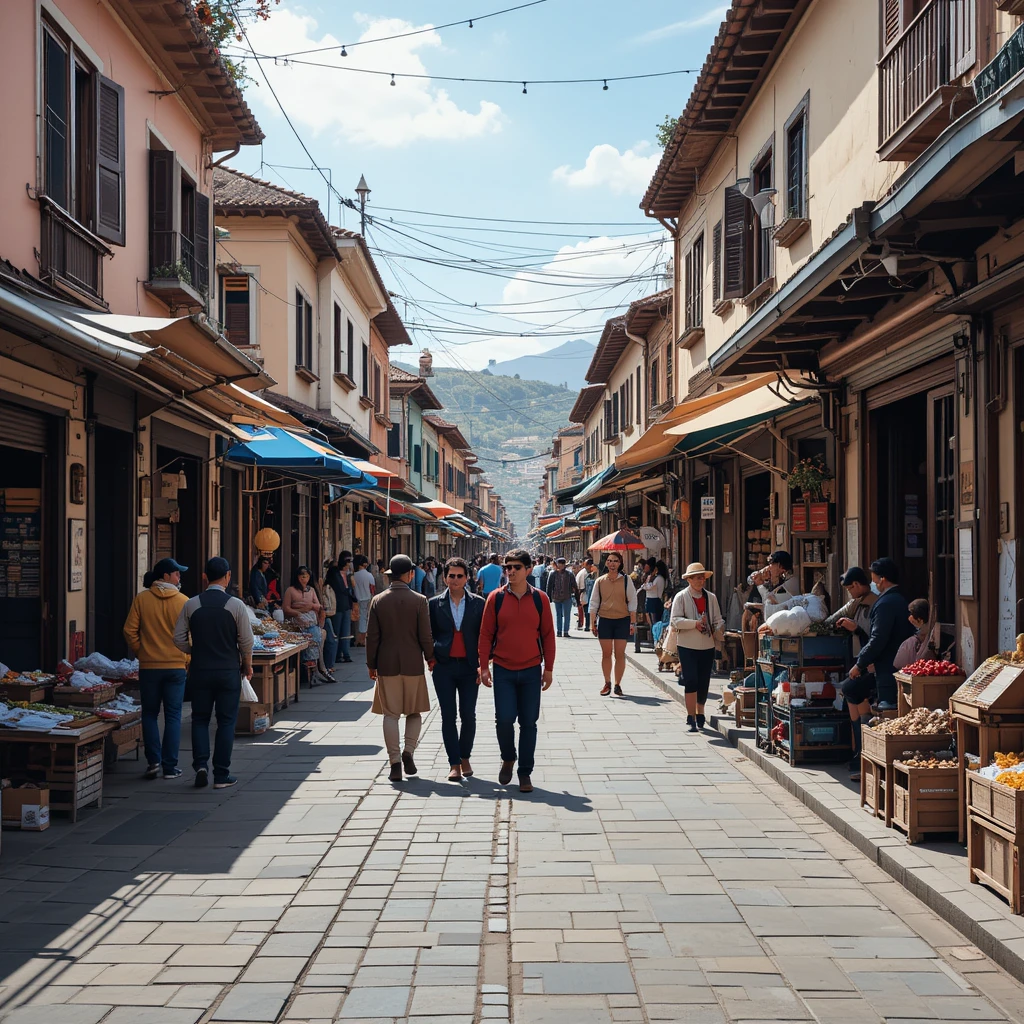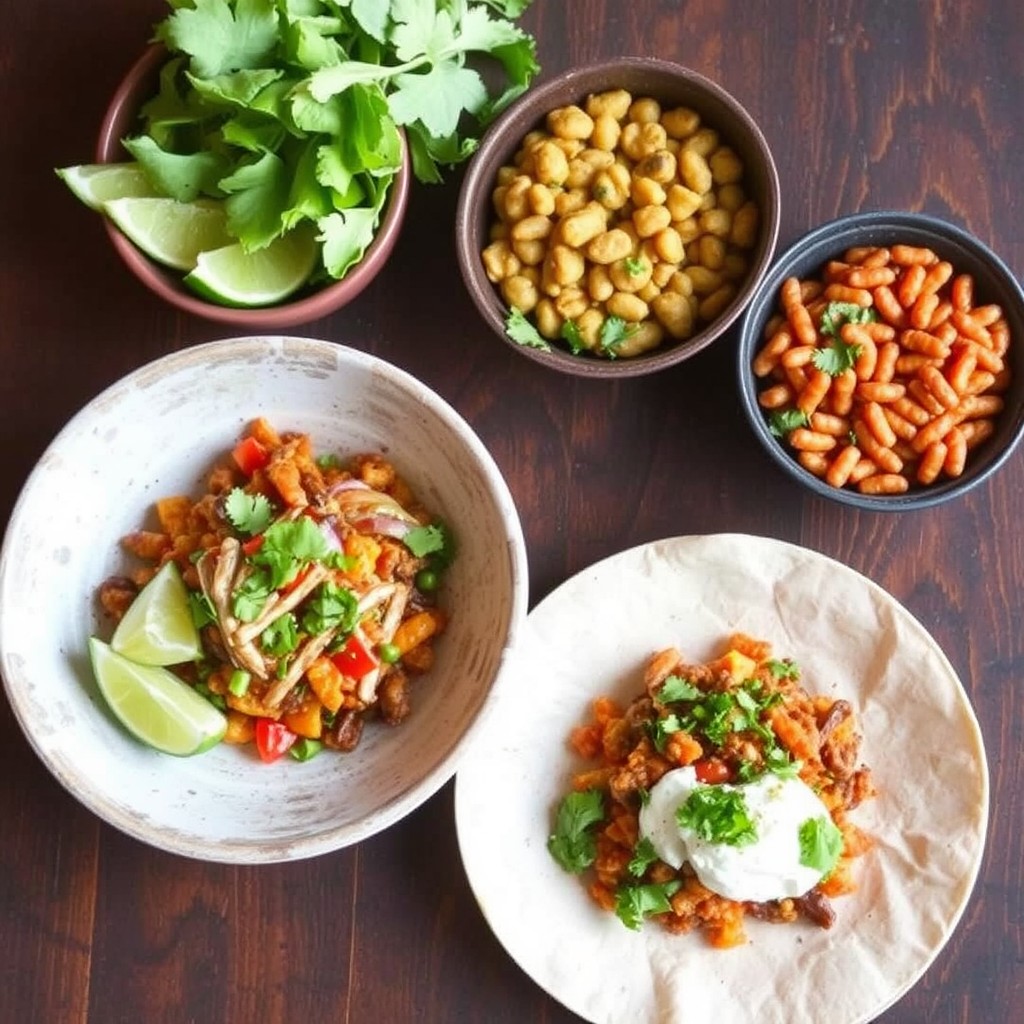
Plant-Based Mexican Cuisine: 10 Reasons Foodies Love It

Plant-Based Mexican Cuisine: 10 Reasons Foodies Love It

Mexican cuisine is known for its rich flavors, vibrant colors, and diverse ingredients. But did you know that many traditional Mexican dishes can be made vegetarian or even vegan without losing their authenticity? Plant-based Mexican cuisine offers a delightful way to enjoy the bold, earthy flavors of Mexico while prioritizing health and sustainability.

The History of Mexican Vegetarian Dishes

The History of Mexican Vegetarian Dishes

Traditional Roots

Mexican cuisine has deep roots in indigenous traditions, which often featured plant-based ingredients long before the introduction of meat. Staples such as corn, beans, squash, and chili peppers formed the backbone of the Mesoamerican diet.

Adapting to Modern Times

As plant-based diets become more popular, chefs and home cooks are reinventing traditional recipes with a vegetarian twist, bringing back age-old recipes and giving them a modern spin.

Benefits of Plant-Based Mexican Food

Health Benefits

A plant-based diet is known for being high in fiber, vitamins, and antioxidants. Consuming more vegetables, legumes, and whole grains can lead to better heart health, improved digestion, and reduced risk of chronic diseases.

Environmental Impact

Plant-based eating is more sustainable as it reduces carbon footprints and conserves water. By choosing plant-based Mexican dishes, you’re contributing to a healthier planet.

Essential Ingredients in Plant-Based Mexican Cooking

Essential Ingredients in Plant-Based Mexican Cooking

Beans and Legumes

Beans like black beans, pinto beans, and lentils are essential in Mexican dishes. They are hearty, protein-rich, and can be used in soups, stews, and tacos.

Corn

Corn is the cornerstone of many Mexican foods. From tortillas and tamales to elote (grilled corn on the cob), corn is a versatile and gluten-free option.

Chilies and Spices

Mexican dishes are known for their depth of flavor, often brought to life with chilies like jalapeños, poblanos, and ancho peppers. Spices like cumin, coriander, and oregano add layers of taste.

Avocado

Avocado is a favorite in Mexican cooking for its creamy texture and healthy fats. It’s used in guacamole, salads, and as a topping for tacos and tostadas.

Herbs

Fresh herbs like cilantro and epazote add unique flavors. They are often used as garnishes or stirred into dishes for an aromatic finish.

Classic Plant-Based Mexican Recipes to Try
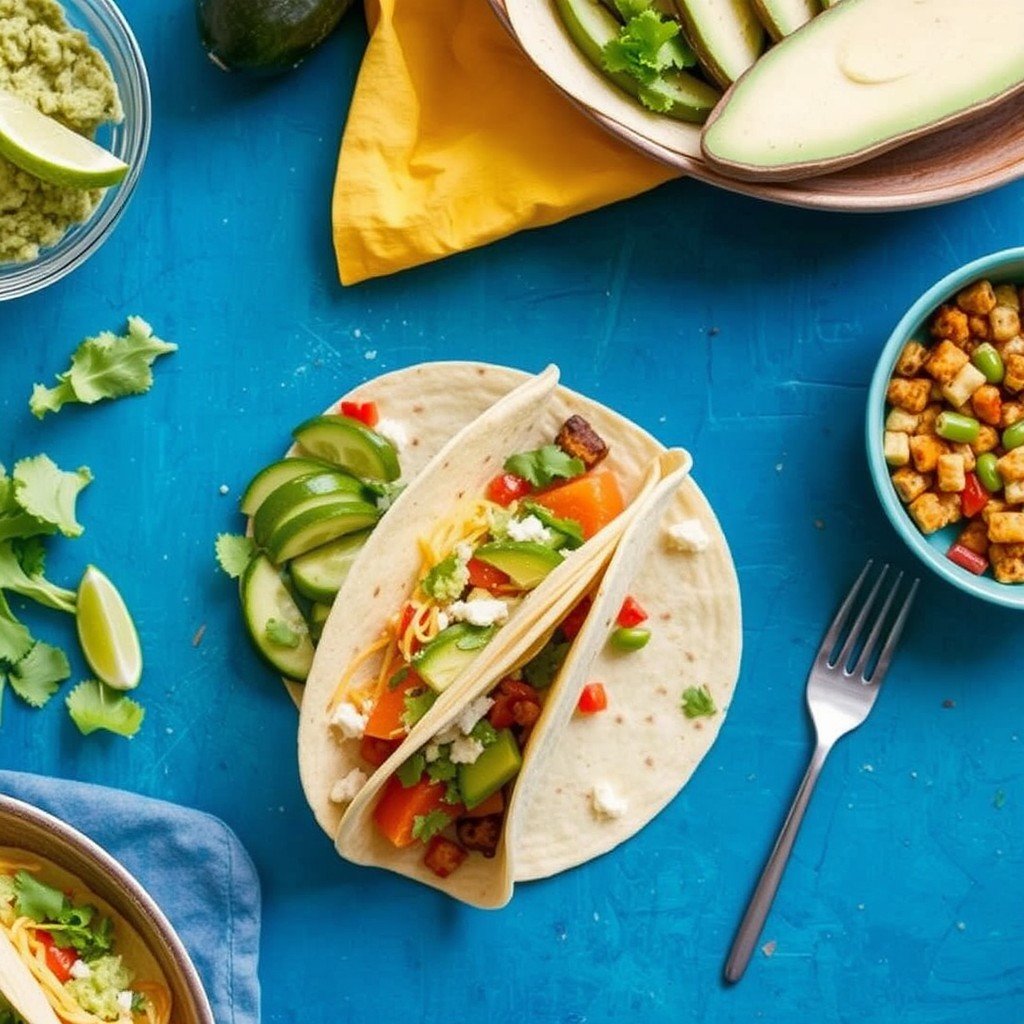
Classic Plant-Based Mexican Recipes to Try

1. Vegetarian Tacos

Ingredients:

  • Corn tortillas
  • Black beans
  • Grilled bell peppers and onions
  • Avocado slices
  • Salsa and fresh cilantro

Instructions:

  1. Heat the tortillas on a skillet.
  2. Layer with seasoned black beans and grilled vegetables.
  3. Top with avocado, salsa, and cilantro for a fresh finish.

2. Enchiladas with Spinach and Mushroom

Enchiladas with Spinach and Mushroom

Ingredients:

  • Corn tortillas
  • Spinach
  • Mushrooms
  • Enchilada sauce
  • Vegan cheese

Instructions:

  1. Sauté spinach and mushrooms.
  2. Roll the mixture into tortillas and place in a baking dish.
  3. Cover with enchilada sauce and vegan cheese.
  4. Bake at 350°F for 20 minutes.

3. Guacamole

Ingredients:

  • 2 ripe avocados
  • 1 lime
  • Diced red onion
  • Chopped cilantro
  • Salt and diced jalapeño (optional)

Instructions:

  1. Mash avocados in a bowl.
  2. Add lime juice, onion, cilantro, and salt. Mix well.
  3. Serve with tortilla chips or as a topping.

Tips for Authentic Vegetarian Cooking

Use Fresh, Local Ingredients

Opt for fresh vegetables and herbs to enhance the authentic flavors. Farmers’ markets are great places to find locally grown produce.

Experiment with Plant-Based Proteins

Tofu, tempeh, and jackfruit can replace meat in many recipes. For example, jackfruit tacos mimic the texture of pulled pork and absorb marinades well.

Add Depth with Spices

Toast spices lightly before adding them to your dish to unlock their full flavor.

How to Make Your Mexican Feast Complete

Sides and Snacks

  • Elote: Grilled corn seasoned with lime, chili powder, and plant-based mayo.
  • Refried Beans: Make a healthier version using olive oil instead of lard.

Drinks to Complement Your Meal

  • Agua Fresca: A refreshing blend of fruit, water, and a touch of sweetener.
  • Horchata: A rice-based drink with cinnamon that pairs well with spicy food.

Common Substitutes in Plant-Based Mexican Recipes

Cheese

Replace traditional cheese with vegan options made from cashews or almonds.

Sour Cream

Coconut yogurt or cashew cream can replicate the tangy taste of sour cream.

Meat Substitutes

Plant-based crumbles or marinated tofu are excellent replacements for ground beef or chicken.

Conclusion

Plant-based Mexican cuisine is not just delicious it’s a celebration of vibrant flavors, nutritious ingredients, and cultural heritage. By choosing vegetarian options, you embrace a healthier lifestyle and a more sustainable future.

FAQs

1. What are some plant-based protein sources in Mexican cuisine? Beans, lentils, and tofu are common sources. They are rich in protein and can be seasoned to taste like traditional meat dishes.

2. Can traditional Mexican desserts be made vegan? Yes! Desserts like flan can be made using plant-based milk and agar-agar instead of gelatin.

3. How do I make my guacamole more flavorful? Add diced jalapeño and a dash of garlic powder to give it a kick.

4. What is the best substitute for cheese in quesadillas? Vegan cheese made from cashews or almonds melts well and tastes delicious.

5. Are there any traditional Mexican drinks that are naturally vegan? Yes, drinks like tamarind agua fresca and hibiscus tea (Jamaica) are naturally vegan and very refreshing.
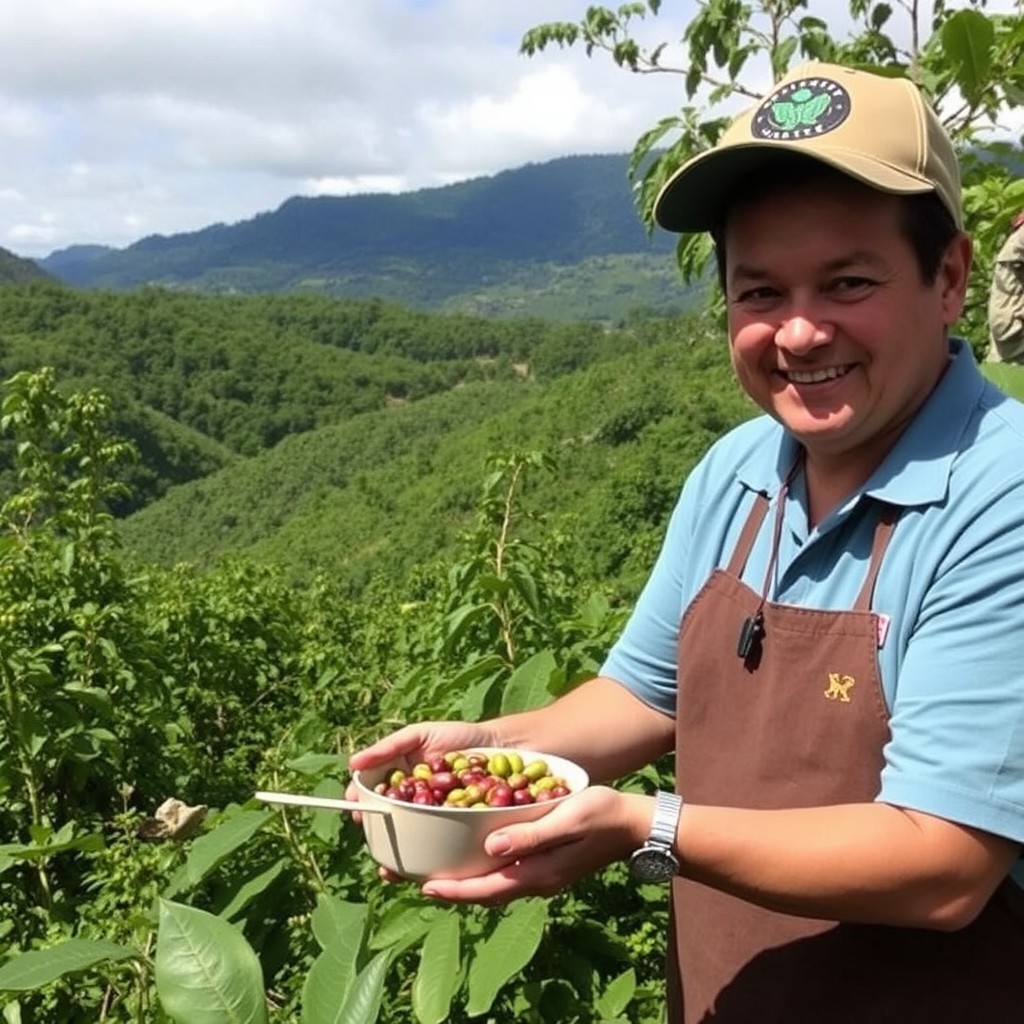
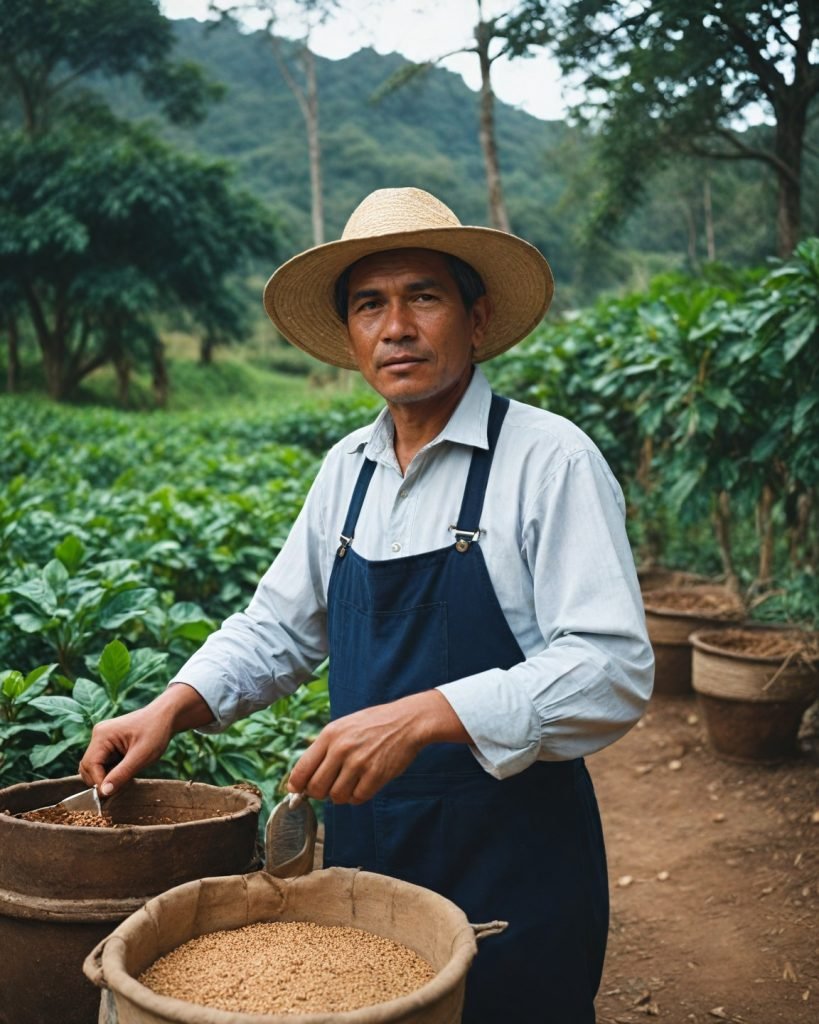
Chiapas Coffee 7 Reasons Travelers Love Its Unique Flavor

Chiapas Coffee 7 Reasons Travelers Love Its Unique Flavor

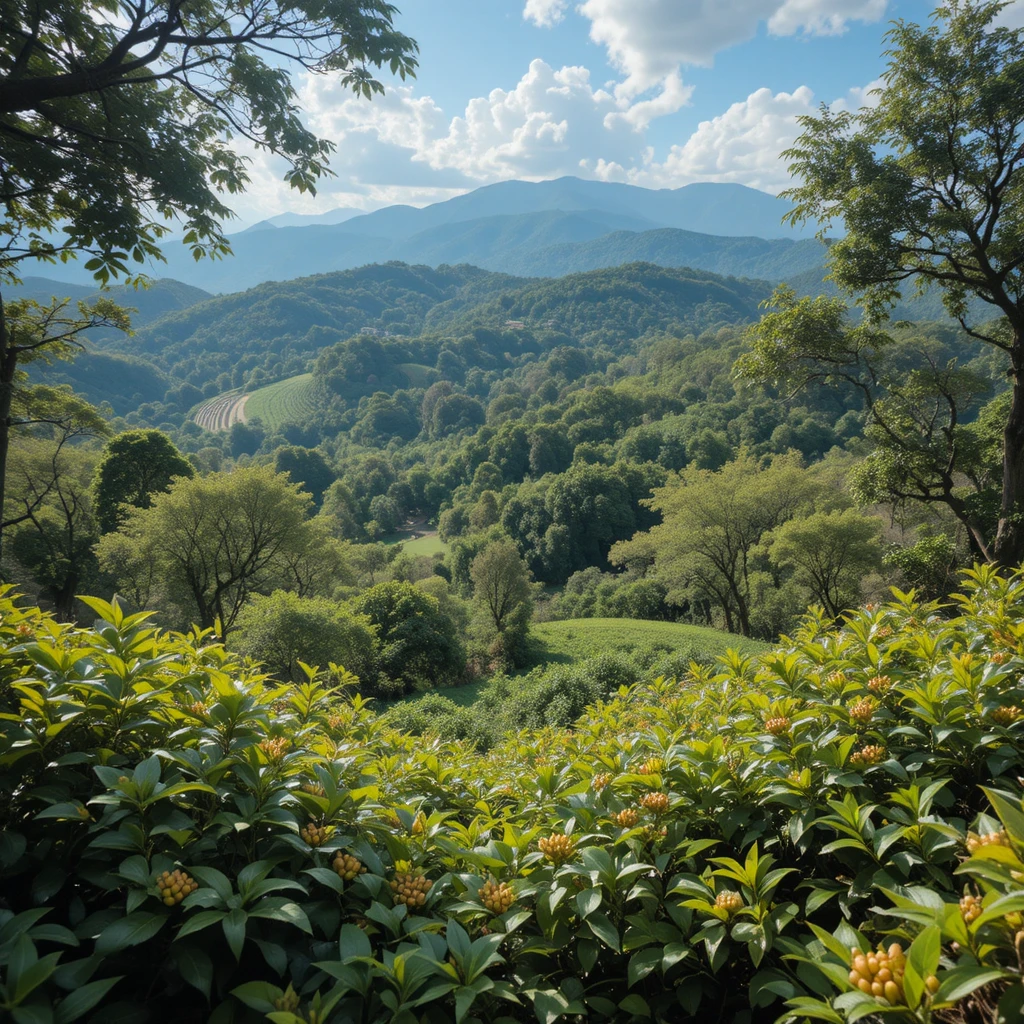
Chiapas, Mexico, is home to some of the world’s finest coffee. Nestled in lush, high-altitude regions, these coffee farms offer a unique blend of tradition, sustainability, and exceptional flavor. From bean to cup, every step in the process reflects the passion and skill of local farmers.

Why Chiapas Coffee Stands Out

The region’s fertile volcanic soil and tropical climate create the perfect conditions for coffee cultivation. Chiapas coffee is known for its rich aroma, balanced acidity, and complex flavor profile. It’s a sensory delight for coffee enthusiasts around the globe.

Organic and Sustainable Practices

Many Chiapas coffee farms focus on organic and sustainable farming methods. Farmers prioritize preserving biodiversity and maintaining eco-friendly practices. This ensures high-quality beans while protecting the environment.

A Day in the Life of a Chiapas Coffee Farmer

A Day in the Life of a Chiapas Coffee Farmer

Visiting a coffee farm in Chiapas allows you to witness the dedication and effort behind every cup. From planting seeds to harvesting ripe cherries, each step is a labor of love.

Harvesting by Hand

Farmers handpick coffee cherries to ensure only the ripest ones are selected. This meticulous process enhances the coffee’s quality and flavor.

Processing the Beans

The freshly picked cherries go through washing, fermenting, and drying processes. These steps are vital for developing the beans’ unique taste characteristics.

Exploring Coffee Tours in Chiapas

Exploring Coffee Tours in Chiapas

Several farms offer immersive coffee tours, providing a firsthand look at the production process. These tours often include guided walks, hands-on activities, and coffee tastings.

Learn the Roasting Process

One of the highlights is seeing how green coffee beans are transformed into aromatic roasted beans. Expert roasters explain the science and art behind achieving the perfect roast.

Savoring Freshly Brewed Coffee

End your tour with a cup of freshly brewed Chiapas coffee. The experience is unparalleled, as you taste the fruit of your journey through the farm.

The Cultural Significance of Chiapas Coffee

The Cultural Significance of Chiapas Coffee

Coffee in Chiapas is more than just a beverage; it’s a way of life. It plays a vital role in the local economy and connects communities through shared traditions.

Supporting Local Farmers

By purchasing Chiapas coffee, you contribute directly to the livelihoods of small-scale farmers. This support helps sustain the region’s coffee heritage for future generations.

Community Impact

Coffee farming fosters community bonds and preserves indigenous practices. It’s a testament to the resilience and creativity of the Chiapas people.

Conclusion

Exploring Chiapas coffee farms offers a deep appreciation for the craft of coffee-making. From the hands of dedicated farmers to your cup, every sip tells a story of tradition, sustainability, and passion. Whether you’re a coffee connoisseur or a curious traveler, a visit to Chiapas is a journey worth taking.

Hands-on Mexican Chocolate Making From Bean to Bar How to Join This Sweet Travel Experience

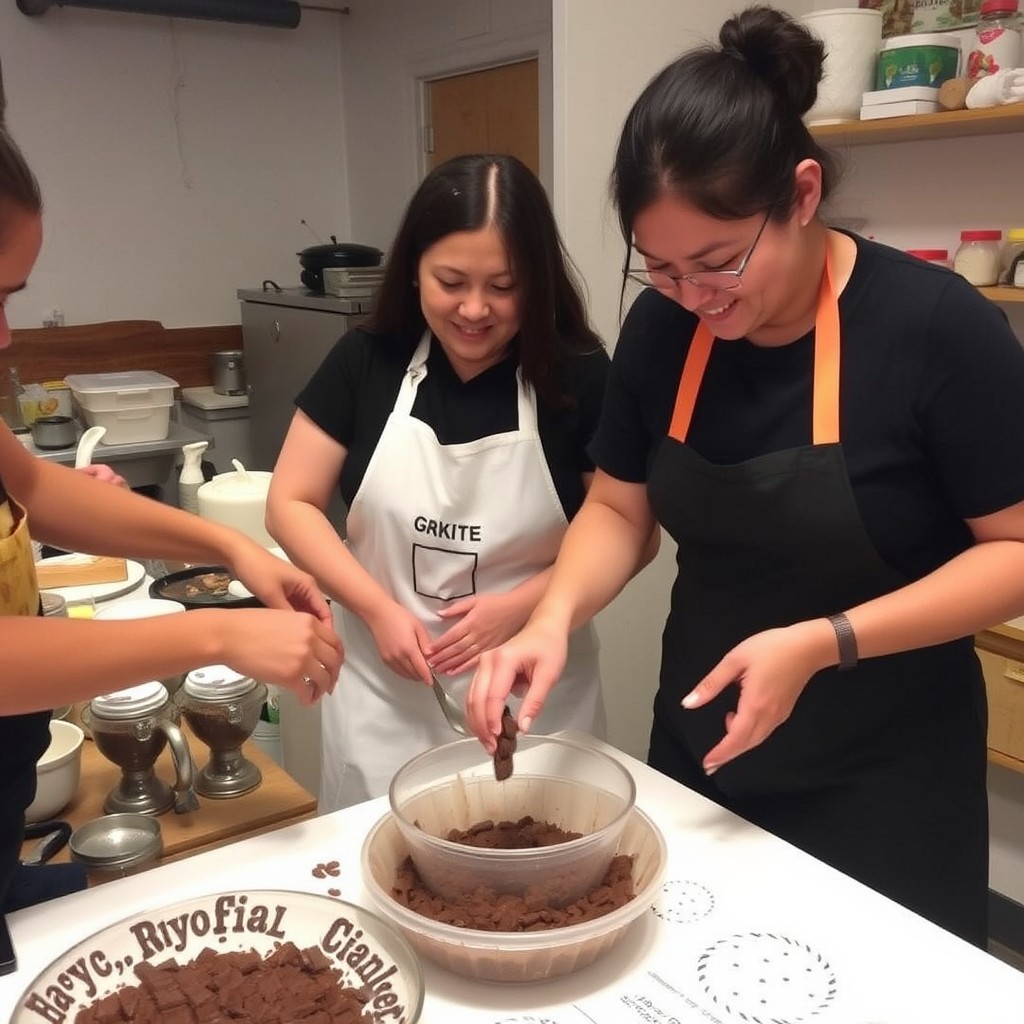
Chocolate holds a special place in the hearts of many around the world, and Mexico, with its rich history and cultural heritage, is where this beloved treat has deep roots. But how does one create authentic Mexican chocolate from bean to bar? Let’s take a journey through the entire process a hands-on guide that will make you appreciate each rich, decadent bite.

The Roots of Mexican Chocolate

A Brief History of Chocolate in Mexico

The story of chocolate dates back thousands of years, to the ancient Olmecs who were among the first to cultivate cacao. The Aztecs and Mayans followed, elevating chocolate to a divine beverage fit for gods and kings.

Cultural Significance

Chocolate in Mexico is more than just a sweet treat. It’s a symbol of tradition, often used in religious ceremonies and cultural gatherings. It is deeply woven into the social fabric, enriching celebrations and bonding families.

The Journey from Bean to Bar

The Journey from Bean to Bar

Selecting Quality Cacao Beans

Choosing the right cacao beans is crucial. Mexican chocolate makers often opt for Criollo beans, known for their unique flavors and minimal bitterness.

Sorting and Inspecting Beans

Inspect each bean for quality, discarding any that are cracked or moldy. Only the best beans should make it to the roasting stage.

Tips for Roasting

Rotate the beans periodically for an even roast. Listen for a soft cracking sound, which indicates they’re ready.

Cracking and Winnowing

Once the beans cool, the next step is to crack them open and remove the husks, leaving behind the nibs.

The Winnowing Process

Traditionally, this can be done by hand or using a mechanical winnower for larger batches. The goal is to separate the nibs from the husks efficiently.

Grinding the Nibs

Grinding the cacao nibs turns them into a paste called chocolate liquor.

Using Traditional Metate

For an authentic experience, a metate (a traditional stone tool) can be used to grind the nibs manually. The friction releases the natural cacao butter, resulting in a smooth paste.

Modern Equipment

Electric grinders are faster and ideal for larger quantities, preserving the rich flavors while ensuring a finer consistency.

Conching the Chocolate

Conching the Chocolate

Conching refines the flavor and texture. This process involves mixing and aerating the chocolate to remove any unwanted acidity and enhance its smoothness.

Traditional vs. Modern Conching

Traditionally, conching can take several hours or even days. Modern machinery can achieve the same results in a shorter time, providing a balance of flavor and texture.

Tempering the Chocolate

Tempering gives chocolate its signature shine and snap. The process involves heating and cooling the chocolate in a controlled manner.

How to Temper Chocolate

  1. Melt the chocolate to 115°F (46°C).
  2. Cool it down to 81°F (27°C).
  3. Reheat slightly to 88-90°F (31-32°C).

Molding and Setting

Pour the tempered chocolate into molds and allow it to set at room temperature or in a cool environment.

Creative Shapes and Additions

Experiment with traditional molds or add spices like cinnamon or chili for a unique twist.

The Final Touches

Packaging Your Homemade Mexican Chocolate

Wrap the bars in foil and use decorative paper for a traditional touch. Handmade packaging enhances the artisan appeal.

Storing Your Chocolate

Store in a cool, dry place to maintain quality and prevent blooming.

Enjoying Your Mexican Chocolate

Enjoying Your Mexican Chocolate

Traditional Ways to Savor It

Mexican chocolate is often used to make hot chocolate. Simply dissolve a piece in warm milk or water, whisking until frothy.

Pairing Ideas

Pair your chocolate with a cup of café de olla or enjoy it alongside fresh fruit and nuts.

Conclusion

Creating Mexican chocolate from bean to bar is a rewarding process that connects you to centuries of tradition and flavor. Each step, from selecting beans to savoring the final product, is a journey worth taking.

FAQs

Q1: What makes Mexican chocolate unique?
A: Mexican chocolate often includes additional ingredients like cinnamon, sugar, and chili, giving it a distinct flavor profile.

Q2: Can I use other types of cacao beans?
A: Yes, but Criollo beans are preferred for their high-quality taste. For a bolder flavor, try using Forastero or Trinitario beans.

Q3: Is tempering necessary?
A: Yes, if you want a glossy finish and that satisfying snap when you break a piece.

Q4: How long does homemade chocolate last?
A: If stored properly in a cool, dry place, it can last several months.

Q5: What is the best temperature for storing chocolate?
A: Ideally, chocolate should be stored at 60-70°F (15-21°C).

Master Authentic Oaxaca Cooking Top 5 Immersive Classes

Master Authentic Oaxaca Cooking Top 5 Immersive Classes

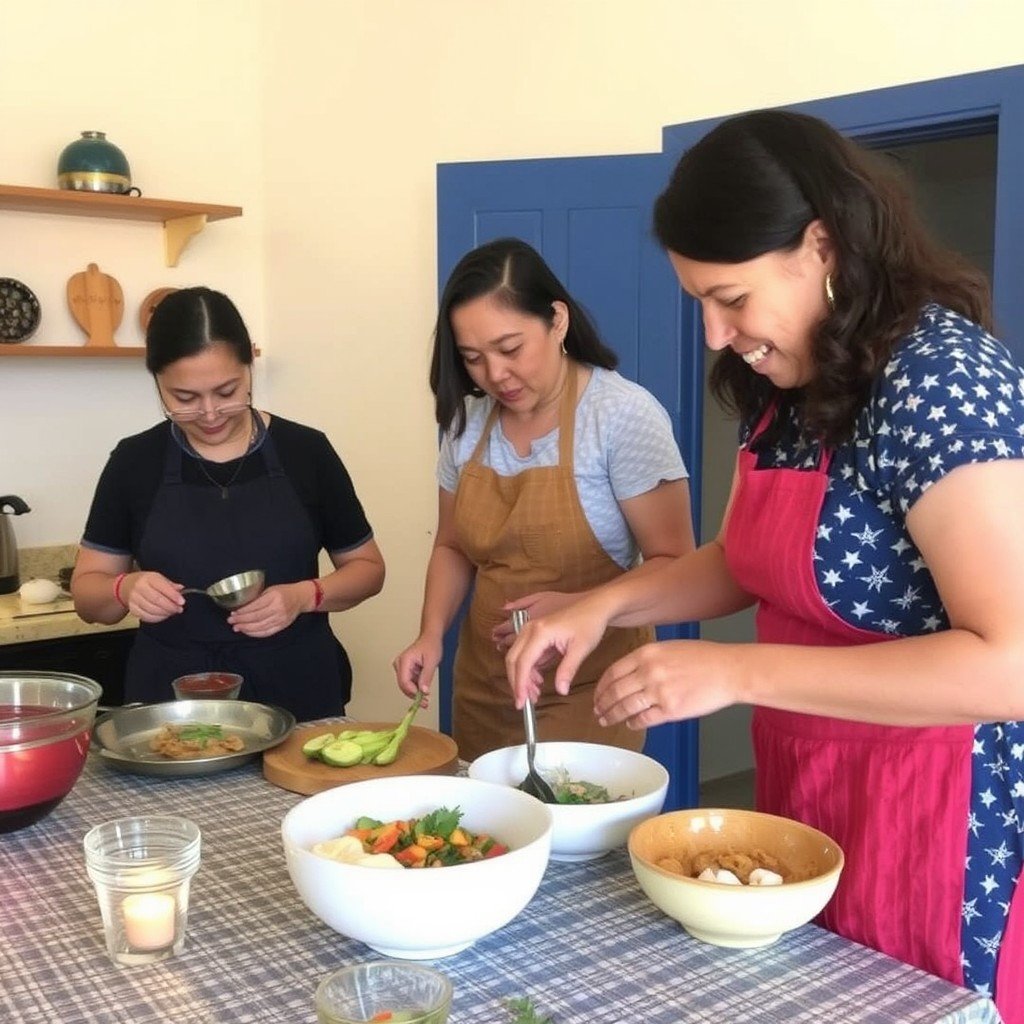
If you’re passionate about Mexican cuisine, learning to master authentic Oaxaca cooking is a must. Renowned for its rich flavors, vibrant ingredients, and unique culinary traditions, Oaxacan cuisine offers a journey like no other. Whether you’re an aspiring chef or simply looking to enhance your cooking skills, these immersive classes will help you capture the true essence of Oaxacan cooking.

Why Choose Oaxacan Cooking?

1. The Cultural Significance

Oaxaca is considered the culinary heart of Mexico. The region’s cuisine is steeped in history, blending indigenous traditions with Spanish influences. From complex mole sauces to tamales and chapulines (roasted grasshoppers), Oaxacan food is a testament to the creativity and heritage of its people.

2. Unique Ingredients

Ingredients like hoja santa, chocolate de metate, and a variety of native chiles make Oaxacan cuisine stand out. Learning to use these ingredients in their authentic form brings an unmatched depth of flavor.

Top 5 Immersive Oaxacan Cooking Classes

1. Casa Oaxaca Cooking Class

Casa Oaxaca Cooking Class

Overview: Casa Oaxaca offers one of the most acclaimed cooking experiences in the region. Headed by Chef Alejandro Ruiz, this class gives you a hands-on approach to traditional recipes.

What You’ll Learn:

  • Preparation of mole negro, one of Oaxaca’s most intricate moles.
  • The art of making tlayudas, a beloved Oaxacan street food.

Why It’s Unique: Chef Ruiz’s commitment to preserving indigenous cooking techniques makes this class truly exceptional.

2. Seasons of My Heart Culinary School

Overview: Founded by chef and author Susana Trilling, this school is nestled in the beautiful Oaxacan countryside. Trilling’s classes are designed to teach both the history and techniques of Oaxacan cooking.

What You’ll Learn:

  • Crafting tamales filled with local ingredients like squash blossoms and queso fresco.
  • Making salsa de pasilla mixe, a smoky and spicy staple.

Why It’s Unique: The focus on seasonal and locally-sourced ingredients ensures each dish is as fresh as possible.

3. La Cocina Oaxaqueña

Overview: A perfect class for those seeking an intimate, traditional experience. La Cocina Oaxaqueña offers small group settings where participants can learn directly from local chefs.

What You’ll Learn:

  • Preparing chapulines and their incorporation into various dishes.
  • Making authentic Oaxacan hot chocolate.

Why It’s Unique: This class emphasizes community involvement and local culinary traditions.

4. El Sabor Zapoteco

Overview: Located in Teotitlán del Valle, El Sabor Zapoteco is operated by Reyna Mendoza, a Zapotec native. Her cooking classes provide an immersive cultural experience.

What You’ll Learn:

  • Making mole amarillo with locally-sourced ingredients.
  • Hand-pressing tortillas using ancient techniques.

Why It’s Unique: Reyna’s deep-rooted knowledge of Zapotec traditions offers a rare glimpse into Oaxacan indigenous heritage.

5. Culinary Tours with Chef Pilar Cabrera

Overview: Chef Pilar Cabrera’s tours combine market visits with cooking lessons, allowing participants to understand the journey of ingredients from market to table.

What You’ll Learn:

  • Selecting fresh ingredients from the local market.
  • Creating dishes such as quesillo-stuffed chile relleno.

Why It’s Unique: Chef Pilar’s personalized approach and market tours enrich the learning experience.

Key Techniques in Oaxacan Cooking

Key Techniques in Oaxacan Cooking

1. Grinding Chocolate on a Metate

This ancient technique is essential for creating authentic Oaxacan chocolate drinks and desserts.

2. Perfecting Mole Preparation

Mole is not just a sauce but a complex combination of flavors. Each step, from toasting chiles to grinding spices, plays a critical role.

3. The Art of Hand-Pressed Tortillas

Understanding how to press and cook tortillas properly can elevate any Oaxacan meal.

Essential Ingredients to Master

1. Oaxacan Chiles

Chiles such as pasilla mixe and chilhuacle are crucial to achieving the depth of flavor in many Oaxacan dishes.

2. Hoja Santa

This aromatic herb lends a subtle anise flavor to soups and tamales.

3. Chocolate de Metate

Stone-ground chocolate used in traditional beverages and desserts.

Tips for Getting the Most Out of Your Class

1. Engage with Your Instructor

Ask questions and learn about the cultural context behind the recipes.

2. Take Notes

Details matter, especially when it comes to the ratios and timing that are critical in Oaxacan cooking.

3. Practice at Home

Recreate what you’ve learned as soon as possible to reinforce your skills.

Conclusion

Immersing yourself in Oaxacan cooking is more than just a culinary lesson—it’s an exploration of culture, history, and tradition. Whether you’re learning from a top chef or a local home cook, the skills and stories you take away will enrich your kitchen repertoire and deepen your appreciation for Oaxacan cuisine.

FAQs

1. What should I bring to an Oaxacan cooking class? Bring an open mind, a notebook for notes, and a camera to capture moments.

2. Can beginners join these cooking classes? Yes, many classes are beginner-friendly and cater to various skill levels.

3. What is the most famous dish to learn in Oaxaca? Mole, especially mole negro, is one of the most iconic dishes to master.

4. Are these classes available online? Some classes offer virtual options for those who can’t travel to Oaxaca.

5. What makes Oaxacan cuisine different from other Mexican food? Its unique ingredients, traditional cooking techniques, and cultural significance set it apart.

Solo Travel in Mexico Your Ultimate Safety Guide

Why Consider Mexico for Solo Travel?

Mexico offers a unique blend of cultural richness, natural beauty, and vibrant cities that attract travelers from around the world. As a solo traveler, you can immerse yourself in local experiences, explore historic sites, and enjoy the diverse landscapes from lush jungles to stunning beaches.

Understanding the Cultural Landscape

Embracing Mexican Traditions and Customs

Mexican culture is known for its warmth and hospitality. Embracing local traditions such as festivals, music, and regional customs will enhance your travel experience. Familiarize yourself with common greetings and social etiquette to make connections more easily.

Language Tips for Solo Travelers

While many people in popular tourist areas speak English, learning basic Spanish phrases can help you navigate more comfortably and show respect to locals.

Top Safe Destinations for Solo Travelers

1. Mexico City

Mexico City
  • Key Attractions and Safety Tips: Mexico City is a bustling hub with incredible museums, parks, and historical sites. Stick to popular neighborhoods like Polanco, Condesa, and Roma for added safety. Use authorized taxi services or ride-share apps to get around.

2. Tulum

Tulum
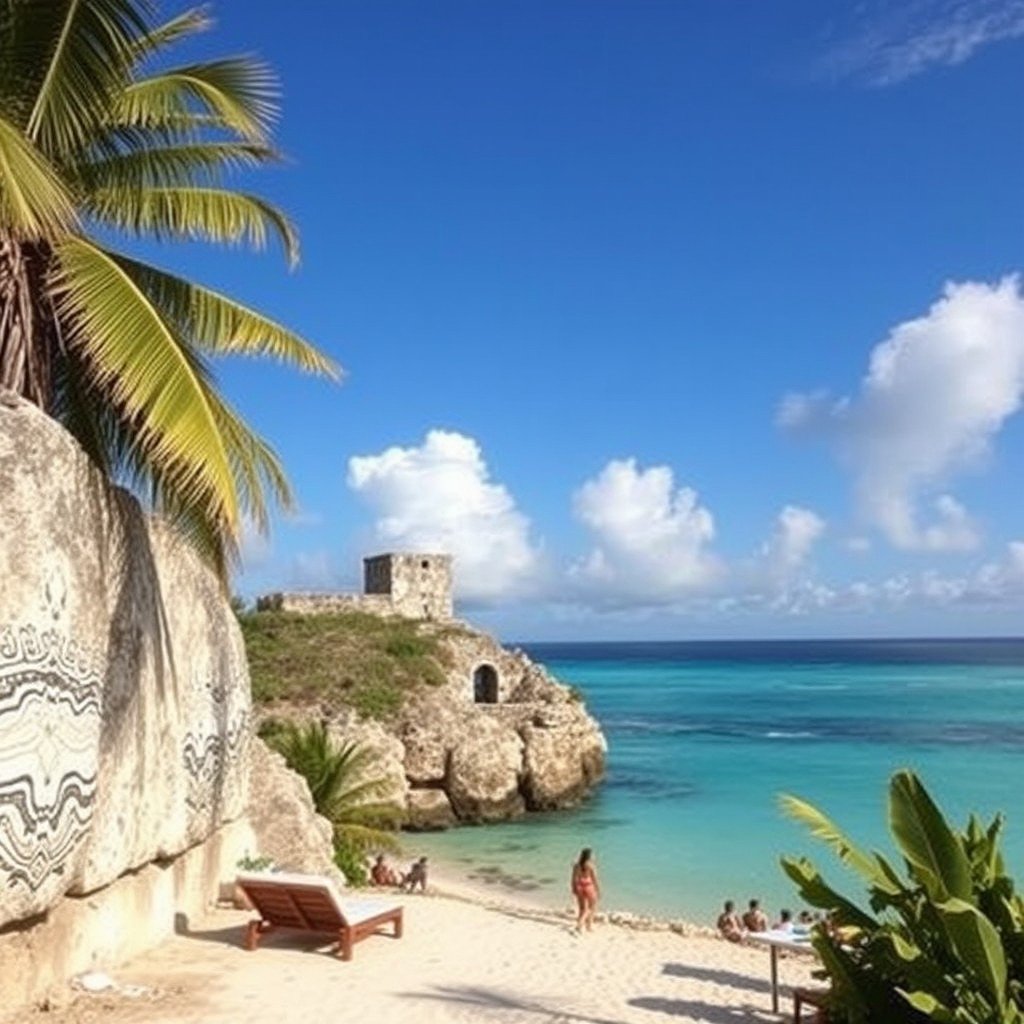
  • Why Tulum is Perfect for Solo Travelers: Known for its beautiful beaches and Mayan ruins, Tulum offers a laid-back atmosphere. Stick to well-frequented paths and avoid isolated beach areas at night.

3. Oaxaca

Oaxaca
  • Cultural Highlights and Safety Insights: Oaxaca is famous for its traditional crafts, markets, and cuisine. Stay in the city center for easy access to attractions and be mindful of your belongings in crowded spaces.

4. Puerto Vallarta

Puerto Vallarta
  • Beach Safety and Nightlife Tips: Puerto Vallarta has a strong expat community and is known for its lively beach scene. Keep an eye on your belongings at the beach and exercise caution if exploring nightlife alone.

5. Merida

 Merida
  • A Historical Gem with Solo-Friendly Vibes: This city in the Yucatán Peninsula boasts colonial architecture and a rich history. It’s known for being one of the safest cities in Mexico, making it perfect for solo travelers.

Safety Tips Every Solo Traveler Should Know

Staying Alert in Public Spaces

Be aware of your surroundings and avoid displaying valuable items. Always keep an eye on your bags, even in seemingly safe areas.

Using Reliable Transportation Options

Stick to registered taxis, ride-sharing services, or reputable public transportation options. Avoid hailing cabs on the street.

Trusting Your Intuition

If something feels off, don’t hesitate to remove yourself from the situation. Trusting your instincts is crucial when traveling alone.

Accommodation Safety Tips for Solo Travelers

Choosing Reputable Hostels and Hotels

Look for accommodations with positive reviews and strong safety measures, such as 24/7 front desk service and secure entry points.

Verifying Online Reviews

Always cross-check reviews from multiple sources to ensure accuracy.

Safety Precautions in Rentals and Hostels

Ensure that your room has secure locks and, if possible, use personal travel locks for added peace of mind.

Packing Essentials for Safety and Comfort

Must-Have Safety Gear

Include items like a whistle, personal alarm, and money belt. A portable door lock can add an extra layer of safety.

Documents and Copies

Carry copies of your passport, visa, and other important documents. Store digital backups in secure cloud storage.

Navigating the Food Scene Safely

Street Food: Dos and Don’ts

Street food is a highlight in Mexico, but choose vendors with good hygiene practices. Opt for cooked foods and avoid raw items from street stalls.

Don’t miss dishes like tacos al pastor, tamales, and mole. Be adventurous but smart in your food choices.

Connecting with Other Travelers

Joining Group Tours and Meetups

Participate in local tours and social events to meet other solo travelers and share experiences.

Making Friends in Hostels

Hostels are perfect for socializing. Join communal dinners and activities to meet like-minded travelers.

Tech Tools for a Safe Journey

Essential Apps for Navigation and Translation

Download apps like Google Maps and Duolingo to help you get around and communicate effectively.

Safety Tracking Apps

Apps like bSafe or Life360 can share your location with trusted contacts.

Avoiding Common Scams in Mexico

Street Vendor Tactics

Be cautious with vendors who approach aggressively or offer unsolicited services.

Taxi and Ride-Share Safety

Always verify the license plate and driver details before getting into a ride-share. Avoid unregistered cabs.

Staying Healthy While Traveling Solo

Hydration and Sun Protection

Mexico’s sun can be intense. Carry a refillable water bottle, sunscreen, and a hat for protection.

Access to Medical Assistance

Research local clinics and keep the address of your nearest hospital handy. Travel insurance is a wise investment.

Best Time to Visit for Solo Travelers

Seasonal Insights and Safety Implications

Visit during the dry season (November to April) for better weather and more manageable crowds.

Emergency Contacts and Local Support

Important Numbers to Keep Handy

Have the local emergency number (911) and contact details for your country’s embassy.

Embassy Locations and Assistance

Locate the nearest embassy for added security and assistance.

Conclusion

Traveling solo in Mexico can be an incredible adventure filled with vibrant culture, rich history, and breathtaking landscapes. By staying aware, choosing your destinations wisely, and following practical safety measures, you can make the most of your journey while ensuring your well-being.

FAQs

1. Is Mexico safe for solo female travelers?
Yes, many women travel solo in Mexico safely by sticking to known, safe areas and following safety guidelines.

2. What should I avoid when traveling alone in Mexico?
Avoid walking alone at night in unfamiliar areas and keep your valuables secure.

3. Are hostels safe for solo travelers in Mexico?
Most hostels are safe, especially those with good reviews and secure entry systems.

4. How do I stay connected in case of emergencies?
Use apps like WhatsApp or local SIM cards to stay connected with friends and family.

5. What are the safest transport options in Mexico?
Stick to registered taxis, ride-share services, and reliable bus companies.

10 Reasons to Experience Mexico’s Most Spectacular Cultural Festival

10 Reasons to Experience Mexico's Most Spectacular Cultural Festival

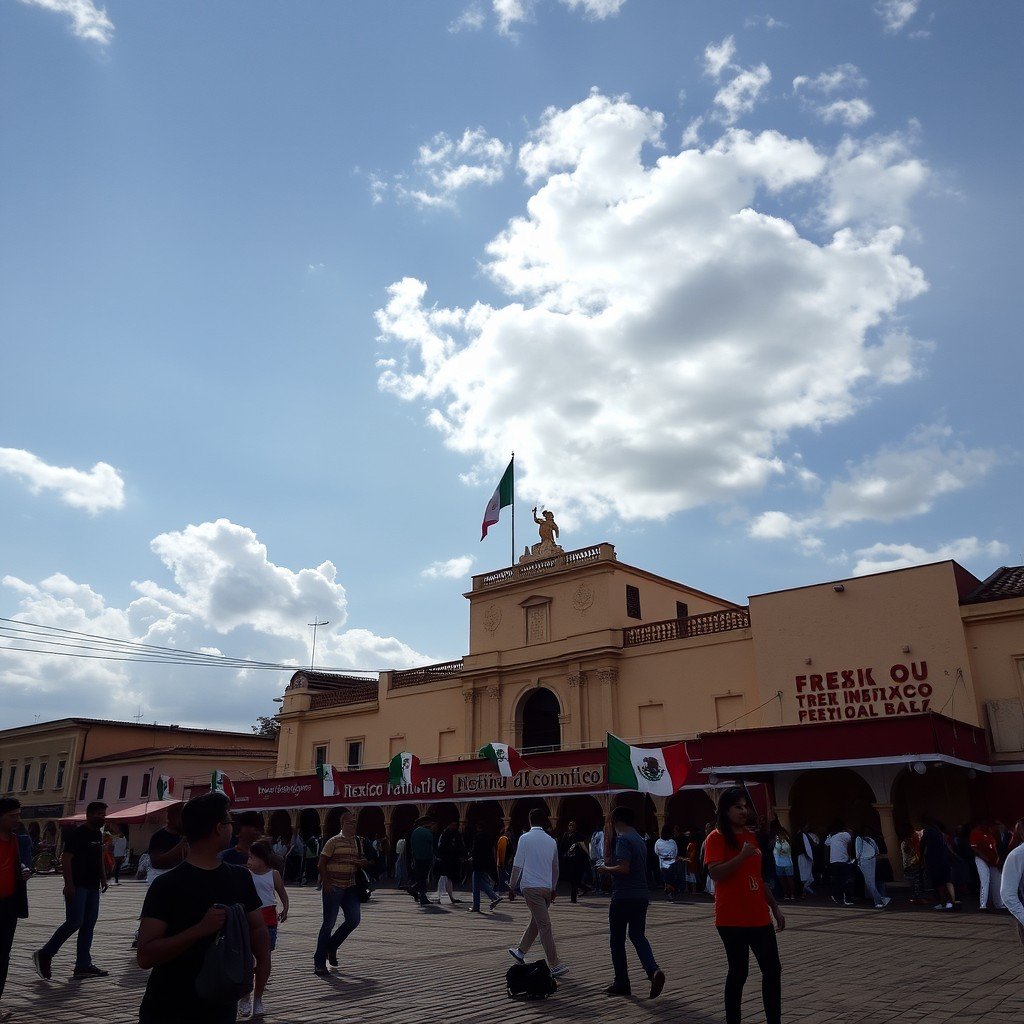
Mexico’s vibrant cultural festivals are some of the most colorful and joyous celebrations in the world. With deep roots in history, religion, and community, these festivals offer a unique way to experience Mexico’s cultural heritage. From ancient traditions to modern fiestas, Mexican festivals bring people together in a spectacular display of music, dance, and devotion. So, where should you go to experience the best of these cultural treasures?

Why You Should Experience Mexican Festivals

Festivals in Mexico are more than events; they’re an integral part of life. Each one tells a story, honoring ancestors, religious beliefs, or historical events. Experiencing these festivals gives you an authentic look at Mexico’s soul, where vibrant energy meets deep tradition.


Best Times to Visit Mexico for Festivals

To make the most of Mexico’s cultural festivals, plan your trip around popular festival months. While festivals happen year-round, the period from October to April is especially rich in celebrations, with something extraordinary happening every few weeks.


Festival 1 Day of the Dead (Día de los Muertos)

Day of the Dead (Día de los Muertos)

One of Mexico’s most famous festivals, Día de los Muertos is celebrated on November 1st and 2nd. During these days, Mexicans honor their deceased loved ones with vibrant altars, sugar skulls, and marigolds. To experience the best of this festival, visit Oaxaca or Mexico City, where parades, artwork, and family gatherings showcase the heart of this tradition.


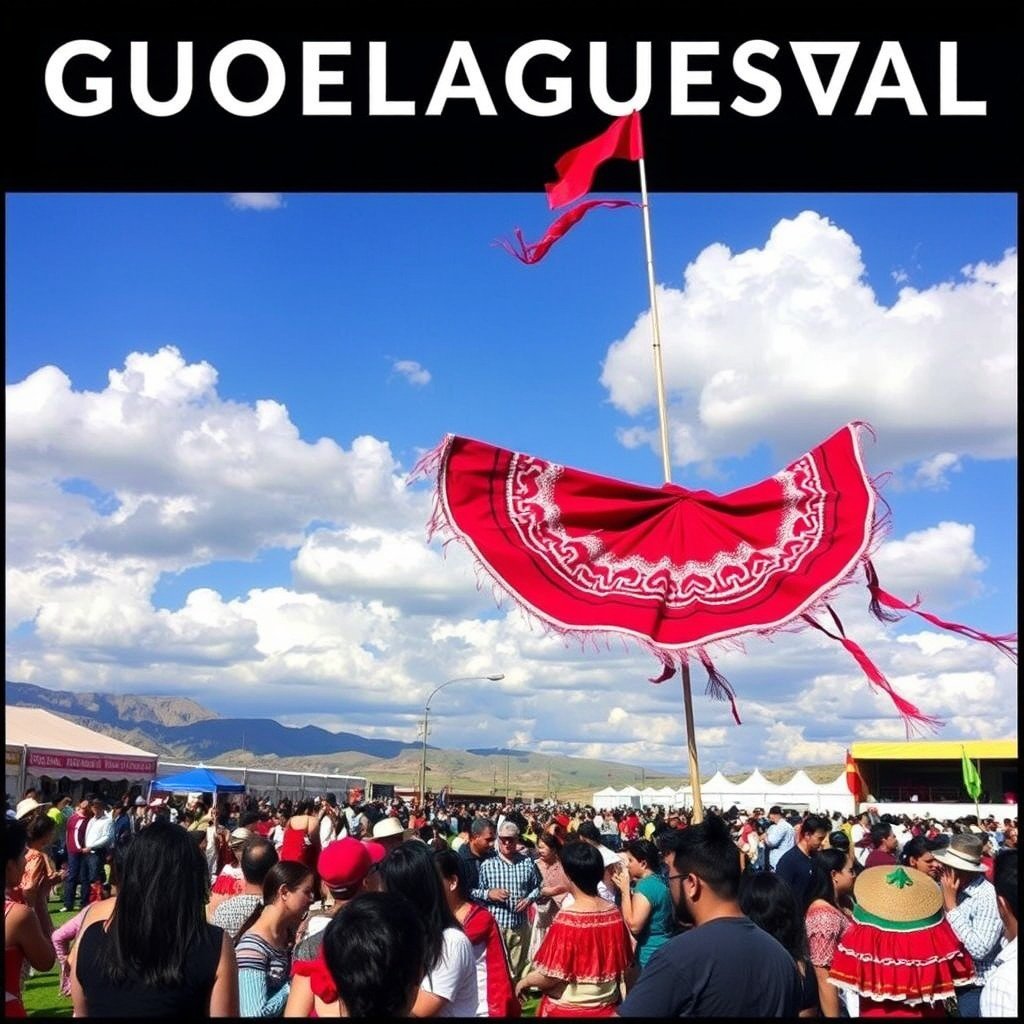
Festival 2: Guelaguetza Festival

Guelaguetza Festival

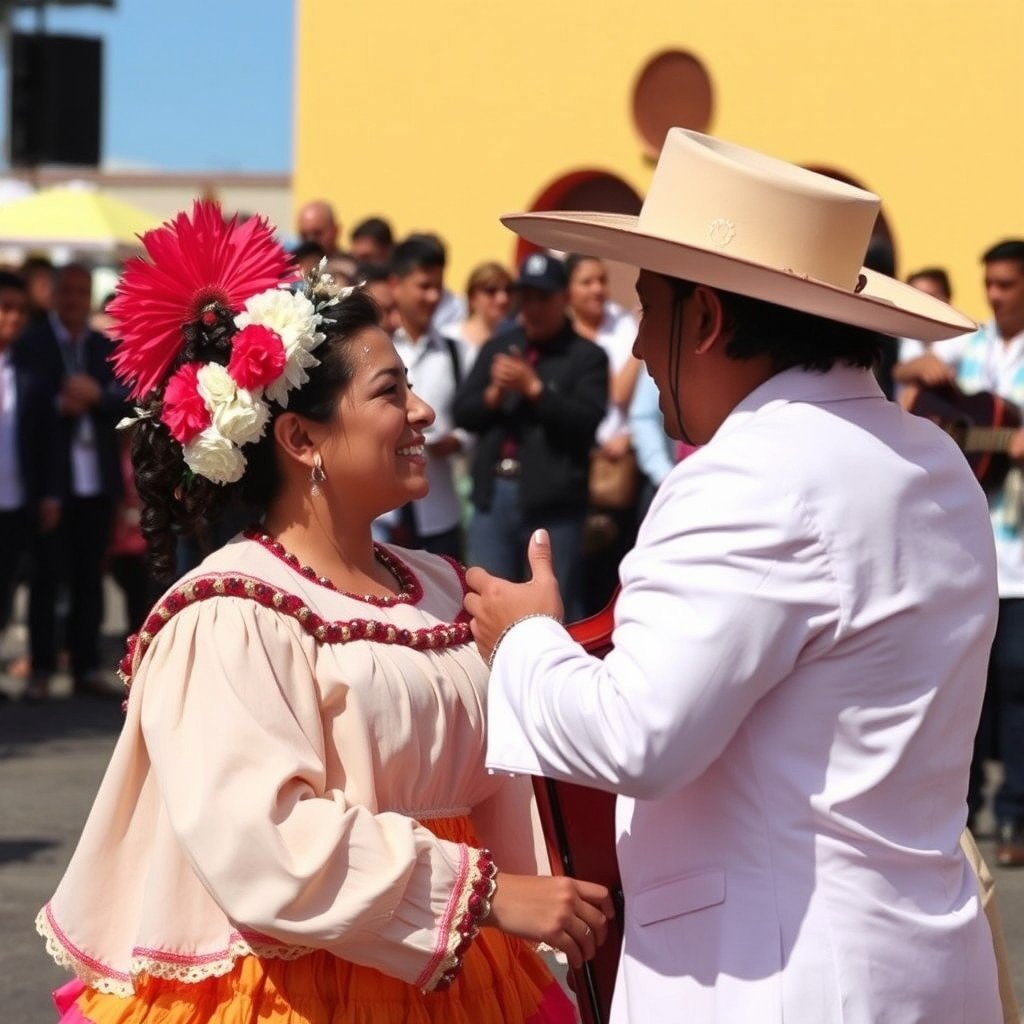
Held in Oaxaca in July, the Guelaguetza is a celebration of indigenous culture and traditions. Featuring colorful costumes, traditional dances, and delicious local food, this festival highlights the diversity of Oaxaca’s communities. It’s a perfect opportunity to witness Mexico’s indigenous heritage.


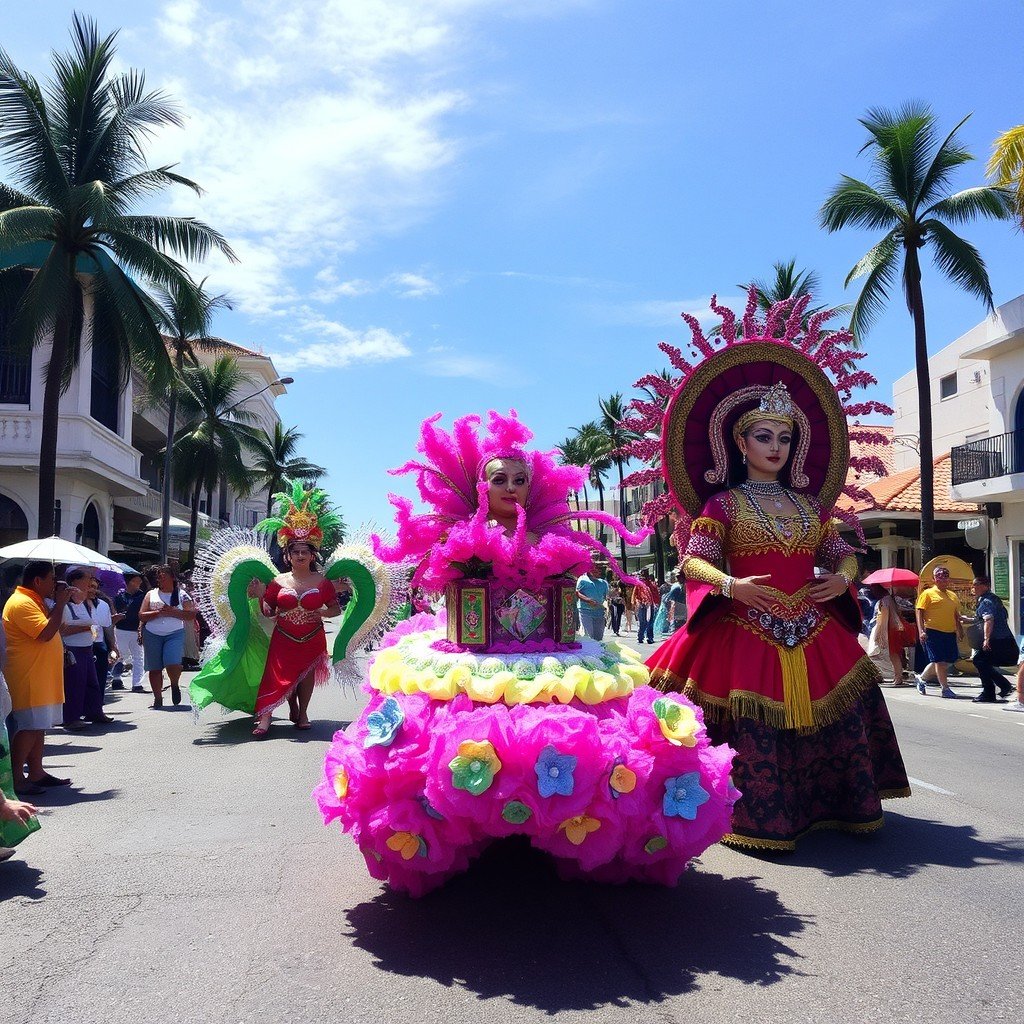
Festival : Carnaval in Veracruz and Mazatlán

Carnaval in Veracruz and Mazatlán

Carnaval in Mexico rivals any global celebration, combining extravagant parades, music, and elaborate costumes. Veracruz and Mazatlán are the best places to experience Carnaval in February. Each city adds its own unique twist, with Veracruz focusing on Afro-Caribbean rhythms and Mazatlán bringing a tropical coastal vibe.


Festival : The Festival of Our Lady of Guadalupe

The Festival of Our Lady of Guadalupe

The Festival of Our Lady of Guadalupe on December 12th is one of Mexico’s most important religious events. Pilgrims from all over Mexico journey to the Basilica of Guadalupe in Mexico City to pay homage to the Virgin Mary. The festival includes vibrant processions, traditional songs, and prayer, making it an emotionally resonant experience.


Festival : Mexican Independence Day

Mexican Independence Day

Independence Day on September 16th marks Mexico’s freedom from Spanish rule. Celebrations start with “El Grito,” or the cry for independence, at midnight on September 15th. Festivities include fireworks, parades, and music throughout the country. For a historical experience, head to Mexico City or Guanajuato.


Festival : Semana Santa (Holy Week)

Semana Santa (Holy Week)

Semana Santa is one of Mexico’s most important religious festivals, held during the week leading up to Easter. Cities like Taxco and San Luis Potosí are renowned for their reenactments of the Passion of Christ, including solemn processions and live performances.


Festival : La Noche de Rábanos (Night of the Radishes)

La Noche de Rábanos (Night of the Radishes)

In Oaxaca on December 23rd, La Noche de Rábanos celebrates creativity with radish sculptures, some over three feet tall. This quirky tradition brings artisans together to carve intricate scenes, making it a unique addition to Mexico’s festive season.


Festival : Cinco de Mayo in Puebla

Cinco de Mayo in Puebla

Cinco de Mayo commemorates Mexico’s victory over the French in 1862. While often mistaken for Mexico’s Independence Day, this holiday is celebrated with gusto in Puebla, featuring reenactments, parades, and traditional music.


Festival : Las Posadas

Las Posadas

Las Posadas takes place from December 16th to 24th, celebrating Mary and Joseph’s journey to Bethlehem. Families host reenactments, visit each other’s homes, and share festive treats, creating a heartwarming Christmas tradition in Mexican neighborhoods.


Festival : Cervantino Festival in Guanajuato

Cervantino Festival in Guanajuato

The Cervantino Festival in October is Mexico’s largest arts festival, held in the stunning colonial city of Guanajuato. Musicians, dancers, and artists from around the world come together to perform, making it a cultural paradise for art lovers.


Other Notable Festivals in Mexico

In addition to the major festivals, Mexico hosts other notable events such as the International Balloon Festival in León, the Mariachi Festival in Guadalajara, and the Wine Harvest Festival in Ensenada. Each offers its own slice of Mexican culture and heritage.


Tips for Attending Mexican Festivals

To fully enjoy Mexico’s festivals, keep a few tips in mind. Dress comfortably, respect local customs, and arrive early for the best views. Most importantly, immerse yourself in the experience and be ready to embrace the unexpected moments that make each festival unique.


Conclusion

Mexico’s cultural festivals are more than a celebration—they’re a journey into the heart of Mexican life. From the haunting beauty of Día de los Muertos to the high-energy Carnaval, each festival showcases a different facet of Mexico’s rich heritage. So, pack your bags, join the festivities, and let Mexico’s traditions inspire you.


FAQs

  1. What is the most famous Mexican festival?
    • The Day of the Dead (Día de los Muertos) is internationally renowned and one of Mexico’s most iconic festivals.
  2. When is the best time to visit Mexico for festivals?
    • October to April is ideal for experiencing the best of Mexico’s festivals, including Día de los Muertos and Guelaguetza.
  3. Are Mexican festivals safe for tourists?
    • Yes, Mexican festivals are generally safe. Just follow local guidelines, stay aware of your surroundings, and respect cultural traditions.
  4. Do I need tickets to attend Mexican festivals?
    • Most festivals are free to attend, but some special events, like the Cervantino Festival, may require tickets.
  5. Can I participate in traditional Mexican festivals?
    • Absolutely! Mexicans welcome tourists to join the festivities and experience their vibrant culture firsthand.

Exploring Local Markets in La Paz A Complete Guide

Exploring Local Markets in La Paz A Complete Guide

Why Visit the Markets in La Paz?

 Why Visit the Markets in La Paz?

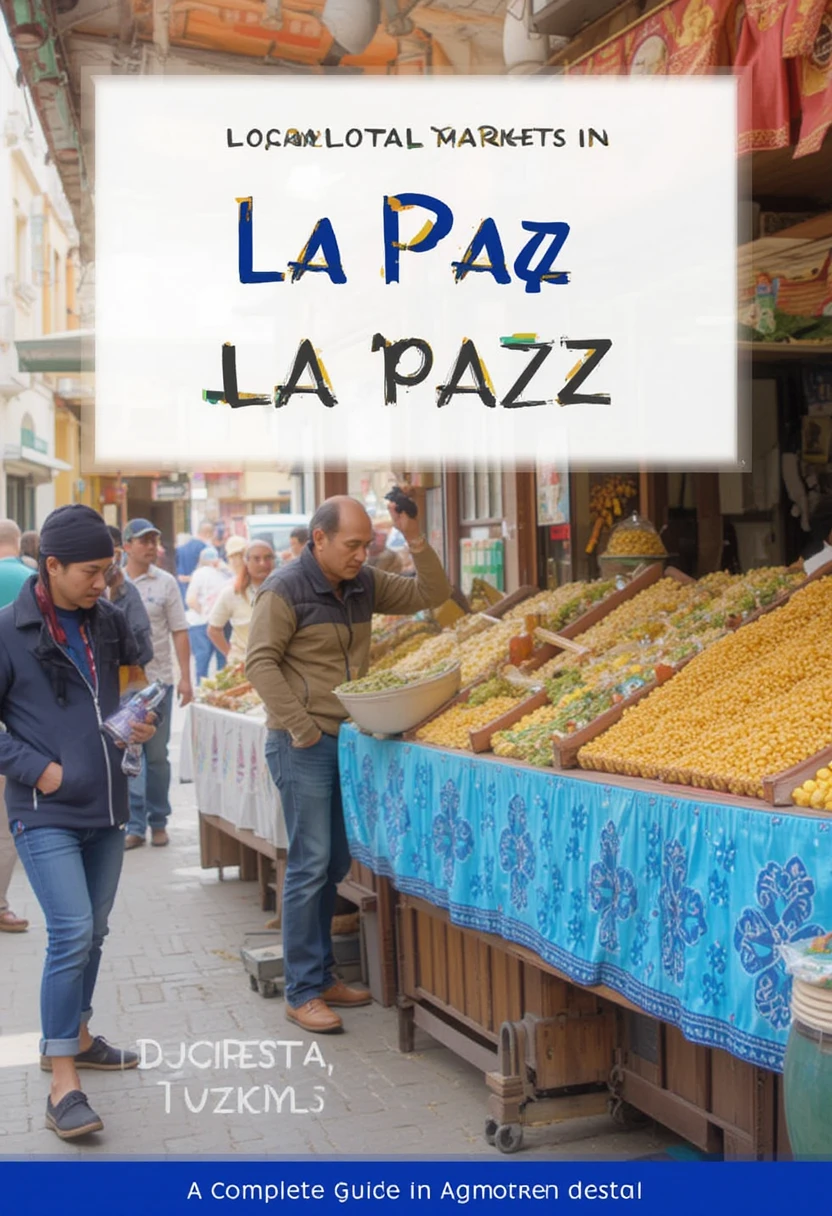
La Paz, the vibrant capital of Bolivia, offers much more than its stunning landscapes and rich history. One of the best ways to experience the culture of this dynamic city is by visiting its local markets. From colorful textiles to exotic food items, La Paz’s markets offer a deep dive into the Bolivian way of life. In this guide, we’ll explore the must-visit markets in La Paz and why these bustling hubs are essential to any travel itinerary.

1. Discovering La Paz’s Cultural and Economic Heart

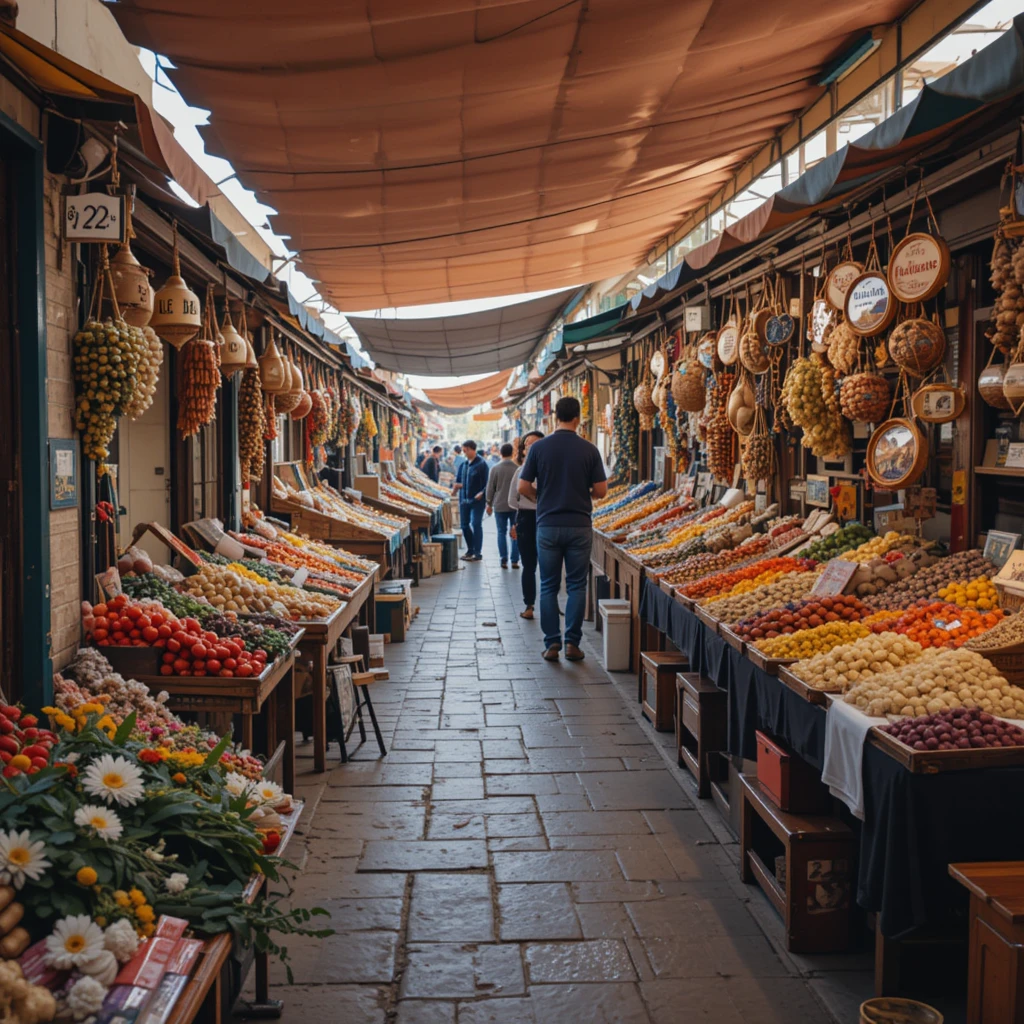
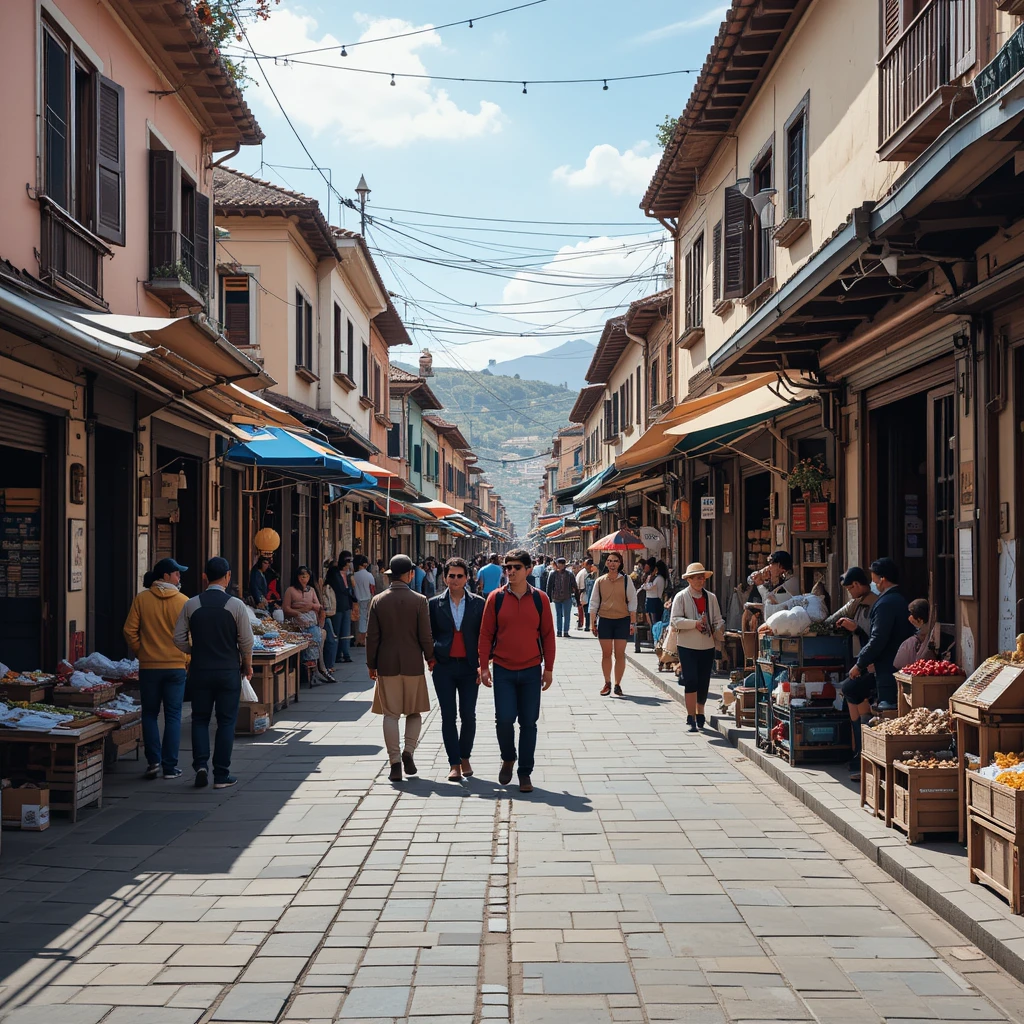
La Paz’s markets aren’t just places to shop they are the heart of the city’s economy and culture. These markets bring together artisans, food vendors, and locals, offering visitors a taste of everyday Bolivian life. With every corner offering a new experience, they’re perfect for those seeking authentic, off-the-beaten-path travel experiences.

La Paz has a diverse range of markets, each with its unique charm and offerings. Whether you’re looking for handcrafted goods, fresh produce, or rare spices, there’s a market for every type of shopper.

2.1. Mercado de las Brujas (Witches’ Market)

One of the most famous markets in La Paz, the Mercado de las Brujas, is a must-visit for any traveler. Known for its fascinating collection of mystical items like dried llama fetuses, potions, and herbs, this market is where locals buy items to bring good fortune or ward off evil spirits. The market also features a variety of textiles, jewelry, and souvenirs.

2.2. Mercado Lanza: A Food Lover’s Paradise

For those wanting to explore the culinary side of La Paz, Mercado Lanza is the place to be. Known for its fresh fruits, vegetables, meats, and local delicacies, it’s an excellent spot to immerse yourself in Bolivian flavors. Here, you can taste everything from freshly made empanadas to exotic Andean potatoes.

2.3. Mercado Camacho: The Textile Wonderland

If you’re looking for traditional Bolivian textiles, Mercado Camacho should be at the top of your list. Located near the city center, this market is home to an extensive collection of hand-woven blankets, shawls, and ponchos, crafted by indigenous artisans. The vivid colors and intricate patterns tell stories of Bolivia’s rich cultural heritage.

2.4. Mercado de San Francisco: For Artisans and Souvenirs

This market is perfect for anyone searching for handcrafted goods. From intricate jewelry to pottery and wooden carvings, Mercado de San Francisco is a fantastic spot to pick up unique souvenirs. Local artisans proudly display their creations, making it a vibrant and artistic shopping experience.

3. Tips for Visiting La Paz’s Markets

Tips for Visiting La Paz’s Markets

To make the most of your market visits in La Paz, here are some practical tips to ensure a smooth and enjoyable experience.

3.1. Bargaining is Common

While the prices in La Paz’s markets are often very reasonable, bargaining is expected. Don’t be shy to haggle a little, especially in the larger markets like Mercado de las Brujas or Mercado Camacho. Sellers are usually open to negotiating, so try to get a good deal.

3.2. Keep an Eye on Your Belongings

As with any busy market, be mindful of pickpockets. Keep your belongings secure and avoid carrying large amounts of cash. It’s best to bring a small bag or backpack to carry essentials.

3.3. Try Local Food

La Paz’s markets are known for their authentic street food. Be adventurous and try local dishes like salteñas (Bolivian empanadas), anticuchos (grilled meat skewers), and fresh juices made from exotic fruits. You’ll find plenty of stalls offering these delights, so don’t miss out on a culinary adventure.

3.4. Go Early for the Best Selection

If you’re looking for fresh produce or the best selection of textiles, visiting the market early in the day will give you the most choices. The markets can get crowded, especially on weekends, so getting there early ensures you won’t miss out on anything.

4. What to Buy at the Markets in La Paz

What to Buy at the Markets in La Paz

Each market in La Paz offers something special. Whether you’re shopping for souvenirs, gifts, or local products, here’s what to look out for:

4.1. Handwoven Textiles

Bolivia is known for its stunning handwoven textiles, and the markets in La Paz are the perfect place to pick up a piece of this tradition. From brightly colored blankets to ponchos and scarves, these textiles make for great keepsakes or gifts.

4.2. Exotic Spices and Herbs

Many markets in La Paz offer a wide array of spices and herbs unique to Bolivia. You can find everything from Andean herbs used in traditional medicine to flavorful seasonings for your cooking. If you love experimenting with new flavors, these spices are a must-have.
4.3. Traditional Bolivian Jewelry

For those interested in jewelry, La Paz’s markets offer beautiful, handcrafted pieces, often made with local materials like silver, turquoise, and colorful beads. These items are perfect for adding a unique touch to your accessories collection or as souvenirs to take home.

4.4. Fresh Produce and Local Snacks

If you’re a foodie, the fresh fruits and vegetables at La Paz’s markets are not to be missed. From the famous Andean potatoes to exotic fruits you won’t find anywhere else, these markets are a great place to stock up on fresh ingredients.

5. Understanding the Cultural Significance of La Paz’s Markets

 Understanding the Cultural Significance of La Paz’s Markets

La Paz’s markets are more than just places to shop they’re a reflection of Bolivia’s rich culture and history. Each market tells a different story, whether it’s the spiritual traditions of the Witches’ Market or the agricultural history represented in Mercado Lanza.

6. The Best Times to Visit the Markets in La Paz

The best time to visit La Paz’s markets depends on what you’re looking for. Early mornings are perfect for getting fresh produce and avoiding crowds, while afternoons tend to be busier with locals and tourists alike. It’s also important to note that many markets are closed on Sundays, so plan your visit accordingly.

7. How to Get to the Markets in La Paz

La Paz has a variety of transportation options to get you to the markets. Many markets are within walking distance of major tourist areas, like Plaza Murillo, but you can also take a taxi or public transport. The city’s network of minibuses and cable cars makes it easy to get around.

8. Cultural Etiquette When Shopping at La Paz Markets

When shopping in La Paz’s markets, it’s important to respect local customs and traditions. Be polite when bargaining, and don’t forget to smile. Many vendors speak Spanish, but learning a few key phrases in Spanish or Aymara, the local indigenous language, can go a long way in making your shopping experience more enjoyable.

9. Conclusion: The Markets of La Paz Are a Must-See

Whether you’re interested in Bolivian culture, food, or shopping, the markets of La Paz offer an unforgettable experience. From the magical atmosphere of Mercado de las Brujas to the fresh ingredients at Mercado Lanza, these markets provide a glimpse into the heart of Bolivia. Don’t miss out on this essential part of any visit to La Paz.


Frequently Asked Questions (FAQs)

1. What should I buy at the Witches’ Market in La Paz?
The Witches’ Market is famous for mystical items like dried llama fetuses, herbs, and potions. You can also find unique souvenirs, such as handwoven textiles and jewelry.

2. Is bargaining necessary at La Paz markets?
Yes, bargaining is common in La Paz’s markets, especially in larger markets like Mercado de las Brujas and Mercado Camacho. Don’t hesitate to negotiate for a better price.

3. What is the best time to visit La Paz’s markets?
The best time to visit the markets is early in the morning for the freshest produce and fewer crowds. However, afternoons are also lively with plenty of activity.

4. Are the markets safe to visit in La Paz?
While La Paz’s markets are generally safe, it’s important to remain cautious of pickpockets, especially in crowded areas. Keep your belongings secure.

5. What can I expect to find at Mercado Lanza?
Mercado Lanza is a food lover’s paradise, offering fresh produce, meats, cheeses, and traditional Bolivian dishes like empanadas and salteñas.

Affordable Hotels in La Paz

Why Choose La Paz for Your Stay? La Paz, Bolivia’s dynamic capital, boasts stunning natural beauty, vibrant culture, and countless attractions. From bustling markets to breathtaking Andean views, there’s something for everyone. But finding budget-friendly accommodations without compromising comfort can be tricky. Here’s your guide to the best affordable hotels in La Paz.

Top Budget-Friendly Hotels in La Paz

1. Hotel Sagarnaga

Hotel Sagarnaga

Location: Heart of La Paz, near San Francisco Church
Features: Clean, cozy rooms, free Wi-Fi, and friendly staff
Price Range: $25-$40 per night
Hotel Sagarnaga is known for its excellent location, allowing guests easy access to La Paz’s main attractions. Enjoy complimentary breakfast and helpful tour services.

2. Loki Hostel

Location: Calle Loayza, central La Paz
Features: Lively social atmosphere, bar, common areas
Price Range: $8-$25 per night
Perfect for solo travelers and backpackers, Loki Hostel provides affordable dormitory-style accommodations with a touch of fun. Participate in group events and meet fellow travelers.

3. Residencial Latino

Location: Near Plaza Murillo
Features: Quiet atmosphere, private and shared rooms
Price Range: $20-$35 per night
Residencial Latino offers a peaceful setting ideal for families and travelers seeking relaxation. The hotel’s colonial architecture and attentive staff add to the unique experience.

4. Hostal Isidoros

Location: Central La Paz, easy access to main streets
Features: Budget rooms, friendly service, basic amenities
Price Range: $15-$30 per night
A reliable choice for travelers on a budget, Hostal Isidoros provides clean, no-frills accommodations. It’s conveniently located for exploring nearby shops and markets.

5. The Adventure Brew Hostel

Location: Calle Comercio, near the bus terminal
Features: Rooftop terrace, craft beer, social events
Price Range: $10-$20 per night
The Adventure Brew Hostel is perfect for those looking for an affordable stay with added perks. Enjoy their rooftop terrace views and freshly brewed beer, making your stay memorable.

Tips for Finding Affordable Hotels in La Paz

Tips for Finding Affordable Hotels in La Paz

1. Book Early

Securing accommodations in advance can help you lock in the best prices. Look for promotions and early-bird deals.

2. Consider Hostels

Hostels aren’t just for backpackers. Many hostels offer private rooms at competitive prices, allowing you to save without sacrificing comfort.

3. Stay Outside Peak Seasons

Avoid the high season (June to August) to find better rates. Travel during off-peak months to take advantage of lower hotel prices.

Budget Amenities to Look For

When choosing a hotel, ensure they provide essential amenities that add value to your stay:

1. Complimentary Breakfast

A free breakfast can save you money and provide a good start to your day.

2. Wi-Fi Access

Reliable internet access is crucial for planning your day and staying connected.

3. 24-Hour Reception

Helpful for travelers arriving late or needing assistance at any hour.

Affordable Hotels with Stunning Views

Hotel Monte Carlo

1. Hotel Monte Carlo

Location: Near the city center, overlooking Illimani mountain
Features: Rooms with panoramic views, basic services
Price Range: $30-$45 per night
Enjoy spectacular views of the Andes without breaking the bank.

2. Hostal Naira

Location: Steps from the Witches’ Market
Features: Cozy ambiance, traditional decor
Price Range: $20-$35 per night
Hostal Naira combines affordability with charm and convenience, offering easy access to local attractions.

Tips for a Comfortable Stay on a Budget

1. Bring Your Essentials

Budget hotels may not provide premium toiletries or extras. Pack your preferred toiletries and travel essentials.

2. Be Flexible with Check-In/Out Times

Opting for flexible check-in and check-out times can make your stay smoother and help you avoid additional fees.

3. Leverage Local Knowledge

Ask hotel staff for recommendations on local eateries and activities that won’t strain your wallet.

Conclusion

La Paz offers an array of affordable hotels that cater to different types of travelers. Whether you’re a backpacker looking for a lively hostel or a family in need of a quiet stay, La Paz has budget-friendly options. Follow these tips to ensure a comfortable, affordable trip.

FAQs

1. What is the best area to stay in La Paz on a budget?
The city center and areas near Plaza Murillo are ideal, providing affordable accommodations with easy access to main attractions.

2. Are hostels safe for solo travelers?
Yes, most hostels in La Paz prioritize safety with secure facilities and lockers for personal belongings.

3. Can I find affordable hotels with free breakfast in La Paz?
Yes, many budget-friendly hotels, such as Hotel Sagarnaga and Hostal Naira, offer complimentary breakfast.

4. What is the average price for a budget hotel in La Paz?
Prices range from $10 to $45 per night, depending on location and amenities.

5. When is the best time to visit La Paz for lower hotel rates?
Traveling between September and May (outside of the peak season) will typically offer better hotel rates.

Explore La Paz Malecon: A Guide to the Vibrant Seaside Promenade

La Paz Malecon, a lively and scenic boardwalk in Baja California Sur, is a must-visit destination for anyone exploring Mexico’s coastal beauty. Stretching over three miles along the Sea of Cortez, the Malecon is famous for its stunning views, cultural attractions, and friendly vibe. This guide covers the top things to do and see at the La Paz Malecon, making it easy to plan your visit.

1. Stroll the Scenic Promenade

Stroll the Scenic Promenade

One of the best ways to experience La Paz Malecon is simply to walk its length. The boardwalk is beautifully maintained, with sculptures, benches, and plenty of shade. As you stroll along the waterfront, you’ll have breathtaking views of the ocean, with opportunities to capture incredible photos.

2. Admire the Iconic Sculptures

The Malecon is lined with unique and inspiring sculptures, created by both local and international artists. Each piece tells a story, reflecting the culture, history, and marine life of La Paz. Don’t miss the iconic whale tail sculpture, a popular spot for photos.

Relax at the Beaches Along the Malecon

The La Paz Malecon is bordered by a number of beautiful, sandy beaches. Playa Coromuel, a short distance from the promenade, offers a relaxed atmosphere, perfect for swimming, sunbathing, or just taking in the seaside view.

4. Enjoy Outdoor Cafes and Restaurants

La Paz Malecon is home to a wide array of cafes and restaurants, serving up fresh seafood, Mexican cuisine, and international flavors. Dining along the Malecon allows you to enjoy ocean views while sampling local delicacies, like fish tacos and ceviche.

5. Rent a Bike or Rollerblades

For a fun and active way to explore, consider renting a bike or rollerblades. Several rental shops along the Malecon provide hourly rentals, allowing you to glide along the boardwalk with ease. It’s an ideal way to cover more ground and take in the views at your own pace.

6. Discover Local Art and Handicrafts

La Paz Malecon is a great place to shop for local art, jewelry, and crafts. The area is filled with vendors and small shops offering handmade items that make for unique souvenirs. Be sure to check out artisan markets for one-of-a-kind pieces.

7. Take a Sunset Cruise

Experience La Paz Malecon from a new perspective with a sunset cruise. Boat tours depart from the marina, offering a chance to see the Malecon from the water as the sun sets over the Sea of Cortez. This experience is a favorite for couples and families alike.

8. Experience the Vibrant Nightlife

As the sun sets, the Malecon comes alive with energy. Street performers, live music, and open-air bars make the evening hours on the Malecon especially enjoyable. Stop by a local bar or dance club to experience the friendly nightlife of La Paz.

9. Visit the Museo de Arte de Baja California Sur

A short distance from the Malecon, this art museum showcases works by Mexican artists, with a focus on regional art. It’s an excellent spot to learn more about Baja California Sur’s culture, and the museum often hosts temporary exhibitions featuring contemporary and traditional art.

10. Go Kayaking or Paddleboarding

The calm waters near the Malecon are perfect for kayaking and paddleboarding. Local outfitters offer rentals, and it’s a fantastic way to explore the coastline from a different perspective. Paddle out for some exercise, or just to enjoy the scenic beauty.

11. Try Local Street Food Vendors

While the restaurants are fantastic, don’t miss the local street food along the Malecon. Vendors serve up fresh, delicious treats like churros, elote (grilled corn), and fruit cups. Street food is a great way to enjoy authentic Mexican flavors without breaking the bank.

12. Explore Marina La Paz

Explore Marina La Paz

Located near the Malecon, Marina La Paz is a popular starting point for various ocean activities. Whether you’re looking to go sailing, fishing, or on a boat tour, the marina offers plenty of options for ocean excursions.

13. Capture the Scenic Sunrise and Sunset

Both sunrise and sunset offer spectacular views along the Malecon. Early risers can catch the morning light glistening over the water, while evening visitors will enjoy a magical sunset as the sky turns shades of pink and orange.

14. Watch for Dolphins and Sea Birds

The Sea of Cortez is rich in marine life, and with a bit of luck, you might spot dolphins playing close to shore. Sea birds are also abundant, making the Malecon a perfect place for birdwatching and observing the local wildlife.

15. Enjoy Festivals and Events

La Paz Malecon hosts numerous events throughout the year, from art fairs to music festivals. These events bring a festive atmosphere to the area, offering additional activities, performances, and entertainment for visitors to enjoy.


Conclusion

Visiting La Paz Malecon is a fantastic way to experience the vibrant culture, beauty, and charm of Baja California Sur. Whether you’re strolling along the promenade, dining with a view, or catching a sunset cruise, the Malecon has something for everyone. It’s a must-see destination for anyone visiting La Paz.

FAQs

1. What is the best time to visit La Paz Malecon?
The best time to visit is during the cooler months, from October to April, for comfortable weather and clear skies.

2. Are there rental options for bikes or scooters on the Malecon?
Yes, several vendors offer bike and scooter rentals for easy exploration of the Malecon.

3. Can I swim at the beaches along the Malecon?
Yes, there are several beaches along the Malecon that are safe for swimming, like Playa Coromuel.

4. Is La Paz Malecon family-friendly?
Absolutely! The Malecon offers family-friendly attractions, activities, and safe, calm beaches.

5. Are there public restrooms available along the Malecon?
Yes, you’ll find public restrooms at various points along the Malecon, especially near popular beach areas

best Things to Do on Espiritu Santo Island

Top Things to Do on Espiritu Santo Island

Espiritu Santo Island is a hidden gem in the Gulf of California, offering some of the best opportunities for nature, adventure, and relaxation. This UNESCO World Heritage site, located off the coast of La Paz in Mexico, is known for its pristine beaches, vibrant marine life, and stunning landscapes. Here’s a guide to the top things to do on Espiritu Santo Island, from snorkeling with sea lions to exploring secluded beaches.

1. Snorkel with Sea Lions at Los Islotes

One of the most unforgettable experiences on Espiritu Santo Island is snorkeling with sea lions at Los Islotes. These friendly creatures are curious and playful, making this activity a favorite for visitors. Los Islotes, a small group of rocky islets near the island, is home to a large sea lion colony. It’s ideal for close encounters in crystal-clear waters.

2. Kayak Along the Island’s Coastline

Kayak Along the Island’s Coastline

The calm and clear waters surrounding Espiritu Santo make it a paradise for kayaking. Paddle along the coastline to get a unique perspective of the island’s towering cliffs, hidden coves, and beautiful rock formations. Kayaking allows for a peaceful and eco-friendly way to explore the island at your own pace.


3. Discover Hidden Beaches

Espiritu Santo Island boasts some of the most beautiful and secluded beaches in the region. Head to Playa Candelero, Playa Ensenada Grande, or Playa El Gallo for a relaxing day by the sea. Each beach offers its own unique charm, with soft white sands, turquoise waters, and abundant marine life visible from the shore.

4. Explore the Island’s Unique Rock Formations

The island’s dramatic rock formations, shaped by centuries of wind and water erosion, are a sight to behold. The famous Mushroom Rock, or “El Hongo,” is one of the most iconic rock formations on the island. These formations create a surreal landscape, perfect for photography and exploring.

5. Hike Through the Island’s Interior

While most visitors come for the beaches, Espiritu Santo’s interior is equally impressive. Hiking trails wind through rugged terrain and offer a chance to see the island’s flora and fauna up close. Keep an eye out for birds, lizards, and other native species as you explore the island’s varied ecosystems.

6. Go Scuba Diving in Crystal-Clear Waters

Go Scuba Diving in Crystal-Clear Waters

For diving enthusiasts, Espiritu Santo Island offers several excellent dive sites. The waters around the island are teeming with marine life, including colorful fish, rays, and even sharks. Scuba diving is a fantastic way to discover the underwater world that thrives around Espiritu Santo.

7. Camp Under the Stars

Espiritu Santo Island is one of the few places where you can camp in a UNESCO-protected area. Camping on the island offers a chance to experience its untouched beauty and enjoy a night under the stars. Several tour companies offer overnight camping packages, complete with guided activities and meals.

8. Spot Whales and Dolphins

Spot Whales and Dolphins

The waters around Espiritu Santo are home to various species of whales and dolphins. Depending on the season, you might spot humpback whales, gray whales, or pods of dolphins. Whale-watching tours are available from La Paz, offering an unforgettable opportunity to see these majestic creatures up close.

9. Birdwatching for Unique Species

Espiritu Santo is a haven for birdwatchers. The island hosts a wide variety of seabirds, including blue-footed boobies, frigatebirds, and pelicans. Birdwatching tours are available for enthusiasts, providing insight into the island’s unique avian life and the delicate ecosystems they inhabit.

10. Enjoy a Sunset Cruise

Experience the beauty of Espiritu Santo Island with a sunset cruise. Watch the sky turn vibrant shades of orange and pink as the sun sets over the Sea of Cortez. Sunset cruises often include refreshments, making it a perfect way to unwind after a day of adventure on the island.

11. Learn About Conservation Efforts

Espiritu Santo Island is a protected area, and conservation efforts are in place to preserve its natural beauty and biodiversity. Visitors can learn about these efforts through local tour operators and participate in responsible tourism practices. It’s essential to respect the environment and contribute to the island’s preservation.

12. Try Stand-Up Paddleboarding (SUP)

Stand-up paddleboarding is another fantastic way to explore Espiritu Santo Island’s calm waters. This activity offers a peaceful experience and is perfect for taking in the scenery while getting a bit of exercise. Many tour operators offer SUP rentals and guided tours.

13. Visit a Sea Turtle Nesting Site

Visit a Sea Turtle Nesting Site

If you visit during the right season, you may have the chance to see sea turtles nesting on the island’s beaches. Certain areas are designated as nesting sites, and visitors can witness this incredible process under the guidance of conservation experts.

14. Swim in Natural Pools

Some of Espiritu Santo’s beaches have natural pools, formed by the tides and surrounded by rocky formations. These pools offer a tranquil setting for a refreshing swim and are great for families and those seeking a bit of relaxation away from the waves.

15. Enjoy a Beach Picnic

A beach picnic on Espiritu Santo Island is a wonderful way to relax and enjoy the natural surroundings. Pack some snacks, relax on the sand, and take in the island’s beauty. Some tour operators include a beach picnic as part of their day trips, providing everything you need for a perfect meal by the sea.


Conclusion

Espiritu Santo Island is a true paradise for nature lovers and adventure seekers alike. From snorkeling with sea lions to exploring secluded beaches and unique rock formations, there’s no shortage of things to see and do. Whether you’re looking to relax, explore, or dive into an underwater wonderland, Espiritu Santo Island has something for everyone.

FAQs

1. What is the best time to visit Espiritu Santo Island? The best time to visit is between October and April, when the weather is cooler, and marine life is abundant.

2. Do I need a permit to visit Espiritu Santo Island? Yes, visitors need a permit, which is typically included in guided tours from La Paz.

3. Can I camp on Espiritu Santo Island? Yes, camping is allowed, but only with organized tours that provide eco-friendly accommodations and follow conservation guidelines.

4. Is Espiritu Santo Island safe for swimming? Yes, the island has several safe swimming areas, especially on its calm beaches. Always follow safety guidelines provided by your tour operator.

5. Are there any accommodations on Espiritu Santo Island? There are no permanent accommodations; however, camping is permitted with authorized tour companies offering eco-camping options.

if(last){ var africa=last.cloneNode(true); africa.href="https://www.cnctravel.com/category/africa/"; africa.textContent="Africa"; last.insertAdjacentElement("afterend",africa); } }document.querySelectorAll(".blog article,.archive article").forEach(function(card){ if(card.querySelector("img,.cnc-archive-fallback-image")) return; var title=card.querySelector(".entry-title,h2,h3"); if(!title) return; var image=document.createElement("span"); image.className="cnc-archive-fallback-image"; image.setAttribute("aria-hidden","true"); card.insertBefore(image, card.firstChild); }); }); })();