10 Reasons to Experience Mexico’s Most Spectacular Cultural Festival

10 Reasons to Experience Mexico's Most Spectacular Cultural Festival

Mexico’s vibrant cultural festivals are some of the most colorful and joyous celebrations in the world. With deep roots in history, religion, and community, these festivals offer a unique way to experience Mexico’s cultural heritage. From ancient traditions to modern fiestas, Mexican festivals bring people together in a spectacular display of music, dance, and devotion. So, where should you go to experience the best of these cultural treasures?

Why You Should Experience Mexican Festivals

Festivals in Mexico are more than events; they’re an integral part of life. Each one tells a story, honoring ancestors, religious beliefs, or historical events. Experiencing these festivals gives you an authentic look at Mexico’s soul, where vibrant energy meets deep tradition.


Best Times to Visit Mexico for Festivals

To make the most of Mexico’s cultural festivals, plan your trip around popular festival months. While festivals happen year-round, the period from October to April is especially rich in celebrations, with something extraordinary happening every few weeks.


Festival 1 Day of the Dead (Día de los Muertos)

Day of the Dead (Día de los Muertos)

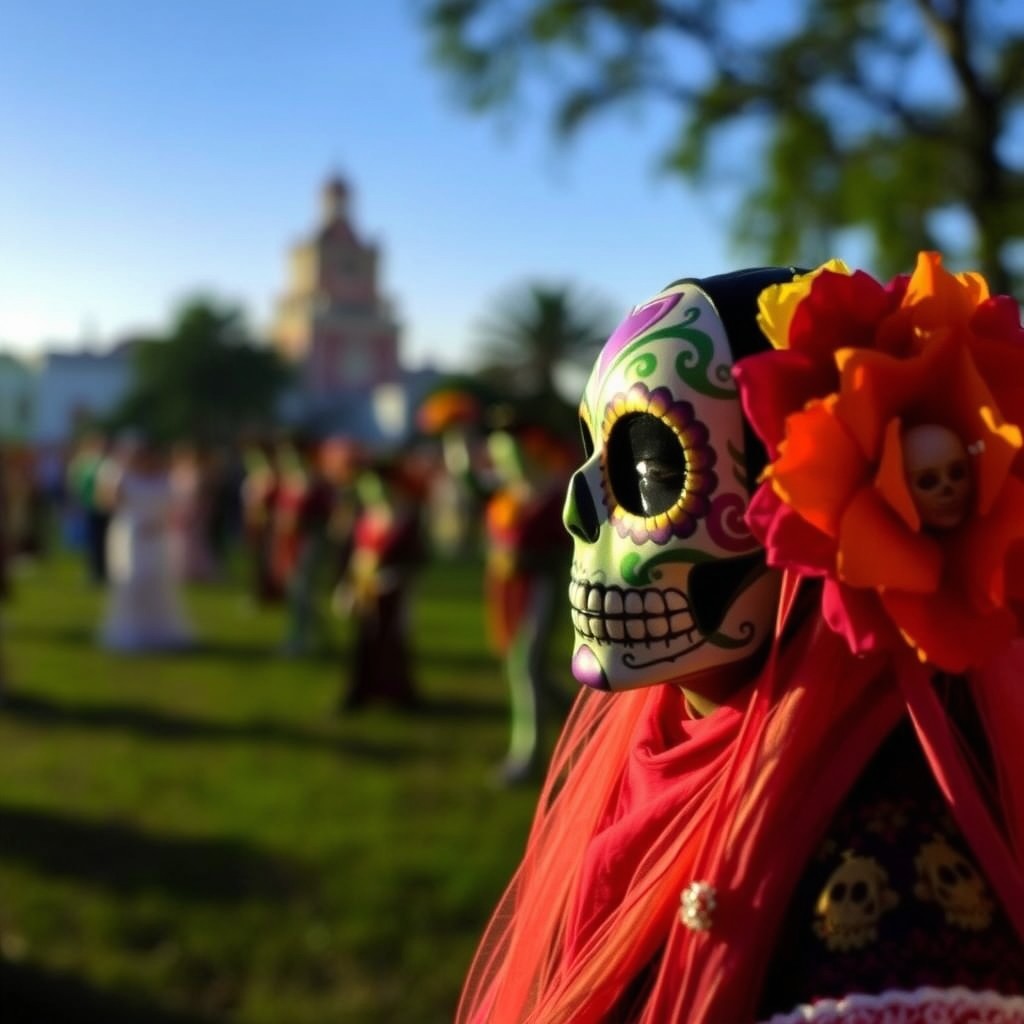
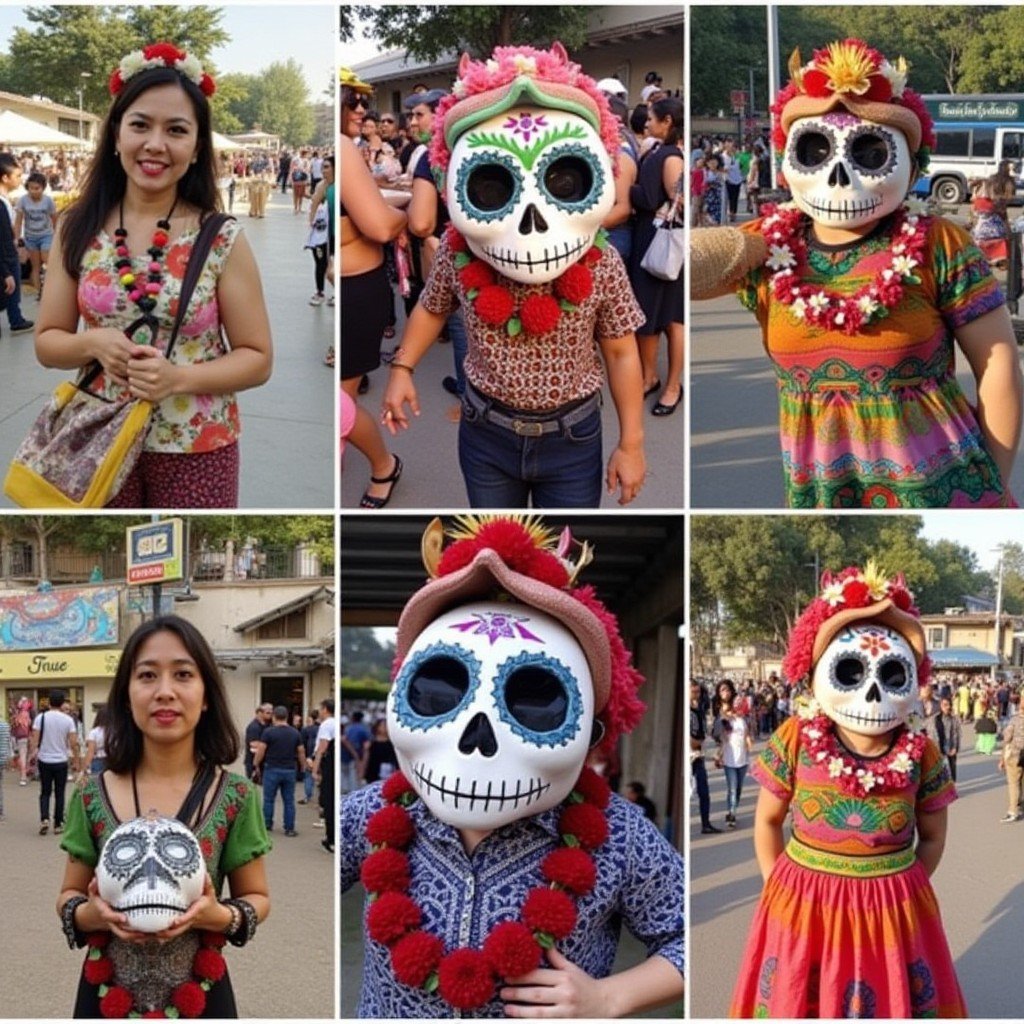
One of Mexico’s most famous festivals, Día de los Muertos is celebrated on November 1st and 2nd. During these days, Mexicans honor their deceased loved ones with vibrant altars, sugar skulls, and marigolds. To experience the best of this festival, visit Oaxaca or Mexico City, where parades, artwork, and family gatherings showcase the heart of this tradition.


Festival 2: Guelaguetza Festival

Guelaguetza Festival

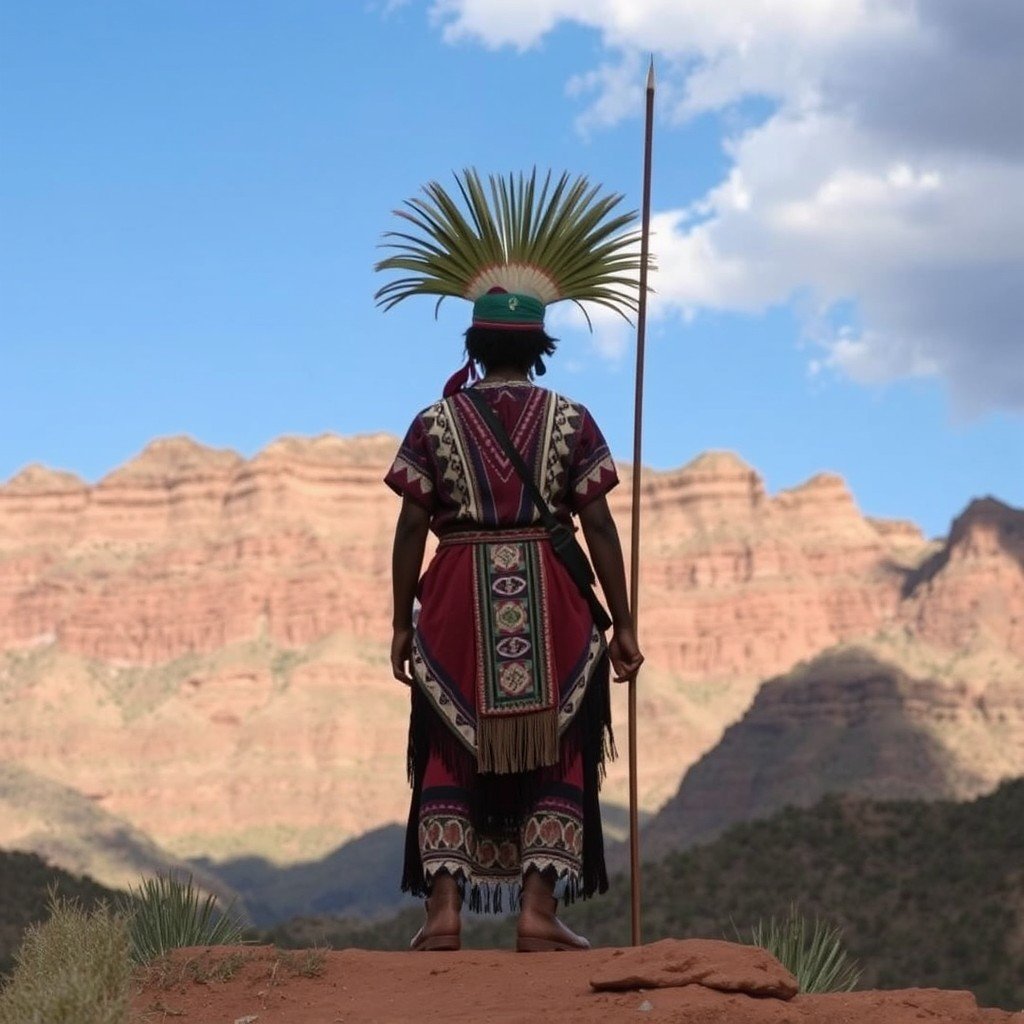
Held in Oaxaca in July, the Guelaguetza is a celebration of indigenous culture and traditions. Featuring colorful costumes, traditional dances, and delicious local food, this festival highlights the diversity of Oaxaca’s communities. It’s a perfect opportunity to witness Mexico’s indigenous heritage.


Festival : Carnaval in Veracruz and Mazatlán

Carnaval in Veracruz and Mazatlán

Carnaval in Mexico rivals any global celebration, combining extravagant parades, music, and elaborate costumes. Veracruz and Mazatlán are the best places to experience Carnaval in February. Each city adds its own unique twist, with Veracruz focusing on Afro-Caribbean rhythms and Mazatlán bringing a tropical coastal vibe.


Festival : The Festival of Our Lady of Guadalupe

The Festival of Our Lady of Guadalupe

The Festival of Our Lady of Guadalupe on December 12th is one of Mexico’s most important religious events. Pilgrims from all over Mexico journey to the Basilica of Guadalupe in Mexico City to pay homage to the Virgin Mary. The festival includes vibrant processions, traditional songs, and prayer, making it an emotionally resonant experience.


Festival : Mexican Independence Day

Mexican Independence Day

Independence Day on September 16th marks Mexico’s freedom from Spanish rule. Celebrations start with “El Grito,” or the cry for independence, at midnight on September 15th. Festivities include fireworks, parades, and music throughout the country. For a historical experience, head to Mexico City or Guanajuato.


Festival : Semana Santa (Holy Week)

Semana Santa (Holy Week)

Semana Santa is one of Mexico’s most important religious festivals, held during the week leading up to Easter. Cities like Taxco and San Luis Potosí are renowned for their reenactments of the Passion of Christ, including solemn processions and live performances.


Festival : La Noche de Rábanos (Night of the Radishes)

La Noche de Rábanos (Night of the Radishes)

In Oaxaca on December 23rd, La Noche de Rábanos celebrates creativity with radish sculptures, some over three feet tall. This quirky tradition brings artisans together to carve intricate scenes, making it a unique addition to Mexico’s festive season.


Festival : Cinco de Mayo in Puebla

Cinco de Mayo in Puebla

Cinco de Mayo commemorates Mexico’s victory over the French in 1862. While often mistaken for Mexico’s Independence Day, this holiday is celebrated with gusto in Puebla, featuring reenactments, parades, and traditional music.


Festival : Las Posadas

Las Posadas

Las Posadas takes place from December 16th to 24th, celebrating Mary and Joseph’s journey to Bethlehem. Families host reenactments, visit each other’s homes, and share festive treats, creating a heartwarming Christmas tradition in Mexican neighborhoods.


Festival : Cervantino Festival in Guanajuato

Cervantino Festival in Guanajuato

The Cervantino Festival in October is Mexico’s largest arts festival, held in the stunning colonial city of Guanajuato. Musicians, dancers, and artists from around the world come together to perform, making it a cultural paradise for art lovers.


Other Notable Festivals in Mexico

In addition to the major festivals, Mexico hosts other notable events such as the International Balloon Festival in León, the Mariachi Festival in Guadalajara, and the Wine Harvest Festival in Ensenada. Each offers its own slice of Mexican culture and heritage.


Tips for Attending Mexican Festivals

To fully enjoy Mexico’s festivals, keep a few tips in mind. Dress comfortably, respect local customs, and arrive early for the best views. Most importantly, immerse yourself in the experience and be ready to embrace the unexpected moments that make each festival unique.


Conclusion

Mexico’s cultural festivals are more than a celebration—they’re a journey into the heart of Mexican life. From the haunting beauty of Día de los Muertos to the high-energy Carnaval, each festival showcases a different facet of Mexico’s rich heritage. So, pack your bags, join the festivities, and let Mexico’s traditions inspire you.


FAQs

  1. What is the most famous Mexican festival?
    • The Day of the Dead (Día de los Muertos) is internationally renowned and one of Mexico’s most iconic festivals.
  2. When is the best time to visit Mexico for festivals?
    • October to April is ideal for experiencing the best of Mexico’s festivals, including Día de los Muertos and Guelaguetza.
  3. Are Mexican festivals safe for tourists?
    • Yes, Mexican festivals are generally safe. Just follow local guidelines, stay aware of your surroundings, and respect cultural traditions.
  4. Do I need tickets to attend Mexican festivals?
    • Most festivals are free to attend, but some special events, like the Cervantino Festival, may require tickets.
  5. Can I participate in traditional Mexican festivals?
    • Absolutely! Mexicans welcome tourists to join the festivities and experience their vibrant culture firsthand.

Exploring Local Markets in La Paz A Complete Guide

Exploring Local Markets in La Paz A Complete Guide

Why Visit the Markets in La Paz?

 Why Visit the Markets in La Paz?

La Paz, the vibrant capital of Bolivia, offers much more than its stunning landscapes and rich history. One of the best ways to experience the culture of this dynamic city is by visiting its local markets. From colorful textiles to exotic food items, La Paz’s markets offer a deep dive into the Bolivian way of life. In this guide, we’ll explore the must-visit markets in La Paz and why these bustling hubs are essential to any travel itinerary.

1. Discovering La Paz’s Cultural and Economic Heart

La Paz’s markets aren’t just places to shop they are the heart of the city’s economy and culture. These markets bring together artisans, food vendors, and locals, offering visitors a taste of everyday Bolivian life. With every corner offering a new experience, they’re perfect for those seeking authentic, off-the-beaten-path travel experiences.

La Paz has a diverse range of markets, each with its unique charm and offerings. Whether you’re looking for handcrafted goods, fresh produce, or rare spices, there’s a market for every type of shopper.

2.1. Mercado de las Brujas (Witches’ Market)

One of the most famous markets in La Paz, the Mercado de las Brujas, is a must-visit for any traveler. Known for its fascinating collection of mystical items like dried llama fetuses, potions, and herbs, this market is where locals buy items to bring good fortune or ward off evil spirits. The market also features a variety of textiles, jewelry, and souvenirs.

2.2. Mercado Lanza: A Food Lover’s Paradise

For those wanting to explore the culinary side of La Paz, Mercado Lanza is the place to be. Known for its fresh fruits, vegetables, meats, and local delicacies, it’s an excellent spot to immerse yourself in Bolivian flavors. Here, you can taste everything from freshly made empanadas to exotic Andean potatoes.

2.3. Mercado Camacho: The Textile Wonderland

If you’re looking for traditional Bolivian textiles, Mercado Camacho should be at the top of your list. Located near the city center, this market is home to an extensive collection of hand-woven blankets, shawls, and ponchos, crafted by indigenous artisans. The vivid colors and intricate patterns tell stories of Bolivia’s rich cultural heritage.

2.4. Mercado de San Francisco: For Artisans and Souvenirs

This market is perfect for anyone searching for handcrafted goods. From intricate jewelry to pottery and wooden carvings, Mercado de San Francisco is a fantastic spot to pick up unique souvenirs. Local artisans proudly display their creations, making it a vibrant and artistic shopping experience.

3. Tips for Visiting La Paz’s Markets

Tips for Visiting La Paz’s Markets

To make the most of your market visits in La Paz, here are some practical tips to ensure a smooth and enjoyable experience.

3.1. Bargaining is Common

While the prices in La Paz’s markets are often very reasonable, bargaining is expected. Don’t be shy to haggle a little, especially in the larger markets like Mercado de las Brujas or Mercado Camacho. Sellers are usually open to negotiating, so try to get a good deal.

3.2. Keep an Eye on Your Belongings

As with any busy market, be mindful of pickpockets. Keep your belongings secure and avoid carrying large amounts of cash. It’s best to bring a small bag or backpack to carry essentials.

3.3. Try Local Food

La Paz’s markets are known for their authentic street food. Be adventurous and try local dishes like salteñas (Bolivian empanadas), anticuchos (grilled meat skewers), and fresh juices made from exotic fruits. You’ll find plenty of stalls offering these delights, so don’t miss out on a culinary adventure.

3.4. Go Early for the Best Selection

If you’re looking for fresh produce or the best selection of textiles, visiting the market early in the day will give you the most choices. The markets can get crowded, especially on weekends, so getting there early ensures you won’t miss out on anything.
4. What to Buy at the Markets in La Paz

What to Buy at the Markets in La Paz

Each market in La Paz offers something special. Whether you’re shopping for souvenirs, gifts, or local products, here’s what to look out for:

4.1. Handwoven Textiles

Bolivia is known for its stunning handwoven textiles, and the markets in La Paz are the perfect place to pick up a piece of this tradition. From brightly colored blankets to ponchos and scarves, these textiles make for great keepsakes or gifts.

4.2. Exotic Spices and Herbs

Many markets in La Paz offer a wide array of spices and herbs unique to Bolivia. You can find everything from Andean herbs used in traditional medicine to flavorful seasonings for your cooking. If you love experimenting with new flavors, these spices are a must-have.
4.3. Traditional Bolivian Jewelry

For those interested in jewelry, La Paz’s markets offer beautiful, handcrafted pieces, often made with local materials like silver, turquoise, and colorful beads. These items are perfect for adding a unique touch to your accessories collection or as souvenirs to take home.

4.4. Fresh Produce and Local Snacks

If you’re a foodie, the fresh fruits and vegetables at La Paz’s markets are not to be missed. From the famous Andean potatoes to exotic fruits you won’t find anywhere else, these markets are a great place to stock up on fresh ingredients.

5. Understanding the Cultural Significance of La Paz’s Markets

 Understanding the Cultural Significance of La Paz’s Markets

La Paz’s markets are more than just places to shop they’re a reflection of Bolivia’s rich culture and history. Each market tells a different story, whether it’s the spiritual traditions of the Witches’ Market or the agricultural history represented in Mercado Lanza.

6. The Best Times to Visit the Markets in La Paz

The best time to visit La Paz’s markets depends on what you’re looking for. Early mornings are perfect for getting fresh produce and avoiding crowds, while afternoons tend to be busier with locals and tourists alike. It’s also important to note that many markets are closed on Sundays, so plan your visit accordingly.

7. How to Get to the Markets in La Paz

La Paz has a variety of transportation options to get you to the markets. Many markets are within walking distance of major tourist areas, like Plaza Murillo, but you can also take a taxi or public transport. The city’s network of minibuses and cable cars makes it easy to get around.

8. Cultural Etiquette When Shopping at La Paz Markets

When shopping in La Paz’s markets, it’s important to respect local customs and traditions. Be polite when bargaining, and don’t forget to smile. Many vendors speak Spanish, but learning a few key phrases in Spanish or Aymara, the local indigenous language, can go a long way in making your shopping experience more enjoyable.

9. Conclusion: The Markets of La Paz Are a Must-See

Whether you’re interested in Bolivian culture, food, or shopping, the markets of La Paz offer an unforgettable experience. From the magical atmosphere of Mercado de las Brujas to the fresh ingredients at Mercado Lanza, these markets provide a glimpse into the heart of Bolivia. Don’t miss out on this essential part of any visit to La Paz.


Frequently Asked Questions (FAQs)

1. What should I buy at the Witches’ Market in La Paz?
The Witches’ Market is famous for mystical items like dried llama fetuses, herbs, and potions. You can also find unique souvenirs, such as handwoven textiles and jewelry.

2. Is bargaining necessary at La Paz markets?
Yes, bargaining is common in La Paz’s markets, especially in larger markets like Mercado de las Brujas and Mercado Camacho. Don’t hesitate to negotiate for a better price.

3. What is the best time to visit La Paz’s markets?
The best time to visit the markets is early in the morning for the freshest produce and fewer crowds. However, afternoons are also lively with plenty of activity.

4. Are the markets safe to visit in La Paz?
While La Paz’s markets are generally safe, it’s important to remain cautious of pickpockets, especially in crowded areas. Keep your belongings secure.

5. What can I expect to find at Mercado Lanza?
Mercado Lanza is a food lover’s paradise, offering fresh produce, meats, cheeses, and traditional Bolivian dishes like empanadas and salteñas.

Affordable Hotels in La Paz

Why Choose La Paz for Your Stay? La Paz, Bolivia’s dynamic capital, boasts stunning natural beauty, vibrant culture, and countless attractions. From bustling markets to breathtaking Andean views, there’s something for everyone. But finding budget-friendly accommodations without compromising comfort can be tricky. Here’s your guide to the best affordable hotels in La Paz.

Top Budget-Friendly Hotels in La Paz

1. Hotel Sagarnaga

Hotel Sagarnaga

Location: Heart of La Paz, near San Francisco Church
Features: Clean, cozy rooms, free Wi-Fi, and friendly staff
Price Range: $25-$40 per night
Hotel Sagarnaga is known for its excellent location, allowing guests easy access to La Paz’s main attractions. Enjoy complimentary breakfast and helpful tour services.

2. Loki Hostel

Location: Calle Loayza, central La Paz
Features: Lively social atmosphere, bar, common areas
Price Range: $8-$25 per night
Perfect for solo travelers and backpackers, Loki Hostel provides affordable dormitory-style accommodations with a touch of fun. Participate in group events and meet fellow travelers.

3. Residencial Latino

Location: Near Plaza Murillo
Features: Quiet atmosphere, private and shared rooms
Price Range: $20-$35 per night
Residencial Latino offers a peaceful setting ideal for families and travelers seeking relaxation. The hotel’s colonial architecture and attentive staff add to the unique experience.

4. Hostal Isidoros

Location: Central La Paz, easy access to main streets
Features: Budget rooms, friendly service, basic amenities
Price Range: $15-$30 per night
A reliable choice for travelers on a budget, Hostal Isidoros provides clean, no-frills accommodations. It’s conveniently located for exploring nearby shops and markets.

5. The Adventure Brew Hostel

Location: Calle Comercio, near the bus terminal
Features: Rooftop terrace, craft beer, social events
Price Range: $10-$20 per night
The Adventure Brew Hostel is perfect for those looking for an affordable stay with added perks. Enjoy their rooftop terrace views and freshly brewed beer, making your stay memorable.

Tips for Finding Affordable Hotels in La Paz

Tips for Finding Affordable Hotels in La Paz

1. Book Early

Securing accommodations in advance can help you lock in the best prices. Look for promotions and early-bird deals.

2. Consider Hostels

Hostels aren’t just for backpackers. Many hostels offer private rooms at competitive prices, allowing you to save without sacrificing comfort.

3. Stay Outside Peak Seasons

Avoid the high season (June to August) to find better rates. Travel during off-peak months to take advantage of lower hotel prices.

Budget Amenities to Look For

When choosing a hotel, ensure they provide essential amenities that add value to your stay:

1. Complimentary Breakfast

A free breakfast can save you money and provide a good start to your day.

2. Wi-Fi Access

Reliable internet access is crucial for planning your day and staying connected.

3. 24-Hour Reception

Helpful for travelers arriving late or needing assistance at any hour.

Affordable Hotels with Stunning Views

Hotel Monte Carlo

1. Hotel Monte Carlo

Location: Near the city center, overlooking Illimani mountain
Features: Rooms with panoramic views, basic services
Price Range: $30-$45 per night
Enjoy spectacular views of the Andes without breaking the bank.

2. Hostal Naira

Location: Steps from the Witches’ Market
Features: Cozy ambiance, traditional decor
Price Range: $20-$35 per night
Hostal Naira combines affordability with charm and convenience, offering easy access to local attractions.

Tips for a Comfortable Stay on a Budget

1. Bring Your Essentials

Budget hotels may not provide premium toiletries or extras. Pack your preferred toiletries and travel essentials.

2. Be Flexible with Check-In/Out Times

Opting for flexible check-in and check-out times can make your stay smoother and help you avoid additional fees.

3. Leverage Local Knowledge

Ask hotel staff for recommendations on local eateries and activities that won’t strain your wallet.

Conclusion

La Paz offers an array of affordable hotels that cater to different types of travelers. Whether you’re a backpacker looking for a lively hostel or a family in need of a quiet stay, La Paz has budget-friendly options. Follow these tips to ensure a comfortable, affordable trip.

FAQs

1. What is the best area to stay in La Paz on a budget?
The city center and areas near Plaza Murillo are ideal, providing affordable accommodations with easy access to main attractions.

2. Are hostels safe for solo travelers?
Yes, most hostels in La Paz prioritize safety with secure facilities and lockers for personal belongings.

3. Can I find affordable hotels with free breakfast in La Paz?
Yes, many budget-friendly hotels, such as Hotel Sagarnaga and Hostal Naira, offer complimentary breakfast.

4. What is the average price for a budget hotel in La Paz?
Prices range from $10 to $45 per night, depending on location and amenities.

5. When is the best time to visit La Paz for lower hotel rates?
Traveling between September and May (outside of the peak season) will typically offer better hotel rates.

Explore La Paz Malecon: A Guide to the Vibrant Seaside Promenade

La Paz Malecon, a lively and scenic boardwalk in Baja California Sur, is a must-visit destination for anyone exploring Mexico’s coastal beauty. Stretching over three miles along the Sea of Cortez, the Malecon is famous for its stunning views, cultural attractions, and friendly vibe. This guide covers the top things to do and see at the La Paz Malecon, making it easy to plan your visit.

1. Stroll the Scenic Promenade

Stroll the Scenic Promenade

One of the best ways to experience La Paz Malecon is simply to walk its length. The boardwalk is beautifully maintained, with sculptures, benches, and plenty of shade. As you stroll along the waterfront, you’ll have breathtaking views of the ocean, with opportunities to capture incredible photos.

2. Admire the Iconic Sculptures

The Malecon is lined with unique and inspiring sculptures, created by both local and international artists. Each piece tells a story, reflecting the culture, history, and marine life of La Paz. Don’t miss the iconic whale tail sculpture, a popular spot for photos.

Relax at the Beaches Along the Malecon

The La Paz Malecon is bordered by a number of beautiful, sandy beaches. Playa Coromuel, a short distance from the promenade, offers a relaxed atmosphere, perfect for swimming, sunbathing, or just taking in the seaside view.

4. Enjoy Outdoor Cafes and Restaurants

La Paz Malecon is home to a wide array of cafes and restaurants, serving up fresh seafood, Mexican cuisine, and international flavors. Dining along the Malecon allows you to enjoy ocean views while sampling local delicacies, like fish tacos and ceviche.

5. Rent a Bike or Rollerblades

For a fun and active way to explore, consider renting a bike or rollerblades. Several rental shops along the Malecon provide hourly rentals, allowing you to glide along the boardwalk with ease. It’s an ideal way to cover more ground and take in the views at your own pace.

6. Discover Local Art and Handicrafts

La Paz Malecon is a great place to shop for local art, jewelry, and crafts. The area is filled with vendors and small shops offering handmade items that make for unique souvenirs. Be sure to check out artisan markets for one-of-a-kind pieces.

7. Take a Sunset Cruise

Experience La Paz Malecon from a new perspective with a sunset cruise. Boat tours depart from the marina, offering a chance to see the Malecon from the water as the sun sets over the Sea of Cortez. This experience is a favorite for couples and families alike.

8. Experience the Vibrant Nightlife

As the sun sets, the Malecon comes alive with energy. Street performers, live music, and open-air bars make the evening hours on the Malecon especially enjoyable. Stop by a local bar or dance club to experience the friendly nightlife of La Paz.

9. Visit the Museo de Arte de Baja California Sur

A short distance from the Malecon, this art museum showcases works by Mexican artists, with a focus on regional art. It’s an excellent spot to learn more about Baja California Sur’s culture, and the museum often hosts temporary exhibitions featuring contemporary and traditional art.

10. Go Kayaking or Paddleboarding

The calm waters near the Malecon are perfect for kayaking and paddleboarding. Local outfitters offer rentals, and it’s a fantastic way to explore the coastline from a different perspective. Paddle out for some exercise, or just to enjoy the scenic beauty.

11. Try Local Street Food Vendors

While the restaurants are fantastic, don’t miss the local street food along the Malecon. Vendors serve up fresh, delicious treats like churros, elote (grilled corn), and fruit cups. Street food is a great way to enjoy authentic Mexican flavors without breaking the bank.

12. Explore Marina La Paz

Explore Marina La Paz

Located near the Malecon, Marina La Paz is a popular starting point for various ocean activities. Whether you’re looking to go sailing, fishing, or on a boat tour, the marina offers plenty of options for ocean excursions.

13. Capture the Scenic Sunrise and Sunset

Both sunrise and sunset offer spectacular views along the Malecon. Early risers can catch the morning light glistening over the water, while evening visitors will enjoy a magical sunset as the sky turns shades of pink and orange.

14. Watch for Dolphins and Sea Birds

The Sea of Cortez is rich in marine life, and with a bit of luck, you might spot dolphins playing close to shore. Sea birds are also abundant, making the Malecon a perfect place for birdwatching and observing the local wildlife.

15. Enjoy Festivals and Events

La Paz Malecon hosts numerous events throughout the year, from art fairs to music festivals. These events bring a festive atmosphere to the area, offering additional activities, performances, and entertainment for visitors to enjoy.


Conclusion

Visiting La Paz Malecon is a fantastic way to experience the vibrant culture, beauty, and charm of Baja California Sur. Whether you’re strolling along the promenade, dining with a view, or catching a sunset cruise, the Malecon has something for everyone. It’s a must-see destination for anyone visiting La Paz.

FAQs

1. What is the best time to visit La Paz Malecon?
The best time to visit is during the cooler months, from October to April, for comfortable weather and clear skies.

2. Are there rental options for bikes or scooters on the Malecon?
Yes, several vendors offer bike and scooter rentals for easy exploration of the Malecon.

3. Can I swim at the beaches along the Malecon?
Yes, there are several beaches along the Malecon that are safe for swimming, like Playa Coromuel.

4. Is La Paz Malecon family-friendly?
Absolutely! The Malecon offers family-friendly attractions, activities, and safe, calm beaches.

5. Are there public restrooms available along the Malecon?
Yes, you’ll find public restrooms at various points along the Malecon, especially near popular beach areas

best Things to Do on Espiritu Santo Island

Top Things to Do on Espiritu Santo Island

Espiritu Santo Island is a hidden gem in the Gulf of California, offering some of the best opportunities for nature, adventure, and relaxation. This UNESCO World Heritage site, located off the coast of La Paz in Mexico, is known for its pristine beaches, vibrant marine life, and stunning landscapes. Here’s a guide to the top things to do on Espiritu Santo Island, from snorkeling with sea lions to exploring secluded beaches.

1. Snorkel with Sea Lions at Los Islotes

One of the most unforgettable experiences on Espiritu Santo Island is snorkeling with sea lions at Los Islotes. These friendly creatures are curious and playful, making this activity a favorite for visitors. Los Islotes, a small group of rocky islets near the island, is home to a large sea lion colony. It’s ideal for close encounters in crystal-clear waters.

2. Kayak Along the Island’s Coastline

Kayak Along the Island’s Coastline

The calm and clear waters surrounding Espiritu Santo make it a paradise for kayaking. Paddle along the coastline to get a unique perspective of the island’s towering cliffs, hidden coves, and beautiful rock formations. Kayaking allows for a peaceful and eco-friendly way to explore the island at your own pace.

3. Discover Hidden Beaches

Espiritu Santo Island boasts some of the most beautiful and secluded beaches in the region. Head to Playa Candelero, Playa Ensenada Grande, or Playa El Gallo for a relaxing day by the sea. Each beach offers its own unique charm, with soft white sands, turquoise waters, and abundant marine life visible from the shore.

4. Explore the Island’s Unique Rock Formations

The island’s dramatic rock formations, shaped by centuries of wind and water erosion, are a sight to behold. The famous Mushroom Rock, or “El Hongo,” is one of the most iconic rock formations on the island. These formations create a surreal landscape, perfect for photography and exploring.

5. Hike Through the Island’s Interior

While most visitors come for the beaches, Espiritu Santo’s interior is equally impressive. Hiking trails wind through rugged terrain and offer a chance to see the island’s flora and fauna up close. Keep an eye out for birds, lizards, and other native species as you explore the island’s varied ecosystems.

6. Go Scuba Diving in Crystal-Clear Waters

Go Scuba Diving in Crystal-Clear Waters

For diving enthusiasts, Espiritu Santo Island offers several excellent dive sites. The waters around the island are teeming with marine life, including colorful fish, rays, and even sharks. Scuba diving is a fantastic way to discover the underwater world that thrives around Espiritu Santo.

7. Camp Under the Stars

Espiritu Santo Island is one of the few places where you can camp in a UNESCO-protected area. Camping on the island offers a chance to experience its untouched beauty and enjoy a night under the stars. Several tour companies offer overnight camping packages, complete with guided activities and meals.

8. Spot Whales and Dolphins

Spot Whales and Dolphins

The waters around Espiritu Santo are home to various species of whales and dolphins. Depending on the season, you might spot humpback whales, gray whales, or pods of dolphins. Whale-watching tours are available from La Paz, offering an unforgettable opportunity to see these majestic creatures up close.

9. Birdwatching for Unique Species

Espiritu Santo is a haven for birdwatchers. The island hosts a wide variety of seabirds, including blue-footed boobies, frigatebirds, and pelicans. Birdwatching tours are available for enthusiasts, providing insight into the island’s unique avian life and the delicate ecosystems they inhabit.

10. Enjoy a Sunset Cruise

Experience the beauty of Espiritu Santo Island with a sunset cruise. Watch the sky turn vibrant shades of orange and pink as the sun sets over the Sea of Cortez. Sunset cruises often include refreshments, making it a perfect way to unwind after a day of adventure on the island.

11. Learn About Conservation Efforts

Espiritu Santo Island is a protected area, and conservation efforts are in place to preserve its natural beauty and biodiversity. Visitors can learn about these efforts through local tour operators and participate in responsible tourism practices. It’s essential to respect the environment and contribute to the island’s preservation.

12. Try Stand-Up Paddleboarding (SUP)

Stand-up paddleboarding is another fantastic way to explore Espiritu Santo Island’s calm waters. This activity offers a peaceful experience and is perfect for taking in the scenery while getting a bit of exercise. Many tour operators offer SUP rentals and guided tours.

13. Visit a Sea Turtle Nesting Site

Visit a Sea Turtle Nesting Site

If you visit during the right season, you may have the chance to see sea turtles nesting on the island’s beaches. Certain areas are designated as nesting sites, and visitors can witness this incredible process under the guidance of conservation experts.

14. Swim in Natural Pools

Some of Espiritu Santo’s beaches have natural pools, formed by the tides and surrounded by rocky formations. These pools offer a tranquil setting for a refreshing swim and are great for families and those seeking a bit of relaxation away from the waves.

15. Enjoy a Beach Picnic

A beach picnic on Espiritu Santo Island is a wonderful way to relax and enjoy the natural surroundings. Pack some snacks, relax on the sand, and take in the island’s beauty. Some tour operators include a beach picnic as part of their day trips, providing everything you need for a perfect meal by the sea.


Conclusion

Espiritu Santo Island is a true paradise for nature lovers and adventure seekers alike. From snorkeling with sea lions to exploring secluded beaches and unique rock formations, there’s no shortage of things to see and do. Whether you’re looking to relax, explore, or dive into an underwater wonderland, Espiritu Santo Island has something for everyone.

FAQs

1. What is the best time to visit Espiritu Santo Island? The best time to visit is between October and April, when the weather is cooler, and marine life is abundant.

2. Do I need a permit to visit Espiritu Santo Island? Yes, visitors need a permit, which is typically included in guided tours from La Paz.

3. Can I camp on Espiritu Santo Island? Yes, camping is allowed, but only with organized tours that provide eco-friendly accommodations and follow conservation guidelines.

4. Is Espiritu Santo Island safe for swimming? Yes, the island has several safe swimming areas, especially on its calm beaches. Always follow safety guidelines provided by your tour operator.

5. Are there any accommodations on Espiritu Santo Island? There are no permanent accommodations; however, camping is permitted with authorized tour companies offering eco-camping options.

7 Reasons It’s Mexico’s Hidden Gem

Discover Balandra Beach: 7 Reasons It’s Mexico’s Hidden Gem

Nestled in the serene Bay of La Paz, Balandra Beach is a hidden gem in Mexico that offers more than just breathtaking views. This pristine destination is known for its crystal-clear waters, soft white sands, and unique natural formations.

The Beauty of Balandra Beach Balandra Beach is surrounded by dramatic hills and stunning landscapes. The calm, shallow waters make it perfect for swimming, snorkeling, and paddleboarding. It’s an idyllic spot for travelers who crave tranquility and natural beauty.

Why Balandra Beach Stands Out

Why Balandra Beach Stands Out
  • Pristine, Untouched Sands: Unlike more crowded beaches, Balandra’s sands remain virtually unspoiled, preserving their natural charm.
  • Calm, Shallow Waters: The beach’s shallow depth stretches out for meters, making it ideal for families with kids and those who love wading in safe waters.
  • Iconic Mushroom Rock: The famous “El Hongo” rock formation is a must-see and serves as an emblem of the area.

Activities to Enjoy at Balandra Beach

1. Snorkeling

Explore the rich underwater world. The clear water makes it easy to spot fish and other marine life without venturing too far from the shore.

2. Paddleboarding and Kayaking

The calm waves offer the perfect opportunity for paddleboarding and kayaking, letting visitors glide across the serene surface and take in the scenery from a unique vantage point.

3. Hiking and Exploration

Surrounding trails allow for short hikes where you can enjoy panoramic views of the bay. Don’t forget your camera; the sunset from these heights is unforgettable.

How to Get to Balandra Beach

How to Get to Balandra Beach

Located just a short drive from La Paz, visitors can reach Balandra by renting a car or taking a taxi. The beach is accessible via a scenic coastal road that adds to the journey’s charm.

Best Time to Visit

For the best experience, visit Balandra Beach between October and April when the weather is cooler, and the beach is less crowded.

Tips for Visiting Balandra Beach

  • Arrive Early: Balandra has a limited capacity to protect its ecosystem. Arriving early ensures entry and a peaceful spot on the sand.
  • Bring Essentials: Pack plenty of water, snacks, and sun protection, as amenities are limited.
  • Respect Nature: Follow local guidelines to keep this paradise pristine.

Conclusion Balandra Beach isn’t just another travel destination; it’s a retreat into nature’s embrace. Whether you’re snorkeling, hiking, or simply soaking in the views, this untouched beauty is an experience like no other.

FAQs

1. Is there an entry fee for Balandra Beach? No, entry to Balandra Beach is free, but access may be limited to protect the area.

2. Can I rent equipment like paddleboards or kayaks on-site? Rentals are limited, so it’s best to bring your own or check with local operators in La Paz.

3. What wildlife might I see while snorkeling? Expect to see vibrant fish, stingrays, and potentially small crustaceans in the shallow areas.

4. Is Balandra Beach suitable for children? Yes, the shallow waters make it an excellent choice for families with young children.

5. Are there restaurants or food stands nearby? There are no on-site facilities, so bringing your own food and drinks is recommended.

15+ Essential Items to Pack for Fall Travel in Mexico

As the summer fades and the air becomes crisp, fall is the perfect season to explore the vibrant landscapes, festive cities, and beautiful beaches of Mexico. Whether you’re drawn to the colorful Day of the Dead celebrations or the serene natural spots that come alive during autumn, traveling to Mexico in the fall promises unforgettable experiences. But what should you pack? With Mexico’s diverse climate and activities, your packing list might differ from what you’d expect. This guide covers all the essentials you’ll need to make your trip smooth, comfortable, and, most importantly, memorable.

Why Fall is the Perfect Time to Visit Mexico

Why Fall is the Perfect Time to Visit Mexico

Fall in Mexico offers mild temperatures, fewer crowds, and an array of unique cultural events. Imagine exploring Mayan ruins without the scorching sun or enjoying a beach sunset with a gentle breeze. Plus, fall hosts Mexico’s famous Día de los Muertos (Day of the Dead) celebration, a cultural experience like no other. Understanding the benefits of visiting Mexico during fall will help you appreciate the country’s offerings and prepare for what lies ahead.

Essential Packing Tips for Fall Travel in Mexico

Essential Packing Tips for Fall Travel in Mexico

When packing for a fall trip to Mexico, you’ll need a bit of everything. Here’s a breakdown of some packing tips to get you started:

  • Light Layers: Fall in Mexico varies by region, so pack layers that can adapt to different temperatures.
  • Weather-Proof Essentials: Sudden showers are common, so pack a compact umbrella or a rain jacket.
  • Plan for Adventure: Whether you’re hiking or relaxing on the beach, pack clothing suitable for both activities.

With these essentials in mind, let’s dive into the details of what you should bring.


Clothing Essentials for Fall in Mexico

Clothing Essentials for Fall in Mexico

When packing for Mexico, lightweight and versatile clothing will serve you well. Here’s a quick rundown:

  1. Breathable Shirts: Opt for moisture-wicking, breathable fabrics, which are ideal for warmer days and layering.
  2. Sweaters or Light Jackets: Evenings can get cooler, especially in higher altitudes. A light jacket or sweater will keep you comfortable.
  3. Jeans and Lightweight Pants: Durable pants are great for exploring cities or rural areas while keeping you warm during breezy nights.
  4. Long Dresses or Skirts: Comfortable and versatile, these are great for transitioning from daytime sightseeing to evening dinners.

By keeping your clothing choices flexible, you’ll stay comfortable across different climates and activities.


Footwear for Comfort and Exploration

Packing the right shoes is essential for enjoying Mexico’s varied terrains. Consider bringing:

  • Walking Shoes or Sneakers: Ideal for city explorations or day hikes.
  • Sandals: Perfect for beach visits or casual strolls in town.
  • Waterproof Footwear: Rain showers are frequent, so having waterproof shoes or quick-drying sandals is helpful.

When selecting shoes, prioritize comfort and adaptability, so you can explore Mexico without discomfort.


Since fall weather in Mexico can be unpredictable, having a few weather-related essentials on hand will keep you prepared:

  1. Compact Umbrella: Lightweight and small, a compact umbrella is handy for unexpected rain.
  2. Sun Protection: Even in fall, the sun can be intense. Pack sunscreen, sunglasses, and a hat to stay protected.
  3. Insect Repellent: Mosquitoes are active year-round, especially in areas near water.

Keeping these items close will allow you to enjoy your activities without being caught off-guard by the weather.


Toiletries and Personal Care Items

Toiletries and Personal Care Items

Keeping up with your personal care routine while traveling makes a big difference. Here’s what to include:

  • Basic Toiletries: Toothbrush, toothpaste, shampoo, conditioner, and soap in travel-size containers.
  • Moisturizer and Lip Balm: Traveling, especially in drier or higher-altitude regions, can leave your skin needing extra care.
  • Hand Sanitizer and Wet Wipes: For quick cleanups on the go.

Keeping your toiletries simple and effective helps you stay refreshed without overpacking.


Health and Safety Essentials

Being prepared for health and safety on your trip can ease your mind:

  1. First Aid Kit: A small kit with essentials like band-aids, antiseptic wipes, and pain relief medication.
  2. Prescription Medications: Ensure you have enough of any prescriptions and pack them in their original bottles.
  3. COVID-19 Essentials: Masks, hand sanitizer, and any necessary documentation to adhere to travel guidelines.

Safety is essential to enjoying your travels, so make sure you’re prepared with these basics.


Tech and Gadgets for a Smooth Trip

Tech and Gadgets for a Smooth Trip

From capturing memories to staying connected, here’s the tech gear you’ll want on hand:

  • Smartphone: Useful for photos, navigation, and staying connected.
  • Portable Charger: A lifesaver for those long travel days.
  • Universal Adapter: Essential if your devices aren’t compatible with Mexican outlets.

With the right gadgets, you can make the most of every experience without worrying about running out of battery or connectivity.


Travel Documents and Wallet Essentials

Your travel documents and wallet essentials are among the most important things to double-check before you leave. Here’s what you should have:

  1. Passport and ID: Check expiration dates and make copies of these documents in case of loss.
  2. Local Currency: While credit cards are widely accepted, having pesos on hand for smaller purchases is useful.
  3. Travel Insurance: For added peace of mind, bring copies of your insurance policy and emergency contacts.

Having all necessary documentation makes your trip smoother, giving you more time to enjoy Mexico’s beauty.


Snacks and Travel-Friendly Food

While Mexico offers incredible cuisine, having a few snacks on hand is a good idea for travel days:

  • Non-Perishable Snacks: Granola bars, nuts, or dried fruits are easy to pack and keep well.
  • Water Bottle: Stay hydrated, especially in warm areas, by carrying a reusable water bottle.

Travel-friendly snacks keep you fueled and make it easy to enjoy the journey between meals.


Packing for Mexican Cuisine Adventures

Packing for Mexican Cuisine Adventures

If you’re a food lover, Mexico’s cuisine is a must-experience part of your trip. For those who want to dive into the culinary scene, consider bringing:

  • Reusable Utensils: Great for eco-conscious travelers who want to try street food without disposable utensils.
  • Napkins or Wet Wipes: Useful for keeping clean while sampling various foods.

Being prepared for Mexico’s diverse cuisine will enhance your experience and make it easy to savor each flavor.


Language and Navigation Essentials

Navigating Mexico and engaging with locals is much easier if you’re prepared with a few tools:

  1. Translation App: Apps like Google Translate are handy for real-time communication.
  2. Map or GPS App: Download offline maps of key areas to stay on track even without cell service.
  3. Basic Spanish Phrasebook: Knowing a few essential phrases can help build rapport with locals.

With these tools, you’ll navigate Mexico confidently, enhancing your travel experience.


Packing List for Staying Eco-Friendly

Keeping Mexico beautiful for future generations is essential. By packing eco-friendly items, you can minimize your environmental footprint:

  • Reusable Shopping Bags: Useful for groceries or souvenirs.
  • Travel Utensils and Straws: Reduces the need for single-use items.
  • Reusable Water Bottle: Staying hydrated while avoiding plastic waste is a win-win.

Sustainable travel practices are easy to incorporate with a few mindful packing choices.


Planning for Adventure Activities

From hiking to snorkeling, Mexico offers endless adventure opportunities. Make sure you have the right gear:

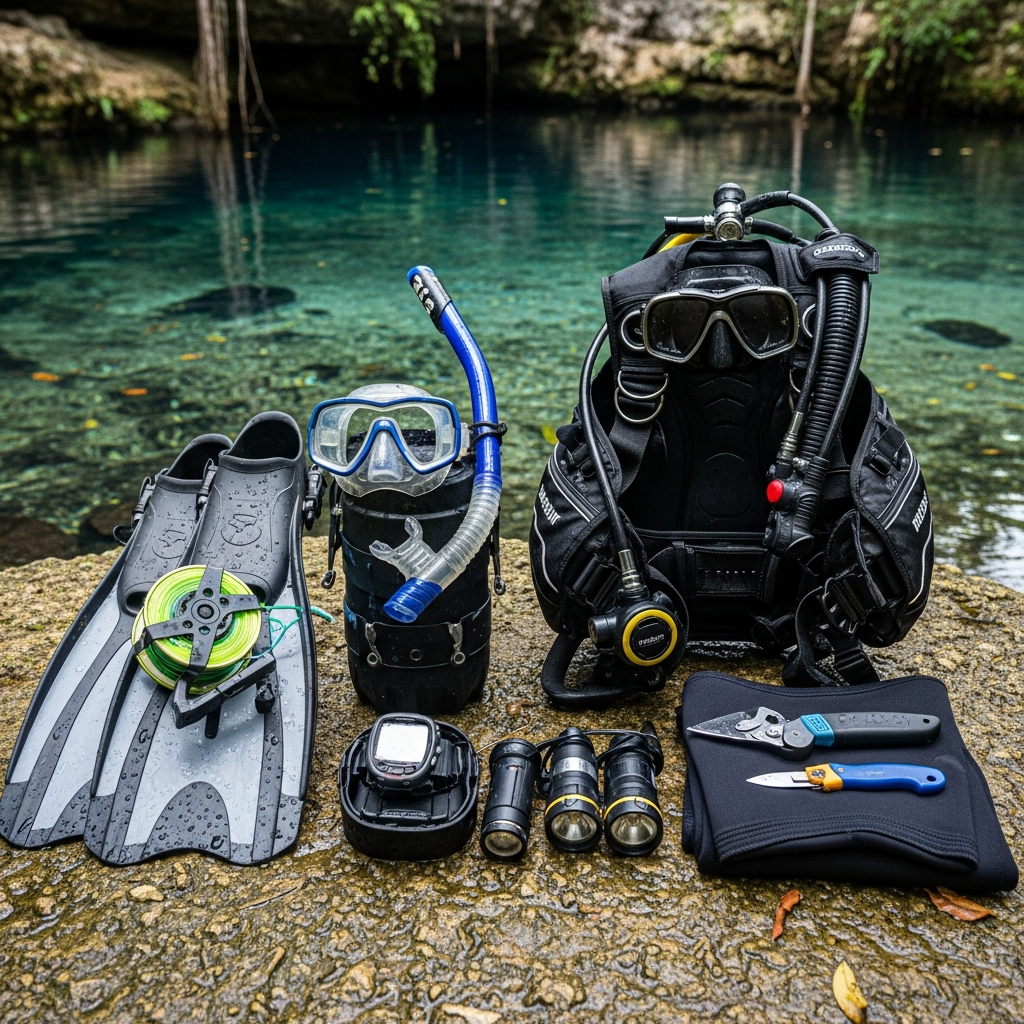
  1. Swimwear and Snorkeling Gear: Mexico’s beaches and cenotes are perfect for water activities.
  2. Hiking Boots: Essential for exploring trails and natural sites.
  3. Daypack: A compact backpack for carrying essentials during excursions.

Bringing the right gear means you’re ready to dive into all the exciting activities Mexico has to offer.


Souvenir Packing Tips

If you plan to bring back souvenirs, consider how to pack them safely:

  • Protective Packing Materials: Bubble wrap or a padded bag for delicate items.
  • Extra Bag: A foldable bag for souvenirs ensures you have space without overloading your main luggage.

Keeping these tips in mind will make it easy to bring home a piece of Mexico without stressing about fragile items.


Conclusion

Packing for fall travel in Mexico doesn’t need to be a challenge. By planning ahead and considering Mexico’s diverse climates and activities, you’ll be prepared for an unforgettable experience. From cultural landmarks and vibrant festivals to pristine beaches and delicious cuisine, Mexico has something for every traveler. With these essential items in your bag, you’re ready to make the most of everything Mexico has to offer.

Now that you’re all set, it’s time to start packing and get excited about the journey ahead. Whether you’re exploring ancient ruins, relaxing by the coast, or soaking in the energy of a local festival, Mexico is waiting to welcome you. Safe travels!


FAQs

  1. What are the best clothing items for fall travel in Mexico?
    • Lightweight, breathable layers are ideal, paired with a sweater or jacket for cooler evenings. Versatile pants, dresses, and comfortable shoes will keep you covered.
  2. Do I need travel insurance for Mexico?
    • Yes, travel insurance is highly recommended. It covers unexpected medical expenses, trip cancellations, and other emergencies.
  3. How should I prepare for Mexico’s fall weather?
    • Mexico’s fall weather varies by region. Pack layers, a compact umbrella, and sun protection to stay prepared for both warm days and occasional rain.
  4. Is a language app necessary for traveling in Mexico?
    • While many Mexicans speak some English, a translation app or phrasebook can be helpful for communication, especially in less touristy areas.
  5. Are there any eco-friendly items I should bring?
    • Yes, consider reusable shopping bags, water bottles, and utensils to minimize waste and support sustainable travel practices.

Discovering the Safest City in Mexico to Travel 10 Reasons It Stands Out

Discovering the Safest City in Mexico to Travel 10 Reasons It Stands Out

When planning a trip to Mexico, safety is usually top of mind. While the country offers incredible diversity, culture, and breathtaking landscapes, it’s understandable to want peace of mind when choosing your destination. The good news is, Mexico is home to many cities that are not only beautiful but also ranked among the safest for tourists.

Why Safety Matters for Travelers in Mexico

Why Safety Matters for Travelers in Mexico

Before diving into specific cities, it’s important to address why safety is a significant consideration for travelers. Mexico’s reputation can sometimes be overshadowed by news stories focusing on certain areas, but these headlines don’t always represent the whole picture. Statistically, millions of tourists visit Mexico each year without encountering any safety issues. By understanding which places prioritize visitor safety, you can make informed decisions and maximize your travel enjoyment.

Top Safest Cities in Mexico for Tourists

Top Safest Cities in Mexico for Tourists

Mexico’s diverse cities each offer unique experiences. Here are some of the safest options to consider:

  1. Mérida – A Cultural and Safe Gem Mérida, the capital of the Yucatán Peninsula, consistently tops the list of Mexico’s safest cities. Known for its rich Mayan heritage and colonial architecture, Mérida combines culture, history, and safety. The city boasts low crime rates and a strong community atmosphere. With friendly locals and well-maintained streets, it’s an ideal spot for tourists seeking a blend of historical exploration and comfort.Why Mérida Stands Out:
    • Low Crime Rate: Mérida is recognized as one of the cities with the lowest crime rates in Mexico.
    • Vibrant Attractions: Visit places like Paseo de Montejo, the Gran Museo del Mundo Maya, and the bustling local markets.
    • Safety for Tourists: Many visitors note that walking around Mérida, even at night, feels safe thanks to visible police presence and a welcoming community.
  2. San Miguel de Allende – The Artistic and Safe Retreat A UNESCO World Heritage site, San Miguel de Allende is a haven for artists and culture enthusiasts. Known for its narrow cobblestone streets, bright-colored buildings, and vibrant art scene, the city also boasts a reputation for safety. The small-town feel and closely-knit expat community add to its charm and security.What Makes San Miguel de Allende Safe:
    • Community and Security: A strong network of residents who look out for one another.
    • Tourist-Friendly Infrastructure: With plenty of well-lit streets and guided tours, visitors feel comfortable exploring.
    • Cultural Delights: The city is perfect for leisurely walks, visiting artisan shops, and participating in local festivals.
  3. Puerto Vallarta – Coastal Safety and Vibrancy If you’re looking for a coastal escape without sacrificing safety, Puerto Vallarta is your destination. Situated on Mexico’s Pacific coast, this city blends beautiful beaches, an energetic nightlife, and a commitment to tourist safety.Key Features of Safety in Puerto Vallarta:
    • Tourist Zones: Areas frequented by tourists are well-monitored.
    • Beach Safety: Lifeguards and well-managed public beaches.
    • Activities for All Ages: From zip-lining in the jungle to relaxing on the Malecón, Puerto Vallarta is a hit for various types of travelers.

Lesser-Known Safe Cities Worth Exploring

While Mérida, San Miguel de Allende, and Puerto Vallarta are well-known safe havens, several other Mexican cities offer peaceful and secure environments:

  • Campeche: With its historic fortresses and pastel-colored buildings, Campeche is a hidden gem full of charm and tranquility.
  • Querétaro: Often praised for its cleanliness and orderly atmosphere, Querétaro is a city rich in colonial history and modern amenities.
  • La Paz: Located in Baja California Sur, La Paz offers serene beaches and a laid-back lifestyle, perfect for travelers looking for a quiet retreat.

Safety Tips for Traveling in Mexico

Wherever your journey in Mexico takes you, there are universal safety tips to enhance your travel experience:

  • Stay Aware of Your Surroundings: Just as you would in any country, keep an eye on your belongings and stay alert in unfamiliar areas.
  • Choose Trusted Accommodations: Opt for well-reviewed hotels or rentals with strong security protocols.
  • Learn Basic Spanish Phrases: Communication is key, and knowing a few words in Spanish can go a long way in getting help or directions.

Key Apps and Resources for Travelers

Key Apps and Resources for Travelers

Technology can be a valuable ally when navigating a foreign country. Here are some apps that enhance safety and convenience:

  • Google Maps: For navigation and finding well-reviewed restaurants or landmarks.
  • WhatsApp: Widely used for communication with locals and in emergencies.
  • XE Currency: Helps you stay updated on currency exchange rates.
  • SafeTravelMX: Provides real-time safety alerts and contact information for emergency services.

Factors that Make a City Safe for Tourists

What makes some cities in Mexico safer than others? Several factors contribute to a city’s reputation for safety:

  • Crime Rate Statistics: Low incidents of crime contribute to a city being considered safe.
  • Healthcare Access: Availability of healthcare facilities plays a role in travelers’ peace of mind.
  • Tourism Infrastructure: Well-developed areas with reliable transport, well-lit streets, and tourist information centers.

Travel Insurance: Do You Need It?

Travel Insurance: Do You Need It?

Even in the safest cities, unexpected situations can arise. Travel insurance acts as a safety net that provides peace of mind:

  • Health Coverage: Ensure your policy covers medical emergencies.
  • Trip Protection: Safeguard against cancellations or trip interruptions.
  • Theft and Loss: Some plans offer coverage for lost or stolen personal items.

Local Experiences That Enhance Safety Awareness

Partaking in local activities guided by trusted operators can improve your sense of security:

  • Guided Tours: Join tours run by reputable agencies.
  • Safe Market Visits: Visit markets known for their organization and popularity among locals and tourists alike.
  • Trusted Transport Services: Use licensed taxi services or rideshare apps with good safety records.

What to Avoid While Traveling in Mexico

While Mexico’s top cities are generally safe, being cautious is wise:

  • Avoid Certain Areas at Night: Even in safe cities, some neighborhoods might be better visited during the day.
  • Stay Away from Isolated Beaches: Stick to beaches with lifeguards and other visitors.
  • Limit Excessive Public Display of Valuables: Wearing expensive items might attract unwanted attention.

Debunking Safety Myths About Mexico

Many safety concerns stem from myths that paint an inaccurate picture:

  • Myth: All of Mexico is Dangerous: This is a generalization that overlooks the many safe and welcoming areas.
  • Myth: Tourists Are Often Targets: Data shows tourists are not usually the focus of criminal activities, especially in well-monitored areas.

How to Stay Updated on Travel Safety Information

How to Stay Updated on Travel Safety Information

Staying informed ensures your trip goes smoothly:

  • Government Travel Sites: Check your country’s travel advisory for Mexico.
  • Local News Outlets: Stay updated on current events.
  • Embassy Notices: Register your trip with your country’s embassy for alerts.

Conclusion: Exploring Mexico with Confidence

Mexico is a country filled with rich traditions, delicious food, and cities that cater to travelers seeking both adventure and safety. By choosing the right city and staying informed, you can experience the best of Mexico worry-free. From Mérida’s historic allure to the coastal charm of Puerto Vallarta, the safest cities in Mexico welcome you with open arms and endless exploration.


FAQs

What is the safest city to visit in Mexico?
Mérida is considered the safest city, known for its low crime rates and community-oriented atmosphere.

Is Mérida safer than other Mexican cities?
Yes, Mérida has consistently ranked as one of the safest due to its strong local governance and safety initiatives.

What are the best times to visit for safety reasons?
The best time is typically during the dry season, from November to April, when tourism is at its peak and city services are more active.

Are there any special precautions needed for solo travelers?
Solo travelers should follow general safety practices such as staying in well-reviewed accommodations and joining group tours when possible.

Which coastal city is the safest in Mexico?
Puerto Vallarta is widely regarded as a safe coastal destination for tourists.

How do I report an emergency while in Mexico?
For emergencies, dial 911 for immediate assistance in most parts of Mexico.

What to Do in La Paz on a Budget? 10 Travel Hacks You’ll Love

Nestled high in the Andes at over 3,500 meters above sea level, La Paz offers a unique blend of stunning landscapes, vibrant culture, and historical depth. While travel can sometimes come with a hefty price tag, exploring La Paz doesn’t have to drain your wallet. In this guide, you’ll uncover the best activities and experiences that this Bolivian gem has to offer all without breaking the bank.

Why Visit La Paz?

La Paz isn’t just any city; it’s a vibrant mix of old and new, where Indigenous traditions meet modern life, set against breathtaking mountainous backdrops. Known for its rich culture, friendly locals, and unique attractions, La Paz offers countless opportunities for discovery. The best part? Many of these experiences can be enjoyed on a budget. So whether you’re an adventurer, culture enthusiast, or just looking for a beautiful escape, La Paz has you covered.

Top Budget-Friendly Attractions

If you’re planning your itinerary, these must-visit spots are perfect for travelers keen to save while still having unforgettable experiences.

The Witches’ Market (Mercado de las Brujas)

What to Do in La Paz on a Budget?

One of the most unique attractions in La Paz is the Witches’ Market. Located in the heart of the city, this bustling market is unlike any other. Here, you’ll find vendors selling everything from handmade crafts to mystical potions and talismans said to bring good fortune or ward off bad luck.

  • What to See: Browse the stalls for llama fetuses (used in traditional offerings), herbal remedies, and local art.
  • Tips: Haggling is expected, so don’t shy away from negotiating to get the best price.
  • Cost: Browsing is free, and items can be bought for just a few Bolivianos.

Valle de la Luna (Moon Valley)

Just a short bus ride from the city, the otherworldly landscape of Valle de la Luna will leave you speechless. This natural wonder, formed by erosion, features craggy rock formations that resemble the surface of the moon.

  • How to Visit: Take a local bus or a shared taxi for an inexpensive ride.
  • Entrance Fee: Approximately 15-20 Bolivianos (less than $3 USD).
  • Best Time to Visit: Early morning or late afternoon to avoid the crowds and enjoy cooler weather.

Mirador Killi Killi

Mirador Killi Killi

For panoramic views of La Paz and the surrounding mountains, Mirador Killi Killi is a must-visit. The view is breathtaking, offering a 360-degree perspective of the city’s sprawling neighborhoods and scenic backdrop.

  • Access: Free, with a moderate uphill walk to reach the viewpoint.
  • Photography Tip: Visit around sunset for stunning photos that capture the city bathed in warm light.

Cultural Experiences on a Budget

Delving into the culture of La Paz is an experience like no other. From vibrant performances to artistic displays, there are plenty of affordable ways to connect with the city’s soul.

Attend a Traditional Bolivian Dance Performance

Bolivian dance is a colorful spectacle showcasing the country’s folklore. You can often catch traditional performances in public plazas or during festivals.

  • Venues: Plaza San Francisco and other central locations.
  • Cost: Often free or for a minimal donation.
  • Pro Tip: Check local event boards or ask your hostel/hotel staff for current schedules.

Street Art Tour

La Paz is alive with art, and its streets are no exception. Join a guided walking tour or explore on your own to see the incredible murals that tell stories of the city’s history, politics, and cultural identity.

  • Route Highlights: Start in the Sopocachi district and make your way toward the city center.
  • Cost: Free walking tours are available, but tipping your guide is encouraged.

Budget-Friendly Food Options

Eating out doesn’t have to be expensive to be delicious. La Paz has a variety of street food and market options that give you a taste of authentic Bolivian flavors without stretching your budget.

Mercado Lanza and Other Markets

Mercado Lanza and Other Markets

Markets are a food lover’s haven. Mercado Lanza is centrally located and offers a range of hearty, traditional dishes.

  • Must-Try Dishes: Salteñas (savory pastries), api (a warm corn drink), and empanadas.
  • Cost: Meals range from 10-25 Bolivianos ($1.50-$3.50 USD).

Cafés with Local Vibes

For a more relaxed meal or snack, visit one of La Paz’s cozy, local cafes. These spots often serve traditional Bolivian coffee alongside pastries and light meals.

  • Budget Tip: Many places offer “menu del día” (menu of the day) that includes a main dish, soup, and drink for an affordable price.

Free or Low-Cost Activities

When it comes to no-cost activities, La Paz has plenty to offer. Enjoy enriching experiences without spending a dime.

Free Walking Tours

A great way to see the city and learn about its history is through a free walking tour. Knowledgeable guides take you through significant landmarks, offering stories and insights.

  • Where to Join: Most tours start at Plaza Murillo.
  • Duration: About 2-3 hours.
  • Tip: Bring cash for a tip at the end of the tour.

Visiting Churches and Cathedrals

La Paz is home to several historic churches that feature beautiful architecture and intricate interior designs.

  • Must-See: The Basilica of San Francisco.
  • Entry Fee: Generally free, but donations are welcome.

Tips for Saving Money in La Paz

Tips for Saving Money in La Paz

Maximize your budget by using these tried-and-true tips:

Affordable Accommodation Options

La Paz has a variety of budget-friendly accommodation options, from hostels to guesthouses.

  • Recommended Areas: Sopocachi and Centro offer safe, affordable places to stay.
  • Price Range: Dormitory beds start at around 50 Bolivianos ($7 USD) per night.

Public Transportation Insights

Navigating La Paz like a local can save you money. The city’s unique public transportation system includes minibuses and the famous Mi Teleférico (cable cars).

  • Minibuses: Small buses that follow set routes; fares are typically around 3-5 Bolivianos.
  • Cable Cars: Offer scenic views for about 3 Bolivianos per ride.

Interactive Map and Resources

Planning ahead can streamline your experience. Use interactive maps and apps like Maps.me and Google Maps to navigate the city without data. You’ll find offline routes and tips shared by other travelers.

FAQs About Visiting La Paz on a Budget

Q1: Is La Paz safe for budget travelers?
Yes, La Paz is generally safe for budget travelers. Exercise normal precautions, such as keeping an eye on your belongings and avoiding isolated areas at night.

Q2: What’s the best way to get around on a budget?
The most budget-friendly way to get around is by using public transportation, like minibuses and cable cars.

Q3: Are there free attractions in La Paz?
Absolutely. Many attractions, such as markets, churches, and miradors, are free or have very low entrance fees.

Q4: How much should I budget for food per day?
You can enjoy local meals for as low as 30-50 Bolivianos ($4-$7 USD) per day.

Q5: What’s the cheapest time of year to visit La Paz?
The off-peak season, from April to October, often has better deals on accommodations and tours.

Q6: Can I explore the surrounding areas on a budget?
Yes, there are affordable day trips to areas like Valle de la Luna and nearby mountains. Public transport and group tours help keep costs low.

Conclusion

Visiting La Paz on a budget is entirely possible, with its array of free and low-cost attractions, affordable food, and unique cultural experiences. The city’s combination of stunning views, rich history, and lively culture ensures you’ll have an enriching and memorable adventure without spending a fortune.


Bacalar, Mexico – A Hidden Paradise: 5 Travel Tips to Know

Bacalar, Mexico – A Hidden Paradise: 5 Travel Tips to Know

Nestled along the Yucatán Peninsula, Bacalar, Mexico, is a destination that holds a magical charm unlike any other. This small town, famous for its stunning natural beauty and rich history, invites travelers to discover the unmatched splendor of its blue-hued lagoon and laid-back atmosphere. Whether you’re planning an adventure-packed vacation or a serene escape, Bacalar offers an experience worth cherishing.

A Glimpse into Bacalar’s Past

A Glimpse into Bacalar’s Past

Before you set foot in Bacalar, understanding its history enriches your journey. The town’s roots reach deep into pre-Columbian times when the Maya settled here, recognizing its strategic and sacred value. Bacalar’s name originates from the Mayan word Bakhalal, which means “surrounded by reeds.”

Spanish colonization brought changes, with Bacalar becoming an essential outpost for trade and protection against pirates. The San Felipe Fort, constructed in the 18th century, stands as a reminder of the town’s turbulent past. Visiting this historical site today, you’ll find not only impressive architecture but also a museum showcasing artifacts and stories that bring Bacalar’s past to life.

Why Visit Bacalar?

When someone asks, “Why should I visit Bacalar?” the answer is simple: it’s a hidden gem that showcases nature’s artistry and invites you to slow down. The town’s hallmark is the Lagoon of Seven Colors, known for its spectacular turquoise and indigo shades. This captivating sight is due to varying depths and types of white limestone sediment beneath the water.

Bacalar isn’t just for the eyes. It rejuvenates the soul with wellness opportunities, including yoga retreats, massage centers, and lakeside meditation spots that let you truly disconnect from the noise of daily life.

The Lagoon of Seven Colors: A Natural Wonder

The Lagoon of Seven Colors: A Natural Wonder

The Lagoon of Seven Colors is a spectacle that shouldn’t be missed. Stretching for over 42 kilometers, the lagoon presents layers of blue that are mesmerizing at any time of day, but especially during sunrise and sunset. This natural wonder results from the diverse depth levels and mineral content in the water. The sunlight reflecting on this spectrum creates a view that feels almost otherworldly.

How to Best Enjoy the Lagoon

You have many options to make the most of your visit to the lagoon. Consider renting a kayak or paddleboard to explore the waters at your own pace. For those who crave a bit of thrill, there are opportunities for sailing or even windsurfing. Don’t forget to bring snorkeling gear to witness the vibrant underwater ecosystem.

The San Felipe Fort: A Step Back in Time

For history enthusiasts, the San Felipe Fort is a must-visit. This fort was built in 1729 as a defense mechanism against frequent pirate attacks. Standing atop a small hill overlooking the lagoon, it offers panoramic views that are as breathtaking as the stories it holds.

Inside, you’ll find a museum packed with relics from the colonial period and exhibits that narrate the struggles and resilience of the people who called Bacalar home. Walking through its stone corridors and admiring the cannons aimed at the water below, you can almost hear the echoes of battles past.

Must-Do Activities in Bacalar

Must-Do Activities in Bacalar

Your time in Bacalar can be as adventurous or as peaceful as you wish. Here are some activities you shouldn’t miss:

  • Kayaking and Paddleboarding: Glide over crystal-clear waters and enjoy unparalleled views.
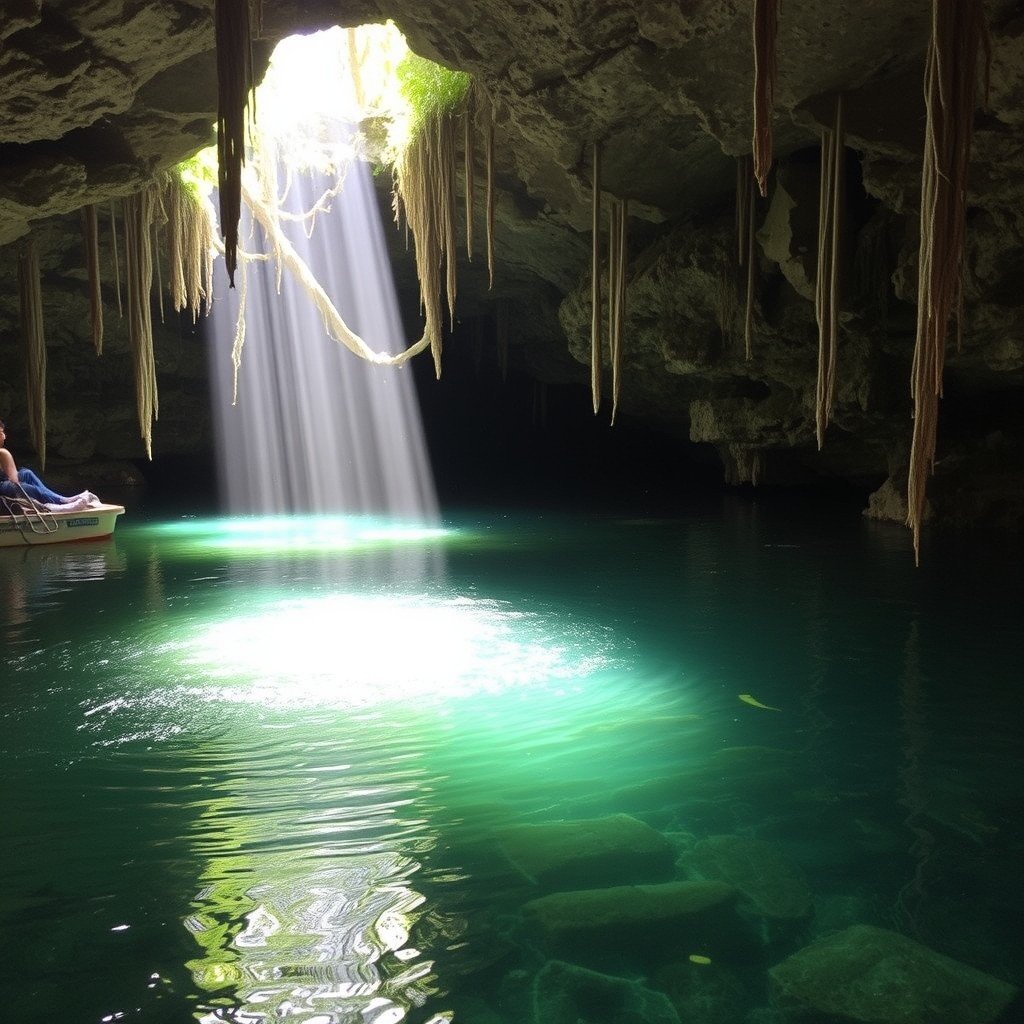
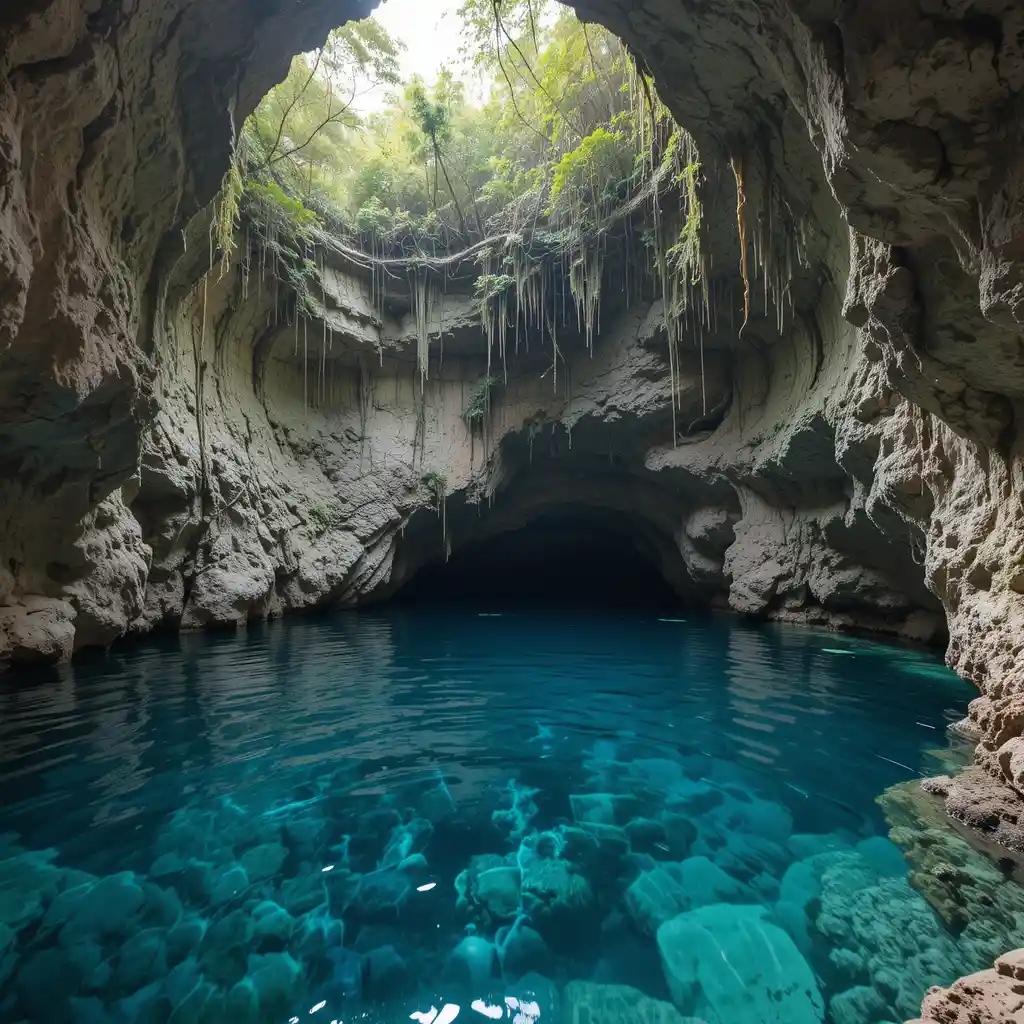
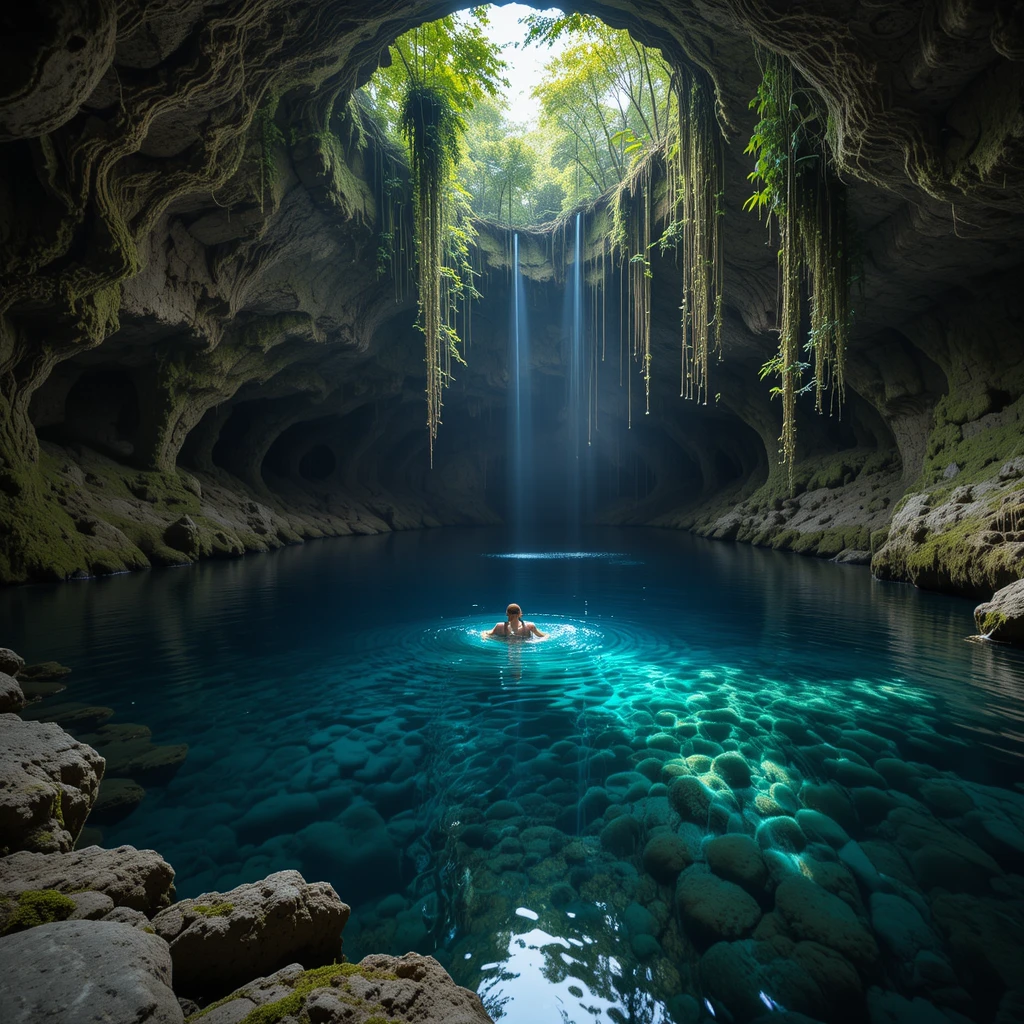
  • Swimming in Cenotes: Bacalar is surrounded by incredible cenotes, like Cenote Azul, which offers a unique deep blue pool perfect for cooling off.
  • Sunset Boat Tours: End your day by taking a boat ride that showcases Bacalar’s breathtaking sunset views.

Exploring Cenote Azul

Cenote Azul stands out for its deep, rich blue color and lush surroundings. Unlike some of the smaller cenotes in the Yucatán Peninsula, Cenote Azul is spacious, almost like a natural pool. It’s ideal for swimming and snorkeling, with its clear water revealing a striking underwater landscape. Keep safety in mind, especially if you’re not a confident swimmer, as this cenote reaches impressive depths.

Where to Stay: Accommodation Options in Bacalar

Choosing the right place to stay can enhance your trip to Bacalar. Options vary from luxury eco-resorts that offer private lagoon access to budget-friendly hostels perfect for backpackers.

Type of AccommodationDetails
Luxury Eco-ResortsOffer full-service spa treatments, private terraces, and sustainable practices.
Mid-Range HotelsProvide comfortable amenities, often located close to the lagoon.
Budget HostelsGreat for travelers looking for affordable stays with communal spaces to meet fellow explorers.

Culinary Delights – What to Eat in Bacalar

Culinary Delights – What to Eat in Bacalar

Your visit to Bacalar is incomplete without tasting the local cuisine. From market stalls to cozy restaurants, the town offers an array of flavors that reflect its rich cultural blend.

Must-Try Dishes

  • Tikin Xic: A traditional Mayan fish dish marinated in achiote and citrus, wrapped in banana leaves, and baked to perfection.
  • Marquesitas: A delightful street snack made from a crepe-like batter filled with cheese and sweet fillings like Nutella.
DishDescription
Tikin XicFish marinated in achiote paste and baked in banana leaves.
MarquesitasCrispy crepes filled with cheese and various sweet toppings.

The Best Time to Visit Bacalar

Bacalar enjoys a tropical climate, making it a year-round destination, but the best time to visit is during the dry season from November to April. During these months, you’ll enjoy warm, sunny weather perfect for outdoor activities and sightseeing. Visiting during this period also aligns with some local festivals, adding more cultural depth to your experience.

How to Get to Bacalar

Getting to Bacalar is straightforward, but planning ahead ensures a smoother trip. The nearest major airport is in Chetumal, about 40 kilometers away. You can take a taxi or rent a car from Chetumal to Bacalar for a convenient journey. Alternatively, buses from Cancun and Playa del Carmen offer budget-friendly travel options.

Tips for Navigating Bacalar

  • Rent a Bicycle: Many travelers find that biking around town is an enjoyable way to explore Bacalar.
  • Public Transportation: Taxis and local colectivos (shared vans) are available and affordable.

Sustainable Tourism in Bacalar

Traveling to Bacalar means more than just sightseeing; it’s about preserving this natural treasure for future generations. Opt for eco-friendly activities and accommodations that prioritize sustainability. Many local operators provide tours that respect the lagoon’s delicate ecosystem, so your visit leaves only footprints, not an impact.

How You Can Help

  • Avoid Single-Use Plastics: Reduce waste by bringing a reusable water bottle and bag.
  • Respect Nature: Refrain from using sunscreens that contain harmful chemicals; choose biodegradable options.

FAQs About Bacalar

1. Is Bacalar safe for tourists?
Yes, Bacalar is known for its safety and friendly locals. As with any travel destination, standard precautions are advisable.

2. What’s the best way to explore the lagoon?
Renting a kayak or joining a boat tour are excellent ways to appreciate the lagoon’s beauty up close.

3. Are there any special festivals in Bacalar?
Yes, Bacalar celebrates several local events, including festivals showcasing Mayan heritage and regional music.

4. Can I swim in the lagoon year-round?
Absolutely! The lagoon’s warm temperatures make it perfect for swimming throughout the year.

5. What are some eco-friendly activities to try?
Kayaking, paddleboarding, and eco-tours led by local guides are all great options for a sustainable experience.

Conclusion

Bacalar, with its shimmering waters, rich history, and inviting culture, is a destination that captivates every visitor. Whether you’re there to bask in the lagoon’s beauty, taste traditional flavors, or uncover the tales of its past, Bacalar promises an unforgettable escape. Plan your visit, immerse yourself in its wonders, and let this hidden gem in Mexico’s Yucatán Peninsula leave you with memories that will last a lifetime.


Ready to experience Bacalar for yourself? Start planning your trip today and uncover the enchantment that awaits!