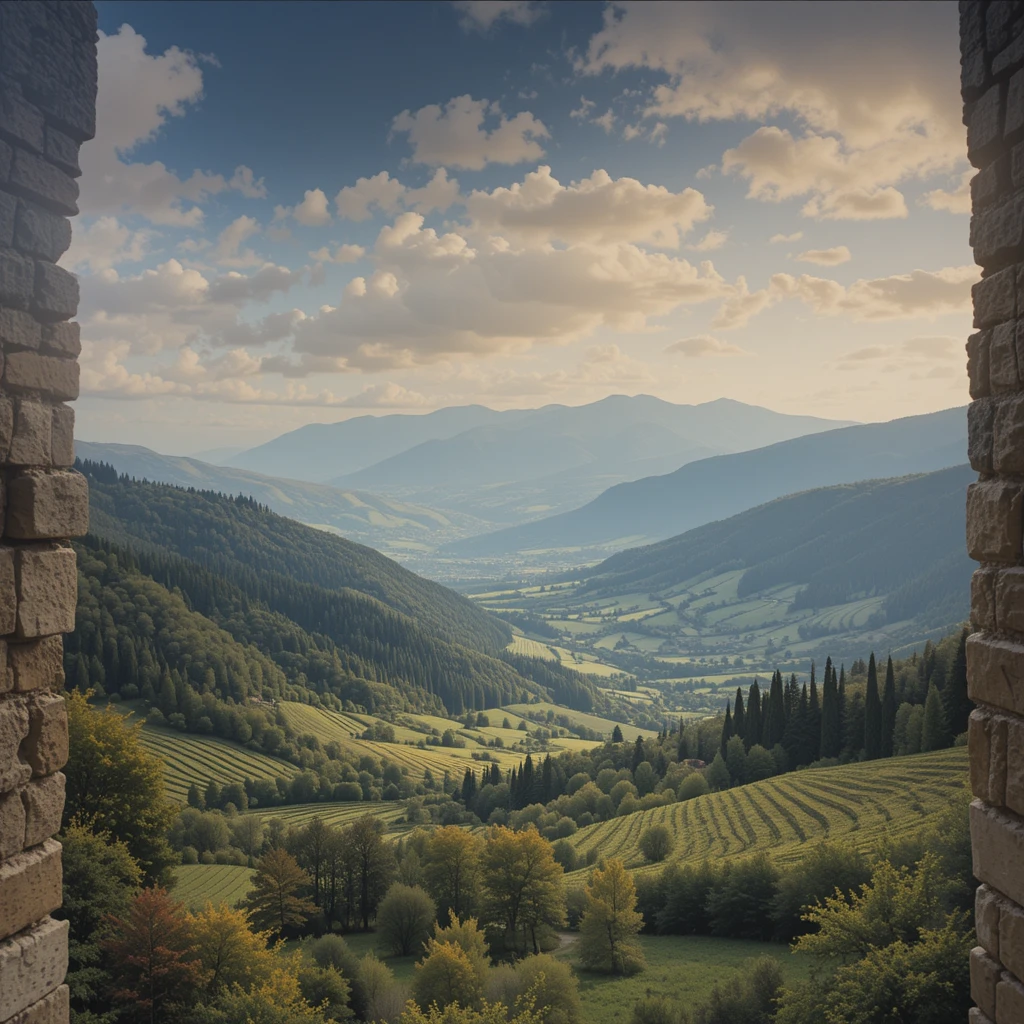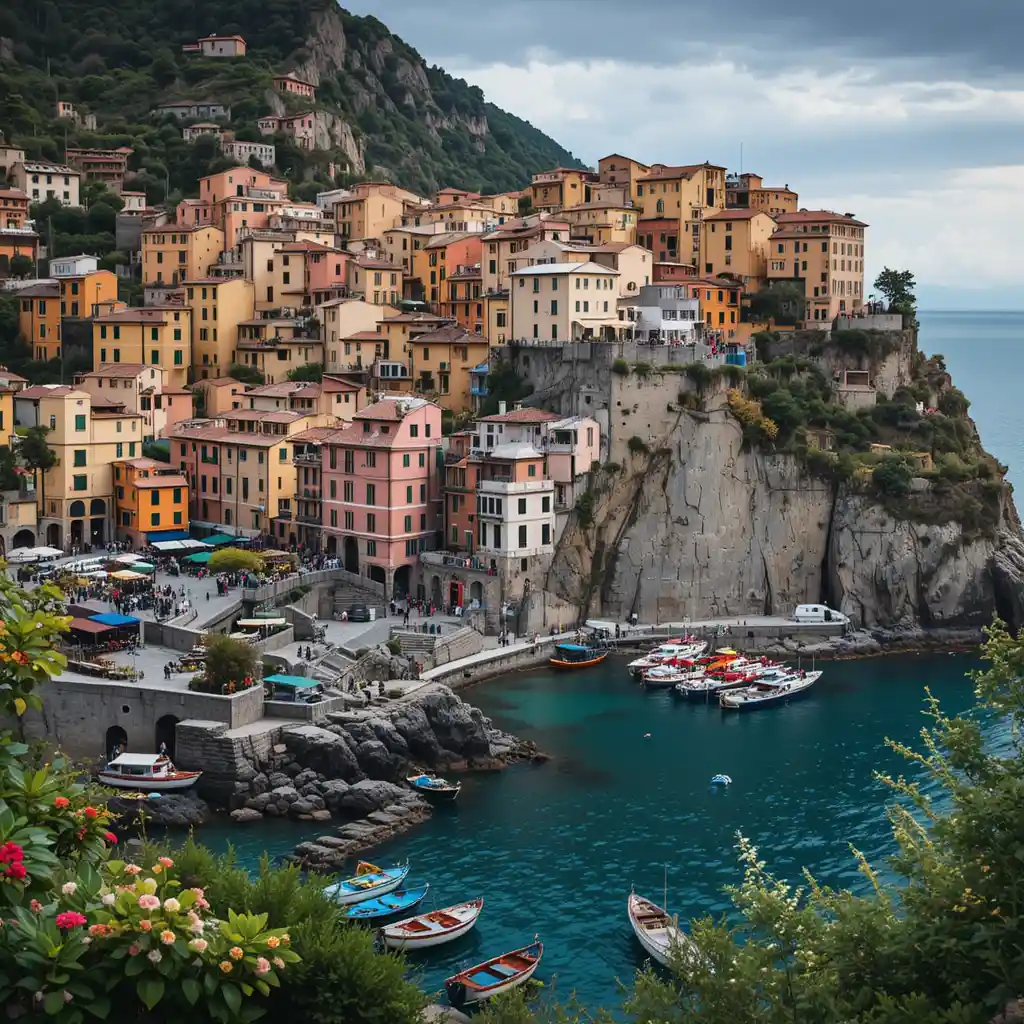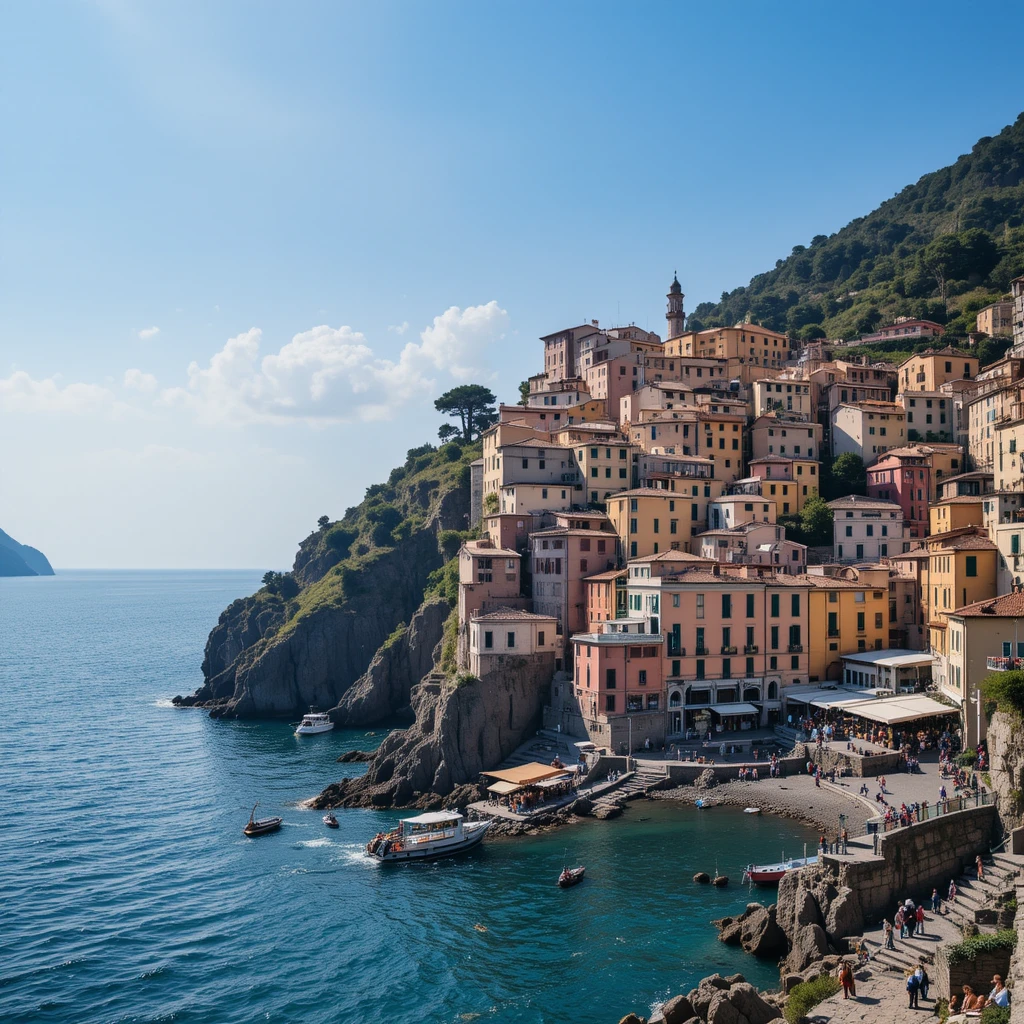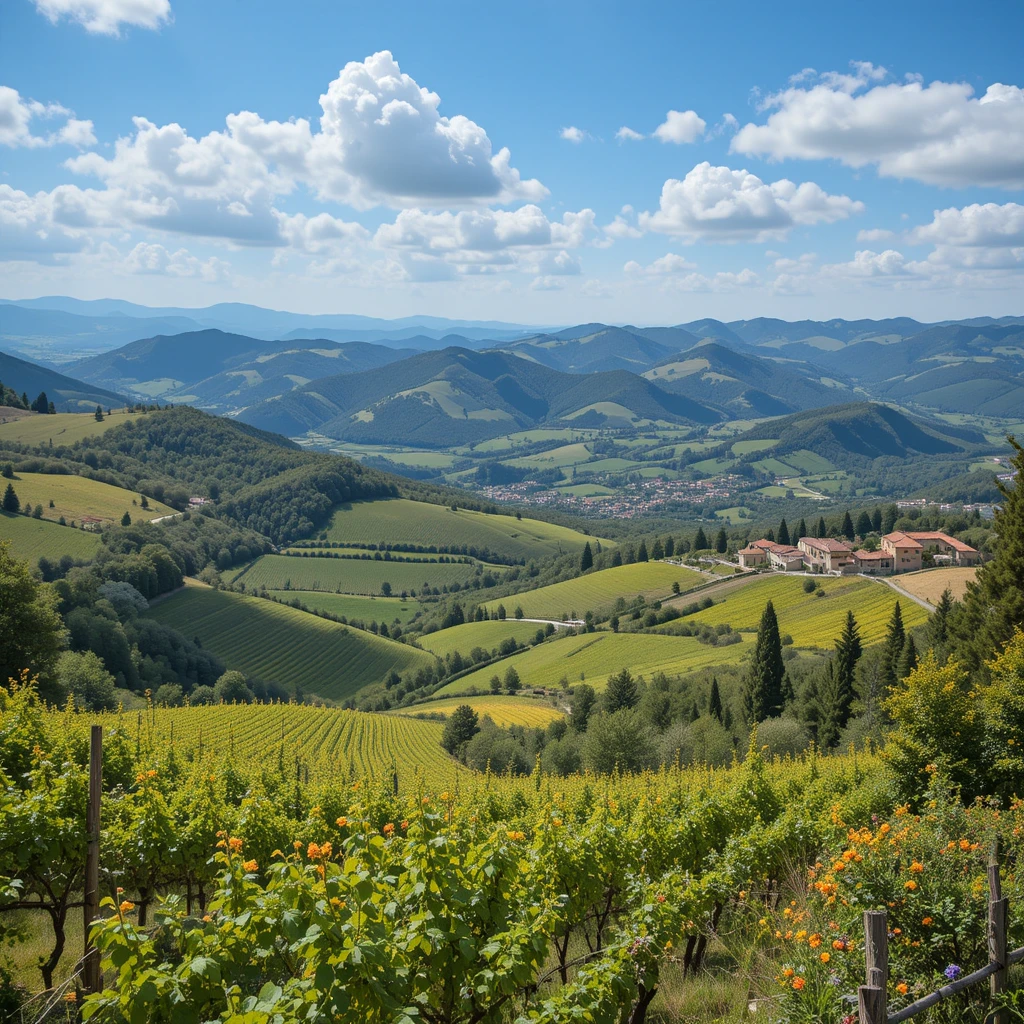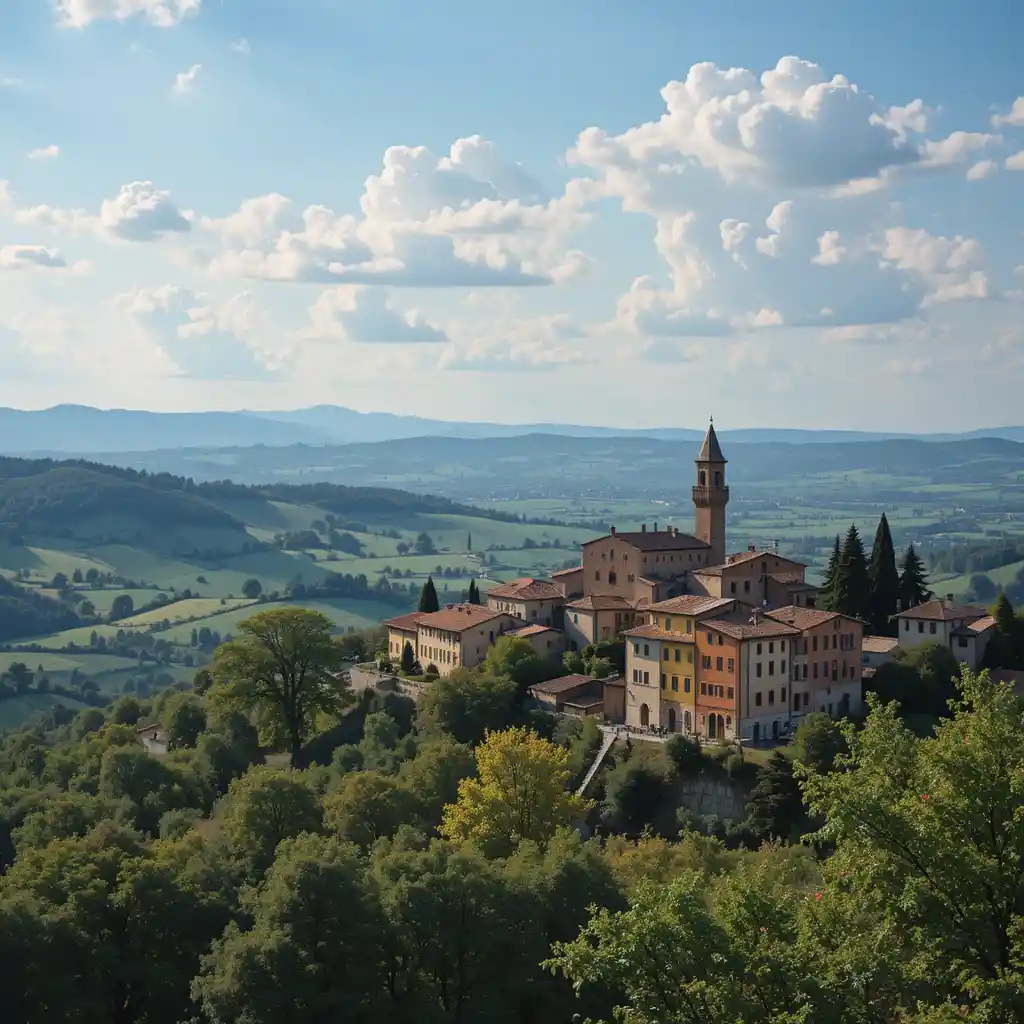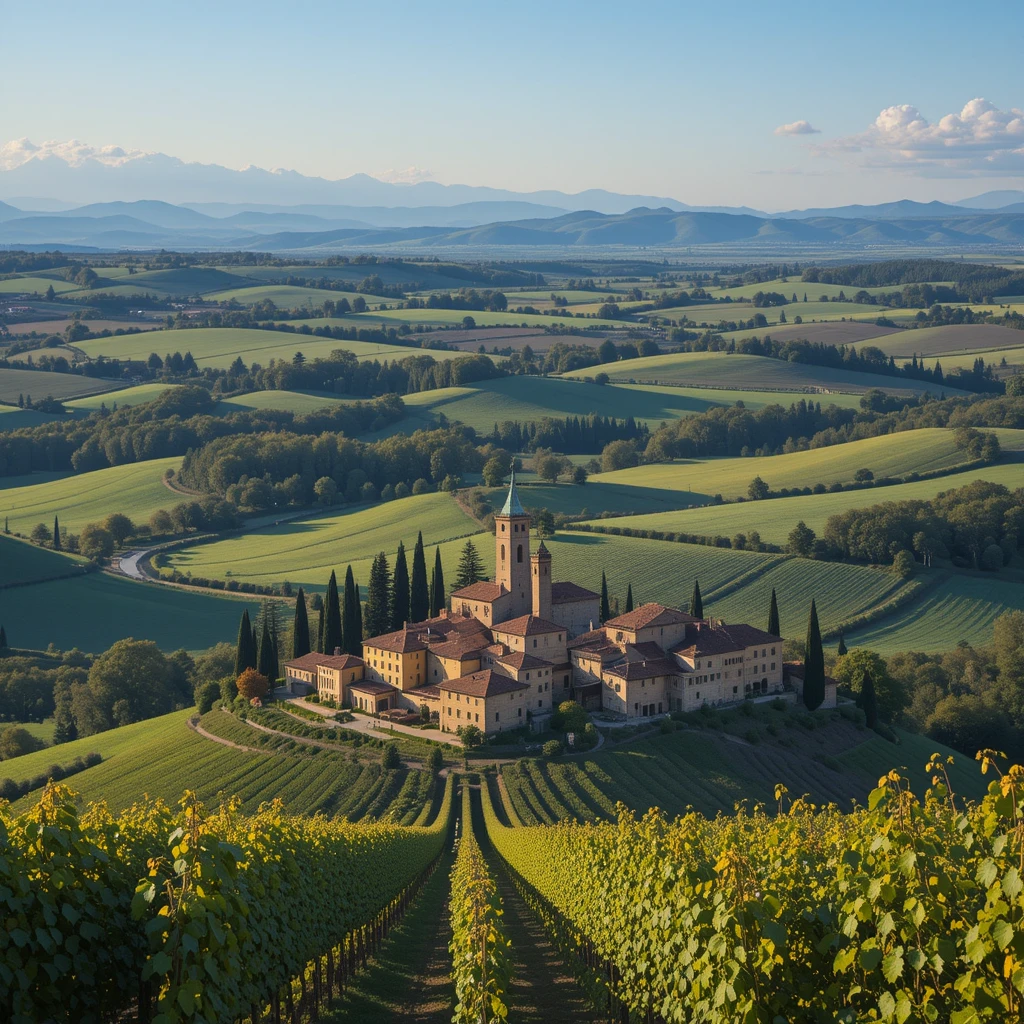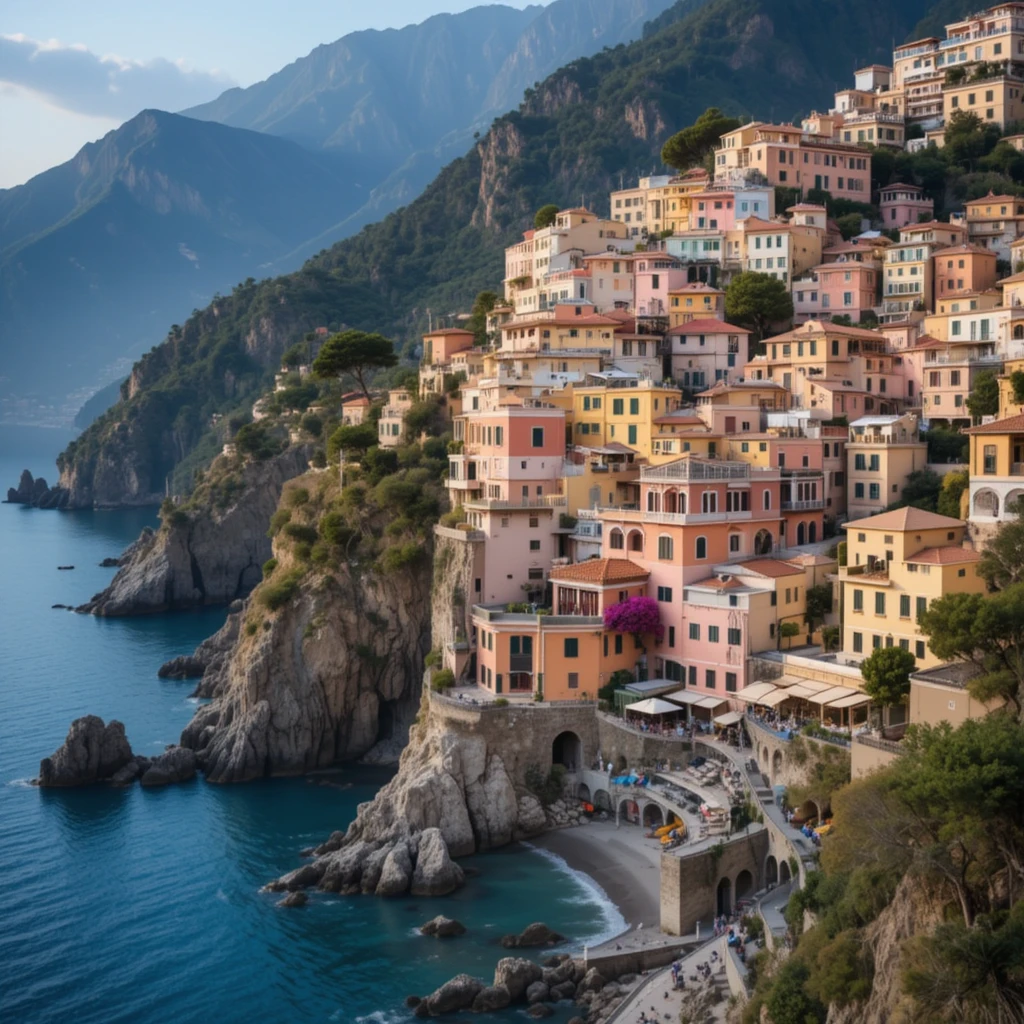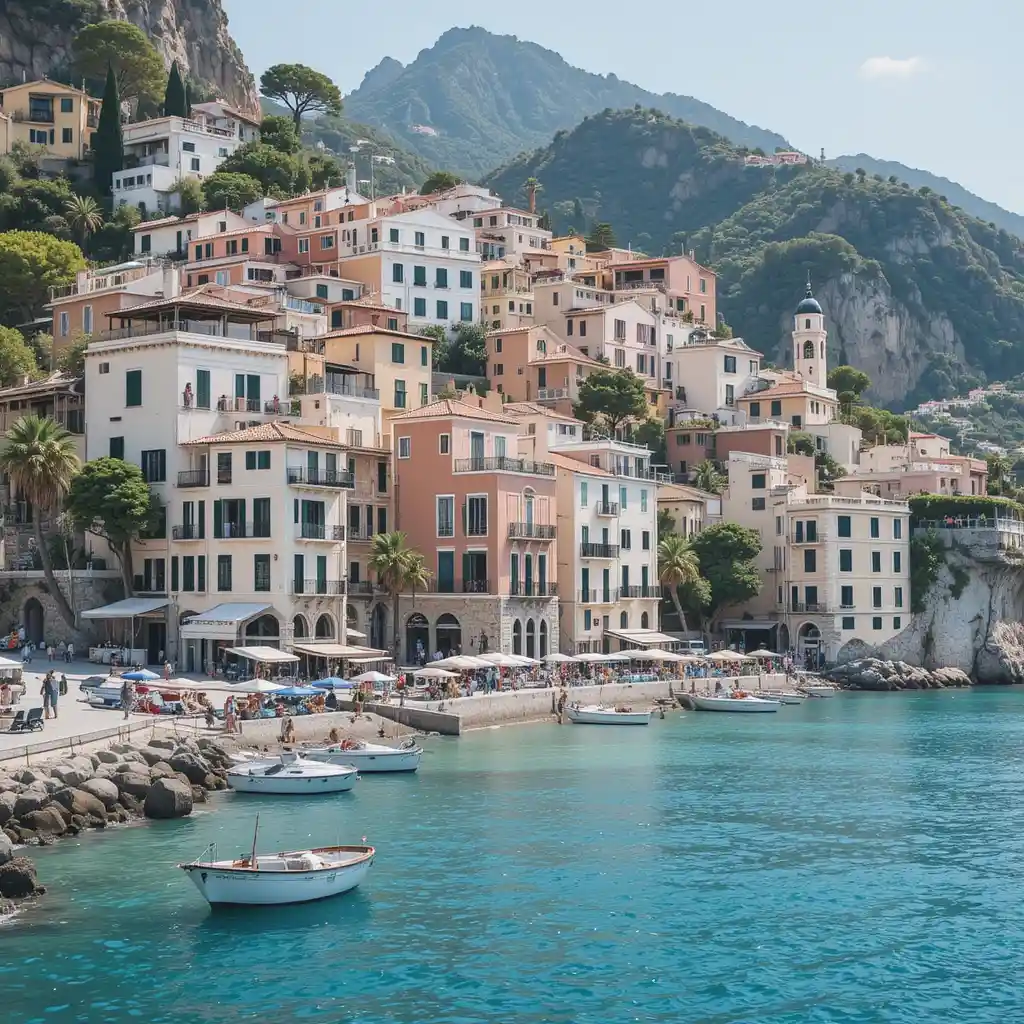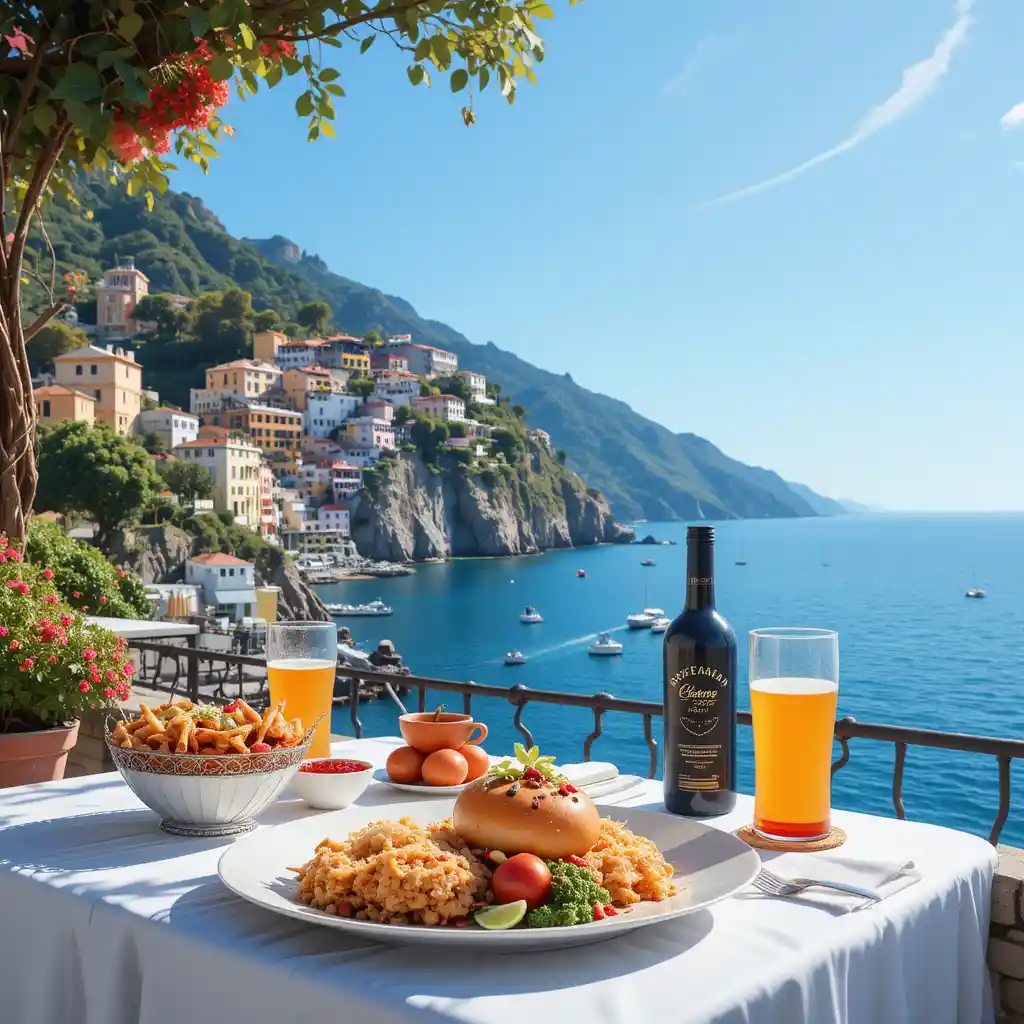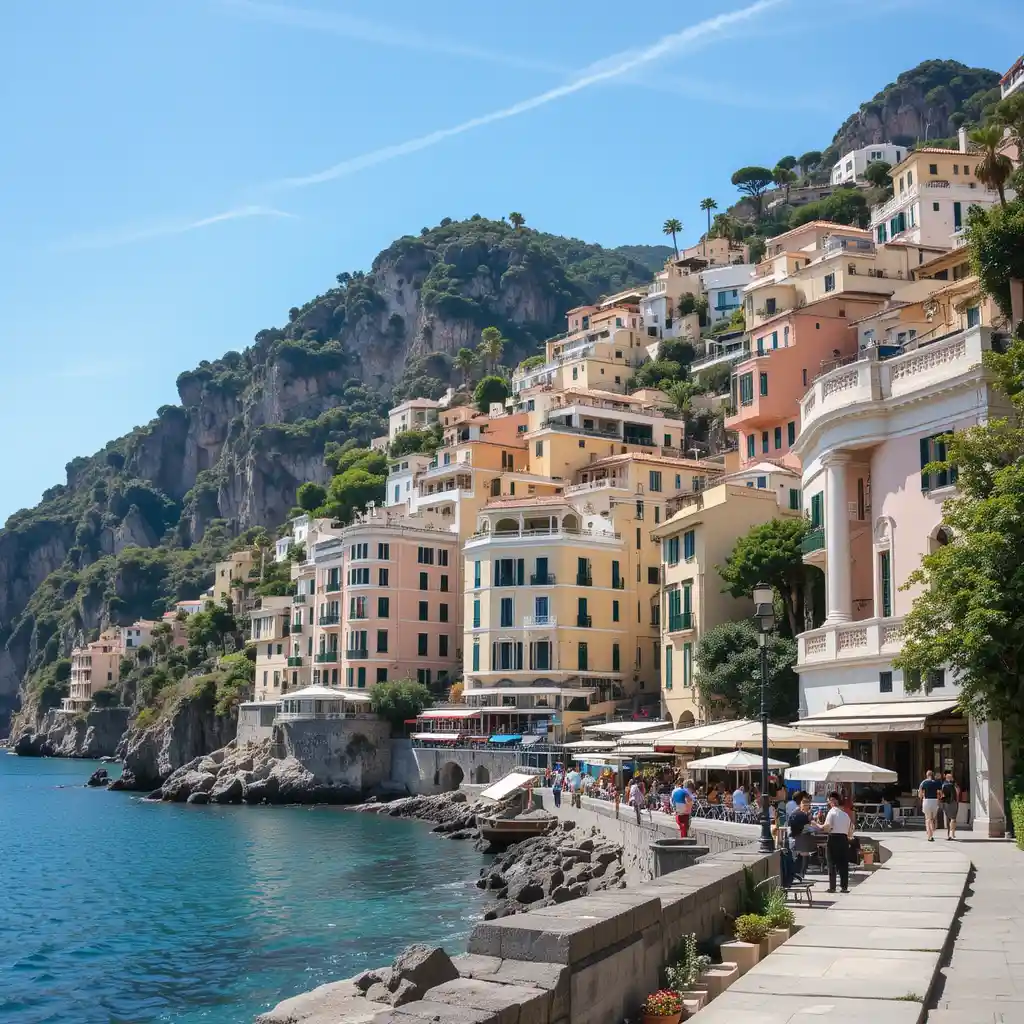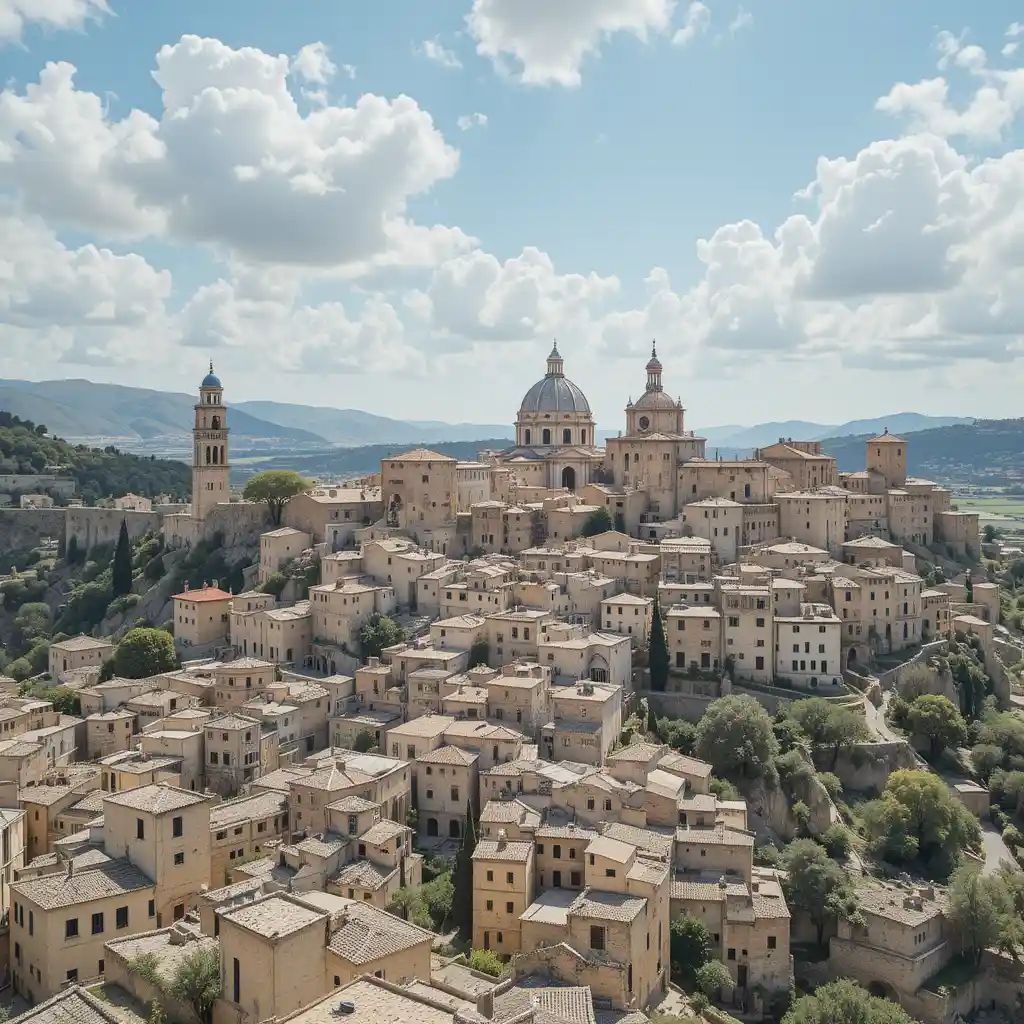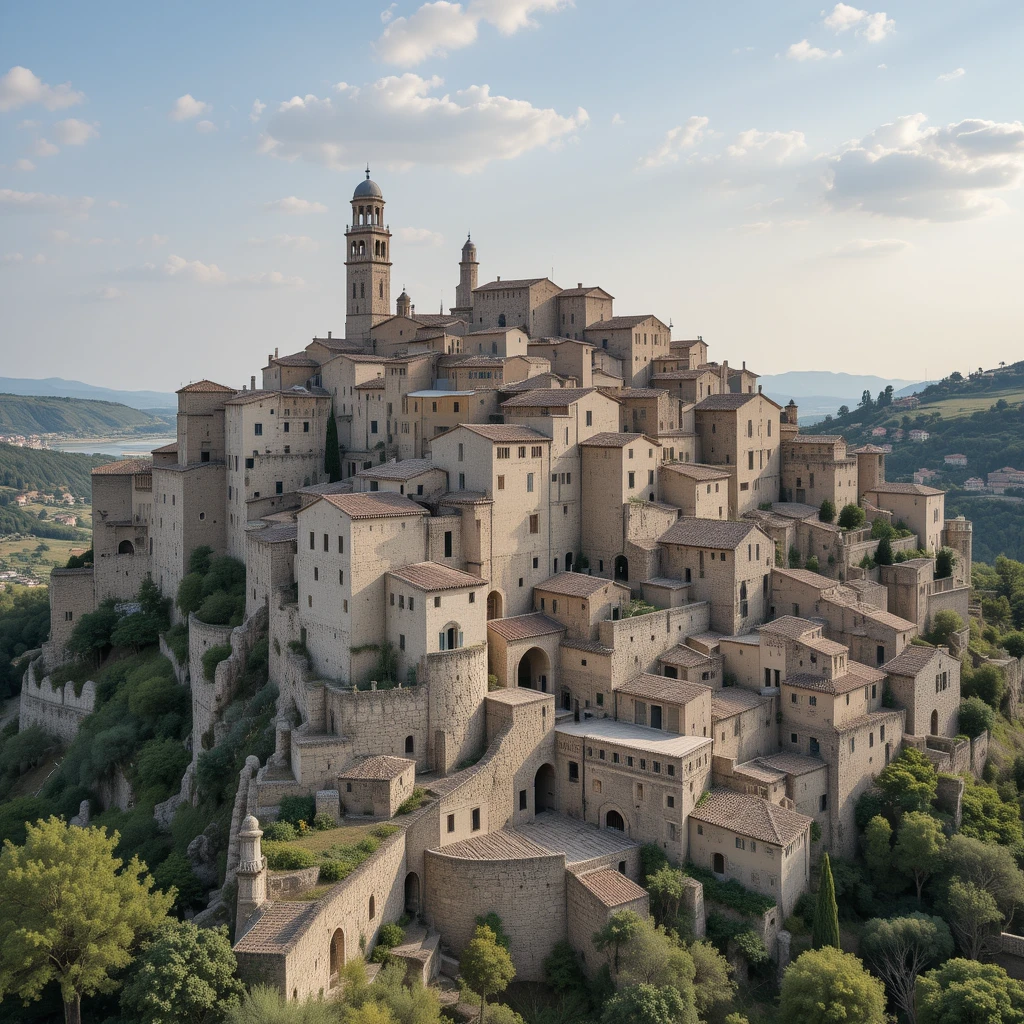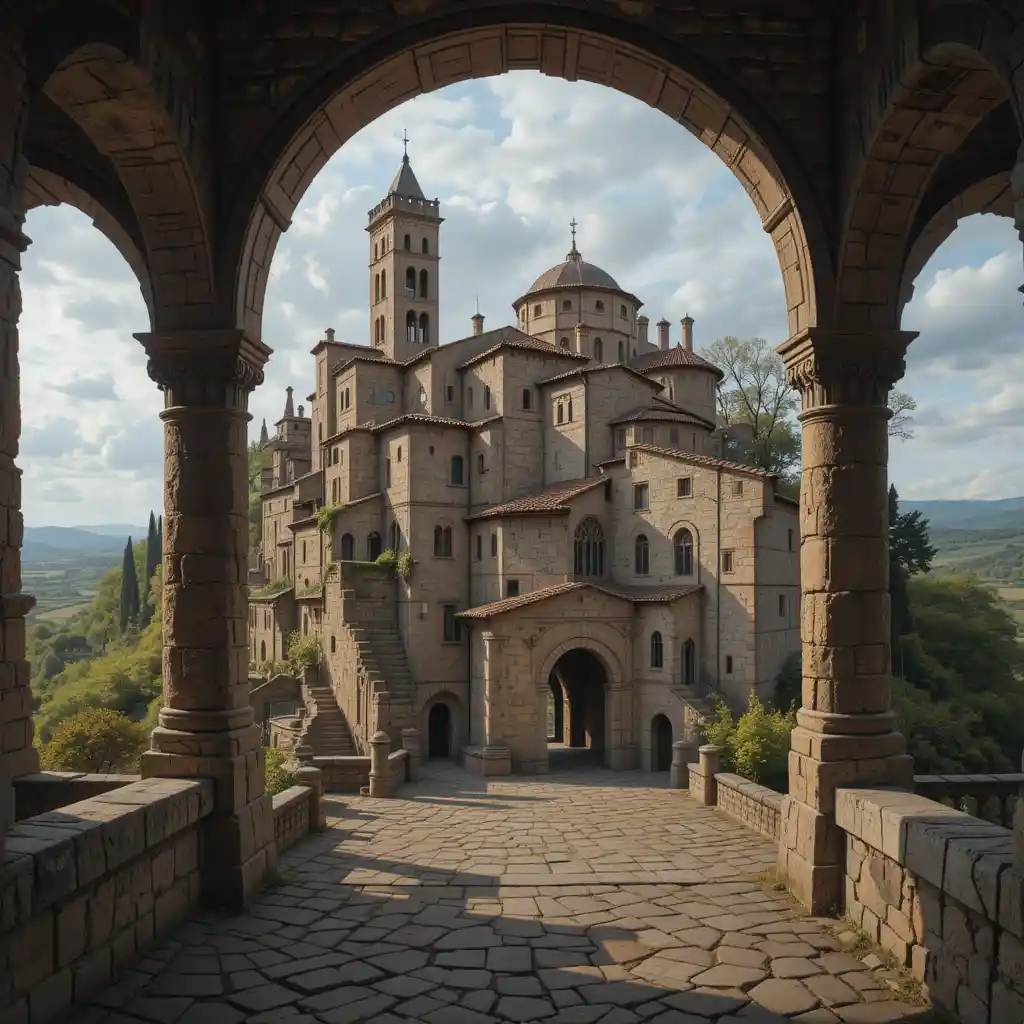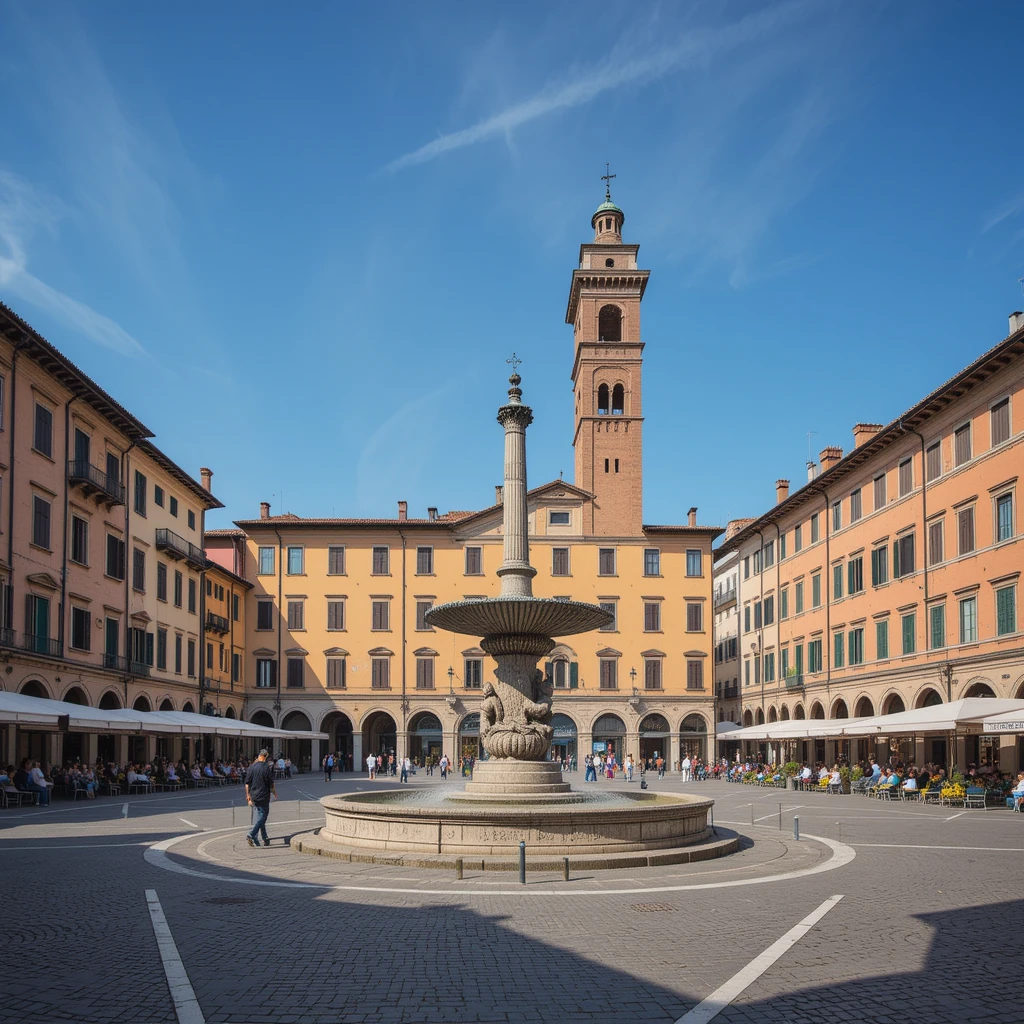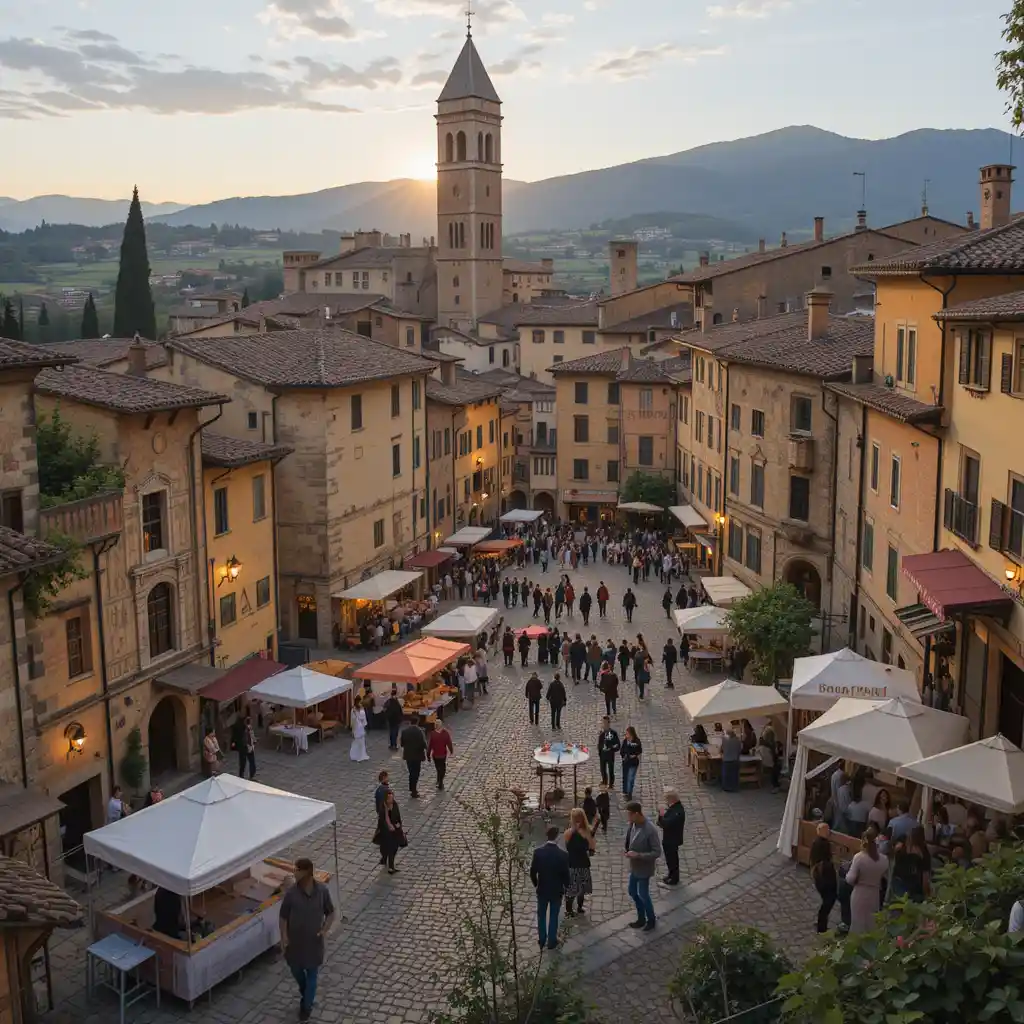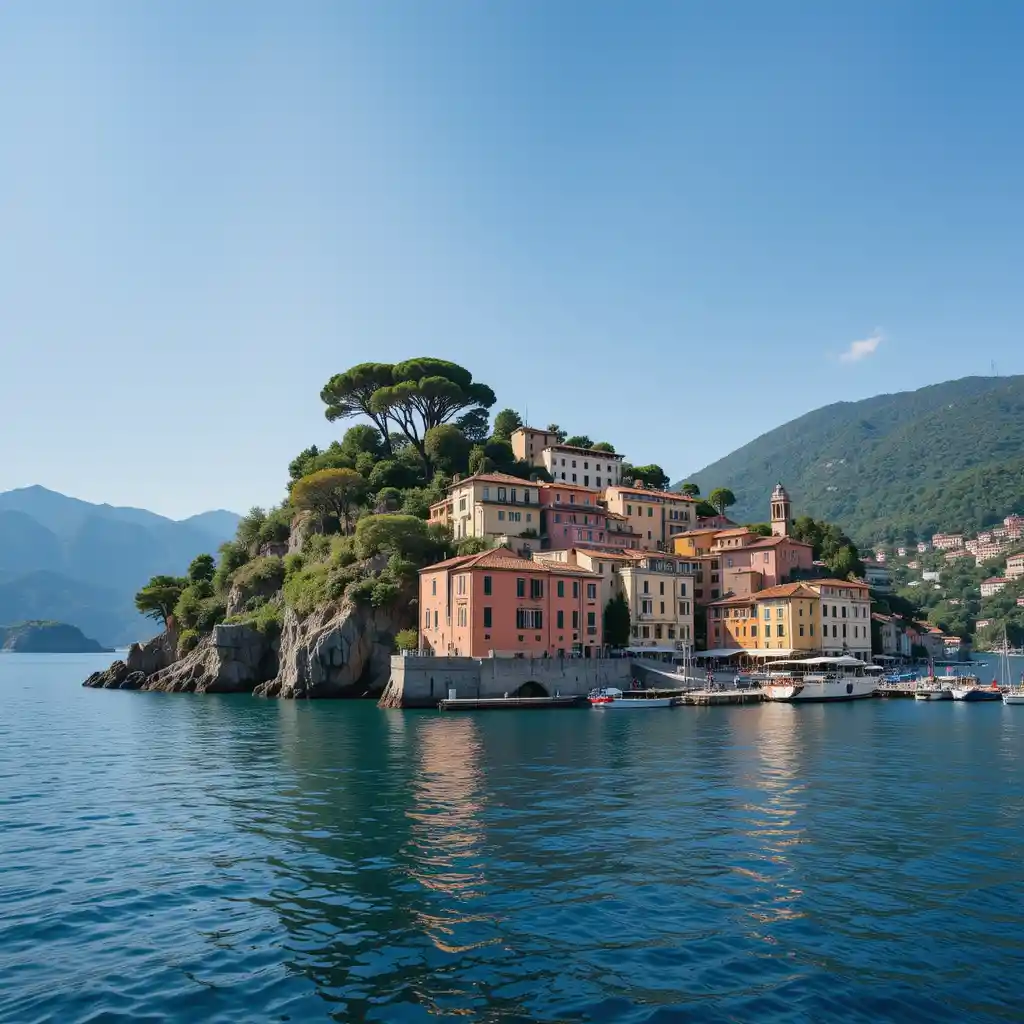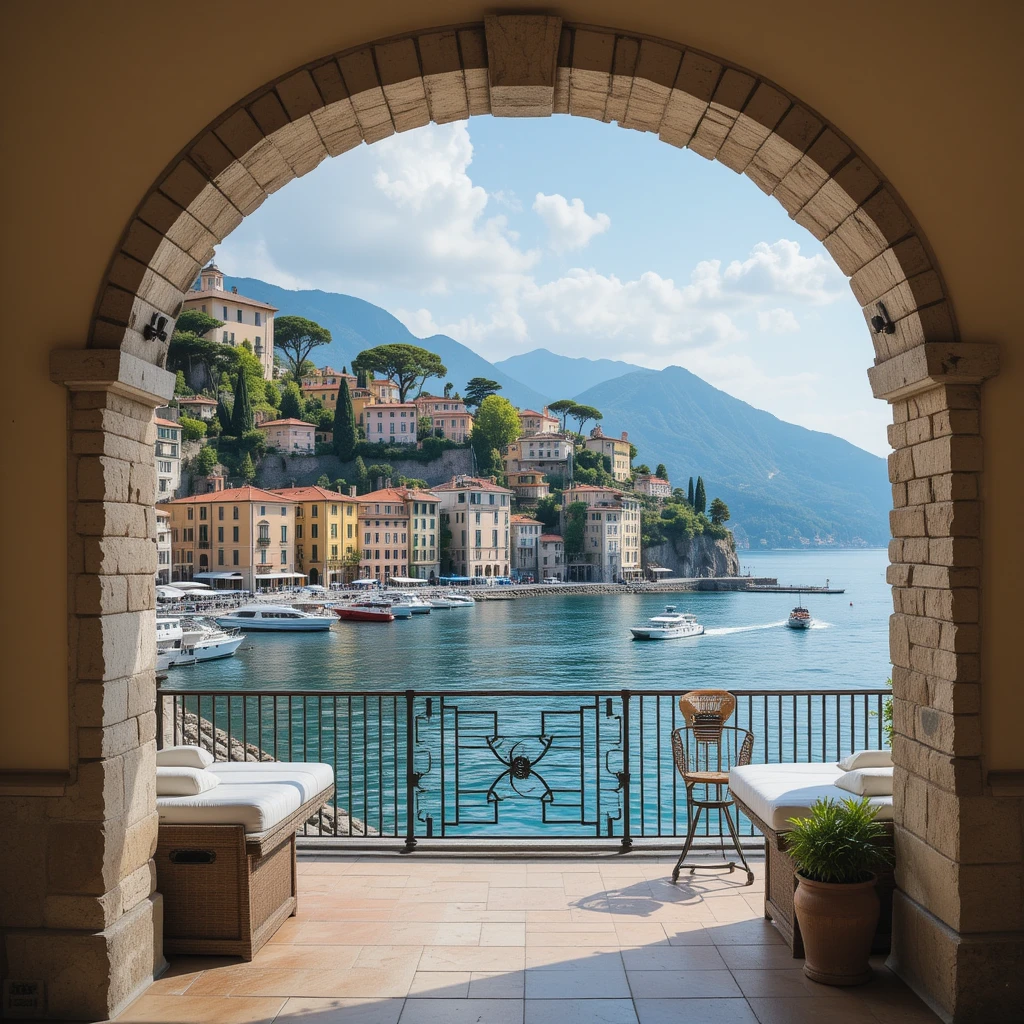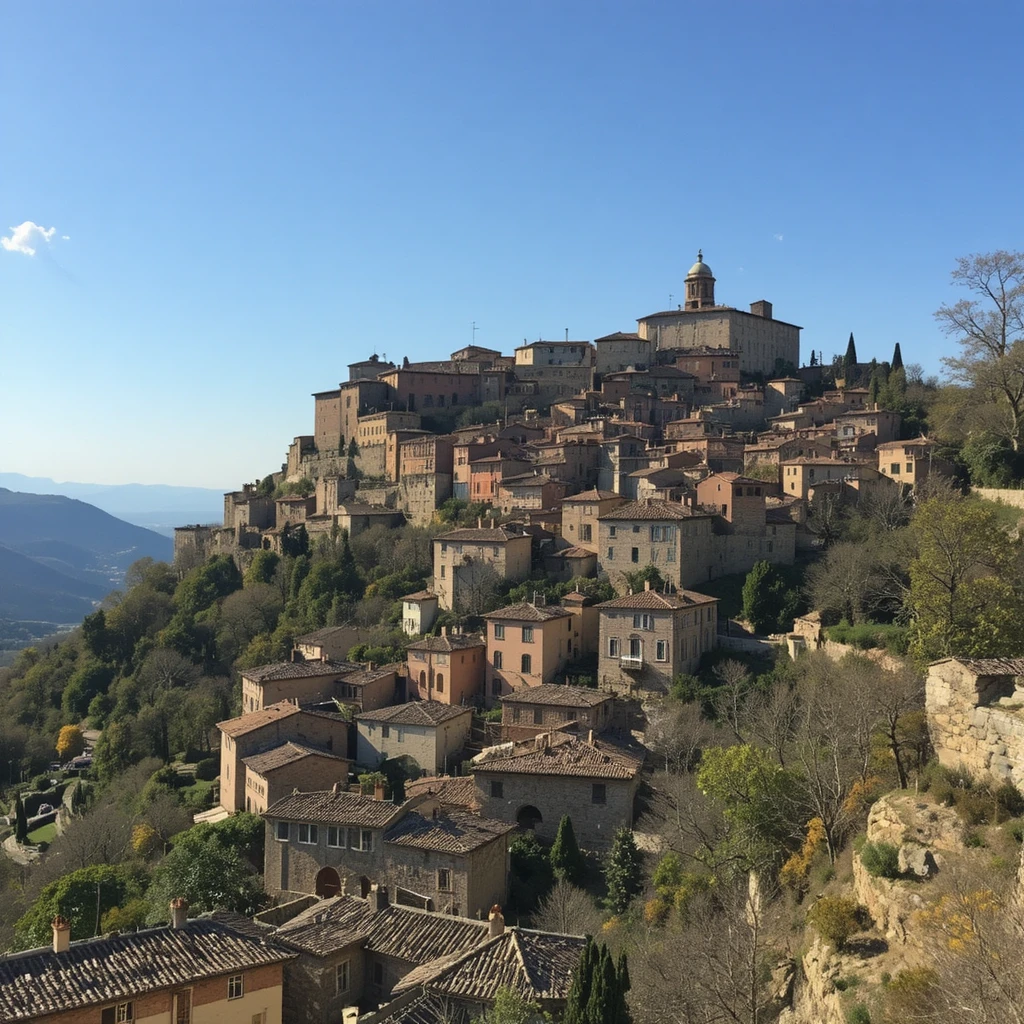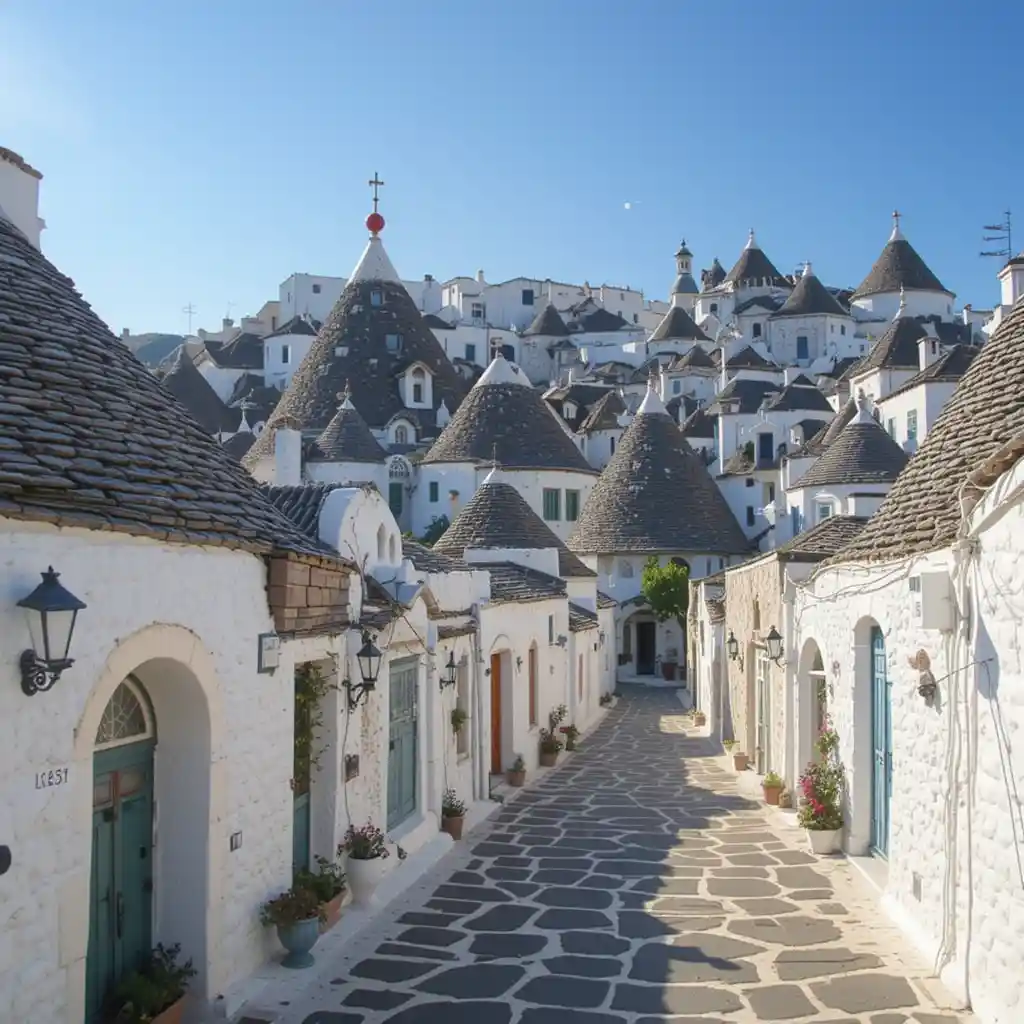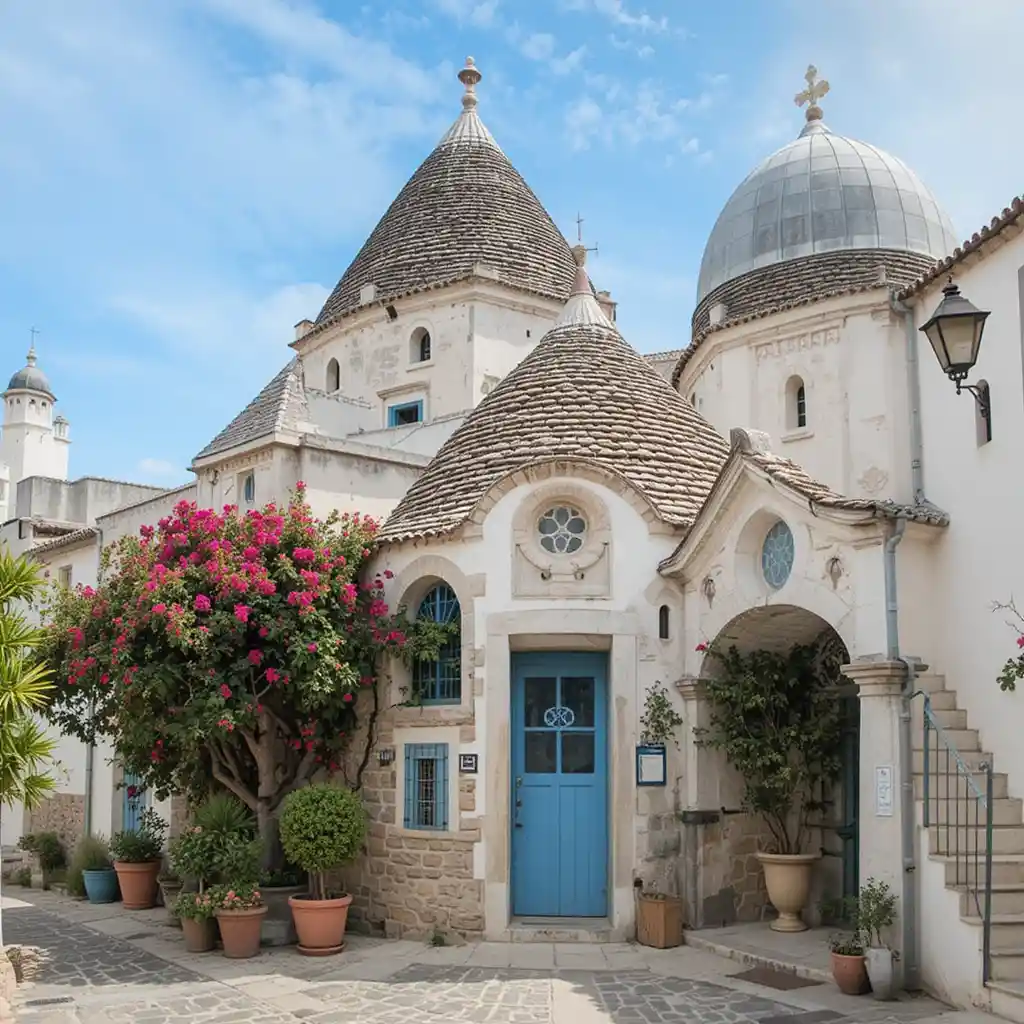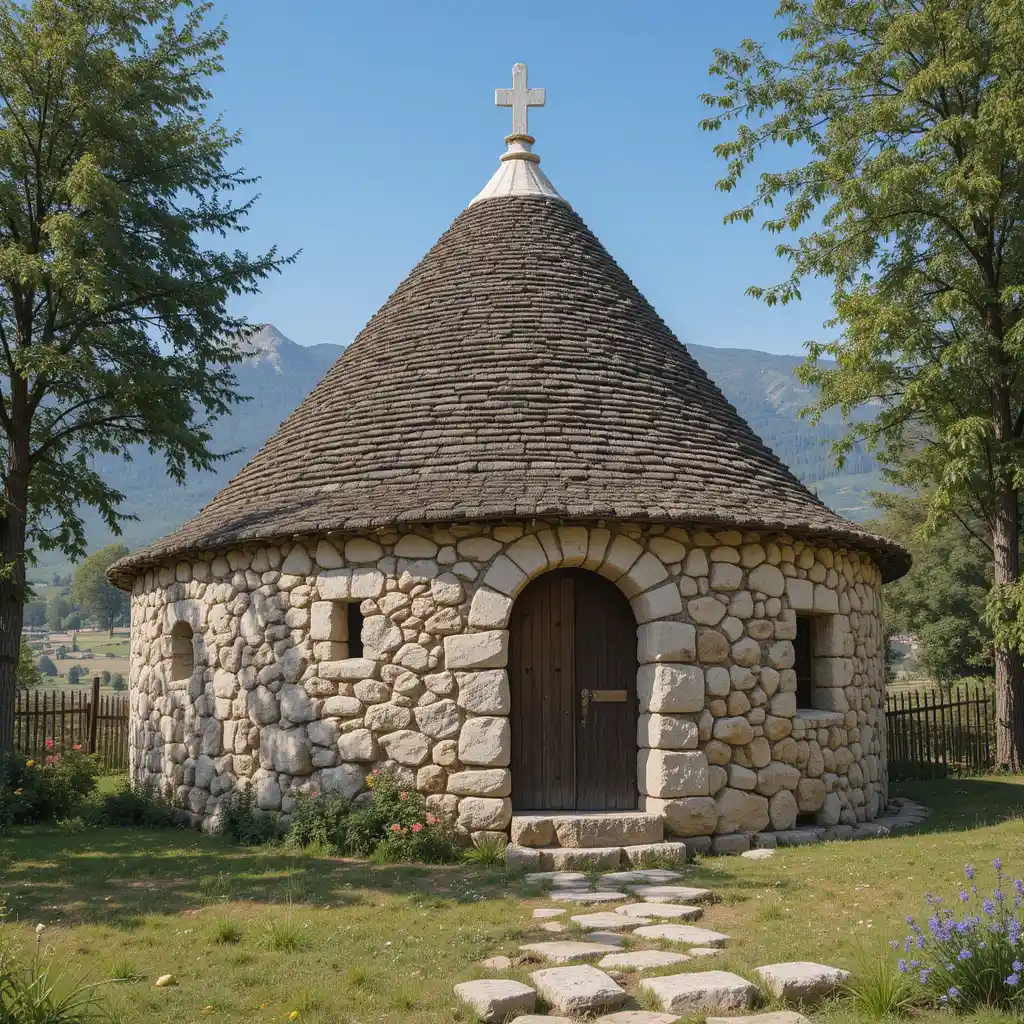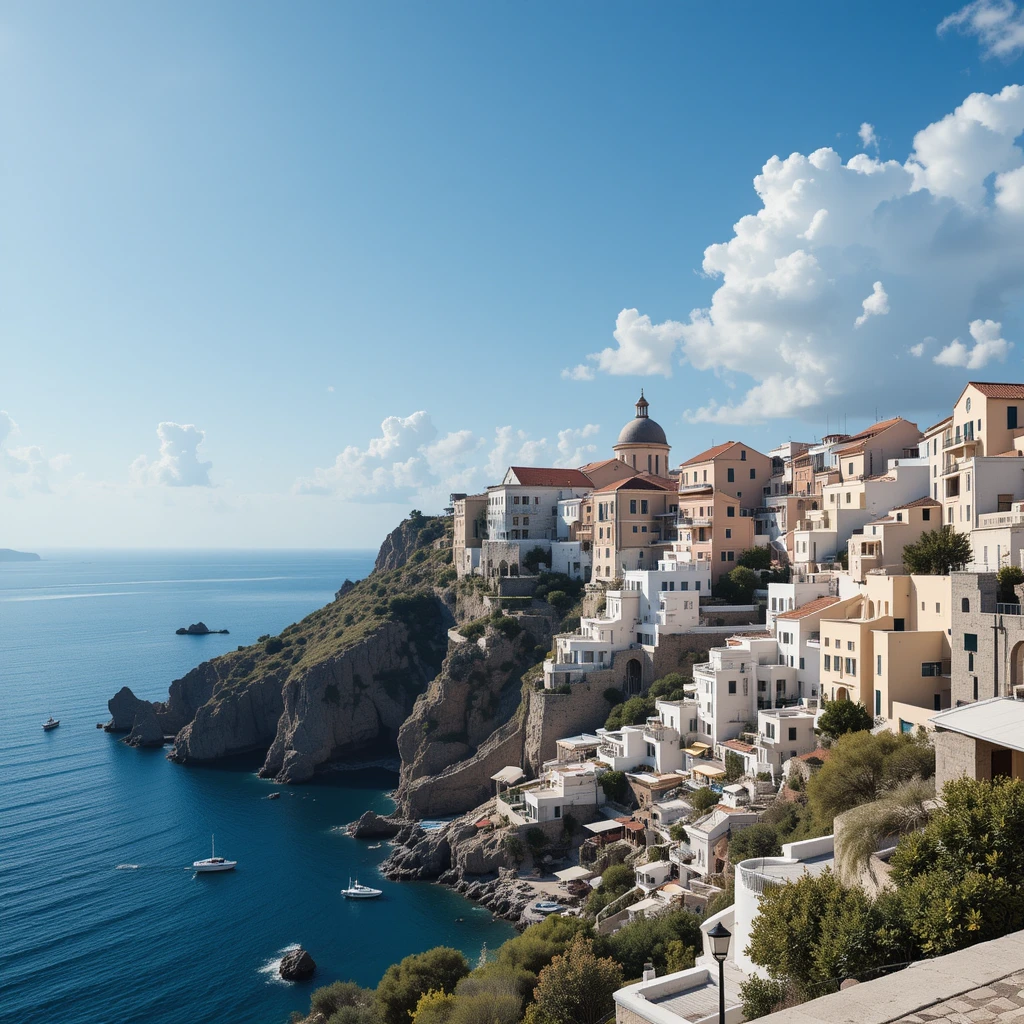
Polignano a Mare 5 Reasons You Should Visit This Gem

Discover the Breathtaking Beauty of Polignano a Mare

Nestled along the Adriatic coastline, Polignano a Mare is a hidden gem in Italy. This picturesque town, with its dramatic cliffs and stunning blue waters, offers you an unforgettable experience. Whether you’re a lover of history, culture, or simply breathtaking views, this charming town has something for everyone.

A Brief History of Polignano a Mare
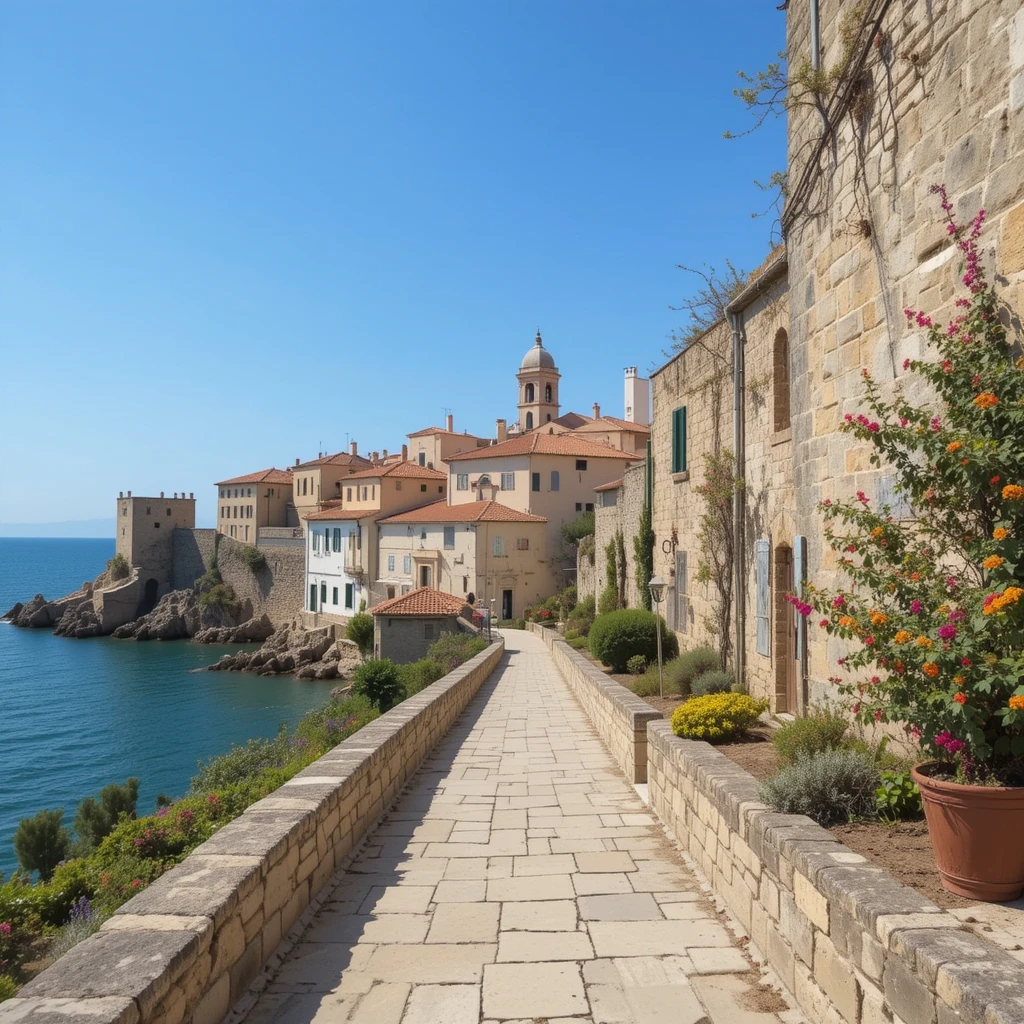
A Brief History of Polignano a Mare

Ancient Origins and Cultural Influence

  • Polignano a Mare dates back to the 4th century BC, originally settled by the Greeks.
  • The town played a crucial role during Roman times, evident from the remains of the Via Traiana.
  • Its rich history is reflected in the architecture and local traditions.

Exploring the Enchanting Old Town

Wander Through the Whitewashed Streets

  • Piazza Vittorio Emanuele II – The heart of the town, surrounded by quaint cafes and shops.
  • Arco Marchesale – A historical entrance dating back to the Middle Ages.
  • Church of Santa Maria Assunta – A stunning example of Romanesque architecture.

Lama Monachile – The Iconic Beach

Lama Monachile – The Iconic Beach

A Beach Like No Other

  • Nestled between towering cliffs, Lama Monachile is the most famous beach in Polignano a Mare.
  • The crystal-clear waters make it a perfect spot for swimming and cliff diving.
  • You can enjoy stunning views from the Ponte Borbonico bridge.

Culinary Delights: What to Eat in Polignano a Mare
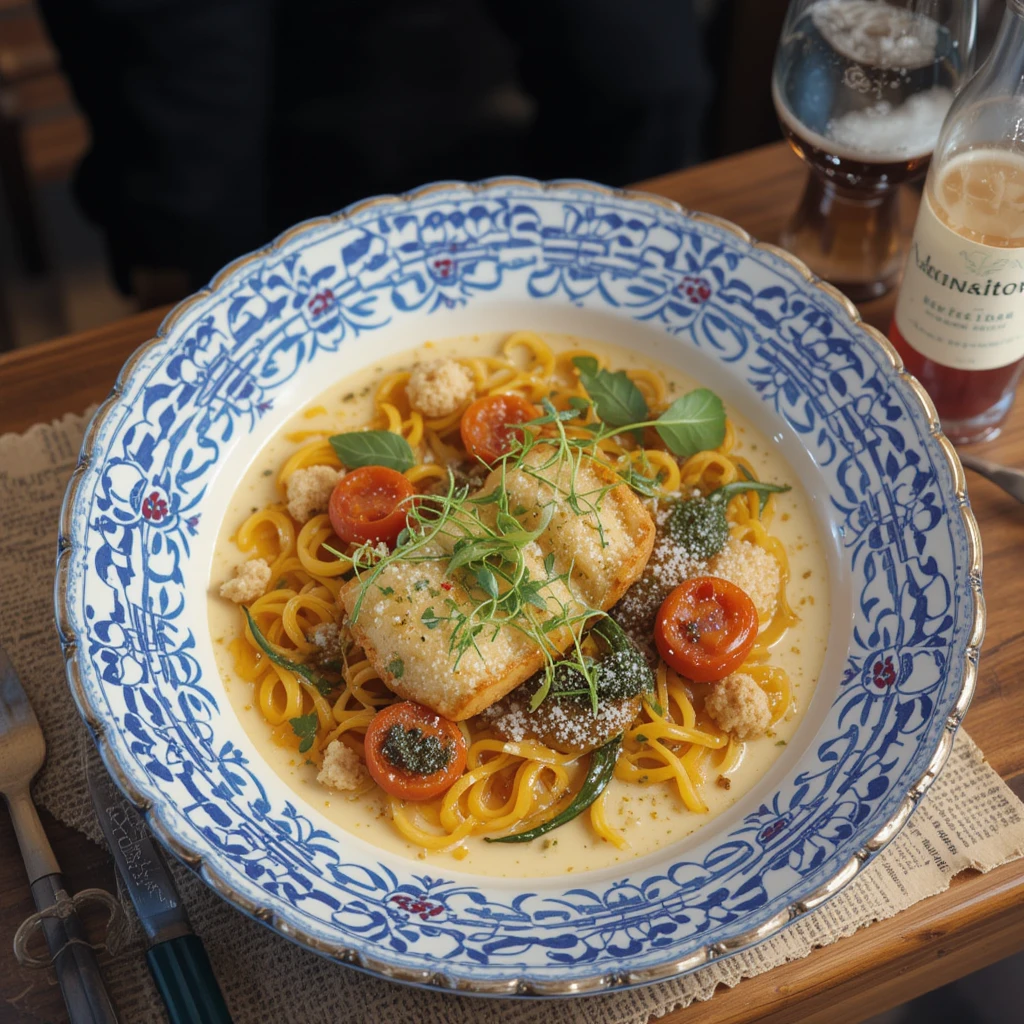
Culinary Delights: What to Eat in Polignano a Mare

Taste the Flavors of Puglia

  • Focaccia Barese – A delicious flatbread topped with tomatoes and olives.
  • Orecchiette Pasta – A local specialty served with turnip greens.
  • Pesce Crudo – Fresh raw seafood, a must-try for seafood lovers.
  • Caffè Speciale – A unique blend of espresso, lemon zest, sugar, and liqueur.

Traditional Recipe: Focaccia Barese

IngredientQuantity
All-purpose flour500g
Water250ml
Fresh yeast10g
Olive oil50ml
Cherry tomatoes200g
Olives100g
Salt10g
Sugar5g

Instructions:

  1. Mix flour, water, yeast, salt, and sugar to form a dough.
  2. Let it rise for 2 hours.
  3. Spread dough on a tray, drizzle with olive oil, and top with tomatoes and olives.
  4. Bake at 220°C (428°F) for 25 minutes.
  5. Serve warm and enjoy!

Activities and Adventures in Polignano a Mare

Unforgettable Experiences Await

  • Boat Tours – Explore sea caves and hidden beaches.
  • Cliff Diving – Thrill-seekers can dive from the town’s famous cliffs.
  • Cycling Routes – Enjoy scenic coastal rides.
  • Photography Spots – Capture stunning views from the Terrazza Santo Stefano.

Where to Stay in Polignano a Mare
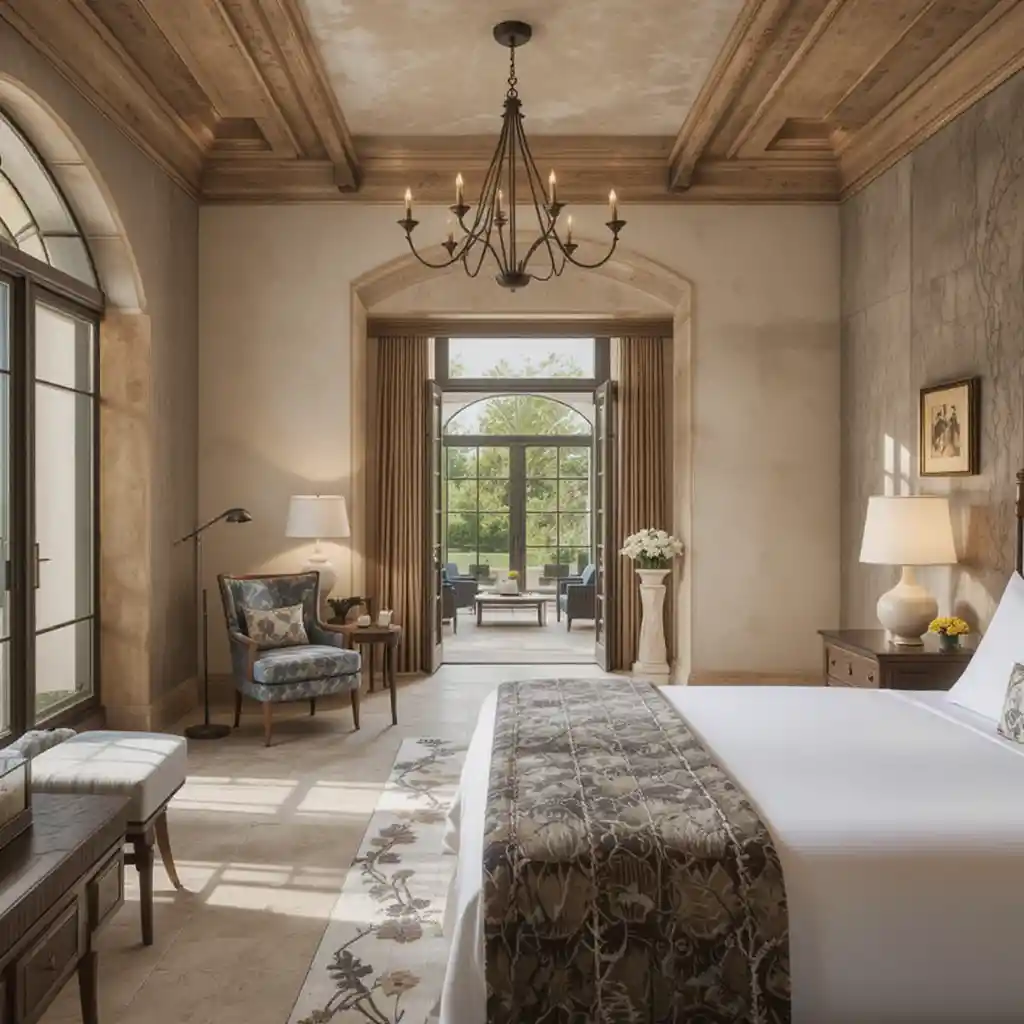
Luxury: Borgobianco Resort & Spa – A 5-star escape with spa amenities.

Top Accommodation Choices

  • Luxury: Borgobianco Resort & Spa – A 5-star escape with spa amenities.
  • Mid-Range: Hotel San Tommaso – A charming boutique hotel.
  • Budget: B&B Santo Stefano – Affordable yet cozy.

Frequently Asked Questions (FAQs)

Why is Polignano a Mare famous?

Polignano a Mare is renowned for its stunning cliffs, crystal-clear waters, and charming historic center. It is also the birthplace of Domenico Modugno, the singer of “Volare.”

When is the best time to visit Polignano a Mare?

The ideal time to visit is May to September when the weather is warm, and the sea is perfect for swimming.

How do I get to Polignano a Mare?

  • By Air: The nearest airport is Bari Karol Wojtyła Airport, about 50 km away.
  • By Train: Regular trains connect Polignano a Mare to Bari and other cities.
  • By Car: A scenic drive along the SS16 highway provides breathtaking views.

Conclusion: A Must-Visit Destination

Polignano a Mare is a true Italian treasure, offering breathtaking landscapes, rich history, and delicious cuisine. Whether you’re looking for relaxation or adventure, this coastal paradise will leave you mesmerized. Start planning your trip today and experience the magic of Polignano a Mare – Perched Over the Sea! Don’t forget to share your experiences and spread the word about this stunning destination.
Assisi 7 Beautiful Churches You Should Visit

When you step into Assisi, you are not just visiting another historic town in Italy you are entering a realm of tranquility, reflection, and profound spiritual depth. Located in the heart of Umbria, this charming medieval town offers more than just scenic beauty; it is a place where history, faith, and nature harmoniously converge. Whether you seek solitude, a deeper connection with your faith, or simply a peaceful getaway, Assisi stands as the ultimate sanctuary for spiritual renewal.

Why Assisi is the Ultimate Spiritual Retreat

Why Assisi is the Ultimate Spiritual Retreat

1. The Legacy of St. Francis of Assisi

  • Assisi is synonymous with St. Francis, one of the most revered saints in Christianity.
  • His teachings of humility, simplicity, and compassion continue to inspire millions worldwide.
  • Walking in his footsteps offers a unique opportunity to reflect on his life and mission.

2. The Basilica of St. Francis

  • A UNESCO World Heritage Site and one of the most significant religious landmarks in the world.
  • Adorned with breathtaking frescoes by Giotto, depicting the life of St. Francis.
  • The crypt of St. Francis serves as a powerful space for prayer and meditation.

3. Other Sacred Sites to Explore

Basilica of Santa Chiara

  • Home to the remains of St. Clare, the devoted follower of St. Francis.
  • Features the miraculous crucifix that spoke to St. Francis, urging him to rebuild the Church.

Eremo delle Carceri (Hermitage of the Carceri)

  • A secluded retreat nestled in the Monte Subasio forests.
  • Provides an intimate setting for silent reflection and meditation.

San Damiano Church

  • Where St. Francis received his divine calling.
  • A peaceful site offering stunning views of the surrounding countryside.

A Culinary Experience in Assisi

A Culinary Experience in Assisi

A spiritual retreat isn’t complete without nourishing your body with wholesome, traditional cuisine. Assisi boasts a rich culinary heritage that complements the soul-enriching experience of the town.

Traditional Umbrian Recipe: Torta al Testo

Ingredients

IngredientQuantity
Flour500g
Water250ml
Yeast10g
Salt1 tsp
Olive Oil2 tbsp

Instructions

  1. Mix flour, yeast, and salt in a bowl.
  2. Gradually add water and knead until a dough forms.
  3. Roll out the dough into a round shape.
  4. Cook on a hot stone or pan until golden brown.
  5. Serve with cured meats and cheese.

Activities for Spiritual Renewal in Assisi

Activities for Spiritual Renewal in Assisi

1. Walking the Path of St. Francis

  • Follow ancient pilgrimage trails leading to significant religious sites.
  • Enjoy panoramic views of the rolling Umbrian hills and olive groves.

2. Silent Meditation Retreats

  • Engage in guided spiritual retreats at monasteries.
  • Experience the profound silence and stillness that fosters inner peace.

3. Attending Mass at the Basilica

  • Participate in centuries-old rituals.
  • Feel the divine energy emanating from one of the world’s most sacred places.

FAQs About Assisi – The Spiritual Retreat

1. What is the best time to visit Assisi?

Spring (April-June) and autumn (September-October) offer pleasant weather and fewer crowds, making them ideal times for a peaceful retreat.

2. How do I get to Assisi?

Assisi is well-connected by train from Rome or Florence. The nearest airport is Perugia San Francesco d’Assisi Airport.

3. Are there any spiritual retreats available for visitors?

Yes, many monasteries and spiritual centers offer guided retreats, silent meditation programs, and spiritual workshops.

4. Can I visit the Basilica of St. Francis for free?

Yes, entry is free, though donations are appreciated to support its maintenance.

5. What local foods should I try in Assisi?

Don’t miss out on Torta al Testo, Truffle Pasta, and Porchetta for an authentic Umbrian culinary experience.

Conclusion

Assisi offers more than a journey it provides a transformative experience that speaks to the soul. Whether you are drawn by its spiritual significance, historical wonders, or natural beauty, this town has the power to inspire, heal, and rejuvenate. If you’re looking for a sanctuary away from the chaos of daily life, Assisi is the place for you. Plan your visit and immerse yourself in the divine serenity that makes Assisi a truly sacred retreat.

Call to Action

Ready to embark on your spiritual journey? Book your visit to Assisi today and experience the serenity and wisdom this ancient town has to offer!

Vernazza 10 Travel Mistakes to Avoid in This Italian Paradise

Nestled along the rugged Italian Riviera, Vernazza is one of the five enchanting villages of Cinque Terre. With its colorful buildings, picturesque harbor, and rich history, this coastal paradise is a dream destination for travelers. Whether you’re a history buff, a foodie, or a nature enthusiast, Vernazza has something special to offer.

Why Visit Vernazza?

  • Breathtaking Scenery – You’ll be captivated by the panoramic views of the Ligurian Sea.
  • Rich Cultural Heritage – Stroll through medieval streets lined with ancient architecture.
  • Mouthwatering Cuisine – Indulge in fresh seafood and authentic Italian flavors.
  • Outdoor Adventures – Experience scenic hikes and thrilling water activities.

Top Attractions in Vernazza

Top Attractions in Vernazza

1. Vernazza Harbor – A Picture-Perfect View

One of the most photographed spots in Italy, the harbor is the heart of Vernazza. Enjoy a leisurely stroll, sip an espresso at a waterfront café, or take a boat tour to soak in the beauty.

2. Doria Castle – A Glimpse into the Past

This ancient fortress offers breathtaking views of the coastline. Built in the 15th century, it served as a defense against pirate attacks.

3. Church of Santa Margherita d’Antiochia

A stunning Romanesque-style church that dates back to the 13th century. Located right by the sea, it adds to the charm of Vernazza.

4. The Vernazza-Monterosso Hiking Trail

For adventure lovers, this hike offers some of the most spectacular views of Cinque Terre. The trail is moderately challenging but well worth the effort.

Where to Eat in Vernazza

Best Local Dishes to Try

Trofie al Pesto
Handmade pasta with fresh basil pesto
DishDescription
Trofie al PestoHandmade pasta with fresh basil pesto
Frittura di ParanzaA mix of fried seafood served with lemon
Acciughe al LimoneMarinated anchovies with olive oil and lemon
TiramisuClassic Italian dessert with coffee and mascarpone

Top Restaurants You Should Try

  • Trattoria Gianni Franzi – Best for seafood lovers.
  • Ristorante Belforte – Stunning cliffside dining.
  • Il Pirata delle Cinque Terre – Famous for delicious pastries and coffee.

Best Time to Visit Vernazza

The ideal time to explore Vernazza is between April and October, when the weather is warm and sunny. July and August can be crowded, so visiting in the shoulder seasons (April-June, September-October) is perfect for a relaxed experience.

Things to Do Beyond Sightseeing

Vernaccia di Corniglia
  • Try Local Wine – Vernaccia di Corniglia is a must-try.
  • Take a Boat Tour – Experience Cinque Terre from the water.
  • Photography Walk – Capture Instagram-worthy moments.
  • Explore Local Markets – Buy fresh produce and handmade souvenirs.

FAQs About Vernazza – A Cinque Terre Gem

1. How do you get to Vernazza?

Vernazza is accessible by train from major Italian cities like Florence and Milan. The Cinque Terre Express runs frequently between the villages.

2. Can you drive to Vernazza?

Driving is not recommended as cars are not allowed in the village. The best way to explore is by train, boat, or on foot.

3. What are the best activities in Vernazza?

Hiking, swimming, exploring historical sites, and indulging in local cuisine are top activities.

4. Is Vernazza expensive?

Compared to other Italian destinations, Vernazza can be pricey, especially in peak season. However, budget options like guesthouses and street food are available.

Final Thoughts: Experience the Magic of Vernazza

Vernazza is a hidden treasure waiting to be explored. Whether you’re wandering through its charming streets, savoring fresh seafood, or marveling at the breathtaking scenery, every moment in this Cinque Terre gem is unforgettable.

Plan Your Trip Today!

Now that you know all about Vernazza, why not start planning your trip? Book your stay, pack your bags, and get ready to experience one of Italy’s most enchanting destinations firsthand. Adventure and unforgettable memories await!

Montepulciano 8 Best Things to Do in the Heart of Tuscany

Discover the Charm of Montepulciano: A Wine Lover’s Dream

You’ve probably heard of Tuscany, but have you ever truly explored its hidden wine gem Montepulciano? This enchanting town, nestled in the rolling hills, is a haven for wine lovers. It’s a place where rich history meets world-class wines, making it an irresistible destination for those looking to indulge in fine flavors and breathtaking landscapes.

The History of Montepulciano Wine

A Legacy of Winemaking

  • Montepulciano has a centuries-old tradition of producing exceptional wines.
  • The region is best known for Vino Nobile di Montepulciano, one of Italy’s most prestigious DOCG wines.
  • The winemaking techniques have been refined over generations, ensuring every bottle offers authenticity and character.

What Makes Montepulciano Wine Unique?

  • Produced primarily from Prugnolo Gentile, a Sangiovese grape variety.
  • Aged in oak barrels for a minimum of two years to enhance its complexity.
  • Boasts a perfect harmony of fruitiness, tannins, and acidity, making it ideal for aging.

Top Wineries to Visit in Montepulciano

1. Cantina Contucci

  • One of the oldest wineries in the area, dating back to the Renaissance.
  • Offers guided tours and tastings of traditional, handcrafted wines.

2. Avignonesi Winery

  • Pioneering sustainable and organic winemaking techniques.
  • Famous for its Vin Santo, an exquisite dessert wine with rich flavors.

3. Poliziano Winery

  • Known for blending innovation with tradition to create premium wines.
  • Produces award-winning Vino Nobile di Montepulciano.

Montepulciano’s Wine and Food Pairings

Montepulciano’s Wine and Food Pairings

Perfect Dishes to Enjoy with Vino Nobile di Montepulciano

DishDescription
Bistecca alla FiorentinaA thick-cut Tuscan steak grilled to perfection.
Pici Pasta with RaguHandmade thick pasta served with a slow-cooked meat sauce.
Aged Pecorino CheeseA sharp, nutty cheese that complements the wine’s bold flavors.

Exploring Montepulciano Beyond Wine

1. Piazza Grande

  • The cultural and historical heart of Montepulciano.
  • Home to annual wine festivals and artistic events that captivate visitors.

2. San Biagio Church

  • A Renaissance architectural marvel surrounded by picturesque landscapes.
  • Offers breathtaking views of Tuscany’s rolling hills.

3. Thermal Spas

  • Nearby Chianciano Terme boasts rejuvenating hot springs.
  • The perfect way to relax after a day of wine tasting and sightseeing.

FAQ About Montepulciano – Tuscany’s Wine Paradise

What is Montepulciano famous for?

Montepulciano is renowned for its Vino Nobile di Montepulciano, a premium red wine with a rich history and complex flavors.

Is Montepulciano worth visiting?

Absolutely! Whether you love wine, history, or breathtaking views, Montepulciano offers an unforgettable Tuscan experience.

What is the best time to visit Montepulciano?

Spring and fall provide the best weather and fewer crowds, making them ideal for wine tours and exploration.

How long should I stay in Montepulciano?

A two- to three-day visit allows you to fully immerse yourself in its wines, cuisine, and culture.

Final Thoughts

You now have all the insider knowledge to make the most of your Montepulciano adventure. Whether you’re sipping on a glass of Vino Nobile, indulging in Tuscan delicacies, or soaking in the breathtaking views, this hidden paradise promises an unforgettable experience.


Positano 7 Best Beaches You Need to See This Summer

Positano, a jewel of Italy’s Amalfi Coast, is a destination that offers an enchanting blend of breathtaking scenery, cultural richness, and culinary delights. With its pastel-colored homes perched precariously on steep cliffs overlooking the Tyrrhenian Sea, this picturesque village has captivated visitors for centuries. Whether you’re seeking a romantic getaway, an adventurous escape, or a cultural immersion, Positano delivers on all fronts. This article will guide you through everything you need to know about exploring “The Cliffside Wonder.”


Why You Should Visit Positano

Why You Should Visit Positano

The Alluring Beauty of Positano

When you think of Positano, your mind likely conjures up images of vibrant houses stacked like terraces, cascading down towards azure waters. It’s a sight so mesmerizing it feels surreal.

  • Scenic Views: From nearly every vantage point, you’ll be treated to sweeping panoramas of the Amalfi coastline.
  • Crystal-Clear Waters: Positano’s beaches, such as Spiaggia Grande and Fornillo, offer pristine sands and inviting waters.
  • Romantic Sunsets: Evening in Positano feels magical as the sun dips below the horizon, painting the sky in hues of orange and pink.

Rich Cultural Heritage

Positano isn’t just about stunning visuals; it’s steeped in history and tradition.

  • Historical Landmarks: Discover the Church of Santa Maria Assunta, known for its vibrant tiled dome and Byzantine icon of the Virgin Mary.
  • Local Crafts: Explore shops selling handmade sandals, ceramics, and fine linen—treasures unique to this coastal gem.
  • Festivals and Traditions: Time your visit to coincide with Ferragosto in August, a celebration filled with music, food, and fireworks.

Savoring Positano’s Culinary Treasures

Savoring Positano’s Culinary Treasures

Must-Try Dishes

Positano’s culinary scene is a feast for the senses. The cuisine reflects its coastal location and Mediterranean roots.

  • Spaghetti alle Vongole: Savor the taste of fresh clams tossed in garlic, olive oil, and white wine.
  • Delizia al Limone: This signature lemon dessert perfectly embodies the flavors of the Amalfi Coast.

Recipe for Limoncello

If you’re inspired to bring a taste of Positano home, try making your own limoncello. Here’s a simple recipe:

IngredientQuantity
Unwaxed lemons10
High-proof vodka1 liter
Sugar2 cups
Water2 cups

Instructions:

  1. Peel lemons, avoiding the white pith.
  2. Infuse the peels in vodka for 7-10 days in a sealed jar.
  3. Strain the vodka and discard the peels.
  4. Combine sugar and water to make a syrup.
  5. Mix the syrup with the infused vodka and refrigerate.

Exploring Positano’s Hidden Gems

Exploring Positano’s Hidden Gems

Secluded Beaches

While Spiaggia Grande is the most famous beach, Positano’s lesser-known beaches offer serenity away from the crowds.

  • Laurito Beach: Accessible by boat or a hidden footpath, this small beach is perfect for relaxation.
  • Arienzo Beach: Known as the “300 Steps Beach” due to the staircase leading down to its golden sands.

Hiking Adventures

For outdoor enthusiasts, Positano’s hiking trails provide unparalleled views.

  • Path of the Gods: This trail lives up to its name, offering panoramic vistas of the Amalfi Coast that will leave you in awe.
  • Montepertuso Trail: Explore lush landscapes and unique rock formations on this less-traveled route.

Where to Stay in Positano

Luxury Accommodations

If you’re seeking indulgence, Positano’s luxury hotels promise an unforgettable stay.

  • Le Sirenuse: A five-star retreat offering world-class amenities, including an infinity pool overlooking the sea.
  • Villa Treville: An exclusive hideaway known for its impeccable service and stunning vistas.

Budget-Friendly Options

Traveling on a budget? Positano offers charming accommodations that won’t break the bank.

  • B&B Casa Nilde: A cozy bed and breakfast offering breathtaking views at an affordable price.
  • Hotel Vittoria: A family-run establishment with warm hospitality and convenient access to local attractions.

Practical Tips for Visiting Positano

  1. Best Time to Visit: The ideal months are April to October when the weather is warm, and the sea is inviting.
  2. Transportation: Fly into Naples, then take a train, bus, or ferry to reach Positano. Cars aren’t recommended due to narrow roads and limited parking.
  3. Packing Essentials: Comfortable shoes are a must for navigating Positano’s steep stairs and cobblestone streets.

FAQs About Positano

Q: What makes Positano unique?
A: Its dramatic cliffside setting, vibrant architecture, and Mediterranean charm set it apart from other destinations.

Q: How many days should I spend in Positano?
A: Three to four days is ideal to explore the main attractions, relax on the beaches, and savor the local cuisine.

Q: Can I visit Positano on a day trip?
A: Yes, but staying overnight allows you to experience its magic without the crowds.


Conclusion

Positano isn’t just a destination; it’s an experience that stays with you long after you leave. From its stunning landscapes and rich culture to its delectable cuisine, every aspect of this cliffside wonder invites you to slow down and savor life’s simple pleasures. So pack your bags, and let Positano’s magic sweep you off your feet. Your unforgettable Italian adventure awaits!

Matera The City of Stones: How to Explore in 3 Perfect Days

Matera The City of Stones: How to Explore in 3 Perfect Days

Have you ever dreamed of visiting a place that feels untouched by time? Matera, often called “The City of Stones,” is an awe-inspiring destination where history and culture meet in the most unexpected ways. Known for its ancient cave dwellings, or Sassi, Matera offers a unique glimpse into humanity’s ability to adapt and thrive. In this guide, you’ll discover why Matera deserves a top spot on your travel bucket list, how to make the most of your visit, and the secrets that make this city unforgettable.


The History of Matera

The History of Matera

Ancient Beginnings

Matera’s story begins thousands of years ago, with evidence of human habitation dating back to the Paleolithic era. This makes it one of the oldest continuously inhabited settlements in the world. Picture this: prehistoric people carving homes and churches into soft limestone cliffs, creating a community that would endure for centuries.

Matera Through the Ages

Over time, Matera transformed from a simple settlement to a medieval hub, enduring challenges while preserving its unique character. By the mid-20th century, however, Matera faced neglect, its Sassi labeled a “national shame” due to poor living conditions. A revival began in the 1980s, leading to its UNESCO World Heritage designation in 1993. Today, Matera stands as a symbol of resilience, innovation, and cultural pride.


The Sassi of Matera

The Sassi of Matera

What Are the Sassi?

The Sassi are Matera’s crowning glory ancient cave dwellings carved directly into the rocky landscape. Walking through the Sassi di Matera, you’ll find a labyrinth of stone pathways, homes, and churches. Each twist and turn reveals centuries of history, from primitive dwellings to intricate frescoes inside rock-cut chapels.

A UNESCO World Heritage Site

Matera’s recognition as a UNESCO World Heritage Site isn’t just about its age—it’s about the unique way humans and nature have coexisted here. Preservation efforts have turned the Sassi into a vibrant area filled with boutique hotels, restaurants, and artisan shops, offering a modern twist on ancient traditions.


Architecture and Urban Layout

The Unique Design of Matera

What sets Matera apart is its organic architecture. Buildings blend seamlessly into the rocky terrain, creating a cityscape that feels like it was born from the earth itself. The interplay of light and shadow on the stone surfaces gives Matera a mystical quality, especially at sunrise and sunset.

Churches and Monasteries

Matera’s religious architecture is equally fascinating. The city is home to dozens of rock-hewn churches, each with its own story. Don’t miss the Crypt of Original Sin, often called the “Sistine Chapel of Cave Art,” with its stunning frescoes that date back to the 9th century.


Culture and Traditions

Local Festivals

Matera comes alive during its festivals, the most famous being the Festa della Bruna. Held every July 2nd, this vibrant event includes parades, music, and the ceremonial destruction of a decorated papier-mâché float.

Art and Craftsmanship

From pottery to intricate wood carvings, Matera’s artisans keep traditional crafts alive. Visiting their workshops offers a glimpse into techniques passed down through generations.


Exploring Matera

Must-Visit Spots

  • Piazza San Pietro Caveoso: A picturesque square surrounded by historic architecture.
  • Casa Grotta di Vico Solitario: A preserved cave dwelling that shows how people lived in the Sassi.
  • Palombaro Lungo: A massive underground cistern showcasing Matera’s ingenious water management system.

Hidden Gems

Venture off the beaten path to discover quiet courtyards, lesser-known churches, and panoramic views from Belvedere di Murgia Timone.


Movies Filmed in Matera

If Matera feels cinematic, it’s because it is! The city has served as a backdrop for films like The Passion of the Christ and No Time to Die. Its timeless appearance makes it a favorite for directors seeking to capture a sense of ancient authenticity.

Matera as a Creative Hub

Beyond film, Matera has inspired countless artists, writers, and photographers. Its blend of history and natural beauty sparks creativity in anyone who visits.


Food and Cuisine of Matera

Traditional Dishes

Orecchiette Pasta

Matera’s cuisine is a celebration of simplicity and flavor. Try Pane di Matera, the city’s iconic bread, alongside local favorites like orecchiette pasta with turnip greens or lamb with wild herbs.

DishIngredientsDescription
Pane di MateraDurum wheat, water, yeastTraditional bread with a golden crust.
Orecchiette PastaPasta, turnip greens, garlicClassic dish showcasing fresh flavors.
Lamb with Wild HerbsLamb, rosemary, thyme, olive oilSlow-cooked meat with aromatic herbs.

Where to Eat in Matera

For an authentic experience, visit Ristorante Francesca or La Lopa, where you can savor local dishes in a cave-like setting.


Practical Travel Tips

When to Visit

Matera is best visited in spring or autumn when the weather is mild, and the crowds are manageable. Summer can be hot, but the long days provide ample time for exploration.

Getting Around the City

While Matera is largely pedestrian-friendly, wear comfortable shoes—it’s a city of stairs and uneven paths. Taxis and guided tours are available for those who prefer less walking.


Matera’s Role in Sustainability

Eco-Tourism in Matera

Matera has embraced eco-tourism, balancing its popularity with efforts to preserve its heritage. Many hotels and businesses practice sustainable tourism, ensuring the city remains pristine for future generations.

Community Efforts

Local initiatives focus on reducing waste, promoting cultural education, and supporting traditional craftsmanship, making Matera a model for sustainable development.


Comparison with Other Historic Cities

Matera vs. Petra

While both are ancient cities carved from rock, Matera is a living city, bustling with residents and businesses. Petra, in contrast, is an archaeological site frozen in time.

Matera vs. Venice

Matera’s stone labyrinth contrasts with Venice’s canals, yet both evoke a sense of timeless beauty. Where Venice floats on water, Matera is rooted in the earth, offering a grounded but equally magical experience.


Conclusion

Matera is more than a city it’s a journey through time. From its ancient Sassi to its vibrant modern culture, Matera embodies resilience, creativity, and the enduring human spirit. Whether you’re exploring its caves, savoring its cuisine, or soaking in its cinematic views, Matera will leave an indelible mark on your soul.


FAQs

1. What is Matera most famous for?
Matera is renowned for its ancient Sassi cave dwellings and its designation as a UNESCO World Heritage Site.

2. Is Matera worth visiting for history lovers?
Absolutely! With over 9,000 years of history, Matera is a treasure trove of archaeological and cultural wonders.

3. How do I get to Matera from major Italian cities?
Matera is accessible by train, bus, or car, with connections from Bari, Naples, and Rome.

4. Can I stay in a Sassi cave dwelling?
Yes! Many Sassi have been converted into boutique hotels, offering a unique and luxurious stay.

5. What are the best souvenirs to buy in Matera?
Look for handcrafted pottery, wood carvings, and Pane di Matera for a taste of the city’s heritage.

San Gimignano 5 Stunning Towers You Must See in Tus

San Gimignano 5 Stunning Towers You Must See in Tus

Nestled in the heart of Tuscany, San Gimignano offers a breathtaking escape into history. With its iconic towers and rich culture, it feels like stepping back into the Middle Ages. Known as “The Town of Towers,” this UNESCO World Heritage Site is a must-visit for anyone seeking beauty, history, and a taste of authentic Italian life.

In this guide, you’ll uncover everything San Gimignano has to offer from its storied past and architectural marvels to local flavors and hidden gems. Ready to explore? Let’s dive in.


What Makes San Gimignano Unique?

What Makes San Gimignano Unique?

San Gimignano isn’t just another Tuscan town. Its medieval skyline, dotted with towers piercing the heavens, sets it apart. Imagine walking through cobblestone streets where every corner has a story to tell.

A Town Built on Towers

  • At its peak, San Gimignano boasted 72 towers, symbols of wealth and power.
  • Today, 14 towers remain, preserving the town’s iconic silhouette.
  • Each tower served as a fortress, home, and status symbol for the wealthy families who built them.

A Walk Through History

The town’s well-preserved architecture offers a window into its prosperous past. As you stroll through the streets, you’ll feel the echoes of merchants, pilgrims, and artisans who once made this place thrive.


Top Attractions in San Gimignano

Top Attractions in San Gimignano

1. Piazza della Cisterna

This bustling square is the heart of San Gimignano. Its triangular shape is surrounded by medieval buildings and filled with life.

  • Highlights: The ancient well, lively atmosphere, and charming shops.
  • Pro Tip: Visit early morning to enjoy the square before it gets crowded.

2. Torre Grossa

At 54 meters tall, Torre Grossa is the tallest tower in San Gimignano. Climbing to the top rewards you with stunning panoramic views of Tuscany’s rolling hills.

  • Entry Fee: €9 (combined ticket with other attractions).
  • Why Visit: It’s a must-see for breathtaking photography opportunities.

3. The Collegiate Church of San Gimignano

Known for its exquisite frescoes, this Romanesque church is a masterpiece of medieval art.

  • Key Features: Frescoes by Ghirlandaio and the Last Judgment by Taddeo di Bartolo.
  • Good to Know: Audio guides are available to enhance your visit.

4. Sant’Agostino Church

Tucked away from the main tourist routes, this peaceful church is a hidden gem. Its frescoes by Benozzo Gozzoli depict the life of St. Augustine in vibrant detail.

  • Why Visit: A tranquil escape with rich artistic heritage.

Savor the Flavors of San Gimignano

No trip to Tuscany is complete without indulging in its culinary delights. San Gimignano offers a feast for the senses, from local wines to traditional dishes.

Wine Lovers Rejoice: Vernaccia di San Gimignano

  • What It Is: A crisp, white wine unique to the region.
  • Tasting Experience: Visit local wineries for guided tastings. Pair it with Pecorino cheese or saffron-infused dishes for a true Tuscan experience.

Signature Dishes to Try

  1. Pici Pasta: Hand-rolled pasta often served with garlic and tomato-based sauces.
  2. Saffron Risotto: Made with locally grown saffron, known for its vibrant flavor.
  3. Gelato: Stop by Gelateria Dondoli, a world-famous spot for inventive flavors.

Exploring the Countryside

While San Gimignano’s towers steal the spotlight, its surroundings are equally captivating. Rolling hills, vineyards, and olive groves stretch as far as the eye can see.

1. Val d’Elsa Trails

Take a leisurely hike or bike ride along these scenic trails, which offer stunning views and peaceful nature.

  • What to Expect: Quiet paths, picturesque villages, and photo-worthy landscapes.
  • Best Time to Go: Spring or autumn, when the weather is mild.

2. Wine and Olive Oil Tours

San Gimignano’s fertile lands are perfect for producing world-class wines and olive oils.

  • Tours Include:
    • Guided vineyard walks.
    • Tastings of Vernaccia wine and extra virgin olive oil.
    • Insights into sustainable farming practices.

When to Visit San Gimignano

Timing your visit can make a significant difference in your experience.

Best Seasons

  • Spring (April-June): The countryside blooms with wildflowers, and the weather is pleasantly warm.
  • Autumn (September-November): The landscape transforms with vibrant autumn colors, and the grape harvest adds a festive atmosphere.

Tips for Avoiding Crowds

  • Visit early in the morning or late afternoon.
  • Explore during weekdays to avoid weekend rushes.

Festivals and Events in San Gimignano

Festivals and Events in San Gimignano

1. Ferie delle Messi

A lively medieval harvest festival held in June.

  • What to Expect: Parades, jousting tournaments, and traditional music.
  • Why Go: Experience a slice of history brought to life.

2. Vernaccia Wine Festival

Held annually in March, this event celebrates San Gimignano’s signature wine.

  • Highlights: Tastings, workshops, and culinary pairings.
  • Who It’s For: Wine enthusiasts and food lovers alike.

Practical Tips for Visiting San Gimignano

  1. Parking: Use the designated parking lots outside the historic center, as the inner streets are pedestrian-only.
  2. Comfortable Shoes: The cobblestone streets can be uneven, so sturdy footwear is essential.
  3. Souvenirs: Bring home locally made saffron, handcrafted ceramics, or a bottle of Vernaccia wine.
  4. Cash or Card?: Many small shops and cafés prefer cash, so carry some Euros with you.

FAQs About San Gimignano

Is San Gimignano Worth Visiting?

Absolutely! Its unique architecture, rich history, and delicious cuisine make it a standout destination in Tuscany.

How Many Days Do You Need in San Gimignano?

A day trip is perfect for exploring the main attractions, but staying overnight allows you to enjoy the town’s quieter, more magical side.

What’s the Best Way to Get There?

San Gimignano is best reached by car, but buses connect it to nearby cities like Florence and Siena.


Call to Action: Plan Your Visit Today!

Are you ready to explore the charm and history of San Gimignano? Start planning your trip today to experience the beauty of this Tuscan gem for yourself. Whether you’re a history buff, foodie, or nature lover, San Gimignano promises memories that will last a lifetime.

Don’t wait your adventure awaits in The Town of Towers!


Let me know if you’d like additional sections or specific details tailored further!

Portofino – The Jewel of the Italian Riviera

Portofino – The Jewel of the Italian Riviera

Why You Should Visit Portofino

Imagine a place where vibrant, pastel-colored buildings embrace a sunlit harbor, and the scent of fresh seafood mingles with the salty sea breeze. That place is Portofino. Nestled on the Italian Riviera, this enchanting coastal village offers everything from natural beauty to luxurious experiences. Whether you’re planning a romantic getaway, a family vacation, or a solo adventure, Portofino promises to captivate you with its charm and elegance.


The Allure of Portofino’s History and Heritage

The Allure of Portofino’s History and Heritage

H2: The Evolution from Quiet Fishing Village to Glamorous Destination

Portofino has a fascinating history that stretches back to Roman times. Its name, “Portus Delphini,” meaning Port of Dolphins, reflects the frequent sightings of dolphins along its coast. Initially a tranquil fishing village, the town gained fame in the 19th century when European aristocracy discovered its scenic beauty. Today, Portofino is synonymous with sophistication, attracting celebrities, artists, and travelers from around the globe.

H3: The Piazzetta – The Beating Heart of Portofino

Your journey isn’t complete without visiting the Piazzetta, Portofino’s vibrant central square. Surrounded by cafes and high-end boutiques, this iconic spot offers you the chance to sip an espresso while soaking in the bustling atmosphere. It’s not just a square; it’s where you’ll feel the soul of Portofino.


Exploring the Natural Beauty of Portofino

Exploring the Natural Beauty of Portofino

H2: Discovering Portofino Natural Park

Nature lovers will find endless opportunities for exploration in Portofino Natural Park. This protected area is a haven for hikers, with trails that weave through lush landscapes and offer stunning views of the Ligurian Sea.

  • Popular Trails:
    • Path to San Fruttuoso Abbey: A scenic trail leading to a secluded monastery tucked between cliffs and sea.
    • Monte Portofino: A slightly challenging hike rewarding you with panoramic vistas.

H3: Dive into the Turquoise Waters

The coastline around Portofino is a diver’s paradise. Beneath the surface, you’ll find vibrant coral reefs, exotic marine life, and the renowned Christ of the Abyss statue. If you’re not into diving, snorkeling offers an equally mesmerizing glimpse of the underwater world.


Indulging in Portofino’s Culinary Treasures

Indulging in Portofino’s Culinary Treasures

H2: Must-Try Dishes of Ligurian Cuisine

Portofino’s food scene is as colorful as its scenery. The local cuisine emphasizes fresh ingredients, bold flavors, and simplicity.

DishMain IngredientsBest Paired With
Trofie al PestoBasil, pine nuts, garlic, olive oilA crisp Ligurian white wine
Seafood RisottoFresh shellfish, rice, tomatoesDry Italian rosé
Focaccia di ReccoCheese, olive oil, thin breadAperitivo or Italian espresso

H3: Iconic Dining Spots in Portofino

From fine dining to quaint trattorias, Portofino’s culinary scene caters to all tastes. You’ll enjoy waterfront views as you savor dishes that celebrate the region’s flavors.


Accommodations: Where to Stay in Portofino

H2: Luxury Stays

For a truly indulgent experience, Portofino offers world-class accommodations like the Belmond Hotel Splendido, known for its opulent rooms and exceptional service. If you crave privacy, exclusive villas provide an unparalleled retreat.

H3: Affordable Options Nearby

Not every budget stretches to luxury hotels, but that doesn’t mean you can’t enjoy Portofino. Neighboring towns like Santa Margherita Ligure and Rapallo provide charming yet affordable places to stay, just a short drive or ferry ride away.


Things to Do in Portofino

H2: Sightseeing Highlights

  • Castello Brown: A historic castle with spectacular views of the harbor and beyond.
  • Church of San Giorgio: A picturesque spot for photography and reflection.
  • Portofino Lighthouse: A must-visit for sunset views that will take your breath away.

H3: Shopping and Souvenirs

Portofino is a paradise for shopaholics. From luxury brands like Gucci and Dior to quaint local boutiques, you’ll find treasures to take home.


FAQs About Portofino

H2: Frequently Asked Questions

Q: How do I get to Portofino?
A: You can reach Portofino by car, train (via Santa Margherita Ligure), or boat. Each option offers scenic routes that add to the experience.

Q: What is the best time to visit?
A: The ideal months are April through October, when the weather is sunny and warm, perfect for outdoor activities.

Q: Can I visit Portofino on a budget?
A: Yes! Opt for budget-friendly stays in nearby towns and enjoy affordable dining at local trattorias.

Q: Is Portofino family-friendly?
A: Absolutely. With its safe environment, delicious food, and outdoor activities, Portofino is great for families.


Conclusion: Make Portofino Your Next Destination

If you’re looking for a destination that combines natural beauty, rich history, and modern luxury, Portofino is your perfect choice. Whether you’re exploring its scenic trails, diving into the clear waters, or savoring local delicacies, every moment here feels magical.

Ready to experience Portofino for yourself? Start planning your trip today and let this jewel of the Italian Riviera leave you with unforgettable memories.


Call to Action:
Have you visited Portofino before? Share your favorite moments in the comments below! If not, what’s stopping you from exploring this enchanting seaside village? Let us know your thoughts and don’t forget to share this guide with fellow travel enthusiasts.

Civita di Bagnoregio 7 Reasons It’s Italy’s Hidden Gem

Civita di Bagnoregio 7 Reasons It’s Italy’s Hidden Gem

Imagine a village frozen in time, perched atop a crumbling cliff, where every step you take connects you to centuries of history. Welcome to Civita di Bagnoregio, a captivating yet fragile Italian hilltop town nicknamed “The Dying Town.” This unique destination invites you to uncover its beauty and history, even as it faces an uncertain future.

In this comprehensive guide, you’ll discover why Civita di Bagnoregio is a must-visit, what makes it so special, and how you can be part of its story.


Unraveling Civita di Bagnoregio’s Rich History

Unraveling Civita di Bagnoregio’s Rich History

An Ancient Beginning

Civita di Bagnoregio’s roots date back to 600 BC when the Etruscans first established the village. Strategically located on a volcanic plateau, the town thrived during the Roman era and later became a bustling medieval hub. You’ll find traces of these eras in the town’s architecture, from ancient Etruscan tombs to grand Renaissance palazzos.

A Town Shaped by Geography

The unique landscape of Civita di Bagnoregio defines its identity. Situated atop soft volcanic rock, the town was once surrounded by a network of fertile valleys. Over the centuries, erosion and landslides have transformed this fertile land into steep cliffs, leaving Civita clinging precariously to its perch.

Historic Highlights to Explore

  • Porta Santa Maria: This ancient stone gateway welcomes you to the town and marks the beginning of your journey through its cobblestone streets.
  • Church of San Donato: Located in the main square, this beautiful church showcases Romanesque architecture and houses significant religious artifacts.
  • Medieval Homes: Wander through the village to admire charming homes built with volcanic tuff, many of which date back hundreds of years.

Why Is Civita di Bagnoregio Called “The Dying Town”?

Why Is Civita di Bagnoregio Called “The Dying Town”?

The Slow March of Erosion

The town’s foundation is constantly under siege by erosion. The volcanic rock that supports Civita is slowly crumbling, causing parts of the village to collapse into the surrounding valley. Despite efforts to stabilize the terrain, this natural process remains a significant threat.

A Shrinking Population

In the mid-20th century, Civita’s population dwindled due to its isolation and lack of modern amenities. Today, only a handful of residents call this town home year-round, making it one of the least populated villages in Italy.

Limited Access

The only way to reach Civita is by crossing a narrow pedestrian bridge that connects it to the nearby town of Bagnoregio. This challenging access has further contributed to its nickname, “The Dying Town.”


Exploring Civita di Bagnoregio: A Visitor’s Guide

Exploring Civita di Bagnoregio: A Visitor’s Guide

How to Get There

Civita di Bagnoregio is located in the Lazio region of Italy, about 120 kilometers north of Rome. You can reach the town by car or public transport, but be prepared for a short hike across the pedestrian bridge.

What to See and Do

  • Stroll Through Time: Meander through cobblestone streets lined with ivy-clad walls and flower-filled balconies. Every corner tells a story.
  • Visit the Geological Museum: Learn about the forces shaping Civita’s landscape and the ongoing efforts to preserve it.
  • Enjoy Local Cuisine: Indulge in traditional dishes like handmade pappardelle with wild boar ragu at one of the town’s charming trattorias.

Best Times to Visit

Spring and fall are ideal for visiting Civita di Bagnoregio. During these seasons, you’ll enjoy mild weather, fewer crowds, and breathtaking views of the surrounding countryside.


Preservation Efforts: Can Civita di Bagnoregio Be Saved?

Conservation Initiatives

To combat erosion, engineers and conservationists are working to reinforce the town’s foundations. These efforts include installing retaining walls, stabilizing slopes, and limiting construction activity.

The Role of Tourism

Tourism plays a dual role in Civita’s story. While it brings much-needed revenue, excessive foot traffic can accelerate erosion. Sustainable tourism practices, such as limiting visitor numbers and encouraging responsible behavior, are essential for preserving the town.

Supporting the Community

By visiting Civita di Bagnoregio, you contribute to its economy and help fund preservation projects. Additionally, initiatives to attract new residents and businesses could provide a lifeline for the community.


FAQs About Civita di Bagnoregio

1. Why should I visit Civita di Bagnoregio?

Civita offers a unique blend of history, culture, and natural beauty. Its ancient streets, breathtaking views, and rich heritage make it a one-of-a-kind destination.

2. Is Civita di Bagnoregio safe to visit?

Yes, Civita is safe for tourists. However, visitors should be mindful of the town’s fragile infrastructure and follow local guidelines to minimize their impact.

3. Can I stay overnight in Civita di Bagnoregio?

Yes, there are a few accommodations within the town. Staying overnight allows you to experience its magic without the daytime crowds.

4. How much does it cost to visit Civita?

A small entrance fee is required to access the pedestrian bridge. This fee supports the town’s preservation efforts.

5. What is the significance of the town’s name?

“Civita di Bagnoregio” translates to “City of Bagnoregio.” The name reflects its historical ties to the nearby town of Bagnoregio.


A Call to Action: Be Part of Civita di Bagnoregio’s Story

Civita di Bagnoregio is more than just a destination; it’s a testament to resilience and the passage of time. By visiting this enchanting town, you not only immerse yourself in history but also contribute to its preservation.

Plan your trip today and experience the magic of Civita di Bagnoregio. Let’s ensure that this treasure endures for generations to come.


This article incorporates keywords naturally while maintaining readability and engagement. Would you like assistance refining it further?

Alberobello 10 Fun Facts That Will Surprise You

Alberobello 10 Fun Facts That Will Surprise You

Nestled in the scenic region of Puglia, Alberobello is a town that feels like it’s straight out of a fairytale. Famous for its whimsical Trulli houses, this UNESCO World Heritage Site attracts visitors from around the globe. With its rich history, unique architecture, and vibrant culture, Alberobello is a destination you simply can’t afford to miss.


What Are Trulli? The Iconic Symbols of Alberobello

A Brief History of Trulli

Trulli, the iconic limestone structures with conical roofs, are unique to the Puglia region of Italy. These buildings date back to the 14th century and were originally constructed using a dry-stone technique. This method allowed the buildings to be dismantled quickly to evade property taxes imposed by feudal lords. Today, these charming structures symbolize Alberobello’s rich cultural heritage and architectural ingenuity.

Key Features of Trulli

  • Dry-Stone Construction: Built without mortar, Trulli are masterpieces of engineering.
  • Conical Roofs: Their distinctive shape aids in insulation and water drainage.
  • Whitewashed Walls: Reflecting sunlight, they keep the interiors cool in summer.
  • Decorative Pinnacles: Each roof features a unique pinnacle, often with symbolic meanings.

Why Alberobello Deserves a Spot on Your Travel Bucket List

Why Alberobello Deserves a Spot on Your Travel Bucket List

Immerse Yourself in the Magic of Rione Monti

The Rione Monti district is home to over 1,000 Trulli, forming a mesmerizing labyrinth of narrow streets. As you explore this area, you’ll find:

  • Trulli Shops: Offering local crafts, souvenirs, and traditional goods.
  • Quaint Cafes: Perfect spots to enjoy a cappuccino while soaking in the views.
  • Photography Opportunities: Capture the essence of Alberobello from every angle.

Discover the Tranquility of Rione Aia Piccola

For a quieter experience, visit Rione Aia Piccola. This residential district is less commercialized, allowing you to witness authentic Trulli life. Here, you can:

  • Walk through serene streets untouched by time.
  • Engage with locals who still live in these historic homes.
  • Enjoy a peaceful escape from the bustling tourist areas.

Must-Visit Attractions in Alberobello

Must-Visit Attractions in Alberobello

Trullo Sovrano: The Largest Trullo

Trullo Sovrano is a two-story Trullo that has been transformed into a museum. It offers a fascinating glimpse into traditional Trulli life, complete with period furnishings and exhibits.

Church of Sant’Antonio

This unique church, designed in the Trullo style, combines architectural beauty with spiritual significance. Its location at the top of Rione Monti makes it a must-visit landmark.

Belvedere Santa Lucia

From this panoramic viewpoint, you can admire a sea of Trulli rooftops stretching as far as the eye can see. It’s the perfect spot for breathtaking photos.


Experience the Flavors of Alberobello

Experience the Flavors of Alberobello

Indulge in Local Cuisine

Puglia’s culinary scene is a highlight of any visit to Alberobello. The region’s dishes are crafted using fresh, locally sourced ingredients, resulting in flavors that are both rustic and refined. Some must-try dishes include:

DishKey IngredientsWhy You’ll Love It
OrecchietteDurum wheat, tomatoes, garlic, basilAuthentic flavors of southern Italy
Focaccia BareseOlive oil, flour, tomatoes, olivesPerfect for a quick, savory snack
PanzerottiDough, mozzarella, tomatoCrispy, cheesy, and irresistible

Sample Local Wines and Olive Oil

Puglia is renowned for its robust red wines and high-quality olive oil. Don’t miss the opportunity to:

  • Visit a local vineyard for wine tastings.
  • Tour an olive mill to learn about the oil-making process.
  • Bring home a bottle of locally produced olive oil as a souvenir.

Planning Your Visit to Alberobello

When to Go

  • Spring (April–June): Enjoy pleasant weather and blooming landscapes.
  • Autumn (September–October): Experience fewer crowds and vibrant fall colors.
  • Winter (December–February): Discover a quieter, festive charm during the holiday season.

Getting There

Alberobello is easily accessible from Bari, the nearest major city. You can:

  • Take a Train: Direct routes connect Bari to Alberobello, offering scenic views of Puglia’s countryside.
  • Drive: Renting a car gives you the freedom to explore surrounding towns at your own pace.

Where to Stay

Immerse yourself in the magic of Alberobello by staying in a traditional Trullo. Many have been renovated into cozy accommodations that combine historical charm with modern amenities.


FAQs About Alberobello – The Trulli Capital

What makes Alberobello unique?

The town’s Trulli architecture is unlike anything else in the world, making it a one-of-a-kind destination.
Can I stay overnight in a Trullo?

Yes, several Trulli have been converted into guesthouses, offering a unique and comfortable lodging experience.

Is Alberobello family-friendly?

Absolutely! The town’s relaxed atmosphere and fascinating architecture make it enjoyable for visitors of all ages.

What should I pack for my trip?

Comfortable walking shoes are a must, as you’ll spend a lot of time exploring on foot.


Why Alberobello Should Be Your Next Travel Destination

Alberobello offers an experience that’s as unique as its architecture. From its fascinating history and charming streets to its delectable cuisine and warm hospitality, this town has something for everyone. Whether you’re a history buff, a foodie, or a casual traveler, Alberobello promises memories you’ll cherish forever.

Plan Your Trip Today

Ready to discover the magic of Alberobello? Start planning your journey now and immerse yourself in the charm of Italy’s Trulli Capital. Share this guide with friends and inspire them to join you on this unforgettable adventure!

if(last){ var africa=last.cloneNode(true); africa.href="https://www.cnctravel.com/category/africa/"; africa.textContent="Africa"; last.insertAdjacentElement("afterend",africa); } }document.querySelectorAll(".blog article,.archive article").forEach(function(card){ if(card.querySelector("img,.cnc-archive-fallback-image")) return; var title=card.querySelector(".entry-title,h2,h3"); if(!title) return; var image=document.createElement("span"); image.className="cnc-archive-fallback-image"; image.setAttribute("aria-hidden","true"); card.insertBefore(image, card.firstChild); }); }); })();