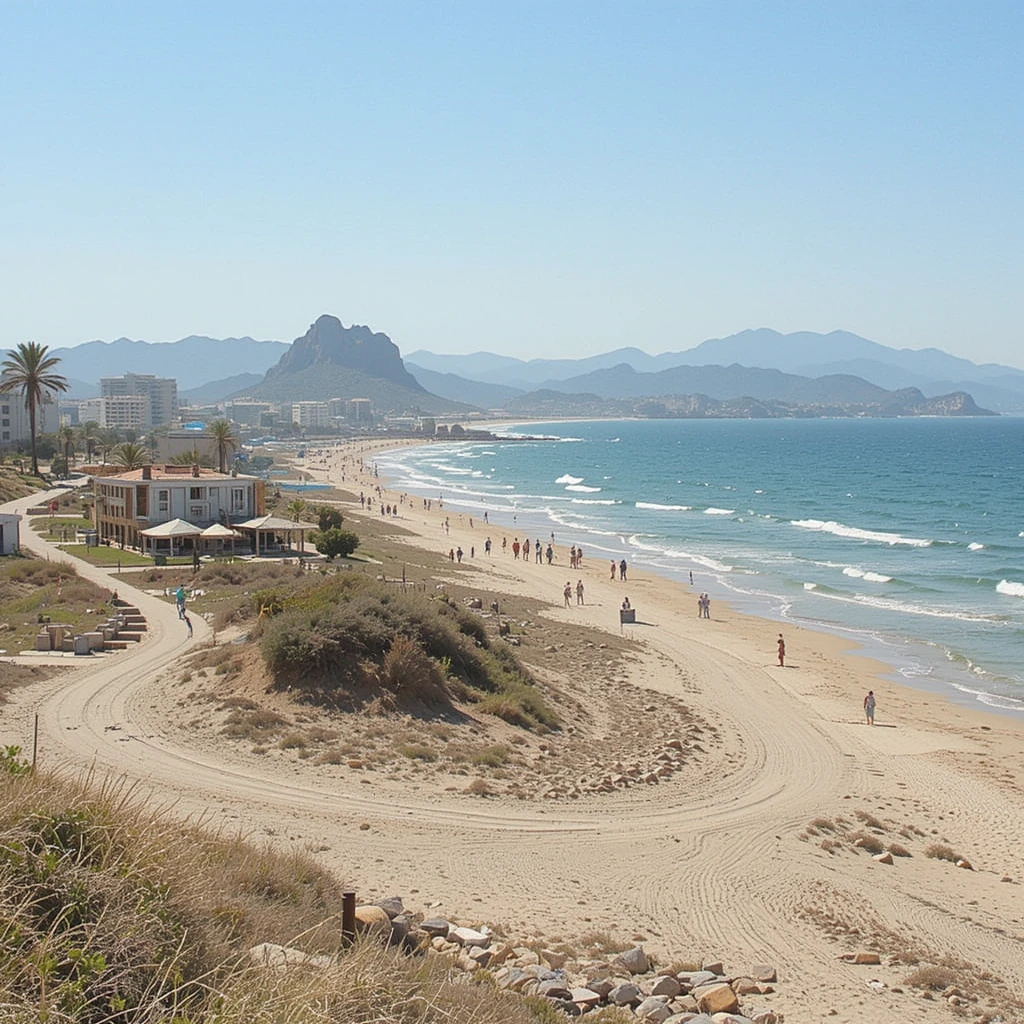
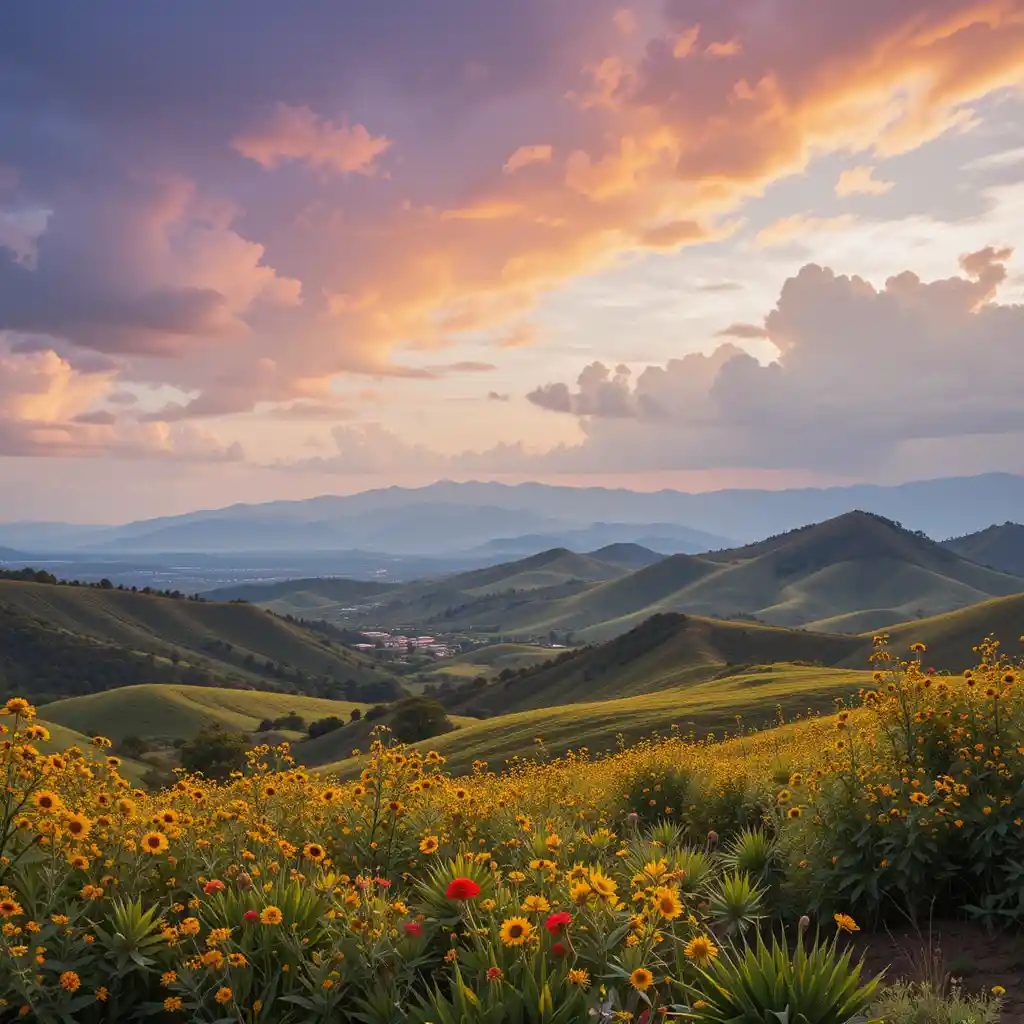
oaxaca and its famous foods

Have you ever craved a travel experience that immerses you in vibrant color, flavor, and rhythm? Welcome to Oaxaca a place where every street feels like an art gallery, every meal tells a story, and every tradition carries centuries of heritage. This isn’t your average vacation spot. This is where your senses are awakened and your soul is fed.


How to Get

Flying is the easiest option. You can land directly at Xoxocotlán International Airport (OAX), which connects through major Mexican hubs like Mexico City and Guadalajara. Once you’re in town, walking is your best friend everything in the historic center is beautifully compact.


The Best Time to Visit

The Best Time to Visit Oaxaca


Wandering the Colorful Streets

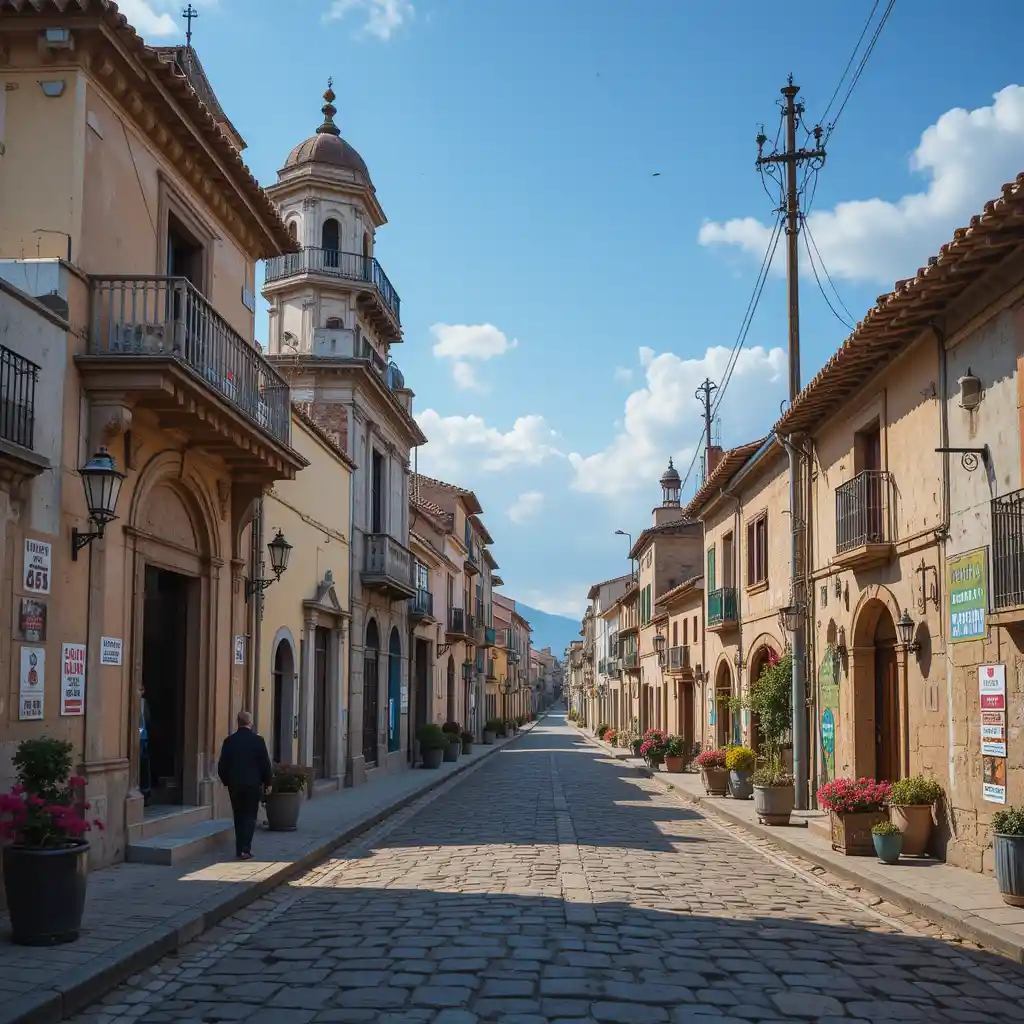
Walking through Oaxaca is like stepping into a painter’s dream. The streets are splashed in shades of turquoise, terracotta, and golden yellow. From the grand Santo Domingo Church to the buzzing Zócalo, every corner offers a photo-worthy moment.


Oaxacan Markets: A Feast for the Senses

Want to experience the soul of Oaxaca? Head to the markets.

  • Mercado Benito Juárez: Perfect for souvenirs and spices.
  • Mercado 20 de Noviembre: This is your go-to for mouthwatering street food.

You’re not just shopping here you’re connecting with generations of farmers, cooks, and artisans.


Rich Culinary Traditions: Why Oaxaca is a Foodie’s Paradise

Tamales Oaxaqueños

You haven’t truly tasted Mexico until you’ve eaten in Oaxaca. It’s the birthplace of mole, a complex, rich sauce that can include over 30 ingredients. You’ll also discover local staples like chapulines (toasted grasshoppers) and quesillo (Oaxacan string cheese).


Must-Try Dishes in Oaxaca

Here’s a mouthwatering list you can’t skip:

DishDescription
Mole NegroA deep, smoky sauce made with chocolate, chilies, and spices
TlayudasOversized crispy tortillas topped with beans, meat, lettuce, and cheese
MemelasThick corn cakes topped with salsa, cheese, and meats
Tamales OaxaqueñosWrapped in banana leaves, filled with mole or shredded chicken
ChapulinesCrunchy grasshoppers seasoned with chili and lime

Each bite tells you a story about the land, the people, and the past.


Cooking Classes in Oaxaca

Want to take the flavor home? Join a local cooking class.

  • Seasons of My Heart Cooking School
  • Casa Crespo
  • La Cocina Oaxaqueña

You’ll learn how to make tortillas from scratch, roast chilies, and mix the perfect mole—all guided by warm, passionate locals.


Traditional Festivals: When Oaxaca Comes Alive

You haven’t truly lived until you’ve danced in the streets of Oaxaca.

  • Guelaguetza (July): A vibrant indigenous celebration of music, dance, and costume.
  • Day of the Dead (November 1-2): A heart-stirring tribute to ancestors.
  • Night of the Radishes (December 23): Yes, radishes! Sculpted into intricate scenes and figures.

Plan your trip around these dates, and you’ll experience Oaxaca in full bloom.


Art and Handicrafts: A Creative Heritage

Oaxaca breathes art. Whether it’s intricate alebrijes (mythical creatures), black clay pottery, or woven rugs from Teotitlán del Valle, each piece is a testament to generations of skill.

Want to bring something home? Visit artisan villages or support local cooperatives in the city center.


Historic Sites and Architecture

Oaxaca’s beauty isn’t just in its colors—it’s in the bones of the city. Don’t miss:

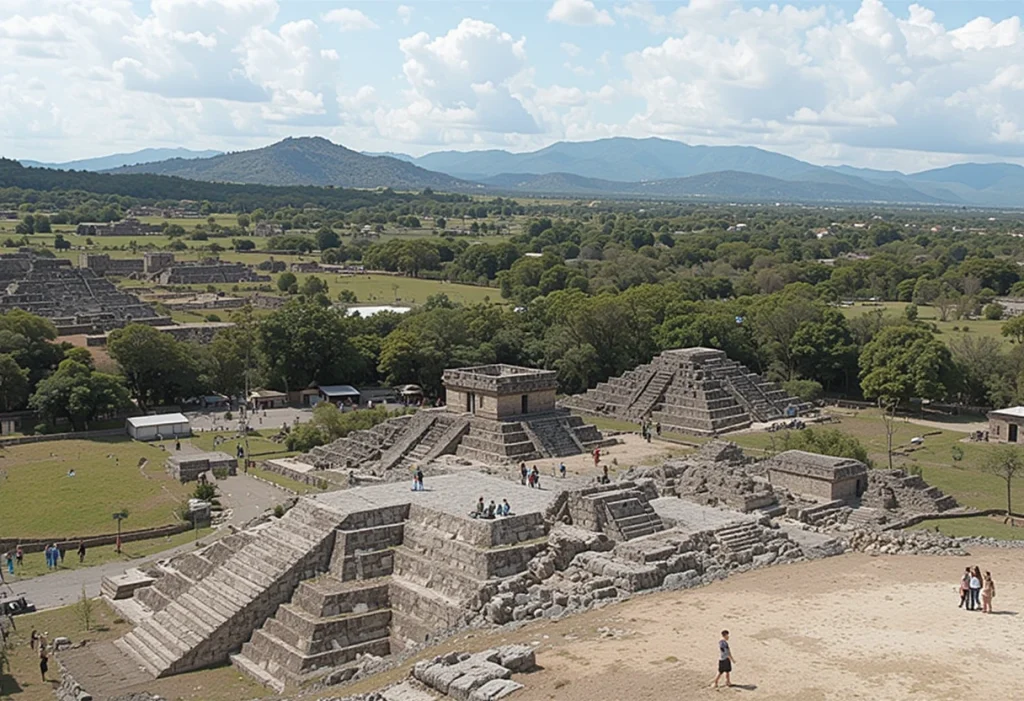
  • Monte Albán: Ancient Zapotec ruins that overlook the city.
  • Santo Domingo de Guzmán Church: A baroque masterpiece.
  • The Ethnobotanical Garden: A lush escape filled with native plants and desert flora.

Every stone has a story.


Natural Wonders Around Oaxaca
Natural Wonders Around Oaxaca

Ready to escape the city buzz? Explore:

  • Hierve el Agua: A petrified waterfall and natural infinity pools.
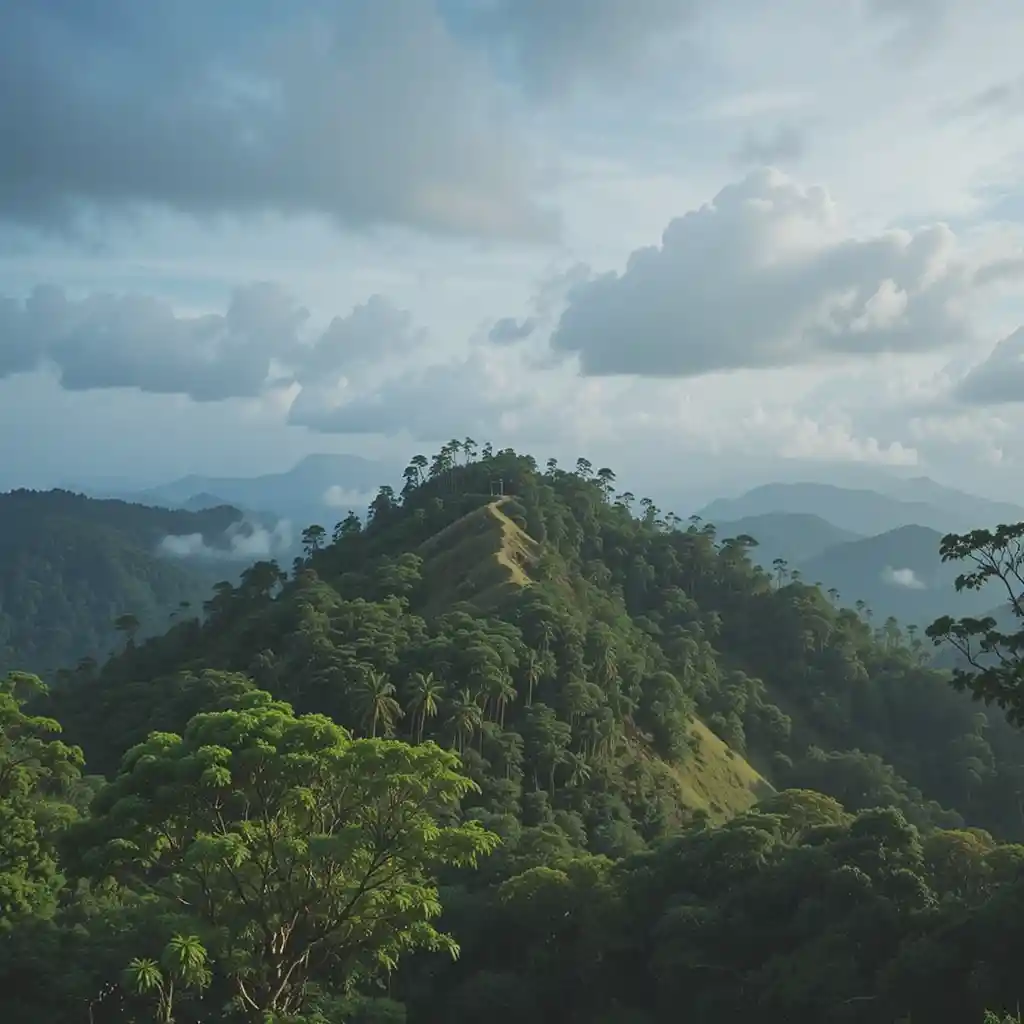
  • Sierra Norte Mountains: Ideal for hiking and eco-tourism.
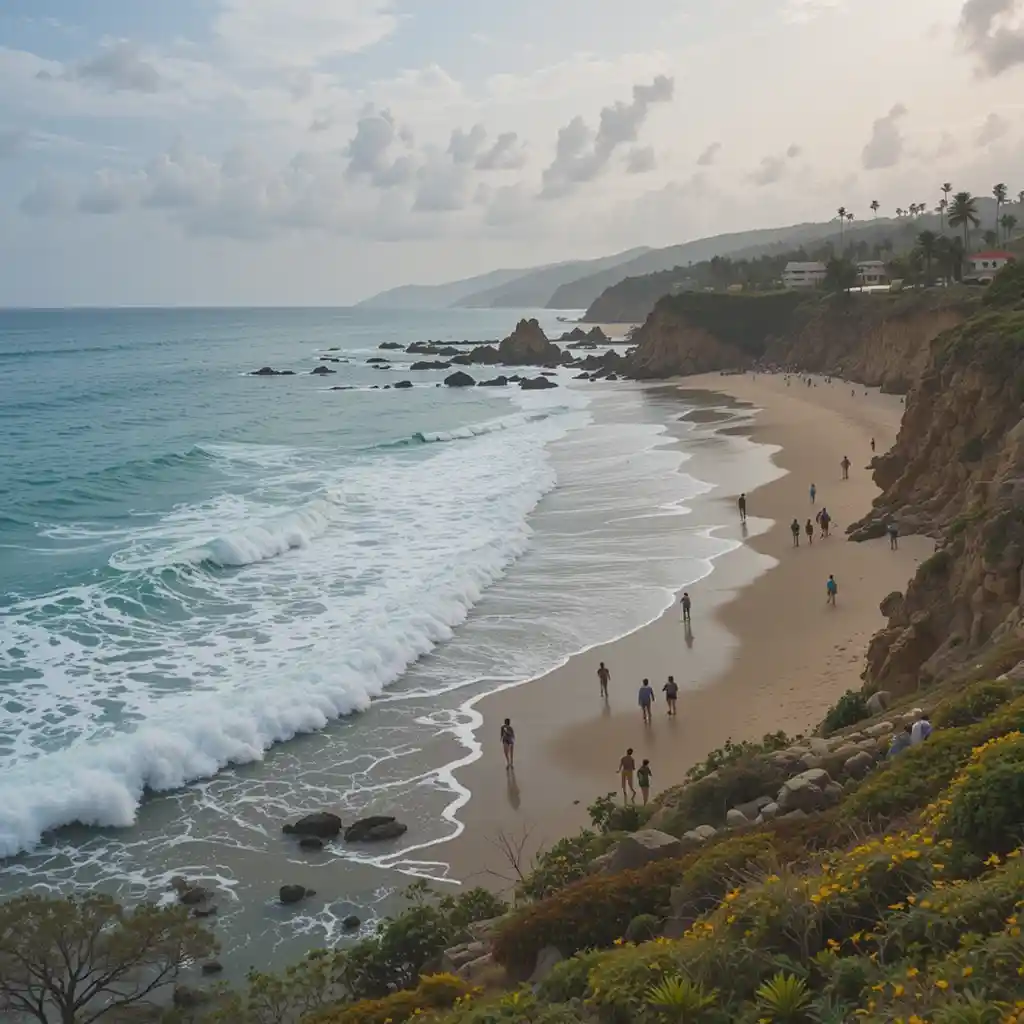
  • Puerto Escondido: A beachside gem perfect for surfing and sunsets.

There’s more to Oaxaca than streets and food—nature here is just as rich.


Sustainable Tourism and Community Projects

Traveling responsibly? Oaxaca’s your dream. Many local businesses are committed to eco-tourism, fair trade, and cultural preservation. You can volunteer, donate, or simply choose accommodations and tours that give back to the community.


Where to Stay in Oaxaca

Whether you’re a backpacker or a boutique hotel fan, you’ll find a place to call home:

  • Budget: Hostal Central
  • Mid-range: Casa de las Bugambilias
  • Luxury: Quinta Real Oaxaca

Look for spots with rooftop views—you won’t regret it at sunset.


Final Thoughts: Make Oaxaca Your Next Cultural Escape

So, are you ready to dive into the heart of Mexico’s most flavorful, colorful, and soulful city? Oaxaca isn’t just a destination. It’s a living, breathing story. And now, you’re invited to be a part of it.

Your taste buds will thank you. Your camera roll will overflow. But more than anything, your heart will carry Oaxaca with it long after you leave.


FAQs

1. What makes Oaxaca’s food unique?
Oaxaca is famous for its moles, use of native ingredients, and unique dishes like tlayudas and chapulines.

2. Is Oaxaca safe for travelers?
Yes, it’s generally safe, especially in the historic center. Like any city, stay aware and follow common-sense travel practices.

3. Can you visit Oaxaca on a budget?
Absolutely. Street food, markets, and hostels make it easy to enjoy Oaxaca without breaking the bank.

4. How long should I stay in Oaxaca?
Plan for at least 4–5 days to fully explore the city, markets, and nearby natural wonders.

5. Is Oaxaca family-friendly?
Yes! It offers interactive museums, safe plazas, and cultural activities perfect for kids and adults alike.

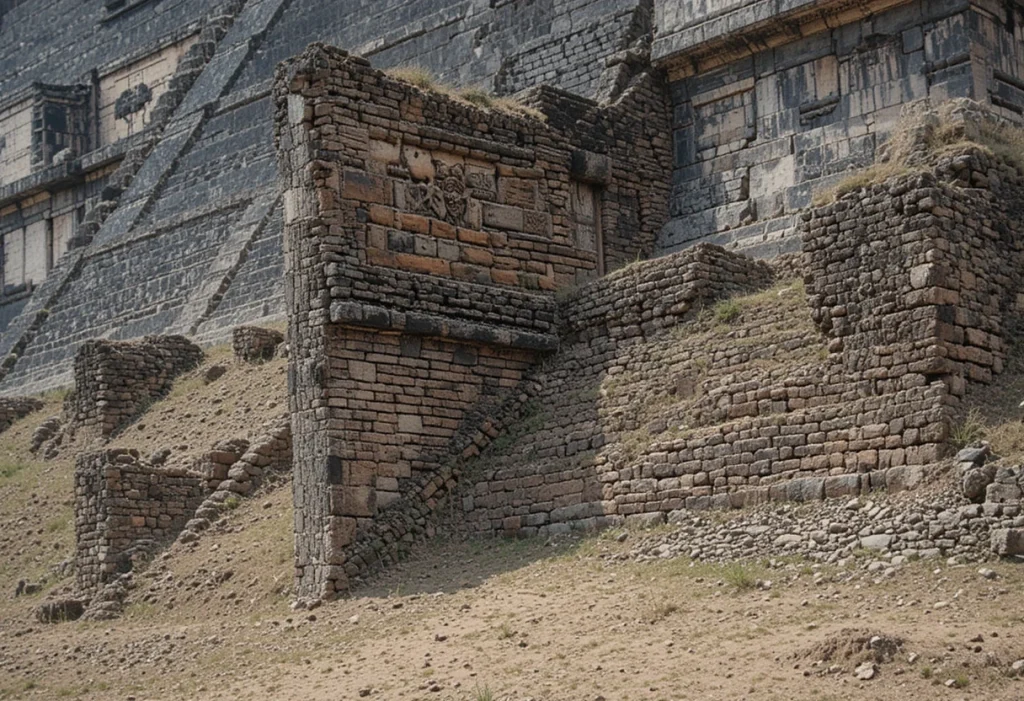
discover the Pyramids of teotihuacan


Step Into the Footsteps of Legends

You stand at the edge of a long avenue, flanked by silent pyramids that have weathered centuries of sun, wind, and time. The moment you visit the Pyramids of Teotihuacan, something shifts. This isn’t just sightseeing this is stepping into a story that was written before history itself was recorded. You’re about to enter a world that predates the Aztecs, one where divine myths and monumental structures merge into a breathtaking reality.

Whether you’re a curious traveler, a spiritual seeker, or someone craving a deeper connection to human history, this ancient site opens a window into another era one that will change the way you see the past forever.


Why Teotihuacan Captures the World’s Imagination

Why Teotihuacan Captures the World’s Imagination

You might’ve heard of the Pyramids of Giza, but Teotihuacan stands as one of the most awe-inspiring archaeological wonders in the Western Hemisphere.

Here’s why it matters:

  • A city built for gods: The name Teotihuacan means “The place where gods were born.”
  • Massive scale: At its height, it was home to over 125,000 people rivaling ancient Rome in size.
  • Mystery remains: Scholars still debate who built it its creators vanished centuries before the Aztecs found it.
  • Timeless design: Every building was aligned with celestial events, showcasing astronomical precision.

Visiting here means walking through a meticulously planned metropolis that once thrived with marketplaces, ceremonies, and the steady rhythm of ancient life.


The Pyramid of the Sun: Touching the Sky

The Pyramid of the Sun: Touching the Sky

As you approach the Pyramid of the Sun, its colossal presence stirs something in you. You’re not just looking at an old structure you’re looking at the heart of a civilization.

Quick facts:

  • Height: Around 213 feet
  • Steps: Over 240 steep stone stairs to the top
  • Purpose: Likely a center of worship and energy alignment

Climbing this pyramid is no casual stroll, but when you reach the summit, the view stretches endlessly. The vast Avenue of the Dead, the fields, and the nearby Pyramid of the Moon everything unfolds like a lost world awakening.

Tip: Go early in the morning to beat the heat and enjoy quiet contemplation.


The Pyramid of the Moon: Teotihuacan’s Spiritual North

The Pyramid of the Moon: Teotihuacan’s Spiritual North

At the opposite end of the Avenue of the Dead, you’ll find the Pyramid of the Moon. It may be smaller than its solar counterpart, but its spiritual impact is just as powerful.

What makes it special:

  • Cultural rituals: It was used for ceremonies, offerings, and possibly sacrifices.
  • Scenic backdrop: The mountain behind it mirrors the pyramid’s shape a cosmic connection.
  • Mystical alignment: It aligns with lunar cycles and the sacred numbers of Mesoamerican mythology.

When you stand here, it’s hard not to imagine ancient priests gazing at the same mountain, hands raised to the heavens in prayer.


Things to Do When You Visit the Pyramids of Teotihuacan

Things to Do When You Visit the Pyramids of Teotihuacan

Your journey isn’t just about pyramids. There’s a whole world waiting around the ancient stones.

What you can explore:

  • Palacio de Quetzalpapálotl: Intricate murals and obsidian decorations
  • Museo de la Cultura Teotihuacana: Artifacts and explanations that deepen your understanding
  • La Ciudadela and Temple of the Feathered Serpent: More carvings, tunnels, and cosmic symbolism
  • Local markets: Handcrafted obsidian, jewelry, and indigenous art

Don’t rush. Take your time to absorb every detail, every whisper of the past echoing off the stone walls.


Soar Above Teotihuacan in a Hot Air Balloon

Ever wanted to feel like a bird gliding above ancient wonders? This is your chance.

What’s included in most rides:

  • Early morning flight over the pyramids
  • Panoramic views of the valley
  • Champagne toast or breakfast afterward
  • Photos to capture your moment in the sky

It’s not just a thrill it’s a spiritual experience. Watching the sunrise over these monuments from above brings new meaning to the phrase “history from a new perspective.”


How to Get There: Your Route to the Past

You’re closer than you think. Teotihuacan is just 30 miles (50 km) northeast of Mexico City.

Your options:

  • Public Bus: Depart from Terminal Norte. Inexpensive and runs hourly.
  • Private Tour: Door-to-door service with guides worth it for deeper insights.
  • Rental Car or Uber: Flexible, but beware of traffic during peak times.

Tip: Weekdays are best to avoid the crowds. Sundays offer free entry for Mexican nationals, so plan accordingly.


When’s the Best Time to Visit the Pyramids of Teotihuacan?

Timing matters, especially with the Mexican sun.

Plan smart:

  • Best months: November to April (dry season)
  • Time of day: Mornings are cooler and less crowded
  • Avoid: Weekends and holidays unless you’re joining an event like the Spring Equinox celebration

Pro tip: Bring a hat, sunscreen, and water shade is minimal and the heat can catch you off guard.


What to Pack: Essentials You’ll Be Grateful For

Comfort and preparation are everything.

Don’t forget:

  • Breathable clothes and walking shoes
  • Refillable water bottle
  • Camera or smartphone
  • Sunscreen and hat
  • Small backpack for your gear

Also, bring some cash many local vendors don’t accept cards.


Eat Like a Local Near Teotihuacan

Eat Like a Local Near Teotihuacan

After all that walking, you’ve earned a proper feast. The nearby food is more than delicious it’s part of the cultural experience.

Try these dishes:

  • Barbacoa: Slow-cooked lamb wrapped in maguey leaves
  • Nopales: Cactus paddles served grilled or in salad
  • Tlacoyos: Stuffed corn cakes with beans, cheese, or fava beans
  • Atole: Traditional hot drink made from masa, flavored with cinnamon or chocolate

Top nearby eateries:

  • La Gruta: A one-of-a-kind restaurant inside a volcanic cave
  • Mayahuel Restaurante: Known for excellent service and regional dishes

Support Sustainability: Be a Respectful Visitor

Your presence makes a difference.

Be mindful:

  • Stick to marked paths
  • Don’t touch or climb restricted structures
  • Take only photos, leave only footprints
  • Choose local guides and artisans
  • Say no to single-use plastics

Teotihuacan is a sacred site, not just an attraction. Respect ensures it survives for generations.


Teotihuacan in Pop Culture and Mythology

You might’ve seen it without realizing. Teotihuacan pops up in everything from textbooks to video games.

Cultural appearances:

  • Aztec mythology: The gods gathered here to create the Fifth Sun our current era
  • Modern media: Featured in Assassin’s Creed, documentaries, and travel shows
  • Art and design: Its stepped pyramids influence modern architecture and fashion

Even today, artists, mystics, and architects draw inspiration from this ancient masterpiece.


FAQs: Your Most Pressing Questions Answered

1. Is it safe to visit the Pyramids of Teotihuacan?

Yes, it’s considered very safe for tourists. Stick to daylight hours and follow common travel precautions.

2. How much does it cost to enter?

General admission is about $5 USD (90 MXN), including access to the museum and most structures.

3. Can you still climb the pyramids?

As of now, you can climb the Pyramid of the Sun and Moon, though access may be limited for preservation.

4. What’s the best way to get there from Mexico City?

Take the direct bus from Terminal Norte or book a guided tour with pickup options.

5. Is a guide necessary?

Not required, but highly recommended. You’ll appreciate the symbolism and stories much more with expert insight.

6. How long should I plan for my visit?

At least 4–5 hours. If you include a museum visit or hot air balloon ride, plan for a full day.


Your Journey Awaits: Now It’s Your Turn

You’ve just uncovered the secrets, sights, and soul of one of the world’s most powerful ancient cities. The pyramids won’t speak to you in words but they’ll tell stories in silence, stones, and sky.

So, what’s stopping you?

Pack your bag. Book that ticket. Visit the Pyramids of Teotihuacan and discover a piece of yourself along the way.

Ride Your First Wave Mexico Surf Camps for Beginners

Feel the Ocean, Find Yourself

Ever dreamed of catching your first wave with the sun on your skin and the ocean at your feet? Mexico’s surf camps for beginners offer more than just surf lessons. They offer transformation, adventure, and a connection with nature. Whether you’re looking to conquer your fears, explore a new lifestyle, or just unplug from routine, this guide will help you choose the perfect surf camp in Mexico.


Why Choose Mexico Surf Camps for Beginners?

Why Choose Mexico Surf Camps for Beginners?

Affordable and Accessible

  • Mexico offers top-tier surf experiences without breaking your wallet.
  • Easy access from the US and Canada.
  • Plenty of beginner-friendly beaches.

Ideal Weather Conditions

  • Warm water year-round.
  • Gentle waves ideal for beginners.
  • Clear skies and tropical vibes.

Vibrant Culture & Cuisine

  • Authentic local food and welcoming communities.
  • Rich culture to explore off the beach.
  • Surf towns like Sayulita and Puerto Escondido mix fun and tradition.

Top Beginner-Friendly Surf Spots in Mexico

Top Beginner-Friendly Surf Spots in Mexico

Sayulita (Riviera Nayarit)

  • Soft, consistent waves.
  • Lively town with boho charm.
  • Great surf schools like Lunazul or WildMex.

Puerto Escondido (Oaxaca)

  • Famous for big waves, but has safe beginner zones.
  • La Punta beach is ideal for first-timers.
  • World-class surf instructors available.

Todos Santos (Baja California Sur)

  • Relaxed vibe and scenic beaches.
  • Playa Cerritos is a favorite beginner spot.
  • Eco-friendly surf camps with yoga and wellness.

What to Expect at a Beginner Surf Camp

Accommodations & Amenities

  • Options range from rustic cabanas to boutique beach resorts.
  • Most packages include meals, lessons, and board rentals.

Surf Lessons & Techniques

  • Certified instructors provide hands-on training.
  • Learn paddling, stance, and safety skills.
  • Group and one-on-one options available.

Wellness Add-Ons

  • Many camps include yoga, massage, and meditation.
  • Focus on full-body strength, balance, and inner calm.

Sample Daily Schedule at a Surf Camp

TimeActivity
7:00 AMMorning yoga/stretch
8:00 AMBreakfast
9:00 AMSurf lesson with instructor
12:00 PMLunch + free time
3:00 PMSecond surf session or workshop
6:00 PMGroup dinner or cultural outing
8:00 PMCampfire, stargazing, or rest

Tips for Surf Beginners in Mexico

Pack the Essentials

  • Rash guard, sunscreen, and eco-friendly toiletries.
  • Reusable water bottle and a wide-brimmed hat.

Stay Mentally Prepared

  • Don’t expect perfection on day one.
  • Stay patient and trust your instructors.

Book in Advance

  • Camps fill up quickly in peak season (November–April).
  • Read reviews and compare packages online.

FAQs About Mexico Surf Camps for Beginners

Are Mexico surf camps safe for beginners?

Yes! Most beginner camps operate in shallow, calm waters with trained instructors and safety protocols in place.

What should I bring to a surf camp in Mexico?

Bring light clothing, swimwear, sun protection, and a good attitude. Most camps provide surfboards and gear.

Can I join a surf camp if I can’t swim well?

Basic swimming ability is recommended. Some camps offer extra support for beginners still gaining water confidence.

Is surfing hard to learn?

It depends on your mindset and fitness. With practice and patience, you’ll ride your first wave within days.

What’s the best time to attend a surf camp in Mexico?

The best time is November to April for the most beginner-friendly waves and pleasant weather.


Conclusion

Mexico surf camps for beginners aren’t just vacations. They’re gateways to freedom, fitness, and unforgettable experiences. You’ll leave with more than photos you’ll gain confidence, skills, and maybe even a lifelong passion for surfing. So grab your board and let Mexico be the place where your surf story begins.

the Wonders of Birdwatching Trips in Chiapas Cloud Forest

Experience the Wonders of Birdwatching Trips in Chiapas Cloud Forest

When you imagine stepping into a living painting, the Chiapas cloud forest paints that picture with sound, mist, and motion. Here, every trail you walk echoes with song, every branch holds a secret flutter, and each pause in your breath is matched by nature’s own rhythm. If birdwatching lives in your soul or even if it’s just a passing interest you’ll find something unforgettable in these misty highlands.


Why Choose the Chiapas Cloud Forest for Your Birdwatching Adventure

Why Choose the Chiapas Cloud Forest for Your Birdwatching Adventure

You could search across continents and still not stumble upon a landscape as rich and alive as Chiapas’ cloud forest. Nestled deep in southern Mexico, this region weaves a unique tapestry of biodiversity, elevation, and climate. What makes it even more compelling for you as a birder is the blend of endemic species, undisturbed reserves, and a deeply rooted local culture that respects and protects nature.

A Biodiversity Hotspot Like No Other

You’re not just spotting birds you’re stepping into one of the world’s richest ecological theaters.

  • Over 600 bird species make this region their home or migration stop.
  • Endemic treasures like the Pink-headed Warbler and the Resplendent Quetzal are only found in a handful of places worldwide.
  • The altitudes, ranging from 900 to over 2,500 meters above sea level, create layered ecosystems that welcome everything from hummingbirds to hawks.

When you stand under that dripping canopy, camera in hand, you realize you’re not just watching birds you’re part of a much larger, vibrant system.


The Best Time to Plan Your Birdwatching Trip

The Best Time to Plan Your Birdwatching Trip

Timing is everything when it comes to your trip. The forest changes with the seasons, and so does its avian life.

Seasonal Breakdown

SeasonBirds You Might SeeWeatherWhat to Pack
November–FebruaryQuetzal, winter migratory birdsCool, mistyWaterproof jacket, binoculars, thermal layer
March–MayBreeding displays, warblers in songDry, warmCamera, sun hat, hydration gear
June–AugustLush vegetation, quiet trailsHumid, rainyInsect repellent, breathable clothes
September–OctoberMigratory transitionsVariableSturdy boots, light rain gear

For optimal birdwatching, aim for late winter into early spring. That’s when the Quetzals perform their courtship flights and the warblers sing their hearts out.


Top Locations in Chiapas Cloud Forest for Bird Enthusiasts Like You

Top Locations in Chiapas Cloud Forest for Bird Enthusiasts Like You

To make your trip count, you need to go where the birds are. These locations offer more than beauty they offer birds in their most natural, undisturbed states.

1. El Triunfo Biosphere Reserve

Here’s where your jaw will drop. A jewel in Mexico’s conservation crown, El Triunfo spans cloud-shrouded ridges and deep valleys teeming with life.

  • Home of the Resplendent Quetzal
  • Over 390 bird species recorded
  • Local guides available, some of whom grew up in the reserve’s buffer zones

El Triunfo isn’t easily accessible. You’ll need to hike in sometimes up to five hours but the reward? Pure birding bliss.

2. Lagunas de Montebello National Park

A mosaic of lakes, pine forests, and high-altitude wetlands. You’ll spot water-loving species here that you won’t find in denser forests.

  • Kingfishers, ducks, and flycatchers
  • Perfect for a quieter, reflective birdwatching day
  • Accessible by car, with camping options nearby

3. Reserva de la Biosfera La Sepultura

Less touristy, but equally rich. You’ll want to add this to your itinerary if you enjoy spotting raptors and larger birds.

  • Watch for Military Macaws and Swainson’s Hawks
  • Excellent opportunities for long-lens photography
  • Trails less crowded, ideal for solitude seekers

Must-See Bird Species on Your Trip

Not all birds are created equal. Some you’ll chase for hours, others will surprise you with a brief, brilliant flash. Either way, your checklist might need extra pages.

Endemic & Iconic Birds

  1. Resplendent Quetzal – Emerald tail plumes, sacred to the Maya. A true bucket-list bird.
  2. Pink-headed Warbler – Soft pastels, rapid movement, haunting call.
  3. Blue-throated Motmot – Bold and rare, often perched low along mossy trails.
  4. Slate-colored Solitaire – Known more for its flute-like song than its subtle appearance.
  5. Unicolored Jay – Striking, loud, and social. Hard to miss, harder to forget.

Keep your ears as open as your eyes. Often, it’s the unique call that leads you to your next sighting.


Planning Your Birdwatching Trip to Chiapas

Planning Your Birdwatching Trip to Chiapas

What to Pack for Success

  • Binoculars (8×42 or 10×42 recommended)
  • DSLR or mirrorless camera with at least a 300mm lens
  • Birding guidebook for Mexico or Central America
  • Lightweight, earth-toned clothing
  • Hydration pack or water bottles
  • Headlamp for early mornings

Tips for Maximizing Your Experience

  • Arrive before sunrise ny have feeders and guided tours built in.
  • Bring local currency for guides, tips, and entrance fees.
  • Turn off your phone, not just for battery life, but to soak in the experience.

Where to Stay: Best Eco-Lodges for Birdwatchers

1. Finca Hamburgo

Located in the Sierra Madre, this coffee farm offers birdwatching trails and incredible cloud forest views. Mornings here begin with bird calls and end with starry skies.

2. Eco-Lodge El Triunfo

Inside the reserve itself. You sleep where the birds live. Solar-powered, community-managed, and only accessible by foot.

3. Villas Casa Morada (San Cristóbal)

Urban comfort meets nature access. Perfect base if you’re mixing cultural tourism with birding.


Local Cuisine to Taste Between Birding Sessions

Try These Traditional Dishes

Tamales de Chipilín
DishDescriptionWhen to Eat
Tamales de ChipilínCorn dough with wild greensPerfect post-hike meal
Sopa de PanHearty chicken soup with bread and plantainsComforting dinner
Café de OllaSpiced, sweet coffeeSunrise essential

Supporting local eateries also supports the communities who keep these forests safe.


FAQs – Birdwatching Trips in Chiapas Cloud Forest

Is Chiapas safe for birdwatching?

Yes. Stick with trusted tour operators and eco-lodges, and you’ll be in safe hands.

How many days should you plan?

Aim for 5–7 days. That gives you time to adjust, explore multiple locations, and not rush the experience.

Do you need a permit?

Some reserves like El Triunfo require permits. Book a guided tour they usually handle this for you.

Are there guided tours in English?

Yes, especially in well-known birding regions. Ask in advance and confirm the guide’s experience.

Can beginners enjoy birding here?

Absolutely. Many guides cater to all levels and will teach you as you go.


Sustainable Birding: How You Can Make a Difference

Every peso you spend on local guides, food, and eco-lodges reinforces the value of conservation. You’re not just observing you’re contributing to the future of these birds and forests.

  • Choose community-based tourism services.
  • Avoid plastic and carry reusable gear.
  • Report rare sightings to eBird to help researchers.

Your Next Step: Book the Trip That Will Change You

You came here looking for birds. But what you’ll find in Chiapas’ cloud forest is something deeper a reconnection with nature, with silence, with awe. The kind of awe that humbles you in all the right ways.

So here’s what you do next: look up eco-tours, pack that lens, and block off your calendar. Because your soul’s about to find its wings in a forest you’ll never forget.

Are you ready to listen to the forest sing? Then book your birdwatching trip to the Chiapas cloud forest today.

Discover the Hidden Charm of Off-the-Grid Beach Towns in Baja

Escape the Noise, Embrace the Serenity

Have you ever dreamt of waking up to the sound of waves, far from tourist traps and crowded beaches? Imagine a place where time slows, Wi-Fi is optional, and every sunset feels like a private show. Off-the-grid beach towns in Baja California offer this rare escape. These hidden gems give you the chance to unplug and reconnect with nature, locals, and yourself.

Why Choose Off-the-Grid Beach Towns in Baja California

Why Choose Off-the-Grid Beach Towns in Baja California

1. Authentic Coastal Living

Experience Baja like a local. These towns aren’t curated for tourists they’re raw, real, and refreshingly quiet.

  • No chain hotels, just locally-owned casitas
  • Seafood caught hours before it hits your plate
  • Friendly communities that welcome with open arms

2. Affordable, Sustainable Travel

Save money while saving the planet. Off-the-grid means low impact.

  • Solar-powered accommodations
  • Minimal carbon footprint
  • Budget-friendly meals and rentals

3. A Digital Detox Paradise

Goodbye notifications, hello nature.

  • Limited cell reception = mental clarity
  • Spend your day hiking, swimming, or reading
  • Reconnect with your partner or find your center solo

Top Off-the-Grid Beach Towns in Baja California

 Bahía Asunción

1. Bahía Asunción

A quiet fishing village on the Pacific coast, Bahía Asunción is perfect for whale watching and solitude.

Highlights:

  • Gray whale migrations from January to April
  • Fresh ceviche and friendly expats
  • Rocky beaches great for exploring

2. San Juanico (Scorpion Bay)

A surfer’s dream with endless right-hand point breaks.

What to Expect:

  • World-renowned waves
  • DIY surf shacks and camping spots
  • Zero nightlife, all starlight

3. Punta Abreojos

An isolated town where the desert meets the sea.

Key Features:

  • Off-the-radar snorkeling spots
  • Delicious lobster season (September to February)
  • Strong fishing community feel

4. Bahía de los Ángeles

Located on the Sea of Cortez, this bay glows with marine life.

Must-Do:

  • Swim with whale sharks
  • Explore volcanic islands by kayak
  • Visit eco-conscious lodges

What to Pack for Your Off-the-Grid Baja Adventure

Before you head off the map, pack smart. Here’s a list of must-haves:

  • Solar charger
  • Refillable water bottle
  • Lightweight clothing
  • Bug repellent
  • Offline maps and guidebooks

Local Baja Recipe: Fish Tacos You’ll Crave Again

Even off the grid, food in Baja is unforgettable. Try this classic Baja-style fish taco.

Table: Baja Fish Taco Ingredients

IngredientAmount
White fish (cod/mahi)1 lb
All-purpose flour1 cup
Baking powder1 tsp
Beer (light)1 cup
Corn tortillas10 small
Shredded cabbage2 cups
Lime wedgesFor serving
Baja sauce (mayo+lime)½ cup mixed
Salt & pepperTo taste

Quick Directions:

  1. Mix flour, baking powder, salt, and beer to make batter.
  2. Coat fish pieces and fry until golden.
  3. Serve in tortillas with cabbage and sauce.

How to Get There and Get Around

While these towns are remote, they’re reachable with a little effort.

  • Drive from Tijuana or La Paz: Rent a 4×4 for rough roads
  • Public transport: Limited, mostly local buses or hitchhiking
  • Travel tip: Fuel up often stations can be 100+ km apart

Best Time to Visit Baja’s Off-the-Grid Towns

  • Spring (March–May): Mild temps and marine life
  • Fall (September–November): Lobster season, fewer bugs
  • Avoid mid-summer: Intense heat and potential storms

Stay Safe While Staying Remote

You’ll be far from help, so prepare accordingly:

  • Let someone know your travel route
  • Bring cash ATMs are scarce
  • Pack a first-aid kit and backup food

Conclusion: The Soul-Healing Escape You Deserve

Off-the-grid beach towns in Baja California aren’t for everyone but if you crave authenticity, they’re paradise. These towns offer more than escape they offer meaning. Forget the filters, skip the resorts. Baja’s hidden shores are waiting, and they just might change your life.


Frequently Asked Questions (FAQ)

What does “off-the-grid” mean in Baja California beach towns?

It means limited infrastructure—no chain hotels, minimal internet, and a focus on sustainable living.

Are these towns safe for solo travelers?

Yes, most are safe with friendly locals. Always use common sense and check in with residents.

Do I need a 4×4 vehicle to visit these places?

For most towns, yes. Many roads are unpaved and rough, especially after rain.

Can I find vegetarian food in off-the-grid Baja towns?

Yes, but options are limited. It’s best to bring some snacks or ingredients if you’re strict.

How long should I stay in one of these beach towns?

Plan for at least 3–5 days to unwind, explore, and fully enjoy the off-the-grid rhythm.

Best Travel Itinerary Mexico in 30 Days: How to Plan It

Unplug, Unwind, and Truly Experience Mexico

What if you stopped rushing and finally embraced the journey? Imagine sipping coffee in a sunlit plaza, wandering through ancient ruins, or watching the sun dip below the Pacific without checking your watch. That’s what a slow travel itinerary in Mexico for 30 days offers: connection, freedom, and unforgettable moments.

If you’re craving authenticity over itinerary stress, you’re in the right place. Let’s break down a month-long escape that lets you explore Mexico deeply and meaningfully.


Week 1: Dive Into Mexico City’s Heart

Week 1: Dive Into Mexico City’s Heart

Explore Culture, Cuisine, and Colonial Charm

Destinations:

  • Mexico City
  • Coyoacán
  • Xochimilco

Highlights:

  • Visit the Frida Kahlo Museum
  • Explore Teotihuacan Pyramids
  • Stroll through Chapultepec Park
  • Enjoy authentic tacos at Mercado Roma

Tips:

  • Stay in Condesa or Roma Norte
  • Use the Metro for easy local travel
  • Book a Xochimilco boat ride on weekdays

Week 2: Discover Oaxaca’s Vibrant Soul

Week 2: Discover Oaxaca’s Vibrant Soul

Art, Food, and Nature in Oaxaca

Destinations:

  • Oaxaca City
  • Hierve el Agua
  • Mitla

Must-Do Experiences:

  • Join a mole cooking class
  • Hike around Hierve el Agua
  • Tour local mezcal distilleries
  • Explore colorful markets

Local Eats Table:

DishKey Ingredients
Mole NegroChilhuacle chiles, chocolate, spices
TlayudasTortilla, beans, Oaxacan cheese
ChapulinesToasted grasshoppers, lime, salt

Week 3: Relax Along the Pacific Coast

Week 3: Relax Along the Pacific Coast

Beaches, Surf, and Wellness

Destinations:

  • Puerto Escondido
  • Mazunte
  • Zipolite

Activities:

  • Take a surf lesson at Zicatela Beach
  • Enjoy yoga sessions by the sea
  • Witness bioluminescence in Manialtepec Lagoon
  • Eat beachfront ceviche under the stars

Travel Tips:

  • Use ADO buses for intercity transport
  • Consider eco-friendly stays in Mazunte
  • Visit during weekdays to avoid crowds

Week 4: Colonial Highlands and Local Culture

 Week 4: Colonial Highlands and Local Culture

Mountains, Markets, and Magical Towns

Destinations:

  • San Cristóbal de las Casas
  • Sumidero Canyon
  • Indigenous Villages like Chamula

Can’t-Miss Moments:

  • Boat ride through Sumidero Canyon
  • Tour local artisan workshops
  • Hike El Arcotete Park trails
  • Experience traditional medicine rituals

Stay Suggestions:

  • Book a boutique stay with garden courtyards
  • Try homestays for deeper cultural immersion
  • Pack warm layers—it gets chilly at night

Packing Essentials for 30 Days in Mexico

  • Lightweight, breathable clothes
  • Sunscreen and bug repellent
  • Spanish phrasebook or app
  • Refillable water bottle
  • Travel insurance documents
  • Local SIM or eSIM for data access

Pro Tips for Slow Travel in Mexico

  • Prioritize connection over checklists
  • Stay longer in fewer places
  • Learn some basic Spanish it opens doors
  • Try one new local dish each day
  • Choose eco-conscious experiences

FAQ – Slow Travel Itinerary Mexico 30 Days

Is Mexico safe for slow travelers?
Yes, with common sense and research. Stick to safe areas, avoid late-night solo walks, and use trusted transportation.

What’s the best time for a 30-day trip in Mexico?
The dry season (November to April) offers pleasant weather for all regions.

How much does a 30-day slow travel trip in Mexico cost?
Budget travelers can manage on $1,200–$1,800 USD. Mid-range options may cost $2,500–$3,500 depending on activities and accommodations.

Do I need to speak Spanish?
It helps! While tourist zones use English, knowing basic Spanish enriches your experience and builds local trust.


Final Thoughts: Travel Slower, Live Deeper

Mexico isn’t just a destination it’s an awakening. With a well-crafted 30-day slow travel itinerary, you won’t just visit places. You’ll live them. You’ll forge connections, find calm, and return transformed. Ready to savor the soul of Mexico?

Jamaïque Montego Bay The Ultimate Guide to best Tropical Paradise

Jamaïque Montego Bay The Ultimate Guide to best Tropical Paradise

Why Montego Bay is a Must-Visit Destination

Montego Bay, often called “MoBay,” is a dream destination for travelers seeking crystal-clear waters, vibrant culture, and breathtaking landscapes. Whether you’re looking for adventure, relaxation, or culinary delights, this Jamaican hotspot has something for everyone.

Top Attractions in Montego Bay

Top Attractions in Montego Bay

1. Doctor’s Cave Beach

  • Pristine white sand and turquoise waters
  • Ideal for swimming and snorkeling
  • Famous for its crystal-clear, mineral-rich waters

2. Rose Hall Great House

  • Historic mansion with a haunting past
  • Guided ghost tours available
  • Stunning colonial architecture

3. Dunn’s River Falls & Park

  • Iconic cascading waterfalls
  • Perfect for climbing and exploring
  • Great for family and group adventures

Best Things to Do

Best Things to Do in Montego Bay

1. Explore the Hip Strip

  • Home to bars, restaurants, and souvenir shops
  • Lively nightlife scene
  • Duty-free shopping available

2. Try Local Jamaican Cuisine

  • Jerk chicken from Scotchies
  • Traditional ackee and saltfish
  • Fresh seafood at local beachside restaurants

3. Go on a Catamaran Cruise

  • Enjoy panoramic ocean views
  • Snorkel in coral reefs
  • Sunset party cruises available

Where to Stay in Montego Bay

Sandals Montego Bay

Luxury Resorts

  • Sandals Montego Bay – All-inclusive luxury
  • Half Moon – Private villas and golf course
  • Secrets Wild Orchid – Adults-only beachfront resort

Budget-Friendly Accommodations

  • Toby’s Resort – Affordable and centrally located
  • Deja Resort – Close to beaches and nightlife
  • The Wexford Hotel – Ideal for solo travelers and families

Best Time to Visit Montego Bay

SeasonWeatherActivities
Winter (Dec-Apr)Warm, dryBest for beach activities and festivals
Summer (May-Oct)Hot, humidIdeal for budget travelers, off-peak discounts
Fall (Nov)Mild, occasional rainFewer crowds, great for relaxation

Jamaican Recipe: Authentic Jerk Chicken

Jamaican Recipe: Authentic Jerk Chicken

Ingredients:

IngredientQuantity
Chicken (whole or pieces)2 lbs
Jerk seasoning3 tbsp
Garlic (minced)2 cloves
Scotch bonnet pepper1 (chopped)
Thyme (fresh)1 tbsp
Allspice1 tsp
Soy sauce2 tbsp
Lime juice2 tbsp

Instructions:

  1. Mix all ingredients in a bowl.
  2. Rub seasoning onto chicken and marinate for at least 4 hours.
  3. Grill over medium heat until fully cooked.
  4. Serve hot with rice and peas.

FAQs About Montego Bay

1. What is the best way to get around Montego Bay?

Taxis, car rentals, and tour buses are the most convenient options. Public minibuses are available but less reliable.

2. Is Montego Bay safe for tourists?

Yes, but travelers should take standard precautions. Stick to tourist areas and avoid isolated places at night.

3. What currency is used in Montego Bay?

The Jamaican Dollar (JMD) is the local currency, but US dollars are widely accepted.

4. What should I pack for my trip?

Pack light clothing, swimsuits, sunscreen, and insect repellent. Comfortable walking shoes are recommended.

5. Can I visit Montego Bay on a budget?

Yes! Opt for budget hotels, eat at local spots, and use public beaches to save money.

Montego Bay is the perfect blend of adventure, relaxation, and culture. Whether you’re planning a romantic getaway or a family vacation, this Jamaican paradise offers an unforgettable experience.

Bacalar Lagoon in Mexico the best to Discover in 2025

Bacalar Lagoon in Mexico the best to Discover in 2025

Discover the Magic of Bacalar Lagoon

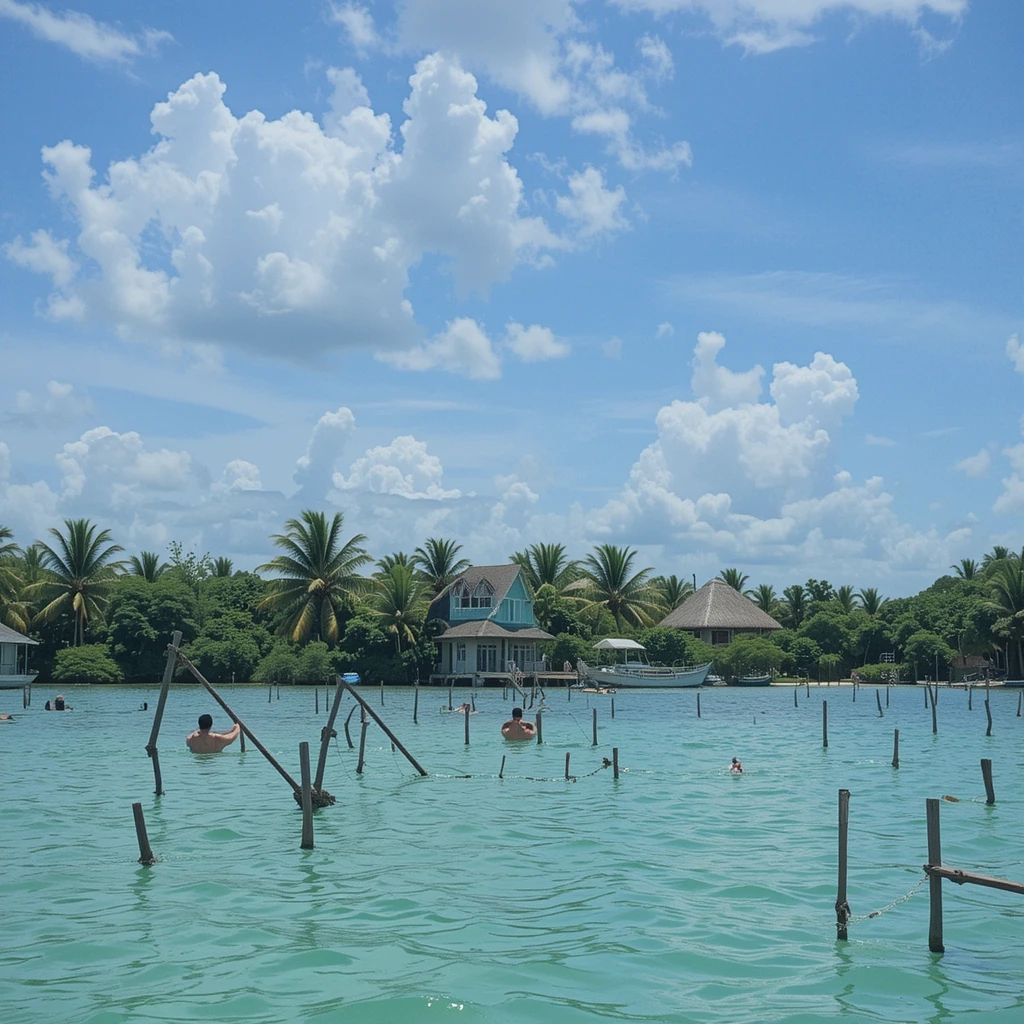
Imagine stepping into a place where nature paints the water in seven breathtaking shades of blue. That’s exactly what awaits you at Bacalar Lagoon, a pristine paradise tucked away in Mexico’s Quintana Roo region. If you crave tranquility, stunning scenery, and an escape from tourist-packed beaches, Bacalar Lagoon is your dream destination.

Why Bacalar Lagoon Should Be on Your Travel List

Why Bacalar Lagoon Should Be on Your Travel List

You might have heard of Cancun and Tulum, but Bacalar offers something unique: untouched beauty, fewer crowds, and a sense of adventure like no other. Here’s why you should visit:

  • Crystal-Clear Waters – The lagoon’s water clarity rivals the Caribbean Sea.
  • Authentic Mexican Charm – Unlike commercialized beach towns, Bacalar retains its local essence.
  • Eco-Friendly Destination – Many accommodations and activities focus on sustainability.
  • Affordable Getaway – Enjoy luxury experiences at budget-friendly prices.

Top Attractions & Activities in Bacalar Lagoon

Top Attractions & Activities in Bacalar Lagoon

1. Explore the Lagoon’s Seven Shades of Blue

The stunning hues of Bacalar’s waters shift from pale turquoise to deep navy. The secret? The lagoon’s varying depths and mineral-rich bottom. The best way to experience this phenomenon is by kayaking, paddleboarding, or taking a boat tour.

2. Float Through Los Rápidos

One of Bacalar’s most unique experiences is drifting through Los Rápidos, a natural canal with a gentle current. You’ll glide effortlessly while admiring mangroves, stromatolites (some of the world’s oldest living organisms), and diverse wildlife.

3. Dive into the Depths of Cenote Azul

  • Depth: 90 meters (ideal for diving and snorkeling)
  • Best for: Exploring underwater caves and rock formations
  • Pro Tip: Arrive early to avoid crowds and enjoy peaceful swimming conditions.

4. Visit the Historic San Felipe Fort

Bacalar has a fascinating history, including pirate invasions! The San Felipe Fort, built in the 18th century, offers a glimpse into the past with its museum and panoramic lagoon views.

5. Unwind at Bacalar’s Best Beach Clubs

For those seeking relaxation, Bacalar’s beachfront spots provide the perfect setting. Enjoy fresh seafood, lounge in hammocks, and sip on tropical drinks while overlooking the peaceful lagoon.

Where to Stay: Top Accommodations in Bacalar

Accommodation TypeRecommended OptionsKey Features
LuxuryCasa HormigaEco-conscious, spa & pool
Mid-RangeHotel AiresCozy atmosphere, lagoon views
BudgetYak Lake HouseSocial hostel, perfect for backpackers

Best Local Restaurants You Shouldn’t Miss

1. La Playita

La Playita
  • Stunning lakeside views
  • Fresh ceviche, tacos, and cocktails

2. Mango y Chile

  • Vegan-friendly and organic options
  • Must-try: Their homemade veggie burgers

3. Ixchel Bacalar

  • Authentic Mayan dishes
  • Cozy and locally owned

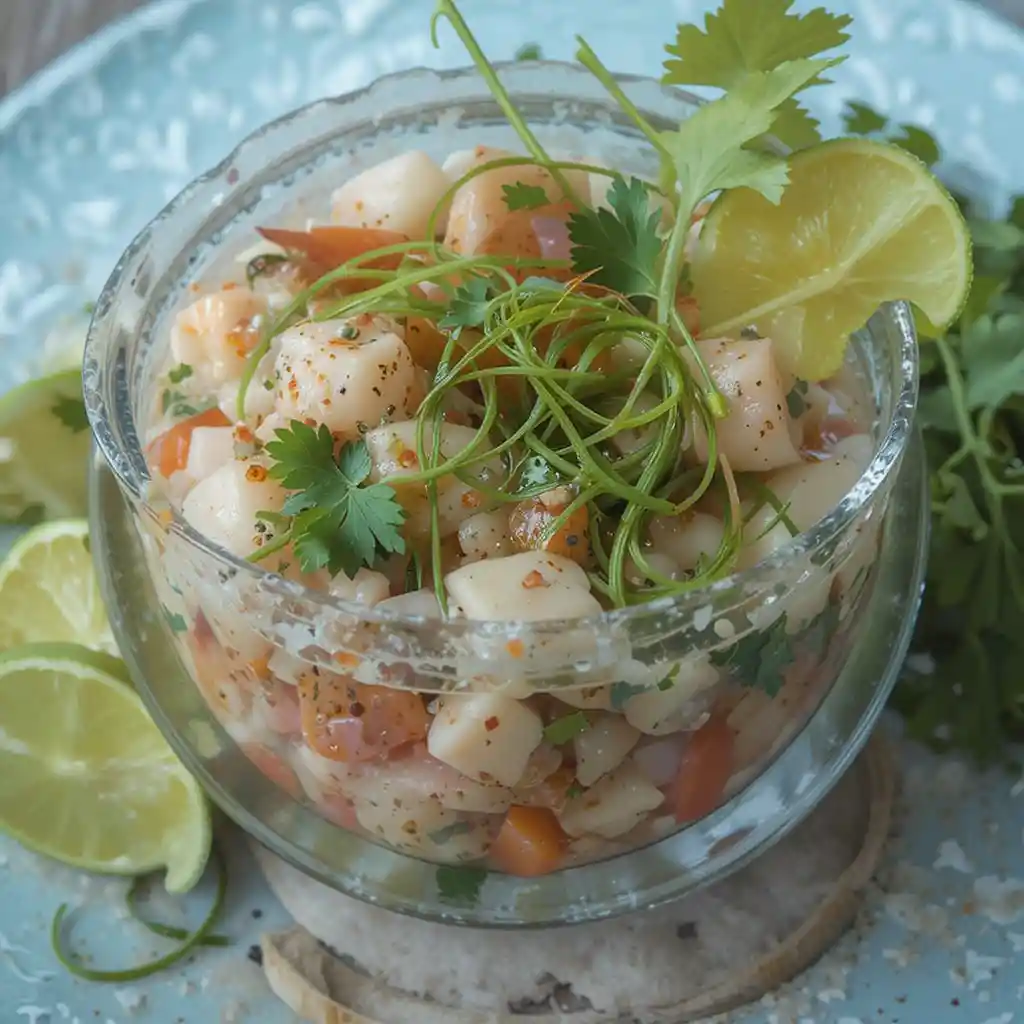
Delicious Bacalar-Inspired Recipe: Fresh Ceviche

Delicious Bacalar-Inspired Recipe: Fresh Ceviche
IngredientQuantity
Fresh white fish500g
Lime juice1 cup
Red onion1, finely chopped
Cilantro½ cup, chopped
Tomato1, diced
Sea saltTo taste

Instructions:

  1. Dice the fresh fish into small pieces.
  2. Marinate in lime juice for 30 minutes (this “cooks” the fish).
  3. Add onion, tomato, cilantro, and sea salt.
  4. Mix well and serve chilled with crispy tortilla chips.

When Is the Best Time to Visit Bacalar?

  • High Season (November – May): Clear skies, warm temperatures, and ideal swimming conditions.
  • Low Season (June – October): Fewer tourists and lush greenery, but occasional rain showers.

FAQs About Bacalar Lagoon

1. Is Bacalar Lagoon safe for swimming?

Absolutely! The water is calm, clean, and free of strong waves, making it ideal for swimming, paddleboarding, and kayaking.

2. How do I get to Bacalar from Cancun?

You can take a direct ADO bus (about 5 hours) or rent a car for a scenic road trip through Mexico’s Riviera Maya.

3. What sets Bacalar apart from other Mexican beach destinations?

Bacalar offers a serene, authentic experience without the massive crowds of Cancun or Playa del Carmen. Plus, its freshwater lagoon provides a different kind of beauty compared to ocean beaches.

4. Are there eco-friendly accommodations in Bacalar?

Yes! Many hotels and lodges in Bacalar prioritize sustainability, using solar power, water conservation techniques, and natural building materials.

Your Next Adventure Awaits

Bacalar Lagoon is a must-visit destination for nature lovers, adventure seekers, and those craving a peaceful retreat. Whether you’re gliding through its seven shades of blue, indulging in local cuisine, or exploring historical sites, Bacalar promises a memorable experience. Pack your bags and discover this hidden paradise before the rest of the world catches on!

Ready to explore Bacalar Lagoon? Start planning your trip today and experience one of Mexico’s best-kept secrets!

El Cuyo The Hidden Treasure of Yucatán You Need to Discover: 7 Reasons to Visit Now

Escape to Paradise

Have you ever dreamed of finding a coastal paradise untouched by mass tourism? Imagine a place where golden sands stretch for miles, where the sound of the waves harmonizes with the whispers of the wind, and where you can reconnect with nature without the chaos of city life. Welcome to , Yucatán’s best-kept secret.

Far from the bustling streets of Cancun and the crowded beaches of Tulum, offers an authentic escape for travelers looking to immerse themselves in serenity, adventure, and culture. This hidden gem of Mexico remains largely undiscovered, making it an ideal spot for those seeking a truly unique experience. Whether you’re a nature enthusiast, an adventure seeker, or simply longing for peace by the sea, this guide will unveil why deserves a spot on your travel bucket list.


Where is El Cuyo and How to Get There?

Where is El Cuyo and How to Get There?

The Geography

El Cuyo is nestled in the northeastern corner of the Yucatán Peninsula, right on the edge of the Ría Lagartos Biosphere Reserve. This small fishing village is surrounded by stunning landscapes, including lush mangroves, salt flats, and the shimmering Gulf of Mexico.

How to Reach

  • By Car: The most convenient way to reach El Cuyo is by driving. From Cancun, it’s about a 3-hour scenic drive via highway 180D and route 295. From Mérida, expect a 3.5-hour journey.
  • By Bus: Public transportation is limited. You can take an ADO bus to Tizimín and then a colectivo or taxi to El Cuyo.
  • By Tour Package: Some eco-tourism companies offer private transfers or full-day excursions.

Why Visit El Cuyo?

Why Visit El Cuyo?

1. The Unspoiled Beaches

Unlike the overly commercialized beaches of Cancun and Playa del Carmen, boasts untouched shores with soft white sand and crystal-clear waters. You can walk for miles without seeing a single resort or high-rise hotel.

2. A Kitesurfing Paradise

El Cuyo is one of Mexico’s top kitesurfing destinations thanks to its consistent winds and shallow waters. If you’re a beginner, several local schools offer lessons. Experienced riders can enjoy thrilling downwind rides along the coast.

3. Breathtaking Wildlife Encounters

Situated next to the Ría Lagartos Biosphere Reserve, is home to an abundance of wildlife. Spot flamingos, pelicans, and even sea turtles during your visit.

4. A Laid-Back Local Vibe

retains its small-town charm. Life here moves at a slow pace, allowing you to disconnect from technology and savor the simple pleasures of coastal living.

5. Stunning Sunset Views

Since faces north, it offers breathtaking sunset views over the water—a rare treat along the Yucatán coast.


Top Things to Do in El Cuyo

Top Things to Do in El Cuyo

1. Relax on the Beach

El Cuyo’s shoreline is perfect for sunbathing, beachcombing, and swimming. Bring a hammock, find a shady palapa, and enjoy the peace.

2. Try Kitesurfing

With its steady winds from November to June, El Cuyo is a kitesurfer’s dream. Rent equipment or take a lesson from expert instructors.

3. Visit the Ría Lagartos Biosphere Reserve

Take a boat tour through the mangroves to see pink flamingos, crocodiles, and vibrant bird species.

4. Explore the Pink Lakes of Las Coloradas

A short drive from El Cuyo, the Las Coloradas salt flats are a must-visit for their surreal, Instagram-worthy pink waters.

5. Climb the Lighthouse for Stunning Views

El Cuyo’s old lighthouse provides panoramic views of the coastline and surrounding landscapes.

6. Taste Local Yucatecan Cuisine

Enjoy freshly caught seafood and traditional Yucatécan dishes at the town’s small restaurants and beachside eateries.


Where to Stay in El Cuyo

Where to Stay in El Cuyo

Budget-Friendly Accommodations

  • Cabañas El Cuyo – Beachfront cabins with a rustic vibe.
  • Hostel Casa Mate – A cozy, budget-friendly option.

Mid-Range Hotels

  • LunArena Boutique Beach Hotel – Stylish rooms with ocean views.
  • Casa Cuyo – A charming, locally-owned stay.

Luxury & Unique Stays

  • Ser Casasandra – A high-end eco-lodge with spa services.
  • Private Beach Villas – Available for rent on Airbnb.

Local Cuisine & A Traditional Recipe

Local Cuisine & A Traditional Recipe

What to Eat in El Cuyo?

  • Ceviche – Freshly caught fish marinated in lime juice.
  • Pescado Tikin-Xic – A traditional Yucatécan grilled fish dish.
  • Cochinita Pibil – Slow-roasted pork marinated in achiote.

Recipe: Tikin-Xic Grilled Fish

IngredientQuantity
White Fish (Grouper or Snapper)1 whole fish (1 kg)
Achiote Paste2 tbsp
Orange Juice½ cup
Garlic2 cloves (minced)
Salt & PepperTo taste
Banana Leaves2 large pieces

Instructions:

  1. Marinate the fish in achiote paste, orange juice, and garlic.
  2. Wrap it in banana leaves and grill over medium heat.
  3. Serve with fresh tortillas and pickled onions.

When is the Best Time to Visit?

  • November to May: Best for sunshine and beach activities.
  • December to June: Ideal for kitesurfing.
  • June to October: Warmer, with occasional rain showers.

Frequently Asked Questions (FAQ)

Is El Cuyo safe for travelers?

Absolutely! El Cuyo is a peaceful fishing village with a low crime rate.

How long should I stay in El Cuyo?

3-5 days is perfect for exploring and relaxing.

Can I visit El Cuyo on a day trip?

Yes, but staying overnight allows you to experience its magic fully.

What should I pack for El Cuyo?

Light clothing, sunscreen, insect repellent, and a reusable water bottle.


Conclusion: Plan Your Escape to El Cuyo

El Cuyo is **not just another tourist destination **it’s an experience that immerses you in the beauty of unspoiled nature and the warmth of local culture. If you’re searching for an alternative to crowded resorts, a place where tranquility meets adventure, then is waiting for you.

Are you ready to uncover Yucatán’s best-kept secret? Pack your bags, book your trip, and experience before the world discovers its magic!

Turks and Caicos Travel Advisory: Everything You Need to Know Before Your Trip in 5 Easy Steps

Meta Description

Planning a trip to Turks and Caicos? Stay updated with the latest Turks and Caicos travel advisory for 2025. Get insights on safety, visa policies, and travel tips for a seamless vacation experience.

Table of Contents

  1. Introduction
  2. Why Visit Turks and Caicos?
  3. Latest Travel Advisory Updates
  4. Entry Requirements and Visa Information
  5. Health and Safety Guidelines
  6. Crime and Security Precautions
  7. Weather and Natural Disaster Preparedness
  8. Transportation and Road Safety
  9. Currency and Payment Methods
  10. Top Attractions and Activities
  11. Cultural and Local Etiquette
  12. Best Time to Visit
  13. Essential Packing Tips
  14. Frequently Asked Questions (FAQs)
  15. Conclusion & Final Travel Tips

1. Introduction

Imagine yourself stepping onto a sun-drenched beach with powdery white sand between your toes and the crystal-clear turquoise waters of the Caribbean stretching out before you. Turks and Caicos is the ultimate escape for travelers seeking relaxation, adventure, and luxury. But before you book that flight, it’s crucial to stay informed about the Turks and Caicos travel advisory to ensure a smooth and hassle-free experience.

2. Why Visit Turks and Caicos?

Why Visit Turks and Caicos?
  • Unmatched natural beauty – Pristine beaches, stunning coral reefs, and serene turquoise waters.
  • Exclusive resorts – A haven for those looking for world-class accommodations.
  • Outdoor adventures – Snorkeling, scuba diving, and paddleboarding await.
  • Cultural richness – Experience the unique heritage of the islands through music, cuisine, and local traditions.

3. Latest Travel Advisory Updates

Turks and Caicos Travel Advisory

Keeping up with travel advisories ensures that you’re well-prepared. Here’s what you need to know for 2025:

  • COVID-19 regulations: No mandatory quarantine or restrictions, but health screenings may still apply.
  • Security status: Generally safe, with minor concerns in isolated areas.
  • Customs and border control: Strict policies on what you can bring into the islands.

4. Entry Requirements and Visa Information

  • Who needs a visa?
    • U.S., Canada, UK, and EU citizens can stay for up to 90 days without a visa.
  • Passport validity:
    • Your passport must be valid for at least six months from your arrival date.
  • Customs regulations:
    • Restrictions on alcohol, tobacco, and agricultural products apply.

5. Health and Safety Guidelines

  • Vaccinations:
    • Standard vaccinations recommended; Yellow Fever vaccine required if coming from an affected country.
  • Medical services:
    • Limited but reliable hospitals and clinics; comprehensive travel insurance is highly advised.
  • Mosquito precautions:
    • To prevent Zika and Dengue, use insect repellents and wear protective clothing.

6. Crime and Security Precautions

  • Is it safe to visit?
    • Generally yes, but minor crimes such as pickpocketing can occur in busy tourist areas.
  • How to stay safe:
    • Avoid isolated beaches at night.
    • Secure your valuables in hotel safes.
    • Be cautious when using ATMs.
  • Emergency numbers:
    • Dial 911 for police, fire, or medical assistance.

7. Weather and Natural Disaster Preparedness

  • Hurricane season:
    • Runs from June to November, so travel insurance covering weather-related disruptions is a must.
  • Best travel season:
    • December to April offers the best weather conditions.
  • Flood risks:
    • Temporary flooding can occur after heavy rain.

8. Transportation and Road Safety

  • Driving rules:
    • Cars drive on the left side; international driver’s license required.
  • Taxis:
    • Negotiate fares in advance as meters are not used.
  • Public transport:
    • Limited, so renting a car or bike is a better option.

9. Currency and Payment Methods

  • Official currency:
    • The U.S. Dollar (USD) is used.
  • Using credit cards:
    • Widely accepted, but some remote areas may require cash.
  • ATM access:
    • Available in major towns but carry cash for smaller establishments.

10. Top Attractions and Activities

  • Grace Bay Beach – One of the world’s most beautiful beaches.
  • Chalk Sound National Park – A breathtaking turquoise lagoon.
  • Diving and snorkeling – Vibrant coral reefs teeming with marine life.
  • Grand Turk Lighthouse – A historical landmark offering stunning views.

11. Cultural and Local Etiquette

  • Respect the dress code:
    • Beachwear is not appropriate in towns.
  • Tipping customs:
    • 15-20% is expected at restaurants.
  • Follow local laws:
    • Strict policies on drug possession and public disturbances.

12. Best Time to Visit

  • Peak season:
    • December to April is ideal for sunshine and cool breezes.
  • Off-season travel:
    • May to November offers fewer crowds and lower prices, but there is a risk of storms.

13. Essential Packing Tips

  • Clothing:
    • Lightweight, breathable outfits for warm weather.
  • Sun protection:
    • Sunscreen, sunglasses, and a hat.
  • Electronics:
    • Waterproof phone case, power bank.
  • Documents:
    • Travel insurance, passport, and printed hotel reservations.

14. Frequently Asked Questions (FAQs)

1. Do I need a visa for Turks and Caicos?

Most travelers, including those from the U.S., Canada, and the UK, can enter visa-free for up to 90 days.

2. Is Turks and Caicos safe for tourists?

Yes, but it’s always smart to be aware of your surroundings and follow standard safety precautions.

3. What currency is used in Turks and Caicos?

The U.S. Dollar (USD) is the official currency.

4. When is the best time to visit?

December to April is the peak season with the best weather.

5. What language is spoken in Turks and Caicos?

English is the official language.

6. Can I drink tap water?

Bottled or filtered water is recommended.

15. Conclusion & Final Travel Tips

Turks and Caicos is a breathtaking paradise waiting for you to explore. By staying informed about the latest Turks and Caicos travel advisory, understanding local customs, and planning ahead, you’ll enjoy a stress-free and memorable vacation. Don’t forget to pack smart, stay safe, and make the most of every moment in this Caribbean jewel.

if(last){ var africa=last.cloneNode(true); africa.href="https://www.cnctravel.com/category/africa/"; africa.textContent="Africa"; last.insertAdjacentElement("afterend",africa); } }document.querySelectorAll(".blog article,.archive article").forEach(function(card){ if(card.querySelector("img,.cnc-archive-fallback-image")) return; var title=card.querySelector(".entry-title,h2,h3"); if(!title) return; var image=document.createElement("span"); image.className="cnc-archive-fallback-image"; image.setAttribute("aria-hidden","true"); card.insertBefore(image, card.firstChild); }); }); })();