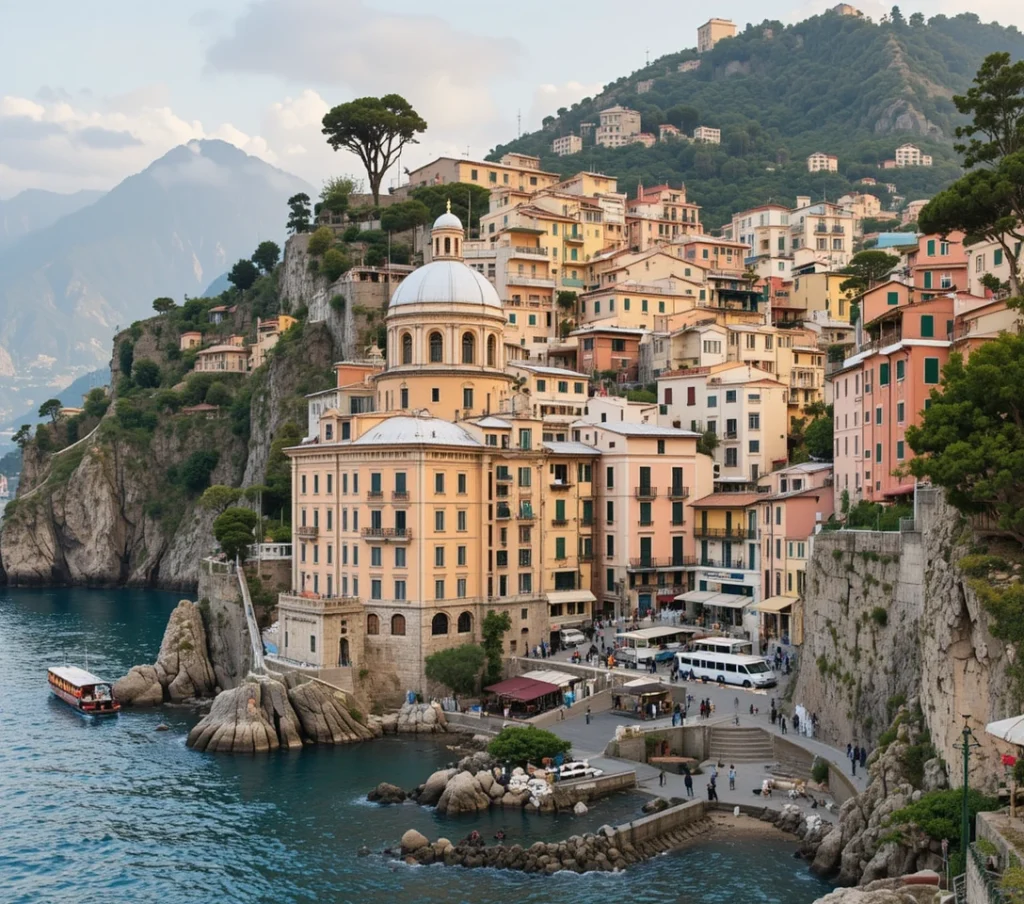
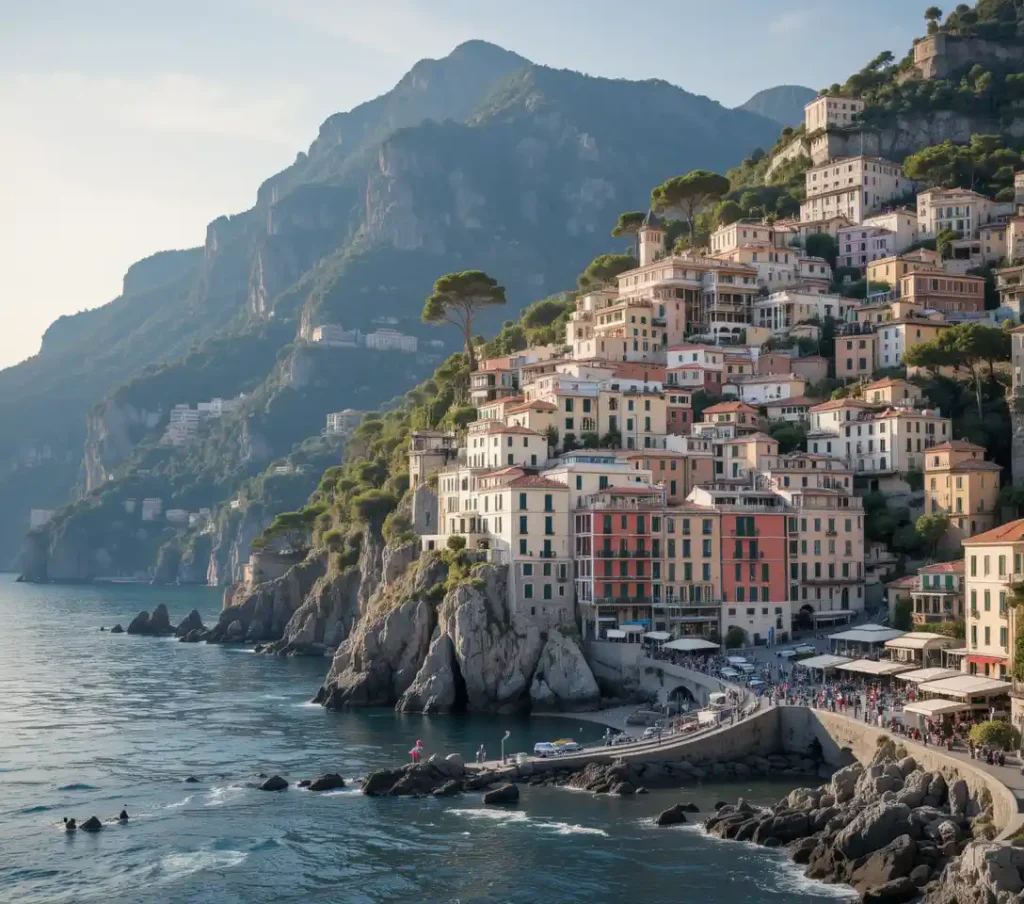
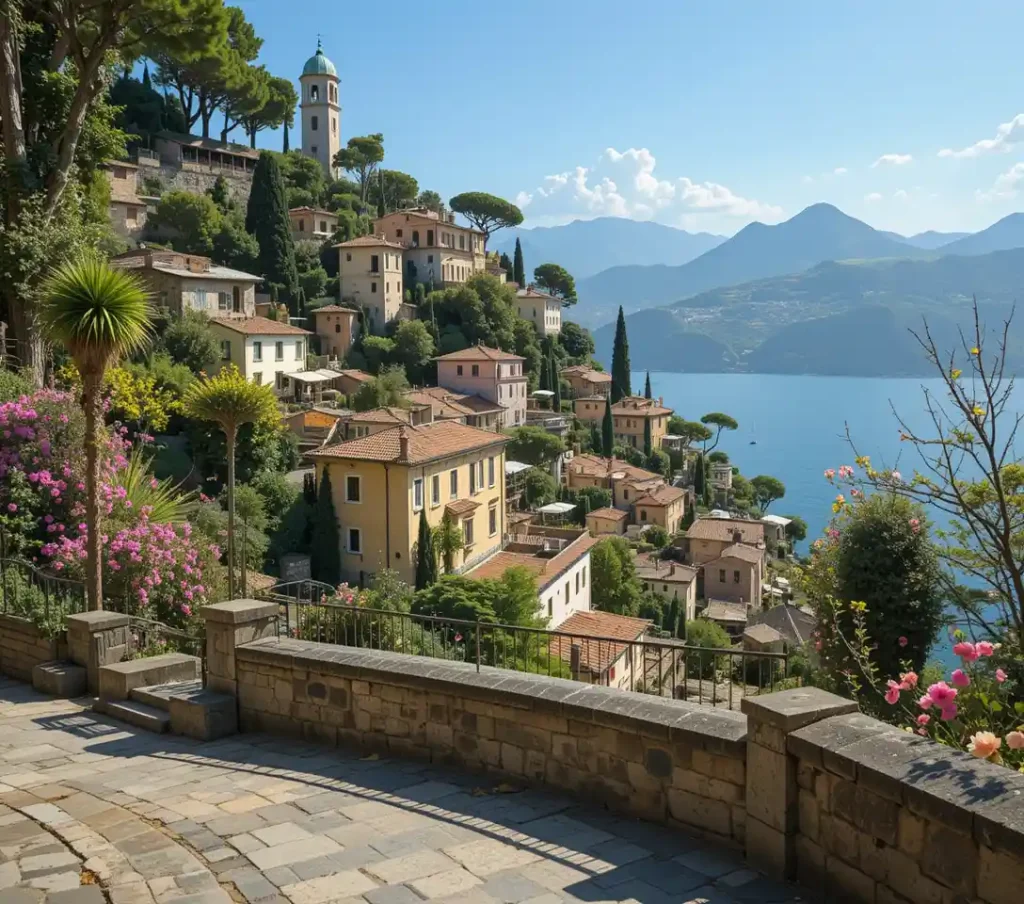
discover the best Lake Tahoe California in 2025

discover best Lake Tahoe California in 2025

Explore the Magic of Lac Tahoe Californie, États-Unis

Have you ever stood still, overwhelmed by nature’s beauty, heart pounding with joy?
That’s what you feel when you first glimpse Lac Tahoe in California, United States.
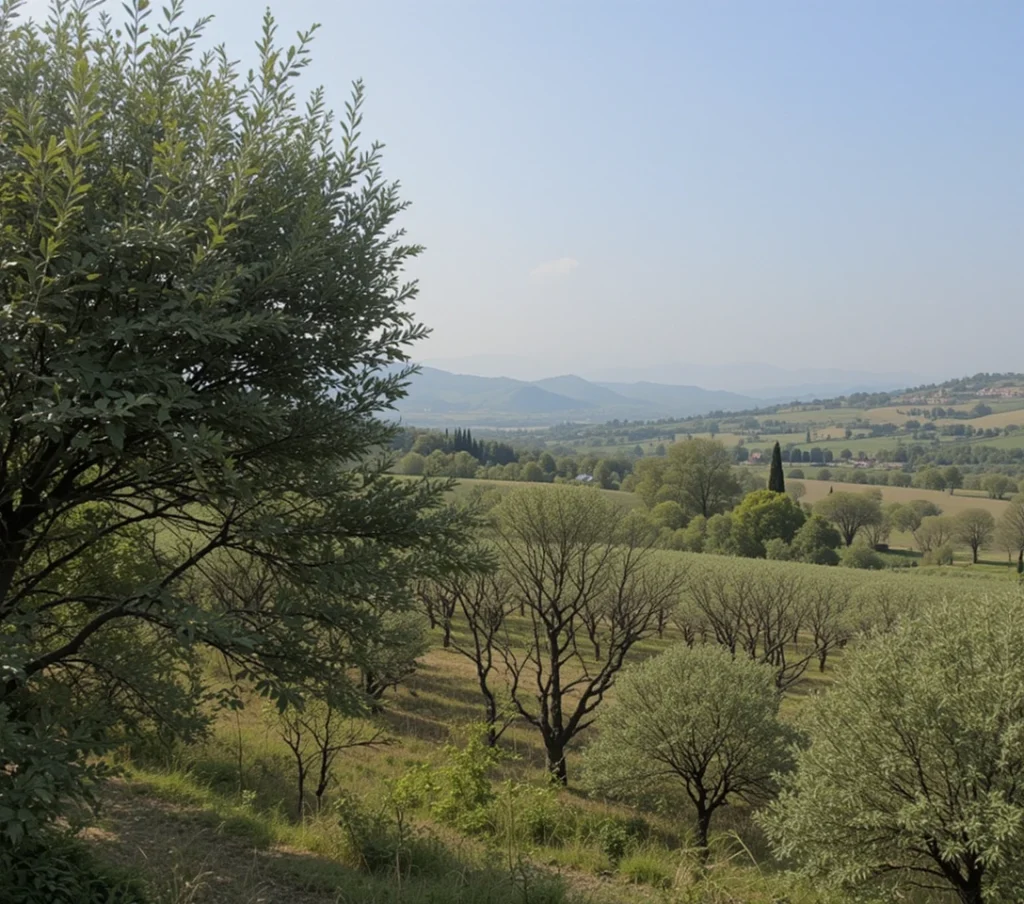
The crystal-clear waters reflect the blue sky, while snow-kissed peaks guard the horizon.

This is not just a lake; it’s an escape, a soul-refreshing experience.


Why Visit Lac Tahoe Californie, États-Unis

 Lac Tahoe Californie, États-Unis

A Year-Round Destination

  • Summer: Enjoy kayaking, paddleboarding, and beach relaxation.
  • Winter: Explore world-class ski resorts like Heavenly and Squaw Valley.
  • Spring & Fall: Discover vibrant wildflowers or breathtaking fall foliage.

Unique Geographic Beauty

  • Located in the Sierra Nevada Mountains.
  • Shared by California and Nevada.
  • Second deepest lake in the U.S. (501 meters deep).
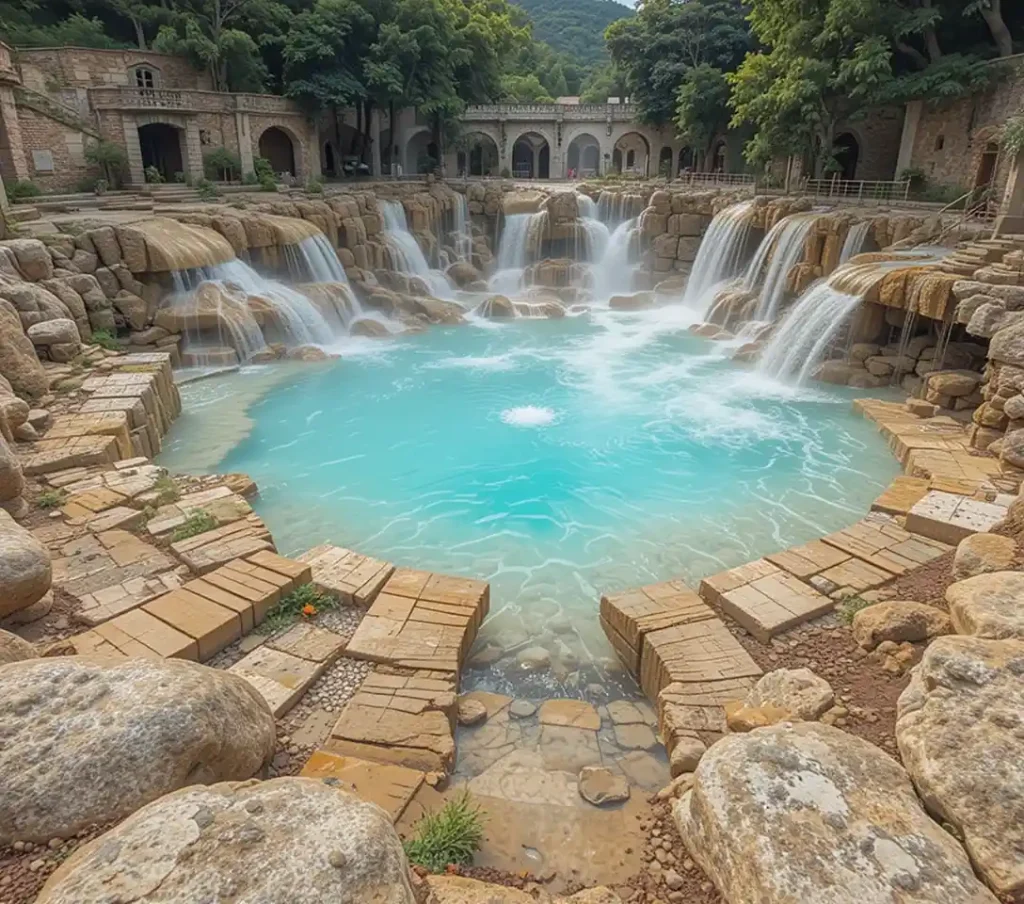
  • Known for its clarity and vivid turquoise shades.

Best Activities at Lac Tahoe Californie, États-Unis

Outdoor Adventures

  • Hiking Trails: Emerald Bay, Mount Tallac, and Eagle Falls.
  • Water Sports: Jet-skiing, parasailing, and fishing.
  • Skiing & Snowboarding: Over 12 ski resorts nearby.

Relaxation & Scenery

  • Beaches: Kings Beach, Sand Harbor, and Pope Beach.
  • Sunsets: Watch from Inspiration Point or Cave Rock.
  • Boat Tours: Scenic cruises on the M.S. Dixie II.

Where to Stay Near Lac Tahoe Californie, États-Unis

Where to Stay Near Lac Tahoe Californie, États-Unis

Top-Rated Accommodations

AccommodationLocationFeatures
The Ritz-CarltonNorth Lake TahoeLuxury, spa, ski-in/ski-out
Basecamp HotelSouth Lake TahoeEco-friendly, walk to the lake
Edgewood Tahoe ResortStatelineLakefront, golf, fine dining

Local Cuisine to Try at Lac Tahoe Californie, États-Unis

Must-Try Dishes

  • Lake Trout with Herbs
  • Sierra Nevada Cheese Board
  • Tahoe Blueberry Pancakes

Sample Recipe Table: Grilled Lake Trout

Sample Recipe Table: Grilled Lake Trout
IngredientQuantity
Fresh lake trout1 fillet
Olive oil2 tbsp
Fresh lemon juice1 tbsp
Garlic, minced1 clove
Chopped parsley2 tbsp
Salt & pepperTo taste

Instructions:

  1. Marinate trout with all ingredients for 30 mins.
  2. Grill each side for 4–5 minutes.
  3. Serve hot with lemon wedges.

Tips for Visiting Lac Tahoe Californie, États-Unis

Tips for Visiting Lac Tahoe Californie, États-Unis
  • Book lodging early during peak seasons.
  • Always check road conditions in winter.
  • Wear layers due to temperature shifts.
  • Protect the environment: pack out what you pack in.
  • Bring sunscreen—even in winter.

How to Get to Lac Tahoe Californie, États-Unis

  • By Air: Reno-Tahoe International Airport (1-hour drive).
  • By Car: Scenic drive from Sacramento or San Francisco.
  • By Bus: Year-round shuttles from major cities.

FAQ About Lac Tahoe Californie, États-Unis

H3: What is the best time to visit Lac Tahoe Californie, États-Unis?

Summer for beaches, winter for skiing, fall for foliage, and spring for waterfalls.

Is Lac Tahoe Californie, États-Unis family-friendly?

Absolutely. Beaches, trails, and activities suit all ages.

Can you swim in Lac Tahoe?

Yes, but the water is cold even in summer—refreshingly so!

Is Lac Tahoe pet-friendly?

Many trails, beaches, and accommodations welcome pets.


Conclusion

Lake Tahoe California remains one of the most spectacular natural destinations in the United States, offering visitors an unparalleled combination of pristine alpine beauty, diverse recreational opportunities, and world-class amenities. Whether you’re seeking adventure through hiking and water sports, relaxation on pristine beaches, or luxury accommodations with stunning lake views, Lake Tahoe California delivers an unforgettable experience that changes with the seasons but never fails to inspire.

The commitment to environmental conservation, combined with thoughtful development of recreational facilities, ensures that Lake Tahoe California will continue to provide exceptional experiences for visitors while preserving its natural integrity for future generations. From the crystal-clear waters to the surrounding Sierra Nevada peaks, Lake Tahoe California offers a perfect escape from urban life and a chance to reconnect with nature’s most spectacular creations.

Ride Your First Wave Mexico Surf Camps for Beginners

Feel the Ocean, Find Yourself

Ever dreamed of catching your first wave with the sun on your skin and the ocean at your feet? Mexico’s surf camps for beginners offer more than just surf lessons. They offer transformation, adventure, and a connection with nature. Whether you’re looking to conquer your fears, explore a new lifestyle, or just unplug from routine, this guide will help you choose the perfect surf camp in Mexico.


Why Choose Mexico Surf Camps for Beginners?

Why Choose Mexico Surf Camps for Beginners?

Affordable and Accessible

  • Mexico offers top-tier surf experiences without breaking your wallet.
  • Easy access from the US and Canada.
  • Plenty of beginner-friendly beaches.

Ideal Weather Conditions

  • Warm water year-round.
  • Gentle waves ideal for beginners.
  • Clear skies and tropical vibes.

Vibrant Culture & Cuisine

  • Authentic local food and welcoming communities.
  • Rich culture to explore off the beach.
  • Surf towns like Sayulita and Puerto Escondido mix fun and tradition.

Top Beginner-Friendly Surf Spots in Mexico

Top Beginner-Friendly Surf Spots in Mexico

Sayulita (Riviera Nayarit)

  • Soft, consistent waves.
  • Lively town with boho charm.
  • Great surf schools like Lunazul or WildMex.

Puerto Escondido (Oaxaca)

  • Famous for big waves, but has safe beginner zones.
  • La Punta beach is ideal for first-timers.
  • World-class surf instructors available.

Todos Santos (Baja California Sur)

  • Relaxed vibe and scenic beaches.
  • Playa Cerritos is a favorite beginner spot.
  • Eco-friendly surf camps with yoga and wellness.

What to Expect at a Beginner Surf Camp

Accommodations & Amenities

  • Options range from rustic cabanas to boutique beach resorts.
  • Most packages include meals, lessons, and board rentals.

Surf Lessons & Techniques

  • Certified instructors provide hands-on training.
  • Learn paddling, stance, and safety skills.
  • Group and one-on-one options available.

Wellness Add-Ons

  • Many camps include yoga, massage, and meditation.
  • Focus on full-body strength, balance, and inner calm.

Sample Daily Schedule at a Surf Camp

TimeActivity
7:00 AMMorning yoga/stretch
8:00 AMBreakfast
9:00 AMSurf lesson with instructor
12:00 PMLunch + free time
3:00 PMSecond surf session or workshop
6:00 PMGroup dinner or cultural outing
8:00 PMCampfire, stargazing, or rest

Tips for Surf Beginners in Mexico

Pack the Essentials

  • Rash guard, sunscreen, and eco-friendly toiletries.
  • Reusable water bottle and a wide-brimmed hat.

Stay Mentally Prepared

  • Don’t expect perfection on day one.
  • Stay patient and trust your instructors.

Book in Advance

  • Camps fill up quickly in peak season (November–April).
  • Read reviews and compare packages online.

FAQs About Mexico Surf Camps for Beginners

Are Mexico surf camps safe for beginners?

Yes! Most beginner camps operate in shallow, calm waters with trained instructors and safety protocols in place.

What should I bring to a surf camp in Mexico?

Bring light clothing, swimwear, sun protection, and a good attitude. Most camps provide surfboards and gear.

Can I join a surf camp if I can’t swim well?

Basic swimming ability is recommended. Some camps offer extra support for beginners still gaining water confidence.

Is surfing hard to learn?

It depends on your mindset and fitness. With practice and patience, you’ll ride your first wave within days.

What’s the best time to attend a surf camp in Mexico?

The best time is November to April for the most beginner-friendly waves and pleasant weather.


Conclusion

Mexico surf camps for beginners aren’t just vacations. They’re gateways to freedom, fitness, and unforgettable experiences. You’ll leave with more than photos you’ll gain confidence, skills, and maybe even a lifelong passion for surfing. So grab your board and let Mexico be the place where your surf story begins.

Discover the best beach in Gjipe of Albania

You know that rare feeling when the world fades, and you’re left with just the waves, the wind, and yourself? That’s what Beach gives you. Not just a beach, but a tranquil haven tucked away in the raw beauty of Albania’s southern coast. When you set foot here, you step into a peaceful escape that feels untouched by time.

Where in the World Is Gjipe, Albania?

Where in the World Is Gjipe, Albania?

You’ll find Gjipe Beach hidden between two well-known coastal villages Dhermi and Himara. It sits quietly at the mouth of Gjipe Canyon, where steep rock walls cradle the beach like a protective embrace. You can’t drive all the way in. That’s part of the charm. To reach this hidden gem, you’ll either hike a scenic path or arrive by boat. Each route offers its own slice of adventure.

How to Get There

  • By Car: Drive to the parking area near the canyon’s edge. It’s about a 15-minute ride from Dhermi.
  • On Foot: Hike roughly 30–40 minutes through olive groves and rocky paths. It’s a moderate trek, but the views are worth every step.
  • By Boat: If hiking’s not your thing, boats from Jale or Himara will drop you right at the shore.

Why Gjipe, Albania Deserves a Spot on Your Bucket List

Imagine a beach free from concrete bars, loud music, and sunbed crowds. You get soft golden sand, clear turquoise waters, and the kind of silence that makes you breathe deeper. Beach offers that rare blend of solitude, adventure, and raw nature.

Reasons You’ll Love It

  • No Resorts, No Rush – Just pure coastal wilderness.
  • Turquoise Waters – Perfect for snorkeling and exploring underwater life.
  • Photogenic Landscapes – With the canyon behind and sea ahead, every angle is a postcard.

Don’t Miss Gjipe Canyon

Don’t Miss Gjipe Canyon

You’re not just here for the beach. Gjipe Canyon, carved by time and water, is a natural wonder you can explore. As you hike through its narrow passageways, surrounded by towering cliffs, you’ll feel like you’ve stepped into another world.

Top Things to Do in Gjipe Canyon

  • Climb rock formations for epic views
  • Photograph the light beams slicing through stone walls
  • Listen to the echo of your footsteps in total stillness

What Can You Do at Gjipe Beach?

You’ve arrived. Now what? Plenty. Whether you’re after a meditative moment or an adrenaline kick, Gjipe delivers.

Water-Based Fun

  • Snorkeling: Bring your gear. The sea caves hide colorful marine life.
  • Kayaking: Paddle along the jagged coastline and find secret coves.
  • Swimming: The gentle waves make this beach ideal for a refreshing dip.

Land Adventures

  • Camping: Sleep under stars, just meters from the sea. No light pollution. No noise.
  • Hiking: Trek the canyon trails and lose yourself in limestone labyrinths.
  • Climbing: Bring your harness. Gjipe’s cliffs attract climbers chasing views.

Chill and Recharge

  • Practice yoga as the sun rises behind the canyon.
  • Enjoy a seaside picnic with local cheese, olives, and fresh bread.
  • Read a book while waves gently stroke the shore.

Seasonal Travel Guide to Gjipe, Albania

Every season paints Gjipe in a different light. Knowing when to go helps you make the most of it.

SeasonExperienceBest For
SpringGreen hills, blooming flowersPeaceful hiking and photography
SummerHot sun, clear skies, and turquoise watersSwimming, kayaking, camping
AutumnWarm seas, fewer visitorsMeditation, sunset walks
WinterCool, isolated, sometimes windySolitude, off-the-grid exploring

Where Should You Stay Near Gjipe?

Though Gjipe itself doesn’t have hotels, nearby villages offer cozy spots. Or you can go full adventure mode and camp.

Camping at Gjipe

There’s a small eco-camping area right behind the beach. You’ll fall asleep to the sounds of waves and wake up to birdsong. Bring your own gear, or rent tents locally.

Nearby Accommodations

In Dhermi or Himara, you’ll find:

  • Boutique Hotels: Think stone houses, sea views, and homemade breakfasts.
  • Guesthouses: Run by local families with warm hospitality.
  • Budget Hostels: Ideal for solo travelers or backpackers.

Don’t Forget to Pack These Essentials

Yourtrip isn’t like visiting a city. You need to come prepared.

  • Hiking shoes with grip
  • Plenty of water
  • Swimsuit and towel
  • Sunscreen and sun hat
  • Snacks or packed lunch
  • Flashlight (especially if you camp)
  • Power bank for your phone
  • Trash bag (leave no trace behind)

Food and Dining Tips

There are no restaurants at Gjipe. That’s part of the reason it’s so peaceful. So, bring a picnic or grab a meal in Dhermi or Himara before heading in.

Local Foods You Should Try

Grilled calamari or octopus
  • Grilled calamari or octopus
  • Byrek (savory Albanian pastry)
  • Fërgesë (baked peppers, cheese, and tomato)
  • Homemade raki (local brandy)

You can even stop at roadside fruit stalls for fresh figs, cherries, or olives.

FAQs: Everything You Need to Know About Gjipe, Albania

Is Gjipe Beach suitable for children?

It depends. The hike is steep and rocky, so it’s best for kids who are used to walking longer distances.

Is Gjipe safe for solo travelers?

Yes. Albania is known for its hospitality, and Gjipe is a low-risk area. Just make sure someone knows where you’re going.

Can I camp directly on the beach?

Yes, but use designated areas and respect nature. Fires are not allowed.

Is there cell signal at Gjipe?

Very limited. Consider this your chance to unplug and disconnect.

Do I need to pay to enter Gjipe Beach?

No entry fee, but the parking area might have a small charge.

Insider Tips to Maximize Your Gjipe Experience

  • Go Early Morning or Late Afternoon: Avoid midday heat and enjoy better lighting for photos.
  • Bring a Hammock: There are trees perfect for stringing one up.
  • Wear Reef Shoes: Some parts of the sea bed are rocky.
  • Respect the Silence: People come here to escape the noise.

Conclusion: Gjipe, Albania Is Waiting for You

You’ve scrolled through dreamy beaches on Instagram. You’ve wondered if places like that are real. Gjipe is. And it’s waiting for you. Here, nature speaks louder than your phone. Here, time slows down. If you crave adventure, silence, and stories worth telling, pack your bag and go.

the Wonders of Birdwatching Trips in Chiapas Cloud Forest

Experience the Wonders of Birdwatching Trips in Chiapas Cloud Forest

When you imagine stepping into a living painting, the Chiapas cloud forest paints that picture with sound, mist, and motion. Here, every trail you walk echoes with song, every branch holds a secret flutter, and each pause in your breath is matched by nature’s own rhythm. If birdwatching lives in your soul or even if it’s just a passing interest you’ll find something unforgettable in these misty highlands.


Why Choose the Chiapas Cloud Forest for Your Birdwatching Adventure

Why Choose the Chiapas Cloud Forest for Your Birdwatching Adventure

You could search across continents and still not stumble upon a landscape as rich and alive as Chiapas’ cloud forest. Nestled deep in southern Mexico, this region weaves a unique tapestry of biodiversity, elevation, and climate. What makes it even more compelling for you as a birder is the blend of endemic species, undisturbed reserves, and a deeply rooted local culture that respects and protects nature.

A Biodiversity Hotspot Like No Other

You’re not just spotting birds you’re stepping into one of the world’s richest ecological theaters.

  • Over 600 bird species make this region their home or migration stop.
  • Endemic treasures like the Pink-headed Warbler and the Resplendent Quetzal are only found in a handful of places worldwide.
  • The altitudes, ranging from 900 to over 2,500 meters above sea level, create layered ecosystems that welcome everything from hummingbirds to hawks.

When you stand under that dripping canopy, camera in hand, you realize you’re not just watching birds you’re part of a much larger, vibrant system.


The Best Time to Plan Your Birdwatching Trip

The Best Time to Plan Your Birdwatching Trip

Timing is everything when it comes to your trip. The forest changes with the seasons, and so does its avian life.

Seasonal Breakdown

SeasonBirds You Might SeeWeatherWhat to Pack
November–FebruaryQuetzal, winter migratory birdsCool, mistyWaterproof jacket, binoculars, thermal layer
March–MayBreeding displays, warblers in songDry, warmCamera, sun hat, hydration gear
June–AugustLush vegetation, quiet trailsHumid, rainyInsect repellent, breathable clothes
September–OctoberMigratory transitionsVariableSturdy boots, light rain gear

For optimal birdwatching, aim for late winter into early spring. That’s when the Quetzals perform their courtship flights and the warblers sing their hearts out.


Top Locations in Chiapas Cloud Forest for Bird Enthusiasts Like You

Top Locations in Chiapas Cloud Forest for Bird Enthusiasts Like You

To make your trip count, you need to go where the birds are. These locations offer more than beauty they offer birds in their most natural, undisturbed states.

1. El Triunfo Biosphere Reserve

Here’s where your jaw will drop. A jewel in Mexico’s conservation crown, El Triunfo spans cloud-shrouded ridges and deep valleys teeming with life.

  • Home of the Resplendent Quetzal
  • Over 390 bird species recorded
  • Local guides available, some of whom grew up in the reserve’s buffer zones

El Triunfo isn’t easily accessible. You’ll need to hike in sometimes up to five hours but the reward? Pure birding bliss.

2. Lagunas de Montebello National Park

A mosaic of lakes, pine forests, and high-altitude wetlands. You’ll spot water-loving species here that you won’t find in denser forests.

  • Kingfishers, ducks, and flycatchers
  • Perfect for a quieter, reflective birdwatching day
  • Accessible by car, with camping options nearby

3. Reserva de la Biosfera La Sepultura

Less touristy, but equally rich. You’ll want to add this to your itinerary if you enjoy spotting raptors and larger birds.

  • Watch for Military Macaws and Swainson’s Hawks
  • Excellent opportunities for long-lens photography
  • Trails less crowded, ideal for solitude seekers

Must-See Bird Species on Your Trip

Not all birds are created equal. Some you’ll chase for hours, others will surprise you with a brief, brilliant flash. Either way, your checklist might need extra pages.

Endemic & Iconic Birds

  1. Resplendent Quetzal – Emerald tail plumes, sacred to the Maya. A true bucket-list bird.
  2. Pink-headed Warbler – Soft pastels, rapid movement, haunting call.
  3. Blue-throated Motmot – Bold and rare, often perched low along mossy trails.
  4. Slate-colored Solitaire – Known more for its flute-like song than its subtle appearance.
  5. Unicolored Jay – Striking, loud, and social. Hard to miss, harder to forget.

Keep your ears as open as your eyes. Often, it’s the unique call that leads you to your next sighting.


Planning Your Birdwatching Trip to Chiapas

Planning Your Birdwatching Trip to Chiapas

What to Pack for Success

  • Binoculars (8×42 or 10×42 recommended)
  • DSLR or mirrorless camera with at least a 300mm lens
  • Birding guidebook for Mexico or Central America
  • Lightweight, earth-toned clothing
  • Hydration pack or water bottles
  • Headlamp for early mornings

Tips for Maximizing Your Experience

  • Arrive before sunrise ny have feeders and guided tours built in.
  • Bring local currency for guides, tips, and entrance fees.
  • Turn off your phone, not just for battery life, but to soak in the experience.

Where to Stay: Best Eco-Lodges for Birdwatchers

1. Finca Hamburgo

Located in the Sierra Madre, this coffee farm offers birdwatching trails and incredible cloud forest views. Mornings here begin with bird calls and end with starry skies.

2. Eco-Lodge El Triunfo

Inside the reserve itself. You sleep where the birds live. Solar-powered, community-managed, and only accessible by foot.

3. Villas Casa Morada (San Cristóbal)

Urban comfort meets nature access. Perfect base if you’re mixing cultural tourism with birding.


Local Cuisine to Taste Between Birding Sessions

Try These Traditional Dishes

Tamales de Chipilín
DishDescriptionWhen to Eat
Tamales de ChipilínCorn dough with wild greensPerfect post-hike meal
Sopa de PanHearty chicken soup with bread and plantainsComforting dinner
Café de OllaSpiced, sweet coffeeSunrise essential

Supporting local eateries also supports the communities who keep these forests safe.


FAQs – Birdwatching Trips in Chiapas Cloud Forest

Is Chiapas safe for birdwatching?

Yes. Stick with trusted tour operators and eco-lodges, and you’ll be in safe hands.

How many days should you plan?

Aim for 5–7 days. That gives you time to adjust, explore multiple locations, and not rush the experience.

Do you need a permit?

Some reserves like El Triunfo require permits. Book a guided tour they usually handle this for you.

Are there guided tours in English?

Yes, especially in well-known birding regions. Ask in advance and confirm the guide’s experience.

Can beginners enjoy birding here?

Absolutely. Many guides cater to all levels and will teach you as you go.


Sustainable Birding: How You Can Make a Difference

Every peso you spend on local guides, food, and eco-lodges reinforces the value of conservation. You’re not just observing you’re contributing to the future of these birds and forests.

  • Choose community-based tourism services.
  • Avoid plastic and carry reusable gear.
  • Report rare sightings to eBird to help researchers.

Your Next Step: Book the Trip That Will Change You

You came here looking for birds. But what you’ll find in Chiapas’ cloud forest is something deeper a reconnection with nature, with silence, with awe. The kind of awe that humbles you in all the right ways.

So here’s what you do next: look up eco-tours, pack that lens, and block off your calendar. Because your soul’s about to find its wings in a forest you’ll never forget.

Are you ready to listen to the forest sing? Then book your birdwatching trip to the Chiapas cloud forest today.

Discover the Hidden Charm of Off-the-Grid Beach Towns in Baja

Escape the Noise, Embrace the Serenity

Have you ever dreamt of waking up to the sound of waves, far from tourist traps and crowded beaches? Imagine a place where time slows, Wi-Fi is optional, and every sunset feels like a private show. Off-the-grid beach towns in Baja California offer this rare escape. These hidden gems give you the chance to unplug and reconnect with nature, locals, and yourself.

Why Choose Off-the-Grid Beach Towns in Baja California

Why Choose Off-the-Grid Beach Towns in Baja California

1. Authentic Coastal Living

Experience Baja like a local. These towns aren’t curated for tourists they’re raw, real, and refreshingly quiet.

  • No chain hotels, just locally-owned casitas
  • Seafood caught hours before it hits your plate
  • Friendly communities that welcome with open arms

2. Affordable, Sustainable Travel

Save money while saving the planet. Off-the-grid means low impact.

  • Solar-powered accommodations
  • Minimal carbon footprint
  • Budget-friendly meals and rentals

3. A Digital Detox Paradise

Goodbye notifications, hello nature.

  • Limited cell reception = mental clarity
  • Spend your day hiking, swimming, or reading
  • Reconnect with your partner or find your center solo

Top Off-the-Grid Beach Towns in Baja California

 Bahía Asunción

1. Bahía Asunción

A quiet fishing village on the Pacific coast, Bahía Asunción is perfect for whale watching and solitude.

Highlights:

  • Gray whale migrations from January to April
  • Fresh ceviche and friendly expats
  • Rocky beaches great for exploring

2. San Juanico (Scorpion Bay)

A surfer’s dream with endless right-hand point breaks.

What to Expect:

  • World-renowned waves
  • DIY surf shacks and camping spots
  • Zero nightlife, all starlight

3. Punta Abreojos

An isolated town where the desert meets the sea.

Key Features:

  • Off-the-radar snorkeling spots
  • Delicious lobster season (September to February)
  • Strong fishing community feel

4. Bahía de los Ángeles

Located on the Sea of Cortez, this bay glows with marine life.

Must-Do:

  • Swim with whale sharks
  • Explore volcanic islands by kayak
  • Visit eco-conscious lodges

What to Pack for Your Off-the-Grid Baja Adventure

Before you head off the map, pack smart. Here’s a list of must-haves:

  • Solar charger
  • Refillable water bottle
  • Lightweight clothing
  • Bug repellent
  • Offline maps and guidebooks

Local Baja Recipe: Fish Tacos You’ll Crave Again

Even off the grid, food in Baja is unforgettable. Try this classic Baja-style fish taco.

Table: Baja Fish Taco Ingredients

IngredientAmount
White fish (cod/mahi)1 lb
All-purpose flour1 cup
Baking powder1 tsp
Beer (light)1 cup
Corn tortillas10 small
Shredded cabbage2 cups
Lime wedgesFor serving
Baja sauce (mayo+lime)½ cup mixed
Salt & pepperTo taste

Quick Directions:

  1. Mix flour, baking powder, salt, and beer to make batter.
  2. Coat fish pieces and fry until golden.
  3. Serve in tortillas with cabbage and sauce.

How to Get There and Get Around

While these towns are remote, they’re reachable with a little effort.

  • Drive from Tijuana or La Paz: Rent a 4×4 for rough roads
  • Public transport: Limited, mostly local buses or hitchhiking
  • Travel tip: Fuel up often stations can be 100+ km apart

Best Time to Visit Baja’s Off-the-Grid Towns

  • Spring (March–May): Mild temps and marine life
  • Fall (September–November): Lobster season, fewer bugs
  • Avoid mid-summer: Intense heat and potential storms

Stay Safe While Staying Remote

You’ll be far from help, so prepare accordingly:

  • Let someone know your travel route
  • Bring cash ATMs are scarce
  • Pack a first-aid kit and backup food

Conclusion: The Soul-Healing Escape You Deserve

Off-the-grid beach towns in Baja California aren’t for everyone but if you crave authenticity, they’re paradise. These towns offer more than escape they offer meaning. Forget the filters, skip the resorts. Baja’s hidden shores are waiting, and they just might change your life.


Frequently Asked Questions (FAQ)

What does “off-the-grid” mean in Baja California beach towns?

It means limited infrastructure—no chain hotels, minimal internet, and a focus on sustainable living.

Are these towns safe for solo travelers?

Yes, most are safe with friendly locals. Always use common sense and check in with residents.

Do I need a 4×4 vehicle to visit these places?

For most towns, yes. Many roads are unpaved and rough, especially after rain.

Can I find vegetarian food in off-the-grid Baja towns?

Yes, but options are limited. It’s best to bring some snacks or ingredients if you’re strict.

How long should I stay in one of these beach towns?

Plan for at least 3–5 days to unwind, explore, and fully enjoy the off-the-grid rhythm.

Best Pueblos Mágicos to Stay

Best Pueblos Mágicos to Stay

You Deserve a Life That Fills Your Soul

You’ve probably felt it the urge to disconnect from the noise, slow down, and live more meaningfully. Maybe city life feels too loud, too fast. Or perhaps your daily routine has turned into a loop you can’t escape. If any of that sounds familiar, it’s time you considered something different something magical.

Mexico’s Pueblos Mágicos are more than just tourist destinations. They’re towns steeped in charm, history, culture, and tranquility. And for long-term stays? They’re absolute gold.


What Makes a Pueblo Mágico So Special for Long-Term Living?

What Makes a Pueblo Mágico So Special for Long-Term Living?

Choosing the right place to live abroad isn’t just about scenery or Instagrammable moments. It’s about balance between affordability, quality of life, and emotional connection.

When you stay in a Pueblo Mágico, you’re not just passing through. You become part of something deeper:

  • Affordable cost of living: You can often live comfortably on a fraction of what you’re used to.
  • Warm, tight-knit communities: Locals tend to be kind, open, and eager to share their traditions.
  • Rich culture and heritage: Whether it’s music, cuisine, or festivals, you’ll feel constantly inspired.
  • Laid-back lifestyle: Here, time slows down. And so does your stress.
  • Natural beauty: Mountains, lakes, forests, and beaches each town has its own flavor of paradise.

Top 7 Pueblos Mágicos for Long-Term Living

Let’s walk through the best of the best. These are the magical places where you can root yourself and truly thrive.


1. San Cristóbal de las Casas, Chiapas

San Cristóbal de las Casas, Chiapas

You’ll fall in love with San Cristóbal’s cobbled streets, vibrant markets, and misty highland mornings. The town is known for its multicultural vibe and artistic soul. It’s a place where digital nomads and traditional Mayan culture exist side by side.

Why you’ll love living here:

  • Cool climate all year round
  • Active expat and traveler community
  • Tons of cafes with strong Wi-Fi
  • Weekly markets full of fresh produce and handmade goods

Neighborhood tip: El Cerrillo and Barrio del Cerrillo are favorites for their charm and walkability.


2. Valle de Bravo, Estado de México

Valle de Bravo, Estado de México

If you crave nature without sacrificing comfort, Valle de Bravo will call to you. Picture pine-scented air, shimmering lakes, and stylish mountain homes. It’s a bit upscale, yes but still surprisingly affordable if you rent long-term.

What makes it special:

  • Great for outdoor lovers: paragliding, hiking, and sailing
  • Clean, safe, and peaceful
  • Stunning sunsets over the lake
  • Modern amenities just a short drive from Mexico City

Local advice: Rent a place with lake views you’ll never get tired of waking up to that.


3. Tepoztlán, Morelos

Tepoztlán, Morelos

Looking for a spiritual recharge? Tepoztlán radiates mystical energy. It’s known for its wellness scene, pre-Hispanic ruins, and weekend markets filled with organic goods and crystals.

Why it’s perfect for soul-seekers:

  • Alternative health and wellness centers
  • Vibrant art scene
  • Warm weather and lush mountains
  • Local legends and healing traditions

Pro tip: The hike to the Tepozteco Pyramid is a must especially at sunrise.


4. Mazunte, Oaxaca

Mazunte, Oaxaca

Imagine stepping onto the beach with no shoes, no rush, and no worries. That’s Mazunte. This coastal town is small but magical, perfect if you’re drawn to slow beach living and a bohemian lifestyle.

Why you might never leave:

  • Yoga retreats and eco-lodges
  • Fresh seafood daily
  • Turtle conservation centers
  • Friendly, open-minded community

Heads up: It’s remote, so internet can be spotty. But if your work allows some flexibility, it’s worth it.


5. Pátzcuaro, Michoacán

Pátzcuaro, Michoacán

Old-world charm lives on in Pátzcuaro. This highland town is surrounded by pine forests and famous for its Día de los Muertos celebrations. It’s quieter than tourist hotspots, but no less enchanting.

What makes it magical:

  • Colonial architecture and red-tiled roofs
  • Rich indigenous traditions
  • Affordable living, especially in outskirts
  • Nearby artisan villages

Seasonal magic: Visit during late October for one of the most unforgettable Day of the Dead experiences in all of Mexico.


6. Taxco, Guerrero

Taxco, Guerrero

Taxco is silver and stone literally. It was once Mexico’s silver capital, and today it sparkles with old charm and artisanal beauty. Tucked into a hillside, it offers jaw-dropping views and narrow, winding streets that make every walk an adventure.

Ideal for lovers of art and heritage:

  • Breathtaking colonial buildings
  • Strong expat presence
  • Unique shopping and design scene
  • Cooler climate at higher elevation

Note: Streets can be steep, so comfy shoes are a must.


7. Todos Santos, Baja California Sur

Todos Santos, Baja California Sur

If you’re creative, Todos Santos might be your dream base. This coastal town blends desert calm with artistic spirit. It’s full of art galleries, live music, and great surf spots all with Pacific views.

Why creatives thrive here:

  • Beach meets bohemian
  • Excellent for surfing and photography
  • High-speed internet and cafés
  • Healthy food and eco-friendly living

Extra bonus: You’re only an hour from Cabo if you want big-city amenities.


Quick Comparison: Which Pueblo Mágico Suits You Best?

TownVibeCost of LivingBest ForInternet Access
San CristóbalCultural + ArtisticLowWriters, creatives, activistsHigh
Valle de BravoUpscale NatureMediumOutdoor lovers, familiesHigh
TepoztlánMystical + WellnessMediumSpiritual seekers, yogisMedium
MazunteCoastal + Slow LivingLowBeach lovers, off-grid travelersMedium
PátzcuaroColonial + QuietLowRetirees, historiansMedium
TaxcoArtistic + ElegantMediumDesigners, cultural explorersHigh
Todos SantosBohemian + CoastalHighArtists, surfers, digital nomadsHigh

How to Transition into a Pueblo Mágico Life

Making the leap doesn’t have to feel overwhelming. Start small. Visit first. Explore the streets, taste the local food, and talk to people.

Here’s how you can ease into the transition:

Step-by-Step Guide

  • Book a month-long stay first: Use Airbnb or Facebook groups to find rentals.
  • Join expat or traveler communities: They’ll guide you through things like visas and local bureaucracy.
  • Take Spanish classes: Even basic language skills will enrich your experience tenfold.
  • Support local businesses: Shop at tianguis (markets), hire local service providers, and learn to cook regional dishes.
  • Stay open to the unexpected: The magic often lies in the surprises.

FAQs About Staying Long-Term in a Pueblo Mágico

Is a long-term stay in a Pueblo Mágico affordable?

Yes. Most of these towns are budget-friendly, especially compared to the U.S., Canada, or Europe.

Can I work remotely from these towns?

Absolutely. Many have reliable internet, though some coastal or remote areas may require patience or extra planning.

Are there visa options for long-term stays in Mexico?

Yes. You can apply for a temporary resident visa, retiree visa, or even a digital nomad visa depending on your income.

Is it safe to live in a Pueblo Mágico?

Generally, yes. These towns are much safer than major metropolitan areas. Just use common sense and stay informed.


Your Next Chapter Starts Here

You’ve got choices beautiful ones. Whether it’s the misty mountains of San Cristóbal or the golden beaches of Mazunte, there’s a Pueblo Mágico waiting to welcome you home.

Don’t wait for the “right time.” If you’re feeling the call for a slower, richer, more intentional life, it’s already the right time. Start with one town. Book that flight. Let the magic find you.


Ready to Begin?

Download a free checklist for moving to a Pueblo Mágico, including visa tips, packing lists, and must-know apps. Or, reach out for help planning your scouting trip. This could be the beginning of something truly magical for you.

Let me know if you want that checklist or personalized recommendations based on your lifestyle. Your magical life is waiting.

Best Travel Itinerary Mexico in 30 Days: How to Plan It

Unplug, Unwind, and Truly Experience Mexico

What if you stopped rushing and finally embraced the journey? Imagine sipping coffee in a sunlit plaza, wandering through ancient ruins, or watching the sun dip below the Pacific without checking your watch. That’s what a slow travel itinerary in Mexico for 30 days offers: connection, freedom, and unforgettable moments.

If you’re craving authenticity over itinerary stress, you’re in the right place. Let’s break down a month-long escape that lets you explore Mexico deeply and meaningfully.


Week 1: Dive Into Mexico City’s Heart

Week 1: Dive Into Mexico City’s Heart

Explore Culture, Cuisine, and Colonial Charm

Destinations:

  • Mexico City
  • Coyoacán
  • Xochimilco

Highlights:

  • Visit the Frida Kahlo Museum
  • Explore Teotihuacan Pyramids
  • Stroll through Chapultepec Park
  • Enjoy authentic tacos at Mercado Roma

Tips:

  • Stay in Condesa or Roma Norte
  • Use the Metro for easy local travel
  • Book a Xochimilco boat ride on weekdays

Week 2: Discover Oaxaca’s Vibrant Soul

Week 2: Discover Oaxaca’s Vibrant Soul

Art, Food, and Nature in Oaxaca

Destinations:

  • Oaxaca City
  • Hierve el Agua
  • Mitla

Must-Do Experiences:

  • Join a mole cooking class
  • Hike around Hierve el Agua
  • Tour local mezcal distilleries
  • Explore colorful markets

Local Eats Table:

DishKey Ingredients
Mole NegroChilhuacle chiles, chocolate, spices
TlayudasTortilla, beans, Oaxacan cheese
ChapulinesToasted grasshoppers, lime, salt

Week 3: Relax Along the Pacific Coast

Week 3: Relax Along the Pacific Coast

Beaches, Surf, and Wellness

Destinations:

  • Puerto Escondido
  • Mazunte
  • Zipolite

Activities:

  • Take a surf lesson at Zicatela Beach
  • Enjoy yoga sessions by the sea
  • Witness bioluminescence in Manialtepec Lagoon
  • Eat beachfront ceviche under the stars

Travel Tips:

  • Use ADO buses for intercity transport
  • Consider eco-friendly stays in Mazunte
  • Visit during weekdays to avoid crowds

Week 4: Colonial Highlands and Local Culture

 Week 4: Colonial Highlands and Local Culture

Mountains, Markets, and Magical Towns

Destinations:

  • San Cristóbal de las Casas
  • Sumidero Canyon
  • Indigenous Villages like Chamula

Can’t-Miss Moments:

  • Boat ride through Sumidero Canyon
  • Tour local artisan workshops
  • Hike El Arcotete Park trails
  • Experience traditional medicine rituals

Stay Suggestions:

  • Book a boutique stay with garden courtyards
  • Try homestays for deeper cultural immersion
  • Pack warm layers—it gets chilly at night

Packing Essentials for 30 Days in Mexico

  • Lightweight, breathable clothes
  • Sunscreen and bug repellent
  • Spanish phrasebook or app
  • Refillable water bottle
  • Travel insurance documents
  • Local SIM or eSIM for data access

Pro Tips for Slow Travel in Mexico

  • Prioritize connection over checklists
  • Stay longer in fewer places
  • Learn some basic Spanish it opens doors
  • Try one new local dish each day
  • Choose eco-conscious experiences

FAQ – Slow Travel Itinerary Mexico 30 Days

Is Mexico safe for slow travelers?
Yes, with common sense and research. Stick to safe areas, avoid late-night solo walks, and use trusted transportation.

What’s the best time for a 30-day trip in Mexico?
The dry season (November to April) offers pleasant weather for all regions.

How much does a 30-day slow travel trip in Mexico cost?
Budget travelers can manage on $1,200–$1,800 USD. Mid-range options may cost $2,500–$3,500 depending on activities and accommodations.

Do I need to speak Spanish?
It helps! While tourist zones use English, knowing basic Spanish enriches your experience and builds local trust.


Final Thoughts: Travel Slower, Live Deeper

Mexico isn’t just a destination it’s an awakening. With a well-crafted 30-day slow travel itinerary, you won’t just visit places. You’ll live them. You’ll forge connections, find calm, and return transformed. Ready to savor the soul of Mexico?

Plitvice Lake in Croatia A Breathtaking Natur

Why Plitvice Lake is a Must-Visit Destination

Plitvice Lake in Croatia is a mesmerizing natural gem that attracts visitors from all around the world. With its cascading waterfalls, vibrant turquoise lakes, and lush forests, this UNESCO World Heritage site offers an unforgettable experience. If you love nature, photography, or simply a peaceful escape, this guide will help you plan the perfect visit.


Why You Should Visit Plitvice Lake in Croatia

Why You Should Visit Plitvice Lake in Croatia

A UNESCO World Heritage Site

  • Recognized since 1979 for its outstanding natural beauty and ecological significance.
  • Features 16 interconnected lakes with pristine turquoise waters.

A Nature Lover’s Paradise

  • Home to over 120 bird species, deer, bears, and a variety of plant life.
  • Perfect for eco-tourism and wildlife enthusiasts.

A Scenic Destination Year-Round

  • Spring & Summer: Vibrant greens and fully flowing waterfalls.
  • Autumn: Golden foliage creates a stunning contrast with the blue lakes.
  • Winter: Snow-covered trails and frozen waterfalls make for a magical scene.

How to Explore Plitvice Lakes National Park

How to Explore Plitvice Lakes National Park

Hiking Trails and Walking Routes

The park offers eight well-marked trails to accommodate different preferences:

  • Trail A (3 km, 2 hours) – Short and scenic.
  • Trail B (4 km, 3 hours) – Includes a boat ride.
  • Trail C (8 km, 4-5 hours) – Ideal for moderate hikers.
  • Trail H (9 km, 6 hours) – Covers both upper and lower lakes.

Best Viewpoints for Photography

  • Veliki Slap (Big Waterfall) – The highest waterfall in Croatia, standing at 78 meters.
  • Vidikovac Viewpoint – Offers a panoramic view of the lake system.
  • Station P3 – Ideal for capturing Instagram-worthy shots.

Essential Visitor Information

CategoryDetails
Opening Hours7 AM – 8 PM (varies by season)
Entrance Fees€10 – €40 depending on the season
Location2-hour drive from Zagreb and Zadar
Recommended Visit Duration1-2 days for a complete experience

Best Time to Visit

  • May-June & September-October – Mild weather and fewer crowds.
  • July-August – Peak tourist season with more activities available.

What to Pack for Your Trip

  • Comfortable hiking shoes.
  • Lightweight waterproof jacket.
  • Reusable water bottle & snacks.
  • Camera or phone for stunning photos.

Where to Eat and Stay Near Plitvice Lake

Top Restaurants Near Plitvice

  • Lička Kuća – Authentic Croatian cuisine in a cozy setting.
  • Bistro Plum – A modern twist on European dishes.
  • Restoran Poljana – Quick, delicious meals near the park.
  • Plitvice Ethno House – Traditional Croatian lodging experience.
  • Hotel Jezero – Located inside the park for maximum convenience.
  • Camping Korana – Perfect for nature lovers and budget travelers.

Frequently Asked Questions (FAQ) About Plitvice Lake in Croatia

1. How long should I spend at Plitvice Lakes?

A full day is recommended, but an overnight stay allows for a more relaxed experience.

2. Can you swim in Plitvice Lakes?

No, swimming is prohibited to preserve the ecosystem.

3. Should I book tickets in advance?

Yes, especially during peak season, as visitor numbers are restricted.

4. Is there wildlife in the park?

Yes, but encounters with larger animals like bears are rare.

5. What’s the best way to get to Plitvice Lakes without a car?

Daily buses operate from Zagreb, Zadar, and Split.


Conclusion: Experience the Magic of Plitvice Lake

Plitvice Lake in Croatia is a nature lover’s paradise that should be on your travel bucket list. Whether you visit in the lush summer months or during the enchanting winter freeze, you will be captivated by its stunning beauty. Don’t wait plan your trip today and immerse yourself in this breathtaking wonder of nature!

Welcome to the best Maldives of Ksamil, Albania

Why You Should Visit Ksamil, Albania

Why You Should Visit Ksamil, Albania

Imagine stepping onto a beach where the sand is as soft as powdered sugar and the sea shimmers in dazzling shades of blue. This is Ksamil, Albania a breathtaking coastal paradise often called the “Maldives of Europe.” Whether you’re looking for adventure, relaxation, or a mix of both, this stunning destination has something for every traveler.

Where is Ksamil Located?

Ksamil is a picturesque seaside village nestled along Albania’s southern Riviera. It’s only 15 minutes from Saranda and a short ferry ride from Corfu, Greece. This hidden gem offers a stunning escape from crowded European beaches while still delivering world-class scenery and hospitality.

Top Things to Do in Ksamil

1. Relax on Ksamil’s Dreamy Beaches

The beaches of Ksamil are a sight to behold. The water is so clear that you can see the ocean floor, and the shoreline remains pristine, free from overwhelming crowds. Some of the must-visit beaches include:

  • Ksamil Beach – The heart of the village, lined with beach bars and restaurants.
  • Bora Bora Beach – Offers a more private, tranquil experience.
  • Pasqyra Beach – Known as “Mirror Beach” for its reflective waters, perfect for photography lovers.

2. Discover the Ksamil Islands

These small, uninhabited islands sit just a short boat ride from the shore. Whether you choose to kayak, paddleboard, or take a small boat, visiting these islands feels like stepping into another world. Expect:

  • Crystal-clear waters ideal for swimming
  • Peaceful surroundings perfect for unwinding
  • Some of the best snorkeling spots in Albania

3. Explore Butrint National Park

A visit to Ksamil isn’t complete without exploring Butrint National Park, a UNESCO World Heritage Site. This ancient city, once a thriving Roman settlement, boasts:

  • A well-preserved Roman amphitheater
  • Byzantine churches and medieval castles
  • Ancient city walls and breathtaking archaeological ruins

4. Indulge in Authentic Albanian Cuisine

Indulge in Authentic Albanian Cuisine

You can’t leave Ksamil without experiencing the local food scene. Traditional Albanian cuisine blends Mediterranean flavors with fresh, local ingredients. Try these mouth-watering dishes:

  • Grilled octopus – A seafood specialty caught fresh from the Ionian Sea.
  • Byrek – A flaky pastry filled with cheese, spinach, or meat.
  • Tave Kosi – A savory lamb and yogurt casserole, bursting with flavor.
Traditional DishIngredients
ByrekFlour, cheese, spinach, oil
Tave KosiLamb, eggs, yogurt, butter
FërgesëPeppers, tomatoes, feta cheese

5. Experience Thrilling Water Activities

If you crave adventure, Ksamil won’t disappoint. The warm, clear waters make it perfect for activities such as:

  • Jet skiing
  • Snorkeling
  • Paddleboarding
  • Scuba diving

6. Take a Day Trip to Blue Eye (Syri i Kalter)

Take a Day Trip to Blue Eye (Syri i Kalter)

Just a short drive from Ksamil, you’ll find one of Albania’s most mesmerizing natural wonders—the Blue Eye Spring. This deep underwater spring is famous for its vibrant blue color and refreshing temperature. It’s a must-visit for nature lovers and photographers alike.

Best Time to Visit Ksamil

The ideal time to visit Ksamil is between May and September. During these months, the weather is warm, the sea is calm, and the town is lively. If you prefer a quieter experience, visit in May or September when you’ll still enjoy great weather without the peak-season crowds.

How to Get to Ksamil

Getting to Ksamil is easier than you might think:

  • By Air: Fly into Tirana International Airport and drive or take a bus to Ksamil (about a 4-hour journey).
  • By Ferry: Arrive from Corfu, Greece, via ferry to Saranda, then take a 15-minute taxi or bus ride to Ksamil.
  • By Car: If you’re coming from within Albania or Greece, a scenic coastal drive is the best way to reach Ksamil.

Where to Stay in Ksamil

Whether you’re a backpacker on a budget or looking for a luxury retreat, Ksamil has a variety of accommodations to suit your needs:

  • Luxury Hotels: Poda Boutique Hotel, Hotel Mira Mare – Stunning sea views and top-tier amenities.
  • Mid-Range Stays: Hotel Livia, Vila Enea – Comfortable rooms with a great balance of price and quality.
  • Budget-Friendly Options: Guesthouses and hostels – Affordable stays with a cozy, local feel.

Frequently Asked Questions About Ksamil, Albania

Is Ksamil expensive?

Ksamil is more budget-friendly compared to other Mediterranean destinations. Food, accommodations, and activities are all reasonably priced, making it a fantastic spot for travelers looking to enjoy paradise without overspending.

Do I need a visa to visit Ksamil?

Visitors from most European countries, the U.S., and Canada do not need a visa for stays under 90 days.

Is Ksamil safe for tourists?

Yes! Ksamil is known for its low crime rate and friendly locals, making it a safe destination for solo travelers, couples, and families alike.

Can I visit Ksamil in winter?

While most beach bars and hotels close during the off-season, Ksamil still offers a peaceful retreat for those who love quiet coastal walks and cooler weather.

Your Next Adventure Starts Here

Ksamil, Albania, is a dream destination waiting to be explored. Whether you want to soak up the sun on pristine beaches, discover ancient history, or indulge in mouthwatering cuisine, this Mediterranean paradise has it all.

Are you ready to experience the Maldives of Europe for yourself? Start planning your trip today and create unforgettable memories in one of the most stunning destinations in the world!

Krka National Park Croatia How to Plan a 1-Day Trip

If you’re searching for a breathtaking destination that blends natural beauty, history, and adventure, Krka National Park in Croatia is a must-visit. Known for its cascading waterfalls, emerald lakes, and diverse wildlife, this national park is a sanctuary for nature lovers and explorers. Whether you enjoy hiking, swimming, or simply soaking in scenic landscapes, Krka National Park offers an unforgettable experience.

What Makes Krka National Park Special?

What Makes Krka National Park Special?

Krka National Park spans 109 square kilometers and boasts seven stunning waterfalls, including the famous Skradinski Buk. Unlike many other national parks, Krka allows visitors to swim in designated areas, providing a one-of-a-kind nature experience. Here’s why this park stands out:

1. Breathtaking Waterfalls

Waterfalls are the main attraction at Krka National Park, each offering unique beauty and charm:

  • Skradinski Buk – The most famous waterfall, featuring a wooden boardwalk that winds through lush greenery and rushing water.
  • Roški Slap – A series of picturesque cascades, known as the “necklace” due to its shape.
  • Manojlovac Waterfall – The tallest waterfall in the park, surrounded by dramatic cliffs and stunning viewpoints.

2. Diverse Wildlife and Rich Flora

  • Home to over 200 bird species, including eagles, herons, and kingfishers.
  • The Krka River is abundant with freshwater fish, including trout and carp.
  • You’ll find rare plant species, including medicinal herbs and vibrant wildflowers.

3. Cultural and Historical Landmarks

  • Visovac Island – A peaceful island featuring a 15th-century Franciscan monastery, accessible only by boat.
  • Krka Monastery – A Serbian Orthodox monastery with centuries of religious and cultural significance.
  • Roman Ruins – Explore the remnants of the Burnum Roman military camp, an archaeological site showcasing the region’s rich history.

Planning Your Visit to Krka National Park

Planning Your Visit to Krka National Park

Best Time to Visit

Your experience at Krka National Park will depend on the time of year you choose to visit:

  • Spring (April–June): Ideal for mild temperatures and vibrant greenery.
  • Summer (July–August): Best for swimming but expect larger crowds.
  • Autumn (September–October): Pleasant weather with fewer tourists.

Entrance Fees

SeasonAdults (€)Children (€)
Low Season7–104–5
High Season20–4010–20

How to Get There

  • By Car: Krka National Park is a 1-hour drive from Split or Zadar.
  • By Bus: Direct bus routes from Šibenik and nearby towns.
  • By Boat: Tours operate from Skradin, offering a scenic ride to the park’s entrance.

Things to Do in Krka National Park

Things to Do in Krka National Park

1. Explore Scenic Walking Trails

One of the best ways to experience Krka National Park is by walking along its well-maintained trails. The wooden boardwalk at Skradinski Buk allows you to walk through breathtaking landscapes while observing waterfalls and wildlife up close.

2. Take a Boat Tour

Boat excursions offer a relaxing way to explore the park. You can visit Visovac Island, home to a historic monastery, or enjoy a boat ride along the Krka River, surrounded by pristine nature.

3. Swim in Designated Areas

Unlike many national parks, Krka allows swimming in specific locations, offering a refreshing experience. While Skradinski Buk no longer permits swimming, you can still enjoy designated spots in other areas of the park.

4. Visit Ethno Villages

Krka National Park preserves Croatia’s traditional way of life through its ethno villages. These villages feature restored watermills, old stone houses, and exhibits showcasing traditional crafts.

Local Cuisine to Try

Skradin Risotto

No visit to Krka National Park is complete without sampling some local Croatian dishes. Here are a few must-try specialties:

DishIngredients
Skradin RisottoVeal, rice, white wine, herbs
PekaMeat (lamb or octopus), potatoes, vegetables
Pag CheeseSheep milk cheese from nearby Pag Island

FAQs About Krka National Park

1. Can you swim in Krka National Park?

Yes, but only in designated areas. Since 2021, swimming near Skradinski Buk is no longer allowed to preserve the ecosystem.

2. How long does it take to explore Krka National Park?

A half-day visit (4-5 hours) covers the main attractions, but a full-day visit allows for a more relaxed experience.

3. Is Krka National Park wheelchair accessible?

Yes, but some trails have uneven terrain. The Skradinski Buk boardwalk is the most accessible part of the park.

4. What should I bring to Krka National Park?

  • Comfortable shoes for walking
  • Swimsuit and towel for swimming
  • Sunscreen and hat for sun protection
  • Camera to capture stunning views

Why You Should Visit Krka National Park

Krka National Park isn’t just a beautiful destination—it’s an immersive experience that connects you with nature, history, and adventure. From its breathtaking waterfalls and diverse wildlife to its rich cultural heritage, this park offers something for everyone.

Call to Action: Plan Your Visit Today!

Are you ready to explore Krka National Park? Whether you’re a nature enthusiast, a history lover, or an adventure seeker, this park offers an unforgettable journey. Start planning your trip today and experience the magic of Krka National Park for yourself!