

Budget travel guide 2026
Egypt’s must-visit historical sites are a living museum of human civilization, offering a journey through more than 5,000 years of history. From the iconic Pyramids of Giza to the ancient temples of Luxor and the engineering marvel of Abu Simbel, every corner of Egypt tells a.
In this guide
- 1. Giza Pyramid Complex: A Must-Visit Historical Site
- 2. Luxor: Thebes and the Valley of the Kings
- 3. Abu Simbel Temples: Engineering Marvel of the Nile
- 4. Islamic Cairo: Medieval Cultural Heritage Sites
- 5. Alexandria’s Greco-Roman Legacy
- 6. Saqqara & Dahshur: Birthplace of Pyramid Innovation
- 7. Aswan’s Philae Temple & Nubian Villages
- Enhancing Your Visit: Responsible Tourism
Route at a glance
Egypt’s must-visit historical sites are a living museum of human civilization, offering a journey through more than 5,000 years of history. From the iconic Pyramids of Giza to the ancient temples of Luxor and the engineering marvel of Abu Simbel, every corner of Egypt tells a fascinating story. This guide highlights UNESCO World Heritage landmarks, hidden gems, and expert tips to help you explore Egypt’s timeless treasures responsibly and authentically.
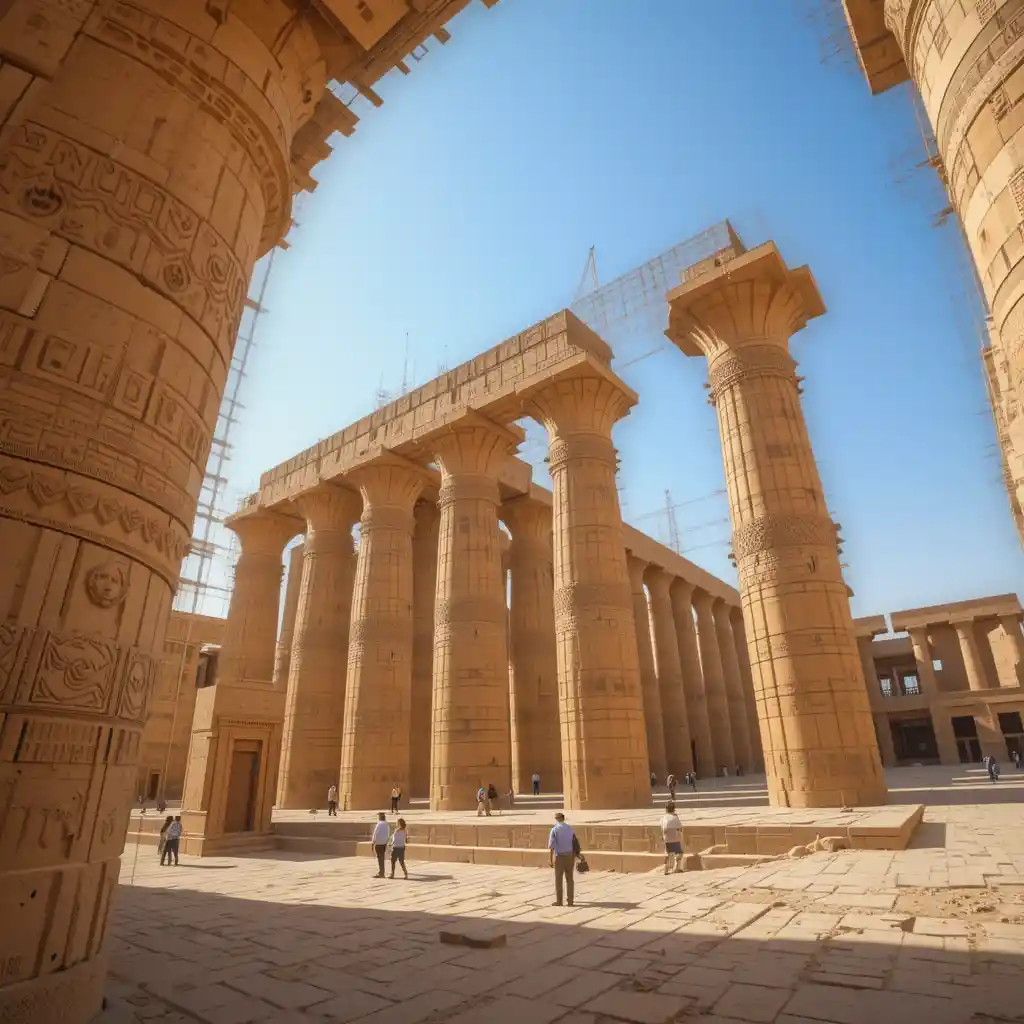
1. Giza Pyramid Complex: A Must-Visit Historical Site
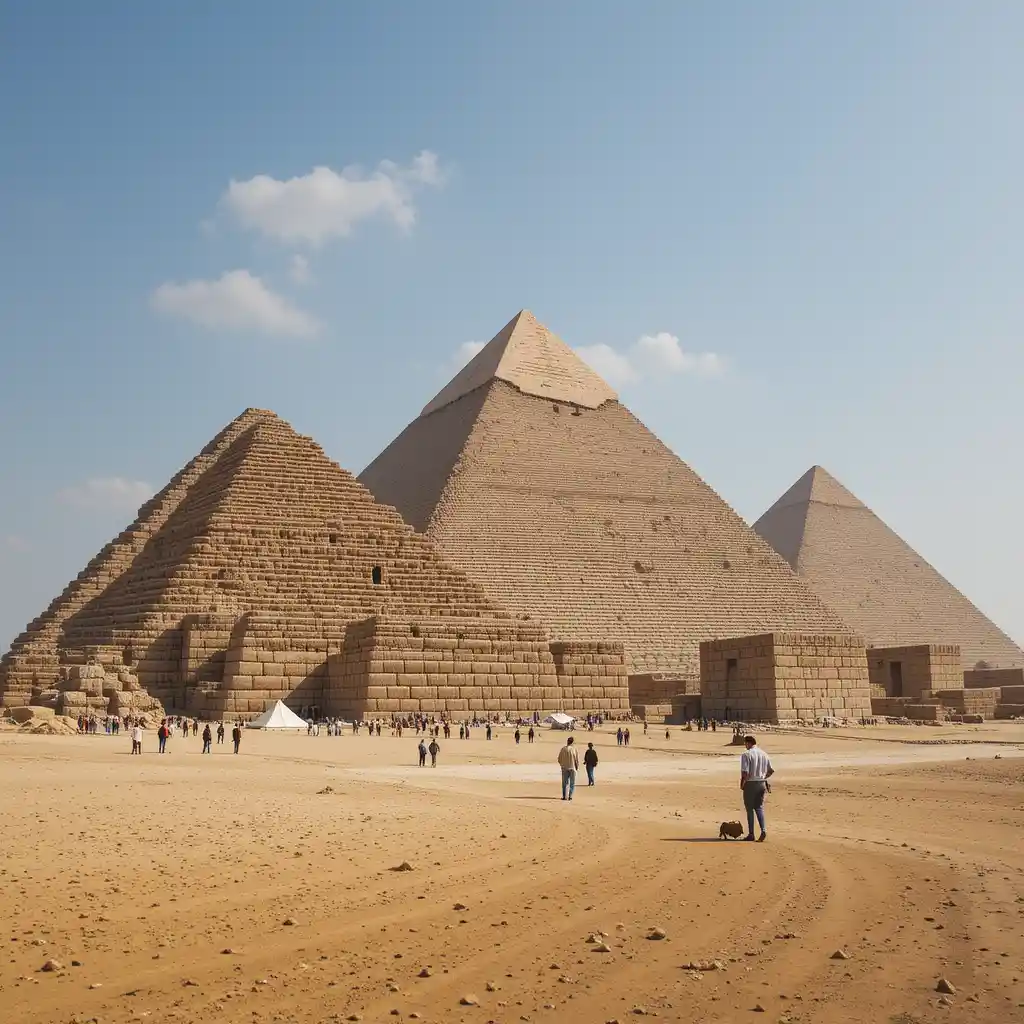
No trip to Egypt is complete without seeing the Great Pyramid of Giza, the only surviving Wonder of the Ancient World. Built during the reign of Pharaoh Khufu, this architectural masterpiece showcases incredible precision and alignment with the cardinal points. The nearby Great Sphinx adds to the mystique of this world-renowned landmark.
- Preservation Note: Climbing the pyramids is banned to protect them from erosion.
- Travel Tip: Visit at sunrise for stunning golden-hour photography and fewer crowds.
2. Luxor: Thebes and the Valley of the Kings
Luxor, once known as Thebes, is home to Karnak Temple, the largest religious complex ever built. Walk through its hypostyle hall, with 134 towering columns, and picture ancient ceremonies that once took place there.
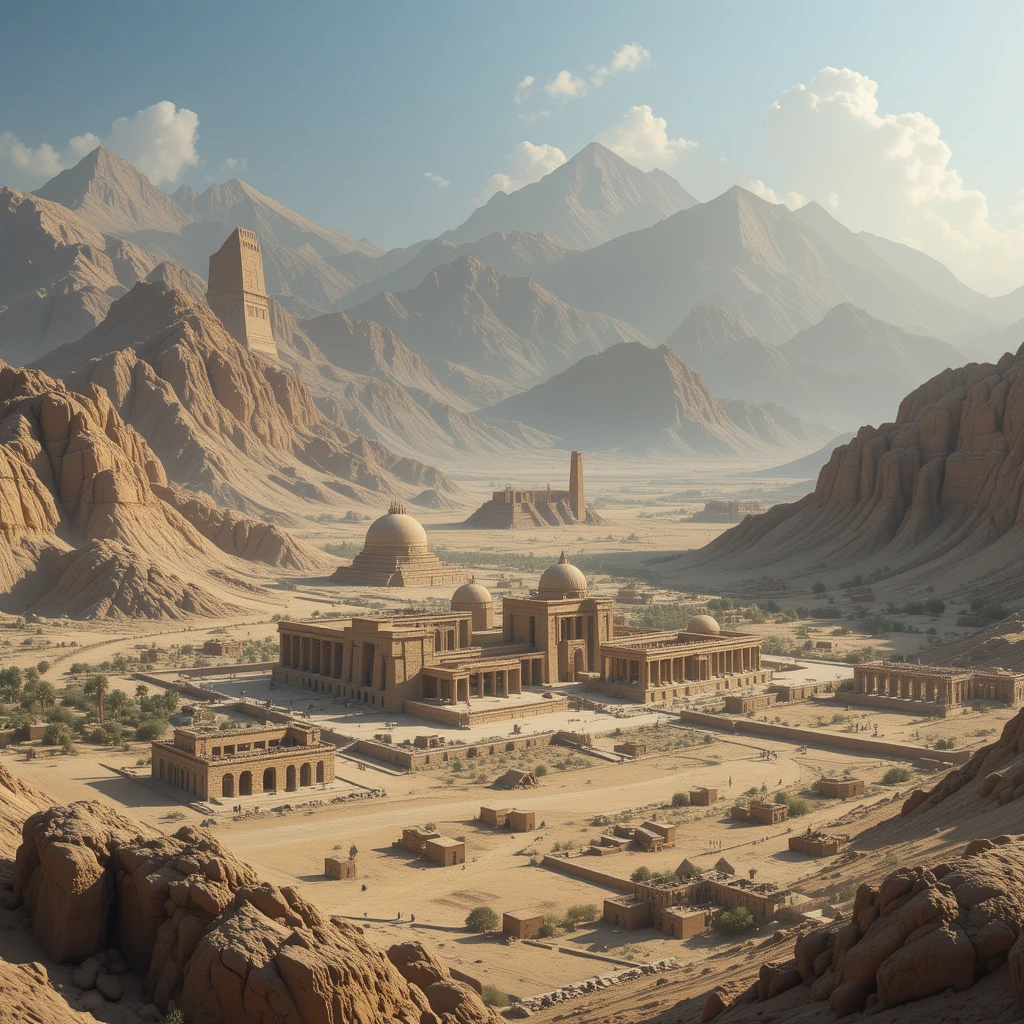
Nearby, the Valley of the Kings reveals a necropolis where pharaohs, including Tutankhamun, were buried. Augmented reality apps now let you visualize Thebes as it looked thousands of years ago.
- Sustainable Tip: Opt for electric buggies or guided walking tours to help preserve this site.
3. Abu Simbel Temples: Engineering Marvel of the Nile
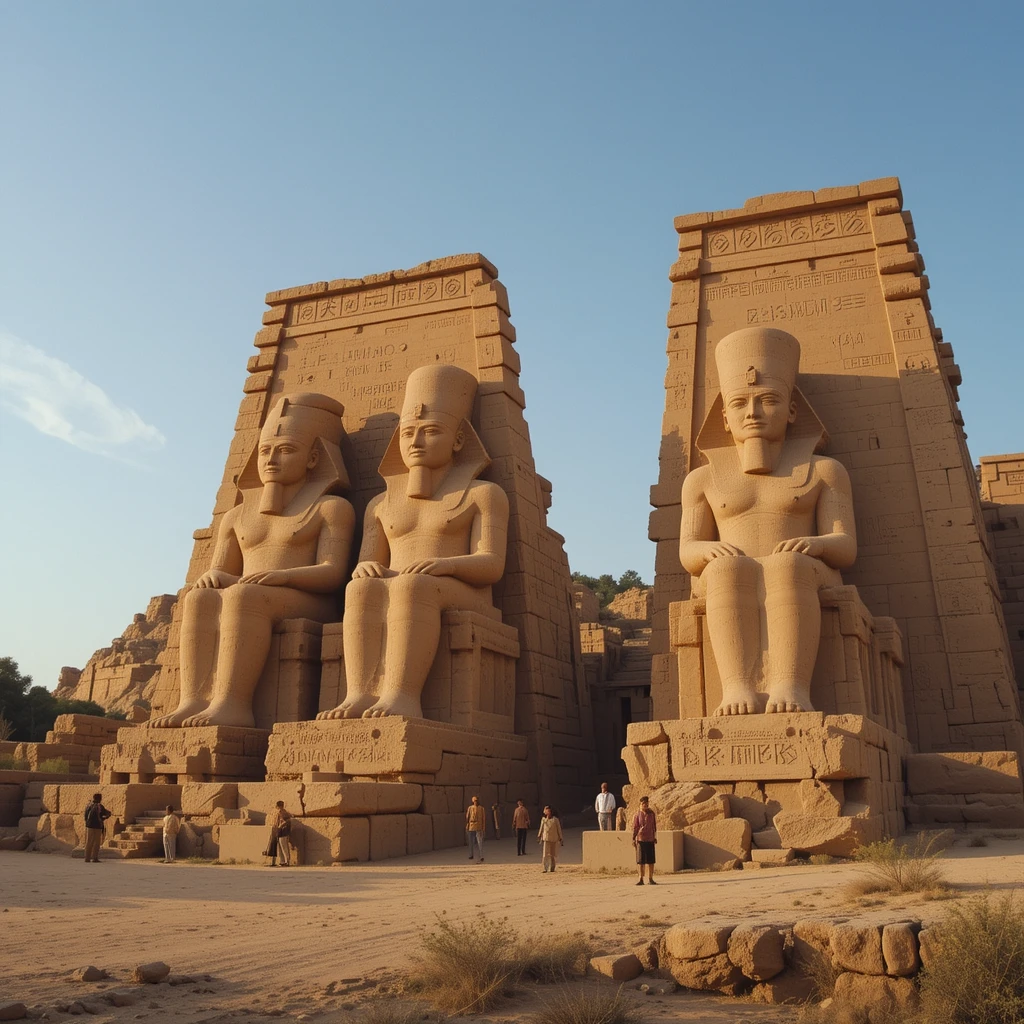
The colossal temples of Ramses II are not only visually stunning but also engineering marvels. In the 1960s, UNESCO moved the entire site, cutting it into over 1,000 blocks to save it from submersion by Lake Nasser. Twice a year, sunlight perfectly illuminates the inner sanctum, creating a breathtaking spectacle.
For a complete guide, see our Abu Simbel Travel Tips.
4. Islamic Cairo: Medieval Cultural Heritage Sites
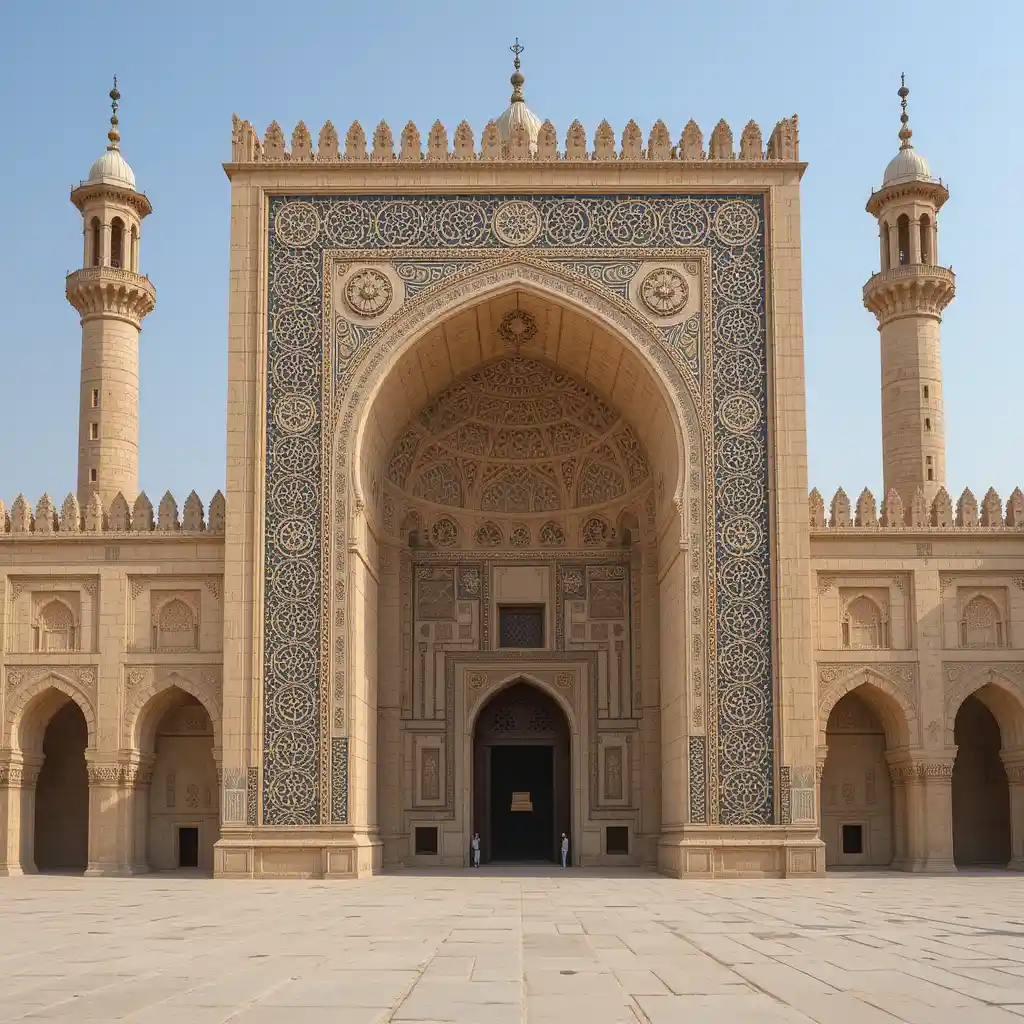
Islamic Cairo offers a maze of mosques, madrasas, and vibrant bazaars that transport you to the Middle Ages.
- Must-See Stops: Al-Azhar Mosque, Sultan Hassan Mosque, and Khan El Khalili market.
- Cultural Tip: Dress modestly and avoid visiting during prayer times.
5. Alexandria’s Greco-Roman Legacy
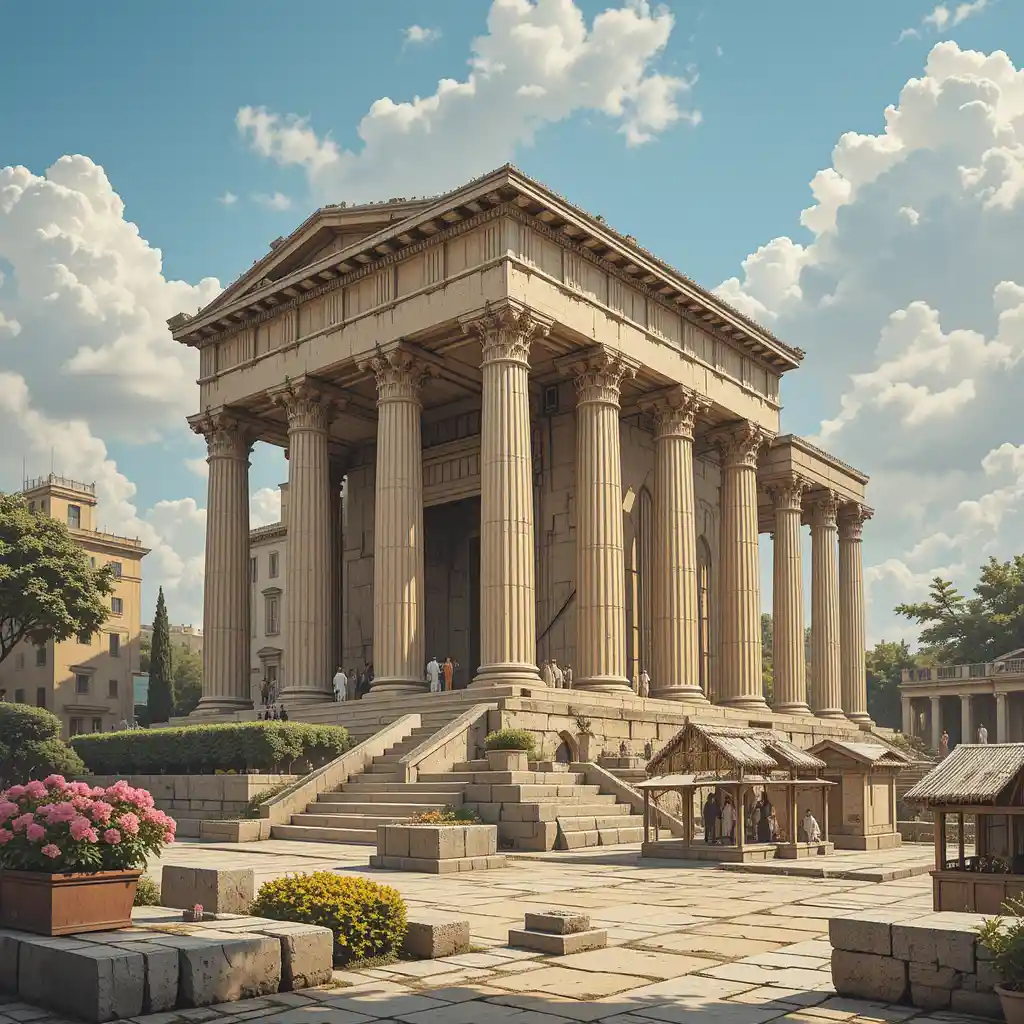
Founded by Alexander the Great, Alexandria combines Mediterranean charm with ancient history. Visit the modern Bibliotheca Alexandrina, inspired by the legendary library, or descend into the Catacombs of Kom El Shoqafa. Adventurous travelers can even snorkel around Cleopatra’s submerged palace ruins.
6. Saqqara & Dahshur: Birthplace of Pyramid Innovation
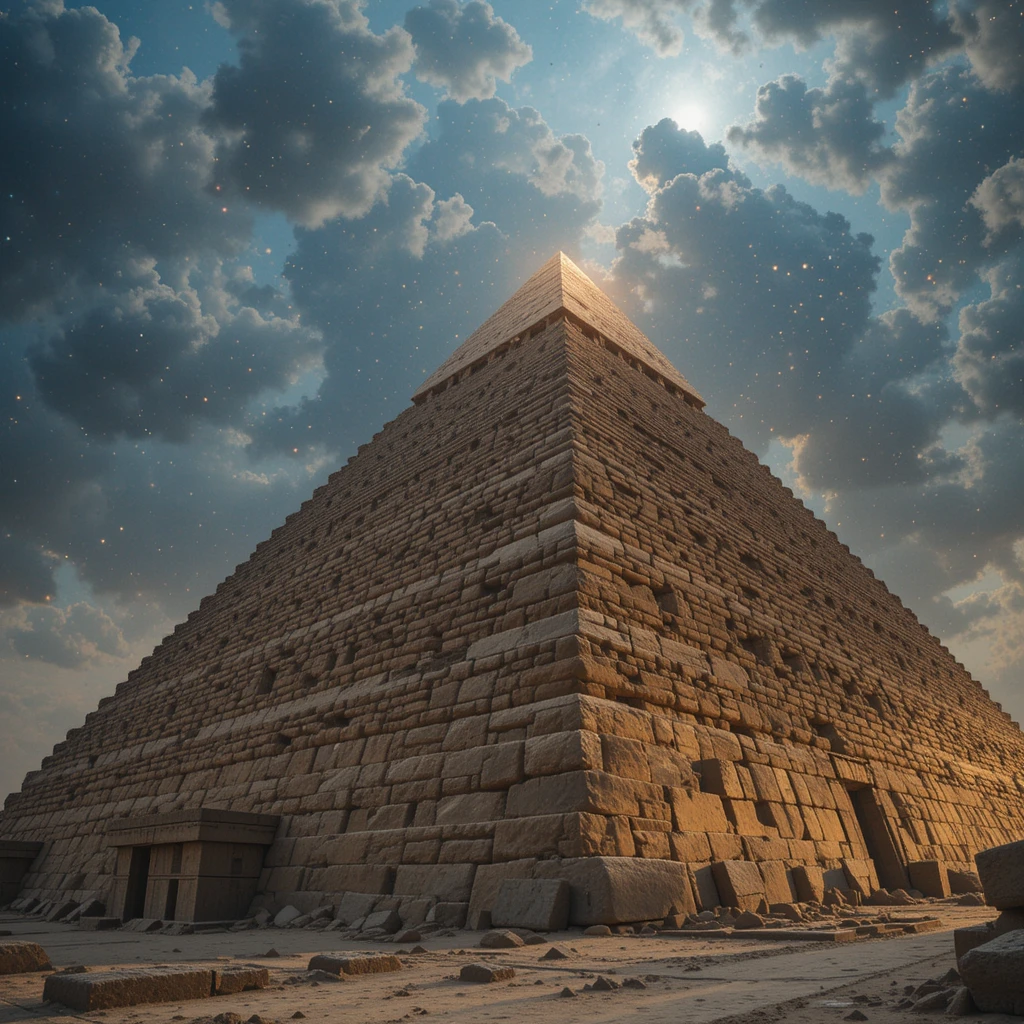
Saqqara houses the Step Pyramid of Djoser, the earliest stone monument in history, while Dahshur features the unique Bent Pyramid, showcasing early pyramid design experimentation.
- Archaeological Update: In 2024, a 4,300-year-old sealed tomb was unearthed here, offering new insights into ancient Egyptian burial practices.
7. Aswan’s Philae Temple & Nubian Villages
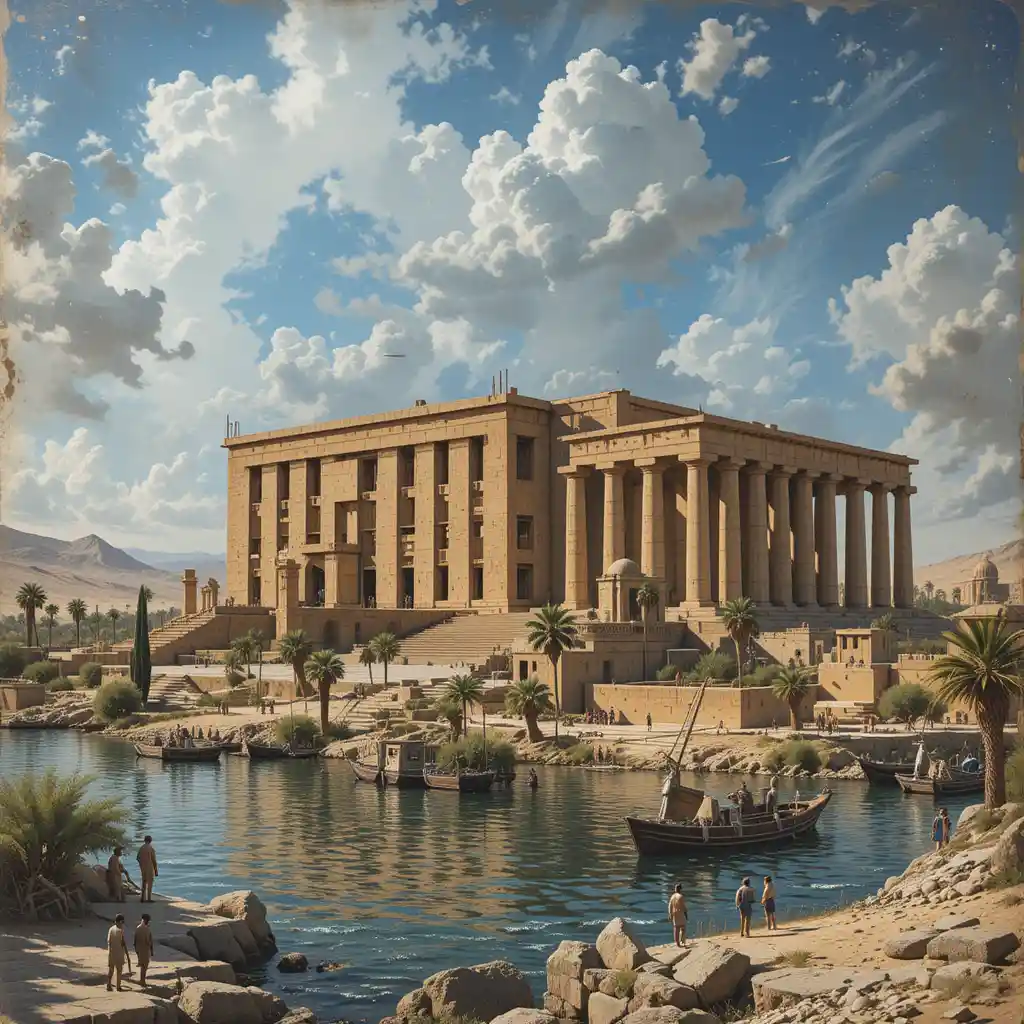
The enchanting Philae Temple was rescued by UNESCO in the 1970s and relocated to its current island home. Pair your visit with a stay in Nubian guesthouses for authentic hospitality and to support local tourism initiatives.
Enhancing Your Visit: Responsible Tourism
Make your trip unforgettable while helping preserve Egypt’s cultural heritage:
- Visit during shoulder seasons (March–April, October–November) for smaller crowds.
- Respect site boundaries and avoid touching carvings to prevent damage.
- Support preservation efforts by donating or purchasing licensed replicas.
For logistics, see our Egypt Travel Essentials Guide.
Further Reading
- Bird’s-Eye View of Ancient Egypt (2024) – A stunning visual guide to 50+ archaeological treasures.
- UNESCO’s 2024 Sustainability Report on heritage conservation.