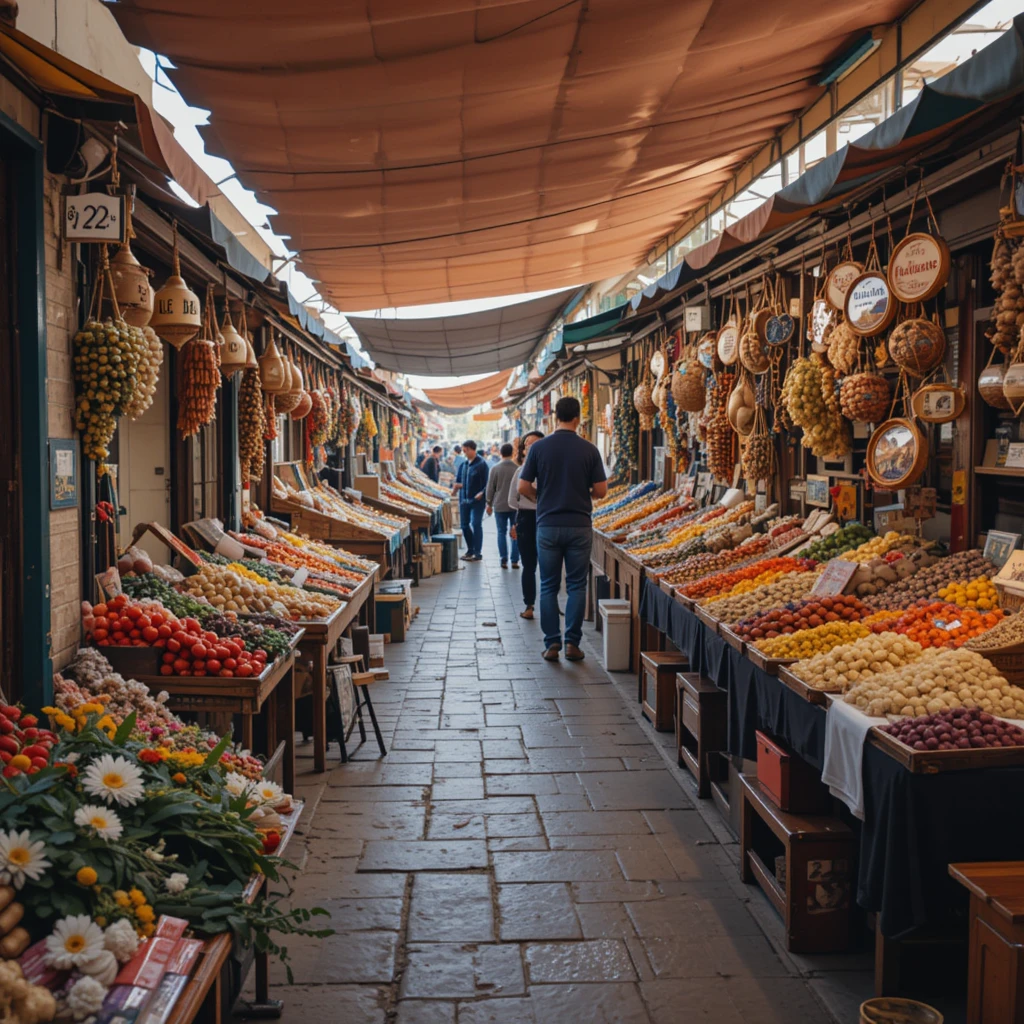
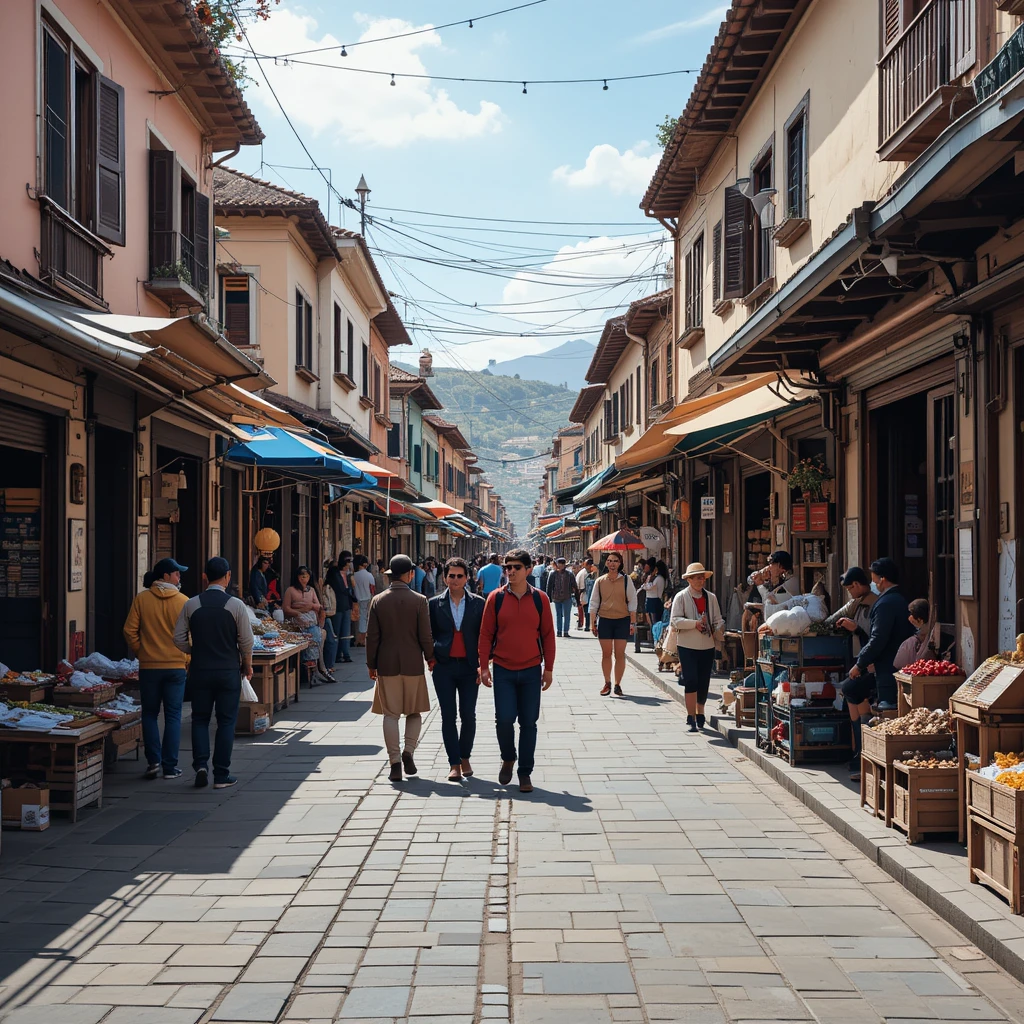
Discovering the Safest City in Mexico to Travel 10 Reasons It Stands Out

Discovering the Safest City in Mexico to Travel 10 Reasons It Stands Out

When planning a trip to Mexico, safety is usually top of mind. While the country offers incredible diversity, culture, and breathtaking landscapes, it’s understandable to want peace of mind when choosing your destination. The good news is, Mexico is home to many cities that are not only beautiful but also ranked among the safest for tourists.

Why Safety Matters for Travelers in Mexico

Why Safety Matters for Travelers in Mexico

Before diving into specific cities, it’s important to address why safety is a significant consideration for travelers. Mexico’s reputation can sometimes be overshadowed by news stories focusing on certain areas, but these headlines don’t always represent the whole picture. Statistically, millions of tourists visit Mexico each year without encountering any safety issues. By understanding which places prioritize visitor safety, you can make informed decisions and maximize your travel enjoyment.

Top Safest Cities in Mexico for Tourists

Top Safest Cities in Mexico for Tourists

Mexico’s diverse cities each offer unique experiences. Here are some of the safest options to consider:

  1. Mérida – A Cultural and Safe Gem Mérida, the capital of the Yucatán Peninsula, consistently tops the list of Mexico’s safest cities. Known for its rich Mayan heritage and colonial architecture, Mérida combines culture, history, and safety. The city boasts low crime rates and a strong community atmosphere. With friendly locals and well-maintained streets, it’s an ideal spot for tourists seeking a blend of historical exploration and comfort.Why Mérida Stands Out:
    • Low Crime Rate: Mérida is recognized as one of the cities with the lowest crime rates in Mexico.
    • Vibrant Attractions: Visit places like Paseo de Montejo, the Gran Museo del Mundo Maya, and the bustling local markets.
    • Safety for Tourists: Many visitors note that walking around Mérida, even at night, feels safe thanks to visible police presence and a welcoming community.
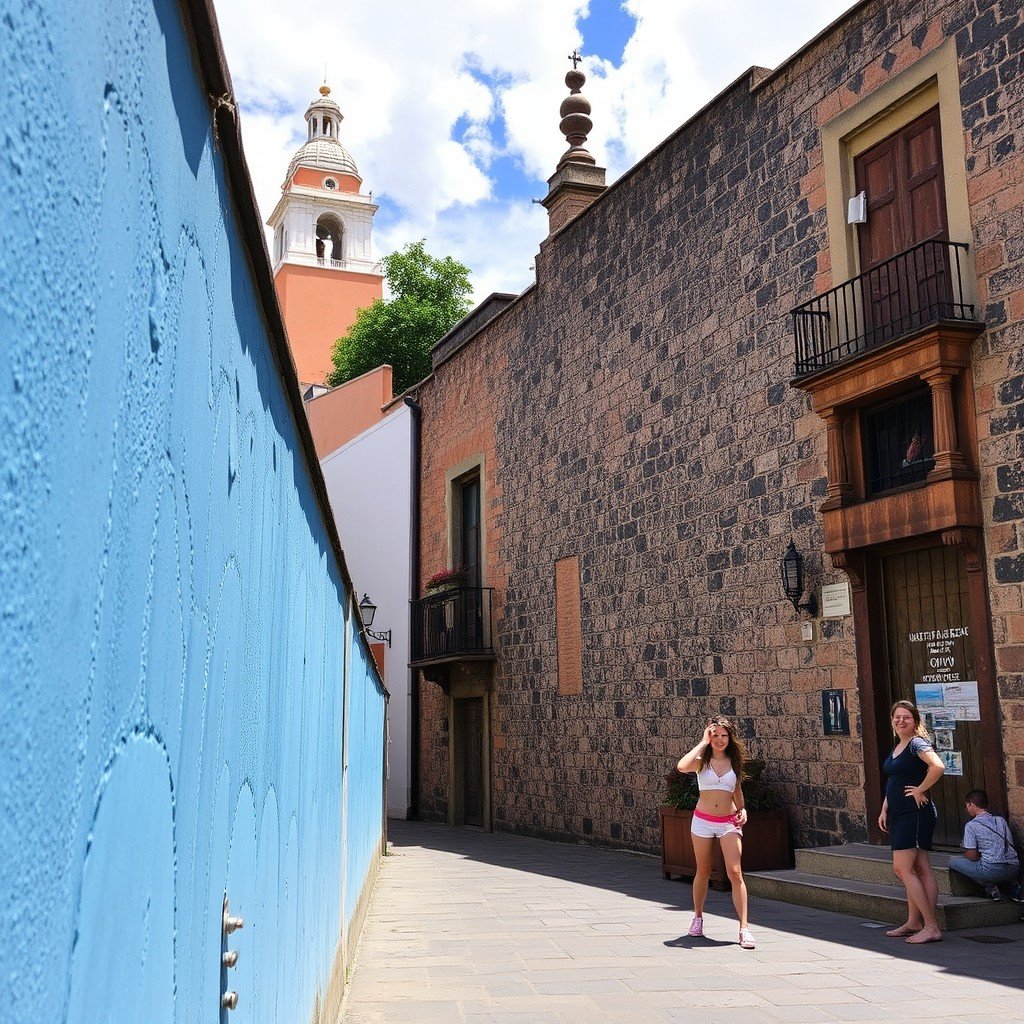
  2. San Miguel de Allende – The Artistic and Safe Retreat A UNESCO World Heritage site, San Miguel de Allende is a haven for artists and culture enthusiasts. Known for its narrow cobblestone streets, bright-colored buildings, and vibrant art scene, the city also boasts a reputation for safety. The small-town feel and closely-knit expat community add to its charm and security.What Makes San Miguel de Allende Safe:
    • Community and Security: A strong network of residents who look out for one another.
    • Tourist-Friendly Infrastructure: With plenty of well-lit streets and guided tours, visitors feel comfortable exploring.
    • Cultural Delights: The city is perfect for leisurely walks, visiting artisan shops, and participating in local festivals.
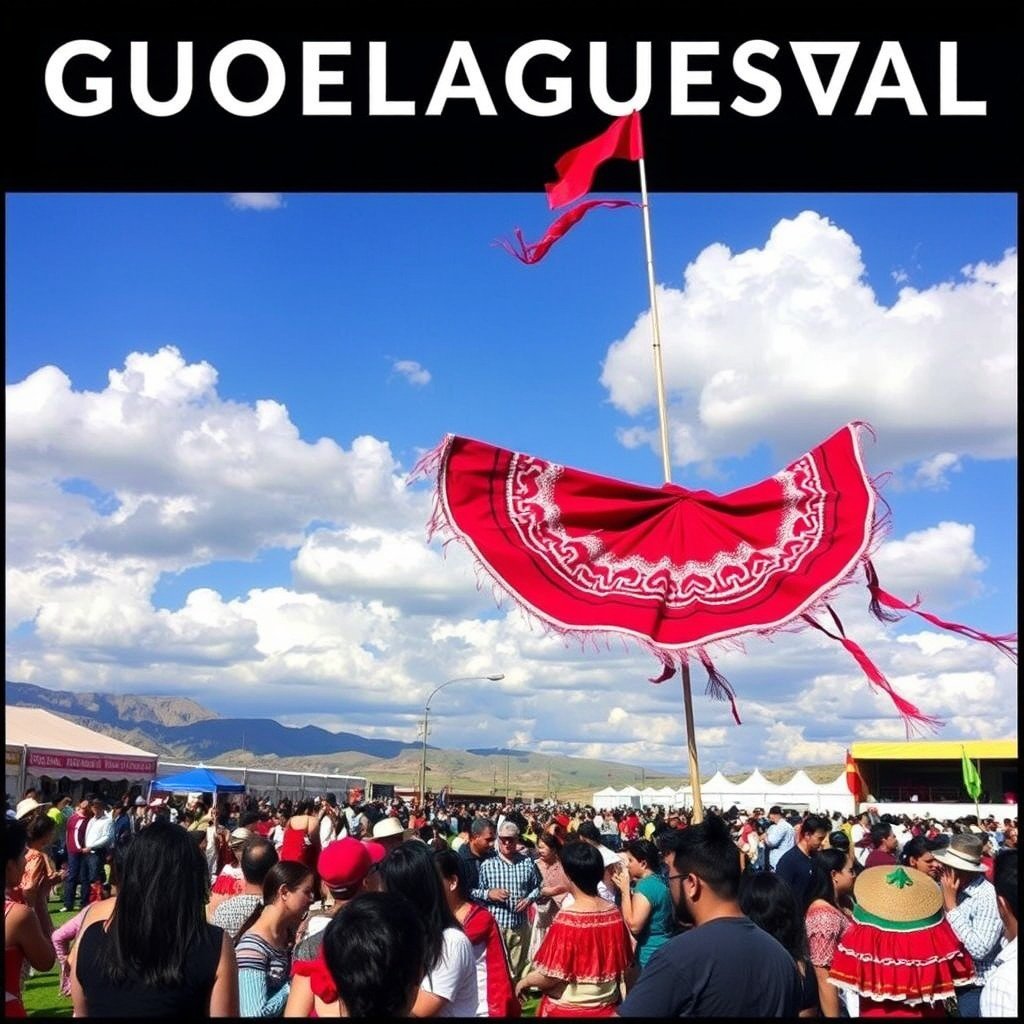
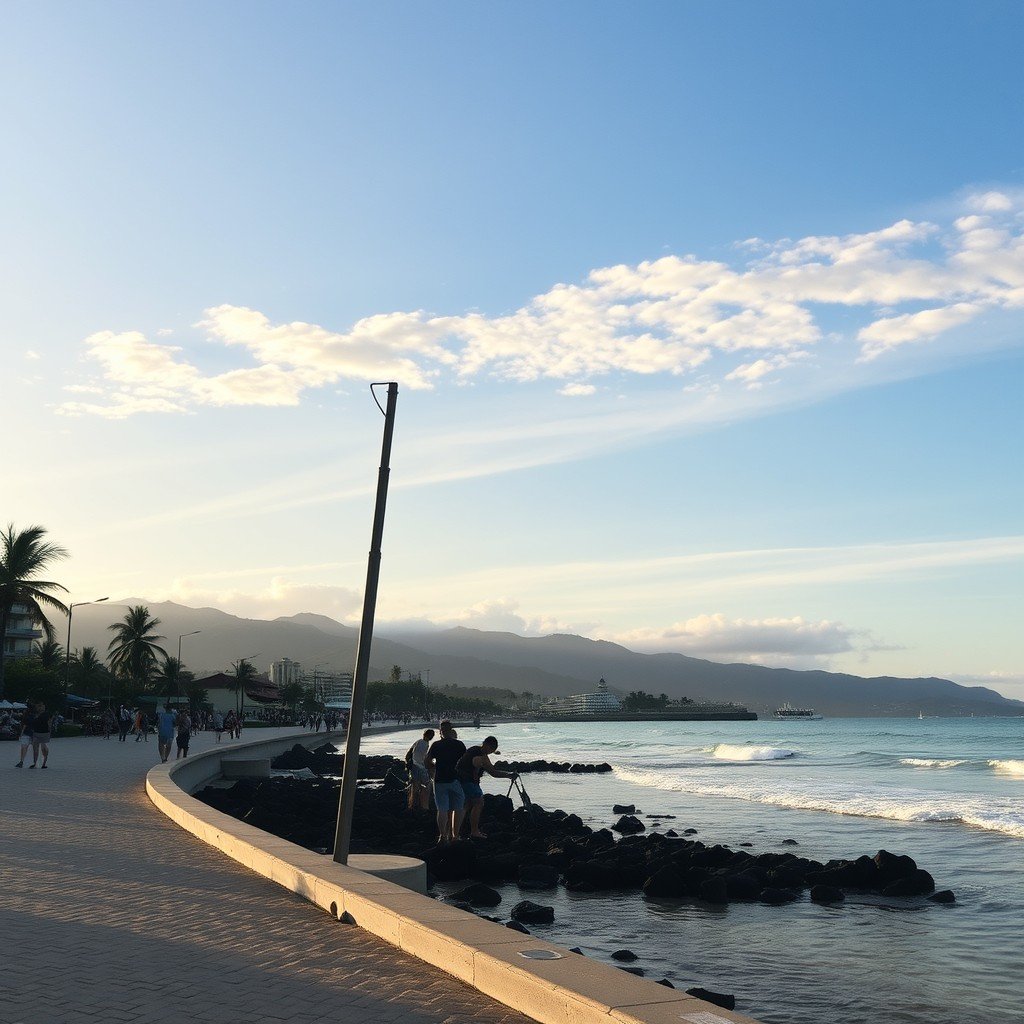
  3. Puerto Vallarta – Coastal Safety and Vibrancy If you’re looking for a coastal escape without sacrificing safety, Puerto Vallarta is your destination. Situated on Mexico’s Pacific coast, this city blends beautiful beaches, an energetic nightlife, and a commitment to tourist safety.Key Features of Safety in Puerto Vallarta:
    • Tourist Zones: Areas frequented by tourists are well-monitored.
    • Beach Safety: Lifeguards and well-managed public beaches.
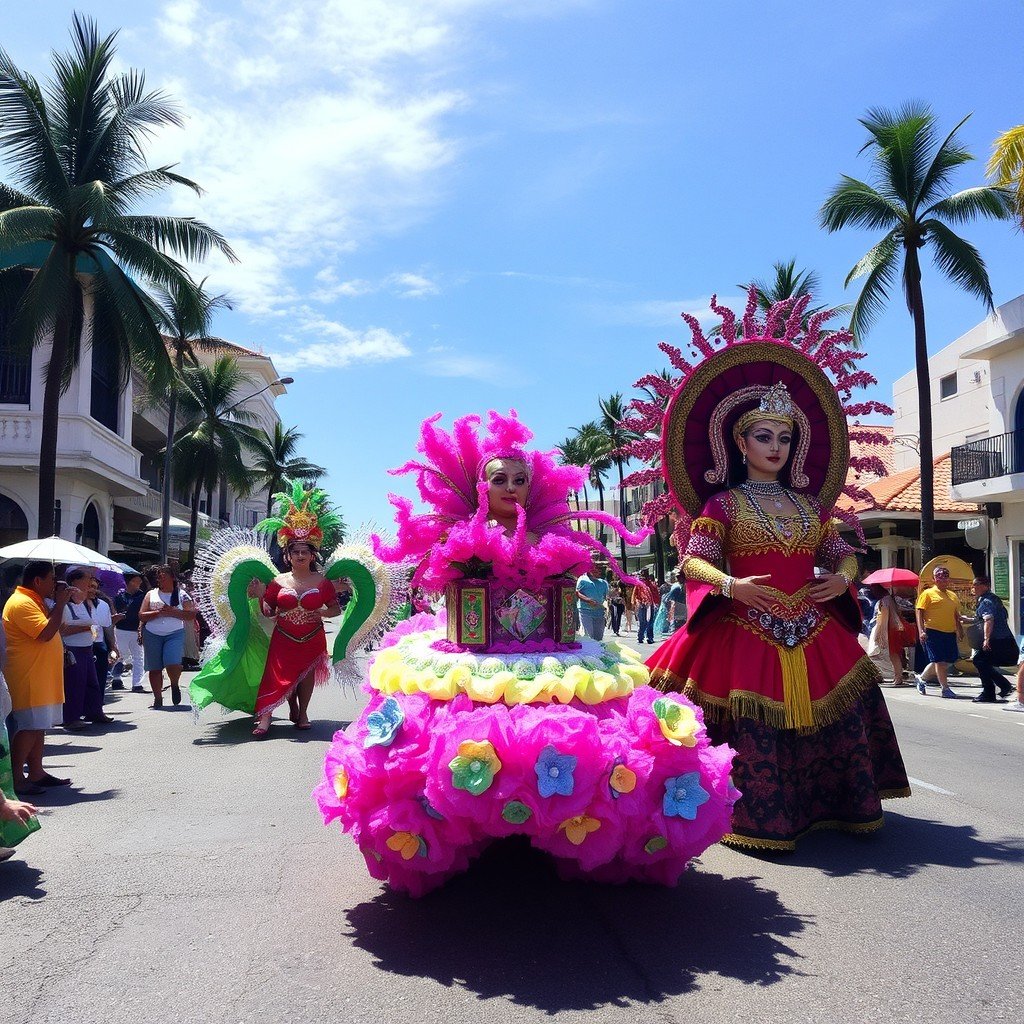
    • Activities for All Ages: From zip-lining in the jungle to relaxing on the Malecón, Puerto Vallarta is a hit for various types of travelers.

Lesser-Known Safe Cities Worth Exploring

While Mérida, San Miguel de Allende, and Puerto Vallarta are well-known safe havens, several other Mexican cities offer peaceful and secure environments:

  • Campeche: With its historic fortresses and pastel-colored buildings, Campeche is a hidden gem full of charm and tranquility.
  • Querétaro: Often praised for its cleanliness and orderly atmosphere, Querétaro is a city rich in colonial history and modern amenities.
  • La Paz: Located in Baja California Sur, La Paz offers serene beaches and a laid-back lifestyle, perfect for travelers looking for a quiet retreat.

Safety Tips for Traveling in Mexico

Wherever your journey in Mexico takes you, there are universal safety tips to enhance your travel experience:

  • Stay Aware of Your Surroundings: Just as you would in any country, keep an eye on your belongings and stay alert in unfamiliar areas.
  • Choose Trusted Accommodations: Opt for well-reviewed hotels or rentals with strong security protocols.
  • Learn Basic Spanish Phrases: Communication is key, and knowing a few words in Spanish can go a long way in getting help or directions.

Key Apps and Resources for Travelers

Key Apps and Resources for Travelers

Technology can be a valuable ally when navigating a foreign country. Here are some apps that enhance safety and convenience:

  • Google Maps: For navigation and finding well-reviewed restaurants or landmarks.
  • WhatsApp: Widely used for communication with locals and in emergencies.
  • XE Currency: Helps you stay updated on currency exchange rates.
  • SafeTravelMX: Provides real-time safety alerts and contact information for emergency services.

Factors that Make a City Safe for Tourists

What makes some cities in Mexico safer than others? Several factors contribute to a city’s reputation for safety:

  • Crime Rate Statistics: Low incidents of crime contribute to a city being considered safe.
  • Healthcare Access: Availability of healthcare facilities plays a role in travelers’ peace of mind.
  • Tourism Infrastructure: Well-developed areas with reliable transport, well-lit streets, and tourist information centers.

Travel Insurance: Do You Need It?

Travel Insurance: Do You Need It?

Even in the safest cities, unexpected situations can arise. Travel insurance acts as a safety net that provides peace of mind:

  • Health Coverage: Ensure your policy covers medical emergencies.
  • Trip Protection: Safeguard against cancellations or trip interruptions.
  • Theft and Loss: Some plans offer coverage for lost or stolen personal items.

Local Experiences That Enhance Safety Awareness

Partaking in local activities guided by trusted operators can improve your sense of security:

  • Guided Tours: Join tours run by reputable agencies.
  • Safe Market Visits: Visit markets known for their organization and popularity among locals and tourists alike.
  • Trusted Transport Services: Use licensed taxi services or rideshare apps with good safety records.

What to Avoid While Traveling in Mexico

While Mexico’s top cities are generally safe, being cautious is wise:

  • Avoid Certain Areas at Night: Even in safe cities, some neighborhoods might be better visited during the day.
  • Stay Away from Isolated Beaches: Stick to beaches with lifeguards and other visitors.
  • Limit Excessive Public Display of Valuables: Wearing expensive items might attract unwanted attention.

Debunking Safety Myths About Mexico

Many safety concerns stem from myths that paint an inaccurate picture:

  • Myth: All of Mexico is Dangerous: This is a generalization that overlooks the many safe and welcoming areas.
  • Myth: Tourists Are Often Targets: Data shows tourists are not usually the focus of criminal activities, especially in well-monitored areas.

How to Stay Updated on Travel Safety Information

How to Stay Updated on Travel Safety Information

Staying informed ensures your trip goes smoothly:

  • Government Travel Sites: Check your country’s travel advisory for Mexico.
  • Local News Outlets: Stay updated on current events.
  • Embassy Notices: Register your trip with your country’s embassy for alerts.

Conclusion: Exploring Mexico with Confidence

Mexico is a country filled with rich traditions, delicious food, and cities that cater to travelers seeking both adventure and safety. By choosing the right city and staying informed, you can experience the best of Mexico worry-free. From Mérida’s historic allure to the coastal charm of Puerto Vallarta, the safest cities in Mexico welcome you with open arms and endless exploration.


FAQs

What is the safest city to visit in Mexico?
Mérida is considered the safest city, known for its low crime rates and community-oriented atmosphere.

Is Mérida safer than other Mexican cities?
Yes, Mérida has consistently ranked as one of the safest due to its strong local governance and safety initiatives.

What are the best times to visit for safety reasons?
The best time is typically during the dry season, from November to April, when tourism is at its peak and city services are more active.

Are there any special precautions needed for solo travelers?
Solo travelers should follow general safety practices such as staying in well-reviewed accommodations and joining group tours when possible.

Which coastal city is the safest in Mexico?
Puerto Vallarta is widely regarded as a safe coastal destination for tourists.

How do I report an emergency while in Mexico?
For emergencies, dial 911 for immediate assistance in most parts of Mexico.

What to Do in La Paz on a Budget? 10 Travel Hacks You’ll Love

Nestled high in the Andes at over 3,500 meters above sea level, La Paz offers a unique blend of stunning landscapes, vibrant culture, and historical depth. While travel can sometimes come with a hefty price tag, exploring La Paz doesn’t have to drain your wallet. In this guide, you’ll uncover the best activities and experiences that this Bolivian gem has to offer all without breaking the bank.

Why Visit La Paz?

La Paz isn’t just any city; it’s a vibrant mix of old and new, where Indigenous traditions meet modern life, set against breathtaking mountainous backdrops. Known for its rich culture, friendly locals, and unique attractions, La Paz offers countless opportunities for discovery. The best part? Many of these experiences can be enjoyed on a budget. So whether you’re an adventurer, culture enthusiast, or just looking for a beautiful escape, La Paz has you covered.

Top Budget-Friendly Attractions

If you’re planning your itinerary, these must-visit spots are perfect for travelers keen to save while still having unforgettable experiences.

The Witches’ Market (Mercado de las Brujas)

What to Do in La Paz on a Budget?

One of the most unique attractions in La Paz is the Witches’ Market. Located in the heart of the city, this bustling market is unlike any other. Here, you’ll find vendors selling everything from handmade crafts to mystical potions and talismans said to bring good fortune or ward off bad luck.

  • What to See: Browse the stalls for llama fetuses (used in traditional offerings), herbal remedies, and local art.
  • Tips: Haggling is expected, so don’t shy away from negotiating to get the best price.
  • Cost: Browsing is free, and items can be bought for just a few Bolivianos.

Valle de la Luna (Moon Valley)

Just a short bus ride from the city, the otherworldly landscape of Valle de la Luna will leave you speechless. This natural wonder, formed by erosion, features craggy rock formations that resemble the surface of the moon.

  • How to Visit: Take a local bus or a shared taxi for an inexpensive ride.
  • Entrance Fee: Approximately 15-20 Bolivianos (less than $3 USD).
  • Best Time to Visit: Early morning or late afternoon to avoid the crowds and enjoy cooler weather.

Mirador Killi Killi

Mirador Killi Killi

For panoramic views of La Paz and the surrounding mountains, Mirador Killi Killi is a must-visit. The view is breathtaking, offering a 360-degree perspective of the city’s sprawling neighborhoods and scenic backdrop.

  • Access: Free, with a moderate uphill walk to reach the viewpoint.
  • Photography Tip: Visit around sunset for stunning photos that capture the city bathed in warm light.

Cultural Experiences on a Budget

Delving into the culture of La Paz is an experience like no other. From vibrant performances to artistic displays, there are plenty of affordable ways to connect with the city’s soul.

Attend a Traditional Bolivian Dance Performance

Bolivian dance is a colorful spectacle showcasing the country’s folklore. You can often catch traditional performances in public plazas or during festivals.

  • Venues: Plaza San Francisco and other central locations.
  • Cost: Often free or for a minimal donation.
  • Pro Tip: Check local event boards or ask your hostel/hotel staff for current schedules.

Street Art Tour

La Paz is alive with art, and its streets are no exception. Join a guided walking tour or explore on your own to see the incredible murals that tell stories of the city’s history, politics, and cultural identity.

  • Route Highlights: Start in the Sopocachi district and make your way toward the city center.
  • Cost: Free walking tours are available, but tipping your guide is encouraged.

Budget-Friendly Food Options

Eating out doesn’t have to be expensive to be delicious. La Paz has a variety of street food and market options that give you a taste of authentic Bolivian flavors without stretching your budget.

Mercado Lanza and Other Markets

Mercado Lanza and Other Markets

Markets are a food lover’s haven. Mercado Lanza is centrally located and offers a range of hearty, traditional dishes.

  • Must-Try Dishes: Salteñas (savory pastries), api (a warm corn drink), and empanadas.
  • Cost: Meals range from 10-25 Bolivianos ($1.50-$3.50 USD).

Cafés with Local Vibes

For a more relaxed meal or snack, visit one of La Paz’s cozy, local cafes. These spots often serve traditional Bolivian coffee alongside pastries and light meals.

  • Budget Tip: Many places offer “menu del día” (menu of the day) that includes a main dish, soup, and drink for an affordable price.

Free or Low-Cost Activities

When it comes to no-cost activities, La Paz has plenty to offer. Enjoy enriching experiences without spending a dime.

Free Walking Tours

A great way to see the city and learn about its history is through a free walking tour. Knowledgeable guides take you through significant landmarks, offering stories and insights.

  • Where to Join: Most tours start at Plaza Murillo.
  • Duration: About 2-3 hours.
  • Tip: Bring cash for a tip at the end of the tour.

Visiting Churches and Cathedrals

La Paz is home to several historic churches that feature beautiful architecture and intricate interior designs.

  • Must-See: The Basilica of San Francisco.
  • Entry Fee: Generally free, but donations are welcome.

Tips for Saving Money in La Paz

Tips for Saving Money in La Paz

Maximize your budget by using these tried-and-true tips:

Affordable Accommodation Options

La Paz has a variety of budget-friendly accommodation options, from hostels to guesthouses.

  • Recommended Areas: Sopocachi and Centro offer safe, affordable places to stay.
  • Price Range: Dormitory beds start at around 50 Bolivianos ($7 USD) per night.

Public Transportation Insights

Navigating La Paz like a local can save you money. The city’s unique public transportation system includes minibuses and the famous Mi Teleférico (cable cars).

  • Minibuses: Small buses that follow set routes; fares are typically around 3-5 Bolivianos.
  • Cable Cars: Offer scenic views for about 3 Bolivianos per ride.

Interactive Map and Resources

Planning ahead can streamline your experience. Use interactive maps and apps like Maps.me and Google Maps to navigate the city without data. You’ll find offline routes and tips shared by other travelers.

FAQs About Visiting La Paz on a Budget

Q1: Is La Paz safe for budget travelers?
Yes, La Paz is generally safe for budget travelers. Exercise normal precautions, such as keeping an eye on your belongings and avoiding isolated areas at night.

Q2: What’s the best way to get around on a budget?
The most budget-friendly way to get around is by using public transportation, like minibuses and cable cars.

Q3: Are there free attractions in La Paz?
Absolutely. Many attractions, such as markets, churches, and miradors, are free or have very low entrance fees.

Q4: How much should I budget for food per day?
You can enjoy local meals for as low as 30-50 Bolivianos ($4-$7 USD) per day.

Q5: What’s the cheapest time of year to visit La Paz?
The off-peak season, from April to October, often has better deals on accommodations and tours.

Q6: Can I explore the surrounding areas on a budget?
Yes, there are affordable day trips to areas like Valle de la Luna and nearby mountains. Public transport and group tours help keep costs low.

Conclusion

Visiting La Paz on a budget is entirely possible, with its array of free and low-cost attractions, affordable food, and unique cultural experiences. The city’s combination of stunning views, rich history, and lively culture ensures you’ll have an enriching and memorable adventure without spending a fortune.


Bacalar, Mexico – A Hidden Paradise: 5 Travel Tips to Know

Bacalar, Mexico – A Hidden Paradise: 5 Travel Tips to Know

Nestled along the Yucatán Peninsula, Bacalar, Mexico, is a destination that holds a magical charm unlike any other. This small town, famous for its stunning natural beauty and rich history, invites travelers to discover the unmatched splendor of its blue-hued lagoon and laid-back atmosphere. Whether you’re planning an adventure-packed vacation or a serene escape, Bacalar offers an experience worth cherishing.

A Glimpse into Bacalar’s Past

A Glimpse into Bacalar’s Past

Before you set foot in Bacalar, understanding its history enriches your journey. The town’s roots reach deep into pre-Columbian times when the Maya settled here, recognizing its strategic and sacred value. Bacalar’s name originates from the Mayan word Bakhalal, which means “surrounded by reeds.”

Spanish colonization brought changes, with Bacalar becoming an essential outpost for trade and protection against pirates. The San Felipe Fort, constructed in the 18th century, stands as a reminder of the town’s turbulent past. Visiting this historical site today, you’ll find not only impressive architecture but also a museum showcasing artifacts and stories that bring Bacalar’s past to life.

Why Visit Bacalar?

When someone asks, “Why should I visit Bacalar?” the answer is simple: it’s a hidden gem that showcases nature’s artistry and invites you to slow down. The town’s hallmark is the Lagoon of Seven Colors, known for its spectacular turquoise and indigo shades. This captivating sight is due to varying depths and types of white limestone sediment beneath the water.

Bacalar isn’t just for the eyes. It rejuvenates the soul with wellness opportunities, including yoga retreats, massage centers, and lakeside meditation spots that let you truly disconnect from the noise of daily life.

The Lagoon of Seven Colors: A Natural Wonder

The Lagoon of Seven Colors: A Natural Wonder

The Lagoon of Seven Colors is a spectacle that shouldn’t be missed. Stretching for over 42 kilometers, the lagoon presents layers of blue that are mesmerizing at any time of day, but especially during sunrise and sunset. This natural wonder results from the diverse depth levels and mineral content in the water. The sunlight reflecting on this spectrum creates a view that feels almost otherworldly.

How to Best Enjoy the Lagoon

You have many options to make the most of your visit to the lagoon. Consider renting a kayak or paddleboard to explore the waters at your own pace. For those who crave a bit of thrill, there are opportunities for sailing or even windsurfing. Don’t forget to bring snorkeling gear to witness the vibrant underwater ecosystem.

The San Felipe Fort: A Step Back in Time

For history enthusiasts, the San Felipe Fort is a must-visit. This fort was built in 1729 as a defense mechanism against frequent pirate attacks. Standing atop a small hill overlooking the lagoon, it offers panoramic views that are as breathtaking as the stories it holds.

Inside, you’ll find a museum packed with relics from the colonial period and exhibits that narrate the struggles and resilience of the people who called Bacalar home. Walking through its stone corridors and admiring the cannons aimed at the water below, you can almost hear the echoes of battles past.

Must-Do Activities in Bacalar

Must-Do Activities in Bacalar

Your time in Bacalar can be as adventurous or as peaceful as you wish. Here are some activities you shouldn’t miss:

  • Kayaking and Paddleboarding: Glide over crystal-clear waters and enjoy unparalleled views.
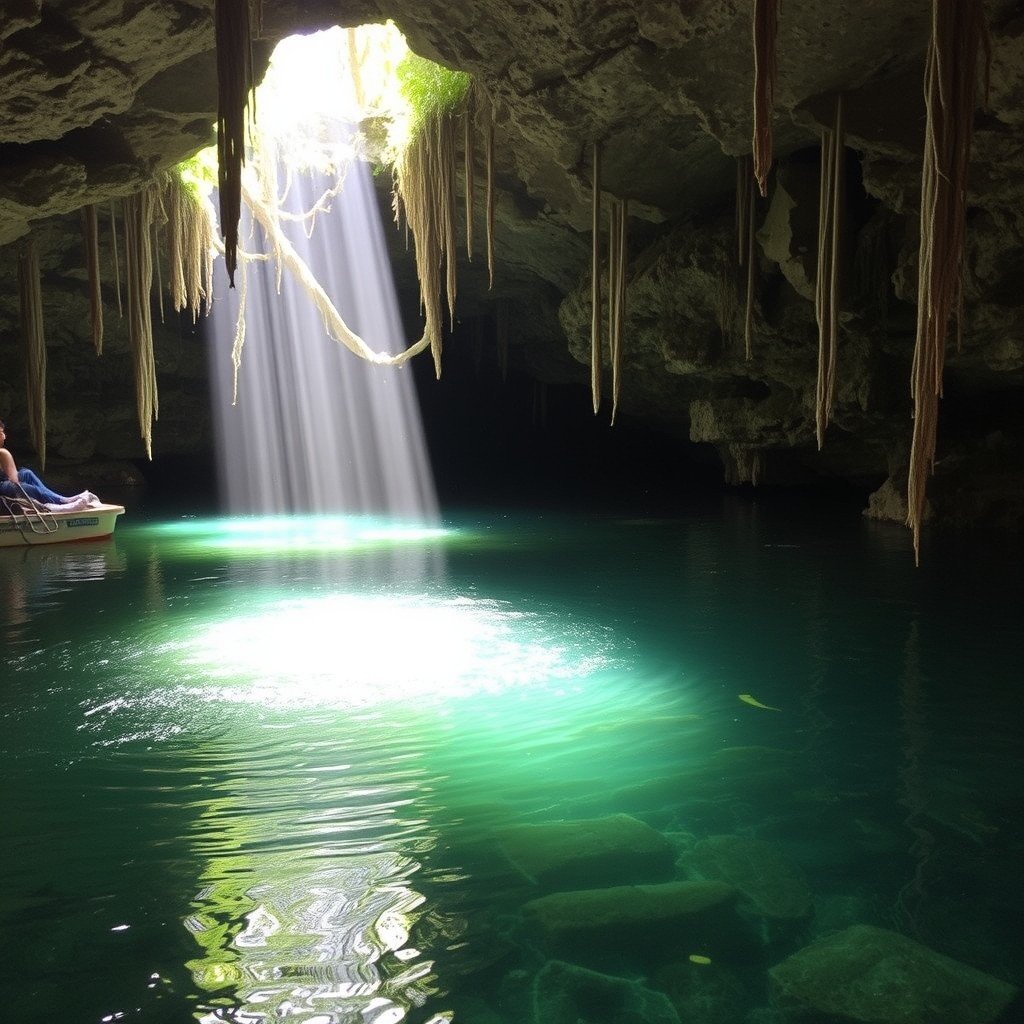
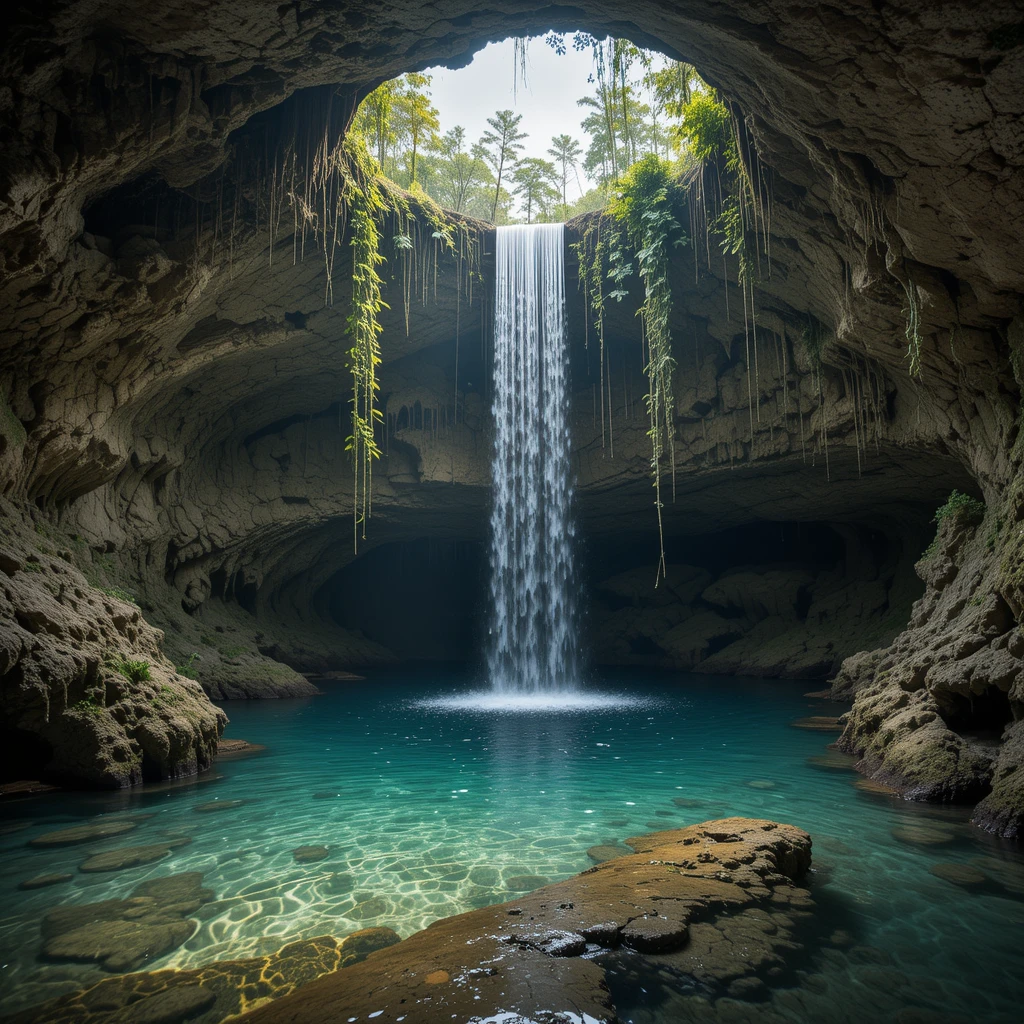
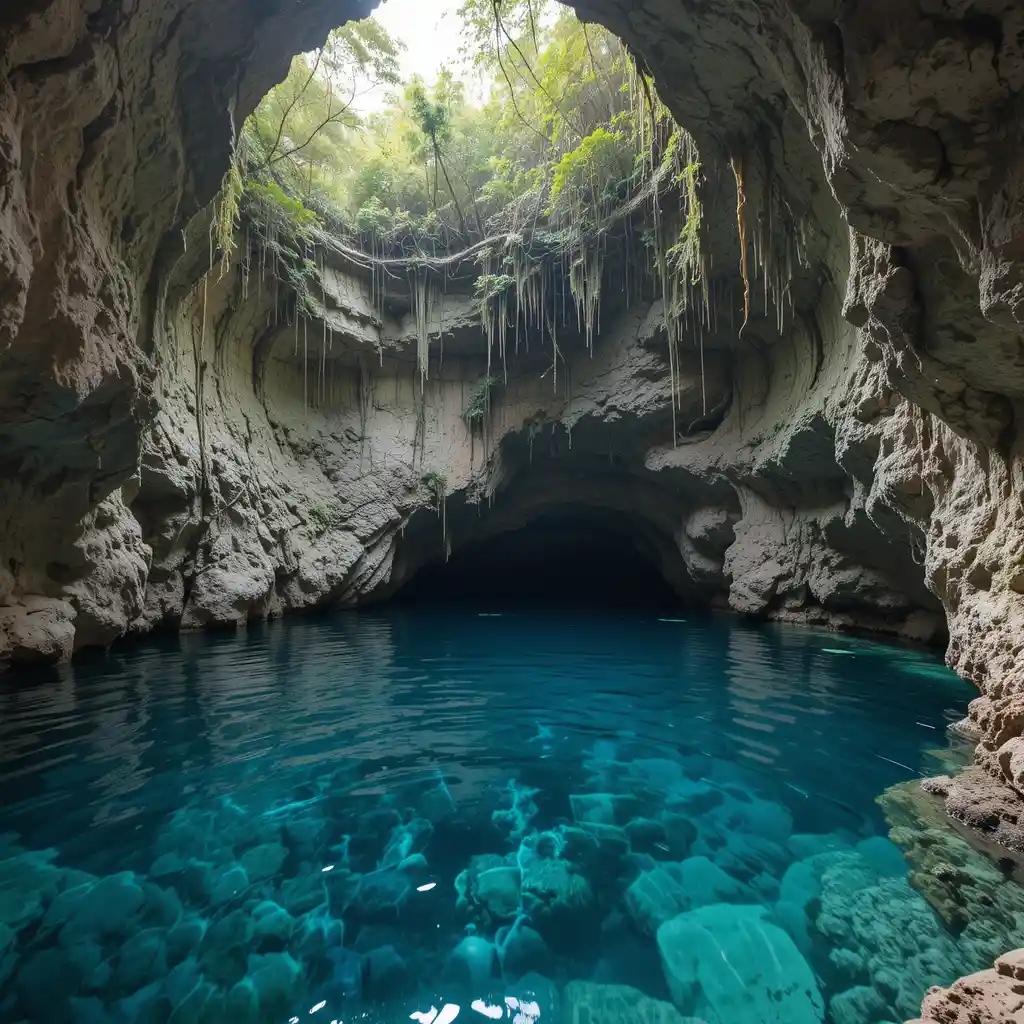
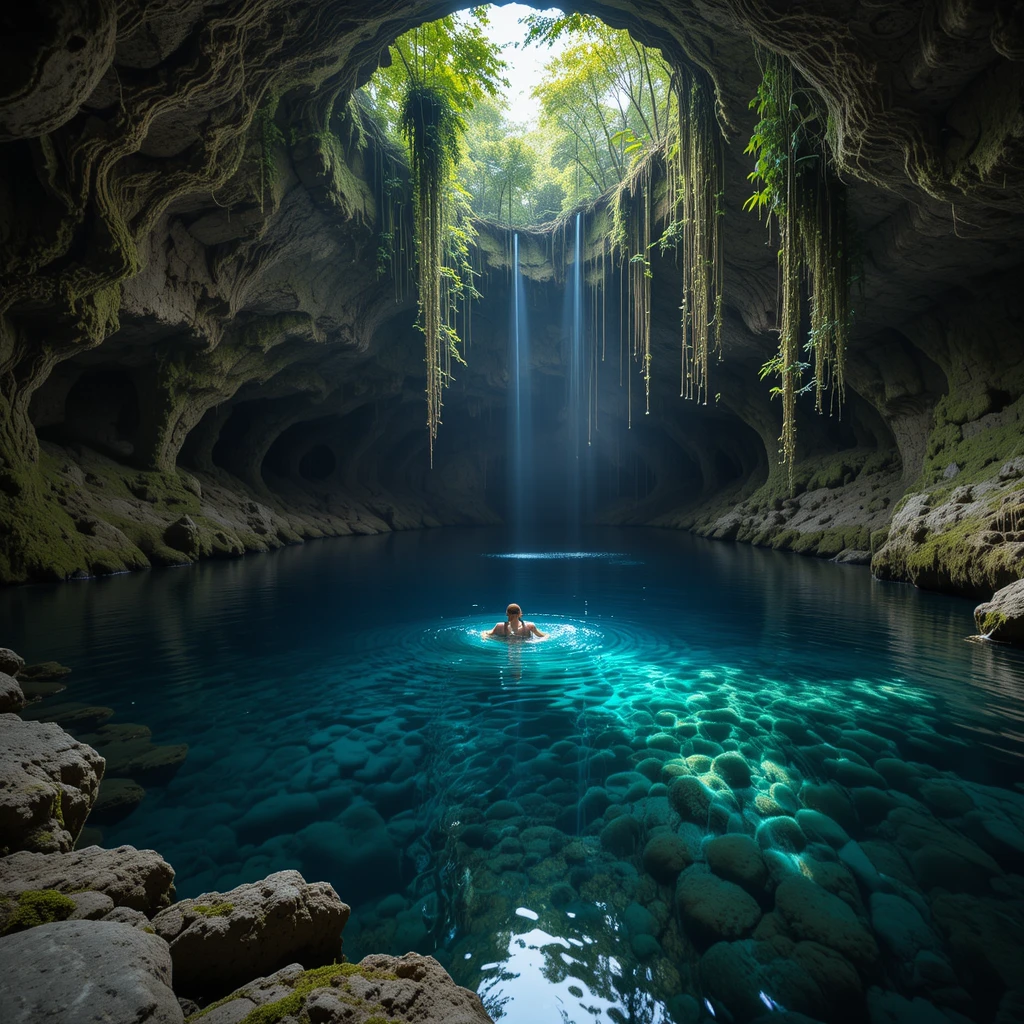
  • Swimming in Cenotes: Bacalar is surrounded by incredible cenotes, like Cenote Azul, which offers a unique deep blue pool perfect for cooling off.
  • Sunset Boat Tours: End your day by taking a boat ride that showcases Bacalar’s breathtaking sunset views.

Exploring Cenote Azul

Cenote Azul stands out for its deep, rich blue color and lush surroundings. Unlike some of the smaller cenotes in the Yucatán Peninsula, Cenote Azul is spacious, almost like a natural pool. It’s ideal for swimming and snorkeling, with its clear water revealing a striking underwater landscape. Keep safety in mind, especially if you’re not a confident swimmer, as this cenote reaches impressive depths.

Where to Stay: Accommodation Options in Bacalar

Choosing the right place to stay can enhance your trip to Bacalar. Options vary from luxury eco-resorts that offer private lagoon access to budget-friendly hostels perfect for backpackers.

Type of AccommodationDetails
Luxury Eco-ResortsOffer full-service spa treatments, private terraces, and sustainable practices.
Mid-Range HotelsProvide comfortable amenities, often located close to the lagoon.
Budget HostelsGreat for travelers looking for affordable stays with communal spaces to meet fellow explorers.

Culinary Delights – What to Eat in Bacalar

Culinary Delights – What to Eat in Bacalar

Your visit to Bacalar is incomplete without tasting the local cuisine. From market stalls to cozy restaurants, the town offers an array of flavors that reflect its rich cultural blend.

Must-Try Dishes

  • Tikin Xic: A traditional Mayan fish dish marinated in achiote and citrus, wrapped in banana leaves, and baked to perfection.
  • Marquesitas: A delightful street snack made from a crepe-like batter filled with cheese and sweet fillings like Nutella.
DishDescription
Tikin XicFish marinated in achiote paste and baked in banana leaves.
MarquesitasCrispy crepes filled with cheese and various sweet toppings.

The Best Time to Visit Bacalar

Bacalar enjoys a tropical climate, making it a year-round destination, but the best time to visit is during the dry season from November to April. During these months, you’ll enjoy warm, sunny weather perfect for outdoor activities and sightseeing. Visiting during this period also aligns with some local festivals, adding more cultural depth to your experience.

How to Get to Bacalar

Getting to Bacalar is straightforward, but planning ahead ensures a smoother trip. The nearest major airport is in Chetumal, about 40 kilometers away. You can take a taxi or rent a car from Chetumal to Bacalar for a convenient journey. Alternatively, buses from Cancun and Playa del Carmen offer budget-friendly travel options.

Tips for Navigating Bacalar

  • Rent a Bicycle: Many travelers find that biking around town is an enjoyable way to explore Bacalar.
  • Public Transportation: Taxis and local colectivos (shared vans) are available and affordable.

Sustainable Tourism in Bacalar

Traveling to Bacalar means more than just sightseeing; it’s about preserving this natural treasure for future generations. Opt for eco-friendly activities and accommodations that prioritize sustainability. Many local operators provide tours that respect the lagoon’s delicate ecosystem, so your visit leaves only footprints, not an impact.

How You Can Help

  • Avoid Single-Use Plastics: Reduce waste by bringing a reusable water bottle and bag.
  • Respect Nature: Refrain from using sunscreens that contain harmful chemicals; choose biodegradable options.

FAQs About Bacalar

1. Is Bacalar safe for tourists?
Yes, Bacalar is known for its safety and friendly locals. As with any travel destination, standard precautions are advisable.

2. What’s the best way to explore the lagoon?
Renting a kayak or joining a boat tour are excellent ways to appreciate the lagoon’s beauty up close.

3. Are there any special festivals in Bacalar?
Yes, Bacalar celebrates several local events, including festivals showcasing Mayan heritage and regional music.

4. Can I swim in the lagoon year-round?
Absolutely! The lagoon’s warm temperatures make it perfect for swimming throughout the year.

5. What are some eco-friendly activities to try?
Kayaking, paddleboarding, and eco-tours led by local guides are all great options for a sustainable experience.

Conclusion

Bacalar, with its shimmering waters, rich history, and inviting culture, is a destination that captivates every visitor. Whether you’re there to bask in the lagoon’s beauty, taste traditional flavors, or uncover the tales of its past, Bacalar promises an unforgettable escape. Plan your visit, immerse yourself in its wonders, and let this hidden gem in Mexico’s Yucatán Peninsula leave you with memories that will last a lifetime.


Ready to experience Bacalar for yourself? Start planning your trip today and uncover the enchantment that awaits!

The Ultimate Guide to Riviera Maya All-Inclusive Adults-Only Resorts

Imagine strolling down pristine, white-sand beaches, where the only sounds are the gentle crash of waves and the soft whispers of the breeze through the palm trees. The Riviera Maya, located along Mexico’s Caribbean coastline, is a haven of beauty, luxury, and exclusive adults-only getaways. Whether you’re seeking a romantic escape, a rejuvenating retreat, or an adventure-filled experience, this region promises an all-inclusive resort that meets your every desire.

Why Choose an Adults-Only All-Inclusive Resort in Riviera Maya?

Why Choose an Adults-Only All-Inclusive Resort in Riviera Maya?

Choosing an adults-only resort means stepping into a world where relaxation meets sophistication. Here’s why these resorts are a top choice:

Tranquil Atmosphere Adults-only resorts are crafted to provide a serene environment. Without the noise of family-oriented venues, you’ll find peaceful poolside lounges, quiet dinners by the sea, and uninterrupted moments of connection and rest.

Tailored Experiences These resorts are designed with adults in mind, offering activities that cater specifically to mature tastes, such as mixology classes, wine tastings, themed beach parties, and more.

Luxury and Comfort High-end amenities, from private beachfront cabanas to infinity pools overlooking the ocean, make every moment feel indulgent. Rooms and suites often feature luxury touches like king-sized beds, private terraces, and personal hot tubs.

Top Adults-Only All-Inclusive Resorts in Riviera Maya

Finding the perfect resort can make or break your vacation. Here are some of the most sought-after adults-only all-inclusive resorts in Riviera Maya:

Excellence Riviera Cancun

Why It’s Popular: Known for its romantic ambiance and exceptional service, Excellence Riviera Cancun caters to couples and solo travelers alike who want luxury with a touch of adventure.

  • Key Features:
    • Spacious suites with options for ocean views and private plunge pools
    • Six gourmet restaurants serving international and local cuisine
    • Spa facilities offering holistic treatments, hydrotherapy, and couples’ massages

Pro Tip: Book a swim-up suite for direct access to the pool and a unique lounging experience.

Secrets Maroma Beach Riviera Cancun

Secrets Maroma Beach Riviera Cancun

Why It’s Popular: This award-winning resort is a dream for honeymooners and those celebrating special milestones, offering a secluded and romantic setting.

  • Key Features:
    • Private beach with powdery sand and turquoise waters
    • Luxurious accommodations featuring whirlpool tubs and private balconies
    • Live music performances and themed evening entertainment

Notable Dining Options: Enjoy fresh seafood at Oceana or indulge in French cuisine at Bordeaux.

Breathless Riviera Cancun

Why It’s Popular: If you’re looking for a lively atmosphere combined with modern luxury, Breathless Riviera Cancun provides vibrant entertainment, from beach parties to evening shows.

  • Key Features:
    • Sleek, modern rooms with bold décor
    • Three distinct zones to tailor your experience: the relaxing Xhale Club, the social Energy Center, and the lively Xcelerate Party Zone
    • Gourmet dining, including an open-air Mediterranean restaurant

Insider Tip: Opt for the Xhale Club upgrade for exclusive perks like access to private lounges and VIP service.

Activities to Enjoy at Adults-Only Resorts

The activities offered at these resorts cater to a wide range of interests, from relaxation to adventure:

Water Sports and Excursions

  • Snorkeling and Scuba Diving: Explore the underwater world of coral reefs and colorful marine life in crystal-clear waters.
  • Catamaran Tours: Sail along the coastline, enjoy sunset cruises, or go on private yacht adventures.
  • Paddleboarding and Kayaking: Ideal for those looking for a balance of relaxation and exercise.

Relaxation and Wellness

Indulge in rejuvenating spa treatments that leave you feeling refreshed and invigorated:

  • Spa Services: Experience everything from deep tissue massages to couples’ spa treatments. Look for unique options like chocolate or seaweed body wraps.
  • Yoga and Meditation: Join beachside yoga classes at sunrise or practice mindfulness with guided meditation sessions.

Culinary Experiences

A key highlight of any all-inclusive resort is the food:

  • Gourmet Dining: Savor dishes from around the world, prepared by top chefs and served in elegant settings. From Mexican specialties to Italian fine dining, the options are endless.
  • Private Dining: Many resorts offer private beachside dinners where you can enjoy meals under the stars, perfect for romantic evenings.

Planning Your Stay: Tips for an Unforgettable Experience

When to Visit Riviera Maya Timing can greatly impact your experience. Here’s what you need to know:

  • Peak Season (December to April): The best weather, with warm days and cool evenings. Expect higher prices and more crowds.
  • Off-Peak Season (May to November): More affordable rates and fewer tourists. However, note that this period includes the region’s rainy season, with the potential for tropical storms.

What to Pack for Your Adults-Only Vacation Packing wisely can enhance your stay:

  • Essentials:
    • Swimsuits, casual daywear, and evening attire for dining
    • Sunscreen, sunglasses, and a wide-brimmed hat
  • Optional but Useful:
    • Snorkel gear if you plan to explore the reefs on your own
    • Waterproof phone case for capturing memorable moments

Dining Highlights at Adults-Only Resorts

Riviera Maya’s adults-only resorts are known for their top-tier dining options. Here are some standout dishes and where to find them:

Dish/DrinkMain IngredientsResort Offering It
Lobster RisottoLobster, Arborio rice, white wine, ParmesanSecrets Maroma Beach
Tacos al PastorMarinated pork, pineapple, tortillas, cilantroExcellence Riviera Cancun
Signature MargaritaTequila, lime juice, Cointreau, agaveBreathless Riviera Cancun

These resorts also cater to dietary preferences, offering vegan, vegetarian, and gluten-free options. Always check menus or communicate with the staff to customize your dining experience.

FAQ: Your Top Questions About Riviera Maya Adults-Only All-Inclusive Resorts

What is included in an all-inclusive package? Most packages cover accommodation, meals, snacks, drinks (both non-alcoholic and alcoholic), and a range of activities and entertainment. Airport transfers and spa services may be included in premium packages.

Are adults-only resorts suitable for solo travelers? Absolutely. Adults-only resorts offer a welcoming environment for solo travelers, providing opportunities to socialize at events and activities while also offering plenty of spaces for solitude and relaxation.

Can I find vegan or gluten-free dining options? Yes, many top adults-only resorts in Riviera Maya offer diverse menus that cater to various dietary needs. Chefs are often happy to accommodate special requests, ensuring you have a delightful culinary experience.

Conclusion

Choosing an adults-only all-inclusive resort in Riviera Maya can transform a simple vacation into a luxurious and memorable experience. Whether you’re lounging by an infinity pool, enjoying a romantic dinner on the beach, or exploring vibrant nightlife, these resorts are designed to make every moment unforgettable. Start planning your escape today and step into the serene, indulgent world of Riviera Maya. The perfect blend of relaxation and adventure awaits you.


Call to Action: Ready to plan your Riviera Maya escape? Book early to secure the best deals, and prepare for the vacation of a lifetime where luxury, relaxation, and romance are always at your fingertips.

The Ultimate Guide to Things to Do in Isla Mujeres Your Gateway to Tropical Adventure

The Ultimate Guide to Things to Do in Isla Mujeres Your Gateway to Tropical Adventure

Discover Isla Mujeres

Nestled just a short ferry ride from Cancun, Isla Mujeres is an inviting escape characterized by stunning blue waters, a vibrant cultural scene, and an atmosphere that invites relaxation and exploration. As you step onto the island, you’re welcomed by scenic beauty and the warm smiles of locals. Whether you seek thrilling adventures or moments of calm, this guide reveals the top activities to make the most of your stay

Explore the Underwater Museum of Art (MUSA)

Explore the Underwater Museum of Art (MUSA)

Diving into the crystal-clear waters surrounding Isla Mujeres reveals a surreal experience unlike any other: the Underwater Museum of Art (MUSA). This one-of-a-kind museum combines art and marine life, with sculptures placed on the seabed to create an artificial reef.

Why It’s Unique:

  • MUSA features over 500 life-sized sculptures that serve as both an art installation and a haven for marine creatures.
  • Snorkelers and scuba divers can enjoy up-close views, immersing themselves in a world where art meets conservation.

Tips for Visitors:

  • Beginners should consider a snorkeling tour, while experienced divers can opt for scuba excursions.
  • Ensure you book in advance to secure a spot, especially during peak travel months.

Relax on Playa Norte

Frequently listed among the top beaches globally, Playa Norte is a must-visit when in Isla Mujeres. Its soft, powdery sand and clear, shallow waters make it ideal for swimming, lounging, or simply enjoying a serene day by the sea.

What Makes It Stand Out:

  • Calm, family-friendly waters perfect for a leisurely swim.
  • Numerous beachfront restaurants and bars where you can enjoy local drinks and snacks.

Best Times to Visit: To capture the beach at its most peaceful, head out in the early morning or during the late afternoon, when the light is golden and the crowds thin.

Unique Activities You Can’t Miss

Swim with Whale Sharks

Between June and September, Isla Mujeres becomes one of the few places on Earth where you can swim with whale sharks. These gentle giants, despite their immense size, are harmless and awe-inspiring.

Essential Information:

  • Tours prioritize sustainable practices to ensure the safety of the animals.
  • Listen attentively to your guide’s instructions to maximize your experience and stay safe.

Pro Tip: Keep a respectful distance and observe calmly as these magnificent creatures glide through the water.

Visit Punta Sur for Stunning Sunrises

Start your day at Punta Sur, the easternmost point of Mexico, where the first rays of the sun illuminate the island. This spot offers sweeping views of the Caribbean and dramatic cliffs that make for a picturesque experience.

What to Do:

  • Take a quiet walk through the sculpture garden, featuring works by local and international artists.
  • Visit the remains of a Mayan temple dedicated to the goddess Ixchel, adding a historical layer to your visit.

Bring Along: A light breakfast or a cup of coffee to enjoy while watching the sunrise over the sea.

Indulge in Local Cuisine and Drinks

Top Restaurants to Savor Traditional Dishes

Top Restaurants to Savor Traditional Dishes

Sampling the local food in Isla Mujeres is essential to understanding the island’s culture. Dishes like tikin xic, a regional fish specialty marinated in achiote and sour orange, are must-tries.

Recommended Dining Spots:

  • El Comedor de Casa: Offers a mix of traditional Mexican dishes with a cozy atmosphere.
  • Marina Beach Grill: Famous for its fresh seafood and beach views.

Recipe Spotlight: Tikin Xic

Recipe Spotlight: Tikin Xic
IngredientAmount
Fresh fish1 kg
Achiote paste2 tbsp
Sour orange juice2 oranges
Garlic3 cloves, minced
SaltTo taste

Enjoy Beachside Cocktails

A refreshing cocktail is a must after a day of exploration. The island’s beachfront bars offer everything from traditional margaritas to unique, fruit-infused drinks.

Top Beach Bars:

  • La Palapa Sunset Lounge: Known for its beautiful sunset views and specialty mojitos.
  • The Shoreline Bar: Popular for live music and signature drinks like mango margaritas.

Try This: A local favorite, the coco loco, served in a fresh coconut for a perfect island vibe.

Family-Friendly Activities

Visit the Turtle Farm (Tortugranja)

Visit the Turtle Farm (Tortugranja)

For a family-friendly outing, the Turtle Farm provides an educational and fun experience. This conservation center is dedicated to protecting sea turtles and offers insights into their life cycle and the challenges they face.

Activities:

  • Learn about the island’s conservation efforts and how the center aids in turtle survival.
  • Participate in seasonal releases of baby turtles into the ocean a memorable experience for all ages.

Kid-Friendly Tip: Children will love seeing and interacting with the baby turtles up close.

Go Kayaking and Paddleboarding

The island’s calm waters are ideal for paddleboarding and kayaking, activities suitable for beginners and children. Rentals are widely available, especially near Playa Norte, where the sea is typically tranquil.

Why It’s Great for Families:

  • Offers a safe way to explore the water and spot fish.
  • Builds confidence in water sports for kids.

Tips for a Perfect Day Trip

Transportation on the Island

Navigating Isla Mujeres is easy, with multiple fun and efficient options available. Renting a golf cart is a popular choice that allows you to explore at your leisure.

Transportation Options:

  • Golf Carts: The most common and enjoyable way to get around.
  • Bicycles: A more eco-friendly and budget-friendly choice.
  • Taxis: Available for a quick ride, though they can be more expensive.

Cost Insight: Expect to pay between $50 and $70 per day for a golf cart rental.

Packing Essentials

Maximize your enjoyment by coming prepared. Whether you’re lounging on the beach or touring attractions, a few essentials go a long way.

Pack These Items:

  • Reef-safe sunscreen to protect your skin and the marine environment.
  • Comfortable, breathable clothing and sturdy shoes.
  • A reusable water bottle to stay hydrated.

Embrace the Magic of Isla Mujeres

Embrace the Magic of Isla Mujeres

Every corner of Isla Mujeres has something special to offer, from its breathtaking beaches and unique attractions to the rich flavors of its local dishes. Whether you’re swimming with whale sharks, strolling through Punta Sur at sunrise, or savoring fresh ceviche, this island promises memories that last a lifetime. So why wait? Plan your visit, dive into the beauty, and let Isla Mujeres enchant you.

FAQs: Your Top Questions About Isla Mujeres

What is the best time to visit Isla Mujeres?

November to April is ideal for visiting, with pleasant weather perfect for outdoor adventures.

Are there budget-friendly activities?

Yes, many activities, like beach visits and exploring Punta Sur, come at no cost. Enjoying local street food is another affordable way to savor the culture.

Is Isla Mujeres good for families?

Absolutely. With activities like the Turtle Farm, calm beaches, and water sports, there is plenty to keep children entertained and safe.

Can I do a day trip from Cancun?

Yes, Isla Mujeres is only a 20-minute ferry ride from Cancun, making it perfect for day trips and extended stays alike.

Ready to embark on a journey filled with adventure and relaxation? Isla Mujeres awaits you!

San Miguel de Allende 7 Reasons It’s Worth Visiting Now

Nestled in Mexico’s heartland, San Miguel de Allende invites you to explore its cobblestone streets, rich colonial history, and artistic soul. Whether you’re captivated by history, local art, or culinary delights, this vibrant city offers experiences that linger long after your visit. Here’s an in-depth guide to make the most of your time in San Miguel de Allende.

Explore Historic Landmarks

One of the city’s most enchanting features is its architecture. Begin your exploration at Parroquia de San Miguel Arcángel, the iconic neo-Gothic church that dominates the town square. Its pink façade and towering spires are a photographer’s dream. Right next door, El Jardín, the central plaza, is perfect for soaking in the local atmosphere. Sit back, listen to street musicians, and admire the colonial buildings that transport you back in time.

Don’t miss the Casa de Ignacio Allende, a museum that tells the tale of Mexico’s independence hero after whom the city is named. Here, history and heritage meet, making it an educational must-visit.

Visit Art Galleries and Cultural Centers

Art lovers will find San Miguel de Allende to be an oasis of creativity. A visit to Fábrica La Aurora is essential. This former textile factory turned art center houses galleries, artisan workshops, and antique shops. Wander through rooms filled with contemporary pieces, sculptures, and traditional Mexican art.

If you’re inclined to engage in hands-on activities, join an art workshop. Learn techniques from local artists, try pottery, or take a painting class that taps into the city’s vibrant palette.

Experience San Miguel’s Vibrant Markets

Experience San Miguel’s Vibrant Markets

For those seeking authentic keepsakes and handcrafted treasures, head to Mercado de Artesanías. Here, you’ll find stalls filled with colorful ceramics, handmade jewelry, and intricate textiles that showcase Mexican artisanship. Don’t be afraid to chat with vendors; they often share stories that make your purchases all the more special.

Savor the Local Cuisine

San Miguel de Allende’s food scene is a delightful mix of traditional and modern. Start with enchiladas mineras, a dish rooted in local mining history, or sample tacos al pastor with freshly squeezed lime. Street vendors offer treats like elotes, corn topped with chili, lime, and cheese perfect for a mid-afternoon snack.

Must-Try Restaurants and Cafés

  • Bovine: For meat lovers, Bovine’s robust menu and stylish ambiance offer a memorable dining experience.
  • Café Rama: A bohemian gem serving hearty breakfasts and creative fusion dishes.
  • El Pegaso: Enjoy their signature chiles en nogada, an indulgent Mexican classic.

Recipes for Iconic Dishes

Want to recreate a taste of San Miguel at home? Here’s a simple table with ingredients for pozole, a beloved local dish.

pozole
IngredientQuantity
Hominy2 cups
Pork shoulder1 lb
Garlic cloves4
Dried chiles (guajillo)3
Onion1, chopped
Oregano1 tsp
Fresh limeFor serving

Combine these ingredients and simmer for a hearty meal that captures the flavors of Mexico.

Attend Festivals and Events

Time your visit to coincide with some of San Miguel’s vibrant festivals. Día de los Muertos (Day of the Dead) in November is particularly special, with altars, parades, and marigold-draped tributes. Another standout is the San Miguel Writers’ Conference, which draws international authors and literary enthusiasts.

Participating in these events adds a layer of depth to your experience, letting you connect with local culture on a deeper level.

Outdoor Adventures in San Miguel

San Miguel de Allende isn’t just about art and history it’s also a hub for outdoor activities. Picture yourself floating over the countryside at sunrise on a hot air balloon ride, offering panoramic views of rolling hills and rustic rooftops. For those who prefer staying on the ground, hiking trails in the nearby Sierra Gorda range provide stunning vistas and a chance to reconnect with nature.

Thermal Baths and Relaxation

Thermal Baths and Relaxation

After a day of exploration, unwind at La Gruta Spa. These thermal baths, surrounded by lush gardens, are perfect for soaking tired muscles. Alternate between warm and cool pools for a rejuvenating experience that locals swear by.

Unwind at Local Vineyards

Did you know that San Miguel de Allende boasts a budding wine scene? Viñedo Dos Búhos and Cuna de Tierra are two local vineyards that offer tastings and tours. Enjoy a leisurely afternoon sampling wines and learning about the region’s unique grape-growing conditions.

Explore Nearby Towns and Villages

Extend your journey with a day trip to Atotonilco, a UNESCO World Heritage Site known for its mural-adorned church, or visit Dolores Hidalgo, the cradle of Mexican independence. Both towns are a short drive away and provide fascinating historical and cultural insights.

Evening Entertainment

As the sun sets, San Miguel comes alive with evening activities. Whether you’re in the mood for live jazz at Paprika or prefer sipping cocktails at a rooftop bar like Luna Rooftop Tapas Bar, the city has something for everyone. Theater lovers can catch performances at Teatro Ángela Peralta, an elegant venue that hosts music, dance, and theatrical shows.

FAQs About San Miguel de Allende

What is the best time of year to visit San Miguel de Allende?

The city is delightful year-round, but October to April offers the most pleasant weather. During these months, you can comfortably explore the streets and attend outdoor events without the summer heat.

How many days should I spend in San Miguel de Allende?

A three to four-day stay is ideal to experience the main attractions without feeling rushed. If you want to dive deeper into art workshops or nearby excursions, consider staying a week.

Is San Miguel de Allende family-friendly?

Absolutely. From kid-friendly workshops at Fábrica La Aurora to safe, walkable streets and public parks, the city caters well to families.

What are some unique souvenirs to buy?

Look for talavera pottery, hand-embroidered textiles, and silver jewelry. Each piece tells a story, making for a meaningful memento.

Can I get around without a car?

Yes, San Miguel is best explored on foot. For longer trips, taxis and local buses are affordable and readily available.

Conclusion: A City to Remember

San Miguel de Allende is more than just a destination; it’s an experience that wraps you in warmth, color, and culture. Whether you come for the history, the food, or the festivals, you’ll leave with memories that call you back again and again. Pack your bags and prepare for an adventure filled with charm and discovery.


La Paz 5 Stunning Beaches You Can’t Miss This Year

La Paz 5 Stunning Beaches You Can’t Miss This Year

La Paz, Bolivia’s vibrant city perched high in the Andes, offers an adventure that blends stunning landscapes, cultural richness, and unique experiences. Let’s explore how you can make your journey to La Paz smooth, enjoyable, and memorable.

Why Visit La Paz?

La Paz is not just a city it’s an experience. Situated at an altitude of over 3,600 meters (nearly 12,000 feet), La Paz is a place where the air feels crisp and every corner teems with life. From bustling markets to breathtaking mountain views, this city has something for everyone. Here’s why La Paz should be on your travel radar:

  • Rich Culture: Discover the traditions of the Aymara people, taste local cuisines like salteñas, and immerse yourself in the folklore that defines the city.
  • Adventurous Activities: Take a ride on the world’s highest urban cable car or bike down the legendary “Death Road.”
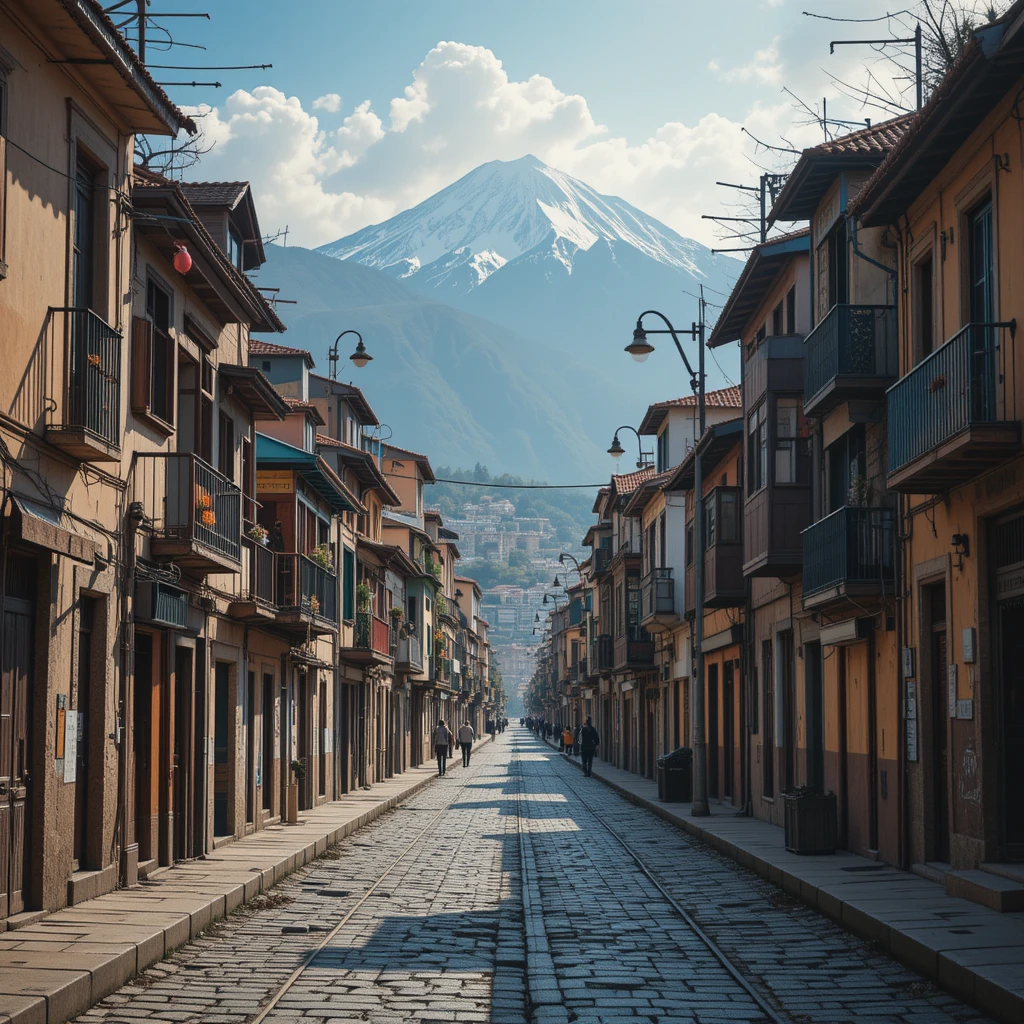
  • Stunning Landscapes: The city’s dramatic terrain and views of the snow-capped Illimani peak provide endless photo opportunities.

Different Travel Options to Reach La Paz

By Air

Flying is often the fastest and most convenient way to reach La Paz. The city is served by El Alto International Airport (LPB), one of the highest airports in the world. Here’s what you need to know:

  • International Flights: Several airlines offer routes to La Paz from major cities in South America and abroad. Flights from Lima, Santiago, and Buenos Aires are common, with airlines like LATAM and Boliviana de Aviación (BoA) leading the way.
  • Domestic Flights: If you’re already in Bolivia, domestic carriers like Amaszonas and BoA provide frequent connections to La Paz from cities such as Santa Cruz and Sucre.
  • Average Flight Times:
    • From Lima: Approximately 2 hours
    • From Santiago: Roughly 3 hours
  • Tips: Book in advance to secure the best prices and choose morning flights for fewer delays.

By Road

For those with a spirit of adventure, traveling by road to La Paz can be a scenic journey filled with panoramic views and unique stops.

  • Routes from Key Cities:
    • Lima, Peru: A drive of about 30 hours, with the chance to visit Lake Titicaca en route.
    • Santiago, Chile: A longer trip of roughly 40 hours, offering views of the Atacama Desert.
  • Road Conditions: While most main roads are well-maintained, some mountain routes can be winding and challenging. Ensure your vehicle is in good condition and plan for stops along the way.
  • Safety Tips: Always check local advisories before embarking on a road trip, as weather can impact driving conditions in the Andes.

By Bus

la paz By Bus

Buses are a popular and cost-effective way to reach La Paz, especially for those traveling from neighboring countries or other Bolivian cities.

  • Popular Operators:
    • Titicaca Bus: Known for trips between La Paz and Puno, Peru.
    • TransCopacabana: Offers comfortable rides with scenic stops.
  • Journey Times:
    • From Puno: Approximately 7-8 hours
    • From Santa Cruz: Around 18-20 hours
  • Comfort Levels: Opt for “cama” or “semi-cama” seats to enjoy a more comfortable ride.

By Train

la paz By Train

Though less commonly used, train travel offers a unique and nostalgic way to approach La Paz.

  • Connectivity: The train network connects mainly within Bolivia. You can pair a train ride with a bus journey for the final leg.
  • Scenic Routes: Consider the Oruro-Uyuni line for breathtaking desert views and then continue by road to La Paz.

Planning Your Travel Schedule

Best Times to Travel

Timing is everything when planning a trip to La Paz:

  • Dry Season (May to October): Offers the best weather for sightseeing and outdoor activities, with clear skies and cooler temperatures.
  • Rainy Season (November to March): Travel can be more challenging due to heavy rainfall and potential road closures. However, it’s the perfect time for budget travelers seeking lower prices.

Tips for a Comfortable Journey

Altitude Preparation

La Paz’s high altitude can catch even seasoned travelers off guard. Here’s how to prepare:

  • Stay Hydrated: Drink plenty of water before and during your trip.
  • Acclimatize Gradually: Spend your first day in the city taking it slow. Visit lower-altitude attractions like the Valley of the Moon.
  • Medications: Bring altitude sickness tablets if you’re prone to headaches or dizziness.

Packing Essentials

Packing the right gear will ensure a comfortable and worry-free visit:

  • Warm Clothing: Layers are essential, as temperatures can vary throughout the day.
  • Comfortable Shoes: For exploring cobblestone streets and hiking.
  • Sunscreen and Sunglasses: The sun can be intense due to the high altitude.
  • Personal Items: Don’t forget items like altitude sickness tablets and snacks.

Cost Analysis of Different Travel Methods

Comparing Air vs. Road Costs

While flying is quicker, road travel can be more economical:

  • Air Travel: Average cost ranges from $300-$500 for international flights, while domestic flights may be as low as $50-$150.
  • Bus Travel: Long-distance bus tickets typically cost between $20 and $50, depending on the route and service level.
  • Road Trip: Costs can add up with fuel, tolls, and accommodations, but it provides more freedom and flexibility.

Budget-Friendly Tips

  • Book Early: Secure better deals by booking flights and buses well in advance.
  • Local Transportation: Use minibuses or shared taxis to save on inner-city travel.

Navigating La Paz Upon Arrival

Transportation Options in La Paz

  • Public Transport: The city’s iconic cable car system, Mi Teleférico, is not only a mode of transport but also a scenic way to explore the city.
  • Taxis: Widely available and inexpensive, though it’s best to agree on a fare beforehand.
  • Car Rentals: Available for those who prefer exploring at their own pace.

Top Accommodation Options

Hotels and Hostels

  • Luxury: Stay at the Casa Grande Hotel for top-notch service.
  • Budget: Try Wild Rover Hostel for an affordable and social experience.

Unique Stays

Looking for something special? Consider an eco-lodge on the outskirts of the city or an Airbnb with views of the mountains.

What to Expect at La Paz Airport

La Paz Airport

El Alto International Airport is your gateway to La Paz:

  • Arrival Process: Immigration and customs are straightforward but prepare for potential queues.
  • Facilities: Includes restaurants, currency exchange counters, and SIM card kiosks.
  • Tips: Use ATMs inside the airport to avoid high fees.

Important Travel Documents and Tips

Ensure you have:

  • Passport: With at least six months of validity.
  • Visa: Check if your nationality requires a tourist visa.
  • Travel Insurance: Essential for peace of mind, especially at high altitudes.

Local Culture and Etiquette to Know Before You Go

  • Language: Spanish is widely spoken, and learning a few key phrases can go a long way.
  • Customs: A respectful attitude towards local traditions and dress codes is appreciated.
  • Dining Etiquette: Sharing food is common, so don’t be surprised if you’re offered a taste of a local dish.

Conclusion

Reaching La Paz might require careful planning, but the reward is an unforgettable journey filled with cultural experiences, natural beauty, and adventure. Whether you choose to fly, drive, or take a bus, each route has its own perks. Prepare well, travel smart, and get ready to enjoy the magic of La Paz.


FAQs

What’s the fastest way to get to La Paz?

Flying is the quickest option. Direct flights from cities like Lima and Buenos Aires will have you in La Paz in just a few hours.

How much does it cost to travel to La Paz?

Costs vary based on the mode of travel. Flights can range from $300 to $500, while buses are more budget-friendly at $20 to $50.

Is it safe to travel to La Paz by road?

Yes, but it’s essential to check local road conditions and weather forecasts, especially in the rainy season.

What should I pack when traveling to La Paz?

Bring layers of warm clothing, comfortable shoes, sunscreen, and altitude medication.

What’s the best time of year to visit La Paz?

The dry season (May to October) is ideal for pleasant weather and outdoor activities.

Are there direct flights to La Paz?

Yes, major South American cities offer direct routes to El Alto International Airport.


Risks of Eating Pork in Mexico 5 Travel Mistakes to Avoid

Pork in Mexican Cuisine: A Staple Tradition

When exploring Mexico’s vibrant food scene, it’s hard not to be drawn to the aroma of sizzling pork dishes whether it’s tacos al pastor or a plate of succulent carnitas. However, with indulgence comes the question: Is eating pork in Mexico safe? To answer that, you need to understand the associated risks, safety measures, and best practices for enjoying these meals without compromising your health.

Pork in Mexican Cuisine: A Staple Tradition

Pork in Mexican Cuisine: A Staple Tradition

Pork holds a revered place in Mexican culinary culture. It’s the backbone of many beloved dishes, deeply rooted in tradition and celebration. From the marinated layers of tacos al pastor influenced by Middle Eastern shawarma to the slow-cooked cochinita pibil wrapped in banana leaves, pork has cemented its position as a staple in Mexican kitchens.

But while its popularity is unquestioned, understanding the preparation and safety protocols associated with pork can make a significant difference in your dining experience.

Health Concerns and Risks Associated with Eating Pork

Health Concerns and Risks Associated with Eating Pork

Eating pork carries certain health risks, especially when it isn’t prepared correctly. Two primary issues come to mind: bacterial contamination and parasitic infections.

Foodborne Illnesses Linked to Pork

Pork, like any raw meat, is susceptible to various pathogens that can cause foodborne illnesses. Some of the most common include:

  • Salmonella: Can cause severe stomach cramps, diarrhea, and fever.
  • E. coli: Often results in severe gastrointestinal distress and can have long-term health consequences.
  • Listeria: Particularly dangerous for pregnant women, it can lead to serious complications.

Parasitic Infections

One of the more notorious parasites linked to undercooked pork is Trichinella spiralis, which causes trichinosis. Although rare, this infection can result in symptoms such as muscle pain, fever, and fatigue.

Symptoms of Foodborne Illnesses

If you experience symptoms like stomach pain, vomiting, or persistent diarrhea after eating pork, it’s crucial to seek medical attention. Early diagnosis can help prevent complications.

Food Safety Regulations in Mexico

Mexico has established food safety regulations that aim to ensure the hygiene and quality of meat sold in markets and served in restaurants. The country follows standards set by authorities such as the Mexican Ministry of Health and COFEPRIS (Federal Commission for Protection Against Health Risks). These regulations require that pork be properly inspected and certified before it reaches consumers.

How These Regulations Compare Internationally

Compared to global standards, Mexico’s food safety protocols align closely with those set by the World Health Organization (WHO). However, adherence can vary, particularly when comparing high-end restaurants with smaller street vendors.

Street Food vs. Restaurants: Where’s the Real Risk?

One of the highlights of visiting Mexico is sampling street food. From bustling market stalls to roadside stands, the allure is undeniable. But when it comes to pork, the risk of foodborne illness can be higher if proper food handling practices aren’t followed.

Tips for Safely Eating Street Food

When eating street food, keep these tips in mind:

  • Look for Clean Stalls: Choose vendors who maintain cleanliness in their cooking areas.
  • Observe Food Preparation: Ensure that food is cooked to order and served piping hot.
  • Go Where Locals Go: A long line at a food stall often signals that the vendor is trusted.

Evaluating Restaurant Safety Standards

Dining at restaurants can feel safer, but it’s still important to choose wisely. Look for:

  • Health Certifications: Many restaurants display health inspection certificates.
  • Online Reviews: Check recent reviews for any mentions of food safety issues.
  • Visible Kitchen: Open kitchen setups provide an opportunity to observe food preparation practices.

Recognizing Safe Pork Preparation Methods

Understanding the safe handling and preparation of pork can be a game-changer. Pork should reach an internal temperature of at least 145°F (63°C) with a rest period of three minutes after cooking. For ground pork, the minimum safe temperature is 160°F (71°C).

Signs of Properly Cooked Pork

  • Texture: Firm, not rubbery.
  • Color: A slight blush of pink is acceptable, but it should not appear raw or translucent.
  • Juices: Run clear, not bloody.

Home-Cooked Pork: Ensuring Safety

Home-Cooked Pork: Ensuring Safety

If you plan on cooking pork at home in Mexico, follow these best practices:

  • Buy from Reputable Sources: Choose well-known markets or certified butchers.
  • Refrigeration: Store pork at a temperature below 40°F (4°C) until you’re ready to cook it.
  • Avoid Cross-Contamination: Use separate cutting boards for raw meat and other ingredients.

What to Do If You Get Sick

If you suspect food poisoning from pork, take these steps:

  1. Stay Hydrated: Replace lost fluids to avoid dehydration.
  2. Monitor Symptoms: Keep an eye on persistent or worsening symptoms.
  3. Seek Medical Attention: Contact a healthcare provider if symptoms are severe or last more than 48 hours.

Benefits of Eating Pork in Mexico

Despite potential risks, eating pork can offer nutritional and cultural benefits. Pork is rich in essential nutrients, including:

  • Protein: Supports muscle growth and repair.
  • B Vitamins: Helps in energy metabolism.
  • Iron: Aids in oxygen transport in the blood.

Common Misconceptions About Pork Safety

Many myths about pork safety persist. One common belief is that all pork must be cooked to a dry, leathery state to be safe. This isn’t true; modern practices and proper cooking allow for moist, tender pork without compromising safety.

Modern Practices for Safe Consumption

Today, stricter farming practices and advanced meat inspection methods have made pork safer than ever. Farmers often follow updated protocols to reduce the risk of contamination, such as improved feed quality and better handling of livestock.

A Traveler’s Guide to Eating Pork Safely in Mexico

For travelers, eating pork safely in Mexico involves more than just choosing the right dish. Here’s a quick checklist:

  • Research: Know the most reputable dining spots.
  • Ask Locals: Seek advice from locals for reliable restaurant recommendations.
  • Observe: Make sure food is freshly prepared and served hot.
  • Trust Your Senses: If the food looks or smells off, don’t eat it.

Conclusion

Eating pork in Mexico can be an unforgettable culinary experience if approached with awareness and care. By understanding the risks and following essential safety practices, you can enjoy Mexico’s rich flavors while prioritizing your health.

Savor the Flavors of Mexico Traditional Cuisine and Recipes: 10 Authentic Meals to Enjoy

Savor the Flavors of Mexico Traditional Cuisine and Recipes

Experience the Richness of Mexican Cuisine

Mexican cuisine is more than just food; it’s a rich cultural experience that brings people together. You might have tried tacos or guacamole, but there’s so much more to explore. From sizzling street foods to slow-cooked traditional dishes, every bite tells a story.

The Origins of Mexican Cuisine

The Origins of Mexican Cuisine

A Culinary Heritage

You can trace the roots of Mexican food back to ancient civilizations like the Aztecs and Mayans. They relied on staple ingredients like corn, beans, and chili peppers. When the Spanish arrived, they introduced rice, dairy, and meats, creating a flavorful fusion that defines Mexican cuisine today.

Key Ingredients in Mexican Cooking

To truly understand Mexican food, you need to familiarize yourself with its essential ingredients:

  • Corn – The foundation of tortillas, tamales, and many other beloved dishes.
  • Chilies – Whether mild or fiery, they add depth and complexity to flavors.
  • Beans – A key protein source, often served alongside rice.
  • Tomatoes – Essential for salsas and stews, adding acidity and sweetness.
  • Avocado – The heart of guacamole and a creamy topping for countless meals.

Must-Try Traditional Mexican Dishes

Must-Try Traditional Mexican Dishes

1. Tacos al Pastor

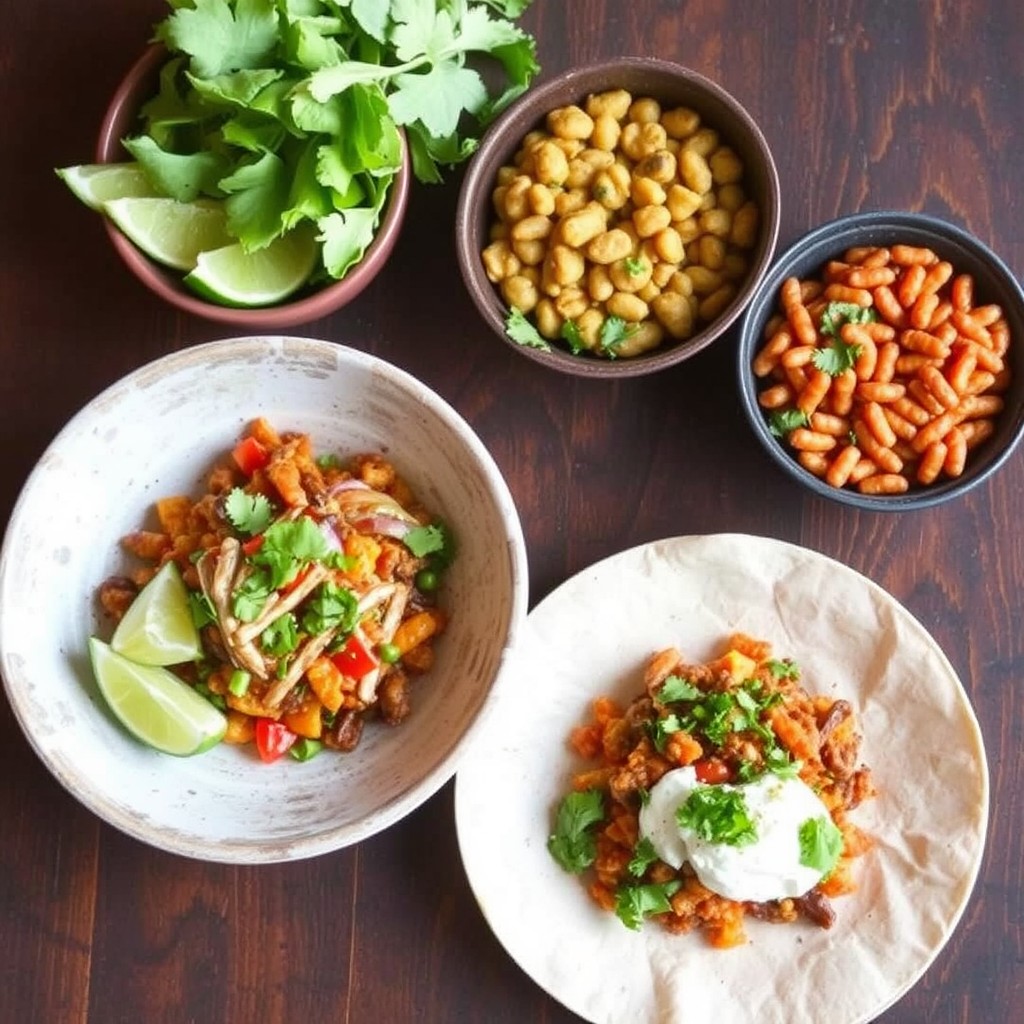
If you love bold flavors, you’ll enjoy tacos al pastor. Marinated pork is slow-cooked on a spit, sliced thin, and served in corn tortillas with pineapple, cilantro, and onion.

2. Chiles en Nogada

This festive dish showcases the colors of the Mexican flag. Poblano peppers are stuffed with a flavorful picadillo mixture, then topped with a creamy walnut sauce and pomegranate seeds.

3. Mole Poblano

A masterpiece of Mexican cuisine, mole poblano combines chocolate, chili peppers, and over 20 ingredients into a rich, velvety sauce that pairs perfectly with chicken.

4. Tamales

Made from masa dough filled with meats, cheeses, or vegetables, tamales are wrapped in corn husks and steamed. They’re a staple during holidays and celebrations.

Authentic Mexican Recipes to Try at Home

Authentic Mexican Recipes to Try at Home

Homemade Guacamole

IngredientQuantity
Avocados3 ripe
Onion1 small, chopped
Tomato1 diced
Lime juice1 tbsp
Cilantro2 tbsp, chopped
SaltTo taste
Jalapeño1 finely chopped (optional)

Instructions:

  1. Mash avocados in a bowl.
  2. Mix in onion, tomato, lime juice, cilantro, and salt.
  3. Add jalapeño for extra heat.
  4. Serve fresh with tortilla chips.

Classic Chicken Tinga

IngredientQuantity
Chicken breast2, shredded
Onion1 sliced
Tomatoes3 chopped
Chipotle peppers2 in adobo sauce
Garlic2 cloves minced
Olive oil2 tbsp
SaltTo taste

Instructions:

  1. Sauté onion and garlic in olive oil.
  2. Add tomatoes and chipotle peppers, simmer for 10 minutes.
  3. Blend into a sauce and return to pan.
  4. Mix in shredded chicken and cook for 5 minutes.
  5. Serve in tacos or tostadas.

Mexican Dining Etiquette and Traditions

Mexican Dining Etiquette and Traditions

When dining in Mexico, you’ll notice a few cultural traditions:

  • Meals are a social event – Expect long conversations over food.
  • Street food is king – Tacos, tamales, and elotes (grilled corn) are must-tries.
  • Salsas come in varying heat levels – Always test before adding too much!

Frequently Asked Questions (FAQs)

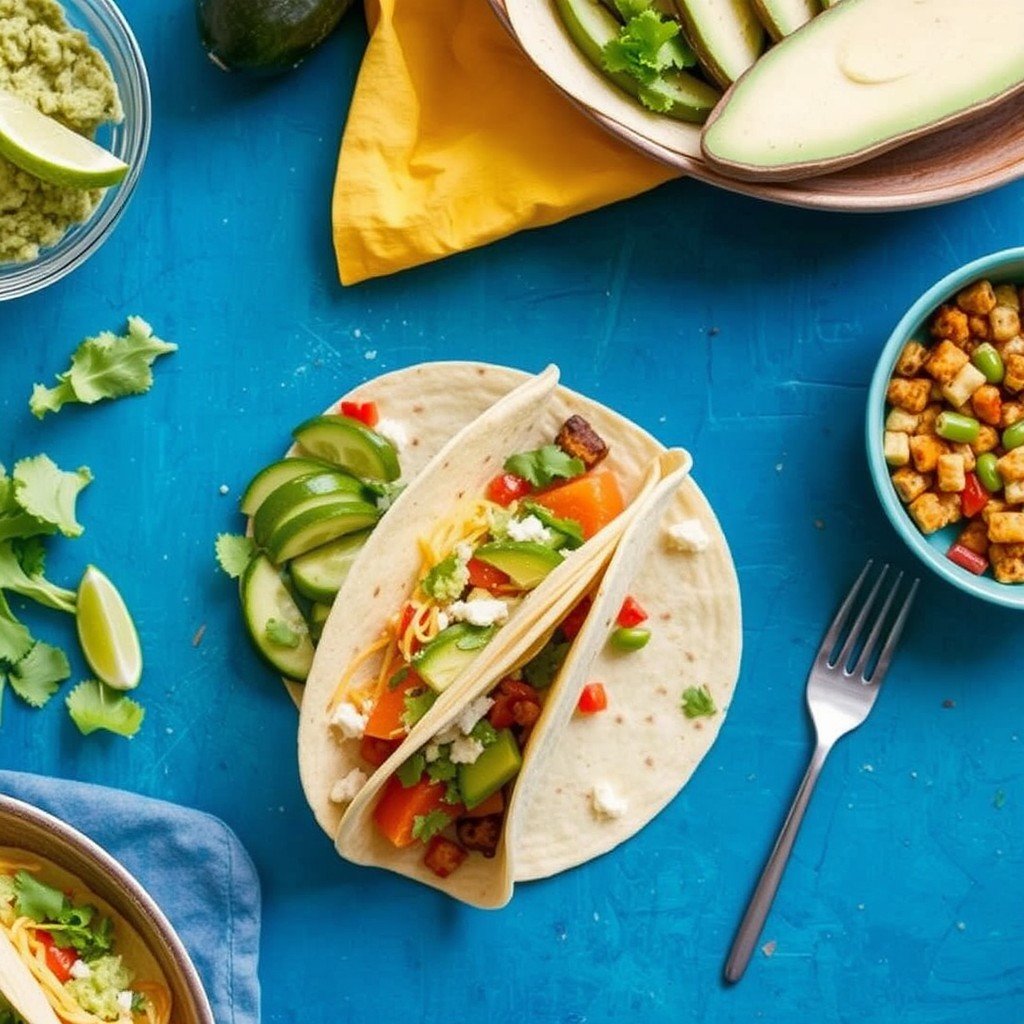
Tacos reign supreme in Mexico and beyond, with endless variations to try.

What makes Mexican food unique?

The mix of indigenous and Spanish ingredients, bold flavors, and cooking techniques set it apart.

Are all Mexican dishes spicy?

No, not all Mexican food is spicy. Many dishes offer mild flavors, and spice levels can be adjusted.

What drinks pair well with Mexican food?

Try aguas frescas, horchata, tamarind juice, or a refreshing Mexican beer like Modelo or Corona.

Conclusion: Bring the Taste of Mexico to Your Kitchen

Conclusion: Bring the Taste of Mexico to Your Kitchen

Now that you know more about Mexican cuisine, why not bring its flavors into your home? Try your hand at a traditional recipe, explore new ingredients, and immerse yourself in the culinary richness of Mexico. Whether it’s a casual taco night or an elaborate mole poblano feast, you’ll enjoy every bite. Start cooking today and savor the true essence of Mexico!

1-Mexican Culture History, Traditions, and Authentic Flavors

Dive into Authentic Mexican Culture and History

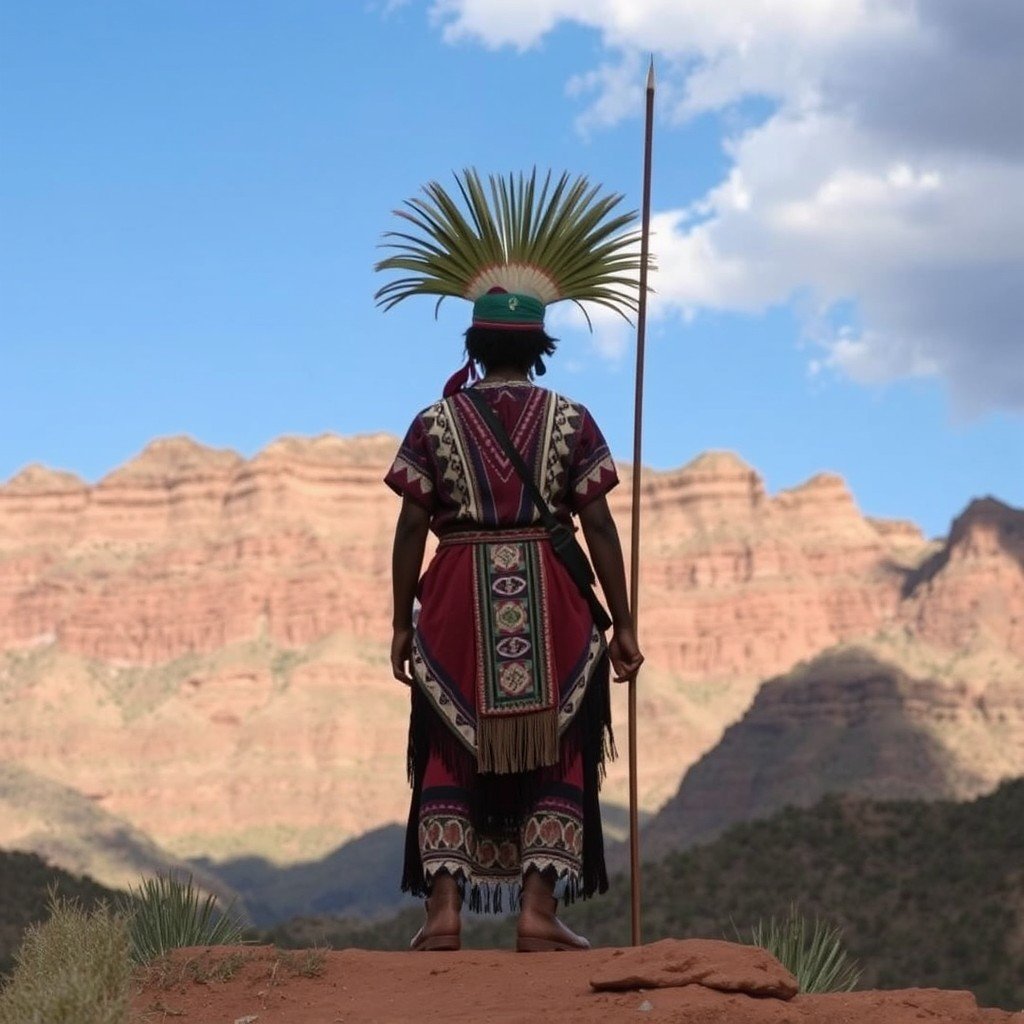
If you’ve ever dreamed of a place where vibrant traditions blend seamlessly with a rich historical backdrop, Mexico is the destination for you. This captivating country is known for its diverse cultural landscape, a legacy shaped by ancient civilizations, colonial influences, and a modern twist that keeps traditions alive. Dive into the roots of Mexico’s culture and history, and see why its artistic, culinary, and festive spirit enchants visitors worldwide.

The Roots of Mexican Culture

To truly understand the heart of Mexico, you need to journey back to its early days, where great civilizations flourished. The story begins with the powerful Aztecs and Mayans, whose legacies are still visible today.

The Aztec and Mayan Influence

The Aztecs, known for their complex social structure and impressive architectural feats, laid down many of the customs that continue to influence Mexican society. Their temples, most notably the Templo Mayor in Mexico City, stand as a testament to their engineering brilliance and religious fervor. The Mayans, on the other hand, were pioneers in mathematics and astronomy, leaving behind a legacy of advanced calendars and the breathtaking pyramids of Chichen Itza.

These ancient roots are more than historical footnotes; they’re woven into modern-day practices, including rituals, food preparation methods, and festivals that keep the essence of these great cultures alive.

Influences from Spain: A New Chapter Begins

When Spanish conquistadors, led by Hernán Cortés, arrived in the 16th century, Mexico underwent profound changes. Spanish colonial rule brought with it not only new governance but a wave of European customs, religious beliefs, and art forms that mingled with indigenous practices.

The Transformation of Society

You might notice this unique fusion in Mexican architecture. Colonial towns like San Miguel de Allende and Guanajuato are prime examples, showcasing intricate Spanish-style churches set against indigenous art motifs. The Spanish also introduced Catholicism, which intertwined with local beliefs, creating unique traditions that persist in celebrations like Día de los Muertos.

Indigenous Traditions: A Living Legacy

Despite centuries of external influence, Mexico’s indigenous communities have preserved their customs and ways of life. Many of these traditions are celebrated publicly, allowing you to experience firsthand the rituals that have stood the test of time.

Modern Manifestations

When you visit local markets or participate in town festivals, you’ll encounter elements such as Nahuatl storytelling, traditional clothing like the huipil, and spiritual dances performed with deep cultural meaning. These practices are a proud reminder that indigenous identity is alive and well, enriching the country’s multifaceted culture.

Mexico’s Rich Artistic Legacy

Art in Mexico is more than just an expression; it’s a reflection of the nation’s history, emotions, and resilience. It’s impossible to discuss this without mentioning muralism, a movement that defined Mexican identity post-revolution.

The Muralists: Voices on the Wall

Renowned artists like Diego Rivera, José Clemente Orozco, and David Alfaro Siqueiros took their art to public spaces, painting powerful murals that depicted social struggles and the fight for justice. Their work not only beautified city walls but served as a call for unity and change. If you visit places like Palacio de Bellas Artes or the National Palace, you’ll be met with towering, detailed murals that seem to whisper stories of the past.

Music and Dance: The Heartbeat of Mexico

Music and Dance: The Heartbeat of Mexico

No cultural exploration would be complete without the melodies and movement that define a people. Traditional music and dance are at the core of Mexico’s celebratory spirit, resonating with history and pride.

The Role of Mariachi

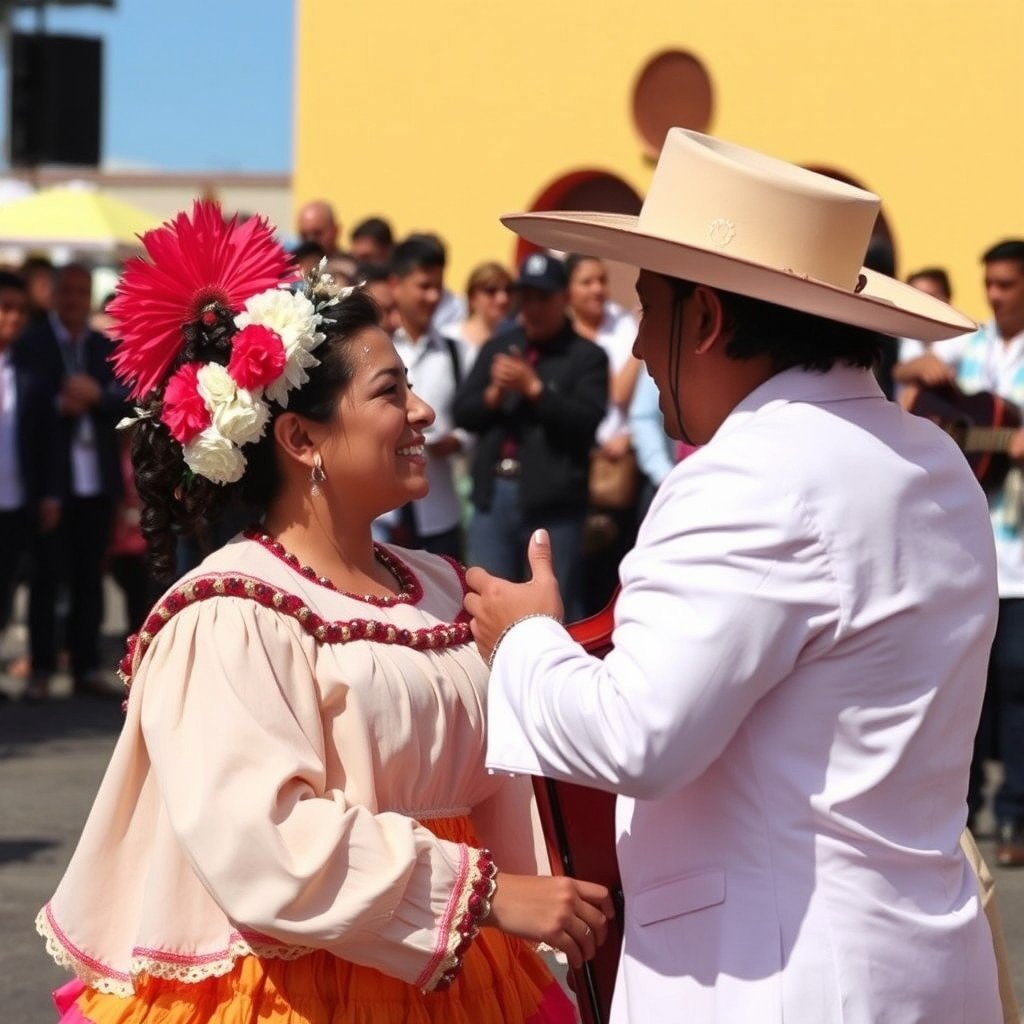
Picture this: a group of musicians dressed in elaborate charro suits, strumming guitars and violins, while soulful voices echo traditional songs. This is mariachi, a musical style that has captured the world’s attention. Born in the state of Jalisco, mariachi isn’t just music—it’s a narrative, a shared experience full of emotion.

Folkloric Dances

Dances like the Jarabe Tapatío, often called the Mexican Hat Dance, or the Danza de los Viejitos (Dance of the Little Old Men), are more than performances. Each step and gesture tells a story, reflecting the regional diversity and shared heritage of Mexico.

Mexican Culinary Heritage: A Feast for the Senses

Mexican Culinary Heritage: A Feast for the Senses

Mexican cuisine isn’t just food; it’s an experience steeped in history. Every dish is an echo of generations past, blending native ingredients with global influences.

Staple Ingredients and Their Origins

What makes Mexican food truly unique is its dedication to fresh, local ingredients. Staples like maize (corn), chili peppers, beans, and cacao have been part of the diet since pre-Hispanic times. These ingredients are essential in iconic dishes like tamales, enchiladas, and mole.

Sample Recipe Table for Mole Sauce:

IngredientQuantity
Dried chili peppers3
Unsweetened chocolate1 oz
Garlic cloves2
Almonds¼ cup
Spices (cumin, cloves)1 tsp each

Some of the most beloved dishes include tacos al pastor, with their savory, marinated meat, and pozole, a hominy stew traditionally eaten during celebrations. These recipes aren’t just meals; they’re traditions passed down through families, telling the story of Mexico’s past and present.

The Significance of Festivals and Celebrations

Mexico’s calendar is full of festivals that showcase its dynamic culture. These celebrations aren’t just events; they’re an opportunity for you to immerse yourself in Mexico’s heritage.

Día de los Muertos

Día de los Muertos

One of the most well-known festivals is Día de los Muertos (Day of the Dead). Far from being a somber occasion, it’s a time when families honor their deceased loved ones with altars (known as ofrendas) adorned with marigolds, photos, and favorite foods. It’s a beautiful mix of indigenous and Spanish traditions, symbolizing that death is not the end but a part of life’s cycle.

Independence Day Celebrations

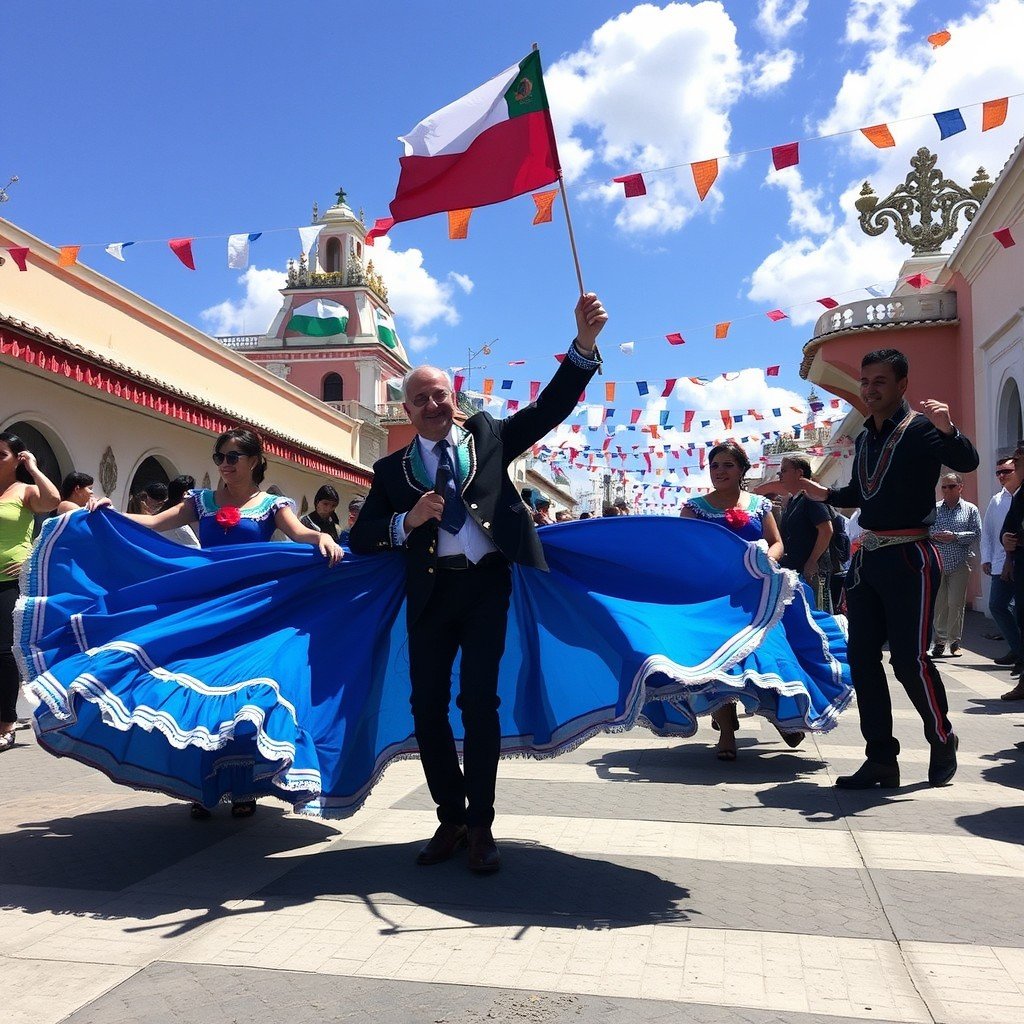
Celebrated on September 16th, Mexican Independence Day is marked with lively parades, fireworks, and the famous “El Grito de Dolores” (the Cry of Dolores), which commemorates the start of the Mexican War of Independence. Join in the celebrations, and you’ll experience the national pride that fills every street and plaza.

Iconic Historical Sites: A Journey Through Time

If you’re a history enthusiast, Mexico is a treasure trove of ancient sites that offer a window into its storied past.

Chichen Itza: The Marvel of the Mayans

Home to the Temple of Kukulcán, this UNESCO World Heritage Site is one of the most visited ruins in Mexico. The pyramid’s design reflects the Mayan’s advanced understanding of astronomy and mathematics, demonstrating the sophistication of this ancient civilization.

Teotihuacan: The City of the Gods

Located just outside Mexico City, Teotihuacan was a thriving metropolis long before the Aztecs discovered it. Its Pyramid of the Sun and Avenue of the Dead evoke a sense of awe and mystery, drawing visitors eager to walk in the footsteps of early Mesoamerican people.

Modern Mexico and Cultural Evolution

Modern Mexico and Cultural Evolution

Today’s Mexico is a blend of old and new. While urban areas like Mexico City boast cutting-edge art galleries, tech hubs, and culinary innovations, the country’s deep-rooted traditions are never far from view. You might find street art next to a centuries-old church or modern pop music interspersed with traditional mariachi songs.

Conclusion

Mexico’s culture and history are not just pages in a book; they’re a living, breathing part of daily life. From ancient pyramids to vibrant festivals, from heartfelt music to beloved dishes, Mexico invites you to explore its rich tapestry. Every corner of this country tells a story come and discover it for yourself.


FAQs

What are some key elements of Mexican culture?
Mexican culture is defined by its indigenous roots, Spanish colonial influences, colorful festivals, rich music, dance traditions, and flavorful cuisine.

Why is Mexican food so unique?
Mexican food stands out due to its combination of ancient and modern ingredients, cooking methods that go back centuries, and a commitment to fresh, local produce.

Which are the most famous Mexican festivals?
Día de los Muertos and Mexican Independence Day are among the most celebrated, reflecting a blend of joy, remembrance, and national pride.

What is the significance of mariachi music?
Mariachi represents Mexican pride and history. It’s not just music but a storytelling tradition that evokes emotion and connection.

Which historical sites should I visit in Mexico?
Don’t miss Chichen Itza, Teotihuacan, and Templo Mayor for a deep dive into Mexico’s ancient past.

How has Mexico preserved its culture?
Through a combination of oral traditions, community celebrations, preservation of languages, and the protection of heritage sites, Mexico continues to celebrate and safeguard its unique culture.