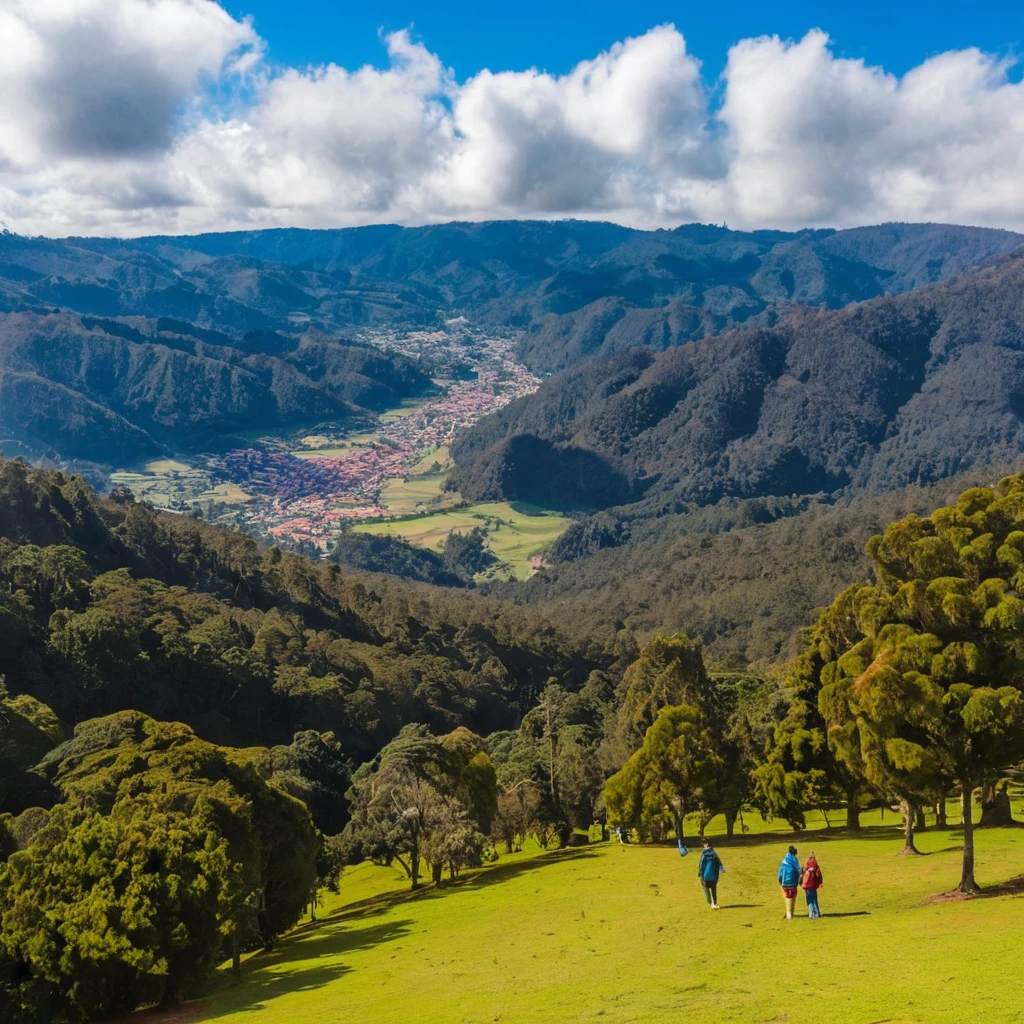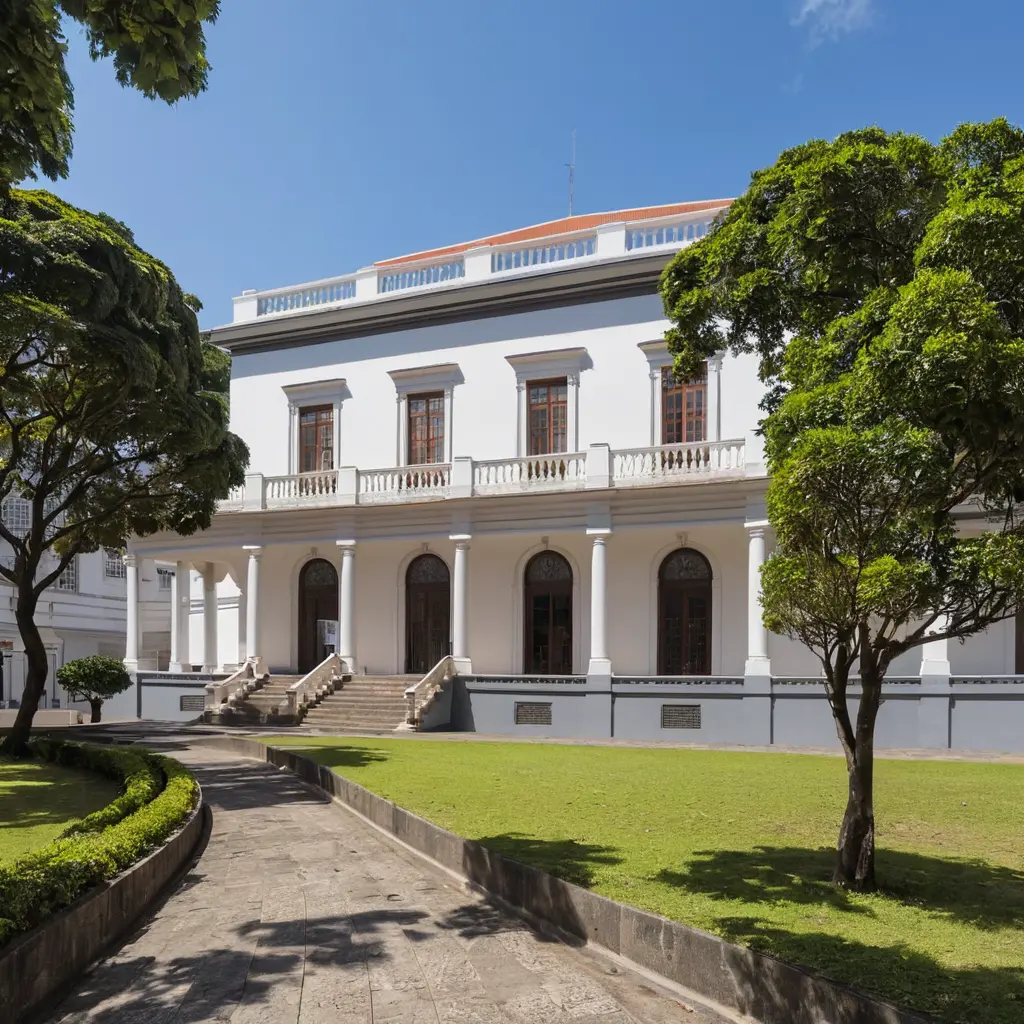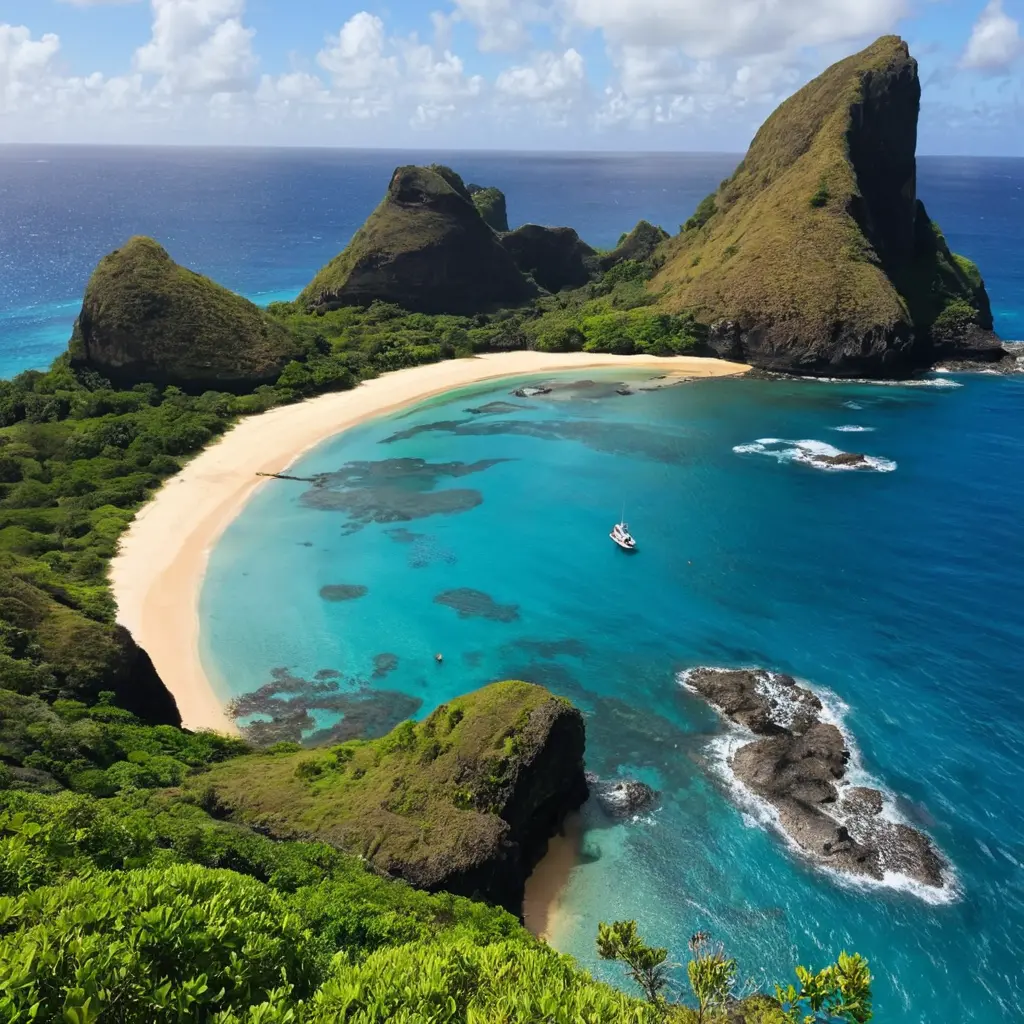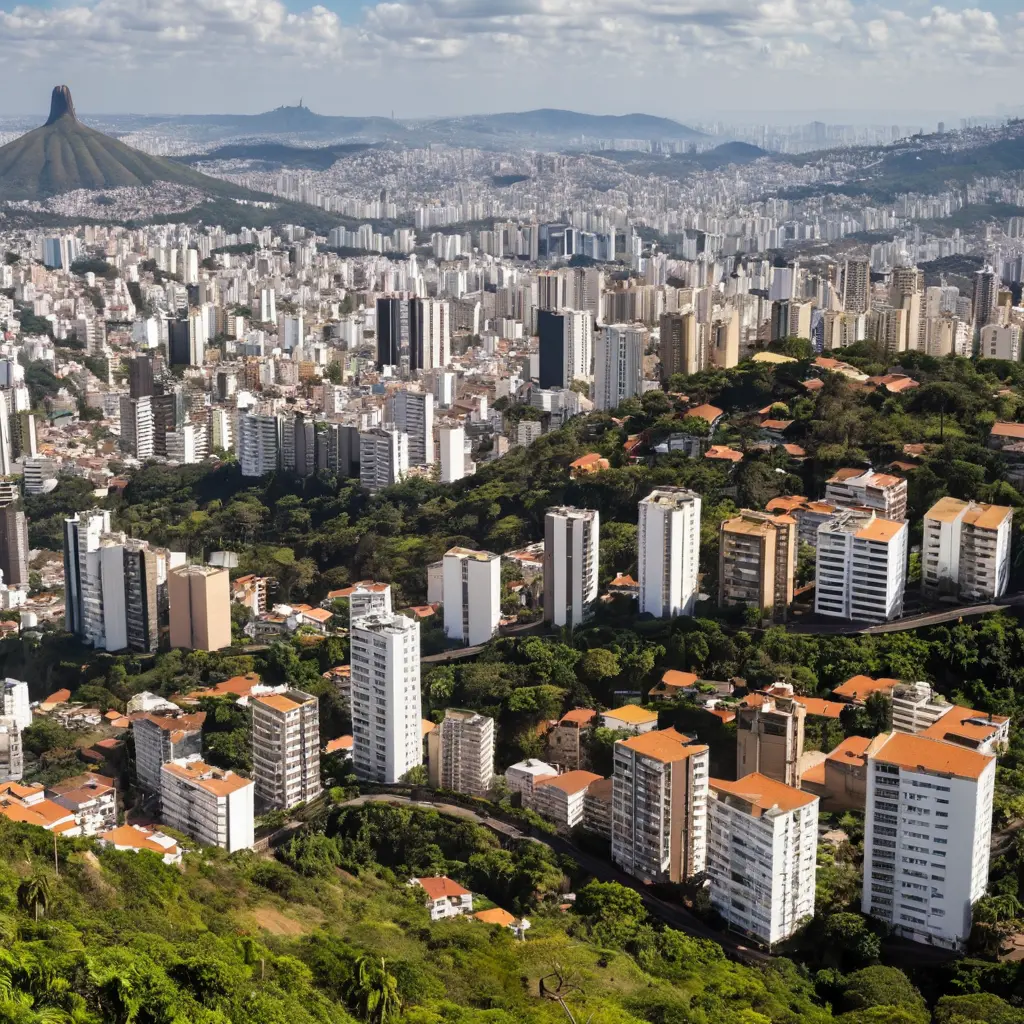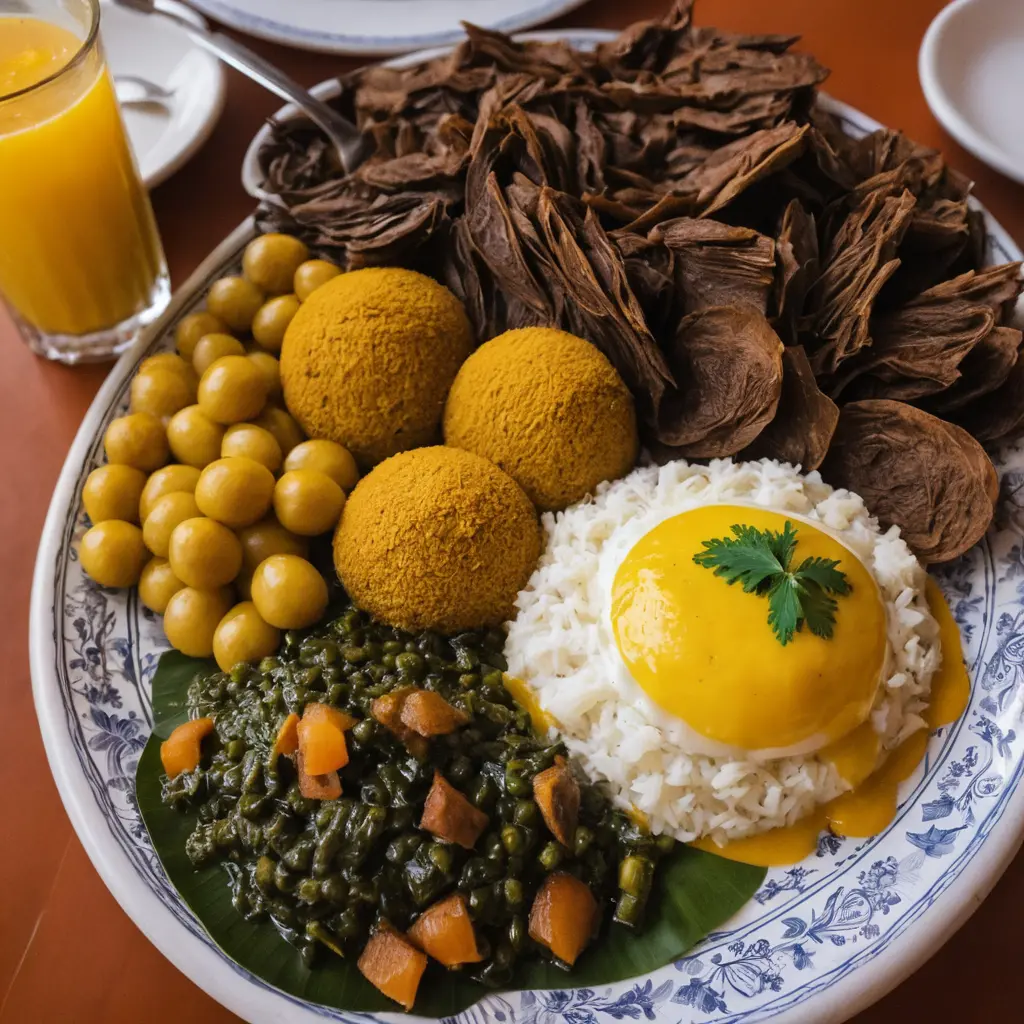
Jericoacoara 5 Best Ways to Explore the Desert by the Sea

Introduction: A Paradise Waiting for You

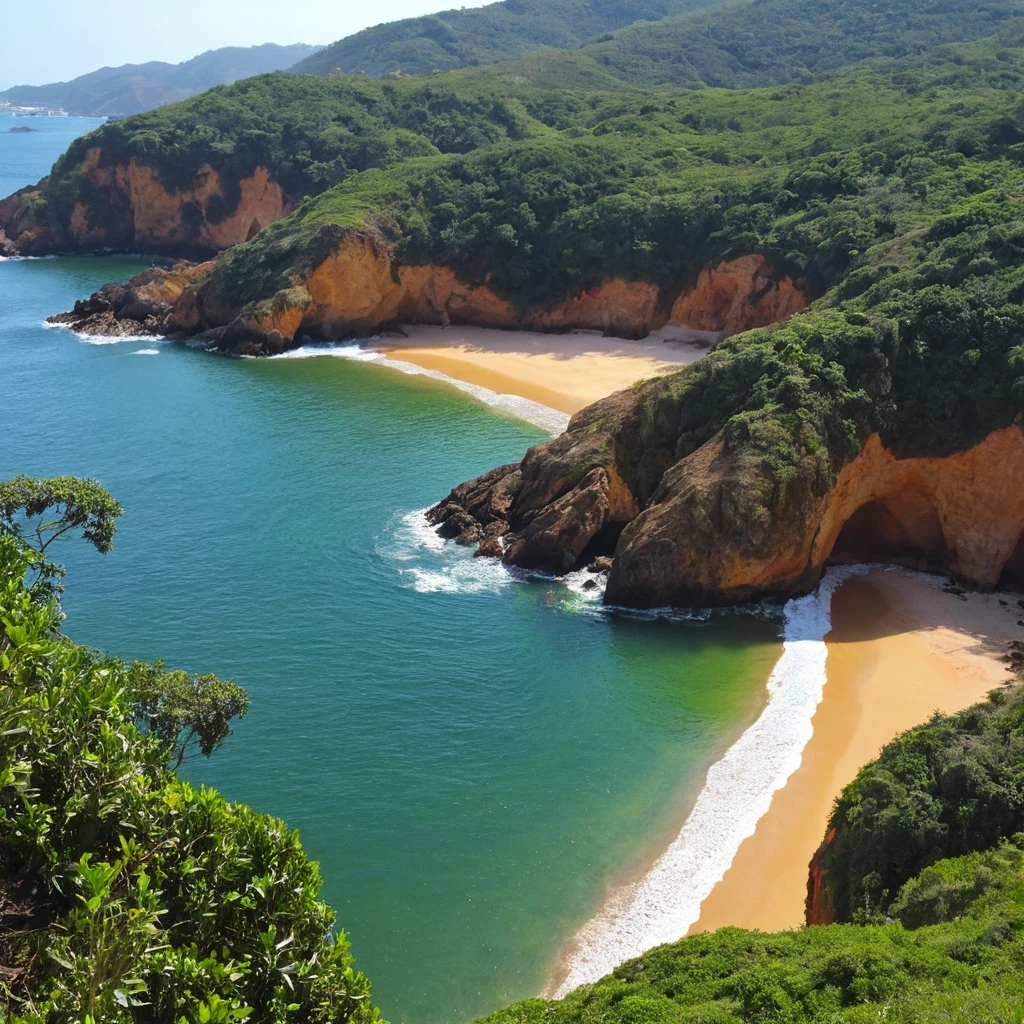
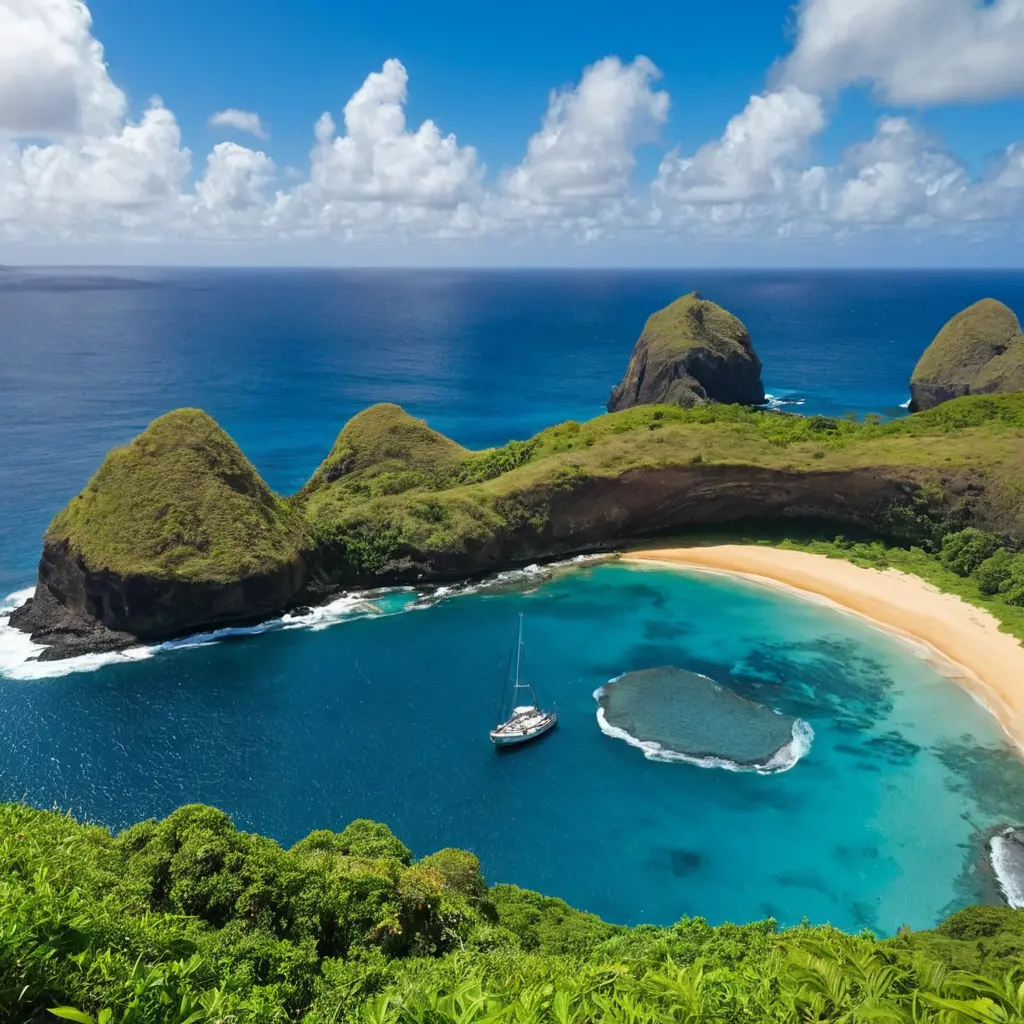
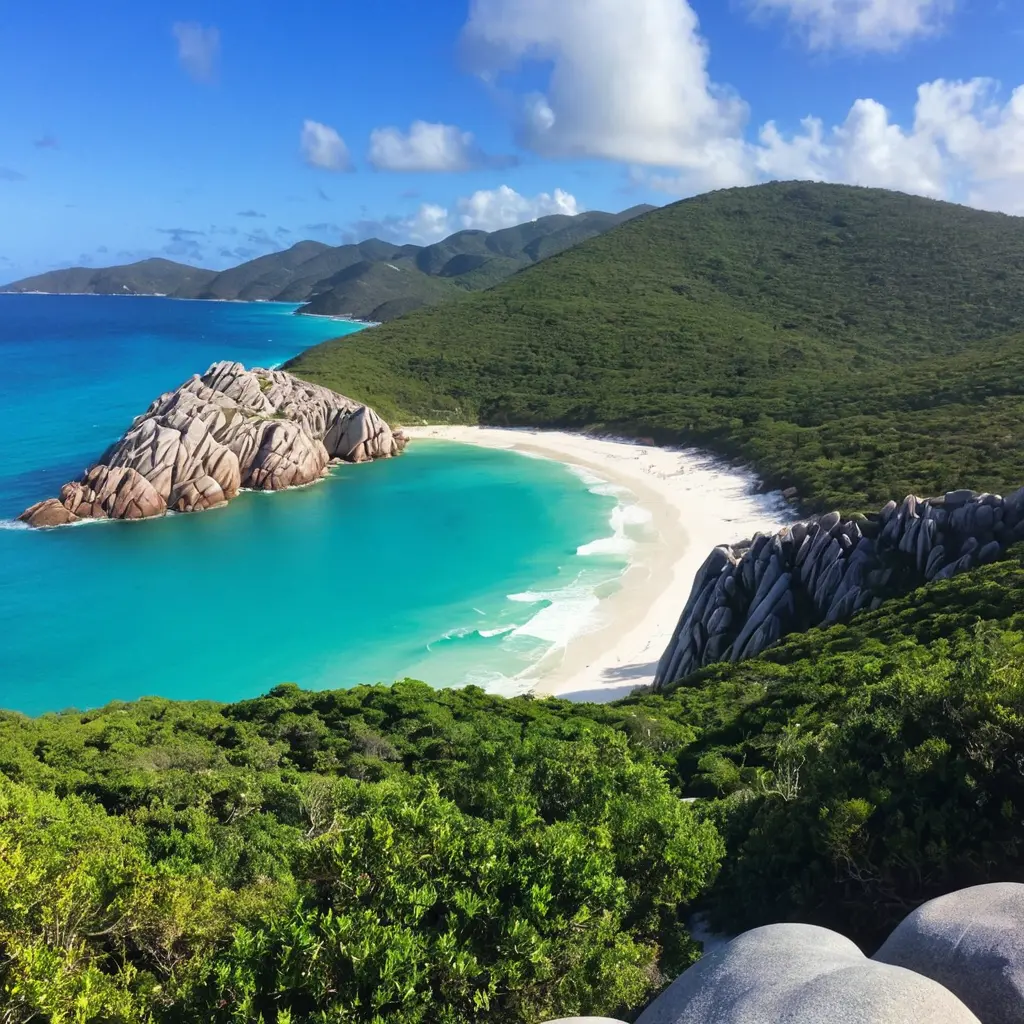
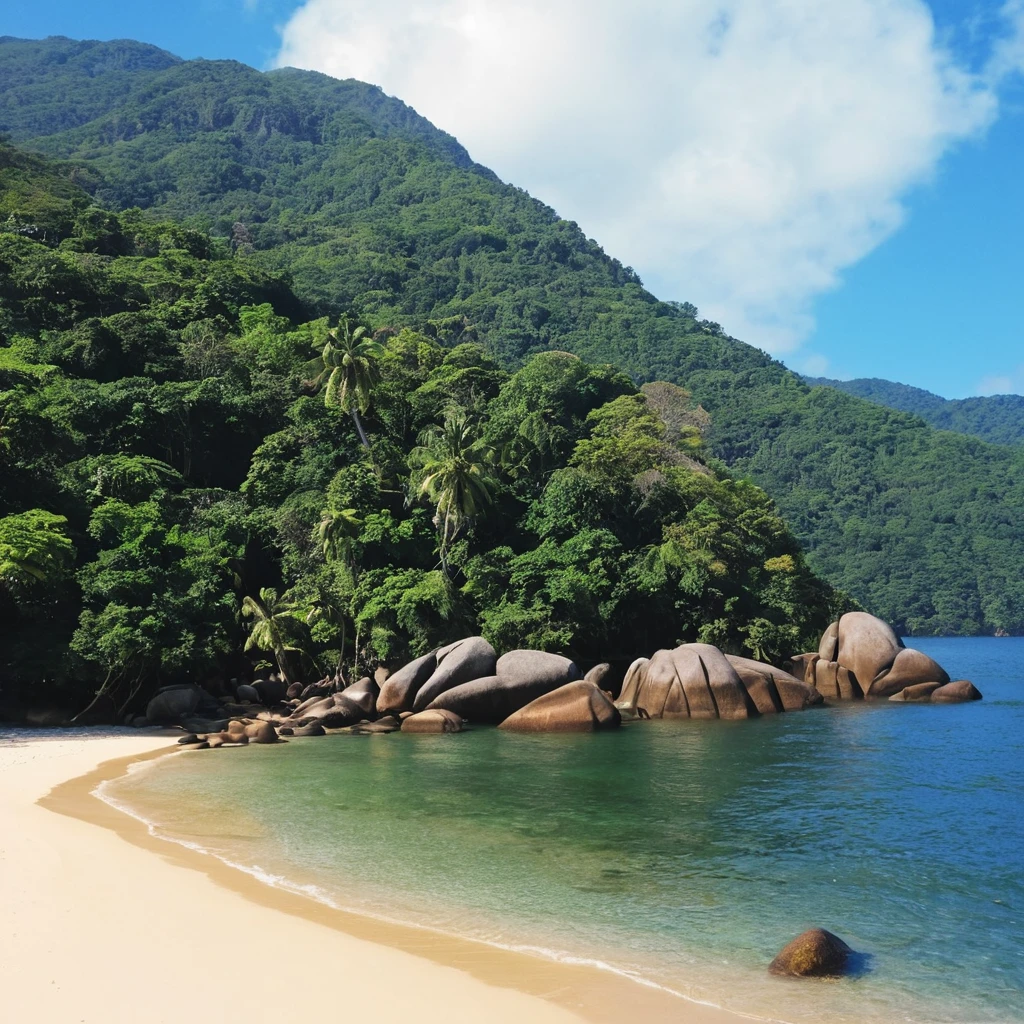
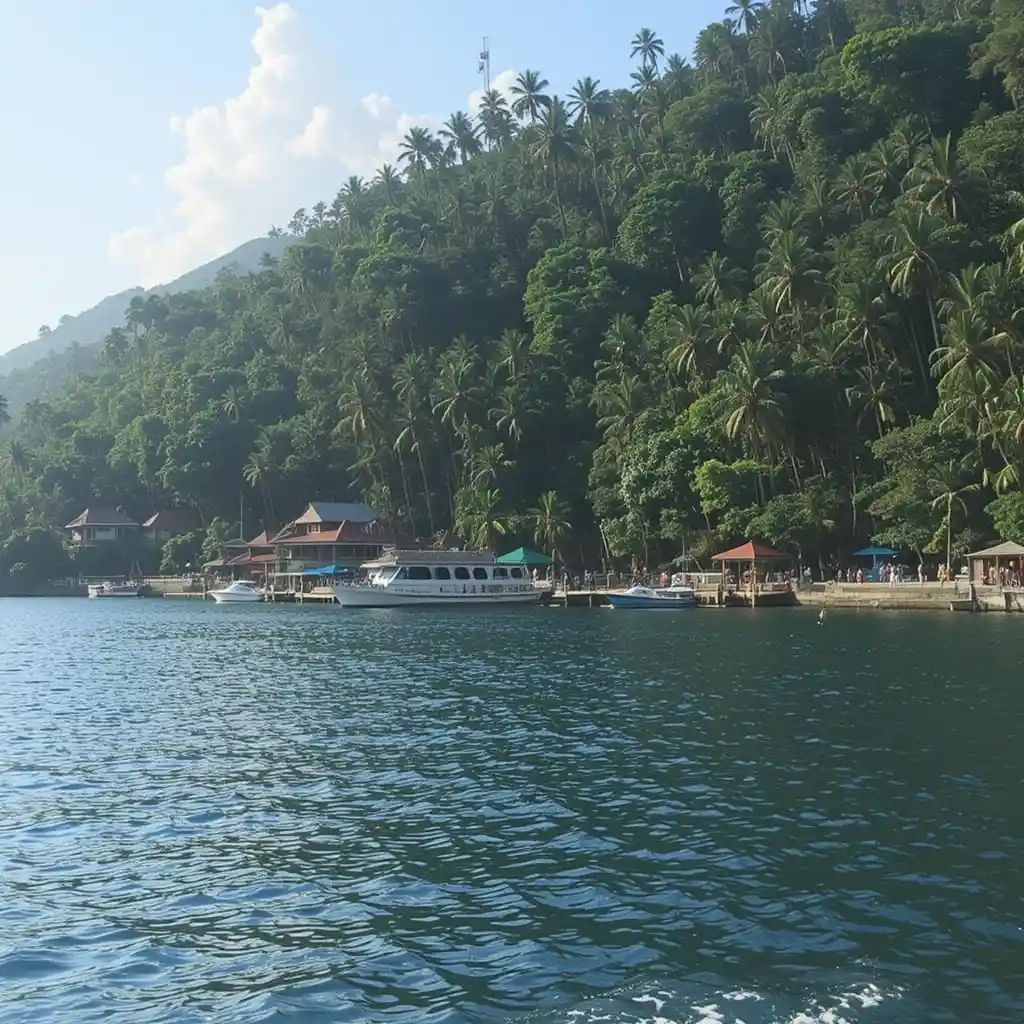
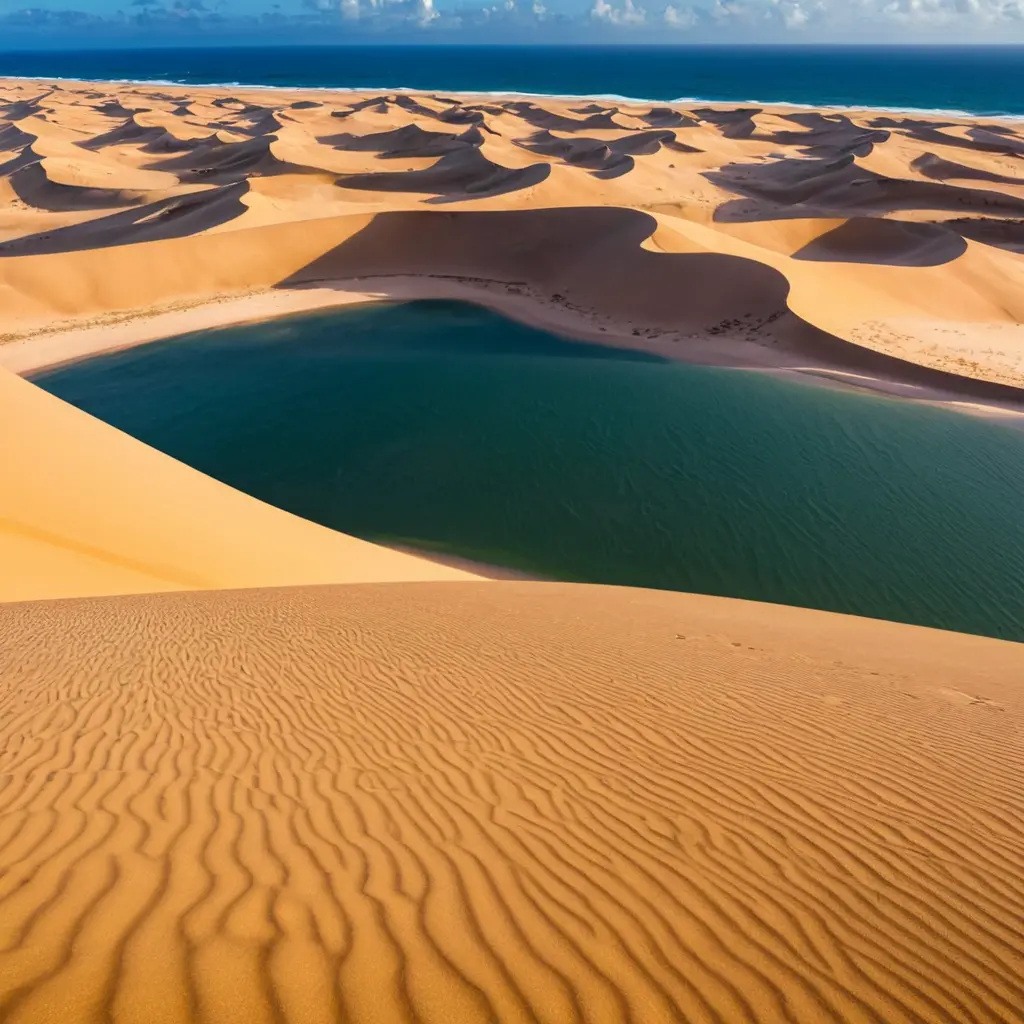
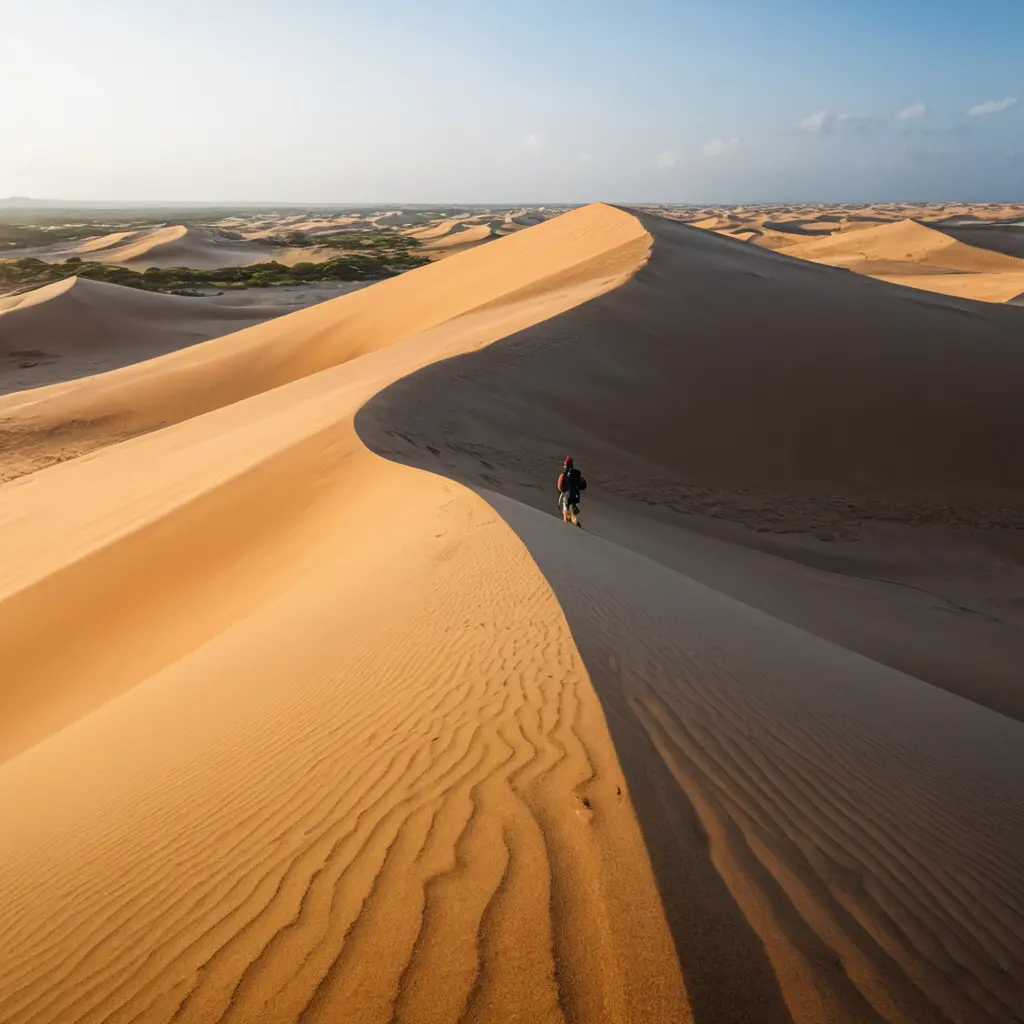
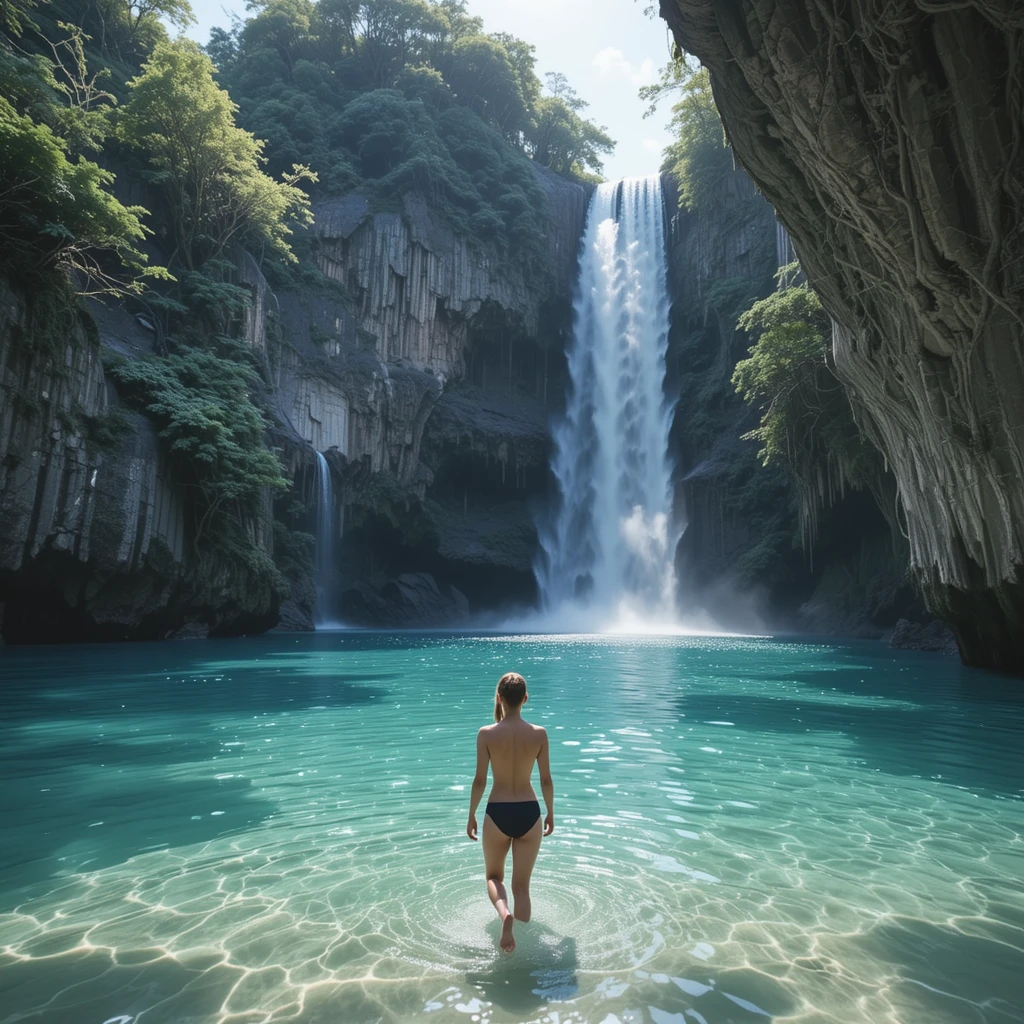
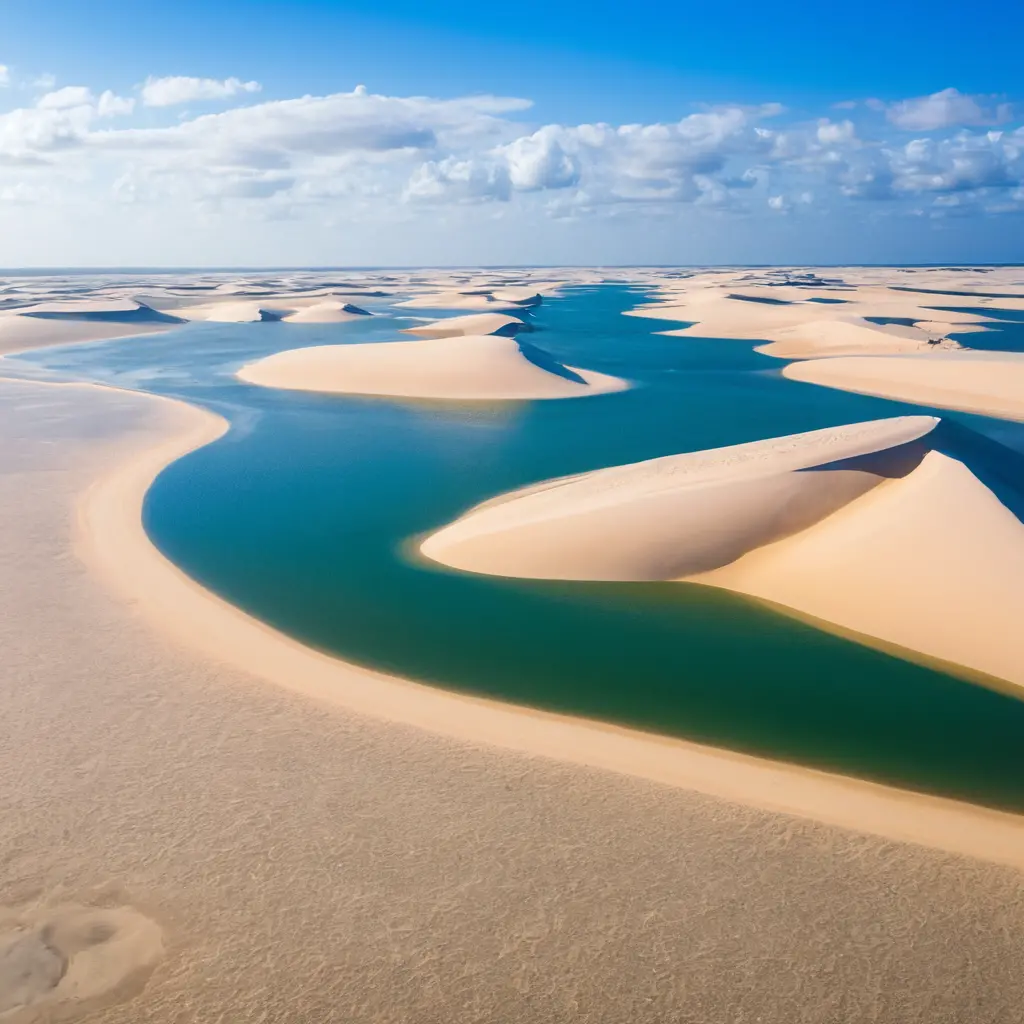
Imagine a place where nature seamlessly blends rugged beauty with tranquil charm. Jericoacoara, nestled along Brazil’s northeastern coast, is a destination like no other. Here, sprawling sand dunes kiss turquoise waters, and every corner invites you to pause, breathe, and marvel. This is a place where adventure meets serenity, and where you can escape the noise of the world to find your own rhythm.

In this guide, you’ll uncover everything you need to know about Jericoacoara from its mesmerizing landscapes and thrilling activities to its unique culture and culinary delights. Let’s dive in.


Why Jericoacoara Stands Out

Why Jericoacoara Stands Out

Jericoacoara, affectionately known as “Jeri,” is more than just a beach destination. Its charm lies in its untouched beauty and the harmonious coexistence of desert and ocean. Here’s why it’s so special:

1. Mesmerizing Natural Beauty

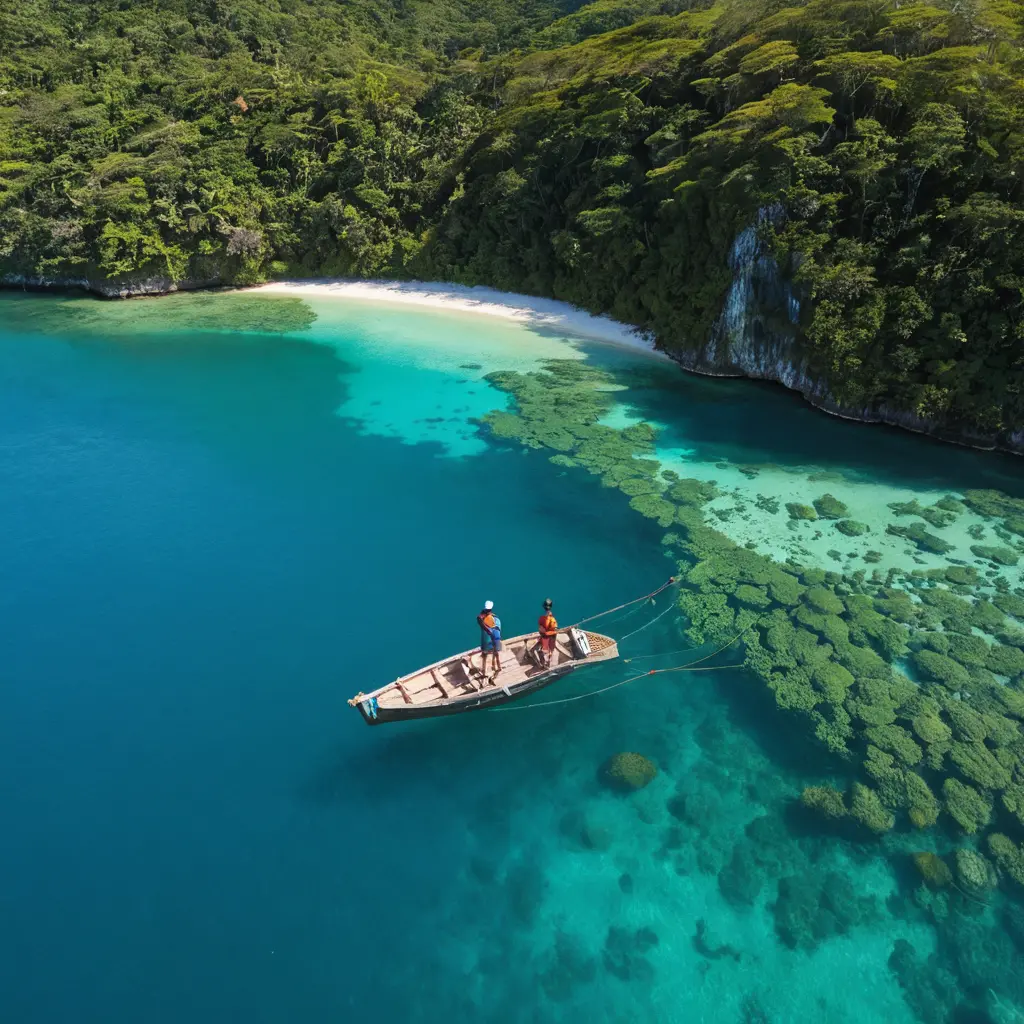
  • Beaches: Unspoiled stretches of white sand meet crystal-clear waters. Perfect for swimming, lounging, or simply soaking in the views.
  • Sand Dunes: Towering dunes offer not just spectacular scenery but also a chance to experience the thrill of sliding down on a sandboard.
  • Pedra Furada: This iconic rock formation, shaped by wind and waves, is a must-see. Hike to this natural wonder for unforgettable photos, especially during sunset.

2. Adventure Awaits

  • Kitesurfing and Windsurfing: Thanks to consistent winds, Jericoacoara is a global hotspot for these adrenaline-pumping water sports.
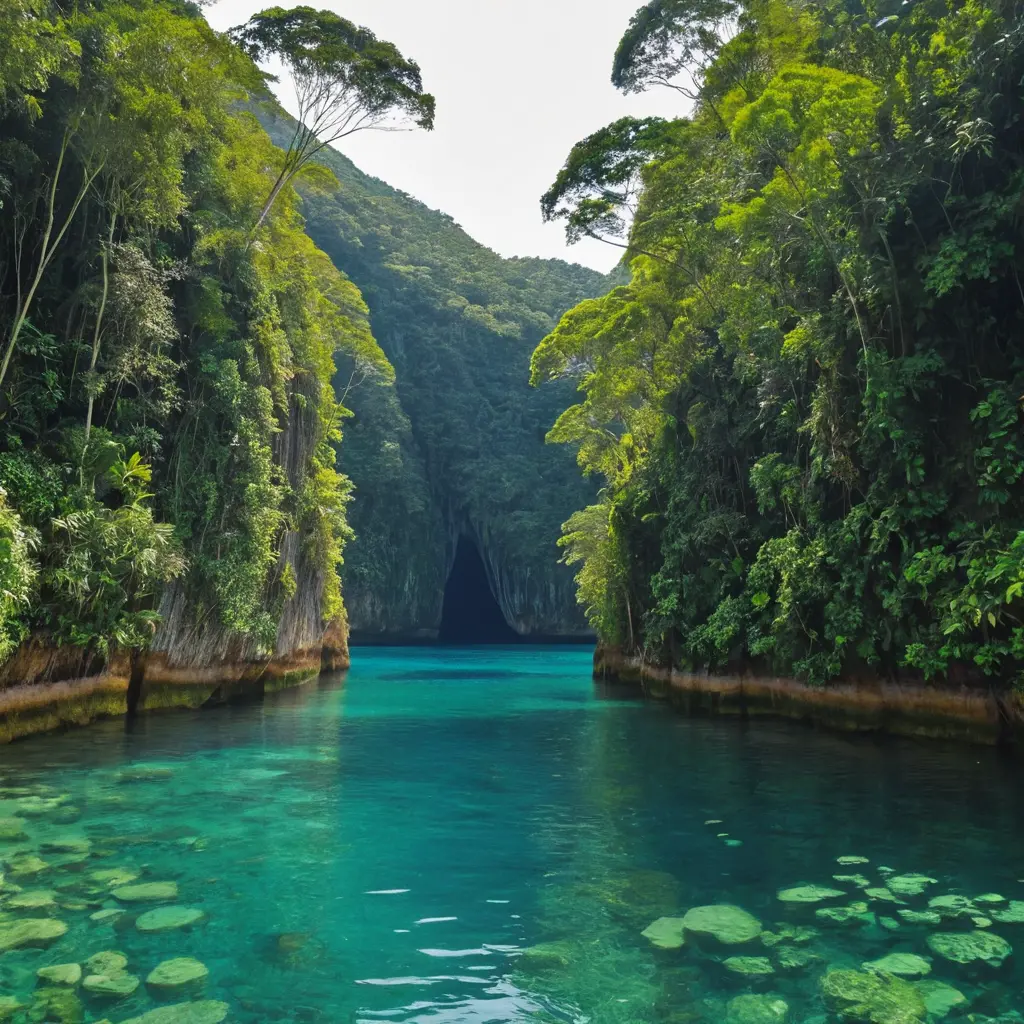
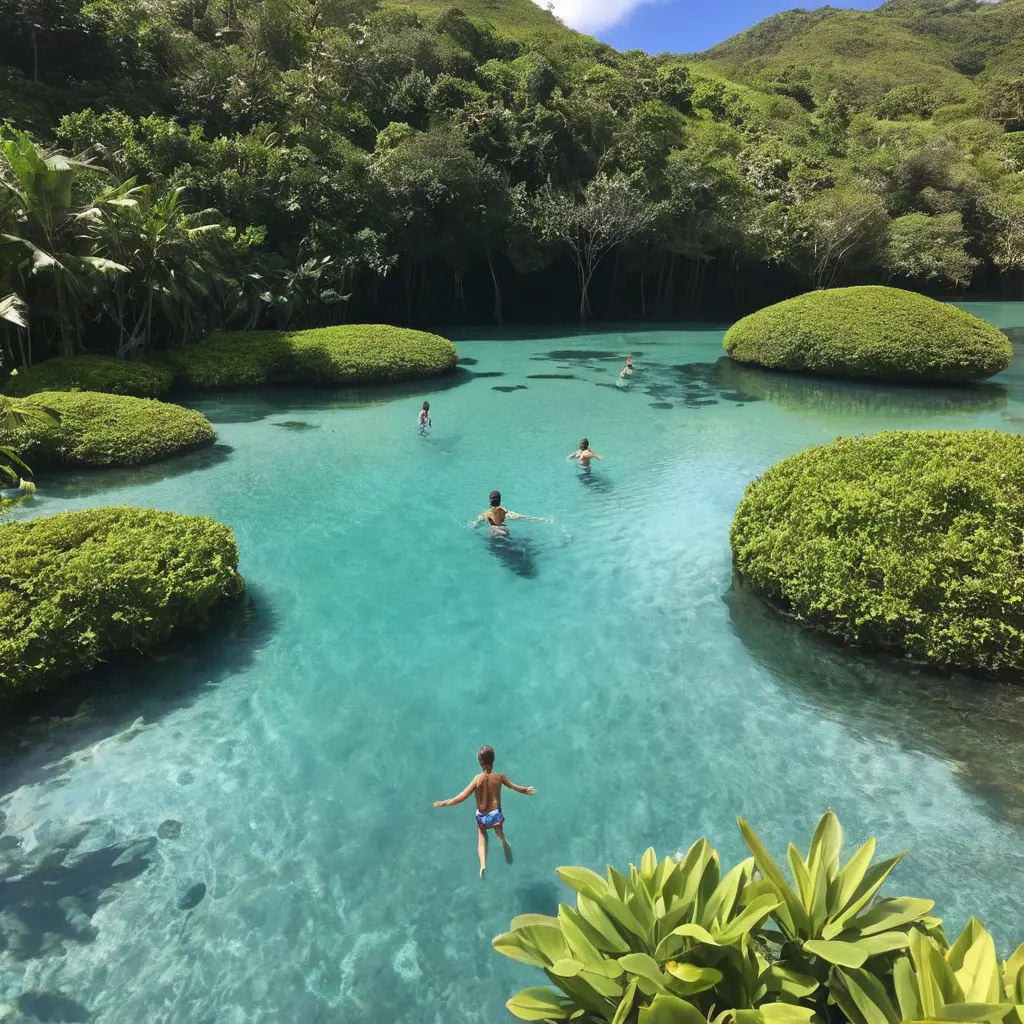
  • Lagoons: Relax in hammocks suspended over calm, clear waters at Lagoa do Paraíso or Lagoa Azul.
  • Buggy Rides: Explore off-the-beaten-path destinations and discover hidden gems, like remote fishing villages and secluded beaches.

Explore Jericoacoara’s Rich Culture

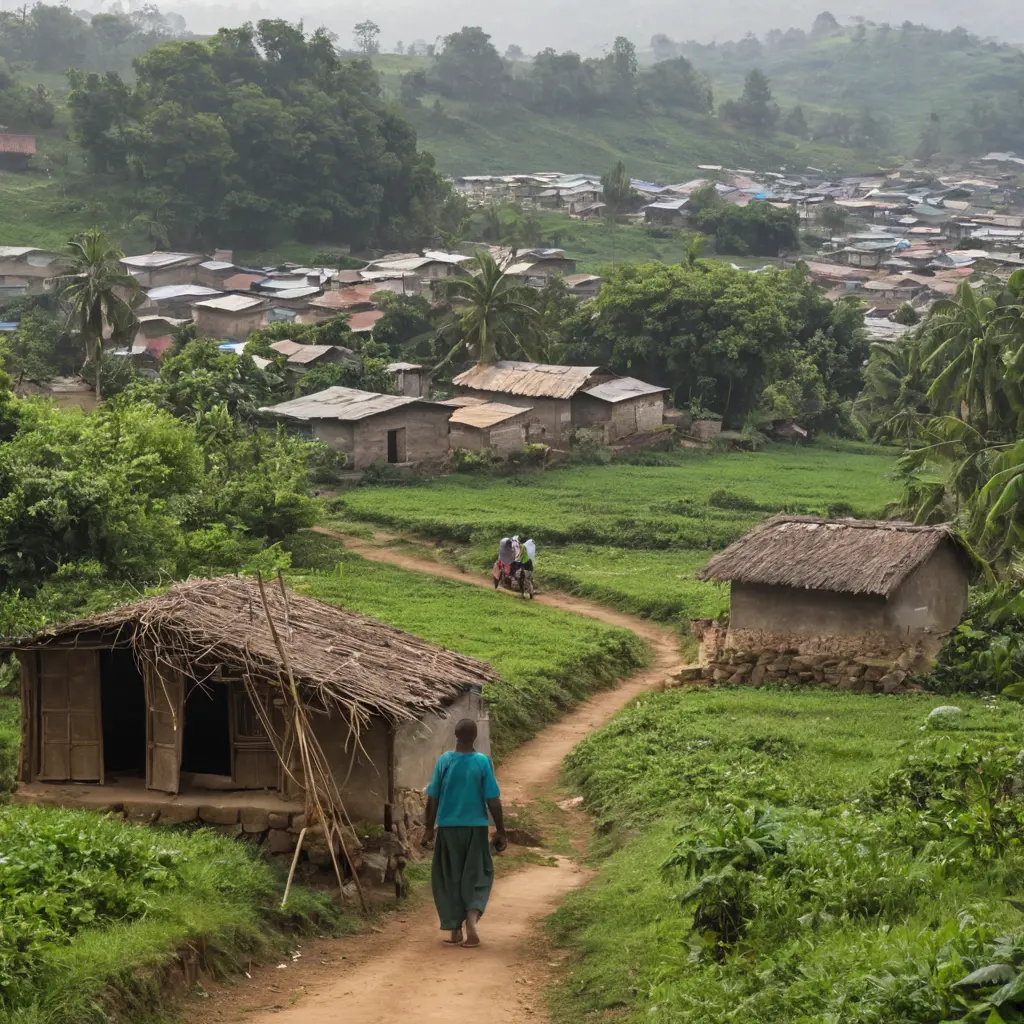
Jericoacoara is not just about its landscapes; it’s also about the people and traditions that make this village so vibrant.

1. A Simple Way of Life

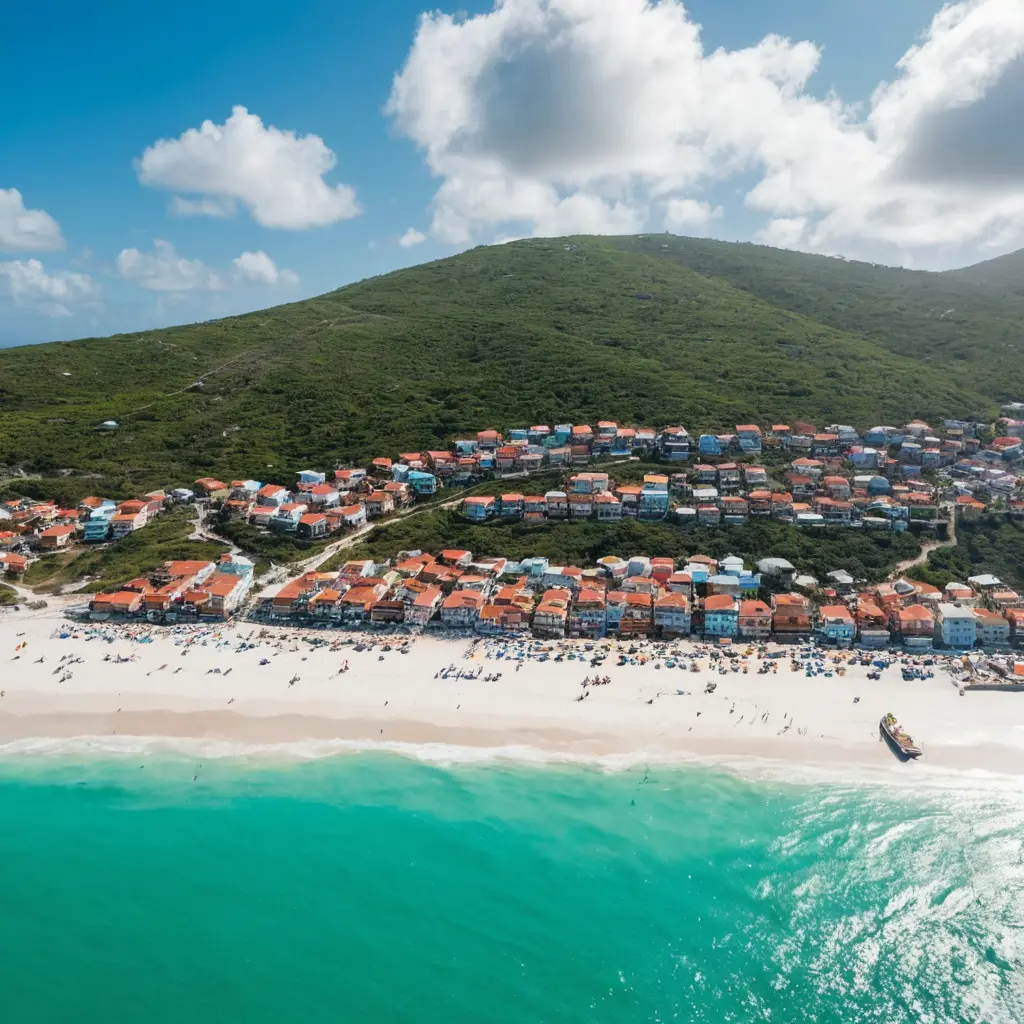
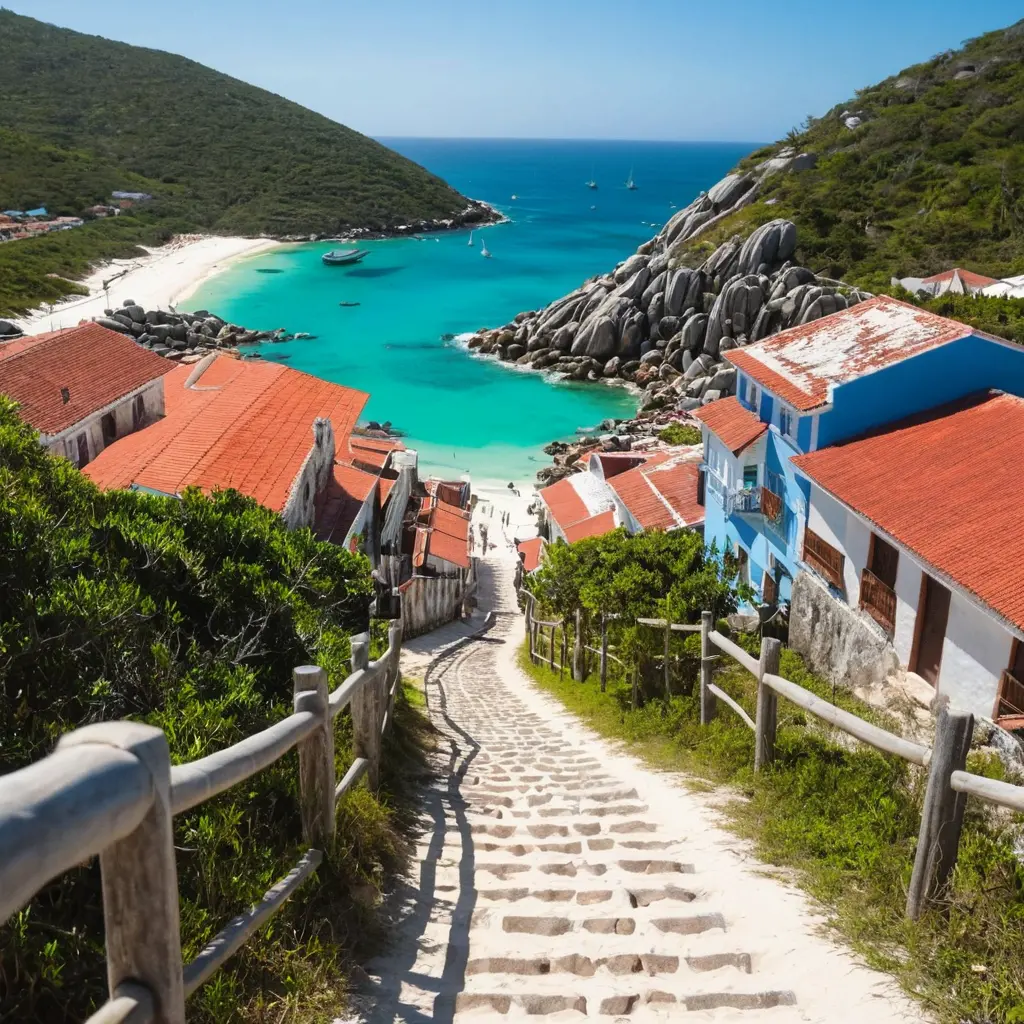
  • The streets are covered in sand, and there are no streetlights, preserving the town’s rustic charm.
  • Locals are warm and welcoming, eager to share their stories and traditions with visitors.

2. Music and Dance

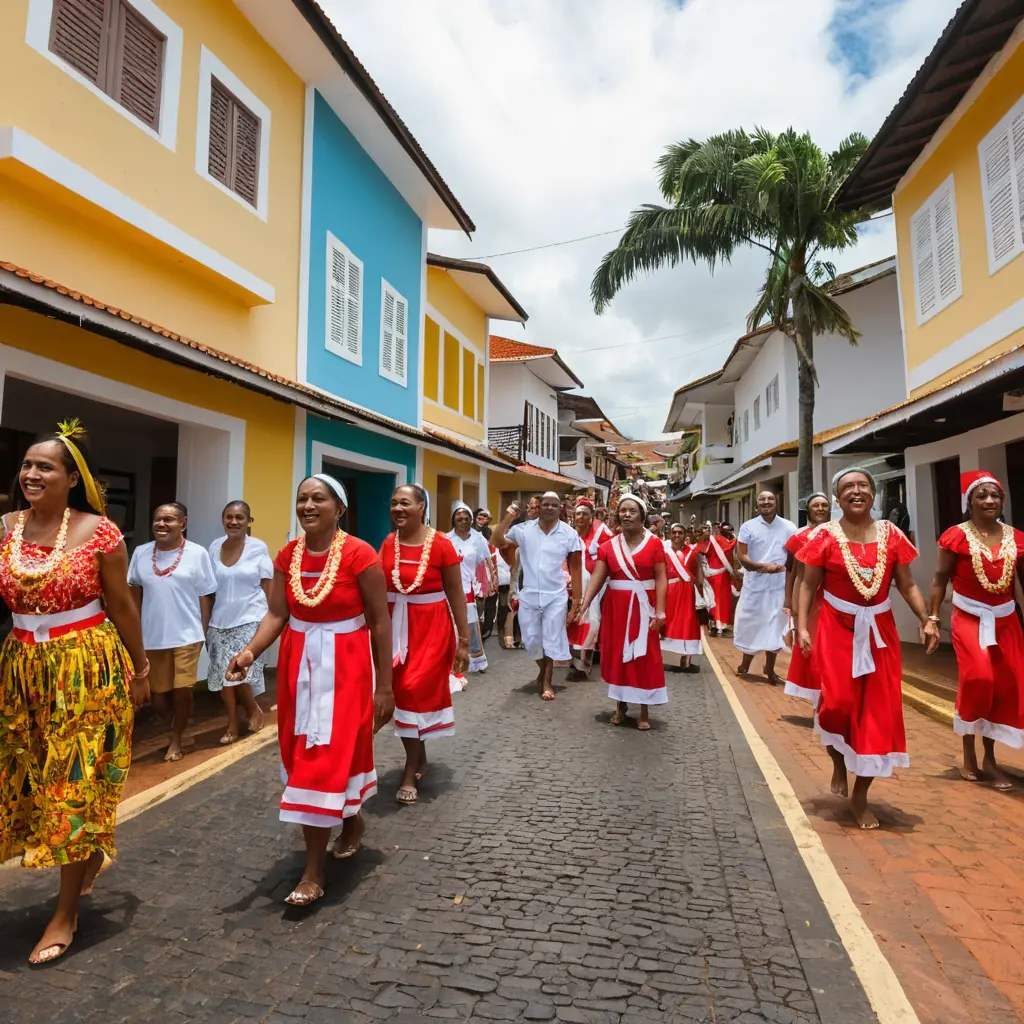
  • Samba and Forró (a popular Brazilian dance) often fill the air at night. Join in and experience the lively spirit of Jericoacoara’s culture.

3. Handcrafted Goods

  • Local artisans create beautiful souvenirs, including jewelry, woven baskets, and ceramics. These make for perfect keepsakes or gifts.

A Food Lover’s Paradise

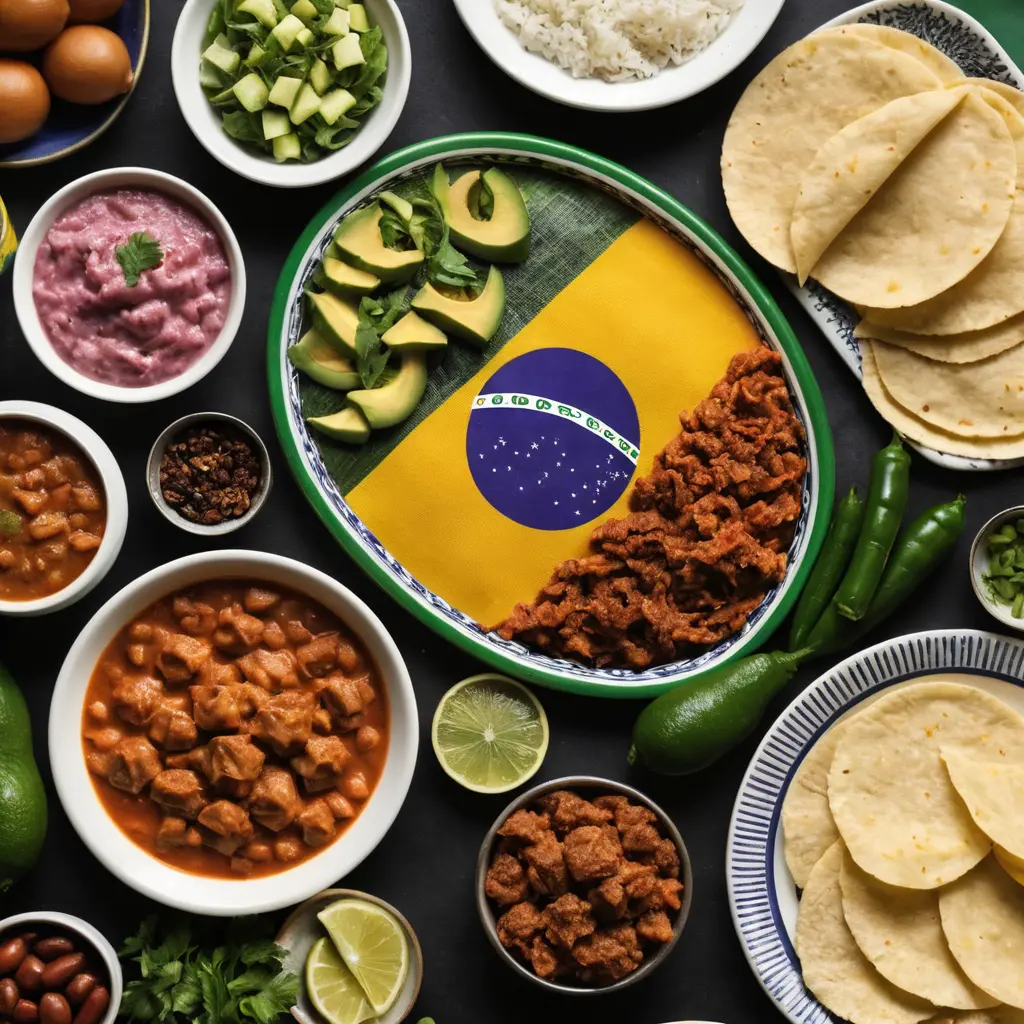
The culinary offerings in Jericoacoara are as diverse as its landscapes. You’ll find a mix of traditional Brazilian flavors and fresh, locally sourced ingredients.

1. Must-Try Dishes

DishDescriptionFlavor Profile
MoquecaA seafood stew made with fish, coconut milk, and spicesCreamy, rich, and aromatic
Tapioca CrepesMade with cassava flour, filled with cheese or sweet jamsLight, chewy, and versatile
Açaí BowlsA blend of açaí berries topped with granola and fruitSweet, refreshing, and energizing

2. Dining Hotspots

  • Beachfront Restaurants: Savor fresh seafood while enjoying ocean views.
  • Cozy Cafés: Try local coffee paired with Brazilian pastries.

3. Don’t Forget the Drinks

  • Sip on Caipirinhas, Brazil’s national cocktail, made with cachaça, lime, and sugar.
  • Fresh coconut water is a refreshing alternative for those seeking a non-alcoholic option.

When to Visit Jericoacoara

Timing your trip to Jericoacoara can make all the difference in your experience.

High Season: July to December

  • Perfect weather with sunny skies and little to no rain.
  • Best conditions for watersports like kitesurfing and windsurfing.

Low Season: January to June

  • Fewer crowds mean a more relaxed atmosphere.
  • Occasional rain brings lush greenery, creating a different kind of beauty.

Essential Packing Tips

  • Lightweight, breathable clothing.
  • A wide-brimmed hat and sunscreen to protect from the sun.
  • Comfortable shoes for exploring dunes and hiking trails.

How to Get to Jericoacoara

By Air

Fly into Fortaleza’s Pinto Martins International Airport. From there, you can take a 4×4 transfer or rent a car for the scenic four-hour journey to Jericoacoara.

By Road

The final stretch to Jericoacoara involves sandy paths that require a 4×4 vehicle. This adventurous ride adds to the excitement of reaching this secluded paradise.


FAQs About Jericoacoara

1. Is Jericoacoara suitable for families?

Yes! The calm lagoons and family-friendly activities make it a great destination for travelers with kids.

2. What activities are ideal for couples?

Couples can enjoy romantic sunsets atop the dunes, private dinners by the beach, and relaxing in hammocks over the lagoons.

3. Do I need a visa to visit Jericoacoara?

Check Brazil’s visa requirements based on your nationality. Many countries enjoy visa-free entry for tourism.


Tips for Making the Most of Your Trip

  • Wake up early to catch the sunrise over the dunes—it’s a magical experience.
  • Don’t miss the nightly Capoeira performances, where locals showcase their skills in this traditional Afro-Brazilian martial art.
  • Bring a reusable water bottle to stay hydrated and reduce plastic waste.

Conclusion: Your Adventure Awaits

Jericoacoara isn’t just a destination; it’s a journey into a world where nature’s wonders are on full display. Whether you’re seeking relaxation, adventure, or cultural immersion, this slice of paradise offers it all. So pack your bags, step out of your routine, and let Jericoacoara show you the magic of where the desert meets the ocean.

Ready to start planning your trip? Share this guide with your travel buddy and start counting down the days to your escape!

Fortaleza Coastal 10 Reasons Travelers Love This Destination

Fortaleza Coastal 10 Reasons Travelers Love This Destination

Welcome to Fortaleza, the jewel of Brazil’s northeastern coast, where golden sands stretch endlessly, and vibrant culture comes alive with every sunset. If you’ve ever dreamt of a destination that blends tropical beauty with rich traditions and modern amenities, Fortaleza might just be the escape you’ve been waiting for. Imagine yourself soaking in the sun, enjoying fresh seafood by the beach, or immersing yourself in the local rhythm of life. This guide is your key to unlocking the best of Fortaleza a coastal gem that promises unforgettable experiences.


Why Fortaleza is Brazil’s Best-Kept Secret

Fortaleza offers more than just picturesque beaches. It’s a vibrant city that thrives on a perfect blend of natural beauty, cultural heritage, and lively urban charm. Located in the state of Ceará, this beachside paradise is easy to access via Pinto Martins International Airport, connecting you to a world of adventure and relaxation.

What sets Fortaleza apart is its unique ability to cater to every kind of traveler. Whether you’re a thrill-seeker chasing waves, a foodie eager to explore local flavors, or someone looking to unwind in luxury, Fortaleza has something special for you.


Top Attractions in Fortaleza

Top Attractions in Fortaleza

Pristine Beaches of Fortaleza

Fortaleza’s beaches are the crown jewels of this tropical escape. Here are the must-visit spots:

  • Praia do Futuro: Known for its lively atmosphere and sprawling barracas (beach huts), this beach is perfect for a day of sunbathing, swimming, and savoring freshly caught seafood.
  • Canoa Quebrada: Famous for its red sandstone cliffs and laid-back vibe, this beach is a haven for free spirits and those seeking unique photo opportunities.
  • Jericoacoara National Park: Located a few hours from Fortaleza, this natural wonder is a hotspot for kitesurfing and dune buggy adventures.

Cultural and Historical Highlights

Fortaleza isn’t just about beaches; its cultural scene is equally captivating:

  • Dragão do Mar Cultural Center: This vibrant hub is home to art galleries, theaters, and lively bars. It’s the perfect place to experience local culture and nightlife.
  • Fortaleza Cathedral: A magnificent neo-Gothic structure that stands as a symbol of the city’s rich history and architectural prowess.
  • Mercado Central: Dive into Fortaleza’s bustling market scene, where you’ll find handmade crafts, textiles, and local delicacies.

Savoring Fortaleza’s Culinary Delights

Savoring Fortaleza’s Culinary Delights

Traditional Dishes You Must Try

Fortaleza’s culinary heritage is a feast for the senses, offering a blend of fresh seafood, tropical ingredients, and time-honored recipes. Here are a few dishes you shouldn’t miss:

  • Moqueca de Peixe: A rich and flavorful fish stew simmered with coconut milk, tomatoes, and spices.
  • Carne de Sol: Sun-dried beef served with cassava or rice, a hearty and satisfying meal.
  • Tapioca: A versatile dish made from cassava starch, filled with sweet or savory ingredients.

Recipe for Fortaleza’s Famous Moqueca de Peixe

Cooking Fortaleza’s iconic moqueca de peixe at home is a delightful way to bring the flavors of Brazil to your kitchen.

IngredientQuantity
Fresh fish fillets1 kg
Coconut milk400 ml
Tomatoes (diced)2
Onions (sliced)2
Bell peppers (sliced)2
Olive oil3 tbsp
Garlic (minced)3 cloves
CilantroTo garnish
Salt and pepperTo taste

Preparation Steps:

  1. Heat olive oil in a large pan, sauté garlic, onions, and bell peppers until softened.
  2. Add tomatoes and season with salt and pepper. Simmer for 5 minutes.
  3. Pour in coconut milk and gently place the fish fillets into the sauce.
  4. Cover and cook on low heat for 15–20 minutes, or until the fish is tender.
  5. Garnish with fresh cilantro and serve with rice or crusty bread.

Best Time to Visit Fortaleza

Best Time to Visit Fortaleza

The tropical climate in Fortaleza means there’s never a bad time to visit, but knowing the seasons can help you plan better:

  • Dry Season (July to December): This period offers sunny skies and warm temperatures, ideal for beach activities and outdoor adventures.
  • Rainy Season (January to June): While showers are frequent, they’re often brief. The lush green landscapes and fewer crowds make this an appealing option for budget-conscious travelers.

Insider Travel Tips for Fortaleza

To make the most of your trip, keep these practical tips in mind:

  • Transportation: Fortaleza is well-connected by buses and taxis, but ride-sharing apps like Uber are often more convenient and affordable.
  • Language: While Portuguese is the primary language, learning a few basic phrases can go a long way in enhancing your experience.
  • Safety: Stick to well-traveled areas, especially at night, and keep an eye on your belongings to avoid petty theft.

FAQs About Fortaleza: Coastal Gem

What is Fortaleza best known for?

Fortaleza is celebrated for its pristine beaches, vibrant cultural scene, and delicious seafood dishes, making it a top destination for travelers seeking both relaxation and adventure.

Is Fortaleza safe for tourists?

Yes, Fortaleza is generally safe for tourists, especially in popular areas like Praia do Futuro. However, like any major city, staying alert and taking basic precautions is essential.

What’s the best way to get around Fortaleza?

Public transportation is widely available, but ride-sharing services like Uber are a more reliable and convenient option for tourists.


Conclusion

Fortaleza is more than just a destination; it’s an experience that lingers long after you’ve left. From its golden beaches and mouthwatering cuisine to its vibrant culture and welcoming locals, Fortaleza is a coastal gem that promises memories you’ll treasure for a lifetime.

So, why wait? Start planning your trip to Fortaleza today, and let this Brazilian paradise become your next great adventure. Whether you’re a solo traveler, a couple seeking romance, or a family looking for fun, Fortaleza has it all. Your journey to this stunning coastal gem begins now!


Call-to-Action: Share your Fortaleza adventure! Tag us on social media with #FortalezaCoastalGem and let the world see the magic through your eyes.

Ouro Preto 5 Best Hidden Spots You Need to Explore

Ouro Preto 5 Best Hidden Spots You Need to Explore

Nestled in the rolling hills of Minas Gerais, Brazil, Ouro Preto is a living museum that invites you to step back in time. With its cobblestone streets, colonial-era architecture, and vibrant cultural scene, this UNESCO World Heritage Site offers a unique blend of history and charm. Whether you’re an avid traveler, a history enthusiast, or someone seeking inspiration, Ouro Preto delivers an unforgettable experience.

Unveiling Ouro Preto’s Rich History

A Legacy Carved in Gold

A Legacy Carved in Gold

Ouro Preto’s story begins in the late 1600s, when gold was discovered in the region. This discovery sparked one of the largest gold rushes in history, drawing settlers and wealth seekers from across the globe. The name “Ouro Preto,” meaning “Black Gold,” reflects the darker tint of the gold mixed with iron. As you explore the city, you’ll see how its history has shaped its present, from grand churches to remnants of the colonial mining industry.

Colonial Architecture That Stands the Test of Time

Every corner of Ouro Preto showcases baroque and rococo influences. The city’s ornate churches, including the São Francisco de Assis and Nossa Senhora do Pilar, are masterpieces of colonial artistry. Designed by the legendary architect Aleijadinho, these structures are adorned with intricate woodwork, gold embellishments, and breathtaking frescoes. Walking through these sites, you’ll feel the passion and creativity of a bygone era.


Exploring Ouro Preto: Must-See Attractions

Exploring Ouro Preto: Must-See Attractions

1. Iconic Churches and Religious Landmarks

Ouro Preto’s churches are more than places of worship they are symbols of its golden age.

  • São Francisco de Assis: Known for its elaborate carvings and artistic grandeur, this church is a testament to Aleijadinho’s genius.
  • Nossa Senhora do Pilar: The second-richest church in Brazil, featuring over 400 kilograms of gold leaf in its decoration.

Inside these sanctuaries, you’ll find altars, sculptures, and paintings that depict the deep spiritual and cultural roots of the community.

2. Immerse Yourself in Local Museums

History comes alive in Ouro Preto’s museums.

  • Museu da Inconfidência: Dedicated to Brazil’s independence movement, this museum tells the story of Tiradentes and his fellow revolutionaries.
  • Museum of Mineralogy: Home to one of the world’s largest collections of gemstones and minerals, reflecting the region’s geological richness.

Visiting these museums gives you a deeper understanding of Ouro Preto’s role in shaping Brazil’s history.

3. Cobblestone Streets Full of Charm

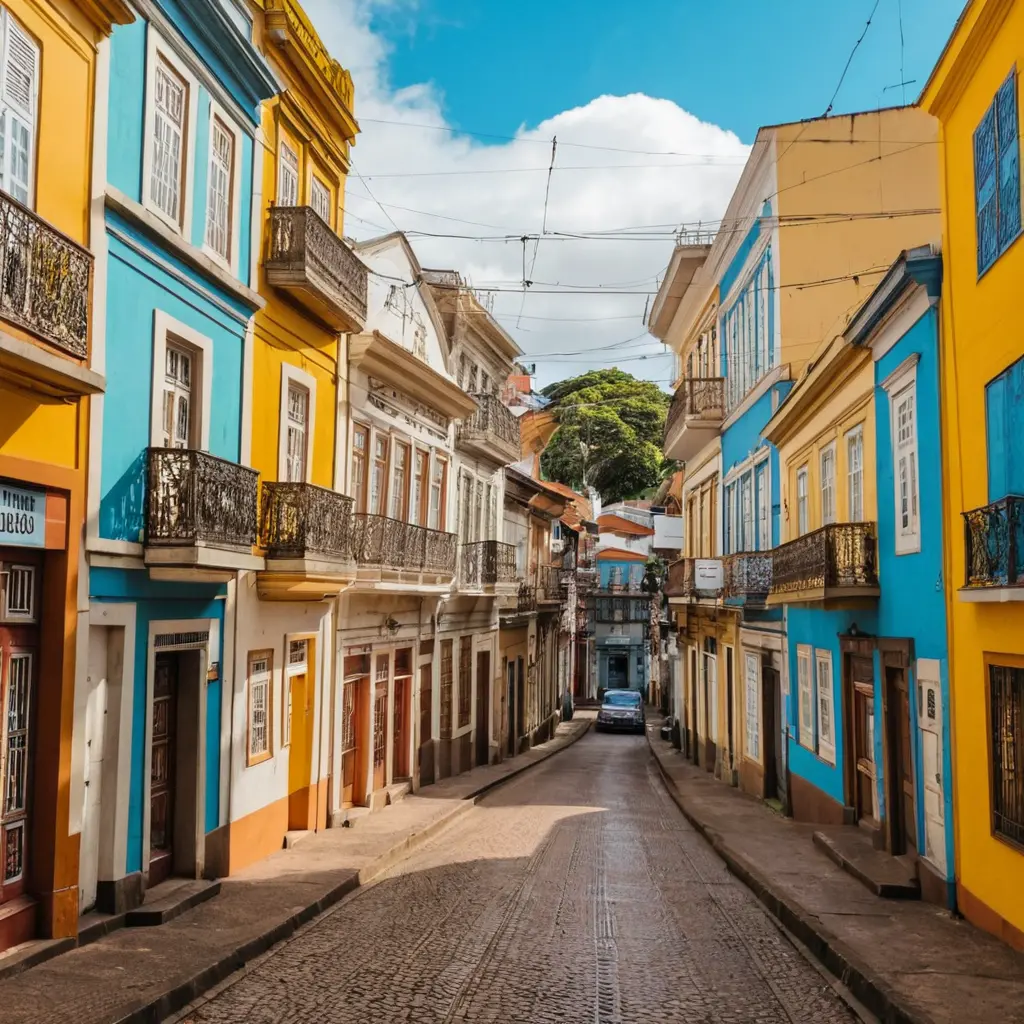
Wandering through Ouro Preto’s winding streets is an experience in itself. Each turn reveals colonial houses, quaint cafes, and artisan shops selling handmade jewelry and crafts. Don’t miss Rua Direita, a vibrant street that embodies the city’s character.


Savoring the Flavors of Ouro Preto

Savoring the Flavors of Ouro Preto

A Taste of Minas Gerais

Ouro Preto is a culinary delight, offering dishes rooted in tradition and flavor. Here are some local specialties you must try:

  • Feijão Tropeiro: A hearty mix of beans, manioc flour, and pork.
  • Tutu de Feijão: Mashed beans with garlic and spices, often served with rice and sausage.
  • Pão de Queijo: The famous Brazilian cheese bread, crispy on the outside and chewy inside.

Ingredients That Define the Cuisine

IngredientUsage in Dishes
Minas CheesePão de queijo, desserts
Manioc FlourFeijão tropeiro, side dishes
BaconAdds depth to beans and stews
CornmealBase for cakes and porridge

Pair these dishes with a glass of cachaça, Brazil’s iconic sugarcane spirit, for the full experience.


Festivals That Bring Ouro Preto to Life

Festivals That Bring Ouro Preto to Life

Semana Santa: A Celebration of Faith

During Holy Week, Ouro Preto transforms into a spectacle of devotion. Streets are decorated with intricate carpets made of flowers, sawdust, and colored sand, creating a path for religious processions. This event is a visual feast that blends faith with artistry.

Winter Festival: A Cultural Extravaganza

Every July, Ouro Preto hosts its Festival de Inverno, showcasing music, theater, dance, and visual arts. This festival attracts artists and audiences from around the world, making it a cultural highlight of the year.


Planning Your Trip to Ouro Preto

When to Visit

  • Dry Season (May to September): Ideal for exploring without the risk of rain.
  • Rainy Season (October to April): Offers lush greenery, but pack an umbrella.

How to Get There

Ouro Preto is accessible via Belo Horizonte, the capital of Minas Gerais. From there, it’s a scenic two-hour drive through rolling hills and picturesque landscapes.

Tips for Navigating the City

  • Wear comfortable walking shoes cobblestone streets can be slippery and uneven.
  • Opt for guided tours to gain deeper insights into the city’s history and architecture.

FAQs About Ouro Preto

1. What makes Ouro Preto unique?
Its blend of colonial architecture, rich history, and cultural festivals makes Ouro Preto stand out as a must-visit destination.

2. How many days should I spend in Ouro Preto?
Two to three days are perfect for exploring the main attractions and soaking in the city’s atmosphere.

3. Are there family-friendly activities in Ouro Preto?
Yes! The museums, scenic views, and festivals offer something for visitors of all ages.

4. Can I explore Ouro Preto on foot?
Absolutely! While the streets can be steep, most attractions are within walking distance.


Conclusion: A Journey You’ll Cherish Forever

Ouro Preto isn’t just a destination it’s an experience that stays with you. From its awe-inspiring architecture and rich history to its vibrant festivals and delicious cuisine, this colonial gem offers something for everyone.

So, pack your bags, put on your walking shoes, and get ready to discover Ouro Preto: Colonial Beauty. Your adventure awaits!

Recife Venice of Brazil 10 Reasons You’ll Fall in Love

Welcome to Recife, a city that captivates with its cultural richness, stunning landscapes, and unique charm. Known as the Venice of Brazil, this destination combines historic significance, natural beauty, and a vibrant modern scene to create an unforgettable experience for its visitors. Whether you’re planning your first trip or seeking hidden gems for your next adventure, this guide will equip you with everything you need to know.

Why Recife is Called the Venice of Brazil

Have you ever imagined a tropical city crisscrossed by winding waterways and picturesque bridges? That’s Recife for you. Its unique layout, defined by canals, rivers, and over 50 bridges, has earned it the nickname Venice of Brazil. But Recife offers more than just a resemblance to its Italian counterpart it’s a dynamic blend of European architecture, Afro-Brazilian culture, and coastal allure.

Highlights of Recife’s Venetian Charm:

  • Interconnected Waterways: Take a boat tour along the Capibaribe River to witness the city’s beauty from the water.
  • Colonial Architecture: Explore bridges like the Santa Isabel Bridge, which mirrors European design elements.
  • Vibrant Atmosphere: The lively streets and artistic vibe make Recife a cultural haven.

Exploring Recife’s Iconic Attractions

Historic Recife Antigo (Old Town)

Your journey begins at Recife Antigo, the city’s historic district. Imagine walking along cobblestone streets surrounded by colorful colonial-era buildings. This area is a treasure trove of history and culture.

  • Must-See Landmarks:
    • Praça do Marco Zero: The symbolic starting point of Recife’s history.
    • Kahal Zur Israel Synagogue: The first synagogue in the Americas.
  • Things to Do:
    • Visit the Paço do Frevo Museum to learn about Frevo, a traditional dance and music style.
    • Enjoy street performances and art markets that bring the area to life.

Boa Viagem Beach

Boa Viagem Beach

Few places blend urban energy with natural beauty like Boa Viagem Beach. Imagine relaxing on soft white sand, listening to the waves, and enjoying tropical drinks.

  • What Makes It Special:
    • Crystal-clear waters perfect for swimming during low tide.
    • A bustling promenade filled with restaurants, bars, and food vendors.
  • Tips for Visitors:
    • Stay close to lifeguard-patrolled areas for safety.
    • Try local delicacies like grilled cheese on a stick (queijo coalho).

The Enchanting Canals and Bridges

To fully appreciate Recife’s Venetian essence, you must explore its waterways. The views of the city from a boat are simply unmatched.

  • What to Expect:
    • A leisurely boat ride along the Capibaribe River.
    • Stunning vistas of historic buildings and lush greenery.
  • Photo Opportunities:
    • Santa Isabel Bridge and other iconic spots perfect for Instagram-worthy pictures.

Diving Into Recife’s Cultural Scene

Carnival of Recife

Carnival of Recife

Have you ever experienced a Carnival like no other? Recife’s Carnival is one of the most vibrant in Brazil, blending music, dance, and pure joy.

  • What You’ll Love:
    • Frevo and Maracatu performances that showcase local traditions.
    • Parades filled with colorful costumes and energetic rhythms.
  • Pro Tip:
    • Join the “Galo da Madrugada,” the world’s largest carnival parade.

Markets and Local Craftsmanship

To immerse yourself in Recife’s culture, visit its traditional markets. These are the perfect places to find souvenirs and taste authentic local cuisine.

  • Top Picks:
    • Mercado de São José: For handcrafted goods and regional delicacies.
    • Mercado da Boa Vista: Known for its lively food stalls and artisanal products.

Savoring the Flavors of Recife

What’s a trip without indulging in local cuisine? Recife is a haven for food lovers, offering dishes that blend Indigenous, African, and Portuguese influences.

Must-Try Dishes

  • Bolo de Rolo: A guava-filled rolled cake that melts in your mouth.
  • Tapioca: A versatile flatbread stuffed with sweet or savory fillings.
  • Moqueca: A fragrant seafood stew simmered in coconut milk and spices.

Classic Moqueca de Camarão Recipe

Classic Moqueca de Camarão Recipe

Ingredients

IngredientQuantity
Shrimp (peeled)500g
Coconut milk200ml
Tomatoes (diced)3
Onions (sliced)2
Bell peppers (sliced)2
Palm oil3 tbsp
Garlic (minced)3 cloves
Cilantro (chopped)To taste
Lime juice2 tbsp

Instructions

  1. Season shrimp with lime juice, salt, and pepper.
  2. Heat palm oil in a pot and sauté onions, garlic, and bell peppers.
  3. Add tomatoes and cook until they soften.
  4. Stir in coconut milk and bring to a simmer.
  5. Add shrimp and cook until pink.
  6. Garnish with cilantro and serve hot with rice.

FAQs About Visiting Recife

Is Recife Safe for Tourists?

While Recife is a popular destination, some areas may require caution. Stick to well-lit places and avoid wandering alone late at night.

When is the Best Time to Visit Recife?

The dry season (September to March) is ideal for enjoying outdoor activities and festivals like Carnival.

What’s the Best Way to Get Around Recife?

Taxis, rideshares, and boat tours are reliable options for exploring the city. Walking is great for areas like Recife Antigo.

What Makes Recife Different From Other Brazilian Cities?

Its unique combination of waterways, historic charm, and cultural vibrancy sets it apart from other cities in Brazil.


Conclusion: Why You Should Visit Recife

Recife is more than just a destination it’s an experience. From its stunning beaches and historic landmarks to its rich culture and delectable cuisine, this city offers something for everyone. Start planning your trip today and prepare to be enchanted by the Venice of Brazil.

Call to Action

Ready to experience Recife’s magic for yourself? Start by booking your trip, and don’t forget to share your adventures with others. Explore, taste, and immerse yourself in everything Recife has to offer.

Manaus and the Amazon Rainforest: 10 Reasons You Must Visit

When you think about breathtaking landscapes and unparalleled biodiversity, the Amazon Rainforest inevitably comes to mind. At the center of this awe-inspiring region lies Manaus, the capital of Brazil’s Amazonas state. This city isn’t just a gateway to the jungle; it’s a vibrant blend of history, culture, and nature, offering you an unforgettable journey.

Whether you’re an adventurer seeking the thrill of jungle treks, a foodie eager to explore Amazonian flavors, or a traveler craving cultural experiences, this guide will prepare you for every aspect of your trip to Manaus and the Amazon Rainforest.


Discovering Manaus: Where Culture Meets the Wild

 Discovering Manaus: Where Culture Meets the Wild

A Rich Historical Backdrop

Manaus is more than just the entrance to the Amazon; it’s a city brimming with history. Founded in the 17th century, it rose to prominence during the rubber boom of the late 19th century. As you walk through its streets, you’ll notice architectural marvels that reflect this era of wealth.

One must-visit landmark is the Amazon Theatre, a stunning opera house built in 1896. Its Renaissance-style design and lavish interiors transport you to a time when Manaus was known as the “Paris of the Tropics.” You’ll also find a vibrant cultural hub here, with performances and events that highlight the region’s traditions.

Experiencing the Meeting of the Waters

A short boat ride from Manaus takes you to one of nature’s most mesmerizing spectacles: the Meeting of the Waters. Here, the dark waters of the Rio Negro meet the sandy-colored Rio Solimões, flowing side by side for miles without mixing. This phenomenon occurs due to differences in temperature, speed, and density between the two rivers. Witnessing this natural wonder is a must for any visitor.


The Amazon Rainforest: A World Within a World

The Amazon Rainforest: A World Within a World

Unparalleled Biodiversity

The Amazon Rainforest is often called the “lungs of the Earth,” and for good reason. It’s home to an estimated 390 billion trees and 16,000 species of animals. As you venture deeper into the jungle, you’ll encounter wildlife like howler monkeys, capybaras, and vibrant birds such as toucans and parrots.

Did you know the Amazon is also a treasure trove of medicinal plants? Local guides can introduce you to leaves and roots used by indigenous communities for centuries to treat ailments.

Immersive Jungle Experiences

Immersive Jungle Experiences

Exploring the Amazon isn’t just about sightseeing; it’s about immersion. You’ll find countless options for guided tours, whether you prefer hiking through dense forests, canoeing along tranquil waterways, or staying in eco-lodges surrounded by nature.

Some highlights include:

  • Night Safaris: Discover the rainforest’s nocturnal creatures, from tree frogs to elusive jaguars.
  • Piranha Fishing: Learn the art of fishing these feisty predators in local rivers.
  • Indigenous Encounters: Visit local communities to understand their traditions and sustainable way of life.

Savoring the Flavors of Manaus

A Culinary Adventure

Food in Manaus is an experience in itself. Here, you’ll taste ingredients found nowhere else, from exotic fruits like cupuaçu and camu camu to freshwater fish such as tambaqui and pirarucu.

One dish you simply cannot miss is Tacacá, a tangy soup made from tucupi (a yellow broth extracted from cassava), shrimp, and jambu (a local herb that numbs the tongue). Pair it with a cold guaraná soda for the full Amazonian experience.

Amazonian Fish Stew Recipe (Caldeirada de Peixe)

 Amazonian Fish Stew Recipe (Caldeirada de Peixe)
IngredientQuantity
Fresh river fish (tambaqui)1 kg
Lime juice3 tbsp
Garlic cloves, minced4
Onion, sliced1 large
Tomatoes, diced3
Bell peppers, sliced2
Coconut milk400 ml
Cilantro, choppedTo taste

Instructions:

  1. Marinate the fish with lime juice, salt, and garlic for 20 minutes.
  2. In a large pot, sauté onions and bell peppers until fragrant.
  3. Add the tomatoes and coconut milk; bring to a simmer.
  4. Gently place the fish into the pot and cook for 15–20 minutes.
  5. Garnish with cilantro before serving. Enjoy with rice or cassava flour.

Practical Tips for Your Manaus Adventure

 Practical Tips for Your Manaus Adventure

Best Time to Visit

  • Dry Season (June–November): Perfect for hiking and exploring wildlife on foot.
  • Rainy Season (December–May): Best for river cruises and canoeing through flooded forests.

Packing Essentials

  • Lightweight, breathable clothing.
  • Insect repellent to fend off mosquitoes.
  • Waterproof gear for unexpected rain showers.
  • A camera to capture the stunning landscapes and wildlife.

FAQs About Manaus and the Amazon Rainforest

What makes Manaus a unique destination?

Manaus combines urban attractions, like historical landmarks and markets, with unparalleled access to the Amazon Rainforest, making it a one-of-a-kind destination.

Can you visit the Amazon without extensive trekking?

Absolutely! Many tours cater to all fitness levels, including boat rides, eco-lodge stays, and short hikes.

Is it safe to explore the rainforest?

Yes, especially with reputable guides. Always follow safety guidelines and stay with your group.


Conclusion: A Journey You’ll Never Forget

Manaus and the Amazon Rainforest are more than destinations; they’re experiences that awaken your sense of wonder. Whether you’re marveling at the Meeting of the Waters, tasting açaí straight from the source, or spotting wildlife in the jungle, every moment here is unforgettable.

So, what are you waiting for? Start planning your journey to the heart of the Amazon today. Let Manaus be your gateway to an adventure like no other!

Call-to-Action:

Share this guide with your fellow travelers, and let’s inspire more people to explore the wonders of Manaus and the Amazon Rainforest. Ready to book your trip? Begin your adventure now!

Florianópolis: The Island Paradise You Need to Experience

Welcome to Florianópolis: A Slice of Heaven in Brazil

Imagine stepping onto an island that perfectly blends natural beauty, vibrant culture, and endless adventures. Florianópolis, lovingly referred to as “The Magic Island,” is a destination that lives up to its reputation. Whether you’re a sun-seeker, adventurer, or culture enthusiast, this Brazilian gem has something to offer you. This guide dives deep into everything you need to know to make the most of your visit to this tropical paradise.


Why Florianópolis Should Be on Your Travel List

Beaches That Take Your Breath Away

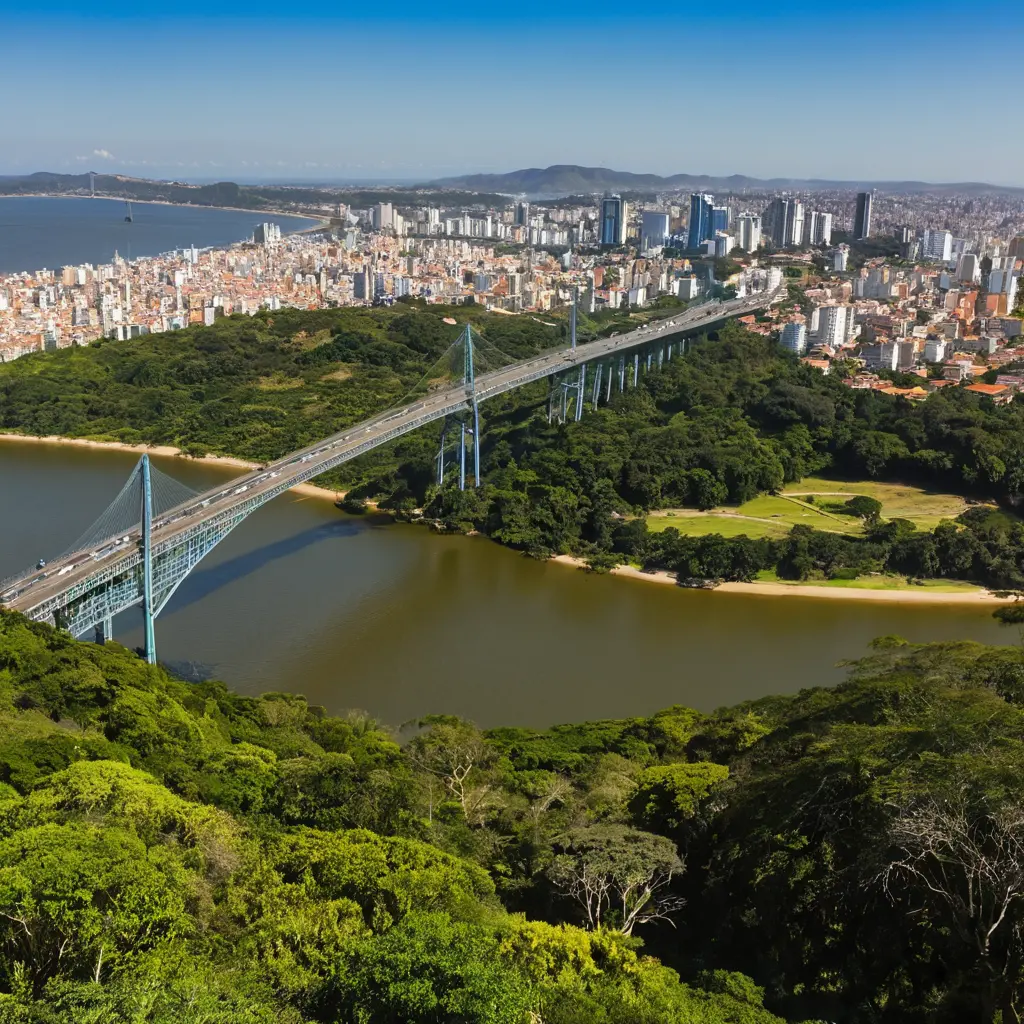
With over 40 beaches, Florianópolis offers a shoreline for every mood. Whether you crave excitement or tranquility, you’ll find your perfect spot here.

Florianópolis
  • Joaquina Beach: A haven for surfers and thrill-seekers.
  • Praia Mole: Known for its vibrant social scene and stunning turquoise waters.
  • Lagoinha do Leste: Secluded and pristine, it’s ideal for those looking to escape the crowd.

Each beach has its unique charm, but they all share the same crystal-clear waters and golden sands.


Nature Lover’s Paradise

Florianópolis isn’t just about beaches; it’s also a nature lover’s dream. Here, you can hike lush trails, kayak through calm lagoons, or simply soak in the island’s unspoiled beauty.

  • Lagoinha do Leste Trail: A moderate hike leading to breathtaking views.
  • Lagoa da Conceição: Perfect for paddleboarding and enjoying serene sunsets.
  • Dunes of Joaquina: A natural playground for sandboarding enthusiasts.

You’ll leave Florianópolis with a newfound appreciation for the great outdoors.


Dive into Florianópolis’ Unique Culture

A Blend of History and Modernity

Florianópolis’ rich history and contemporary vibes make it a cultural hotspot. Start your journey in the Ribeirão da Ilha, a charming neighborhood showcasing colonial architecture and local traditions.

Explore the vibrant Mercado Público, where you’ll find everything from handmade crafts to fresh seafood. And don’t miss out on the festivals, especially during the summer months, when the island comes alive with music, dance, and local flavors.


Indulge in Florianópolis’ Culinary Delights

Seafood Like No Other

Being surrounded by the ocean, it’s no surprise that Florianópolis excels at seafood. Local dishes, like the iconic moqueca (a Brazilian fish stew), are a must-try.

Here’s a quick recipe for you to recreate this island favorite:

Moqueca: A Taste of Florianópolis

IngredientQuantity
White fish fillets500g
Coconut milk400ml
Tomatoes (diced)2 large
Bell peppers (sliced)2
Onion (sliced)1 large
Garlic (minced)3 cloves
Lime juice2 tbsp
Olive oil2 tbsp
Cilantro (chopped)Handful
  1. Heat olive oil in a large pan and sauté garlic and onion.
  2. Layer the fish with tomatoes, peppers, and coconut milk.
  3. Simmer for 20 minutes until the flavors meld.
  4. Add lime juice and garnish with cilantro before serving.

Enjoy this dish with rice for an authentic taste of the island.


Local Drinks to Sip and Savor

Pair your meals with caipirinha, Brazil’s national cocktail made with cachaça, lime, and sugar. Or try locally brewed beers, which have gained popularity in recent years.


Adventures Await on The Magic Island

Water Sports Galore

Florianópolis is a playground for water sports enthusiasts. Whether you’re into surfing, kiteboarding, or kayaking, there’s no shortage of options here.

  • Surfing: Head to Joaquina Beach, a global surfing hotspot.
  • Paddleboarding: Lagoa da Conceição offers calm waters perfect for beginners.
  • Snorkeling: Explore underwater life at Campeche Island.

Thrills on Land

If you prefer adventures on land, Florianópolis doesn’t disappoint.

  • Sandboarding: Glide down the dunes at Joaquina.
  • Mountain Biking: Trails around Lagoa da Conceição offer stunning views and adrenaline-pumping paths.
  • Hiking: Discover secret beaches and panoramic views along the island’s many trails.

FAQs About Visiting Florianópolis

What’s the Best Time to Visit Florianópolis?

The best time is between November and March, when the weather is warm and festivals abound.

Is Florianópolis Family-Friendly?

Absolutely! Calm beaches like Barra da Lagoa and plenty of outdoor activities make it ideal for families.

How Do You Get to Florianópolis?

Fly into Hercílio Luz International Airport, located just a short drive from the city center.

What Should You Pack?

Pack light, breathable clothing, sunscreen, and comfortable shoes for hiking.


Plan Your Trip to Florianópolis Today

Florianópolis isn’t just a destination—it’s an experience. From its idyllic beaches and vibrant culture to its delectable cuisine and thrilling adventures, this island paradise offers something for everyone. Whether you’re planning a romantic getaway, a family vacation, or a solo adventure, Florianópolis will captivate your heart and leave you longing for more.

So what are you waiting for? Start planning your trip today and let Florianópolis’ magic sweep you off your feet!

Salvador: 7 Reasons It’s the Heart of Afro-Brazilian Culture

Salvador, Bahia, is a place where history, tradition, and vibrant culture come together to form a city like no other. Known as the birthplace of Afro-Brazilian culture, Salvador pulses with energy, offering a mix of ancient traditions, soulful music, and tantalizing flavors. If you’re eager to explore the roots of Brazil’s African heritage, immerse yourself in Salvador’s magic, where every corner tells a story.


Unearthing Salvador’s Afro-Brazilian Legacy

A Glimpse into the City’s Historical Foundations

Salvador is steeped in history, serving as Brazil’s first capital and a major hub for the transatlantic slave trade. This legacy has shaped its identity, making it a melting pot of African, European, and Indigenous cultures. You’ll notice this influence in its architecture, traditions, and everyday life. As you wander through its historic districts, you’ll uncover the resilience and creativity of a community that has preserved its African roots through centuries.

The Significance of Candomblé and Spirituality

Religion is at the heart of Salvador’s culture, with Candomblé being one of the most significant practices. This Afro-Brazilian faith merges African deities, called orixás, with Catholic saints, reflecting a unique blend of spiritual beliefs. Visiting a Candomblé ceremony is a powerful experience, offering you a firsthand look at rituals that involve drumming, dance, and prayers.

  • Did You Know? Candomblé rituals are deeply tied to nature, with each orixá representing natural forces like rivers, storms, or the ocean.

Pelourinho – The Beating Heart of Salvador

Pelourinho – The Beating Heart of Salvador

What Makes Pelourinho So Special?

Pelourinho, a UNESCO World Heritage Site, is a cultural gem that you can’t miss. Known for its cobblestone streets and brightly painted colonial buildings, this district is a living museum of Salvador’s Afro-Brazilian history. You’ll find lively squares where musicians and dancers perform capoeira, a mesmerizing blend of martial arts and dance.

Must-See Landmarks in Pelourinho

  • São Francisco Church: A Baroque masterpiece adorned with gold leaf interiors.
  • Fundação Casa de Jorge Amado: A museum dedicated to one of Brazil’s most beloved authors.
  • Olodum Performances: Catch live performances by the iconic Afro-Brazilian percussion group.

Savoring Afro-Brazilian Cuisine in Salvador

Salvador: The Heart of Afro-Brazilian Culture

Your Guide to Salvador’s Culinary Scene

Food is a cornerstone of Salvador’s culture, and its Afro-Brazilian cuisine is a sensory delight. The dishes here are bold, flavorful, and deeply rooted in African culinary traditions. You’ll discover that many recipes incorporate ingredients like coconut milk, dendê oil (palm oil), and a blend of exotic spices.

Iconic Dishes You Must Try

If you’re ready to explore Salvador’s flavors, start with these must-try dishes:

  1. Acarajé: Deep-fried balls made from black-eyed peas, stuffed with vatapá (a shrimp-based paste).
  2. Moqueca: A fragrant seafood stew cooked with coconut milk, tomatoes, and dendê oil.
  3. Caruru: A hearty okra stew served alongside rice and shrimp.

Pro Tip: Head to Salvador’s street markets for an authentic taste of these delicacies, where locals prepare dishes just as they have for generations.


Salvador’s Vibrant Music and Dance Scene

Samba and Axé: The City’s Rhythmic Heartbeat

Music is the lifeblood of Salvador, with samba and axé music defining the city’s identity. As you walk through the streets, you’ll feel the rhythm in the air. Samba schools are popular gathering places, and during Carnival, the city transforms into a massive stage for parades and performances.

  • Axé Music: Originating in Salvador, this genre blends reggae, calypso, and African beats, creating an infectious energy that you can’t resist dancing to.

The Art of Capoeira

Capoeira, a martial art developed by enslaved Africans, is as much a performance as it is a tradition. It’s characterized by fluid movements, acrobatics, and rhythmic drumming. Watching a capoeira circle is an unforgettable experience that connects you to Salvador’s rich cultural heritage.


Practical Tips for Exploring Salvador

Best Time to Visit

The best time to explore Salvador is during Carnival in February, where the city comes alive with parades, music, and vibrant street parties. If you prefer a quieter experience, visit between March and May, when the weather is pleasant and the crowds are smaller.

Navigating Salvador Like a Local

  • Transportation: Opt for taxis or ride-hailing apps for safety, especially at night.
  • Safety Tips: Stick to well-lit areas and keep your belongings secure.
  • Language: While Portuguese is the official language, locals often appreciate a few words in their native tongue.

Frequently Asked Questions About Salvador

What Makes Salvador Unique?

Salvador stands out for its Afro-Brazilian culture, historic landmarks, and lively atmosphere. It’s a city that offers a perfect blend of history, music, and gastronomy.

Is Salvador Safe for Tourists?

Like any major city, Salvador has areas to avoid after dark, but popular tourist spots are generally safe. Exercise caution and follow local advice to ensure a worry-free visit.

What Should I Pack for My Trip?

Pack lightweight clothing, comfortable walking shoes, and sunscreen to make the most of your adventure. Don’t forget to bring a camera to capture the city’s stunning scenery!


Conclusion: Discover the Soul of Afro-Brazilian Culture

Salvador is more than a travel destination; it’s a journey into the heart of Afro-Brazilian identity. From its historic streets and spiritual traditions to its electrifying music and unforgettable cuisine, Salvador offers an experience like no other. Whether you’re soaking up the vibrant energy of Pelourinho or indulging in a plate of acarajé, every moment spent here leaves an indelible mark on your soul.

So why wait? Start planning your trip to Salvador today and immerse yourself in the cultural heartbeat of Brazil. Book your adventure now and let Salvador captivate you!

São Paulo 10 Reasons Travelers Fall in Love with the City

Why São Paulo Should Be on Your Bucket List

Imagine a city bursting with life, where every street corner tells a story and every meal is a cultural journey. São Paulo, Brazil’s largest metropolis, is this city a hub of diversity, creativity, and adventure. As you explore its vibrant neighborhoods, savor its world-class cuisine, and immerse yourself in its dynamic arts scene, you’ll discover why this city is an unmissable destination.

This guide will walk you through everything São Paulo has to offer, from its historic landmarks to its hidden gems. By the end, you’ll be ready to plan your perfect trip to this incredible cultural hub.


São Paulo: A City That Celebrates Diversity

 São Paulo: A City That Celebrates Diversity

A Tapestry of Cultures

São Paulo is home to over 12 million residents, representing more than 70 nationalities. This rich cultural mix is evident in its festivals, neighborhoods, and cuisines. You’ll encounter Japanese gardens in the Liberdade district, Italian trattorias in Bixiga, and Lebanese bakeries in Vila Mariana. Each area offers a unique glimpse into the city’s multicultural soul.

Events That Bring People Together

If you visit during the annual Carnival, you’ll witness the city come alive with samba, parades, and dazzling costumes. Another highlight is the Virada Cultural, a 24-hour arts festival that transforms São Paulo into an open-air stage for music, theater, and dance.


A Culinary Adventure Awaits You

Iconic Dishes to Savor

Food lovers, rejoice! São Paulo’s culinary scene is a reflection of its cultural diversity. Here are a few must-try dishes:

Feijoada
  • Feijoada: A hearty stew of black beans and pork, traditionally served on Wednesdays and Saturdays.
  • Coxinha: Crispy, chicken-filled snacks you’ll find at every corner bakery.
  • Pizza Paulistana: São Paulo’s Italian heritage shines in its pizzas, which are among the best in the world.

Exploring São Paulo’s Food Markets

Exploring São Paulo’s Food Markets

For an authentic experience, head to the Mercado Municipal. This bustling market is famous for its towering mortadella sandwiches and pastel de bacalhau (salted cod pastries). Don’t forget to sample tropical fruits like jabuticaba and cupuaçu.

DishKey IngredientsWhere to Try
FeijoadaBlack beans, porkBar da Dona Onça, Mocotó
PizzaMozzarella, fresh herbsBráz Pizzaria, Pizza da Mooca
BrigadeiroChocolate, condensed milkLocal bakeries, cafés

A World-Class Arts and Culture Scene

Must-Visit Museums

museums in Latin America

São Paulo boasts some of the most renowned museums in Latin America:

  • Museu de Arte de São Paulo (MASP): Famous for its suspended red building, MASP houses an impressive collection of European and Brazilian art.
  • Pinacoteca de São Paulo: This museum focuses on Brazilian artists, set in a beautifully restored 19th-century building.

Theaters and Music Venues

Whether you’re into Broadway productions or live samba music, São Paulo delivers. Theatro Municipal offers stunning architecture and world-class performances, while smaller venues like SESC Pompeia host eclectic concerts and plays.


Finding Nature in the Urban Jungle

 Finding Nature in the Urban Jungle

Relaxing in São Paulo’s Parks

Amid the city’s hustle and bustle, you’ll find pockets of tranquility.

  • Ibirapuera Park: This expansive park is perfect for a morning jog or a leisurely picnic.
  • Cantareira State Park: A short drive from the city center, this park offers hiking trails and stunning views of the skyline.

Day Trips to Explore São Paulo’s Countryside

Escape the city for a day and explore nearby destinations like Embu das Artes, a charming town known for its artisan markets, or Campos do Jordão, a mountainous retreat with European-style architecture.


Neighborhoods to Explore

Best Areas for Tourists

  • Jardins: Known for upscale shopping and fine dining, this neighborhood is a great place to unwind in style.
  • Vila Madalena: This bohemian area is packed with art galleries, street murals, and buzzing nightlife.
  • Centro Histórico: Dive into São Paulo’s history by exploring its colonial buildings and landmarks like Pátio do Colégio.

Tips for Getting Around

While São Paulo’s traffic is infamous, its metro system is clean, safe, and efficient. Ride-sharing apps are also a reliable way to navigate the city.


Frequently Asked Questions About São Paulo

What makes São Paulo unique?

São Paulo stands out for its diversity, cultural vibrancy, and culinary excellence. It’s a city where tradition and modernity coexist harmoniously.

When is the best time to visit São Paulo?

The ideal time to visit is during spring (September to November) or autumn (March to May) when the weather is pleasant, and tourist crowds are manageable.

Is São Paulo safe for travelers?

While São Paulo is generally safe, it’s essential to stay vigilant. Stick to well-lit areas, avoid displaying valuables, and use trusted transportation options.


Conclusion: Start Planning Your São Paulo Adventure

São Paulo isn’t just a destination; it’s an experience. Whether you’re tasting its legendary cuisine, exploring its cultural landmarks, or soaking in its vibrant energy, you’ll leave with unforgettable memories.

Ready to embark on your journey? Start planning your São Paulo adventure today, and prepare to fall in love with this extraordinary city.

Iguazu Falls 5 Hidden Spots Only Locals Know

Iguazu Falls 5 Hidden Spots Only Locals Know

Discover the Power and Beauty of Iguazu Falls

Imagine standing at the edge of a roaring cascade, feeling the mist on your skin, and hearing the thunderous symphony of nature. Iguazu Falls, one of the world’s most breathtaking natural wonders, offers you just that and more. Straddling the border between Argentina and Brazil, these majestic falls captivate millions of visitors each year with their unparalleled beauty and biodiversity. In this guide, you’ll uncover everything you need to know to plan your adventure and fully experience this awe-inspiring destination.


Why Iguazu Falls Should Be on Your Bucket List

Iguazu Falls

A Unique Spectacle of Nature

Iguazu Falls isn’t just one waterfall it’s a collection of 275 cascades stretching over 2.7 kilometers. This makes it the largest waterfall system on the planet. Among these, the iconic Devil’s Throat stands out as the most dramatic, plunging 80 meters into a misty abyss. You’ll witness a natural phenomenon that words can hardly capture.

A UNESCO World Heritage Site

Both the Argentine and Brazilian sides of the falls are protected as UNESCO World Heritage Sites, preserving not only the falls themselves but also the lush rainforests that surround them. These parks are home to an extraordinary array of wildlife, offering you a glimpse into one of the planet’s most diverse ecosystems.


Planning Your Visit to Iguazu Falls

1. When to Visit

Timing is everything when it comes to enjoying Iguazu Falls.

  • Best months: March to May and September to November are ideal for pleasant weather and fewer crowds.
  • Seasonal differences: The wet season (December to February) brings more water flow, creating an even more powerful spectacle. However, some trails might be closed due to flooding.

2. How to Get There

  • By air: Fly to Foz do Iguaçu (Brazil) or Puerto Iguazú (Argentina), both of which have airports with connections to major cities.
  • By land: You can also take a bus from nearby cities, but flights save you time and energy.

3. Entry Fees

Both sides of the falls require separate entrance tickets.

  • Brazilian side: Expect to pay around $20 USD per adult.
  • Argentine side: Admission costs approximately $18 USD, with discounts for local residents and children.

Exploring the Falls: Argentina vs. Brazil

Argentina: Up Close and Personal

The Argentine side offers you an intimate experience, with trails that let you walk right up to the waterfalls.

  • Highlights: The Upper Circuit, Lower Circuit, and Devil’s Throat boardwalk.
  • Eco-train: Hop on this environmentally friendly train to access the falls easily.

Brazil: Panoramic Views

On the Brazilian side, you’ll get sweeping, postcard-worthy views of the falls.

  • Highlights: The main trail provides stunning vistas, and a short extension takes you to the base of Devil’s Throat.
  • Additional attractions: Visit the Bird Park to see exotic species up close.

Top Activities to Try at Iguazu Falls

1. Boat Tours

Feel the raw power of nature as you take a boat ride that brings you directly under the falls. You’ll get drenched, but the thrill is worth it.

2. Helicopter Rides

For a bird’s-eye view, book a helicopter tour. From above, you’ll grasp the sheer scale and beauty of Iguazu Falls.

3. Wildlife Spotting

Bring your binoculars! The surrounding rainforest is teeming with exotic creatures, from toucans and capuchin monkeys to elusive jaguars.


Where to Stay During Your Visit

Top Hotels Near the Falls

Hotel NameLocationFeatures
Belmond Hotel das CataratasInside Brazil’s ParkExclusive access to falls at sunrise.
Gran Meliá IguazúArgentina (Park View)Luxurious rooms with stunning vistas.
Hotel Saint GeorgePuerto Iguazú, ArgentinaBudget-friendly and centrally located.

Must-Try Local Cuisine

Your trip wouldn’t be complete without indulging in the local food.

Churrasco
  • Churrasco: Savor the perfectly grilled meats Brazil is famous for.
  • Empanadas: These savory pastries are a staple in Argentina.
  • Yerba Mate: Enjoy a cup of this traditional herbal tea, shared in a communal gourd.

Insider Tips for an Unforgettable Experience

  • Wear waterproof clothing: Boat tours and the misty spray can soak you.
  • Arrive early: Beat the crowds for a more serene experience.
  • Bring cash: Some vendors and smaller establishments may not accept cards.
  • Stay hydrated: Carry a refillable bottle, as it can get hot and humid.

FAQs About Iguazu Falls

1. Which side of Iguazu Falls is better?

Both sides have their charm. The Argentine side offers closer interaction with the falls, while the Brazilian side provides panoramic views.

2. How long should I stay?

You’ll need at least two days to explore both sides fully. Three days allow for a more relaxed visit.

3. Is it safe to visit Iguazu Falls?

Yes, the parks are well-maintained, and safety measures are in place. Stick to marked trails and follow the guidelines provided by park officials.


Conclusion: Start Planning Your Iguazu Falls Adventure Today

Iguazu Falls isn’t just a destination it’s an experience that will stay with you forever. From the thunderous power of Devil’s Throat to the vibrant biodiversity of the surrounding rainforest, there’s something here for everyone. Pack your bags, and get ready to immerse yourself in one of the most extraordinary natural wonders on Earth.

Your next step? Book your trip now and witness the magic of Iguazu Falls firsthand. Don’t wait—this adventure is calling your name!

Rio de Janeiro How to Explore Its Hidden Gems

Rio de Janeiro How to Explore Its Hidden Gems

When you think of Rio de Janeiro, visions of golden beaches, lively samba rhythms, and iconic landmarks probably spring to mind. Known as The Marvelous City, Rio captures the hearts of all who visit with its unparalleled charm, rich culture, and breathtaking scenery. This guide will take you through everything you need to know about this captivating destination and why it deserves a spot on your travel bucket list.


Why You Should Visit Rio de Janeiro

Why You Should Visit Rio de Janeiro

Imagine standing on the soft sands of Copacabana, watching the waves crash against the shore while the sun sets behind Sugarloaf Mountain. That’s just a glimpse of the magic waiting for you in Rio. But Rio de Janeiro isn’t just about natural beauty—it’s a vibrant blend of culture, history, and adventure. Here’s why it’s worth visiting:

  • Cultural Richness: From samba music to colorful festivals, Rio offers a deep dive into Brazil’s soul.
  • World-Famous Landmarks: Home to Christ the Redeemer, a global icon of peace and faith.
  • Unforgettable Experiences: Whether it’s Carnival, hiking trails, or its unique culinary scene, there’s something for everyone.

What Makes Rio de Janeiro Marvelous?

Natural Beauty at Its Peak

You’ll find no shortage of jaw-dropping sights in Rio. Its unique geography combines lush mountains, vibrant forests, and endless stretches of white sand beaches. Highlights include:

  • Tijuca National Park: The largest urban rainforest on the planet.
  • Sugarloaf Mountain: Offering panoramic views after an exciting cable car ride.
  • Ipanema and Copacabana Beaches: World-famous beaches perfect for relaxation and fun.

A City That Thrives on Celebration

If there’s one thing Rio knows how to do, it’s celebrate. The annual Carnival attracts millions from around the globe, showcasing elaborate floats, dazzling costumes, and contagious energy. Even outside Carnival season, the city’s nightlife buzzes with excitement.


Top Attractions in Rio de Janeiro

Top Attractions in Rio de Janeiro

1. Christ the Redeemer

You can’t visit Rio without taking a trip to see Christ the Redeemer. Standing 98 feet tall atop Mount Corcovado, this statue offers sweeping views of the city. It’s not just a religious icon but a symbol of hope and peace for the world.

2. Sugarloaf Mountain

Rising almost 1,300 feet above Guanabara Bay, Sugarloaf Mountain is accessible via cable car. It’s an experience that combines adventure with awe-inspiring scenery.

3. Lapa Steps (Escadaria Selarón)

These colorful mosaic steps, created by artist Jorge Selarón, are a must-see. Each tile tells a story, making it a photographer’s dream.

4. The Beaches of Rio

  • Copacabana: Known for its vibrant energy and iconic black-and-white tiled promenade.
  • Ipanema: Popularized by the famous song, this beach offers stunning views and chic vibes.

Savoring Rio’s Culinary Scene

Rio’s food reflects its cultural diversity, blending African, Portuguese, and indigenous influences. If you’re a foodie, you’re in for a treat. Let’s explore the dishes that define Rio:

Must-Try Dishes

  1. Feijoada: Brazil’s national dish, a flavorful black bean and pork stew served with rice and collard greens.
  2. Coxinha: Shredded chicken encased in dough, fried to perfection.
  3. Açaí Bowls: A refreshing and energizing superfood snack.

Where to Eat

  • Street Vendors: Sample snacks like churros and pão de queijo on the go.
  • Churrascarias: Indulge in Brazilian-style barbecue, where servers bring endless cuts of meat to your table.

Activities for Adventure Seekers

Rio offers more than just sightseeing. If you’re someone who loves a bit of thrill, here’s what you can do:

  • Hiking in Tijuca National Park: Explore trails that lead to stunning waterfalls and wildlife sightings.
  • Hang Gliding: Fly over Rio’s coastline for a bird’s-eye view of the city.
  • Surfing at Prainha: Perfect for catching waves in a serene setting.

Best Times to Visit Rio de Janeiro

Timing your trip to Rio can make all the difference. Here’s what to consider:

  • December to March: Warm weather and lively beach scenes, ideal for sun lovers.
  • February: Carnival season, when the city comes alive with music, parades, and vibrant energy.
  • April to June: Cooler weather and fewer crowds, perfect for hiking and exploring.

FAQs About Rio de Janeiro

1. What’s the best way to get around Rio?

Public transport, including buses and the metro, is affordable and efficient. For convenience, rideshare apps like Uber are widely available.

2. Is it safe to visit Rio de Janeiro?

Like any major city, safety precautions are essential. Stick to well-known tourist areas, avoid carrying valuables, and use reliable transportation.

3. What should you pack for your trip?

Pack light, breathable clothing, comfortable walking shoes, sunscreen, and swimwear. Don’t forget a reusable water bottle to stay hydrated!


Your Rio de Janeiro Adventure Awaits

Rio de Janeiro isn’t just a destination; it’s an experience that stays with you long after you leave. Whether you’re exploring iconic landmarks, indulging in delicious food, or dancing the night away, this city has something to offer every traveler.

So, what are you waiting for? Start planning your trip to The Marvelous City today. You’ll come home with unforgettable memories and a longing to return.

Call-to-Action: Ready to experience the magic of Rio? Book your flight now and discover why it’s called The Marvelous City!