

Budget travel guide 2026
Quick answer: Have you ever dreamed of waking up to the gentle sway of water beneath your feet? Picture yourself opening your bedroom curtains to reveal endless ocean views stretching toward the horizon. Moreover, imagine stepping onto your deck with morning coffee while harbor seals play just meters.
In this guide
- Understanding Floating Homes at Fisherman’s Wharf: What You Need to Know
- Key Characteristics That Define Floating Homes
- Historical Evolution of Floating Communities at Fisherman’s Wharf
- From Bohemian Beginnings to Modern Luxury
- Regulatory Framework Development
- Comprehensive Guide to Floating Home Types and Features
- Traditional Houseboat-Style Residences
- Mid-Range Floating Residences
Suggested route
Have you ever dreamed of waking up to the gentle sway of water beneath your feet? Picture yourself opening your bedroom curtains to reveal endless ocean views stretching toward the horizon. Moreover, imagine stepping onto your deck with morning coffee while harbor seals play just meters from your front door. This extraordinary lifestyle awaits you among the floating homes at Fisherman’s Wharf, where waterfront dreams transform into daily reality.
Your journey into this distinctive housing market begins with understanding what makes these properties so remarkable. Unlike conventional residences anchored to solid ground, these homes offer something entirely different. Furthermore, they represent a perfect blend of maritime adventure and urban convenience that appeals to discerning buyers seeking extraordinary living experiences.
Understanding Floating Homes at Fisherman’s Wharf: What You Need to Know
When you explore floating homes at Fisherman’s Wharf, you’ll discover they differ significantly from typical houseboats or yachts. These permanent residences remain securely moored to established docks while maintaining all modern conveniences. Additionally, they feature proper street addresses, utility connections, and legal residential status that traditional boats cannot provide.
Your floating home investment represents more than just alternative housing. Instead, you’re purchasing entry into an exclusive community where neighbors share similar values and lifestyles. Furthermore, these properties offer stability despite their aquatic foundation, thanks to sophisticated engineering and robust construction standards.
Key Characteristics That Define Floating Homes
Your floating home will typically feature multiple bedrooms, full kitchens, and spacious living areas comparable to land-based properties. However, you’ll also enjoy unique benefits like panoramic water views from every window. Additionally, the gentle motion creates a naturally soothing environment that promotes relaxation and stress reduction.
The structural design ensures your home remains stable during various weather conditions. Moreover, modern floating homes incorporate advanced materials and construction techniques that exceed traditional building standards. Consequently, you can expect durability and longevity from your waterfront investment.
Historical Evolution of Floating Communities at Fisherman’s Wharf

Your understanding of this unique housing market begins with its fascinating history. During the 1960s, creative individuals seeking affordable housing alternatives began converting old barges and abandoned vessels into livable spaces. Subsequently, these informal settlements evolved into organized communities with proper regulations and standards.
From Bohemian Beginnings to Modern Luxury
Initially, these floating communities attracted artists, writers, and free spirits drawn to unconventional living arrangements. However, as San Francisco’s real estate market evolved, floating homes began appealing to affluent buyers seeking distinctive properties. Therefore, what started as bohemian housing alternatives transformed into luxury waterfront residences.
Your modern floating home reflects decades of architectural innovation and regulatory refinement. Today’s properties feature sophisticated design elements, premium materials, and cutting-edge technology that early residents could never have imagined. Furthermore, strict building codes ensure safety, environmental compliance, and structural integrity.
Regulatory Framework Development
Over time, local authorities developed comprehensive regulations governing floating home communities. These rules establish standards for construction, safety, environmental protection, and community management. Additionally, homeowners’ associations maintain common areas, dock facilities, and community amenities that enhance your living experience.
Comprehensive Guide to Floating Home Types and Features
Your selection process involves understanding various floating home categories available at Fisherman’s Wharf. Each type offers distinct advantages, price points, and lifestyle benefits suited to different preferences and budgets.
Traditional Houseboat-Style Residences
Your entry-level options typically range from 400 to 800 square feet with compact, efficient layouts. These homes emphasize nautical themes and cozy living spaces that maximize every square inch. Additionally, they often feature creative storage solutions and multi-functional furniture that serves various purposes.
Typical Features Include:
- Open-concept living areas
- Compact but fully equipped kitchens
- One to two bedrooms
- Single bathroom with marine fixtures
- Outdoor deck spaces
- Nautical design elements throughout
Mid-Range Floating Residences
Your mid-tier choices offer expanded living spaces ranging from 800 to 1,200 square feet. These properties provide more conventional room layouts while maintaining waterfront charm. Furthermore, they often include guest accommodations and dedicated workspace areas for remote professionals.
Enhanced Amenities Feature:
- Separate dining areas
- Master bedroom suites
- Multiple bathrooms
- Home office spaces
- Expanded outdoor living areas
- Modern appliance packages
Luxury Floating Estates
Your premium options showcase floating homes exceeding 1,500 square feet with multiple levels and sophisticated amenities. These properties rival high-end condominiums in terms of finishes, features, and overall luxury. Moreover, they often include private boat slips, rooftop decks, and custom architectural details.
Luxury Features Include:
- Gourmet kitchen installations
- Master suites with spa-like bathrooms
- Multiple guest bedrooms
- Entertainment areas with wet bars
- Private elevator access
- Panoramic window walls
- Custom millwork and built-ins
Financial Considerations: Costs, Financing, and Investment Potential
Your financial planning requires understanding various cost components associated with floating home ownership. Unlike traditional real estate transactions, these purchases involve unique expenses and financing challenges that demand careful consideration.
Purchase Price Ranges and Market Trends
| Property Category | Size Range | Price Range | Monthly Dock Fees |
|---|---|---|---|
| Traditional Houseboats | 400-800 sq ft | $250,000-$600,000 | $800-$1,200 |
| Mid-Range Residences | 800-1,200 sq ft | $600,000-$1,000,000 | $1,200-$1,800 |
| Luxury Floating Estates | 1,200+ sq ft | $1,000,000-$3,000,000+ | $1,800-$2,500 |
Your investment timeline significantly affects potential returns from floating home ownership. Properties in established communities typically appreciate at rates comparable to traditional San Francisco real estate. However, market volatility can impact short-term value fluctuations more dramatically than conventional properties.
Financing Options and Requirements
Your financing journey differs substantially from traditional mortgage processes. Most lenders classify floating homes as recreational vehicles rather than real estate, limiting conventional mortgage availability. Consequently, you’ll likely need specialized marine financing with higher interest rates and larger down payment requirements.
Typical Financing Requirements:
- Down payments ranging from 20% to 40%
- Interest rates 1-3% above conventional mortgages
- Shorter loan terms (typically 10-20 years)
- Proof of marine insurance coverage
- Professional marine survey requirements
- Coast Guard documentation verification
Ongoing Ownership Expenses
Your monthly expenses extend beyond mortgage payments to include various waterfront-specific costs. Dock fees represent your largest ongoing expense, covering slip rental, utilities, and common area maintenance. Additionally, specialized insurance, marine maintenance, and community association fees add to your total ownership costs.
Monthly Operating Expenses:
- Dock slip fees: $800-$2,500
- Marine insurance: $150-$400
- Utilities (electricity, water, internet): $200-$400
- HOA fees: $100-$300
- Maintenance reserves: $200-$500
- Boat slip rental (if applicable): $150-$300
Daily Life and Community Experience in Floating Home Communities
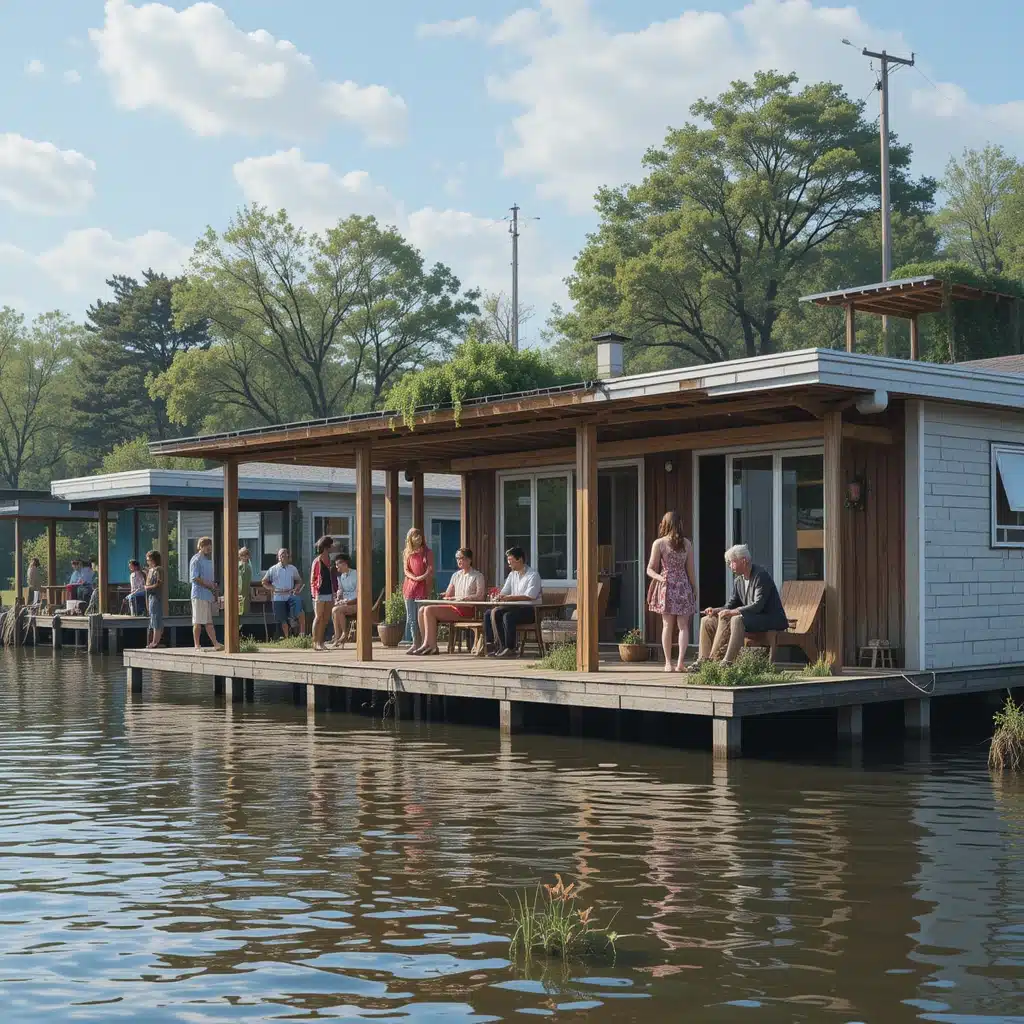
Your lifestyle transformation begins the moment you move into a floating home community. These neighborhoods foster unique social dynamics where residents share common interests in maritime activities, environmental stewardship, and waterfront living. Furthermore, the close-knit nature of floating communities creates lasting friendships and mutual support networks.
Community Amenities and Shared Facilities
Your floating home community typically provides various shared amenities that enhance your living experience. These facilities often include private docks, community gardens, gathering spaces, and recreational areas designed specifically for waterfront living. Additionally, many communities offer concierge services, maintenance support, and security features that provide peace of mind.
Common Community Features:
- Private boat slips and marine facilities
- Community clubhouses and event spaces
- Waterfront walking paths and viewing areas
- Shared recreational equipment (kayaks, paddleboards)
- Community gardens and outdoor cooking areas
- Package receiving and concierge services
- 24/7 security and emergency response systems
Social Activities and Neighborhood Events
Your social calendar will likely include numerous water-themed activities and community celebrations throughout the year. Floating home communities traditionally host seasonal festivals, boat parades, and educational workshops that bring neighbors together. Moreover, these events create opportunities to learn from experienced residents and share knowledge about waterfront living.
Popular Community Activities:
- Annual boat decorating contests
- Seasonal potluck dinners and celebrations
- Marine safety and maintenance workshops
- Environmental conservation initiatives
- Water sports clubs and group activities
- Art shows featuring local resident artists
- Holiday light displays and themed parades
Practical Considerations: Maintenance, Safety, and Environmental Factors
Your floating home requires specialized maintenance attention that differs significantly from traditional property upkeep. Marine environments present unique challenges including saltwater corrosion, hull maintenance, and weatherproofing requirements that demand regular professional attention. Additionally, you’ll need to develop relationships with marine service providers who understand floating home systems.
Essential Maintenance Requirements
Your maintenance schedule should include regular hull inspections, cleaning, and protective treatments to prevent damage from marine growth and corrosion. Furthermore, electrical systems require frequent inspection due to moisture exposure and potential water damage risks. Additionally, plumbing systems need winterization and regular maintenance to prevent freezing and corrosion issues.
Critical Maintenance Tasks:
- Quarterly hull cleaning and inspection
- Annual electrical system safety checks
- Bi-annual plumbing system maintenance
- Seasonal weatherproofing and caulking
- Monthly dock line and mooring inspections
- Regular HVAC system maintenance and filter changes
- Periodic deck refinishing and wood treatment
Safety Considerations and Emergency Preparedness
Your safety protocols must account for unique waterfront risks including severe weather, flooding, and potential marine emergencies. Floating home communities typically maintain emergency response plans and communication systems designed specifically for marine environments. Moreover, you’ll need appropriate safety equipment including life jackets, emergency radios, and fire suppression systems.
Essential Safety Equipment:
- Marine-grade fire extinguishers and smoke detectors
- Personal flotation devices for all residents
- Emergency communication equipment (marine radio)
- First aid supplies and emergency medications
- Backup power systems for essential equipment
- Emergency evacuation plans and meeting points
- Weather monitoring and alert systems
Environmental Impact and Sustainability
Your floating home lifestyle can support environmental conservation through various sustainable practices and technologies. Many communities implement water conservation systems, solar power installations, and waste reduction programs that minimize environmental impact. Furthermore, living on the water often increases awareness of marine ecosystem health and conservation needs.
Sustainability Initiatives:
- Solar panel installations and renewable energy systems
- Rainwater collection and greywater recycling
- Native plant landscaping and container gardens
- Marine-friendly cleaning products and maintenance supplies
- Community composting and recycling programs
- Wildlife habitat preservation and monitoring
- Educational programs about marine conservation
Navigating the Purchase Process: Your Step-by-Step Guide
Your floating home purchase journey requires careful planning and specialized knowledge to navigate successfully. Unlike traditional real estate transactions, these purchases involve marine surveys, Coast Guard documentation, and specialized legal considerations that demand professional guidance. Additionally, you’ll need to understand community rules, dock lease agreements, and homeowners’ association requirements.
Pre-Purchase Research and Preparation
Your initial research should focus on understanding different communities, their rules, regulations, and long-term stability. Visit multiple floating home neighborhoods during various times and weather conditions to experience daily life authentically. Furthermore, speak with current residents about their experiences, challenges, and recommendations for prospective buyers.
Research Checklist:
- Community reputation and stability
- HOA financial health and management quality
- Dock lease terms and renewal conditions
- Local zoning regulations and future development plans
- Insurance availability and coverage options
- Resale market trends and property appreciation
- Access to marine services and maintenance providers
Professional Team Assembly
Your transaction team should include professionals experienced with floating home purchases and marine property law. Additionally, you’ll need specialized marine surveyors, insurance agents familiar with floating home coverage, and lenders who understand marine financing requirements. Moreover, consider hiring attorneys experienced with waterfront property transactions and community association law.
Essential Professional Services:
- Experienced floating home real estate agents
- Marine surveyors and structural engineers
- Specialized marine insurance brokers
- Lenders offering marine financing programs
- Maritime attorneys familiar with floating home law
- Certified marine mechanics and systems inspectors
- Tax professionals understanding floating home implications
Future Outlook: Market Trends and Investment Potential
Your long-term investment perspective should consider various factors influencing floating home market dynamics. Climate change discussions increasingly recognize floating communities as potentially resilient housing solutions for coastal areas. Furthermore, urban density pressures in San Francisco continue driving interest in alternative housing options like floating homes.
Market Appreciation and Investment Returns
Your investment timeline significantly affects potential returns from floating home ownership. Historical data suggests these properties appreciate at rates comparable to San Francisco’s broader real estate market, though with greater volatility. Additionally, rental income potential exists for qualified properties, though community restrictions may limit short-term rental opportunities.
Investment Considerations Floating Homes
- Limited supply maintains property values
- Tourism appeal creates rental income potential
- Community restrictions may limit rental options
- Market volatility affects short-term value fluctuations
- Specialized buyer pool influences resale timeline
- Maintenance costs impact net investment returns
- Insurance and financing changes affect market access
Technological Innovations and Future Development
Your floating home community will likely benefit from ongoing technological innovations in marine construction, sustainable energy systems, and smart home integration.Floating Homes Furthermore, advances in materials science continue improving durability, efficiency, and comfort in marine environments. Additionally, communication and internet infrastructure improvements enhance remote work capabilities.
Emerging Technologies Floating Homes
- Advanced hull materials and construction techniques
- Integrated smart home systems and automation
- Improved solar and battery storage systems
- Enhanced water treatment and recycling systems
- Better marine-grade building materials
- Advanced weather monitoring and alert systems
- Improved internet and communication infrastructure
Making Your Decision: Is Floating Home Living Right for You?
Your lifestyle compatibility with floating home living depends on various personal factors including comfort with water, tolerance for motion, and appreciation for close-knit communities. Additionally, consider your long-term housing needs, financial flexibility, and willingness to adapt to unique maintenance requirements and living constraints.
Ideal Candidate Profile Floating Homes
Your suitability for floating home living increases if you enjoy water activities, appreciate unique architectural experiences, and value community connections. Furthermore, successful floating home residents typically demonstrate flexibility, environmental consciousness, and willingness to participate in community governance and maintenance responsibilities.
Success Factors Floating Homes
- Comfort with water and gentle motion
- Appreciation for unique living experiences
- Financial flexibility for specialized costs
- Willingness to participate in community activities
- Environmental consciousness and conservation values
- Tolerance for occasional inconveniences and maintenance needs
- Long-term housing commitment and stability
Potential Challenges to Consider
Your honest assessment should acknowledge potential drawbacks including limited space, specialized maintenance requirements, and financing challenges. Additionally, consider weather sensitivity, insurance complexity, and potential resale difficulties when evaluating floating home ownership. Moreover, some individuals may experience adjustment difficulties related to motion sensitivity or claustrophobia.
Take Action: Your Next Steps Toward Floating Home Ownership
Your journey toward floating home ownership begins with thorough research and professional consultation. Start by visiting floating home communities during different seasons and weather conditions to experience authentic daily life. Furthermore, connect with current residents, real estate professionals, and marine service providers to build your knowledge and professional network.
Immediate Action Steps:
- Schedule community visits and resident interviews
- Research financing options and pre-qualification requirements
- Connect with experienced floating home real estate agents
- Investigate insurance options and coverage requirements
- Attend community meetings and social events as a guest
- Develop relationships with marine service providers
- Create detailed budget including all ownership costs
Your dream of waterfront living at Fisherman’s Wharf can become reality with proper planning, professional guidance, and realistic expectations. Take the first step today by contacting experienced floating home specialists who can guide you through this unique and rewarding homeownership journey. The floating home community awaits your arrival – will you answer the call of the water?
Plan this trip smarter
Use this guide as a starting point, then compare dates, accommodation areas and transport before booking. The best budget trips usually come from a simple route, fewer base changes and one or two memorable paid experiences.
Budget snapshot
| Cost area | Smart planning note |
|---|---|
| Accommodation | Book near the main area you will actually use, not only the cheapest map result. |
| Transport | Limit long transfers and group nearby stops into the same day. |
| Food | Mix local casual meals with one higher-value experience. |
| Activities | Choose the paid experience that defines the trip, then use free viewpoints, walks and beaches around it. |